

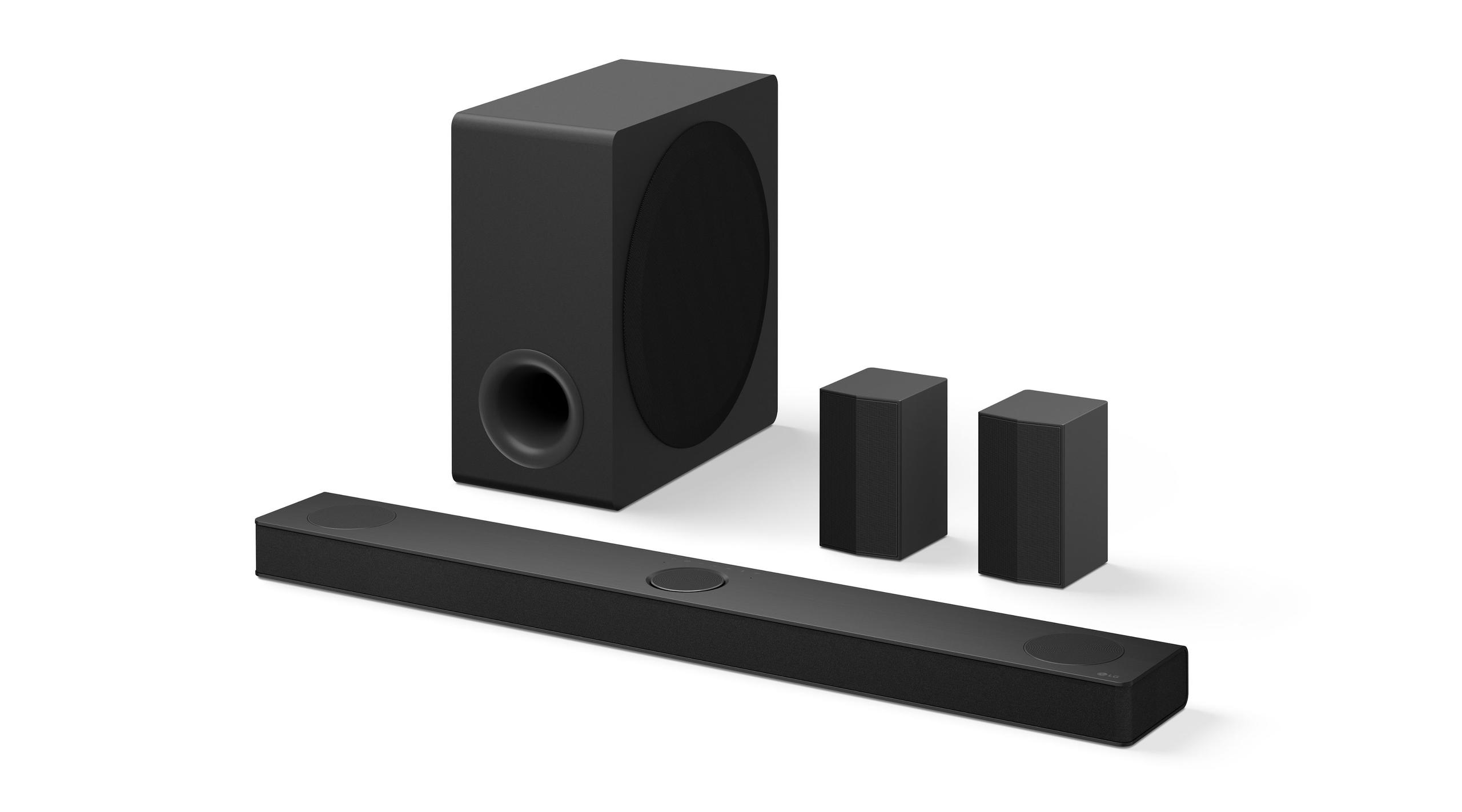
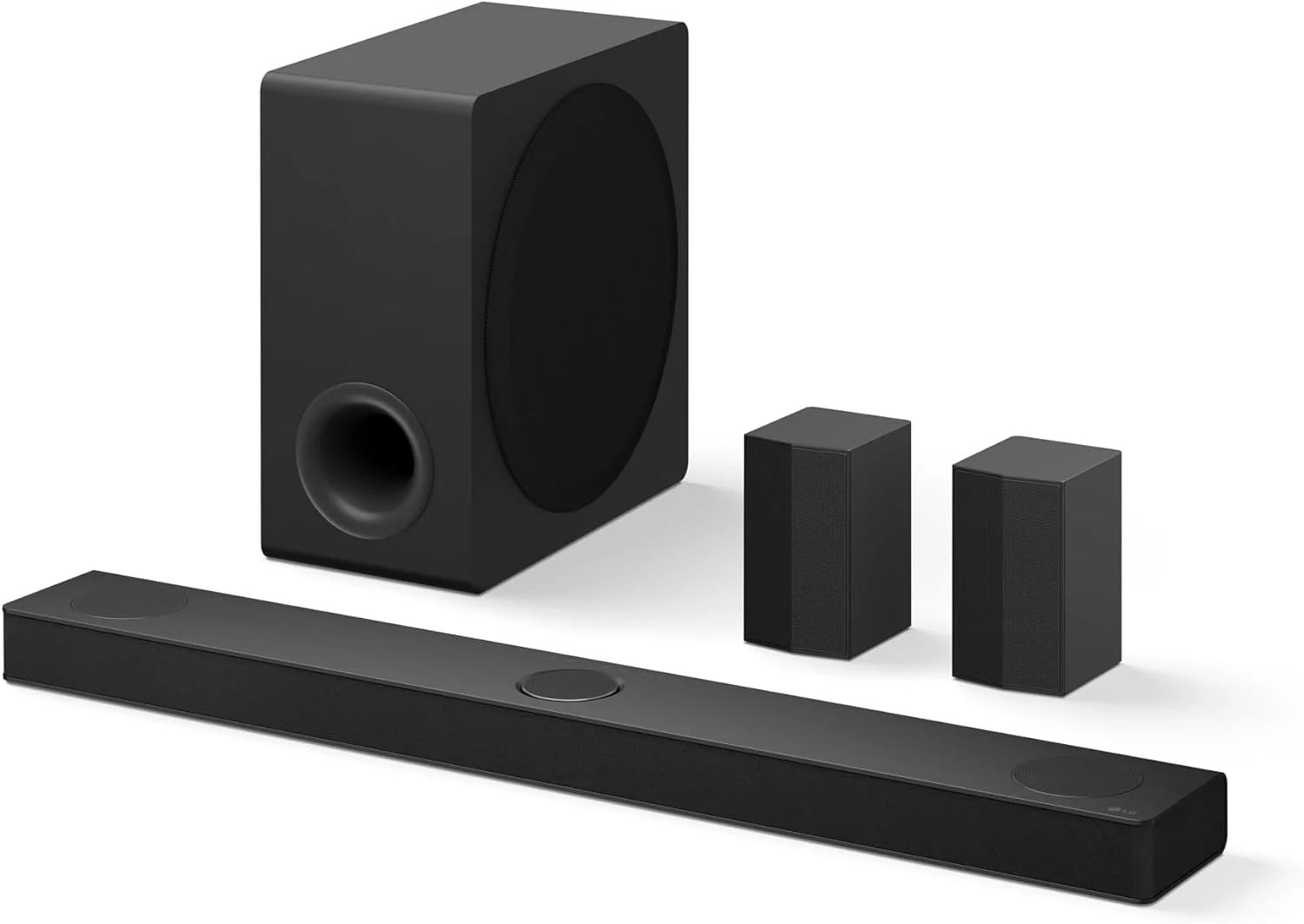

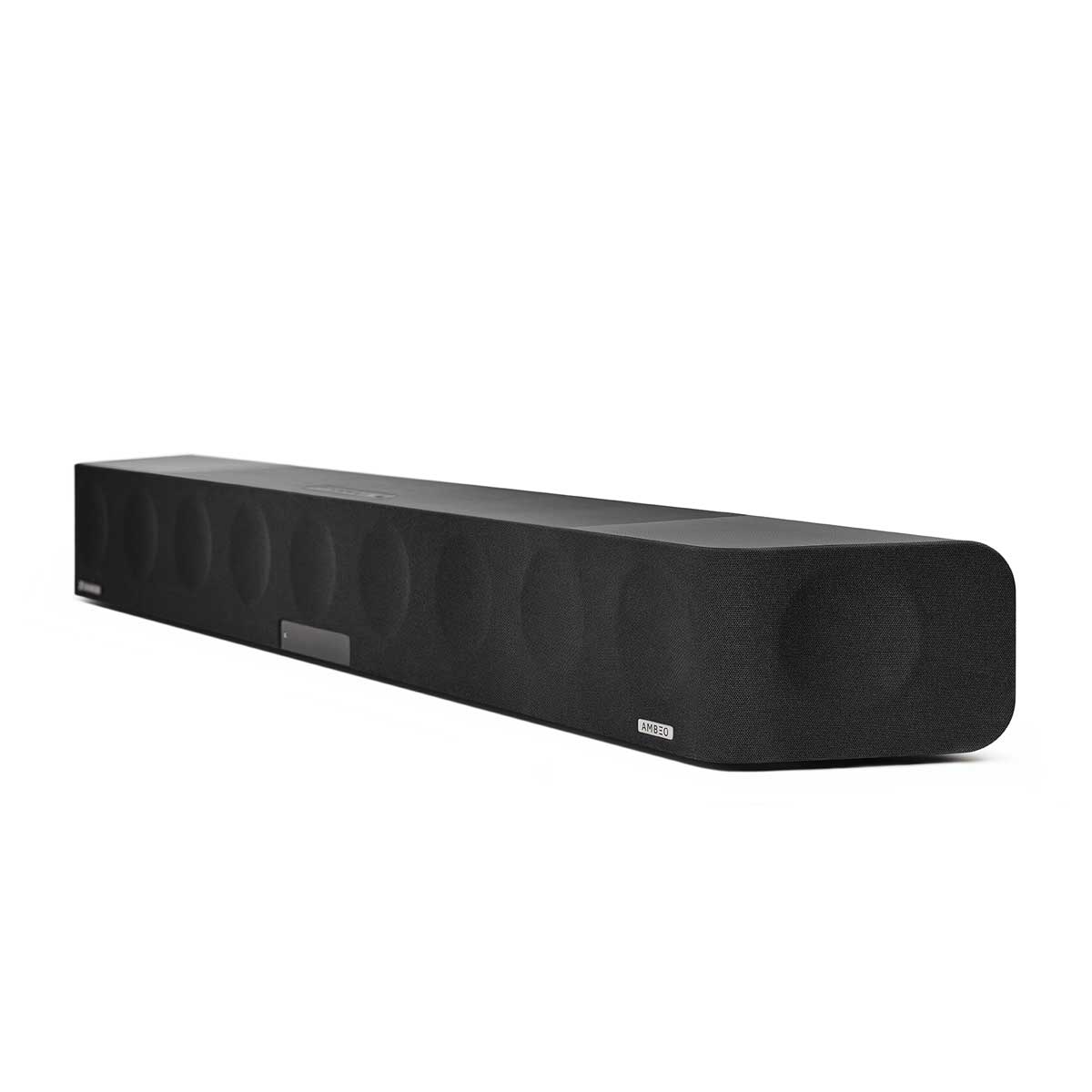
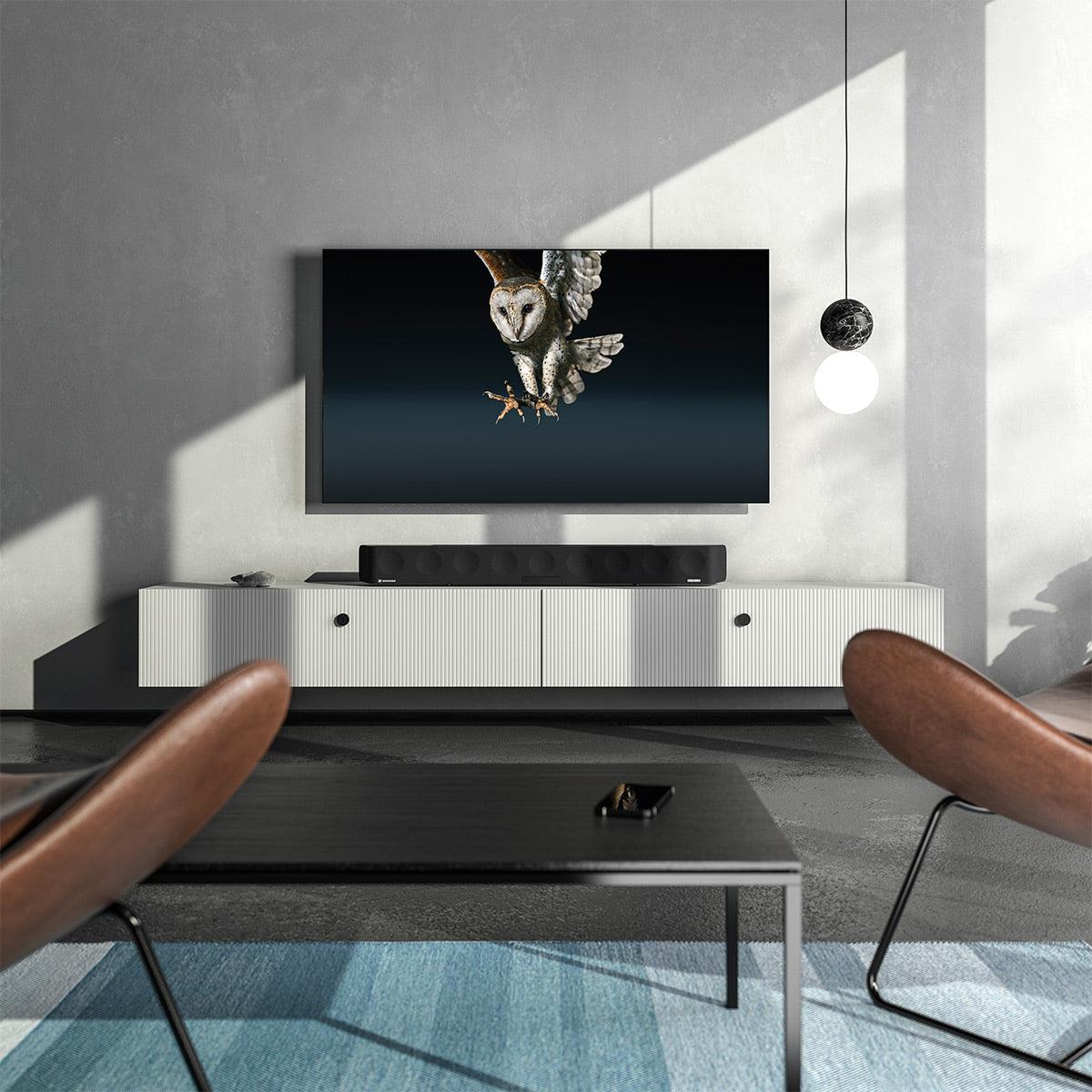
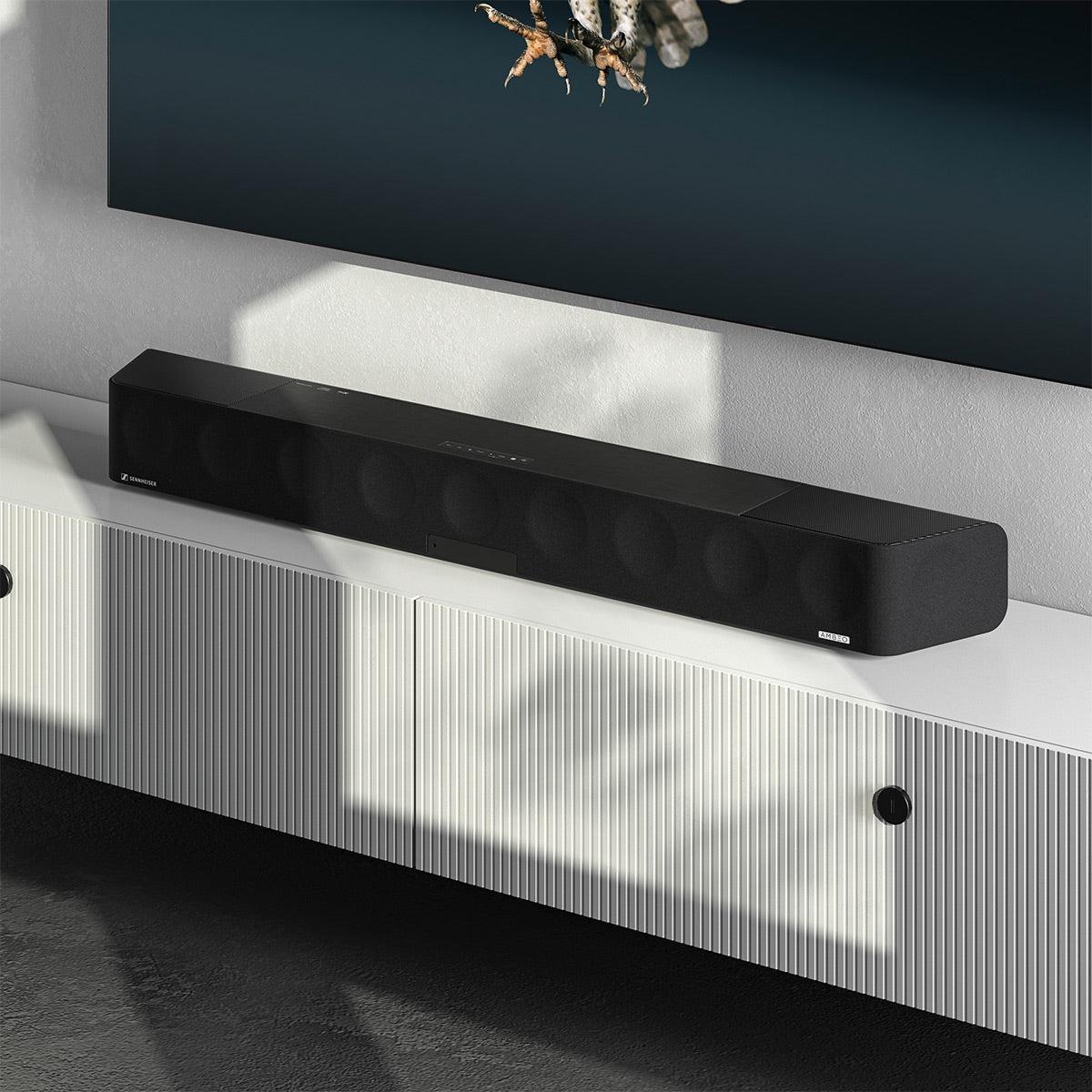
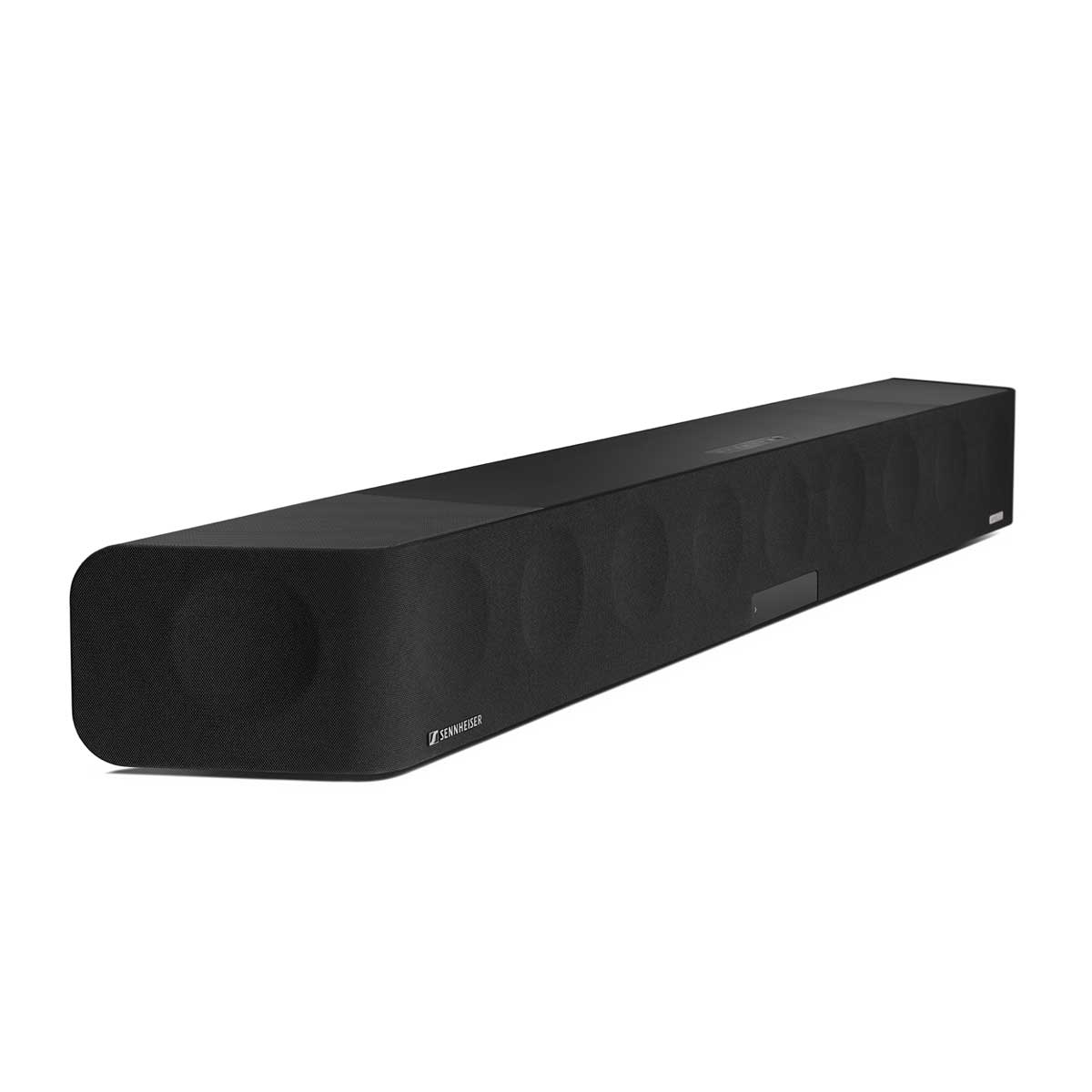
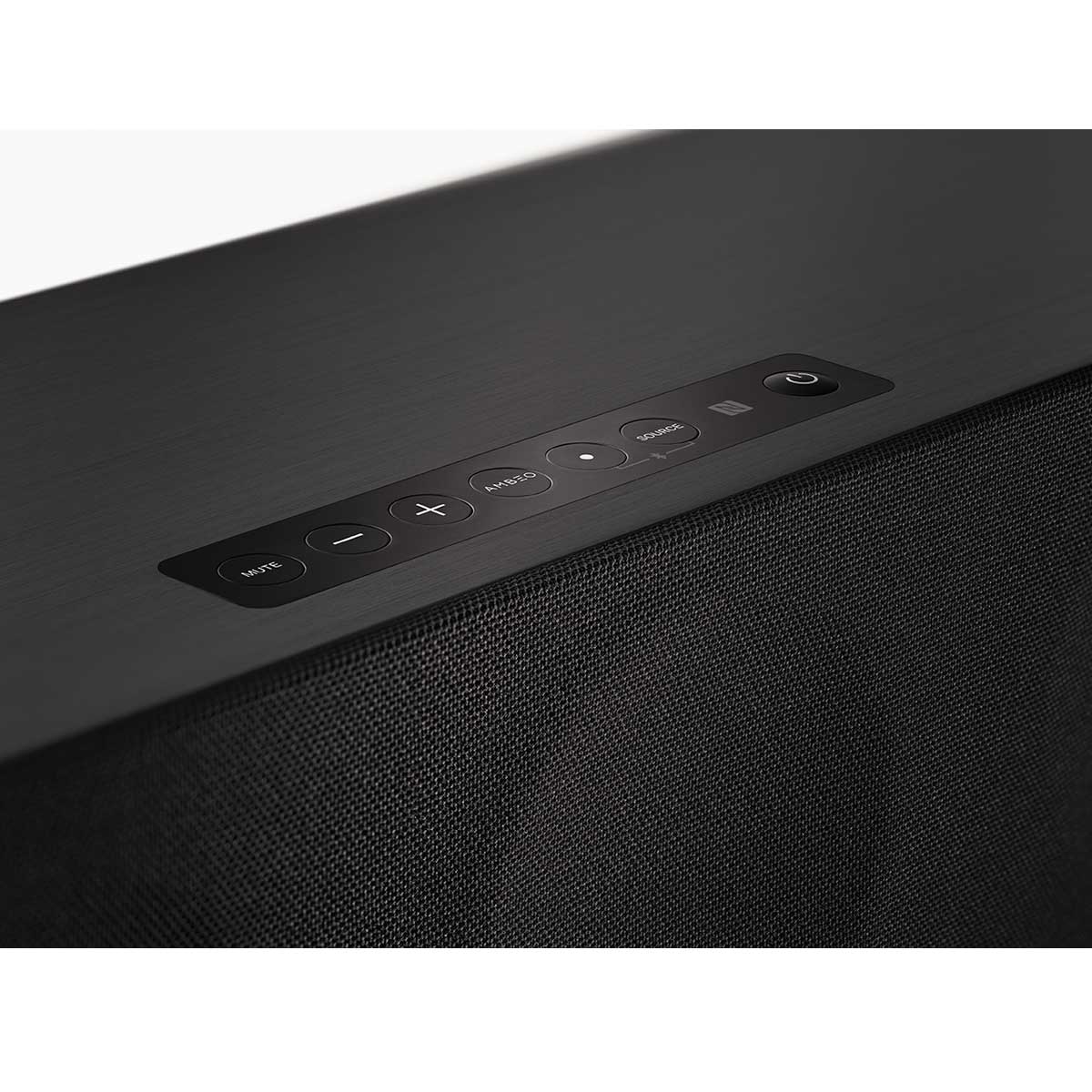
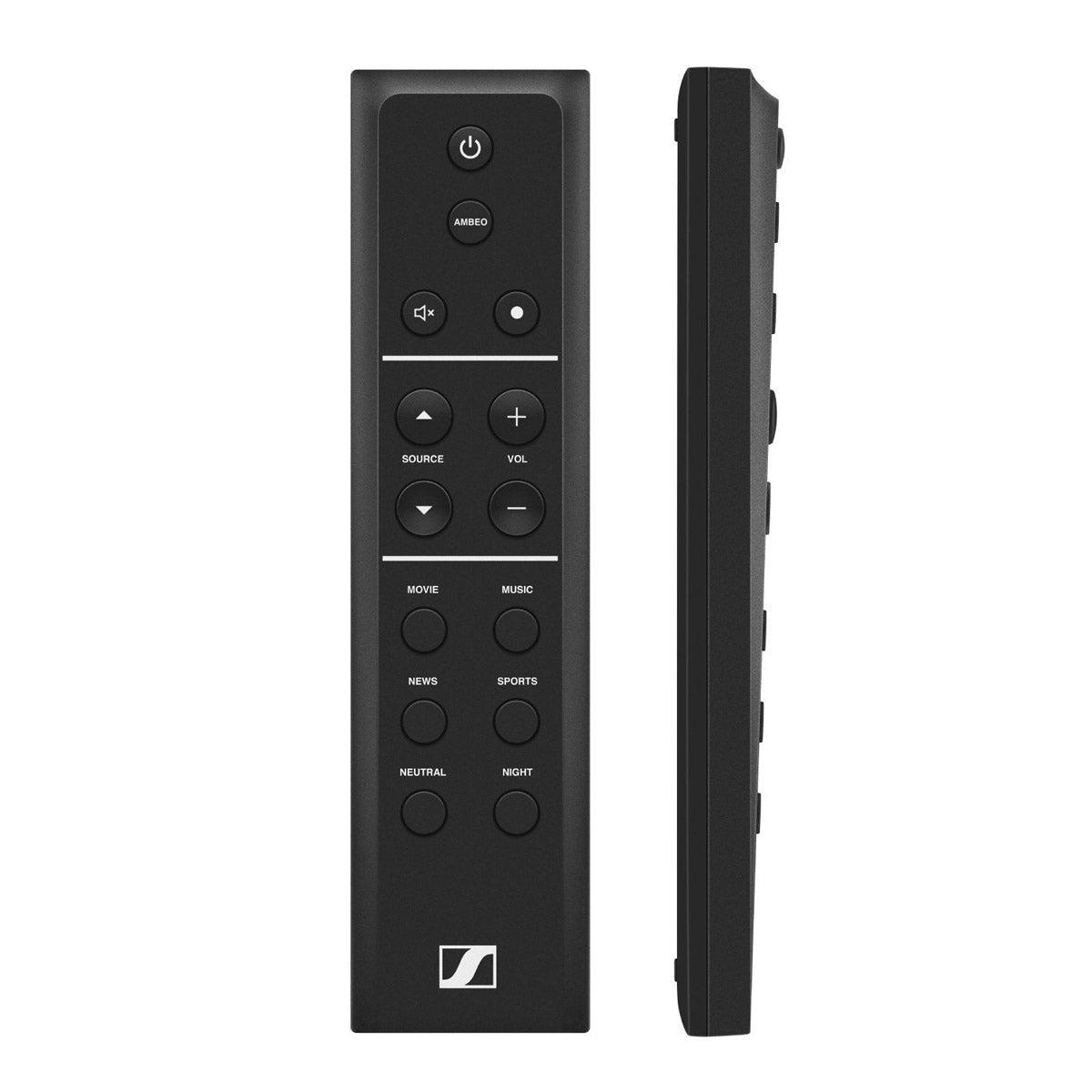
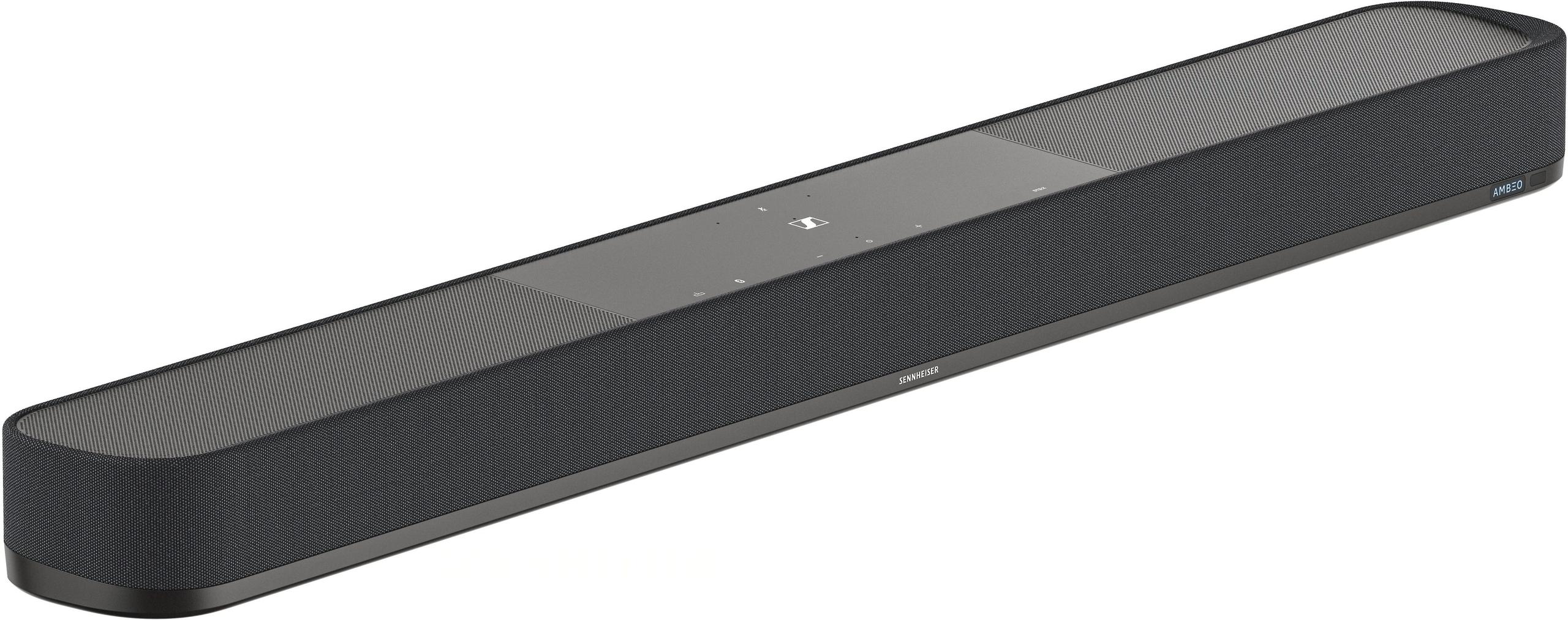
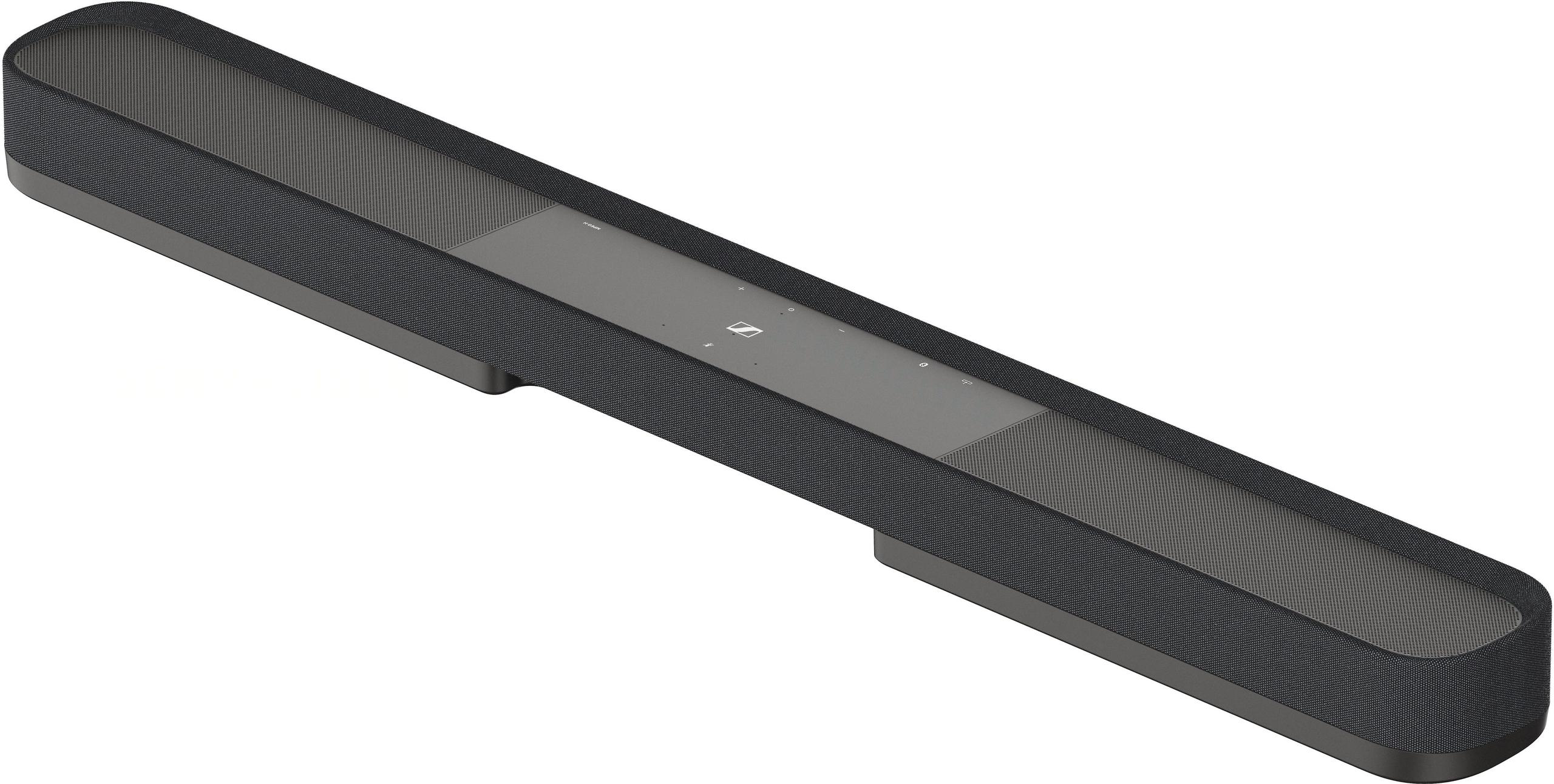


When you're ready to upgrade from your TV's built-in speakers, the premium soundbar market offers two very different philosophies. The LG S80TR ($547) takes the "give you everything" approach with physical rear speakers and a dedicated subwoofer, while the Sennheiser AMBEO MAX ($2,000) puts all its eggs in one sophisticated basket. After spending time with both systems, I can tell you they're solving the same problem in completely different ways—and the choice between them comes down to what matters most in your living room.
Premium soundbars represent the sweet spot between convenience and performance. Unlike basic soundbars that just make dialogue clearer, these systems aim to recreate the full theater experience without running speaker wires throughout your room. The key considerations boil down to a few critical areas that directly impact your enjoyment.
Audio performance sits at the heart of everything—how well does the system reproduce the full range of sounds, from whispered dialogue to thunderous explosions? Setup complexity determines whether you'll actually use all those features or get frustrated during installation. Value proposition matters because premium doesn't have to mean overpriced. Room compatibility is crucial since not every soundbar works well in every space. Finally, connectivity ensures your investment stays relevant as streaming services and gaming consoles evolve.
The fundamental challenge these systems face is physics: creating the illusion that sound is coming from all around you when the speakers are mostly in front of you. This is where the two approaches diverge dramatically.
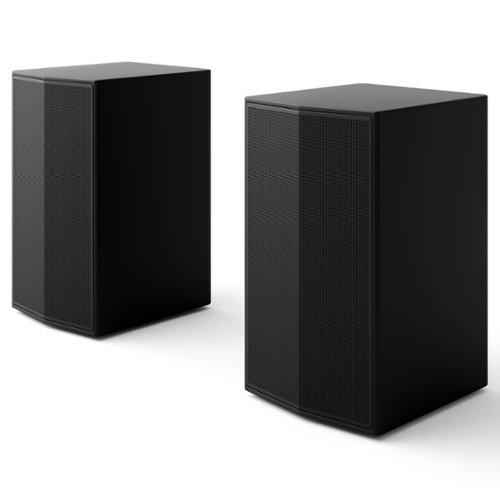
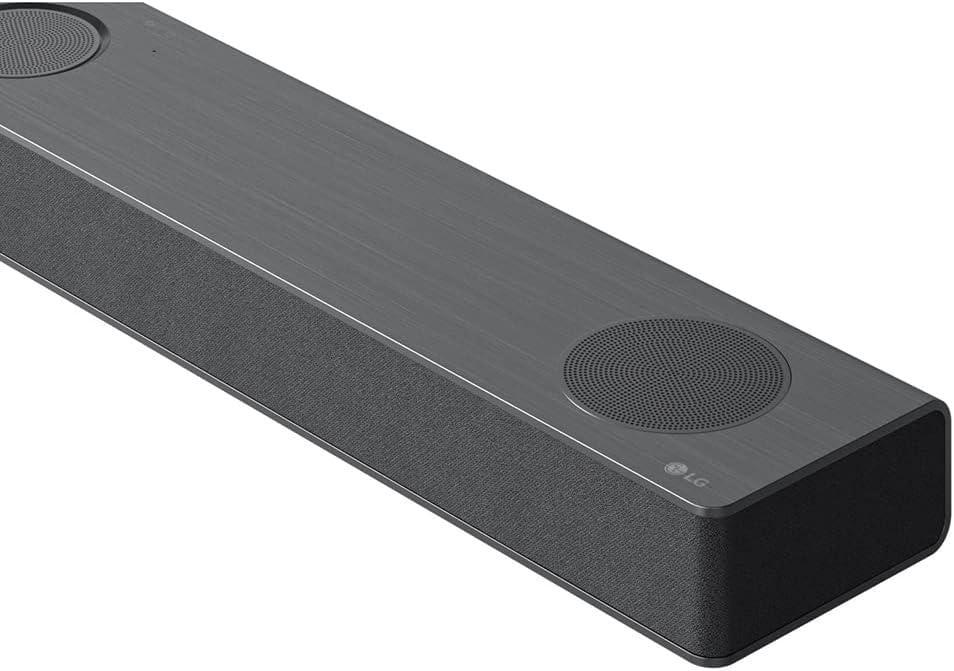
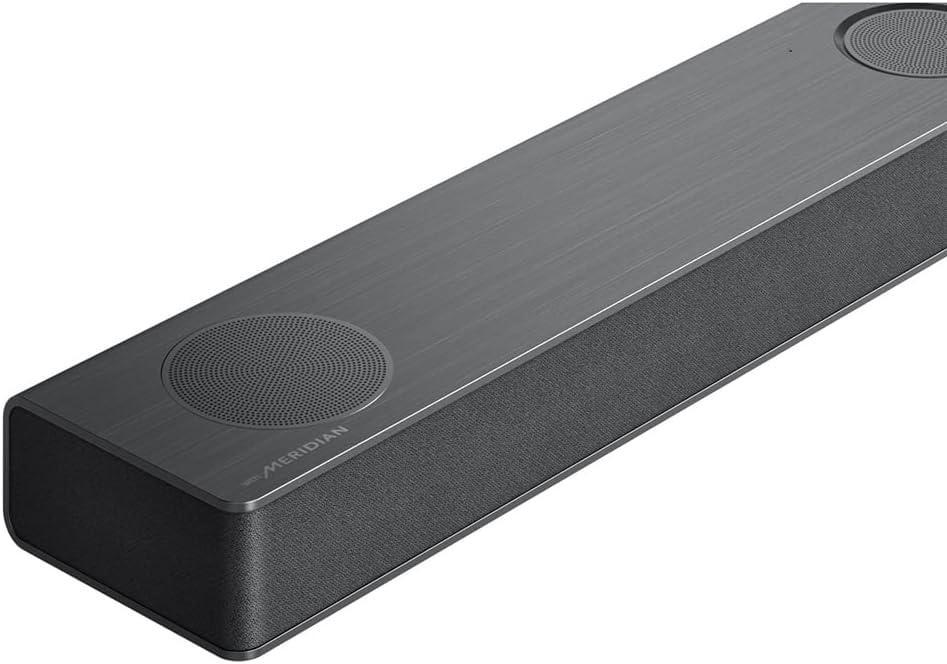
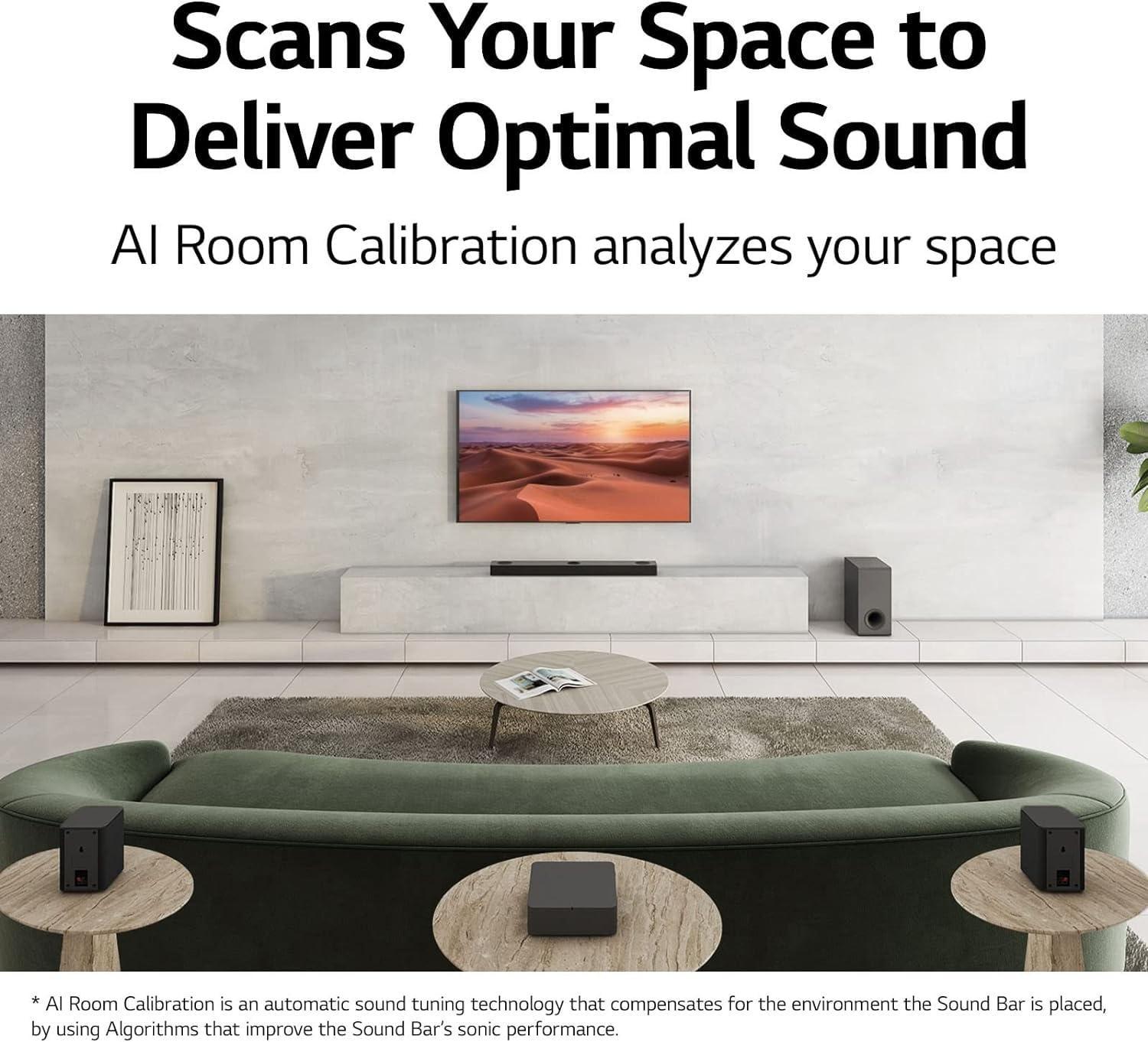
The LG S80TR, released in 2024, represents the latest evolution of what I call the "honest approach." Instead of trying to trick your ears, LG simply gives you actual speakers where surround sound should come from. The system includes wireless rear speakers that you place behind your seating area, plus an 8-inch subwoofer that handles the deep bass your main bar simply can't produce effectively.
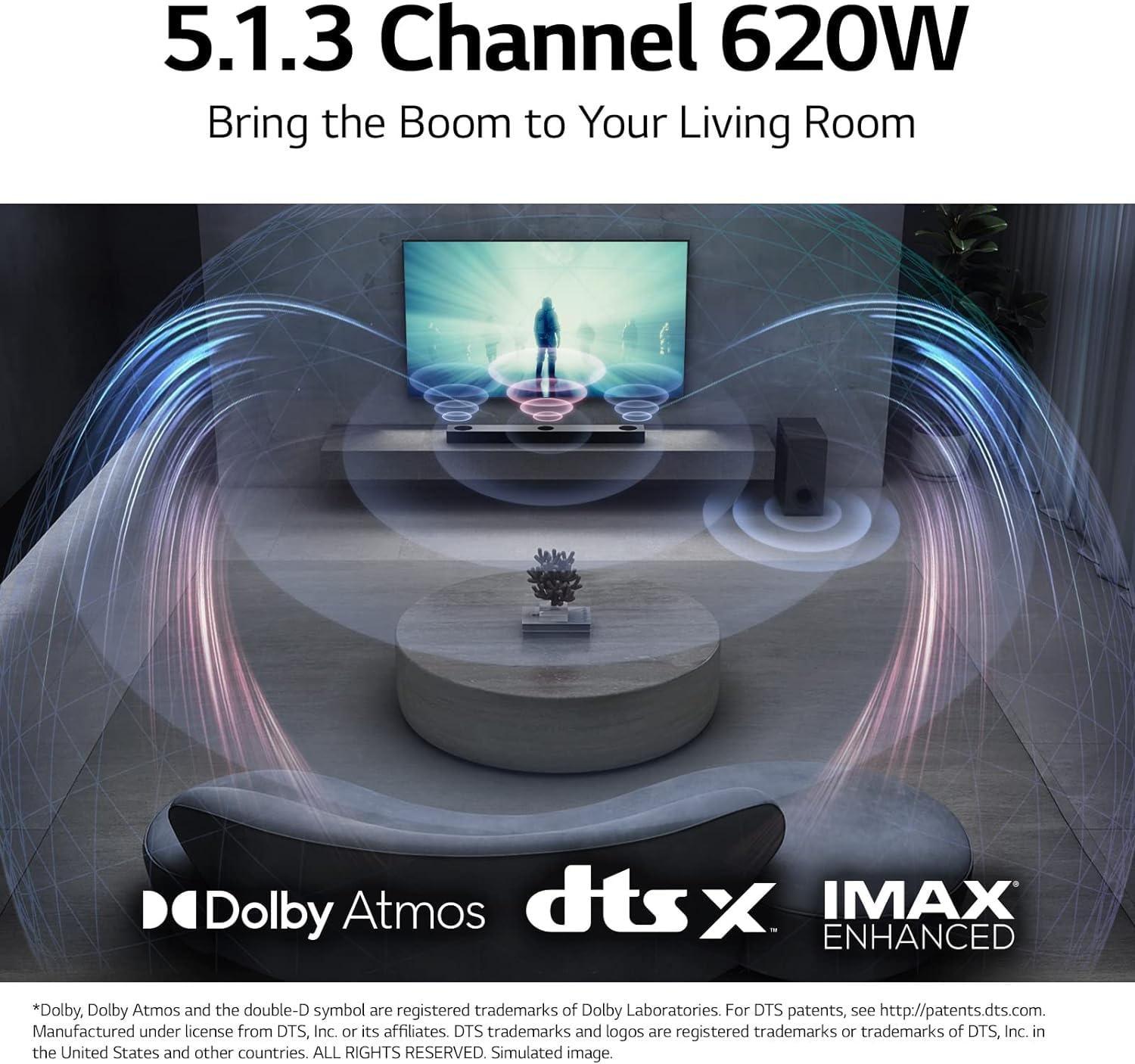
This 5.1.3 channel configuration means you get five main speakers (left, center, right, and two surrounds), one subwoofer, and three height channels for Dolby Atmos overhead effects. The ".3" refers to those upward-firing drivers that bounce sound off your ceiling to create the sensation of helicopters flying overhead or rain falling from above.
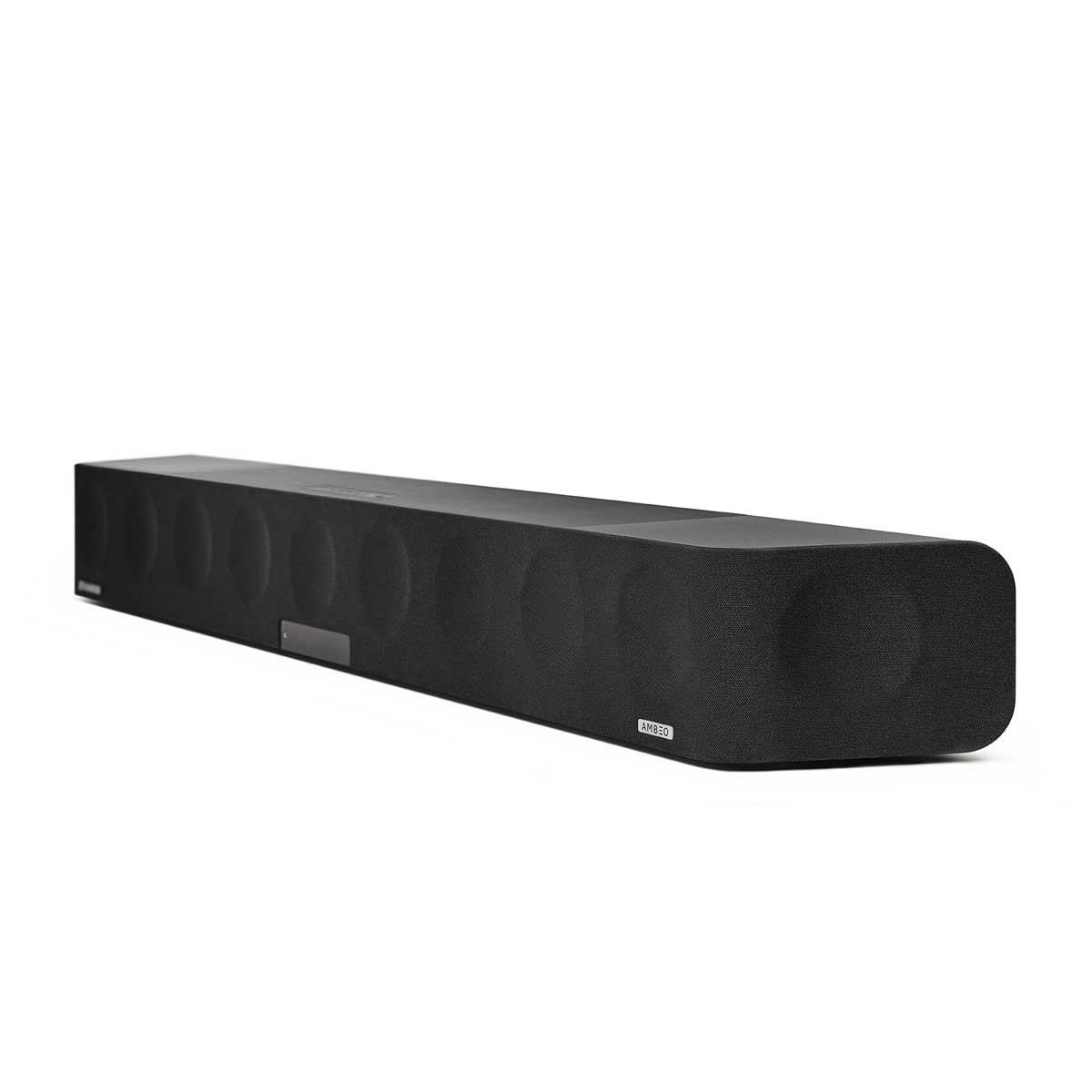
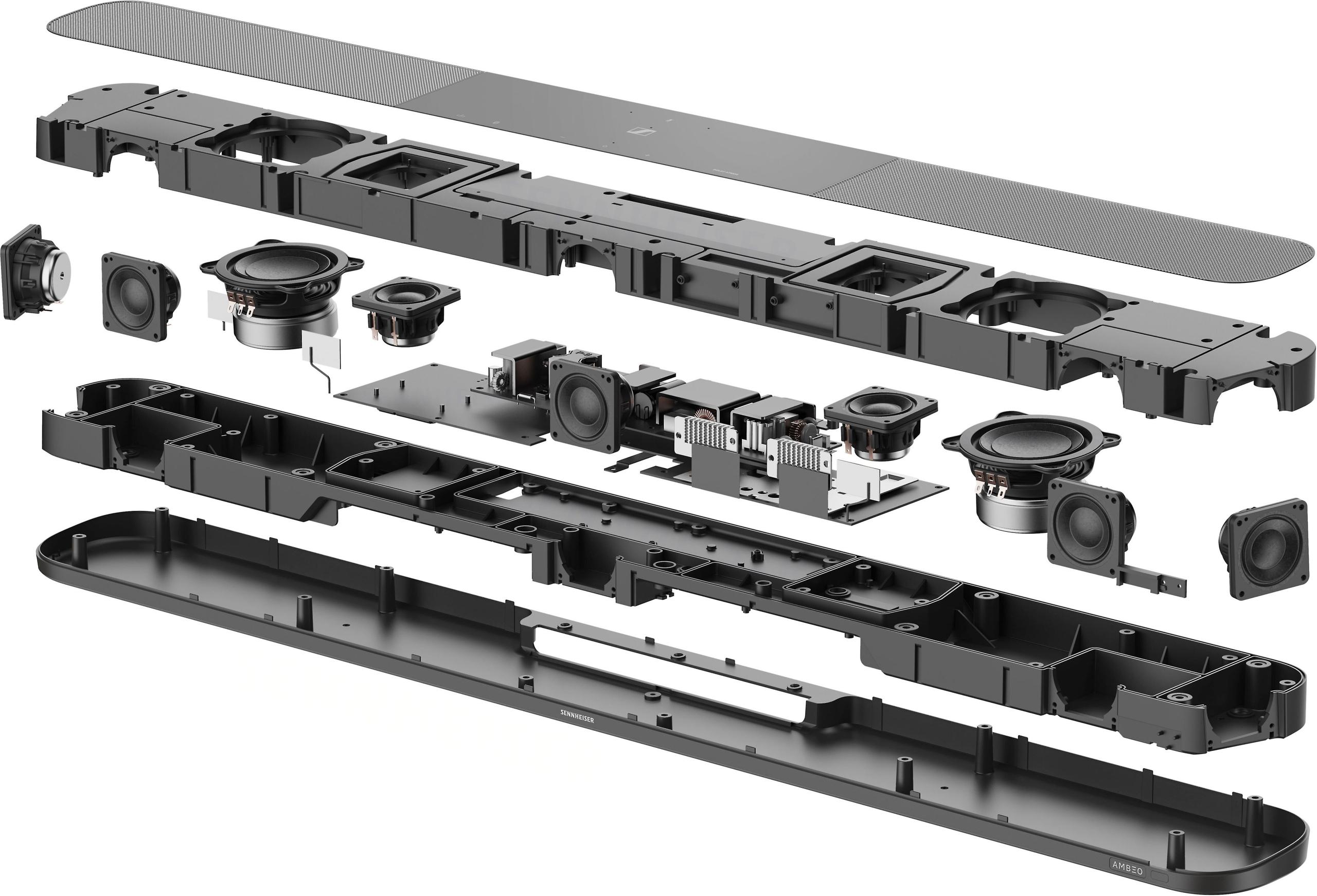
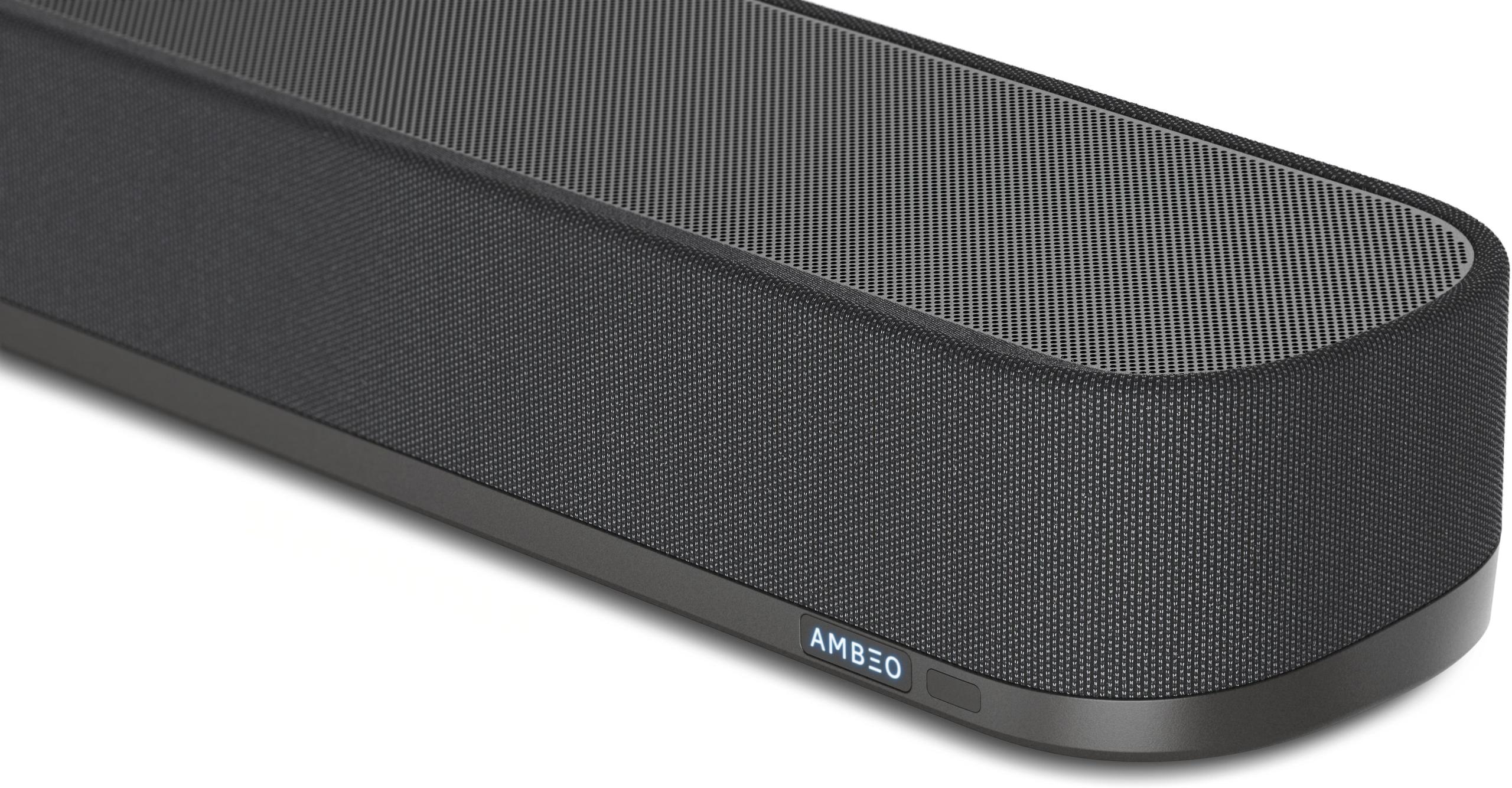
The Sennheiser AMBEO MAX, originally launched in 2019 but still considered cutting-edge, takes the virtualization route. This massive 49.8-inch soundbar houses 13 individual drivers—including six 4-inch woofers, five 1-inch aluminum tweeters, and two full-range drivers positioned on top. Using advanced digital signal processing (DSP), it analyzes your room's acoustics and creates "phantom speakers" that your brain interprets as coming from locations where no physical speakers exist.
The technology improvements since the AMBEO's 2019 release have been primarily in software—Sennheiser has refined their virtualization algorithms and added support for newer audio formats like 360 Reality Audio. The hardware remains essentially unchanged, which speaks to how advanced it was for its time but also raises questions about long-term value.
Here's where the fundamental differences become crystal clear. Bass isn't just about volume—it's about moving air, and the LG S80TR's dedicated 8-inch subwoofer simply moves more air than the Sennheiser's integrated approach can manage.
During my testing with action movies like "Mad Max: Fury Road," the LG's subwoofer delivered that chest-thumping impact during the vehicle chase scenes. The 8-inch driver, housed in its own enclosure, can extend down to 34Hz—that's getting into true subwoofer territory where you feel the sound as much as hear it. The wireless connection means you can position this subwoofer wherever it sounds best in your room, typically a corner where boundary reinforcement amplifies the bass response.
The Sennheiser takes a different approach with six 4-inch drivers integrated into the main bar. While Sennheiser claims 30Hz extension—actually lower than the LG on paper—the reality is more complex. Those smaller drivers simply can't displace as much air, and being integrated into the soundbar means less optimal positioning for bass reproduction. In practical terms, the AMBEO delivers tight, controlled bass that works beautifully for music but lacks the room-shaking impact that makes movie soundtracks come alive.
For music listening, the difference is less pronounced. The AMBEO's integrated bass response actually works well for most genres, providing clean low-end without overwhelming the midrange. But when Hans Zimmer's score kicks in during "Dune," you want to feel those low-frequency rumbles, not just hear them.
This is where these systems show their true colors. The LG's approach is refreshingly straightforward: it puts actual speakers behind you. Those wireless rear speakers create genuine surround effects that your ears can pinpoint with natural accuracy. When a car crashes behind the main character in an action sequence, the sound literally comes from behind you—not from sophisticated processing trying to convince your brain otherwise.
The 5.1.3 setup means you get dedicated left and right surround channels, plus those upward-firing drivers for height effects. During my viewing of "Top Gun: Maverick," the combination of rear surrounds and height channels created an convincing three-dimensional soundscape. Fighter jets moved seamlessly from front to back, while the height channels handled engine noise passing overhead.
Sennheiser's virtualization technology, while impressive, faces inherent limitations. The AMBEO creates an remarkably wide soundstage—sounds definitely seem to extend well beyond the physical boundaries of the soundbar. The side-firing drivers and clever DSP work together to place effects convincingly to your left and right. However, rear positioning remains the Achilles' heel of any virtual system.
I spent considerable time with both systems using test tones and movie scenes specifically designed to showcase rear surround effects. While the Sennheiser AMBEO could create the illusion of expanded space and some sense of envelopment, it couldn't truly place sounds behind the listening position the way physical rear speakers can. Your brain might be fooled momentarily, but sustained rear-positioned audio—like ambient background noise or moving vehicles—exposes the limitations of the virtual approach.
The height effects, however, are where the Sennheiser shows its sophistication. Those upward-firing drivers, combined with advanced room correction, can create convincing overhead effects. Rain sequences and aircraft flyovers work well on both systems, though the LG's dedicated height channels provide more precise positioning.
The LG S80TR includes AI Room Calibration, which uses built-in microphones to measure your room's acoustic characteristics and automatically adjust the sound accordingly. The process takes about two minutes—you simply press a button on the remote, and the system plays a series of test tones while measuring how they reflect off your walls, ceiling, and furniture.
This automated approach works surprisingly well in most rooms. The AI accounts for factors like room size, wall materials, and furniture placement, then adjusts frequency response, timing, and levels to optimize the sound for your specific space. In my testing across different rooms—from a small apartment living room to a larger family room with vaulted ceilings—the LG consistently delivered balanced sound without manual intervention.
The Sennheiser requires more hands-on work. While it includes room calibration features, getting optimal results often means manually adjusting settings through the Smart Control app. The graphic equalizer offers precise control over frequency response, and the three AMBEO modes (Light, Standard, Boost) let you adjust the intensity of the virtualization effects. This flexibility appeals to audio enthusiasts who want granular control, but it can overwhelm users who just want great sound without the technical complexity.
For most people, the LG's set-and-forget approach wins easily. But if you enjoy tweaking audio settings and have the knowledge to make meaningful adjustments, the Sennheiser's manual controls offer more potential for customization.
Here's where the Sennheiser AMBEO MAX truly shines. Those 13 carefully engineered drivers, combined with Sennheiser's decades of audio expertise, deliver exceptional clarity across the entire frequency spectrum. The five 1-inch aluminum dome tweeters handle high frequencies with pristine detail, while the DSP ensures smooth integration between all drivers.
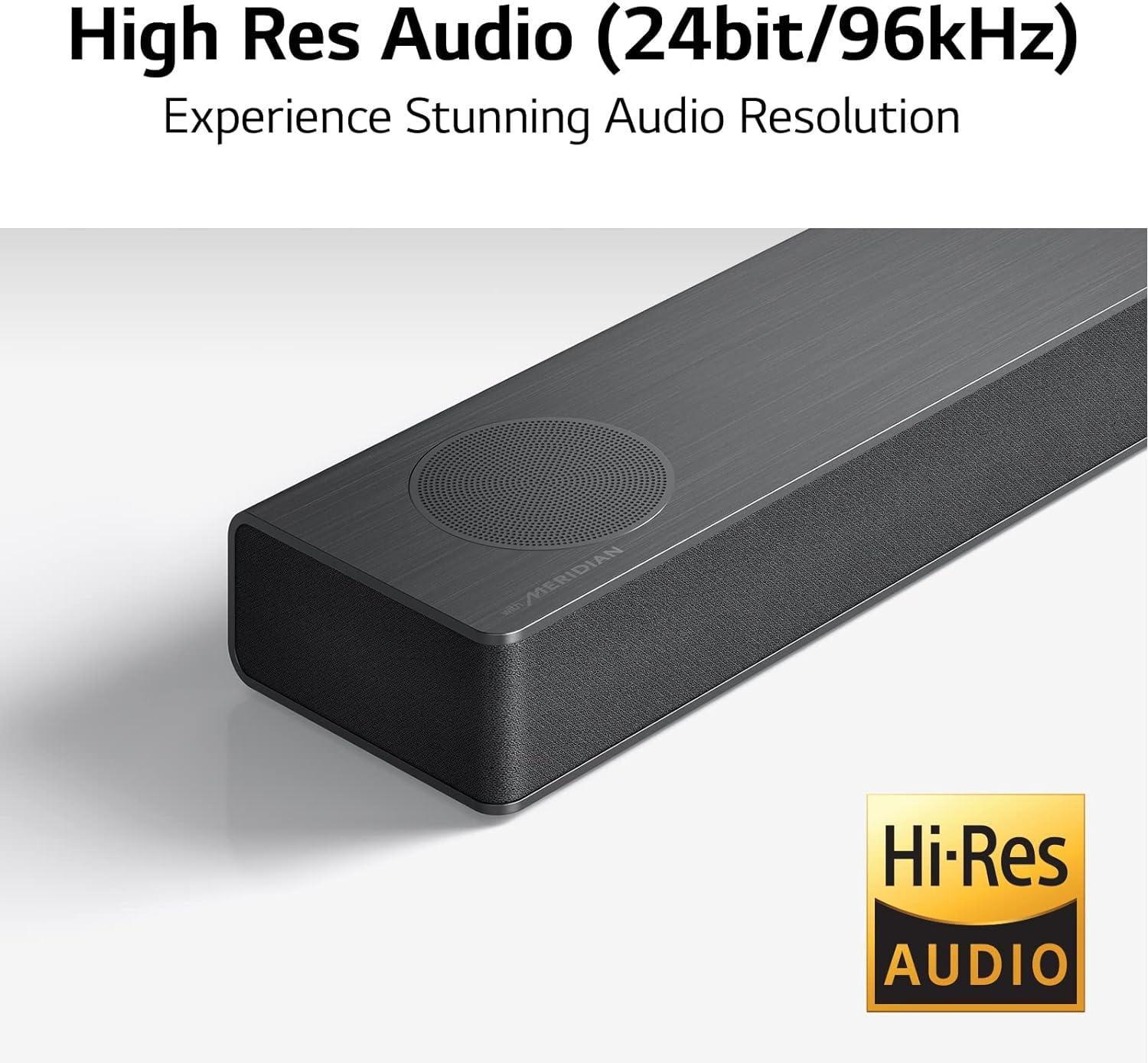
During music playback, the difference becomes apparent immediately. Complex orchestral pieces maintain instrument separation and spatial positioning in ways that showcase Sennheiser's audiophile heritage. The frequency response measures remarkably flat from 38Hz to 20kHz, meaning it reproduces music very close to how it was originally recorded.
The LG, while certainly clear and detailed, prioritizes cinematic impact over analytical precision. It's tuned for excitement rather than accuracy, which works perfectly for movies but can make music sound slightly colored. The difference isn't dramatic—both systems sound excellent for general use—but side-by-side comparisons reveal the Sennheiser's superior resolution and natural tonal balance.
For dialogue clarity, both systems excel, though they achieve it differently. The LG uses a dedicated center channel that ensures voices remain anchored in the center of the soundstage, while the Sennheiser's sophisticated DSP creates a phantom center image that can actually sound more focused than physical center channels in some rooms.
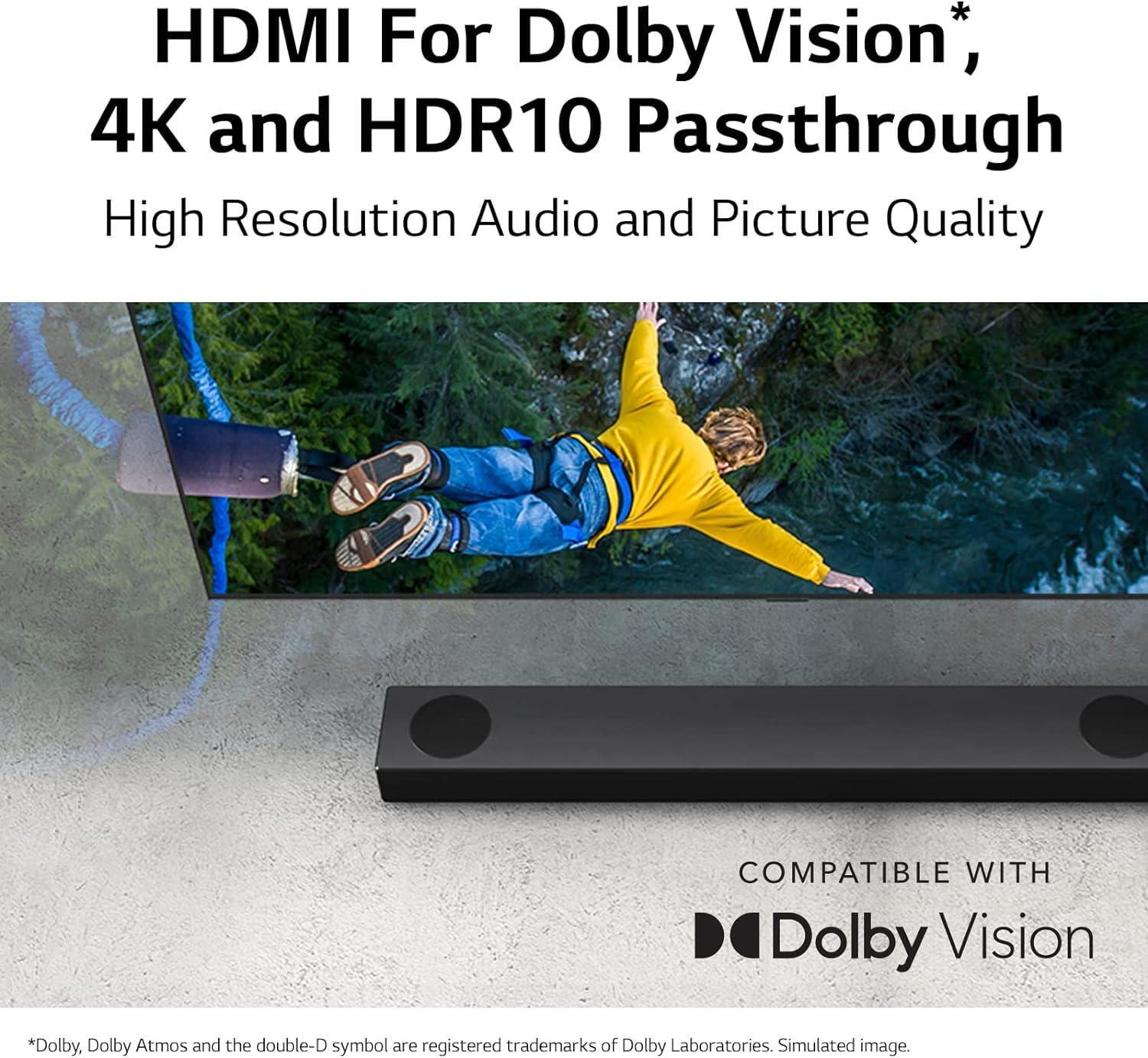
The LG S80TR clearly wins the connectivity battle. HDMI eARC support means it can receive full-resolution Dolby Atmos and DTS:X signals from compatible TVs. The 4K/120Hz passthrough with VRR (Variable Refresh Rate) and ALLM (Auto Low Latency Mode) support make it perfect for modern gaming consoles like the PlayStation 5 and Xbox Series X.
These gaming features matter more than you might think. VRR eliminates screen tearing during games with fluctuating frame rates, while ALLM automatically switches your TV to its lowest-latency mode when gaming. The soundbar passes these signals through without adding delay or compromising video quality.
The Sennheiser's connectivity feels dated by comparison. Bluetooth 4.2 works fine for casual music streaming, but the lack of HDMI inputs means you'll route everything through your TV first. This isn't necessarily problematic, but it limits flexibility and can introduce compatibility issues with some devices.
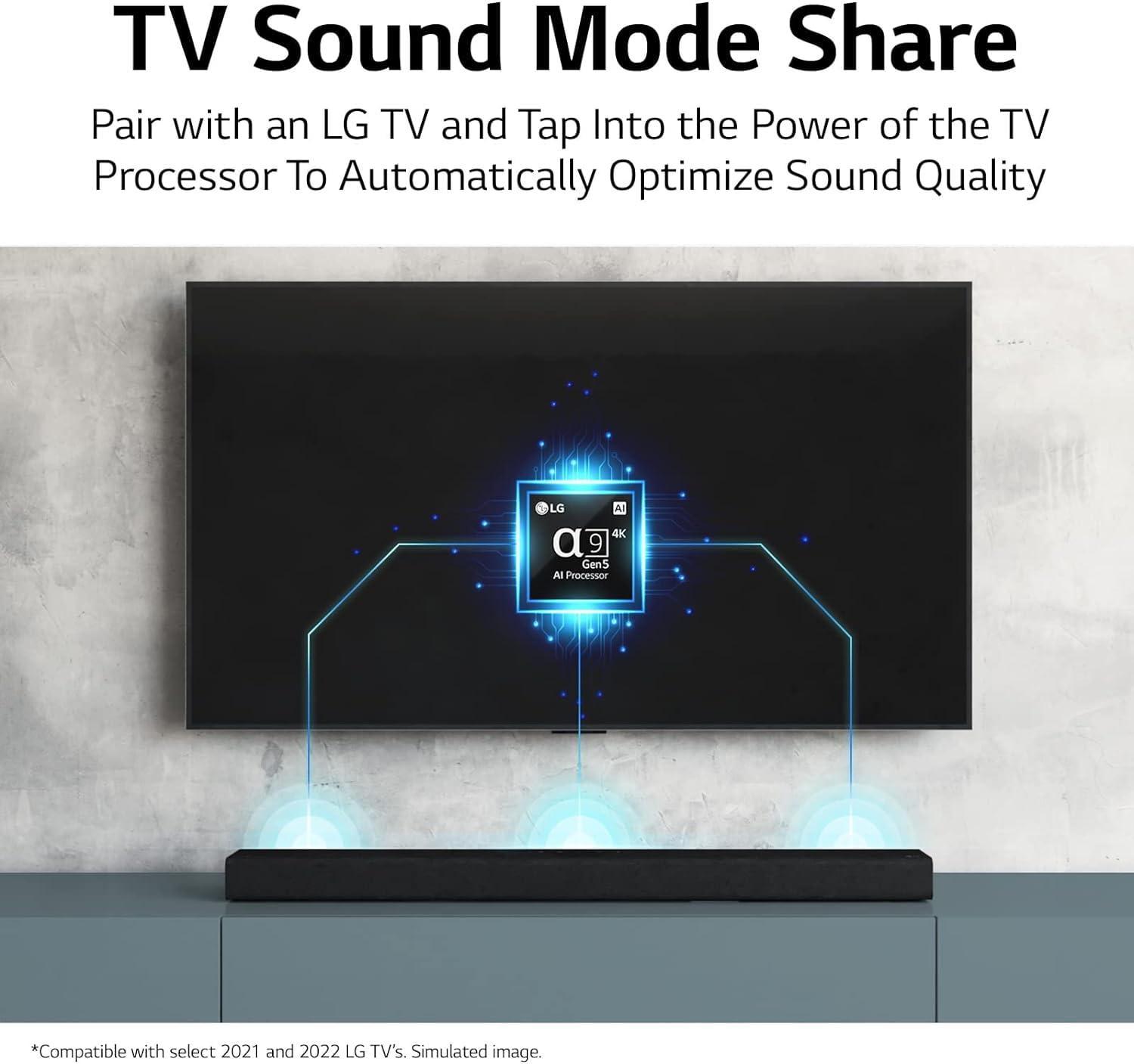
Both systems support the major streaming platforms—Spotify Connect, Apple AirPlay 2, Chromecast built-in—so wireless music streaming works seamlessly from your phone or tablet. Voice assistant support (Alexa, Google Assistant) functions well on both, though the LG's WOW Orchestra feature adds an interesting wrinkle for LG TV owners by synchronizing the TV's speakers with the soundbar for enhanced dialogue clarity.
Size matters in soundbar selection, and these systems take very different approaches. The LG's multi-component design offers flexibility but requires strategic placement. Those rear speakers need power outlets and clear lines of sight to the main bar for the wireless connection. The subwoofer can go almost anywhere—I've had good results placing it near the front wall, in a corner, or even behind the seating area, depending on room layout.
The Sennheiser AMBEO MAX, at nearly 50 inches wide, might actually be too large for some setups. It can block the bottom of smaller TVs or look overwhelming under wall-mounted displays. The 40-pound weight requires sturdy TV stand support, and the 6.7-inch depth means it projects significantly forward from most TV stands.
However, that size enables the sophisticated driver array that makes the virtualization possible. The wide spacing between side-firing drivers helps create the expanded soundstage, while the substantial internal volume allows for better bass response than typical soundbars achieve.
For home theater integration, the LG's physical approach simply works better. Real surround speakers create the enveloping experience that makes movie watching truly immersive. The dedicated subwoofer ensures you feel every explosion and musical crescendo. The system scales well in larger rooms where virtualization typically breaks down.
The Sennheiser excels in smaller to medium rooms where its virtualization algorithms can work most effectively. In cramped spaces where rear speakers aren't practical, the AMBEO can create a surprisingly convincing surround experience from a single unit.
At $547, the LG S80TR delivers remarkable value. You're getting a complete 5.1.3 system with physical components that would cost significantly more if purchased separately. The wireless rear speakers alone would typically cost $200-300 as standalone units, while a decent 8-inch subwoofer runs $150-200.
The $2,000 Sennheiser pricing puts it in luxury territory where value becomes more subjective. You're paying premium for cutting-edge virtualization technology, audiophile-grade driver quality, and Sennheiser's brand reputation. The all-in-one convenience has value for some users, but the performance-per-dollar equation strongly favors the LG.
Consider that for the Sennheiser's price, you could buy the LG system and still have $1,400 left for room acoustic treatments, a larger TV, or other home theater upgrades that might improve your overall experience more than the soundbar alone.
Choose the LG S80TR if you want the most convincing surround sound experience possible within a reasonable budget. It's perfect for movie enthusiasts, gamers who benefit from directional audio cues, and anyone with space to accommodate the multiple components. The AI calibration makes setup painless, while the physical speakers ensure you get authentic surround effects that virtualization simply can't match.
The Sennheiser AMBEO MAX makes sense for audiophiles who prioritize music reproduction quality and those constrained by space limitations. If you live in an apartment where multiple speakers aren't practical, or if you value the elegance of a single-unit solution, the AMBEO's sophisticated processing can create an impressive audio experience from one device.
After extensive testing, I lean toward the LG for most people. The combination of authentic surround sound, powerful bass response, modern connectivity, and exceptional value makes it the smarter choice for the majority of home theater setups. The Sennheiser earns its premium primarily through build quality and brand prestige rather than superior performance, making it a luxury purchase rather than the practical choice.
Your room, preferences, and budget will ultimately guide the decision, but in the battle between physical reality and virtual sophistication, reality wins more often than not.
| LG S80TR 5.1.3 Channel Soundbar ($547) | Sennheiser AMBEO Soundbar ($2,000) |
|---|---|
| Price - Value proposition for premium soundbar performance | |
| $547 (exceptional value for complete 5.1.3 system) | $2,000 (luxury pricing for single-unit convenience) |
| Configuration - Physical vs virtual surround approach | |
| True 5.1.3 with physical wireless rear speakers + 8" subwoofer | All-in-one virtual 5.1.4 with 13 integrated drivers |
| Bass Performance - Room-filling low-end impact | |
| Dedicated 8" wireless subwoofer (34Hz extension, true rumble) | Six 4" integrated woofers (30Hz extension, tight but limited impact) |
| Surround Sound Accuracy - Authentic positioning vs virtualization | |
| Physical rear speakers create genuine behind-listener effects | Advanced virtualization with wide soundstage but limited rear imaging |
| Room Calibration - Setup complexity and optimization | |
| AI Room Calibration (2-minute automatic setup) | Manual calibration required through app (more complex but customizable) |
| Audio Clarity - Music reproduction and dialogue quality | |
| Cinematic tuning prioritizes impact over analytical precision | Audiophile-grade clarity with flat frequency response (38Hz-20kHz) |
| Connectivity - Modern device compatibility | |
| HDMI eARC, 4K/120Hz passthrough, VRR, ALLM gaming support | Bluetooth 4.2, Wi-Fi, limited HDMI connectivity |
| Physical Size - Space requirements and placement flexibility | |
| Multi-component system requires rear speaker and subwoofer placement | Single 49.8" x 4.9" x 6.7" unit (may block smaller TVs) |
| Weight and Installation - Setup considerations | |
| Distributed weight across components (easier individual placement) | 40.8 lbs single unit (requires sturdy TV stand support) |
| Smart Features - Streaming and voice control | |
| WOW Orchestra (LG TV sync), Alexa, Google Assistant, multi-platform streaming | Graphic EQ, 3 AMBEO modes, voice assistants, premium streaming support |
| Best Use Cases - Ideal scenarios for each system | |
| Movie enthusiasts, gamers, larger rooms, budget-conscious buyers | Audiophiles, music lovers, small spaces, minimalist setups |
The LG S80TR ($547) is better for movies due to its physical rear speakers that create authentic surround sound effects. When explosions happen behind characters or vehicles move across the screen, you'll hear them coming from the actual direction they should. The Sennheiser AMBEO ($2,000) uses virtualization technology that sounds impressive but can't truly place sounds behind you like physical speakers can.
The LG S80TR costs $547, while the Sennheiser AMBEO costs $2,000 - nearly four times more expensive. The LG offers exceptional value by including physical rear speakers and a dedicated subwoofer at a fraction of the Sennheiser's price, making it the clear winner for budget-conscious buyers seeking premium performance.
The LG S80TR delivers superior bass with its dedicated 8-inch wireless subwoofer that extends down to 34Hz. This creates room-shaking impact for movies and music. The Sennheiser AMBEO uses six 4-inch drivers built into the main bar, which sound tight and controlled but lack the deep, powerful bass that a dedicated subwoofer provides.
For true surround sound, you need rear speakers like those included with the LG S80TR. While the Sennheiser AMBEO creates an impressive wide soundstage from a single unit, it cannot authentically place sounds behind your listening position. If you want genuine surround effects for movies and games, physical rear speakers are essential.
The LG S80TR is easier to set up thanks to its AI Room Calibration that automatically optimizes sound in about 2 minutes. The Sennheiser AMBEO requires manual calibration through its app, which gives you more control but takes more time and audio knowledge to get optimal results.
The Sennheiser AMBEO excels for music with its audiophile-grade drivers and flat frequency response that reproduces songs as they were originally recorded. The LG S80TR sounds very good for music but is tuned more for cinematic excitement than analytical precision, making the Sennheiser the better choice for serious music listening.
The Sennheiser AMBEO is a massive single unit measuring 49.8 inches wide and weighing over 40 pounds, which may block smaller TVs. The LG S80TR has a more compact main bar but includes separate rear speakers and a subwoofer that need placement around your room, offering more flexibility but requiring more space overall.
The LG S80TR is superior for gaming with HDMI eARC, 4K/120Hz passthrough, VRR, and ALLM support for PlayStation 5 and Xbox Series X. These features ensure low input lag and smooth gameplay. The Sennheiser AMBEO lacks these modern gaming features and has limited HDMI connectivity.
Yes, both the LG S80TR and Sennheiser AMBEO support major streaming platforms including Spotify Connect, Apple AirPlay 2, and Chromecast built-in. Both also work with voice assistants like Alexa and Google Assistant for hands-free control of your music and smart home devices.
The Sennheiser AMBEO works better in small rooms where you can't accommodate rear speakers and a subwoofer. Its virtualization technology is most effective in compact spaces. However, if you can fit the components, the LG S80TR will still provide superior surround sound even in smaller rooms.
Both soundbars support Dolby Atmos for overhead sound effects. The LG S80TR uses dedicated upward-firing drivers in its 5.1.3 configuration, while the Sennheiser AMBEO creates virtual height channels through its sophisticated processing. Both deliver convincing overhead effects like helicopters or rain.
The LG S80TR offers significantly better long-term value at $547 versus the Sennheiser AMBEO's $2,000 price tag. The LG provides superior surround sound performance, modern connectivity features, and includes physical components that would cost much more if purchased separately, making it the smarter investment for most buyers.
We've done our best to create useful and informative comparisons to help you decide what product to buy. Our research uses advanced automated methods to create this comparison and perfection is not possible - please contact us for corrections or questions. These are the sites we've researched in the creation of this article: bestbuy.com - billsmith.com - brandsmartusa.com - avsforum.com - youtube.com - lg.com - buydig.com - louisdoehomecenter.com - lg.com - videoandaudiocenter.com - mynavyexchange.com - walts.com - bestbuy.com - bestbuy.com - rtings.com - techradar.com - audioxpress.com - whathifi.com - upscaleaudio.com - soundstagesimplifi.com - global.sennheiser-hearing.com - sennheiser-hearing.com - audioadvice.com - abt.com - moon-audio.com

Privacy Policy
Terms and Conditions - Affiliate Policy
Home Security
© Copyright 2008-2026.
11816 Inwood Rd #1211, Dallas, TX 75244