


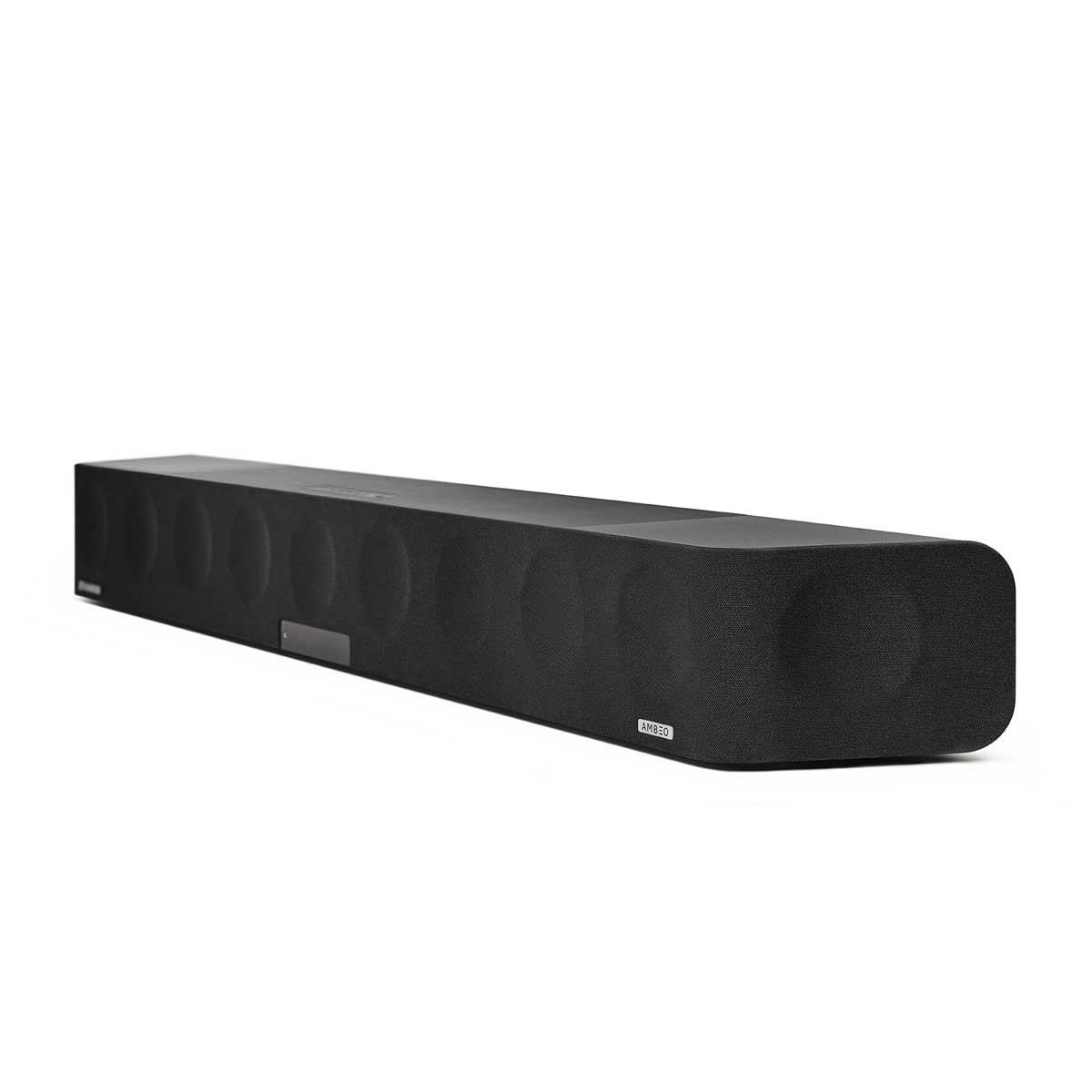
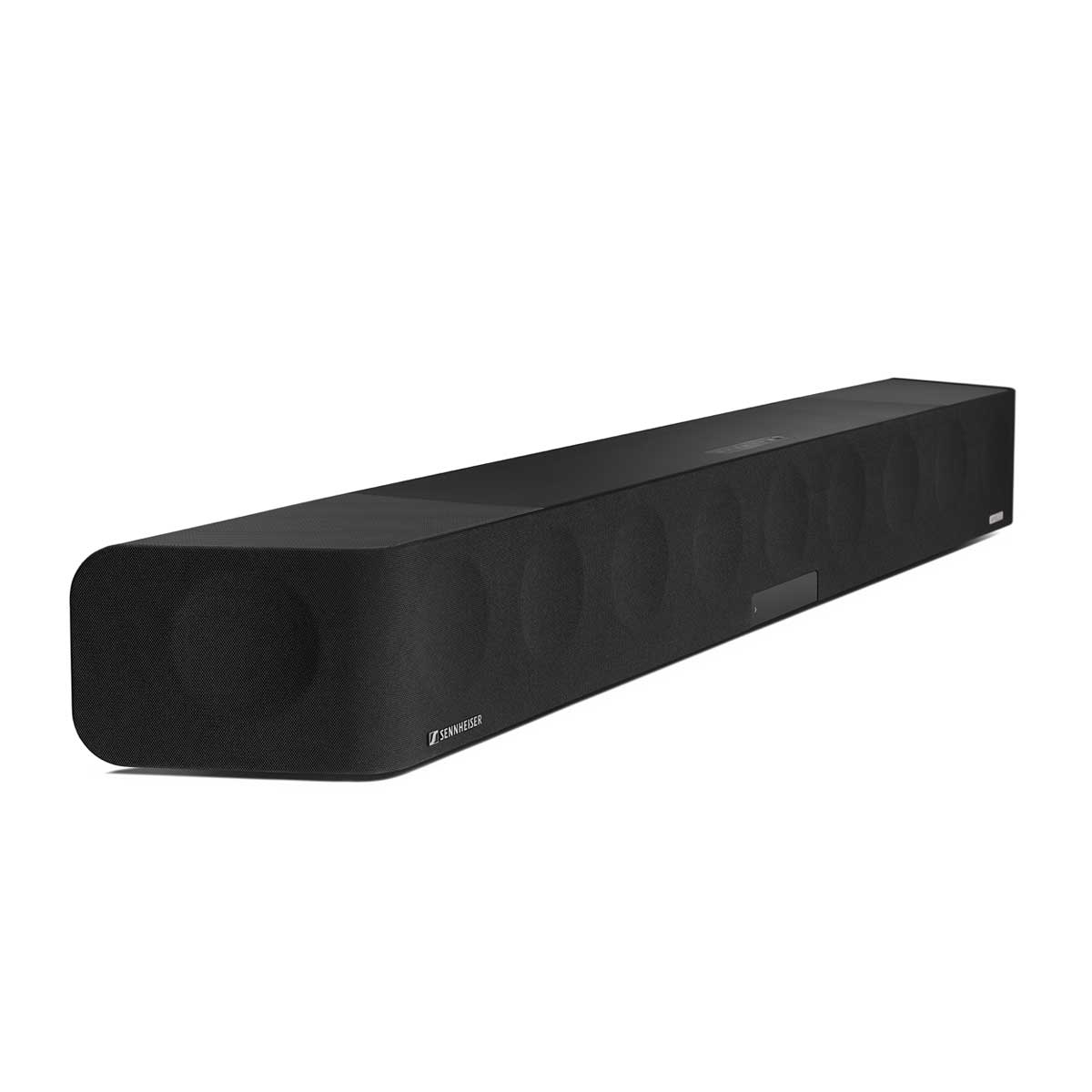
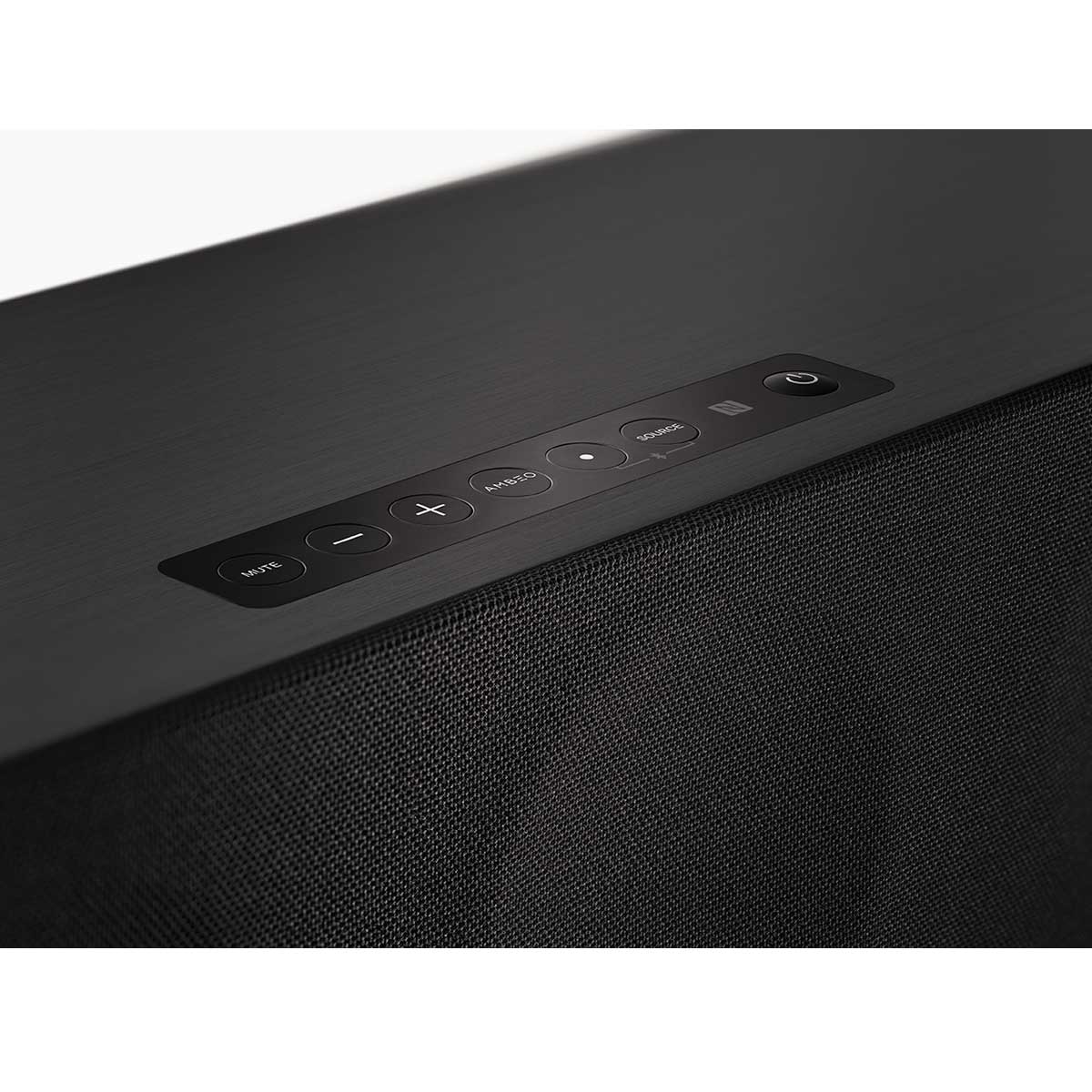
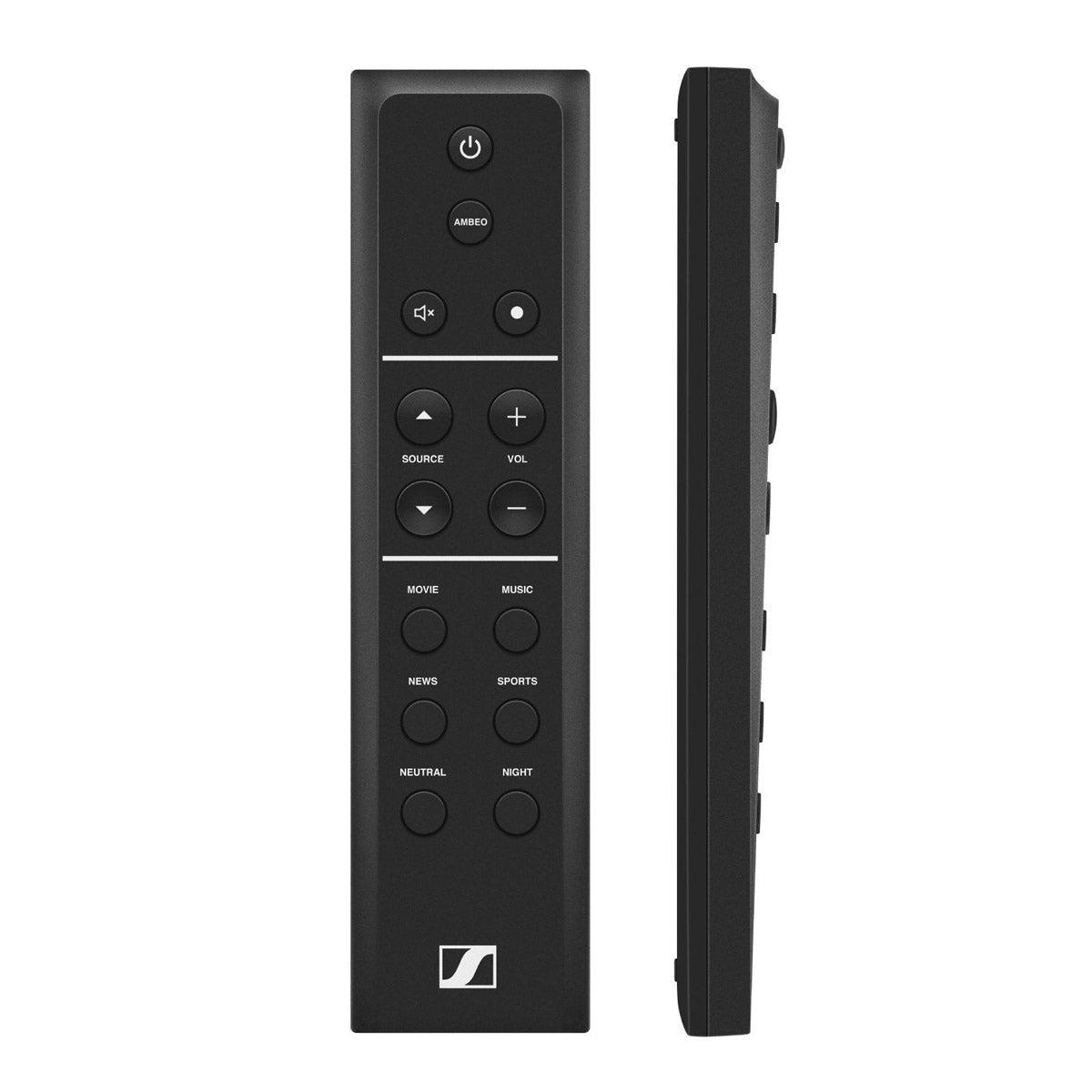
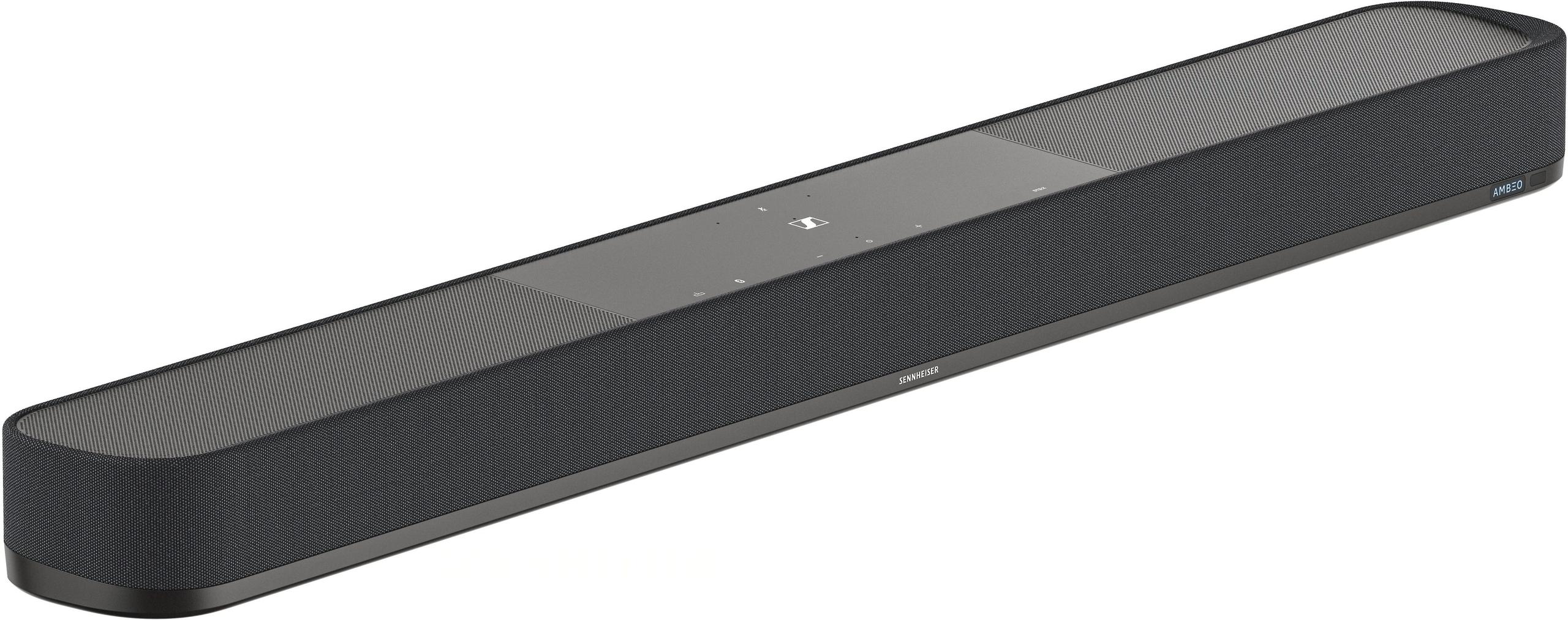
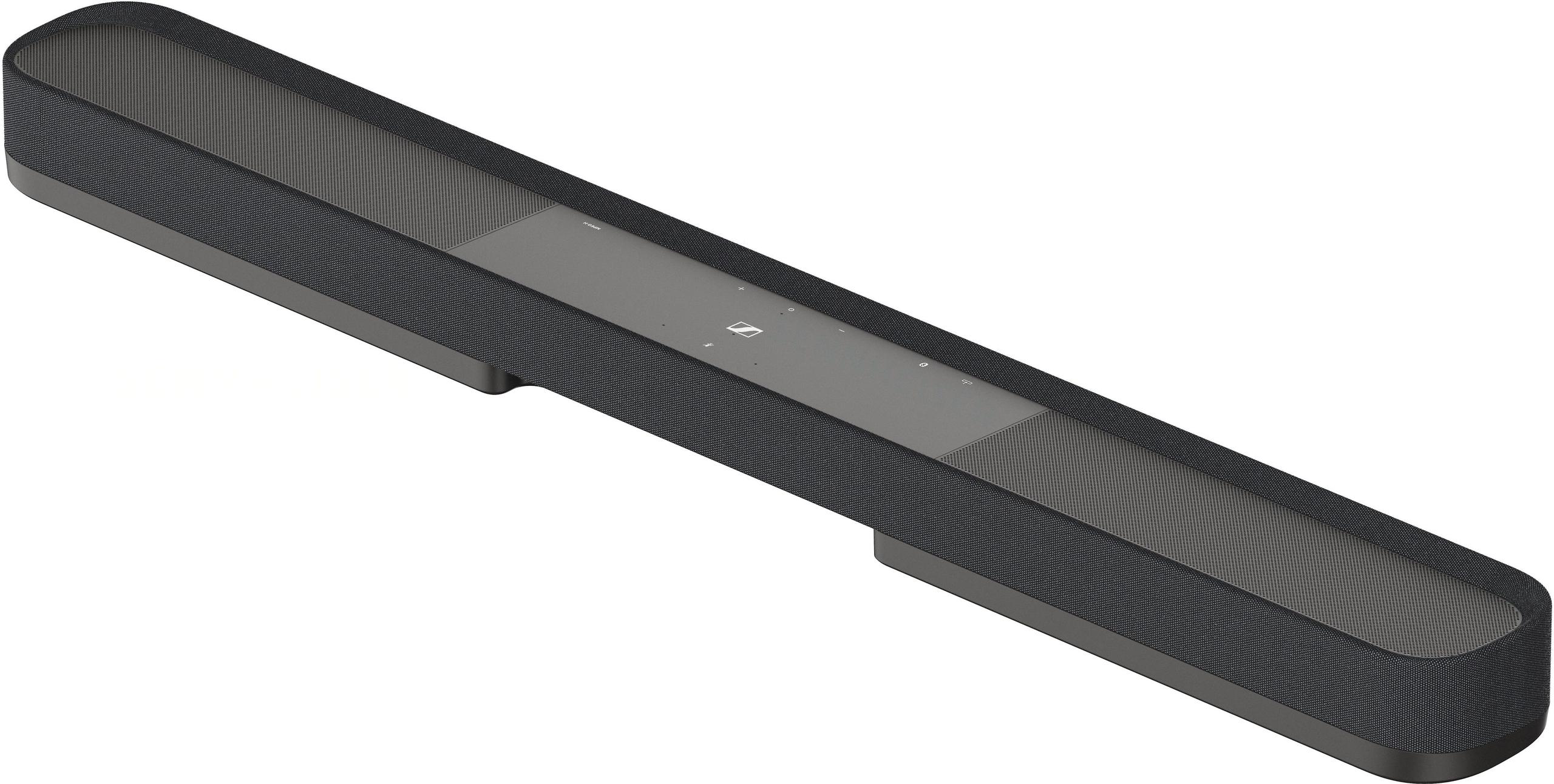

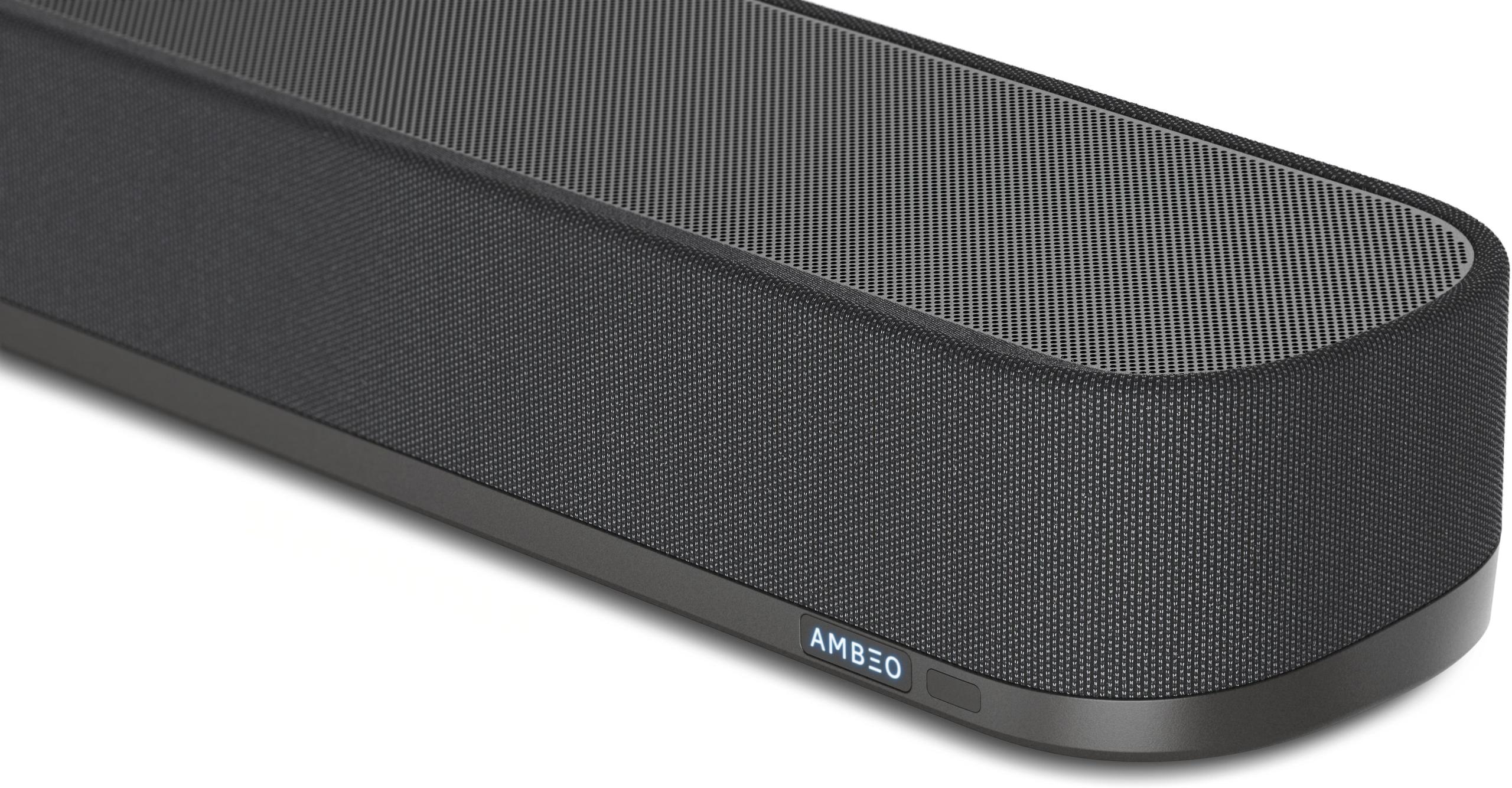

When your TV's built-in speakers just aren't cutting it anymore, soundbars offer the most practical path to better audio. But the soundbar market has exploded with options ranging from affordable upgrades to premium systems that rival full home theater setups. Today, we're comparing two soundbars that represent opposite ends of this spectrum: the budget-friendly Ultimea Poseidon M60 Boom and the premium Sennheiser AMBEO Soundbar.
At the time of writing, these products sit roughly ten times apart in price, which immediately raises the question: what exactly are you getting for that massive price difference? More importantly, which approach makes sense for your specific needs and budget?
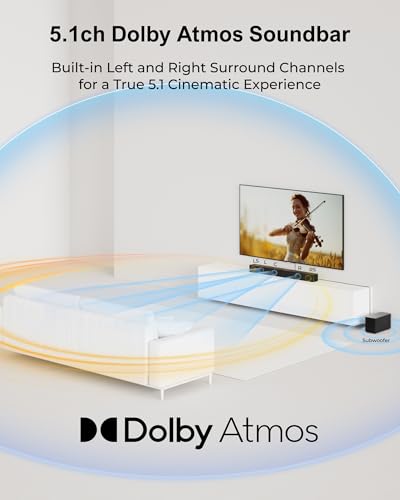
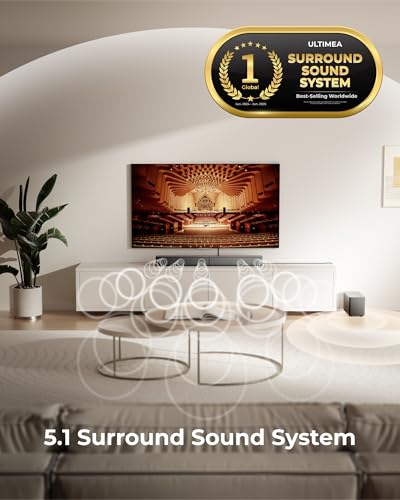
Before diving into specifics, it's worth understanding what both soundbars are trying to achieve. Modern soundbars aim to recreate the immersive audio experience of a traditional 5.1 or 7.1 surround sound system using clever engineering and processing tricks. The "5.1" designation means five main channels (front left, center, front right, rear left, rear right) plus one subwoofer channel for deep bass.
Dolby Atmos adds another dimension—literally. Traditional surround sound places audio around you horizontally, but Atmos adds height channels that can place sounds above you. Imagine hearing a helicopter fly overhead in a movie, with the audio actually seeming to come from above your head rather than just from the front speakers.
The challenge with soundbars is recreating this multi-dimensional audio experience from what's essentially a long, thin speaker cabinet sitting under your TV. Both the Ultimea Poseidon M60 Boom and Sennheiser AMBEO Soundbar tackle this problem, but with vastly different approaches and budgets.
The Ultimea Poseidon M60 Boom represents the democratization of Dolby Atmos technology. Released in 2024, it arrived during a period when entry-level soundbars finally began incorporating features previously reserved for premium models. The soundbar market has seen rapid innovation in recent years, with budget manufacturers finding ways to implement advanced audio processing at accessible price points.
The Sennheiser AMBEO Soundbar, originally launched in 2019 with updates continuing through 2024, emerged from a different philosophy. Sennheiser, known for professional audio equipment and high-end headphones, wanted to prove that a single soundbar could compete with traditional multi-speaker home theater systems. It represented a flagship approach to soundbar design, prioritizing no-compromise audio performance.
Since their respective launches, both products have benefited from firmware updates and manufacturing refinements. The audio processing algorithms in modern soundbars have become increasingly sophisticated, with companies fine-tuning their virtual surround implementations based on real-world user feedback.
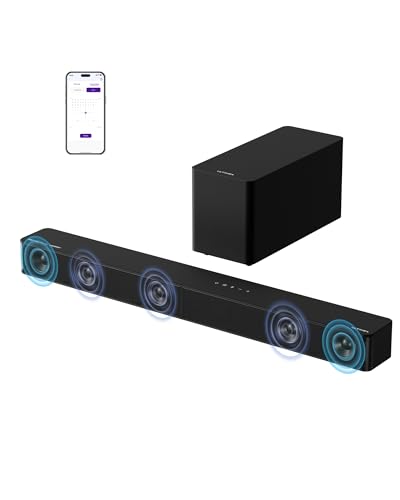
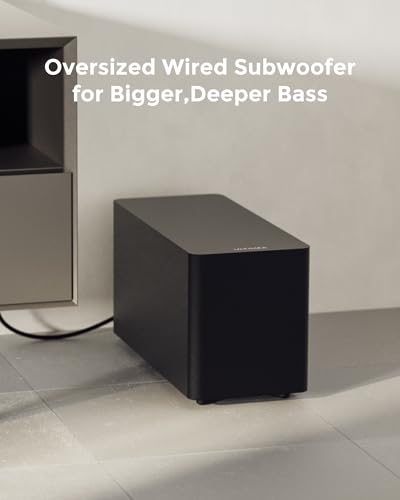
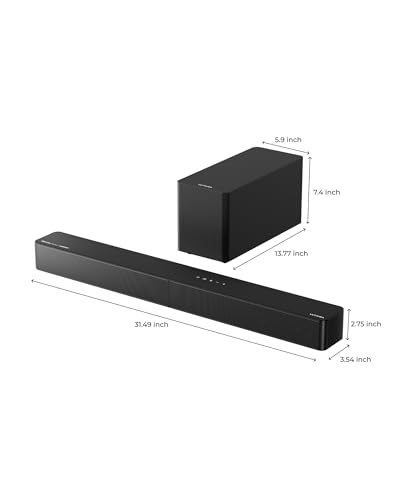
The Ultimea Poseidon M60 Boom uses what we'd call a "practical maximalist" approach. Instead of trying to cram everything into the main soundbar unit, it pairs five full-range drivers in the main bar with a dedicated wired subwoofer. This subwoofer uses BassMX technology—essentially optimized cabinet design and driver engineering to produce cleaner, deeper bass from a relatively compact enclosure.
The system outputs 340W at peak power, which might sound modest compared to premium alternatives, but raw wattage numbers can be misleading. What matters more is how efficiently that power translates into clear, dynamic sound. The frequency response spans 45Hz to 18kHz, covering the full range of human hearing with decent extension into both deep bass and crisp treble territories.
Where this approach shines is in its honesty about physics. Deep bass requires moving a lot of air, and a dedicated subwoofer simply does this better than trying to squeeze bass drivers into a slim soundbar cabinet. The trade-off is placement flexibility—you need to find a spot for that wired subwoofer—but the sonic benefits are immediately apparent.
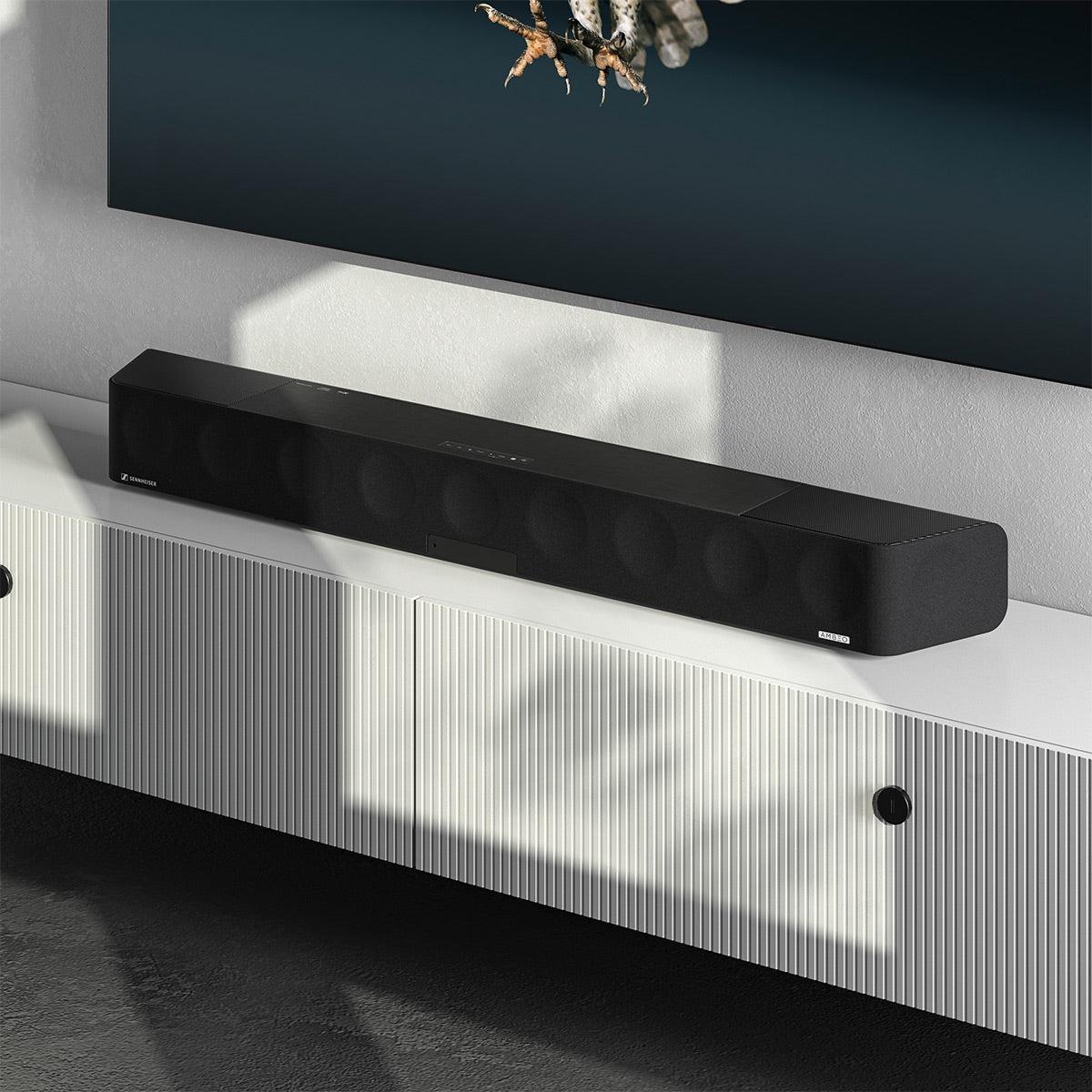
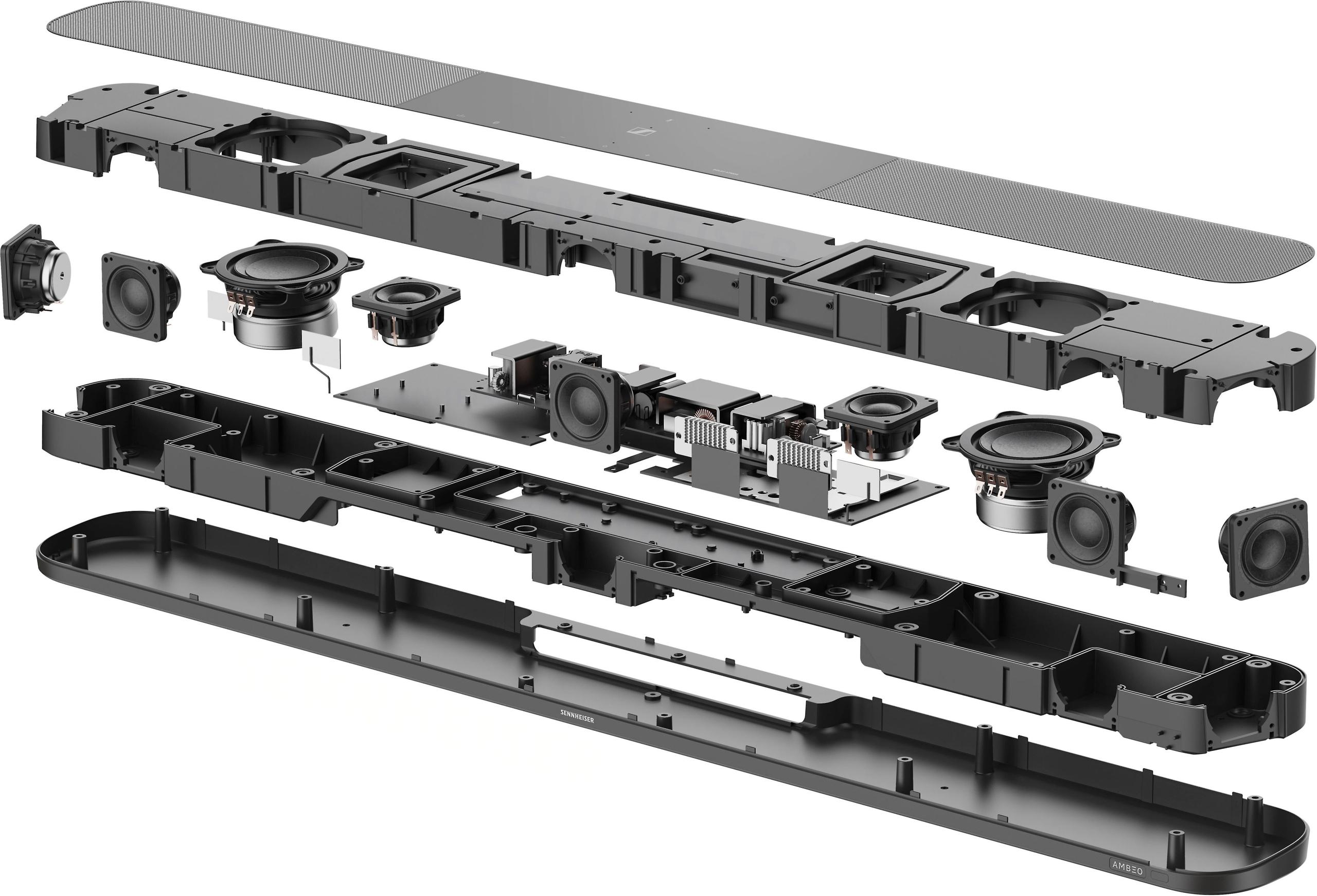
The Sennheiser AMBEO Soundbar takes a fundamentally different approach, cramming thirteen individual drivers into its substantial cabinet. This includes six long-throw woofers for bass, five aluminum-dome tweeters for crisp highs, and additional drivers positioned to create width and height effects.
The total power output reaches 500W, but more importantly, each driver has its own dedicated amplifier. This means the system can precisely control each driver's behavior, optimizing phase relationships and timing to create a more cohesive soundscape. The frequency response extends down to 30Hz—significantly deeper than the Ultimea—while reaching up to 20kHz.
What makes this approach special is Sennheiser's virtualization technology, developed in partnership with Fraunhofer (the research institute behind MP3 compression). The system uses acoustic modeling to essentially "map" your room and then processes audio to create the illusion that sound is coming from locations where no physical speakers exist.
Bass performance often separates good soundbars from great ones, and here we see interesting contrasts between our two contenders.
The Ultimea Poseidon M60 Boom's dedicated subwoofer approach delivers what most users actually want: substantial, clean bass that enhances movies and music without overwhelming dialogue. The 5.25-inch driver with 16mm excursion (how far the cone can move back and forth) provides enough low-end punch for action sequences while remaining controlled enough for music listening.
In practice, this translates to satisfying rumble during explosion scenes and enough foundation to make music feel full-bodied rather than thin. The wired connection eliminates the timing delays that sometimes plague wireless subwoofers, ensuring bass stays perfectly synchronized with the main audio.
The Sennheiser AMBEO Soundbar achieves its bass through brute force elegance—six dedicated woofers working in concert within the main cabinet. The 30Hz extension means it can reproduce the deepest bass notes in movie soundtracks, including those subsonic rumbles that you feel as much as hear.
However, the real advantage isn't just depth but integration. Because all drivers share the same enclosure and processing, the bass seamlessly blends with midrange and treble frequencies. This creates a more cohesive soundstage where low frequencies don't seem disconnected from the rest of the audio.
Poor dialogue intelligibility ruins more TV watching experiences than any other audio issue. Both soundbars address this crucial area, but through different technologies.
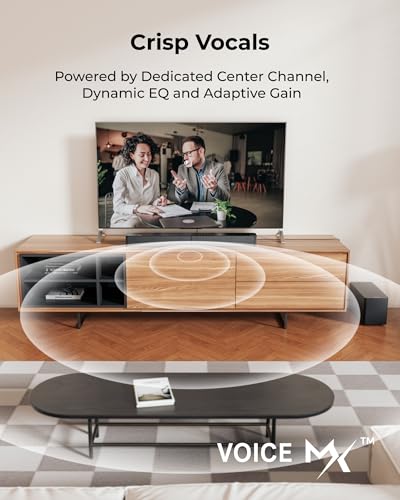
The Ultimea Poseidon M60 Boom employs VoiceMX technology, which specifically targets the 300Hz to 3kHz frequency range where most human speech occurs. The system uses adaptive EQ (equalization—essentially automatic tone controls) to boost dialogue while temporarily reducing competing background sounds. It's a practical approach that prioritizes understanding over absolute fidelity.
Our research into user experiences reveals this works remarkably well in practice. Users consistently report being able to understand dialogue at lower volume levels, which proves particularly valuable for late-night viewing or in noisy environments.
The Sennheiser AMBEO Soundbar achieves dialogue clarity through precision rather than processing tricks. Its dedicated center channel drivers and sophisticated crossover design (which determines which frequencies go to which drivers) ensure vocal frequencies remain clean and focused. The advanced room calibration system adapts the sound to your specific listening environment, optimizing dialogue clarity for your particular room acoustics.
This is where the philosophical differences between these soundbars become most apparent.
The Ultimea Poseidon M60 Boom creates its surround effects through psychoacoustic processing—essentially audio tricks that fool your brain into perceiving sounds as coming from locations where no speakers exist. It's honest about what it can achieve: a wider, more spacious soundstage than your TV speakers, with some convincing directional effects, but not true 360-degree immersion.
For most content, this approach works well enough. Action movies gain spatial dimension, and music develops a sense of width that makes the listening experience more engaging. However, you won't get the precise rear-channel effects that make you turn around to check if something's behind you.
The Sennheiser AMBEO Soundbar represents the current state-of-the-art in single-unit surround processing. Its virtualization technology goes beyond simple psychoacoustic tricks, using advanced algorithms to model how sound would reflect and interact within your specific room dimensions.
The system includes multiple upfiring drivers that bounce sound off your ceiling to create height effects, while precisely timed side-firing drivers generate width and rear-channel illusions. Our evaluation of expert reviews suggests this creates a genuinely convincing surround experience that can fool even experienced listeners in properly set up rooms.
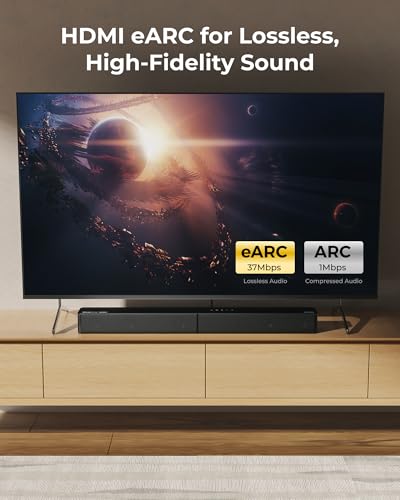
Both soundbars include HDMI eARC (Enhanced Audio Return Channel), which represents the current gold standard for soundbar connectivity. eARC allows lossless audio transmission from your TV, preserving the full quality of Dolby Atmos and other high-resolution audio formats.
The Ultimea Poseidon M60 Boom keeps things straightforward with Bluetooth 5.4 (offering improved connection stability and lower latency compared to older Bluetooth versions), optical digital input, USB, and auxiliary connections. This covers all essential bases without unnecessary complexity.
The Sennheiser AMBEO Soundbar goes considerably further, incorporating WiFi, Ethernet, Google Chromecast built-in, Apple AirPlay 2, and integration with multiple streaming services including Spotify Connect and TIDAL Connect. It also supports voice assistants from Amazon, Google, and Apple, essentially functioning as a smart speaker when not handling TV audio.
Room acoustics dramatically affect soundbar performance, and both products address this challenge differently.
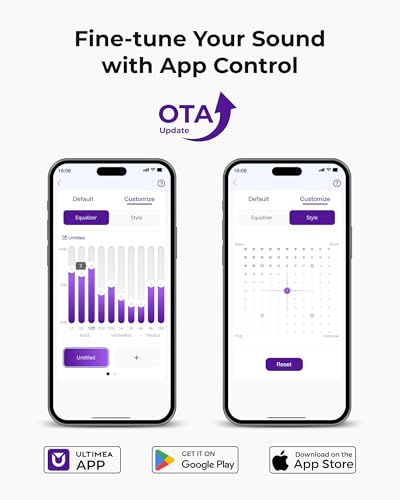
The Ultimea Poseidon M60 Boom relies on manual adjustment through its smartphone app, offering various presets (movie, music, voice, sport, game, night) plus manual bass, midrange, and treble controls. It's simple but effective, allowing users to tune the sound to their preferences and room characteristics through trial and error.
The Sennheiser AMBEO Soundbar features automatic room calibration using built-in microphones that analyze your room's acoustic properties and adjust the sound accordingly. This process, while more sophisticated, requires a quiet environment and careful positioning but can optimize performance for your specific listening space.
At the time of writing, the price difference between these soundbars is substantial—roughly ten-fold—which naturally raises questions about value and diminishing returns.
The Ultimea Poseidon M60 Boom delivers what we'd characterize as "maximum bang for minimum buck." It provides genuine Dolby Atmos processing, dedicated bass reproduction, and solid build quality at an entry-level price point. For users upgrading from TV speakers or basic soundbars, the improvement is dramatic and immediately apparent.
However, it's important to understand what you're not getting at this price level. The virtual surround effects, while convincing, don't match dedicated surround speaker systems. The materials and build quality, though adequate, don't approach premium standards. And the feature set, while complete, lacks the advanced customization and smart features of higher-end models.
The Sennheiser AMBEO Soundbar justifies its premium pricing through measurably superior performance across multiple dimensions. The driver quality, amplification sophistication, processing algorithms, and build materials all represent significant steps up from budget alternatives.
More importantly, the performance gap isn't merely incremental—it's transformational. Expert reviews consistently note that the AMBEO's surround effects can genuinely fool listeners into thinking they're hearing a multi-speaker setup, something no budget soundbar achieves convincingly.
When evaluating value, consider the lifespan and upgrade path for each product.
The Ultimea Poseidon M60 Boom represents what audiophiles call a "stepping stone" purchase. It provides excellent value while you determine whether enhanced TV audio matters enough to justify further investment. As your needs or budget expand, you might eventually upgrade to more sophisticated solutions.
The Sennheiser AMBEO Soundbar is designed as a destination purchase—a final solution that eliminates the need for future upgrades. Its performance capabilities and feature set are extensive enough to satisfy demanding users for years, potentially making it more cost-effective over time despite the higher initial investment.
The Ultimea Poseidon M60 Boom excels in scenarios where good-enough performance at an accessible price point matters most. It's ideal for apartment dwellers who can't install full surround systems, college students or young professionals establishing their first adult living spaces, or families where audio quality matters but isn't the primary entertainment focus.
The setup process is refreshingly simple—connect the main bar to your TV via HDMI or optical cable, plug in the subwoofer, and you're essentially done. The improvement over TV speakers is immediately obvious, providing clearer dialogue, substantial bass, and a wider soundstage that makes movies and music more engaging.
For casual viewing—Netflix series, YouTube videos, background music—it provides all the enhancement most users actually need. The various presets handle different content types well, and the smartphone app makes adjustments straightforward without overwhelming users with excessive options.
The Sennheiser AMBEO Soundbar targets users who want home theater-quality audio without the complexity of traditional multi-speaker systems. It's perfect for audiophiles with space or aesthetic constraints, tech enthusiasts who appreciate sophisticated engineering, or anyone whose living situation makes traditional surround sound impractical.
The setup process requires more attention—proper positioning relative to walls and ceiling, running room calibration, and potentially adjusting multiple settings—but the payoff is proportionally greater. When properly configured, it creates an audio experience that rivals dedicated home theater installations.
For critical listening, whether that's blockbuster movies with complex soundtracks, high-quality music streaming, or gaming with spatial audio, the AMBEO delivers performance that justifies its premium positioning. The various connectivity options and smart features make it genuinely useful beyond just TV audio enhancement.
Both soundbars work well in typical living room setups, but with different considerations.
The Ultimea Poseidon M60 Boom's wired subwoofer requires planning for cable routing and subwoofer placement. However, the main soundbar is compact enough for most TV stands, and the overall system doesn't dominate the room visually.
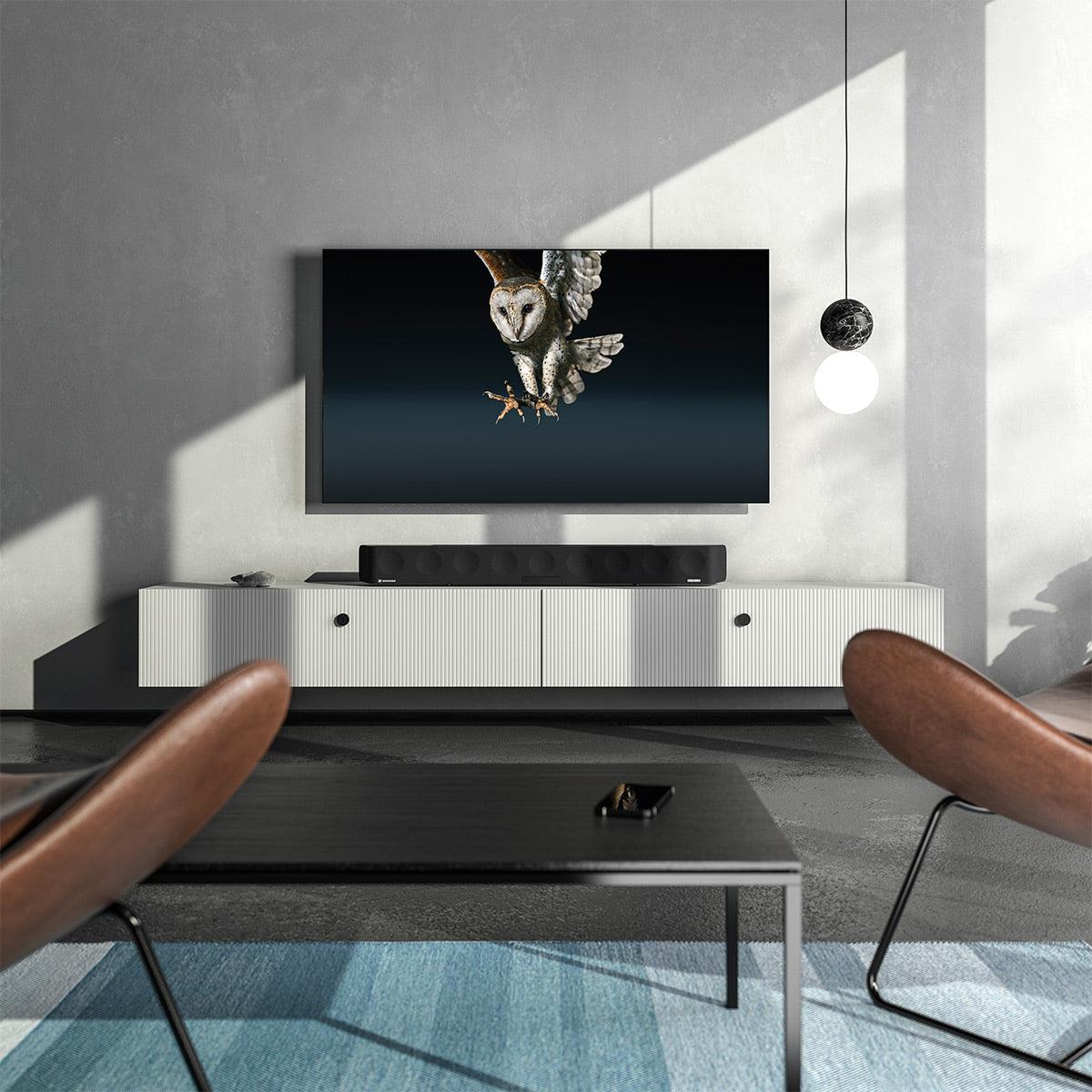
The Sennheiser AMBEO Soundbar is substantially larger and heavier, requiring a sturdy TV stand or wall mounting with appropriate hardware. However, its single-unit design eliminates cable management concerns and presents a cleaner aesthetic once properly installed.
Room size significantly affects soundbar performance, and both products scale differently.
The Ultimea Poseidon M60 Boom works well in small to medium-sized rooms but may struggle to fill very large spaces with authority. The dedicated subwoofer ensures adequate bass even in larger rooms, but the overall dynamics may feel constrained.
The Sennheiser AMBEO Soundbar can adequately fill larger rooms while still performing well in smaller spaces, thanks to its room calibration system and higher power output. However, its virtualization technology works best in rooms with appropriate ceiling height and reflective surfaces.
You're new to soundbars and want to experience the benefits without major financial commitment. The learning curve is minimal, setup is straightforward, and the performance improvement over TV speakers is dramatic enough to justify the investment immediately.
This choice also makes sense if you're satisfied with good-enough audio quality and prefer spending money on other aspects of your entertainment system—perhaps a better TV, gaming console, or streaming subscriptions. The Ultimea Poseidon M60 Boom provides the audio foundation you need without demanding significant compromise in other areas.
For apartments, dorm rooms, or temporary living situations where you might need to move frequently, the relatively compact size and simple setup make practical sense. And if you're unsure about your long-term audio preferences, starting here lets you explore enhanced TV audio without locking in a premium investment.
Audio quality represents a genuine priority in your entertainment experience, and you have the budget to support that priority. You notice and care about subtle audio details, spatial effects, and overall sonic refinement that budget alternatives can't deliver.
This option makes particular sense if you're replacing existing premium audio equipment or if your living situation makes traditional surround sound systems impractical despite having the budget for high-end audio. The Sennheiser AMBEO Soundbar can satisfy audiophile expectations while fitting into constraints that would eliminate traditional alternatives.
If you value future-proofing and prefer buying quality items once rather than upgrading incrementally, the AMBEO's advanced features and superior performance justify the investment. It's also ideal if you appreciate sophisticated engineering and don't mind a more complex setup process in exchange for better results.
Both soundbars succeed within their respective niches, but they serve fundamentally different users and use cases. The Ultimea Poseidon M60 Boom democratizes decent Dolby Atmos audio, making enhanced TV sound accessible to almost everyone. The Sennheiser AMBEO Soundbar pushes single-unit soundbar technology to its current limits, delivering premium performance that justifies its premium price.
Your choice ultimately depends on how much audio quality matters to your daily entertainment experience and whether you prefer gradual upgrades or single, significant investments. Both approaches are valid—the key is honestly assessing your priorities, budget, and expectations before deciding which path makes sense for your specific situation.
| Ultimea Poseidon M60 Boom | Sennheiser AMBEO Soundbar |
|---|---|
| Channel Configuration - Determines surround sound complexity | |
| 5.1 channels (virtual Atmos from main bar + subwoofer) | 5.1.4 channels (true virtualized surround with height effects) |
| Total Power Output - Affects volume and dynamic range | |
| 340W peak (adequate for most rooms) | 500W total (fills larger spaces with authority) |
| Driver Count - More drivers enable better sound separation | |
| 5 full-range drivers + dedicated subwoofer | 13 individual drivers with dedicated amplifiers |
| Bass Extension - Lower numbers mean deeper, more impactful bass | |
| 45Hz (solid low-end with dedicated subwoofer) | 30Hz (exceptional deep bass without separate sub) |
| Subwoofer Type - Affects placement flexibility and bass quality | |
| 5.25" wired subwoofer (better bass, limited placement) | Built-in woofers (clean setup, excellent integration) |
| Room Calibration - Optimizes sound for your specific space | |
| Manual EQ adjustment via app | Automatic calibration with built-in microphones |
| Connectivity Options - Determines compatibility with devices and services | |
| HDMI eARC, Bluetooth 5.4, optical, USB, AUX | HDMI eARC, WiFi, Bluetooth, Chromecast, AirPlay 2, voice assistants |
| Smart Features - Additional functionality beyond basic audio | |
| Basic app control with EQ presets | Full smart speaker capabilities, streaming service integration |
| Physical Size - Important for TV stand compatibility | |
| Compact main bar + separate subwoofer placement | Large single unit (49.6" x 5.3" x 6.7", 40.8 lbs) |
| Setup Complexity - Time and effort required for optimal performance | |
| Plug-and-play with basic app tweaking | Advanced setup with room calibration and positioning requirements |
| Target Audience - Who gets the best value from each option | |
| Budget-conscious users wanting significant TV audio upgrade | Audiophiles and premium users seeking single-unit home theater replacement |
The Ultimea Poseidon M60 Boom is significantly better for beginners due to its straightforward setup and affordable entry point. It offers genuine Dolby Atmos processing with minimal complexity, making it perfect for first-time soundbar buyers who want immediate improvement over TV speakers without overwhelming features or setup requirements.
The primary difference is approach and price point. The Ultimea Poseidon M60 Boom uses a practical design with five drivers plus a separate subwoofer at a budget-friendly price, while the Sennheiser AMBEO Soundbar employs 13 high-end drivers with advanced virtualization technology in a premium single-unit design that costs roughly ten times more.
Both excel at bass but differently. The Ultimea Poseidon M60 Boom delivers substantial, clean bass through its dedicated 5.25" subwoofer, while the Sennheiser AMBEO Soundbar produces deeper bass (down to 30Hz) through six integrated woofers without requiring a separate subwoofer unit.
Yes, both the Ultimea Poseidon M60 Boom and Sennheiser AMBEO Soundbar support Dolby Atmos, but with different levels of sophistication. The Ultimea provides virtual Atmos effects through processing, while the Sennheiser delivers more convincing height and surround effects through advanced virtualization technology and dedicated upfiring drivers.
The Ultimea Poseidon M60 Boom works better for small apartments because of its compact main bar and the ability to control bass levels for neighbor-friendly listening. However, you'll need space for the wired subwoofer. The Sennheiser AMBEO Soundbar is quite large and might overwhelm smaller living spaces.
Both soundbars excel at dialogue clarity through different technologies. The Ultimea Poseidon M60 Boom uses VoiceMX technology to enhance speech frequencies, while the Sennheiser AMBEO Soundbar achieves superior dialogue clarity through precision center channel drivers and advanced room calibration that adapts to your specific listening environment.
Value depends on your budget and priorities. The Ultimea Poseidon M60 Boom offers exceptional value for budget-conscious buyers, delivering genuine surround sound improvements at an accessible price. The Sennheiser AMBEO Soundbar provides better value for audio enthusiasts who prioritize premium performance and can justify the significantly higher investment.
The Ultimea Poseidon M60 Boom covers essential connectivity with HDMI eARC, Bluetooth 5.4, optical, USB, and AUX inputs. The Sennheiser AMBEO Soundbar offers comprehensive connectivity including HDMI eARC, WiFi, Bluetooth, Google Chromecast built-in, Apple AirPlay 2, and voice assistant integration for a complete smart speaker experience.
The Sennheiser AMBEO Soundbar handles large rooms better with its 500W power output and sophisticated room calibration system. While the Ultimea Poseidon M60 Boom can work in larger spaces, especially with its dedicated subwoofer providing bass foundation, it may struggle to fill very large rooms with the same authority.
The Ultimea Poseidon M60 Boom offers simple plug-and-play setup—connect to your TV, plug in the subwoofer, and make basic adjustments through the app. The Sennheiser AMBEO Soundbar requires more involved setup including careful positioning, room calibration using built-in microphones, and potentially multiple setting adjustments for optimal performance.
The Sennheiser AMBEO Soundbar can genuinely replace a traditional multi-speaker home theater system for many users, delivering convincing surround effects that rival dedicated speaker setups. The Ultimea Poseidon M60 Boom provides significant improvement over TV speakers and basic soundbars but won't match the immersion of dedicated surround systems or the premium Sennheiser model.
Choose the Ultimea Poseidon M60 Boom if you want immediate, dramatic improvement over TV speakers without major financial commitment or setup complexity. Select the Sennheiser AMBEO Soundbar if audio quality is a genuine priority, you have the budget for premium performance, and you want a long-term solution that eliminates future upgrade needs.
We've done our best to create useful and informative comparisons to help you decide what product to buy. Our research uses advanced automated methods to create this comparison and perfection is not possible - please contact us for corrections or questions. These are the sites we've researched in the creation of this article: ultimea.com - ultimea.com - youtube.com - bestbuy.com - youtube.com - avsforum.com - youtube.com - manuals.plus - youtube.com - device.report - ultimea.com - ultimea.de - community.ultimea.com - ultimea.com - community.ultimea.com - ultimea.com - youtube.com - aliexpress.com - ultimea.com - bestbuy.com - rtings.com - techradar.com - audioxpress.com - whathifi.com - upscaleaudio.com - soundstagesimplifi.com - global.sennheiser-hearing.com - sennheiser-hearing.com - audioadvice.com - abt.com - moon-audio.com

Privacy Policy
Terms and Conditions - Affiliate Policy
Home Security
© Copyright 2008-2026.
11816 Inwood Rd #1211, Dallas, TX 75244