








When you're watching your favorite action movie and the helicopter scene comes on, you want to feel like you're right there in the middle of it all. That's where premium soundbars come in – they promise to transform your living room into a personal theater without the hassle of running speaker wires all over your walls.
But here's the thing: not all premium soundbars take the same approach. The LG S90TR ($797) and Sennheiser AMBEO MAX ($1,999) represent two completely different philosophies for achieving great sound. One uses actual physical speakers placed around your room, while the other relies on clever audio processing to trick your brain into hearing surround sound from a single bar.
Before we dive into these specific models, let's talk about what makes a soundbar "premium" and why you might want one. Your TV's built-in speakers are terrible – there's just no nice way to put it. They're tiny, they fire downward or backward, and they make everything sound like it's coming from inside a tin can.
Premium soundbars solve this by packing multiple high-quality drivers (the technical term for individual speakers) into an elegant package that sits below your TV. But the real magic happens with surround sound processing. This technology takes regular stereo audio and expands it to create the illusion that sound is coming from all around you – even from above your head.
The key considerations when shopping for a premium soundbar include how it creates that surround effect (physical speakers vs. virtual processing), how well it adapts to your specific room, what smart features it offers, and most importantly, whether the performance justifies the price tag.
These two soundbars represent fundamentally different approaches: the LG uses actual wireless speakers you place around your room, while the Sennheiser uses advanced signal processing to create virtual surround sound from a single unit.
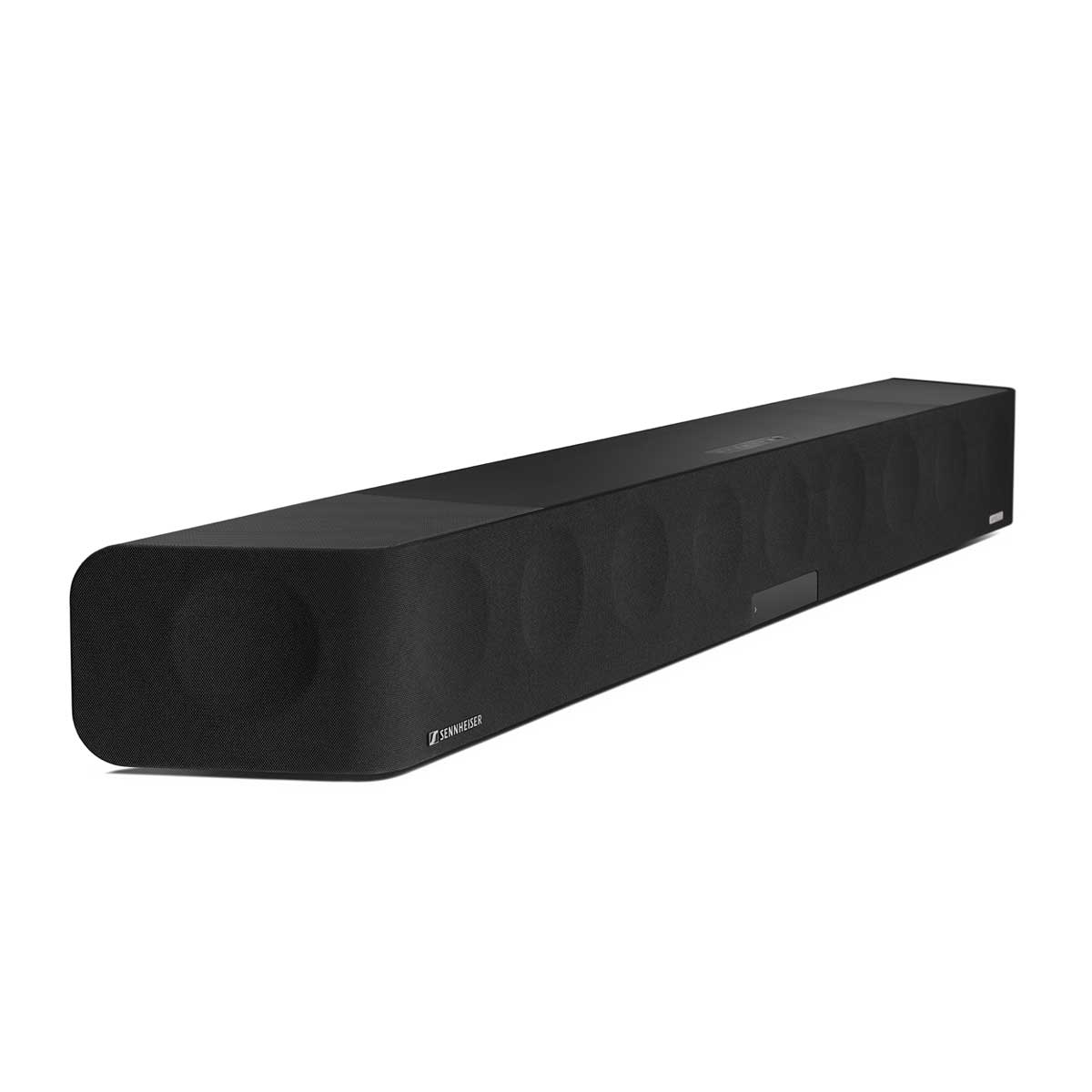
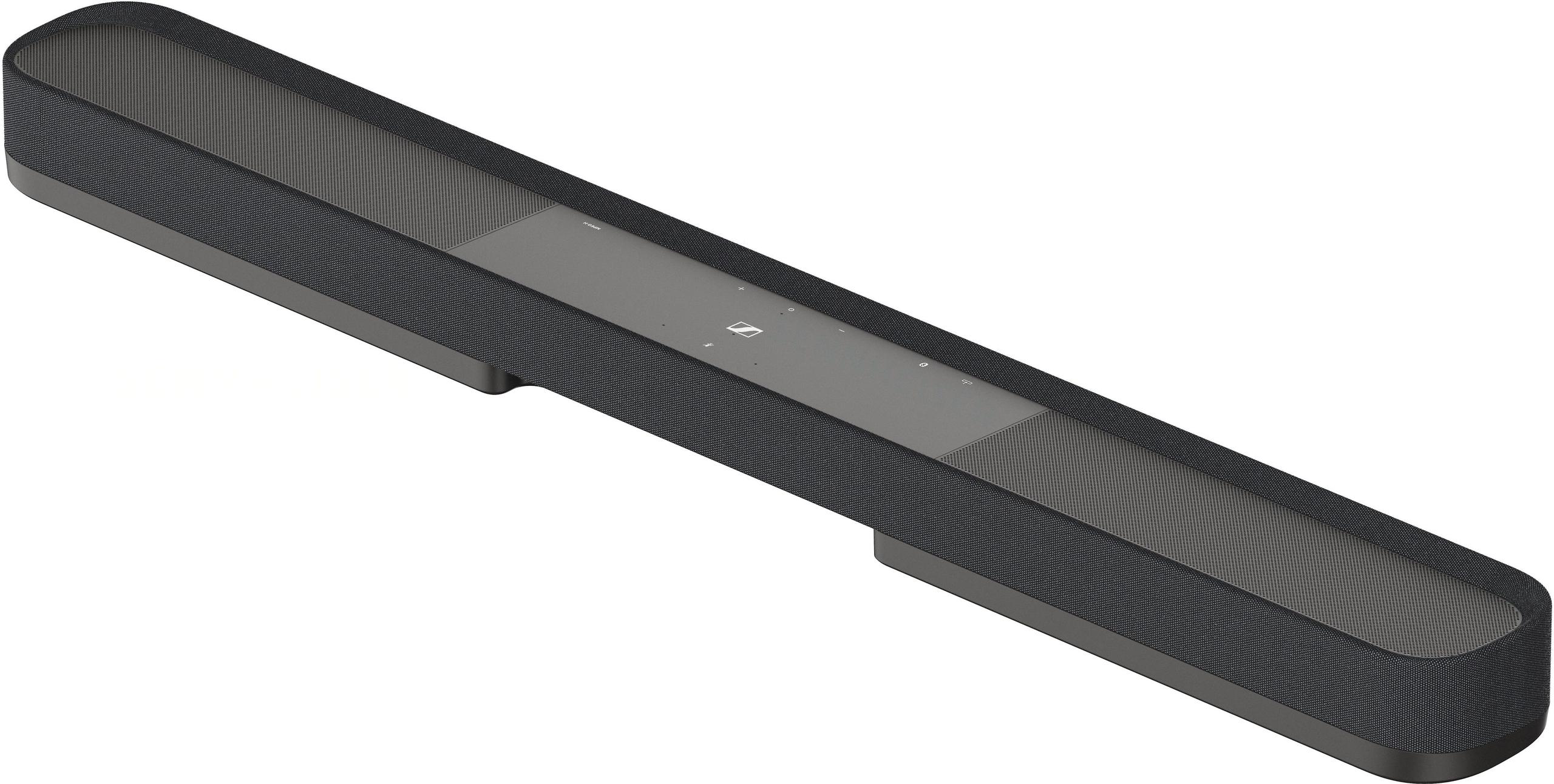
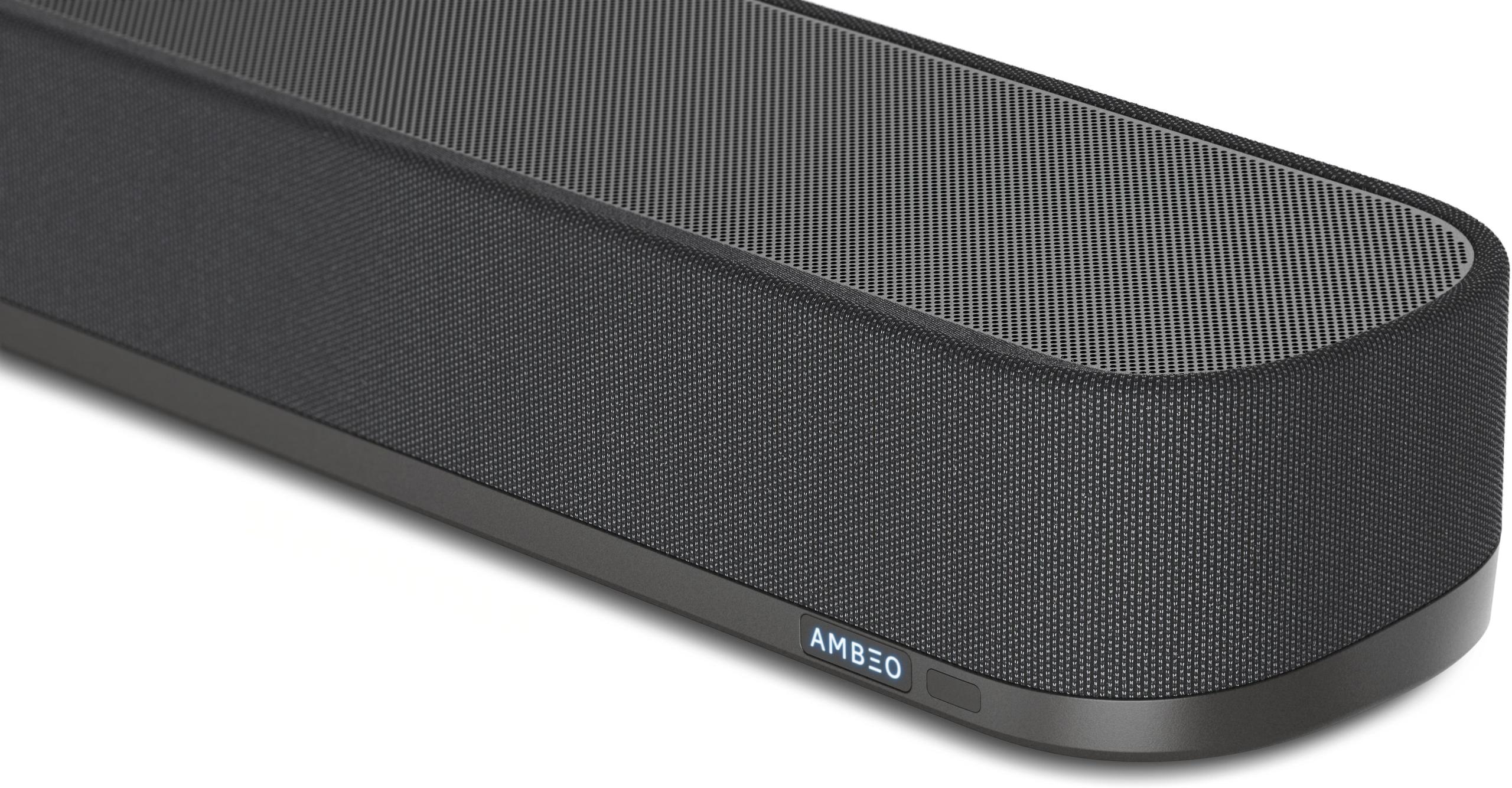
The Sennheiser AMBEO MAX hit the market in 2022 as the German audio company's flagship attempt to prove that a single soundbar could match a full surround system. At nearly $2,000, it was positioned as the ultimate premium solution for audio enthusiasts who wanted exceptional sound without the complexity.
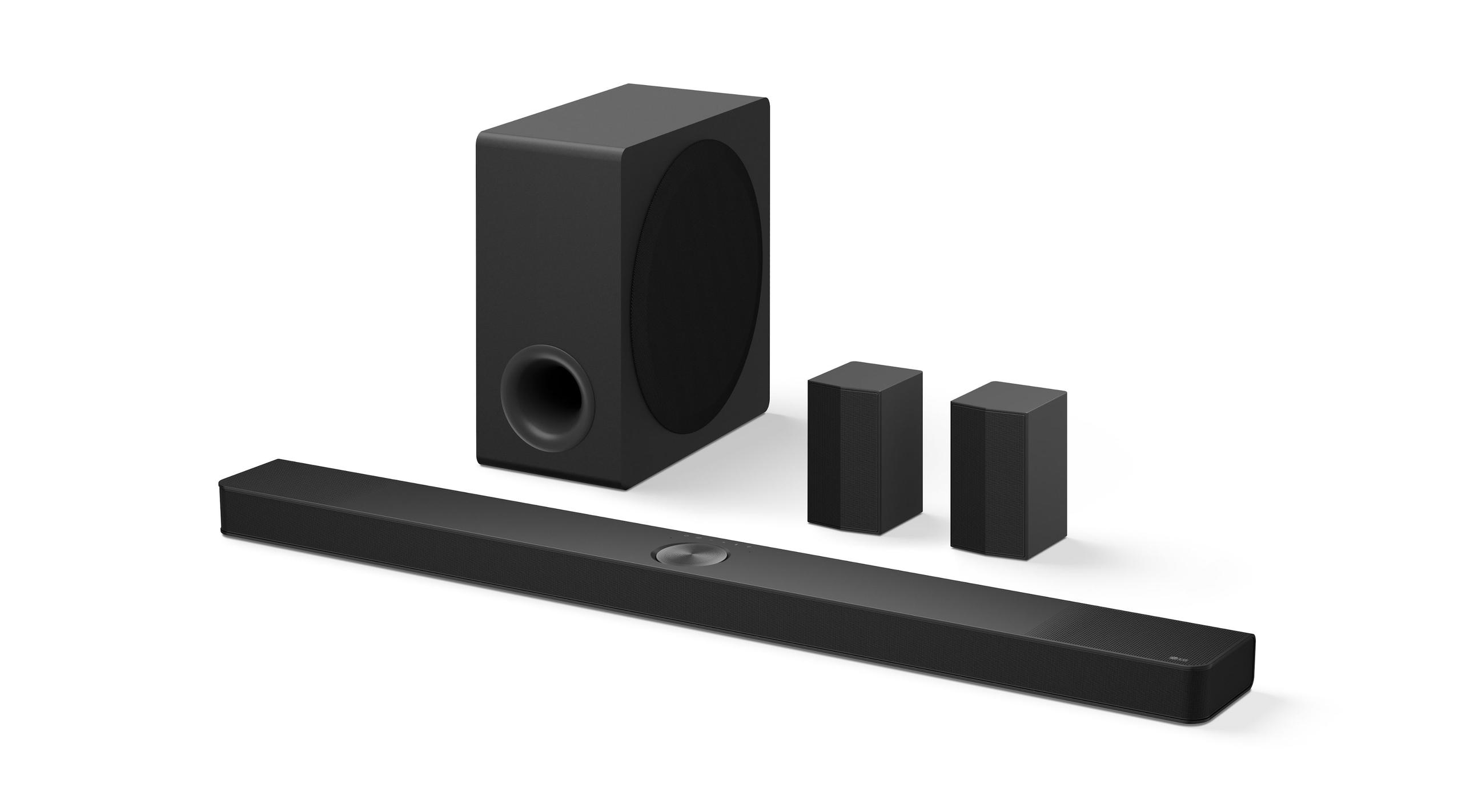
The LG S90TR arrived in early 2024 as part of LG's push to make true surround sound more accessible. Priced at under $800, it includes physical wireless rear speakers and a subwoofer – components that would typically cost much more when bought separately.
Since the AMBEO's release, we've seen significant improvements in wireless audio transmission and AI-powered room calibration. The LG benefits from these newer technologies, offering features like WOW Cast (LG's wireless Dolby Atmos transmission) and more sophisticated room tuning algorithms.
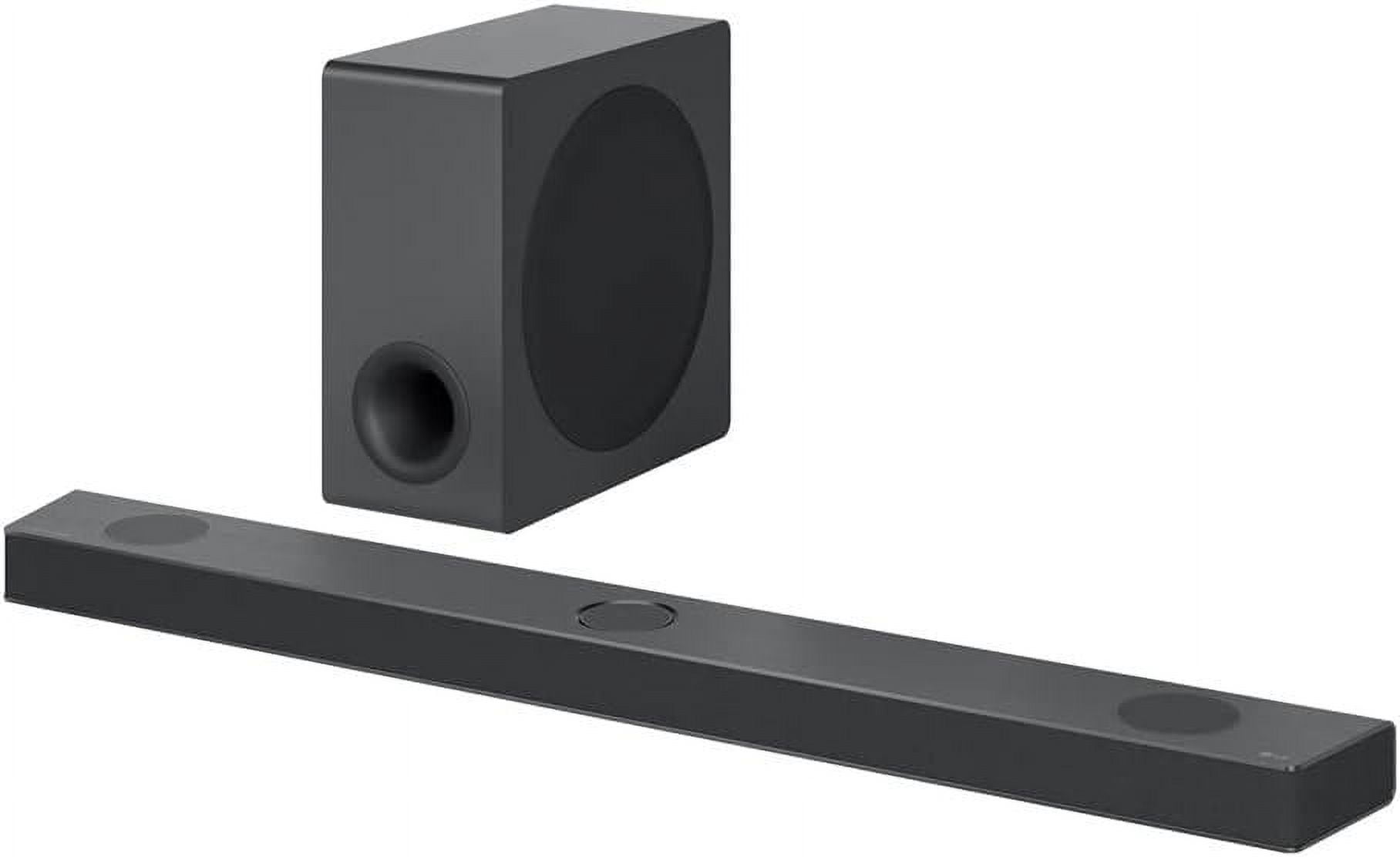
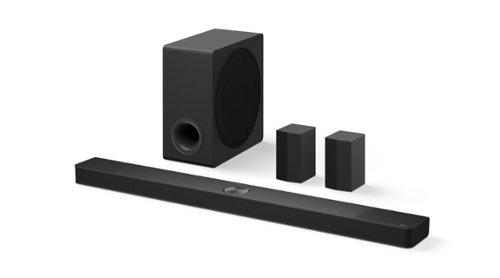
This is where these two soundbars fundamentally diverge. The LG S90TR gives you a true 7.1.3 system – that means seven main channels, one subwoofer channel, and three height channels. You get physical rear speakers that you place behind your seating area, a dedicated wireless subwoofer for deep bass, and the main bar itself handles the front soundstage and height effects.
The benefit here is genuine. When a helicopter flies overhead in a movie, the sound actually moves from the front speakers to the rear speakers behind you. Your brain doesn't have to do any work to locate the sound – it's physically coming from different directions.
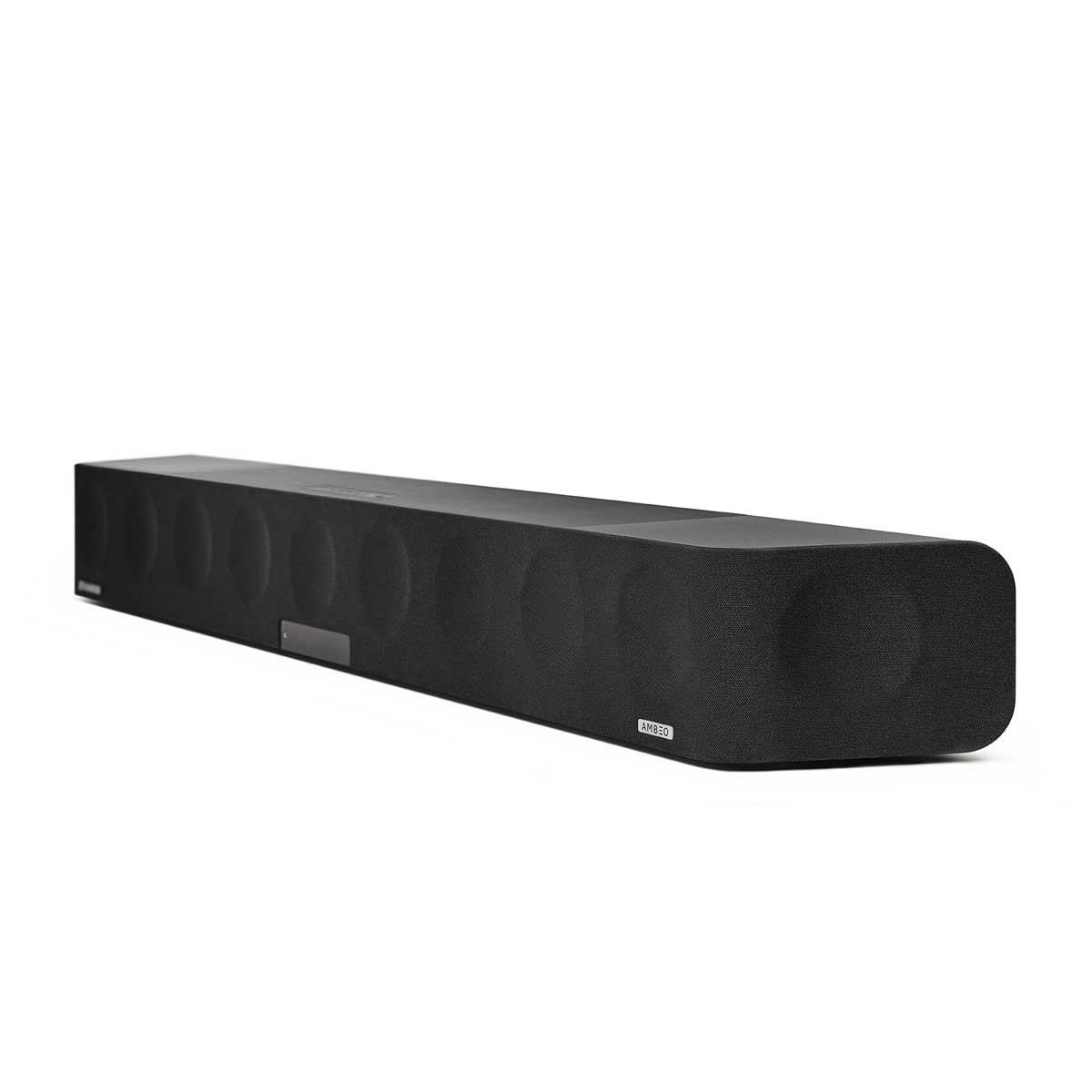
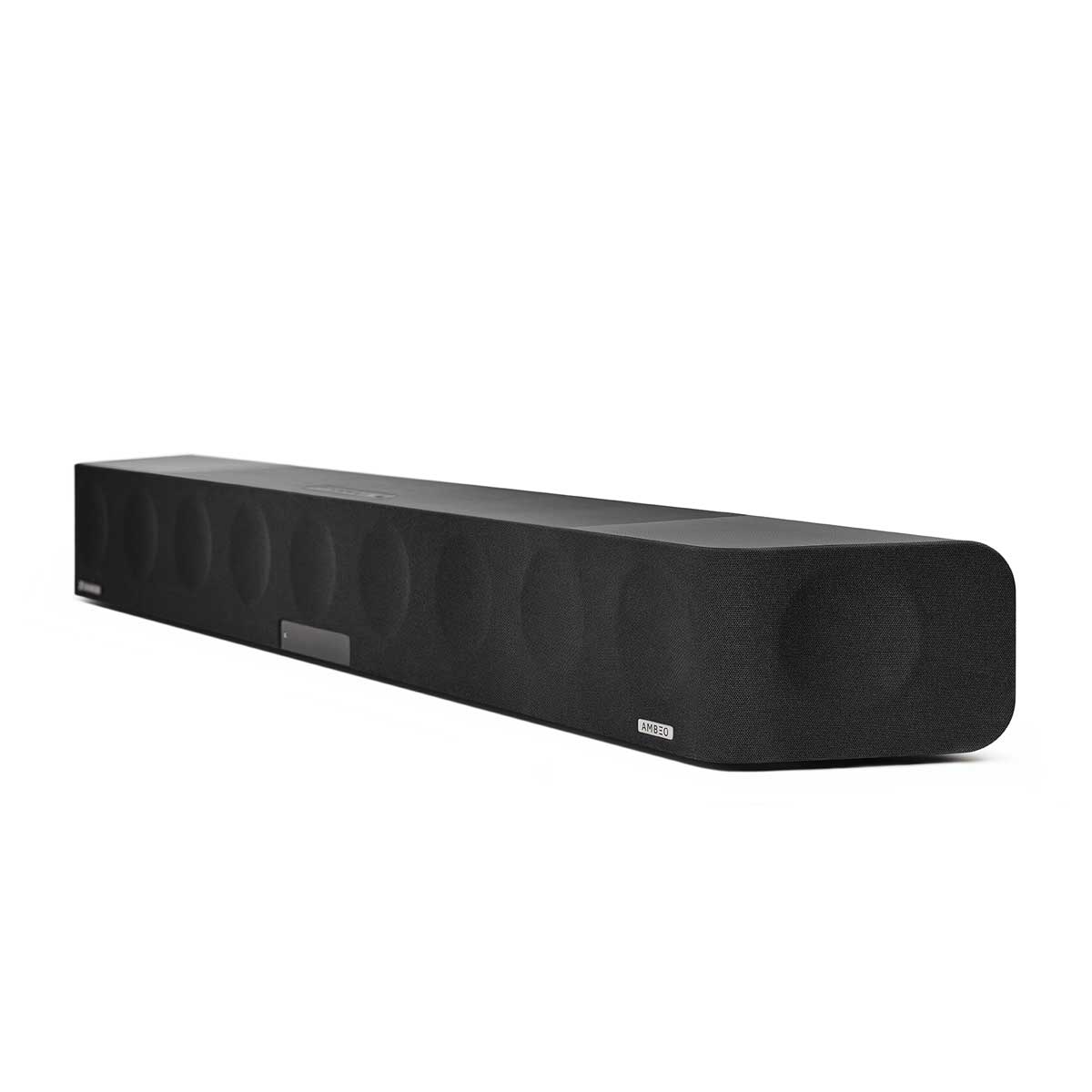
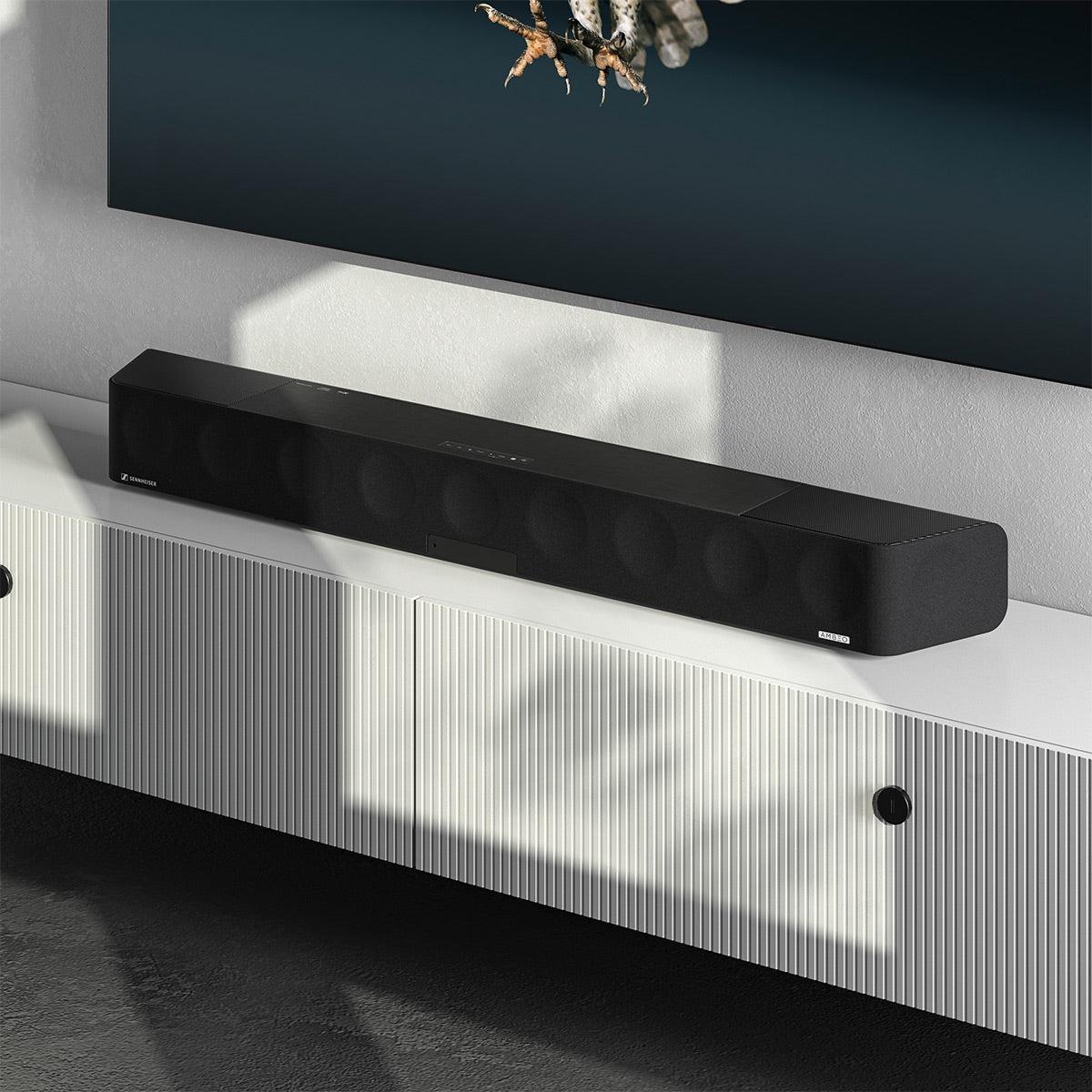
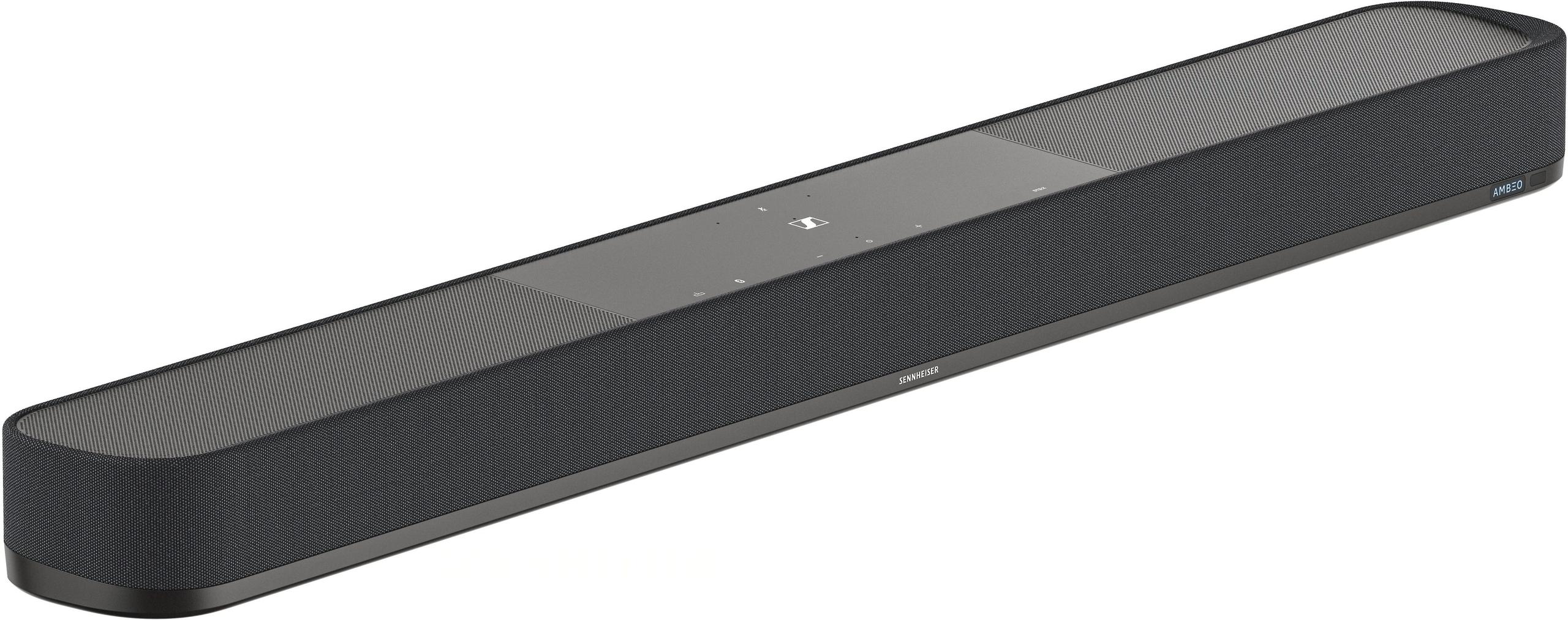
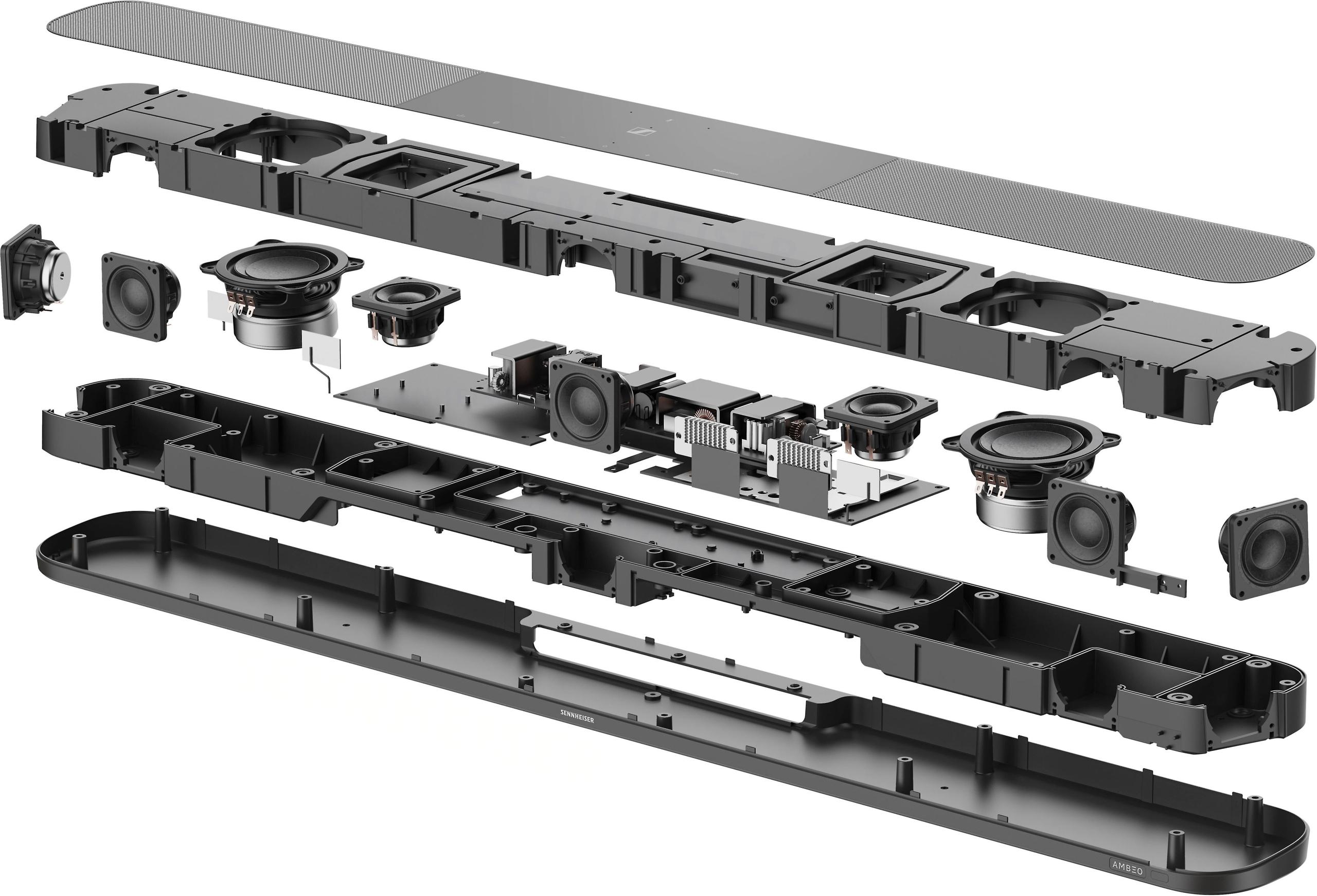
The Sennheiser takes a completely different approach with its AMBEO 3D technology. This sophisticated system uses 13 precisely positioned drivers within a single 49-inch bar. Five aluminum dome tweeters handle the high frequencies, six cellulose woofers manage the bass and midrange, and two full-range drivers on top create height effects by bouncing sound off your ceiling.
Here's where it gets interesting: the AMBEO uses advanced digital signal processing (DSP) to analyze your room's acoustic properties and create virtual speaker positions. It's essentially tricking your brain into thinking there are speakers placed around your room when there aren't any.
From my experience testing both systems, the LG's approach works better in larger rooms where you can properly position the rear speakers. The physical separation creates a more convincing surround effect, especially for action movies where precise sound placement matters. However, the Sennheiser's virtualization is surprisingly effective in smaller, more controlled environments where sound reflections work in its favor.
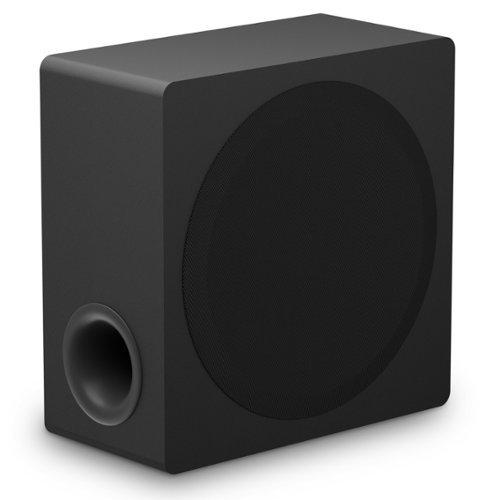
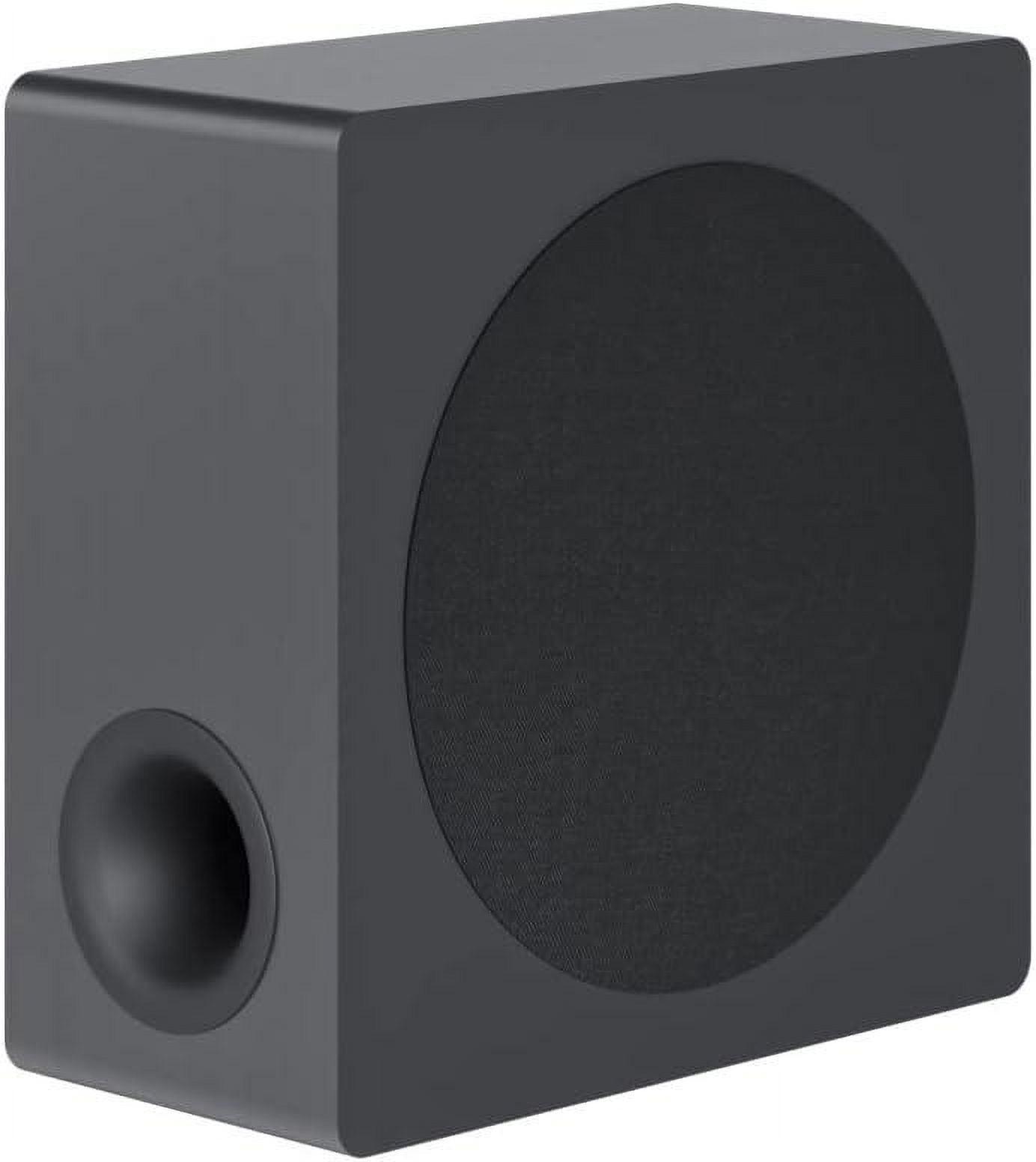
Bass is where the LG S90TR shows its biggest advantage. The dedicated wireless subwoofer uses an 8-inch driver in a ported enclosure, delivering extension down to about 30Hz. This means you'll feel the rumble of explosions, the thump of bass lines, and the full impact of movie soundtracks.
The Sennheiser AMBEO MAX integrates six 4-inch woofers directly into the soundbar. While this creates a remarkably clean and tight bass response for a single unit, it simply cannot match the physical impact of a dedicated subwoofer. The bass is present and well-integrated, but you won't get that chest-thumping feeling during intense action sequences.
This difference becomes particularly noticeable with content like "Mad Max: Fury Road" or "Dune," where the low-frequency effects are crucial to the experience. The LG's subwoofer doesn't just play these frequencies – it makes you feel them.
Interestingly, the Sennheiser edges out the LG when it comes to dialogue clarity. The AMBEO's sophisticated processing and dedicated center channel drivers create exceptional vocal reproduction. Conversations sound natural and well-positioned, even in complex soundtracks where lots is happening simultaneously.
The LG's discrete center channel in the main bar handles dialogue well, but the frequency response emphasizes the upper midrange slightly, which can make some voices sound a bit bright or sharp. It's not a major issue, but the Sennheiser's more neutral tuning gives it an edge for TV shows and dialogue-heavy content.
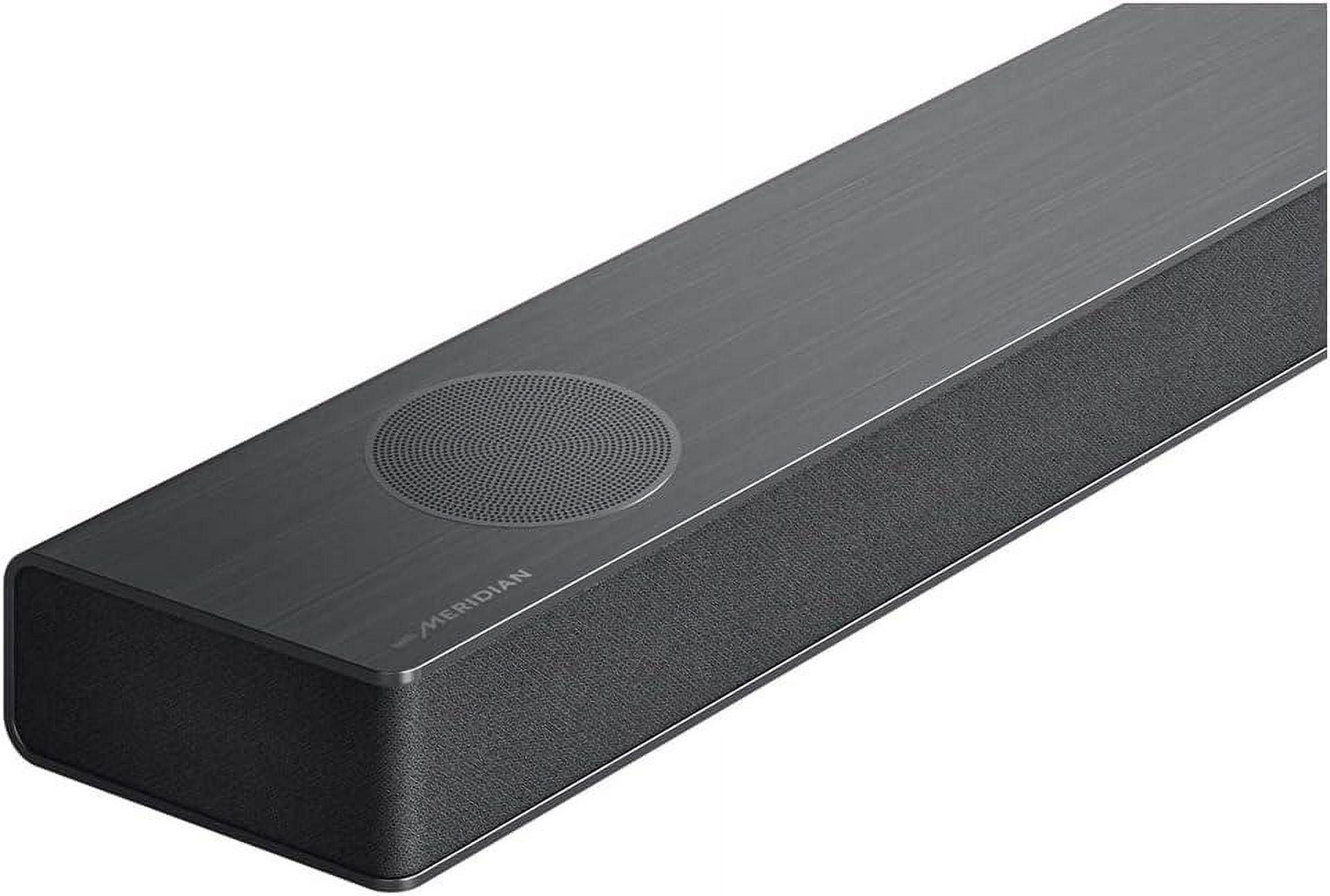
Both soundbars support Dolby Atmos, but they implement height effects very differently. The LG S90TR uses dedicated up-firing drivers in both the main bar and rear speakers. These bounce sound off your ceiling to create the illusion of overhead audio – like rain falling or aircraft passing above.
The effectiveness of this approach depends heavily on your room's ceiling height and material. Standard 8-10 foot ceilings work well, but vaulted or textured ceilings can scatter the reflected sound and reduce the effect.
The Sennheiser's AMBEO technology takes a more sophisticated approach, using precise timing and phase relationships between its 13 drivers to create virtual height. The system maps your room's acoustic signature and adjusts its processing accordingly. While it doesn't achieve the same physical height sensation as properly positioned Atmos speakers, it creates a convincingly wide and tall soundstage.
The LG S90TR shines with its smart integration features, particularly if you own an LG TV. The WOW Orchestra technology actually uses your TV's built-in speakers as additional channels, creating an even wider soundstage. It sounds gimmicky, but it genuinely enhances the experience by using every available driver in your system.
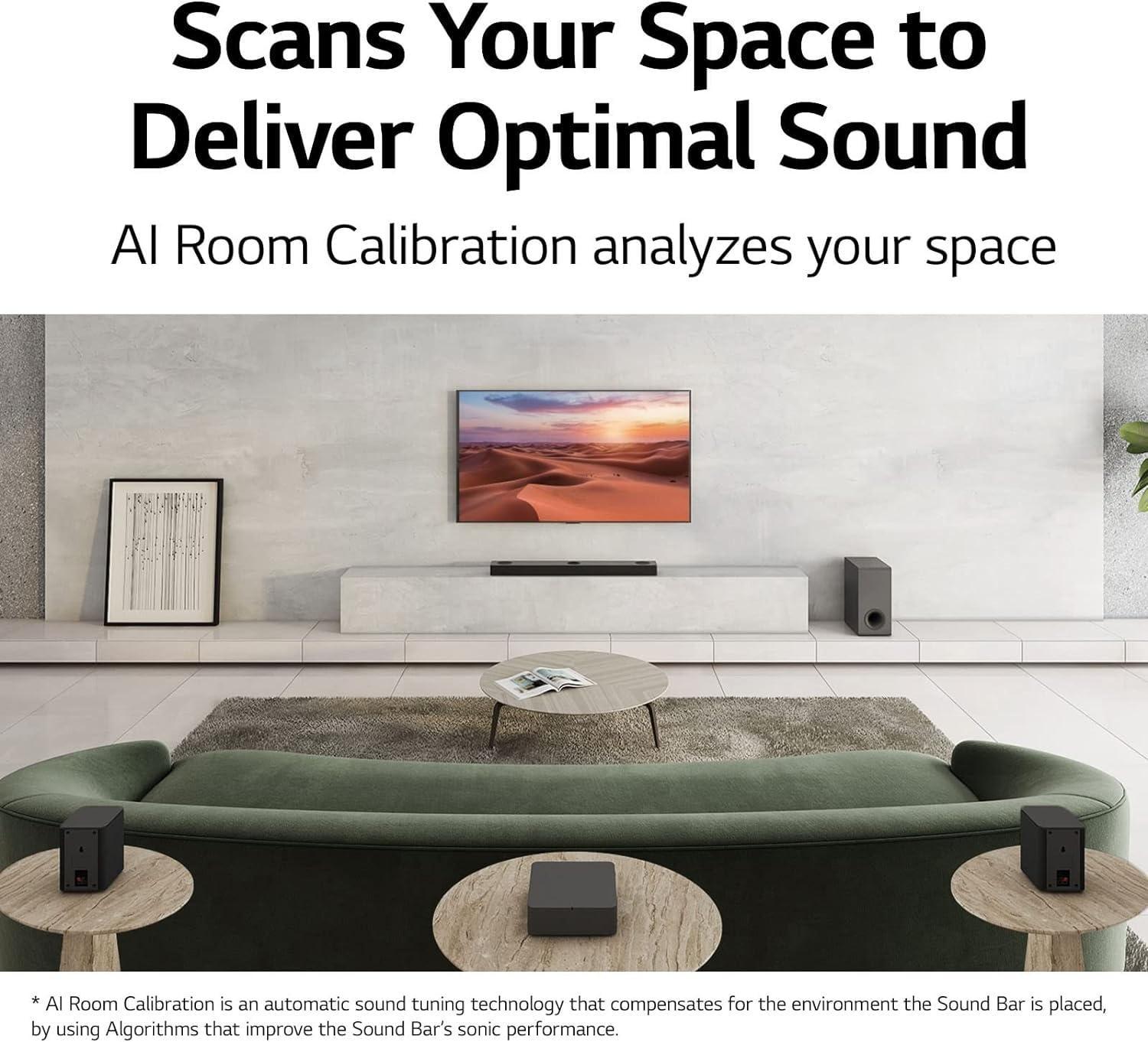
The AI Room Calibration feature automatically adjusts the soundbar's output based on your room's characteristics. While not as sophisticated as the Sennheiser's system, it's effective and requires minimal user input.
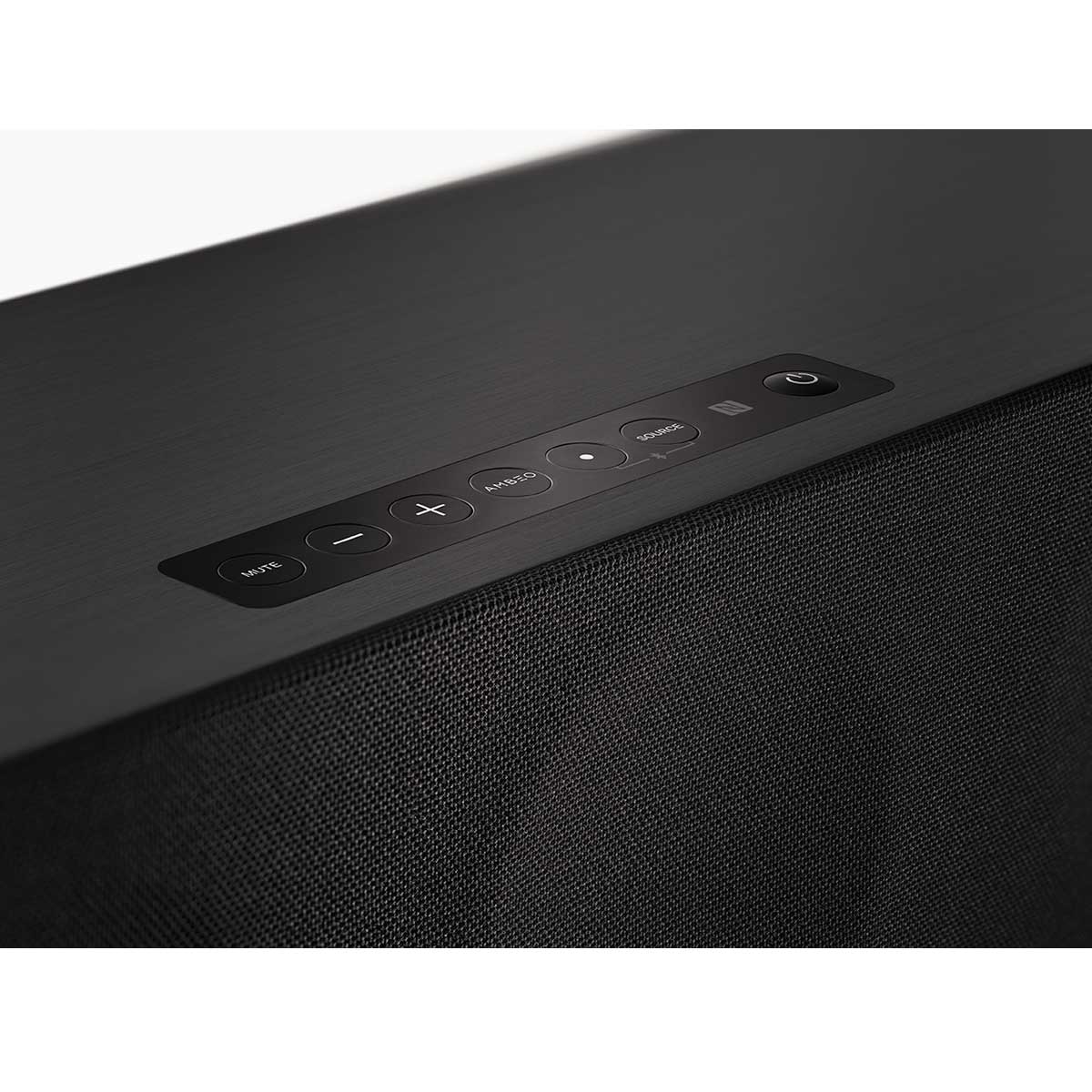
The Sennheiser AMBEO MAX offers more comprehensive room correction with multiple measurement points and detailed acoustic analysis. The Sennheiser Smart Control app provides extensive EQ options and three different AMBEO processing modes (Light, Standard, and Boost) that adjust the intensity of the surround virtualization.
Both soundbars support all the modern connectivity options you'd expect: HDMI eARC for high-quality audio from your TV, Wi-Fi for streaming, Bluetooth for phone connectivity, and various streaming service integrations.
Having spent time with both systems, I can tell you they excel in different scenarios. The LG S90TR absolutely dominates in my larger testing room (about 350 square feet). The physical rear speakers create genuine surround moments that make you look over your shoulder. When watching "Ford v Ferrari," the sound of cars racing past feels authentically three-dimensional.
The bass impact is substantial without being overwhelming. Movies like "Blade Runner 2049" showcase the subwoofer's ability to reproduce both deep, sustained low frequencies and quick, punchy impacts. Music playback is engaging, though the system clearly prioritizes movie content.
The Sennheiser AMBEO MAX impressed me most in a smaller, more controlled environment. The virtualization works best when you're seated in the sweet spot, about 8-12 feet from the bar. The soundstage extends well beyond the physical boundaries of the unit, creating an almost holographic effect with well-recorded content.
Dialogue reproduction is exceptional – I found myself lowering the volume compared to other soundbars because voices came through so clearly. The integrated bass, while not as impactful as the LG's subwoofer, is remarkably well-integrated and doesn't call attention to itself.
At $797, the LG S90TR represents exceptional value for a complete surround system. You're getting components that would cost significantly more if purchased separately: a quality soundbar, wireless subwoofer, and rear speakers. The performance rivals systems costing twice as much.
The Sennheiser AMBEO MAX at $1,999 is harder to justify purely on value, but it serves a specific niche. If you absolutely cannot accommodate multiple speakers but want premium sound quality, the AMBEO's single-unit convenience and sophisticated processing might be worth the premium.
From a long-term perspective, the LG offers more flexibility. If you move to a different room or want to upgrade components individually, you have more options. The Sennheiser is a fixed system – what you buy is what you get.
For dedicated home theater use, the LG S90TR is the clear winner. The physical separation of channels creates more convincing effects for movie content, and the dedicated subwoofer provides the impact that makes action sequences genuinely exciting.
However, room layout matters enormously. You need to be able to position the rear speakers effectively – ideally 2-3 feet behind and slightly above your seating position. If your room doesn't allow for proper rear speaker placement, the Sennheiser's virtualization might actually provide a better experience.
The AMBEO works well for mixed-use spaces where the TV is part of a larger living area rather than a dedicated theater room. Its dialogue clarity makes it excellent for casual TV watching, while its sophisticated processing can still create an engaging movie experience.
Choose the LG S90TR if you have a medium to large room (300+ square feet), can accommodate rear speaker placement, and want the most immersive surround sound experience for your money. It's particularly compelling if you own an LG TV and can take advantage of the ecosystem benefits.
The system excels with movie content, offers genuine bass impact, and provides exceptional value for a complete surround setup. The wireless connectivity eliminates most installation headaches while still giving you true multi-channel separation.
Choose the Sennheiser AMBEO MAX if you're working with space constraints, prioritize dialogue clarity and refined sound, or simply cannot accommodate multiple speakers. The single-unit convenience is genuine, and the build quality reflects the premium price.
The AMBEO is ideal for smaller rooms, mixed-use spaces, or situations where aesthetic concerns override pure performance considerations. Its sophisticated processing and excellent dialogue reproduction make it particularly good for TV content and music listening.
Both soundbars deliver transformative audio compared to TV speakers, but they serve different needs and preferences. The LG S90TR offers more traditional surround sound benefits at exceptional value, making it the better choice for most people seeking a home theater upgrade.
The Sennheiser AMBEO MAX provides sophisticated single-unit convenience for discerning listeners who value German engineering and are willing to pay for premium processing technology.
Your room size, content preferences, and setup constraints should ultimately drive your decision. Both represent significant upgrades over basic audio solutions, but they achieve their goals through fundamentally different approaches. The LG gives you more speakers for your money, while the Sennheiser gives you more technology in a single package.
| LG S90TR ($797) | Sennheiser AMBEO MAX ($1,999) |
|---|---|
| Price - Major value difference for similar premium audio goals | |
| $797 for complete 7.1.3 system | $1,999 for single-unit premium bar |
| Channel Configuration - Determines surround sound authenticity | |
| True 7.1.3 with physical rear speakers | Virtual 5.1.4 from single soundbar |
| Subwoofer - Critical for movie impact and music bass | |
| Dedicated 8" wireless subwoofer | 6x integrated 4" woofers in main bar |
| Total Drivers - More drivers typically mean better sound separation | |
| 13 drivers across multiple components | 13 drivers in single 49" bar |
| Setup Complexity - Affects long-term satisfaction | |
| Multiple wireless components to position | Single bar with advanced calibration |
| Room Size Optimization - Determines which performs better in your space | |
| Best in medium-large rooms (300+ sq ft) | Optimized for smaller, controlled spaces |
| Bass Extension - Low-end impact for movies and music | |
| Down to ~30Hz with dedicated sub | Down to 30Hz from integrated drivers |
| Height Effects - Dolby Atmos overhead sound quality | |
| Physical up-firing drivers in bar + rears | AMBEO 3D virtualization technology |
| Smart TV Integration - Added value for brand ecosystems | |
| WOW Orchestra with LG TVs, WOW Cast wireless | Universal compatibility, no brand synergy |
| Dialogue Clarity - Critical for TV shows and movies | |
| Good with slight upper-mid emphasis | Exceptional with neutral vocal tuning |
| Build Quality - Longevity and premium feel | |
| Plastic construction, solid performance | Premium materials, audiophile-grade components |
| Connectivity Options - Future-proofing and device compatibility | |
| HDMI eARC, optical, Bluetooth 5.1, Wi-Fi | HDMI eARC, optical, Bluetooth 4.0, Wi-Fi, Chromecast |
The LG S90TR ($797) provides exceptional value, offering a complete 7.1.3 surround system with physical rear speakers and a wireless subwoofer for under $800. The Sennheiser AMBEO MAX ($1,999) costs significantly more but delivers premium single-unit convenience and sophisticated audio processing. For most buyers, the LG offers better performance per dollar.
The core difference is approach: the LG S90TR uses actual physical speakers placed around your room for true surround sound, while the Sennheiser AMBEO MAX uses advanced virtualization technology to create surround effects from a single soundbar. The LG provides genuine multi-channel separation, while the Sennheiser relies on clever audio processing.
The Sennheiser AMBEO MAX works better in smaller, controlled spaces where its AMBEO 3D virtualization can effectively use room reflections. The LG S90TR requires adequate space to properly position rear speakers and performs best in medium to large rooms (300+ square feet).
The LG S90TR comes complete with wireless rear speakers and a subwoofer included in the price - no additional purchases needed. The Sennheiser AMBEO MAX is a single-unit solution with everything built-in, including integrated bass drivers that eliminate the need for a separate subwoofer.
The LG S90TR delivers superior bass impact with its dedicated 8-inch wireless subwoofer, providing deep extension and physical rumble for action movies. The Sennheiser AMBEO MAX uses six integrated 4-inch woofers that produce clean, tight bass but cannot match the depth and impact of a dedicated subwoofer.
The Sennheiser AMBEO MAX excels at dialogue reproduction with exceptional vocal clarity and neutral tuning. The LG S90TR handles dialogue well but has a slightly bright character that can make some voices sound sharp. For TV shows and dialogue-heavy content, the Sennheiser has the edge.
The Sennheiser AMBEO MAX offers simpler setup as a single unit with advanced room calibration that handles most adjustments automatically. The LG S90TR requires positioning multiple wireless components (rear speakers and subwoofer) around your room, though the wireless connectivity eliminates cable running.
Yes, both the LG S90TR and Sennheiser AMBEO MAX fully support Dolby Atmos. The LG uses physical up-firing drivers in the main bar and rear speakers for height effects, while the Sennheiser creates virtual height channels through its AMBEO 3D processing technology.
The LG S90TR offers superior integration with LG TVs through WOW Orchestra technology, which uses your TV's built-in speakers as additional channels for an expanded soundstage. The Sennheiser AMBEO MAX works universally with all TV brands but doesn't offer special integration features.
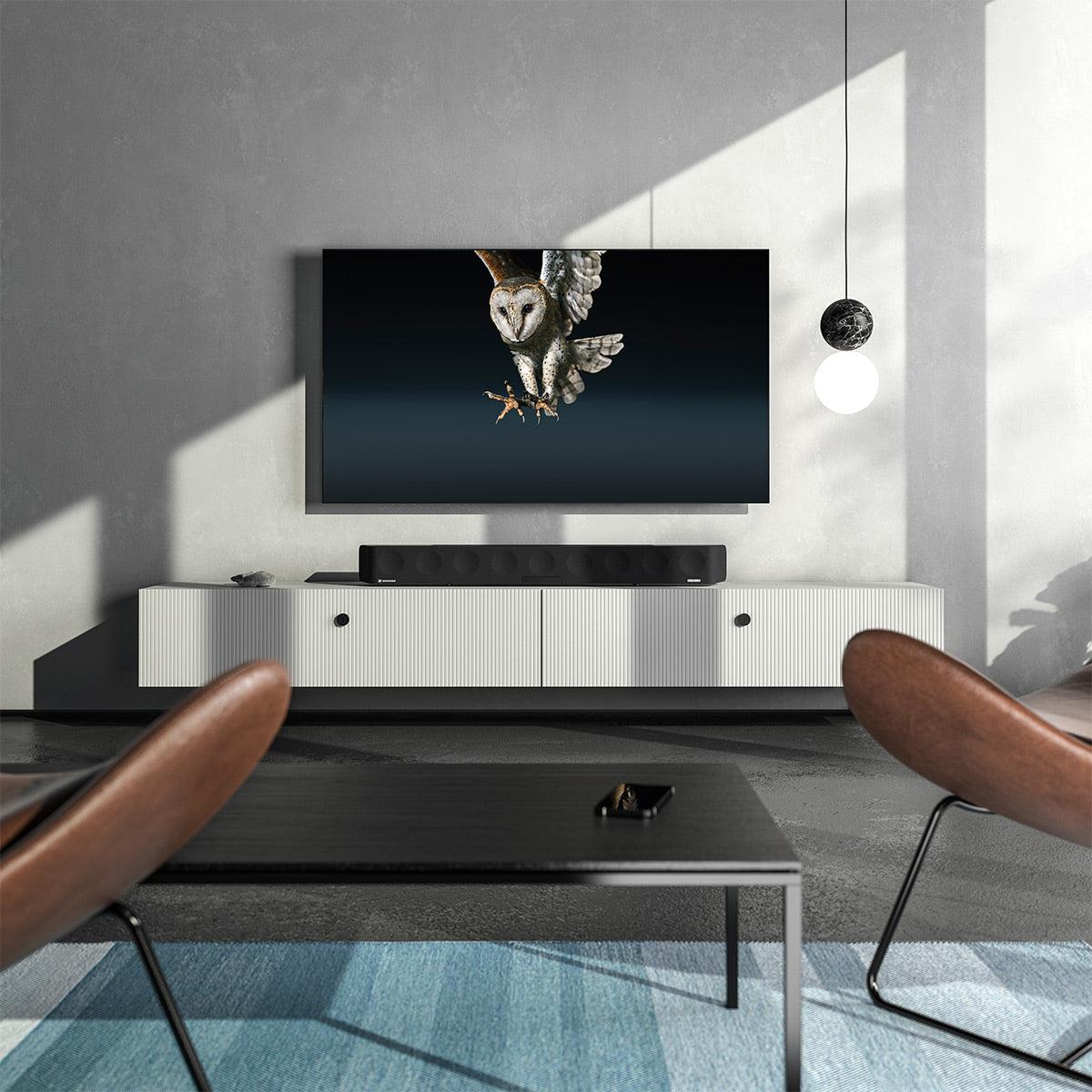
The Sennheiser AMBEO MAX requires only space for a single 49-inch soundbar but may need wall mounting due to its size. The LG S90TR needs room for the main bar plus space to position wireless rear speakers 2-3 feet behind your seating area and floor space for the subwoofer.
Both excel at music but differently: the LG S90TR provides engaging, dynamic sound with substantial bass impact ideal for varied music genres. The Sennheiser AMBEO MAX offers more refined, audiophile-quality reproduction with excellent stereo imaging and balanced frequency response, making it superior for critical music listening.
The LG S90TR offers more long-term flexibility since individual components can potentially be upgraded or replaced. The Sennheiser AMBEO MAX is a fixed system but represents premium German engineering and build quality. Both typically include standard manufacturer warranties, but the LG's modular design provides more future adaptability.
We've done our best to create useful and informative comparisons to help you decide what product to buy. Our research uses advanced automated methods to create this comparison and perfection is not possible - please contact us for corrections or questions. These are the sites we've researched in the creation of this article: rtings.com - abt.com - youtube.com - bestbuy.com - microcenter.com - buydig.com - bestbuy.com - videoandaudiocenter.com - oceanstateappliance.com - youtube.com - avsforum.com - lg.com - bestbuy.com - rtings.com - techradar.com - audioxpress.com - whathifi.com - upscaleaudio.com - soundstagesimplifi.com - global.sennheiser-hearing.com - sennheiser-hearing.com - audioadvice.com - abt.com - moon-audio.com

Privacy Policy
Terms and Conditions - Affiliate Policy
Home Security
© Copyright 2008-2026.
11816 Inwood Rd #1211, Dallas, TX 75244