



When your TV's built-in speakers make dialogue sound like it's coming from inside a tin can, it's time for an upgrade. Soundbars have become the go-to solution for millions of people who want better audio without the complexity of a full surround sound system. But with options ranging from basic stereo bars to premium virtual surround powerhouses, choosing the right one can feel overwhelming.
Today we're comparing two very different approaches to solving your TV audio problems: the budget-friendly Amazon Fire TV Soundbar and the high-end Sennheiser AMBEO Soundbar. These products couldn't be more different in their approach, price, and performance – which makes this comparison particularly useful for understanding what you actually need versus what you might want.
Before diving into specifics, let's establish what separates good soundbars from mediocre ones. The most important factors are power output (measured in watts), driver configuration (the number and type of speakers inside), and audio processing capabilities (the smart software that makes everything sound better).
Channel configuration tells you how many distinct audio channels a soundbar can handle. A 2.0 system has left and right stereo channels, while a 5.1.4 system can process five main channels, one subwoofer channel, and four height channels for overhead effects. Frequency response indicates how well a soundbar reproduces different pitches, from deep bass (measured in Hz) to crisp highs (measured in kHz).
The soundbar category has evolved dramatically over the past decade. Early models from the 2010s were essentially glorified stereo speakers in a long box. Modern soundbars now incorporate sophisticated digital signal processing (DSP) – computer algorithms that can simulate surround sound from just a few speakers – and wireless connectivity that rivals dedicated streaming devices.
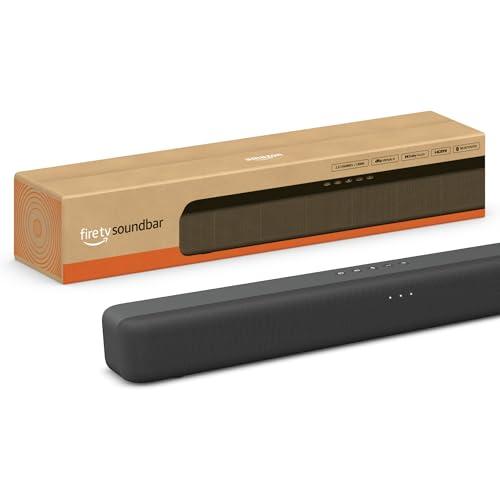
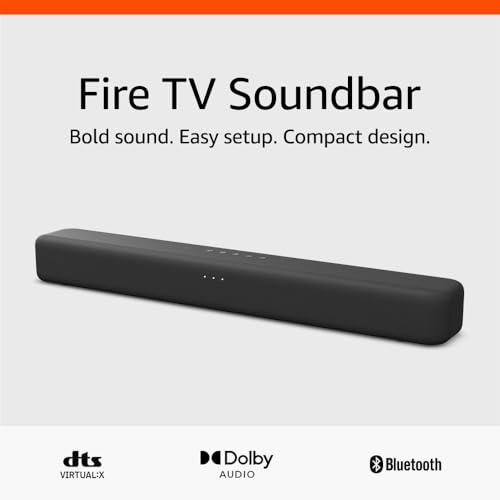
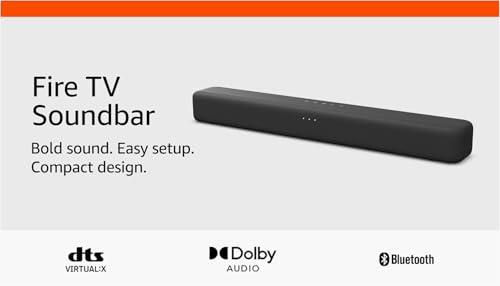
Released in 2019, the Amazon Fire TV Soundbar represented Amazon's attempt to solve two problems with one device: poor TV audio and the need for a streaming solution. At the time of writing, this soundbar sits in the budget category, typically priced well under $200.
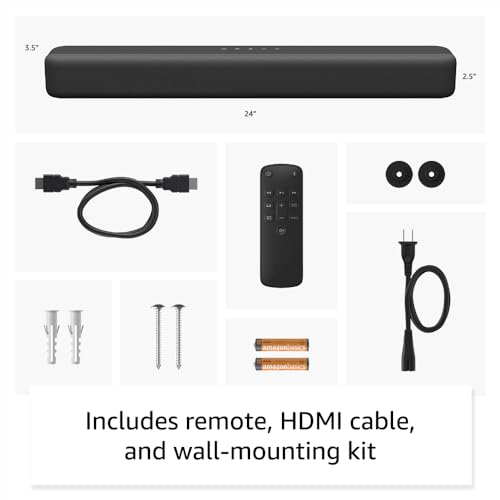
The Fire TV approach is refreshingly straightforward. Inside the compact 61cm-wide housing, you'll find two "Racetrack" drivers – oval-shaped speakers that maximize surface area while keeping the vertical profile thin. These drivers are powered by a modest 40 watts total (20 watts per channel), which might sound underwhelming compared to premium options, but remember we're starting from TV speakers that often produce less than 10 watts of usable audio.
What makes the Amazon Fire TV Soundbar unique isn't just its audio capabilities, but its integrated Fire TV operating system. This means you get access to Netflix, Prime Video, Disney+, and other streaming services directly through the soundbar, eliminating the need for a separate streaming device. The built-in Quad Core 1.7GHz processor handles both audio processing and streaming duties, though it's worth noting this is the same chip found in mid-range smartphones from several years ago.
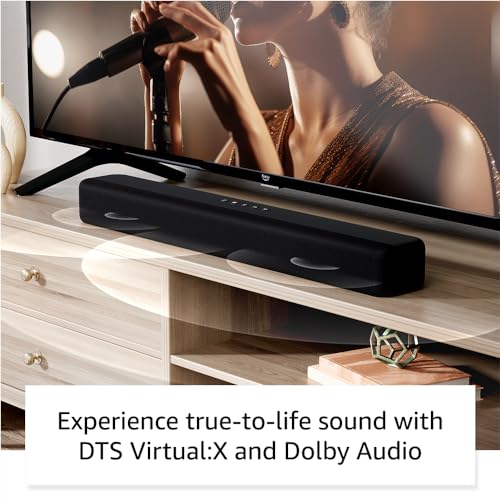
The soundbar supports Dolby Audio and DTS Virtual:X processing. Dolby Audio ensures consistent sound levels between different content and optimizes dialogue clarity, while DTS Virtual:X uses psychoacoustic tricks to make stereo speakers sound wider and more enveloping than they physically are. It's not true surround sound, but it's a noticeable improvement over basic stereo playback.
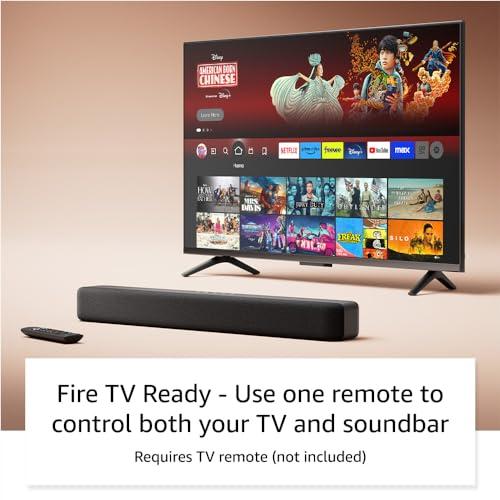
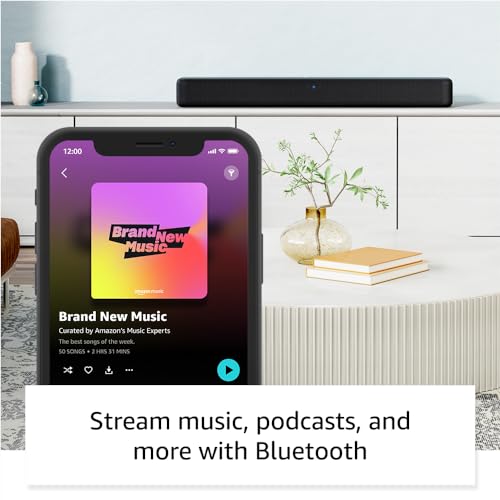
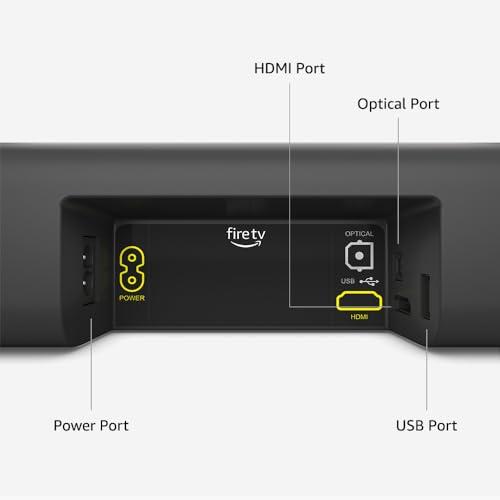
Connectivity options include HDMI eARC (enhanced Audio Return Channel), which lets you control the soundbar with your TV remote, plus optical input for older TVs and Bluetooth for wireless music streaming. The bass reflex design – a tuned port that enhances low-frequency response – allows the soundbar to be mounted directly against a wall without acoustic penalties.
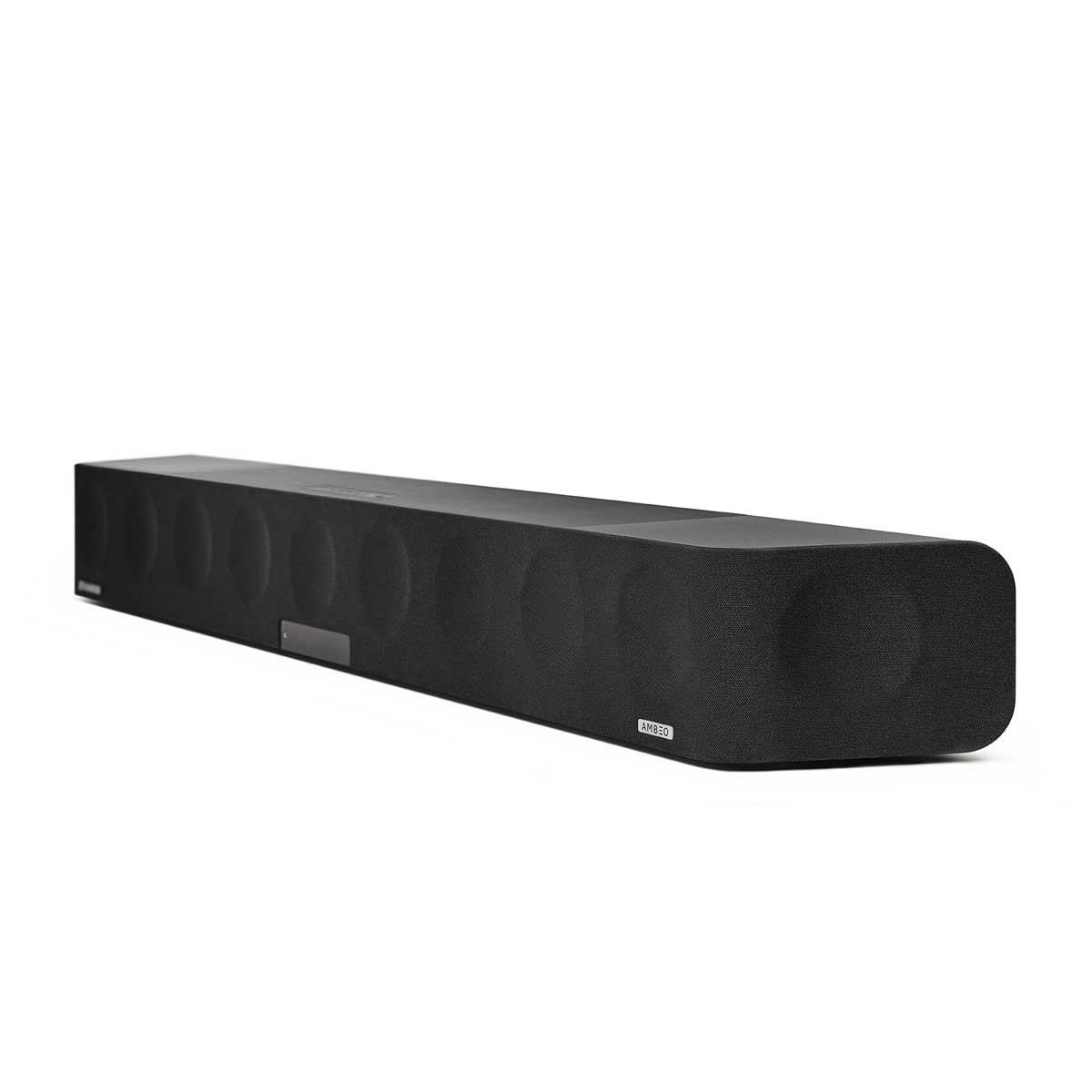
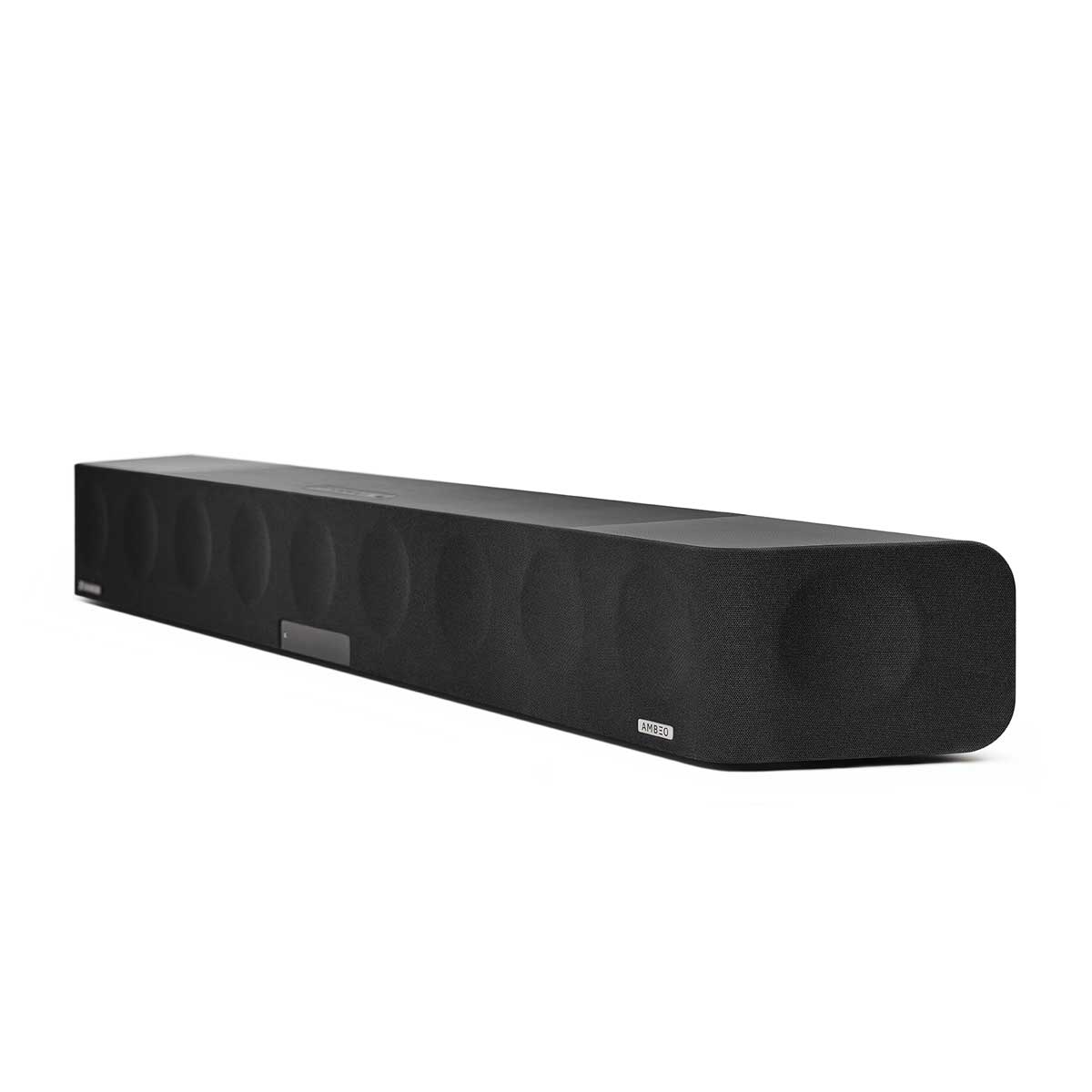
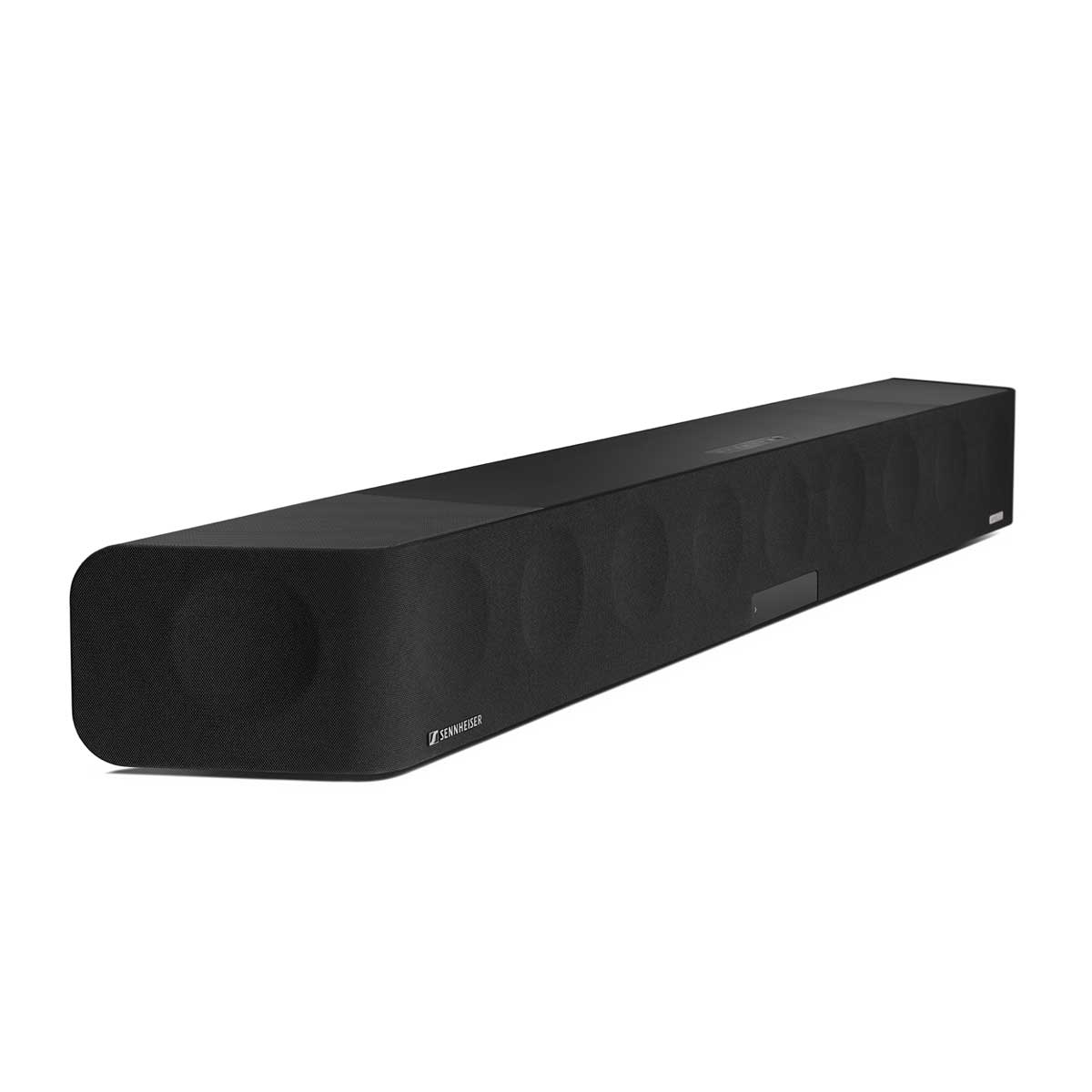
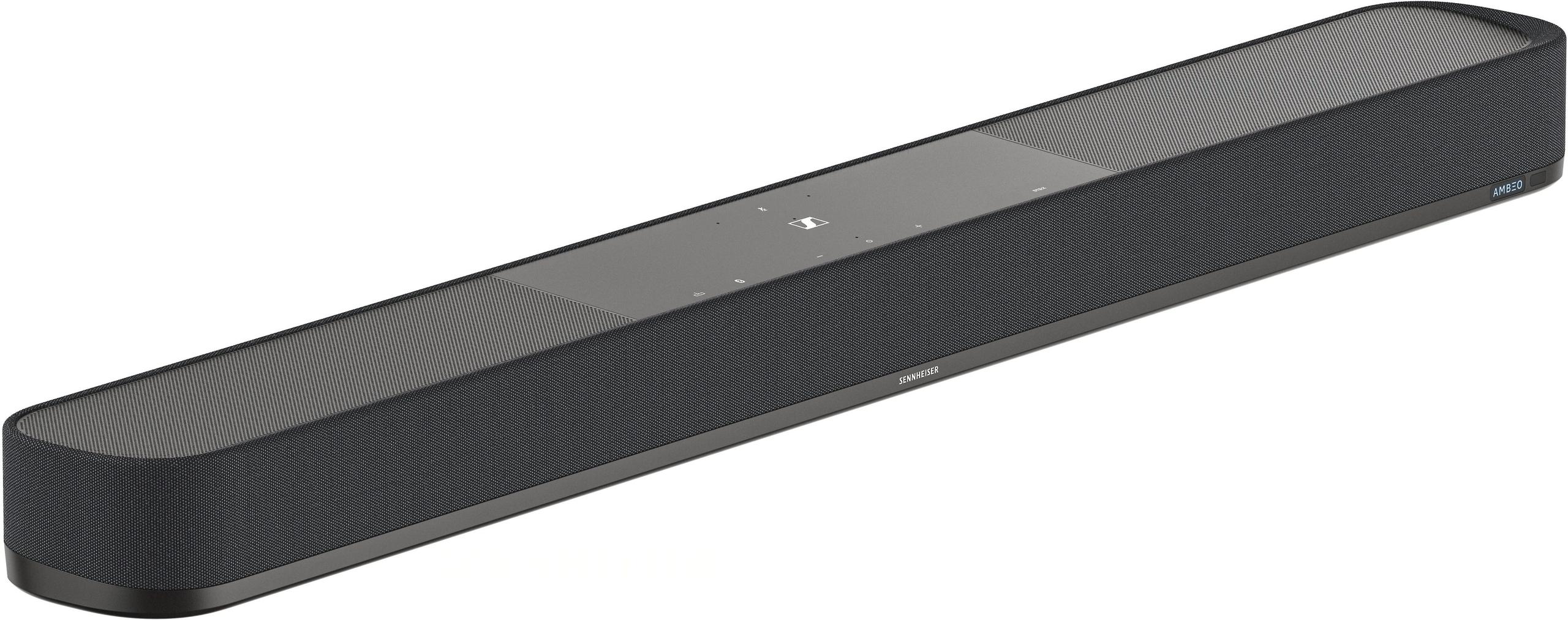
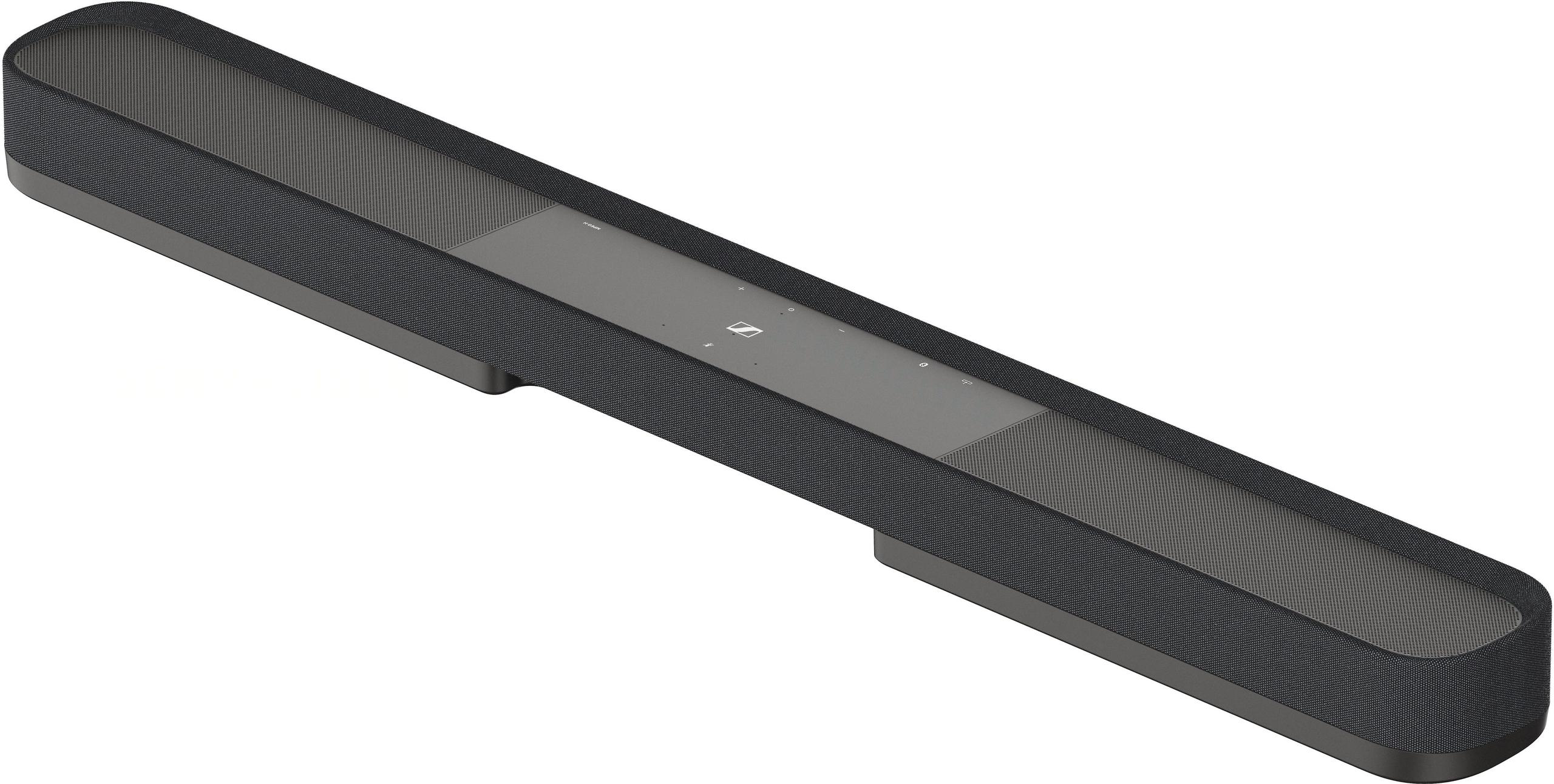
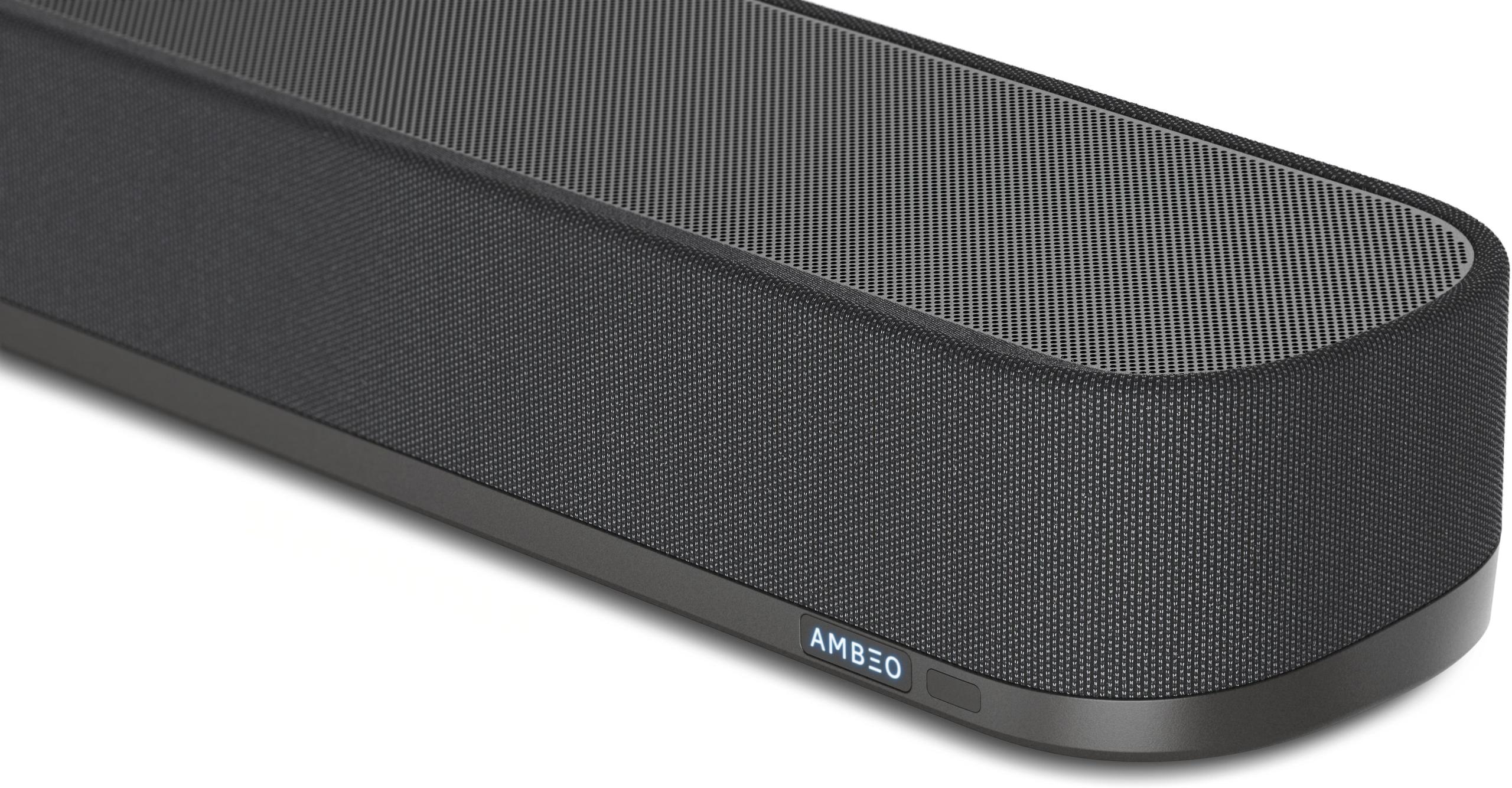
The Sennheiser AMBEO Soundbar launched with a completely different philosophy: deliver the highest possible audio quality from a single unit, regardless of cost or complexity. At the time of writing, this soundbar commands premium pricing, often costing 8-10 times more than budget alternatives.
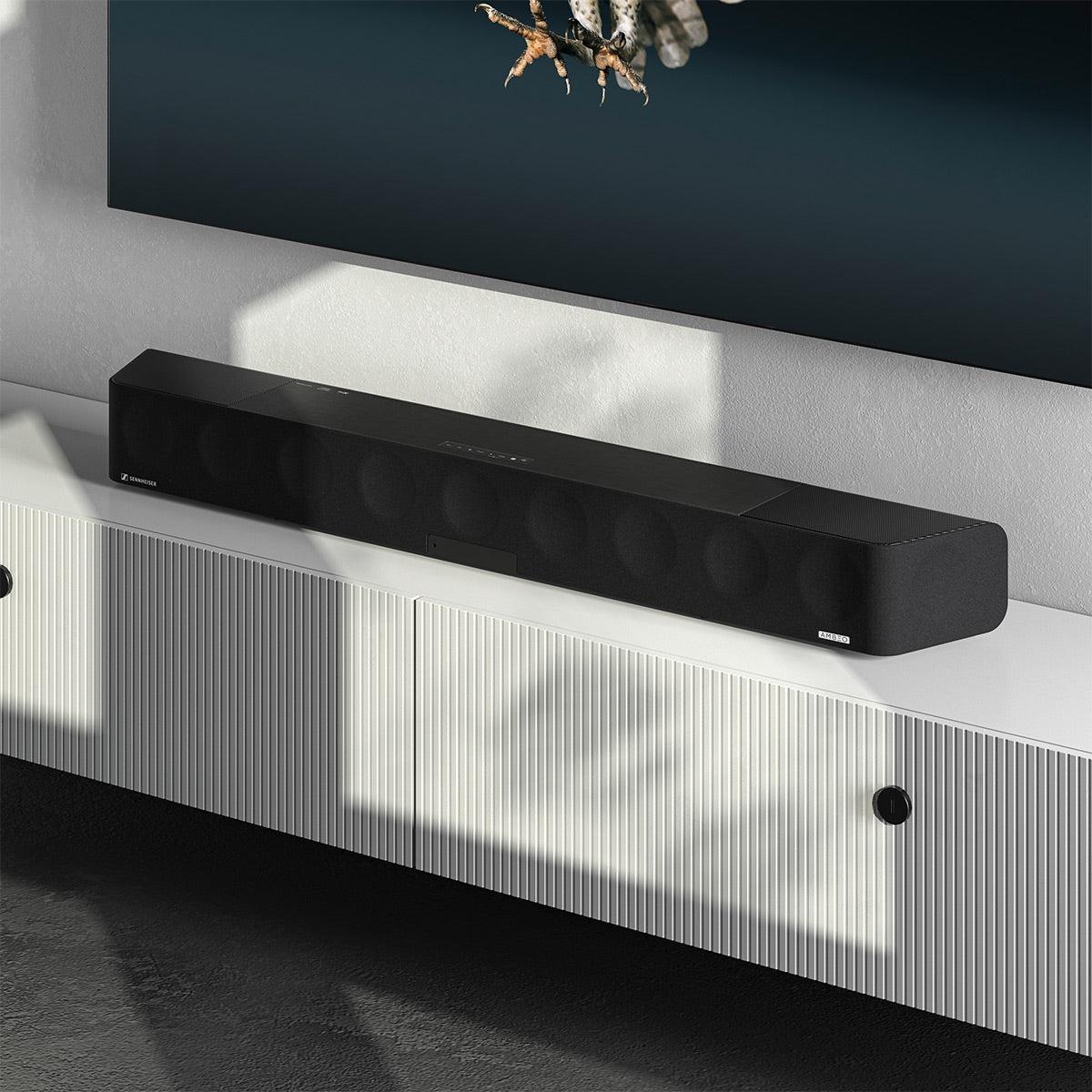
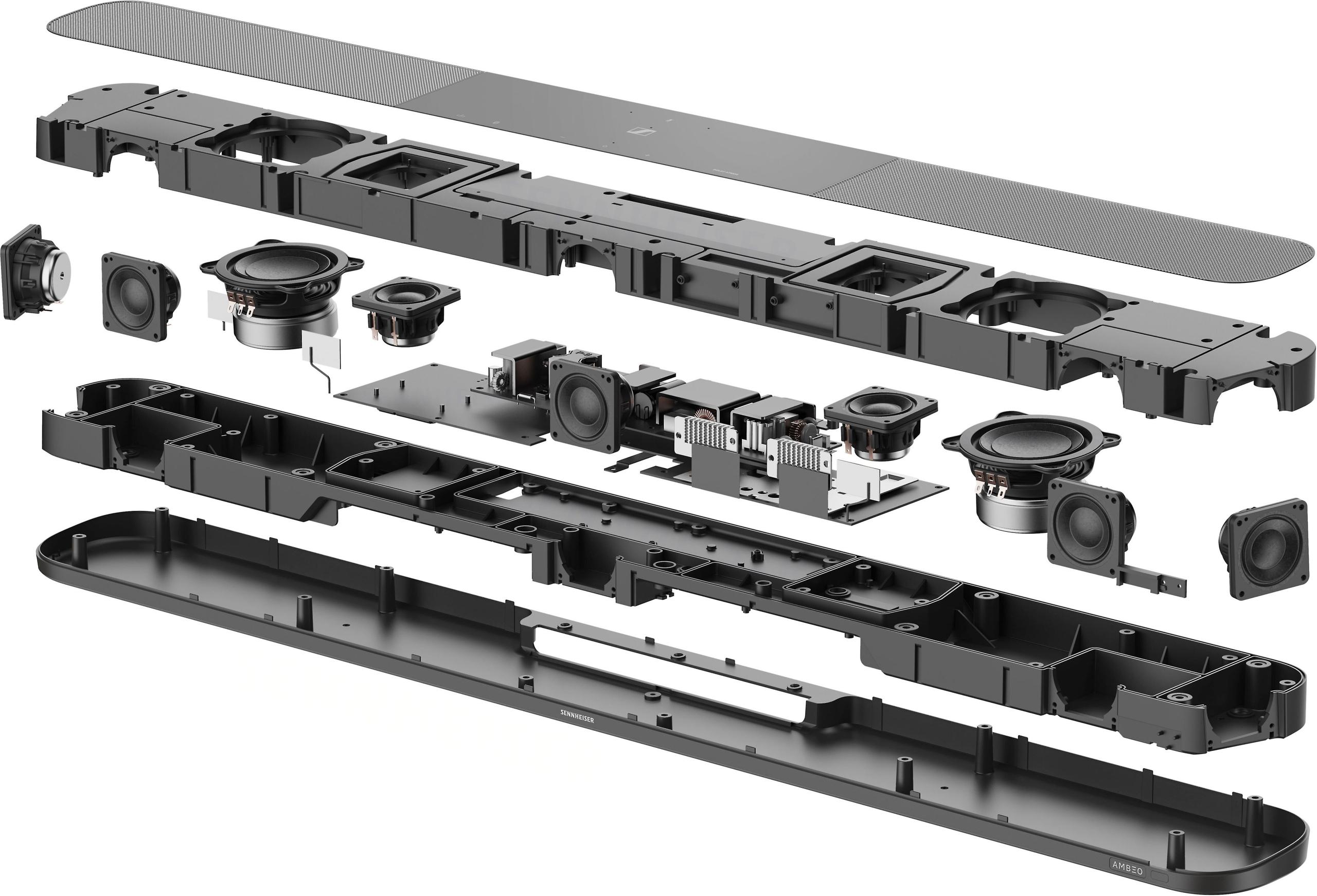
Sennheiser packed 13 individual drivers into the AMBEO's substantial frame, including six 4-inch woofers for deep bass extension down to 30Hz, five 1-inch aluminum dome tweeters for crisp highs, and two 3.5-inch full-range drivers positioned on the top corners. This driver array is powered by 500 watts of amplification – more than many full-sized home theater receivers from just a few years ago.
The real magic happens in the AMBEO virtualization technology, developed in partnership with Fraunhofer (the research institute behind the MP3 format). This system uses advanced digital signal processing to create the illusion of a full 5.1.4 surround system – that's five main channels, one subwoofer channel, and four height channels for overhead effects. The technology analyzes your room's acoustic properties and adapts the virtual speaker placement accordingly.
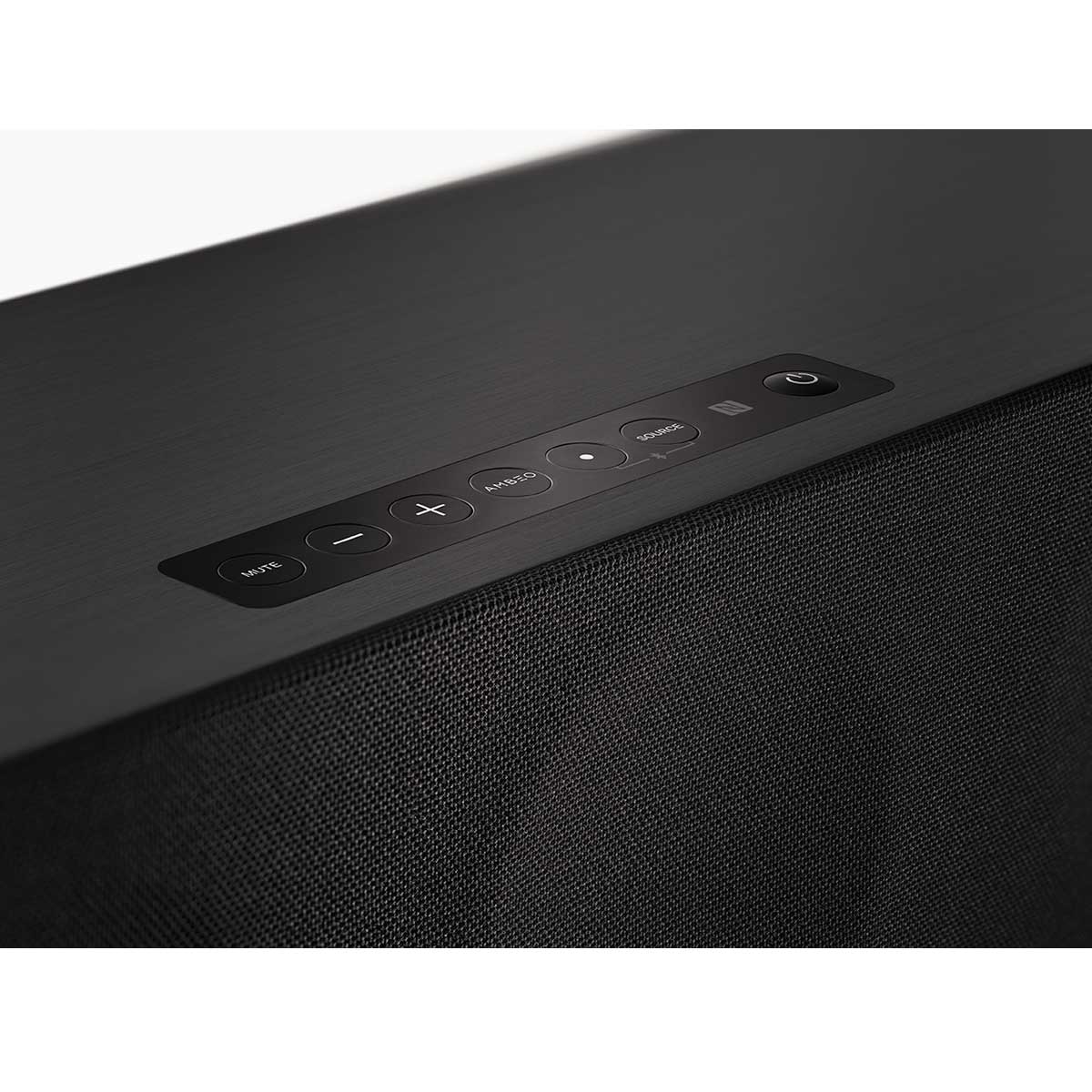
Room calibration is where the Sennheiser AMBEO truly shines. Built-in microphones measure how sound reflects off your walls, ceiling, and furniture, then adjust the audio processing to compensate. This automatic room correction is similar to what you'd find in high-end AV receivers costing thousands of dollars.
The soundbar supports every modern audio format worth caring about: Dolby Atmos, DTS:X, MPEG-H, and Sony's 360 Reality Audio. Dolby Atmos adds height information to soundtracks, making helicopters seem to fly overhead or rain appear to fall from above. DTS:X provides similar immersive effects with a different approach to object-based audio mixing.
The performance gap between these soundbars is immediately apparent when you consider the specifications. The Amazon Fire TV Soundbar produces 40 watts from two modest drivers, while the Sennheiser AMBEO delivers 500 watts through 13 specialized drivers. That's a 12.5x difference in power output, which translates directly to how loud, clear, and dynamic your audio will sound.
But power alone doesn't tell the whole story. The Amazon Fire TV Soundbar uses its limited resources efficiently, focusing on dialogue clarity and basic stereo imaging. In smaller rooms, this approach works well – you'll hear conversations clearly, and music will have better separation between instruments than what your TV can manage.
The Sennheiser AMBEO operates in a different league entirely. Those six 4-inch woofers can reproduce the deep rumble of explosions and the subtle textures of a double bass. The five tweeters ensure that every detail in the high frequencies remains crisp even at high volumes. Based on professional reviews and user feedback, the AMBEO can fill large rooms with authority while maintaining clarity at both whisper-quiet dialogue levels and action movie crescendos.
This is where the fundamental difference between budget and premium becomes most apparent. The Amazon Fire TV Soundbar can create a slightly wider soundstage than basic stereo through DTS Virtual:X processing, but it's essentially making the best of a stereo source. You'll notice some improvement in the sense of space, particularly with music, but don't expect sounds to seem like they're coming from behind or above you.
The Sennheiser AMBEO delivers genuine surround sound immersion that rivals traditional multi-speaker systems. The virtualization technology can convincingly place sounds all around your listening position. Based on expert reviews, the height effects are particularly impressive – rain, helicopters, and atmospheric sounds genuinely seem to come from above. The side and rear effects are also convincing, though physical surround speakers still have a slight edge for sounds that should come from directly behind you.
Room acoustics play a crucial role here. The AMBEO works by bouncing sound off your ceiling and walls to create virtual speakers. This means rooms with very high ceilings, excessive soft furnishings, or irregular shapes may not achieve optimal results. The Amazon Fire TV Soundbar is much less sensitive to room conditions since it's primarily direct-firing.
The Amazon Fire TV Soundbar wins on convenience and integration. Having streaming services built directly into your audio device means one less remote, one less HDMI input used, and no additional device cluttering your entertainment center. The Fire TV interface is responsive and includes Alexa voice control for hands-free operation.
However, this integration comes with ecosystem limitations. You're tied to Amazon's platform, which means some streaming services may not be available or might not be updated as quickly as dedicated streaming devices. The processing power, while adequate for streaming and basic audio processing, can't match what dedicated streaming devices or premium soundbars offer.
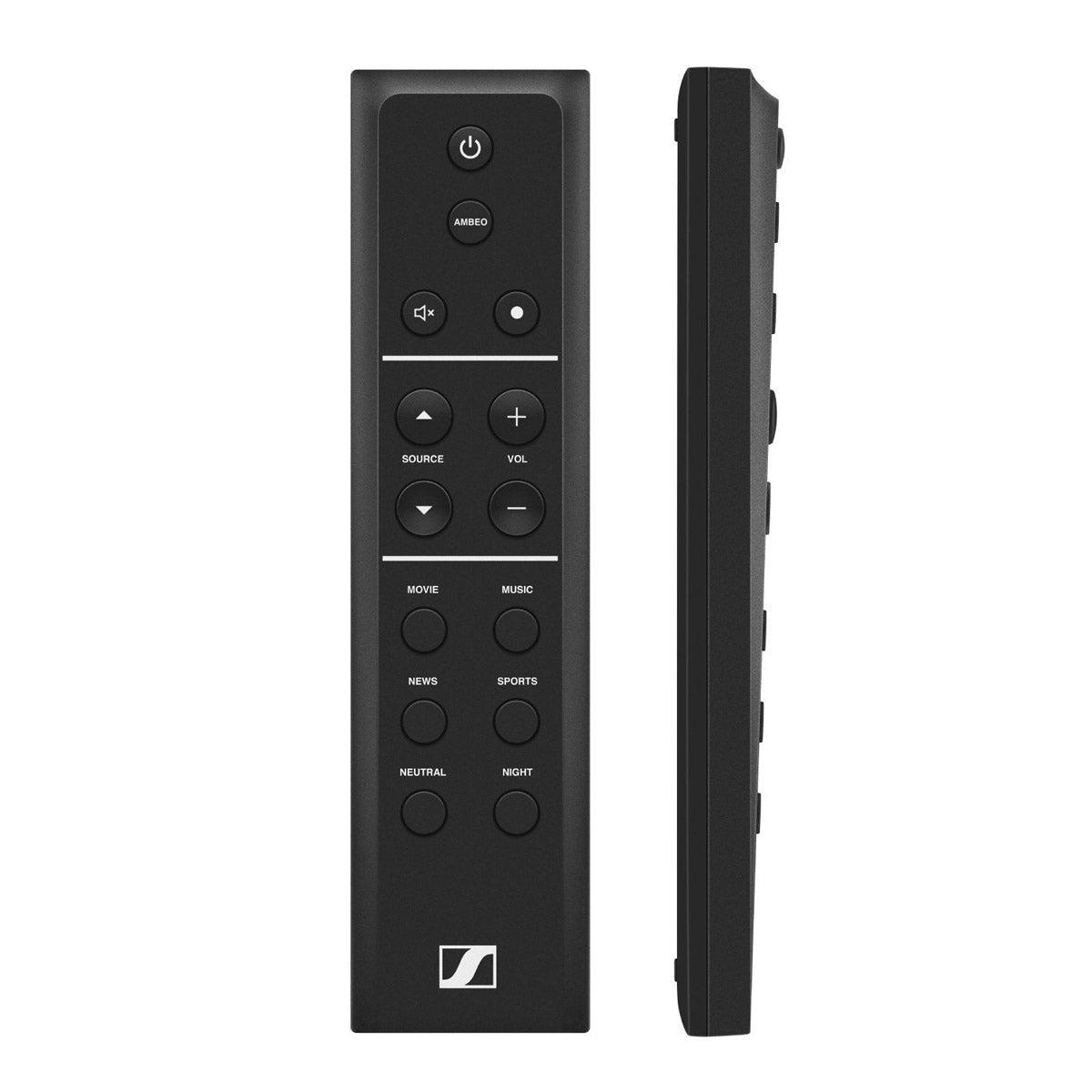
The Sennheiser AMBEO takes a more flexible approach. It supports Chromecast, AirPlay 2, Spotify Connect, and various other wireless protocols, making it platform-agnostic. The Smart Control app provides granular control over audio settings, including detailed EQ adjustments and multiple listening modes optimized for different content types.
At the time of writing, the price difference between these soundbars is substantial – we're talking about a 8-10x multiplier. This raises the obvious question: is the Sennheiser AMBEO really worth that much more?
The Amazon Fire TV Soundbar represents exceptional value if your primary goal is improving upon truly poor TV audio while adding streaming functionality. For users coming from basic TV speakers, the improvement will be dramatic. Dialogue becomes clearer, music gains dimension, and you get the convenience of integrated streaming. The compact size makes it suitable for smaller spaces where a larger soundbar wouldn't fit.
The Sennheiser AMBEO justifies its premium pricing through uncompromising performance. You're paying for cutting-edge audio technology, premium drivers, sophisticated room calibration, and the ability to replace an entire home theater system with a single device. Based on long-term user reviews, the build quality and reliability also reflect the investment.
Consider your reference point carefully. If you're comparing either soundbar to your TV's built-in audio, both will seem miraculous. If you're comparing to a basic external soundbar, the Fire TV model will represent a solid upgrade. If you're comparing to a full home theater system or high-end audio equipment, only the AMBEO will feel like a lateral move rather than a compromise.
For dedicated home theater use, the differences become even more pronounced. The Amazon Fire TV Soundbar works best as a TV audio upgrade rather than a true home theater solution. It'll make Netflix shows more enjoyable and improve music listening, but don't expect it to deliver the impact needed for serious movie nights.
The Sennheiser AMBEO was designed specifically for home theater applications. It can reproduce the full dynamic range of movie soundtracks, from quiet dialogue scenes to explosive action sequences. The height effects work particularly well with Atmos-encoded content, creating that coveted "theater at home" experience.
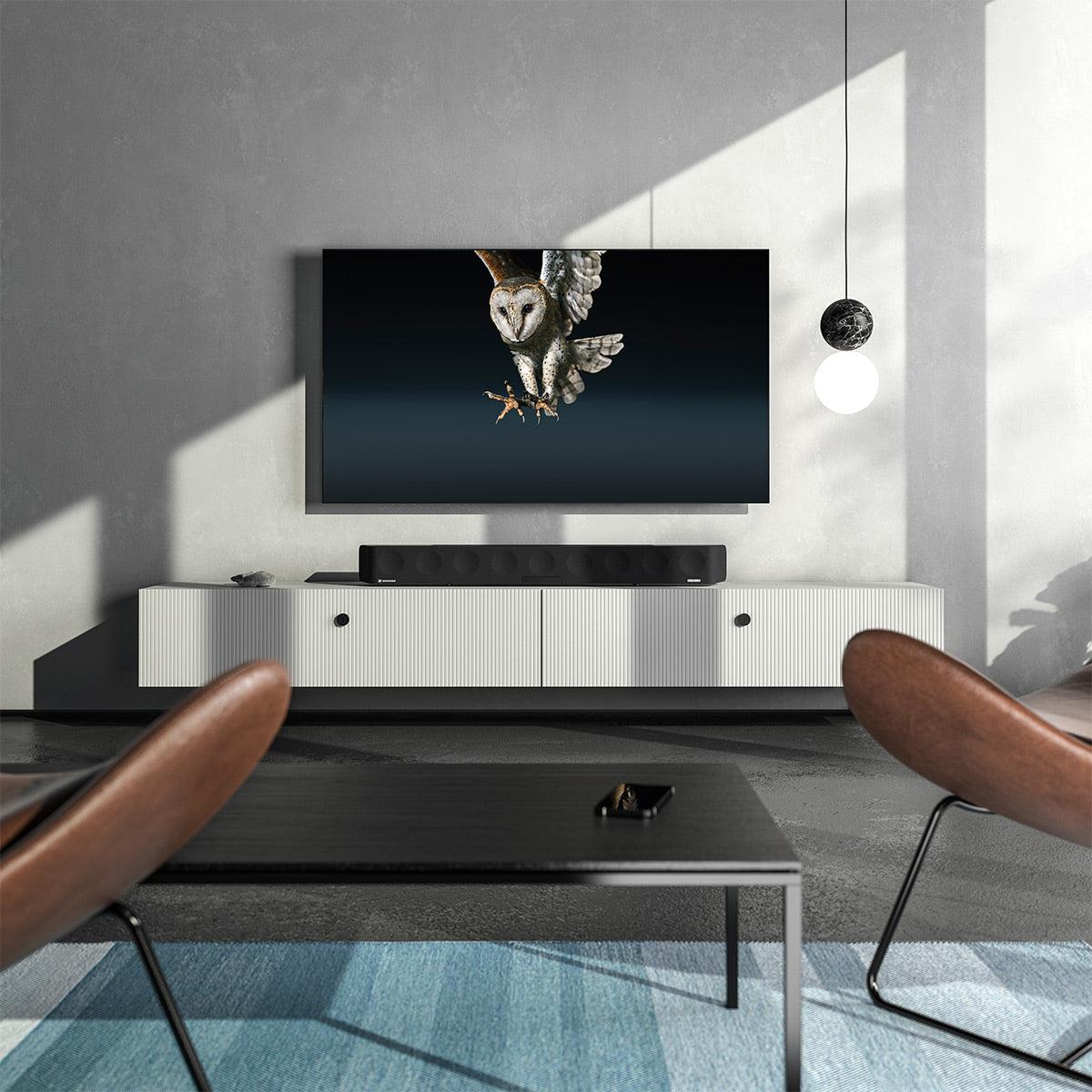
Room size matters significantly for home theater use. The Fire TV soundbar works well in bedrooms, small apartments, or secondary viewing areas. The AMBEO needs adequate space to breathe – both physically and acoustically. In a large living room, the AMBEO's power and room-filling capability become essential, while the Fire TV soundbar might sound thin and underpowered.
Since the Amazon Fire TV Soundbar launched in 2019, the streaming landscape has evolved considerably. New services have launched, video quality has improved with widespread 4K adoption, and audio formats have become more sophisticated. The soundbar's processing power, while adequate at launch, feels more limiting today, particularly for newer audio formats and high-bitrate streaming content.
The Sennheiser AMBEO was designed with future-proofing in mind. Its support for emerging audio formats like 360 Reality Audio and MPEG-H audio ensures compatibility with next-generation content. The substantial processing power and regular firmware updates mean it's more likely to remain relevant as audio technology continues evolving.
Choose the Amazon Fire TV Soundbar if:
Choose the Sennheiser AMBEO Soundbar if:
These soundbars represent two completely different philosophies toward solving TV audio problems. The Amazon Fire TV Soundbar delivers practical improvement at an accessible price point, while the Sennheiser AMBEO Soundbar provides uncompromising performance for serious audio enthusiasts.
Neither choice is wrong – it entirely depends on your specific needs, room situation, and budget priorities. The Fire TV soundbar will dramatically improve your TV watching experience without breaking the bank or complicating your setup. The AMBEO will deliver audio quality that rivals dedicated home theater systems while maintaining the simplicity of a single-device solution.
The key is being honest about your actual requirements versus your aspirational wants. If you're primarily trying to make dialogue clearer and add some streaming convenience, the budget option makes perfect sense. If you're seeking an immersive audio experience that makes you forget you're not in a movie theater, the premium investment becomes justified.
Both products excel in their intended markets – the question is which market you belong to.
| Amazon Fire TV Soundbar | Sennheiser AMBEO Soundbar |
|---|---|
| Total Power Output - Determines maximum volume and dynamic range | |
| 40W (2x 20W amplifiers) - adequate for small-medium rooms | 500W across 13 drivers - fills large rooms with authority |
| Audio Channels - Affects surround sound capability | |
| 2.0 stereo with DTS Virtual:X enhancement | 5.1.4 virtual surround with true Dolby Atmos processing |
| Driver Configuration - Impacts sound quality and frequency response | |
| 2x compact "Racetrack" full-range drivers | 13 dedicated drivers: 6x 4" woofers, 5x 1" tweeters, 2x 3.5" full-range |
| Frequency Response - Range of bass to treble reproduction | |
| Limited by compact drivers, no deep bass extension | 30Hz-20kHz with substantial bass capability from built-in woofers |
| Smart Features - Built-in streaming and voice control | |
| Full Fire TV OS with Alexa, direct streaming app access | Wi-Fi streaming (Chromecast, AirPlay 2) with voice assistant compatibility |
| Room Calibration - Automatic audio optimization | |
| None - manual sound mode selection only | Advanced 4-microphone room calibration with adaptive processing |
| Dimensions and Weight - Installation and placement flexibility | |
| 61 x 9 x 6.5 cm, 1.8kg - compact and wall-mountable | 126 x 13.5 x 17.1 cm, 18.5kg - substantial footprint requiring sturdy placement |
| Connectivity Options - Device compatibility and input flexibility | |
| HDMI eARC, optical, Bluetooth - basic but adequate | HDMI 2.1 eARC, multiple HDMI inputs, Wi-Fi 6, Bluetooth 5.0 - comprehensive |
| Audio Format Support - Compatibility with modern content | |
| Dolby Audio, DTS Virtual:X - standard streaming formats | Dolby Atmos, DTS:X, MPEG-H, 360 Reality Audio - all premium formats |
| Best Use Case - Ideal buyer and scenario | |
| Budget upgrade from TV speakers with streaming needs | Premium home theater replacement without multiple speakers |
The Amazon Fire TV Soundbar is a budget-friendly 2.0 stereo soundbar with integrated Fire TV streaming, while the Sennheiser AMBEO Soundbar is a premium single-unit system that creates virtual 5.1.4 surround sound. The Fire TV model focuses on basic audio improvement and streaming convenience, whereas the AMBEO delivers high-end home theater performance with true Dolby Atmos support.
The Amazon Fire TV Soundbar is better suited for small rooms due to its compact 61cm width and modest power output that won't overwhelm smaller spaces. The Sennheiser AMBEO Soundbar is quite large at 126cm wide and designed for medium to large rooms where its advanced room calibration and powerful drivers can perform optimally.
With the Amazon Fire TV Soundbar, you don't need a separate streaming device since it has Fire TV OS built-in with access to Netflix, Prime Video, and other apps. The Sennheiser AMBEO Soundbar doesn't include streaming services, so you'll need a separate Fire TV Stick, Apple TV, or similar device for streaming content.
The Sennheiser AMBEO Soundbar provides significantly better surround sound with genuine Dolby Atmos processing and 13 drivers creating convincing 360-degree audio. The Amazon Fire TV Soundbar only offers basic DTS Virtual:X enhancement that slightly widens the stereo soundstage but cannot produce true surround effects.
The Sennheiser AMBEO Soundbar can effectively replace a full 5.1.4 home theater system for most users, delivering immersive surround sound with overhead effects from a single unit. The Amazon Fire TV Soundbar cannot replace a home theater system as it's designed primarily as a TV audio upgrade rather than a comprehensive entertainment solution.
The Amazon Fire TV Soundbar is much easier to set up with simple HDMI or optical connection and no room calibration required. The Sennheiser AMBEO Soundbar requires more complex setup including automatic room calibration using built-in microphones, though this process ensures optimal audio performance for your specific space.
Both the Amazon Fire TV Soundbar and Sennheiser AMBEO Soundbar work with all TV brands through HDMI ARC/eARC or optical connections. However, the Fire TV model works best when paired with Fire TV Edition televisions for seamless integration, while the AMBEO is completely brand-agnostic.
The Sennheiser AMBEO Soundbar is significantly better for music listening with its 13 high-quality drivers, wide frequency response, and detailed sound reproduction. The Amazon Fire TV Soundbar can improve music playback over TV speakers but lacks the power and driver quality needed for serious music enjoyment.
The Amazon Fire TV Soundbar can be easily wall-mounted due to its lightweight 1.8kg design and compact dimensions. The Sennheiser AMBEO Soundbar weighs 18.5kg and requires a very sturdy wall mount, though most users place it on a TV stand due to its substantial size and weight.
The Sennheiser AMBEO Soundbar has much better bass with six built-in 4-inch woofers that can reproduce frequencies down to 30Hz. The Amazon Fire TV Soundbar has limited bass extension from its compact drivers and lacks the power to produce deep, impactful low frequencies.
The Sennheiser AMBEO Soundbar excels for gaming with low-latency HDMI connections, immersive surround sound that enhances spatial awareness, and support for advanced audio formats. The Amazon Fire TV Soundbar provides basic gaming audio improvement but lacks the surround capabilities and power needed for an engaging gaming experience.
For budget-conscious buyers, the Amazon Fire TV Soundbar offers excellent short-term value by solving TV audio and streaming needs affordably. For audio enthusiasts, the Sennheiser AMBEO Soundbar provides better long-term value through superior build quality, future-proof audio format support, and performance that won't need upgrading for many years.
We've done our best to create useful and informative comparisons to help you decide what product to buy. Our research uses advanced automated methods to create this comparison and perfection is not possible - please contact us for corrections or questions. These are the sites we've researched in the creation of this article: rtings.com - developer.amazon.com - stereoguide.com - developer.amazon.com - techradar.com - hometechnologyreview.com - whathifi.com - youtube.com - whathifi.com - wirelessplace.com - hometechnologyreview.com - dolby.com - aboutamazon.com - developer.amazon.com - community.anker.com - youtube.com - cordbusters.co.uk - bestbuy.com - rtings.com - techradar.com - audioxpress.com - whathifi.com - upscaleaudio.com - soundstagesimplifi.com - global.sennheiser-hearing.com - sennheiser-hearing.com - audioadvice.com - abt.com - moon-audio.com

Privacy Policy
Terms and Conditions - Affiliate Policy
Home Security
© Copyright 2008-2026.
11816 Inwood Rd #1211, Dallas, TX 75244