



When your TV's built-in speakers make movie dialogue sound like it's coming through a tin can, it's time to consider a soundbar upgrade. But with options ranging from budget-friendly basics to premium powerhouses, choosing the right one can feel overwhelming. Today we're comparing two dramatically different approaches: the Samsung HW-B630F, an affordable 3.1-channel system that launched in 2025, and the Sennheiser AMBEO Soundbar, a premium all-in-one unit from 2023 that costs roughly eight times more at the time of writing.
These aren't just different price points—they represent fundamentally different philosophies about how to improve your TV's audio. One takes the traditional route with separate components, while the other pushes the boundaries of what's possible from a single unit.
Before diving into our comparison, it's worth understanding what makes modern soundbars tick. The core challenge is creating a wide, immersive soundstage from a device that sits directly under your TV. Traditional surround sound systems solve this with multiple speakers placed around your room, but soundbars must create that same experience using clever processing and driver placement.
The key technologies you'll encounter include:
The most important performance metrics for any soundbar are dialogue clarity, bass response, soundstage width and height, and how convincingly it creates surround effects. Music reproduction matters too, especially if you plan to stream audio regularly.
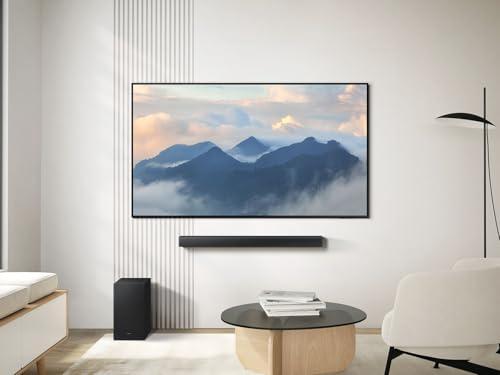
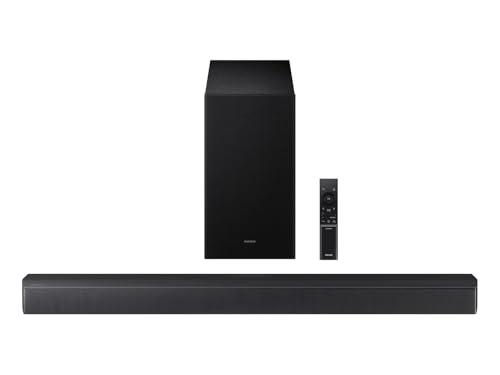
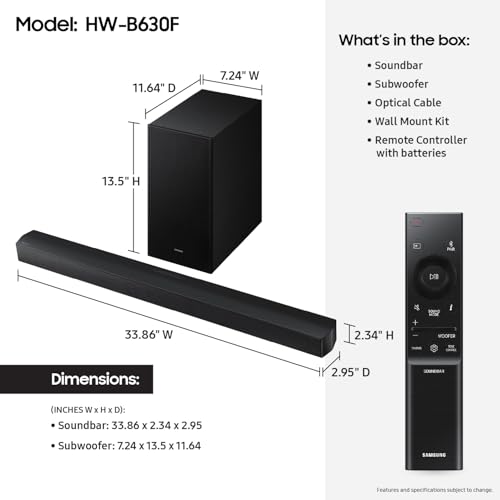
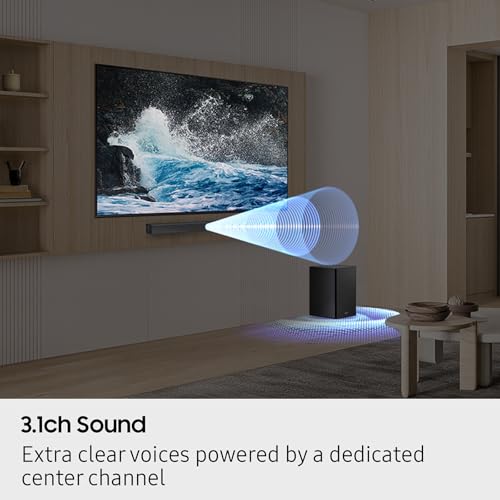
The Samsung HW-B630F represents the tried-and-true soundbar formula: a main bar with dedicated drivers for left, center, and right channels, paired with a separate wireless subwoofer for bass. This 3.1 configuration might sound basic compared to the fancy numbers you'll see on premium models, but it delivers something important—a genuine center channel dedicated to dialogue.
That center channel makes a real difference. In movies and TV shows, dialogue typically gets routed to this dedicated speaker, which Samsung has specifically tuned for vocal clarity. The result is noticeably clearer speech compared to your TV's speakers or basic 2.1 soundbars that must virtualize the center image. This matters more than you might think, especially if you find yourself constantly adjusting volume or turning on subtitles.
The included wireless subwoofer deserves special attention. While some critics dismiss separate subs as clunky, there's a physics advantage here that's hard to ignore. The 6-inch front-firing driver in a ported enclosure can move significantly more air than any driver built into a soundbar's slim profile. This translates to deeper, more impactful bass that actually adds weight to explosions, music, and atmospheric effects.
The wireless connection operates on 2.4GHz, giving you about 30 feet of placement flexibility. This matters because subwoofer placement dramatically affects performance. Corner placement typically boosts output, while positioning along walls can create smoother response. With the Samsung HW-B630F, you have the freedom to experiment.
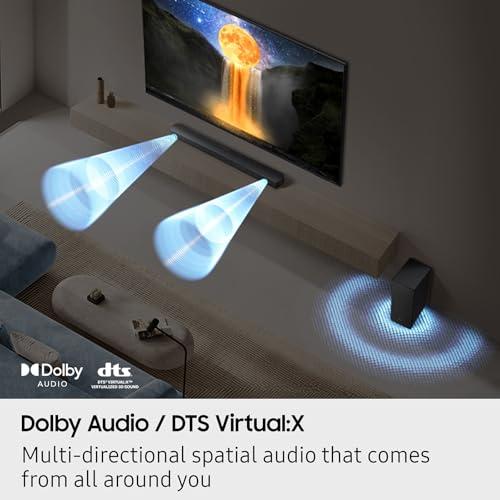
Samsung includes DTS Virtual:X processing, which attempts to create height and surround effects from the 3.1 speaker array. Based on our research into user feedback, this virtual processing is competent but not miraculous. You'll get a wider soundstage that extends somewhat beyond the bar's physical boundaries, and some sense of height during compatible content. However, sounds don't convincingly appear to come from behind you or dramatically overhead like they would with a true Atmos setup.
The bar also includes several sound modes worth noting. Adaptive Sound analyzes incoming audio and automatically adjusts EQ and dynamics—useful for mixed content viewing. Game Mode applies cross-talk cancellation and directional processing to help with positional audio in video games. Voice Enhance specifically boosts the frequency ranges where human speech lives, while Night Mode compresses dynamic range for late-night viewing without disturbing others.
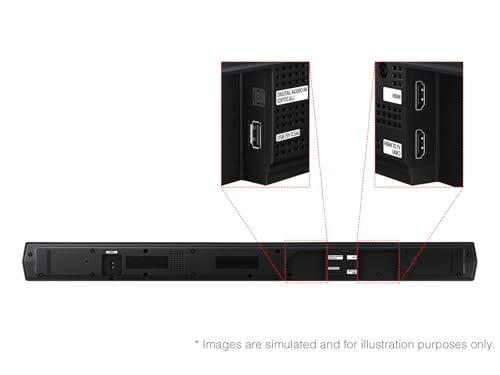
Here's where the Samsung HW-B630F's budget positioning becomes apparent. The HDMI implementation uses version 1.4 with ARC support, but no eARC (Enhanced Audio Return Channel). This limits you to compressed audio formats like Dolby Digital and DTS, rather than the lossless formats that eARC can handle. For most people watching Netflix or cable TV, this isn't a dealbreaker, but Blu-ray enthusiasts might feel restricted.
The bar includes Bluetooth 4.2 with multipoint connection, allowing two devices to stay paired simultaneously. However, there's no Wi-Fi connectivity, which means no streaming service integration, no voice assistants, and no smartphone app control. You get a traditional remote and that's it.
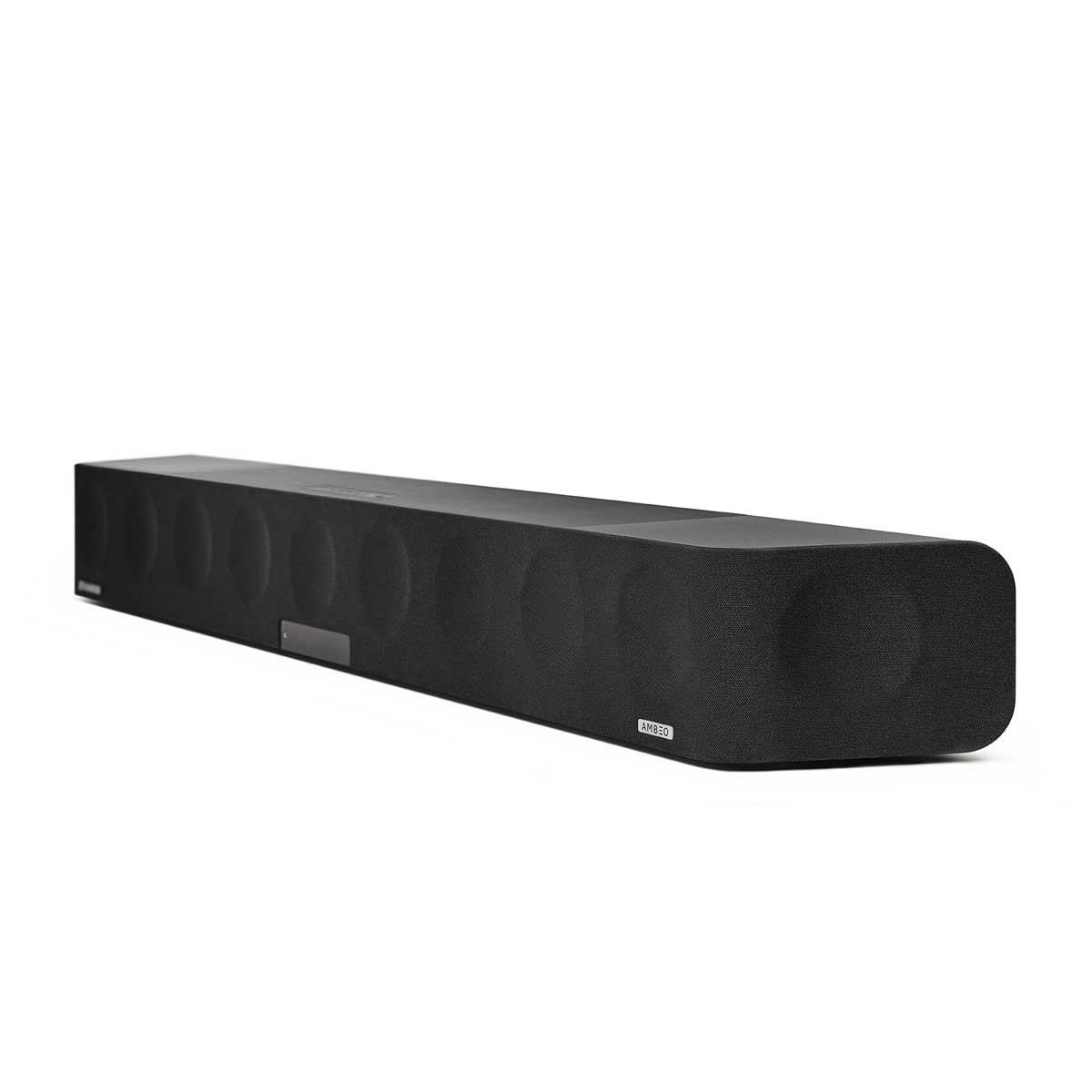
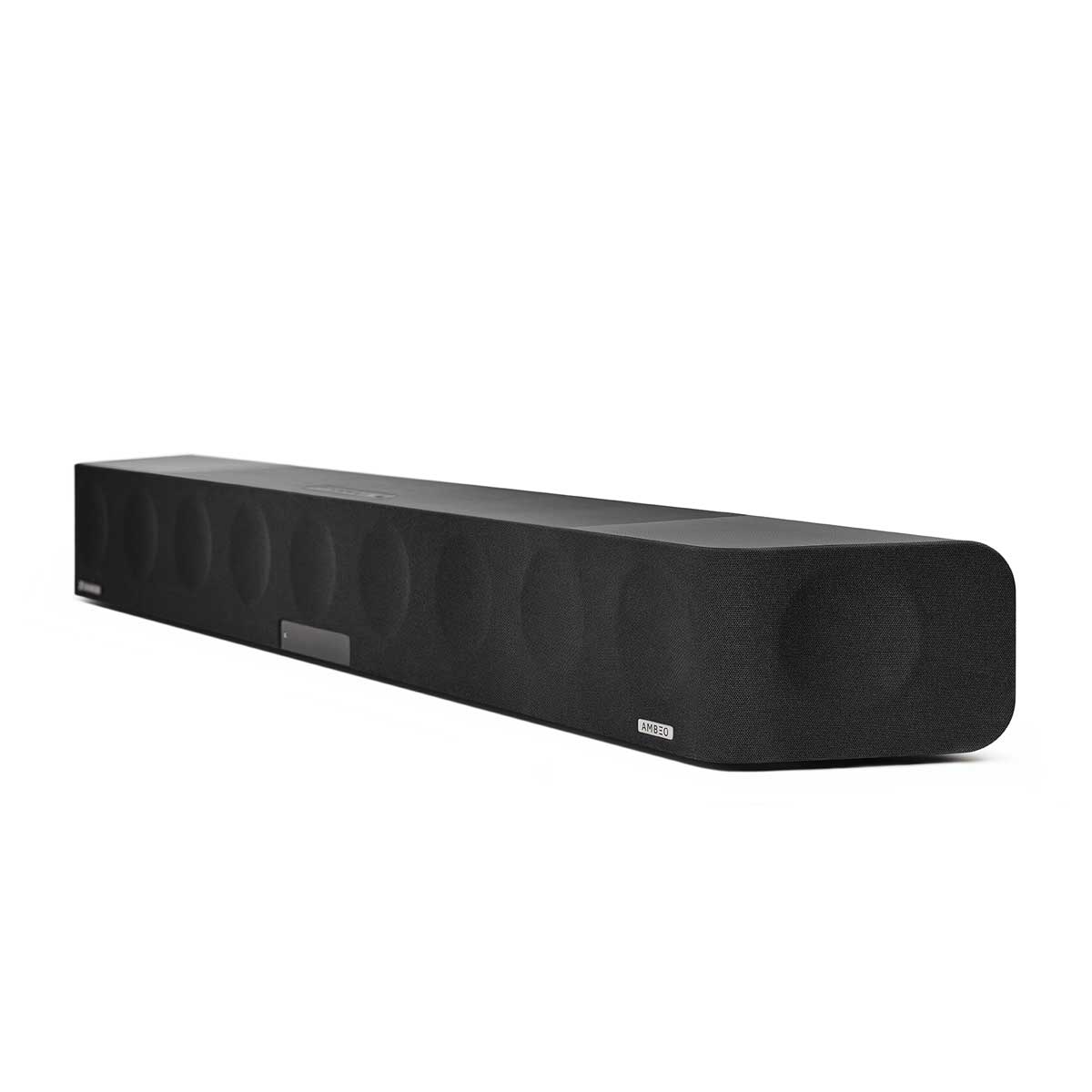
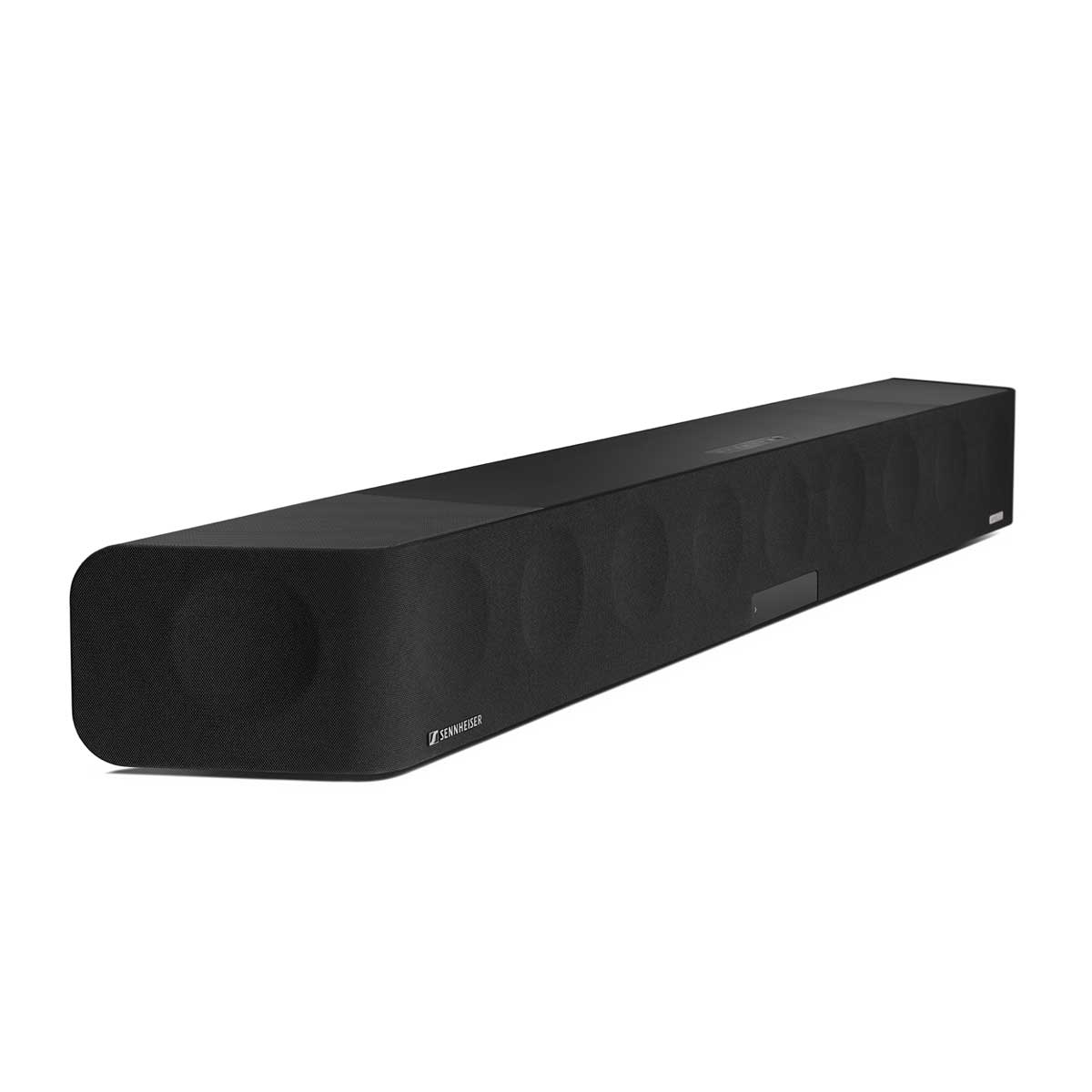
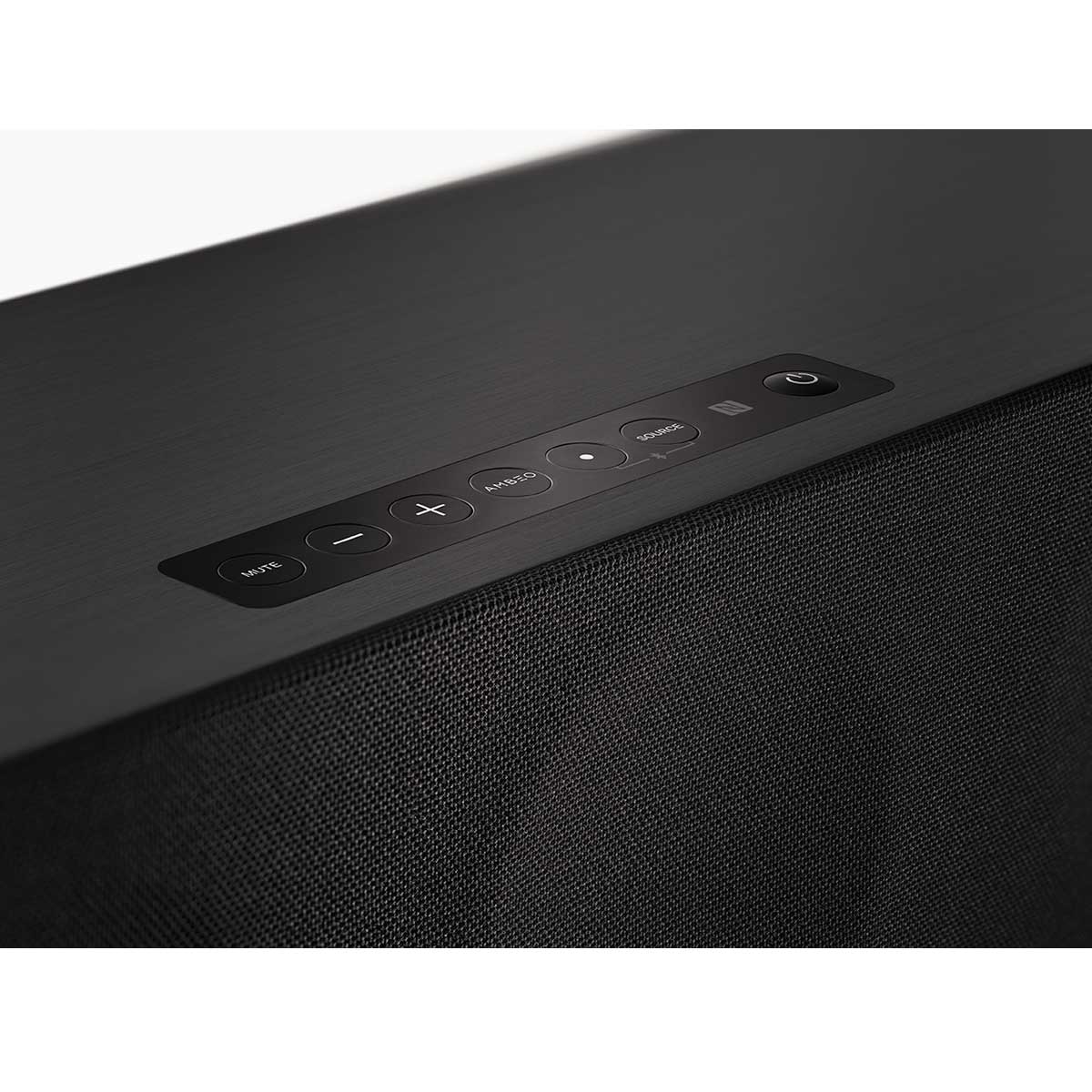
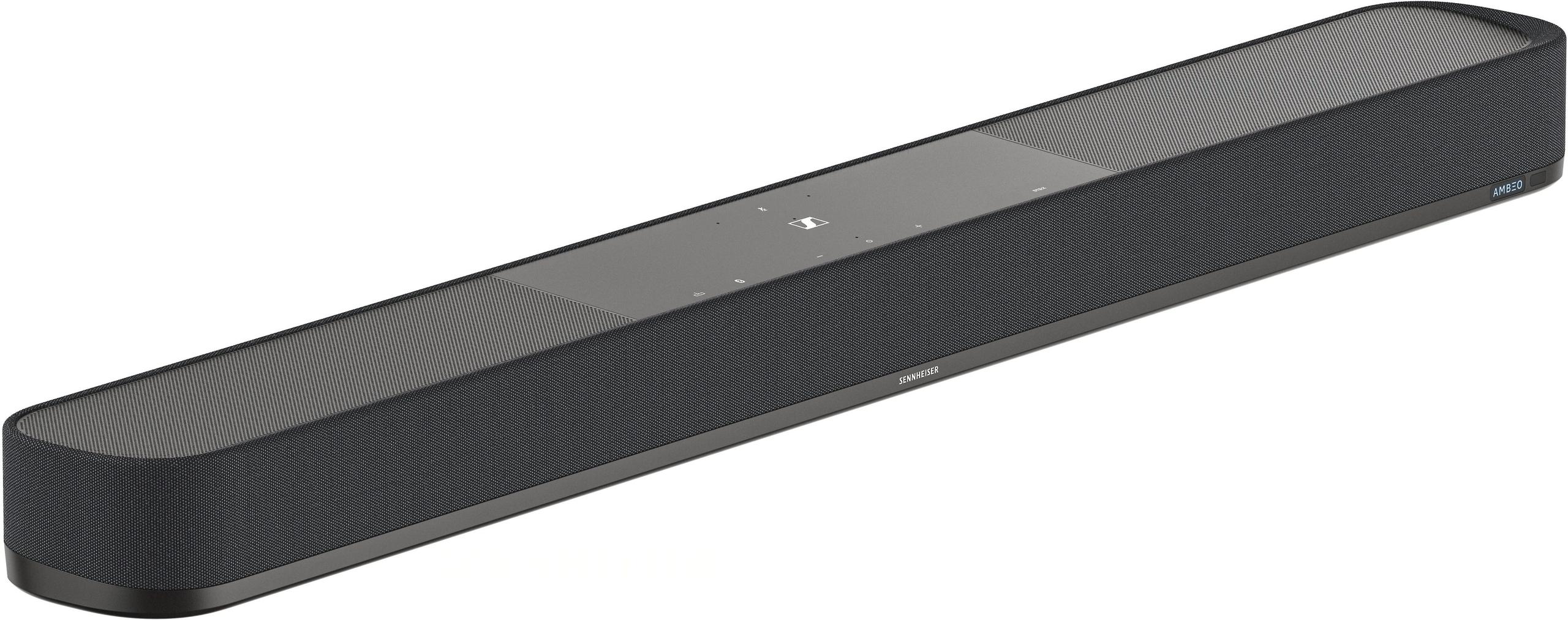
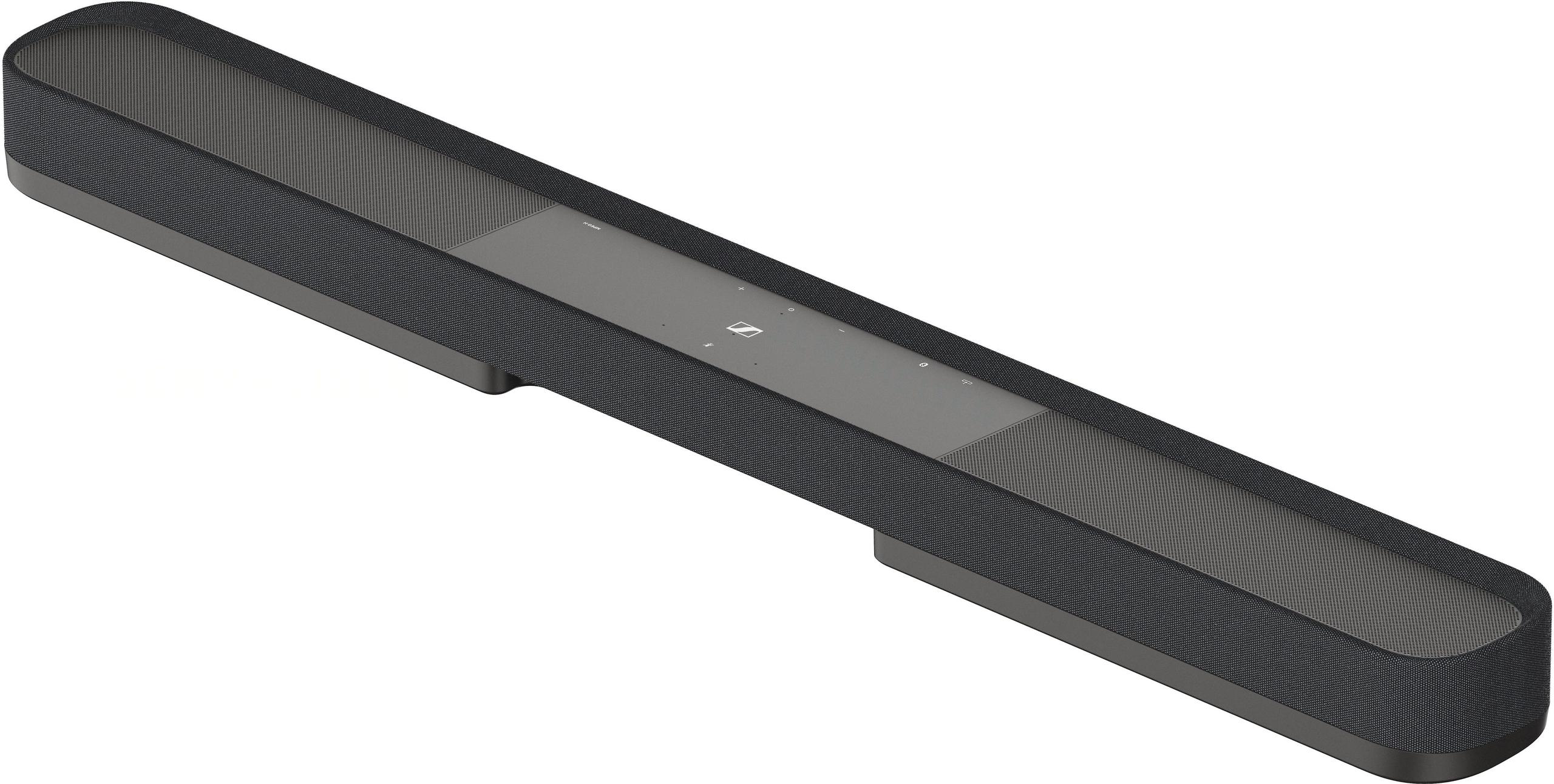
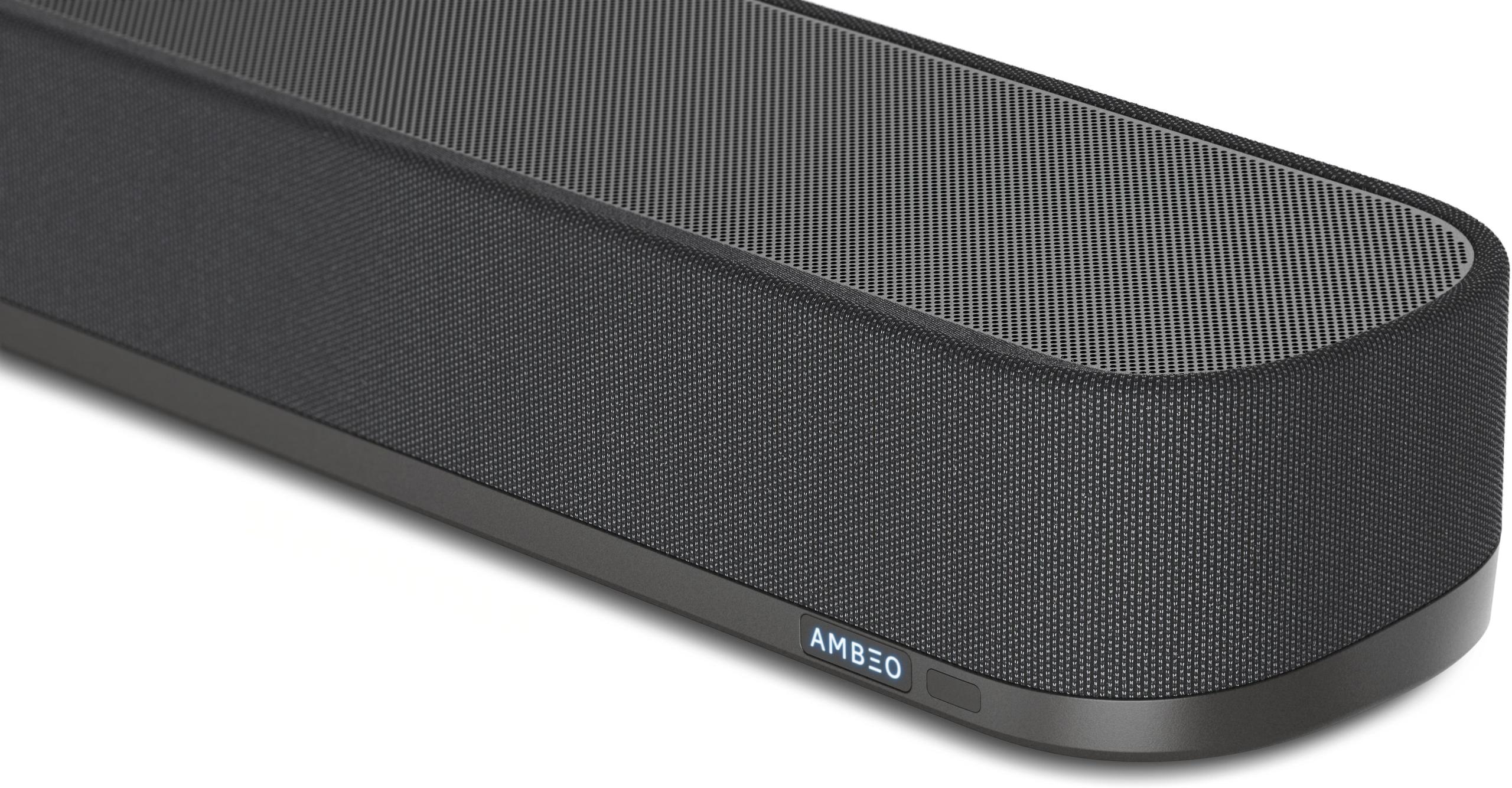
The Sennheiser AMBEO Soundbar takes a radically different approach. Instead of separate components, everything—including bass drivers—lives in one substantial unit. Instead of basic virtual processing, it uses advanced AMBEO 3D technology developed with the Fraunhofer Institute to create what Sennheiser claims is a genuine surround sound experience from a single box.
This isn't just marketing hyperbole. The AMBEO system uses far-field microphones (similar to those in smart speakers) to map your room's acoustic characteristics during a calibration process. It then applies sophisticated processing to reshape audio based on your specific environment, taking into account ceiling height, wall materials, and furniture placement.
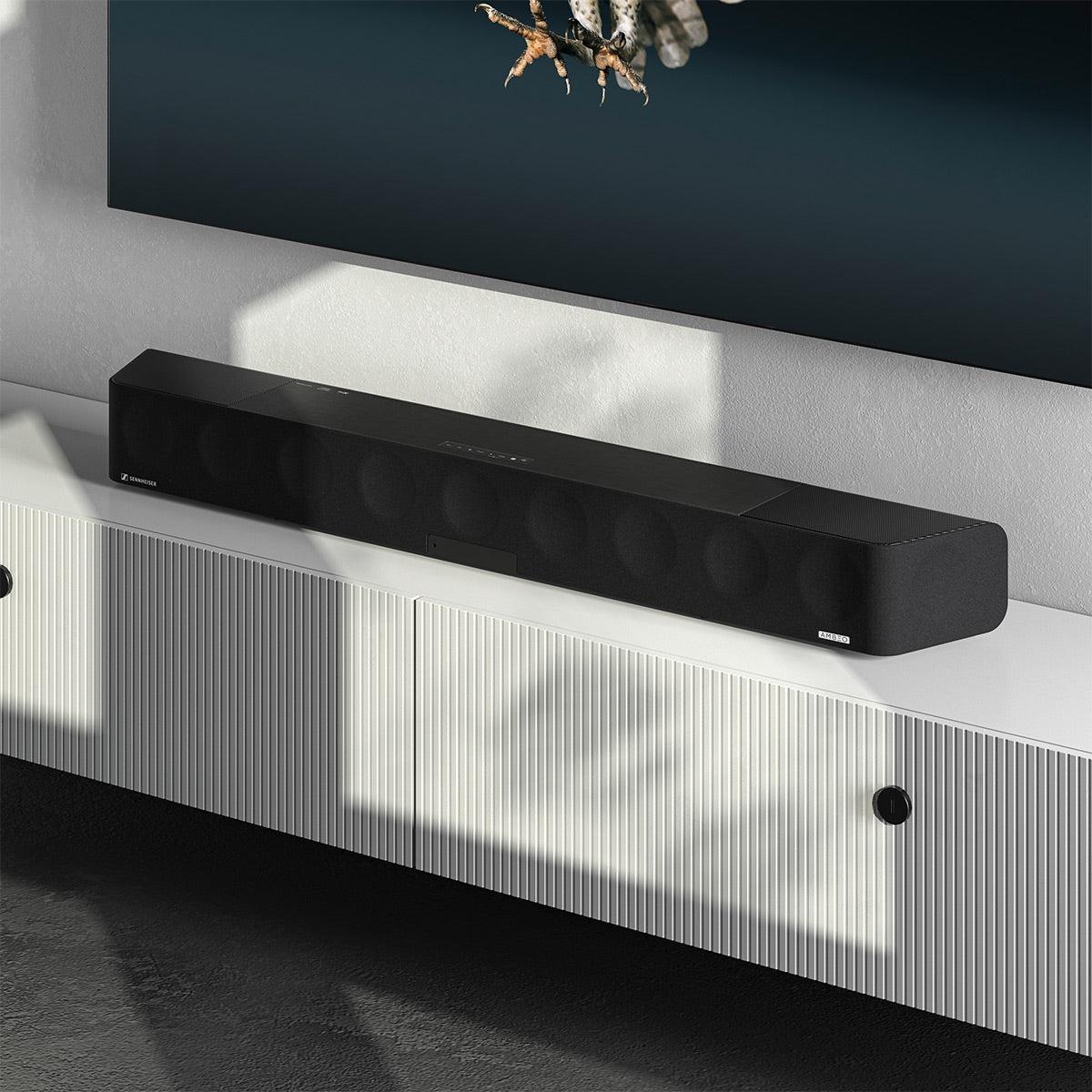
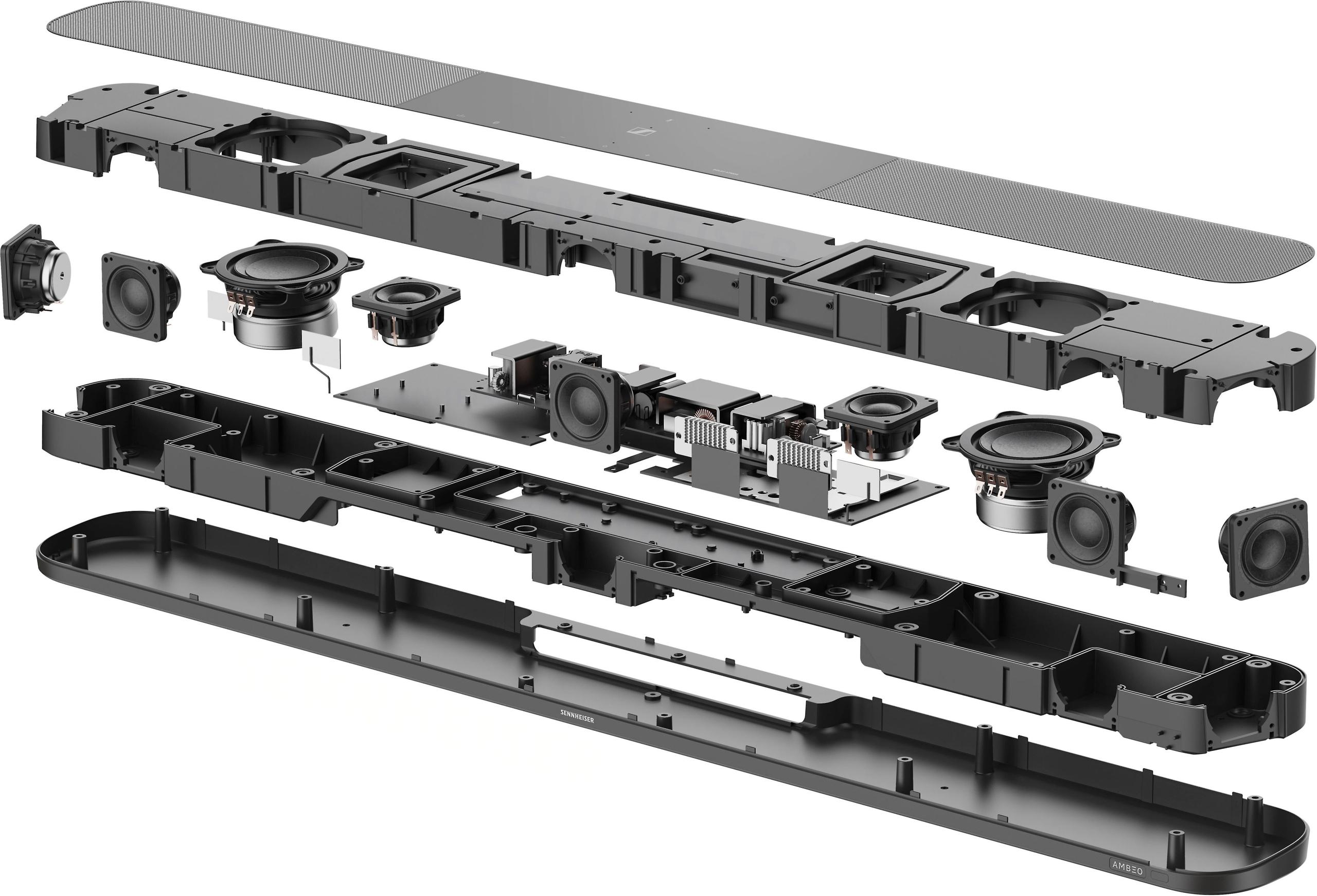
Inside the Sennheiser AMBEO's substantial cabinet, you'll find 13 individual drivers: five aluminum dome tweeters, six 4-inch long-throw woofers, and two 3.5-inch full-range drivers positioned on the top corners. This isn't just about quantity—it's about precise control. Each driver has its own dedicated amplifier, allowing for incredibly precise timing and level adjustments.
The upward-firing drivers on top are crucial to the AMBEO experience. They bounce sound off your ceiling to create the illusion of height effects. Combined with the sophisticated processing, this can create surprisingly convincing overhead sounds—helicopters that seem to fly above you, rain that appears to fall from the ceiling, or atmospheric effects that seem to surround you.
What sets the Sennheiser AMBEO apart is its approach to room optimization. During the initial setup, the soundbar plays test tones while its built-in microphones measure how sound behaves in your specific space. This process takes several minutes but results in a custom acoustic profile that affects everything from frequency response to virtualization intensity.
The calibration addresses common room problems: if your space is too reflective (hard surfaces everywhere), it might dial back certain frequencies to prevent harshness. If your ceiling is unusually high or low, it adjusts the height processing accordingly. This level of environmental adaptation was unheard of in soundbars just a few years ago.
One of the most impressive technical achievements in the Sennheiser AMBEO is its bass response. Despite having no external subwoofer, the dual 4-inch woofers extend down to 37Hz—low enough to reproduce the fundamental frequencies in most movie effects and music. The integration is seamless because there's no separate component to blend with the main drivers.
This approach has trade-offs. You can't optimize subwoofer placement separately, and the maximum bass output might not match a large dedicated sub in very large rooms. However, for most living spaces, the integrated approach delivers tighter, more musical bass that doesn't sound disconnected from the rest of the audio.
Both soundbars excel at dialogue, but for different reasons. The Samsung HW-B630F uses a dedicated center channel driver specifically tuned for speech frequencies. It's straightforward and effective—voices anchor to the screen and remain intelligible even during complex scenes.
The Sennheiser AMBEO achieves excellent dialogue clarity through more sophisticated means. Its room calibration can detect and compensate for acoustic problems that muddy speech, while its precise driver control ensures voices maintain proper timbre and placement. Based on expert reviews, both deliver significantly clearer dialogue than TV speakers, though the Sennheiser's approach allows for more nuanced optimization.
This is where the price difference becomes most apparent. The Samsung HW-B630F handles music adequately but reveals its TV-centric tuning. The separate subwoofer can sound somewhat disconnected, and the overall presentation lacks the refinement serious music listeners expect.
The Sennheiser AMBEO was designed with music reproduction as a priority. Its neutral tonal balance, superior driver quality, and integrated bass response create a more cohesive musical presentation. High-resolution audio support through Wi-Fi streaming maintains quality that Bluetooth can't match. For listeners who want a single device for both TV and serious music listening, the AMBEO makes a compelling case.
Here's where these products differ most dramatically. The Samsung HW-B630F's DTS Virtual:X processing creates a modestly wider soundstage and some sense of height, but effects remain clearly anchored to the front of the room. It's an improvement over TV speakers and basic stereo soundbars, but it's not going to fool you into thinking you have rear speakers.
The Sennheiser AMBEO is genuinely impressive in this regard. Based on extensive user feedback and professional reviews, its virtualization can create convincing overhead and rear effects. Atmospheric sounds in movies often seem to come from behind the listening position, and height effects like helicopters or aircraft can appear to move convincingly through 3D space. It's not identical to a true multi-speaker Atmos system, but it's remarkably close for a single-unit solution.
The Samsung HW-B630F gets respectably loud for its size and price point, though some compression becomes apparent at maximum volumes. Its separate subwoofer helps with dynamic range, providing impact for action scenes while maintaining dialogue clarity.
The Sennheiser AMBEO delivers substantially more headroom thanks to its 500-watt amplification and superior driver array. It maintains composure at high volumes and handles wide dynamic swings without compression artifacts. For large rooms or those who enjoy reference-level playback, the AMBEO has a clear advantage.
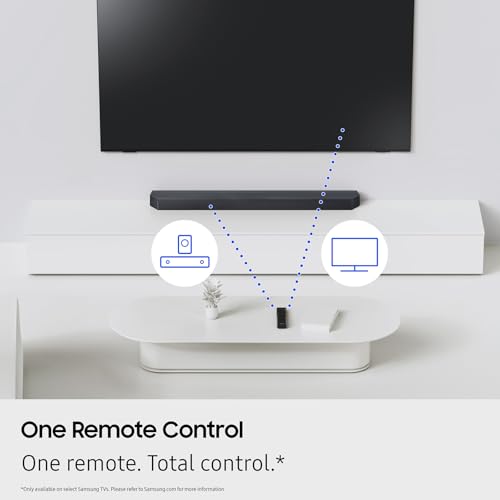
The Samsung HW-B630F keeps things simple—perhaps too simple for some users. There's no app control, no voice assistants, and no Wi-Fi connectivity. What you get is a traditional remote and basic integration with Samsung TVs through One Remote Control. This simplicity can be refreshing, but it also means missing out on modern conveniences.
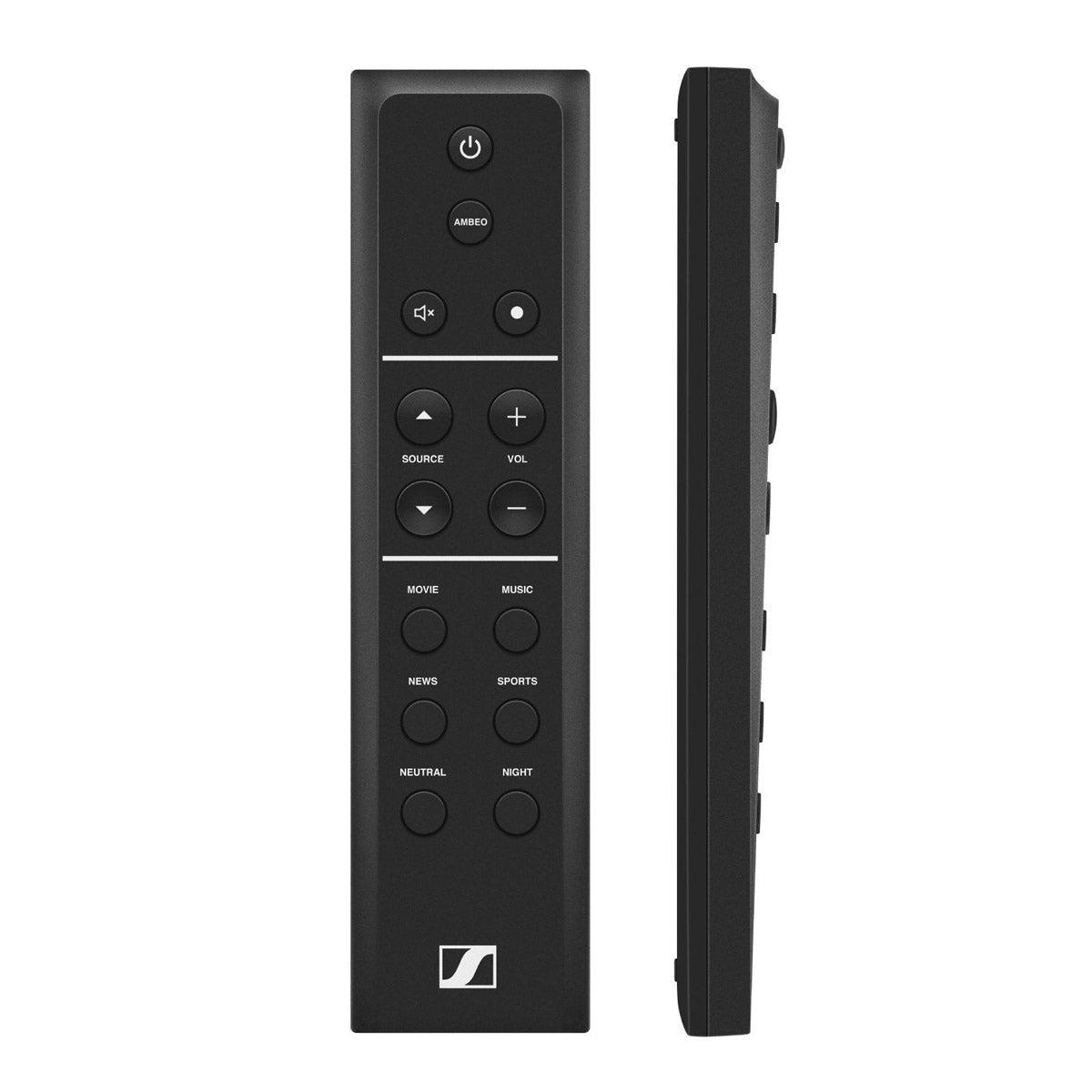
The Sennheiser AMBEO embraces smart features fully. Built-in Amazon Alexa and Google Assistant allow voice control, while Wi-Fi connectivity enables direct streaming from services like Spotify and TIDAL. AirPlay 2 and Chromecast built-in provide additional wireless options. A comprehensive smartphone app offers detailed control over EQ, modes, and settings.
From a future-proofing perspective, the AMBEO's eARC support and advanced processing capabilities position it better for evolving audio formats and streaming quality improvements.
At the time of writing, the Samsung HW-B630F represents exceptional value for budget-conscious buyers. You're getting a genuine multi-channel upgrade with dedicated center channel and wireless subwoofer at a price point that was unimaginable for such features just a few years ago. The audio improvement over TV speakers is substantial and immediate.
The Sennheiser AMBEO operates in an entirely different value category. Its premium pricing reflects sophisticated engineering, premium components, and cutting-edge processing technology. For audio enthusiasts willing to invest in long-term listening enjoyment, the advanced features and superior performance can justify the cost. However, the price puts it in competition with entry-level separate component systems, which some buyers might prefer.
The Samsung HW-B630F works well in most living rooms, though you'll need to consider subwoofer placement. Smaller apartments might find the separate sub inconvenient, while larger spaces benefit from the placement flexibility it provides.
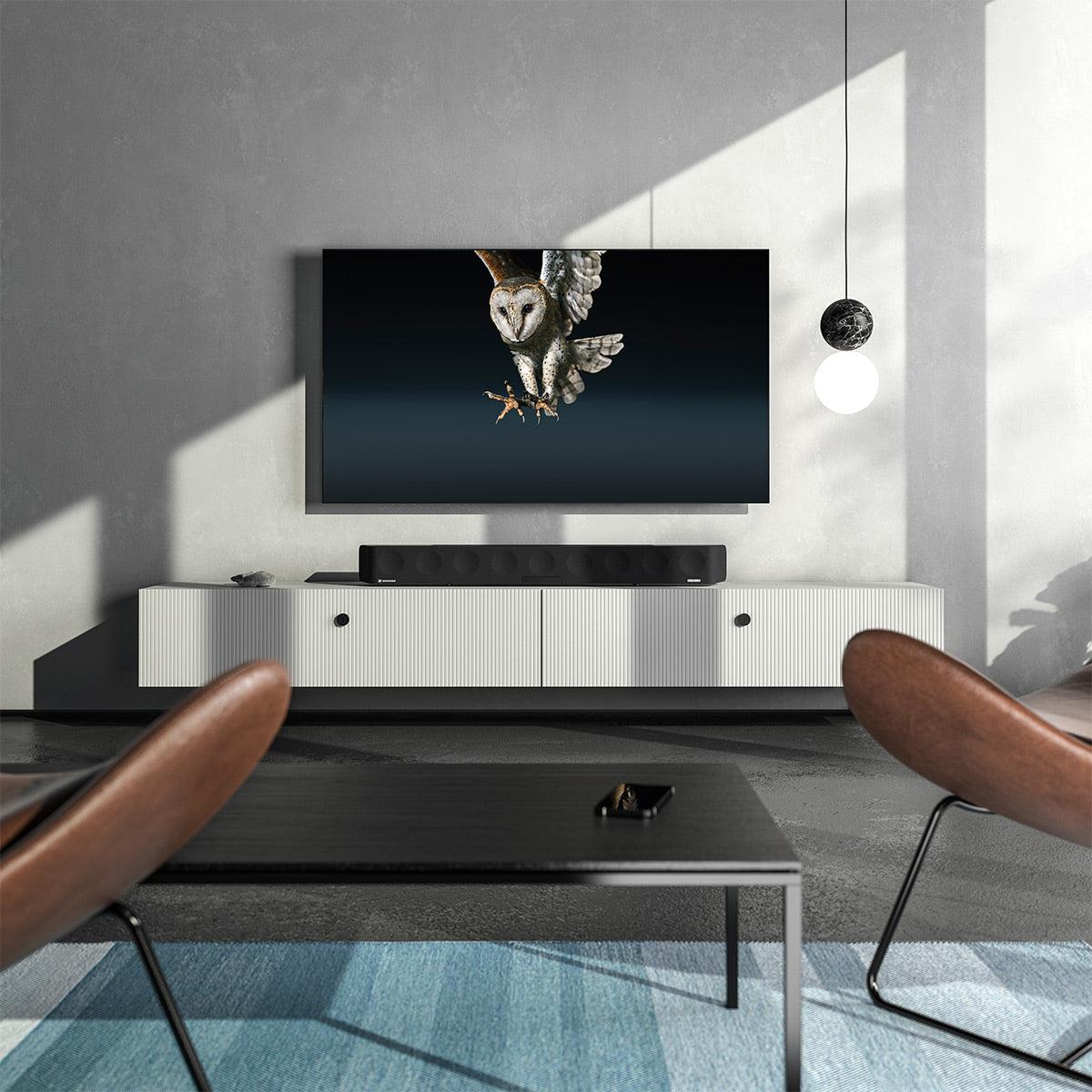
The Sennheiser AMBEO requires more careful consideration. Its substantial size might not fit under all TVs, and optimal performance depends on having adequate ceiling height and reflective surfaces for the virtualization to work properly. It's less suitable for unconventional room layouts but excels in typical rectangular living rooms.
Choose the Samsung HW-B630F if you want a substantial upgrade from TV speakers without breaking the bank. It's ideal for casual viewers who prioritize clear dialogue and adequate bass over cutting-edge features. The simplicity is actually an advantage for users who find modern smart devices overwhelming.
The Sennheiser AMBEO makes sense for serious home theater enthusiasts who want premium performance without the complexity of multiple speakers. It's perfect for apartment dwellers who can't install rear speakers, music lovers who want audiophile-quality reproduction, and tech enthusiasts who appreciate sophisticated engineering.
Both soundbars successfully solve the TV audio problem, but they target completely different user priorities. The Samsung offers remarkable value and simplicity, while the Sennheiser pushes the boundaries of single-unit performance. Your choice depends on whether you prioritize affordability and straightforward functionality or premium performance and advanced features.
In my experience researching these categories, the biggest mistake buyers make is either overpaying for features they won't use or underspending and remaining unsatisfied with the upgrade. Consider your actual listening habits, room constraints, and long-term audio priorities before making this investment.
| Samsung HW-B630F B-Series 3.1ch Soundbar System | Sennheiser AMBEO Soundbar |
|---|---|
| Channel Configuration - Determines dialogue clarity and surround capabilities | |
| 3.1 channels with dedicated center speaker + wireless subwoofer | Single unit with 13 drivers creating virtual 7.1.4 experience |
| Dolby Atmos Support - Essential for modern movie and streaming content | |
| No Atmos support, limited to DTS Virtual:X | Full Dolby Atmos with advanced 3D virtualization |
| Bass Solution - Impacts movie impact and music enjoyment | |
| Separate 6" wireless subwoofer with placement flexibility | Dual built-in 4" subwoofers extending to 37Hz |
| Room Calibration - Optimizes sound for your specific space | |
| No room correction technology | Advanced microphone-based room mapping and optimization |
| HDMI Connectivity - Affects audio quality and future compatibility | |
| HDMI 1.4 with ARC only (compressed audio formats) | HDMI with eARC support (lossless audio transmission) |
| Smart Features - Convenience and streaming capabilities | |
| Basic remote only, no Wi-Fi or voice control | Built-in Alexa/Google Assistant, Wi-Fi streaming, comprehensive app |
| Physical Setup - Space requirements and convenience | |
| Two-component system requiring subwoofer placement | Single 49.6" unit, no separate subwoofer needed |
| Music Performance - Audio quality for streaming and casual listening | |
| TV-focused tuning, adequate for casual music listening | Audiophile-quality drivers with neutral tuning for serious music |
| Price Category - Investment level and target market | |
| Budget-friendly entry-level soundbar | Premium flagship with sophisticated engineering |
| Best For - Ideal user scenarios | |
| Budget-conscious buyers wanting clear dialogue upgrade | Audio enthusiasts seeking single-unit surround experience |
Both the Samsung HW-B630F and Sennheiser AMBEO Soundbar excel at dialogue clarity, but through different approaches. The Samsung HW-B630F uses a dedicated center channel specifically tuned for speech, making voices anchor clearly to the screen. The Sennheiser AMBEO Soundbar achieves excellent dialogue through room calibration and precise driver control that can adapt to your space's acoustics. Both are significant upgrades over TV speakers for dialogue clarity.
The Samsung HW-B630F includes a wireless subwoofer that's essential for its bass performance. The Sennheiser AMBEO Soundbar has dual built-in subwoofers that extend down to 37Hz, eliminating the need for a separate component. If you prefer the convenience of a single unit, the Sennheiser AMBEO is the better choice, while the Samsung HW-B630F offers subwoofer placement flexibility.
Only the Sennheiser AMBEO Soundbar supports Dolby Atmos with advanced 3D virtualization technology. The Samsung HW-B630F uses DTS Virtual:X for basic surround simulation but cannot decode Atmos content. For modern streaming services and Blu-ray movies with Atmos tracks, the Sennheiser AMBEO provides a significantly more immersive experience.
The Samsung HW-B630F requires positioning both the soundbar and wireless subwoofer, plus making multiple power connections. The Sennheiser AMBEO Soundbar is a single unit but requires a room calibration process that takes several minutes. While the Samsung has simpler initial setup, the Sennheiser optimizes performance for your specific room automatically.
The Sennheiser AMBEO Soundbar is significantly better for music with audiophile-quality drivers, neutral tuning, and integrated bass response. It supports high-resolution audio streaming and maintains musical coherence. The Samsung HW-B630F handles music adequately but is tuned primarily for TV content, and the separate subwoofer can sound less integrated with musical material.
The Sennheiser AMBEO Soundbar includes built-in Alexa and Google Assistant, Wi-Fi connectivity, AirPlay 2, Chromecast, and comprehensive app control. The Samsung HW-B630F has basic Bluetooth connectivity and remote control only, with no Wi-Fi or voice assistant features. For smart home integration and streaming convenience, the Sennheiser AMBEO is far more advanced.
The Sennheiser AMBEO Soundbar is ideal for apartments since it's a single unit with no subwoofer placement requirements and includes night mode features. The Samsung HW-B630F requires space for a separate subwoofer, which may be challenging in small spaces. However, both offer night modes for volume-conscious listening in shared living situations.
For home theater, the Sennheiser AMBEO Soundbar provides superior immersion with genuine Atmos support and room-filling virtualization that creates overhead and surround effects. The Samsung HW-B630F offers good front soundstage expansion and clear dialogue but limited surround simulation. The Sennheiser delivers a more cinematic experience for serious movie watching.
The Samsung HW-B630F offers exceptional value for budget-conscious buyers, providing genuine multi-channel audio with a dedicated center speaker and wireless subwoofer. The Sennheiser AMBEO Soundbar costs significantly more but delivers premium engineering and advanced features. Value depends on your priorities: the Samsung for basic TV audio improvement, the Sennheiser for premium performance.
The Samsung HW-B630F offers HDMI ARC, optical input, and Bluetooth 4.2 connectivity. The Sennheiser AMBEO Soundbar includes HDMI eARC, Wi-Fi, newer Bluetooth, and multiple streaming protocols. For future-proofing and advanced audio formats, the Sennheiser AMBEO has superior connectivity options that support higher quality audio transmission.
The Samsung HW-B630F uses a traditional remote and can integrate with Samsung TV remotes for simple operation. The Sennheiser AMBEO Soundbar offers multiple control options including voice commands, smartphone app, and physical remote. While the Samsung is simpler, the Sennheiser provides more convenience once set up properly.
The Samsung HW-B630F works well in small to medium rooms and benefits from flexible subwoofer placement in larger spaces. The Sennheiser AMBEO Soundbar performs best in typical rectangular living rooms with adequate ceiling height for its virtualization technology. Both handle most home environments, but the Sennheiser AMBEO requires more specific room characteristics for optimal performance.
We've done our best to create useful and informative comparisons to help you decide what product to buy. Our research uses advanced automated methods to create this comparison and perfection is not possible - please contact us for corrections or questions. These are the sites we've researched in the creation of this article: samsung.com - bhphotovideo.com - crutchfield.com - youtube.com - bestproducts.com - videoandaudiocenter.com - pcrichard.com - bhphotovideo.com - samsung.com - youtube.com - requiremints.com - karlsonline.com - crutchfield.com - youtube.com - donstv.com - samsung.com - bhphotovideo.com - youtube.com - youtube.com - crutchfield.com - costco.ca - rtings.com - crutchfield.com - accio.com - bhphotovideo.com - manuals.plus - samsung.com - saraappliance.com - bestbuy.com - rtings.com - techradar.com - audioxpress.com - whathifi.com - upscaleaudio.com - soundstagesimplifi.com - global.sennheiser-hearing.com - sennheiser-hearing.com - audioadvice.com - abt.com - moon-audio.com

Privacy Policy
Terms and Conditions - Affiliate Policy
Home Security
© Copyright 2008-2026.
11816 Inwood Rd #1211, Dallas, TX 75244