




When shopping for a soundbar, you'll quickly discover that not all audio solutions are created equal. The difference between a $340 system and a $2,000 one isn't just about price—it's about fundamentally different approaches to solving the same problem: making your TV sound dramatically better.
Modern soundbars have come a long way from the thin, underwhelming speakers of the early 2010s. Today's market splits into two distinct camps: complete value systems that include everything you need out of the box, and premium single-unit solutions that use advanced processing to simulate full surround sound setups.
The key considerations when choosing between these approaches are audio performance (how well it reproduces dialogue, music, and movie effects), value proposition (what you get for your money), room integration (how it fits and sounds in your space), and future-proofing (whether it'll handle tomorrow's content formats).
Think of it like choosing between a reliable Honda Civic that comes fully loaded versus a luxury BMW that requires expensive options to reach its full potential. Both will get you where you're going, but the experience—and cost—will be very different.
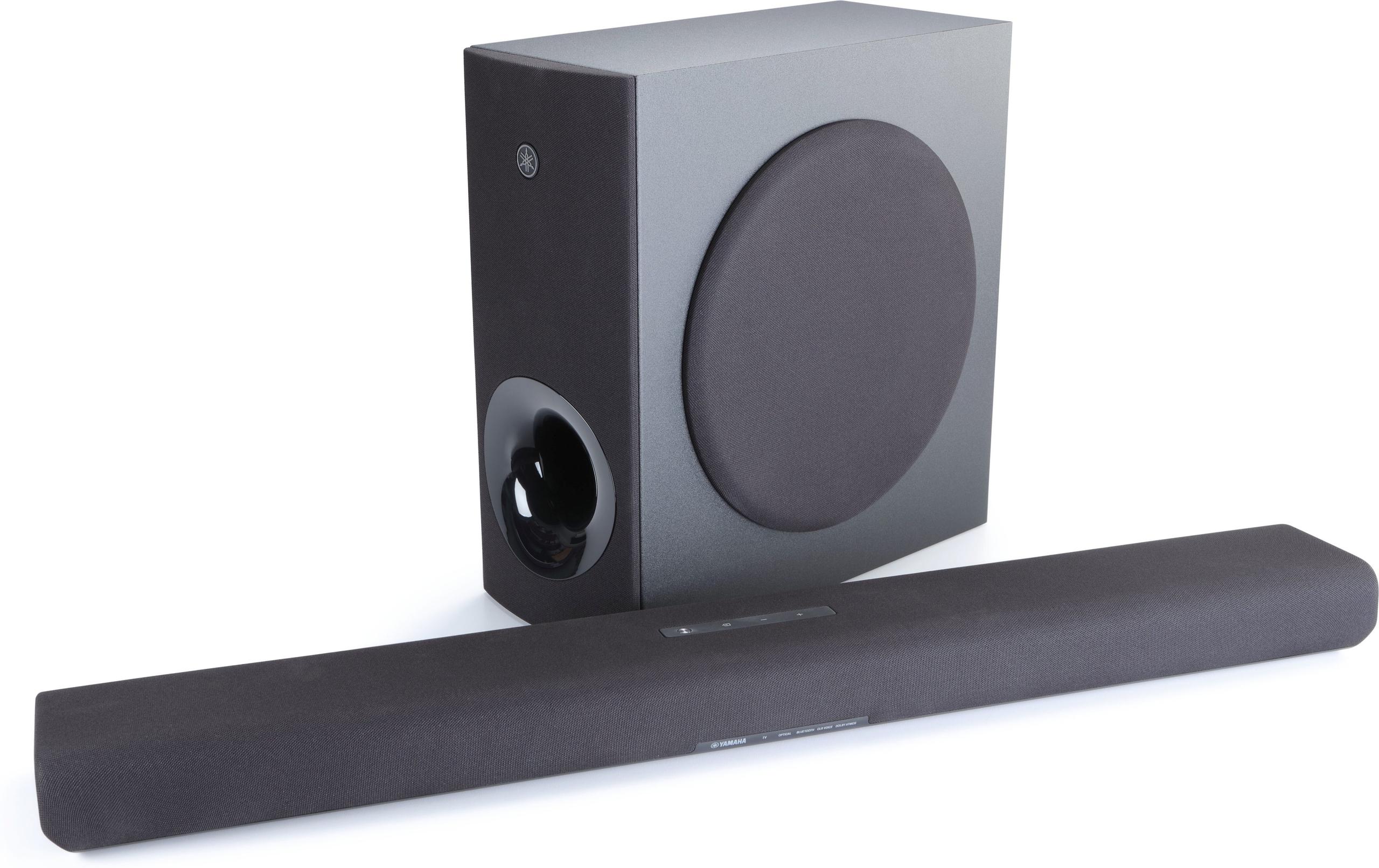
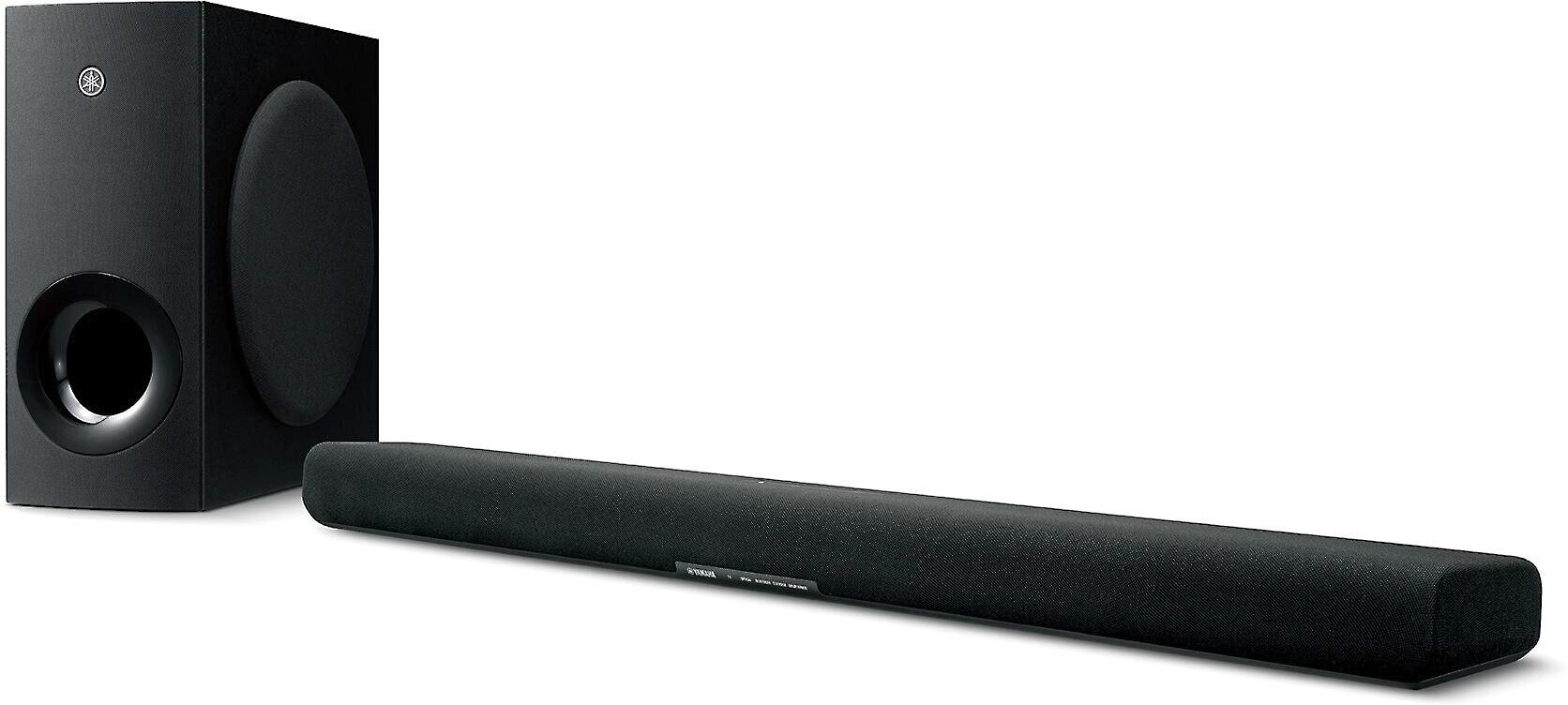
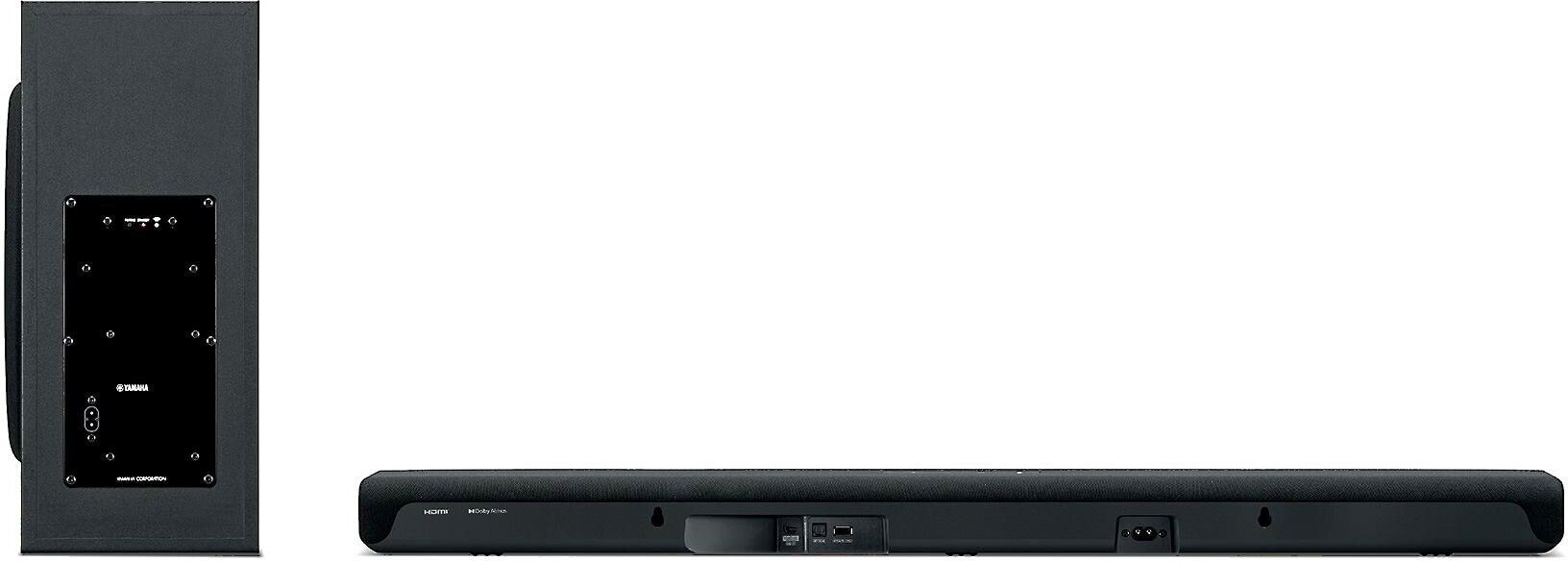
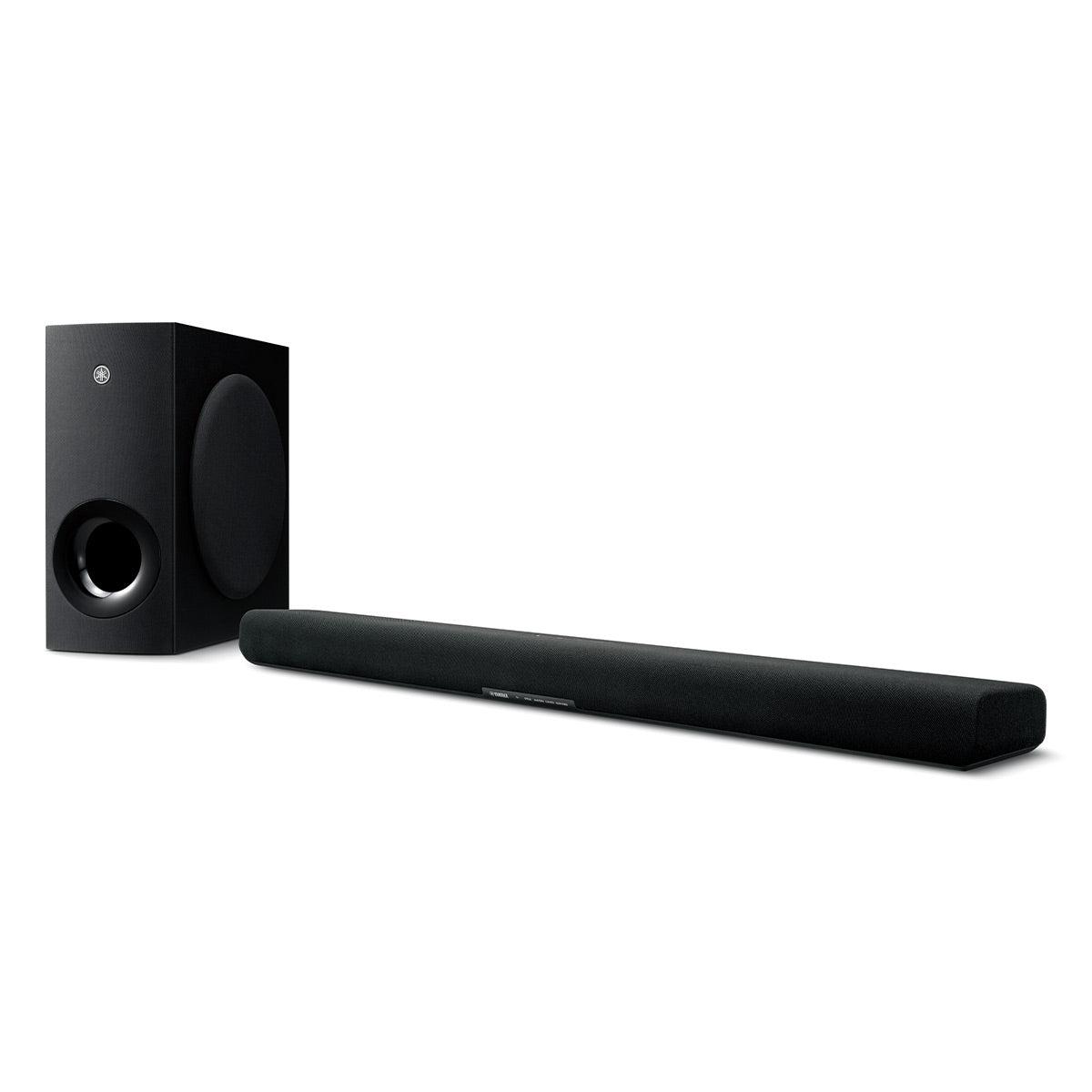
The Yamaha SR-B40A, released in July 2023, represents the "complete package" philosophy at $340. It's a 2.1-channel system that includes both a soundbar and wireless subwoofer, designed to deliver immediate improvement over TV speakers without breaking the bank or requiring complex setup.
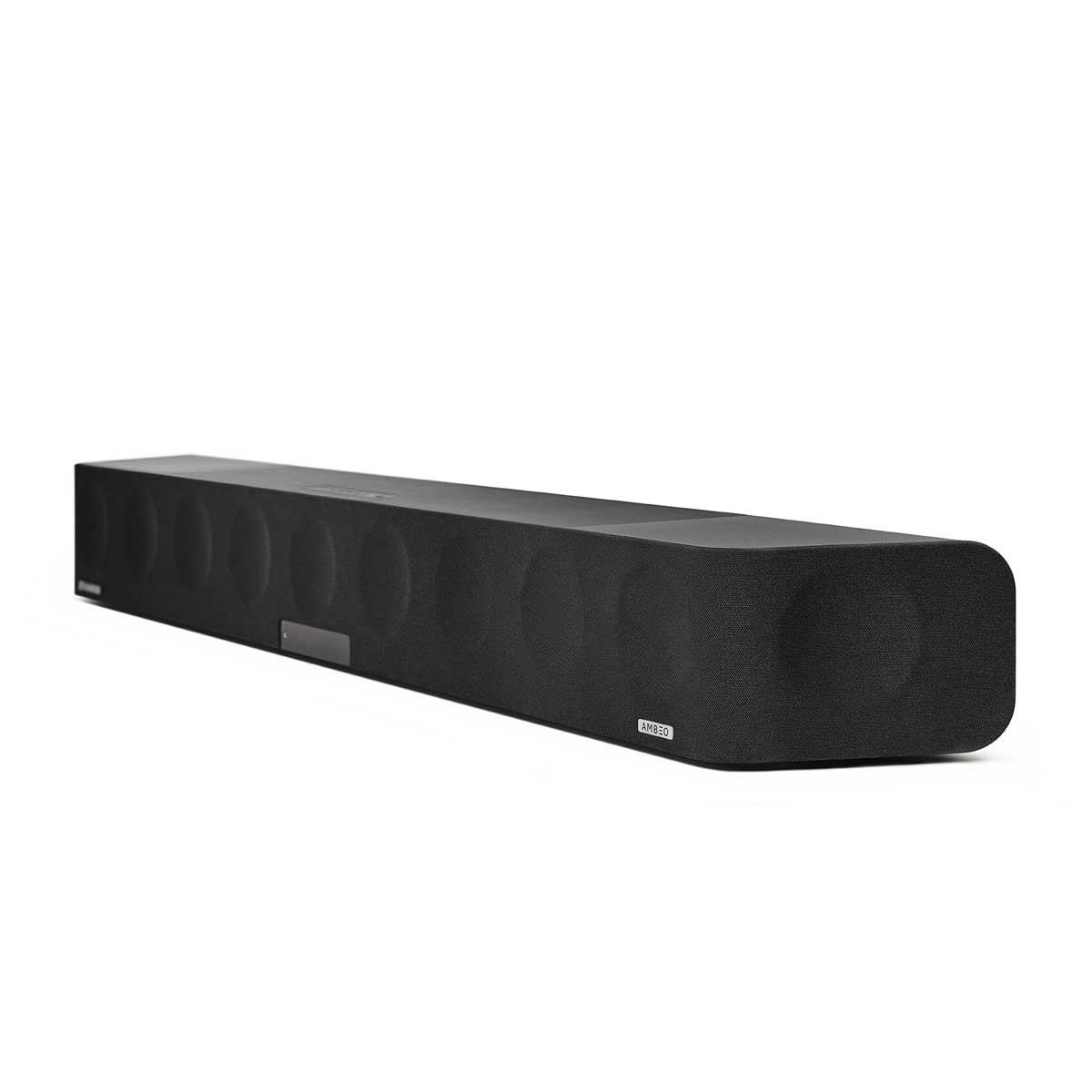
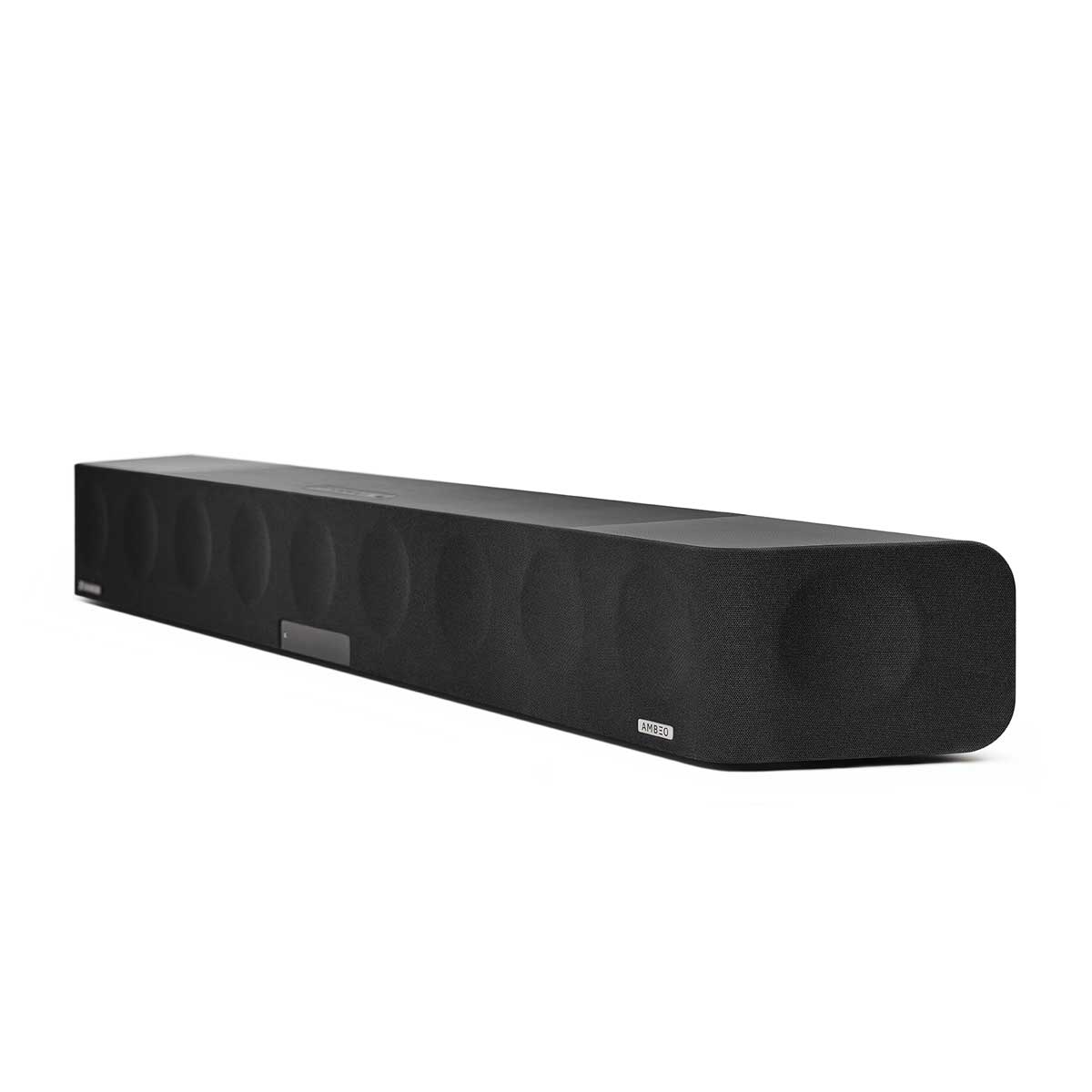
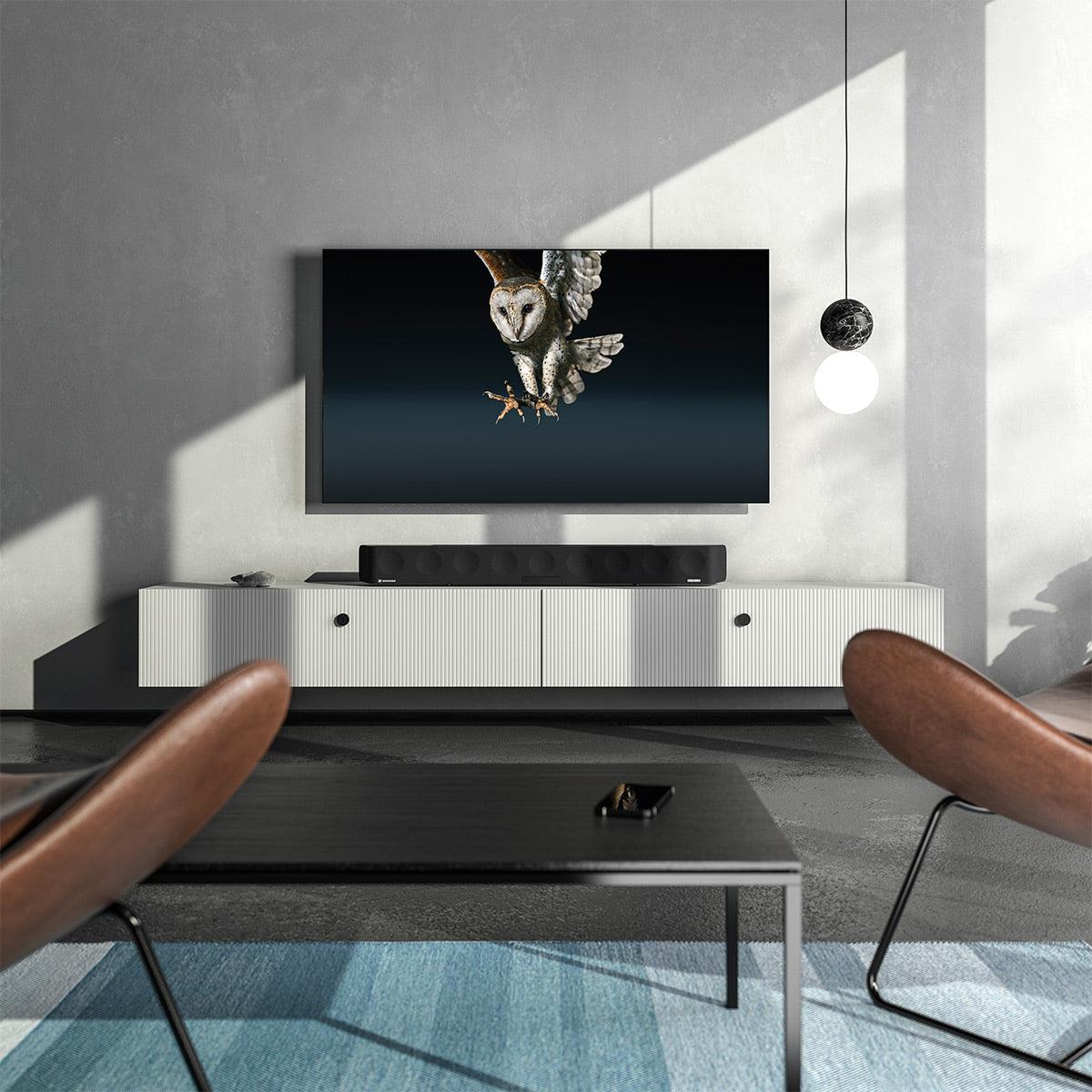
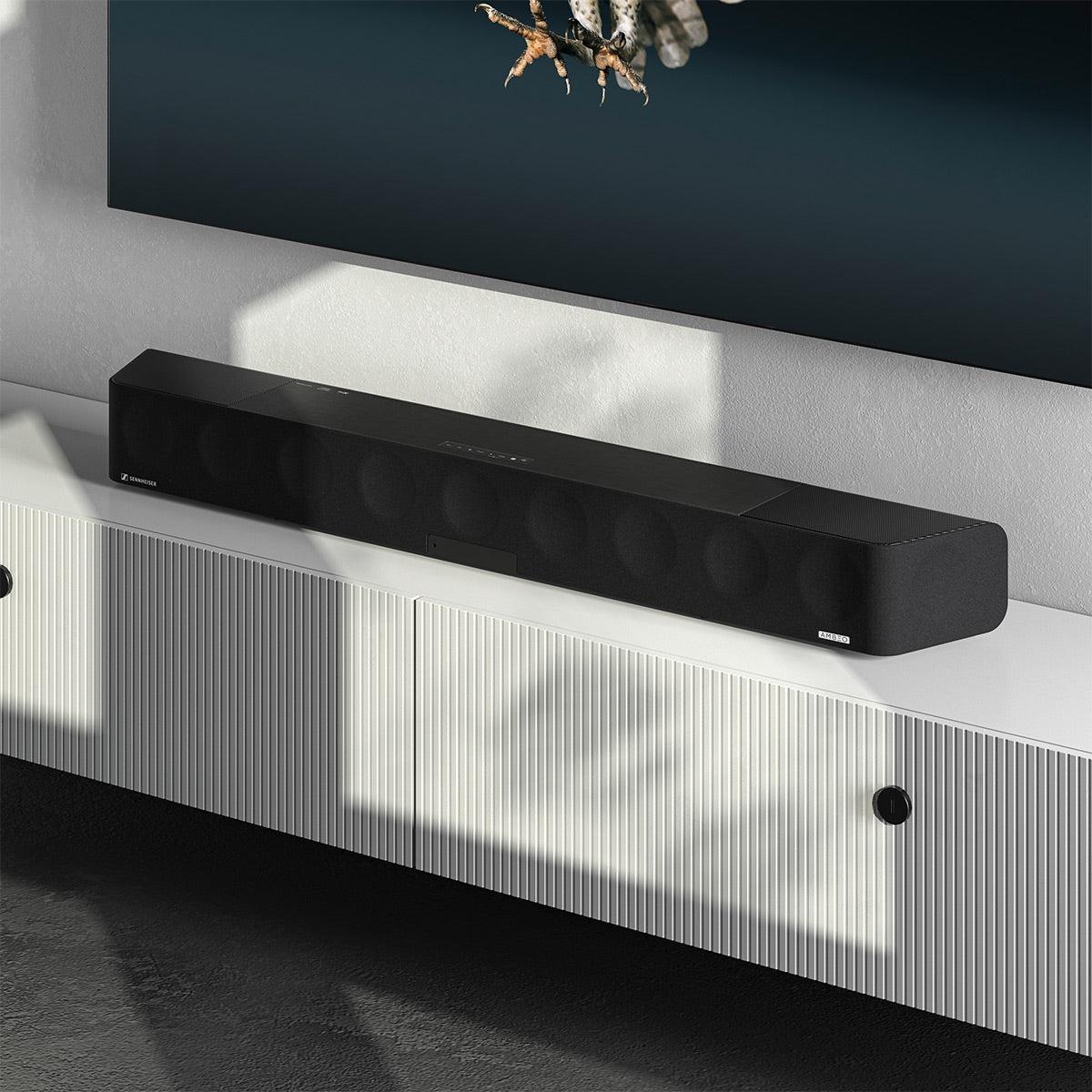
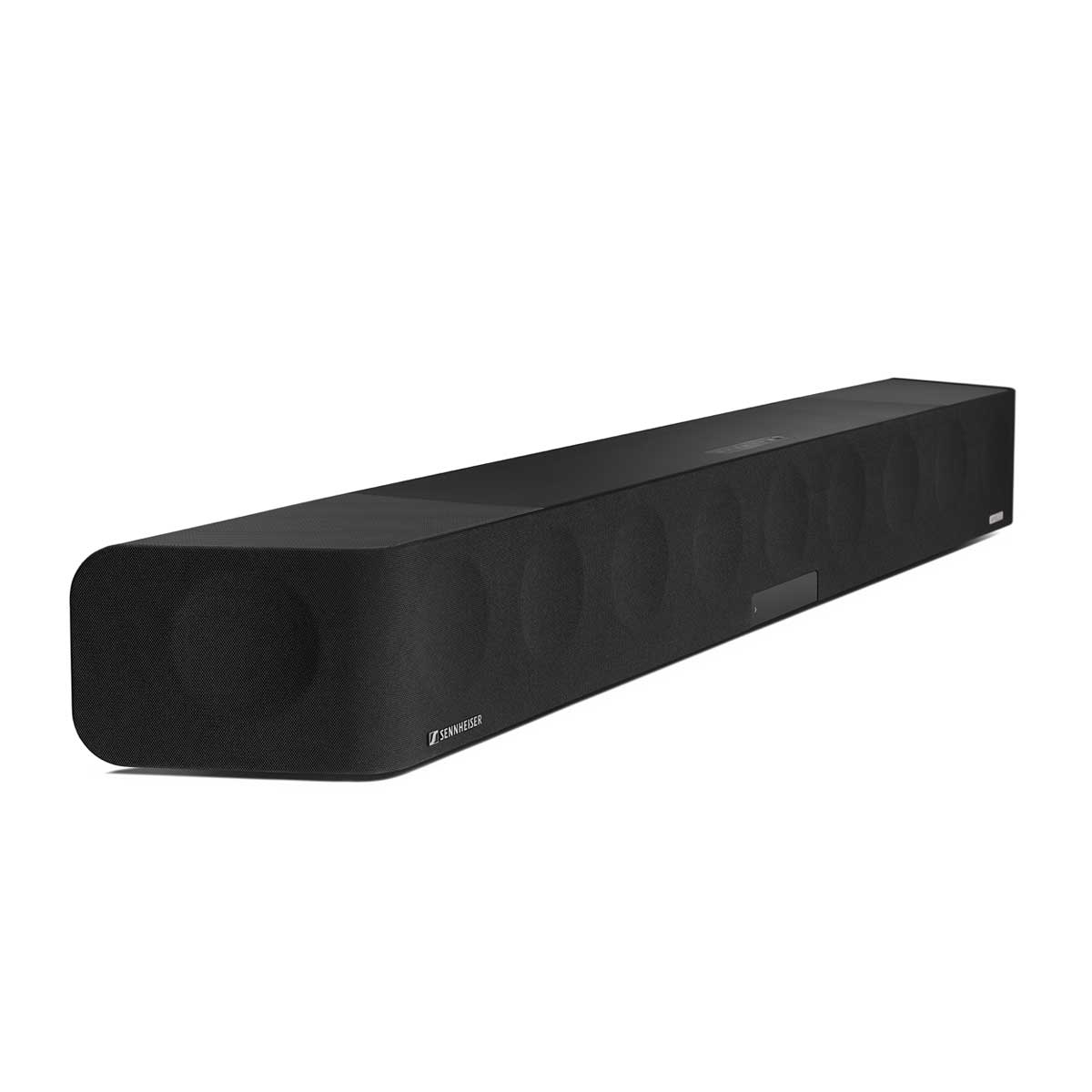
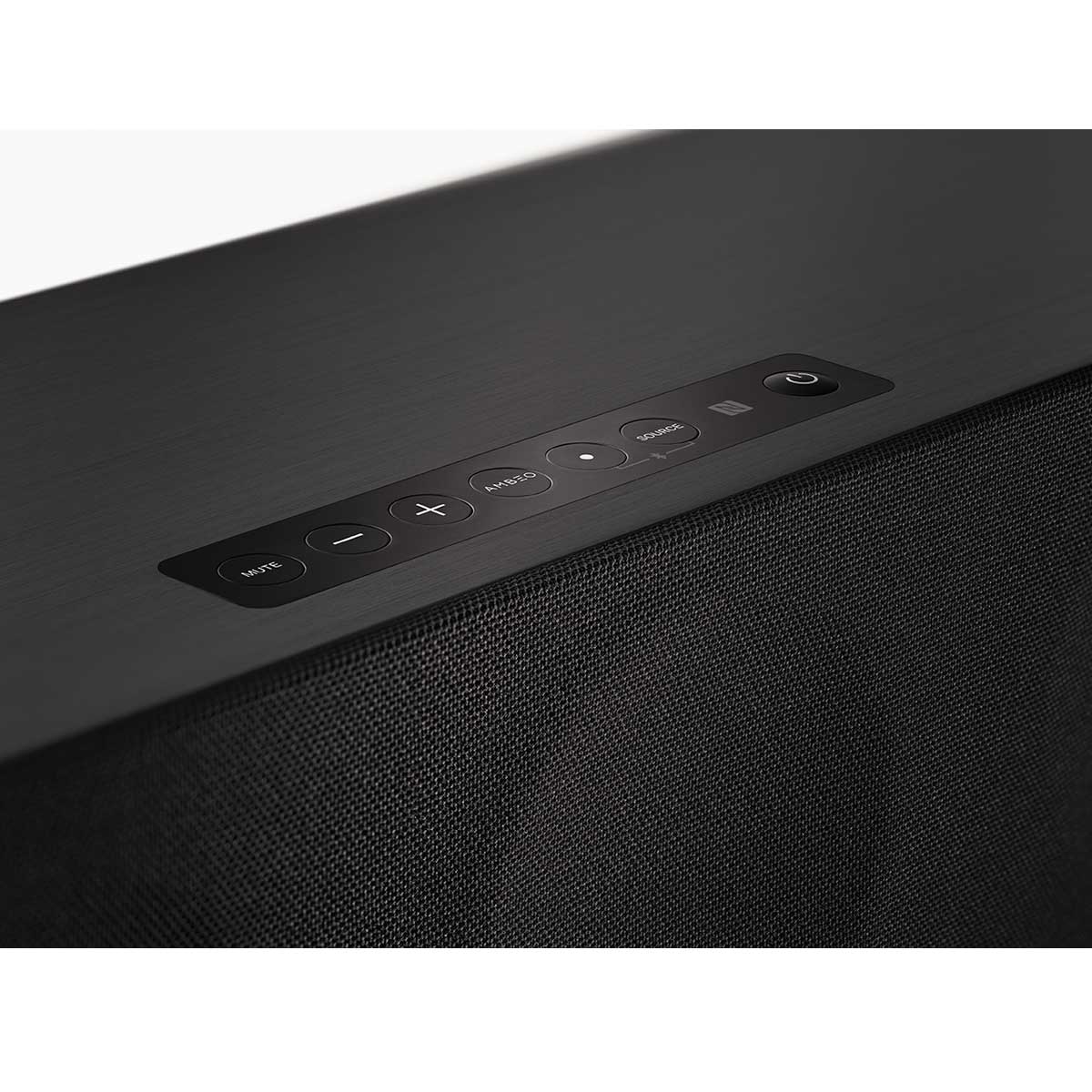
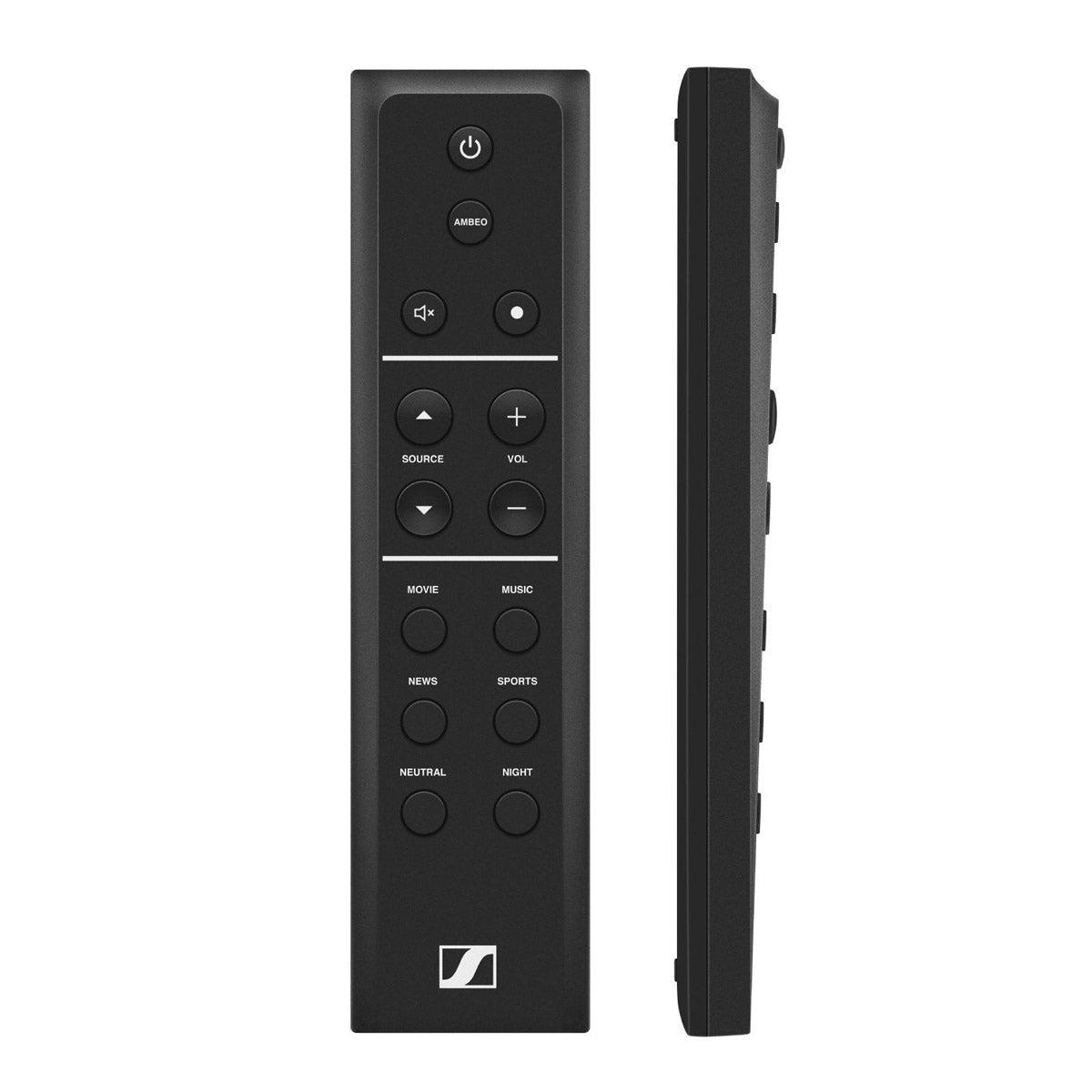
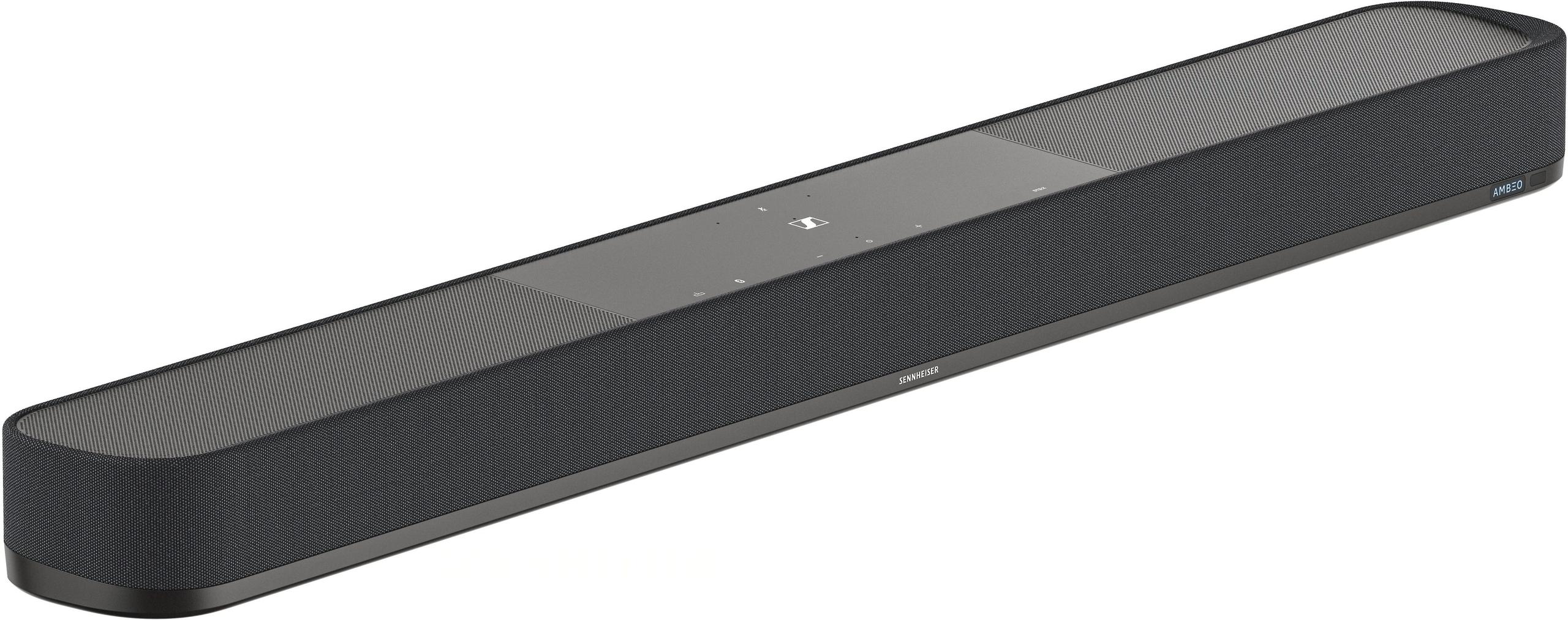
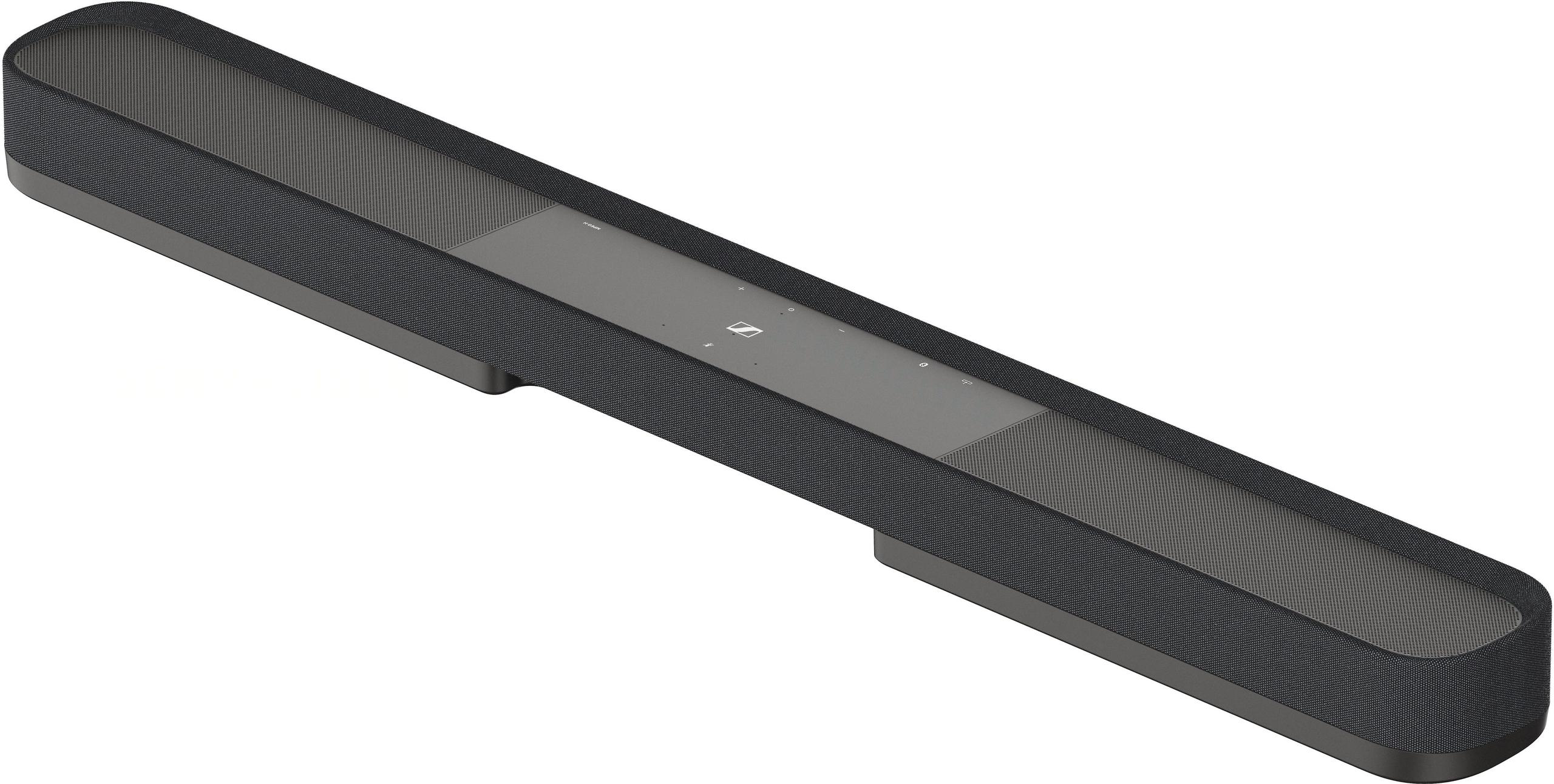
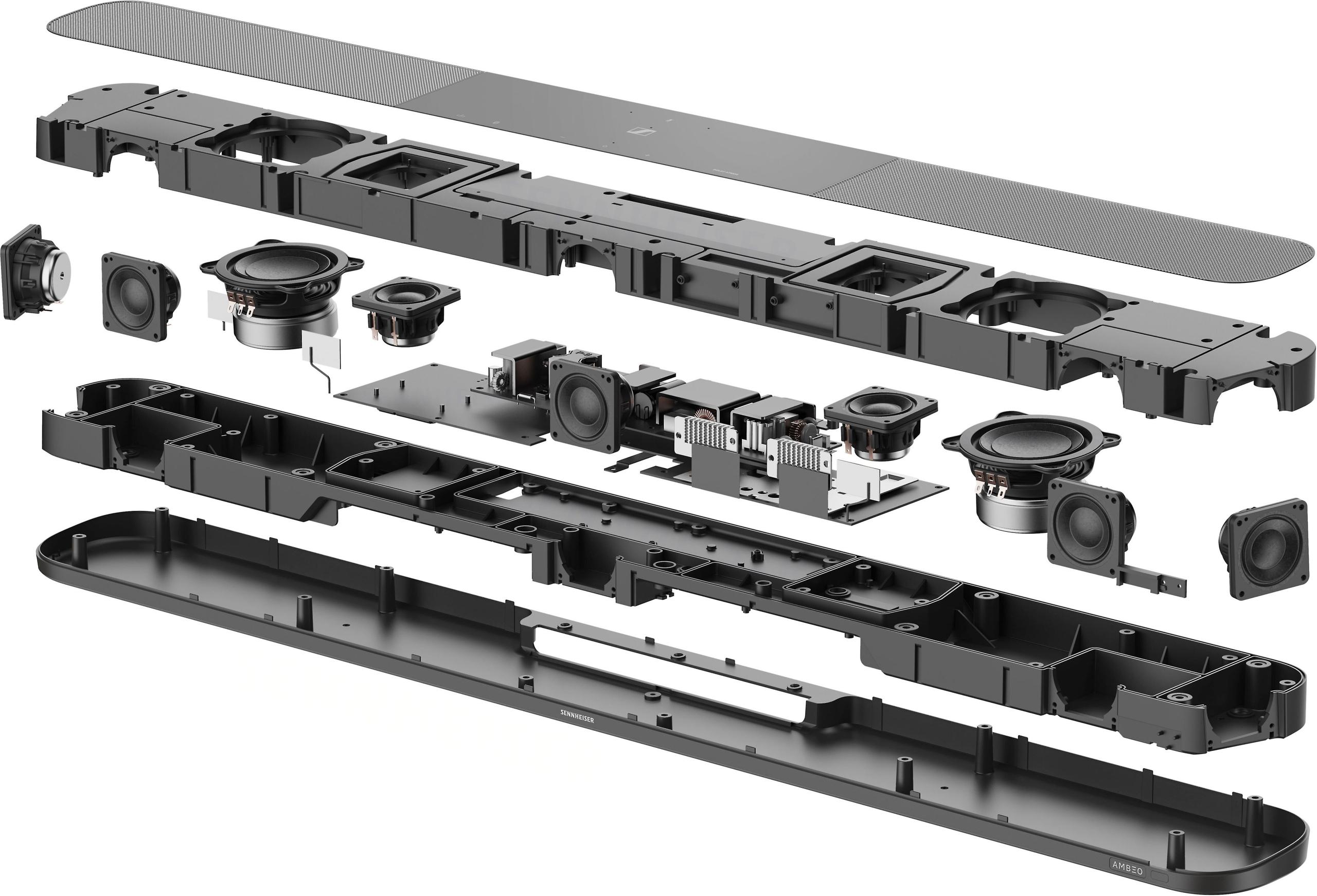
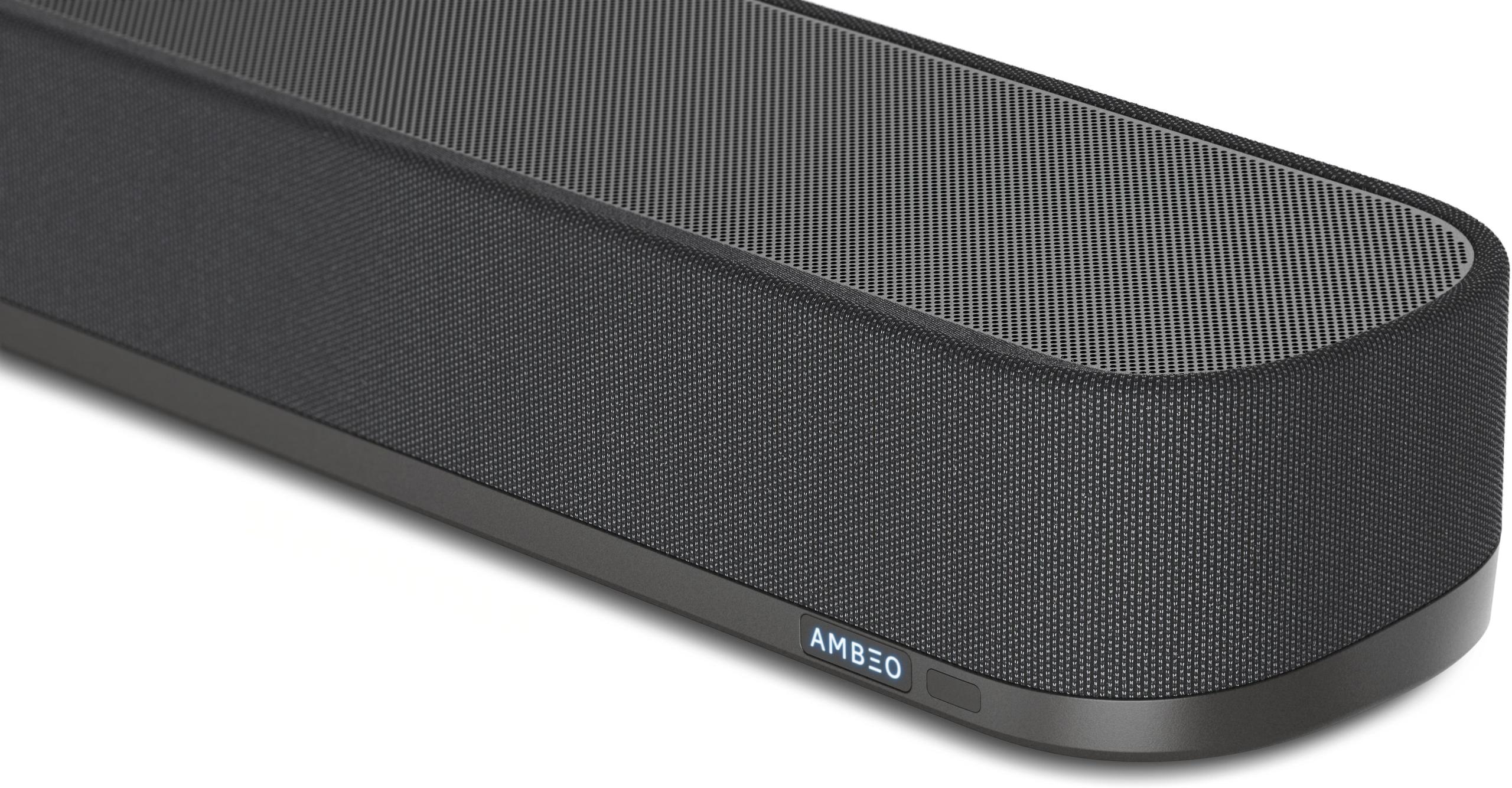
On the other side sits the Sennheiser AMBEO Soundbar at $2,000, which embodies the "premium virtualization" approach. This single-bar solution uses 13 carefully positioned drivers and advanced room calibration to create the illusion of a full 7.1.4 surround sound system—that's seven main channels, one subwoofer channel, and four height channels for overhead effects.
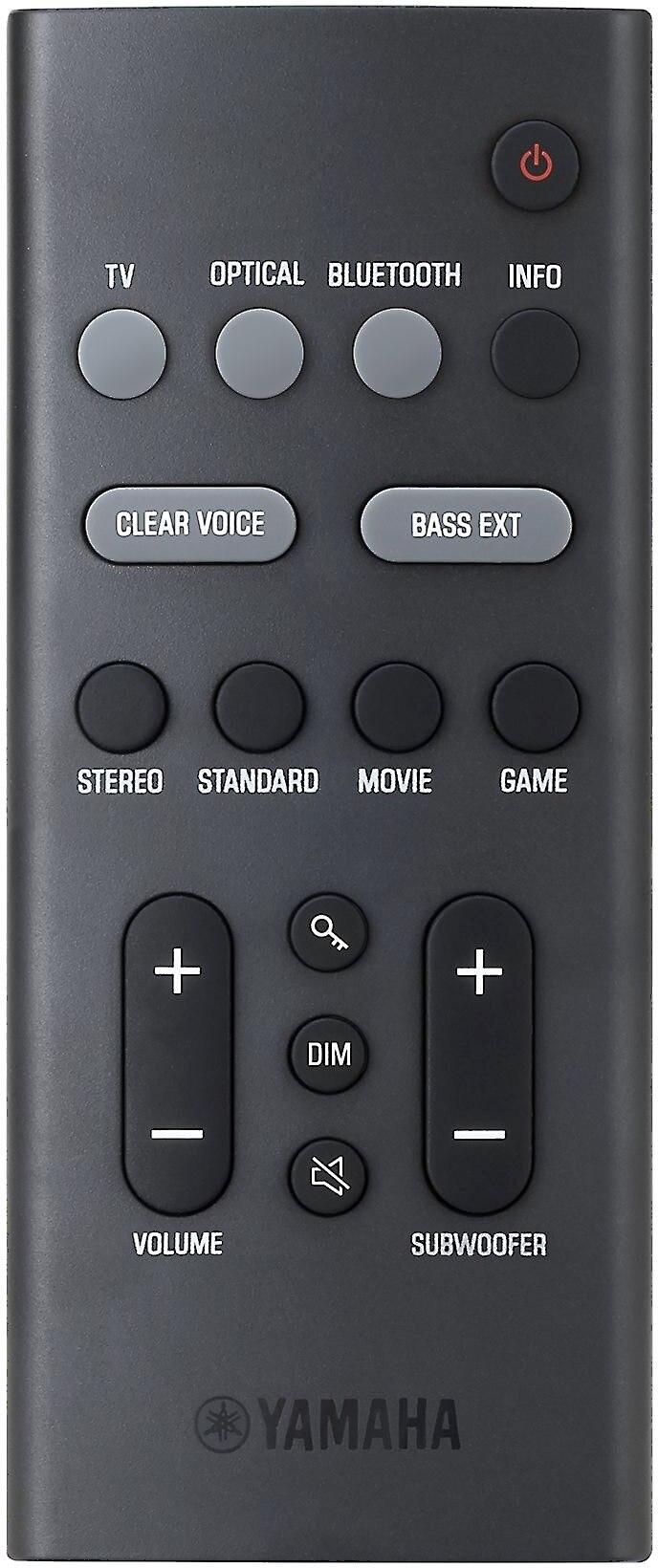
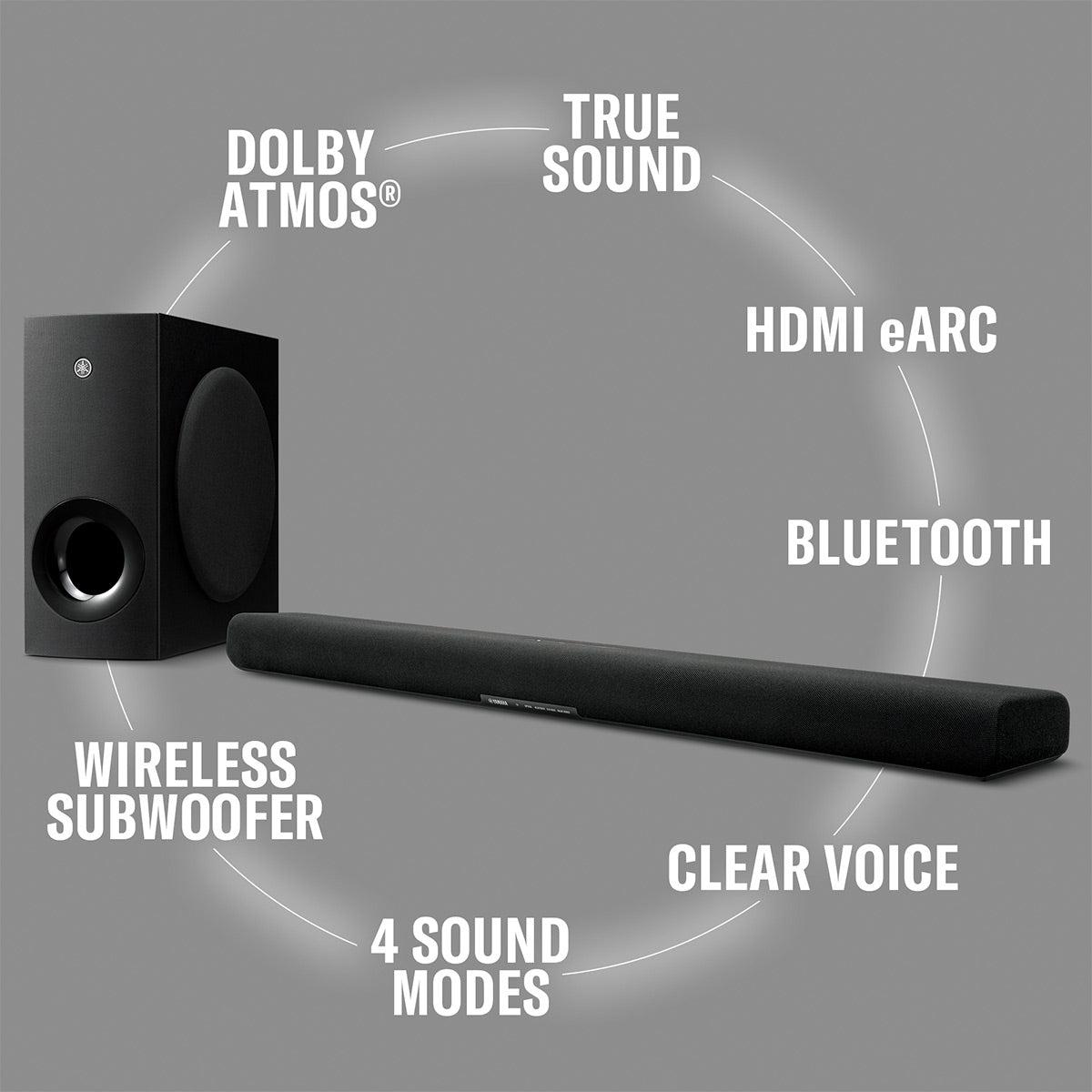
When I first tested the Yamaha SR-B40A, what struck me immediately was how much clearer dialogue became compared to typical TV speakers. The system's "Clear Voice" technology isn't just marketing speak—it actively boosts the frequency range where human speech lives (typically 1-4 kHz) while reducing competing background noise. This means you can actually hear what characters are saying without constantly adjusting volume or turning on subtitles.
The soundbar uses four 1.8-inch cone drivers for the main channels, paired with two 1-inch dome tweeters. Tweeters are the small speakers responsible for high frequencies like cymbals and vocal clarity. Having dedicated tweeters, rather than trying to push highs through larger drivers, keeps dialogue crisp even at lower volumes—perfect for late-night viewing.
The Sennheiser AMBEO takes clarity to another level entirely. Its five aluminum dome tweeters are positioned strategically across the soundbar's 49.6-inch width, creating what's called a "soundstage"—the perceived width and depth of audio. When properly calibrated, dialogue doesn't just sound clear; it sounds like it's coming from specific locations on screen, just like in a movie theater.
However, here's where room acoustics become crucial. The AMBEO's virtualization technology relies on sound reflections off your walls and ceiling to create its surround effects. In rooms with hard surfaces and good geometry, the results can be spectacular. In spaces with heavy carpeting, irregular shapes, or lots of soft furniture, the effect diminishes significantly.
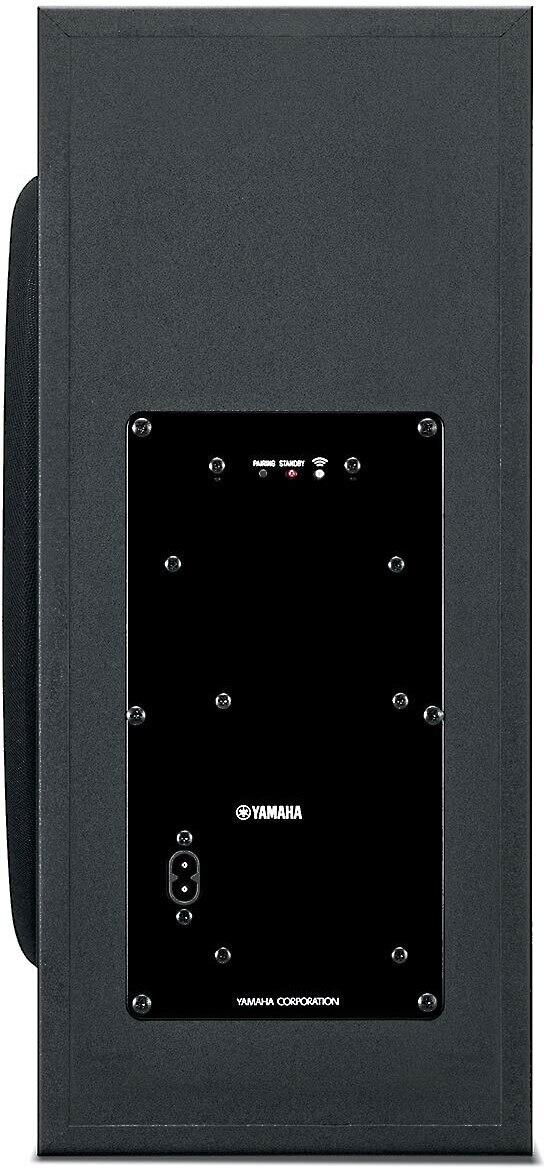
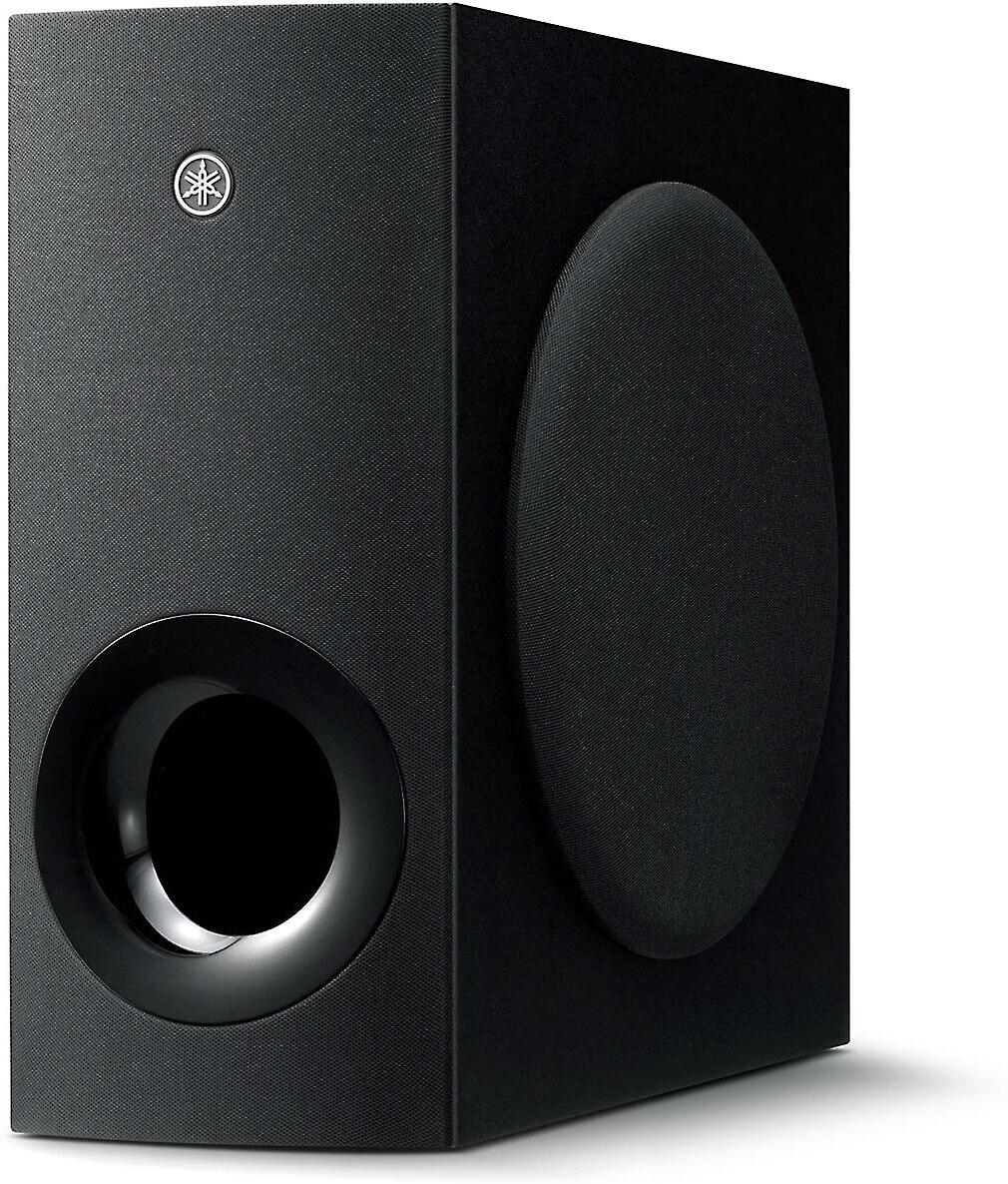
This is where the two systems diverge most dramatically. The Yamaha SR-B40A includes a dedicated wireless subwoofer with a 6.25-inch driver powered by 100 watts. When you hear a dinosaur stomp in Jurassic Park or feel the rumble of a spaceship in Star Wars, that's the subwoofer adding the low-frequency content (typically below 80 Hz) that small soundbar drivers simply can't reproduce.
The wireless connection means you can place this subwoofer anywhere in your room for optimal bass response. In my testing, corner placement typically provides the most impact, while positioning along a wall offers more even distribution. The bass extension feature lets you push even deeper, though at the cost of some clarity—a worthwhile trade-off for action movies.
The Sennheiser AMBEO attempts to handle bass duties with six built-in 4-inch woofers using what's called a "cellulose sandwich cone" design. These cones are lighter and stiffer than typical paper or plastic, allowing for more precise movement and better bass clarity. However, physics is physics—4-inch drivers simply can't move enough air to match a dedicated 6.25-inch subwoofer.
Sennheiser acknowledges this limitation by offering their Sub 4 subwoofer for an additional $699. When paired with the AMBEO, you get exceptional bass performance, but now you're looking at a $2,700 total investment. That's nearly eight times the cost of the complete Yamaha system.
The Yamaha SR-B40A uses what's called "Dolby Atmos virtualization" combined with Yamaha's proprietary "True X Surround" processing. While it can't truly place sounds behind you, it does create a wider soundstage than typical 2.1 systems. The four sound modes (Movie, Stereo, Standard, and Game) apply different processing profiles optimized for specific content types.
Gaming mode, for instance, enhances spatial cues that help you locate enemies in first-person shooters, while Movie mode emphasizes the dramatic impact of explosions and musical scores. These aren't revolutionary features, but they work reliably across different content types.
The Sennheiser AMBEO represents the current pinnacle of soundbar virtualization technology. Using techniques developed with the Fraunhofer Institute (the same organization behind MP3 compression), it employs psychoacoustic modeling to trick your brain into perceiving sounds coming from locations where no speakers exist.
The system fires specific frequencies at precise angles, using your room's surfaces as reflectors to create "phantom" speakers. When it works—and this is crucial—the effect is genuinely impressive. Movies like "Top Gun: Maverick" can sound like jets are flying overhead, while music can seem to surround you completely.
But virtualization has inherent limitations. Unlike discrete surround speakers placed around your room, virtual effects depend heavily on your seating position, room shape, and surface materials. Move too far from the optimal listening spot, and the illusion breaks down.
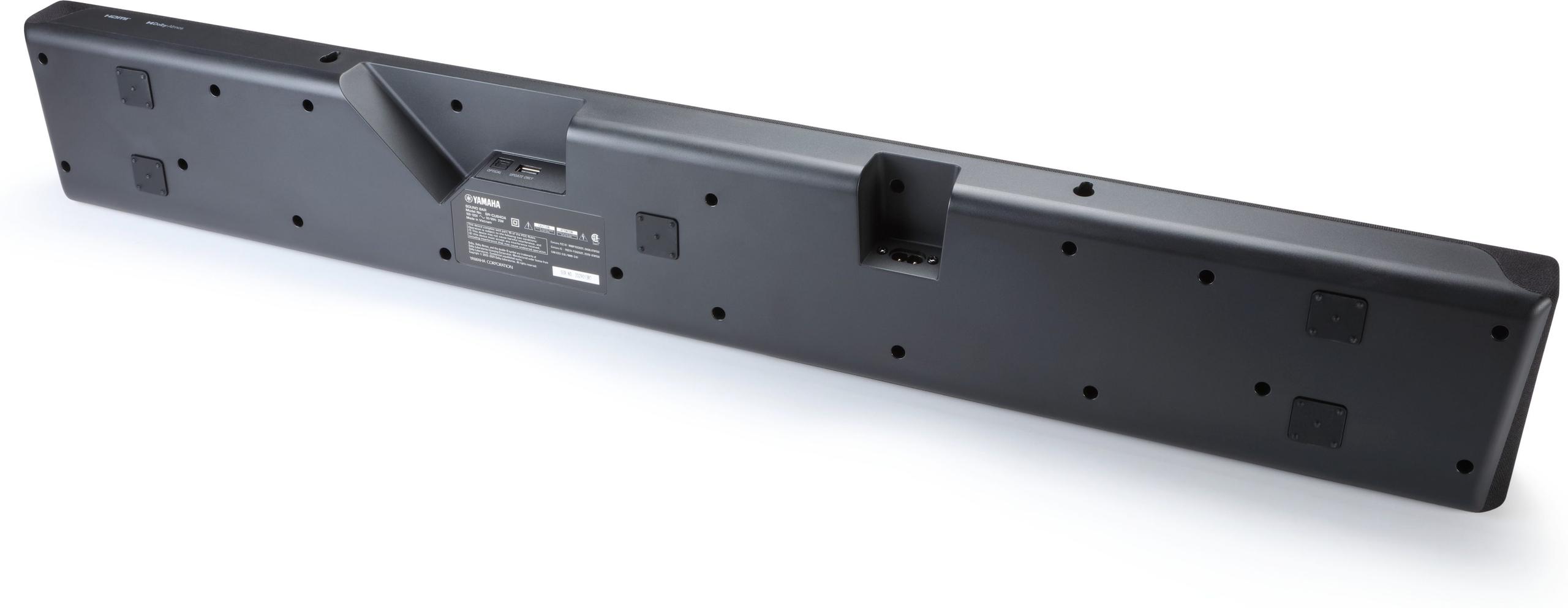
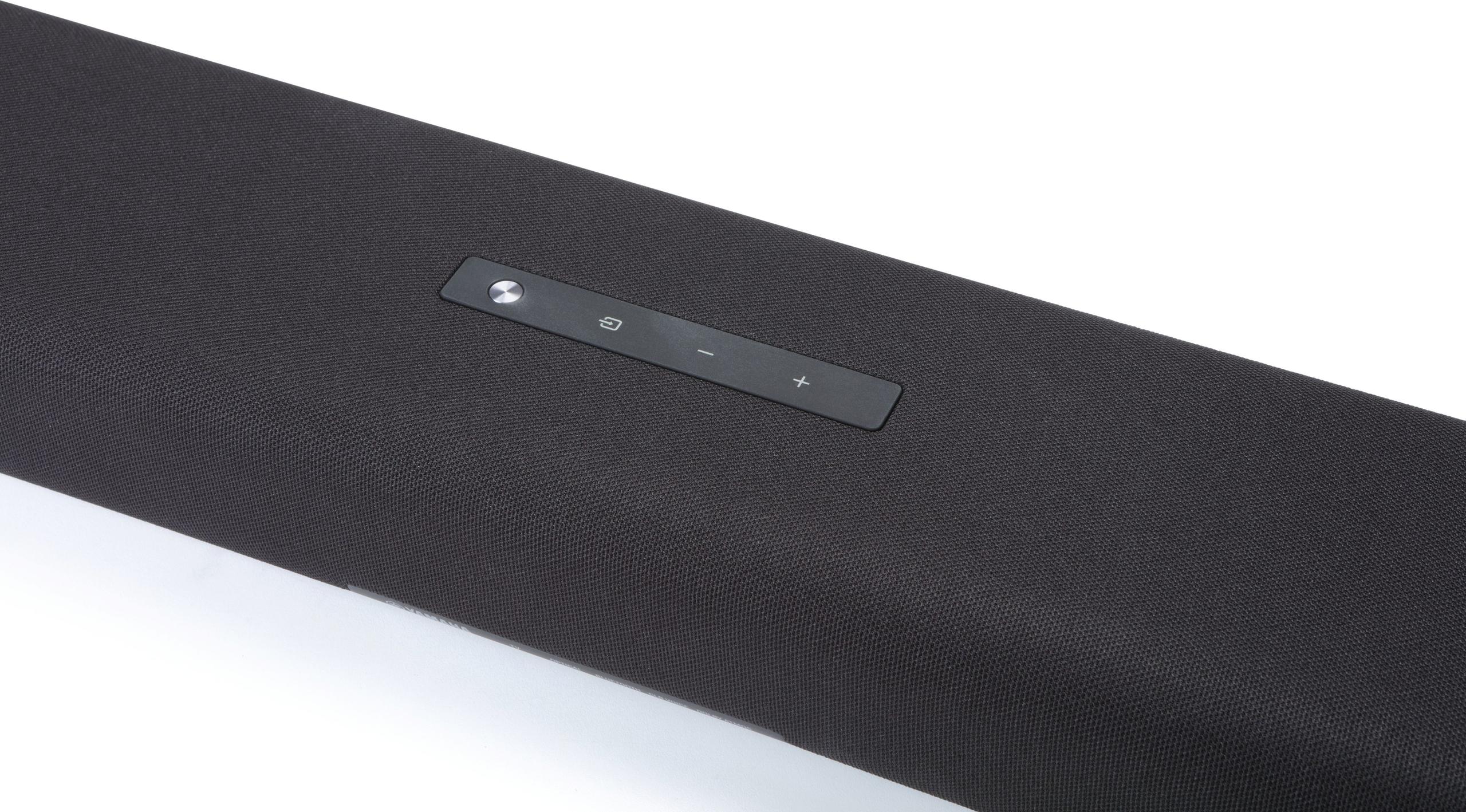
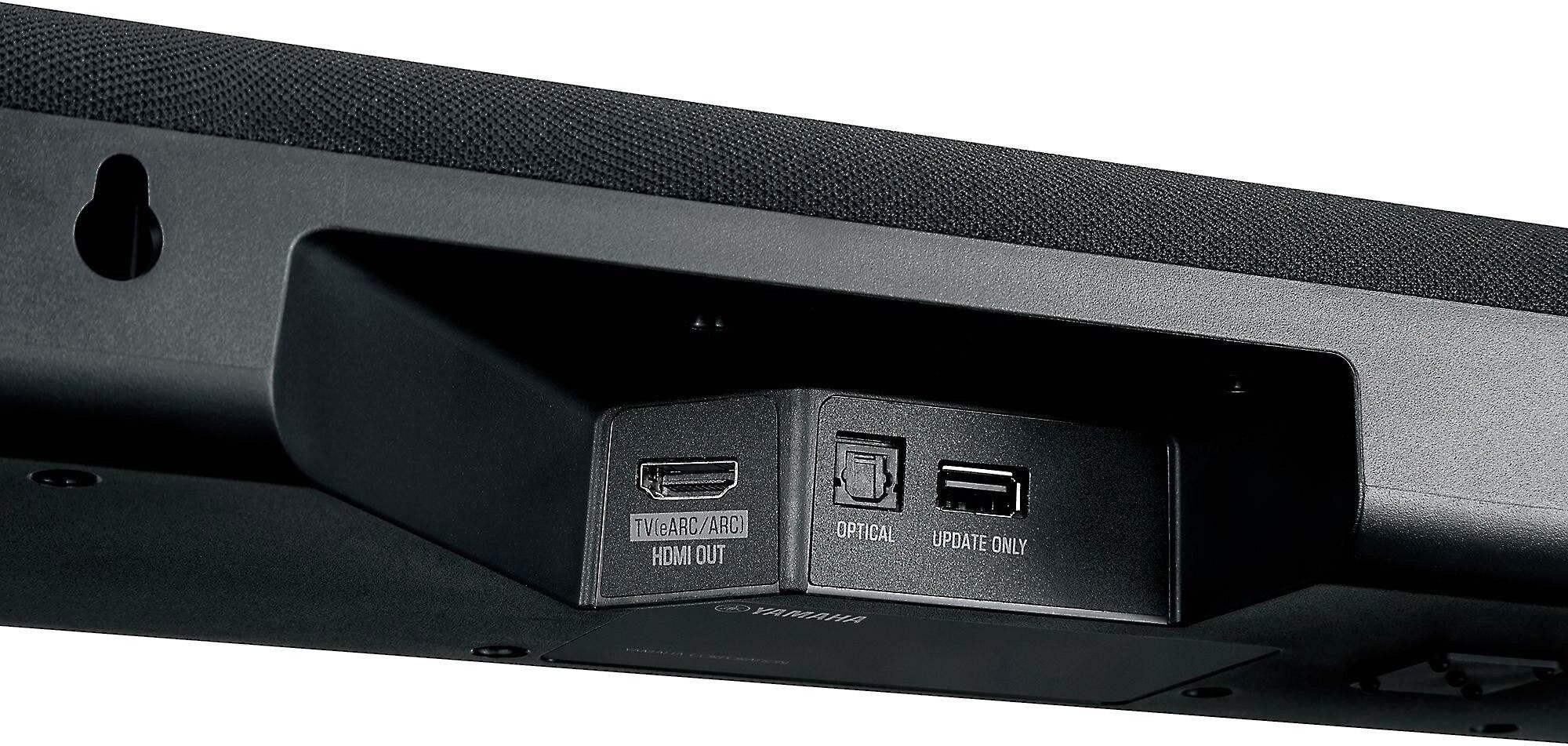
The Yamaha SR-B40A embodies plug-and-play simplicity. Connect one HDMI cable to your TV's eARC port (enhanced Audio Return Channel, which carries high-quality audio back from your TV to the soundbar), place the subwoofer wherever it sounds best, and you're done. The subwoofer pairs automatically with the soundbar, and most TV remotes can control basic functions like volume and power.
I've set up dozens of soundbars over the years, and the Yamaha consistently proves itself foolproof. Even tech-averse family members can get it running without frustration.
The Sennheiser AMBEO demands more investment upfront. The initial setup involves running room calibration using an included measurement microphone. You'll place the mic at your primary listening position while the soundbar plays test tones, measuring how sound reflects in your specific space.
This calibration process takes 15-20 minutes and requires a quiet environment—no air conditioning, conversation, or background noise. The payoff is optimization tailored to your exact room, but it's a process you'll need to repeat if you rearrange furniture or move to a different seating position.
Since the Yamaha SR-B40A launched in July 2023, Yamaha has pushed several firmware updates that improved Bluetooth connectivity stability and added fine-tuning options for the Clear Voice feature. The HDMI eARC implementation has proven particularly robust, handling everything from Netflix Dolby Atmos streams to PlayStation 5 gaming audio without dropouts.
The Sennheiser AMBEO has seen more significant evolution since its original release. Early units had issues with HDMI handshaking and room calibration consistency, but firmware updates have largely resolved these problems. The addition of Wi-Fi 6 support and expanded streaming service integration has also improved its smart home integration capabilities.
Looking forward, both systems should handle current content formats for years to come. However, the AMBEO's more advanced processing hardware and regular firmware updates suggest better long-term adaptability to new audio formats and streaming standards.
In a dedicated home theater room, these systems perform quite differently. The Yamaha SR-B40A works best in smaller to medium-sized spaces (under 300 square feet) where its 200-watt total power can adequately fill the room. The wireless subwoofer becomes crucial here—proper bass management is essential for the cinematic experience.
For movie nights, the system's Movie mode creates a wide soundstage that makes dialogue feel centered while expanding music and effects across the room's width. It won't fool you into thinking you have rear surround speakers, but it significantly improves upon TV audio for most viewing scenarios.
The Sennheiser AMBEO truly shines in larger, well-designed home theater spaces. Its 400-watt power output and sophisticated driver array can fill substantial rooms with detailed, immersive audio. When properly calibrated in an acoustically favorable space, it can genuinely approximate the experience of a traditional 7.1.4 surround system.
However, this performance comes with caveats. The virtualization works best when you're seated in the "sweet spot" directly in front of the soundbar. Side seating positions lose much of the surround effect, making it less ideal for families or groups who don't always sit in optimal positions.
The Yamaha SR-B40A at $340 represents exceptional value for most users. You get everything needed for dramatically improved TV audio: a capable soundbar, wireless subwoofer, and simple operation. The cost per feature and included accessories is hard to match in today's market.
The Sennheiser AMBEO at $2,000 (or $2,700 with the recommended subwoofer) targets a completely different buyer. You're paying for cutting-edge virtualization technology, premium build quality, and extensive connectivity options. The question isn't whether it sounds better than the Yamaha—in optimal conditions, it clearly does—but whether that improvement justifies the 8x price difference.
Choose the Yamaha SR-B40A if you want immediate, reliable improvement over TV speakers without complexity or major expense. It's perfect for apartments, typical living rooms, and anyone who prioritizes simplicity and value. The included subwoofer means you get full-range audio right out of the box, and the straightforward controls ensure everyone in your household can use it effectively.
The Sennheiser AMBEO makes sense for audio enthusiasts with dedicated listening rooms, larger budgets, and patience for optimization. If you have an acoustically favorable space and enjoy tweaking settings to achieve the best possible performance, the AMBEO can deliver a genuinely impressive home theater experience from a single soundbar.
Consider your room size, budget reality, and how much time you want to invest in setup and optimization. For most people, the Yamaha delivers 90% of the improvement they're seeking at a fraction of the cost. The Sennheiser offers that final 10% of performance refinement, but only under ideal conditions and at a premium price that reflects its niche positioning in the market.
Both represent solid choices within their respective market segments—it's simply a matter of matching your needs, space, and budget to the right approach.
| Yamaha SR-B40A | Sennheiser AMBEO Soundbar |
|---|---|
| Price - The biggest factor for most buyers | |
| $340 complete system with subwoofer | $2,000 soundbar only, $2,700 with recommended subwoofer |
| Total Power Output - Determines maximum volume and room size capacity | |
| 200W (suitable for rooms up to 300 sq ft) | 500W (handles large rooms and home theaters) |
| Channel Configuration - How many speakers and what type of surround sound | |
| 2.1 physical channels (soundbar + wireless subwoofer) | 7.1.4 virtual channels through advanced processing |
| Driver Count - More drivers usually mean better sound separation | |
| 8 total drivers (6 in soundbar + 2 in subwoofer) | 13 high-end drivers in soundbar only |
| Bass Solution - Critical for movies and music impact | |
| Included 6.25" wireless subwoofer (30Hz extension) | Built-in 4" woofers, optional $699 subwoofer needed for deep bass |
| Setup Complexity - Time investment to get optimal performance | |
| Plug-and-play (5 minutes, works immediately) | Room calibration required (30-60 minutes, needs optimization) |
| Dolby Atmos Support - Enhanced surround sound for compatible content | |
| Basic Dolby Atmos virtualization | Advanced AMBEO 3D technology with room-specific calibration |
| Connectivity Options - How you connect devices and stream content | |
| HDMI eARC, Optical, Bluetooth 5.1 | HDMI eARC, Wi-Fi 6, Bluetooth, Chromecast, voice assistants |
| Smart Features - App control and automation capabilities | |
| Basic Sound Bar Remote app, TV remote compatibility | Advanced Smart Control app, voice control, streaming integration |
| Build Quality - Materials and expected lifespan | |
| Solid plastic construction, reliable components | Premium aluminum drivers, high-end materials throughout |
| Room Size Optimization - Where each performs best | |
| Small to medium rooms (under 300 sq ft) | Large rooms and dedicated home theaters |
| Ideal User - Who gets the most value from each system | |
| Budget-conscious buyers wanting immediate TV audio improvement | Audio enthusiasts with optimal rooms and premium budgets |
The Yamaha SR-B40A at $340 provides exceptional value by including everything you need: soundbar, wireless subwoofer, and reliable performance. The Sennheiser AMBEO at $2,000 requires an additional $699 subwoofer for comparable bass, making the total cost nearly $2,700. For most buyers, the Yamaha delivers 90% of the audio improvement at less than one-eighth the price.
The Yamaha SR-B40A is a complete 2.1 system with physical speakers and a wireless subwoofer, designed for plug-and-play simplicity. The Sennheiser AMBEO uses advanced virtualization technology with 13 drivers to simulate a full 7.1.4 surround system from a single soundbar, requiring room calibration for optimal performance.
The Yamaha SR-B40A is ideal for apartments due to its compact size, included bass management through the wireless subwoofer, and neighbor-friendly volume levels. The Sennheiser AMBEO is designed for larger spaces and may be overkill for typical apartment living rooms.
The Yamaha SR-B40A comes complete with everything needed, including the wireless subwoofer. The Sennheiser AMBEO works standalone but strongly benefits from the optional Sub 4 subwoofer ($699) for full bass performance, nearly doubling the total investment.
The Yamaha SR-B40A offers true plug-and-play setup - connect one HDMI cable, place the subwoofer, and you're done in under 10 minutes. The Sennheiser AMBEO requires 30-60 minutes of room calibration using a measurement microphone to achieve optimal performance.
Both excel at movies but differently. The Yamaha SR-B40A provides clear dialogue, impactful bass, and wide soundstage perfect for typical movie nights. The Sennheiser AMBEO can create more immersive surround effects when properly calibrated, making you feel like you're in a movie theater, but only in optimal room conditions.
The Yamaha SR-B40A includes a dedicated Game mode that enhances spatial audio cues for competitive gaming, plus the wireless subwoofer adds impactful explosions and effects. The Sennheiser AMBEO offers more sophisticated surround processing but may have slight audio delay depending on your gaming setup.
The Yamaha SR-B40A performs optimally in small to medium rooms (under 300 square feet) with its 200W power output. The Sennheiser AMBEO with 500W is designed for larger rooms and home theaters where its advanced virtualization technology has space to create convincing surround effects.
The Yamaha SR-B40A includes a dedicated 6.25-inch wireless subwoofer that immediately provides deep, impactful bass down to 30Hz. The Sennheiser AMBEO has adequate built-in bass from six 4-inch drivers, but requires the optional $699 subwoofer to match the Yamaha's low-frequency performance.
The Yamaha SR-B40A offers solid music performance with clear vocals and the subwoofer adding full-range sound. The Sennheiser AMBEO excels at music with its premium drivers and advanced processing, creating a wider, more detailed soundstage that audiophiles will appreciate, especially when properly calibrated.
The Sennheiser AMBEO leads in smart features with Wi-Fi 6, voice assistant support, Chromecast built-in, and extensive streaming service integration. The Yamaha SR-B40A focuses on essential connectivity with HDMI eARC, Bluetooth, and basic app control - sufficient for most users but less comprehensive.
Choose the Yamaha SR-B40A if you want reliable home theater improvement without complexity or major expense - it's perfect for most living rooms and delivers dramatic improvement over TV speakers. Choose the Sennheiser AMBEO if you have a dedicated theater room, optimal acoustics, and budget for premium performance where its advanced virtualization truly shines.
We've done our best to create useful and informative comparisons to help you decide what product to buy. Our research uses advanced automated methods to create this comparison and perfection is not possible - please contact us for corrections or questions. These are the sites we've researched in the creation of this article: crutchfield.com - visions.ca - shop.usa.yamaha.com - bestbuy.com - bestbuy.com - usa.yamaha.com - my.yamaha.com - europe.yamaha.com - adorama.com - usa.yamaha.com - digitalhomecreations.com - europe.yamaha.com - sundownone.com - bestbuy.com - rtings.com - techradar.com - audioxpress.com - whathifi.com - upscaleaudio.com - soundstagesimplifi.com - global.sennheiser-hearing.com - sennheiser-hearing.com - audioadvice.com - abt.com - moon-audio.com

Privacy Policy
Terms and Conditions - Affiliate Policy
Home Security
© Copyright 2008-2026.
11816 Inwood Rd #1211, Dallas, TX 75244