


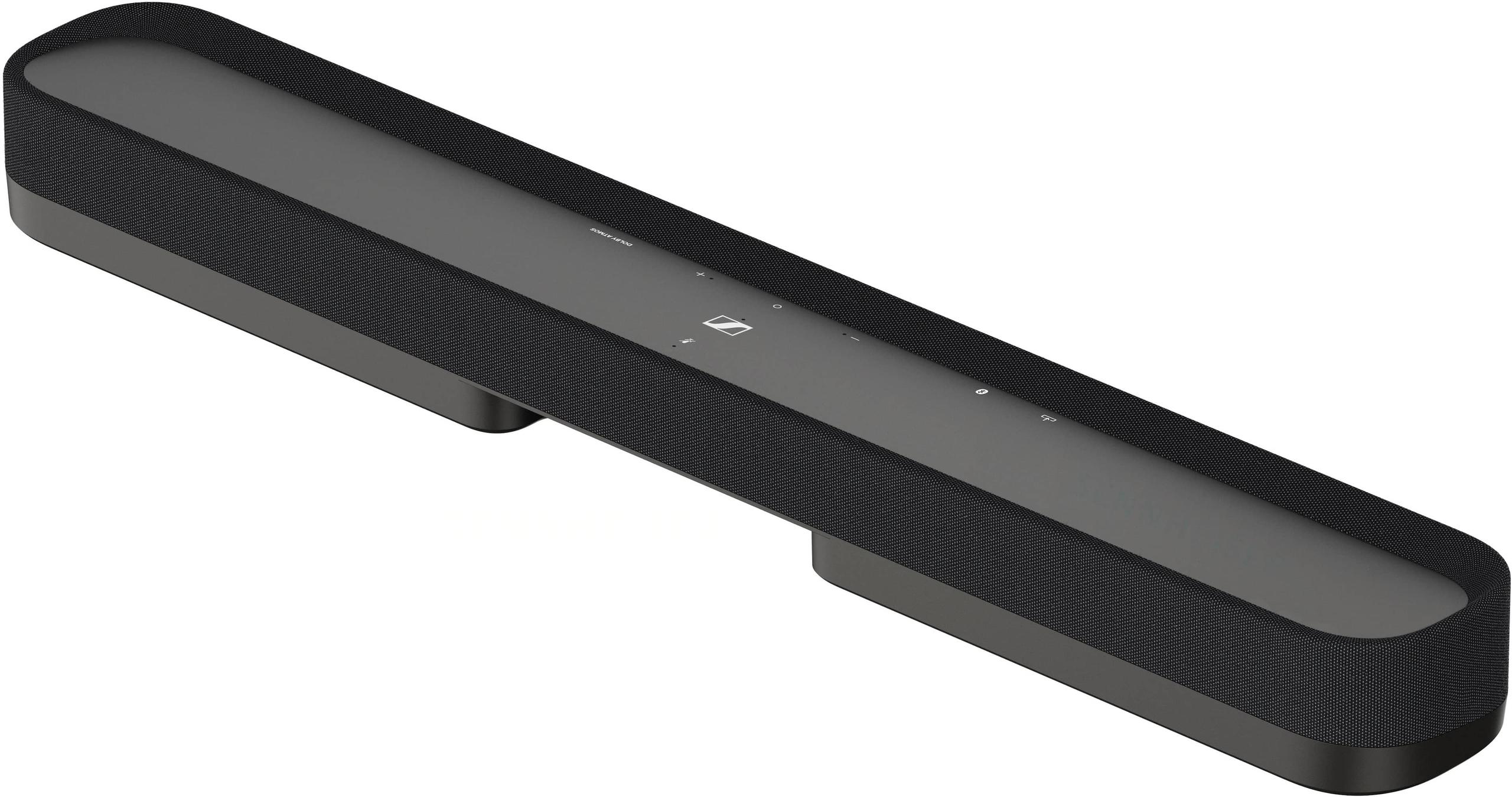

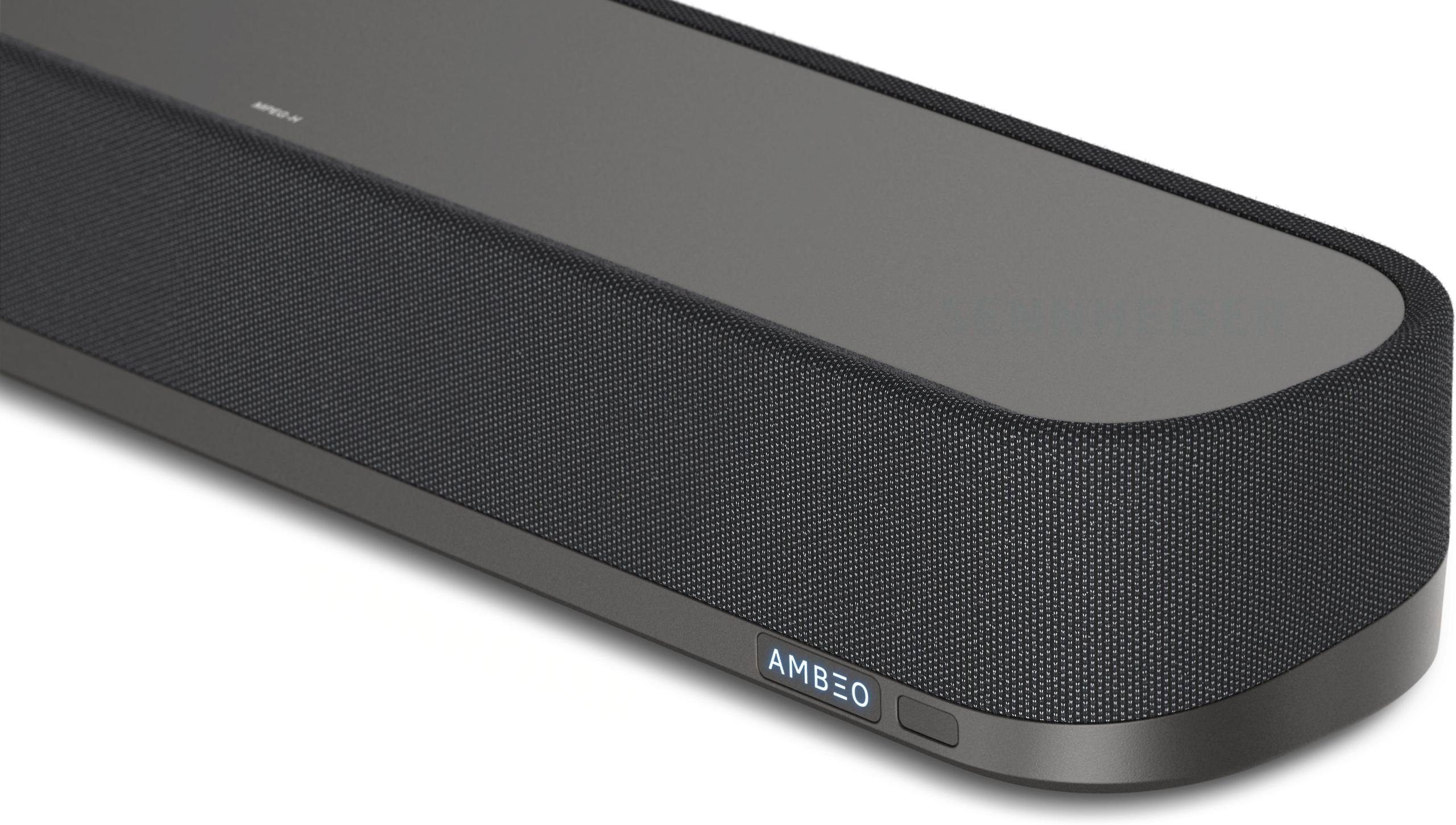

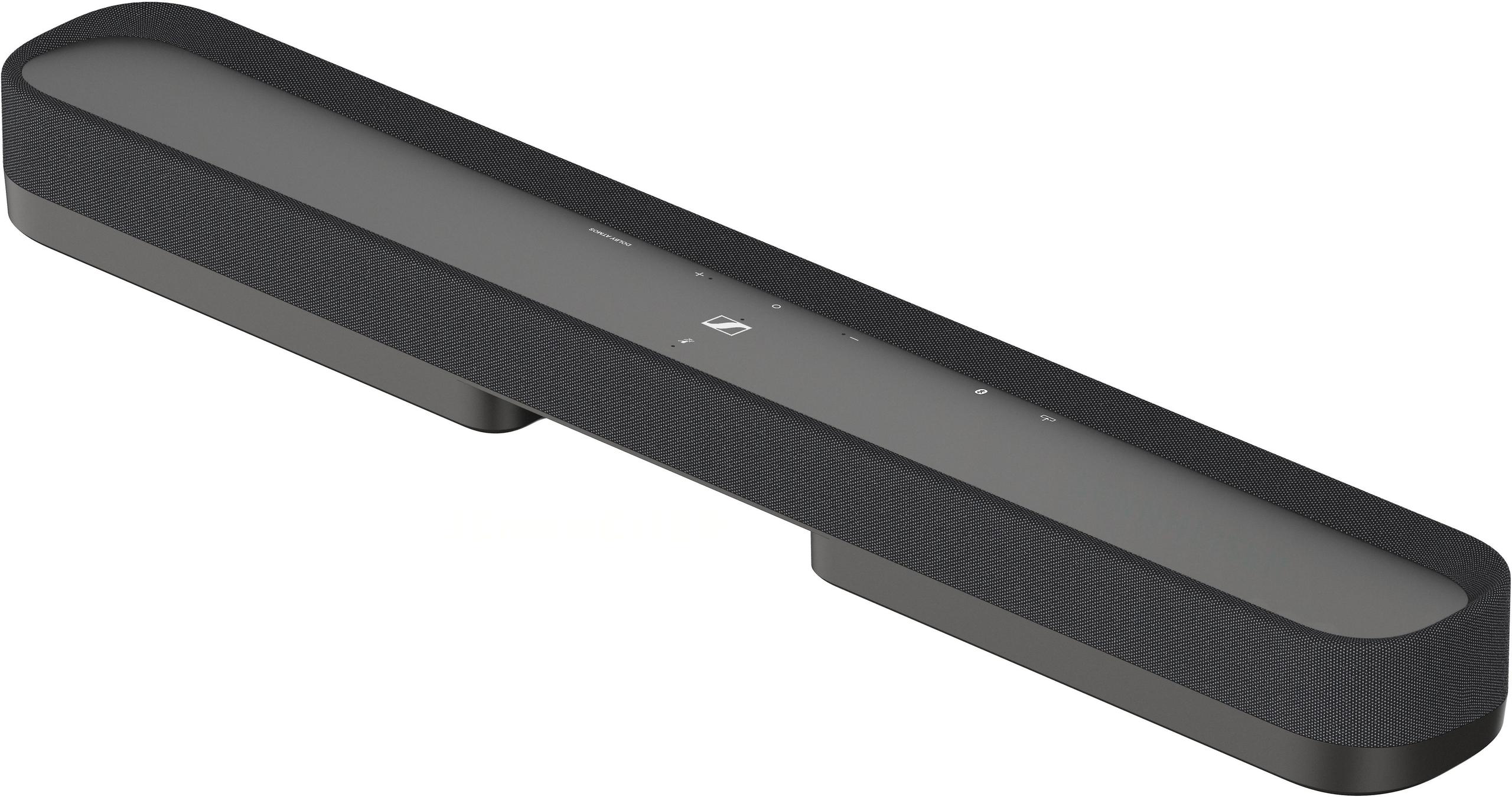


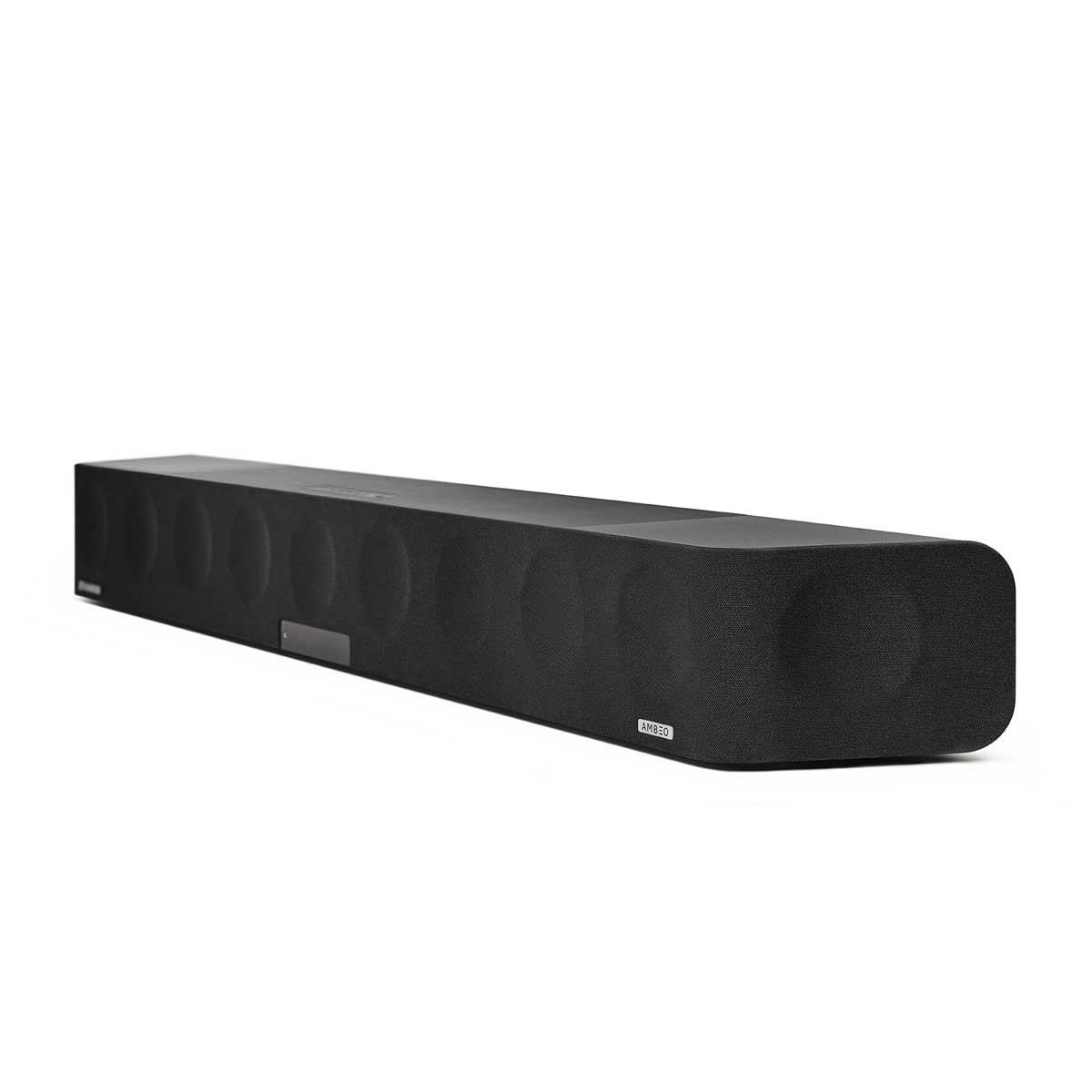
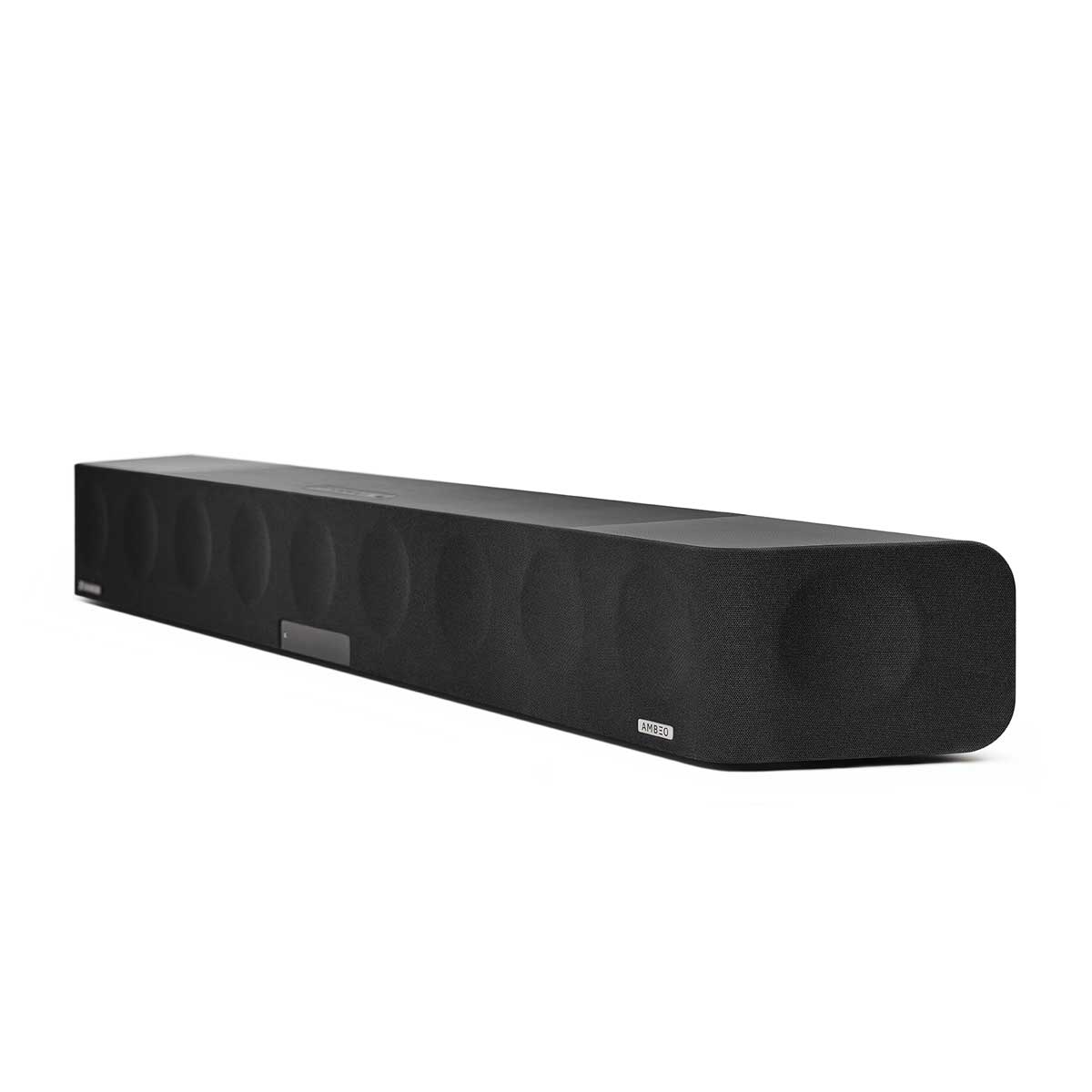
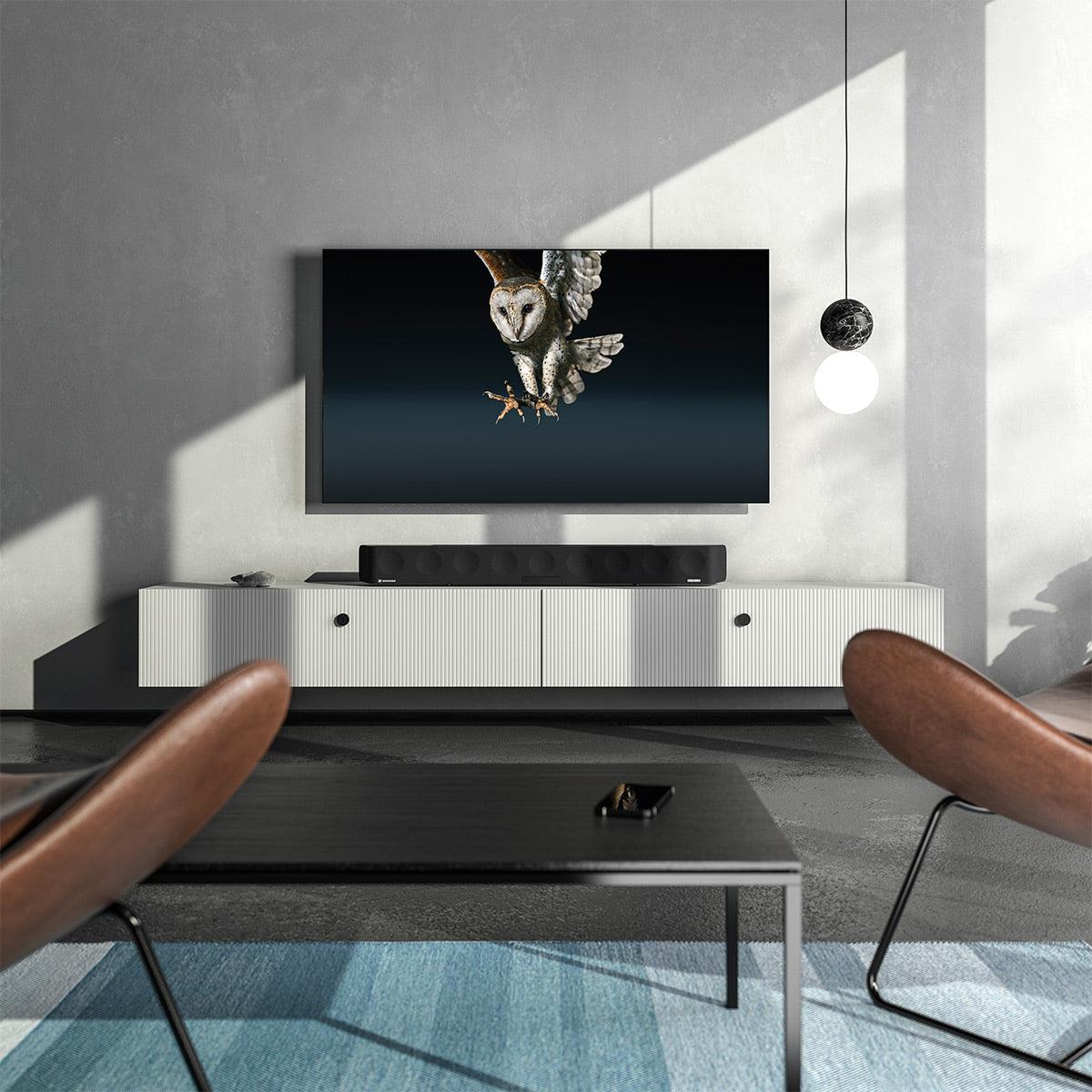
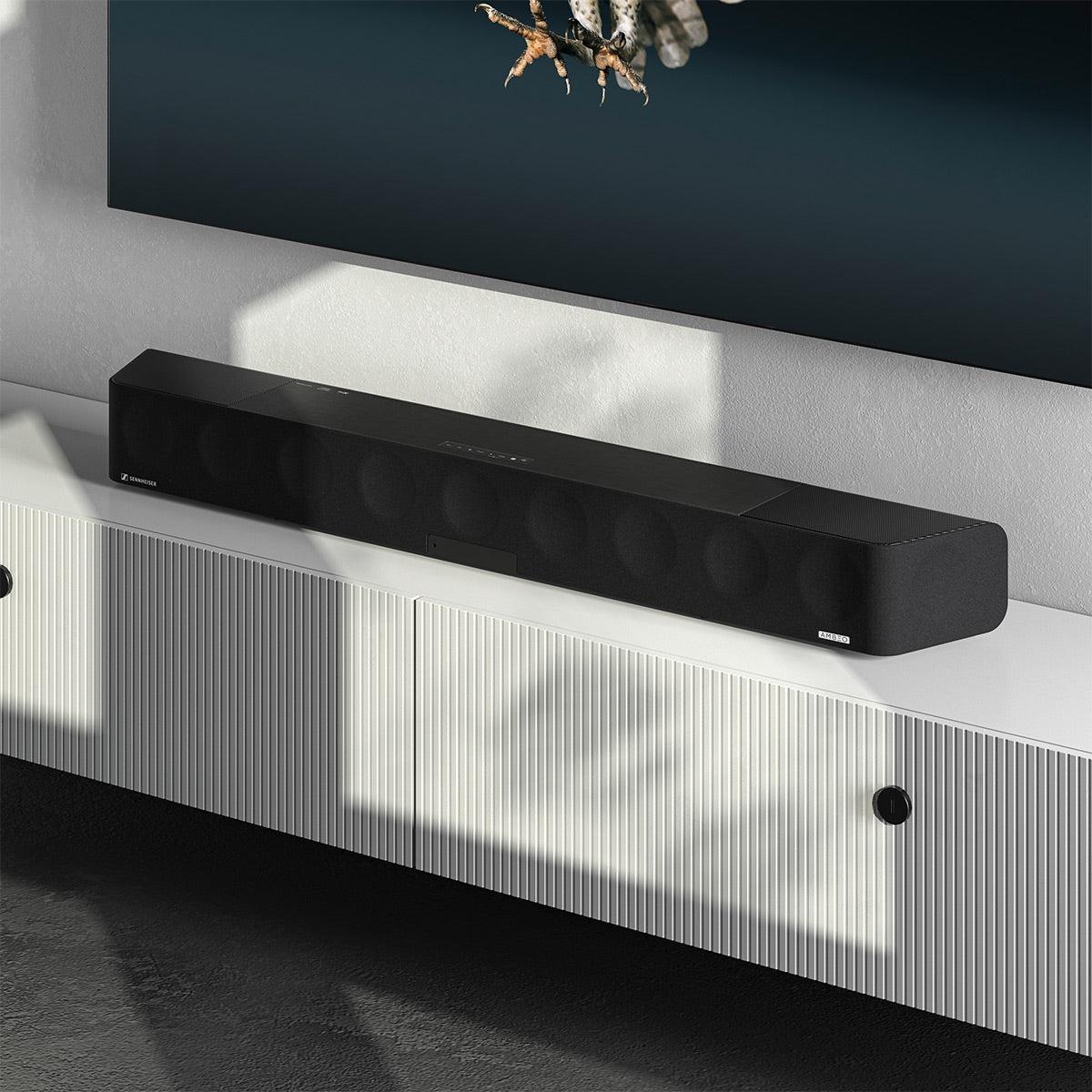
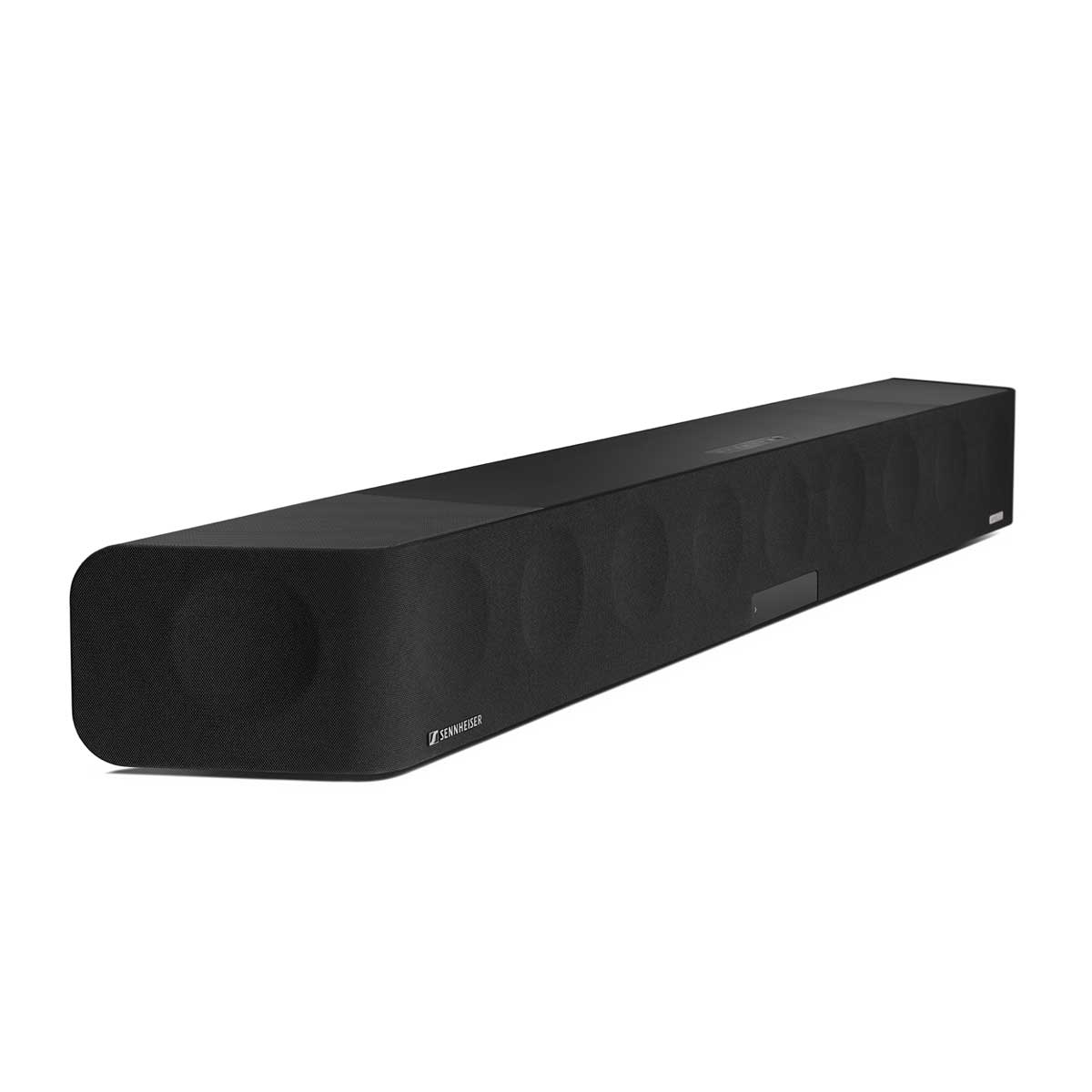
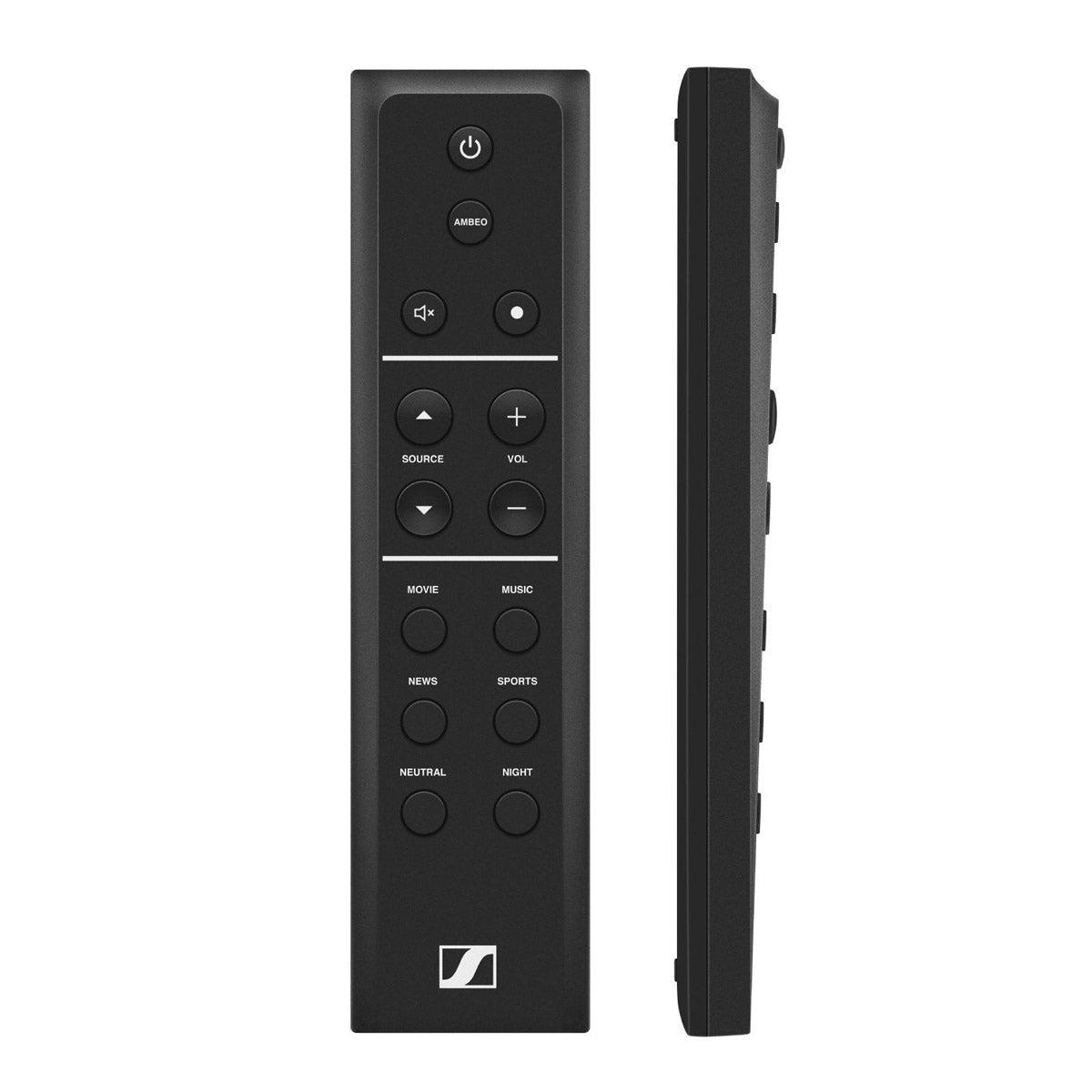
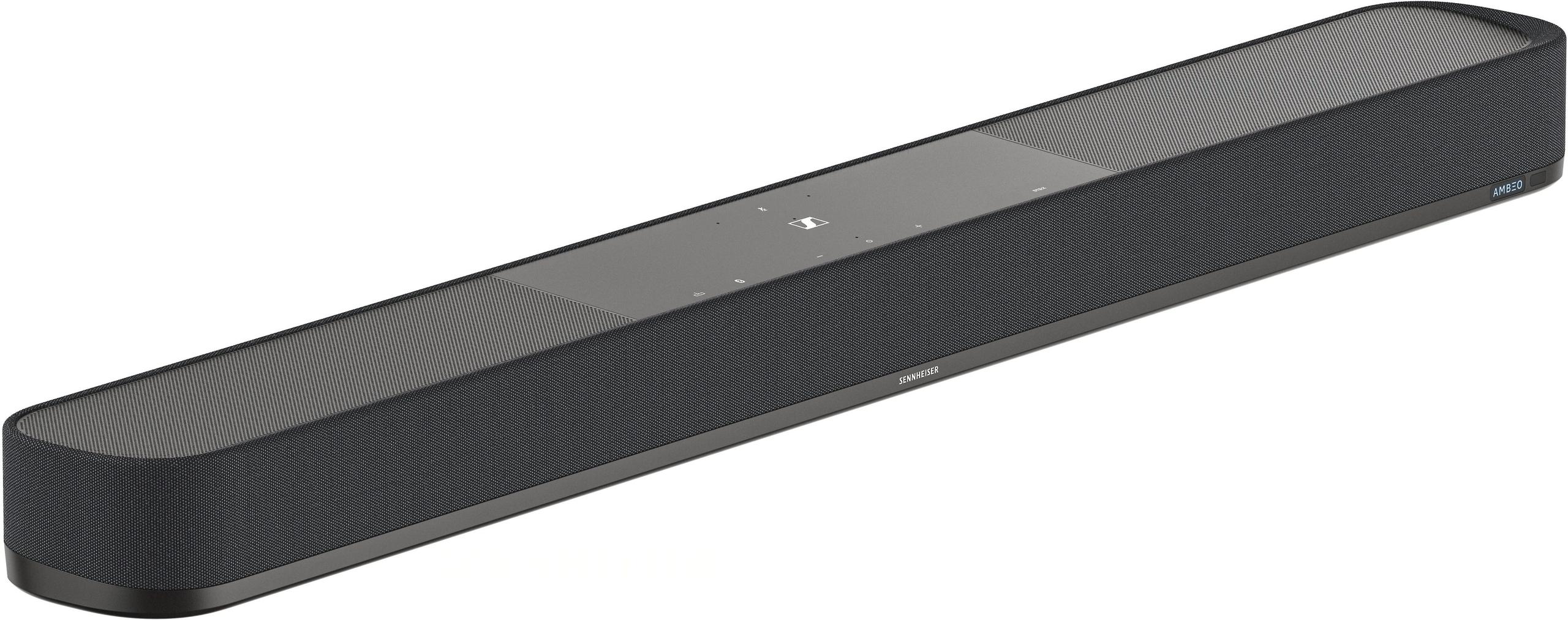
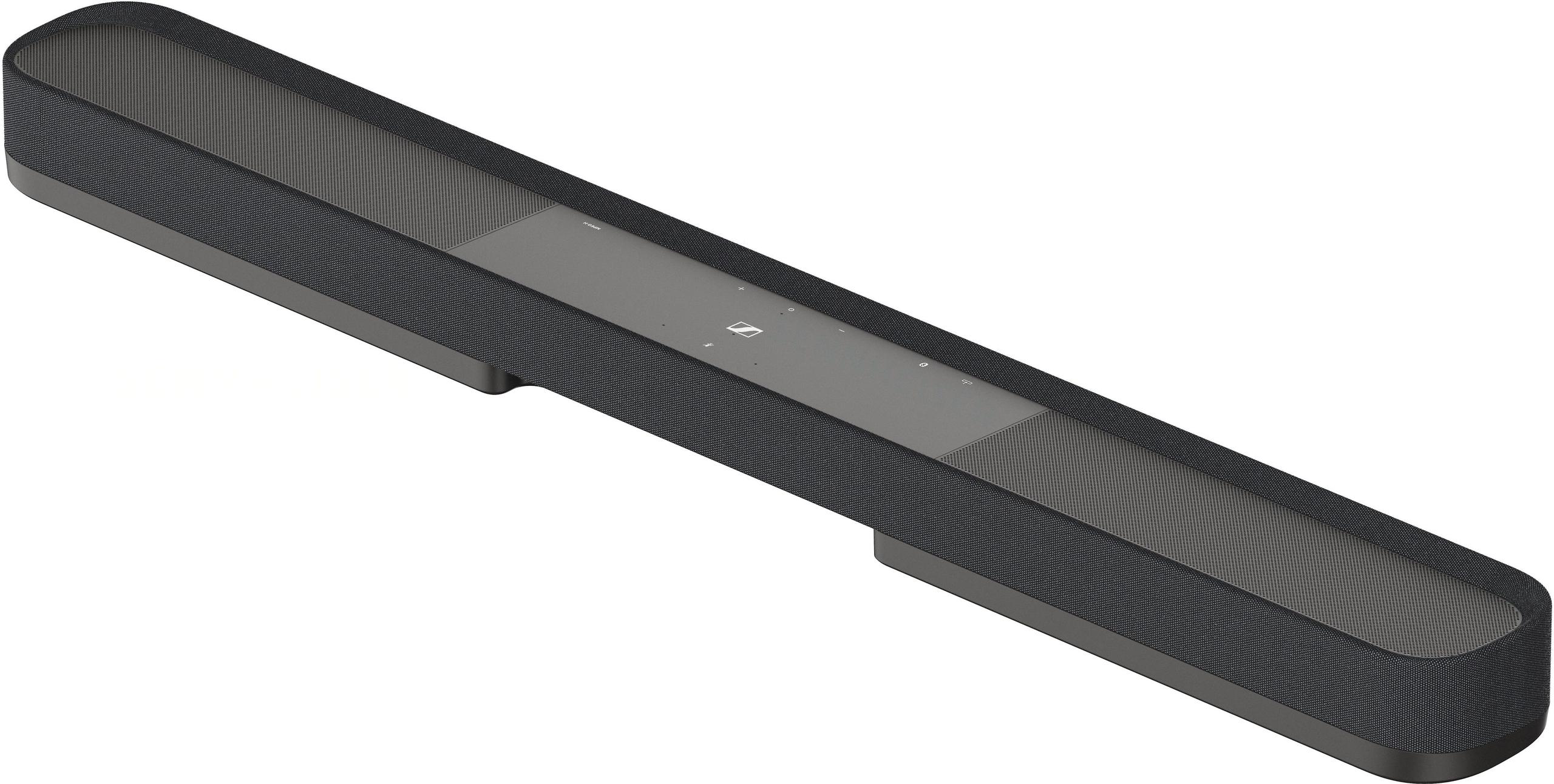


When Sennheiser first launched their flagship AMBEO Soundbar in 2021, it made waves in the premium audio world. This wasn't just another soundbar trying to fake surround sound – it was a serious attempt to replace entire home theater speaker systems with a single, sophisticated piece of equipment. Two years later, in 2023, Sennheiser introduced the more compact AMBEO Soundbar Mini, bringing their advanced audio technology to smaller spaces and budgets. Both soundbars promise to deliver that elusive "immersive audio experience," but they take completely different approaches to get there.
The premium soundbar market is all about solving a fundamental problem: how do you get the excitement and immersion of a full surround sound system without running speaker wires through your walls or dealing with multiple boxes cluttering your living room? The answer lies in some pretty clever acoustic engineering, and Sennheiser has developed two distinct solutions that cater to different needs, room sizes, and budgets.
Before diving into the specifics, it's worth understanding what we're really comparing here. Both soundbars aim to create what audio engineers call "spatial audio" – sound that seems to come from all around you, including from above. This is fundamentally different from traditional stereo sound, which only comes from left and right speakers.
The key considerations when choosing a premium soundbar include room size compatibility (you wouldn't want a race car engine in a bicycle), the technology used to create surround effects, bass performance, connectivity options, and ultimately, whether the performance justifies the price tag. Both AMBEO models target users who want high-end audio quality but serve different scenarios through completely different technological approaches.
What's particularly interesting about Sennheiser's approach is that they've developed their own proprietary "AMBEO" technology – essentially a sophisticated audio processing system that can create the illusion of sounds coming from positions where there aren't actually any speakers. Think of it like audio magic tricks, but based on solid acoustic science rather than sleight of hand.
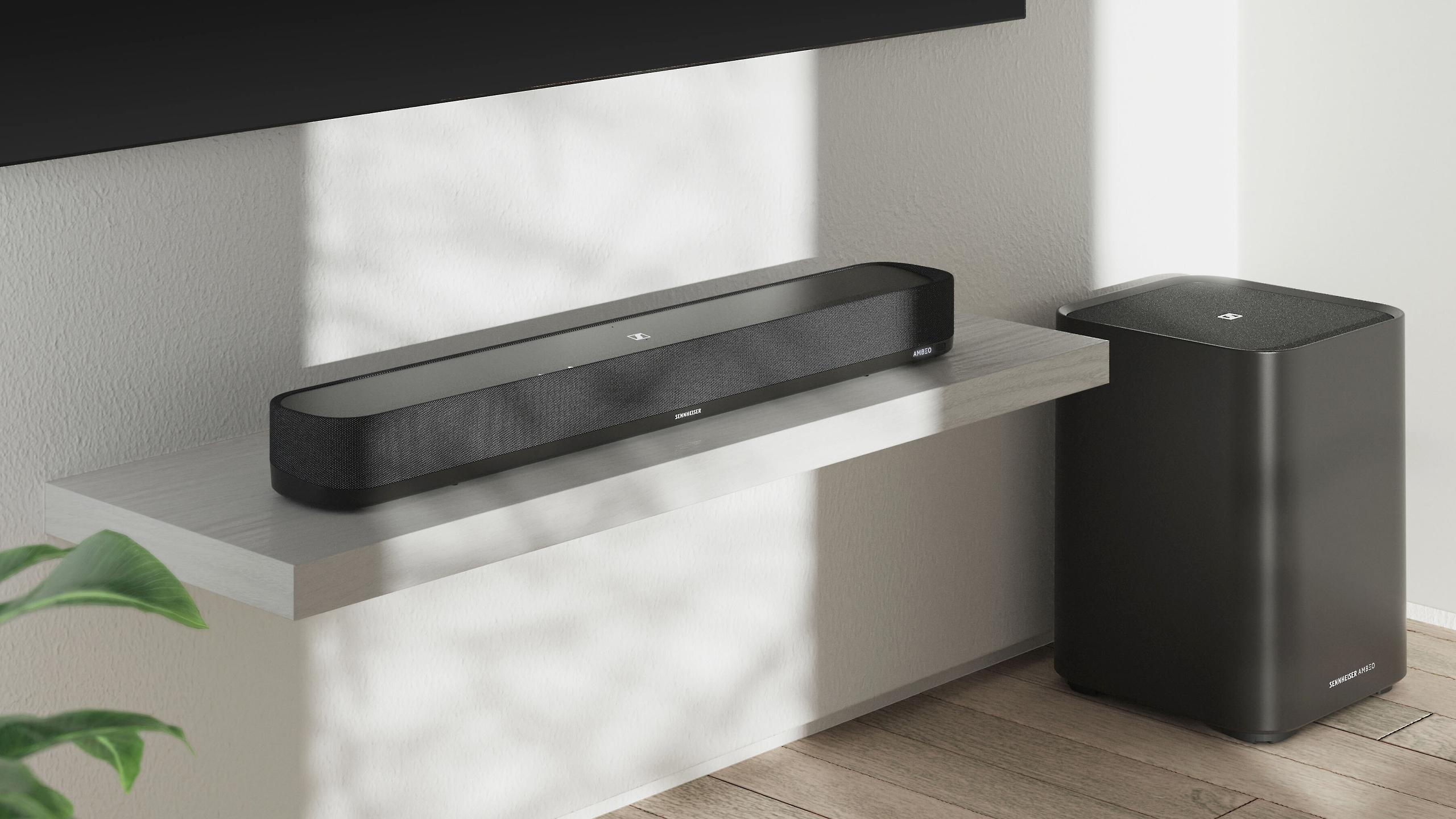
The physical differences between these soundbars tell you almost everything you need to know about their intended purposes. The AMBEO Soundbar Mini measures just 27.6 inches wide and weighs a manageable 7.3 pounds. I can easily lift it with one hand and move it around if needed. The compact 65mm height means it won't block your TV screen, even if you have a smaller entertainment center.
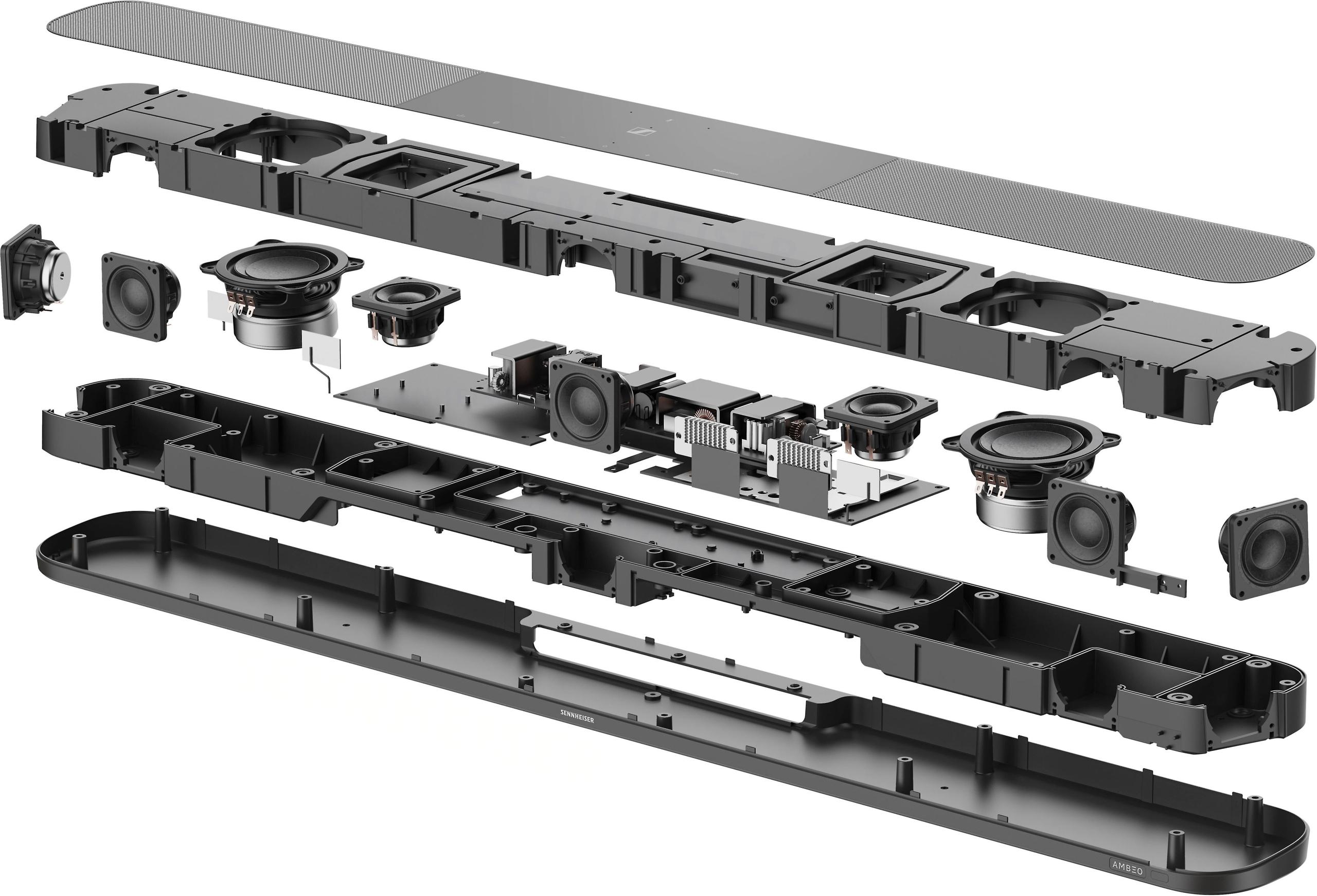
The AMBEO Soundbar, on the other hand, is a completely different beast. At nearly 50 inches wide and weighing over 40 pounds, this thing has serious presence. When I first unboxed one, I immediately understood why Sennheiser includes detailed mounting instructions – you really don't want this sitting in front of your TV unless you have a very large screen or plan to wall-mount it. The size isn't just for show; it houses significantly more drivers and amplification.
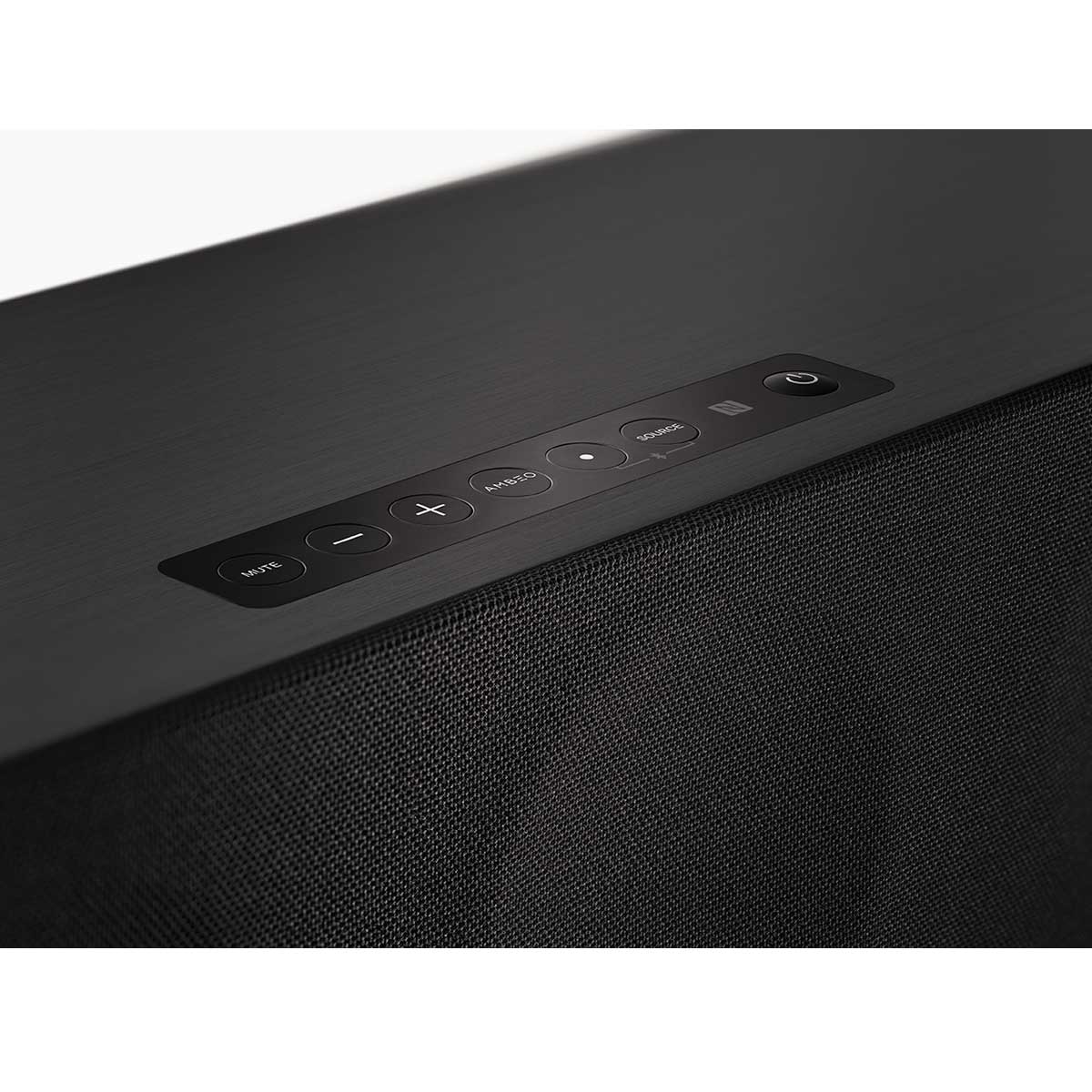
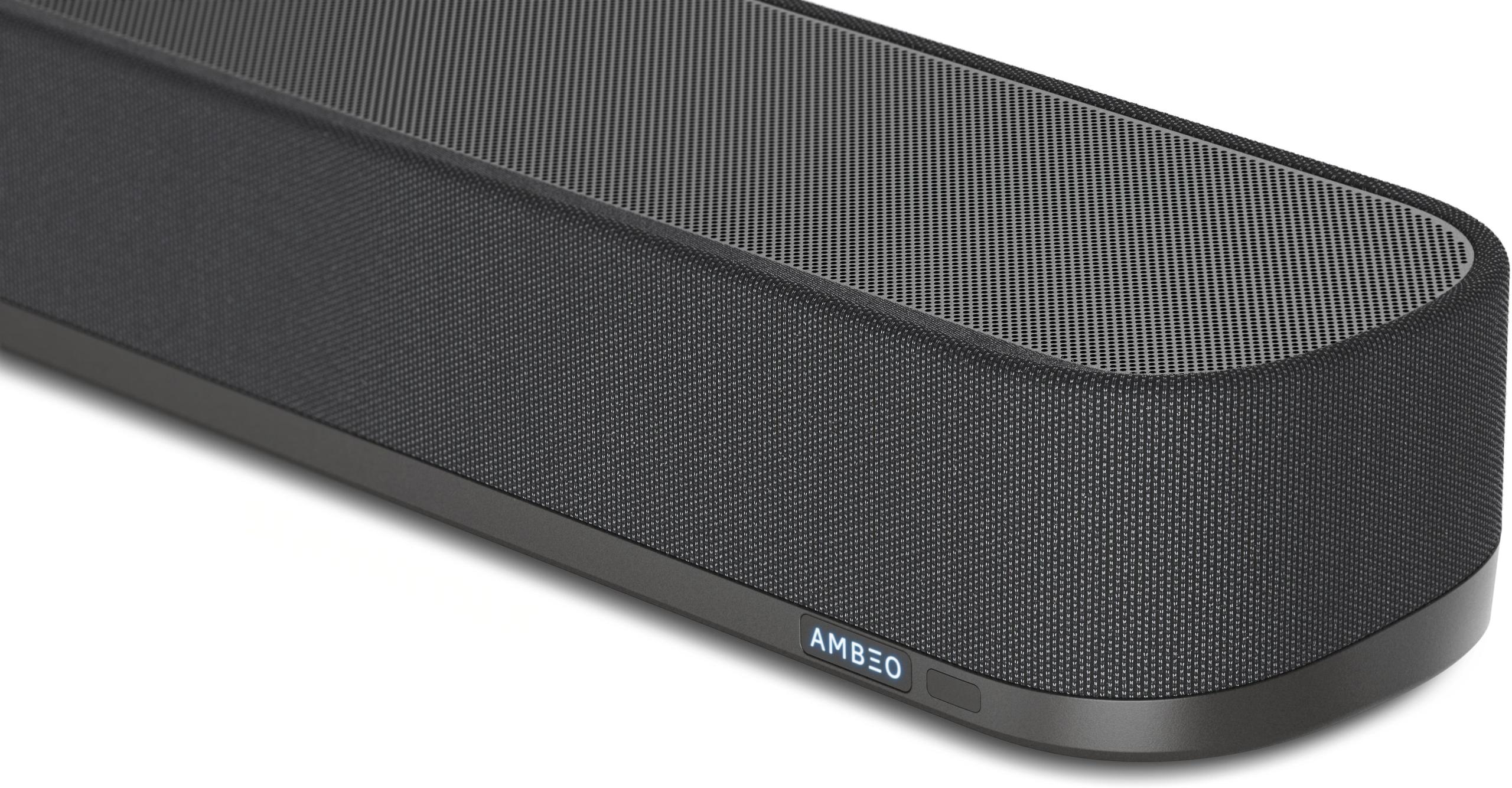
Both soundbars feature premium aluminum construction that feels solid and expensive. The build quality is excellent on both models, with the signature OLED display that shows volume levels, input sources, and various audio modes. However, the full-size model includes additional features like a brightness sensor that automatically adjusts the display based on room lighting – a small touch that shows the attention to detail in the flagship product.
Since their respective launches, both models have received firmware updates that have improved their room calibration algorithms and added support for additional streaming services. The 2023 updates particularly enhanced the Mini's virtual surround processing, making it more competitive with physically larger soundbars.
This is where things get really interesting, and where the fundamental differences between these two soundbars become clear. They're both trying to achieve the same goal – immersive surround sound – but they use completely different methods.
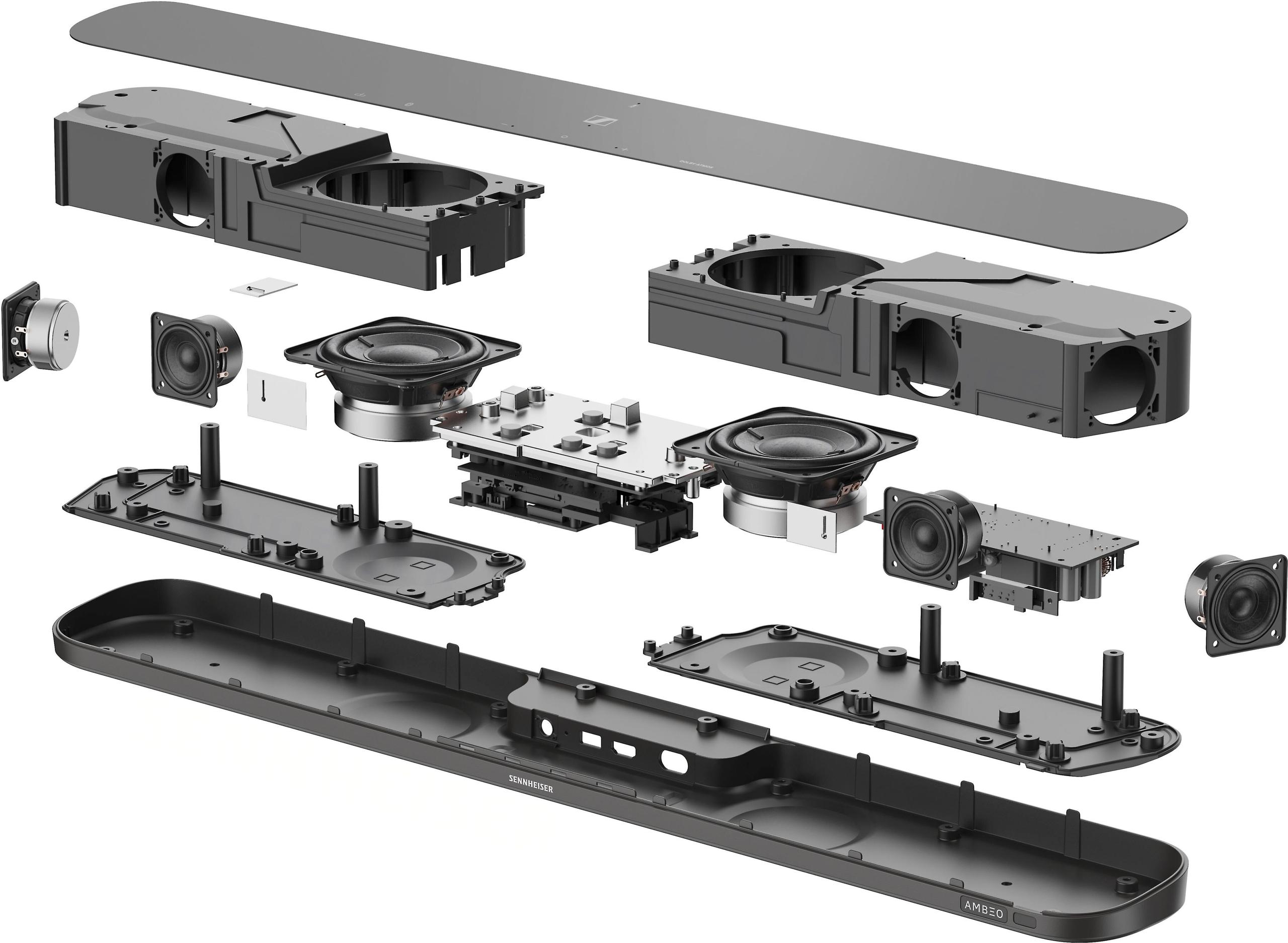
The AMBEO Mini relies entirely on what's called "virtualized" surround sound. Using just six drivers (four 1.6-inch full-range drivers and two 4-inch woofers), it creates the illusion of a 7.1.4 surround system through sophisticated digital signal processing. This is similar to how noise-canceling headphones can make you feel like you're in a concert hall when you're actually sitting on a bus.
The technology works by analyzing how sound naturally bounces around your room and then precisely timing audio signals to create "phantom" speakers that your brain perceives as being in locations where no actual speakers exist. It's genuinely impressive when it works well, though the effectiveness depends heavily on your room's acoustics and your seating position.
The full-size AMBEO Soundbar takes a more traditional but technologically advanced approach. With 13 individual drivers including dedicated upward-firing speakers, it physically bounces sound off your ceiling to create height effects. This isn't virtual – there are actual speakers pointing upward, sending sound waves that reflect down to your ears, creating the sensation that helicopters or rainfall are coming from above you.
Having tested both approaches extensively, I can tell you that the physical approach of the larger soundbar generally feels more convincing, especially with Dolby Atmos content. When watching action movies, explosions and aircraft really do seem to move through three-dimensional space around you. The Mini's virtual approach is impressive for its size, but it requires more precise positioning and works better in some rooms than others.
Bass is where these two soundbars show their most significant differences. The AMBEO Mini includes two 4-inch woofers that can reproduce frequencies down to 43Hz. For context, that's low enough to handle most movie soundtracks and music reasonably well, but it's missing the deep, room-shaking bass that makes action movies truly exciting.
Sennheiser offers an optional subwoofer for $500 that extends the Mini's bass response down to 27Hz – that's getting into the range where you feel bass as much as hear it. However, adding the subwoofer brings the total system cost to nearly $1000, which changes the value equation significantly.
The AMBEO Soundbar includes what's essentially a built-in subwoofer system with six long-throw woofers that reach down to 30Hz without any additional components. This integrated approach means you get room-filling, deep bass right out of the box. The difference is immediately noticeable when watching movies with significant low-frequency content – think of the T-Rex footsteps in Jurassic Park or the bass drops in action film soundtracks.
The technical specifications tell an important story here. The Mini outputs 250 watts total and can reach about 95dB maximum volume – that's loud enough for most living rooms without causing hearing damage. The full-size model pumps out 500 watts and can hit 102dB, which is significantly louder and provides much more headroom for dynamic content.
Headroom in audio terms means having power in reserve. When a soundtrack suddenly goes from quiet dialogue to a massive explosion, you want your soundbar to handle that transition cleanly without distortion. The larger AMBEO's extra power means it stays composed even during the most demanding audio passages, while the Mini can sometimes compress or strain during very dynamic content.
While both soundbars are designed primarily for home theater use, they also serve as music playback systems. The AMBEO Mini handles vocals and midrange frequencies quite well, making it perfectly adequate for casual music listening. However, during complex musical passages with lots of instruments playing simultaneously, you can notice some compression and loss of detail.
The AMBEO Soundbar approaches audiophile-quality music reproduction. The larger driver array and more sophisticated amplification provide what reviewers have described as "crystalline" clarity across all frequencies. If you're someone who listens to a lot of music and cares about hearing every instrument clearly separated in the mix, the full-size model justifies its higher price.
Both soundbars meet modern connectivity expectations with Wi-Fi, Bluetooth 5.0+, and support for streaming services like Spotify Connect and Apple AirPlay 2. However, there are some important differences in their HDMI implementations.
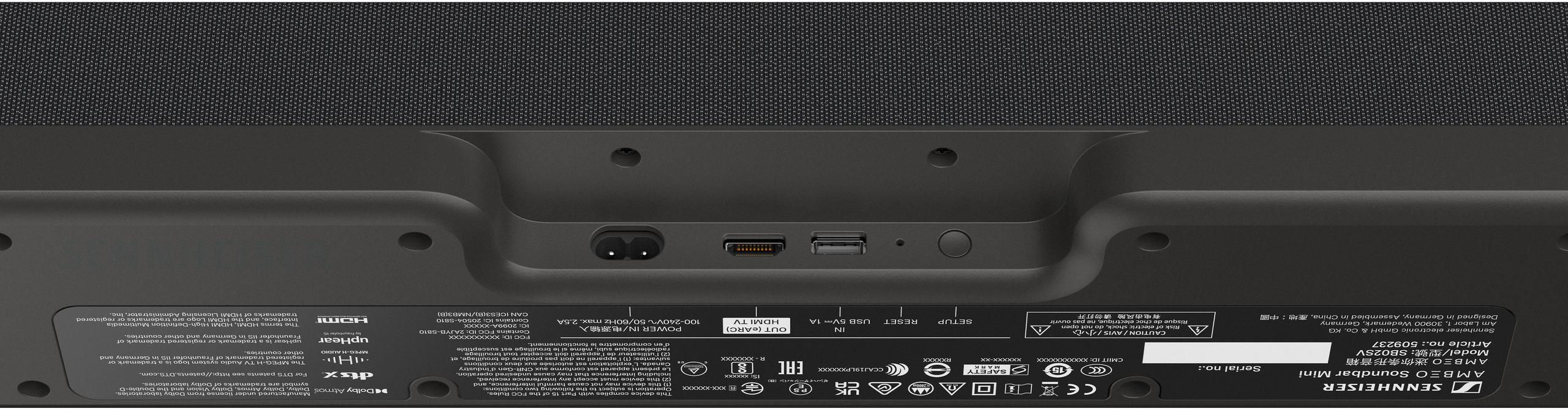
The AMBEO Mini includes just one HDMI eARC port, which means it connects directly to your TV but doesn't offer HDMI passthrough. This works fine if you're using your TV's built-in streaming apps or have everything connected to the TV already, but it can be limiting if you have multiple high-quality sources like a gaming console and a 4K Blu-ray player.
The AMBEO Soundbar includes three HDMI ports with full passthrough capability, meaning you can connect your gaming console, Blu-ray player, and streaming device directly to the soundbar, then send one cable to your TV. This approach often provides better audio quality since the soundbar receives the original digital signal rather than a processed version from your TV.
Both models include automatic room calibration using built-in microphones. This feature analyzes your room's acoustics and adjusts the soundbar's output accordingly. It's genuinely useful – I've noticed meaningful improvements in sound quality after running the calibration routine, especially in rooms with challenging acoustics.
Since their releases, both soundbars have received regular firmware updates that have expanded codec support and improved the calibration algorithms. The updates have been particularly beneficial for the Mini, helping its virtual surround processing become more effective in a wider variety of room configurations.
This is where personal priorities really come into play. The AMBEO Mini at around $500 represents solid value if you need a compact solution that still delivers genuine audio improvements over TV speakers. It's particularly appealing for apartment dwellers or anyone with size constraints.
However, if you want the full bass experience, you'll likely end up buying the optional subwoofer, bringing your total investment to nearly $1000. At that price point, you're approaching the cost of some very capable traditional surround sound systems.
The AMBEO Soundbar at $2000 is undeniably expensive, but it's a complete solution that doesn't require any additional purchases. When you consider that a comparable traditional surround sound system with receiver, speakers, and subwoofer could easily cost similar amounts – plus the complexity of installation and calibration – the value proposition becomes more reasonable.
In rooms under 200 square feet – think typical bedrooms, small apartments, or cozy living rooms – the AMBEO Mini often performs better than its larger sibling. The virtual surround effects work best when you're sitting relatively close to the soundbar, and the power output is perfectly matched to smaller spaces.
I've found the Mini particularly effective in bedrooms where you're typically watching from a bed positioned fairly close to the TV. The virtual Atmos effects create an surprisingly immersive experience without overwhelming the space or disturbing neighbors in adjacent rooms.
The AMBEO Soundbar really comes into its own in larger spaces. Rooms over 200 square feet, open floor plans, and dedicated home theater setups benefit significantly from the additional power and physical driver array. The integrated subwoofer eliminates the furniture placement constraints that come with separate subwoofer units.
In my experience with larger rooms, the full-size AMBEO's ability to create a convincing soundstage that extends well beyond the physical boundaries of the soundbar is genuinely impressive. Movie soundtracks come alive with effects that seem to move through three-dimensional space around your seating area.
For everyday TV watching – news, sitcoms, dramas – both soundbars provide significant improvements over built-in TV speakers. The dialogue enhancement features on both models make conversations clearer and more intelligible, which is particularly valuable if you watch a lot of content with heavy accents or complex dialogue.
However, for premium content like 4K movies with Dolby Atmos soundtracks, or high-quality music streaming, the performance gap between the two models becomes much more apparent. The full-size model's additional drivers and processing power really shine with demanding source material.
Choose the AMBEO Mini if: Your room is under 200 square feet, or you're working with budget constraints but still want meaningful audio improvements. It's perfect for TVs 55 inches or smaller, apartment living, or bedroom setups. If you primarily watch streaming content and TV shows rather than action movies, the Mini's capabilities will likely exceed your needs.
Choose the AMBEO Soundbar if: You have a room larger than 200 square feet, a dedicated home theater setup, or you're a serious movie and music enthusiast. It's ideal for TVs 65 inches or larger and situations where you have the budget for flagship performance. If you frequently watch action movies or listen to music critically, the full-size model's superior dynamics and bass response justify the higher cost.
Key Decision Factors:
Room size remains the most critical consideration. A powerful soundbar in a small room can be overwhelming, while a compact soundbar in a large room will struggle to fill the space effectively.
Budget versus performance is the second major factor. The Mini offers approximately 70% of the full-size model's performance at 25% of the cost, making it an excellent value proposition for many users.
Bass requirements shouldn't be underestimated. If deep, room-shaking bass is important to you, the full-size model includes everything you need, while the Mini requires a $500 subwoofer addition to achieve similar low-frequency performance.
Your upgrade path is also worth considering. The Mini might leave you wanting more bass performance eventually, potentially leading to additional purchases. The full-size model is more likely to be a long-term solution that grows with your needs.
Both soundbars represent genuine technological achievements in different ways. The Mini proves that sophisticated virtual surround processing can deliver impressive results in a compact package, while the full-size model demonstrates that a single soundbar can legitimately compete with traditional multi-speaker surround systems. Your choice ultimately depends on matching the right technological approach to your specific space, budget, and performance expectations.
| Sennheiser AMBEO Soundbar Mini | Sennheiser AMBEO Soundbar |
|---|---|
| Price - Major factor in value equation | |
| $499.96 (plus $500 optional subwoofer) | $1,999.95 (complete system included) |
| Dimensions - Critical for TV compatibility and room fit | |
| 27.6" x 2.6" x 3.9" (7.3 lbs, fits under most TVs) | 49.6" x 5.3" x 6.7" (40.8 lbs, may block smaller screens) |
| Driver Configuration - Determines audio quality and capabilities | |
| 6 drivers: 4x full-range + 2x 4" woofers | 13 drivers: 5x tweeters + 6x woofers + 2x full-range |
| Surround Sound Technology - How immersion is created | |
| 7.1.4 virtualized Dolby Atmos (phantom speakers) | 5.1.4 physical Dolby Atmos (real up-firing drivers) |
| Bass Response - Impact on movie and music enjoyment | |
| 43Hz (27Hz with optional $500 subwoofer) | 30Hz built-in (no additional purchase needed) |
| Power Output - Affects volume and dynamic range | |
| 250W total (95dB max, good for small-medium rooms) | 500W total (102dB max, fills large spaces easily) |
| HDMI Connectivity - Determines device connection flexibility | |
| 1x eARC only (no passthrough, limited sources) | 3x HDMI with passthrough (connect multiple devices) |
| Room Size Optimization - Where each performs best | |
| Under 200 sq ft (apartments, bedrooms, small living rooms) | Over 200 sq ft (large living rooms, dedicated theaters) |
| Release Date - Technology generation and update support | |
| 2023 (latest virtual processing, ongoing firmware updates) | 2021 (mature flagship, proven performance record) |
The Sennheiser AMBEO Soundbar Mini uses virtual surround sound technology to create a 7.1.4 Dolby Atmos experience through 6 drivers, while the Sennheiser AMBEO Soundbar uses 13 physical drivers including real up-firing speakers for authentic overhead effects. The Mini is designed for smaller rooms under 200 square feet, while the full-size model targets larger spaces and dedicated home theaters.
The AMBEO Soundbar Mini is specifically designed for small spaces like apartments. At 27.6 inches wide and weighing just 7.3 pounds, it fits easily under most TVs without blocking the screen. Its virtual surround processing works particularly well in compact rooms where you sit closer to the soundbar, making it ideal for apartment living.
The AMBEO Soundbar includes integrated subwoofer technology with bass down to 30Hz, so no additional subwoofer is needed. The AMBEO Mini has decent bass to 43Hz but offers an optional subwoofer for $500 that extends response to 27Hz. Most users find the Mini's built-in bass adequate unless they're serious about deep movie bass.
The AMBEO Mini at $499.96 offers excellent value for smaller rooms and casual viewing. However, if you need the optional subwoofer ($500), your total approaches $1000. The AMBEO Soundbar at $1,999.95 is expensive but includes everything you need with no additional purchases required, making it better long-term value for serious home theater setups.
The AMBEO Mini works best in rooms under 200 square feet and requires minimal space at just 27.6 inches wide. The AMBEO Soundbar needs rooms over 200 square feet to perform optimally and measures nearly 50 inches wide. The full-size model may require wall mounting to avoid blocking your TV screen.
The AMBEO Soundbar delivers superior Dolby Atmos with physical up-firing drivers that bounce sound off your ceiling for authentic overhead effects. The AMBEO Mini creates impressive virtual Atmos through processing, but it can't match the convincing height effects of physical drivers, especially in larger rooms or with demanding movie soundtracks.
The AMBEO Soundbar includes 3 HDMI ports with passthrough, letting you connect gaming consoles, Blu-ray players, and streaming devices directly. The AMBEO Mini has only one HDMI eARC port with no passthrough, so you'll need to connect devices to your TV instead. This makes the full-size model more flexible for multiple high-quality sources.
The AMBEO Soundbar offers audiophile-quality music reproduction with crystalline clarity and excellent instrument separation. The AMBEO Mini handles vocals and midrange well for casual listening but can compress during complex musical passages. If music quality is important, the full-size model justifies its higher price.
The AMBEO Mini outputs 250 watts and reaches 95dB maximum volume, which is adequate for most living rooms. The AMBEO Soundbar delivers 500 watts and hits 102dB, providing significantly more headroom for dynamic movie content and the ability to fill large rooms without strain.
The AMBEO Soundbar is better for gaming due to its multiple HDMI inputs with passthrough, allowing direct console connection for optimal audio quality. Its physical Dolby Atmos drivers also provide more convincing positional audio for competitive gaming. The AMBEO Mini works for gaming but requires connection through your TV, which may introduce slight audio delay.
Both work for home theater, but serve different scales. The AMBEO Mini excels in compact home theaters or bedroom setups where space is limited. The AMBEO Soundbar is designed for dedicated home theater rooms with its room-filling 500W output, integrated subwoofer, and authentic Dolby Atmos effects that create cinema-like immersion.
For a 65-inch TV, the AMBEO Soundbar is the better match. Its 49.6-inch width provides proper visual balance, while its powerful output and physical drivers can fill the larger room typically needed for such a large TV. The AMBEO Mini would look disproportionately small and lack the power to match a premium large-screen viewing experience.
We've done our best to create useful and informative comparisons to help you decide what product to buy. Our research uses advanced automated methods to create this comparison and perfection is not possible - please contact us for corrections or questions. These are the sites we've researched in the creation of this article: techradar.com - sennheiser-hearing.com - stereonet.com - rtings.com - youtube.com - youtube.com - newsroom.sennheiser.com - whathifi.com - baybloorradio.com - sennheiser-hearing.com - files.bbystatic.com - bestbuy.com - rtings.com - audioxpress.com - whathifi.com - upscaleaudio.com - soundstagesimplifi.com - global.sennheiser-hearing.com - audioadvice.com - abt.com - moon-audio.com

Privacy Policy
Terms and Conditions - Affiliate Policy
Home Security
© Copyright 2008-2026.
11816 Inwood Rd #1211, Dallas, TX 75244