


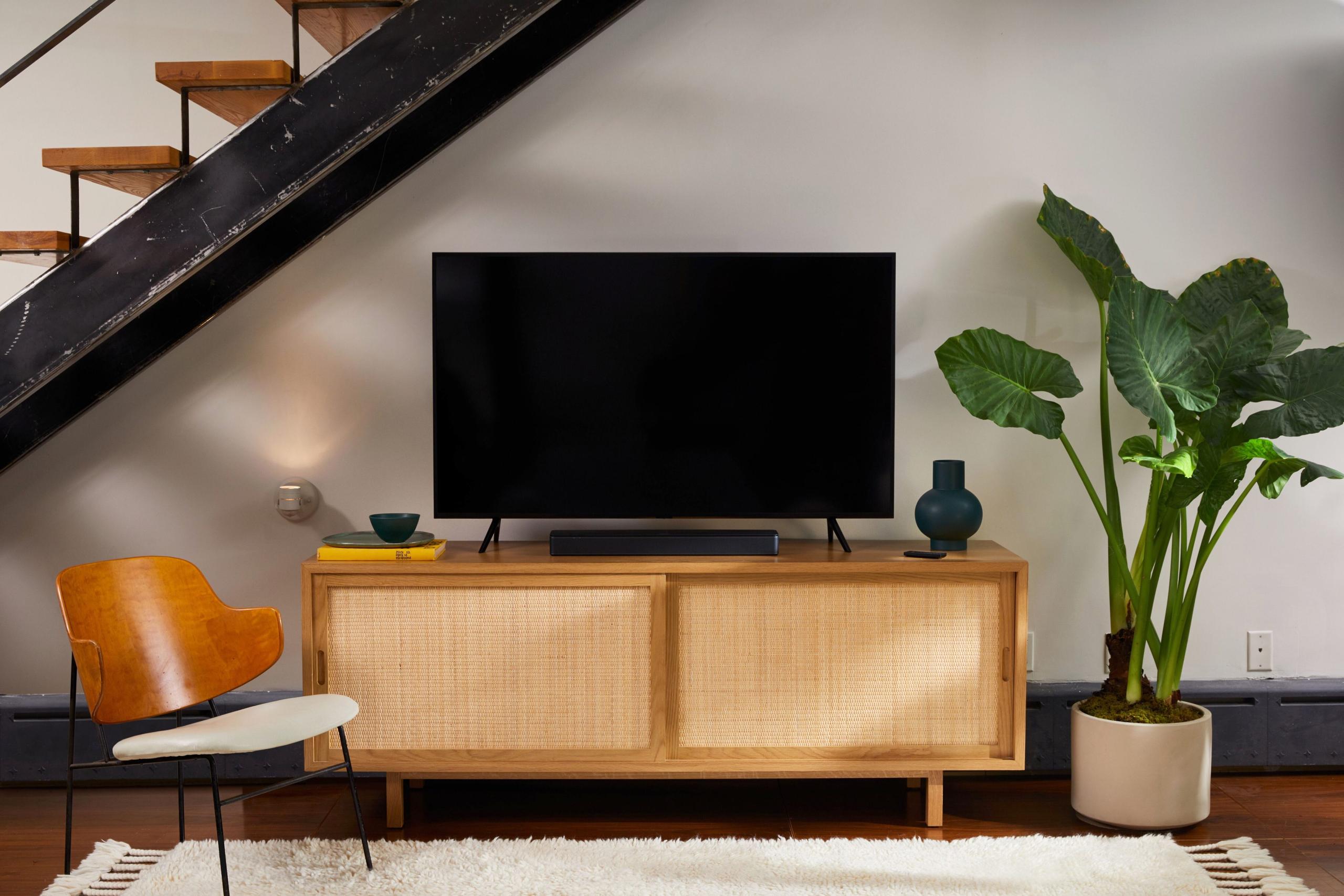
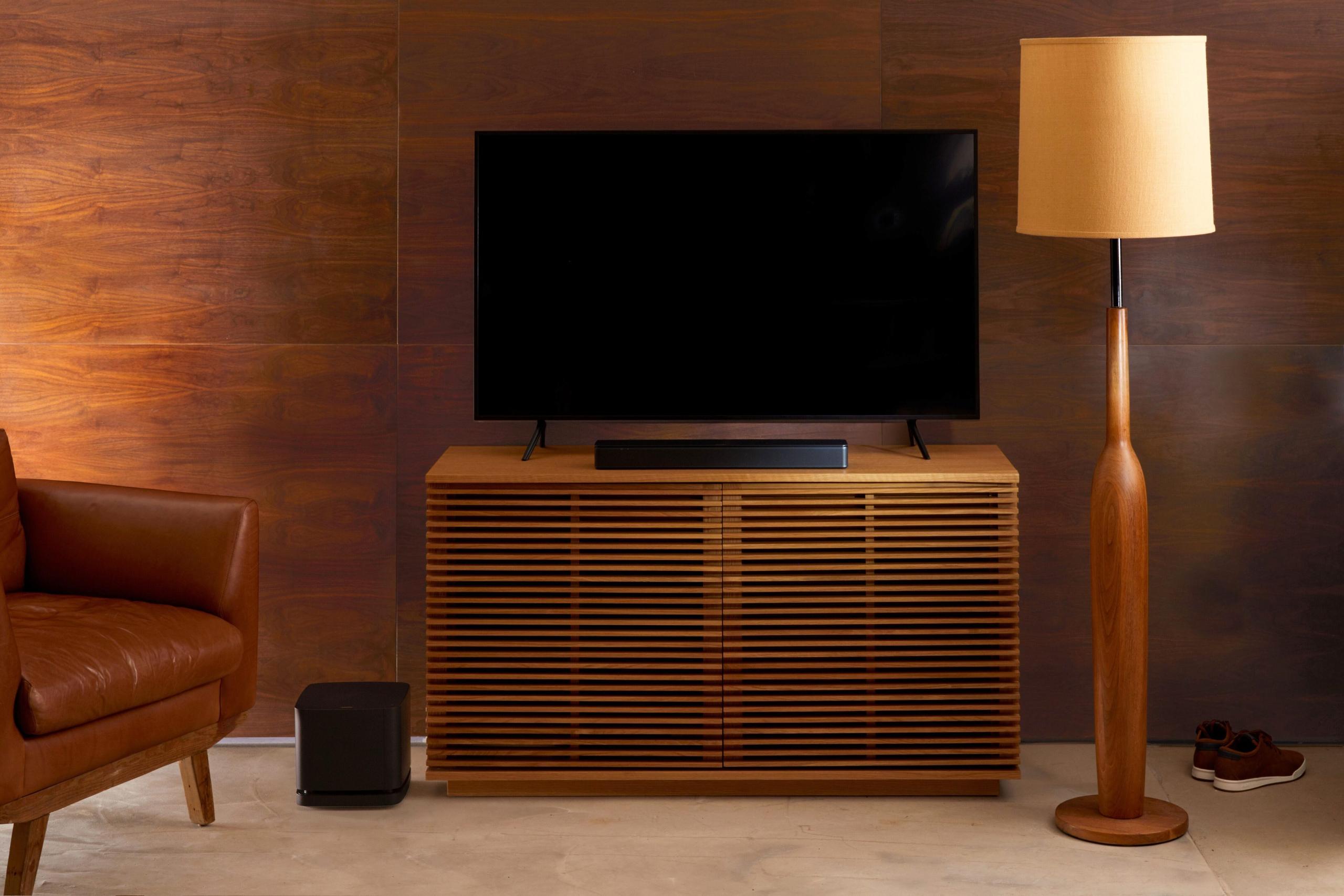


If you've ever found yourself reaching for the remote to turn up the volume during a movie, only to have the music blast your ears out during the next scene, you already understand why soundbars exist. TV speakers have gotten progressively worse as manufacturers make screens thinner, leaving little room for decent audio components. That's where soundbars come in—they're designed to sit below or mount under your TV and deliver much better sound than those tiny built-in speakers ever could.
But here's where it gets interesting: not all soundbars are created equal. Today we're looking at two products that couldn't be more different if they tried—the Bose TV Speaker ($199) and the Sennheiser AMBEO Soundbar ($1,999.95). One costs about as much as a nice dinner for two, while the other could cover a family vacation. So what exactly are you getting for that massive price difference?
Before we dive into these specific products, let's talk about what soundbars actually do and why the technology matters. At its most basic level, a soundbar is just a collection of speakers arranged in a long, thin box. But the magic happens in how those speakers work together and what kind of processing power sits behind them.
Traditional soundbars focus on improving dialogue clarity and adding some bass response that your TV simply can't produce. More advanced models use something called "virtualization"—essentially audio trickery that makes your brain think sounds are coming from places where there aren't actually any speakers. The fanciest soundbars can even create "height channels," bouncing sound off your ceiling to make it seem like helicopters are flying overhead or rain is falling from above.
The key specs you'll see thrown around include channel configurations (like 3.1 or 7.1.4), which tell you how many discrete audio channels the soundbar can handle. The first number represents left, center, and right channels, the second is for subwoofers (the .1), and if there's a third number, that's for height channels. You'll also encounter terms like "Dolby Atmos" and "DTS," which are competing audio formats that encode surround sound information into movie soundtracks.
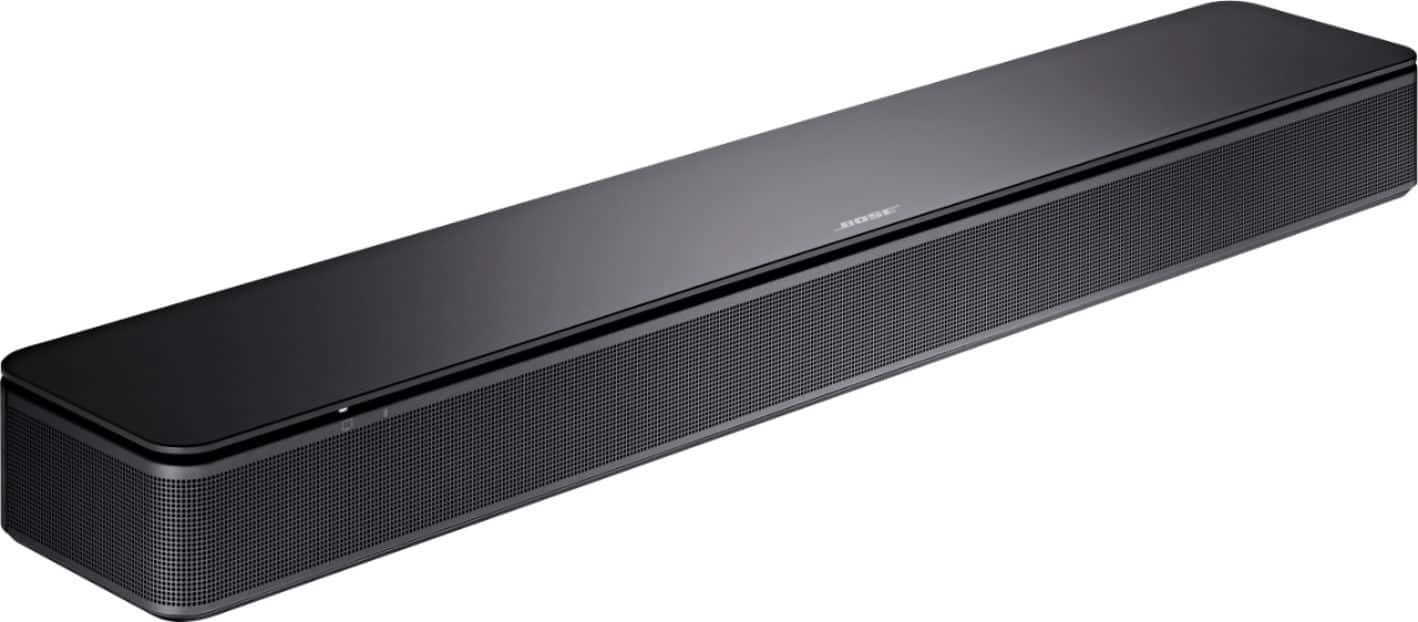
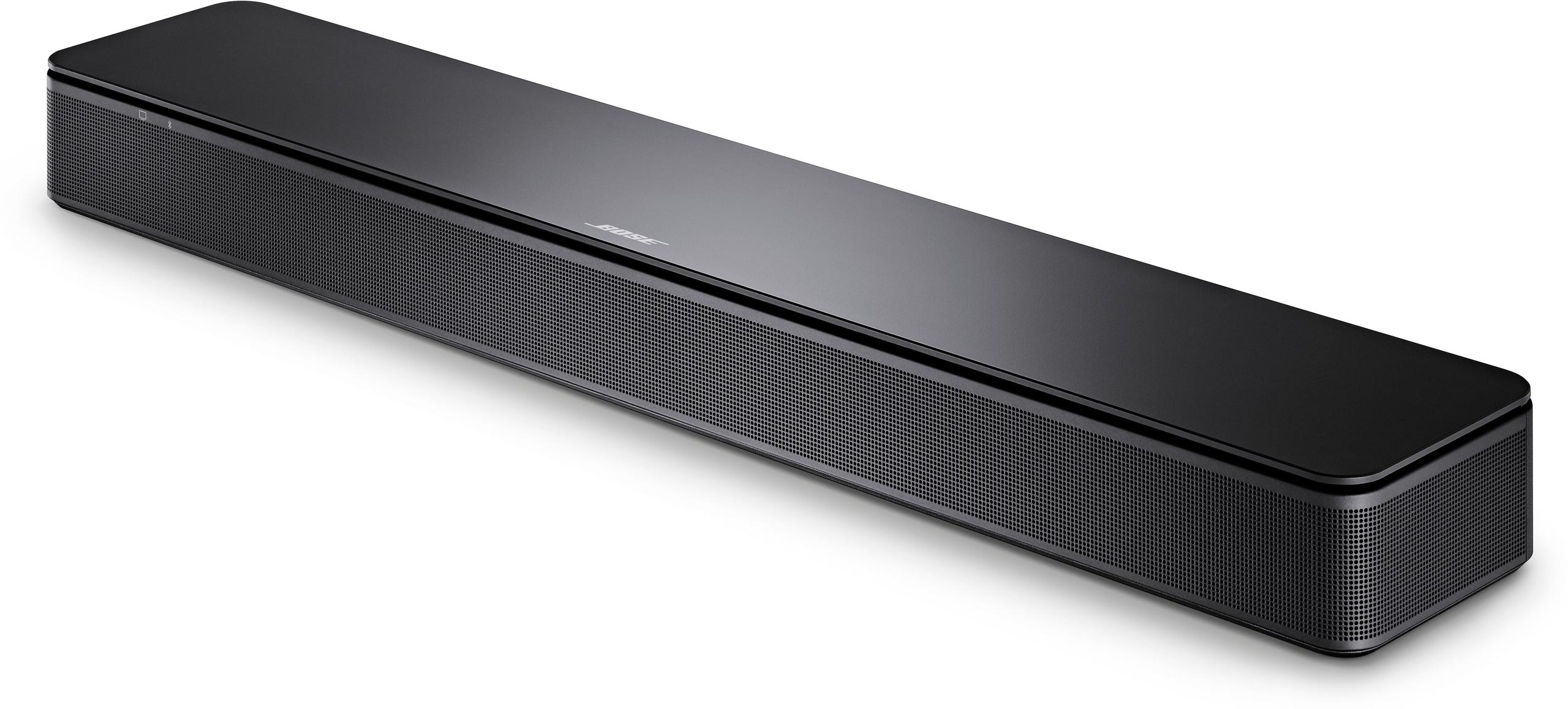
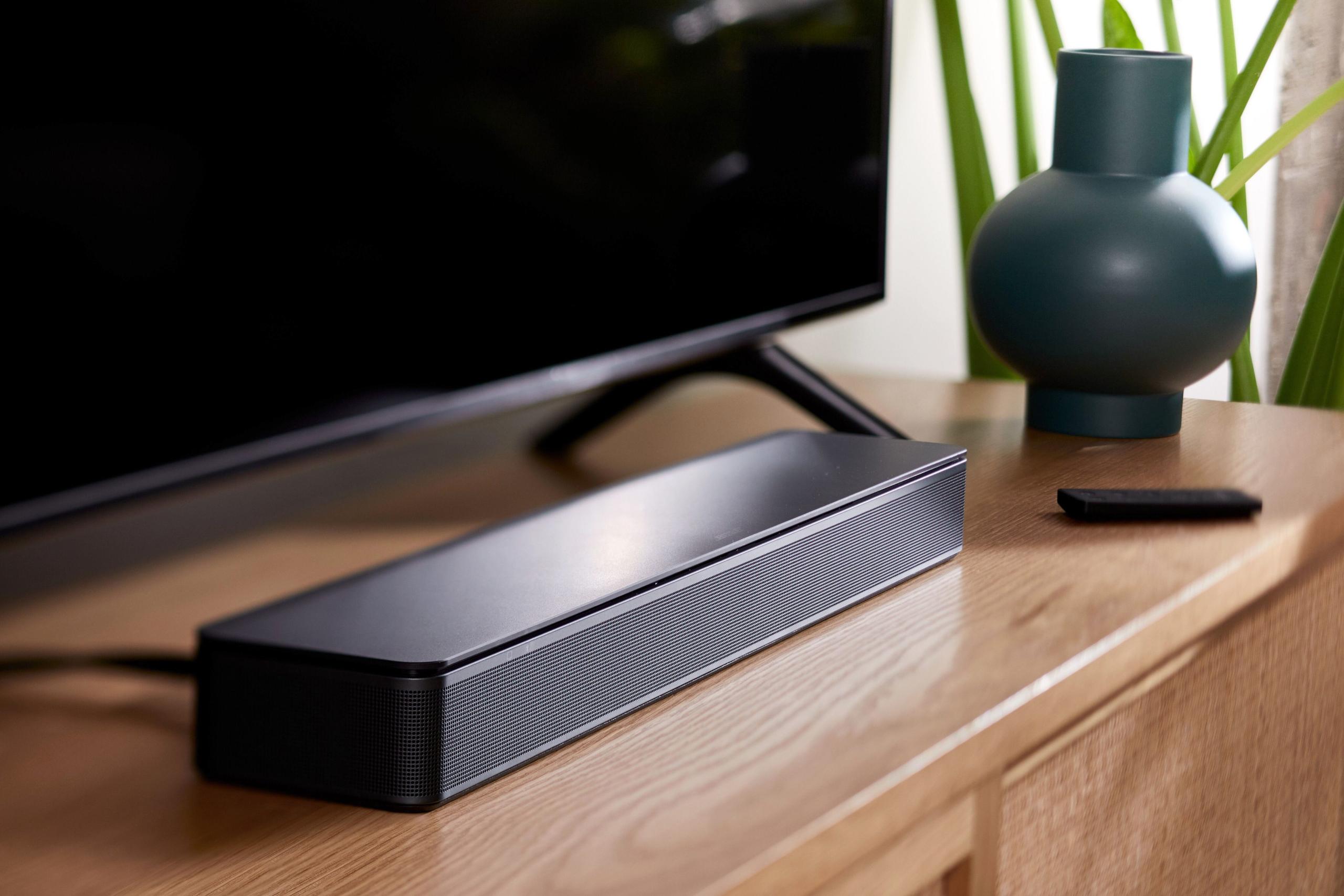
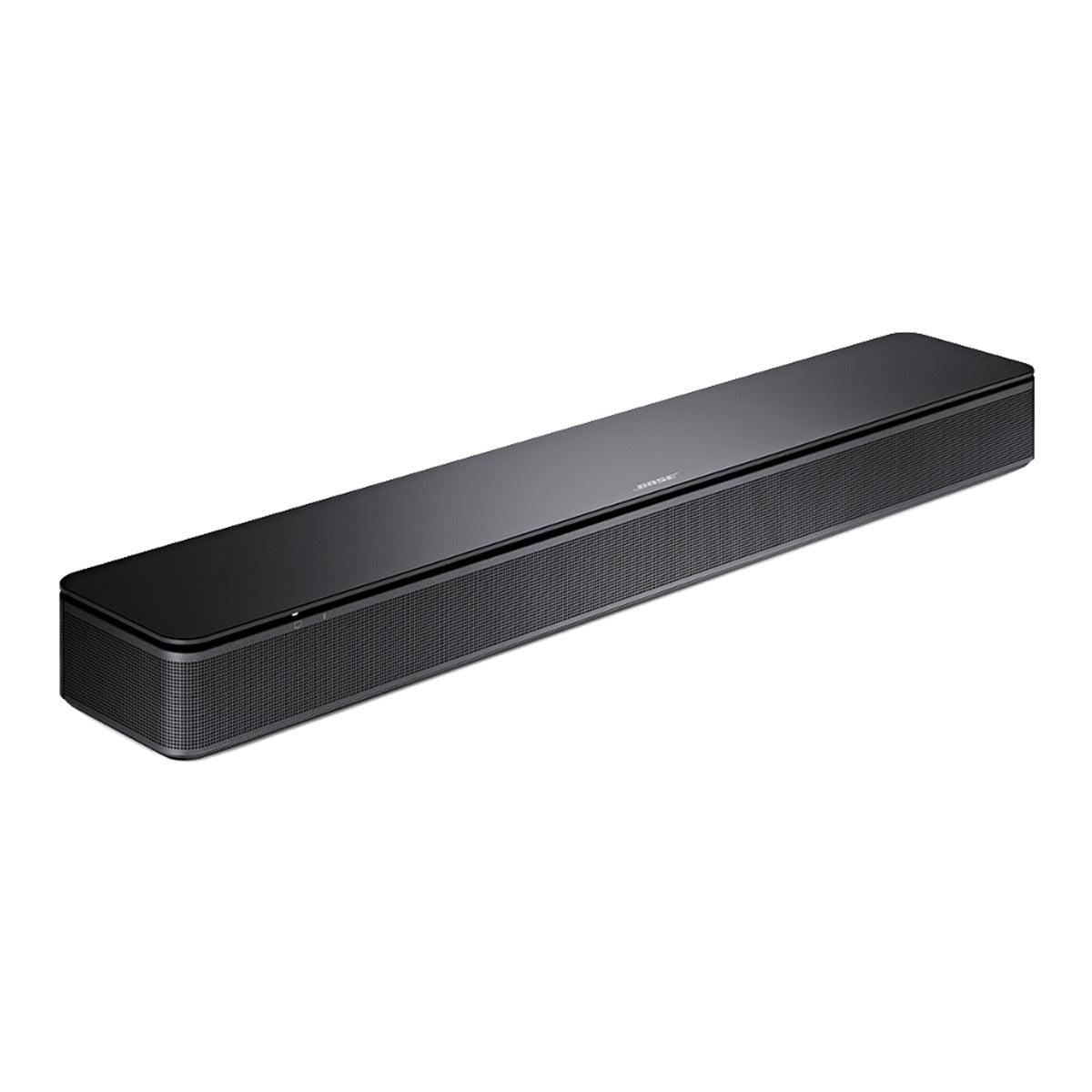
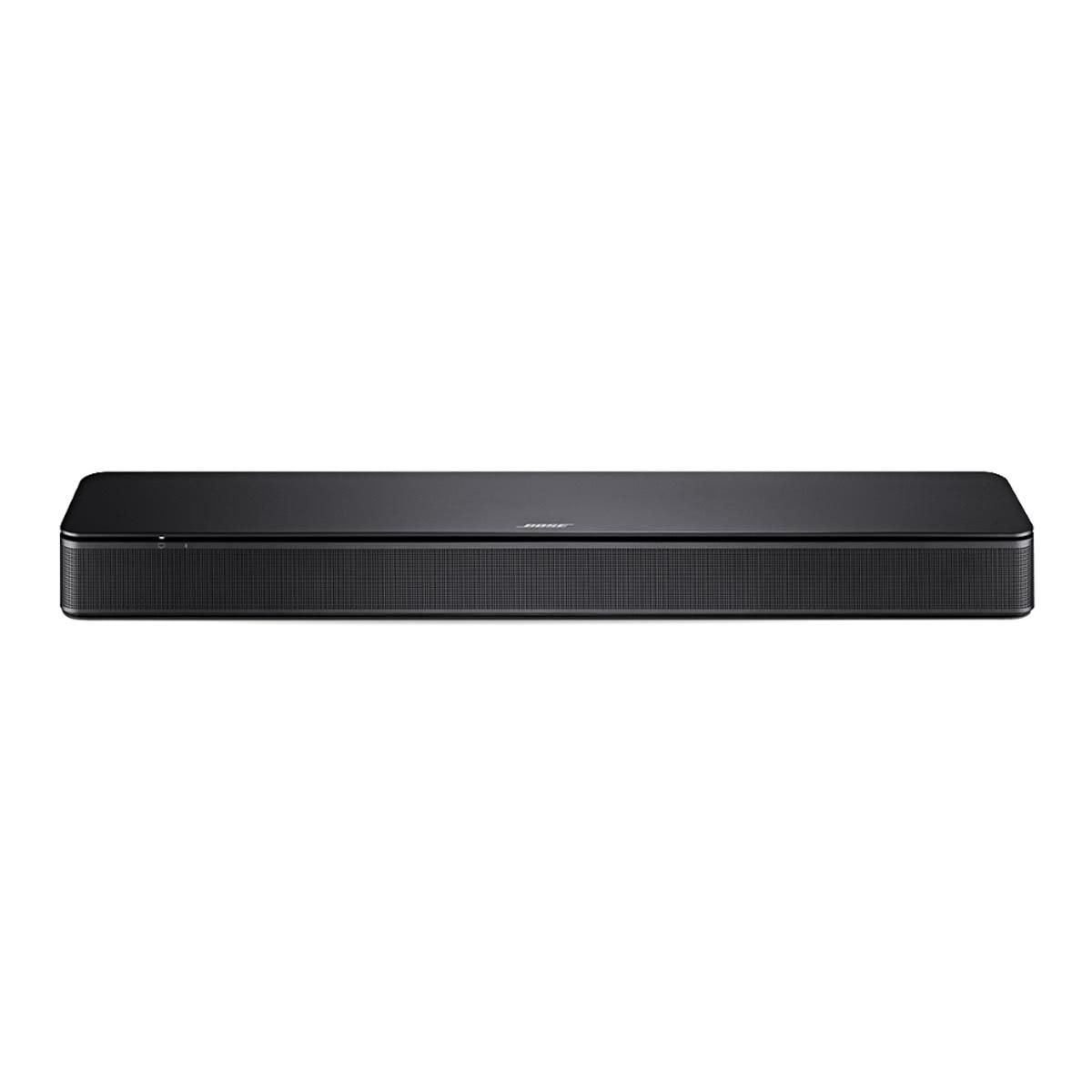
Released in 2020, the Bose TV Speaker represents everything the company does well—taking complex technology and making it dead simple to use. At $199, it's positioned as an entry-level product, but don't let that fool you into thinking Bose skimped on the engineering.
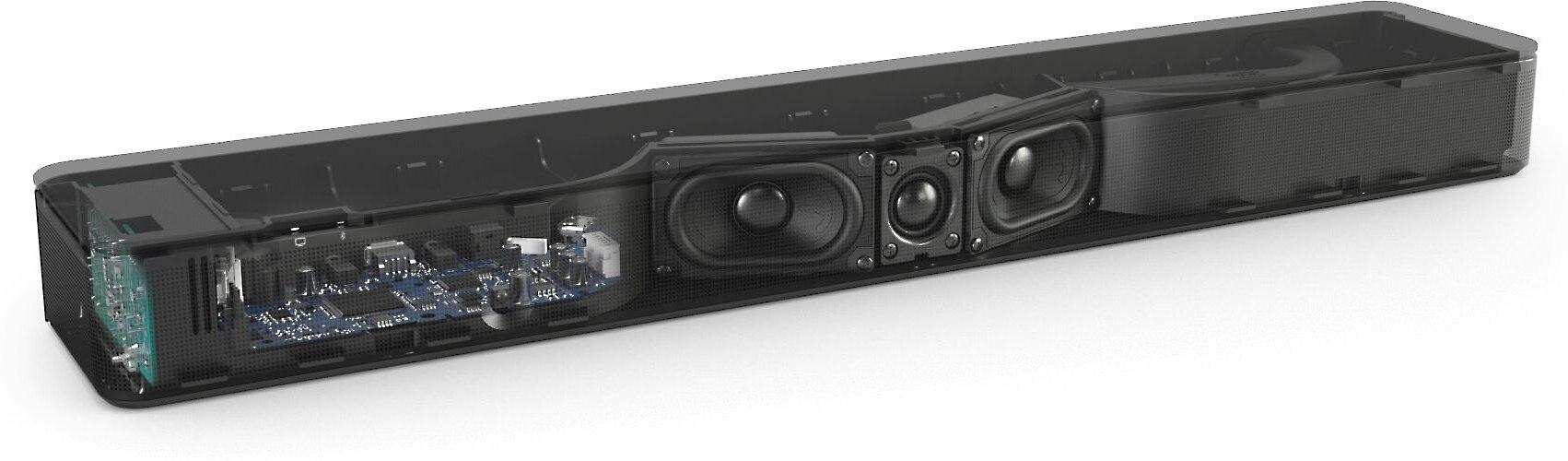
The TV Speaker uses a straightforward 3.0 channel setup with two 4-inch woofers (the speakers that handle bass and midrange frequencies) and a single tweeter (for high frequencies like cymbals and vocal details). What makes this interesting is how Bose tuned these drivers. The company has decades of experience making small speakers sound bigger than they have any right to, and that expertise shows here.
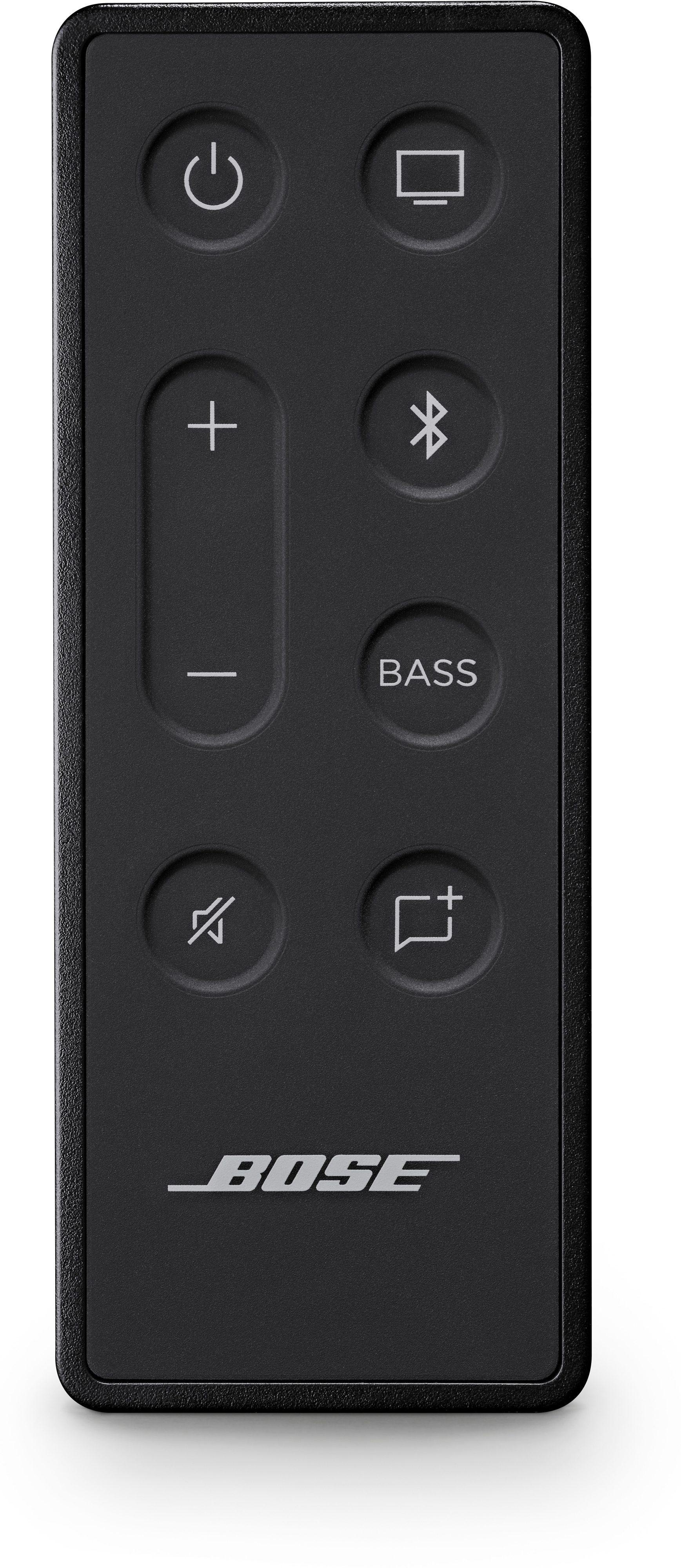
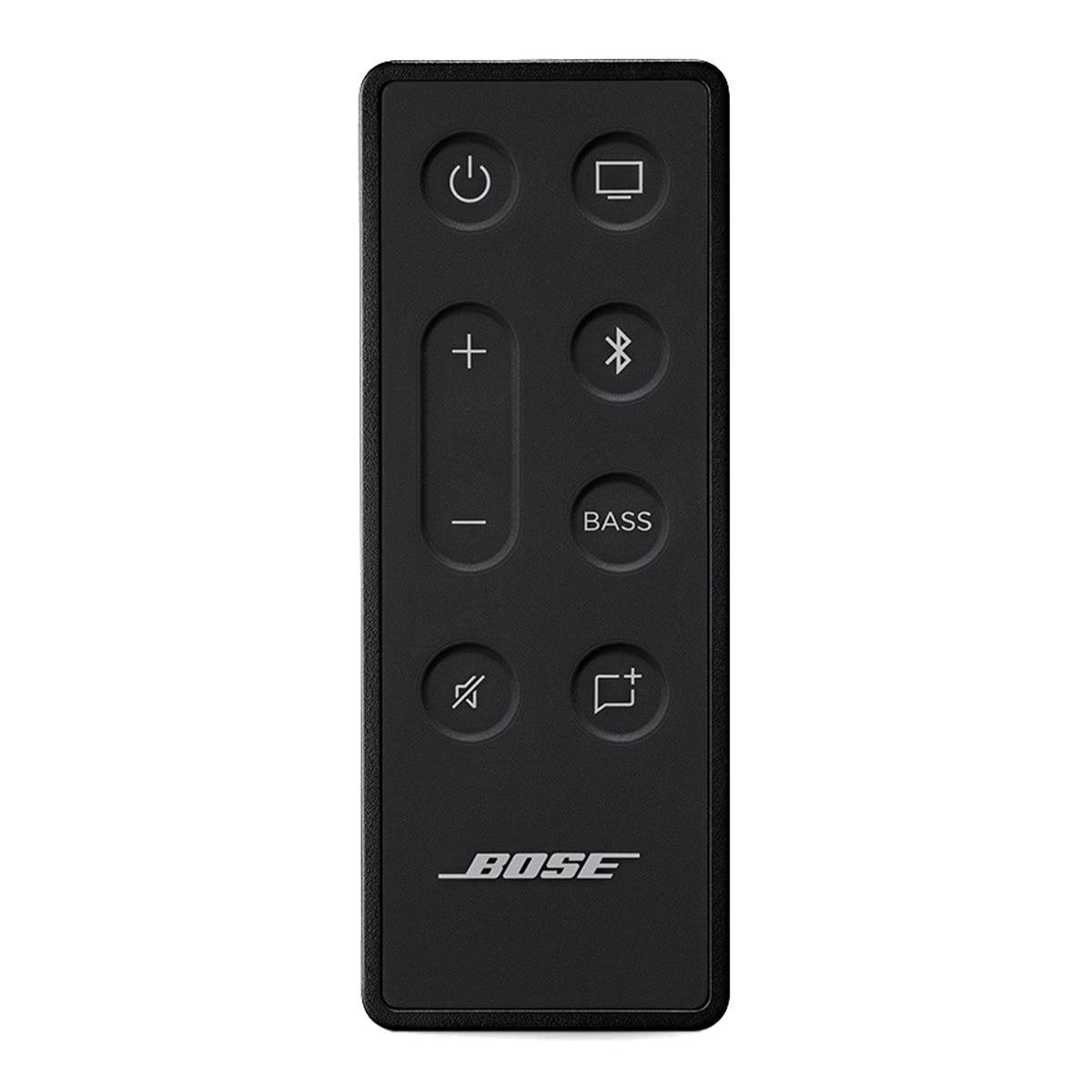
The standout feature is something Bose calls "Dialogue Mode." When you enable this with the remote control, the soundbar analyzes whatever you're watching in real-time and adjusts the frequency response to make voices more prominent. It's not just boosting the center channel like older systems used to do—it's actually using digital signal processing (DSP) to identify vocal frequencies and bring them forward in the mix.
I've spent considerable time with the Bose TV Speaker in a medium-sized living room, and what strikes me most is how effortless it makes everything sound. There's no fatigue when watching for hours, no harshness in the highs, and dialogue remains consistently clear even when there's background music or sound effects competing for attention. The bass response is genuinely surprising for such a compact unit, though it definitely has its limits.
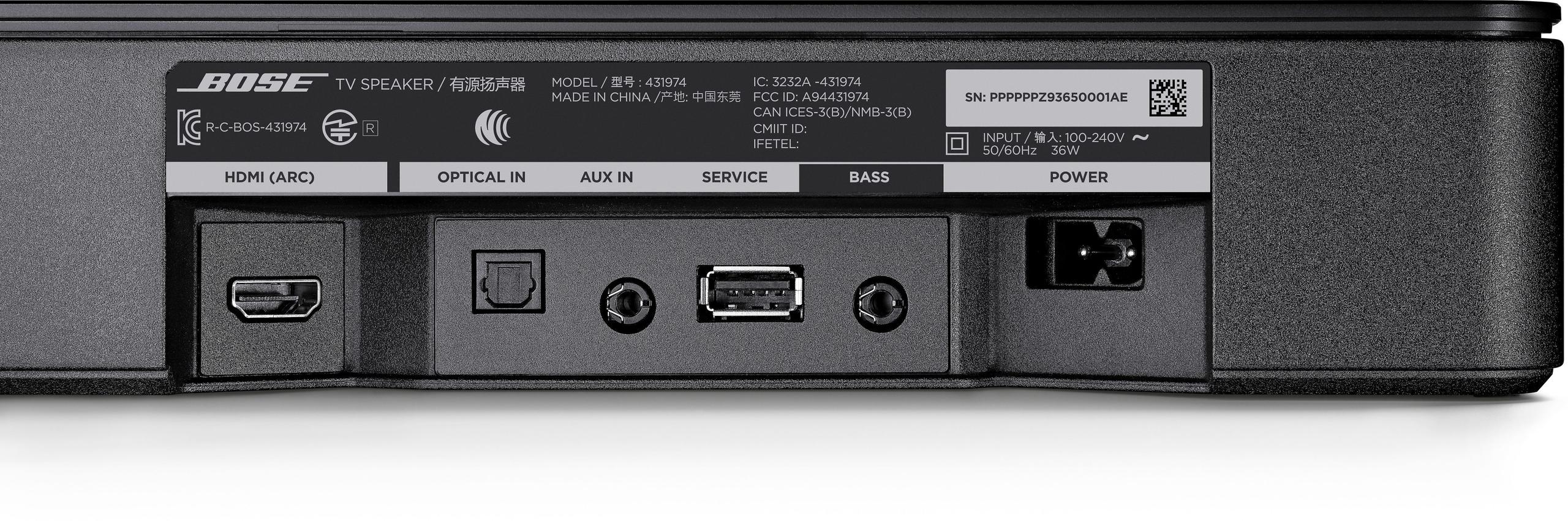
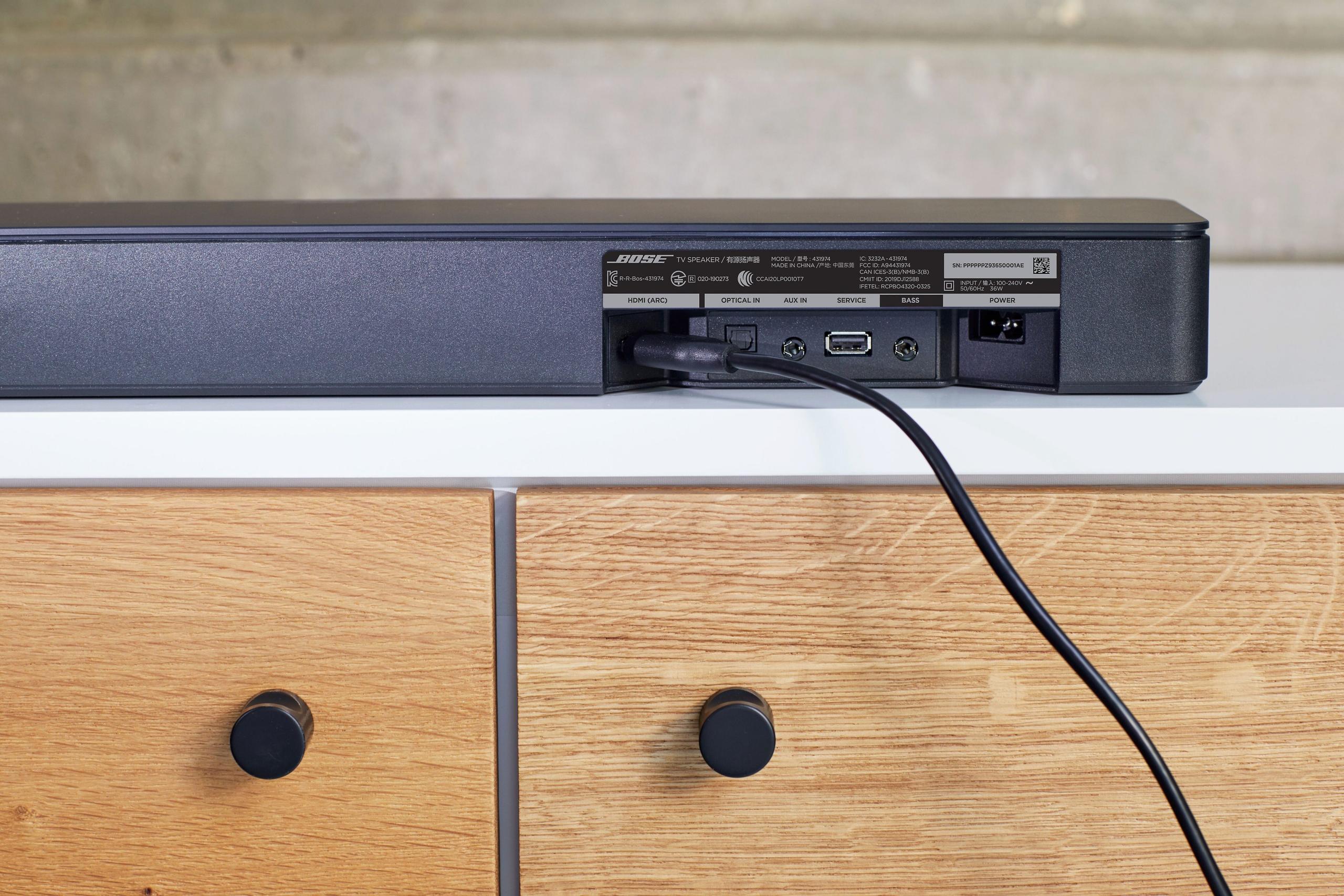
One thing that's remained consistent since its 2020 launch is the setup process. You literally connect one cable (optical is included, or you can use HDMI if your TV supports ARC—Audio Return Channel), and you're done. No apps to download, no WiFi passwords to enter, no room calibration procedures. For many people, this simplicity is worth more than any advanced feature.
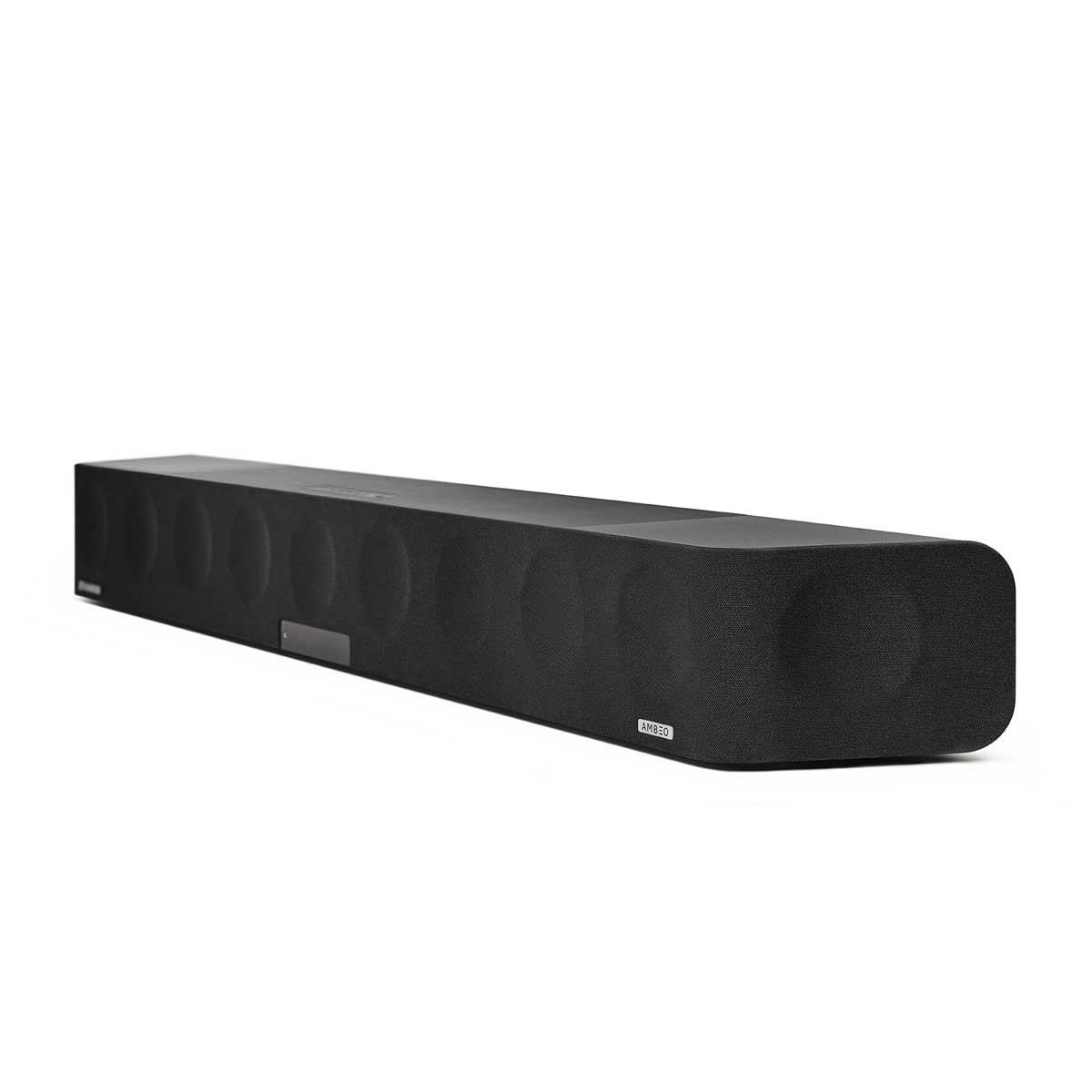
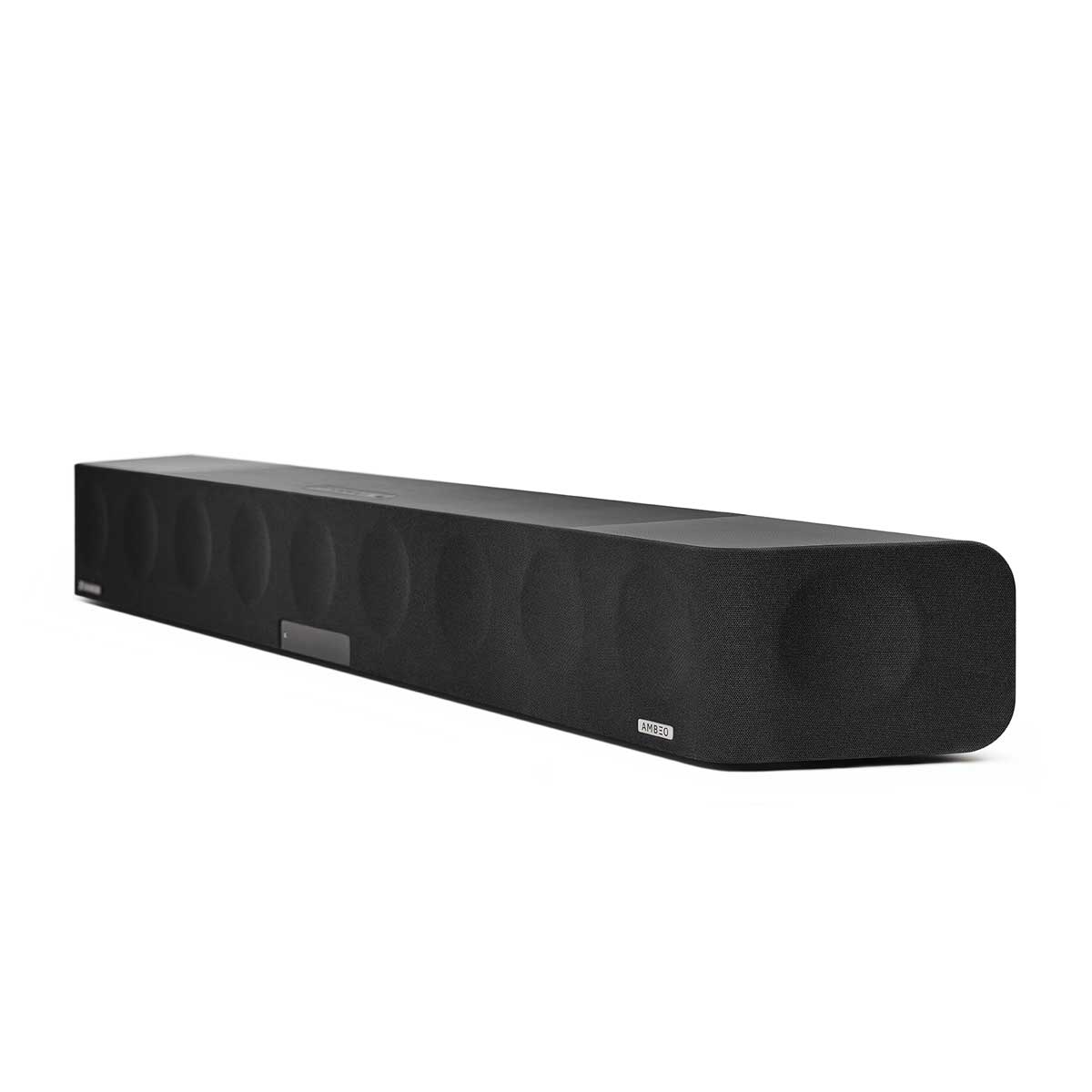
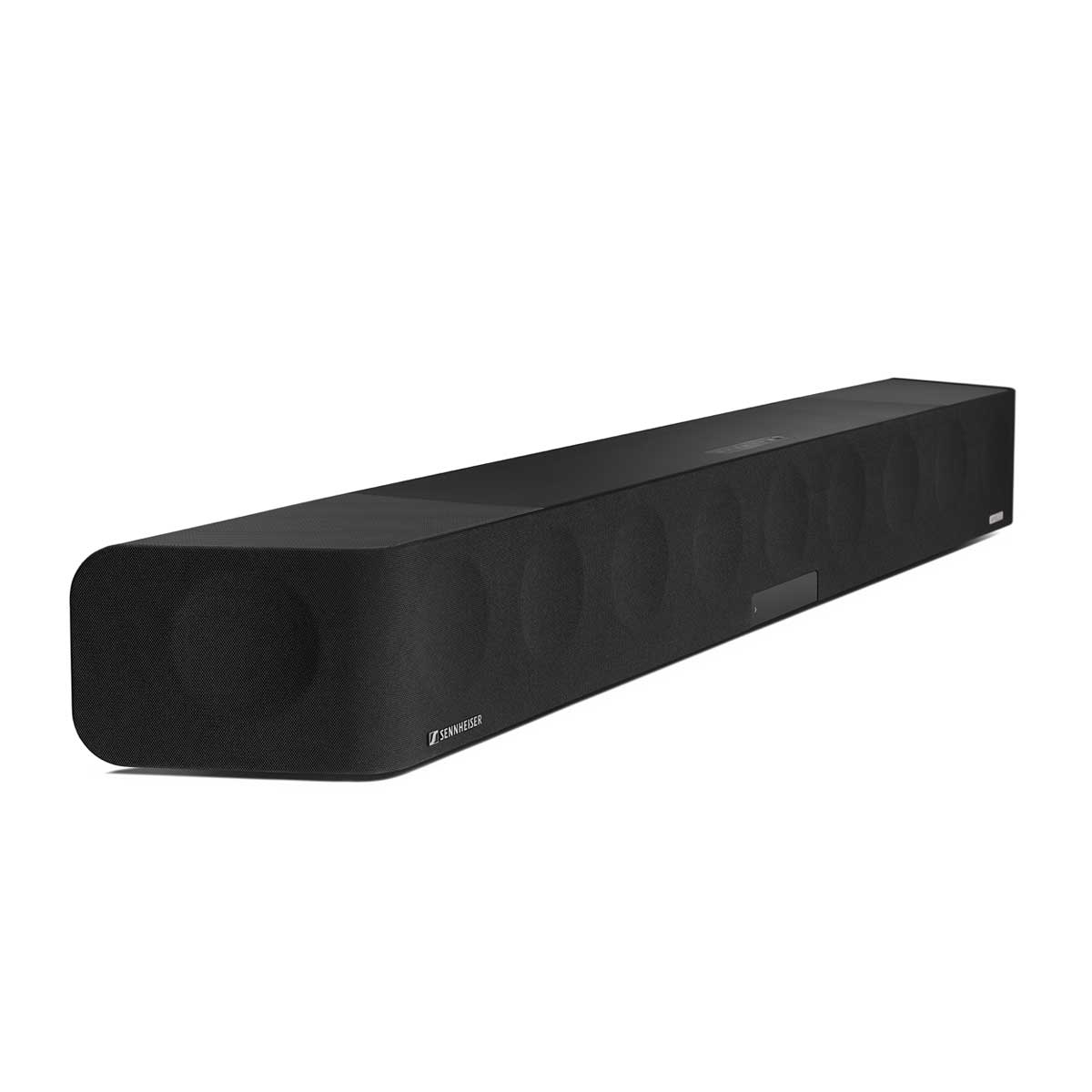
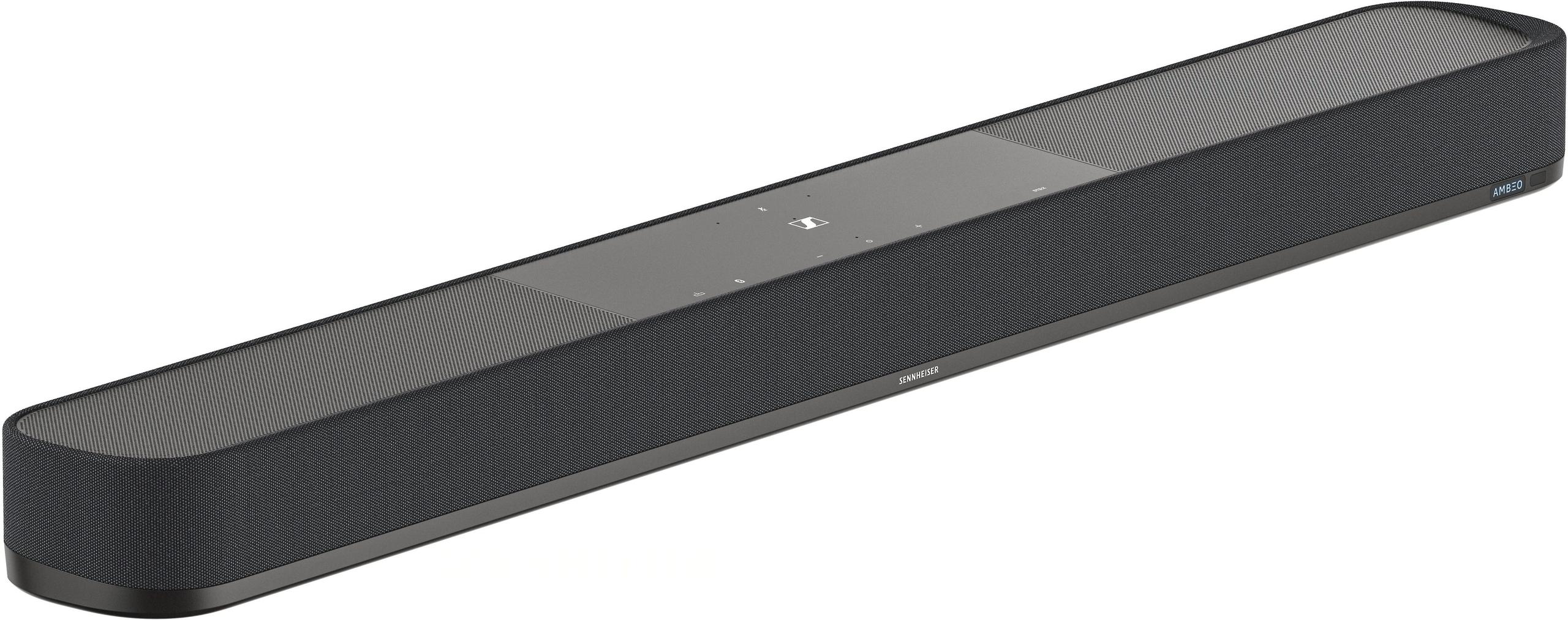
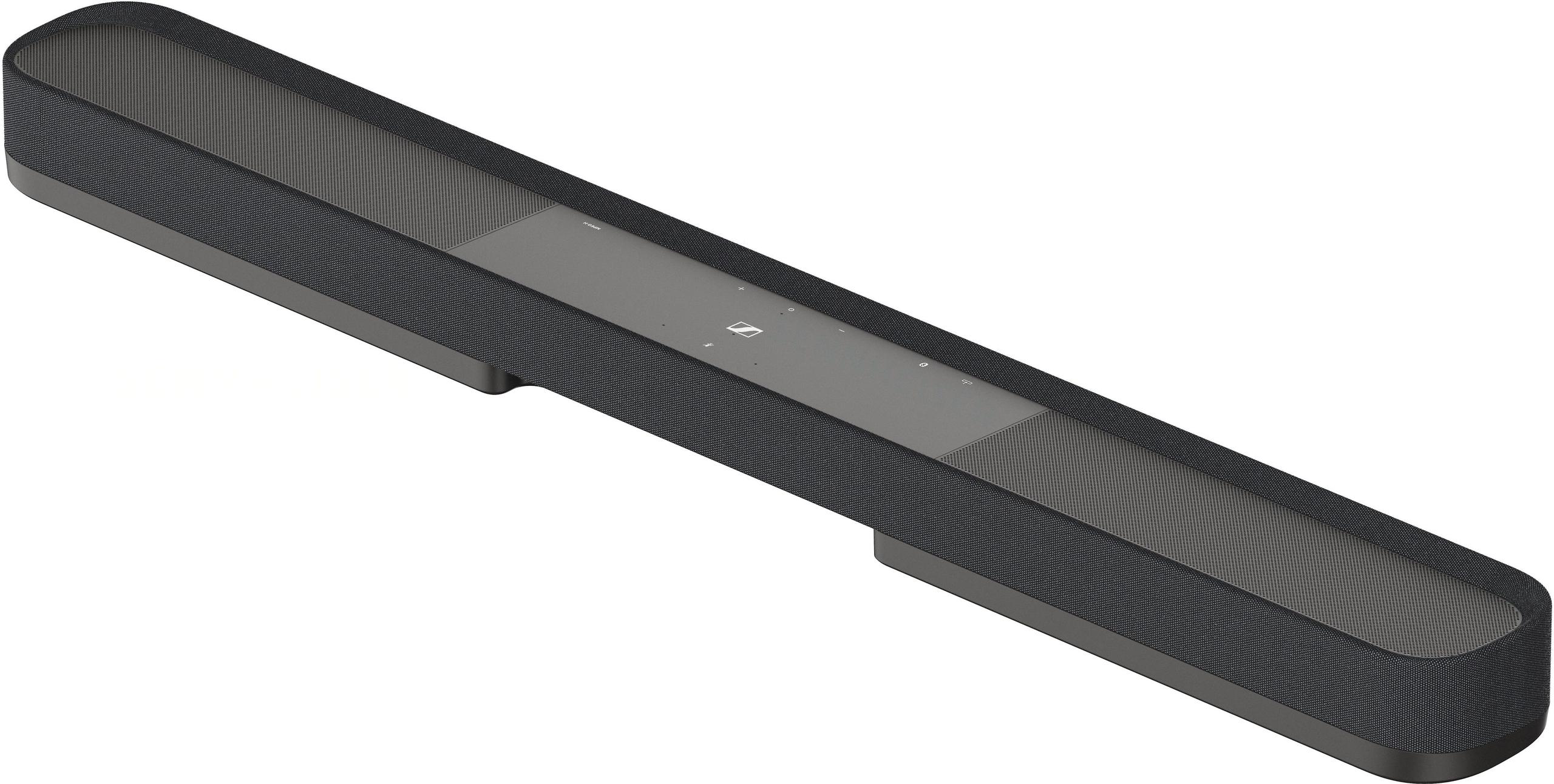
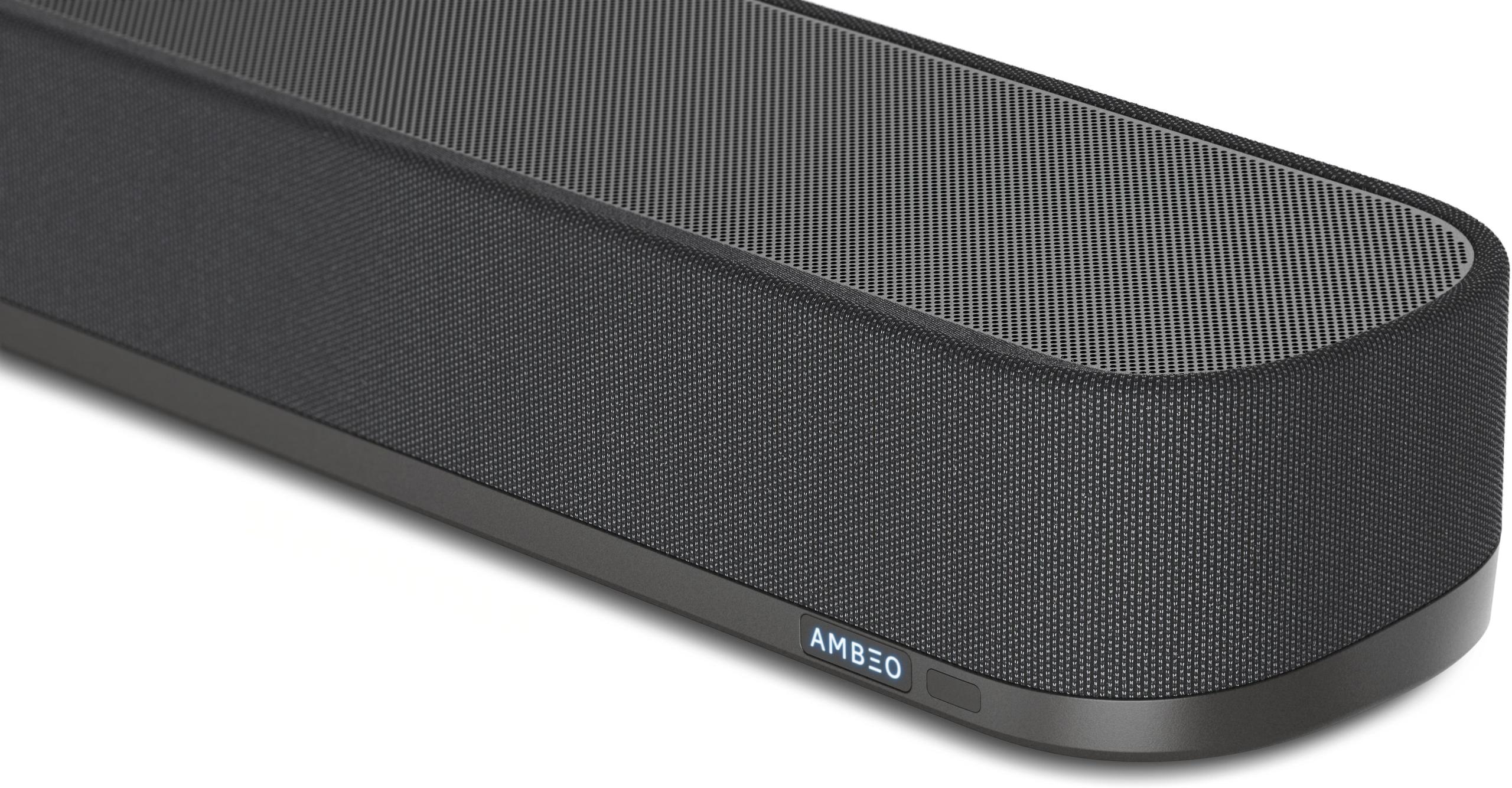
On the complete opposite end of the spectrum sits the Sennheiser AMBEO Soundbar. Originally launched in 2019 and updated in 2023 with the "Max" variant we're discussing, this represents some of the most sophisticated audio engineering you can buy in a single box.
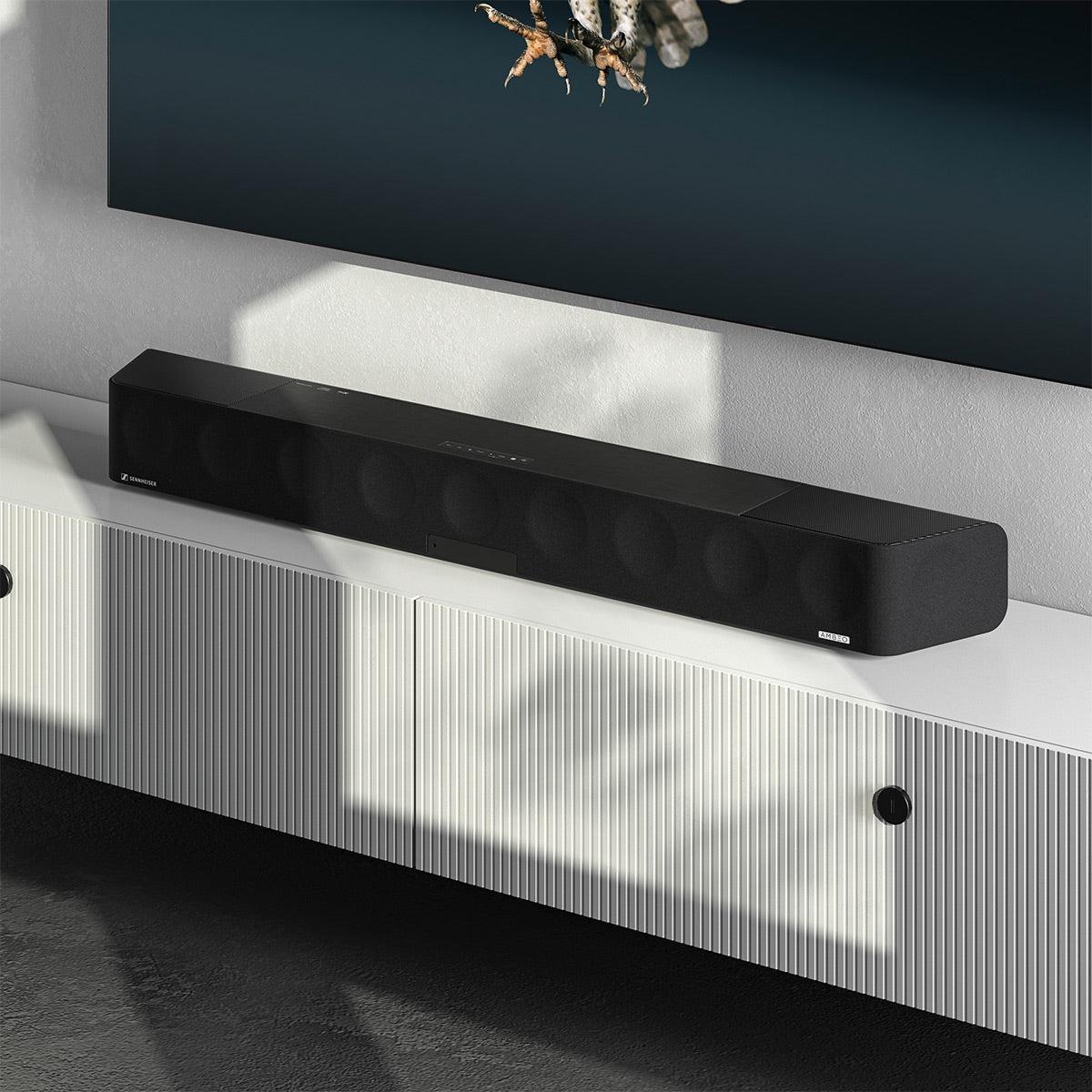
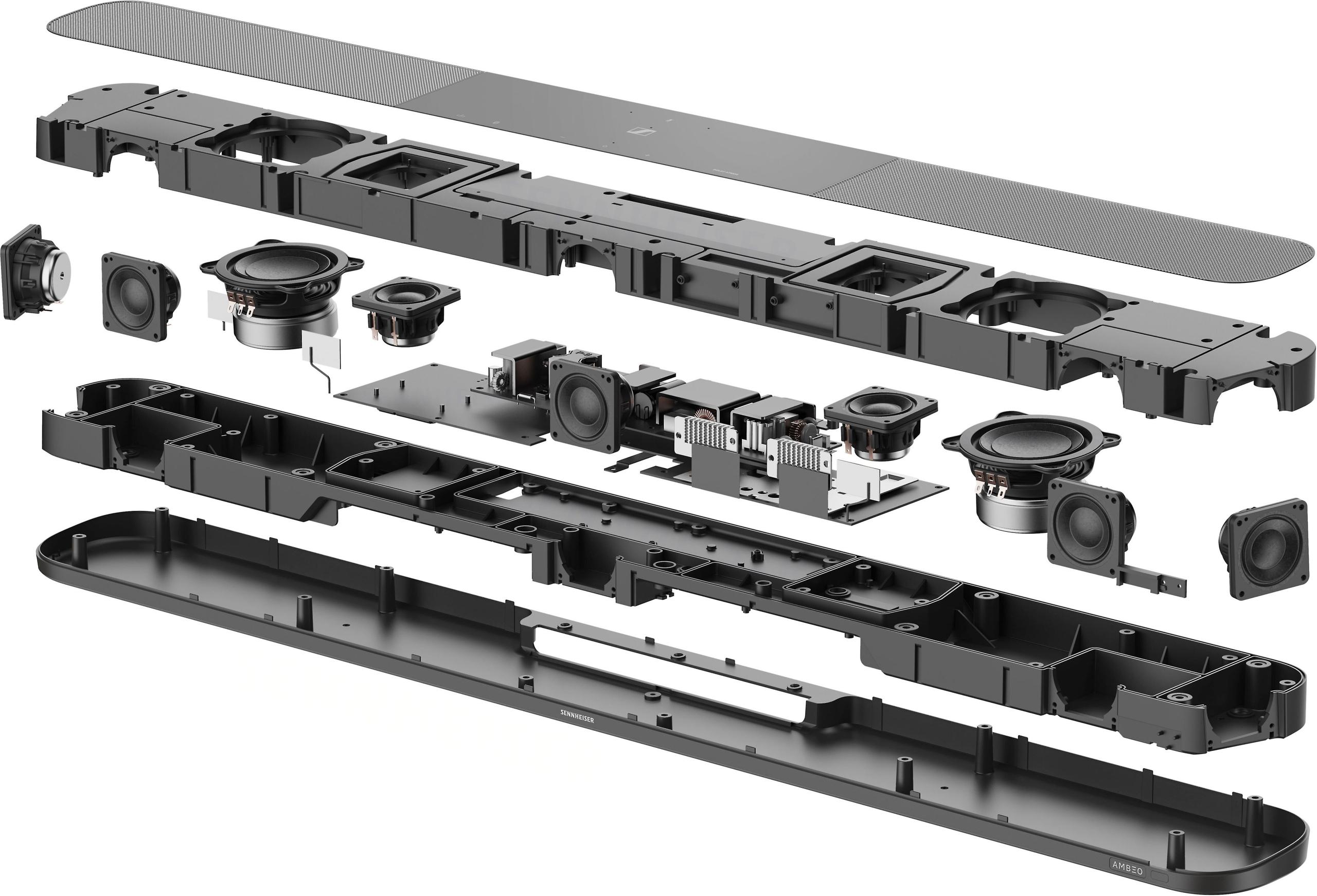
The AMBEO uses 13 individual drivers arranged in a complex array that includes upward-firing speakers. These upward-firing drivers are crucial for creating what Sennheiser calls "3D sound"—they bounce audio off your ceiling to create the illusion of sounds coming from above and behind you. This is how the soundbar achieves its 7.1.4 channel virtualization, meaning it simulates seven main channels, one subwoofer channel, and four height channels.
What really sets the AMBEO apart is its processing power. The soundbar runs advanced algorithms developed in partnership with Fraunhofer (the research institute that helped create the MP3 format). These algorithms analyze your room's acoustics during an initial calibration process, measuring how sound reflects off your walls, ceiling, and furniture. Then it adjusts its output to compensate for your specific environment.
The AMBEO supports every major surround sound format you've heard of and several you probably haven't. Dolby Atmos and DTS:X are the big ones—these are "object-based" audio formats where sounds are positioned in 3D space rather than just assigned to specific channels. When a helicopter flies across the screen in a movie, these formats contain information about exactly where that helicopter should sound like it's located, and the AMBEO uses its driver array and processing power to place that sound convincingly in your room.
Since the 2023 update, Sennheiser has improved the calibration algorithms and added better integration with streaming services. The soundbar now supports AirPlay 2, Chromecast built-in, and direct connections to services like Spotify and Tidal. This wasn't just a software update—the 2023 version includes upgraded internal components and improved room correction capabilities.
Here's where the fundamental differences between these products become crystal clear. The Bose TV Speaker excels at making everything sound pleasant and intelligible. It's tuned for long-term listening comfort, with a frequency response that emphasizes clarity over impact. When I watch the news or a documentary, voices come through with exceptional clarity, and there's never any harshness or fatigue.
The bass response deserves special mention. For a soundbar without a dedicated subwoofer, the Bose produces surprisingly full low-end. It's not going to shake your couch during action scenes, but it provides enough foundation to make most content feel balanced. There's also a bass boost button on the remote that adds some extra thump when you want it, though pushing it too far can cause some compression artifacts at higher volumes.
The Sennheiser AMBEO, meanwhile, plays in an entirely different league. The frequency response extends down to 30Hz—that's approaching the limit of human hearing and well into the range where you feel bass as much as hear it. The high-frequency extension is equally impressive, maintaining clarity and detail all the way up to 20kHz.
But the real magic happens in the soundstage presentation. Where the Bose creates a pleasant stereo image that's wider than your TV, the AMBEO creates a genuinely three-dimensional sound field. Watching "Mad Max: Fury Road," the sound of engines doesn't just come from left and right—it moves around the room with convincing directionality. Rain in "Blade Runner 2049" seems to fall from above, and the ambient sounds of the city extend far beyond the physical boundaries of the soundbar.
The dialogue clarity is exceptional too, but it's achieved through more sophisticated means than the Bose's approach. The AMBEO uses AI-powered vocal enhancement that adapts to different types of content automatically. It can distinguish between different types of vocal content—news anchors, movie dialogue, singing—and optimize accordingly.
This is where the $1,800 price difference becomes most apparent. The Bose TV Speaker doesn't attempt any surround sound processing at all. It's a stereo soundbar, pure and simple. While it can create a wider soundstage than your TV's built-in speakers, it's not trying to convince you that sounds are coming from behind you or above you.
For many people, this isn't a problem. If you're watching the evening news, sitcoms, or even most dramas, stereo sound with good dialogue clarity is perfectly adequate. The Bose approach means you're never going to have weird artifacts or processing glitches—what you hear is straightforward, honest reproduction of whatever audio your TV is sending.
The Sennheiser AMBEO takes the opposite approach, using every bit of processing power and acoustic trickery it can muster to create an immersive experience. The results can be genuinely startling. During the opening sequence of "Top Gun: Maverick," the sound of jets doesn't just move from left to right—it moves in three-dimensional arcs around the room. The AMBEO's upward-firing drivers bounce sound off the ceiling to create convincing height effects, while sophisticated DSP creates the illusion of sounds coming from behind your listening position.
The room calibration process is crucial here. Using built-in microphones, the AMBEO measures how your room affects sound propagation and adjusts its processing accordingly. If you have a lot of soft furniture that absorbs sound, it compensates. If you have hard surfaces that create echoes, it accounts for that too. This calibration makes the difference between impressive audio trickery and truly convincing surround sound.
Here's another area where these products reflect completely different philosophies. The Bose TV Speaker keeps things refreshingly simple. You get HDMI ARC, optical digital input, and a 3.5mm analog input for older devices. For wireless connectivity, there's Bluetooth 4.2, which works fine for streaming music from your phone but doesn't support the latest high-quality codecs.
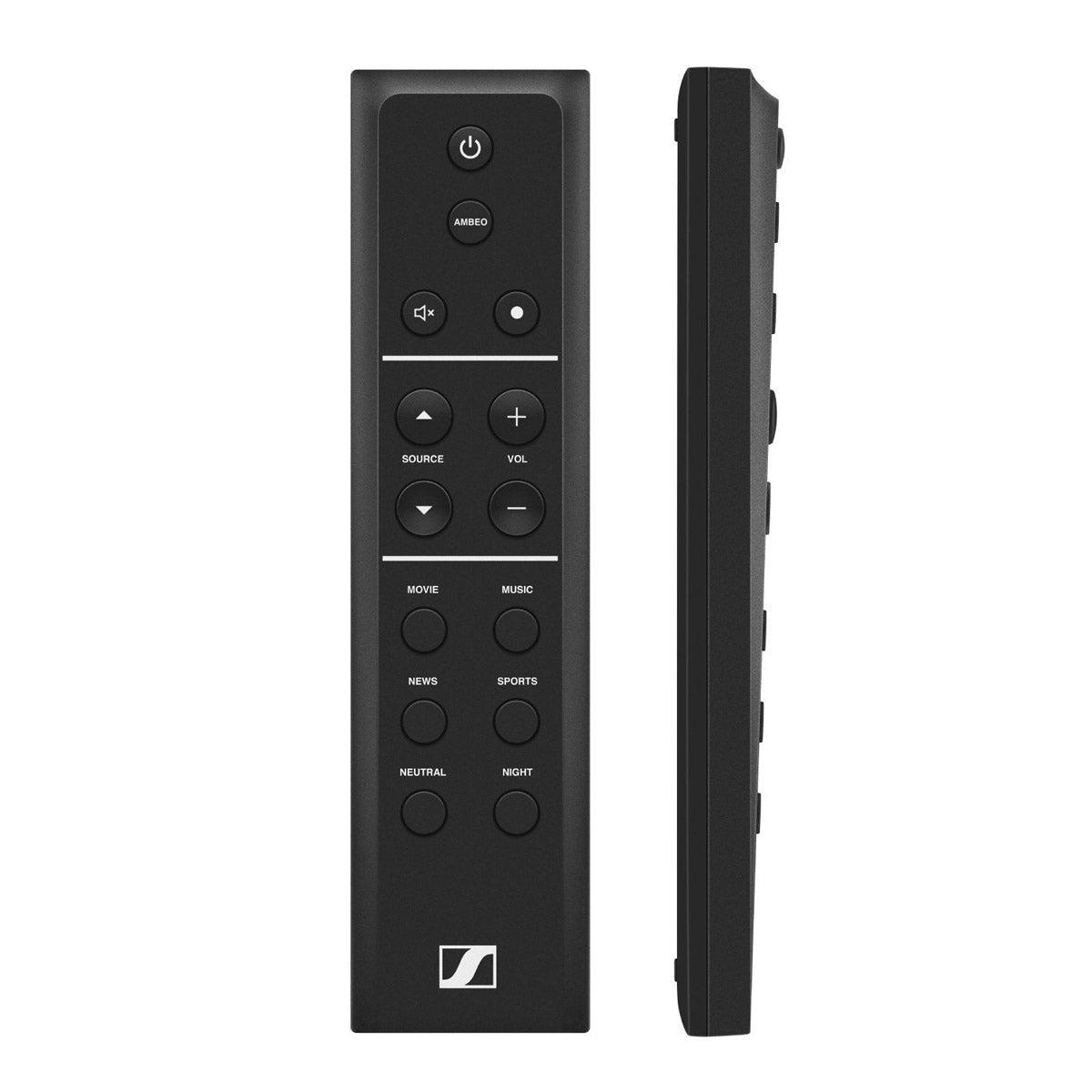
What you don't get is WiFi, app control, or voice assistant integration. Some people see this as a limitation, but I'd argue it's actually a feature for the target audience. There's no app to update, no network passwords to manage, and no compatibility issues with your smart home setup. The included remote controls everything you need, including direct TV volume control through CEC (Consumer Electronics Control—basically a protocol that lets devices talk to each other through HDMI).
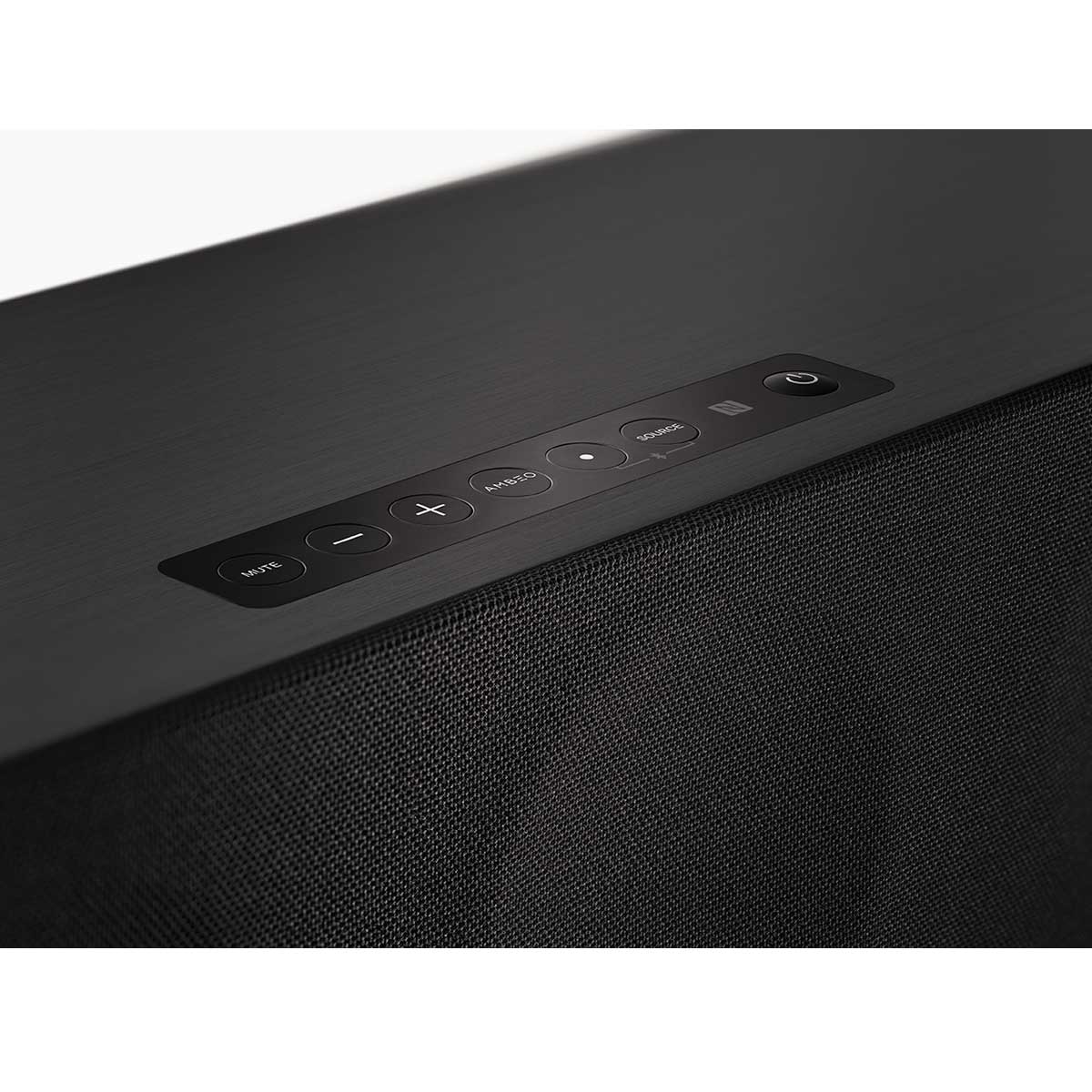
The Sennheiser AMBEO goes all-in on connectivity and smart features. Beyond the basic connections, you get eARC (enhanced Audio Return Channel) support for full-bandwidth Dolby Atmos transmission, WiFi 6 for high-quality streaming, and Ethernet for the most stable connection possible. The wireless capabilities are extensive: AirPlay 2, Chromecast built-in, Spotify Connect, and Tidal Connect all work seamlessly.
Voice assistant support includes Alexa, Google Assistant, and Siri through various integration methods. The Sennheiser Smart Control app provides detailed EQ controls, multiple listening modes, and the ability to adjust the room correction settings if needed. Since the 2023 update, the app has become much more responsive and user-friendly, addressing some early complaints about sluggish performance.
If you're putting together a dedicated home theater setup, the choice between these products becomes even more clear-cut. The Bose TV Speaker simply isn't designed for that application. While it'll improve your TV's audio significantly, it's not going to deliver the dynamic range and impact that home theater enthusiasts expect from movie soundtracks.
That said, there's something to be said for the Bose approach in secondary viewing areas. I've used the TV Speaker in a bedroom setup where simplicity and dialogue clarity matter more than earth-shaking bass, and it's perfect for that application. The compact size means it fits easily on a dresser or nightstand, and the straightforward operation means anyone in the family can use it without confusion.
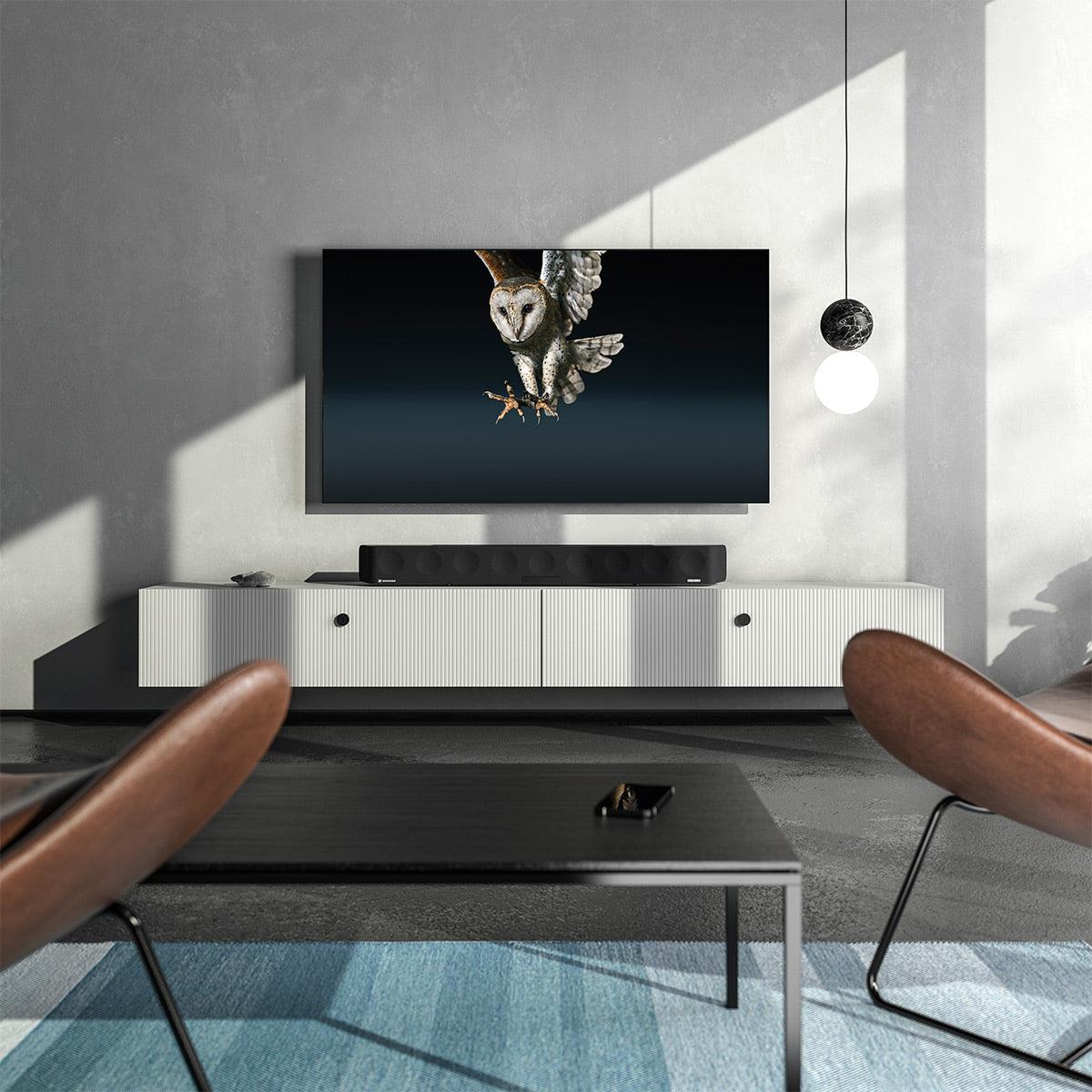
The Sennheiser AMBEO is explicitly designed to replace traditional home theater speaker systems. Sennheiser positions it as an alternative to separate front left/right speakers, center channel, surround speakers, height channels, and subwoofer. For many rooms, it succeeds admirably at this goal.
The key is room size and acoustics. In my experience, the AMBEO works best in rooms between 200 and 400 square feet with reasonable ceiling height (8-10 feet). Too small, and the processing can sound overdone. Too large, and even this powerful soundbar struggles to fill the space convincingly. The room calibration helps optimize performance, but physics still applies—no single soundbar can perfectly recreate the impact of speakers positioned all around a large room.
When we talk about value, we need to consider what each product is trying to accomplish. The Bose TV Speaker at $199 represents exceptional value for its intended purpose. It solves the primary problem most people have with TV audio—poor dialogue clarity—and does it with minimal fuss and maximum reliability. The build quality is typical Bose, meaning it'll likely work perfectly for many years without issues.
The lack of advanced features could be seen as future-proofing weakness, but I'd argue the opposite. Since it doesn't rely on complex software or network connectivity, there's less to go wrong over time. The audio processing is handled by dedicated hardware that's unlikely to become obsolete in the way that smart features sometimes do.
The Sennheiser AMBEO at $1,999.95 asks you to make a significant financial commitment, but it delivers proportional performance improvements. The question is whether those improvements matter for your specific situation and viewing habits. If you're primarily watching streaming Netflix shows, the advanced surround processing might be overkill. If you're a movie enthusiast with a collection of 4K Blu-rays with Dolby Atmos soundtracks, the AMBEO could transform your viewing experience.
The 2023 updates have improved the long-term value proposition significantly. Sennheiser has committed to regular software updates that add new features and improve performance. Recent updates have enhanced the room correction algorithms and added support for new streaming services. This ongoing development means the soundbar should remain current for years to come.
Choose the Bose TV Speaker if you want immediate improvement in TV audio without complexity or significant expense. It's ideal for bedrooms, kitchens, small living rooms, or anywhere you prioritize simplicity and dialogue clarity over immersive effects. The $199 price point makes it an easy decision for most households, and the straightforward operation means everyone can use it effectively.
Choose the Sennheiser AMBEO if you're serious about home theater audio and have both the budget and room to support it. The $1,999.95 investment makes sense if you're replacing what would otherwise be a complete surround sound system, or if you're the type of person who notices and appreciates subtle audio details. The learning curve is steeper, but the payoff in terms of immersive entertainment is substantial.
The choice ultimately comes down to your priorities, budget, and expectations. Both products excel at what they're designed to do—the Bose at making TV audio clear and pleasant, the Sennheiser at creating truly immersive surround sound experiences. Neither is objectively better than the other; they're just designed for completely different users and use cases.
What matters most is matching the product to your specific situation. If you're not sure which category you fall into, the Bose TV Speaker is probably the safer choice—it'll definitely improve your TV audio experience without breaking the bank or complicating your setup. But if you know you want the best possible audio experience and are willing to invest accordingly, the Sennheiser AMBEO delivers performance that justifies its premium price.
| Bose TV Speaker | Sennheiser AMBEO Soundbar |
|---|---|
| Price - The most obvious difference between these products | |
| $199 | $1,999.95 |
| Audio Channels - Determines surround sound capabilities | |
| 3.0 channels (stereo plus center) | 7.1.4 virtual channels with height effects |
| Surround Sound Formats - Essential for modern movie experiences | |
| None (stereo only) | Dolby Atmos, DTS:X, MPEG-H, 360 Reality Audio |
| Drivers and Power - Affects volume levels and sound quality | |
| 3 drivers, 100W peak power | 13+ drivers with dedicated amplifiers, 500W total |
| Bass Performance - Critical for movie soundtracks and music | |
| Decent for size, optional subwoofer via 3.5mm | Dual built-in subwoofers, 30Hz frequency response |
| Connectivity Options - Determines what devices you can connect | |
| HDMI ARC, optical, 3.5mm, Bluetooth 4.2 | HDMI eARC, Wi-Fi 6, AirPlay 2, Chromecast, Ethernet |
| Smart Features - Affects ease of use and future capabilities | |
| None (physical remote only) | Voice assistants, smartphone app, room calibration |
| Setup Complexity - Important for non-technical users | |
| Plug-and-play (single cable connection) | Complex setup with room calibration required |
| Room Size Compatibility - Determines where each works best | |
| Small to medium rooms (up to 200 sq ft) | Medium to large rooms (200-400 sq ft optimal) |
| Dialogue Enhancement - Crucial for TV and movie watching | |
| Basic Dialogue Mode button | AI-powered vocal optimization with automatic adjustment |
| Physical Size - Affects placement options | |
| Compact: 23.4" W × 2.2" H × 4" D | Large: 49.6" W × 5.3" H × 6.7" D |
The Bose TV Speaker ($199) offers exceptional value for basic TV audio improvement, while the Sennheiser AMBEO ($1,999.95) justifies its premium price with professional-grade surround sound technology. For most users seeking clear dialogue and simple setup, the Bose provides better bang for your buck. The Sennheiser is worth the investment only if you want true Dolby Atmos and immersive home theater experience.
The primary difference is complexity and capabilities. The Bose TV Speaker is a simple stereo soundbar focused on dialogue clarity and ease of use, while the Sennheiser AMBEO is an advanced system that creates virtual 7.1.4 surround sound with height effects. The Bose improves TV audio; the Sennheiser replaces an entire home theater system.
Both excel at dialogue, but in different ways. The Bose TV Speaker uses a dedicated Dialogue Mode that's simple and effective for everyday TV watching. The Sennheiser AMBEO employs AI-powered vocal enhancement that automatically optimizes speech clarity. For pure dialogue improvement at a reasonable price, the Bose is hard to beat.
The Bose TV Speaker produces surprising bass for its size but offers an optional subwoofer connection via 3.5mm cable for deeper low-end. The Sennheiser AMBEO includes dual built-in subwoofers with 30Hz frequency response, eliminating the need for external bass units. Most users won't need additional subwoofers with either model.
The Bose TV Speaker wins hands-down with true plug-and-play setup—just connect one cable and you're done. The Sennheiser AMBEO requires complex initial calibration, room measurement, and multiple connection options. If simplicity is your priority, choose the Bose.
Only the Sennheiser AMBEO supports Dolby Atmos, DTS:X, and other advanced surround formats with convincing height effects. The Bose TV Speaker doesn't decode these formats—it's limited to stereo sound enhancement. For modern movie soundtracks, the Sennheiser is essential.
The Bose TV Speaker is ideal for small to medium rooms up to 200 square feet, offering clear sound without overwhelming the space. The Sennheiser AMBEO can work in smaller rooms but really shines in 200-400 square foot spaces where its surround effects have room to breathe.
The Bose TV Speaker keeps things simple with just Bluetooth connectivity and physical remote control—no apps or voice assistants. The Sennheiser AMBEO offers extensive smart features including Wi-Fi streaming, voice assistant support, smartphone app control, and integration with services like Spotify and AirPlay 2.
For casual music listening, the Bose TV Speaker delivers pleasant, balanced sound through Bluetooth. The Sennheiser AMBEO provides audiophile-quality music reproduction with multiple streaming options and superior frequency response. Serious music lovers will appreciate the Sennheiser's advanced capabilities.
The Bose TV Speaker produces decent bass for its compact size, with a bass boost button for extra punch. The Sennheiser AMBEO delivers significantly deeper, more powerful bass through its dual built-in subwoofers, extending down to 30Hz for true home theater impact.
The Bose TV Speaker is virtually maintenance-free with no software updates or network connectivity to manage. The Sennheiser AMBEO receives regular firmware updates that add features and improve performance, but this requires ongoing attention to keep current.
The Bose TV Speaker is designed for basic TV audio improvement rather than dedicated home theater use. The Sennheiser AMBEO is specifically engineered to replace traditional multi-speaker home theater systems, offering true surround sound with height channels for an immersive cinematic experience.
We've done our best to create useful and informative comparisons to help you decide what product to buy. Our research uses advanced automated methods to create this comparison and perfection is not possible - please contact us for corrections or questions. These are the sites we've researched in the creation of this article: bestbuy.com - projectorscreen.com - forums.audioholics.com - digitaltrends.com - abt.com - crutchfield.com - staples.com - bestbuy.com - pcrichard.com - visions.ca - bose.com - assets.bose.com - bestbuy.com - rtings.com - techradar.com - audioxpress.com - whathifi.com - upscaleaudio.com - soundstagesimplifi.com - global.sennheiser-hearing.com - sennheiser-hearing.com - audioadvice.com - abt.com - moon-audio.com

Privacy Policy
Terms and Conditions - Affiliate Policy
Home Security
© Copyright 2008-2026.
11816 Inwood Rd #1211, Dallas, TX 75244