





When I first started reviewing soundbars five years ago, the market felt pretty straightforward. You had basic TV speakers that sounded terrible, and then you had expensive home theater systems that required running wires everywhere. Today's soundbar landscape is far more interesting, with options ranging from smart, budget-friendly bars to premium models that genuinely rival full surround systems.
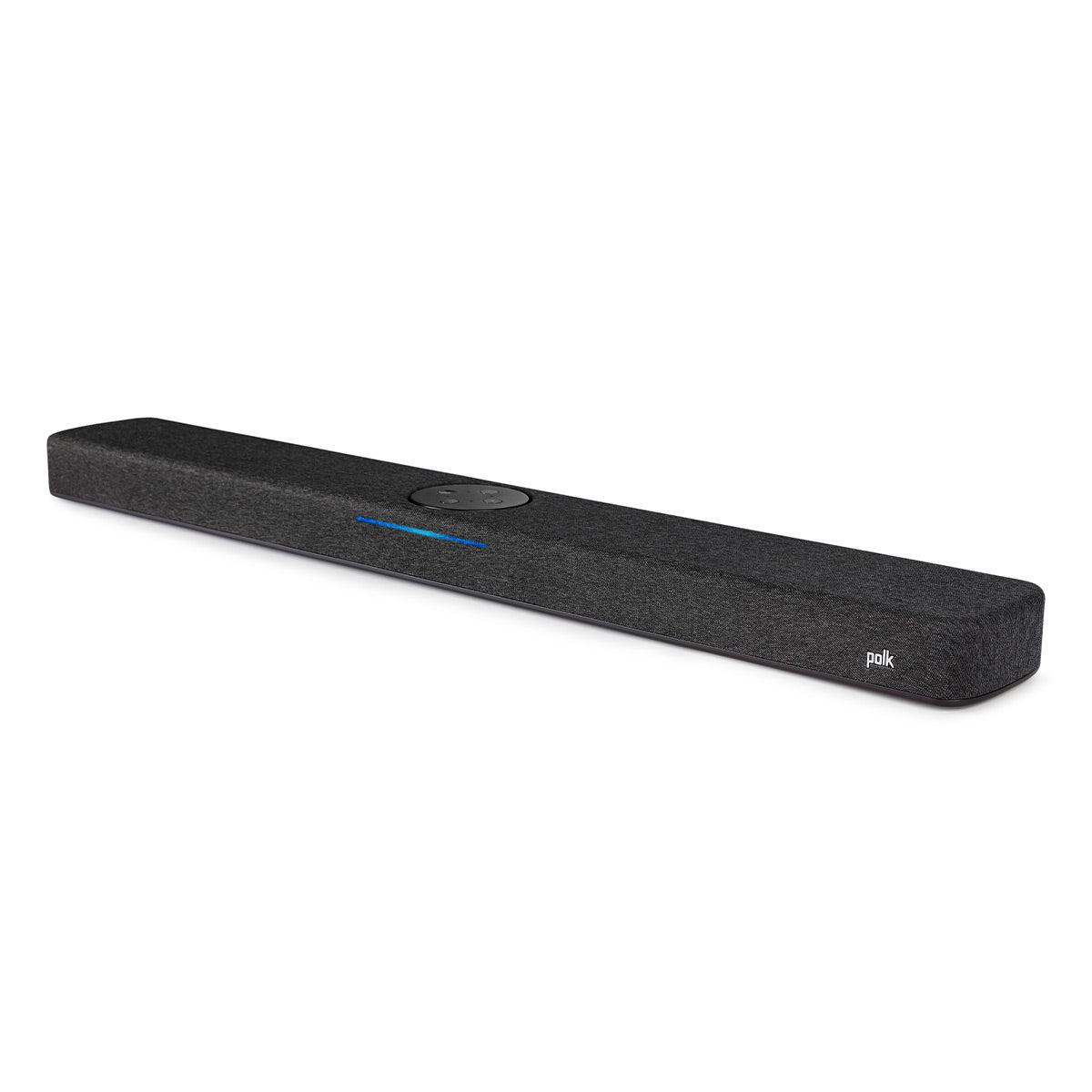
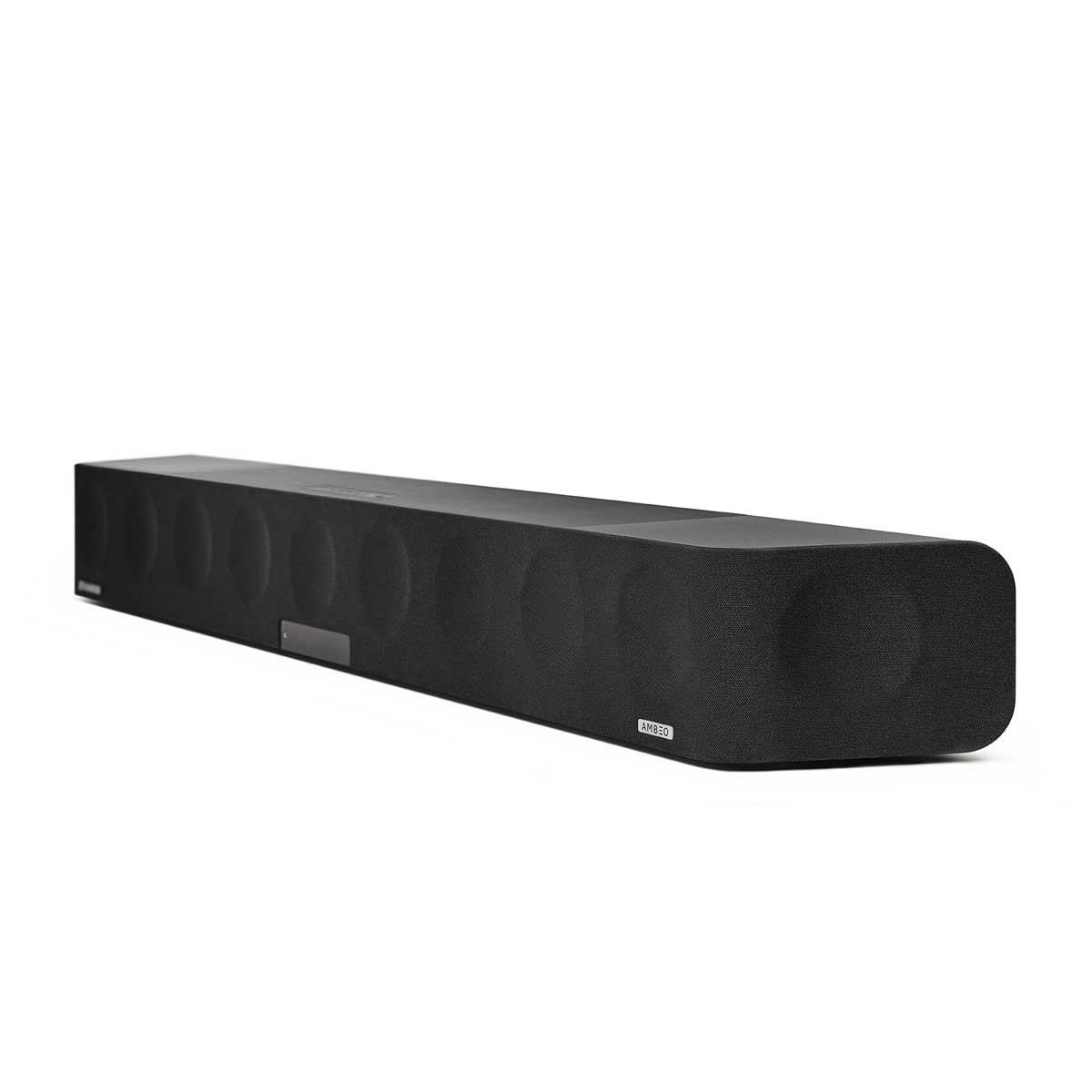
The Polk Audio React Sound Bar ($230) and Sennheiser AMBEO Soundbar ($1,999.95) perfectly illustrate just how diverse this category has become. These aren't just different price points—they represent completely different philosophies about what a soundbar should do and who it should serve.
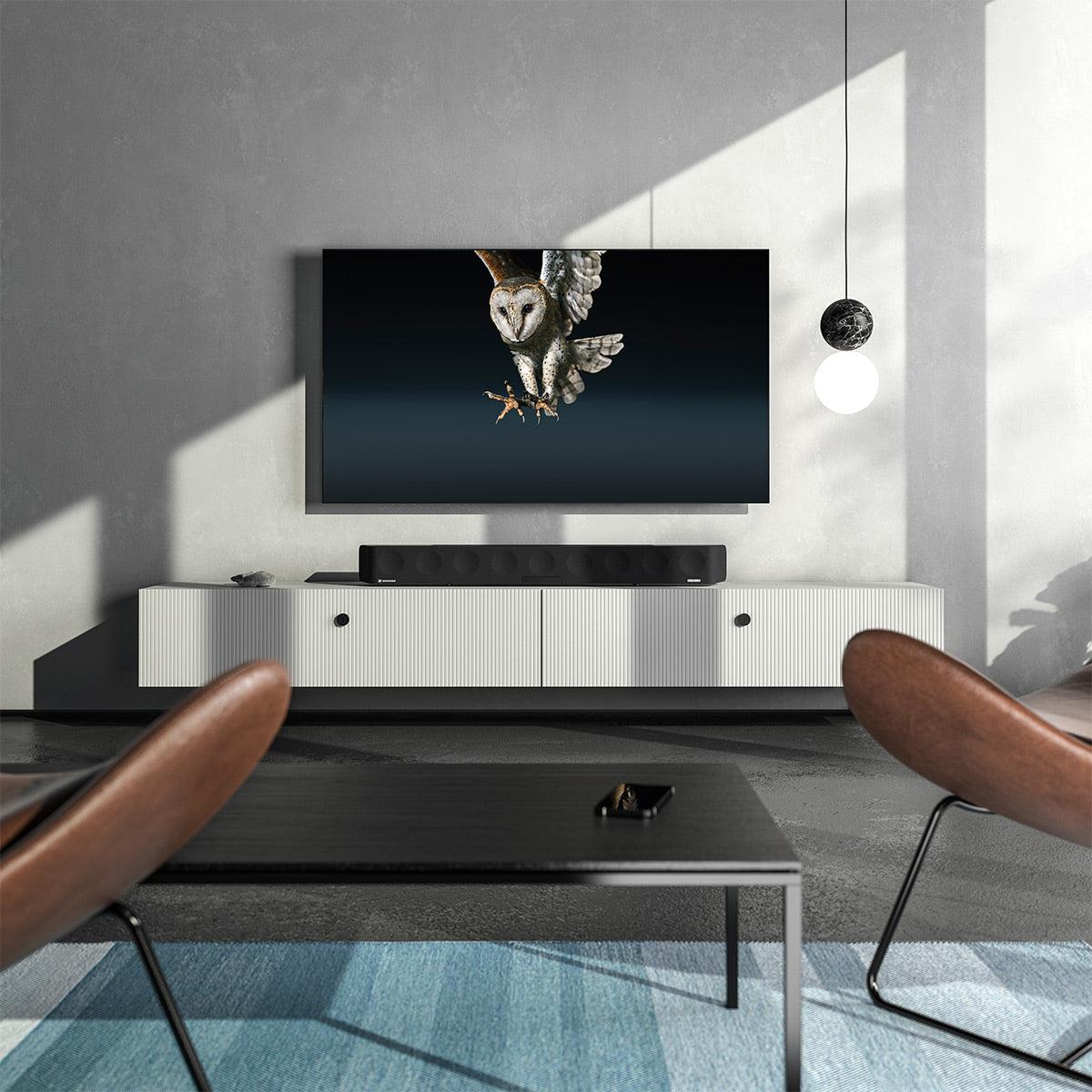
The soundbar category has exploded in recent years, largely because modern TVs have gotten incredibly thin. While that sleek profile looks great on your wall, there's simply no room inside for decent speakers. Most TV speakers today are rear-firing or downward-firing, which means the sound bounces off your wall or entertainment center before reaching your ears—not exactly ideal for clarity.
Soundbars solve this problem by placing speakers in front of you, where they should be. But the category has evolved far beyond just "better than TV speakers." Today's considerations include:
Audio Performance remains the core factor. This encompasses not just volume, but clarity, bass response, and the ability to create an immersive surround sound experience. Some soundbars use "virtual surround" processing (basically digital tricks to make stereo sound seem wider), while others use actual height speakers and advanced processing to bounce sound off your ceiling.
Value Proposition has become more complex as prices range from under $200 to over $2,000. The key is understanding what you're paying for and whether those features matter to your specific situation.
Smart Features have become increasingly important. Many soundbars now include built-in voice assistants, streaming capabilities, and integration with smart home systems. This can eliminate the need for separate devices and simplify your setup.
Room Requirements vary dramatically. Some soundbars work well in any space, while others need specific room characteristics (like ceiling height and wall materials) to perform optimally.
Expandability determines whether you can add components later. Some systems let you start small and build up; others are all-in-one solutions that can't be modified.
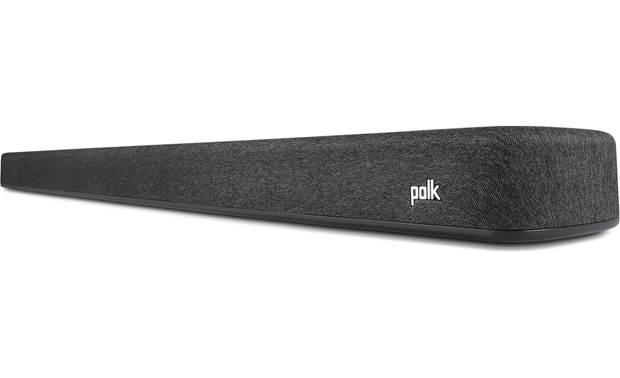
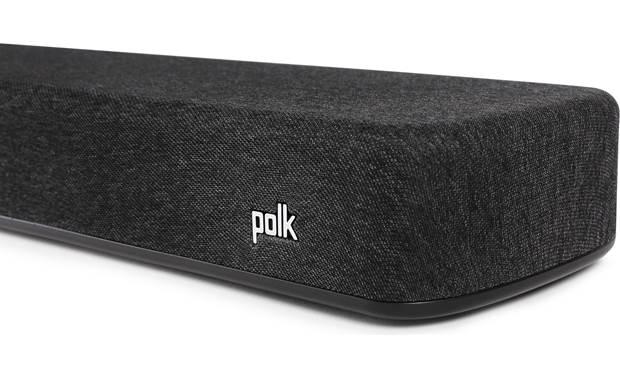
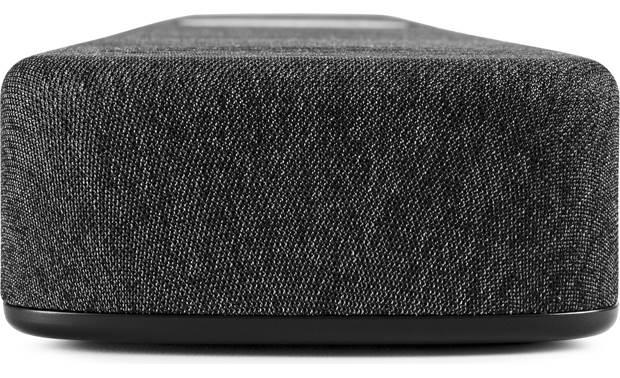
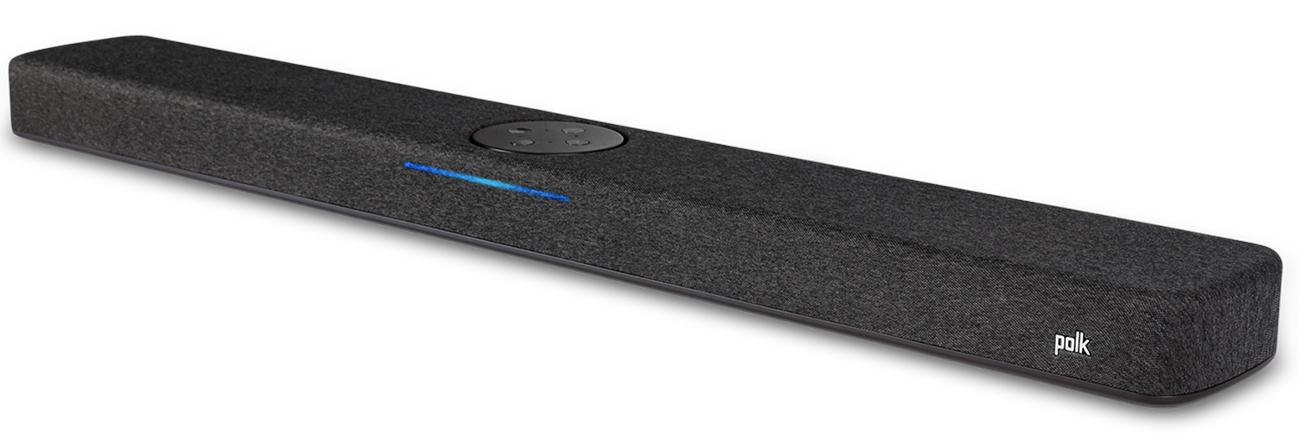
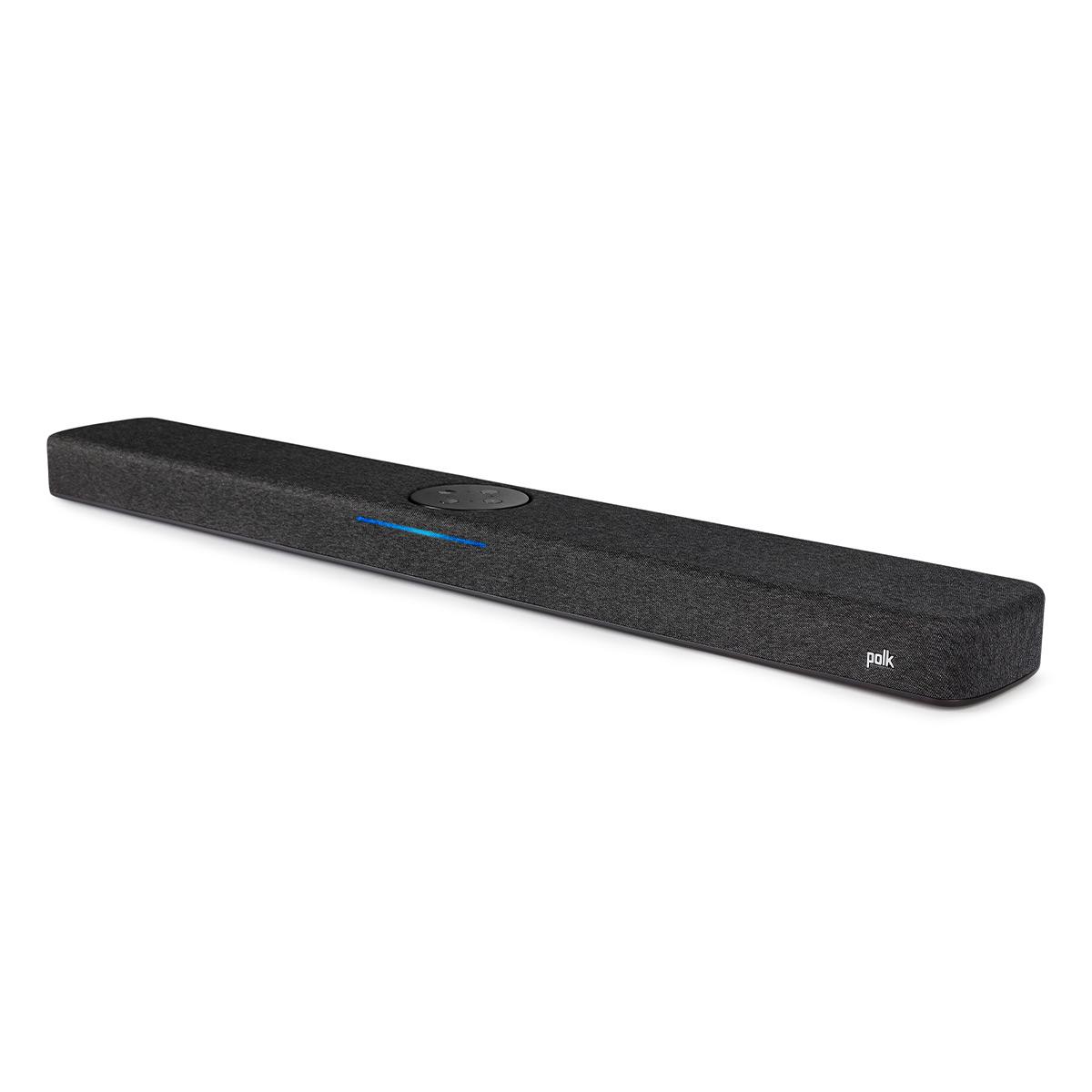
The Polk Audio React Sound Bar launched in 2020 as part of Polk's push into the smart speaker market. What made it interesting wasn't just the $230 price tag, but the fact that it was one of the first soundbars to include Amazon Alexa built directly into the bar itself.
Polk has refined the React over the past few years, improving its wireless connectivity and expanding compatibility with newer TV models. The current version supports the latest HDMI ARC standards and includes better Bluetooth codecs for music streaming—incremental but meaningful improvements for a budget product.
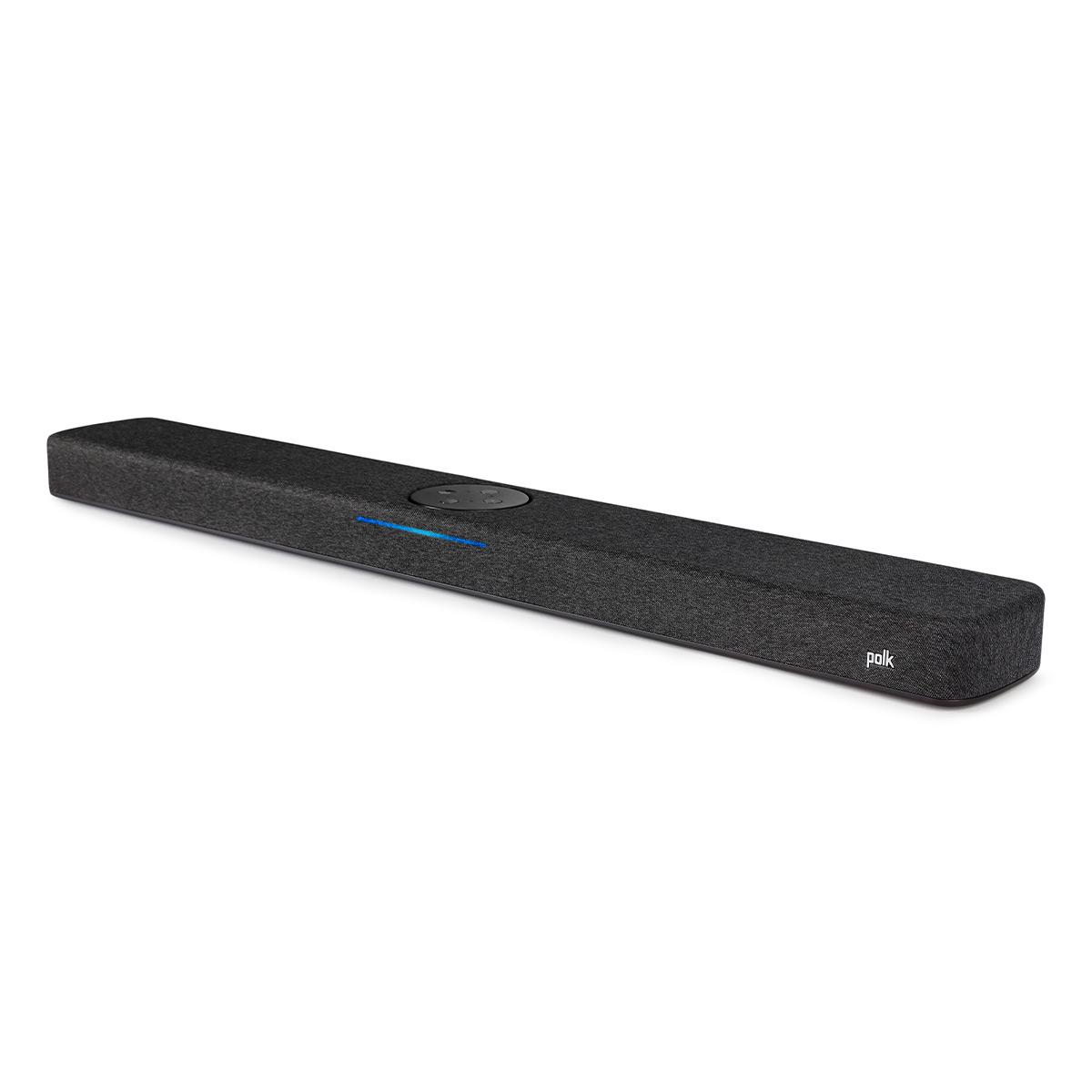
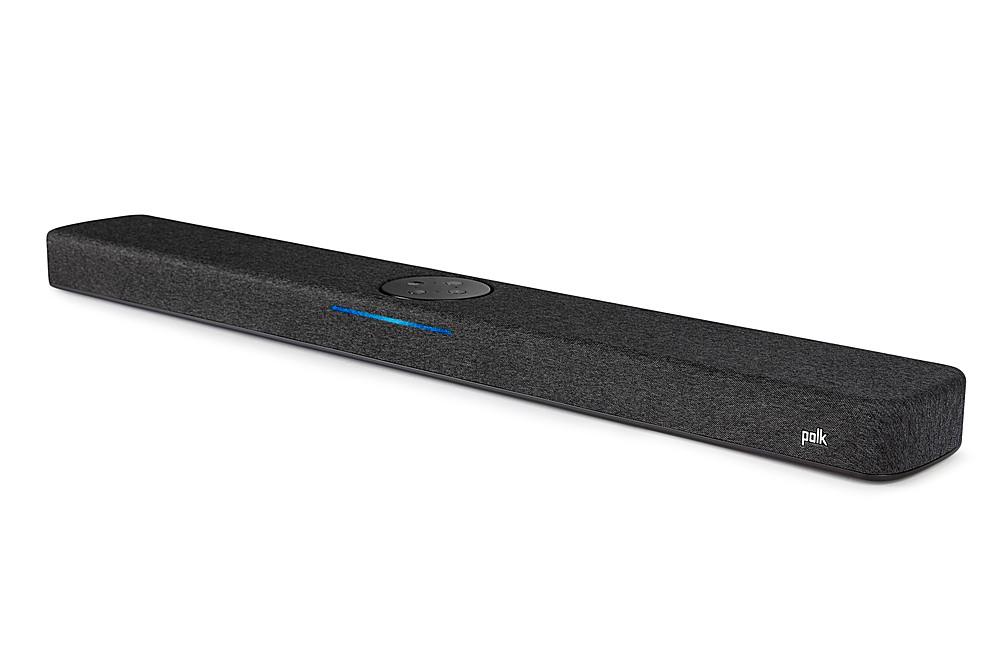
At its core, the React is a 2.1-channel soundbar, meaning it has left and right channels plus a dedicated channel for bass (though you'll need to add the optional wireless subwoofer to really take advantage of that). The bar itself houses six drivers: two 1-inch tweeters for high frequencies, two midrange drivers for vocals and most music content, and two passive radiators that help extend bass response without requiring power.
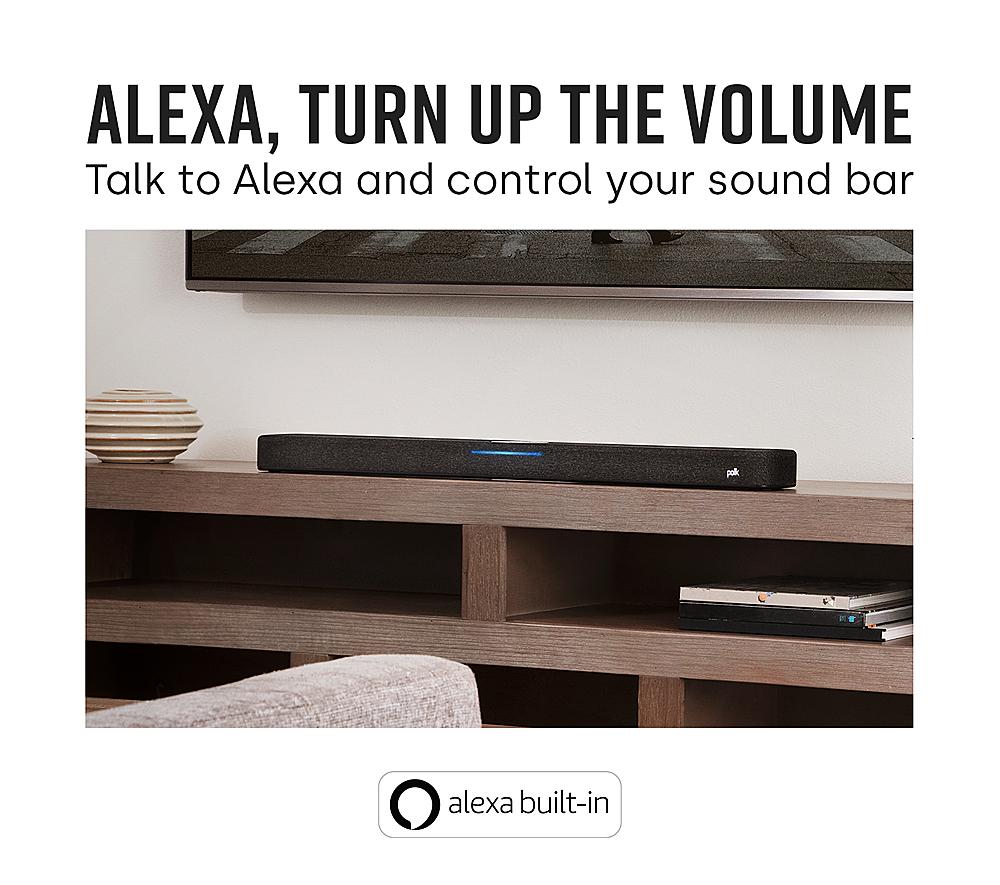
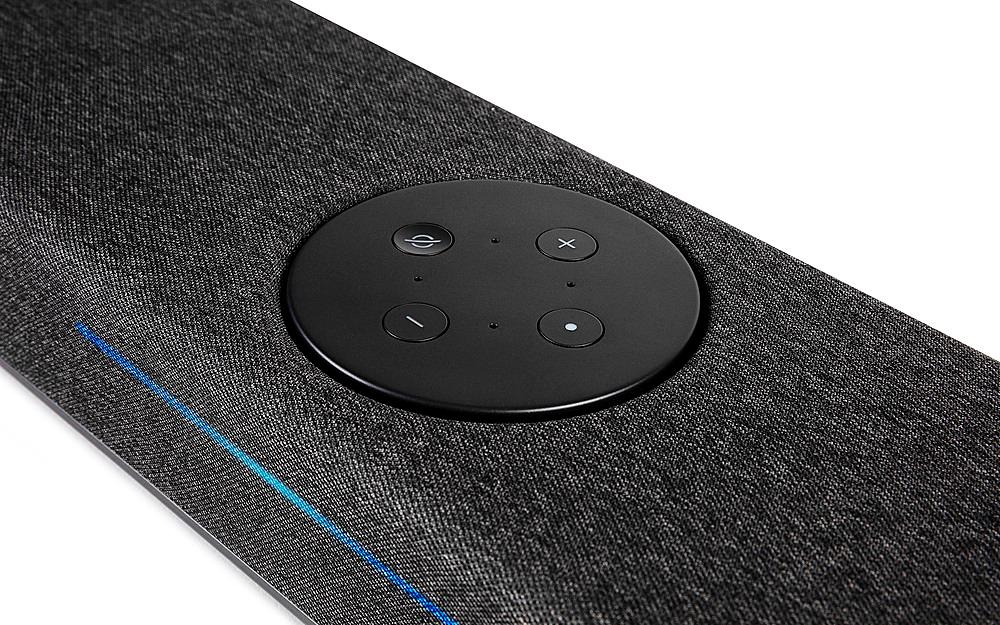
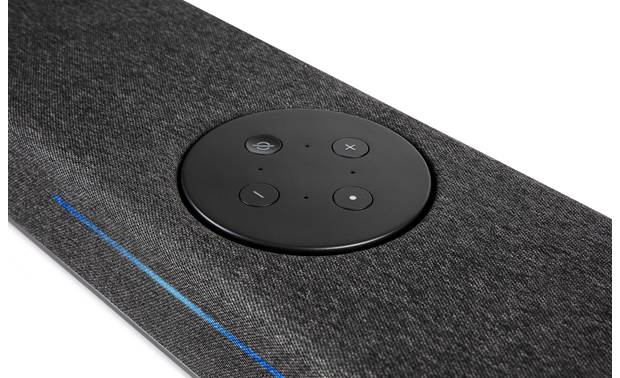
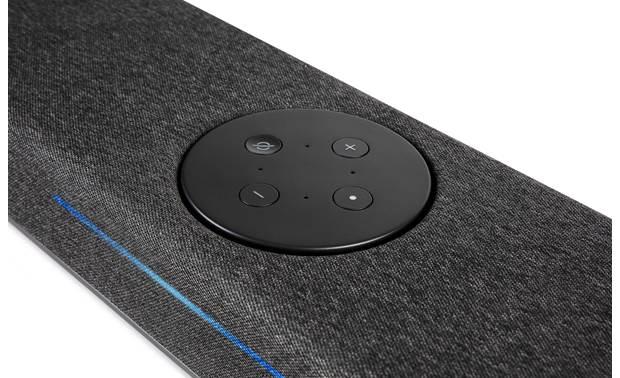
The "smart" part comes from four far-field microphones built into the top of the bar. These work just like an Amazon Echo, letting you control the soundbar with your voice, play music from streaming services, control smart home devices, and even make calls through Alexa's communication features.
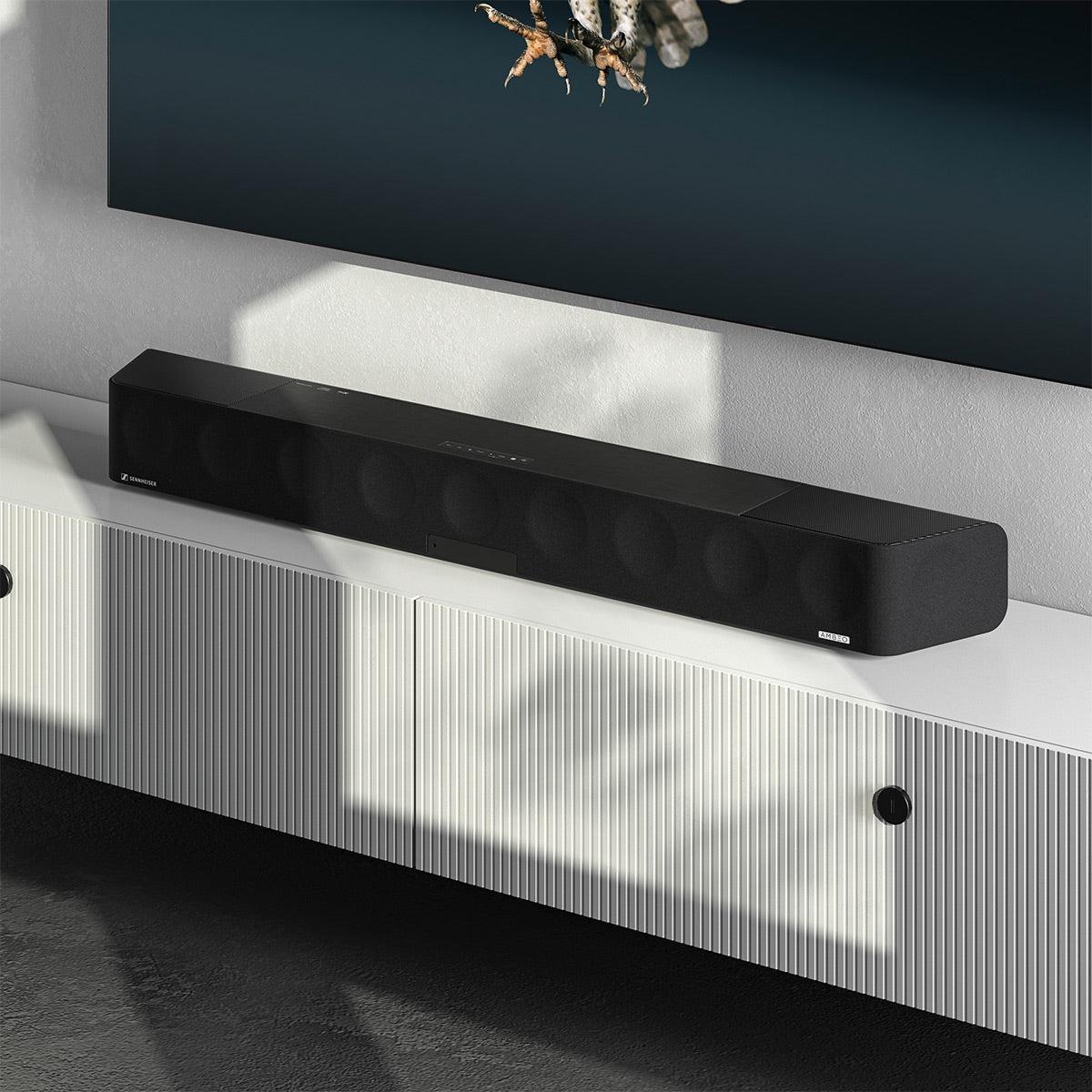
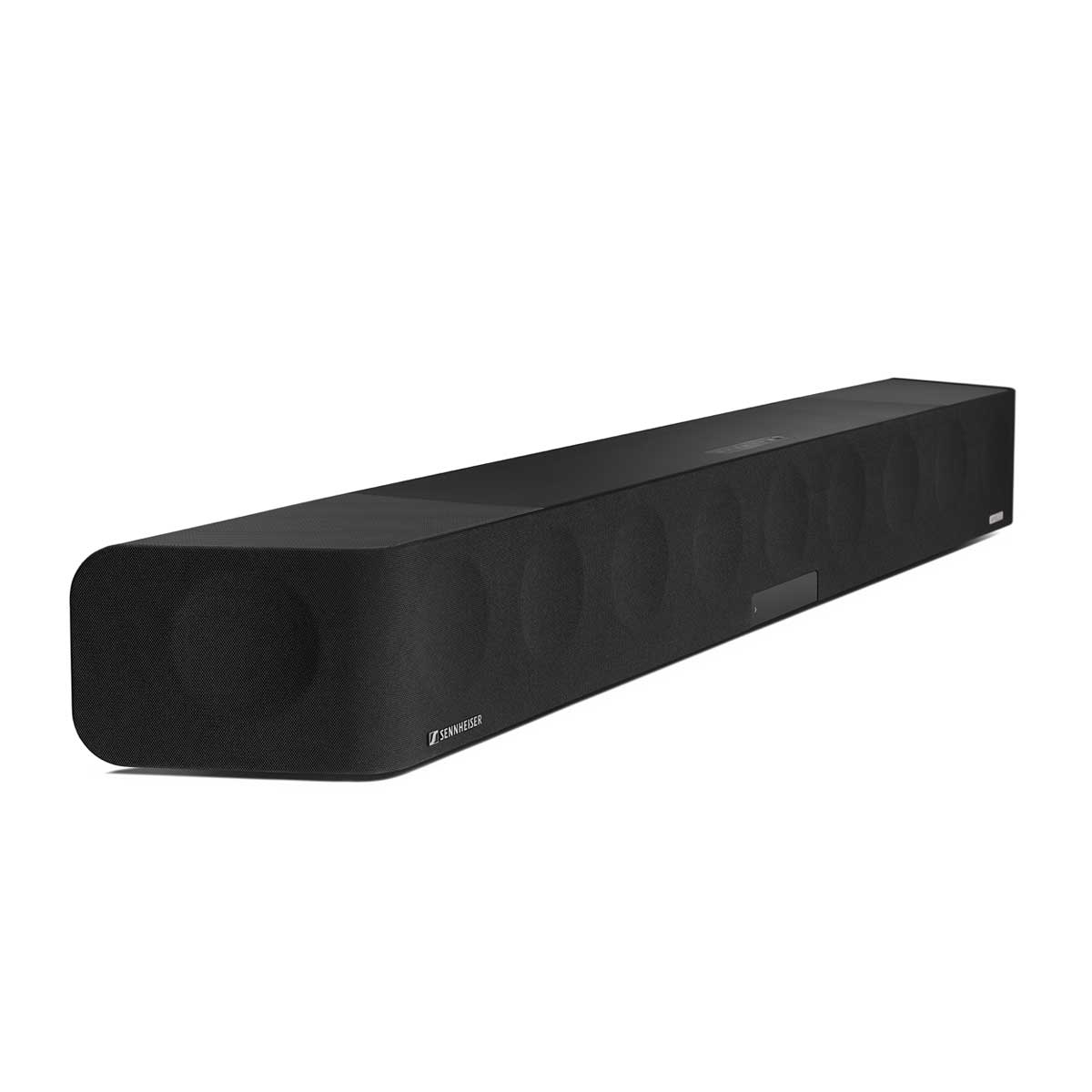
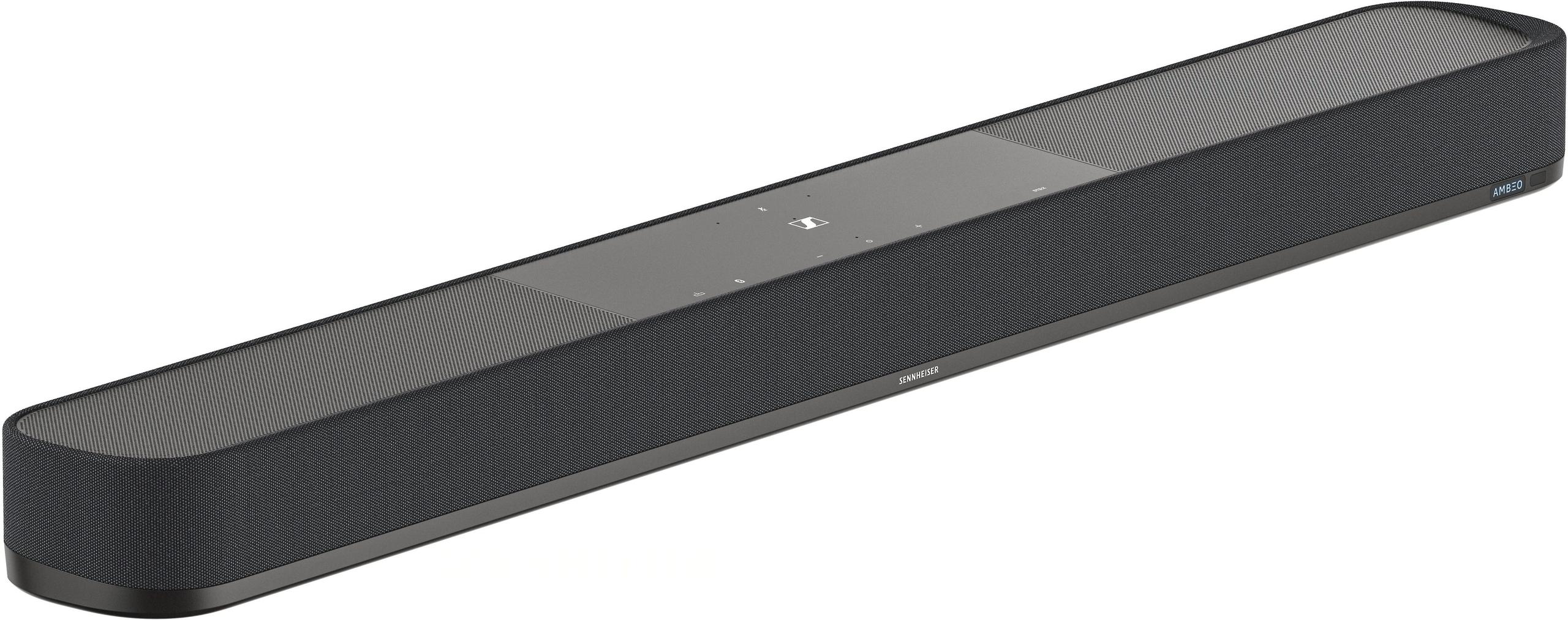
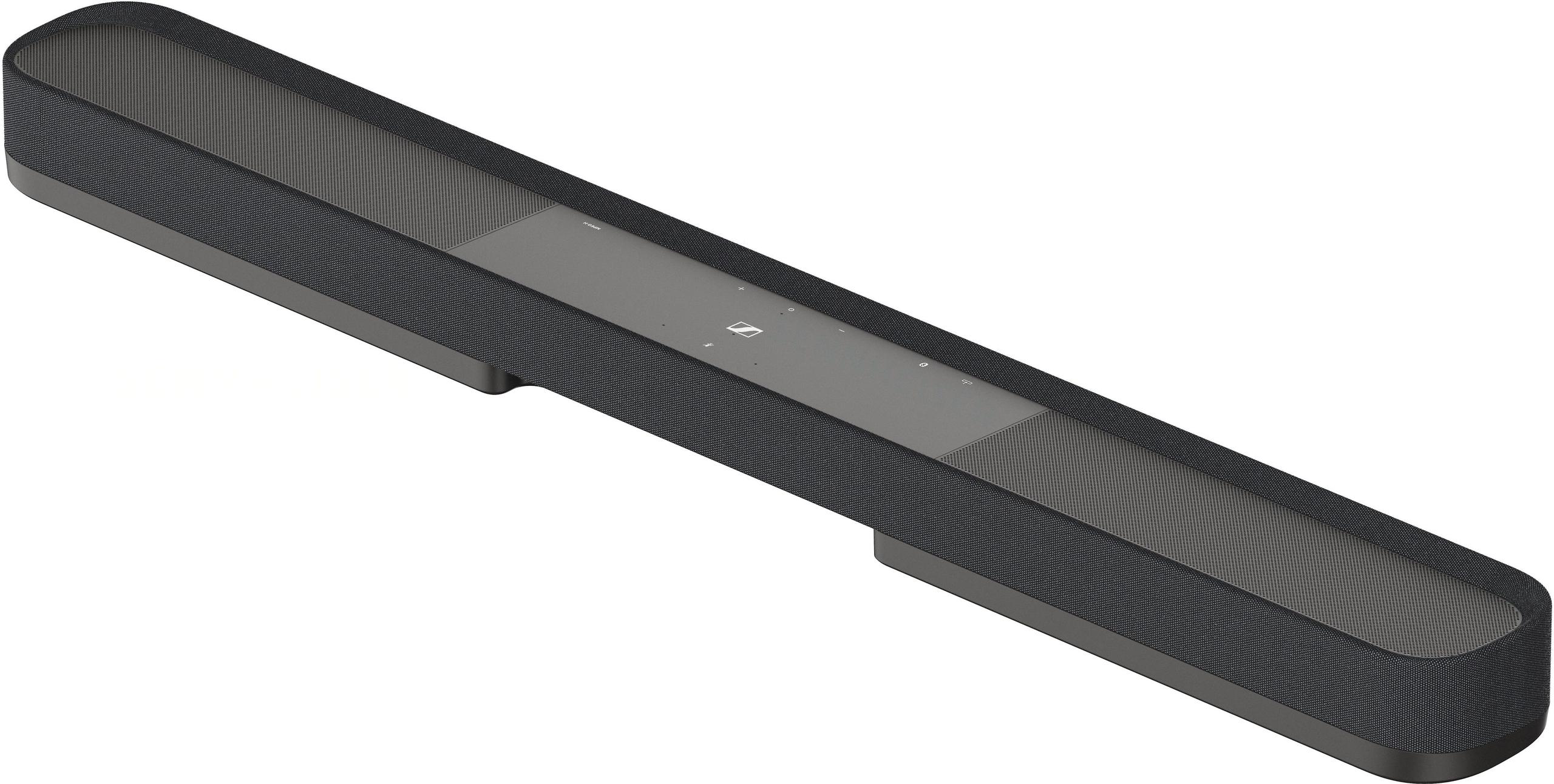
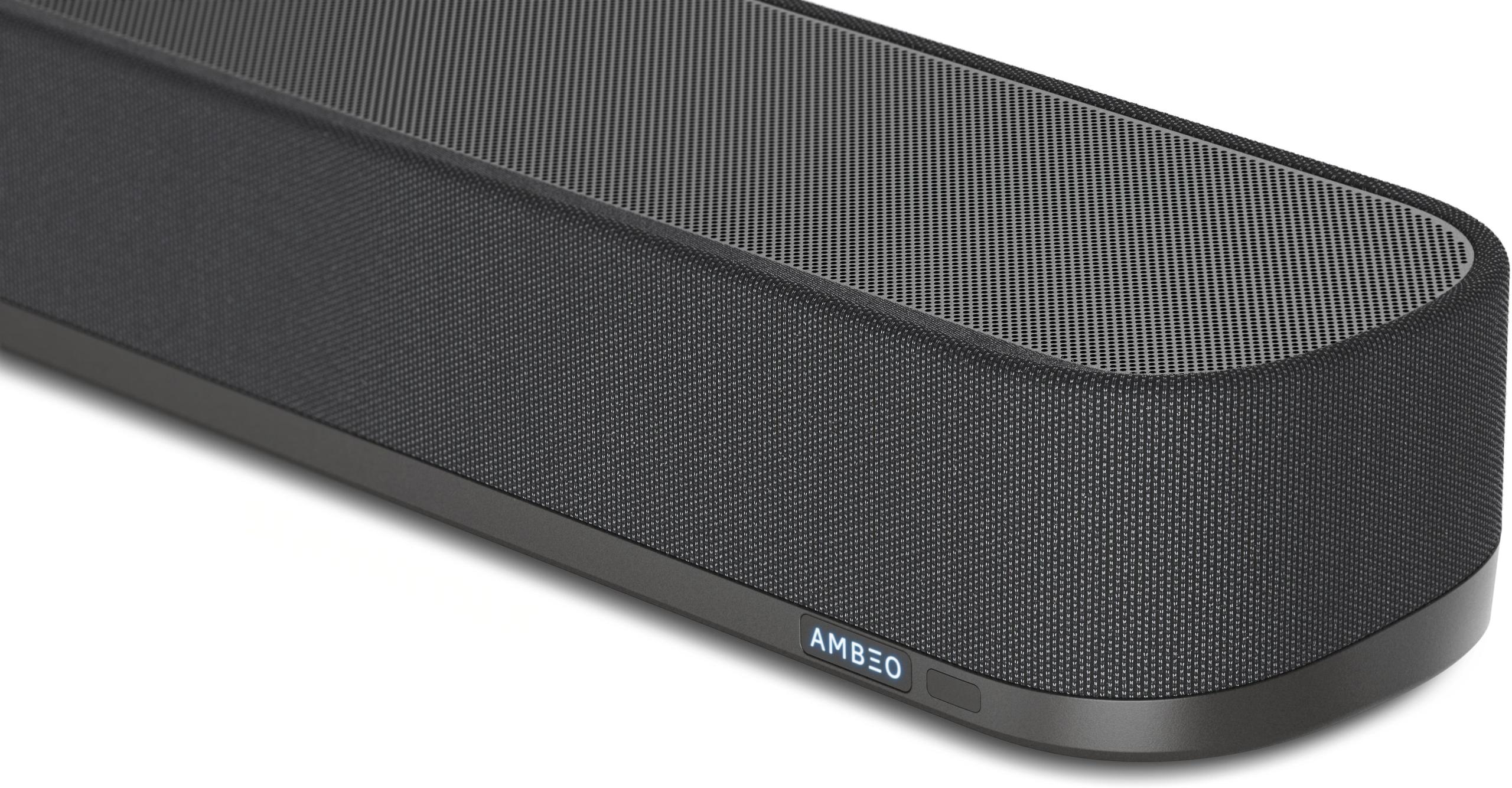
The Sennheiser AMBEO Soundbar represents a completely different philosophy. Released in 2019 and updated with the MAX model in 2022, it's designed to prove that a single soundbar can genuinely replace a full surround sound system.
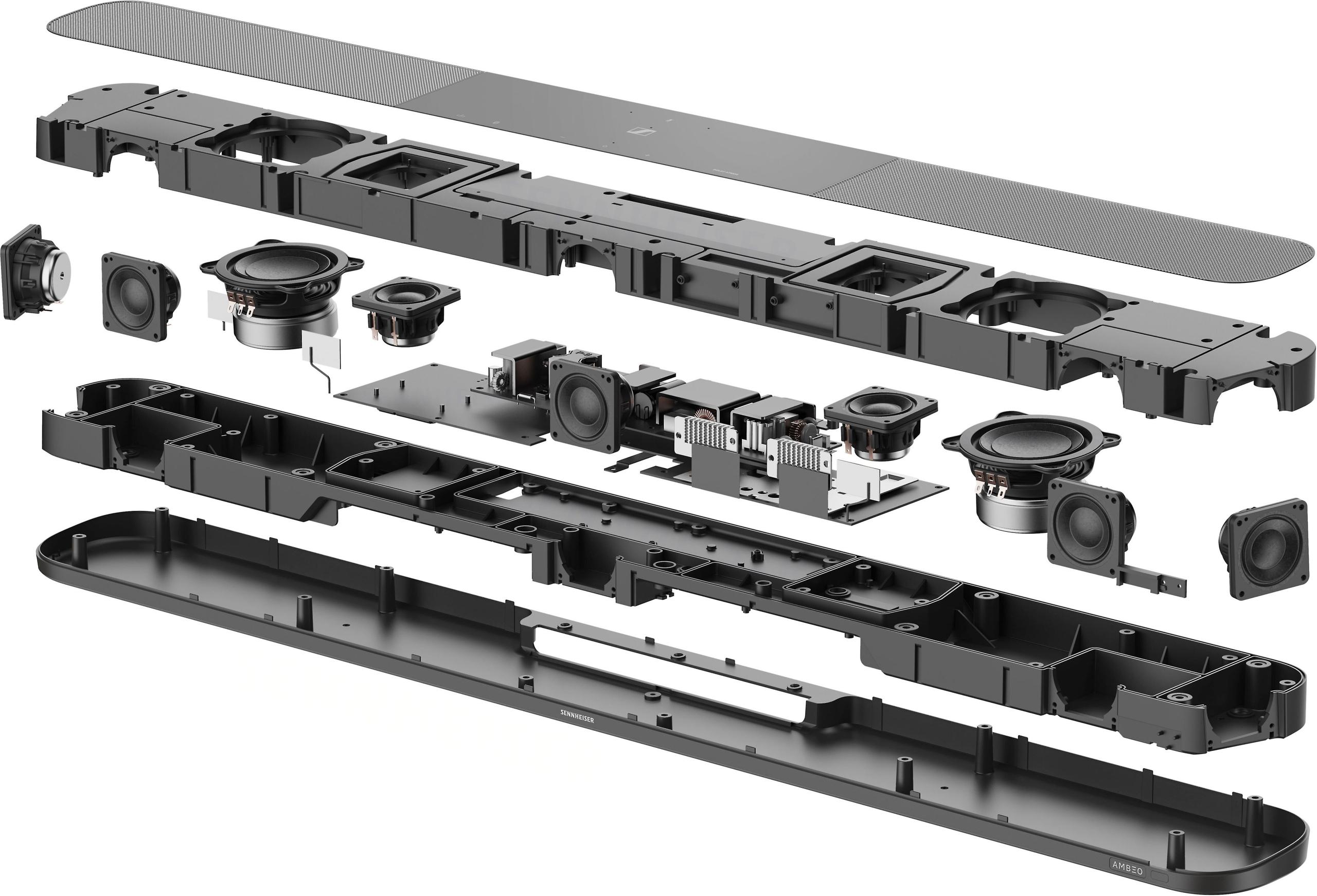
Sennheiser's approach builds on their decades of professional audio experience. The AMBEO uses 13 individual drivers arranged in a specific pattern, combined with proprietary processing developed with Fraunhofer (the research institute behind MP3). The goal isn't just to make sound louder or clearer—it's to create the acoustic illusion that you're surrounded by speakers that aren't actually there.
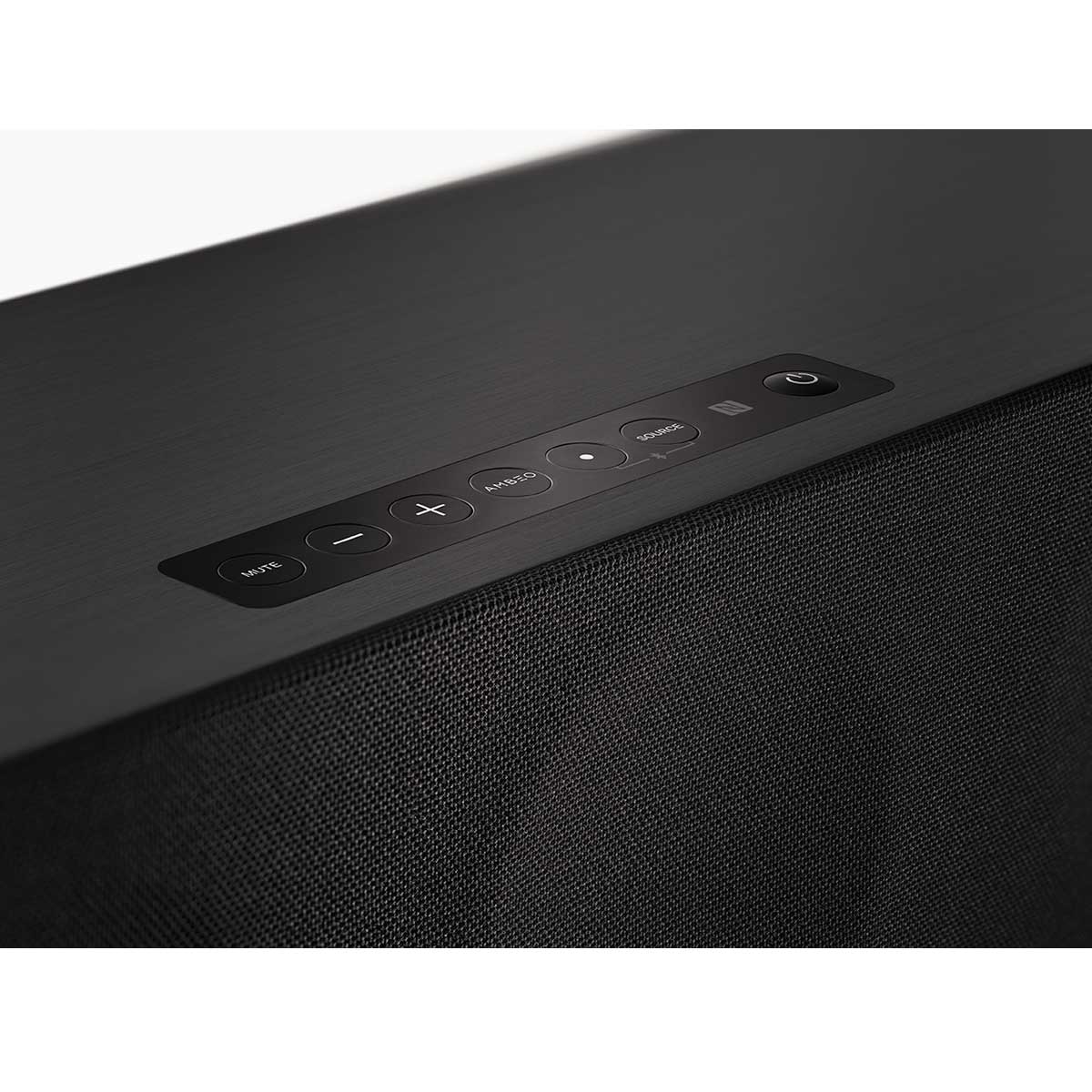
The technology improvements since the original AMBEO have been significant. The current MAX model includes better room calibration software, more powerful amplifiers, and support for newer surround formats like DTS:X and 360 Reality Audio. Firmware updates have continued to improve performance, adding features like voice enhancement and better streaming codec support.
What sets the AMBEO apart is its commitment to doing everything internally. Those 13 drivers include dedicated height speakers that fire upward to bounce sound off your ceiling, side-firing speakers for width, and dual 4-inch subwoofers built right into the bar. There's no need for external components because everything is integrated into one (admittedly large) package.
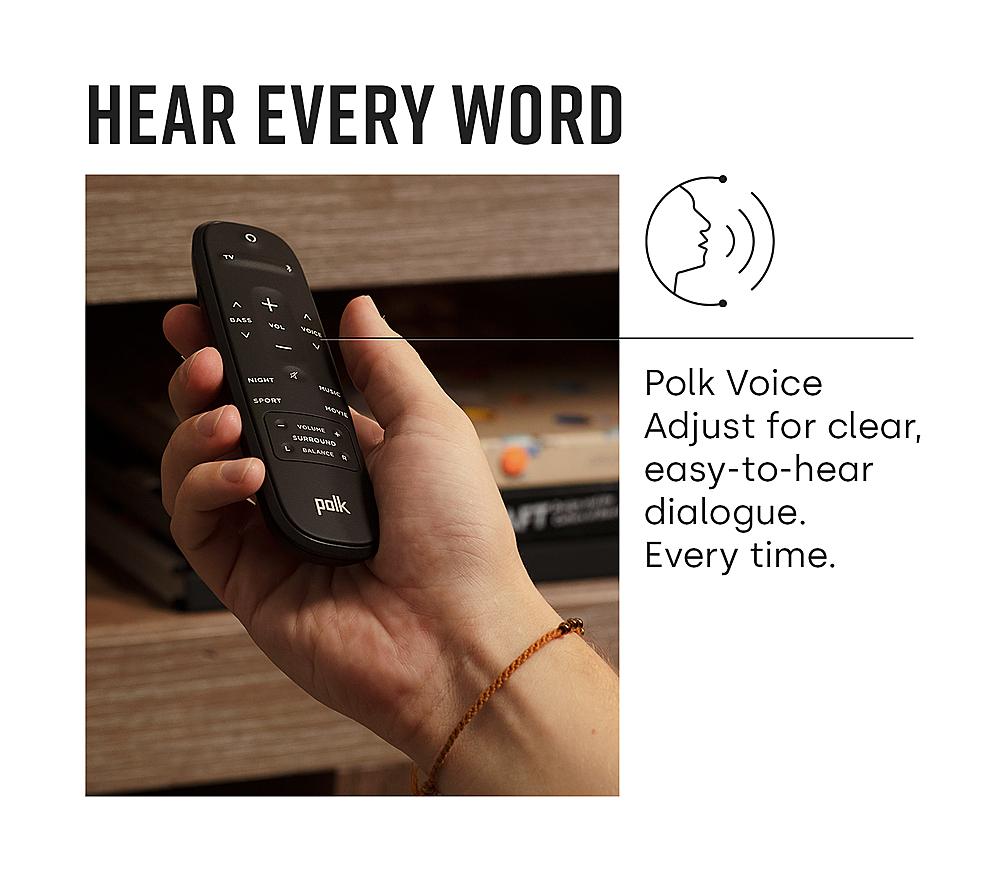
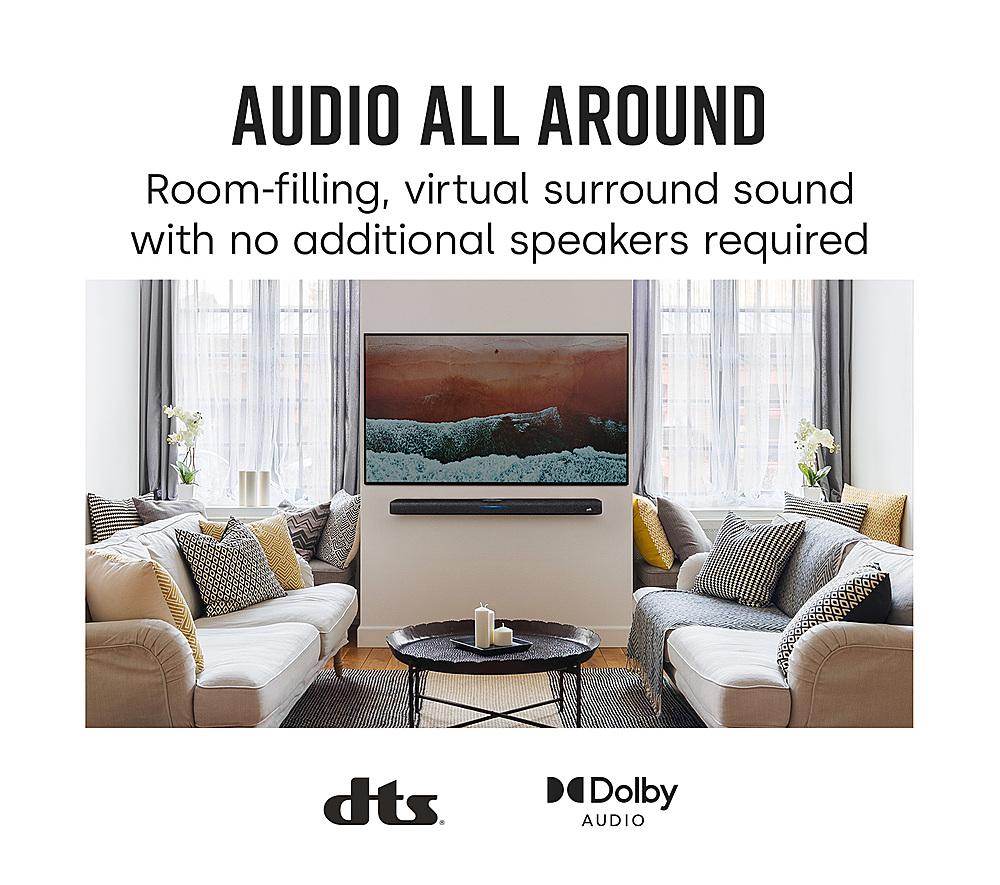
This is where the price difference becomes most apparent. The Polk React does a respectable job of improving your TV's sound, but it's working within the constraints of its budget and size. The virtual surround processing can make action movies more engaging, and the VoiceAdjust technology (which lets you boost dialogue levels independently) is genuinely useful for making conversation clearer during quiet movie scenes.
However, the React's limitations become obvious when you push it. The built-in drivers simply can't produce meaningful bass—you'll hear the passive radiators working, but they're more about extending the midrange than delivering real low-end impact. Music playback is adequate but not inspiring, with a somewhat compressed soundstage that works fine for background listening but doesn't invite critical listening.
The Sennheiser AMBEO, by contrast, operates in a different league entirely. The 13-driver array creates what Sennheiser calls "3D sound," and having spent considerable time with the system, I can confirm it's not marketing hype. The height channels genuinely create the impression of sound coming from above, while the side-firing drivers extend the acoustic image well beyond the physical boundaries of the bar.
The integrated subwoofers deserve special mention. Dual 4-inch drivers might not sound impressive on paper, but Sennheiser's engineering makes them perform like much larger units. The bass extends down to 30Hz—genuinely deep bass that you feel as much as hear. This is crucial for movie soundtracks, where effects like explosions and rumbling need that physical impact to be convincing.
Perhaps more importantly, the AMBEO maintains this performance across a wide range of content. Dolby Atmos movies showcase the system's ability to place sounds precisely in three-dimensional space, but even stereo music benefits from the processing, which can create a surprisingly wide and engaging soundstage from two-channel sources.
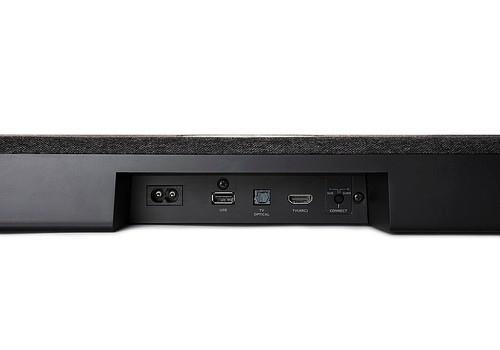
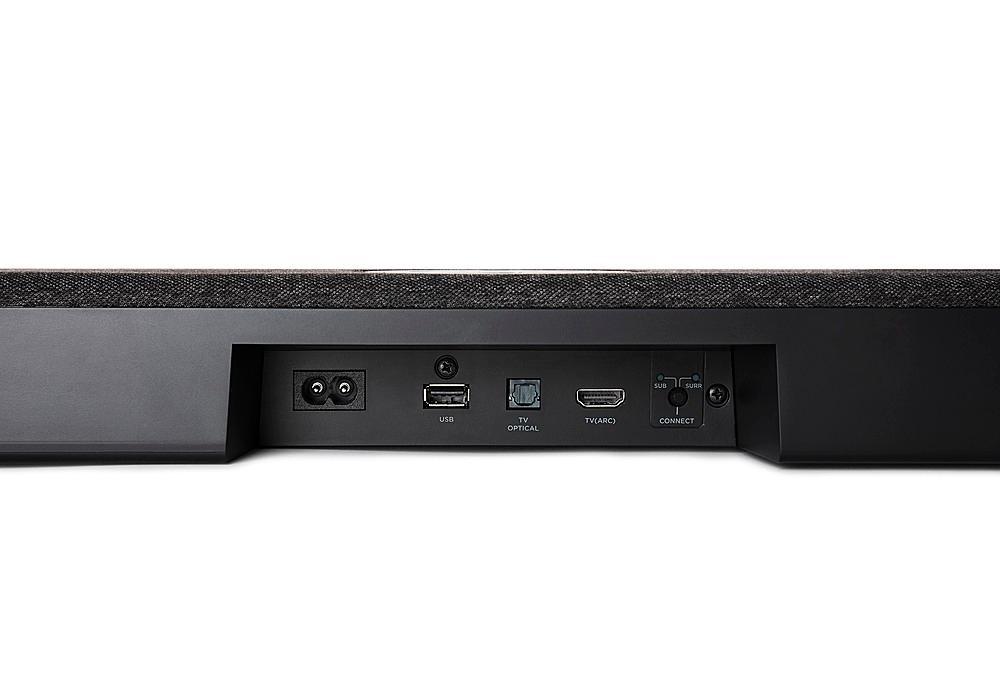
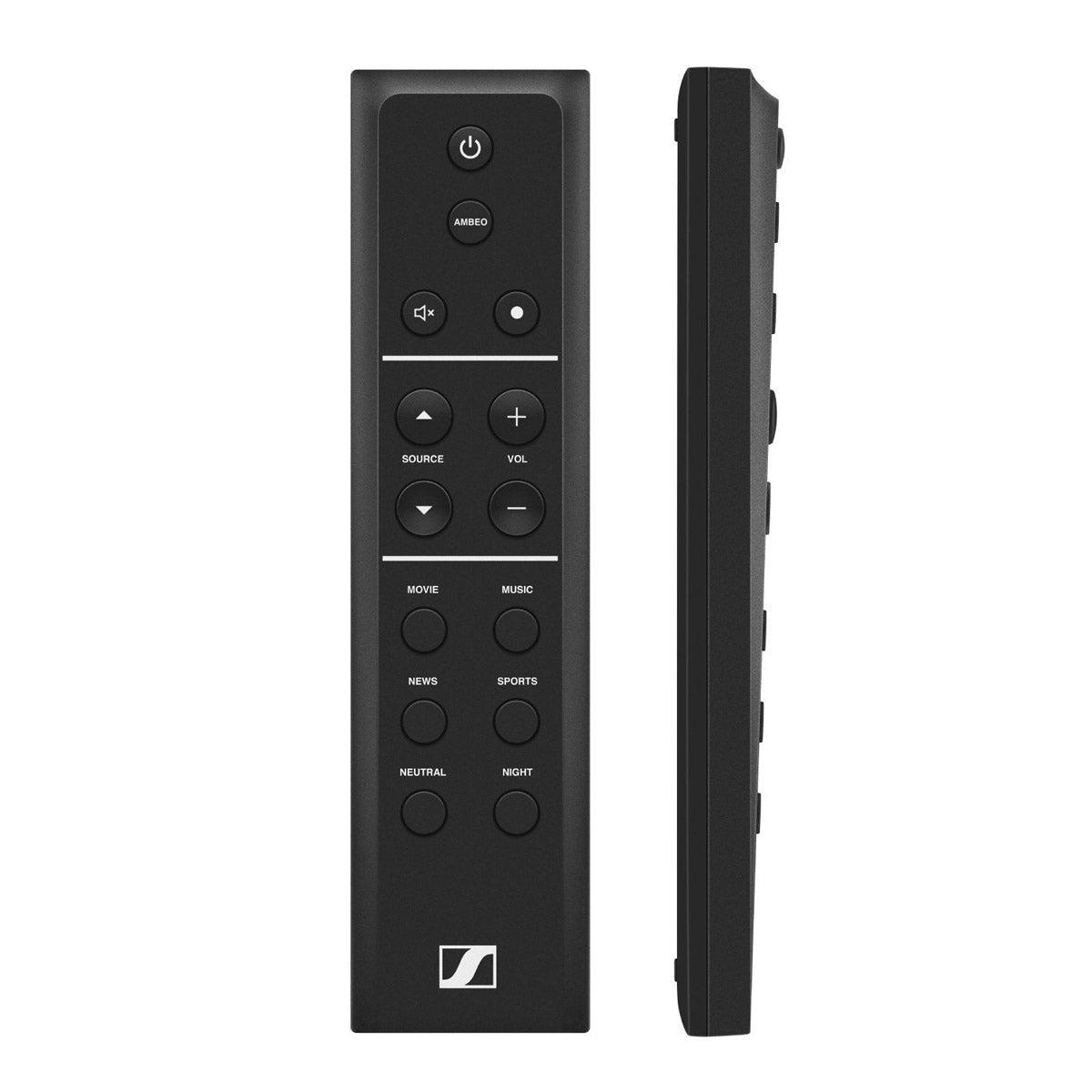
The connectivity story reveals each product's target audience. The Polk React keeps things simple with one HDMI ARC connection, one optical input, and Bluetooth. That's enough for most setups—connect it to your TV via HDMI, and it'll handle audio from all your connected devices automatically.
The Alexa integration is where the React really shines. Having used various soundbars with bolt-on smart features, I appreciate how seamlessly the React handles voice commands. You can adjust volume, switch inputs, and control playback without touching a remote. The far-field microphones work well even with content playing, and the integration with Amazon's ecosystem means you can use it as part of a multi-room audio setup.
The Sennheiser AMBEO takes a more comprehensive approach to connectivity. Dual HDMI inputs mean you can connect devices directly to the soundbar, which then passes video to your TV. This setup can improve compatibility with older TVs and ensures the soundbar receives the highest-quality audio signals. The eARC support (enhanced Audio Return Channel) is particularly important for Dolby Atmos content, as it provides the bandwidth needed for uncompressed object-based audio.
Where the AMBEO really excels is in streaming integration. Built-in Chromecast, AirPlay 2, and direct support for services like Spotify Connect and TIDAL Connect mean you can stream high-quality music directly to the soundbar without using your TV as an intermediary. This matters more than you might think—TV-based apps often compress audio or introduce processing delays that can affect sound quality.
This is where the two products diverge most dramatically in their approach to installation. The Polk React follows the "plug and play" philosophy. You connect it, maybe adjust the bass and treble to taste, and you're done. This simplicity is genuinely appealing—many people want better sound without becoming audio engineers.
The Sennheiser AMBEO requires more involvement but rewards it with significantly better performance. The automated room calibration process uses built-in microphones to measure your room's acoustic characteristics, then adjusts the soundbar's output to compensate for reflective surfaces, room size, and speaker placement.
Having gone through this process in several different rooms, I can confirm it makes a substantial difference. The calibration takes about 15 minutes and requires you to keep the room quiet while the soundbar plays test tones. The results are often surprising—the system might boost certain frequencies to compensate for acoustic absorption in your room, or adjust the timing of different drivers to account for reflection patterns.
This calibration is crucial for the AMBEO's height effects to work properly. The upward-firing drivers rely on bouncing sound off your ceiling, which only works if the ceiling is the right height (roughly 8-12 feet) and made of reflective materials. Vaulted ceilings or acoustic tiles can significantly reduce the effectiveness of the height channels.
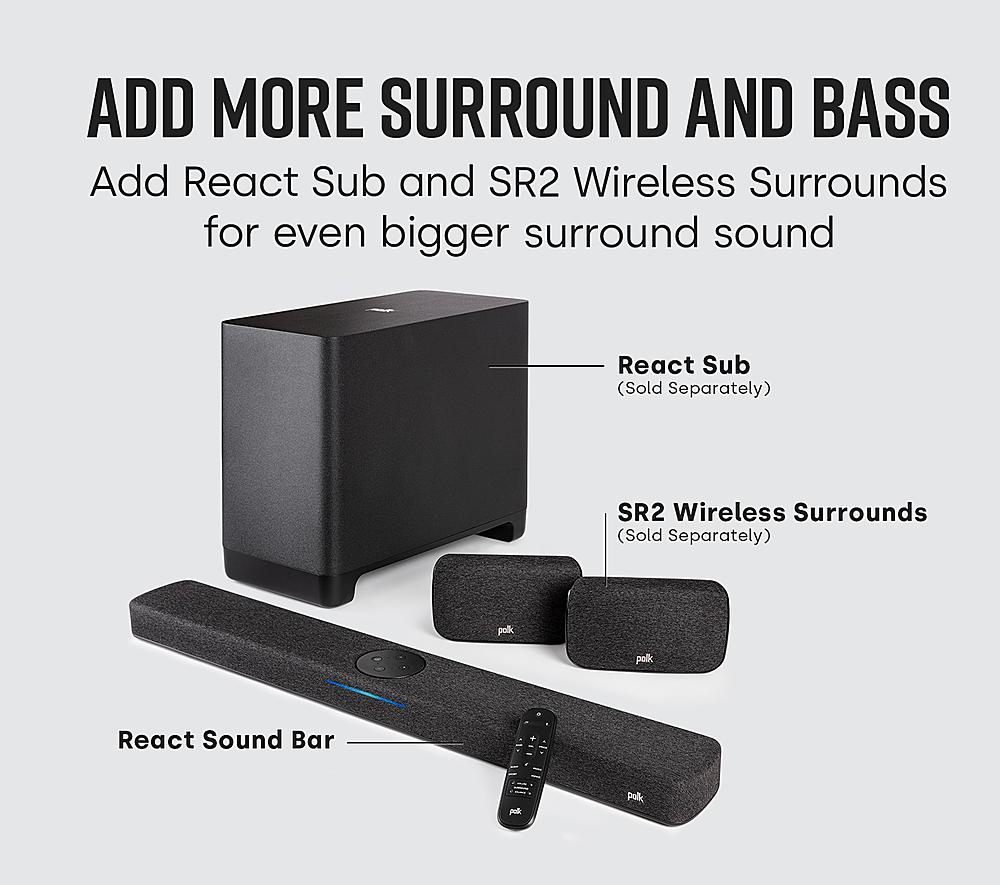
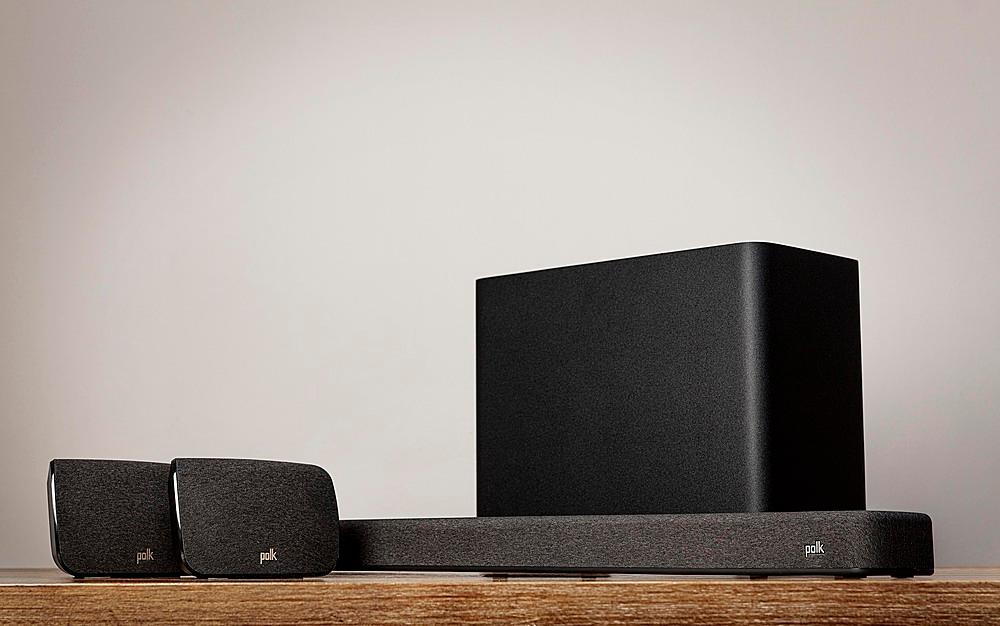
The price gap between these soundbars is substantial, but so are the performance differences. The Polk React at $230 represents excellent value for its target market. You're getting meaningful audio improvement over TV speakers, useful smart features, and the option to expand the system later with a wireless subwoofer ($200) and surround speakers.
When you factor in the total cost of a full Polk system—around $600 with subwoofer and surrounds—the value proposition becomes even more compelling. This puts you in true 5.1 surround territory for less than many premium soundbars cost by themselves.
The Sennheiser AMBEO at $1,999.95 requires a different value calculation. You're paying for reference-grade components, sophisticated processing, and the engineering required to make it all work together seamlessly. The integrated subwoofers alone would cost several hundred dollars as separate units, and the driver array rivals what you'd find in speakers costing thousands of dollars each.
More importantly, the AMBEO eliminates the complexity and space requirements of a traditional surround system. No rear speakers to position, no subwoofer to hide, no additional amplifier to accommodate. For many people, this simplicity is worth a significant premium.
Both soundbars work well for casual TV viewing, but their home theater performance differs significantly. The Polk React provides a solid foundation for movie watching, especially with dialogue-heavy content. The VoiceAdjust feature is particularly useful for balancing conversation levels during action scenes—something many soundbars struggle with.
However, the React's virtual surround processing can't match the immersive experience of true multi-channel audio. Action movies benefit from the improved clarity and modest bass extension, but you won't get the precise sound positioning that makes modern movie soundtracks truly engaging.
The Sennheiser AMBEO transforms the home theater experience in ways that need to be heard to be believed. Dolby Atmos movies like "Mad Max: Fury Road" or "Blade Runner 2049" showcase the system's ability to create a genuine sense of three-dimensional space. Rain falls from above, vehicles pan across the soundstage with pinpoint accuracy, and low-frequency effects have the impact needed to create visceral engagement with the content.
The room-filling capabilities are particularly impressive. Where many soundbars create a "sweet spot" directly in front of the TV, the AMBEO maintains good performance across a wider seating area. This makes it practical for family movie nights where not everyone can sit in the optimal position.
Both companies have continued developing their products since launch, but in different ways. Polk has focused on improving the React's smart features and compatibility, adding support for newer Bluetooth codecs and improving the Alexa integration. These updates have been meaningful but incremental—the core audio performance remains largely unchanged.
Sennheiser has taken a more aggressive approach to updating the AMBEO. Regular firmware updates have added new features, improved existing ones, and even enhanced the basic sound processing. The company has added support for new streaming services, improved the room correction algorithms, and refined the virtualization processing based on user feedback.
This difference in approach reflects each product's positioning. The React serves its purpose well at its price point, and dramatic changes aren't necessary or expected. The AMBEO, as a premium product, needs to justify its cost through continued innovation and improvement.
The decision between these soundbars ultimately comes down to your priorities and budget. The Polk Audio React excels when you want meaningful audio improvement without complexity or major expense. The built-in Alexa functionality adds genuine convenience, and the option to expand the system gradually makes it appealing for budget-conscious buyers who might want to build up their audio system over time.
Choose the React if your budget is under $500 for the complete system, if smart home integration is important to you, or if you prefer starting simple and adding components as needed. It's also the better choice for smaller rooms where its power limitations won't be as apparent.
The Sennheiser AMBEO Soundbar justifies its premium pricing through uncompromising audio performance and sophisticated engineering. If you're serious about audio quality and want the convenience of a single-box solution that rivals traditional surround systems, the AMBEO delivers on those promises.
Choose the AMBEO if audio quality is your top priority regardless of budget, if you want true Dolby Atmos performance without multiple speakers and complicated setup, or if you have a large room that demands powerful, clear sound across a wide seating area.
Both soundbars succeed at what they're designed to do, but they're designed for very different users. The React makes high-quality audio accessible and convenient, while the AMBEO pushes the boundaries of what's possible from a single speaker cabinet. Your choice depends on which philosophy better matches your needs, space, and budget.
| Polk Audio React Sound Bar with Alexa Built-In ($230) | Sennheiser AMBEO Soundbar ($1,999.95) |
|---|---|
| Price - Entry point vs premium investment | |
| $230 (soundbar only), $430 with subwoofer | $1,999.95 complete system |
| Audio Channels - Determines surround sound capability | |
| 2.1 virtual surround (requires subwoofer for .1) | True 5.1.4 Dolby Atmos with height channels |
| Total Power Output - Volume and dynamic range | |
| 50W RMS (adequate for small-medium rooms) | 400W+ RMS (fills large rooms with authority) |
| Driver Configuration - Sound quality foundation | |
| 6 drivers: 2 tweeters, 2 midrange, 2 passive radiators | 13 drivers: 5 tweeters, 6 woofers, 2 full-range |
| Bass Performance - Impact for movies and music | |
| Requires $200 wireless subwoofer for real bass | Dual integrated 4" subs, 30Hz extension built-in |
| Smart Features - Convenience and control options | |
| Built-in Alexa with voice control and smart home integration | No voice assistant, focuses on audio processing |
| Room Calibration - Optimizes sound for your space | |
| Manual adjustment only | Automated room calibration with microphone measurement |
| Connectivity - How you connect devices | |
| 1 HDMI ARC, optical, Bluetooth 4.2 | 2 HDMI inputs with eARC, AirPlay 2, Chromecast built-in |
| Expandability - Future upgrade options | |
| Optional wireless subwoofer ($200) and surrounds | Complete system, no expansion needed or possible |
| Size and Weight - Installation considerations | |
| 34" wide, 6.4 lbs (fits under most TVs easily) | 49.6" wide, 40.8 lbs (requires sturdy TV stand) |
The Polk Audio React Sound Bar ($230) offers exceptional value for budget-conscious buyers, providing meaningful audio improvement over TV speakers plus built-in Alexa for smart home control. The Sennheiser AMBEO Soundbar ($1,999.95) delivers premium value for audiophiles, with reference-grade components and true Dolby Atmos that rivals full surround systems. Your choice depends on whether you prioritize affordability or uncompromising audio quality.
The Polk Audio React requires the optional wireless subwoofer ($200) to achieve meaningful bass response, as the built-in passive radiators only extend midrange frequencies. The Sennheiser AMBEO Soundbar includes dual 4-inch subwoofers built directly into the bar, providing deep 30Hz bass extension without any additional components needed.
The Polk React Sound Bar works well in small to medium rooms where its 50W power output is sufficient. The Sennheiser AMBEO excels in large rooms thanks to its 400W+ power and room-filling driver array that maintains performance across wider seating areas.
The Polk Audio React features built-in Amazon Alexa with far-field microphones for voice control, music streaming, and smart home integration. The Sennheiser AMBEO Soundbar focuses on audio performance rather than smart features, offering advanced sound processing modes but no built-in voice assistant.
The Polk React offers basic connectivity with one HDMI ARC port, optical input, and Bluetooth 4.2. The Sennheiser AMBEO provides comprehensive connectivity including dual HDMI inputs with eARC, AirPlay 2, Chromecast built-in, and direct streaming service support.
The Sennheiser AMBEO Soundbar delivers a true home theater experience with native Dolby Atmos, precise sound positioning, and immersive height effects that bounce sound off your ceiling. The Polk Audio React improves dialogue clarity and provides virtual surround effects, but cannot match the cinematic immersion of true object-based audio.
The Polk React Sound Bar offers modular expansion with optional wireless subwoofer ($200) and surround speakers to create a full 5.1 system. The Sennheiser AMBEO is a complete all-in-one solution that cannot be expanded, as it already includes integrated subwoofers and virtual surround processing.
The Polk Audio React follows plug-and-play simplicity—just connect via HDMI and you're ready to go. The Sennheiser AMBEO Soundbar requires a 15-minute automated room calibration process that measures your space's acoustics to optimize performance, but the setup is still straightforward.
The Sennheiser AMBEO excels at music playback with its high-end drivers, wide soundstage, and support for high-quality streaming codecs. The Polk React handles music adequately for casual listening but lacks the fidelity and dynamic range for critical music enjoyment.
The Polk Audio React system costs $430 total when adding the necessary wireless subwoofer for proper bass response. The Sennheiser AMBEO Soundbar includes powerful integrated subwoofers in its $1,999.95 price, delivering deep bass without additional purchases.
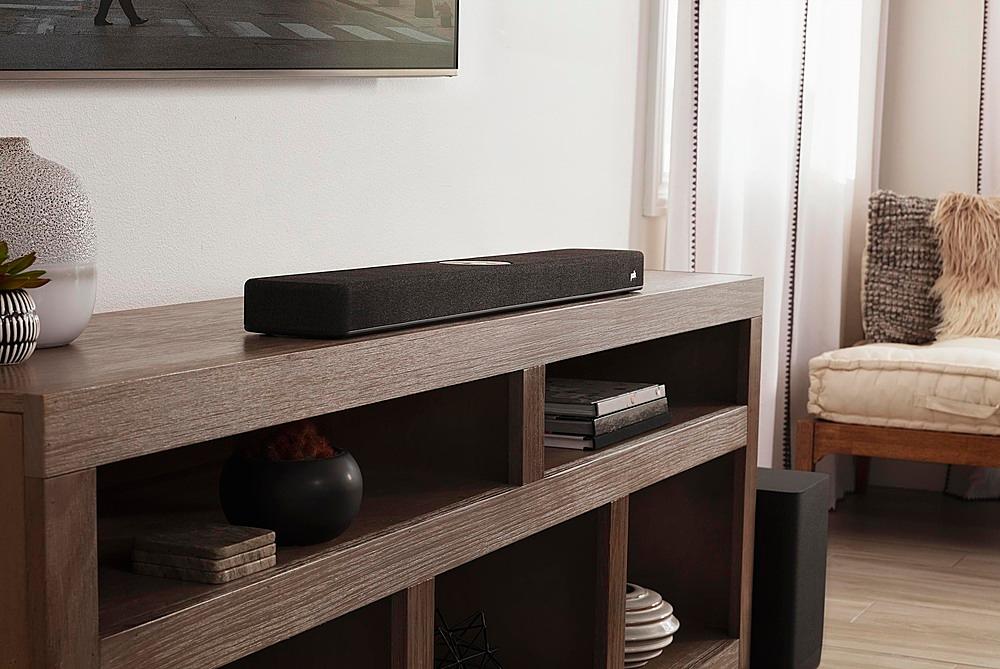
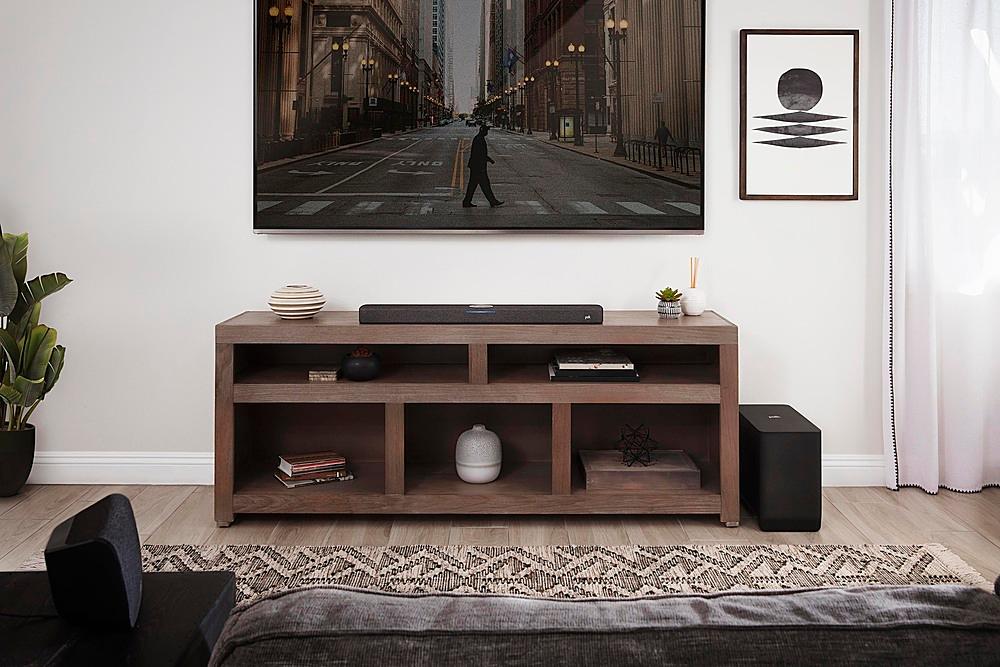
The Polk React measures 34 inches wide and weighs just 6.4 pounds, fitting easily under most TVs. The Sennheiser AMBEO is substantially larger at 49.6 inches wide and 40.8 pounds, requiring a sturdy TV stand and more space but delivering proportionally better performance.
The Sennheiser AMBEO Soundbar offers better future-proofing with regular firmware updates, premium build quality, and comprehensive connectivity including the latest HDMI standards. The Polk Audio React serves current needs well at its price point but may require upgrading sooner as your audio expectations grow.
We've done our best to create useful and informative comparisons to help you decide what product to buy. Our research uses advanced automated methods to create this comparison and perfection is not possible - please contact us for corrections or questions. These are the sites we've researched in the creation of this article: techradar.com - crutchfield.com - popsci.com - youtube.com - tomsguide.com - bestbuy.com - polkaudio.com - crutchfield.com - forum.polkaudio.com - soundunited.com - youtube.com - bestbuy.com - rtings.com - techradar.com - audioxpress.com - whathifi.com - upscaleaudio.com - soundstagesimplifi.com - global.sennheiser-hearing.com - sennheiser-hearing.com - audioadvice.com - abt.com - moon-audio.com

Privacy Policy
Terms and Conditions - Affiliate Policy
Home Security
© Copyright 2008-2026.
11816 Inwood Rd #1211, Dallas, TX 75244