


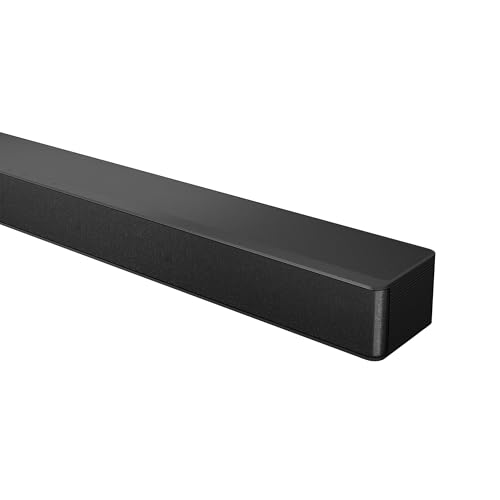
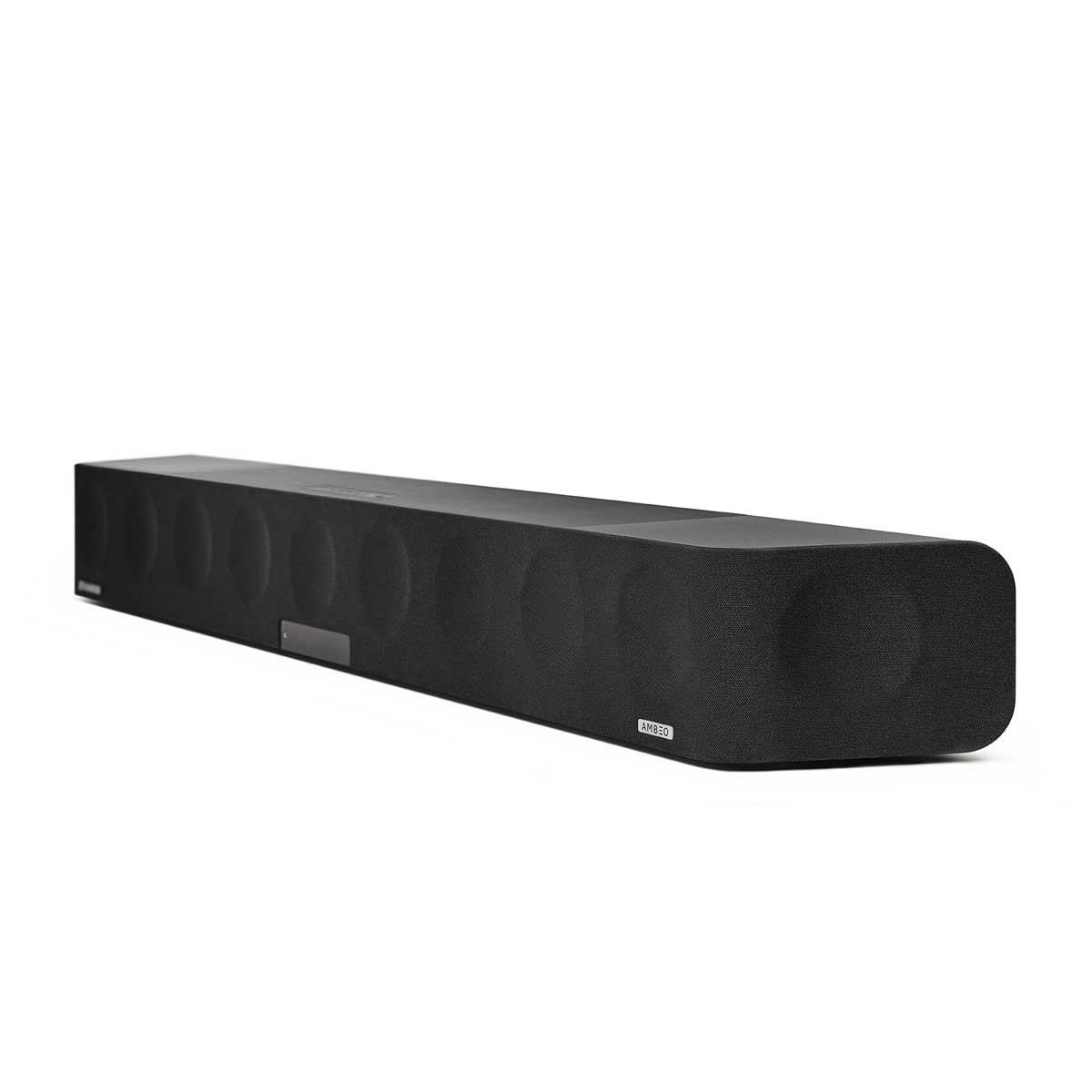
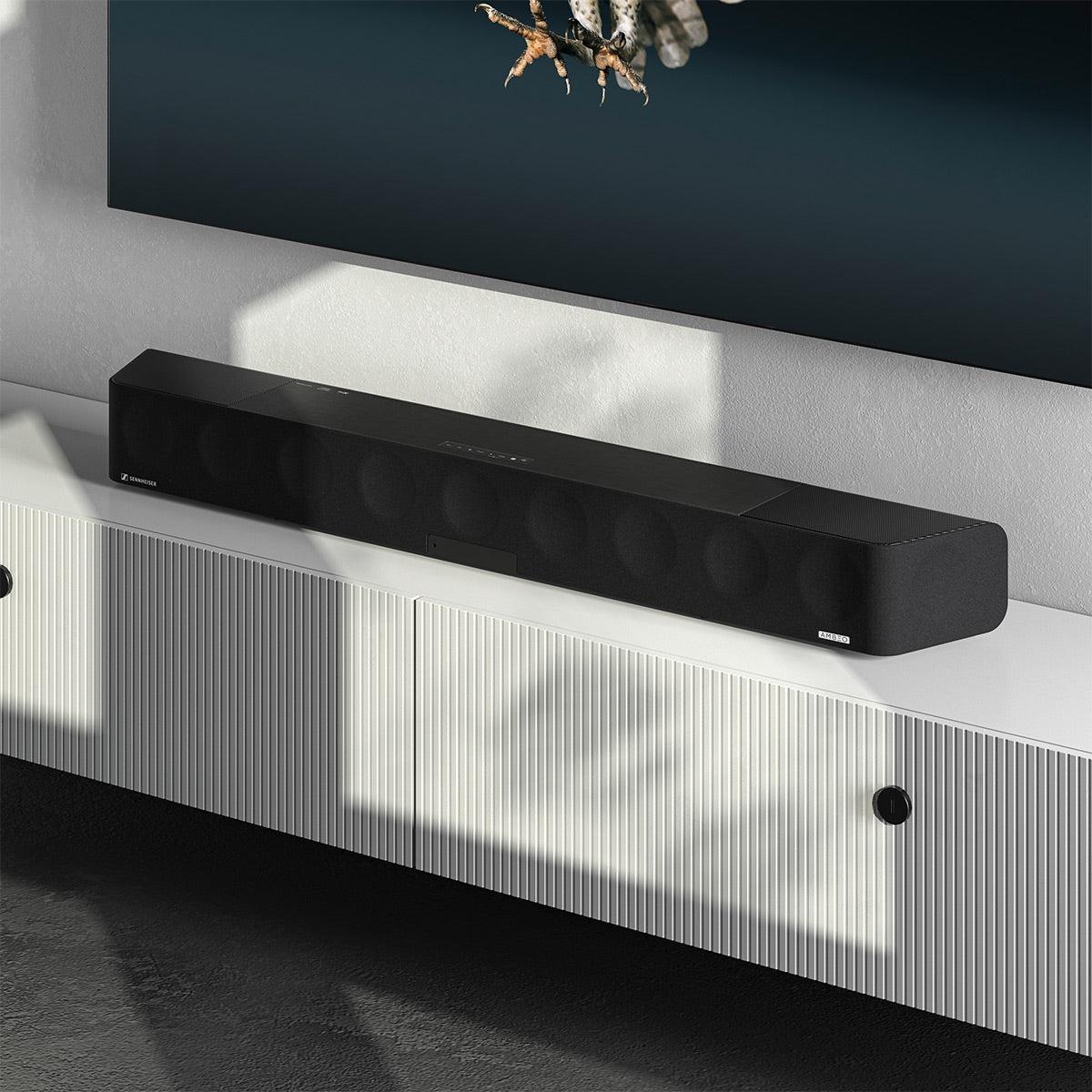
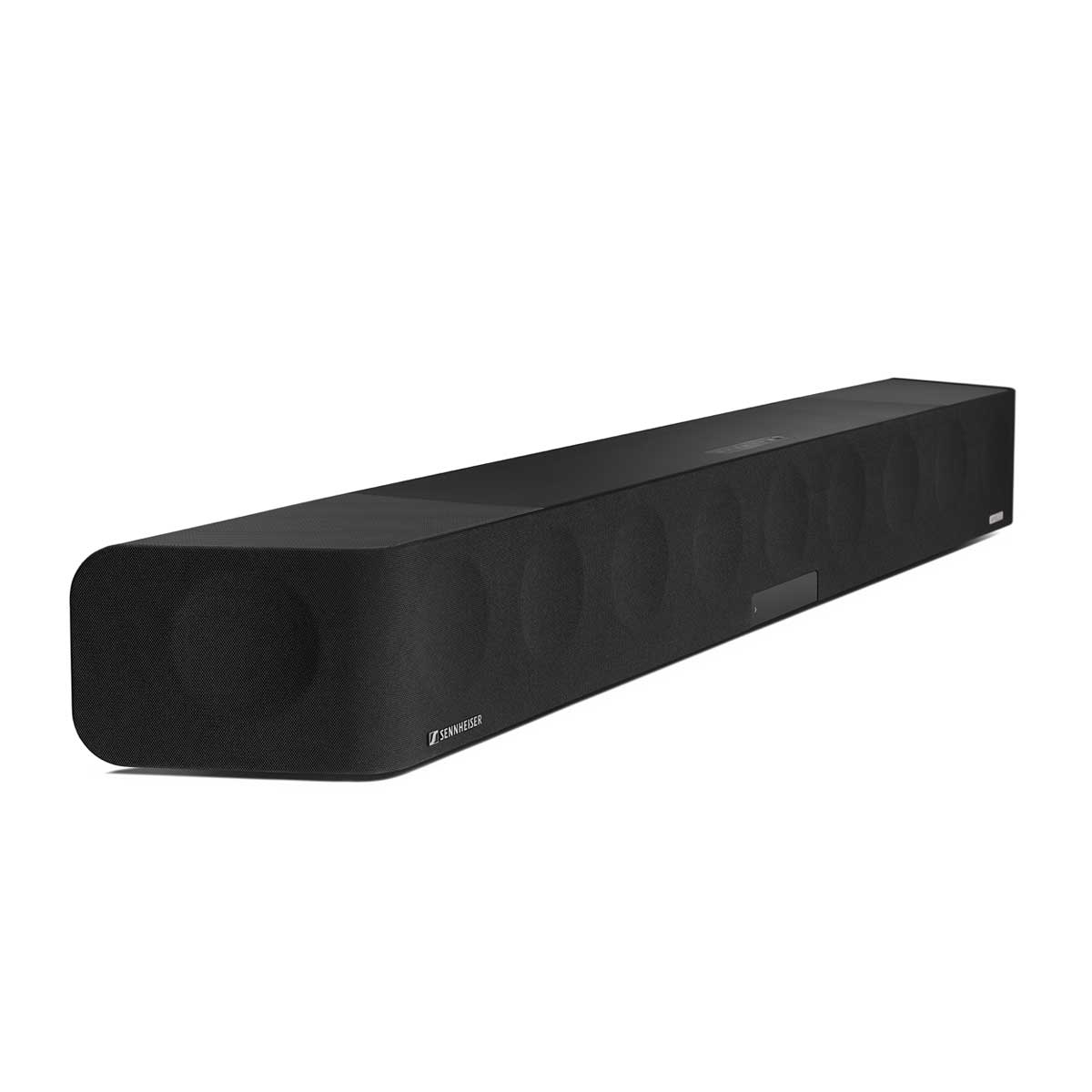
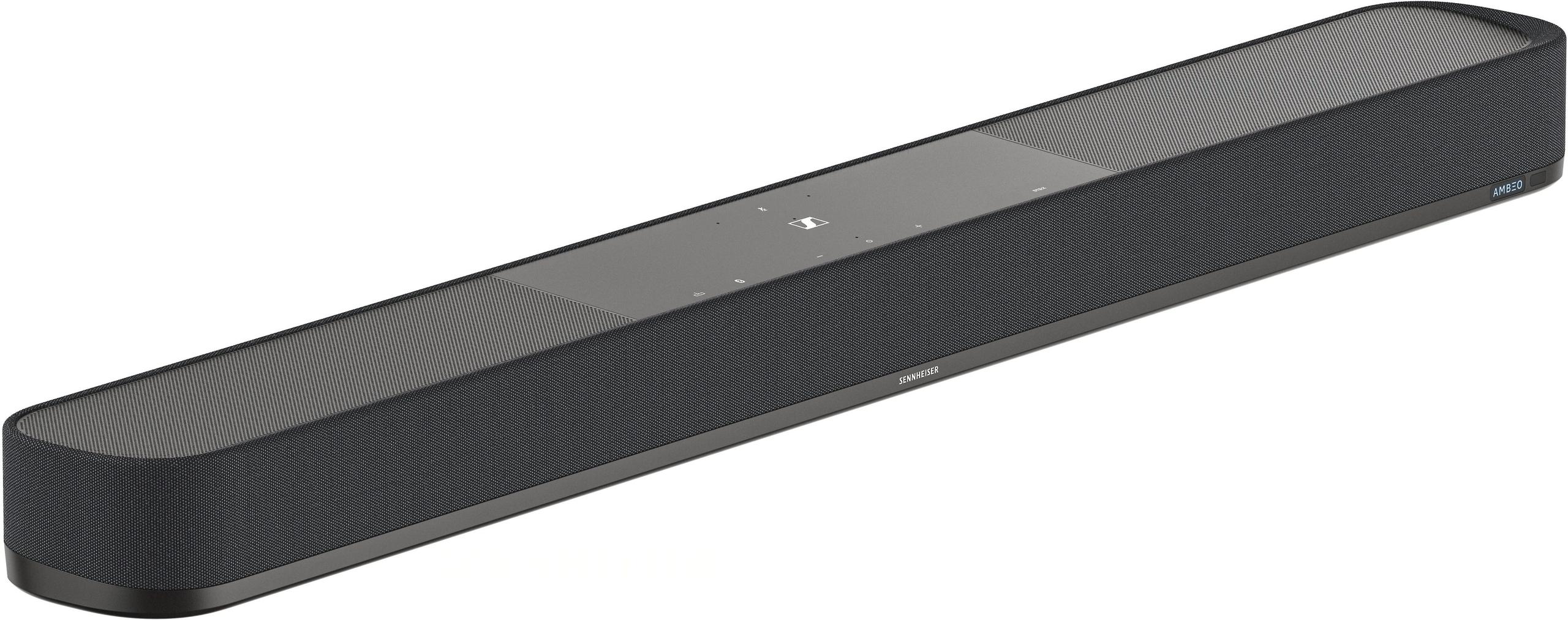
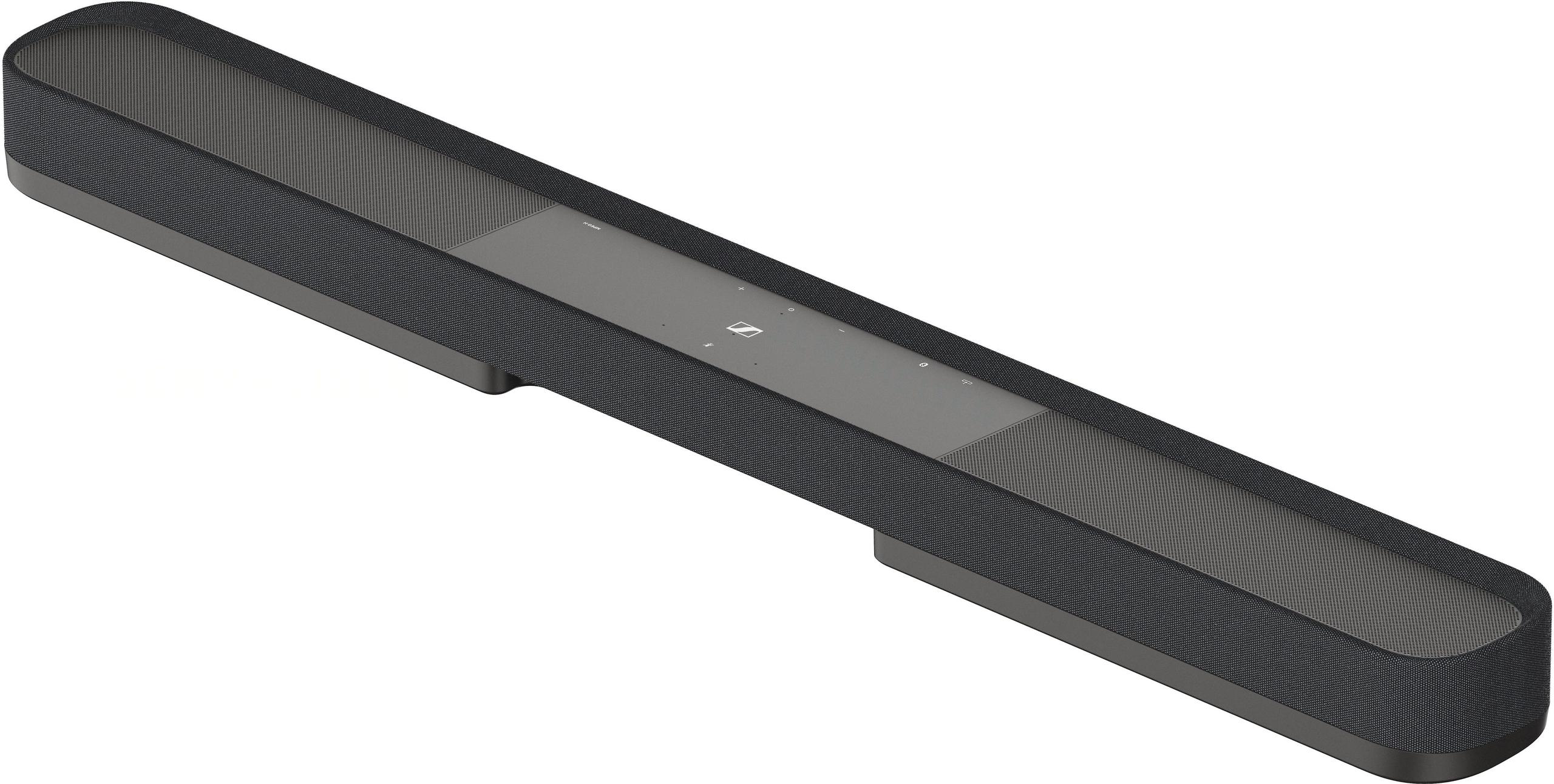

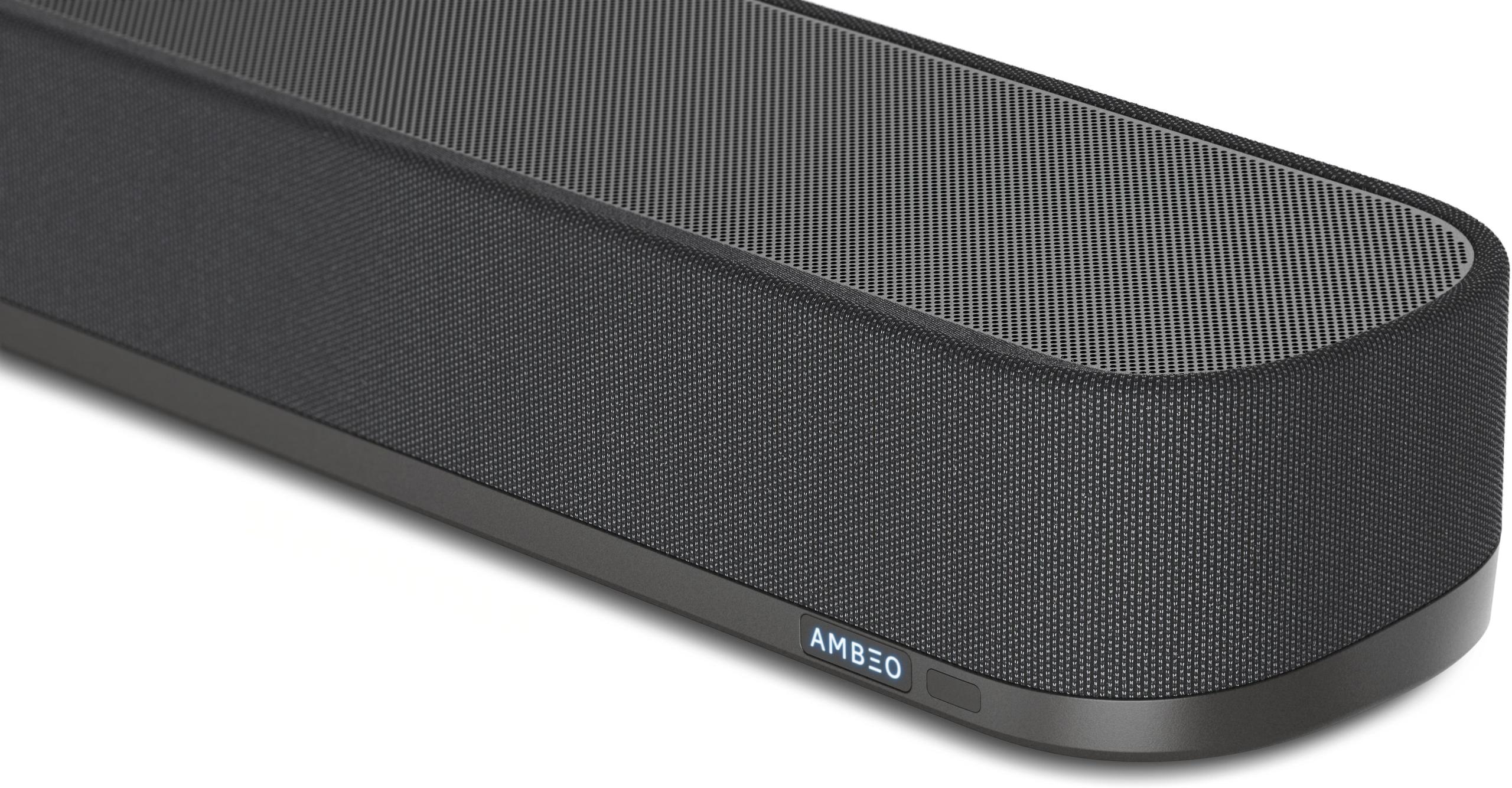

When your TV's built-in speakers just aren't cutting it anymore, a soundbar becomes the obvious next step. But the soundbar market stretches from wallet-friendly options under $150 to premium flagship systems costing more than a decent used car. Today we're comparing two soundbars that represent opposite ends of this spectrum: the budget-friendly Hisense HS2100 and the premium Sennheiser AMBEO Soundbar.
Understanding where these products fit in the broader soundbar landscape helps clarify what you're really paying for when you move up the price ladder. The differences go far deeper than just volume levels or bass output – we're talking about fundamentally different approaches to creating immersive audio in your living room.
Before diving into specifics, it's worth understanding what soundbars actually do and why the technology matters. Traditional surround sound systems place speakers around your room – behind you, to your sides, and sometimes above – to create the illusion that sounds are coming from specific directions. Soundbars attempt to recreate this experience using a single horizontal speaker cabinet, which creates some interesting engineering challenges.
Modern soundbars use two main approaches: physical speaker placement within the bar itself, and digital signal processing (DSP) that manipulates how sounds reach your ears. The Hisense HS2100, released in 2023, represents the simpler approach with basic virtual surround processing. The Sennheiser AMBEO Soundbar, originally launched in 2019 but continuously updated with firmware improvements, takes the more complex route with sophisticated virtualization technology developed in partnership with audio research institute Fraunhofer.
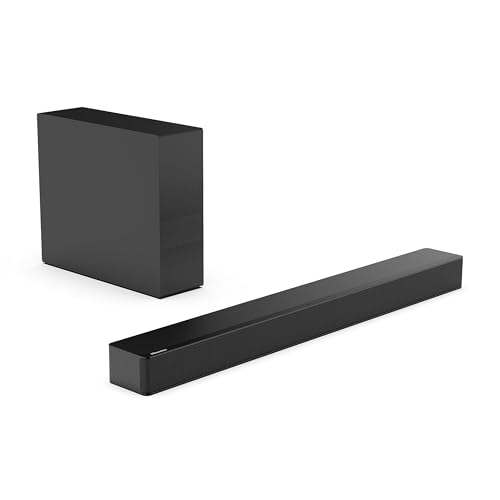
The channel configuration tells you a lot about what to expect. The Hisense HS2100 uses a 2.1 setup, meaning two main speakers plus a subwoofer for bass. The Sennheiser AMBEO creates a virtual 5.1.4 experience – that's five main channels, one subwoofer channel, and four height channels, all simulated through clever speaker placement and processing.
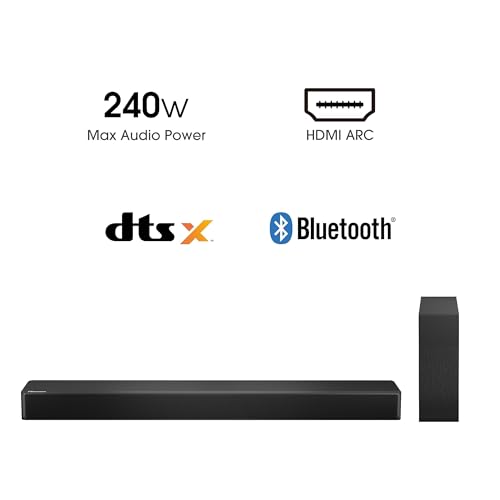
The most dramatic difference between these soundbars becomes apparent the moment you play any content with a proper surround sound mix. The Hisense HS2100 improves significantly over TV speakers with its dedicated wireless subwoofer and 240W total power output, but it's fundamentally limited by its 2.1 channel design. When you're watching a movie with helicopters flying overhead or bullets whizzing past, the Hisense can only approximate these effects through its DTS Virtual:X processing – a technology that analyzes surround sound content and creates psychoacoustic tricks to make sounds seem like they're coming from different directions.
Our research into user experiences reveals that while this virtual processing works reasonably well for basic surround effects, the soundstage – the perceived width and depth of the audio field – remains fairly narrow. Most users describe the Hisense HS2100 as sounding like audio is coming from directly in front of them, which makes sense given its straightforward speaker arrangement.
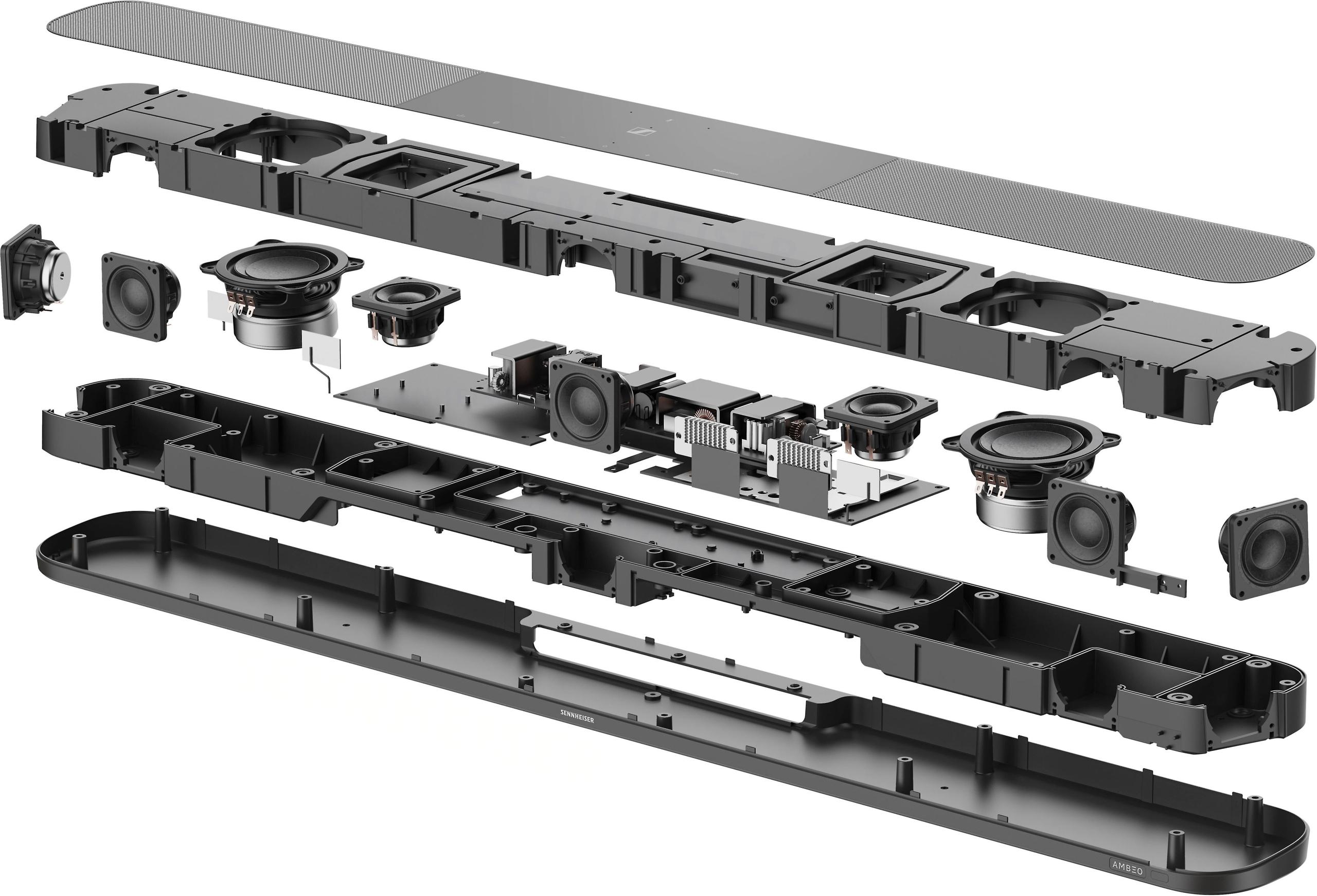
The Sennheiser AMBEO operates on an entirely different level. With 13 individually driven speakers arranged strategically throughout its much larger cabinet, it can physically direct sounds toward different surfaces in your room. The upward-firing drivers bounce audio off your ceiling to create genuine height effects, while side-firing speakers reflect sound off walls to generate width and surround presence. This physical approach, combined with room calibration technology that adapts the sound signature to your specific space, creates a remarkably convincing surround experience from a single soundbar.
User reviews consistently highlight how the Sennheiser AMBEO can make sounds genuinely appear to come from behind or above the listening position – something the Hisense simply cannot achieve with its more limited driver arrangement.
The difference in bass reproduction between these soundbars illustrates why frequency response specifications matter in real-world use. The Hisense HS2100 achieves a frequency response of 45Hz to 20kHz, which means it can reproduce most of the bass content in movies and music, but not the very deepest bass frequencies that you feel as much as hear.
In practice, this translates to solid bass impact for most content – explosions have weight, music has satisfying low-end presence – but you won't get the room-shaking sub-bass that makes action movies truly visceral. The wireless subwoofer does its job competently, though some users report that the bass can sound somewhat "boomy" or imprecise compared to higher-end alternatives.
The Sennheiser AMBEO extends its frequency response down to 30Hz, providing significantly deeper bass extension. This 15Hz difference might not sound like much, but it's substantial in the world of bass reproduction. Those extra hertz capture the deepest drum hits, the most powerful explosions, and the foundation frequencies that make movie soundtracks feel truly cinematic.
More importantly, the Sennheiser achieves this bass performance through six dedicated long-throw woofers built into the main soundbar, rather than relying entirely on a separate subwoofer. This integrated approach typically provides tighter, more controlled bass response because the drivers are designed to work together as a cohesive system.
Power specifications can be misleading in soundbar marketing, but they become relevant when you're trying to fill larger rooms or achieve reference-level volume. The Hisense HS2100 maxes out at approximately 90 decibels, which is adequate for most living rooms but shows compression artifacts – a squashing of dynamic peaks that makes loud scenes sound somewhat flat – when pushed to its limits.
The Sennheiser AMBEO's 500W power capability translates to much higher clean output levels with superior dynamic range. This means the difference between quiet dialogue and explosive action sequences remains intact even at high volumes, providing a more engaging and realistic listening experience.
Dynamic range becomes particularly important for movie watching, where you want whispered conversations to remain intelligible while gunshots and explosions maintain their impact. The Hisense handles this reasonably well at moderate volumes but compresses these dynamics when you turn it up, while the Sennheiser maintains proper dynamics across its entire volume range.
Both soundbars include the connectivity basics – HDMI ARC (Audio Return Channel), optical input, and Bluetooth – but their implementation and additional features reveal their different target markets.
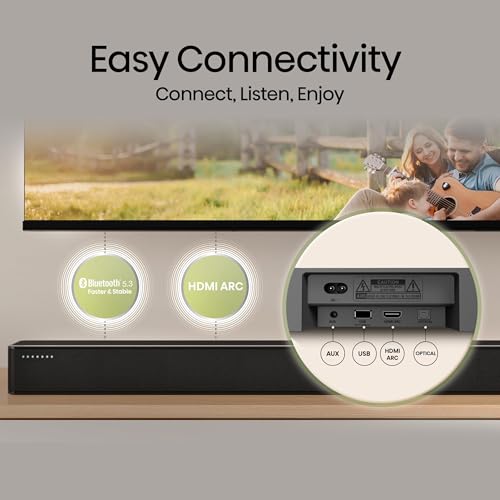
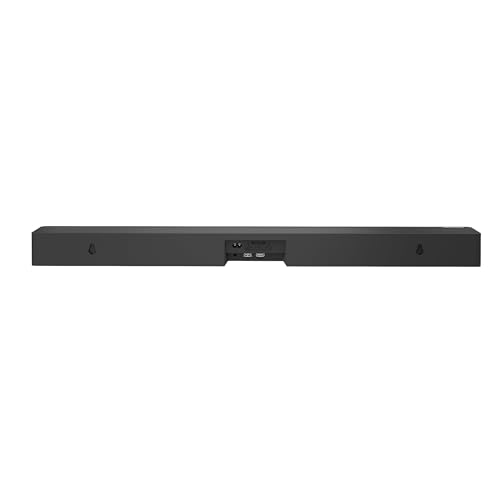
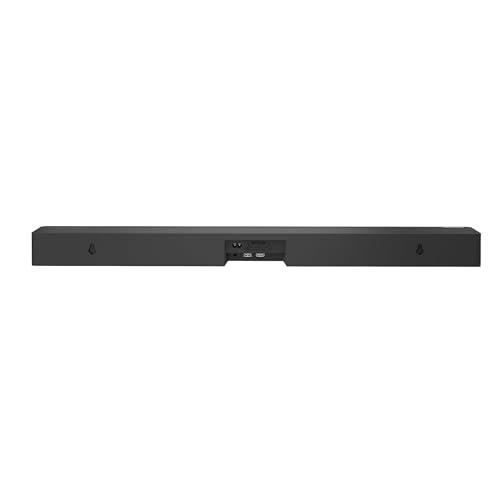
The Hisense HS2100 keeps things straightforward with HDMI ARC for TV connection, optical for older devices, a 3.5mm auxiliary input, USB for audio playback, and Bluetooth 5.3 for smartphone streaming. The Bluetooth 5.3 specification is actually quite current for a budget soundbar, providing stable wireless connection and decent audio quality for music streaming.
Where the Hisense excels in its price range is the inclusion of useful preset modes. The six sound modes – Movie, Music, News, Sport, Night, and Game – actually make a noticeable difference in how content sounds. The Night mode compresses dynamic range for late-evening listening, while the News mode emphasizes vocal frequencies to improve dialogue clarity.
The Sennheiser AMBEO approaches connectivity as a comprehensive entertainment hub. Beyond the standard connections, it includes Wi-Fi for high-resolution streaming, Ethernet for the most stable network connection, and support for advanced streaming protocols like Chromecast built-in, AirPlay 2, and TIDAL Connect. This ecosystem approach means you can stream lossless audio directly to the soundbar without involving your TV at all.
The Sennheiser's room calibration feature deserves special mention. Using built-in microphones, it analyzes your room's acoustic characteristics and adjusts the sound signature accordingly. This technology, common in high-end audio equipment, ensures optimal performance regardless of whether your TV sits in an open living room or a smaller, more reflective space.
At the time of writing, the price difference between these soundbars spans roughly 15x, which raises the obvious question: what exactly are you getting for that additional investment?
The Hisense HS2100 represents outstanding value in the budget category. For less than the cost of a decent dinner out, you get a complete 2.1 system that dramatically improves TV audio quality. The wireless subwoofer alone would cost nearly as much from most manufacturers, making the complete package quite attractive for budget-conscious buyers.
However, it's important to recognize the Hisense's limitations within its price range. The virtual surround processing works but isn't convincing, the bass response is adequate but not exceptional, and the overall sound quality, while much better than TV speakers, doesn't approach what you'd expect from dedicated audio equipment.
The Sennheiser AMBEO commands flagship pricing but delivers accordingly sophisticated performance. You're paying for genuine spatial audio processing, premium driver technology, advanced connectivity options, and the engineering required to make it all work seamlessly. When you consider that a comparable traditional surround sound system would require a receiver, five speakers, and significant installation complexity, the Sennheiser's all-in-one approach begins to make economic sense for serious home theater enthusiasts.
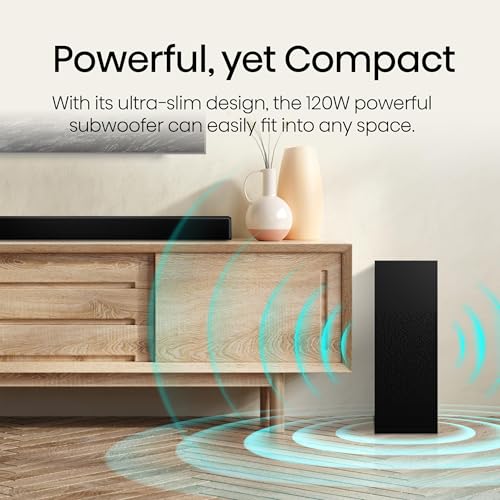
The Hisense HS2100 shines in smaller spaces where its limitations become less apparent. In a bedroom or small apartment living room, the narrow soundstage isn't as noticeable, and the 240W power output provides plenty of volume. The wireless subwoofer's compact size makes placement flexible, which matters in space-constrained environments.
For apartment dwellers, the Hisense's Night mode proves particularly valuable, compressing dynamic range so you can enjoy movies without disturbing neighbors. The straightforward setup – plug in power, connect one HDMI cable – appeals to users who want immediate improvement without complexity.
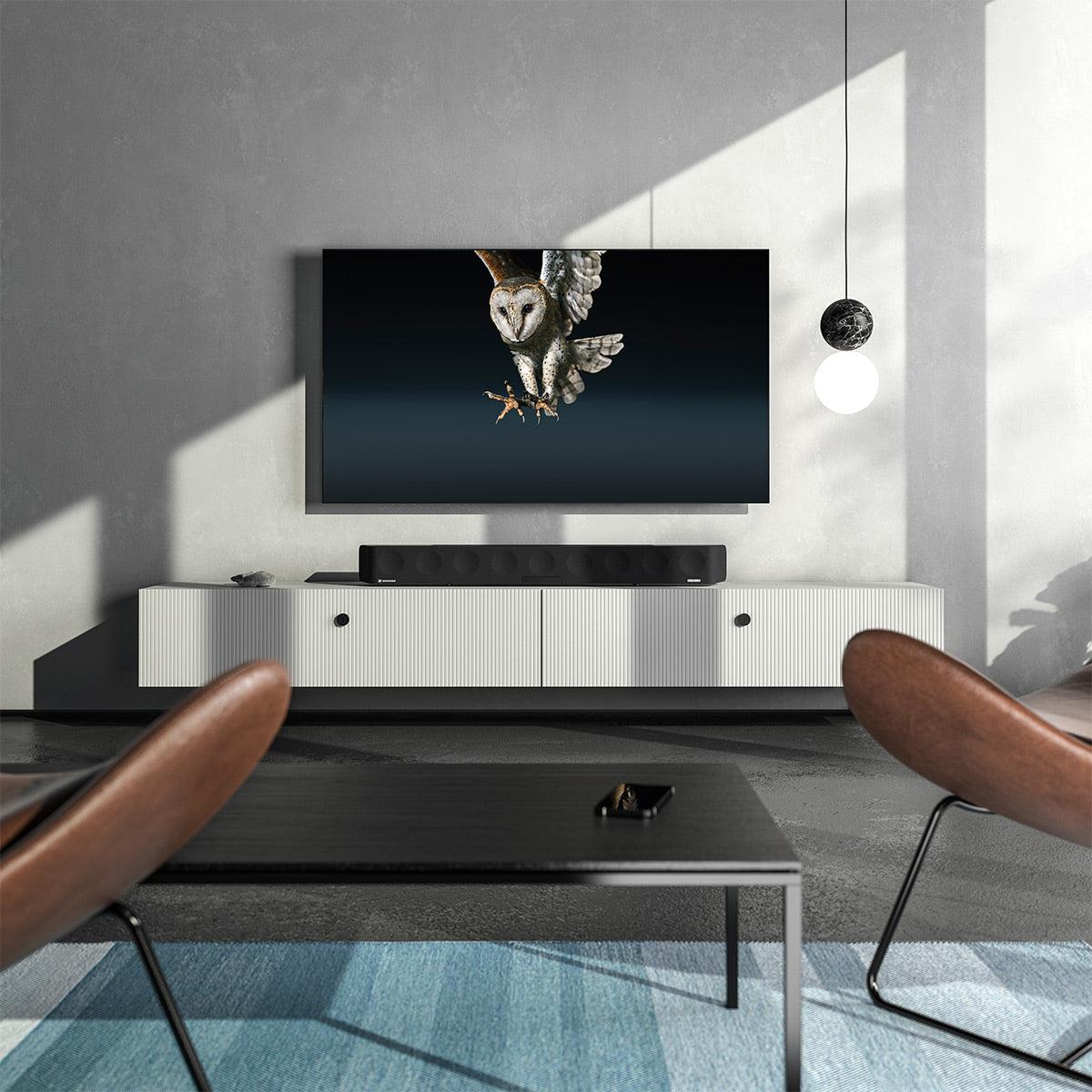
The Sennheiser AMBEO was designed for serious home theater applications. Its room calibration technology and sophisticated driver arrangement work best in larger, dedicated listening spaces where you can position the soundbar optimally and have sufficient room for sound reflections to work properly.
In our evaluation of user experiences, the Sennheiser truly excels with modern movie content mastered in Dolby Atmos or DTS:X. These immersive audio formats contain specific height and surround information that the Sennheiser can interpret and reproduce convincingly, while the Hisense must approximate these effects through processing.
Both soundbars handle gaming well from a latency perspective – the delay between controller input and audio output – but they provide vastly different experiences for immersive gaming. The Hisense HS2100 offers low-latency connection and adequate volume for most gaming scenarios, with its Game mode providing slightly enhanced clarity for important audio cues.
The Sennheiser AMBEO transforms gaming with proper spatial audio support. Modern games that support Dolby Atmos or object-based audio can place sounds precisely in three-dimensional space, making it easier to locate enemies, understand environmental cues, and feel immersed in game worlds.
Since the Hisense HS2100's 2023 release, budget soundbar technology has remained relatively stable. The inclusion of Bluetooth 5.3 and DTS Virtual:X processing keeps it current with modern standards, and firmware updates have refined its performance slightly.
The Sennheiser AMBEO has evolved significantly through software updates since its 2019 debut. The major AMBEO OS2 update in 2025 added customizable immersion settings, allowing users to adjust the intensity of side, top, and center channel virtualization independently. This update also expanded lossless audio support and improved streaming service integration, keeping the hardware competitive despite its age.
This evolution highlights an important consideration: premium soundbars often improve over time through firmware updates, while budget models typically remain static after release. The Sennheiser's smart platform approach means new features and improvements continue arriving years after purchase.
The choice between these soundbars ultimately depends on matching your expectations with your budget and room requirements.
Choose the Hisense HS2100 if you want immediate, dramatic improvement over TV speakers without significant investment. It excels for users in smaller spaces who primarily watch TV and casual movies, or anyone who needs a wireless subwoofer's placement flexibility. The straightforward setup and reliable performance make it ideal for secondary viewing areas or users who prioritize simplicity over ultimate performance.
The Sennheiser AMBEO justifies its premium positioning for users who prioritize audio quality and want the most convincing single-soundbar surround experience available. It's the right choice for dedicated home theater spaces, audiophiles who stream high-resolution music, or anyone who regularly watches content mastered in Dolby Atmos or DTS:X.
Consider alternatives if you find yourself between these extremes. The mid-range soundbar market offers numerous 3.1 and 5.1 options that provide better surround reproduction than the Hisense without reaching the Sennheiser's flagship pricing.
Ultimately, both soundbars succeed in their intended markets. The Hisense HS2100 proves that dramatic audio improvements don't require massive investment, while the Sennheiser AMBEO demonstrates how sophisticated engineering can create convincing surround sound from a single speaker cabinet. Your choice should align with your space, budget, and how seriously you take audio quality in your entertainment setup.
| Hisense HS2100 | Sennheiser AMBEO Soundbar |
|---|---|
| Channel Configuration - Determines surround sound capability | |
| 2.1 channels (stereo + subwoofer) | 5.1.4 channels (virtualized surround with height) |
| Total Power Output - Affects maximum volume and dynamic range | |
| 240W (adequate for small-medium rooms) | 500W (fills large rooms with clean, undistorted sound) |
| Driver Count - More drivers enable better frequency separation | |
| 3 drivers (2 main + 1 subwoofer) | 13 drivers (6 woofers, 5 tweeters, 2 full-range) |
| Frequency Response - Lower bass extension creates more impactful sound | |
| 45Hz - 20kHz (good bass, missing deepest frequencies) | 30Hz - 20kHz (exceptional bass extension for room-shaking effects) |
| Surround Sound Technology - Determines immersiveness for movies | |
| DTS Virtual:X (basic virtual surround) | Dolby Atmos, DTS:X, 360 Reality Audio (advanced 3D processing) |
| Room Calibration - Optimizes sound for your specific space | |
| Manual bass/treble adjustment only | Advanced automatic room calibration with microphone analysis |
| Connectivity Options - Affects versatility for different sources | |
| HDMI ARC, Optical, 3.5mm, USB, Bluetooth 5.3 | HDMI eARC, Optical, RCA, Wi-Fi, Ethernet, Bluetooth, Chromecast, AirPlay 2 |
| Streaming Audio Quality - Important for music listening | |
| Standard Bluetooth audio compression | Lossless audio up to 24-bit/192kHz via multiple protocols |
| Physical Dimensions - Critical for TV stand compatibility | |
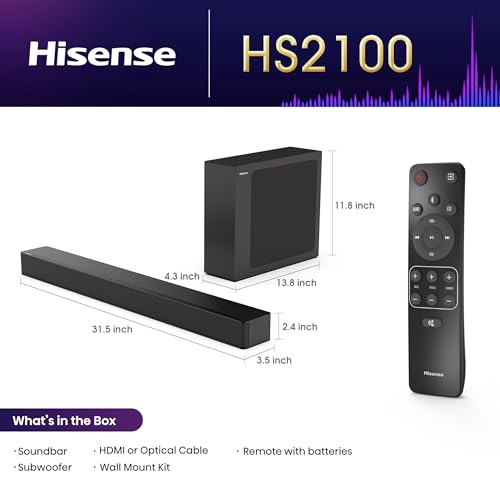
| 31.5" x 2.4" x 3.5" (compact, fits most setups) | 49.8" x 6.7" x 5.3" (large, requires substantial TV stand) |
| Weight - Indicates build quality and ease of installation | |
| 3.3 lbs soundbar + 7.5 lbs subwoofer | 40.7 lbs (substantial, premium construction) |
| Smart Features - Convenience and app control capabilities | |
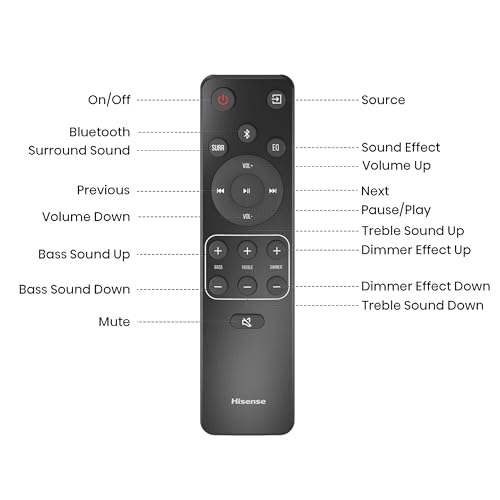
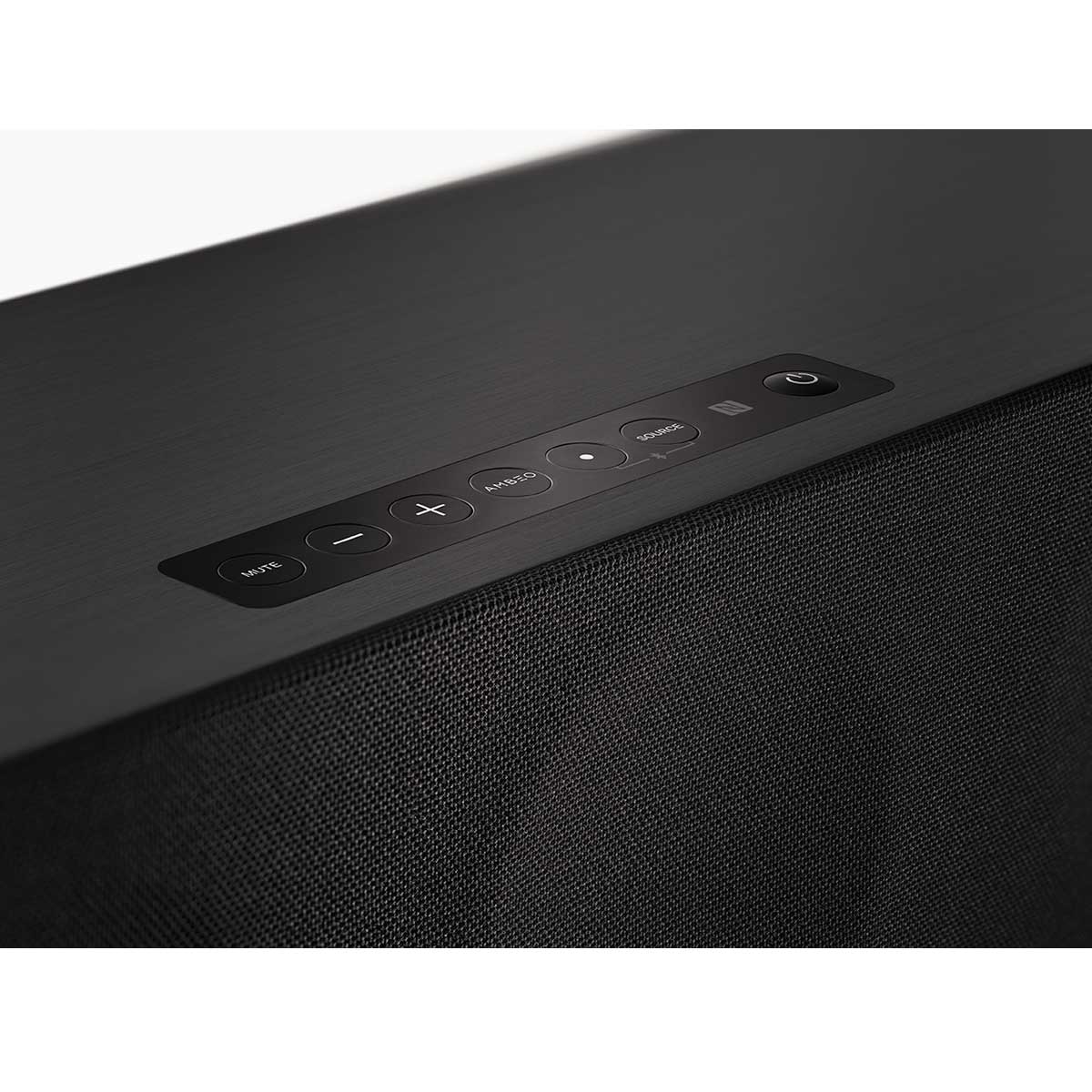
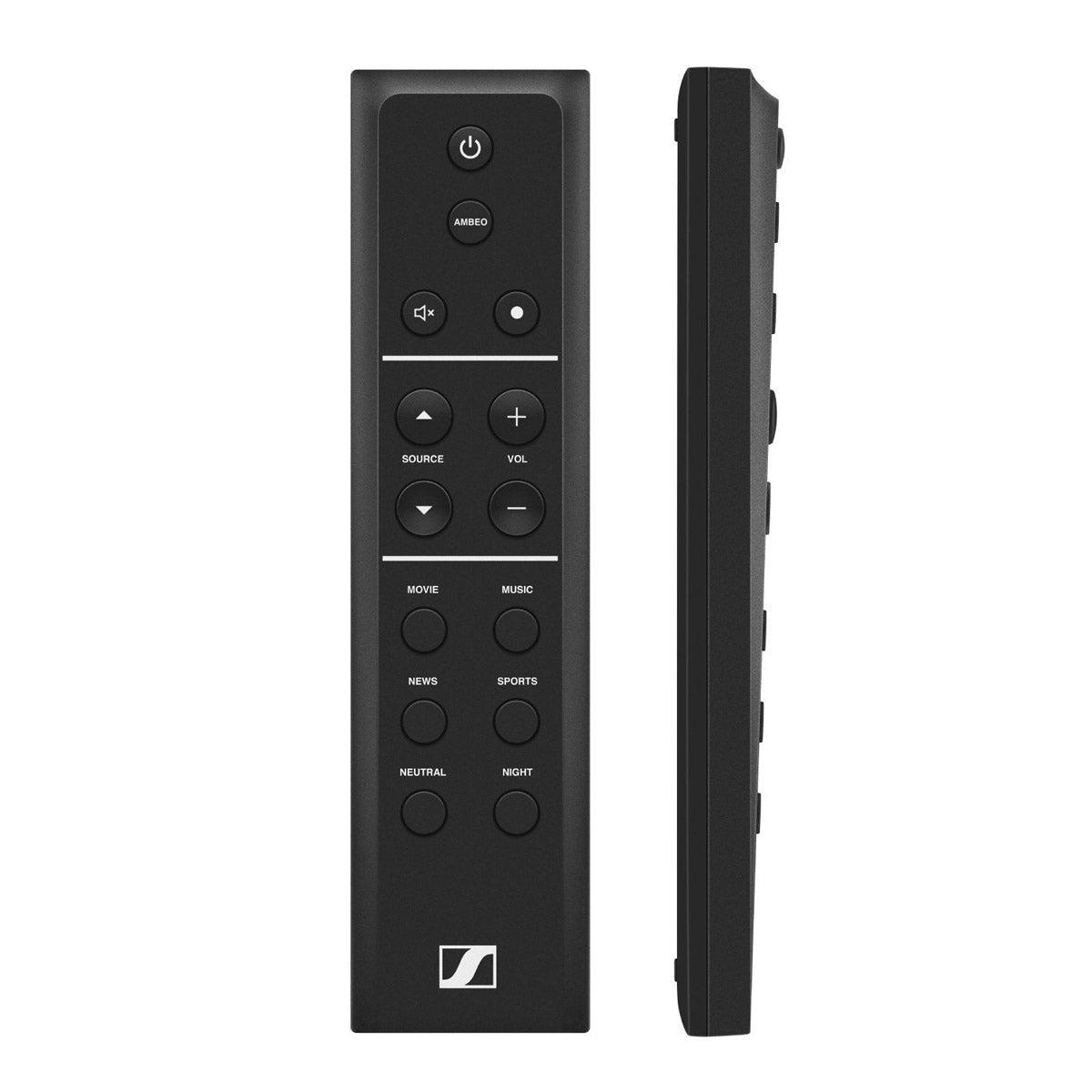
| 6 preset modes, basic remote control | Comprehensive app control, voice assistant integration, firmware updates |
| Target Use Case - Best application for each product | |
| Budget upgrade from TV speakers, small-medium rooms | Premium home theater, large rooms, audiophile music listening |
The Hisense HS2100 is better suited for small rooms due to its compact 31.5-inch width and 240W power output that won't overwhelm smaller spaces. The Sennheiser AMBEO is designed for larger rooms and may sound overpowering in compact areas, plus its 49.8-inch width requires more space.
Only the Sennheiser AMBEO Soundbar supports true Dolby Atmos processing along with DTS:X and 360 Reality Audio. The Hisense HS2100 uses DTS Virtual:X for basic surround effects but does not support Dolby Atmos formats.
The Sennheiser AMBEO delivers superior bass with its 30Hz frequency response and six built-in woofers. The Hisense HS2100 provides adequate bass through its wireless subwoofer but only extends to 45Hz, missing the deepest bass frequencies found in movie soundtracks.
Both soundbars support TV remote control through HDMI ARC/eARC connections. The Hisense HS2100 is Roku TV Ready for seamless integration with Roku TVs, while the Sennheiser AMBEO works with most modern TV remotes via CEC control.
The Hisense HS2100 offers simpler setup with automatic subwoofer pairing and basic plug-and-play operation. The Sennheiser AMBEO Soundbar requires more involved setup including room calibration and optimal positioning but provides a comprehensive app for guided installation.
The Sennheiser AMBEO excels for music with support for lossless audio up to 24-bit/192kHz via Wi-Fi, Chromecast, and AirPlay 2. The Hisense HS2100 handles music adequately through Bluetooth 5.3 but lacks high-resolution audio capabilities and advanced streaming options.
Both soundbars offer low-latency connections suitable for gaming. The Hisense HS2100 includes a dedicated Game mode for enhanced audio clarity. The Sennheiser AMBEO provides superior spatial audio for games that support Dolby Atmos, creating more immersive gaming experiences.
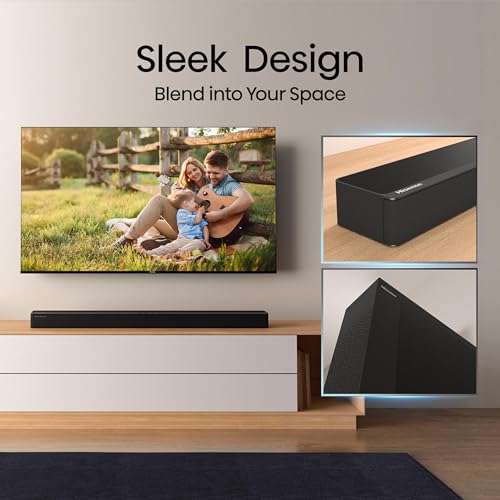
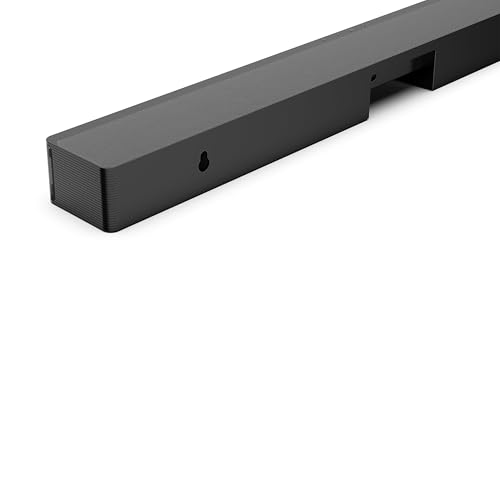
The Hisense HS2100 measures 31.5 inches wide and works with most TV stands, plus its wireless subwoofer can be placed anywhere nearby. The Sennheiser AMBEO Soundbar spans nearly 50 inches and requires a substantial TV stand or wall mounting for proper support.
The Hisense HS2100 provides exceptional value for budget-conscious buyers seeking a significant upgrade from TV speakers. The Sennheiser AMBEO justifies its premium positioning with flagship features and performance that rival dedicated surround sound systems.
The Hisense HS2100 provides a basic upgrade but cannot replicate true surround sound placement. The Sennheiser AMBEO Soundbar comes much closer to replacing a full system with its advanced virtualization technology, though dedicated speakers still offer superior surround accuracy.
The Sennheiser AMBEO offers extensive connectivity including Wi-Fi, Ethernet, multiple streaming protocols, and high-resolution audio support. The Hisense HS2100 covers the basics with HDMI ARC, optical, USB, and Bluetooth but lacks network connectivity and advanced streaming features.
The Sennheiser AMBEO Soundbar excels in home theater applications with its room calibration, Dolby Atmos support, and powerful 500W output designed for cinematic experiences. The Hisense HS2100 works well for casual movie watching but lacks the immersive features needed for dedicated home theater setups.
We've done our best to create useful and informative comparisons to help you decide what product to buy. Our research uses advanced automated methods to create this comparison and perfection is not possible - please contact us for corrections or questions. These are the sites we've researched in the creation of this article: rtings.com - shop.hisense-usa.com - bestbuy.com - content.syndigo.com - bestbuy.com - hisensedealers.co.ke - stuff.co.za - dtc-aus-api.hisense.com - youtube.com - manuals.plus - youtube.com - bestbuy.com - youtube.com - gallifurniture.com - hisense-usa.com - manuals.plus - uk.hisense.com - device.report - youtube.com - costco.ca - elmcreekwsa.com - gallifurniture.com - bestbuy.com - rtings.com - techradar.com - audioxpress.com - whathifi.com - upscaleaudio.com - soundstagesimplifi.com - global.sennheiser-hearing.com - sennheiser-hearing.com - audioadvice.com - abt.com - moon-audio.com

Privacy Policy
Terms and Conditions - Affiliate Policy
Home Security
© Copyright 2008-2026.
11816 Inwood Rd #1211, Dallas, TX 75244