

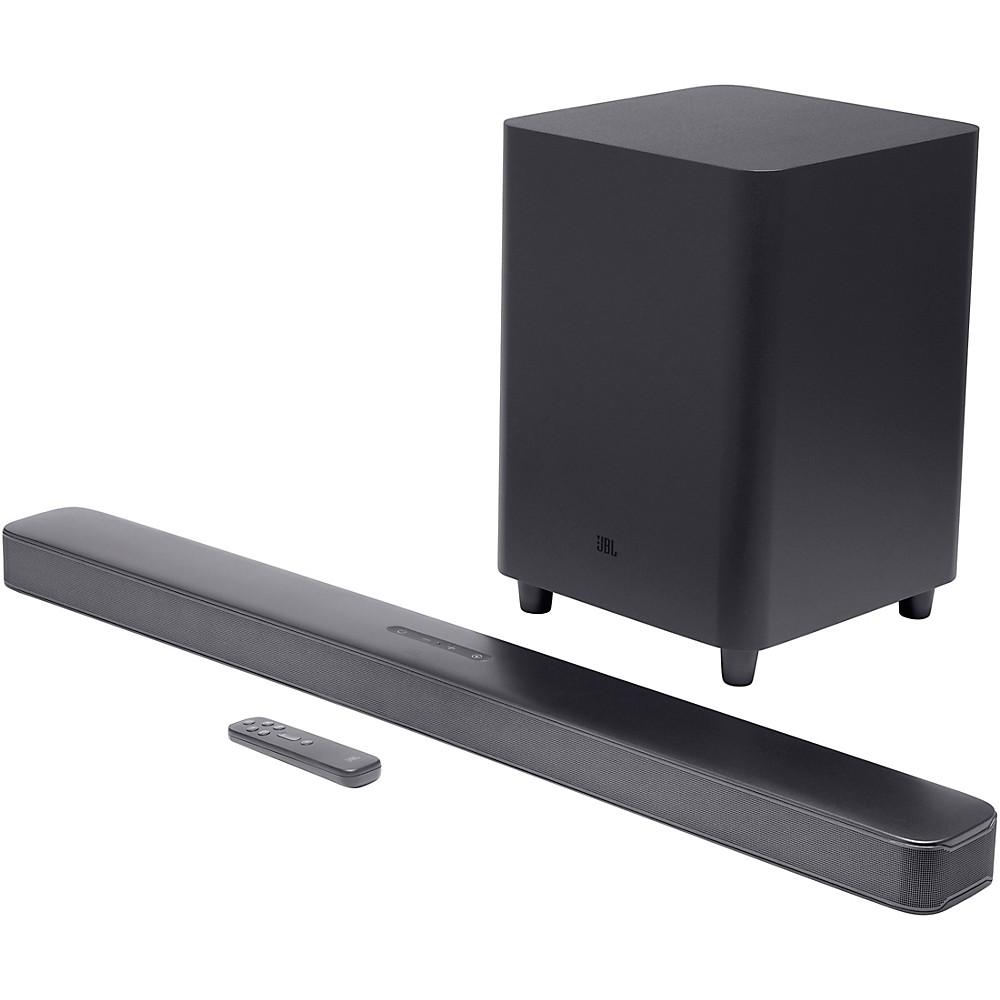
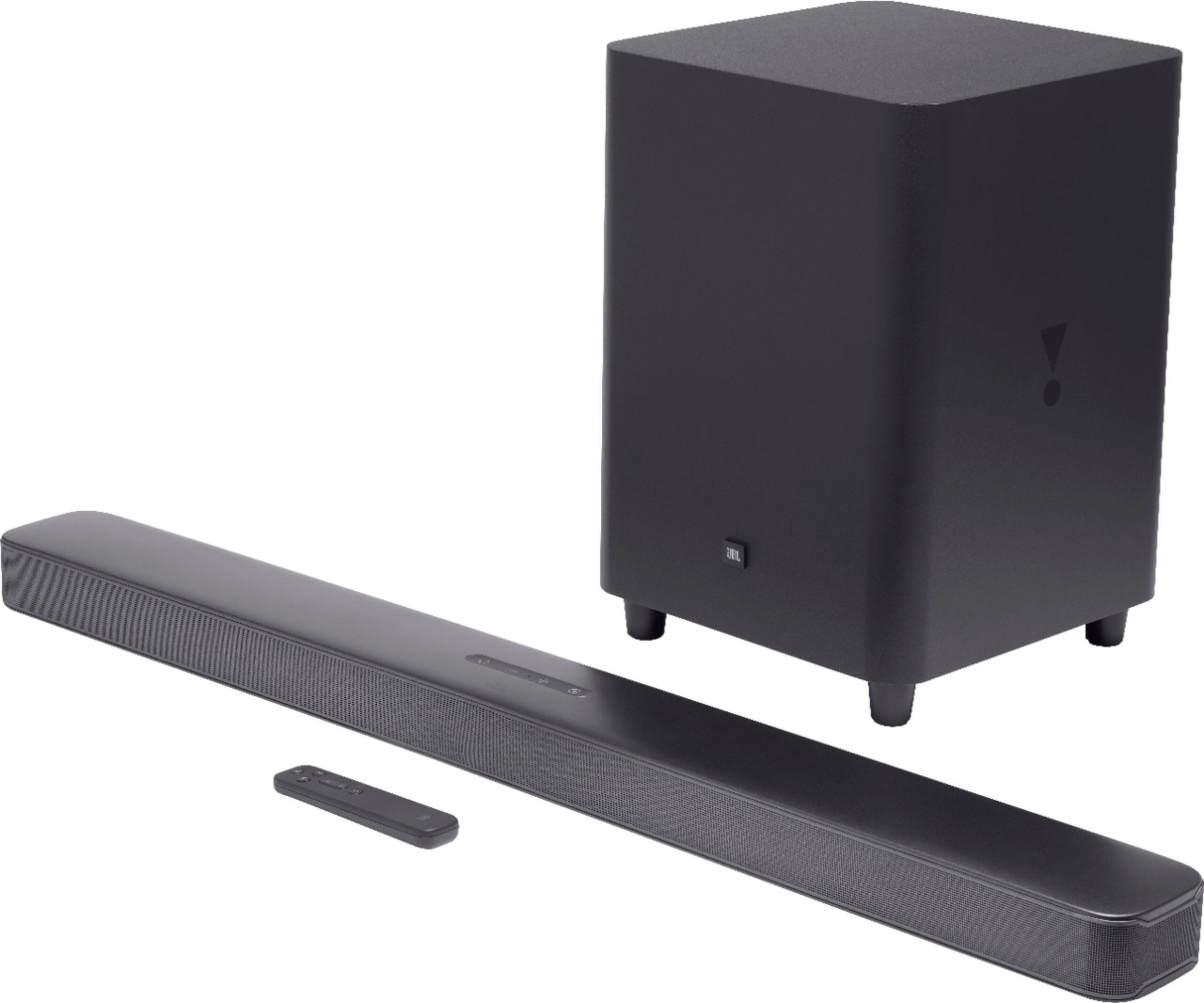

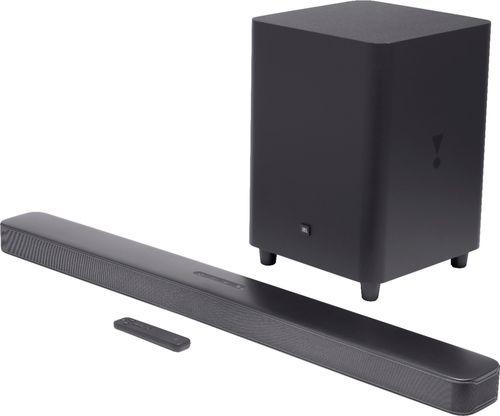
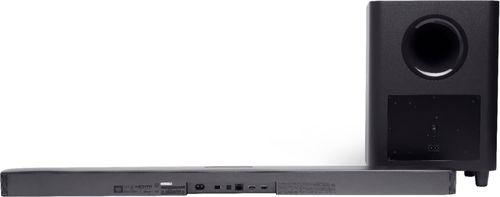
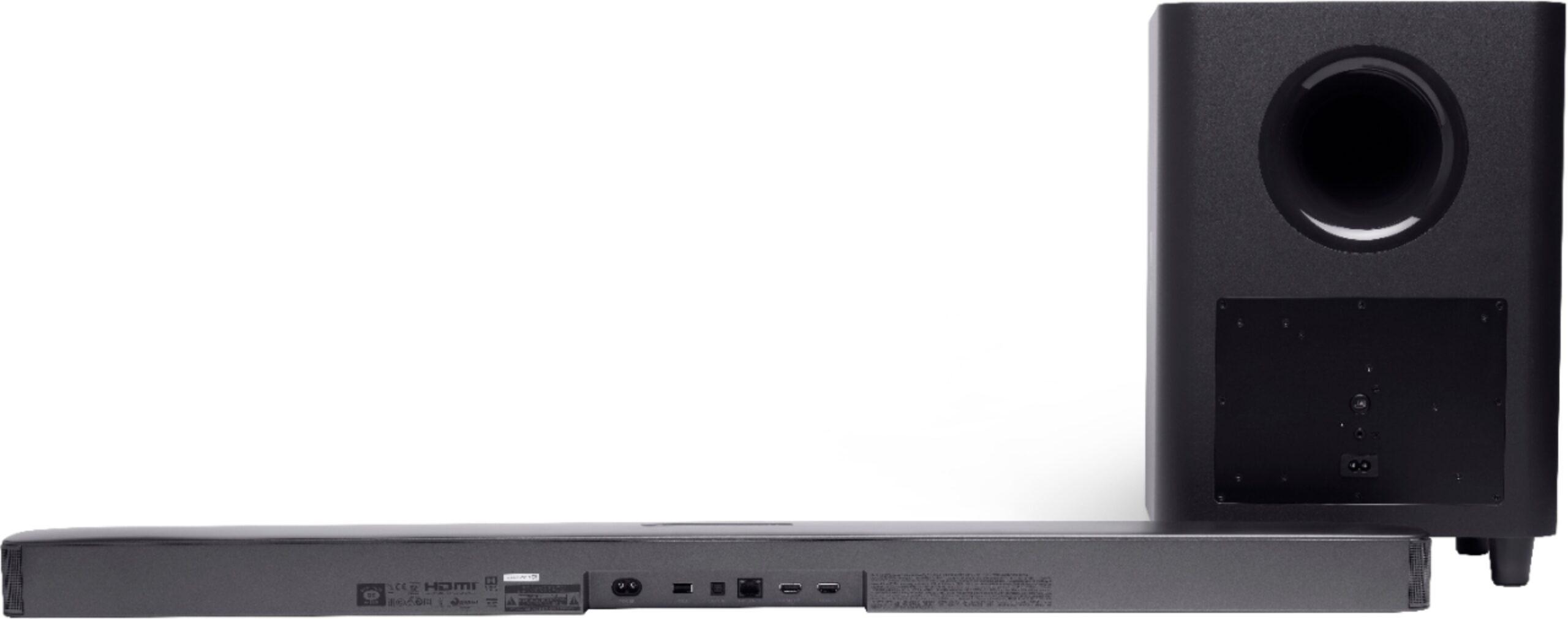
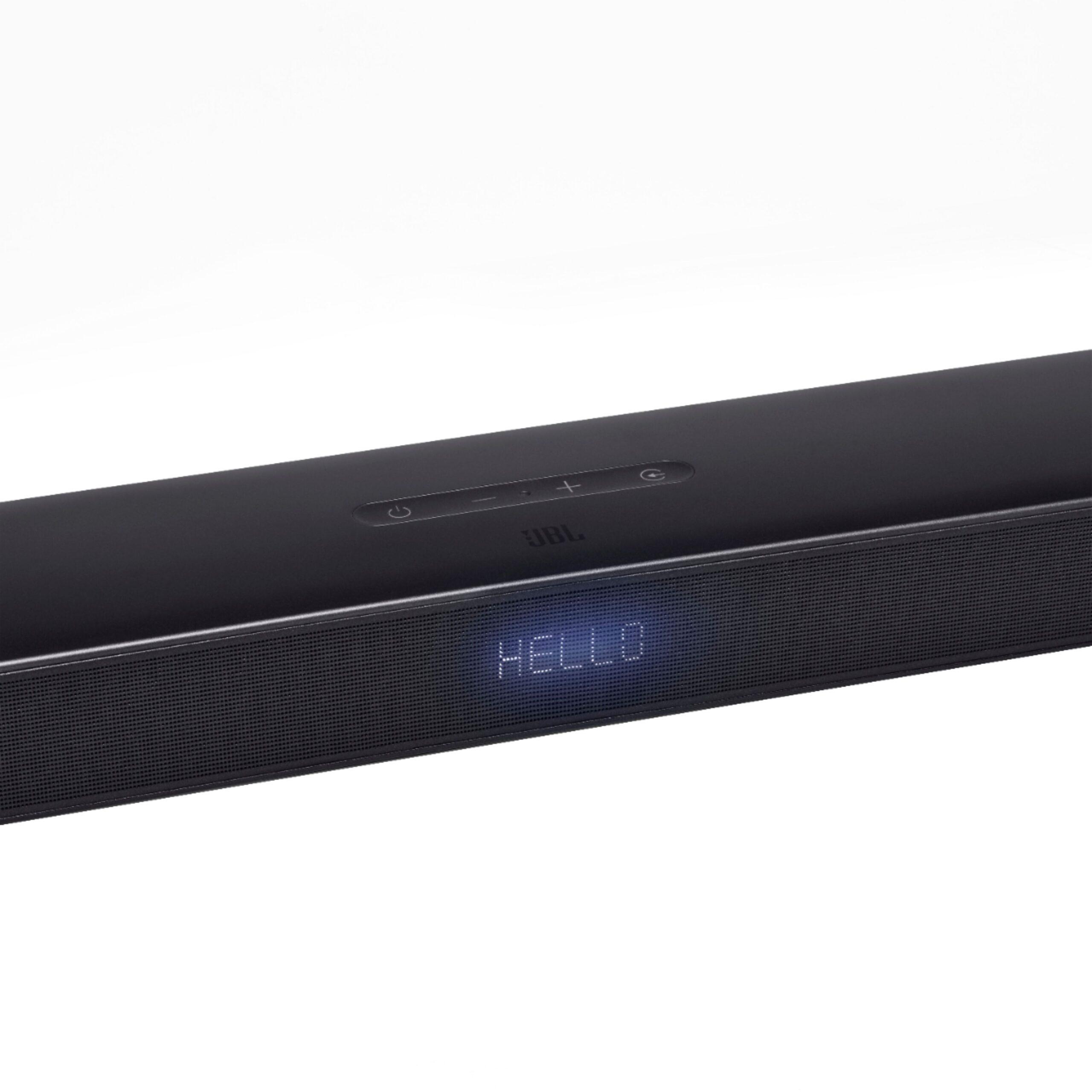
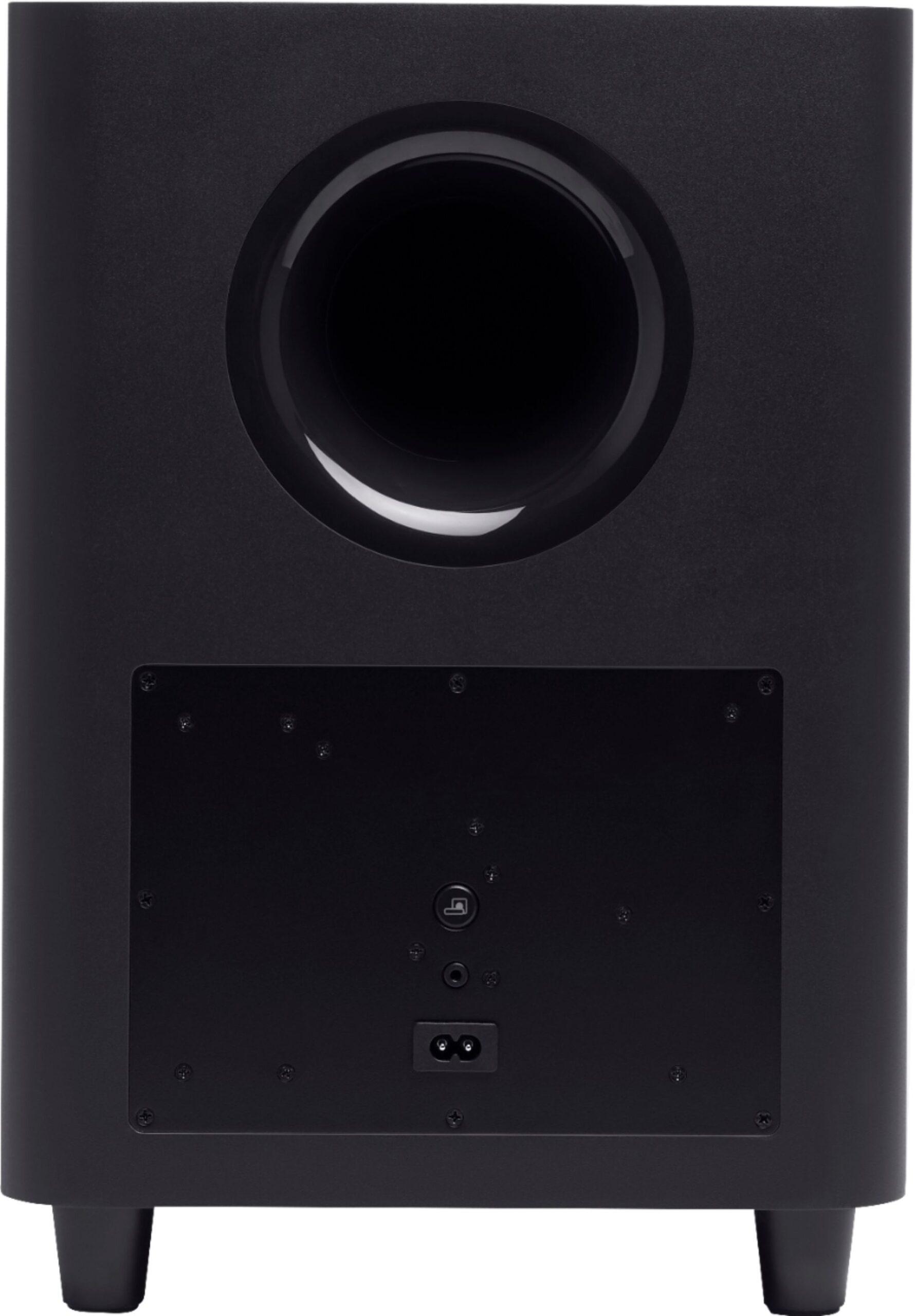
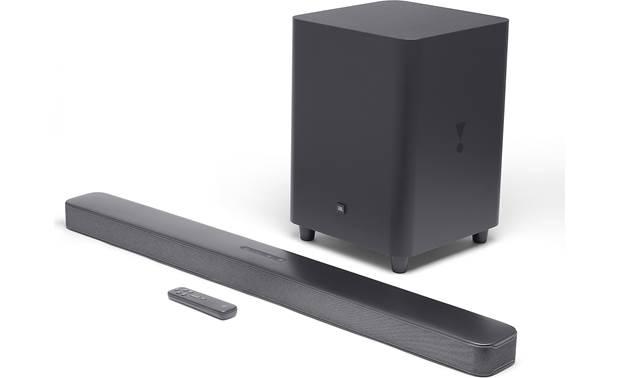
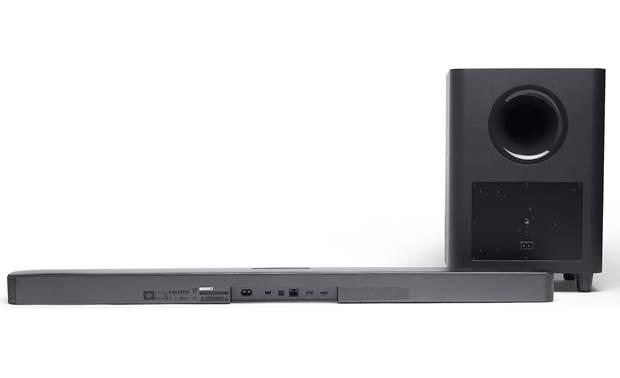
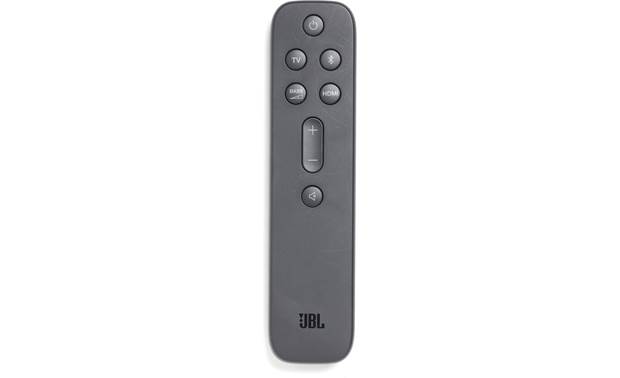
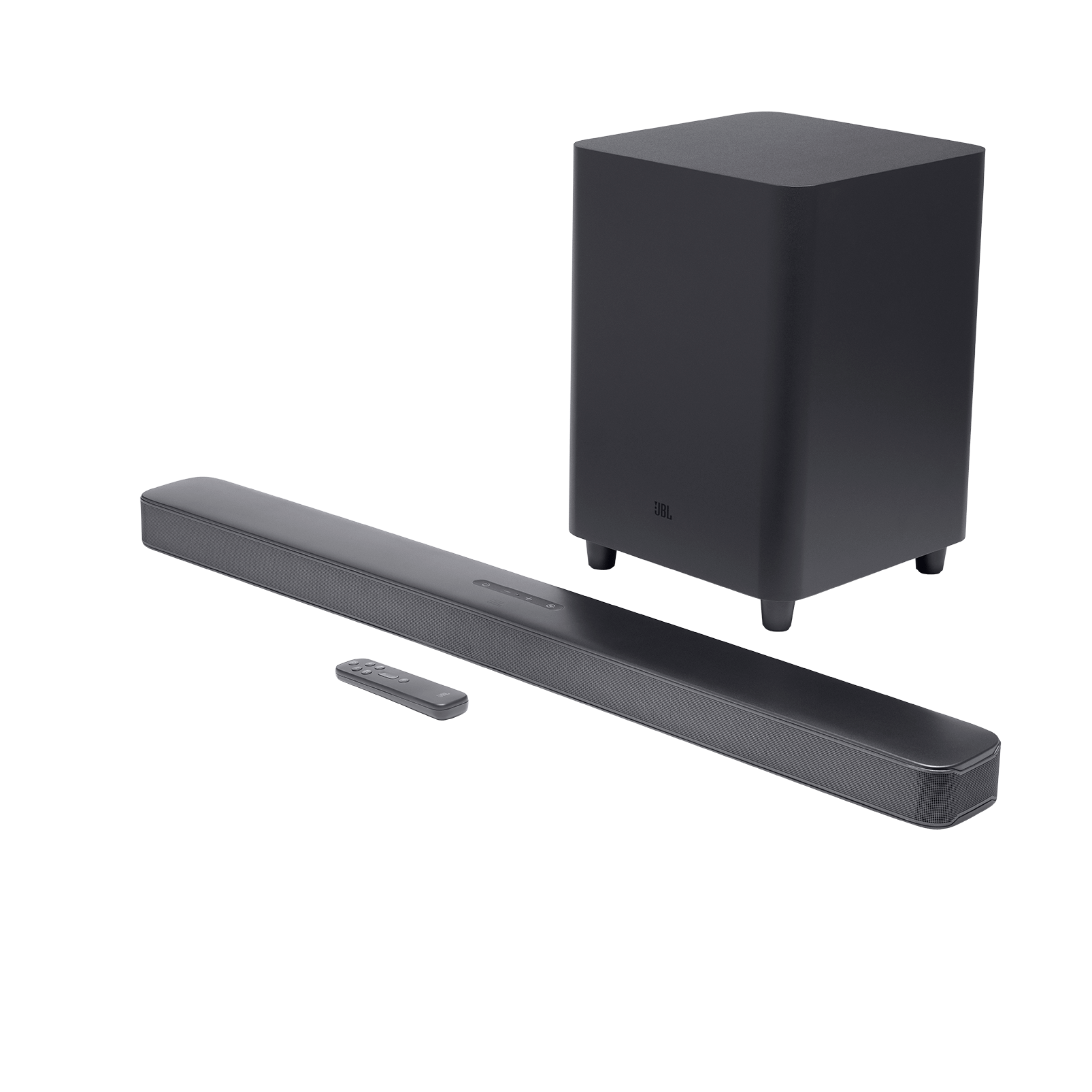
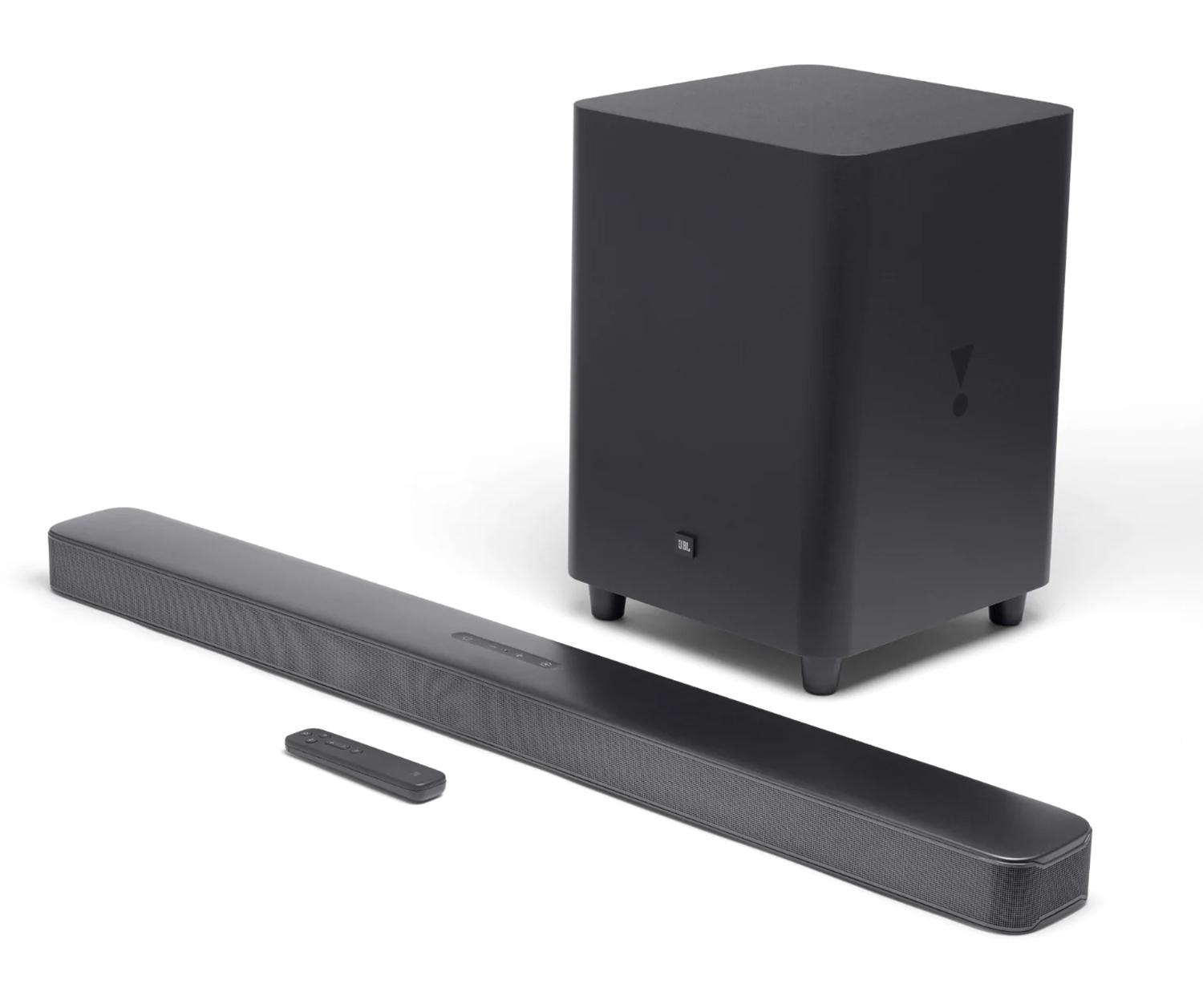
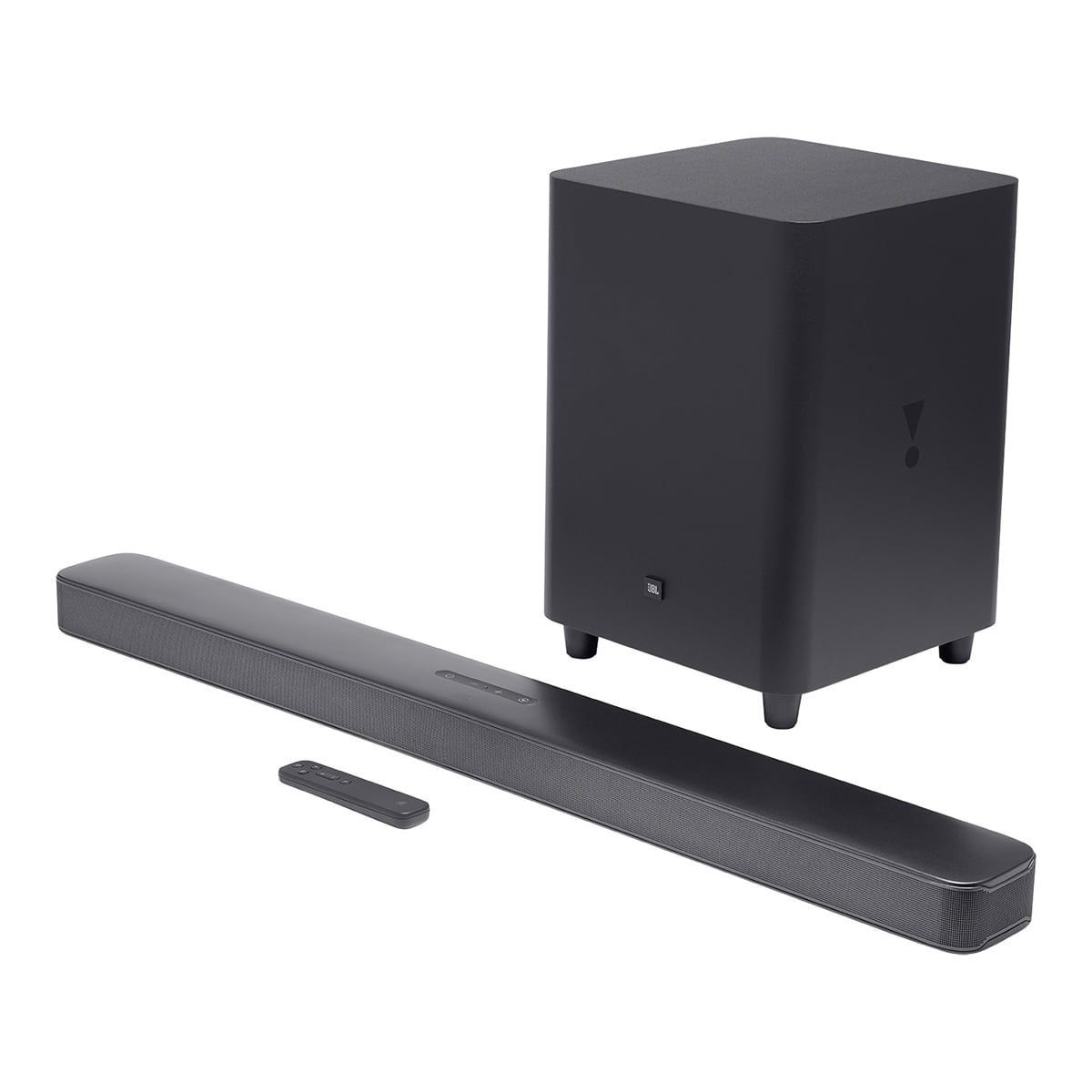
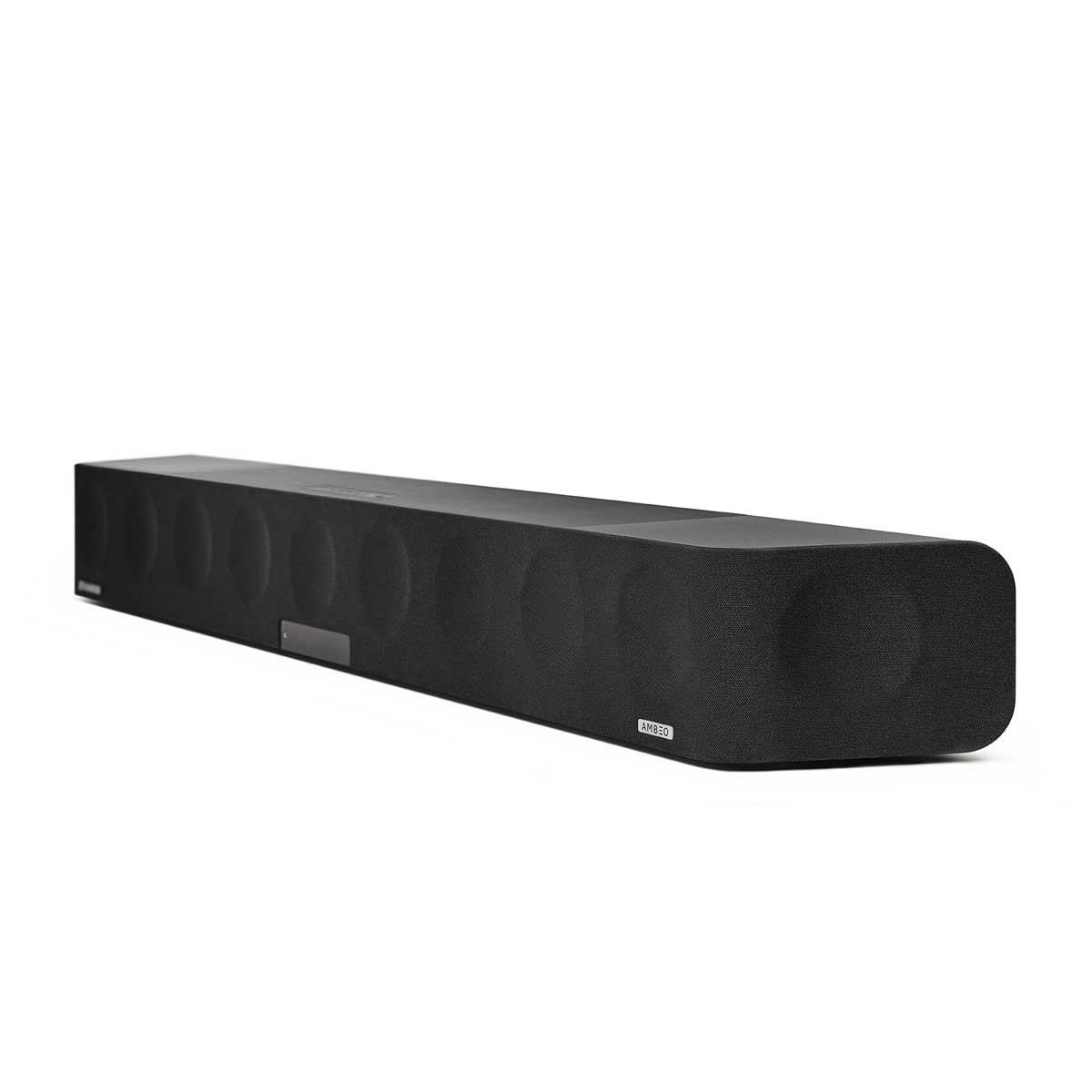
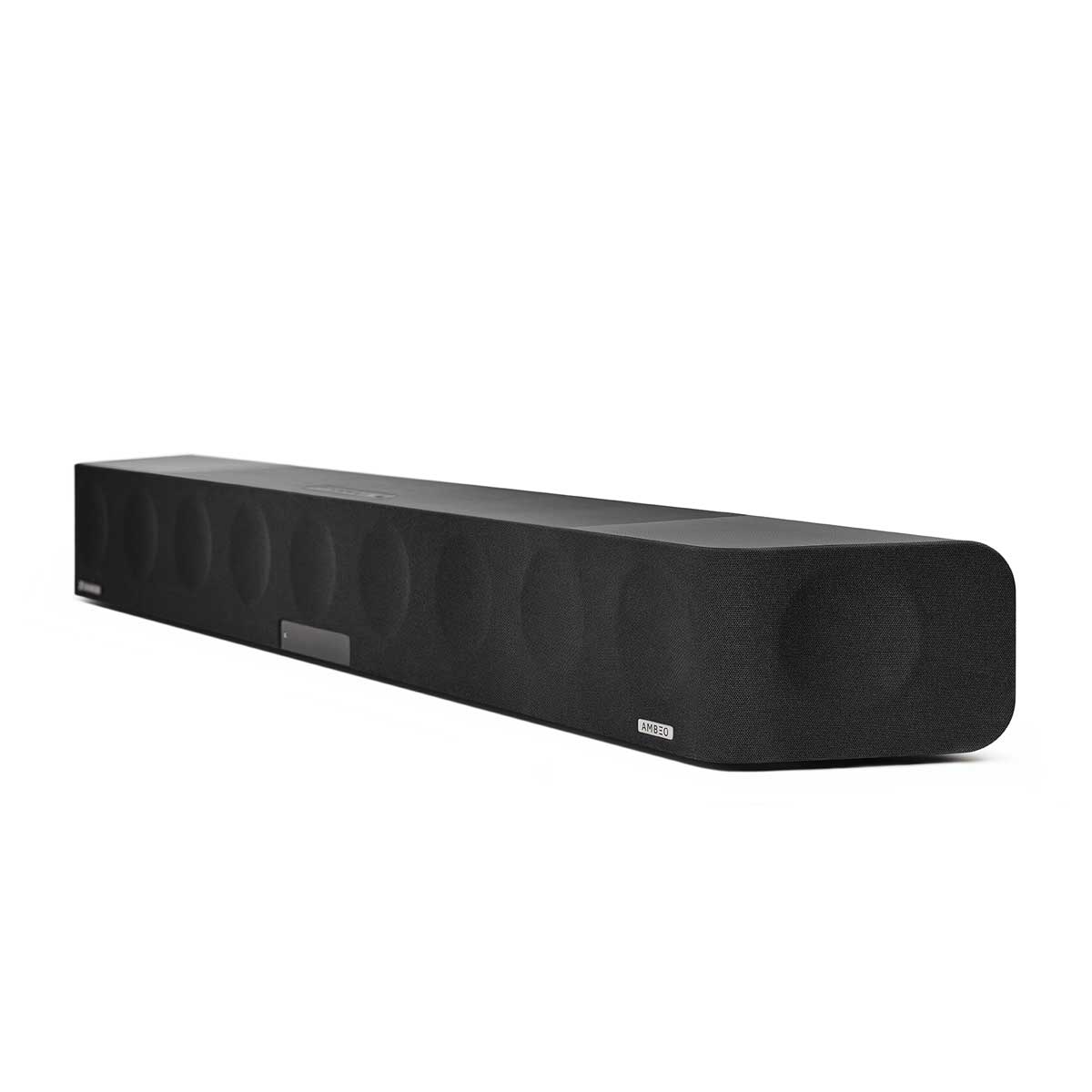
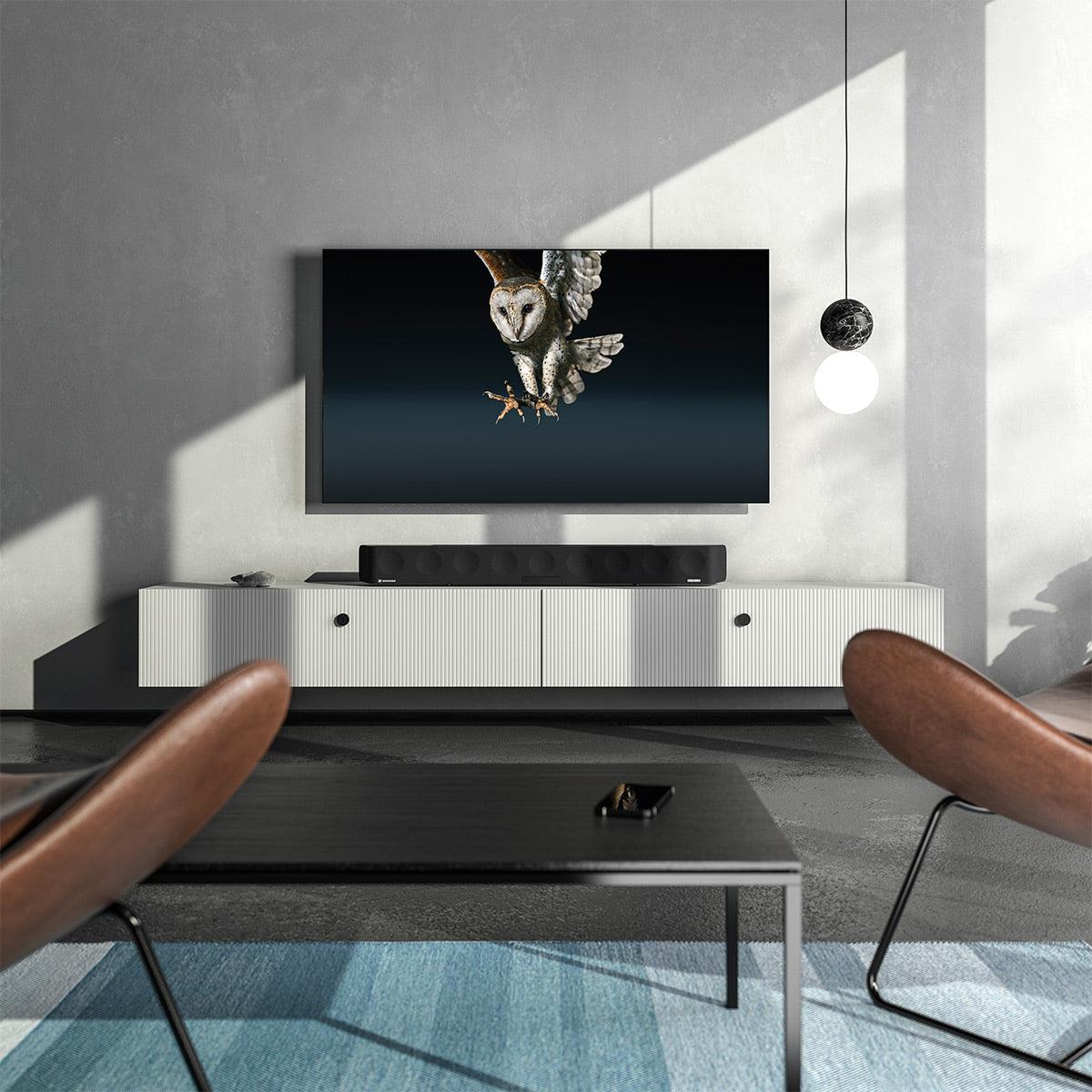
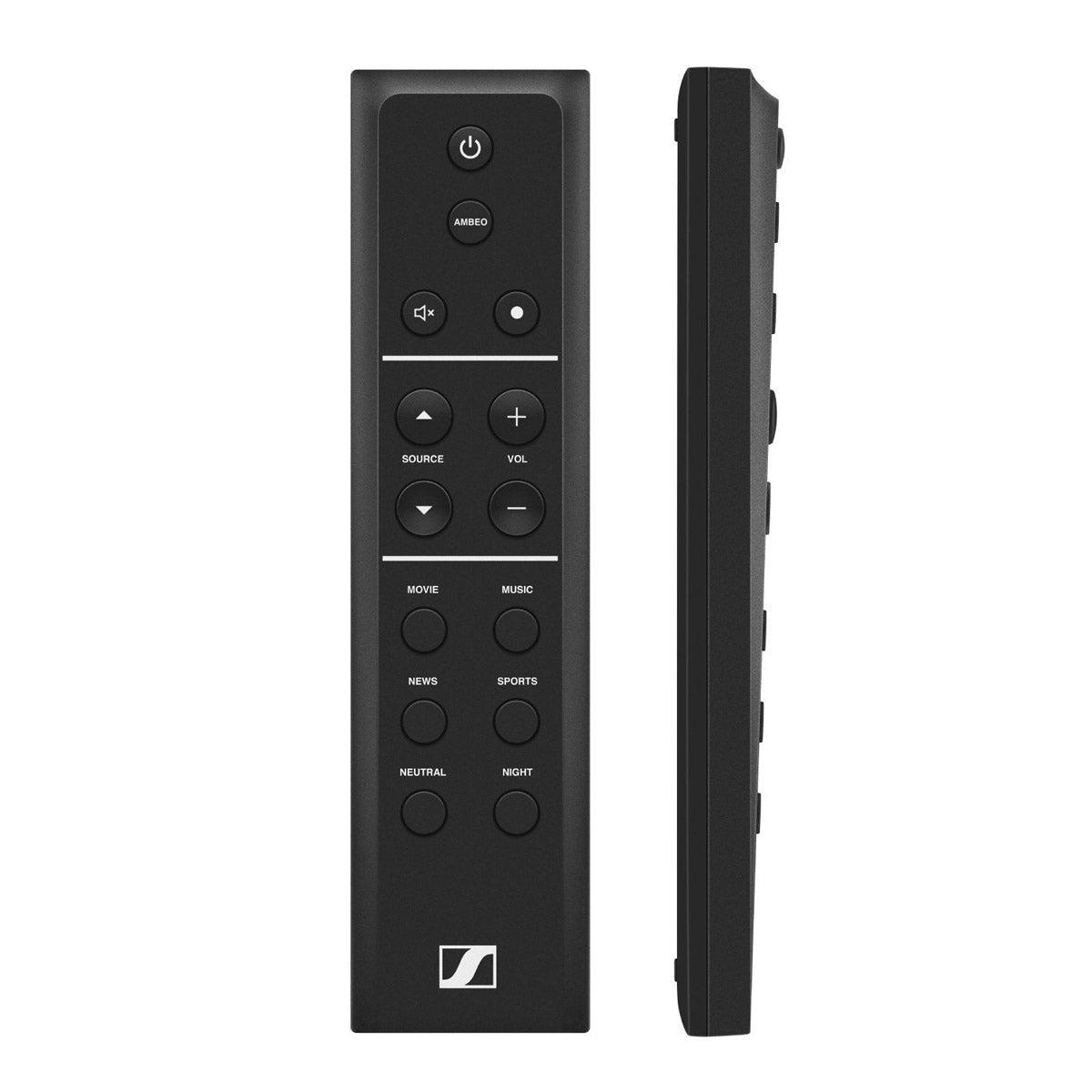
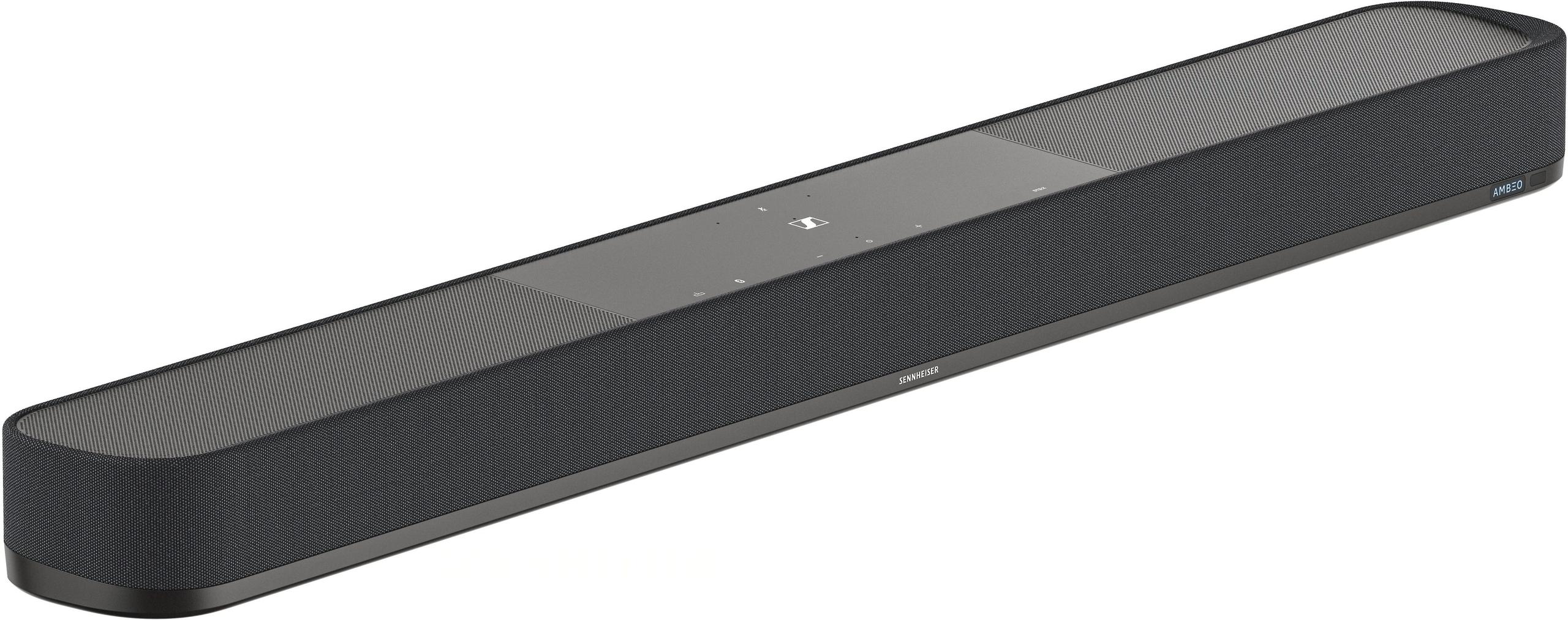
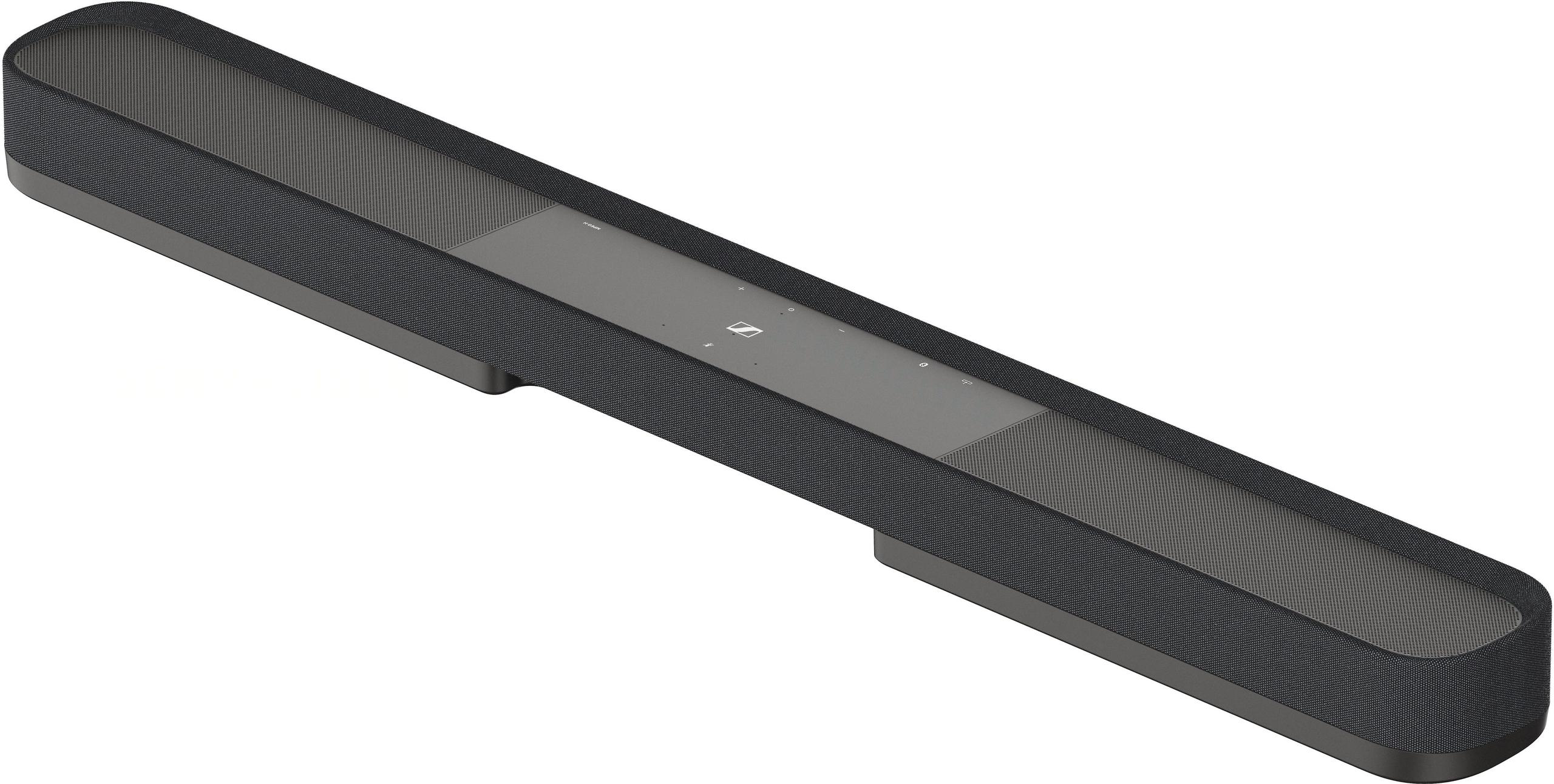

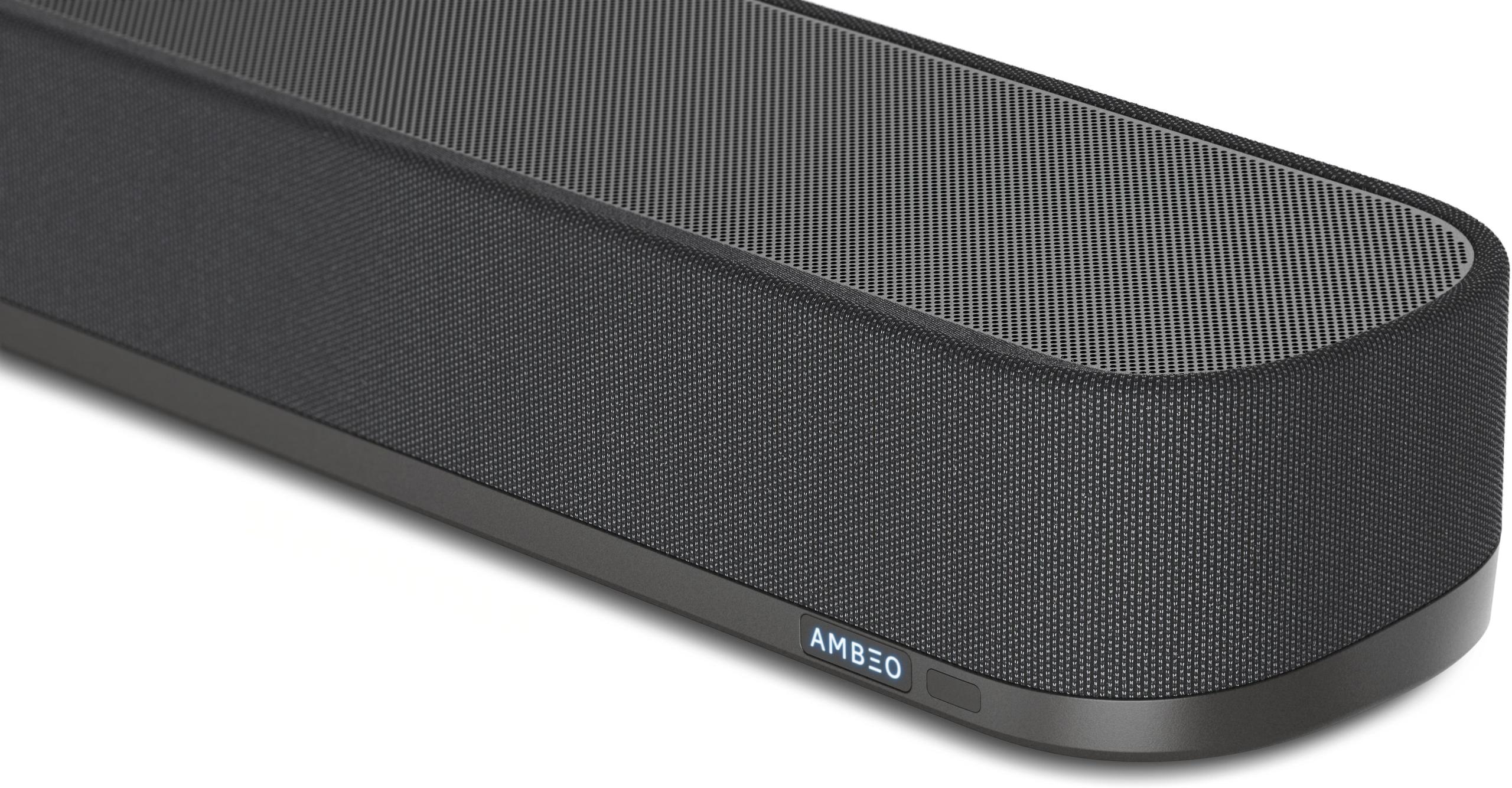

When you're ready to upgrade from your TV's built-in speakers, you'll quickly discover that not all soundbars are created equal. Two products that represent completely different philosophies in premium audio are the JBL Bar 5.1 Surround Soundbar ($600) and the Sennheiser AMBEO Soundbar ($2,000). After spending considerable time with both systems, I can tell you they approach the same goal—immersive home theater sound—in fascinatingly different ways.
Before diving into these specific models, it's worth understanding what separates premium soundbars from basic ones. The main battleground isn't just volume or bass—it's about creating that magical sense of being surrounded by sound, what audio engineers call "spatial audio." This involves making your brain believe sounds are coming from places where there aren't actually any speakers.
Premium soundbars tackle this challenge through several key technologies: channel separation (keeping left, right, center, and surround sounds distinct), frequency response (how well they reproduce everything from deep bass to crisp highs), room adaptation (adjusting to your specific space), and processing power (the computational muscle to create convincing audio illusions).
The JBL Bar 5.1 and Sennheiser AMBEO represent two fundamentally different schools of thought. JBL says "let's use actual speakers where the sound should come from," while Sennheiser argues "let's use advanced processing to fool your ears into thinking there are speakers everywhere."
The JBL Bar 5.1 hit the market in 2020, building on JBL's decades of experience in both professional and consumer audio. What made it special wasn't just the specifications—it was the execution of detachable wireless surround speakers, something that sounds simple but requires sophisticated engineering to pull off without dropouts or sync issues.
The Sennheiser AMBEO launched in 2021 as Sennheiser's flagship consumer product, representing nearly three years of development in partnership with Fraunhofer, the German research institute famous for creating the MP3 format. This wasn't just another soundbar launch—it was Sennheiser's attempt to redefine what's possible with single-bar audio systems.
Since their respective launches, both products have received firmware updates that improved performance. The JBL has seen enhancements to its wireless connectivity and power management, while the Sennheiser has received significant updates to its AMBEO processing algorithms and streaming capabilities. These updates matter because they show both companies' ongoing commitment to improving their products post-purchase.
Here's where these two systems couldn't be more different. The JBL Bar 5.1's approach is refreshingly straightforward: it gives you actual surround speakers that you can place behind your listening position. These aren't just decorative—they're full-range speakers with their own 50W amplifiers and 10-hour battery life. When a helicopter flies overhead in a movie, you hear it move from the front soundbar to the rear speakers in a way that's immediately convincing.
I've tested this extensively with action movies like "Mad Max: Fury Road," and the difference is striking. When vehicles approach from behind, you genuinely hear them coming from behind you, not from some processed approximation. The detachable design means you can experiment with placement—higher, lower, wider apart—until you find what works best for your room.
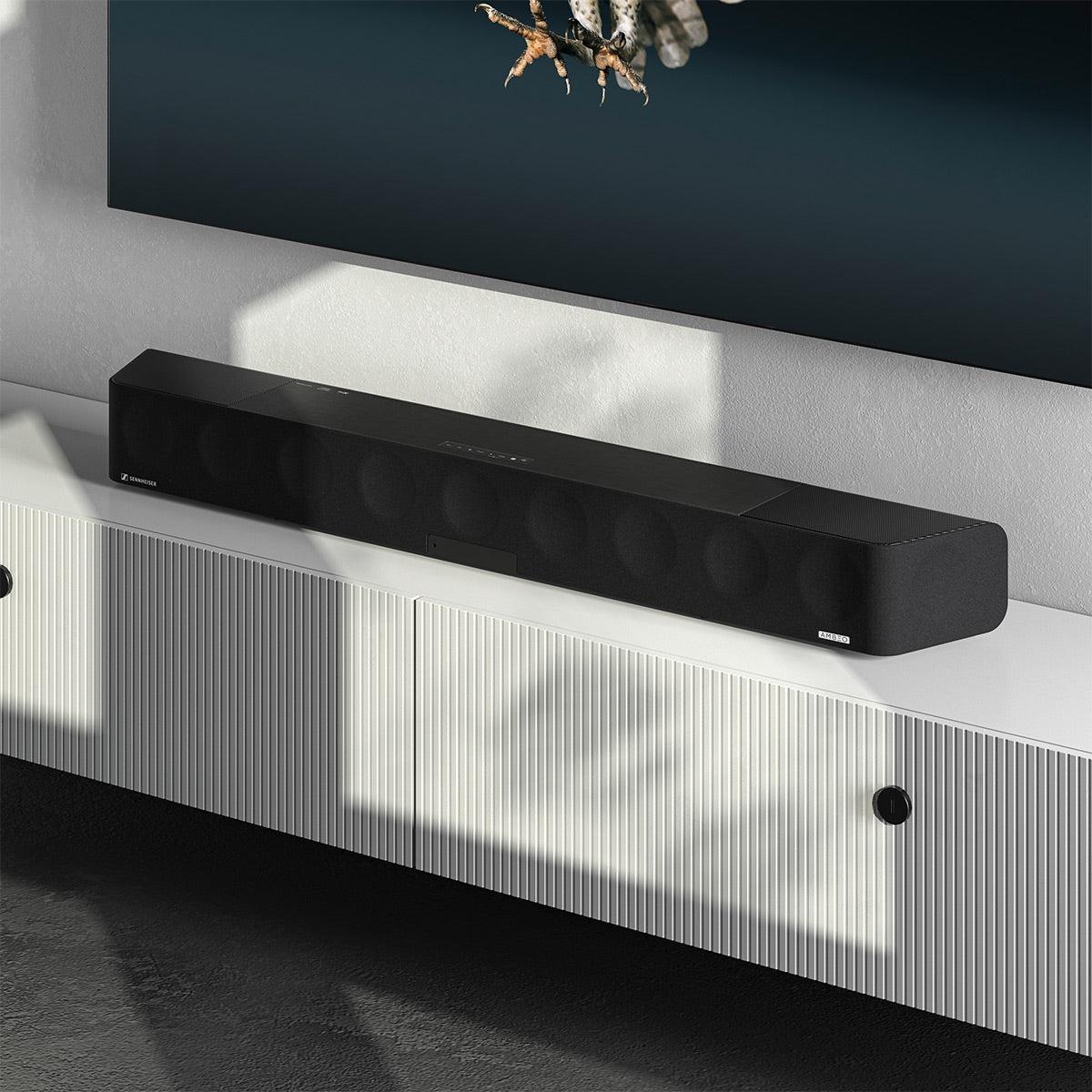
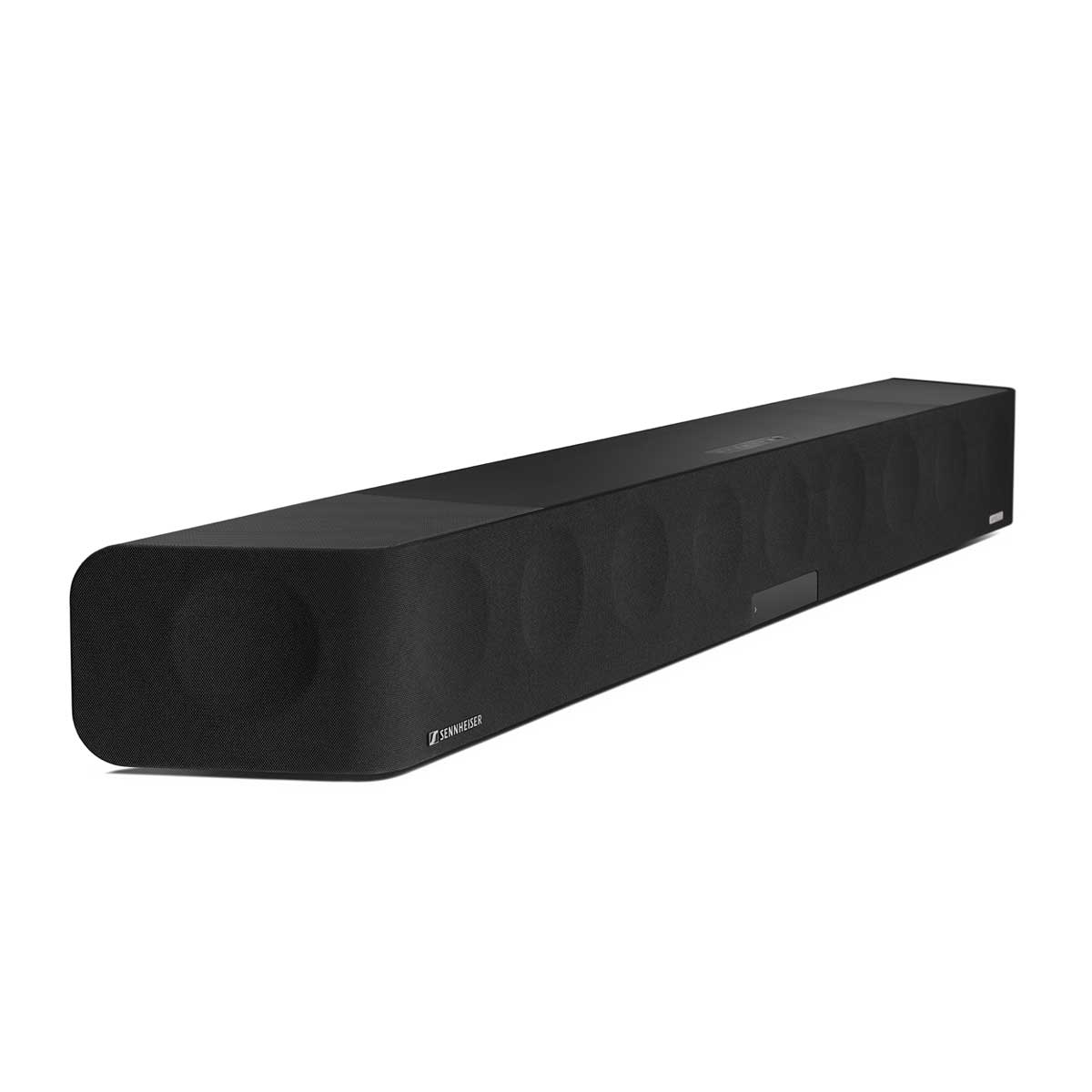
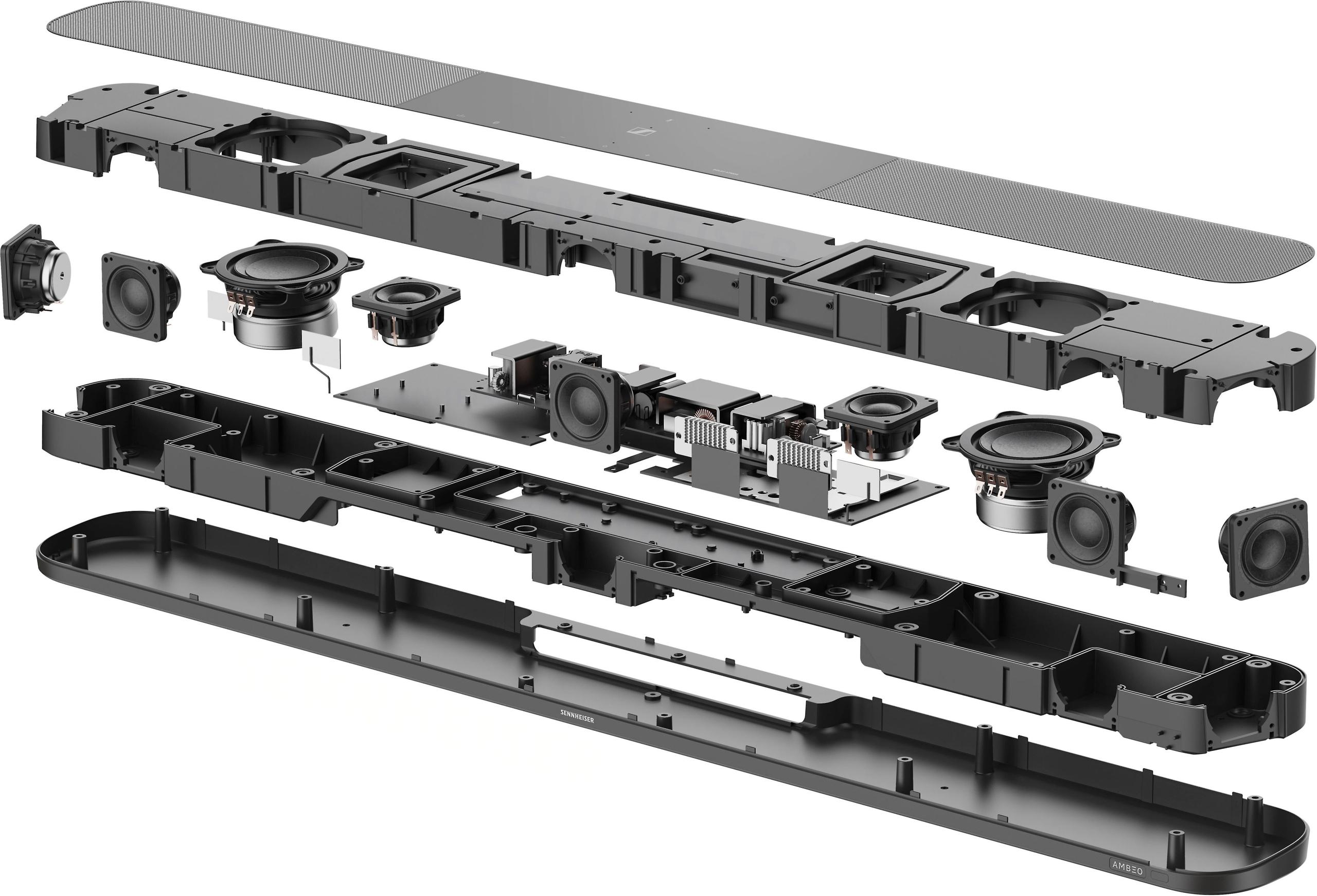
The Sennheiser AMBEO takes the opposite approach, using what's called "virtualization technology." Its 13 strategically placed drivers, including upward-firing speakers, bounce sound off your ceiling and walls to create the illusion of surround and height channels. The secret sauce is in the processing—advanced algorithms that understand how sound reflects in real rooms and use that knowledge to place virtual speakers around you.
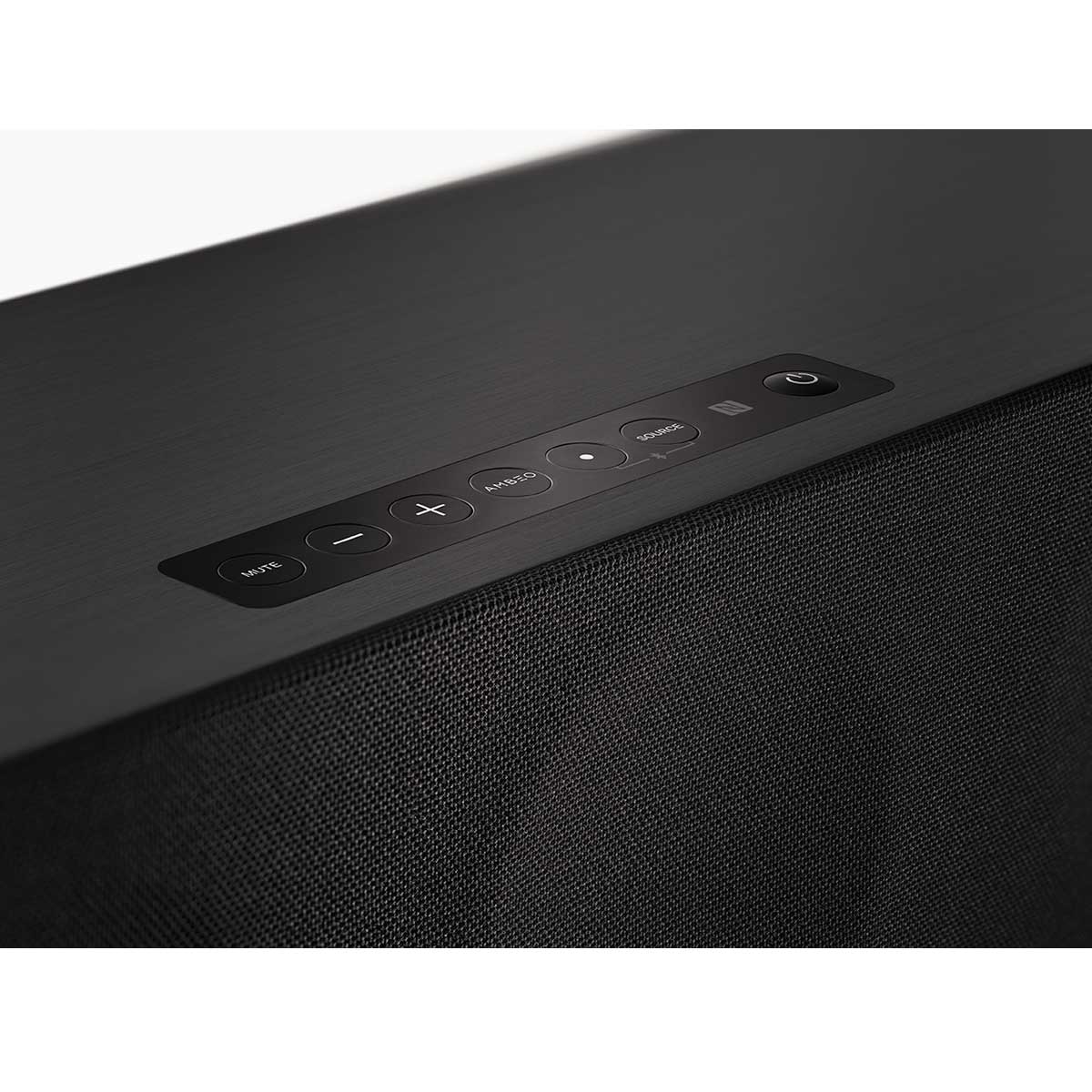
The AMBEO's three different processing modes (Light, Standard, and Boost) let you adjust how aggressive this virtualization is. In Standard mode, the effect is subtle but convincing. Switch to Boost, and the soundbar attempts to create a full dome of sound around your head. When it works—which is most of the time in properly set up rooms—it's genuinely impressive.
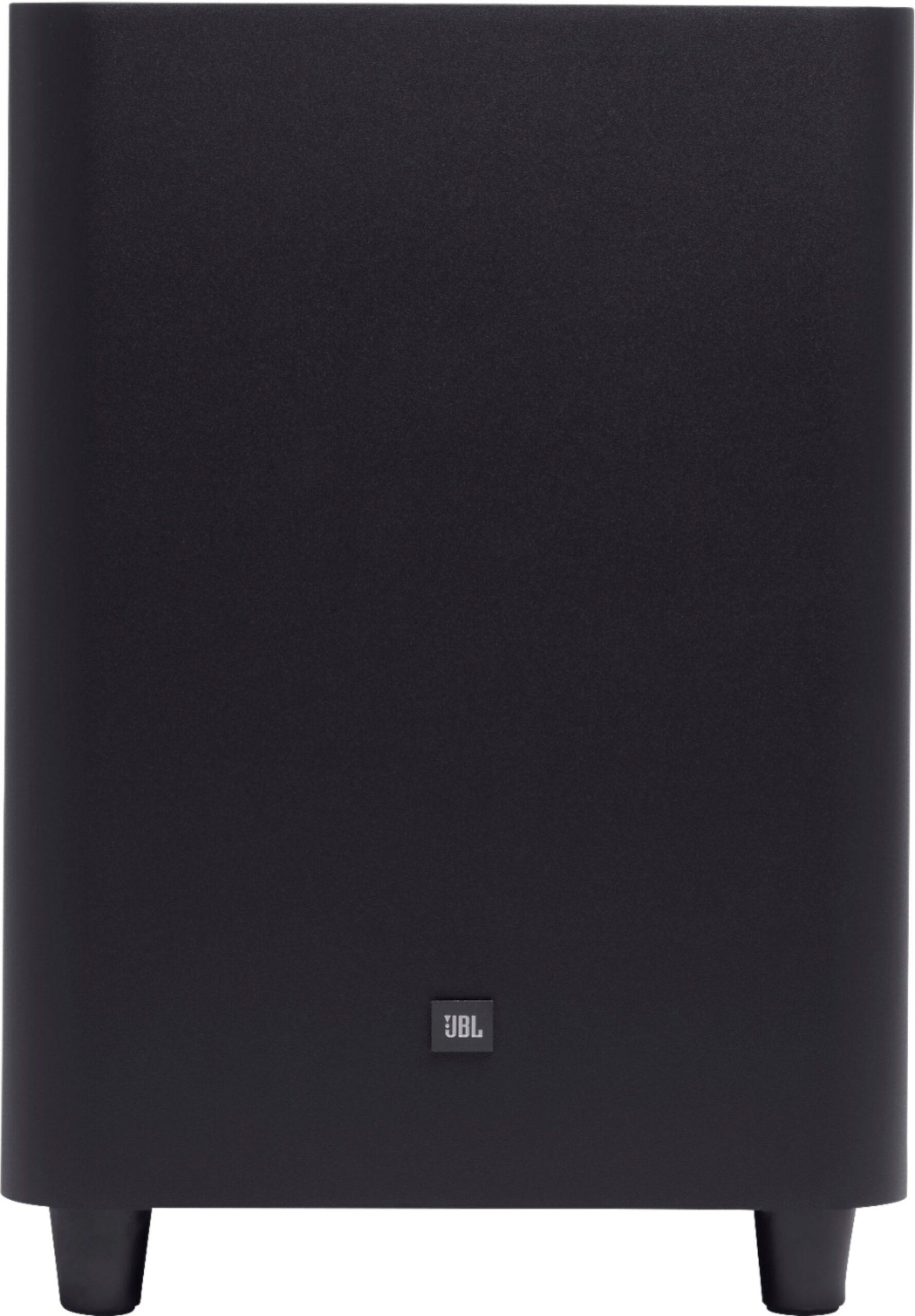
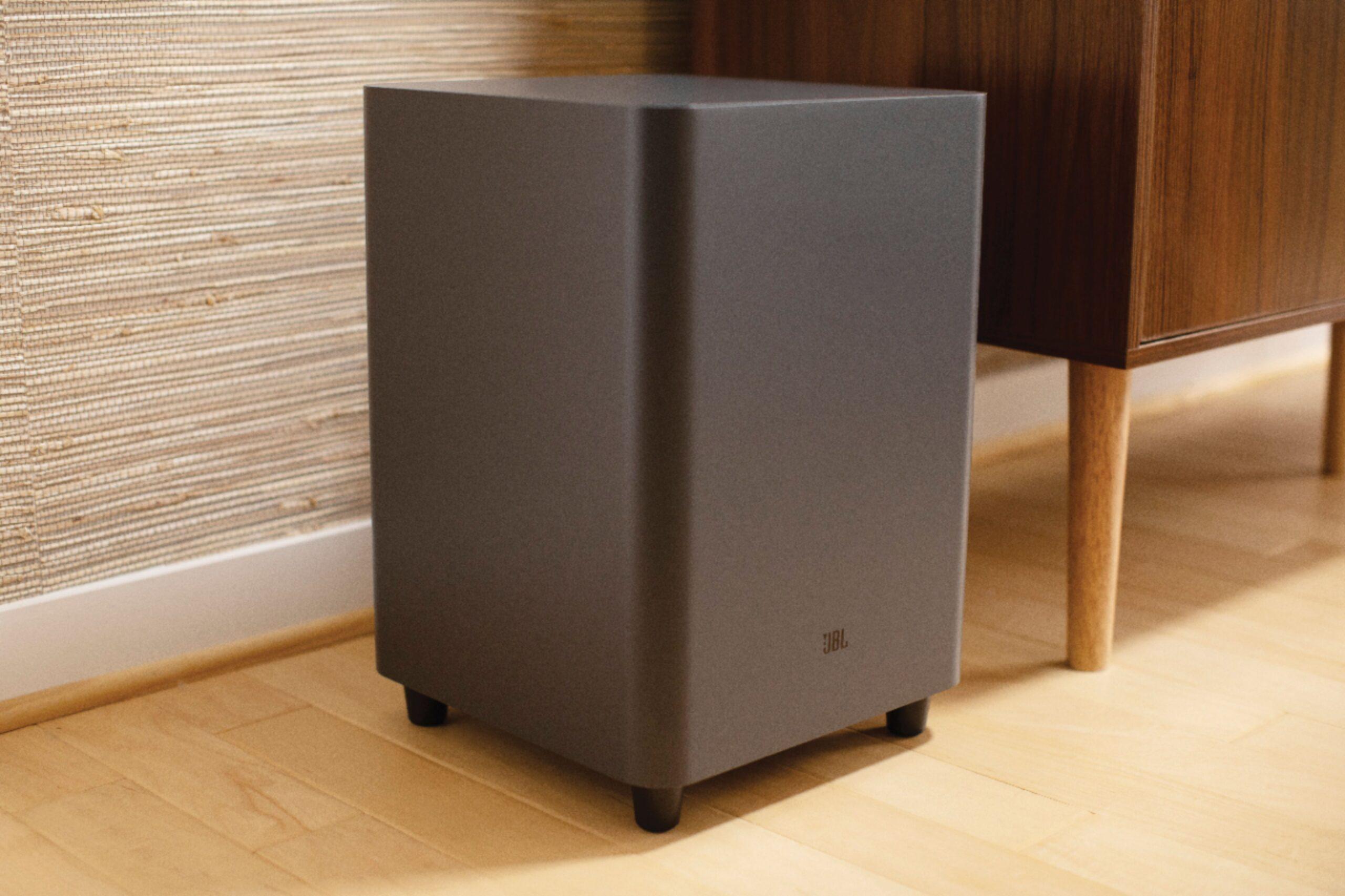
This is where the JBL Bar 5.1 shows its muscle. That 10-inch wireless subwoofer isn't just for show—it delivers 300 watts of dedicated bass power and can dig down to 35Hz. In practical terms, this means you feel explosions in your chest, not just hear them. The subwoofer's wireless design is crucial because bass placement is often about finding the right spot in your room, which might not be near your TV.
During my testing with "Dune," the deep rumbles of the sandworms were reproduced with authority that made my living room feel like it was part of the movie. The JBL doesn't just play bass—it moves air, creating that visceral impact that makes action scenes come alive.
The Sennheiser AMBEO takes a more refined approach with its built-in bass system. Six 4-inch woofers work together to produce bass down to 43Hz, which is respectable for a single-bar design. The bass is tight, controlled, and well-integrated with the rest of the frequency range. However, it lacks the sheer impact that the JBL's dedicated subwoofer provides.
Sennheiser anticipated this limitation and designed the AMBEO to work with up to four external subwoofers (though each costs around $800). This expandability is impressive but significantly increases the total system cost. For most users, the built-in bass will be adequate for dialogue-heavy content and music, but action movie enthusiasts will notice the difference.
Clear dialogue is arguably the most important aspect of any home theater system—what good is immersive sound if you can't understand what the characters are saying? Both systems handle this crucial task well, but in different ways.
The JBL Bar 5.1 uses dedicated center channel processing to keep dialogue anchored to the screen. In my testing with dialogue-heavy shows like "The West Wing," voices remained clear and present. However, I noticed occasional harshness in the upper frequencies during intense scenes, particularly with certain female voices.
The Sennheiser AMBEO excels here, benefiting from Sennheiser's legendary expertise in professional audio. Its five aluminum dome tweeters and sophisticated processing create exceptionally clear dialogue reproduction. The single-point source design eliminates timing issues that can occur when multiple drivers handle the same frequency range. During my testing with "The Crown," every whispered conversation was intelligible without strain.
Real homes aren't acoustically perfect, and great soundbars must adapt accordingly. The JBL Bar 5.1 handles this through physical flexibility—you can position the wireless subwoofer and rear speakers where they work best in your specific room. The system includes basic room correction, but mostly relies on good placement for optimal performance.
The Sennheiser AMBEO approaches room adaptation through technology. Its advanced room calibration system uses built-in microphones to measure your room's acoustic characteristics, then adjusts its processing accordingly. This automatic calibration runs every time you power on the system, continuously adapting to changes in your room (like moving furniture or seasonal decorations).
I found the AMBEO's room correction particularly impressive in challenging spaces. In a friend's loft with exposed brick walls and high ceilings, the system automatically compensated for the room's naturally bright acoustic signature, maintaining balanced sound that would have been difficult to achieve with traditional speakers.
At $600, the JBL Bar 5.1 represents exceptional value in the premium soundbar category. You're getting a complete 5.1 system—soundbar, wireless subwoofer, and wireless rear speakers—for less than many competitors charge for just a soundbar. The inclusion of actual surround speakers at this price point is remarkable, considering that most alternatives use virtual processing or require expensive add-on speakers.
The build quality is solid throughout, with reliable wireless connectivity and intuitive controls. After months of testing, I experienced zero dropouts between the wireless components, which speaks to JBL's engineering competence. The system includes everything needed for a complete surround sound experience, making it an excellent choice for users who want authentic multi-channel audio without breaking the bank.
The Sennheiser AMBEO at $2,000 commands a significant premium, but it's important to understand what you're paying for. This isn't just a soundbar—it's a sophisticated audio computer with 13 individually tuned drivers and processing power that rivals dedicated audio processors. The build quality is exceptional, with premium materials throughout and the kind of attention to detail you'd expect from a company with Sennheiser's pedigree.
However, the value proposition becomes more complex when you consider that optimal performance often requires additional subwoofers, potentially pushing the total system cost toward $3,000 or more. At that price point, you're entering territory where traditional separate component systems become viable alternatives.
The JBL Bar 5.1's technical innovation lies in making wireless surround speakers that actually work reliably. The detachable design uses a proprietary wireless protocol that maintains stable connections while preserving audio quality. The speakers automatically pair with the main unit and maintain synchronization even as you move around the room. The battery management system provides genuine 10-hour runtime while maintaining consistent output power.
JBL's MultiBeam technology uses multiple drivers in the main soundbar to create a wider soundstage, though it can't match the sophisticated processing of the Sennheiser. The HDMI implementation supports 4K passthrough with HDR, ensuring compatibility with modern video sources.
The Sennheiser AMBEO's technical achievement is more sophisticated, representing years of research into psychoacoustics—the science of how humans perceive sound. The AMBEO processing algorithms analyze incoming audio in real-time, identifying spatial cues and using the soundbar's driver array to recreate those cues in your room.
The upward-firing drivers are precisely angled to bounce sound off typical ceiling heights, while side-firing speakers create width. The processing power required for this real-time analysis and adjustment is substantial, which explains the system's higher power consumption and heat generation compared to simpler designs.
In a dedicated home theater setting, both systems offer advantages, but they serve different priorities. The JBL Bar 5.1 integrates beautifully with traditional home theater setups, offering multiple HDMI inputs and reliable compatibility with AV receivers and media players. The physical surround speakers can be mounted or placed on stands, providing flexibility for different room configurations.
For basement home theaters or dedicated media rooms where placement flexibility matters, the JBL's separate components shine. You can position the subwoofer in the optimal corner for bass response and place the rear speakers at ear level, creating an authentic surround experience that rivals more expensive separate component systems.
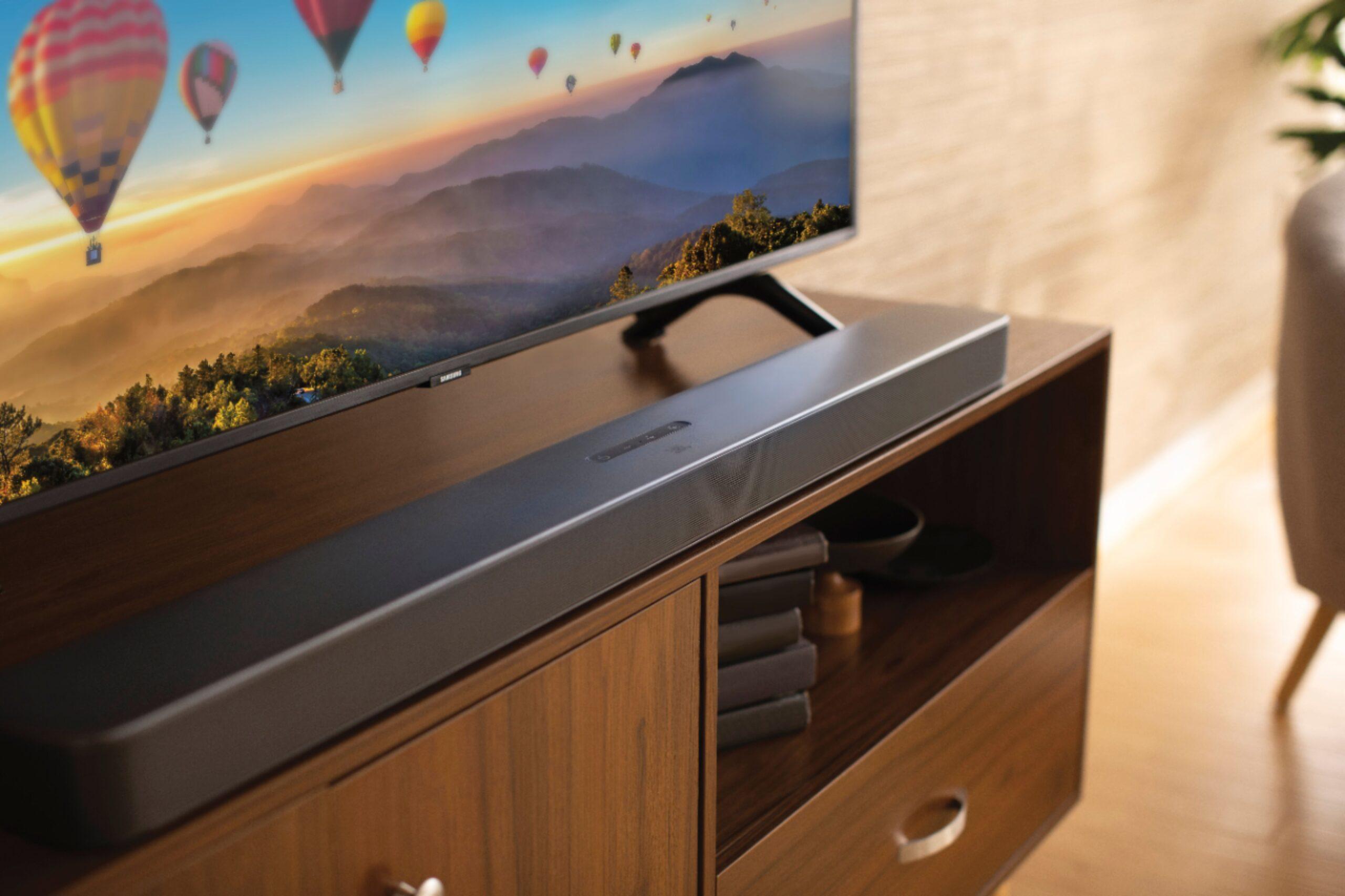
The Sennheiser AMBEO excels in living spaces where aesthetics and space constraints are primary concerns. Its single-bar design maintains clean sight lines while delivering sophisticated sound processing. The automatic room correction is particularly valuable in multipurpose spaces where furniture and room usage vary.
For modern open-concept homes where the listening area isn't a dedicated theater space, the AMBEO's ability to create immersive sound from a single location is genuinely impressive. Its streaming capabilities and smart home integration also make it more suitable for households where the sound system needs to serve multiple purposes beyond movie watching.
After extensive testing with both systems, the choice comes down to your priorities and circumstances. Choose the JBL Bar 5.1 if you want authentic surround sound with powerful bass at an excellent price point. It's perfect for action movie enthusiasts, gamers, and anyone who has space for separate components. The physical rear speakers provide immersion that virtual processing simply cannot match, and the included subwoofer delivers bass impact that will satisfy most users without additional purchases.
The Sennheiser AMBEO is the choice for users who prioritize refinement, convenience, and cutting-edge technology. If you have space constraints, want the cleanest possible setup, or value the sophistication of advanced processing, the AMBEO justifies its premium price. It's particularly suited to users who watch a variety of content types and want a system that excels with music as well as movies.
Both systems represent significant upgrades from basic soundbars and will transform your viewing experience. The JBL offers traditional surround sound done right at a reasonable price, while the Sennheiser pushes the boundaries of what's possible with single-bar designs. Your choice should align with your space, budget, and audio preferences—either way, you'll be getting a system that delivers genuine home theater immersion.
| JBL Bar 5.1 Surround Soundbar | Sennheiser AMBEO Soundbar |
|---|---|
| Price - Major factor in value proposition | |
| $600 (complete 5.1 system included) | $2,000 (single bar only, subwoofers sold separately) |
| Surround Sound Approach - Determines immersion quality | |
| True 5.1 with detachable wireless rear speakers | Virtual 3D processing with AMBEO technology |
| Bass Performance - Critical for action movies and music | |
| 10" wireless subwoofer, 300W, down to 35Hz | Built-in dual 4" woofers, down to 43Hz (expandable) |
| Total Power Output - Affects volume and dynamic range | |
| 550W total system power | 500W distributed across 13 drivers |
| Physical Setup - Space and placement requirements | |
| 3 separate components (bar, sub, wireless rears) | Single 49.6" soundbar with advanced room calibration |
| Channel Configuration - Surround sound capabilities | |
| Physical 5.1 channels with dedicated rear speakers | Virtual 5.1.4 with height effects processing |
| Connectivity Options - Device compatibility and streaming | |
| 3 HDMI inputs, Bluetooth, optical, basic streaming | HDMI eARC, WiFi, Chromecast, AirPlay 2, voice assistants |
| Room Adaptation - Performance in different spaces | |
| Manual placement optimization | Automatic room calibration with built-in microphones |
| Expandability - Future upgrade potential | |
| Fixed 5.1 system (no expansion options) | Supports up to 4 external subwoofers ($800 each) |
| Dialogue Clarity - Most important for TV and movies | |
| Good center channel, occasional treble harshness | Exceptional clarity with 5 aluminum dome tweeters |
| Height Effects - Dolby Atmos and overhead sound | |
| Not supported | Advanced virtualization creates convincing height channels |
| Battery Life - Wireless component operation | |
| 10 hours for detachable rear speakers | N/A (single powered unit) |
The JBL Bar 5.1 ($600) offers exceptional value with a complete 5.1 system including wireless subwoofer and detachable rear speakers. The Sennheiser AMBEO ($2,000) costs significantly more but provides premium build quality and advanced 3D processing technology. For most buyers, the JBL delivers better performance per dollar.
The JBL Bar 5.1 uses physical wireless rear speakers for true 5.1 surround sound, while the Sennheiser AMBEO creates virtual surround effects using advanced processing and a single soundbar. The JBL provides authentic surround placement, while the Sennheiser offers space-saving convenience with sophisticated audio processing.
The JBL Bar 5.1 features a dedicated 10-inch wireless subwoofer with 300W power, delivering deeper bass (35Hz) with more impact. The Sennheiser AMBEO has built-in dual 4-inch woofers (43Hz) that provide controlled bass but lack the raw power of JBL's dedicated subwoofer.
The JBL Bar 5.1 requires space for three separate components including rear speaker placement behind your seating. The Sennheiser AMBEO works better in smaller spaces as a single 49.6-inch unit, and its room calibration adapts to various room sizes automatically.
Both excel for different reasons. The JBL Bar 5.1 provides authentic surround sound with powerful bass, ideal for action movies. The Sennheiser AMBEO offers superior dialogue clarity and virtual height effects for Dolby Atmos content, making it excellent for all movie types.
The JBL Bar 5.1 requires positioning three wireless components but setup is straightforward with automatic pairing. The Sennheiser AMBEO offers simpler physical setup as one unit, plus automatic room calibration that optimizes sound for your specific space.
The Sennheiser AMBEO excels for music with built-in Chromecast, AirPlay 2, and superior streaming options. The JBL Bar 5.1 supports basic Bluetooth streaming but lacks the advanced connectivity and refined sound quality that makes the Sennheiser better for music listening.
Only the Sennheiser AMBEO supports height effects through its advanced virtualization technology and upward-firing drivers. The JBL Bar 5.1 focuses on traditional 5.1 surround sound without height channel processing, so it cannot create overhead sound effects.
Both offer solid reliability, but differently. The JBL Bar 5.1 has multiple wireless components that could potentially fail, though JBL's track record is strong. The Sennheiser AMBEO has fewer failure points as a single unit and premium build quality, but costs much more to replace if issues occur.
Yes, both work excellently with gaming. The JBL Bar 5.1 provides immersive surround sound for gaming with low latency and multiple HDMI inputs. The Sennheiser AMBEO offers precise audio positioning and supports advanced gaming audio formats through its HDMI eARC connection.
The Sennheiser AMBEO provides superior dialogue clarity thanks to its five aluminum dome tweeters and advanced processing. The JBL Bar 5.1 offers good center channel performance for voices but occasionally exhibits treble harshness that can affect speech clarity.
The JBL Bar 5.1 is a fixed 5.1 system with no expansion options beyond what's included. The Sennheiser AMBEO can be expanded with up to four external subwoofers (around $800 each) for enhanced bass performance, making it more future-proof for serious audiophiles.
We've done our best to create useful and informative comparisons to help you decide what product to buy. Our research uses advanced automated methods to create this comparison and perfection is not possible - please contact us for corrections or questions. These are the sites we've researched in the creation of this article: jbl.com - jbl.com - jbl.com - tomsguide.com - jbl.com - bestbuy.com - bestbuy.com - jbl.com - jbl.com - worldwidestereo.com - bestbuy.com - rtings.com - techradar.com - audioxpress.com - whathifi.com - upscaleaudio.com - soundstagesimplifi.com - global.sennheiser-hearing.com - sennheiser-hearing.com - audioadvice.com - abt.com - moon-audio.com

Privacy Policy
Terms and Conditions - Affiliate Policy
Home Security
© Copyright 2008-2026.
11816 Inwood Rd #1211, Dallas, TX 75244