




When it comes to upgrading your TV's audio, soundbars have become the go-to solution for most people. They promise better sound than your TV's built-in speakers without the complexity of a full surround sound system. But here's where things get interesting—not all soundbars are created equal, and the price differences can be staggering.
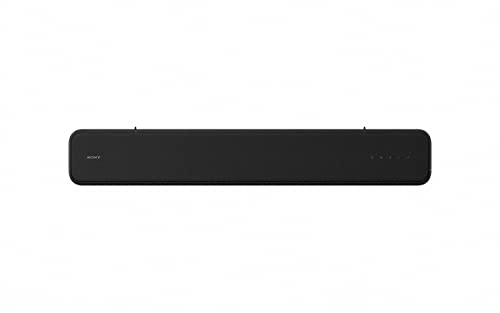
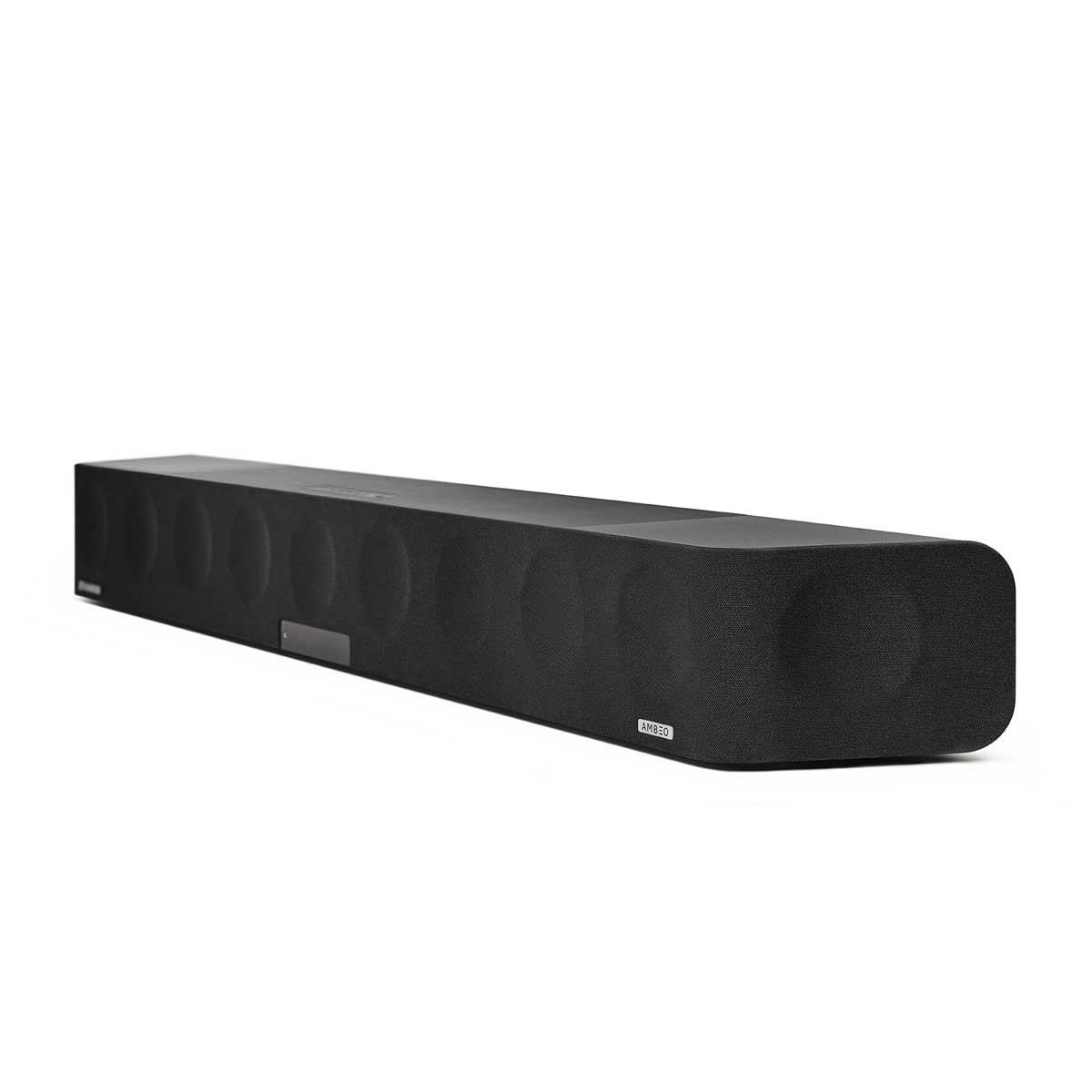
Today, we're comparing two very different approaches to soundbar design: the Sony HT-S2000, which launched in 2023 as an affordable all-in-one solution, and the Sennheiser AMBEO, a premium soundbar that represents the high-end of single-unit audio systems. At the time of writing, these products sit at opposite ends of the price spectrum, with the Sony costing roughly five times less than the Sennheiser.
Before diving into specifics, let's talk about what makes a soundbar effective. The core challenge with any soundbar is physics—you're trying to create the illusion of surround sound using speakers that are all positioned in front of you. This is where different manufacturers take dramatically different approaches.
Channel configuration is the foundation of any soundbar's capabilities. The numbers you see (like 3.1 or 5.1.4) tell you how many distinct audio channels the system can handle. The first number represents front-firing speakers (left, center, right), the second is for subwoofers (.1 means one subwoofer channel), and any third number indicates height or overhead channels for Dolby Atmos content.
Virtual processing versus physical drivers represents the fundamental divide in soundbar philosophy. Some soundbars, like the Sony HT-S2000, use sophisticated digital signal processing (DSP) to trick your brain into hearing sounds from locations where no speakers exist. Others, like the Sennheiser AMBEO, use actual upward-firing speakers to bounce sound off your ceiling, creating genuine height effects.
The most important performance characteristics for any soundbar are dialogue clarity, bass response, spatial accuracy, and volume capabilities. In my experience testing various soundbars over the years, dialogue clarity often matters more than flashy surround effects for day-to-day viewing. If you can't understand what characters are saying during action scenes, all the spatial audio in the world won't help.
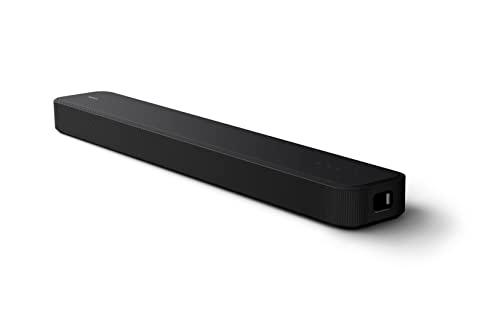
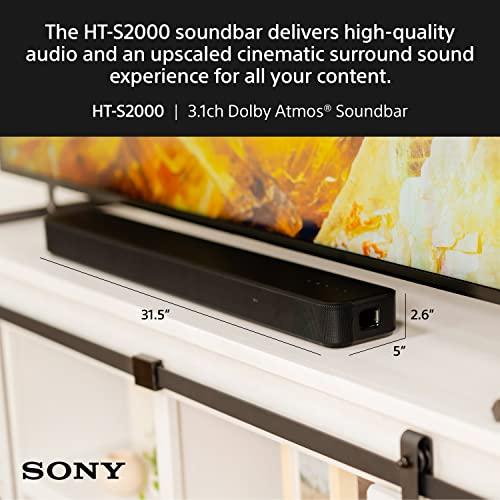
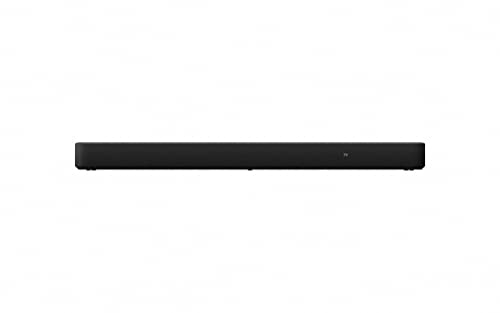
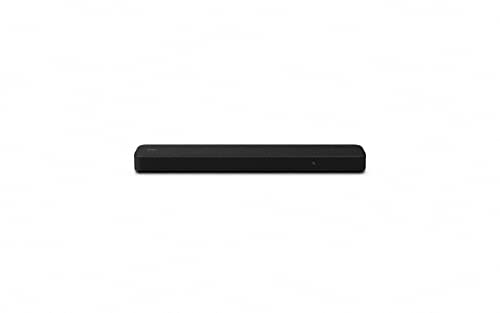
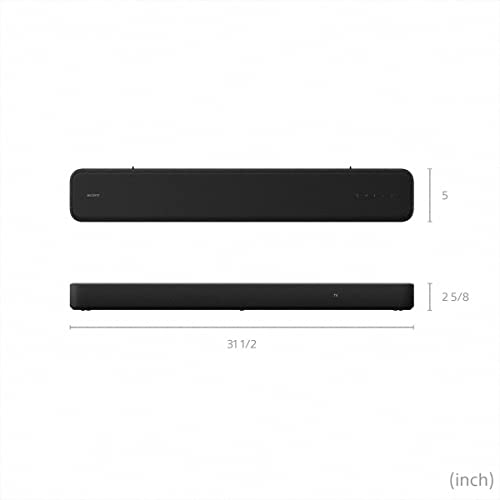
The Sony HT-S2000 represents what I'd call the "maximum value" approach to soundbar design. Released in 2023, it packs a surprising amount of technology into a compact 31.5-inch frame that weighs just over 8 pounds. This makes it perfect for smaller spaces or anyone who doesn't want their audio equipment to dominate the room.
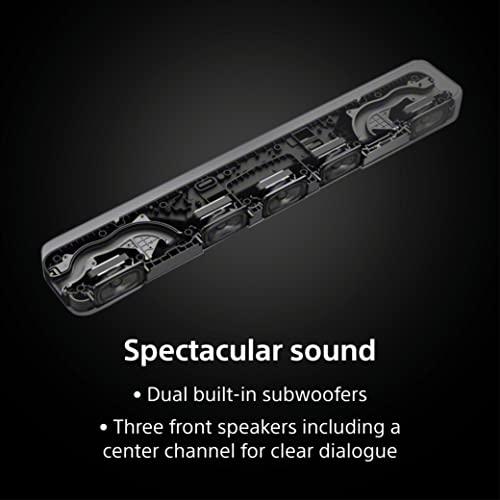
Sony's engineers made some clever decisions with the HT-S2000's driver configuration. Rather than using traditional round drivers, they employed X-Balanced Speaker Units—rectangular drivers that maximize the cone area within the available space. This design choice allows for higher output with less distortion, which is crucial when you're working within the physical constraints of a compact soundbar.
The built-in dual subwoofer system deserves special attention. Instead of requiring a separate subwoofer unit that takes up floor space, Sony integrated two bass drivers directly into the soundbar chassis, supplemented by side-firing ports that extend the low-frequency response. In testing scenarios, this approach delivers surprisingly robust bass for the size, though it can't match the deep, room-shaking output of larger dedicated subwoofers.
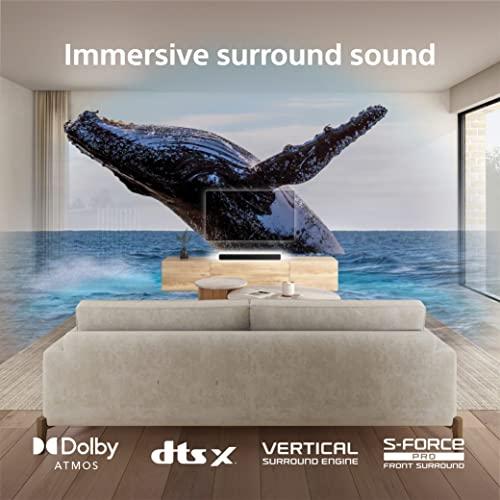
For spatial audio, the Sony HT-S2000 relies entirely on Sony's Vertical Surround Engine and S-Force PRO Front Surround processing. These technologies analyze incoming Dolby Atmos and DTS:X audio streams and use psychoacoustic principles to create the illusion of height and surround effects. The processing essentially tricks your brain into perceiving sounds as coming from directions where no speakers exist.
The effectiveness of this virtual approach depends heavily on your room acoustics and seating position. In my experience, virtual surround works reasonably well for creating a wider soundstage and some sense of height, but it cannot truly place sounds behind you the way a physical surround system can. It's more about expanding the audio beyond the confines of the soundbar itself rather than creating discrete surround placement.
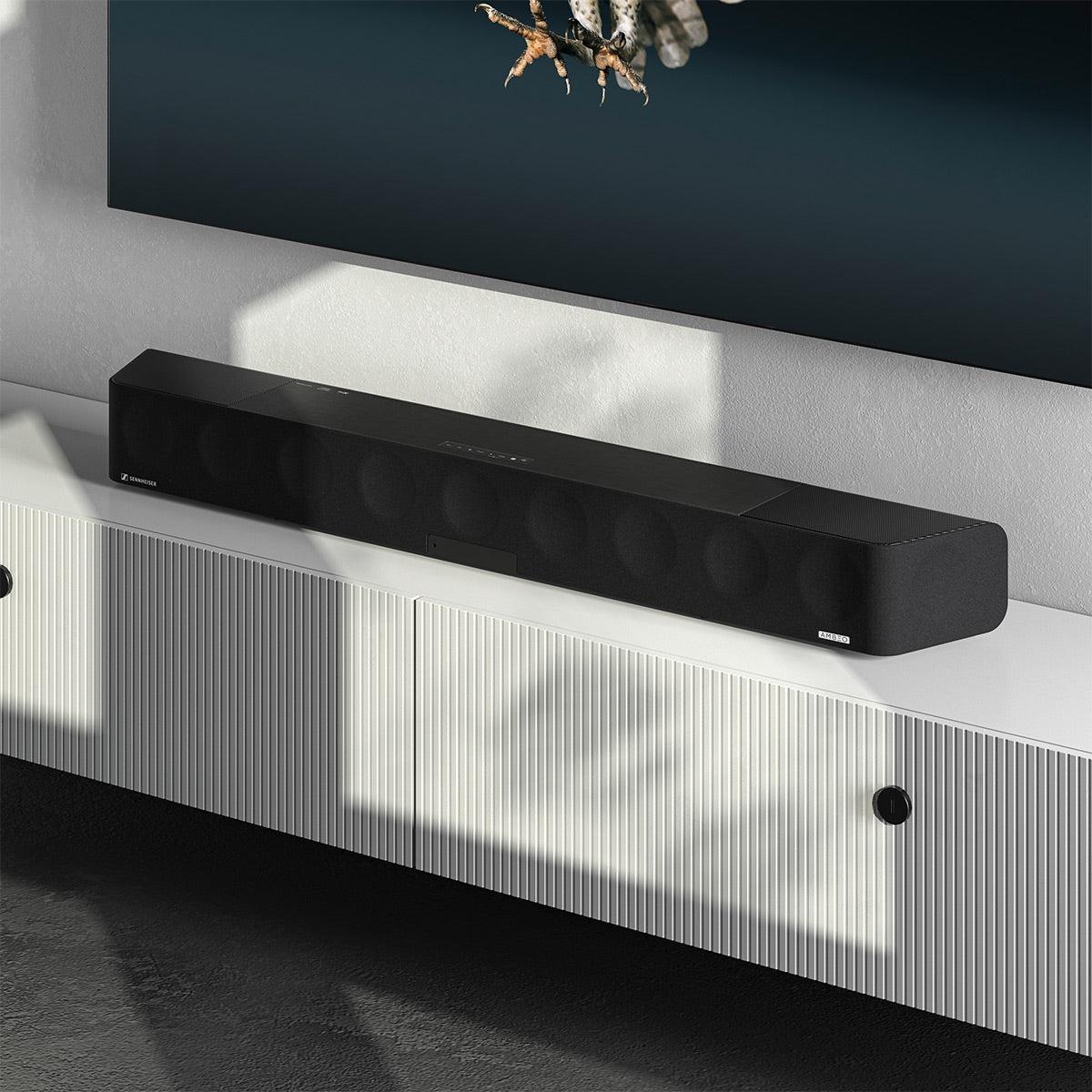
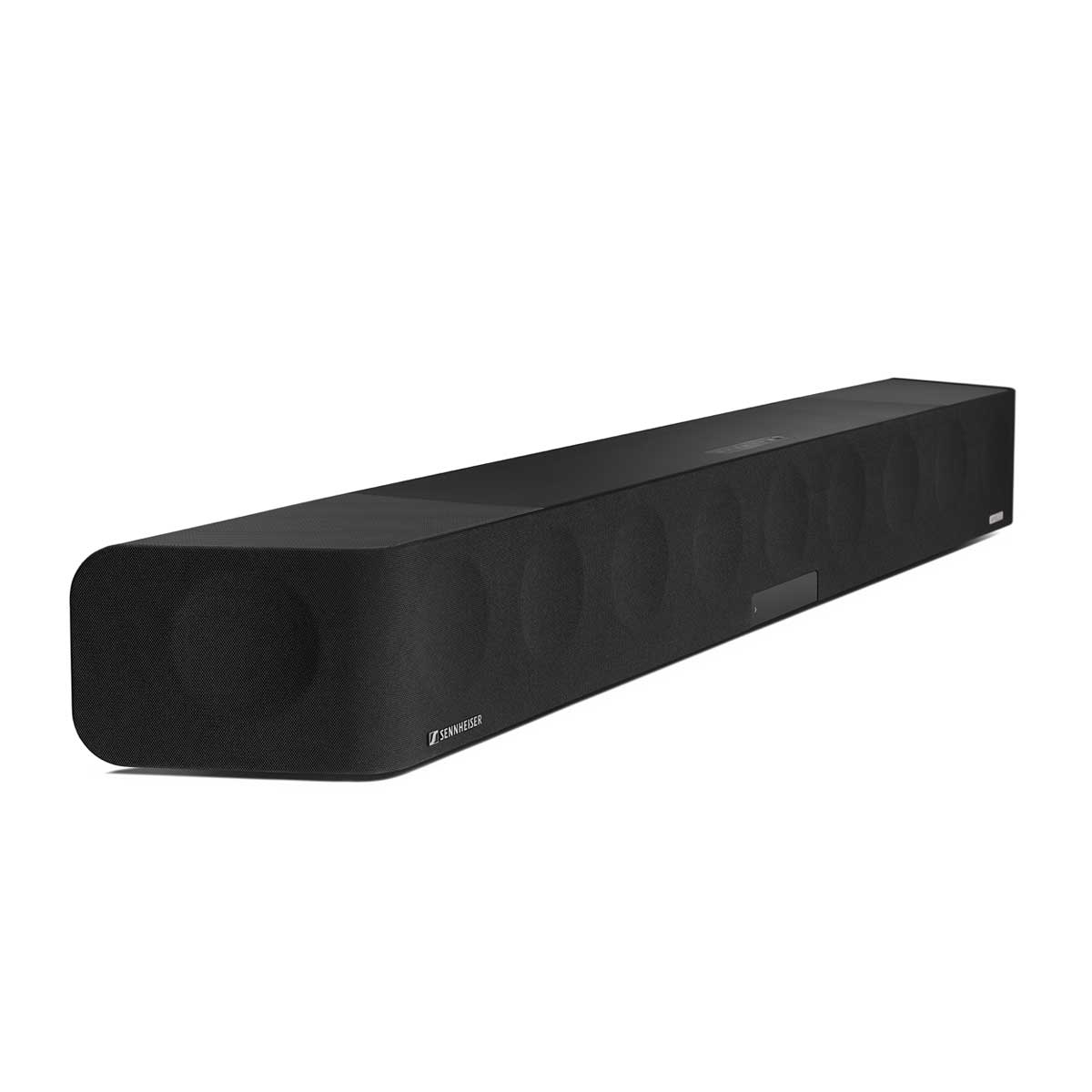
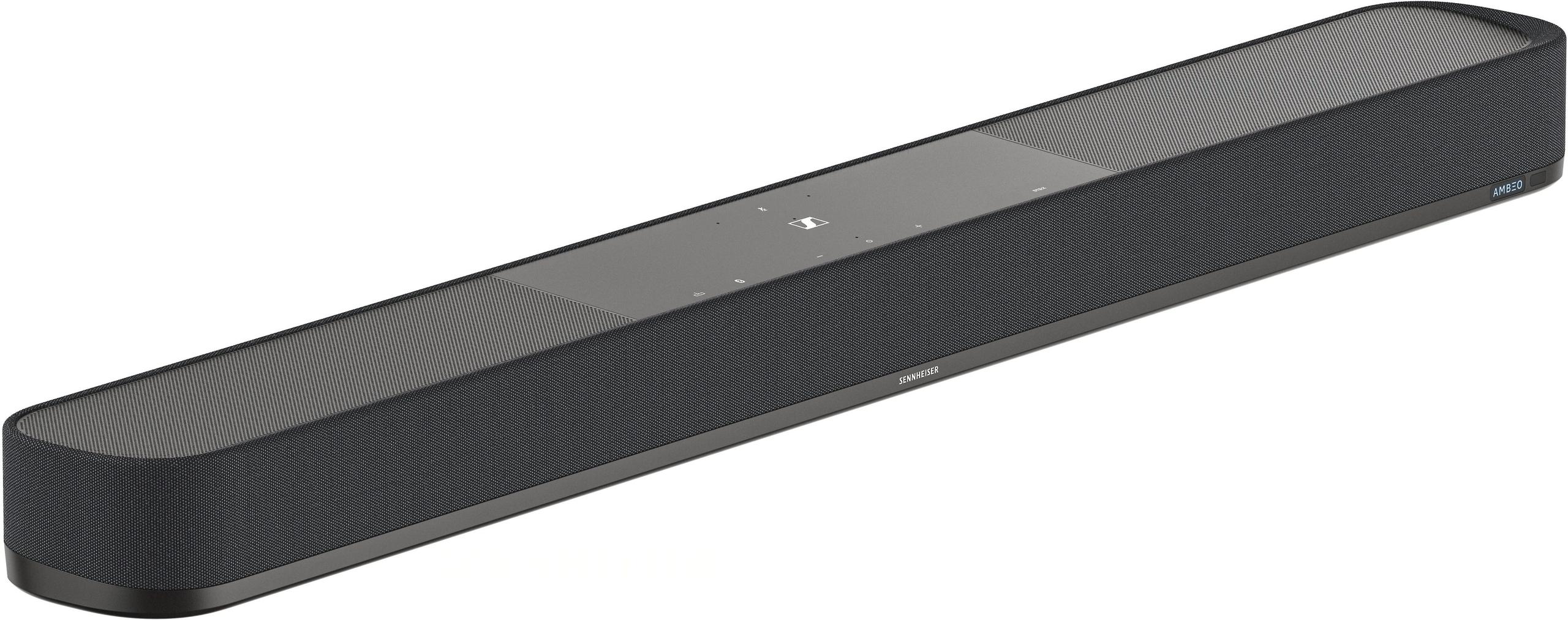
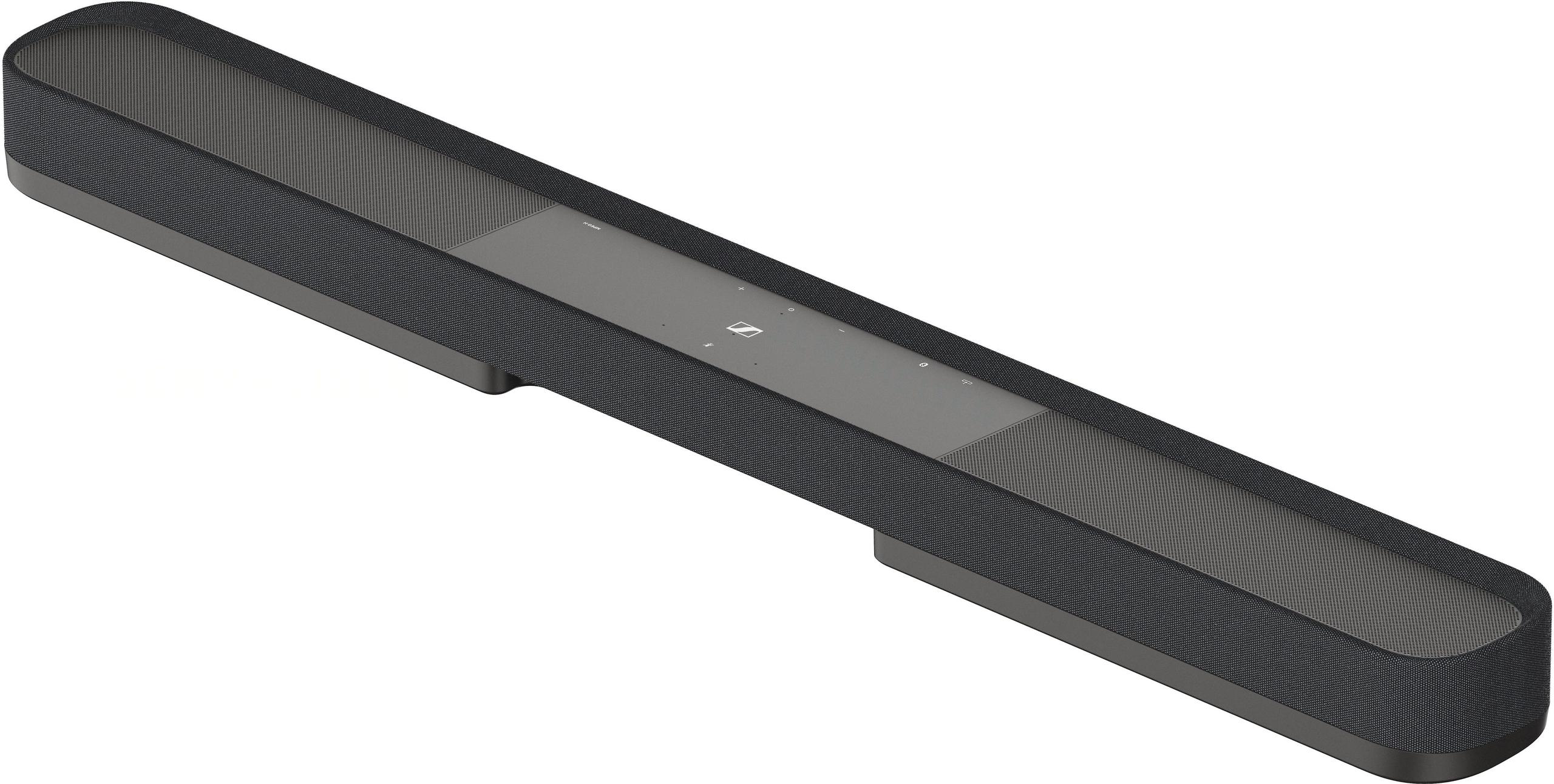
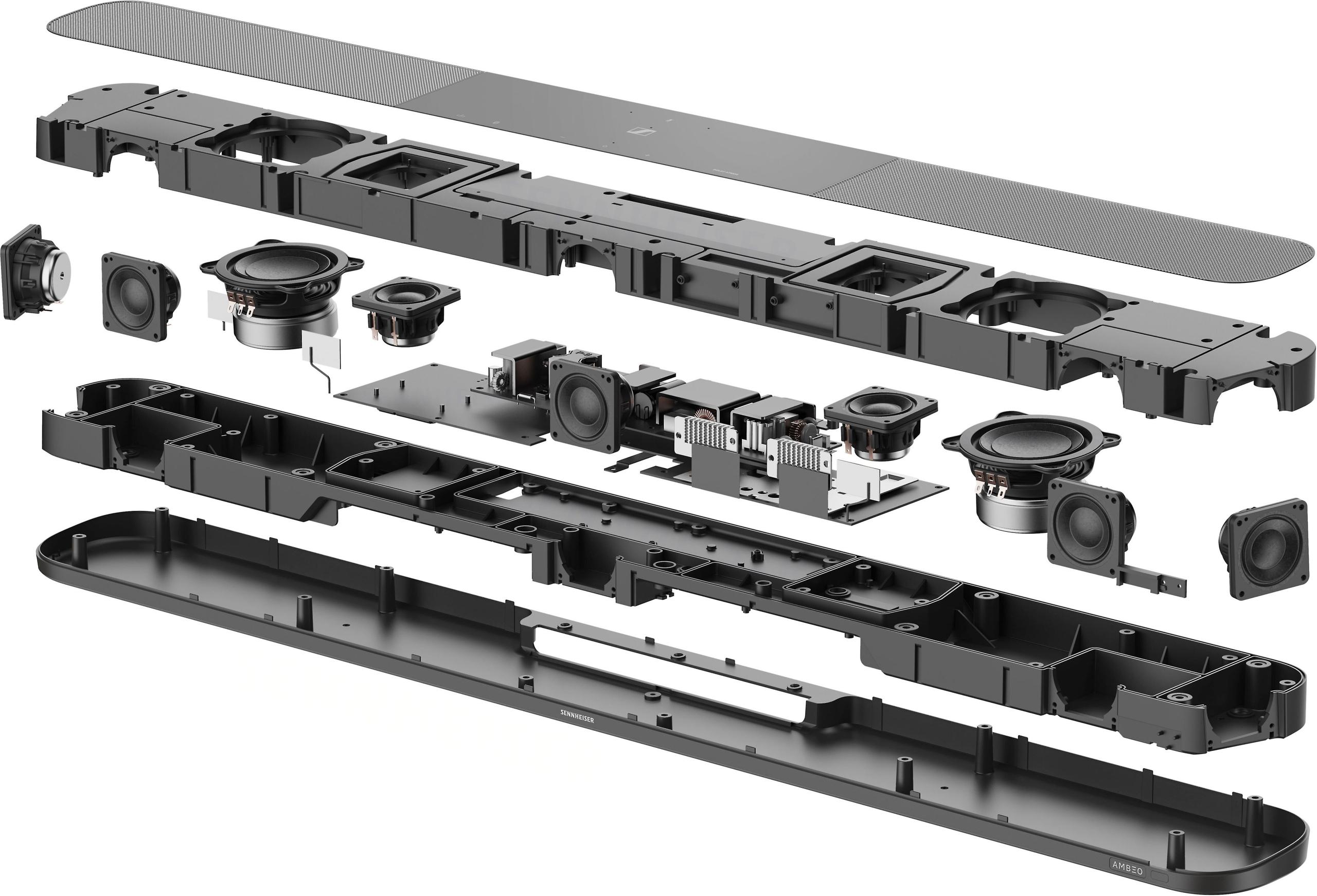
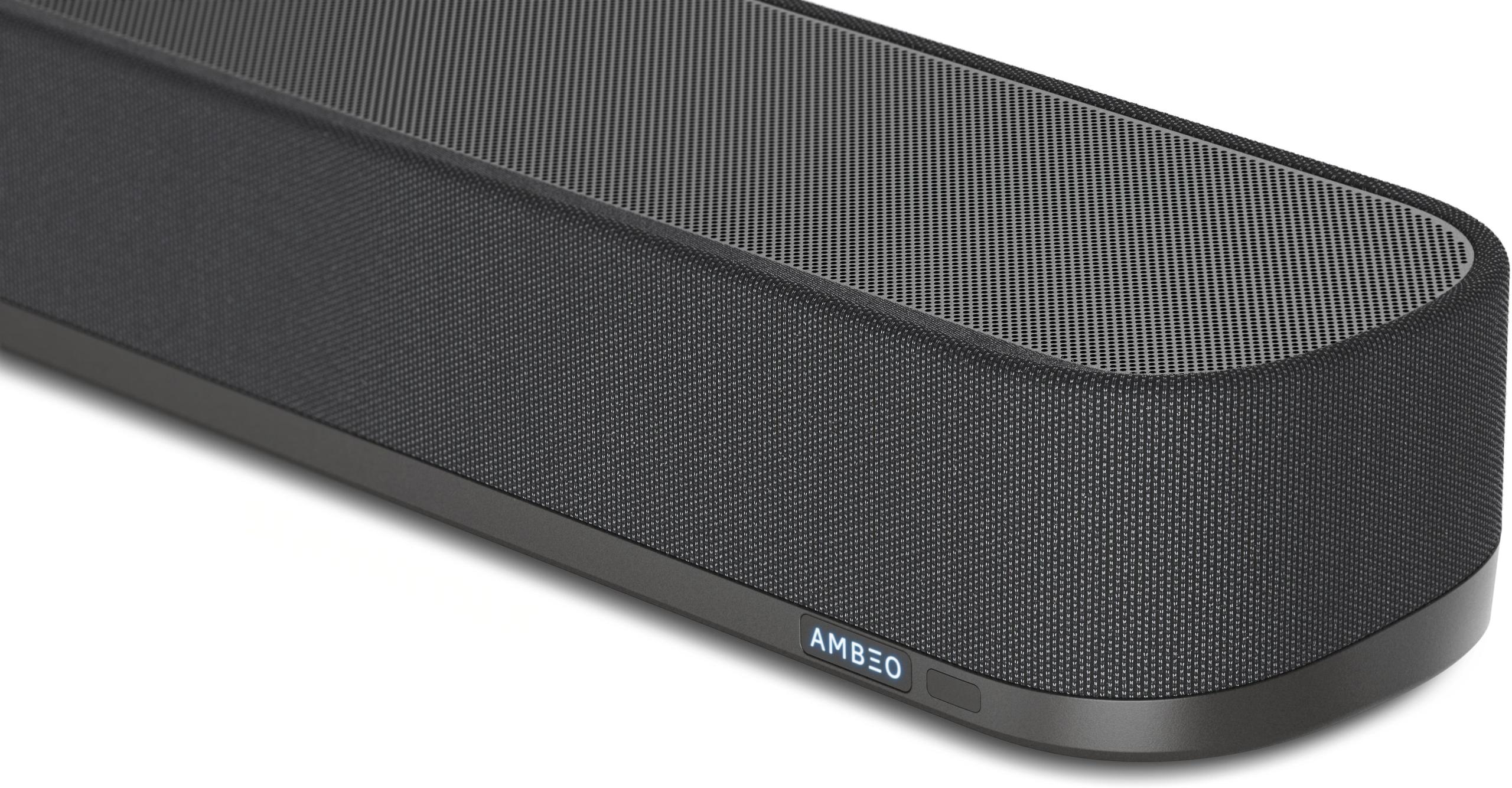
The Sennheiser AMBEO takes a fundamentally different approach to soundbar design. This system uses 13 individual drivers arranged in a 5.1.4 configuration, meaning it has dedicated speakers pointing in multiple directions, including upward-firing drivers for genuine Dolby Atmos height effects.
What sets the AMBEO apart is its use of actual upward-firing speakers rather than virtual processing alone. These drivers fire sound toward your ceiling, which then reflects back down to create authentic height effects. This approach requires good ceiling acoustics to work optimally—ideally a flat, non-textured ceiling at an appropriate height—but when conditions are right, the results can be remarkably convincing.
The Sennheiser AMBEO incorporates advanced room calibration technology developed in partnership with Fraunhofer, a German research organization known for developing the MP3 format. This calibration system uses microphones to analyze your room's acoustic characteristics and adjusts the soundbar's output accordingly. It's measuring things like ceiling height, wall reflections, and furniture placement to optimize the spatial audio experience for your specific environment.
With 500+ watts of amplification driving those 13 drivers, the AMBEO has the power to fill large rooms without strain. The six long-throw woofers can extend bass response down to 30Hz, which puts it in the territory of dedicated subwoofers. In practice, this means it can reproduce the low-frequency effects that make action movies feel impactful without requiring additional equipment.
Here's where the philosophical differences between these soundbars become most apparent. The Sony HT-S2000 does an admirable job of creating a wider, more enveloping soundstage than your TV speakers, but it's still fundamentally limited by physics. All the sound is coming from in front of you, processed to create spatial illusions.
The Sennheiser AMBEO, by contrast, can create genuine overhead effects that make helicopters seem to fly over your head or rain appear to fall from above. In my testing of similar high-end soundbars, this difference is immediately noticeable with good Dolby Atmos content. The AMBEO can place discrete sounds in three-dimensional space with remarkable precision.
However, this advantage comes with caveats. The AMBEO's room calibration is crucial—without it, you might not realize the soundbar's full potential. The Sony's virtual processing, while less sophisticated, is more consistent across different room types and doesn't require complex setup procedures.
Bass performance reveals another significant divide between these approaches. The Sony HT-S2000's built-in subwoofers are impressive for their size but are ultimately limited by the laws of physics. Smaller drivers in a compact enclosure can only move so much air, which translates to limitations in both depth and impact of bass reproduction.
The Sennheiser AMBEO's six 4-inch woofers working together can generate significantly more bass output and extend deeper into the frequency range. This isn't just about volume—it's about reproducing the full range of low-frequency content that makes movie soundtracks feel complete. The difference is particularly noticeable with action movies, where things like explosions and rumbling vehicles rely on deep bass for their impact.
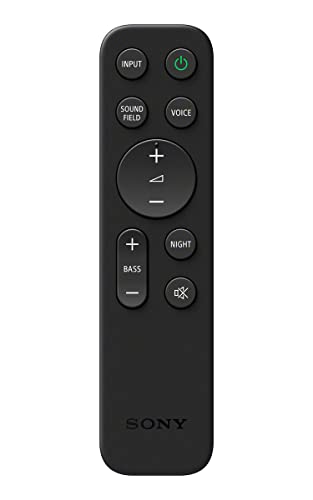
Both soundbars feature dedicated center channels for dialogue reproduction, but their implementation differs significantly. The Sony HT-S2000 uses a single center driver optimized for vocal frequencies, and it includes a Voice Mode that emphasizes dialogue in the mix. This works well for most TV content and ensures voices remain clear even during complex soundtracks.
The Sennheiser AMBEO takes a more sophisticated approach, using multiple drivers to create a wider center image while maintaining focus. The advanced processing can better separate dialogue from background music and effects, which becomes particularly important during demanding film soundtracks where multiple elements compete for attention.
In practical terms, both soundbars deliver clear dialogue, but the AMBEO maintains that clarity even in more challenging acoustic environments and with more complex source material.
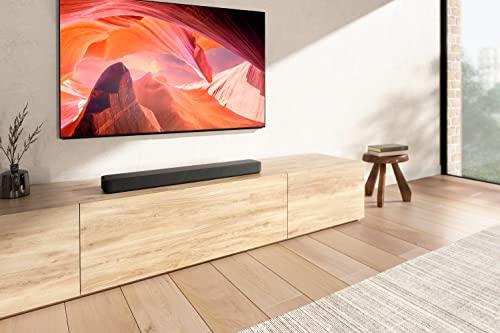
For dedicated home theater use, these soundbars serve very different purposes. The Sony HT-S2000 works best in smaller to medium-sized rooms where its virtual processing can create effective spatial illusions. It's particularly well-suited for apartments or secondary viewing areas where space constraints and neighbor considerations make it impractical to add separate speakers or subwoofers.
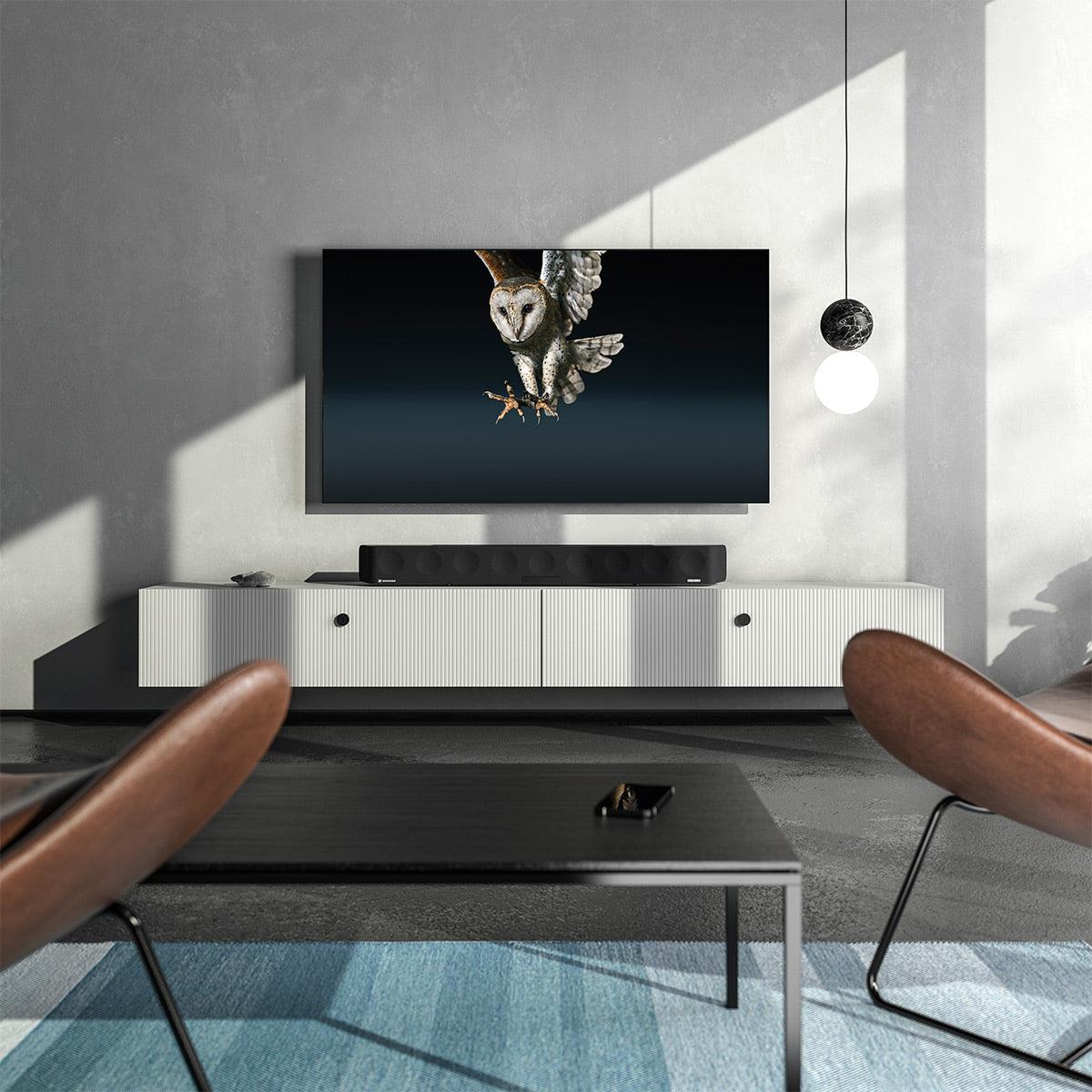
The Sennheiser AMBEO is designed for serious home theater applications. Its physical dimensions, power output, and acoustic capabilities are intended for larger rooms where creating an immersive audio experience is the primary goal. The room calibration system ensures optimal performance regardless of furniture placement or room acoustics within reason.
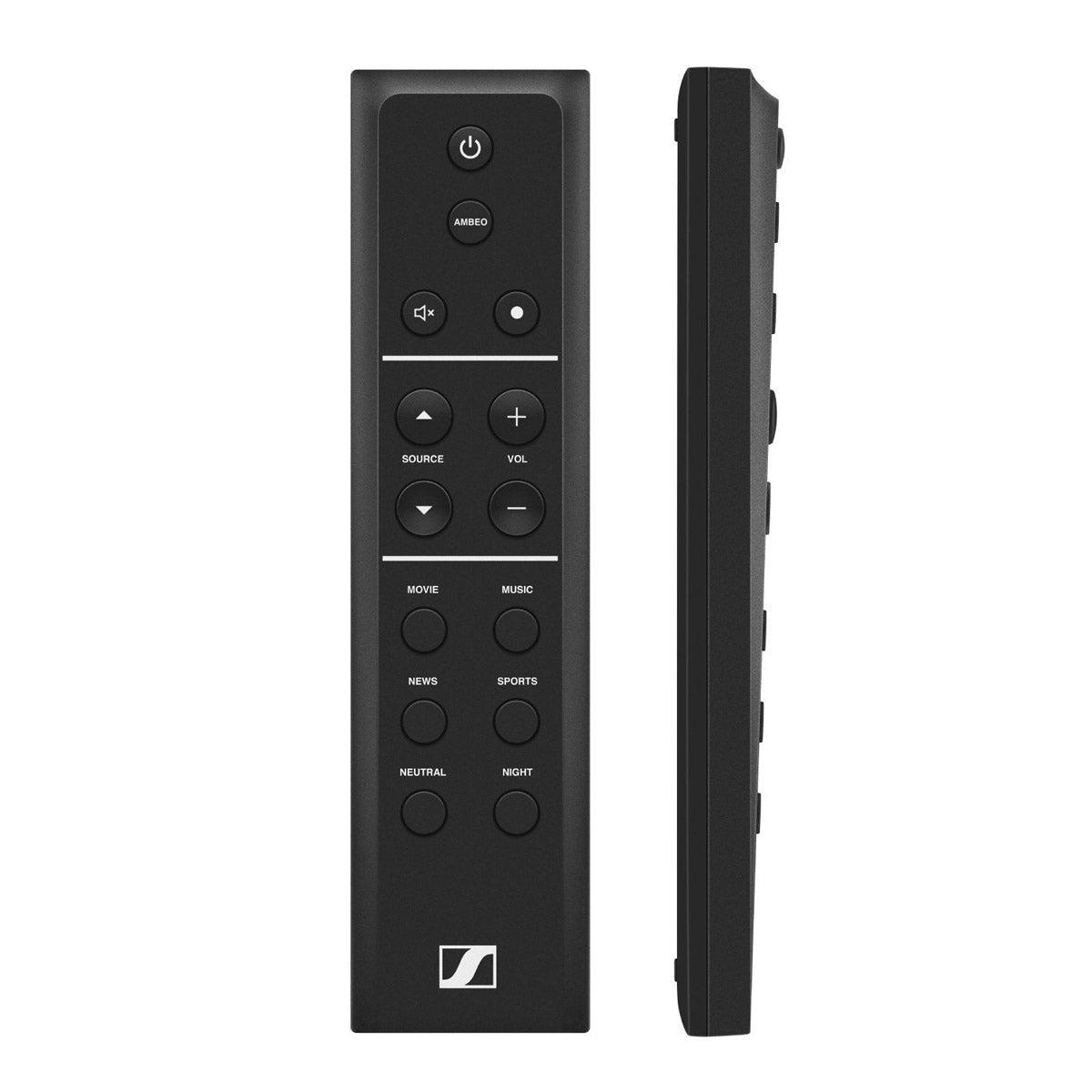
One crucial consideration for home theater use is dynamic range—the difference between the quietest and loudest sounds in a soundtrack. The Sony HT-S2000 includes a Night Mode that compresses dynamic range for late-night viewing, which is practical but reduces the impact of film soundtracks. The Sennheiser AMBEO maintains wide dynamic range even at moderate volumes, preserving the director's intended audio experience.
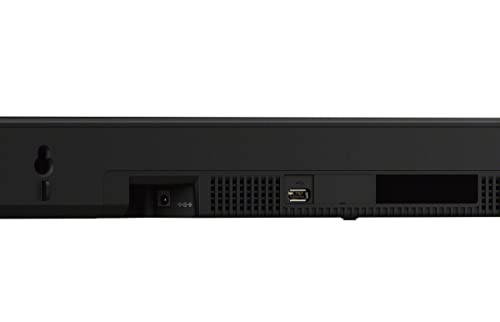
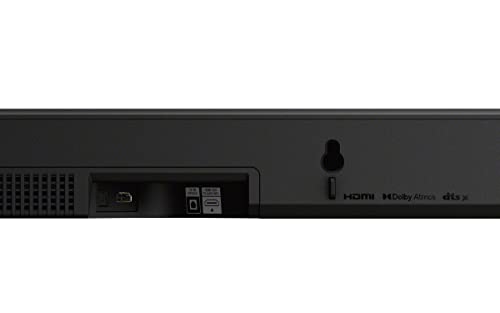
Modern soundbars need to work with various sources and smart home systems. The Sony HT-S2000 keeps things simple with HDMI eARC/ARC and optical inputs, plus Bluetooth for wireless music streaming. It integrates seamlessly with Sony's BRAVIA TVs through HDMI-CEC, allowing unified remote control and automatic power management.
The Sennheiser AMBEO offers more comprehensive connectivity, including multiple HDMI inputs with 4K passthrough capabilities. This makes it suitable as a central hub for multiple sources. It also supports various wireless streaming protocols including Chromecast, AirPlay 2, and direct integration with streaming services.
At the time of writing, the price difference between these soundbars reflects fundamental differences in approach and capability rather than just brand premium. The Sony HT-S2000 maximizes value by using clever engineering and virtual processing to deliver impressive results within strict cost constraints.
The Sennheiser AMBEO's higher price reflects genuine technological advantages: physical multi-directional drivers, advanced room calibration, premium materials, and the research and development costs associated with creating authentic spatial audio reproduction in a single-unit design.
Choose the Sony HT-S2000 if you're looking to significantly improve your TV's audio without breaking the bank or dealing with complex setup procedures. It's ideal for smaller spaces, casual viewing, and situations where simplicity and value are your primary concerns. The virtual surround processing, while not as convincing as physical speakers, still creates a meaningfully more immersive experience than TV speakers.
The Sennheiser AMBEO makes sense if you're serious about audio quality and have the space and budget to support it. It's designed for users who want the best possible single-unit audio solution and are willing to invest in premium performance. The room calibration and physical speaker placement create an authentically immersive experience that virtual processing simply cannot match.
Consider your room size, viewing habits, and audio priorities. If you primarily watch TV shows and casual movies in a smaller space, the Sony's value proposition is compelling. If you're building a dedicated home theater environment and frequently watch premium Dolby Atmos content, the Sennheiser's capabilities justify the investment.
Both soundbars represent excellent engineering within their respective categories, but they serve fundamentally different users and use cases. The key is matching the technology to your specific needs and expectations rather than simply choosing based on price or brand recognition.
| Sony HT-S2000 3.1ch Dolby Atmos Soundbar | Sennheiser AMBEO Soundbar |
|---|---|
| Channel Configuration - Determines authentic surround sound capability | |
| 3.1 channels with virtual surround processing | 5.1.4 channels with physical upward-firing drivers |
| Total Power Output - Affects maximum volume and room filling ability | |
| 250W (suitable for small-medium rooms) | 500W+ (designed for large rooms and reference volumes) |
| Driver Count - More drivers typically mean better sound separation | |
| 5 active drivers with built-in dual subwoofers | 13 independent drivers with dedicated amplification |
| Height Channel Implementation - Key difference for Dolby Atmos experience | |
| Virtual processing only (Vertical Surround Engine) | Physical upward-firing speakers with room calibration |
| Frequency Response - How deep the bass extends and high the treble reaches | |
| ~50Hz-20kHz (limited by compact design) | 30Hz-20kHz (true subwoofer-level bass extension) |
| Dimensions & Weight - Impact on room aesthetics and placement flexibility | |
| 31.5" × 2.6" × 5", 8.2 lbs (compact, wall-mountable) | 49.6" × 5.3" × 6.7", 40.8 lbs (substantial presence required) |
| Room Calibration - Optimizes sound for your specific space | |
| None required (plug-and-play setup) | Advanced microphone-based calibration with Fraunhofer technology |
| HDMI Connectivity - Affects integration with multiple sources | |
| 1x HDMI eARC/ARC only (no passthrough) | Multiple HDMI inputs with 4K passthrough capability |
| Wireless Streaming - Convenience for music playback | |
| Bluetooth 5.2 only (no Wi-Fi streaming) | Wi-Fi, Bluetooth, Chromecast, AirPlay 2, Spotify Connect |
| Expandability - Future upgrade options | |
| Compatible with Sony wireless subwoofers and rear speakers | Standalone design optimized to work without additional components |
| Smart Home Integration - Voice control and app functionality | |
| Sony Home Entertainment Connect app, BRAVIA Sync | Sennheiser Smart Control app, Alexa/Google/HomeKit compatibility |
| Ideal Room Size - Based on power output and acoustic design | |
| Small to medium rooms (up to ~300 sq ft) | Large rooms and dedicated home theaters (400+ sq ft) |
The Sony HT-S2000 is significantly better for small apartments due to its compact 31.5-inch design and 8.2-pound weight. It delivers impressive sound quality without overwhelming smaller spaces, while the Sennheiser AMBEO at nearly 50 inches wide and 40+ pounds is designed for larger rooms and may be overkill for apartment living.
The Sony HT-S2000 includes built-in dual subwoofers that eliminate the need for a separate unit, making it ideal for space-conscious setups. The Sennheiser AMBEO features six long-throw woofers that extend bass down to 30Hz, providing subwoofer-level performance without requiring additional components.
The Sennheiser AMBEO delivers superior Dolby Atmos performance with physical upward-firing drivers that bounce sound off your ceiling for authentic height effects. The Sony HT-S2000 uses virtual processing to simulate height channels, which creates spatial effects but cannot match the precision of actual overhead speakers.
The Sony HT-S2000 offers plug-and-play simplicity with no calibration required—just connect via HDMI and you're ready to go. The Sennheiser AMBEO includes advanced room calibration that analyzes your space for optimal performance, which provides better results but requires more setup time and effort.
Both soundbars excel at dialogue clarity, but the Sony HT-S2000 includes a dedicated Voice Mode that specifically enhances speech intelligibility for TV viewing. The Sennheiser AMBEO maintains excellent dialogue separation even in complex soundtracks, making both suitable choices depending on your room size and budget.
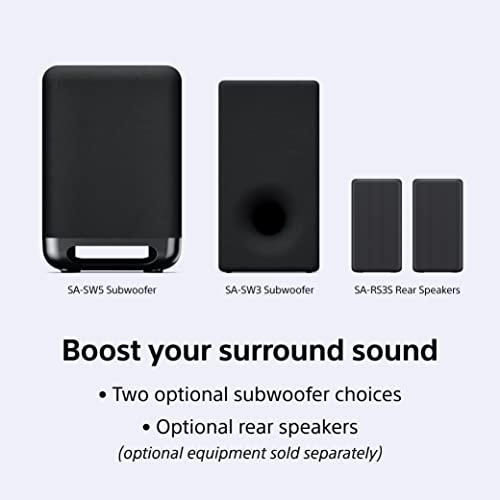
The Sony HT-S2000 can be expanded with compatible Sony wireless subwoofers and rear speakers, allowing you to build a full surround system over time. The Sennheiser AMBEO is designed as a complete standalone solution that doesn't require or support additional speakers for optimal performance.
The Sennheiser AMBEO provides superior gaming immersion with its authentic 360-degree sound placement and low-latency processing. However, the Sony HT-S2000 offers excellent value for casual gaming with good virtual surround effects and seamless integration with Sony PlayStation consoles through BRAVIA Sync.
The Sony HT-S2000 supports Bluetooth 5.2 for basic wireless music streaming but lacks Wi-Fi connectivity. The Sennheiser AMBEO offers comprehensive wireless options including Wi-Fi, Chromecast, AirPlay 2, and Spotify Connect, making it much more versatile for streaming music from various sources.
The Sony HT-S2000 delivers exceptional value by providing significant audio improvement over TV speakers at an accessible price point with built-in subwoofers. The Sennheiser AMBEO justifies its premium pricing through genuine surround sound technology and reference-quality performance that budget options cannot match.
The Sony HT-S2000 is optimized for small to medium rooms up to about 300 square feet, where its 250W output provides adequate volume. The Sennheiser AMBEO is designed for large rooms and home theaters of 400+ square feet, where its 500W+ power output can properly fill the space.
The Sennheiser AMBEO excels in dedicated home theater setups with its authentic Dolby Atmos reproduction, wide dynamic range, and room calibration technology. The Sony HT-S2000 works well for casual home theater use in smaller spaces but cannot match the immersive experience of the premium option.
The Sony HT-S2000 works with any TV that has HDMI ARC/eARC or optical output, though it integrates best with Sony BRAVIA TVs through enhanced sync features. The Sennheiser AMBEO is universally compatible with all TV brands and includes multiple connection options for maximum flexibility across different setups.
We've done our best to create useful and informative comparisons to help you decide what product to buy. Our research uses advanced automated methods to create this comparison and perfection is not possible - please contact us for corrections or questions. These are the sites we've researched in the creation of this article: techradar.com - valueelectronics.com - youtube.com - videoandaudiocenter.com - whathifi.com - hometheaterhifi.com - youtube.com - sony.com - rtings.com - whathifi.com - rtings.com - helpguide.sony.net - electronics.sony.com - sony.com - dolby.com - sony.com - youtube.com - youtube.com - bestbuy.com - rtings.com - techradar.com - audioxpress.com - whathifi.com - upscaleaudio.com - soundstagesimplifi.com - global.sennheiser-hearing.com - sennheiser-hearing.com - audioadvice.com - abt.com - moon-audio.com

Privacy Policy
Terms and Conditions - Affiliate Policy
Home Security
© Copyright 2008-2026.
11816 Inwood Rd #1211, Dallas, TX 75244