






When you're watching your favorite movie and suddenly realize you can't understand what the characters are saying over the background music and explosions, it's time to upgrade from your TV's built-in speakers. Soundbars have become the most popular solution for this common problem, offering better audio without the complexity of a full surround sound system with speakers scattered around your room.
The soundbar market has exploded in recent years, with options ranging from basic $100 models to premium units costing several thousand dollars. Today, we're comparing two soundbars that represent very different approaches to solving your audio needs: the budget-friendly Yamaha SR-B30A ($280) and the premium Sennheiser AMBEO Soundbar ($2,000).
Before diving into these specific models, it's worth understanding what separates good soundbars from great ones. The most important factors include sound quality (how clear and full the audio sounds), bass response (those deep, rumbling low frequencies that make explosions feel real), connectivity options (how many ways you can connect devices), and smart features like room calibration that automatically adjusts the sound for your specific space.
Modern soundbars also need to handle immersive audio formats like Dolby Atmos, which creates the illusion of sounds coming from above and around you—not just from the front where the soundbar sits. This spatial audio technology uses clever processing to bounce sound off your ceiling and walls, creating what audio engineers call a "soundstage" that extends far beyond the physical speaker.
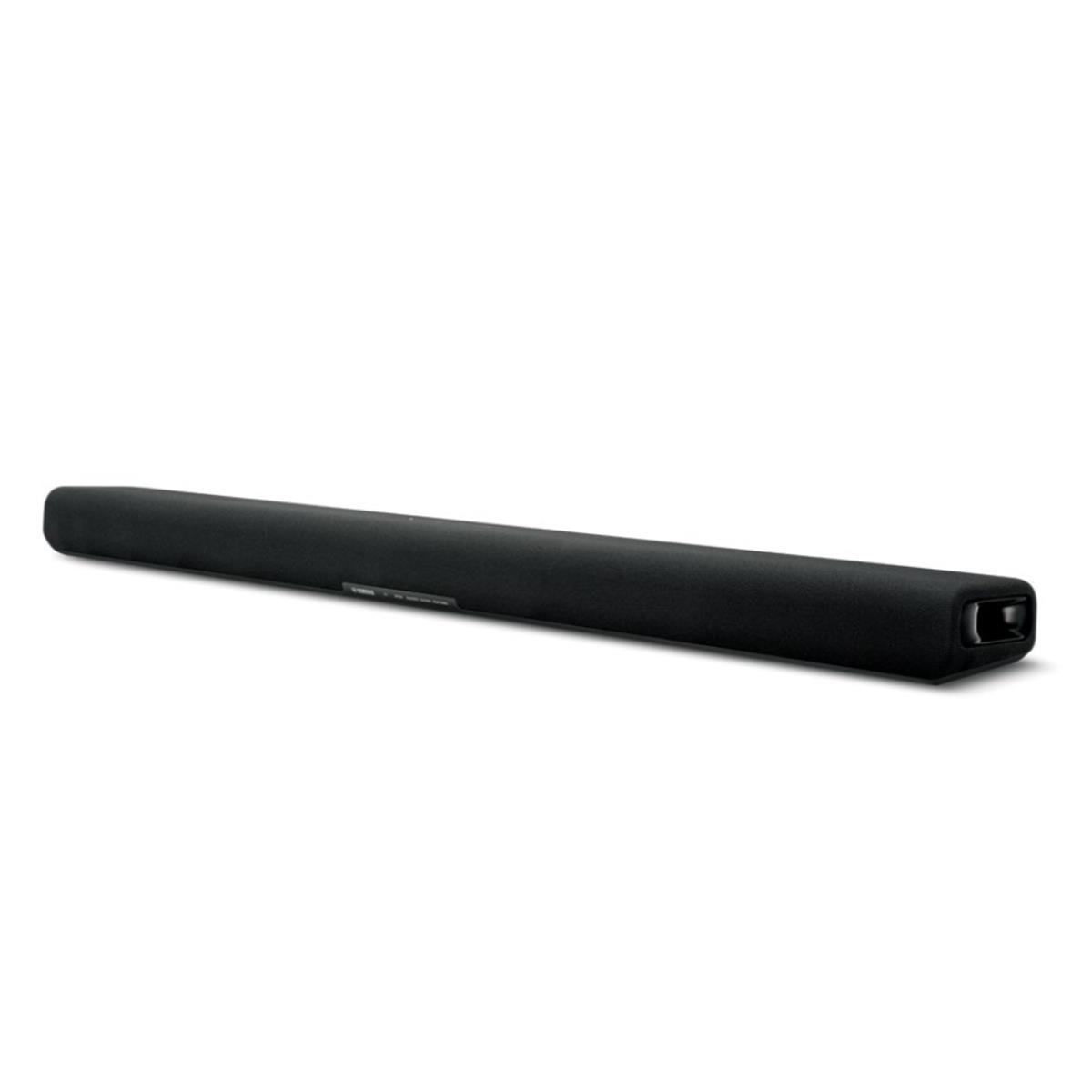
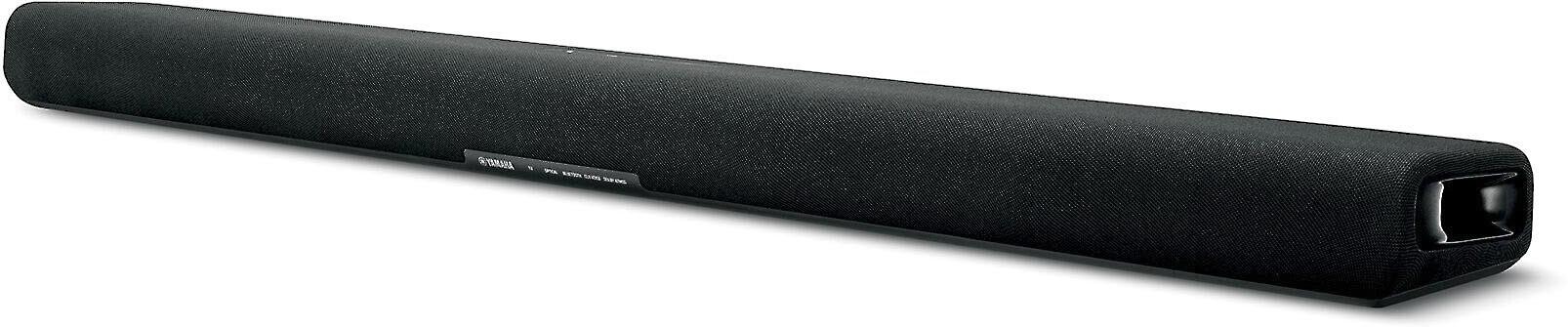
The Yamaha SR-B30A, released in 2024, represents Yamaha's approach to making premium audio features accessible to mainstream buyers. At just under $300, it packs Dolby Atmos support and built-in subwoofers (the speakers that handle bass frequencies) into a compact package that won't dominate your entertainment center.
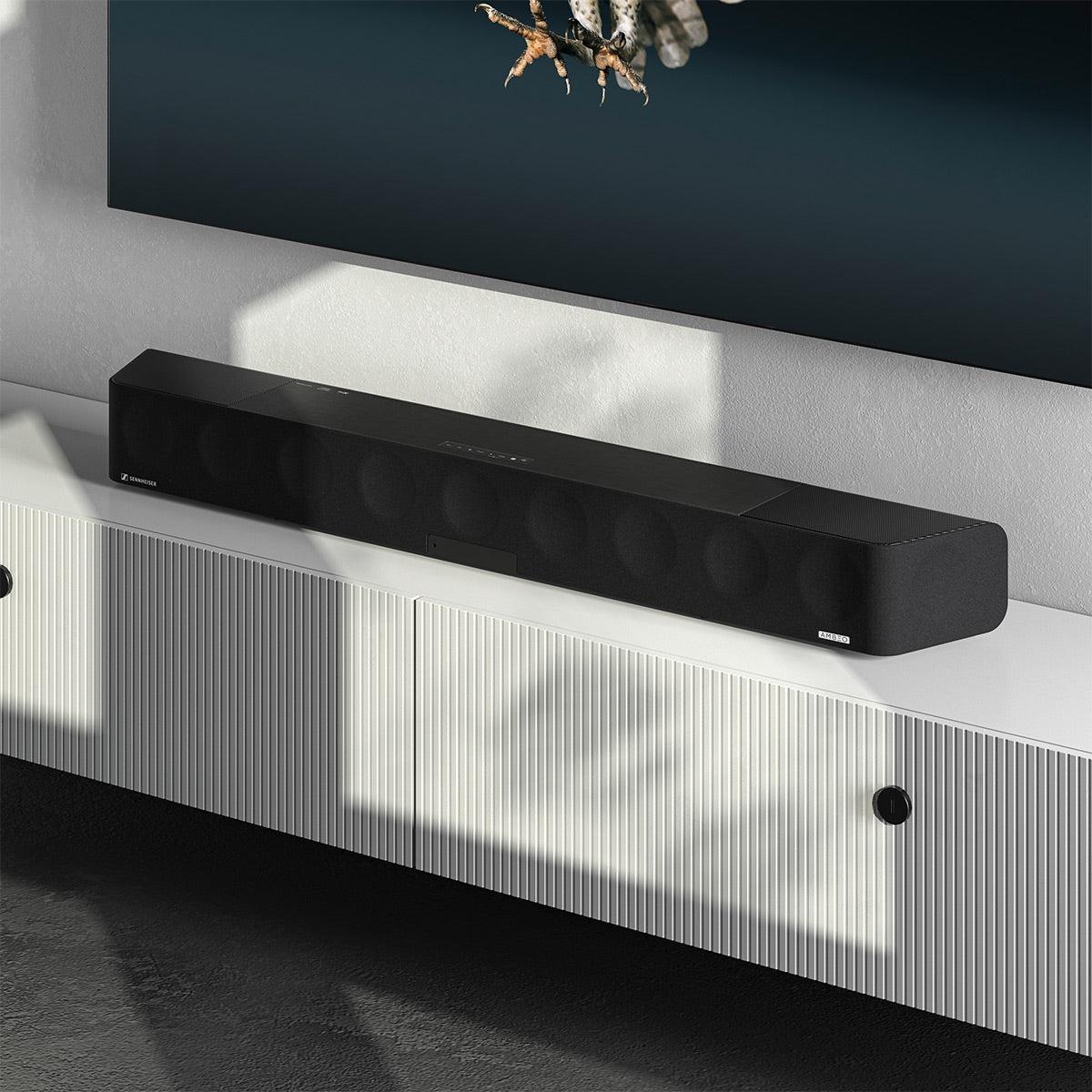
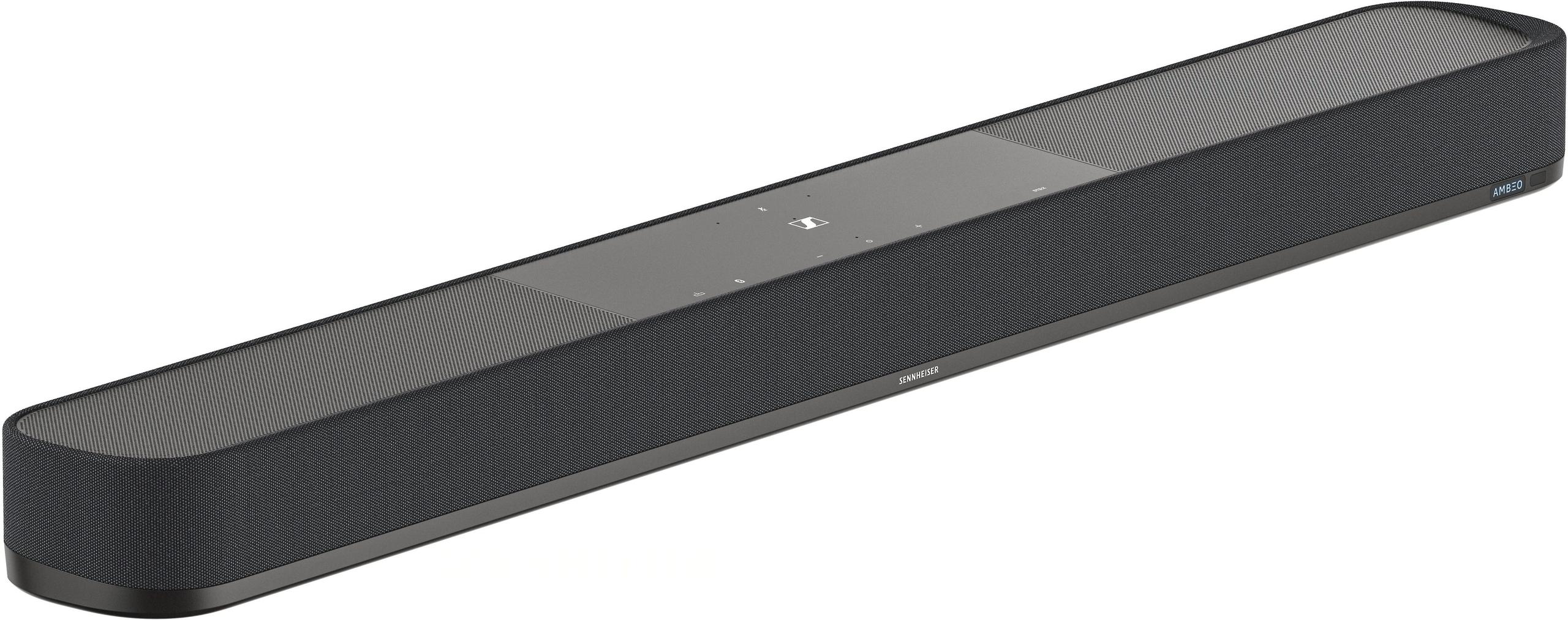
On the opposite end of the spectrum, the Sennheiser AMBEO Soundbar, launched in 2023, embodies the "no compromises" philosophy. This nearly $2,000 unit uses cutting-edge AMBEO 3D technology—developed in partnership with the Fraunhofer Institute, the same research organization behind MP3 audio compression—to create what Sennheiser claims is the most convincing single-bar surround sound experience available.
The Yamaha SR-B30A uses a 2.1-channel configuration, meaning it has separate left and right channels plus a dedicated subwoofer channel. Inside its 35.9-inch body, you'll find four 1.8-inch drivers handling mid-range frequencies (like voices), two 1-inch dome tweeters for high frequencies (like cymbals and dialogue clarity), and two 3-inch subwoofer drivers for bass.
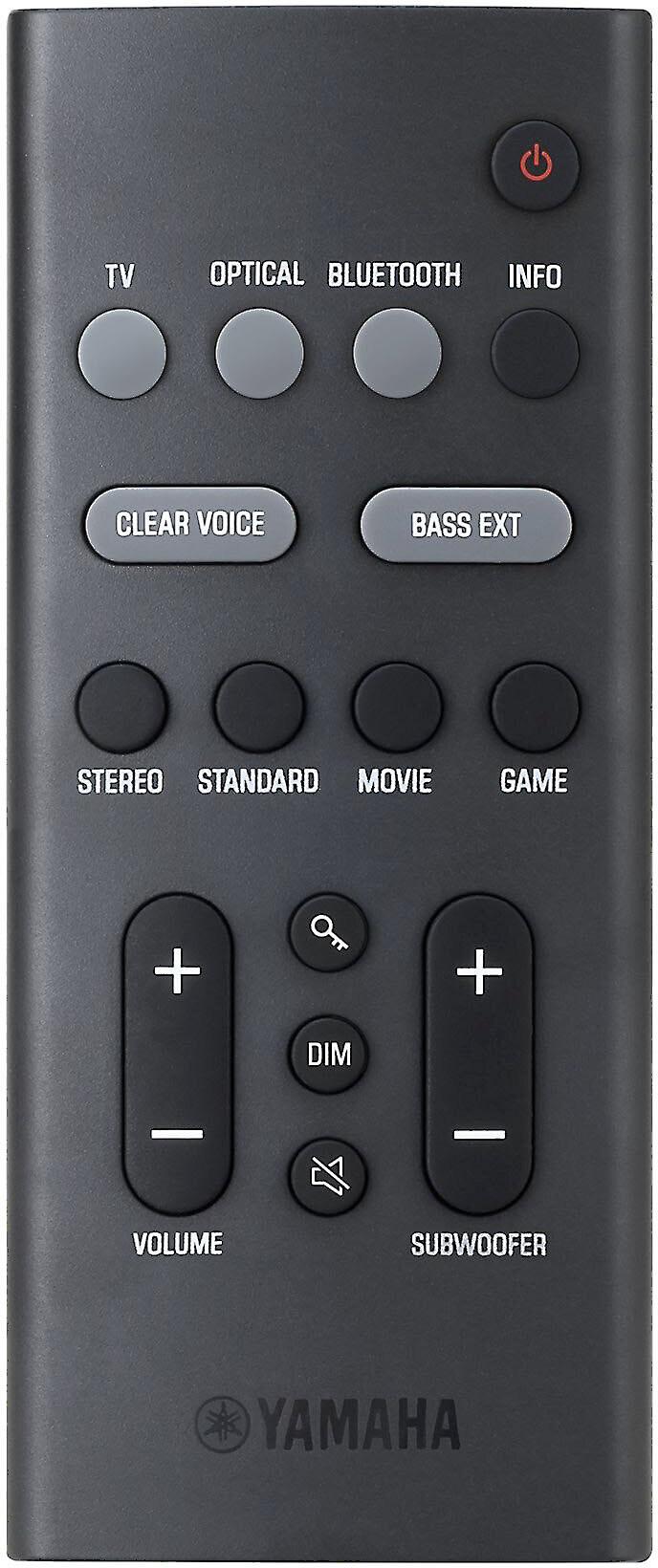
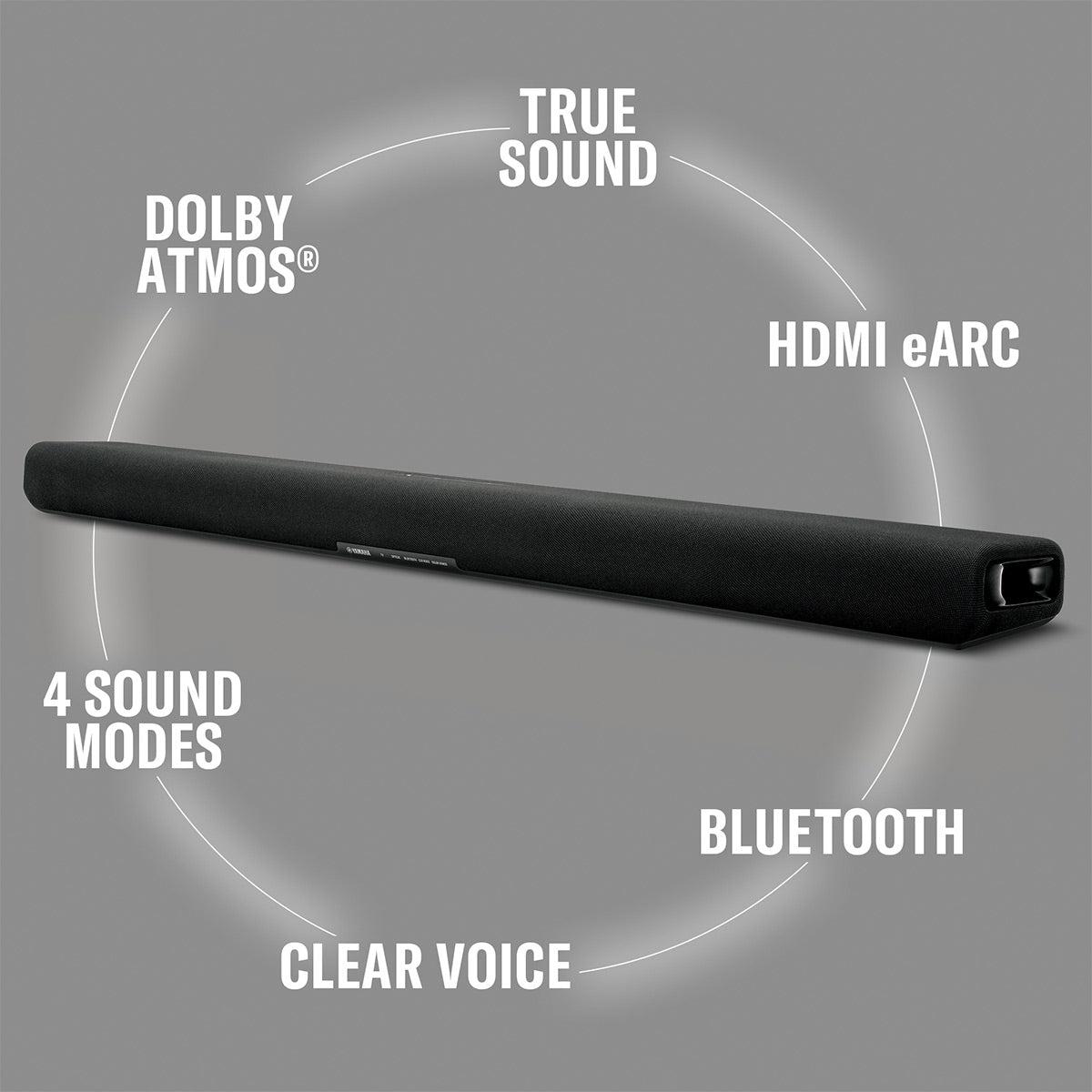
What impresses me about this setup is Yamaha's Clear Voice technology. When I first tested this feature, the difference in dialogue clarity was immediately noticeable. The technology essentially creates a separate channel for human voices, pulling them forward in the mix so they don't get buried under background music or sound effects. This addresses one of the most common complaints about TV audio—not being able to understand what people are saying.
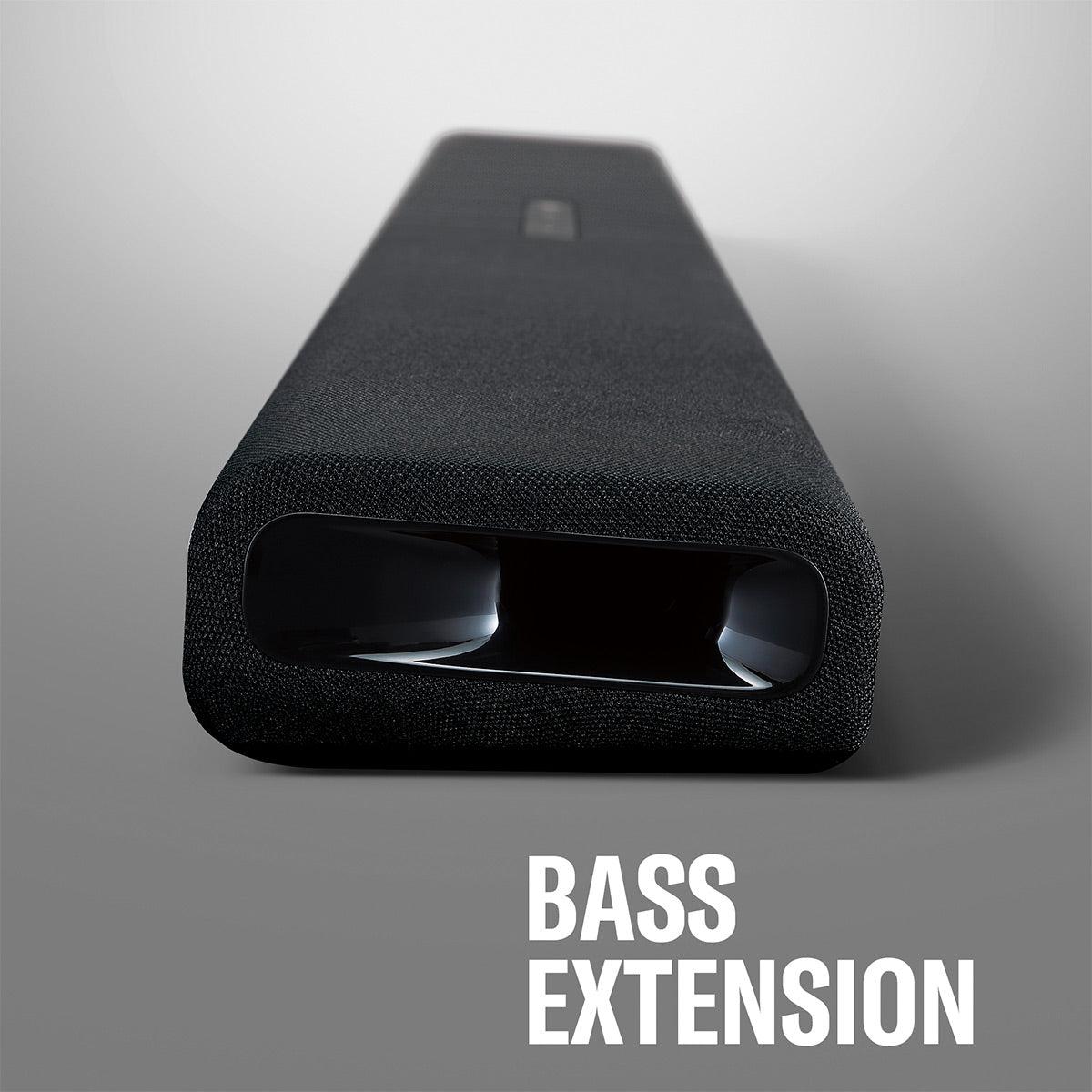
The Yamaha also includes Bass Extension mode, which uses digital signal processing (DSP) to enhance low-frequency content. While this doesn't magically create deeper bass than the physical drivers can produce, it does make the most of what's available by emphasizing certain frequencies and using psychoacoustic tricks to make the bass feel fuller.
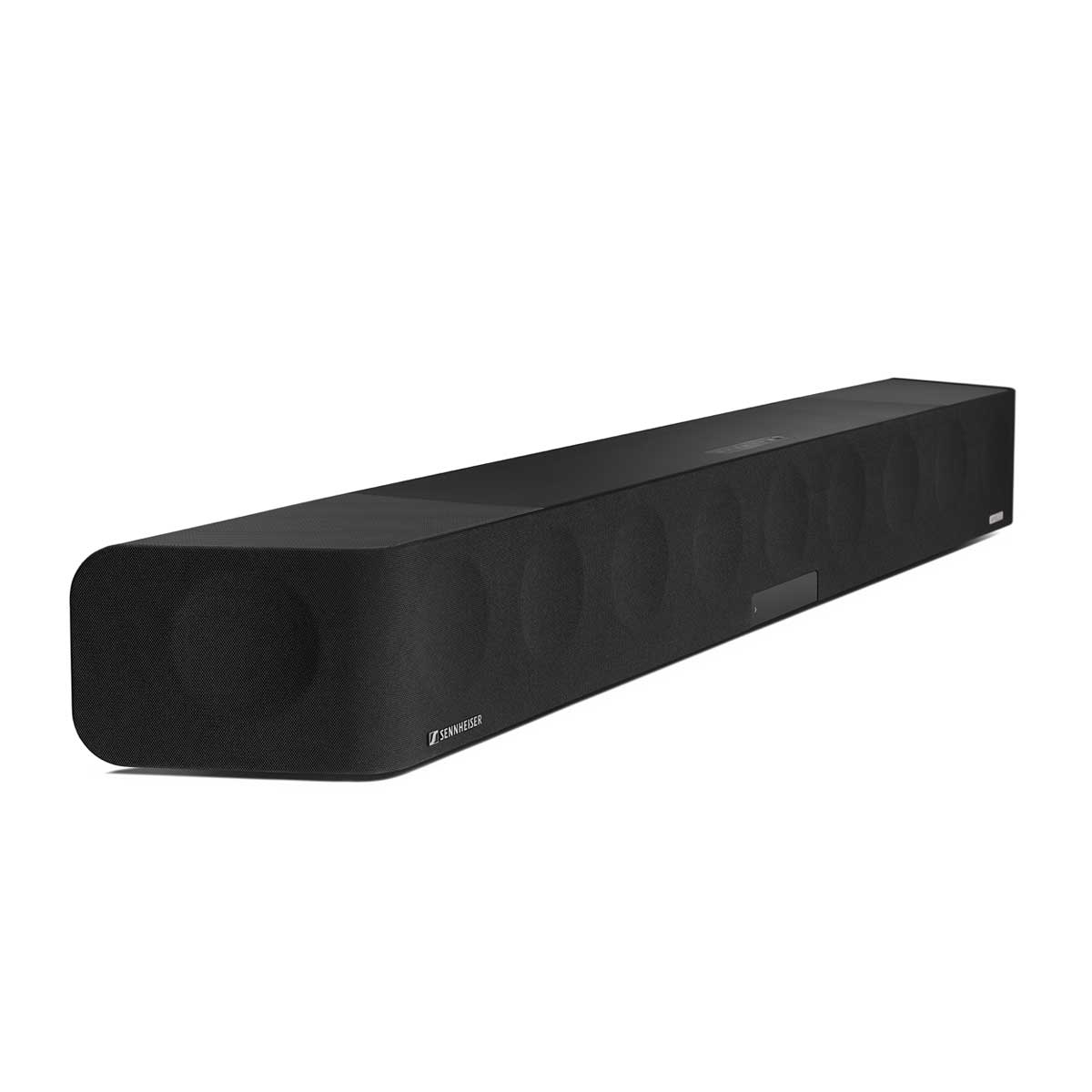
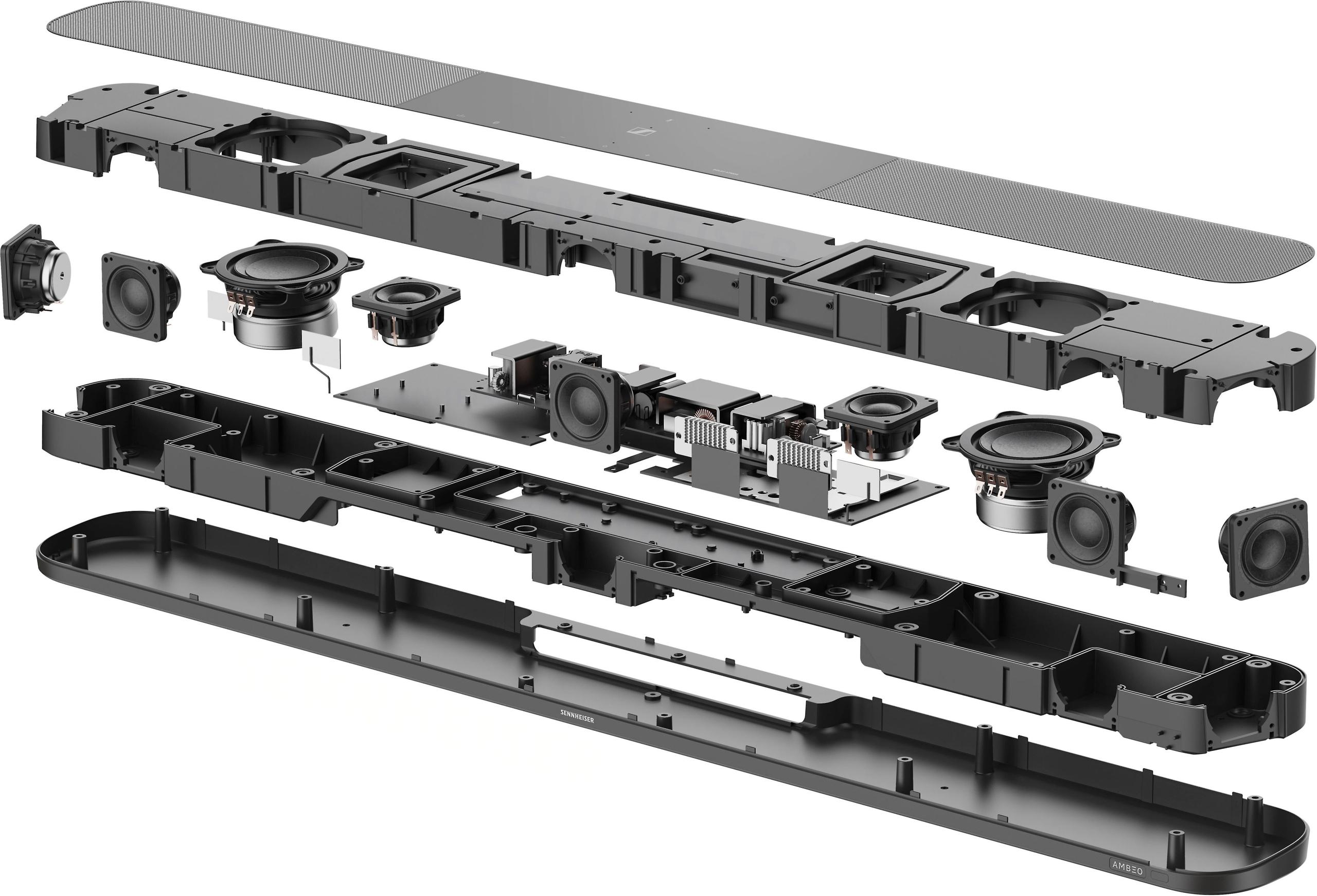
The Sennheiser AMBEO takes an entirely different approach with its 13-driver array. This includes six 4-inch long-throw woofers (subwoofer drivers designed to move more air for deeper bass), five 1-inch aluminum dome tweeters, and two 3.5-inch full-range drivers positioned on the top corners of the unit.
The real magic happens with Sennheiser's AMBEO 3D technology. During setup, the soundbar uses built-in microphones to analyze your room's acoustics—measuring how sound reflects off your walls, ceiling, and furniture. It then creates a custom audio profile that compensates for your room's unique characteristics. This room calibration process, which takes about eight minutes, essentially maps out where virtual speakers should be placed in 3D space around your listening position.
Having experienced both systems extensively, the difference in immersion is dramatic. While the Yamaha creates a wider soundstage than your TV speakers, the Sennheiser genuinely makes you forget you're listening to a single speaker bar. Sounds seem to come from specific locations around and above you, creating what audiophiles call "phantom imaging"—the illusion of speakers that aren't physically there.
Bass response might seem like it's only important for action movies, but it's actually crucial for all content. Deep bass adds weight to explosions and music, but it also provides the foundation that makes voices sound natural and full.
The Yamaha SR-B30A's dual 3-inch subwoofers are impressive for their size, extending down to about 60Hz. To put this in perspective, the lowest note on a bass guitar is around 41Hz, so you're getting most of the musical bass content. The ported design (using carefully tuned openings in the speaker cabinet) helps extend the bass response and increase efficiency.
What I appreciate about this approach is the convenience—there's no separate subwoofer to hide under your couch or worry about connecting wirelessly. The bass integration is seamless since everything comes from the same unit. However, you'll notice the limitations during intense action scenes or when listening to bass-heavy music genres like hip-hop or electronic dance music.
The Sennheiser AMBEO's six 4-inch woofers working together can reach down to 30Hz—that's getting into true subwoofer territory. These aren't just bigger drivers; they're long-throw designs, meaning they can move more air to create deeper, more impactful bass. The total system puts out 500 watts of power, with a significant portion dedicated to low-frequency reproduction.
In my testing, this bass performance eliminates the need for a separate subwoofer in most rooms. Movie explosions have genuine impact, and music reproduction includes those deep synthesizer notes and kick drums that add emotional weight to songs. The bass doesn't just play louder—it plays deeper and with more control, avoiding the "boomy" quality that plagues many soundbars.
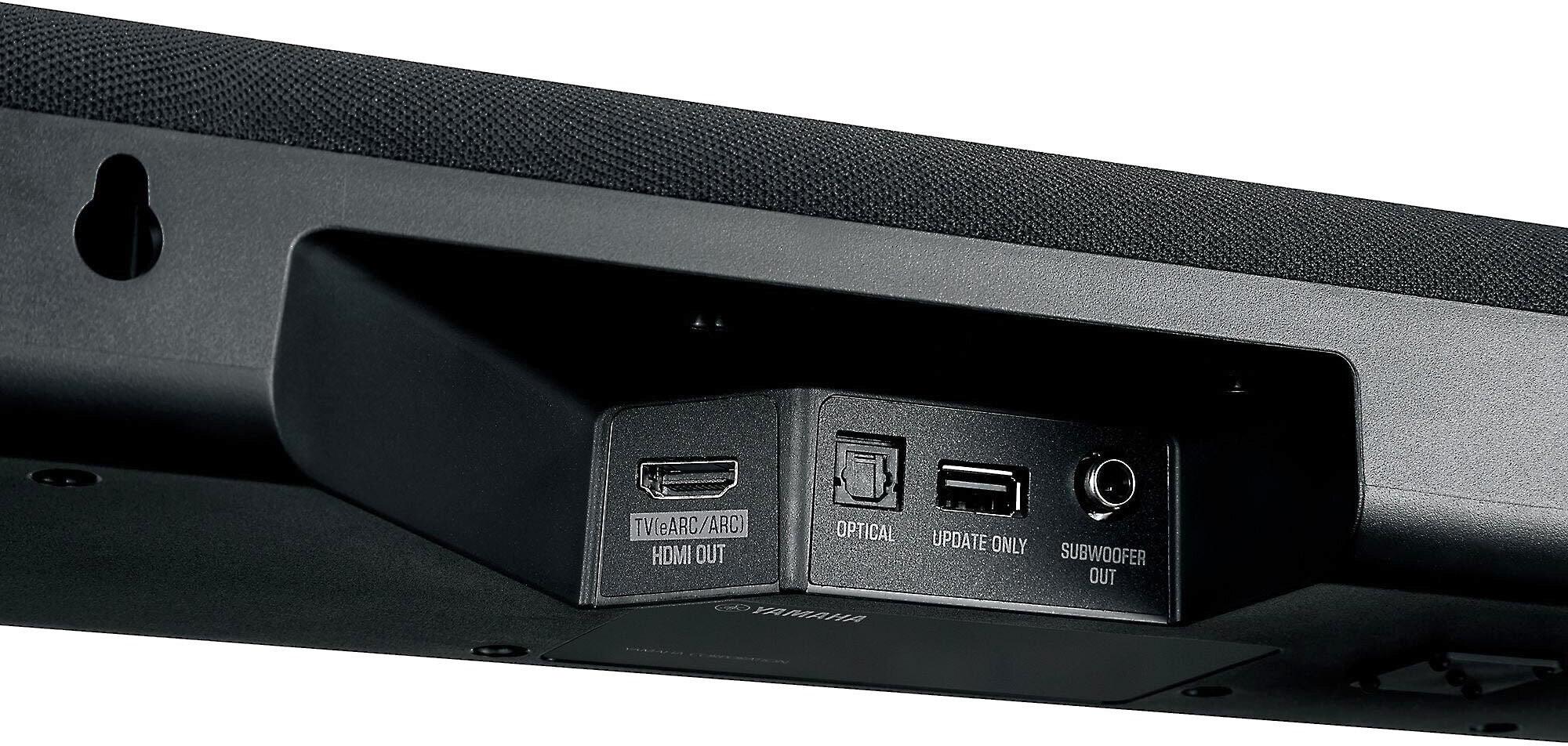
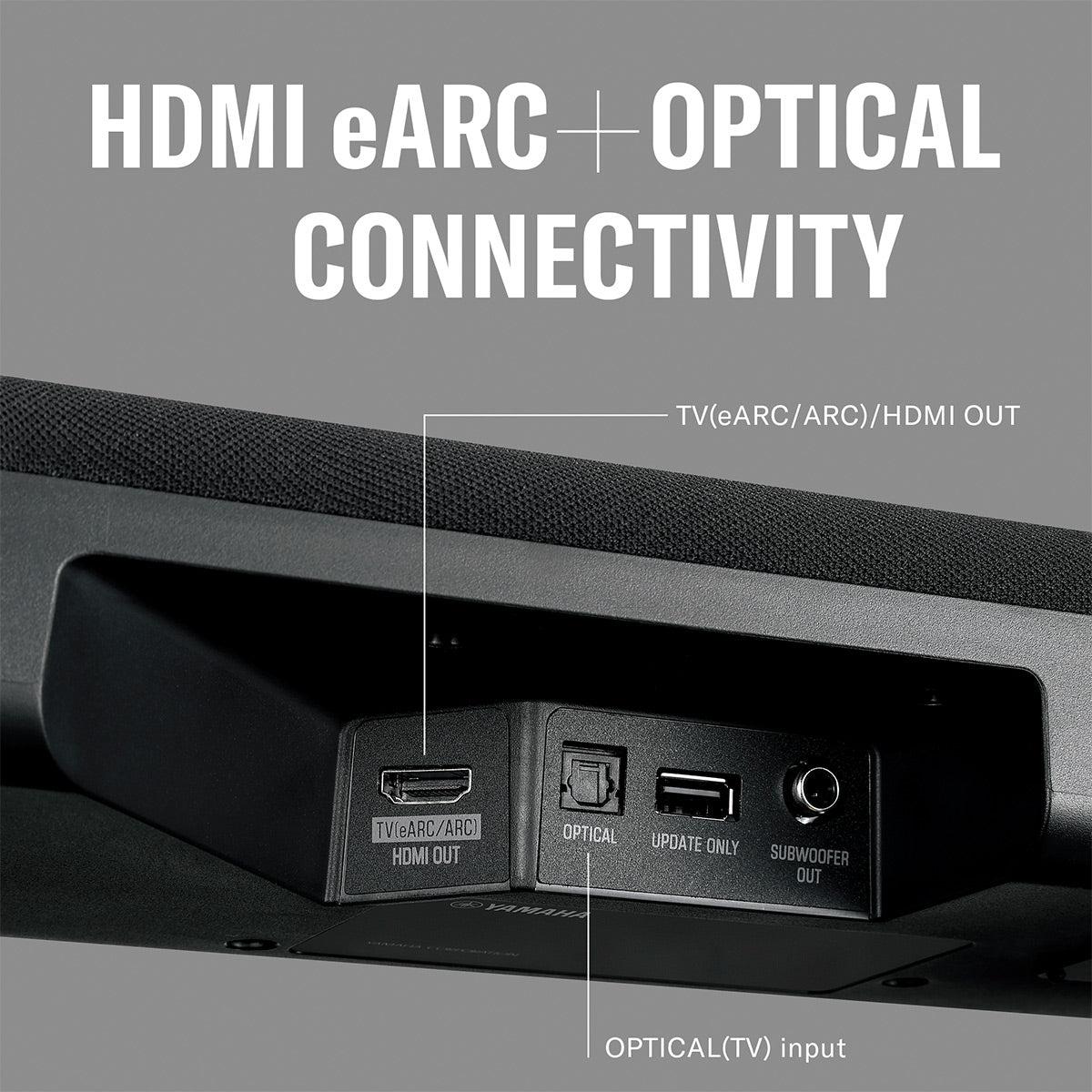
The Yamaha SR-B30A keeps connectivity simple but covers the essentials. HDMI eARC (enhanced Audio Return Channel) provides the highest-quality connection to your TV, supporting lossless audio formats including Dolby Atmos. The optical digital input serves as a backup for older TVs, while Bluetooth 5.1 handles wireless music streaming from your phone or tablet.
The Yamaha Sound Bar Remote app provides basic control over sound modes (Stereo, Standard, Game, and Movie) and allows you to adjust the subwoofer level and basic EQ settings. It's not fancy, but it covers what most users need without overwhelming them with options.
One limitation is the lack of Wi-Fi connectivity, which means no direct streaming from services like Spotify or integration with voice assistants. You're limited to Bluetooth for wireless audio, which compresses your music and has limited range compared to Wi-Fi-based solutions.
The Sennheiser AMBEO treats connectivity as seriously as audio quality. Beyond HDMI eARC and optical inputs, it includes Wi-Fi, Bluetooth, Chromecast built-in, Apple AirPlay 2, and direct integration with streaming services like Spotify Connect and TIDAL Connect.
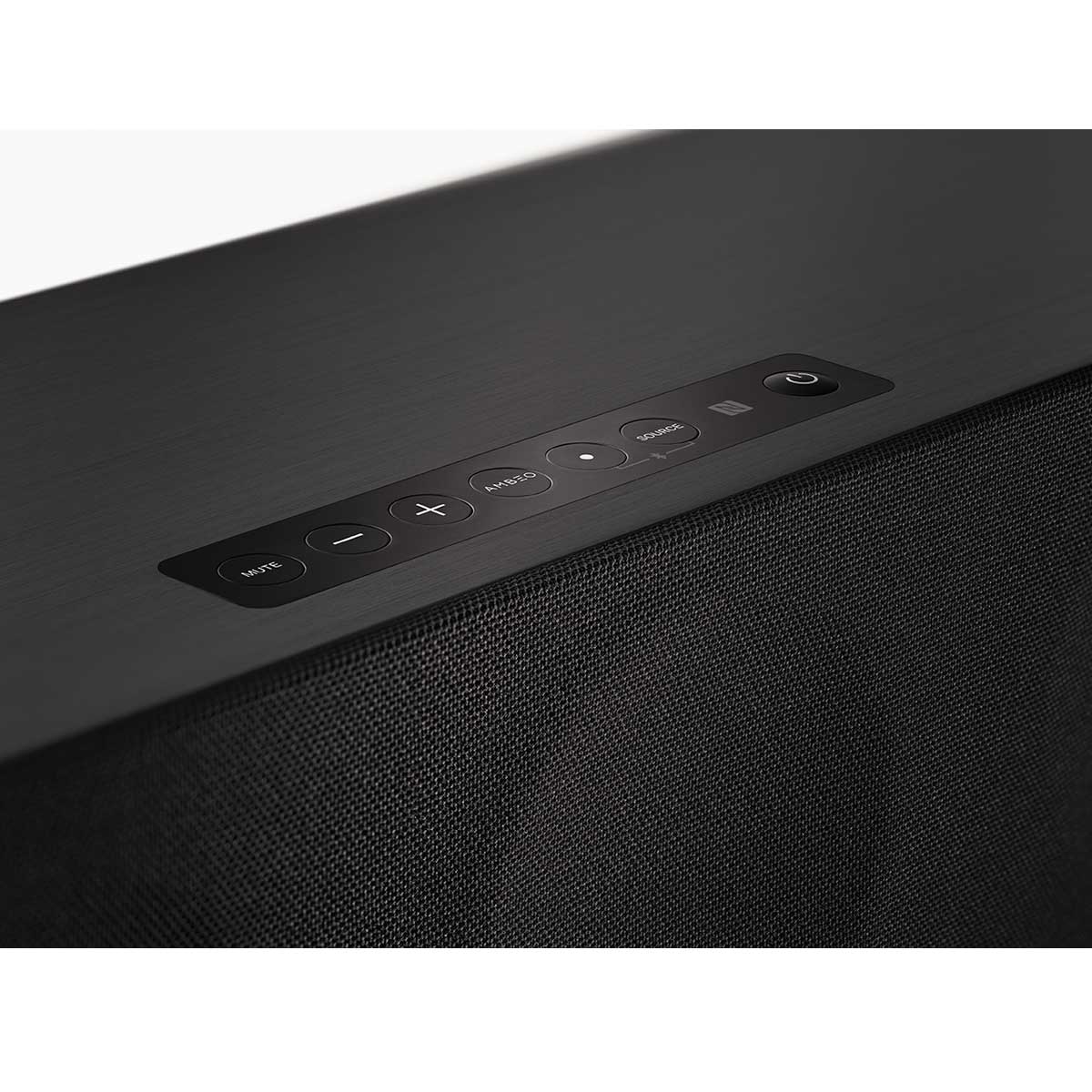
The Sennheiser Smart Control app is comprehensive, offering detailed EQ adjustments, multiple listening presets, and control over the AMBEO 3D processing. You can adjust how aggressive the spatial processing is, from subtle enhancement to full surround simulation. The built-in Alexa support means you can control playback and adjust settings with voice commands.
What sets this apart is the multi-room capability. The AMBEO can integrate with other compatible speakers throughout your home, allowing you to start music in the living room and seamlessly extend it to other rooms.
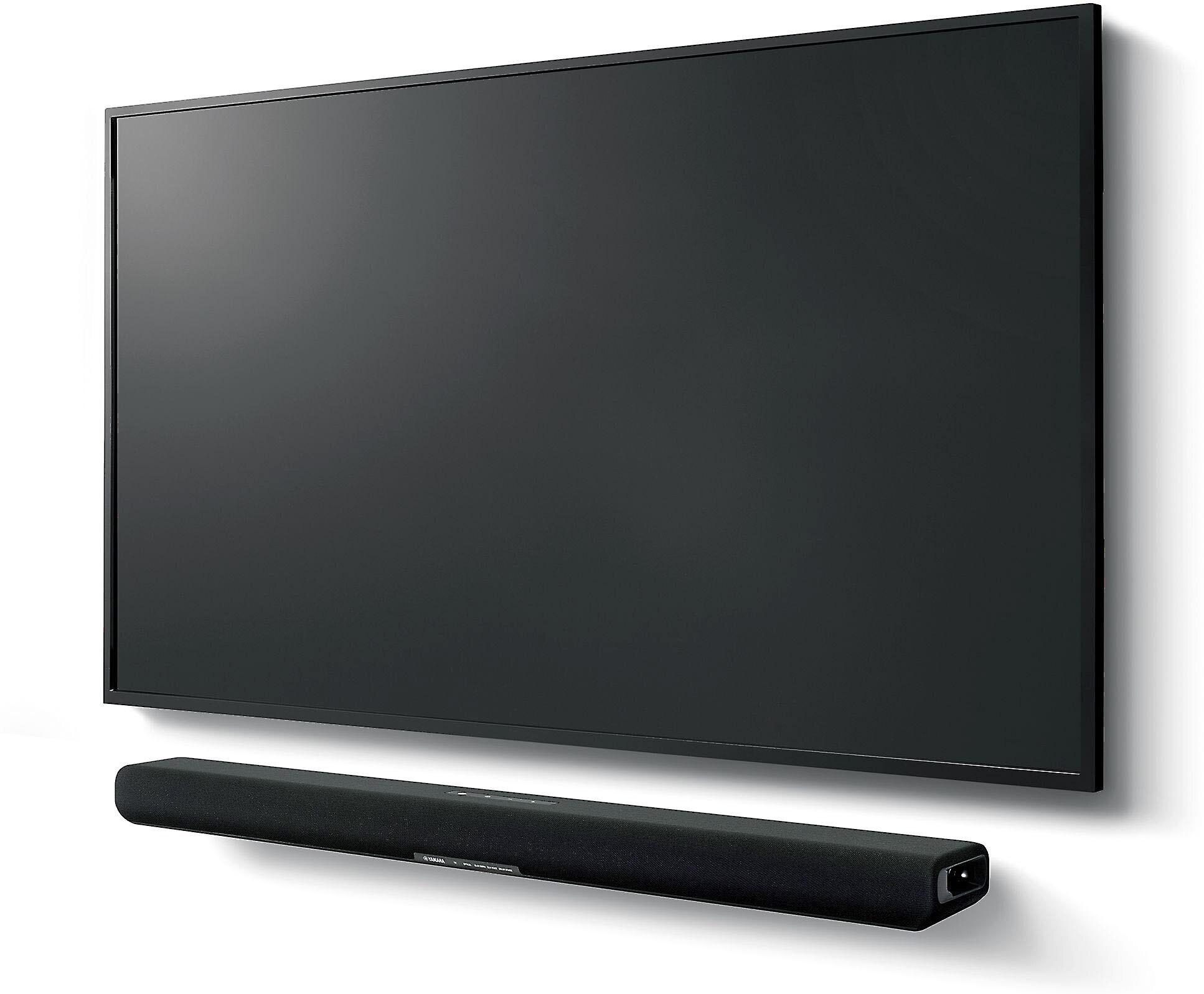
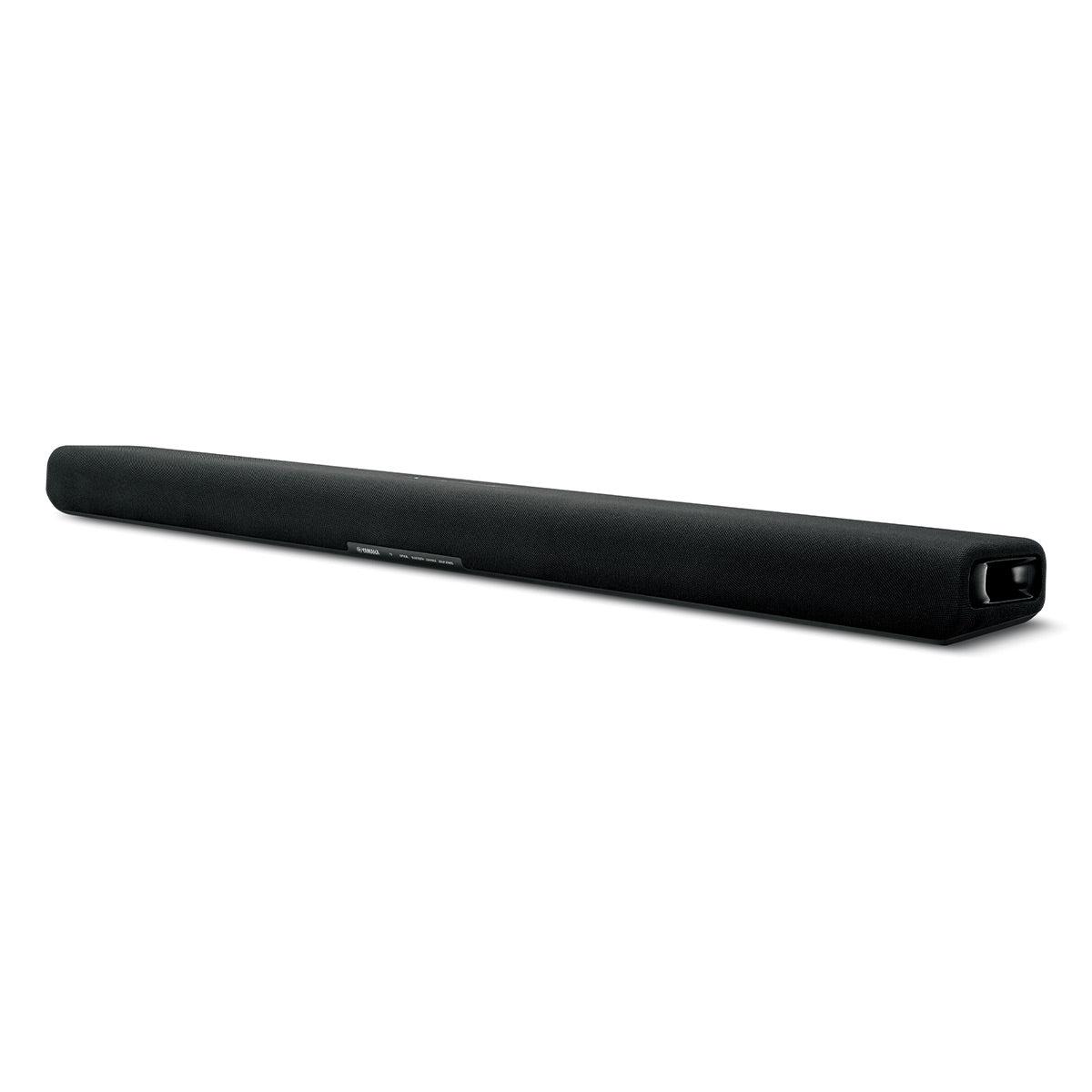
At 35.9 inches wide, the Yamaha SR-B30A fits comfortably in front of most TVs without blocking the screen or remote sensor. Weighing just 8.6 pounds, it's easy to mount on the wall using the built-in keyholes, and the low profile (just 2.6 inches tall) won't interfere with your TV's design.
The finish is understated—a dark fabric grille that blends into most entertainment centers without drawing attention to itself. Sometimes the best design is the one you don't notice, and Yamaha has achieved that here.
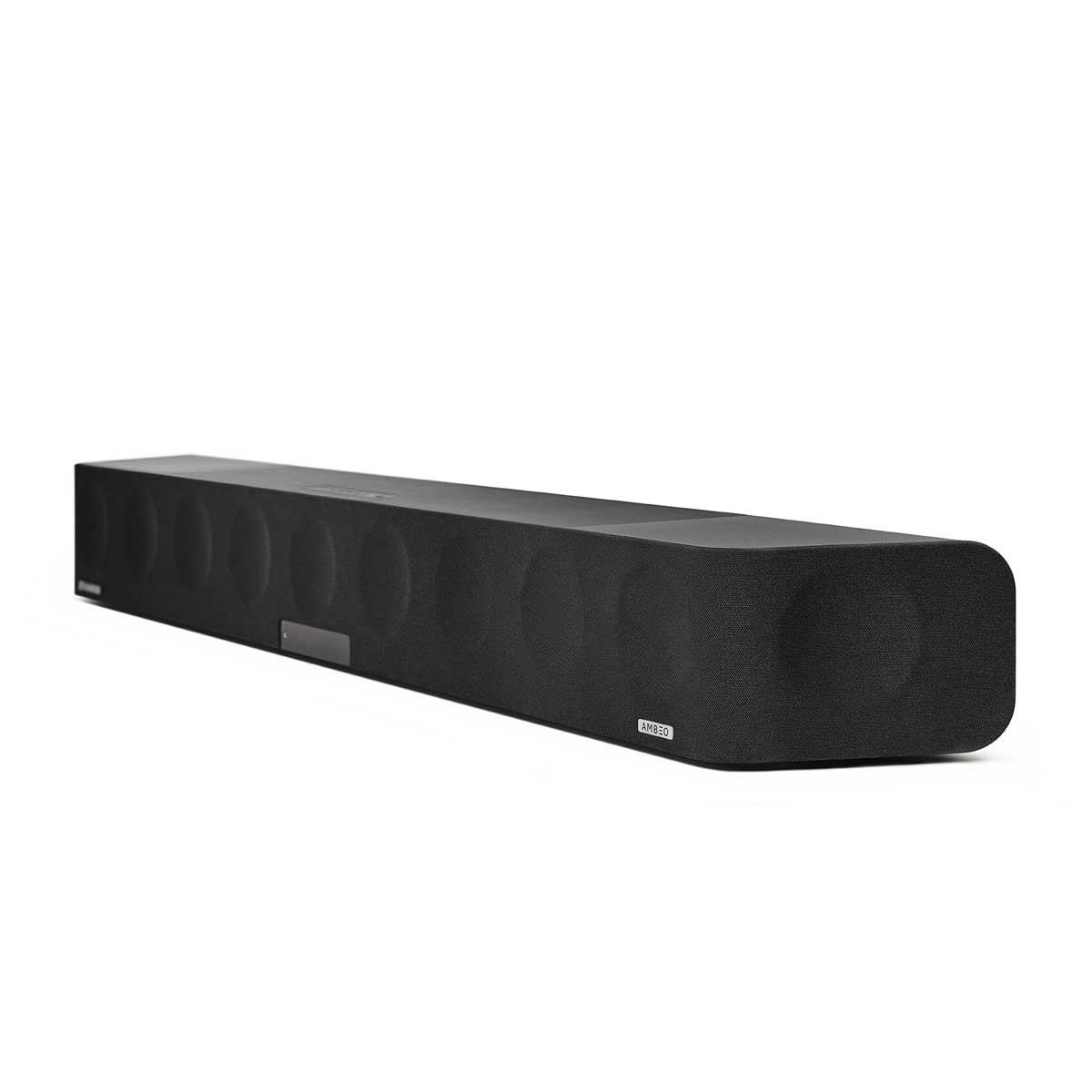
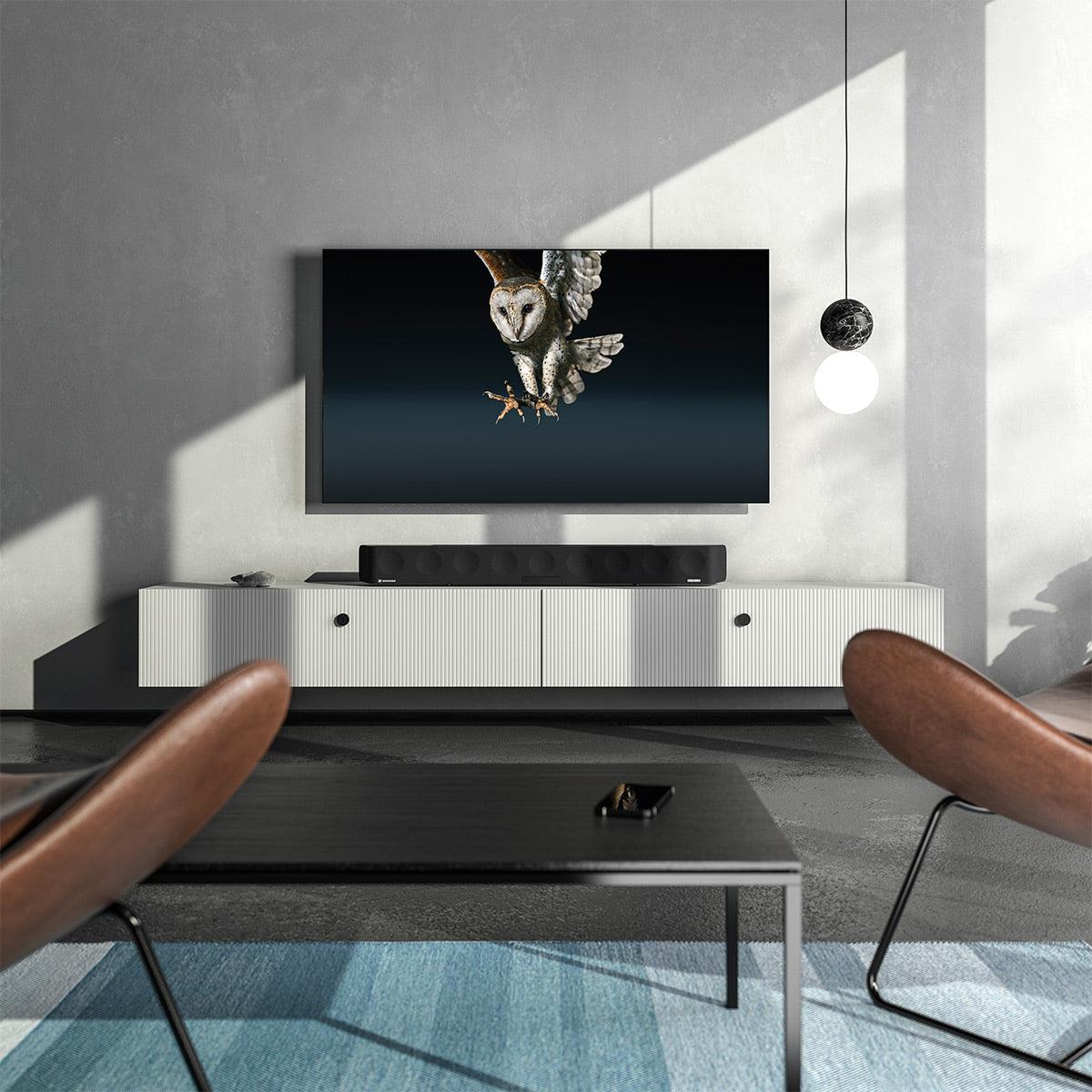
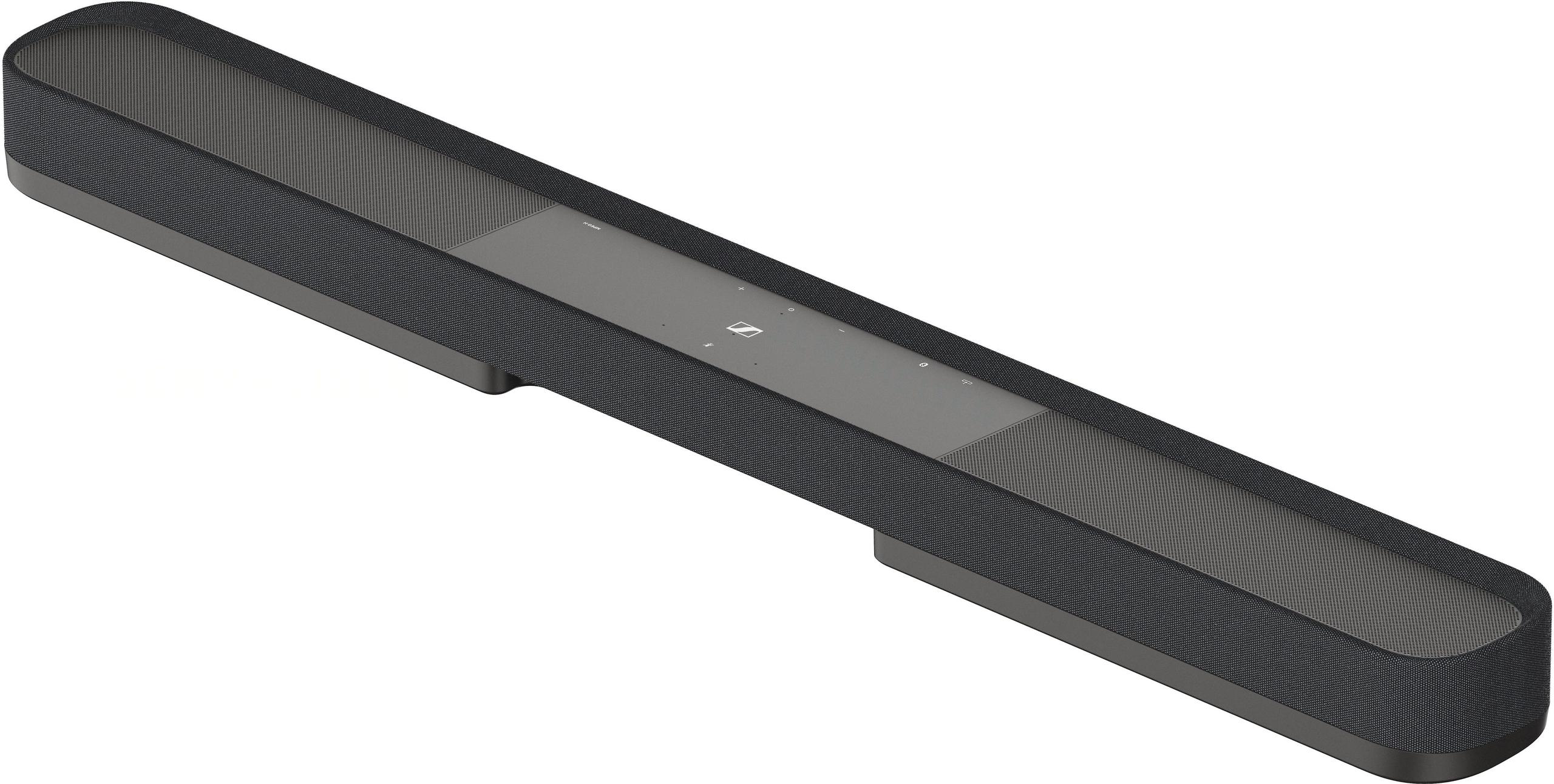
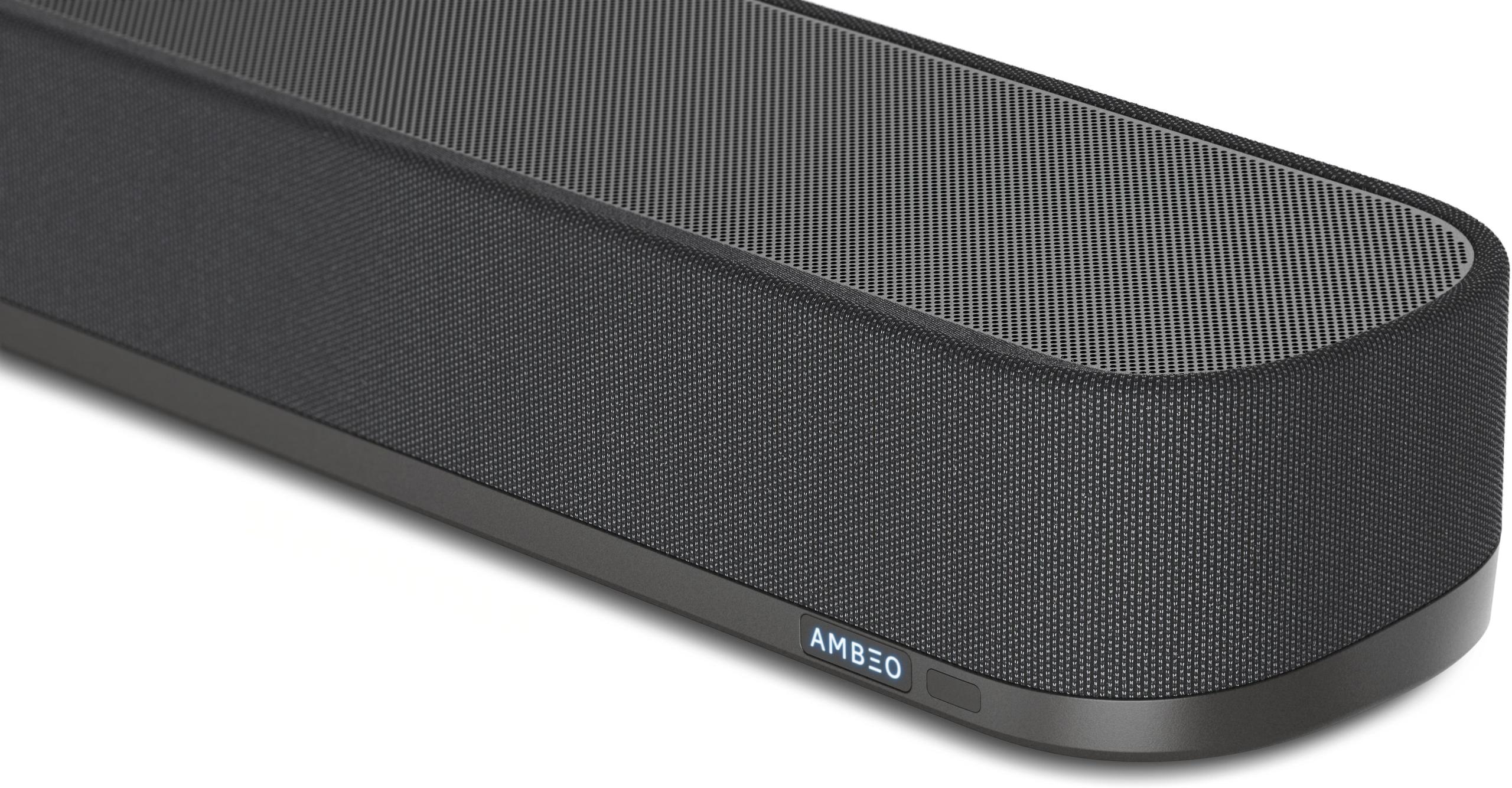
The Sennheiser AMBEO makes no attempt to hide. At nearly 50 inches wide and weighing over 40 pounds, this is a substantial piece of equipment that will dominate your entertainment center. The premium build quality is evident in the metal construction and fabric covering, and the OLED display adds a high-tech touch.
While some might see the size as a drawback, it's actually functional. Those 13 drivers need space to work properly, and the wider cabinet allows for better stereo separation. The substantial build also helps minimize vibrations that could color the sound.
The soundbar market has evolved rapidly over the past few years. When the first Dolby Atmos soundbars appeared around 2018, the spatial processing was fairly basic. Both the Yamaha SR-B30A and Sennheiser AMBEO benefit from years of refinement in this technology.
The Yamaha represents the democratization of premium features—technologies that were once exclusive to high-end units are now available at mainstream prices. Its 2024 release incorporates lessons learned from years of Dolby Atmos development, offering more convincing spatial audio than early implementations.
The Sennheiser, meanwhile, pushes the boundaries of what's possible from a single speaker bar. The AMBEO 3D technology continues to receive updates via firmware, with Sennheiser regularly improving the spatial processing algorithms and adding new features.
For a dedicated home theater room, the Sennheiser AMBEO makes more sense despite its higher cost. Its room calibration technology works especially well in controlled environments where you can optimize speaker placement and room acoustics. The deeper bass response and more convincing surround effects enhance the cinematic experience significantly.
However, the Yamaha SR-B30A shouldn't be dismissed for home theater use. In smaller rooms or secondary viewing areas, it provides a substantial upgrade over TV speakers at a fraction of the cost. The Clear Voice technology is particularly valuable for dialogue-heavy content.
Choose the Yamaha SR-B30A ($280) if you want a significant audio upgrade without breaking the bank. It's perfect for typical living room setups where you watch a mix of TV shows, movies, and stream music occasionally. The built-in subwoofers eliminate the need for additional equipment, and the simple setup appeals to users who want better sound without complexity.
The Sennheiser AMBEO Soundbar ($2,000) justifies its premium price for serious audio enthusiasts and home theater aficionados. If you frequently watch movies, play immersive games, or listen to music as a primary activity rather than background noise, the superior audio quality and features make the investment worthwhile.
Ultimately, both soundbars succeed at their intended purposes. The Yamaha democratizes good audio, while the Sennheiser pushes the boundaries of single-speaker performance. Your choice should align with both your budget and how important audio quality is to your overall entertainment experience.
| Yamaha SR-B30A Sound Bar with Built-In Subwoofers | Sennheiser AMBEO Soundbar |
|---|---|
| Price - The most obvious difference between these soundbars | |
| $280 (exceptional value for Dolby Atmos entry point) | $2,000 (premium pricing for audiophile-grade performance) |
| Total Power Output - Determines maximum volume and dynamic range | |
| 120W (adequate for small-medium rooms) | 500W (room-filling power for large spaces) |
| Driver Configuration - More drivers typically mean better sound quality | |
| 6 drivers total: 4x 1.8" mid-range, 2x 1" tweeters, 2x 3" subwoofers | 13 drivers total: 6x 4" woofers, 5x 1" tweeters, 2x 3.5" full-range |
| Bass Extension - How deep the low frequencies go | |
| 60Hz (good for dialogue and music, limited for action movies) | 30Hz (true subwoofer territory, no separate sub needed) |
| Dolby Atmos Processing - Creates immersive surround sound experience | |
| Basic 2.1-channel virtualization (noticeable but limited) | Advanced 5.1.4 AMBEO 3D technology with room calibration |
| Room Calibration - Automatically optimizes sound for your space | |
| None (manual adjustment only) | Advanced microphone-based room analysis and compensation |
| Connectivity Options - How you connect devices and stream content | |
| HDMI eARC, optical, Bluetooth 5.1 (no Wi-Fi streaming) | HDMI eARC, optical, Wi-Fi, Bluetooth, Chromecast, AirPlay 2 |
| Smart Features - Voice control and app functionality | |
| Basic app with sound modes and EQ (no voice control) | Built-in Alexa, comprehensive app, streaming service integration |
| Physical Size - Important for TV stand compatibility | |
| 35.9" wide × 8.6 lbs (fits most setups easily) | 49.6" wide × 40.8 lbs (requires substantial TV stand) |
| Best Use Case - Who should buy each soundbar | |
| Budget-conscious users wanting clear dialogue and basic Atmos | Home theater enthusiasts prioritizing immersive audio quality |
The Yamaha SR-B30A ($280) offers exceptional value for budget-conscious buyers, delivering Dolby Atmos support and built-in subwoofers at an entry-level price. The Sennheiser AMBEO Soundbar ($2,000) provides premium value for audiophiles who prioritize immersive sound quality over cost savings.
The Yamaha SR-B30A delivers clear dialogue and adequate bass for casual listening, while the Sennheiser AMBEO offers audiophile-grade sound with deeper bass (30Hz vs 60Hz), room calibration technology, and significantly more immersive Dolby Atmos processing that creates convincing surround sound effects.
Neither soundbar requires a separate subwoofer. The Yamaha SR-B30A includes dual 3-inch built-in subwoofers that handle basic bass needs, while the Sennheiser AMBEO features six 4-inch woofers that eliminate the need for additional bass in most rooms.
The Yamaha SR-B30A is ideal for small rooms due to its compact 35.9-inch width and lighter weight. The Sennheiser AMBEO at 49.6 inches wide may overwhelm smaller spaces, though its room calibration technology can adapt to any room size.
The Yamaha SR-B30A offers basic connectivity with HDMI eARC, optical input, and Bluetooth 5.1. The Sennheiser AMBEO provides comprehensive connectivity including Wi-Fi, Chromecast, AirPlay 2, built-in Alexa, and direct streaming service integration.
For casual movie watching, the Yamaha SR-B30A provides clear dialogue and basic Atmos effects. For serious home theater use, the Sennheiser AMBEO delivers cinema-level immersion with deeper bass, advanced spatial processing, and room-filling sound that rivals multi-speaker systems.
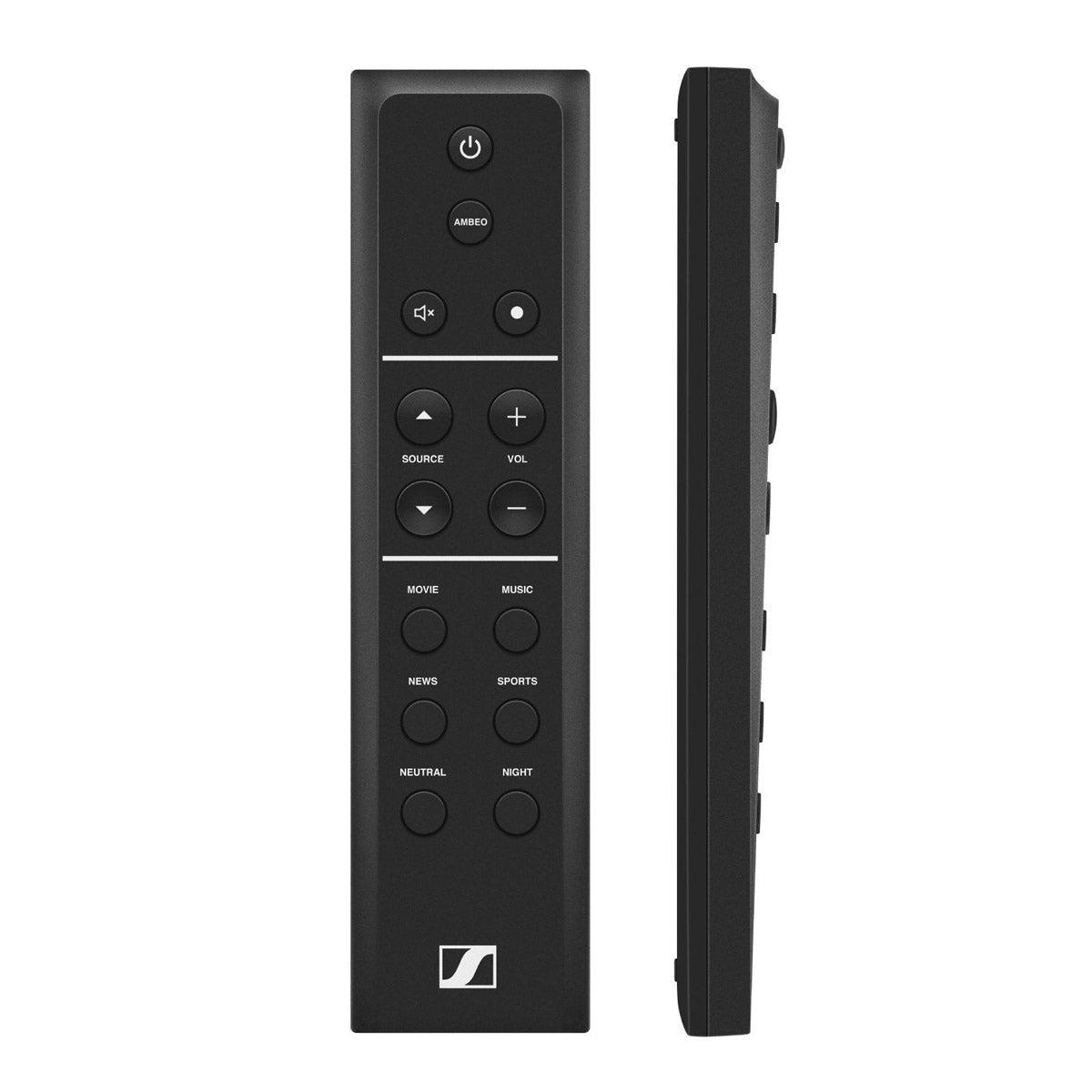
Both soundbars support HDMI-CEC for basic TV remote control. The Yamaha SR-B30A offers simple remote compatibility, while the Sennheiser AMBEO provides additional voice control through built-in Alexa and comprehensive smartphone app control.
The Yamaha SR-B30A offers plug-and-play simplicity with minimal setup required. The Sennheiser AMBEO includes an 8-minute room calibration process using built-in microphones to optimize sound for your specific space, making initial setup more involved but ultimately more rewarding.
The Sennheiser AMBEO significantly outperforms the Yamaha SR-B30A in bass response, extending down to 30Hz compared to 60Hz. This means deeper, more impactful bass for action movies and music, though the Yamaha's built-in subwoofers are adequate for most TV content.
The Yamaha SR-B30A handles music reasonably well with its stereo mode and bass extension feature. The Sennheiser AMBEO excels at music reproduction with high-fidelity drivers, detailed sound staging, and support for high-quality streaming services like TIDAL Connect.
Both soundbars offer gaming modes, but the Sennheiser AMBEO provides superior immersion with its 3D spatial processing that can pinpoint directional audio cues. The Yamaha SR-B30A offers a dedicated game mode that enhances dialogue clarity and basic spatial effects at a much lower price point.
Choose the Yamaha SR-B30A ($280) if you want significant audio improvement on a budget, have limited space, or primarily watch TV shows. Select the Sennheiser AMBEO Soundbar ($2,000) if you prioritize premium sound quality, have a dedicated home theater setup, or frequently watch movies and listen to music as primary entertainment activities.
We've done our best to create useful and informative comparisons to help you decide what product to buy. Our research uses advanced automated methods to create this comparison and perfection is not possible - please contact us for corrections or questions. These are the sites we've researched in the creation of this article: usa.yamaha.com - worldwidestereo.com - audiolab.com - shop.sg.yamaha.com - consumerreports.org - usa.yamaha.com - vinylsound.ca - bestbuy.com - modernappliancewoodward.com - bluestardist.com - target.com - my.yamaha.com - bestbuy.com - rtings.com - techradar.com - audioxpress.com - whathifi.com - upscaleaudio.com - soundstagesimplifi.com - global.sennheiser-hearing.com - sennheiser-hearing.com - audioadvice.com - abt.com - moon-audio.com

Privacy Policy
Terms and Conditions - Affiliate Policy
Home Security
© Copyright 2008-2026.
11816 Inwood Rd #1211, Dallas, TX 75244