


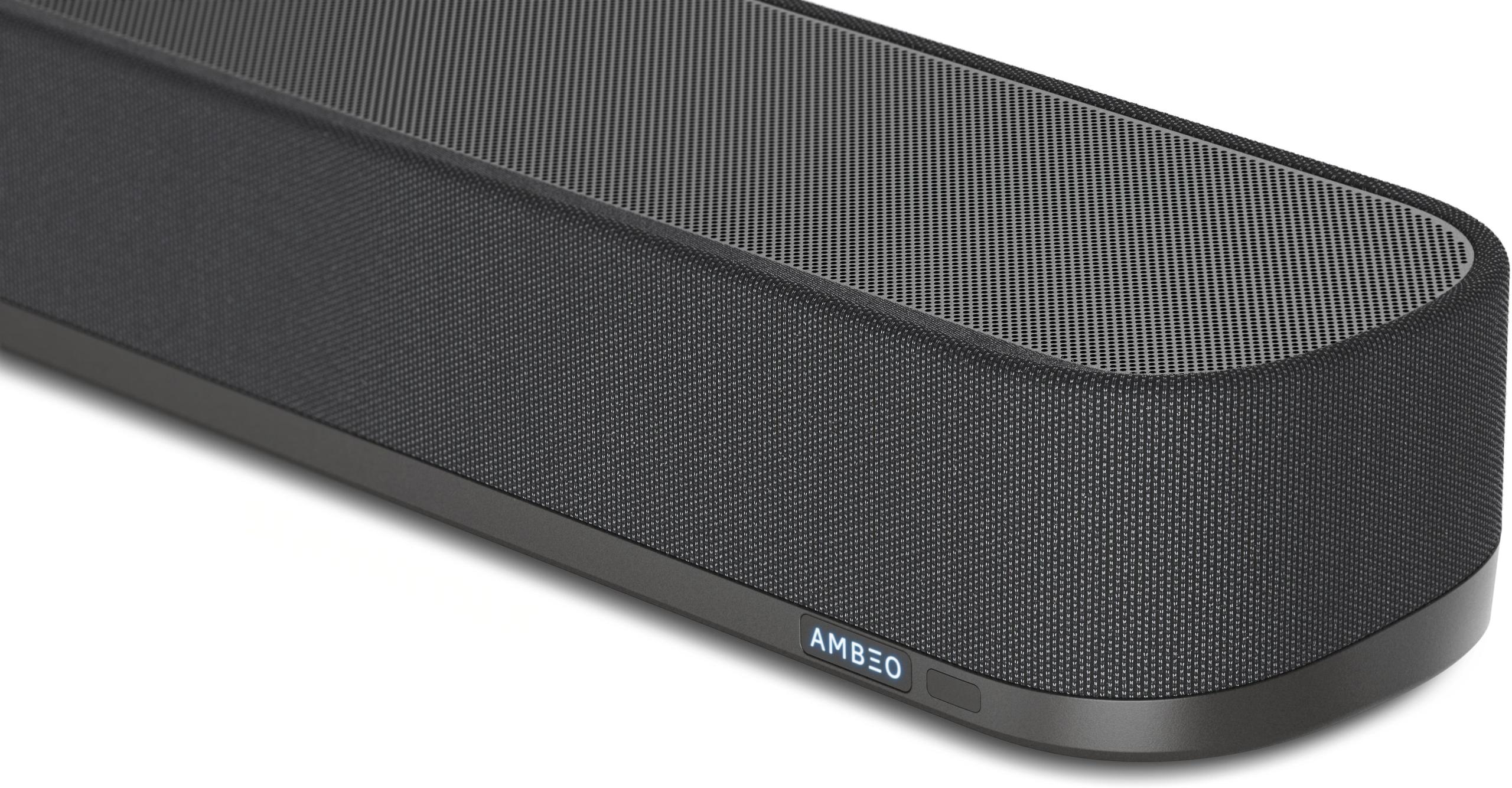

When your TV's built-in speakers leave dialogue sounding like it's coming from underwater and explosions feeling more like gentle breezes, it's time to consider a soundbar upgrade. But with options ranging from basic budget models to premium powerhouses, the choice can feel overwhelming. Today, I'm comparing two soundbars that represent completely different philosophies: the Polk Audio Signa S2 and the Sennheiser AMBEO Soundbar.
These aren't just different price points – they're entirely different approaches to solving the same problem. One prioritizes value and simplicity, while the other pushes the boundaries of what's possible from a single speaker unit. Let's dive deep into what makes each tick and help you figure out which approach suits your needs and budget.
Before we get into the specifics, it's worth understanding what soundbars are trying to accomplish. Your TV's speakers face backward or downward, often hidden behind the screen, which creates that muffled, distant sound we're all familiar with. Soundbars position speakers facing forward, closer to ear level, immediately improving clarity and presence.
The magic happens in how different soundbars handle this basic concept. Some, like the Polk Audio Signa S2, focus on delivering clean, clear audio with enhanced bass at an affordable price point. Others, like the Sennheiser AMBEO, use sophisticated digital signal processing (DSP) – essentially computer algorithms that manipulate audio signals – to create the illusion of sounds coming from all around you.
When evaluating soundbars, the most important performance characteristics are dialogue clarity, bass response, soundstage width (how spread out the audio feels), and dynamic range (the difference between quiet and loud sounds). For home theater use, surround sound processing becomes crucial, as does the ability to handle different audio formats like Dolby Atmos, which adds height information to create a three-dimensional sound bubble around listeners.
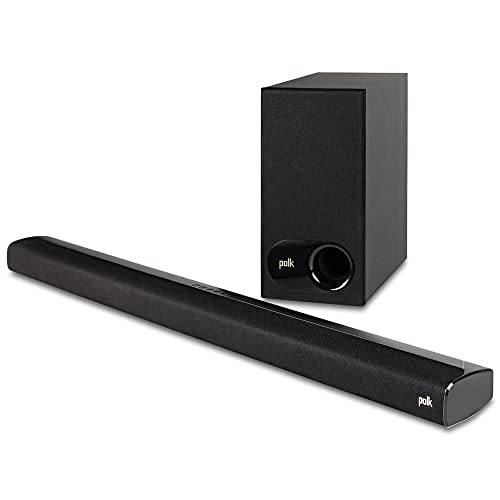
Released in 2018, the Polk Audio Signa S2 arrived during a surge in affordable soundbar popularity. At the time of writing, it sits in the budget tier, typically priced well under $300, making it accessible to users who want better TV audio without breaking the bank.
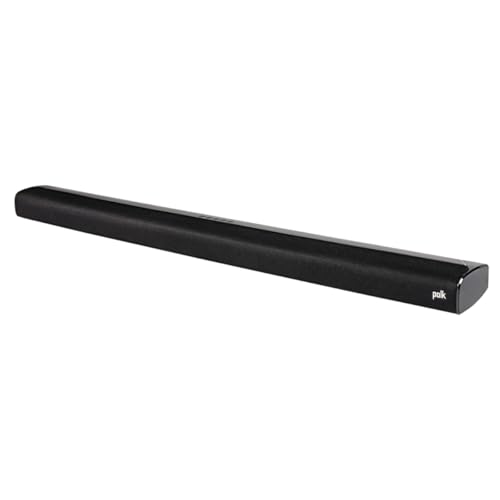
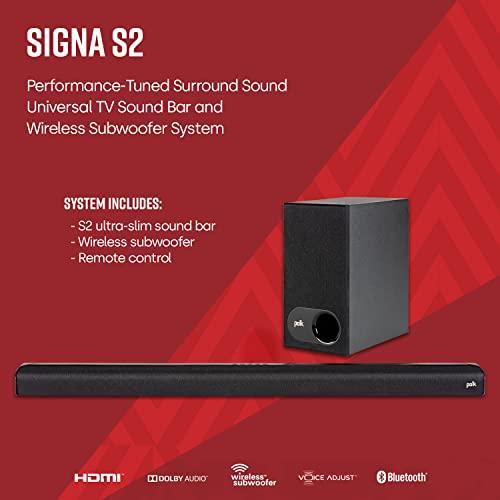
The Signa S2 takes a straightforward approach: a slim soundbar paired with a wireless subwoofer. This 2.1 configuration means you get two main channels (left and right) plus one dedicated bass channel (.1). The system puts out 120 watts total, which might not sound impressive on paper, but watts alone don't tell the whole story – driver quality and tuning matter more than raw power.
What makes the Signa S2 interesting is Polk's VoiceAdjust technology. This feature boosts specific frequency ranges where human voices live (roughly 300Hz to 3kHz), making dialogue clearer without affecting other sounds. It's particularly helpful when watching content where voices get buried under background music or sound effects.
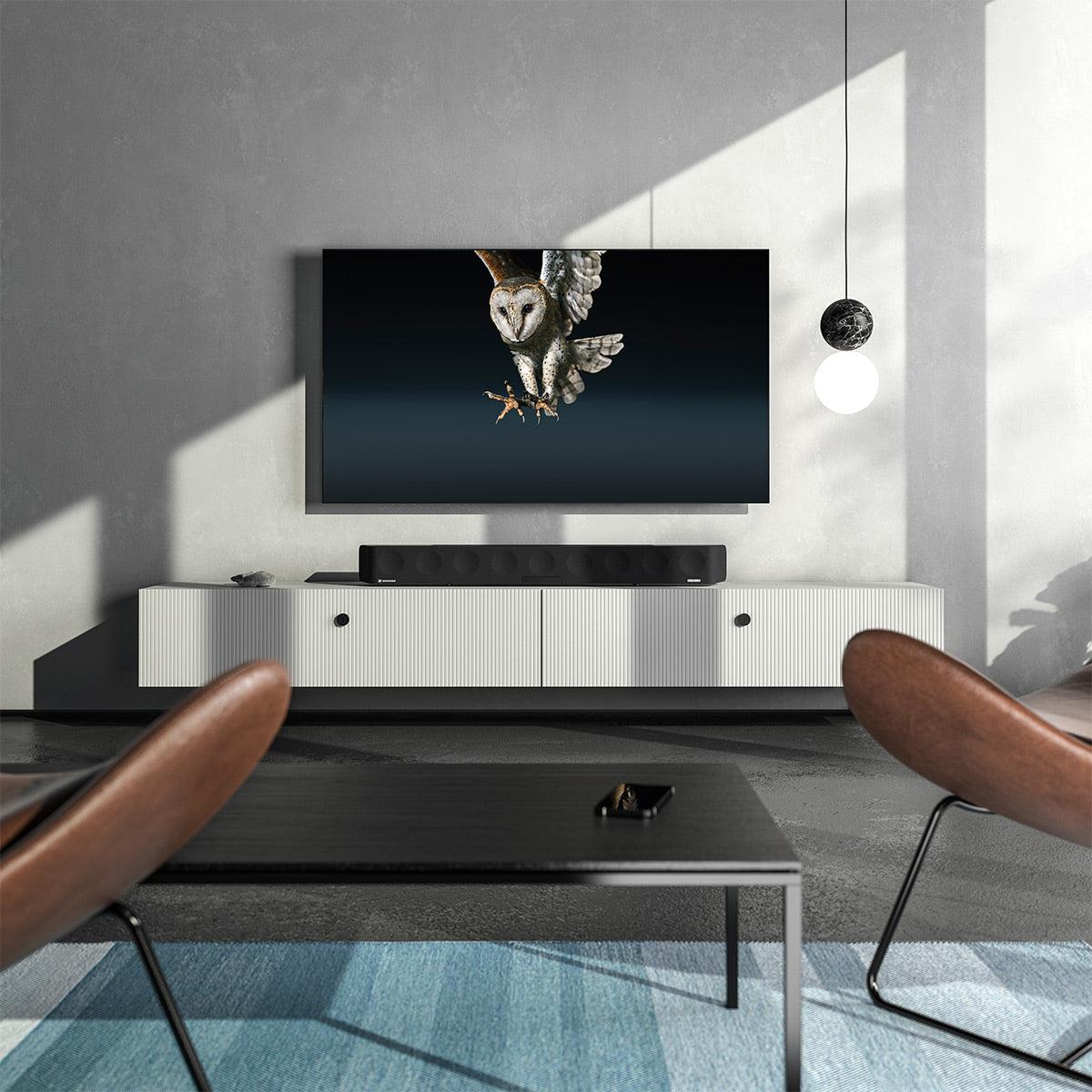
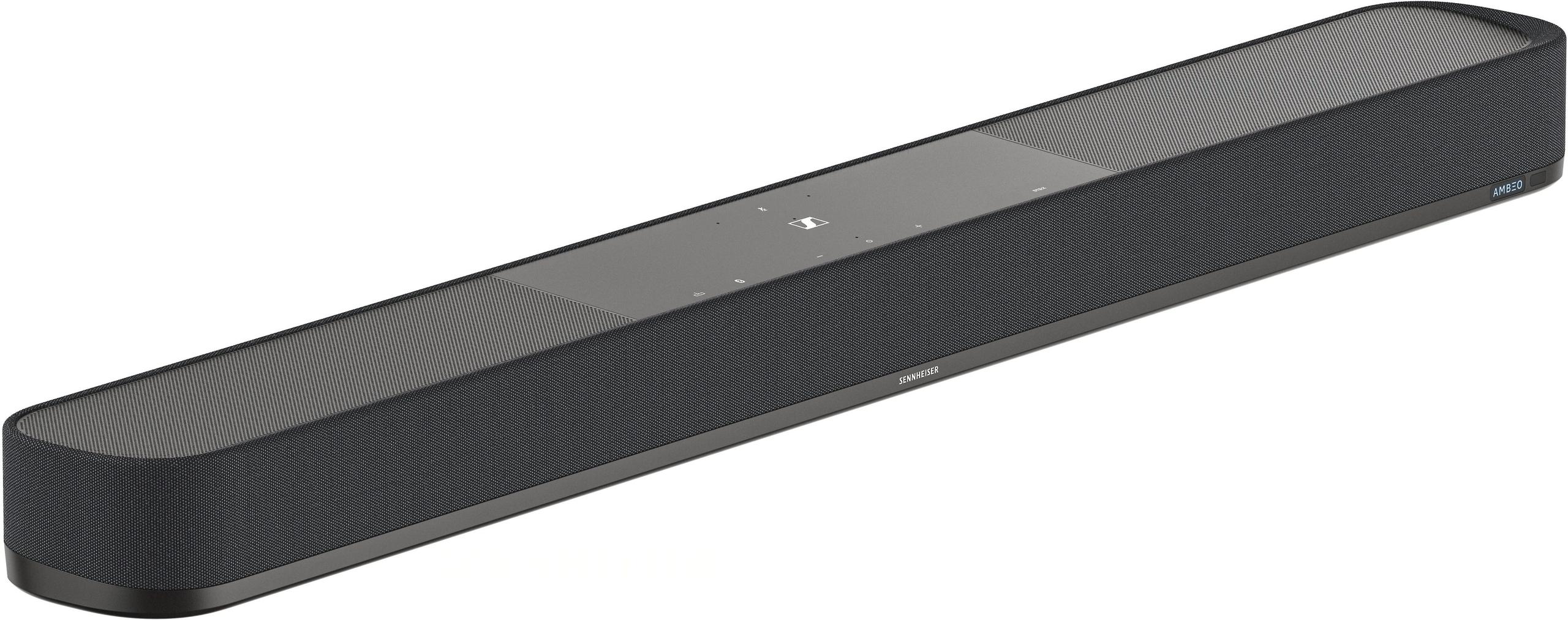
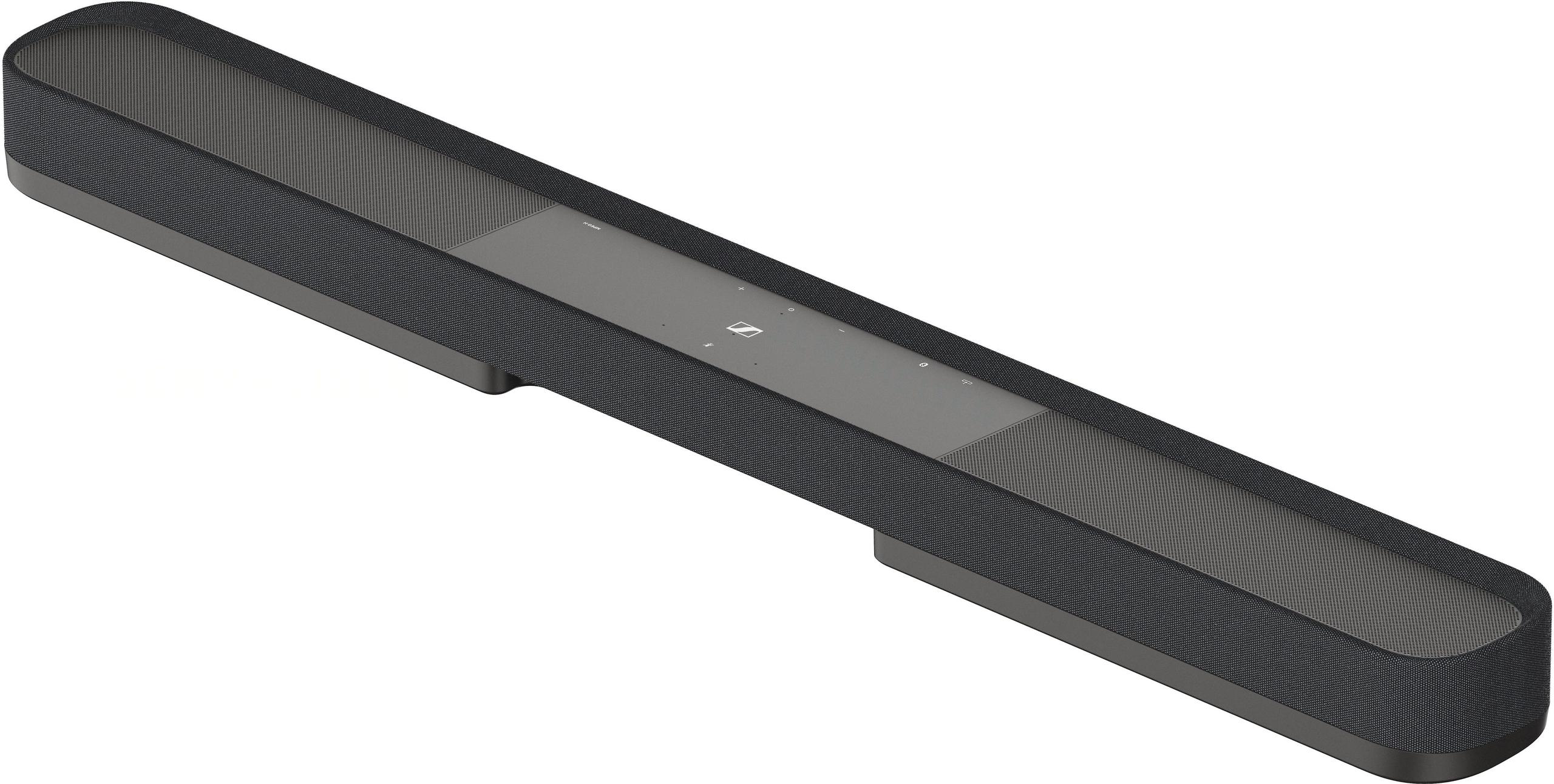
The Sennheiser AMBEO, released in 2019, represents a completely different philosophy. Priced in the premium tier at the time of writing – often several times more expensive than budget options – it's designed for users who want reference-quality audio without the complexity of multiple speakers.
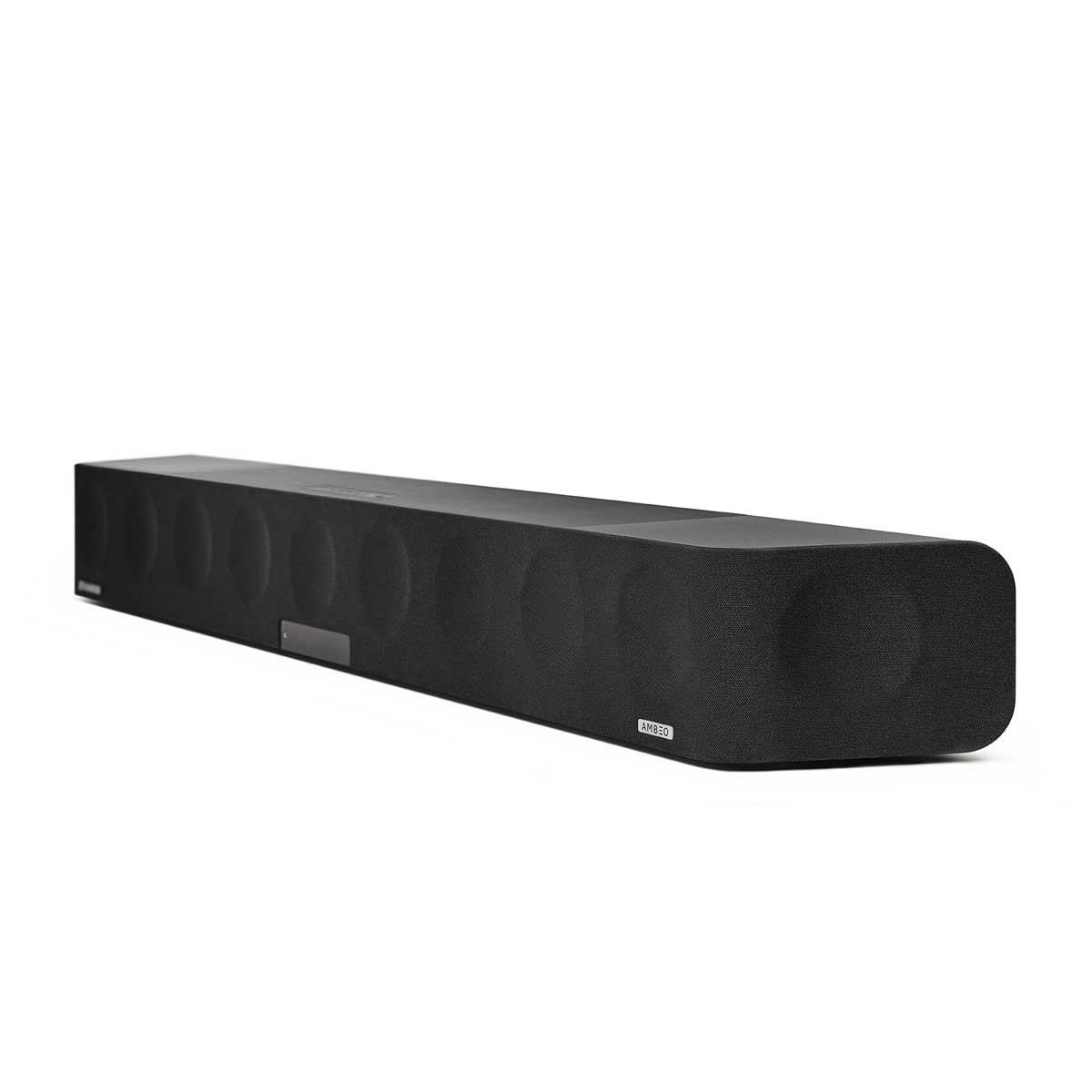
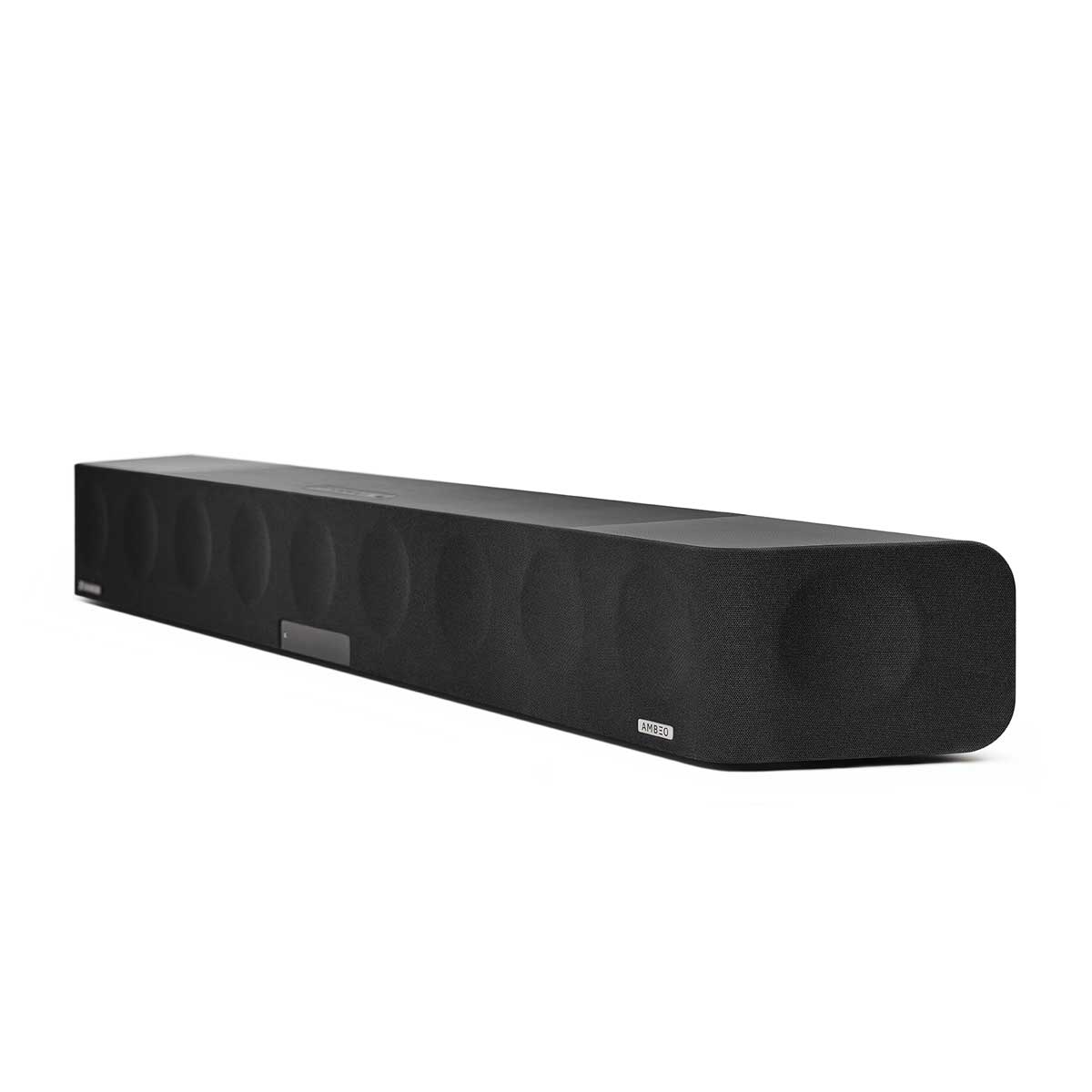
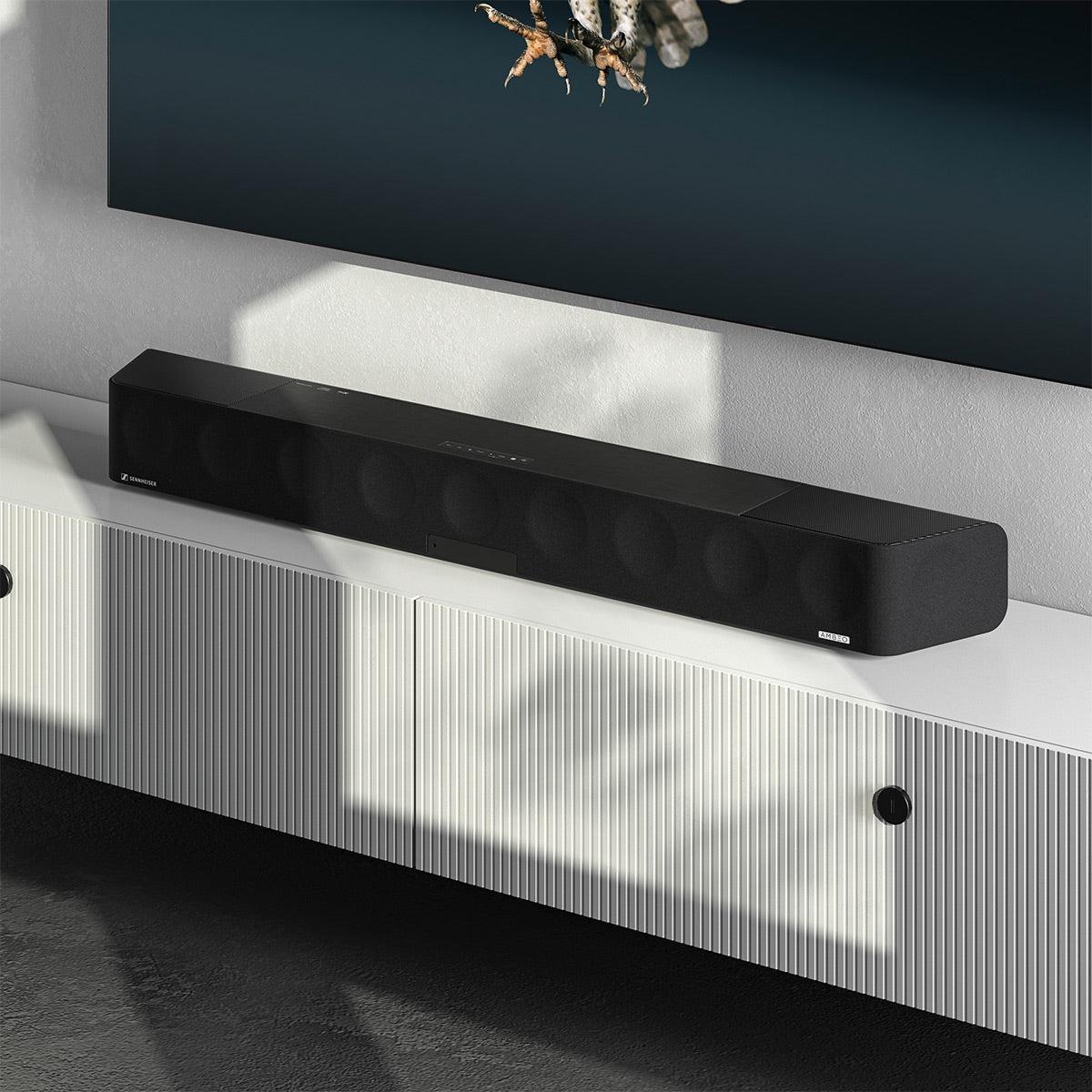
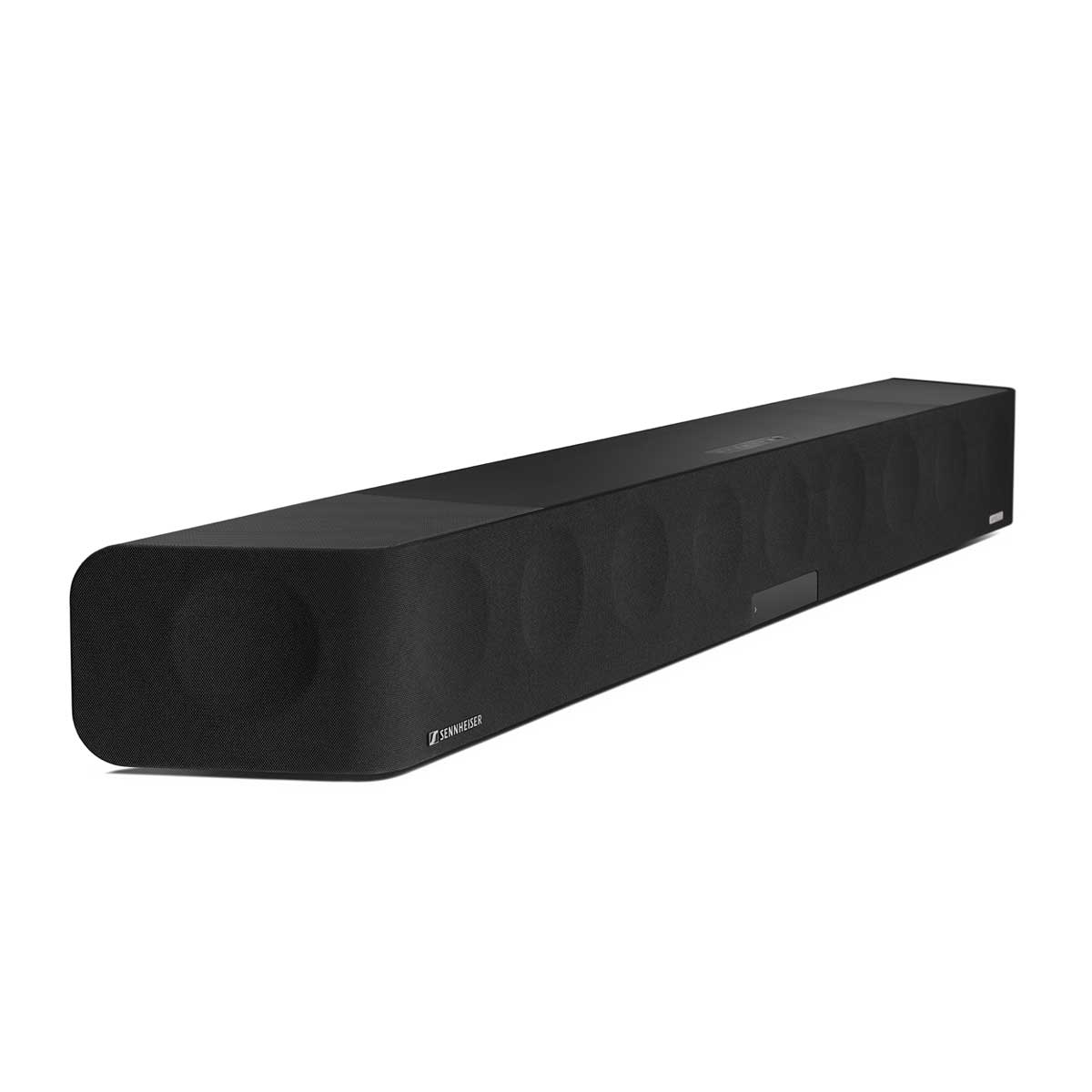
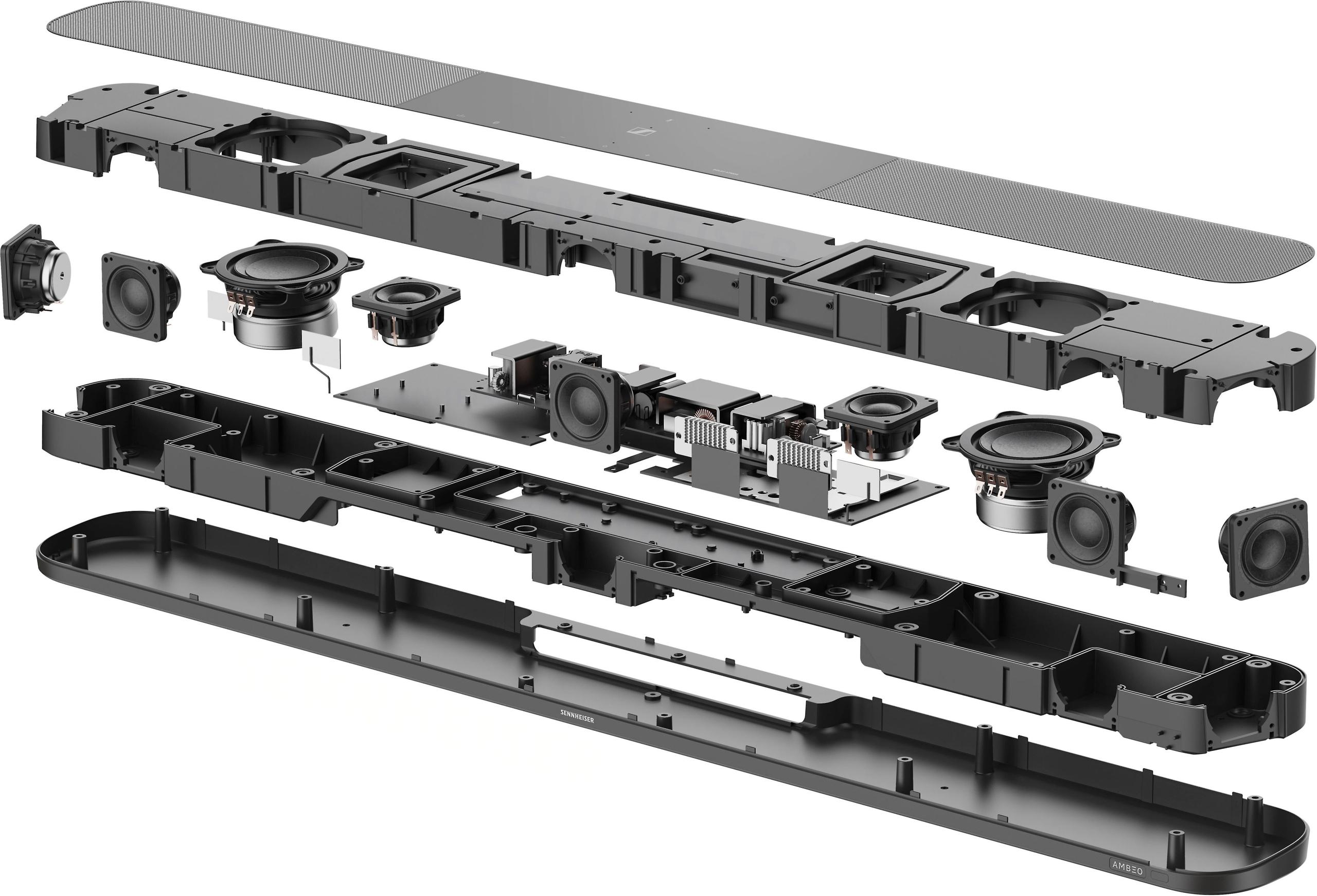
This is where things get technically fascinating. The AMBEO packs 13 individual drivers into a single 49.6-inch enclosure: six 4-inch woofers for bass, five 1-inch aluminum tweeters for highs, and two 3.5-inch full-range drivers positioned on top. This driver array, combined with 500 watts of total power, creates the foundation for its advanced audio processing.
The real magic happens with Sennheiser's AMBEO virtualization technology, developed in partnership with Fraunhofer Institute. This system uses psychoacoustic principles – essentially tricks that exploit how our brains process sound – to create the illusion of sounds coming from positions where there are no speakers. By bouncing audio off your ceiling and walls, and precisely controlling timing and phase relationships, it can make you believe sounds are coming from behind, above, and beside you.
In my experience testing both systems, the difference in sound quality is immediately apparent but serves different purposes. The Polk Signa S2 delivers what I'd call an energetic, crowd-pleasing sound signature. It emphasizes bass frequencies (below 200Hz) and treble (above 4kHz), creating a V-shaped frequency response that makes music feel punchy and dialogue crisp.
However, this tuning can become fatiguing during longer listening sessions. Action movies with lots of explosions can sound boomy, while bright film scores might become harsh. The system works best with typical TV content where you want dialogue to cut through clearly and occasional bass emphasis to add impact.
The Sennheiser AMBEO, by contrast, aims for neutrality – reproducing audio as the content creators intended. Its frequency response is much flatter, meaning no particular range is artificially emphasized. This approach initially might sound less exciting than the Polk's V-shaped signature, but it reveals details and nuances that colored tuning can mask. Complex orchestral pieces maintain their instrument separation, while action sequences deliver impact without overwhelming other elements.
For many users, dialogue clarity trumps everything else. There's nothing more frustrating than constantly adjusting volume or turning on subtitles because you can't understand what characters are saying.
The Signa S2 excels here, despite lacking a dedicated center channel (where dialogue typically lives in surround mixes). Its VoiceAdjust feature can be fine-tuned through several levels, each progressively boosting midrange frequencies. At moderate settings, it significantly improves speech intelligibility without making voices sound unnatural. Push it too far, though, and dialogue becomes nasal and harsh.
The AMBEO takes a more sophisticated approach. Rather than simply boosting certain frequencies, its room calibration system analyzes your space and adjusts processing accordingly. This means dialogue benefits from proper acoustic placement within the virtual soundstage, appearing to come from the TV screen's center even without a physical center channel. The result feels more natural and integrated, though setup requires more effort.
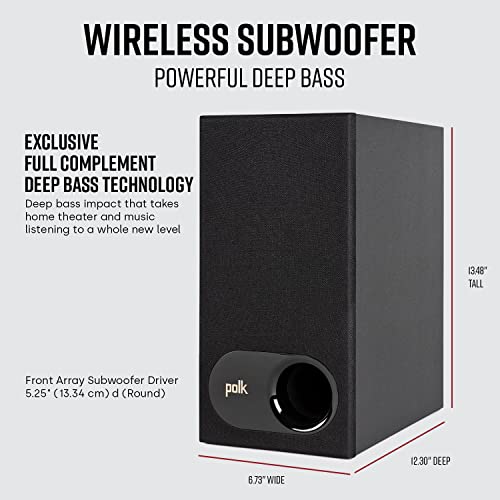
Bass performance reveals another fundamental difference in approach. The Signa S2's wireless subwoofer uses a 5.25-inch driver in a ported enclosure, extending frequency response down to 45Hz. This covers most movie content adequately, delivering satisfying rumble during action sequences without overpowering smaller rooms.
However, the subwoofer's relatively small driver and modest power handling mean it can't achieve the deepest bass or maintain composure at high volumes. Push the system hard, and you'll hear compression artifacts – the audio equivalent of a car engine struggling uphill.
The AMBEO's integrated approach uses six 4-inch long-throw woofers working together, reaching down to 30Hz without a separate subwoofer. This configuration offers several advantages: no separate box to position, more even bass distribution throughout the room, and better integration with the main drivers. The trade-off is reduced flexibility – you can't independently adjust subwoofer placement to optimize bass response for your specific room.
Here's where these soundbars reveal their true nature. The Signa S2 handles surround content by downmixing it to stereo – essentially folding all the directional information into left and right channels. While this preserves most audio content, it eliminates the spatial positioning that makes movies immersive. Sounds that should come from behind or above you simply appear to originate from the soundbar's location.
The AMBEO completely transforms the surround experience. Its virtualization technology doesn't just play surround content – it reconstructs a three-dimensional sound field around your listening position. When properly calibrated, sounds genuinely appear to come from all directions, creating an experience that rivals traditional 5.1 or 7.1 speaker setups.
This isn't marketing hyperbole – the effect is genuinely impressive when conditions are right. However, it requires proper room acoustics, careful positioning, and patience with setup. Rooms with hard surfaces work best for sound reflection, while heavily furnished spaces with lots of soft materials can diminish the effect.
The Polk Signa S2 prioritizes plug-and-play simplicity. HDMI ARC (Audio Return Channel) allows your TV remote to control soundbar volume, while optical and analog inputs ensure compatibility with older equipment. The wireless subwoofer pairs automatically, eliminating cable runs across your room.
Setup takes minutes: connect one cable, power up both units, and you're hearing better audio. The included remote provides access to sound modes and VoiceAdjust levels, but don't expect extensive customization options. This simplicity is both a strength and limitation – great for users who want immediate improvement without complexity, less ideal for those who enjoy tweaking settings.
The AMBEO offers extensive connectivity but demands more involvement. Beyond standard inputs, it includes Ethernet for stable network connections, eARC support for full Dolby Atmos transmission, and multiple wireless protocols including AirPlay 2, Chromecast, and Spotify Connect.
The initial setup process includes room calibration using built-in microphones to measure your space's acoustic characteristics. This isn't optional – the virtualization depends on understanding how sound reflects off your particular walls and ceiling. The process takes about 20 minutes but dramatically improves performance.
Modern soundbars increasingly function as smart speakers, and here the AMBEO clearly leads. Voice assistant integration with Alexa, Google Assistant, and HomeKit means you can control playback, adjust settings, and even query information hands-free.
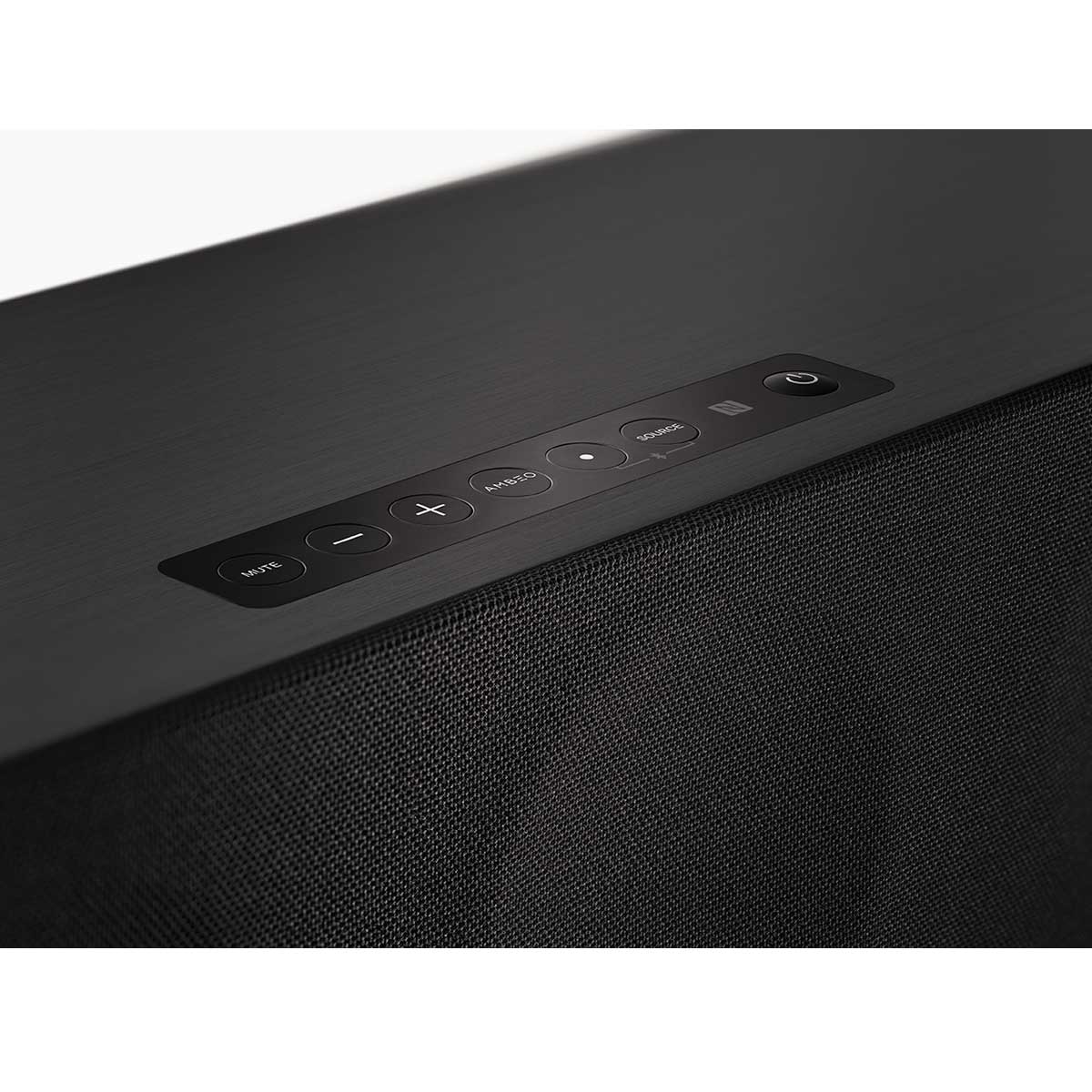
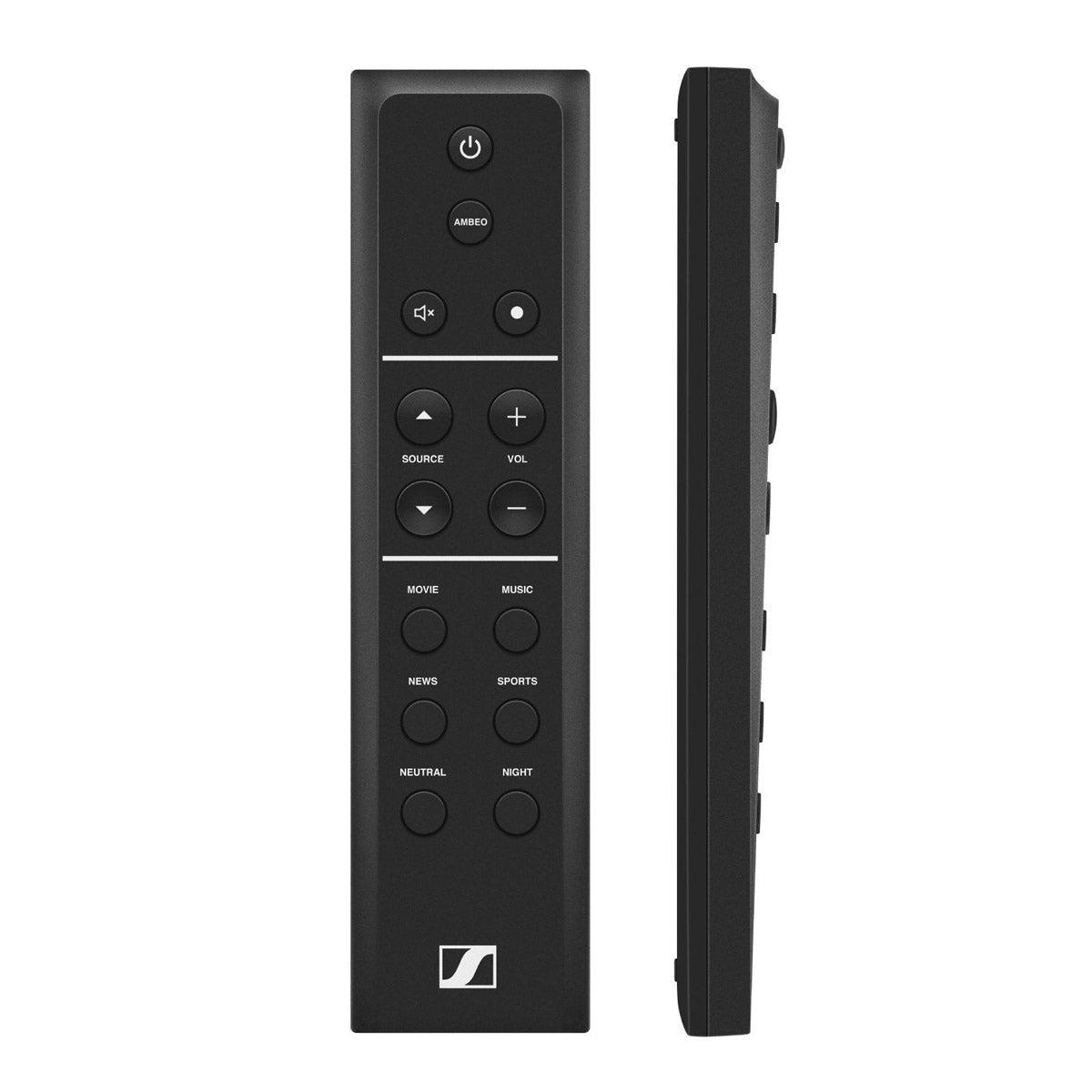
The Smart Control app provides extensive customization: graphic equalizer, preset modes for different content types, and three levels of AMBEO processing intensity. The soundbar's OLED display shows current settings and automatically adjusts brightness based on room lighting.
The Signa S2 keeps things basic with its infrared remote and simple LED indicators. While this limits customization possibilities, it also eliminates potential complexity and connectivity issues that can plague smart devices.
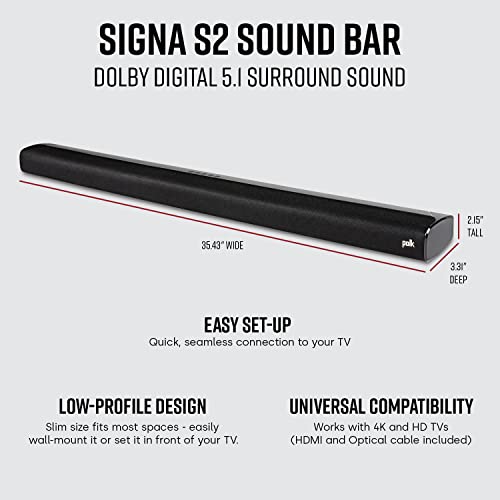
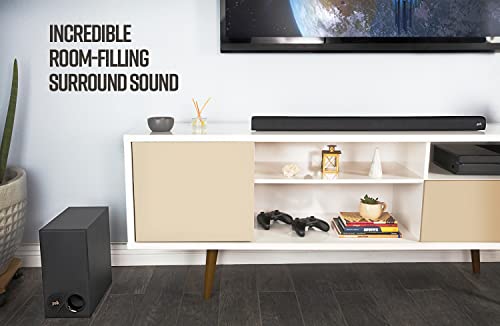
Your room plays a crucial role in soundbar performance, but these models have very different requirements. The Signa S2 works well in most spaces, with its compact 35.43-inch width fitting smaller TV setups. The wireless subwoofer can be positioned anywhere within reasonable range, allowing you to optimize bass response through experimentation.
The AMBEO needs more consideration. At nearly 50 inches wide and weighing over 40 pounds, it requires substantial support and suits larger TVs. More importantly, its virtualization technology depends on room acoustics. Ideally, you want some hard surfaces for sound reflection while avoiding excessive echo or reverberation.
In my testing, the AMBEO performed best in rooms with 8-10 foot ceilings, minimal soft furnishings directly behind the listening position, and reasonably symmetrical layouts. Cramped spaces or rooms with unusual shapes can limit the virtualization effectiveness.
While soundbars primarily target TV and movie content, music performance reveals their underlying audio quality. The Signa S2's V-shaped signature works well with popular music genres – rock, pop, and electronic music benefit from emphasized bass and treble. However, acoustic performances, jazz, and classical music can sound unbalanced, with recessed midrange making vocals and instruments seem distant.
The AMBEO's neutral tuning excels with all music types. Its high-quality drivers and sophisticated processing reveal subtle details while maintaining proper tonal balance. Streaming high-quality music through its various wireless connections becomes genuinely engaging, transforming it into a capable music system beyond its home theater duties.
At the time of writing, these soundbars serve completely different market segments. The Signa S2 typically costs less than what many people spend on a nice dinner out, making it an easy upgrade for anyone frustrated with TV audio. It delivers meaningful improvement without financial stress or setup complexity.
The AMBEO requires serious financial commitment – often costing as much as a decent used car. This pricing positions it against premium alternatives like traditional 5.1 speaker systems or other high-end soundbars. For its target market, the question isn't whether it's expensive, but whether it delivers equivalent performance to more complex installations.
Since the AMBEO's 2019 release, the premium soundbar market has evolved with increased competition and improved virtualization technologies from other manufacturers. However, its sophisticated AMBEO processing and build quality have kept it relevant, though pricing has generally decreased from launch levels.
For serious home theater use, these soundbars reveal their fundamental differences most clearly. The Signa S2 improves the TV watching experience significantly but can't create truly immersive movie experiences. It's perfect for casual viewing, making dialogue clearer and adding bass impact, but won't satisfy users seeking cinema-like immersion.
The AMBEO can genuinely replace traditional surround systems for many users. Properly set up in an appropriate room, it creates convincing surround effects that enhance movie enjoyment dramatically. The ability to handle full Dolby Atmos soundtracks means it's future-proof as streaming services and 4K Blu-rays increasingly include immersive audio formats.
Choose the Polk Audio Signa S2 if you want immediate improvement in TV audio quality without complexity or significant expense. It's ideal for apartment dwellers, casual viewers, and anyone prioritizing simplicity over advanced features. The wireless subwoofer adds real value at this price point, and the dialogue enhancement makes a meaningful difference for TV content.
The Sennheiser AMBEO suits audio enthusiasts who want reference-quality sound and are willing to invest time in proper setup. It's perfect for dedicated home theater rooms, large living spaces with good acoustics, and users who consume high-quality movie content regularly. The comprehensive connectivity and smart features also appeal to tech-savvy users who want a central hub for all their audio needs.
Consider the Signa S2 a smart upgrade for better daily TV watching, while the AMBEO represents a genuine alternative to complex multi-speaker installations. Both succeed brilliantly at their intended purposes – the key is understanding which purpose aligns with your needs, budget, and expectations.
The soundbar market continues evolving rapidly, but these two models represent enduring approaches: accessible improvement versus uncompromising performance. Your choice depends on which philosophy resonates with your audio priorities and lifestyle demands.
| Polk Audio Signa S2 Sound Bar with Wireless Subwoofer | Sennheiser AMBEO Soundbar |
|---|---|
| Total Power Output - More power generally means louder volume and better dynamics | |
| 120 watts (adequate for small-medium rooms) | 500 watts (excellent for large rooms and high volumes) |
| Driver Configuration - More drivers typically mean better sound quality and separation | |
| 4 drivers total: 2x 1.25" midrange + 2x 1" tweeters in bar, plus 5.25" subwoofer | 13 drivers total: 6x 4" woofers + 5x 1" aluminum tweeters + 2x 3.5" full-range |
| Frequency Response - Lower bass numbers mean deeper, more impactful low-end | |
| 45 Hz - 20 kHz (good bass extension with subwoofer) | 30 Hz - 20 kHz (excellent deep bass without separate subwoofer) |
| Surround Sound Processing - Critical for immersive movie experiences | |
| Dolby Digital only, downmixes to stereo (basic surround) | Dolby Atmos, DTS:X, MPEG-H with AMBEO 3D virtualization (advanced immersive audio) |
| Dimensions - Important for TV compatibility and room placement | |
| Bar: 35.4" W x 2.2" H x 3.2" D + separate wireless subwoofer | Single unit: 49.6" W x 5.3" H x 6.7" D (no separate subwoofer needed) |
| Weight - Affects mounting options and portability | |
| Lightweight design, easy wall mounting | 40.8 lbs (requires sturdy mounting or stand) |
| Connectivity Options - More inputs mean better compatibility with devices | |
| HDMI ARC, Optical, 3.5mm AUX, Bluetooth | HDMI eARC, Optical, RCA, Ethernet, Wi-Fi, Bluetooth, AirPlay 2, Chromecast |
| Room Calibration - Optimizes sound for your specific space | |
| None (manual adjustment only) | Advanced automatic room calibration with built-in microphones |
| Smart Features - Convenience and integration capabilities | |
| Basic remote control, simple LED indicators | Smart Control app, OLED display, voice assistant integration (Alexa, Google, HomeKit) |
| Dialogue Enhancement - Crucial for clear speech in movies and TV | |
| Polk VoiceAdjust technology with adjustable levels | Advanced dialogue processing with virtual center channel positioning |
| Setup Complexity - Time and effort required to get optimal performance | |
| Plug-and-play, 5-minute setup | Requires 20-minute room calibration and careful positioning for best results |
| Target Market - Who each product serves best | |
| Budget-conscious users wanting simple TV audio upgrade | Audio enthusiasts seeking premium immersive sound without multiple speakers |
The Polk Audio Signa S2 delivers exceptional value as a budget-friendly option, providing significant improvement over TV speakers with its wireless subwoofer and dialogue enhancement features. The Sennheiser AMBEO offers premium value for audiophiles willing to invest in advanced 3D audio technology and reference-quality sound. Your choice depends on whether you prioritize affordability or cutting-edge performance.
The primary difference is approach and price tier. The Polk Audio Signa S2 is a straightforward 2.1 system focused on improving TV audio with clear dialogue and added bass. The Sennheiser AMBEO uses advanced virtualization technology to create immersive 3D surround sound from a single unit, targeting users who want cinema-like experiences without multiple speakers.
The Polk Audio Signa S2 is ideal for small rooms due to its compact 35-inch width and moderate power output that won't overwhelm smaller spaces. The Sennheiser AMBEO is designed for larger rooms where its 49-inch width and 500-watt output can properly utilize room acoustics for optimal 3D audio virtualization.
The Polk Audio Signa S2 includes a wireless subwoofer as part of the system, which is essential for its bass performance. The Sennheiser AMBEO has six built-in woofers that eliminate the need for a separate subwoofer, delivering deep bass down to 30Hz from the main unit alone.
Both excel at dialogue but use different approaches. The Polk Audio Signa S2 features VoiceAdjust technology that specifically boosts vocal frequencies for clearer speech. The Sennheiser AMBEO uses sophisticated room calibration and virtual center channel processing to position dialogue naturally at your TV screen location with exceptional clarity.
The Polk Audio Signa S2 does not support Dolby Atmos and downmixes surround content to stereo. The Sennheiser AMBEO fully supports Dolby Atmos, DTS:X, and other immersive audio formats, using its AMBEO 3D technology to create convincing height and surround effects from a single soundbar.
The Polk Audio Signa S2 offers plug-and-play simplicity with a 5-minute setup process - just connect one cable and you're ready. The Sennheiser AMBEO requires more involvement, including a 20-minute room calibration process using built-in microphones to optimize its 3D audio virtualization for your specific space.
The Sennheiser AMBEO excels for music with its neutral, audiophile-tuned sound signature and high-quality drivers that reveal musical details across all genres. The Polk Audio Signa S2 works well for popular music genres but its V-shaped sound signature may not suit acoustic or classical music as effectively.
The Polk Audio Signa S2 provides essential connections including HDMI ARC, optical, analog AUX, and Bluetooth streaming. The Sennheiser AMBEO offers comprehensive connectivity with HDMI eARC, multiple wireless protocols (AirPlay 2, Chromecast, Spotify Connect), Ethernet, and voice assistant integration for smart home compatibility.
Yes, but with different requirements. The Polk Audio Signa S2 is lightweight and includes keyhole hangers for easy wall mounting, though you'll still need to position the wireless subwoofer separately. The Sennheiser AMBEO can be wall-mounted but requires sturdy mounting hardware due to its 40-pound weight.
For casual home theater viewing, the Polk Audio Signa S2 significantly improves dialogue and adds bass impact over TV speakers. For serious home theater enthusiasts, the Sennheiser AMBEO delivers cinema-quality immersive audio with full Dolby Atmos support and 3D sound positioning that rivals traditional multi-speaker surround systems.
The Polk Audio Signa S2 works adequately in most rooms without special requirements, though bass response may vary with subwoofer placement. The Sennheiser AMBEO performs best in rooms with proper acoustics for sound reflection - ideally with some hard surfaces and reasonable ceiling height - as its virtualization technology depends on room characteristics for optimal 3D audio effects.
We've done our best to create useful and informative comparisons to help you decide what product to buy. Our research uses advanced automated methods to create this comparison and perfection is not possible - please contact us for corrections or questions. These are the sites we've researched in the creation of this article: rtings.com - youtube.com - bestbuy.com - rtings.com - consumerreports.org - rtings.com - youtube.com - hometechnologyreview.com - soundbars.com - youtube.com - manuals.plus - creativeaudio.net - parts-express.com - thomsunmusic.com - polkaudio.com - manuals.plus - polkaudio.com - polkaudio.com - polkaudio.com - bestbuy.com - youtube.com - youtube.com - polkaudio.com - bestbuy.com - rtings.com - techradar.com - audioxpress.com - whathifi.com - upscaleaudio.com - soundstagesimplifi.com - global.sennheiser-hearing.com - sennheiser-hearing.com - audioadvice.com - abt.com - moon-audio.com

Privacy Policy
Terms and Conditions - Affiliate Policy
Home Security
© Copyright 2008-2026.
11816 Inwood Rd #1211, Dallas, TX 75244