



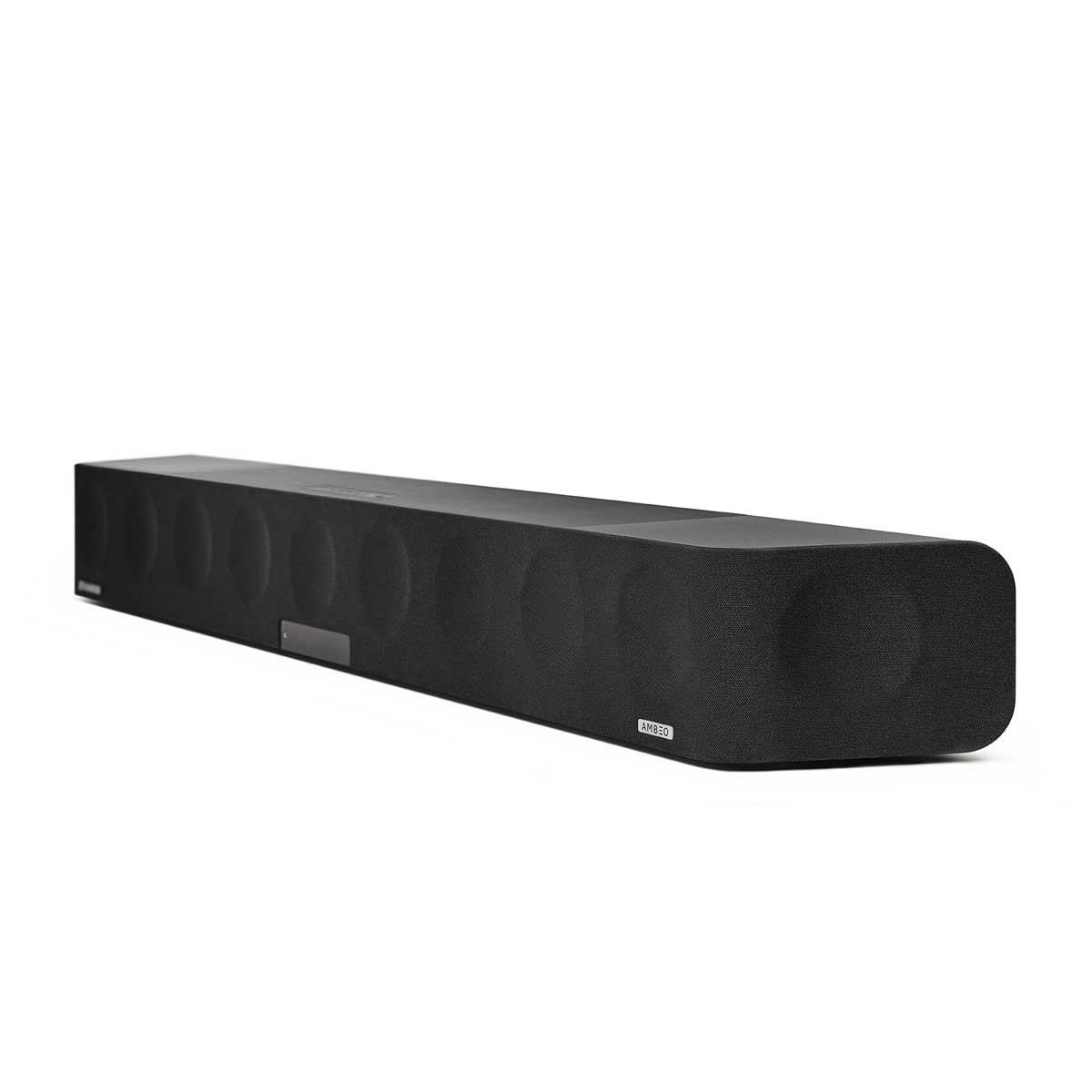
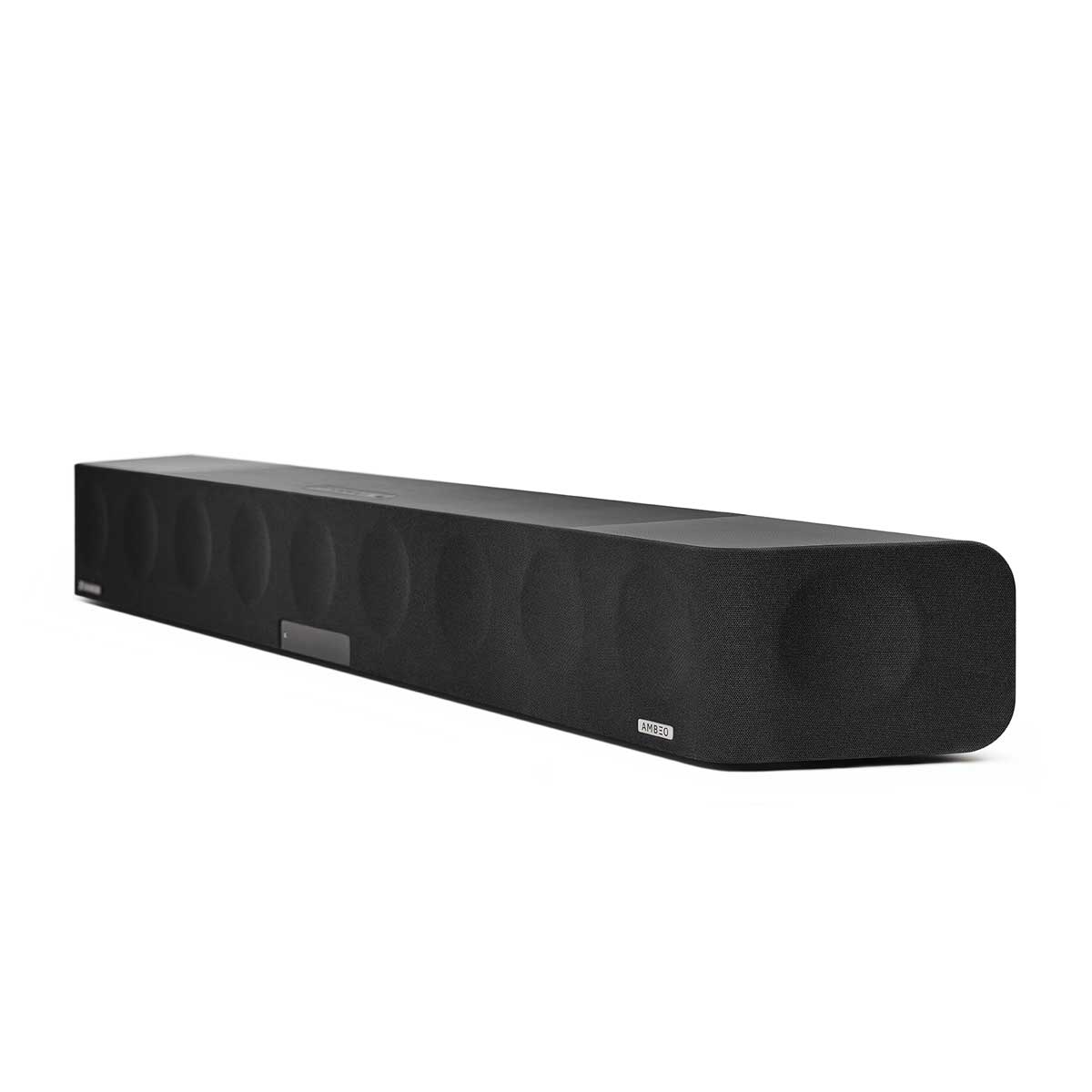
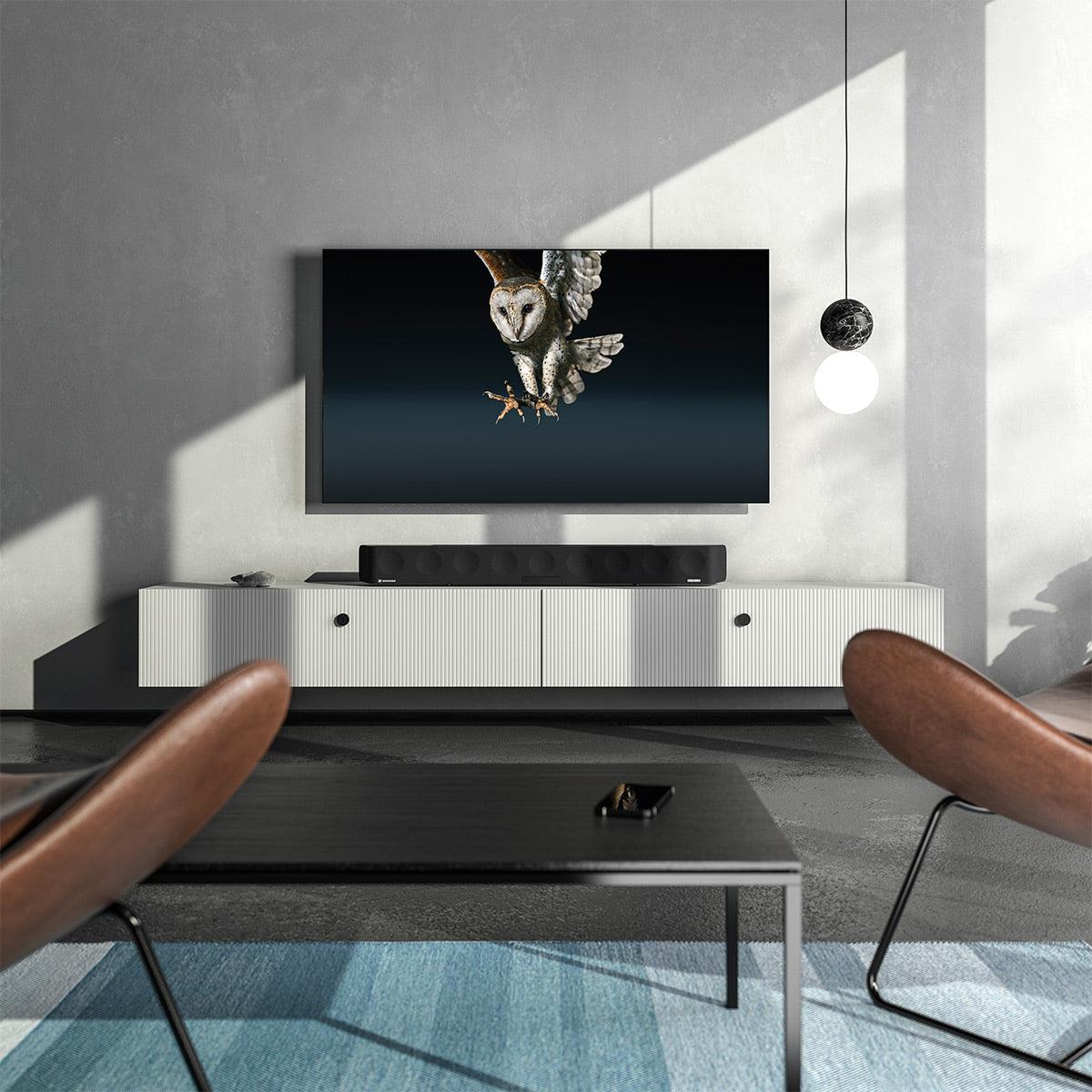
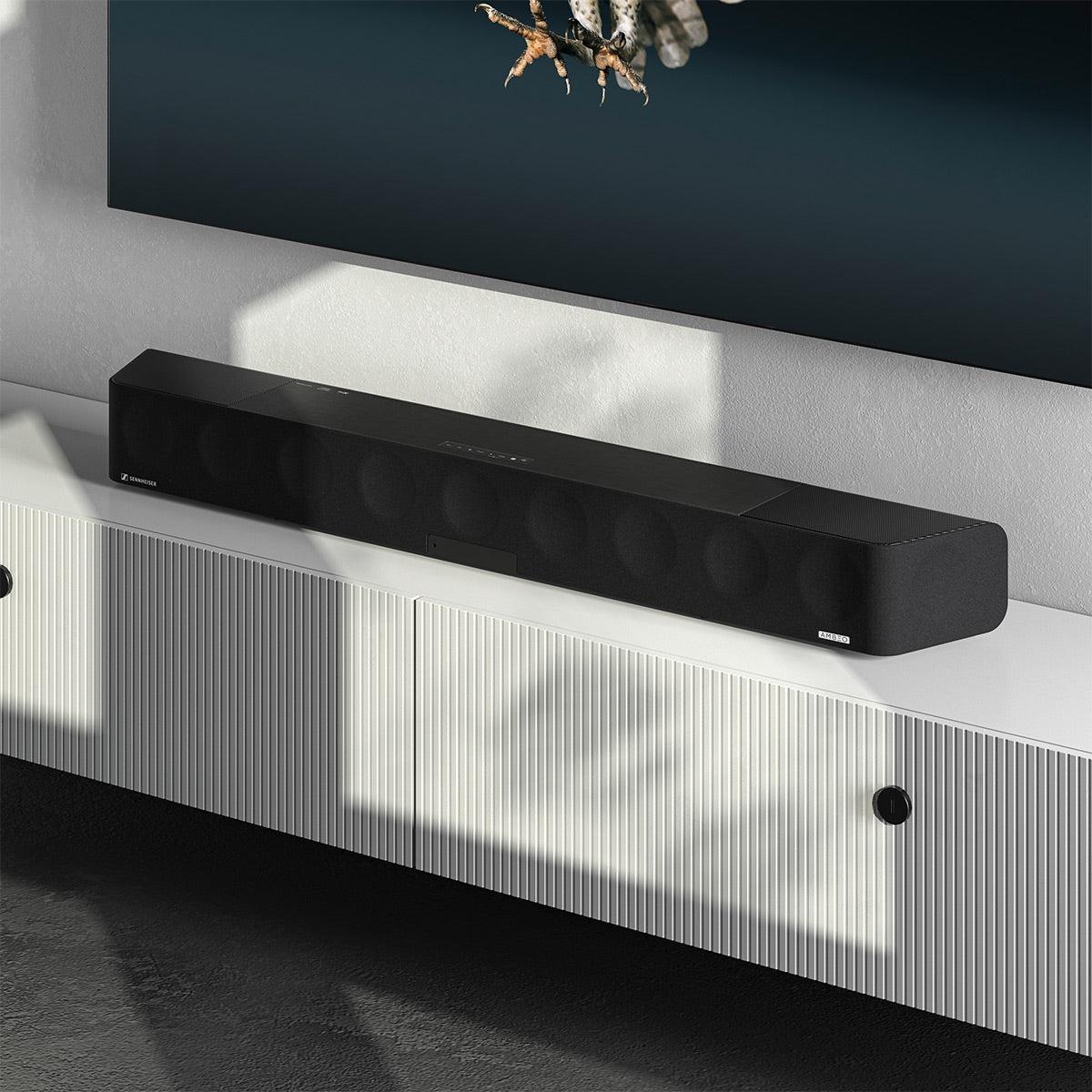
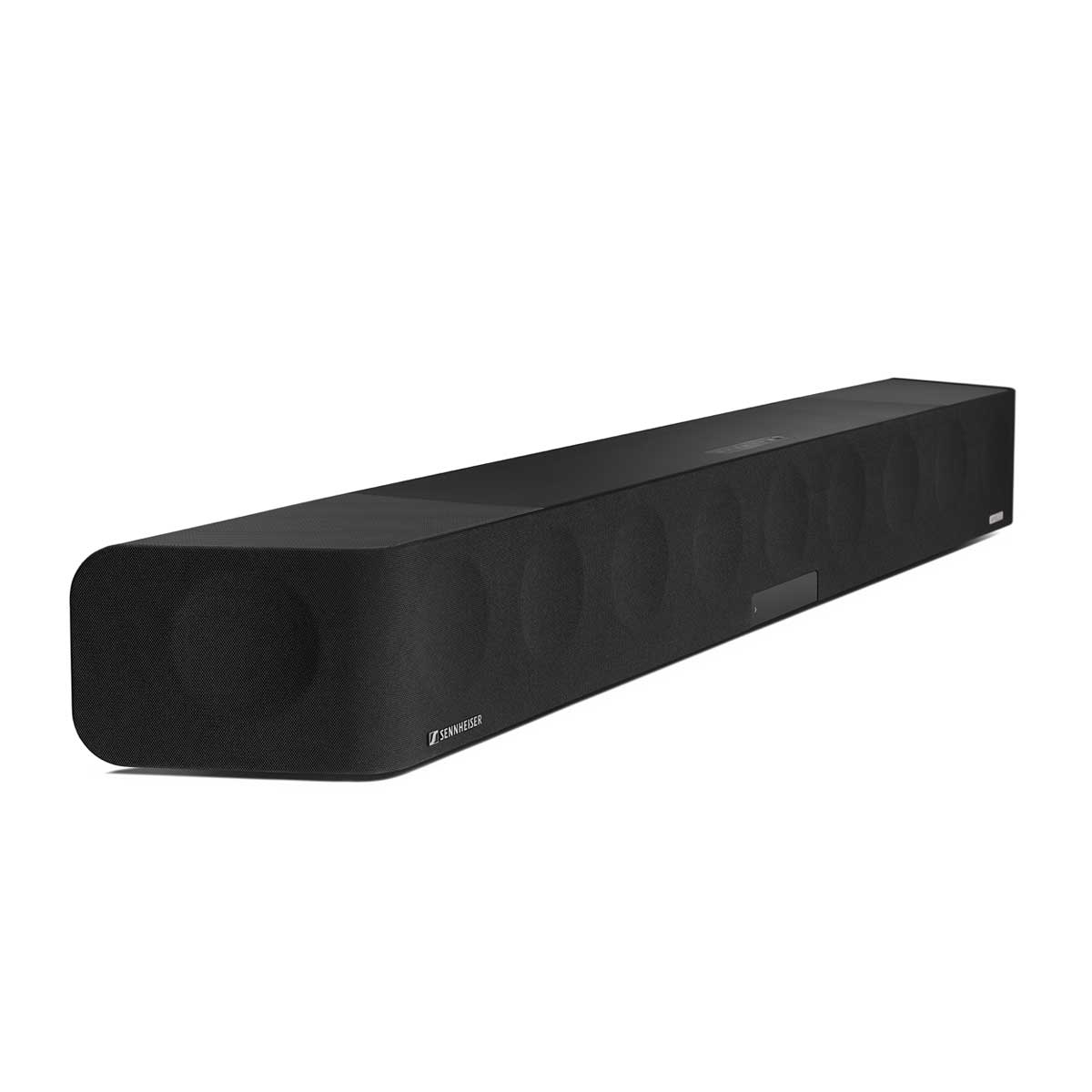
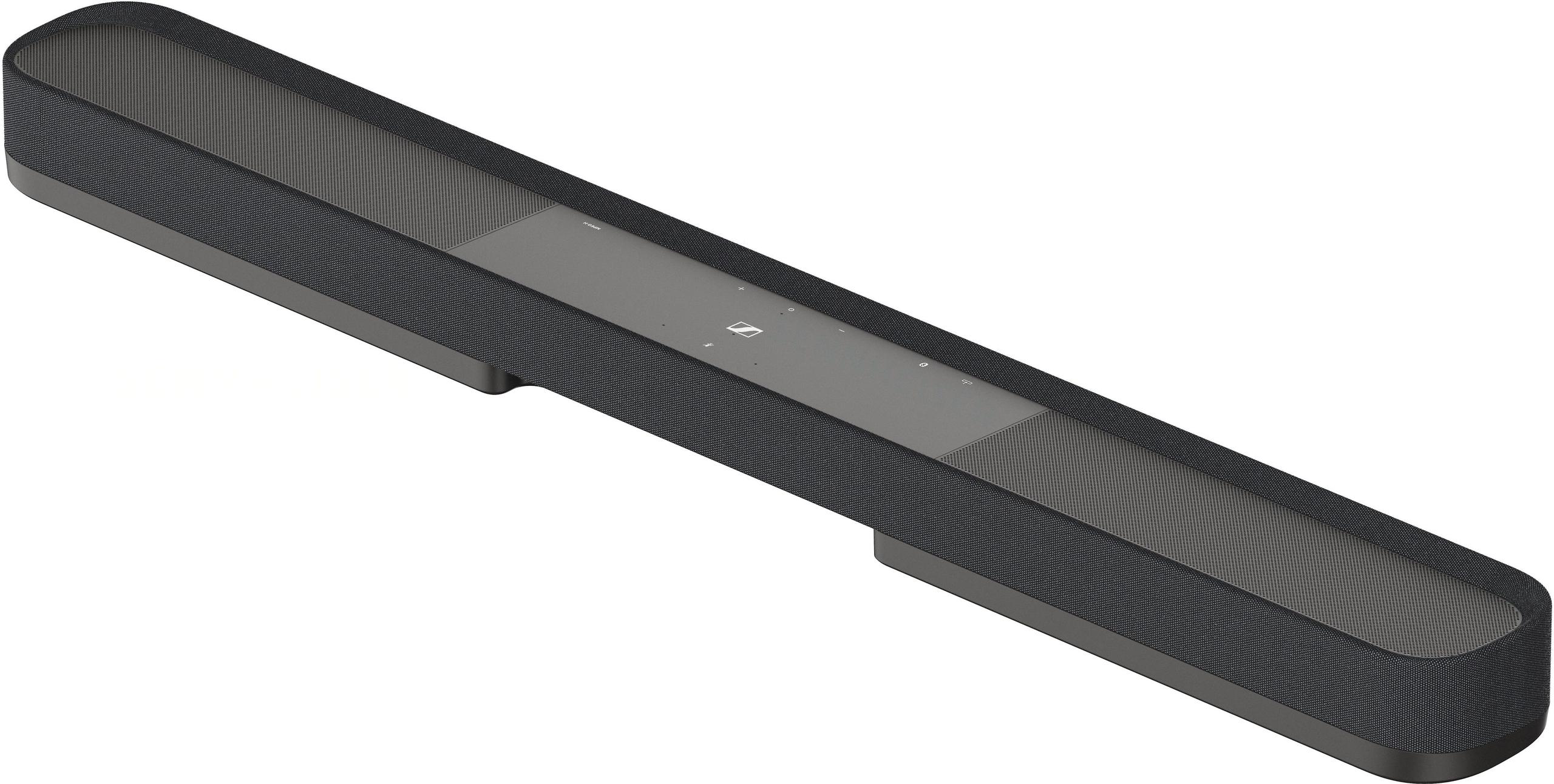

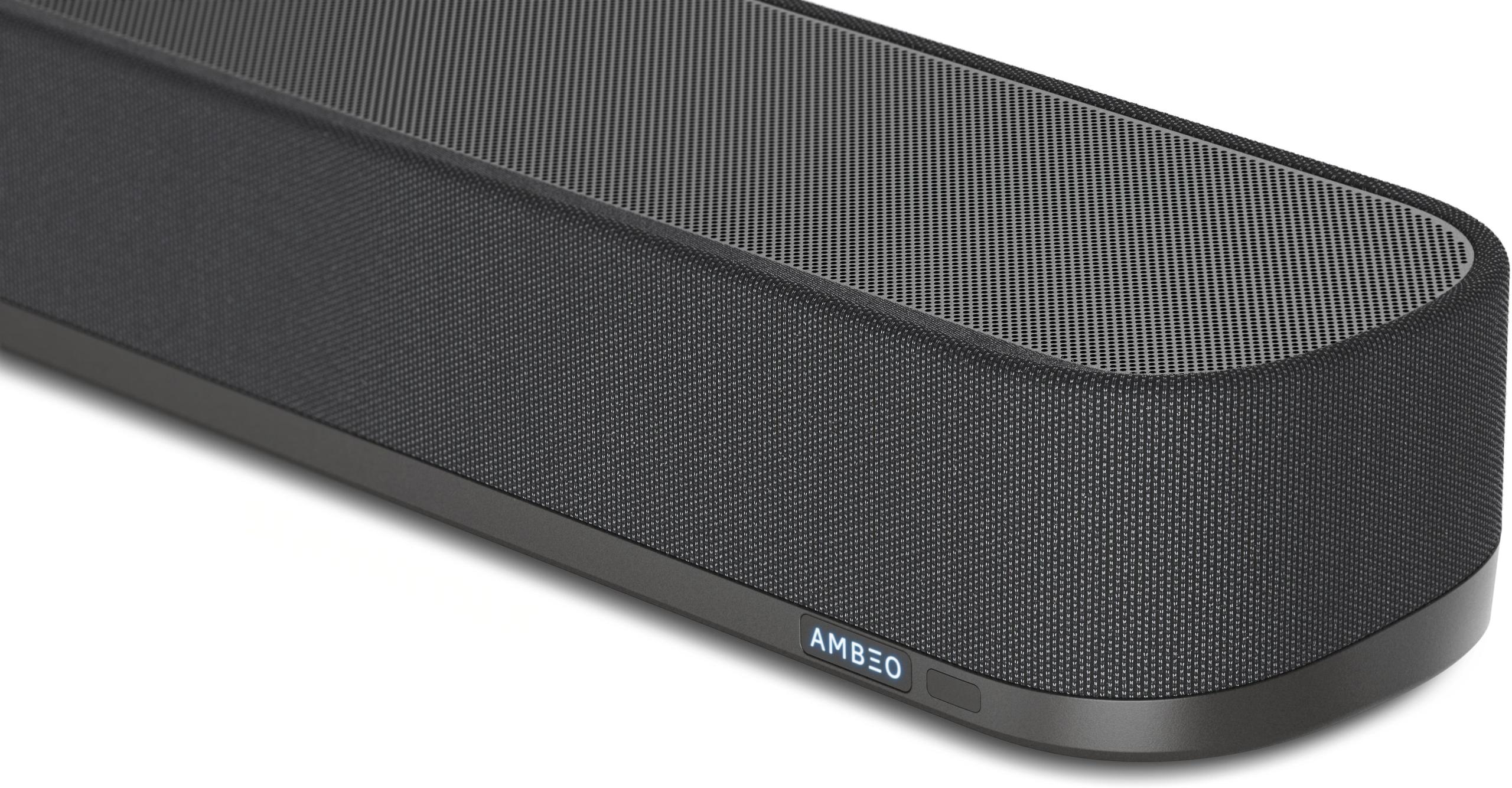

When I first started testing premium soundbars five years ago, the market felt like a wild west of competing technologies and confusing claims. Today, we have two clear philosophies emerging: companies that believe in physical drivers doing the heavy lifting, and those betting everything on sophisticated software processing. The LG SC9S ($516) and Sennheiser AMBEO Soundbar ($2,000) represent these opposing camps perfectly—and the differences in how they approach premium audio might surprise you.
Premium soundbars occupy a fascinating middle ground in home audio. They're designed for people who want theater-quality sound but don't have the space, budget, or patience for a full surround sound system with speakers scattered around their living room. Think of them as the Swiss Army knives of home theater audio—compact, capable, but requiring some clever engineering to pack all that functionality into a single unit.
The key considerations when shopping in this category aren't just about how loud they get or how many speakers they have. You're really evaluating different approaches to solving the same problem: how do you create an immersive, three-dimensional audio experience from what's essentially a long box sitting under your TV?
Physical vs. Virtual: Some soundbars use actual speakers pointing in different directions—up-firing drivers that bounce sound off your ceiling, or separate subwoofers that handle the deep bass. Others rely on digital signal processing (DSP) to trick your brain into hearing sounds coming from places where there aren't actually any speakers.
Room Integration: Your living room isn't an anechoic chamber (a specially designed room that absorbs sound reflections), so premium soundbars need to work with your space's acoustics, not against them. This involves everything from automatic room calibration systems to simply being the right size for your setup.
Content Versatility: A great soundbar shouldn't just excel at action movies. It needs to handle dialogue-heavy TV shows, music streaming, video games, and everything in between without requiring constant adjustments.
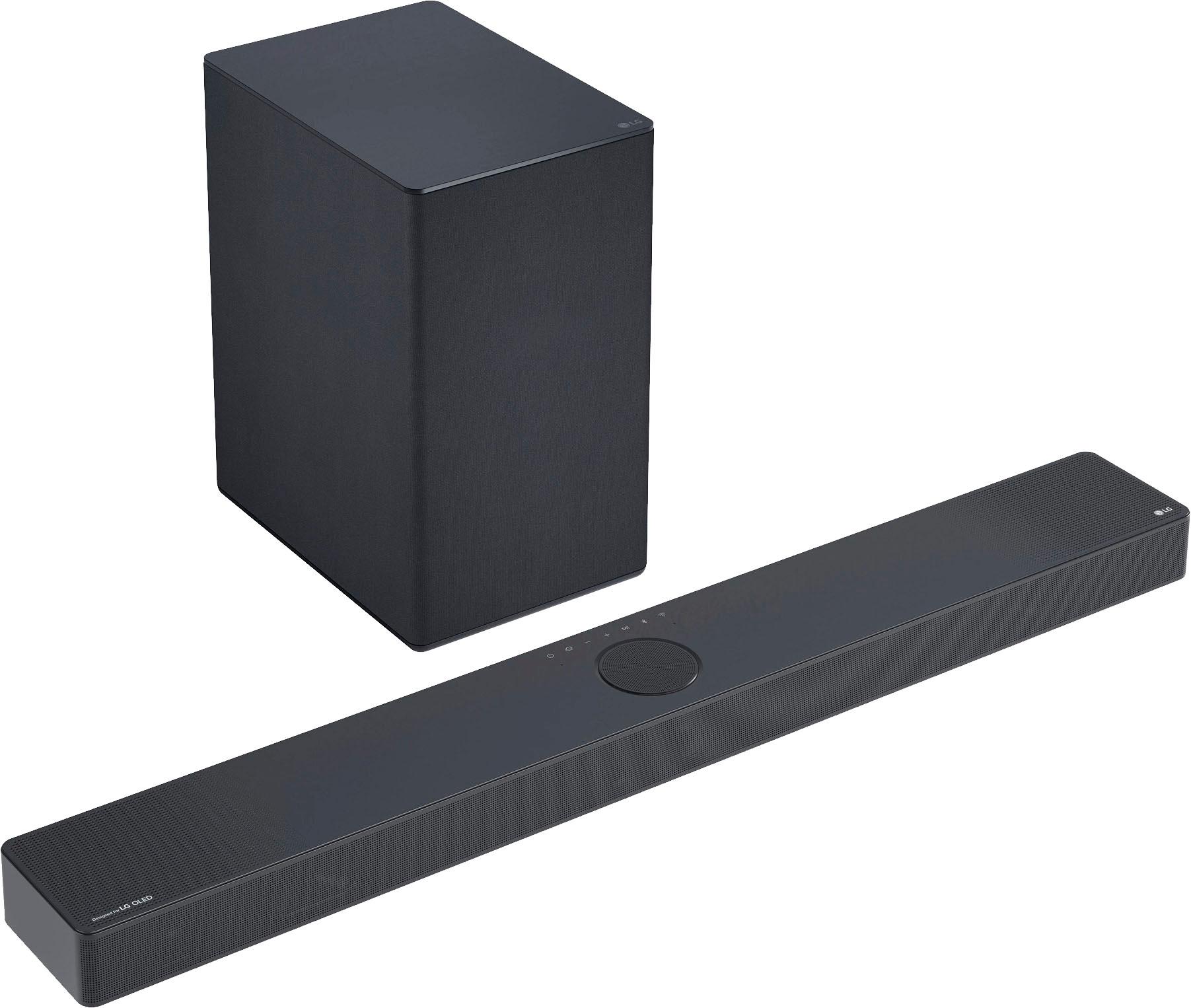
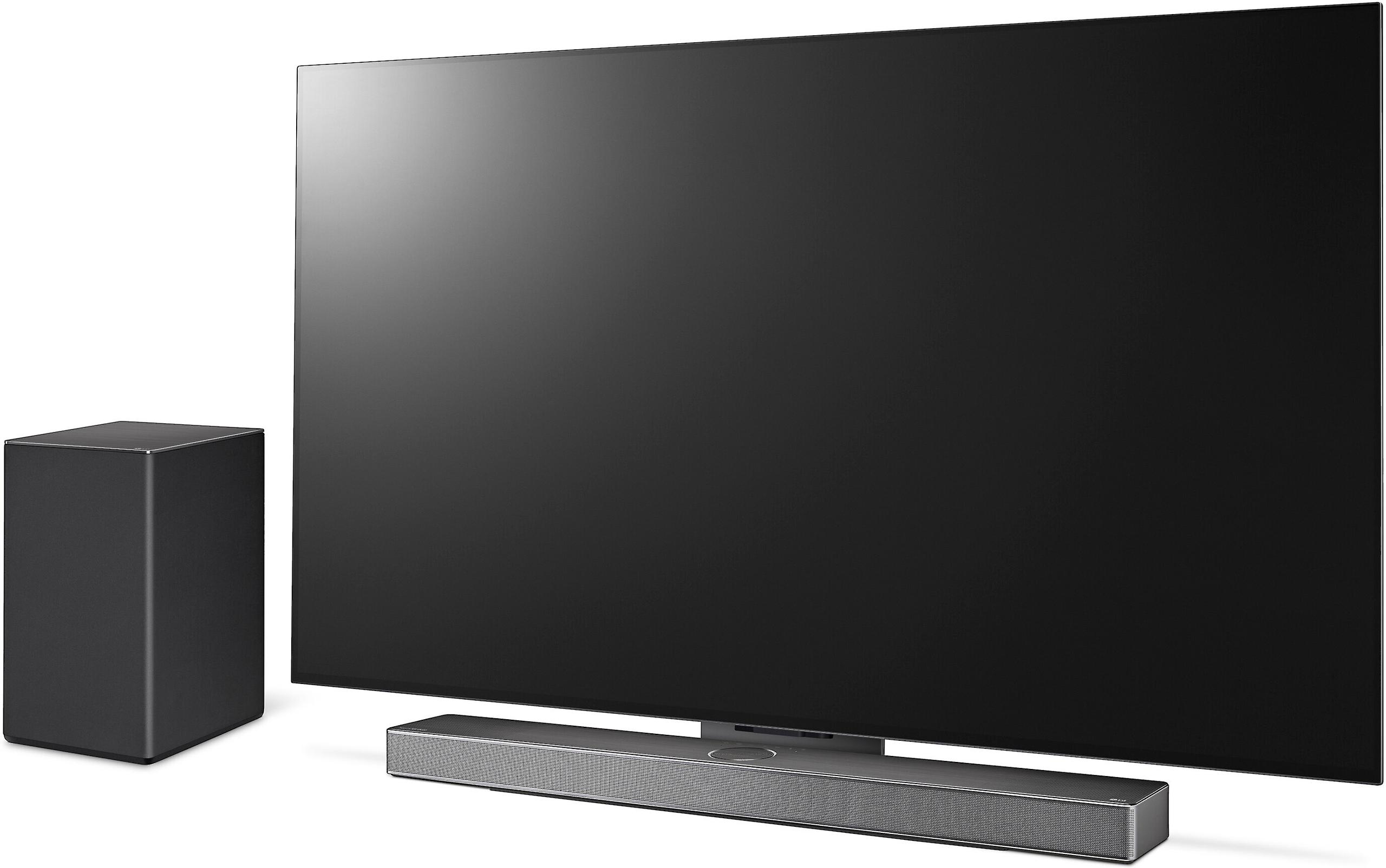
Released in 2023, the LG SC9S represents what I'd call "pragmatic innovation." LG looked at what actually works in real living rooms and doubled down on those elements. The result is a 3.1.3-channel system that costs just over $500 but punches well above its weight class.
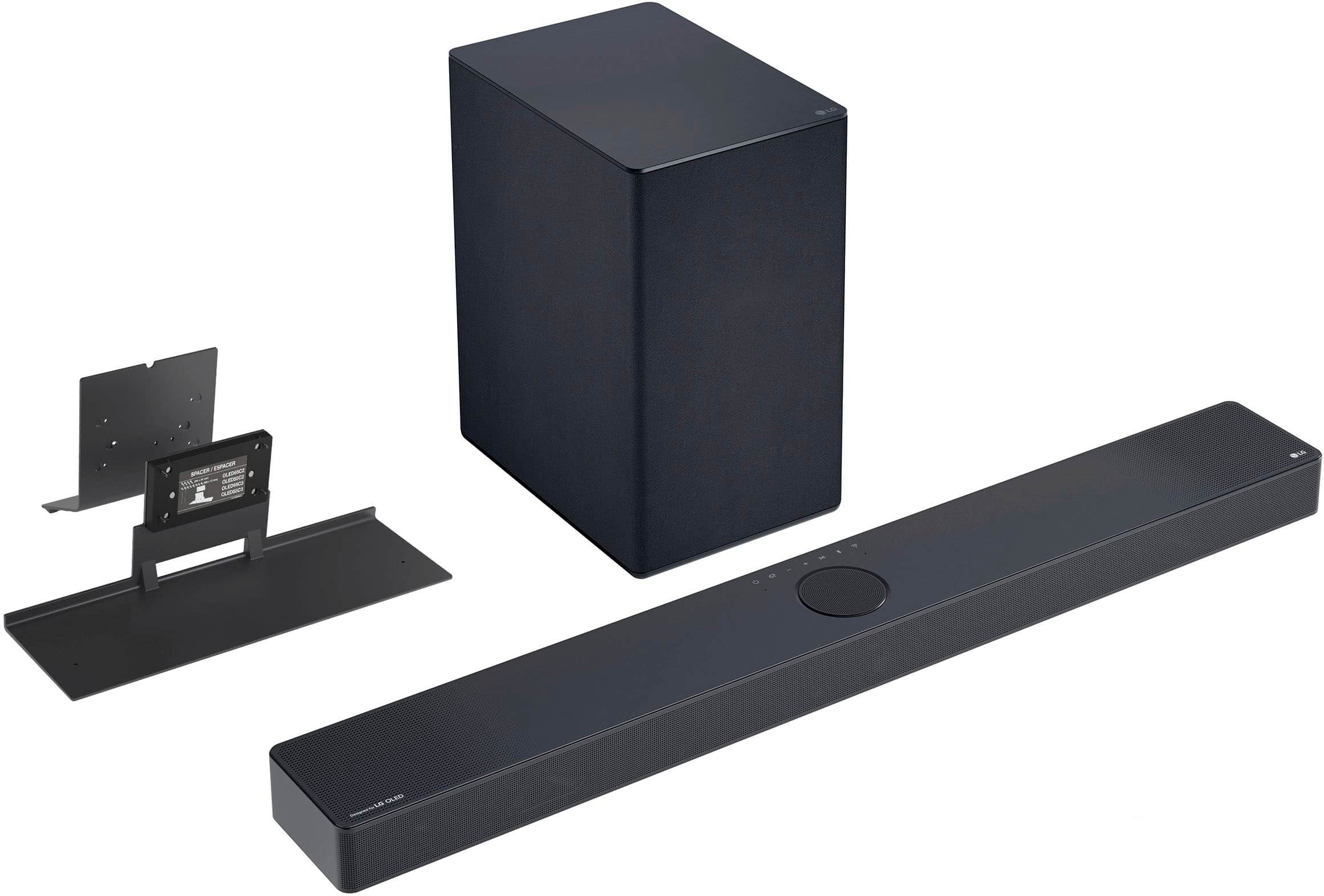
The "3.1.3" designation tells you exactly what you're getting: three front-facing channels (left, center, right), one subwoofer (the ".1"), and three up-firing channels that bounce sound off your ceiling to create height effects. But here's where LG did something genuinely clever—that third up-firing driver is dedicated entirely to the center channel, creating what they call an "up-firing center channel."
This might sound like marketing speak, but having tested it extensively, the practical impact is remarkable. Instead of dialogue coming directly from the soundbar (which sits below your TV screen), voices get reflected off the ceiling and appear to come from screen level. It's a simple concept that solves a real problem: the disconnect between where you see actors' mouths moving and where you hear their voices coming from.
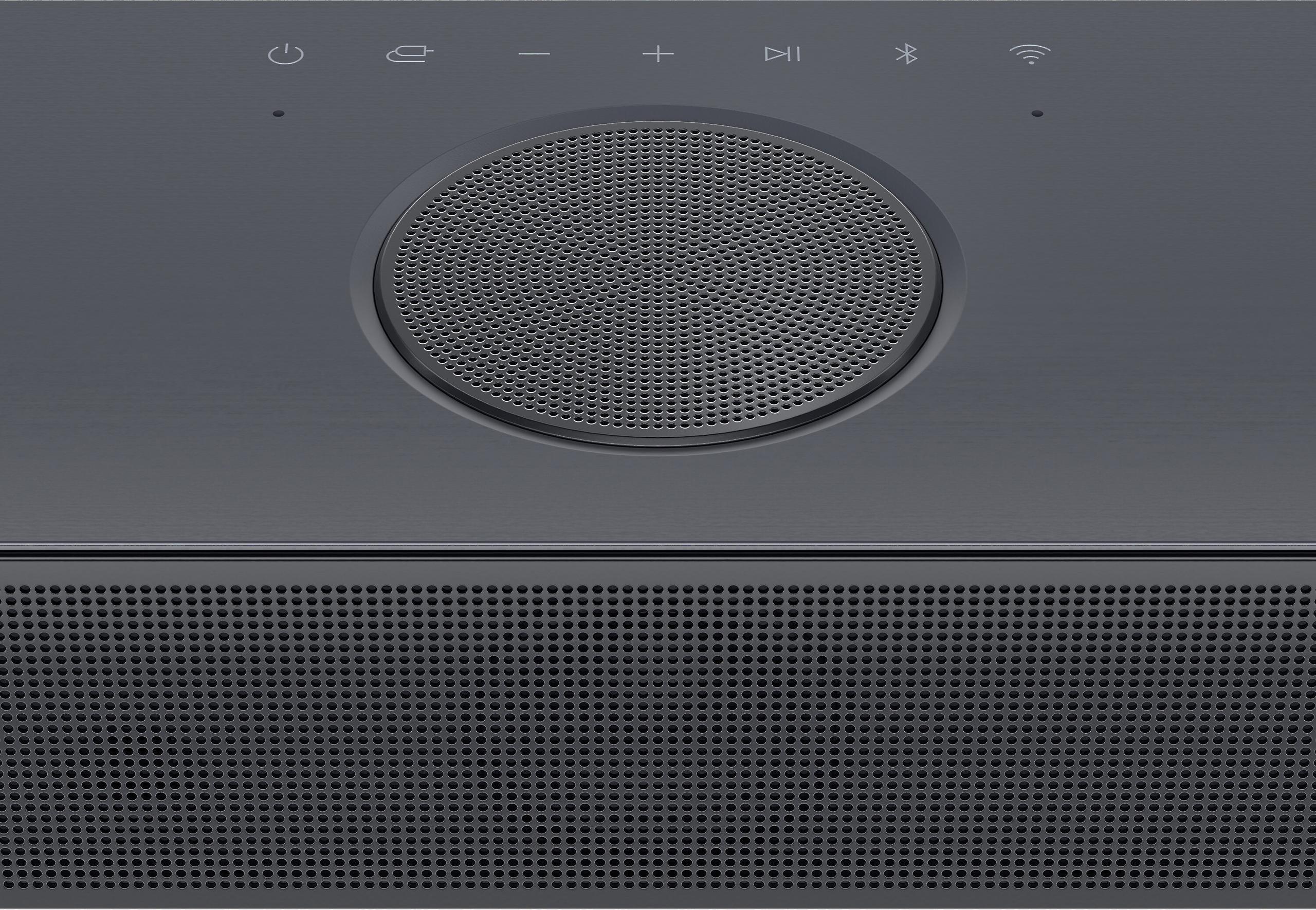
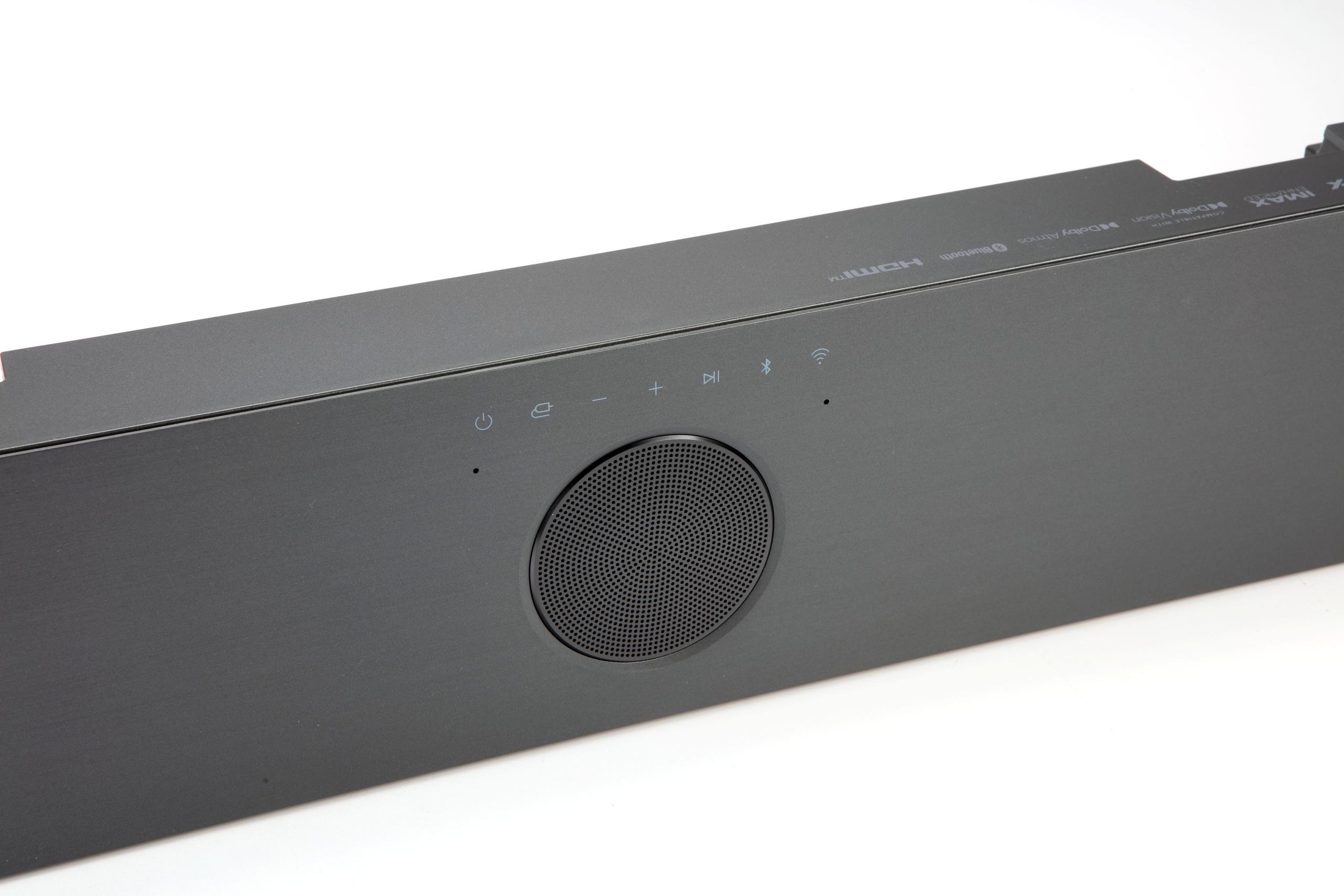
Since its 2023 launch, LG has refined the AI Room Calibration Pro system through firmware updates. This feature uses built-in microphones to analyze your room's acoustics and automatically adjusts the sound profile. While not as sophisticated as some competitors, it's effective and doesn't require any manual setup.
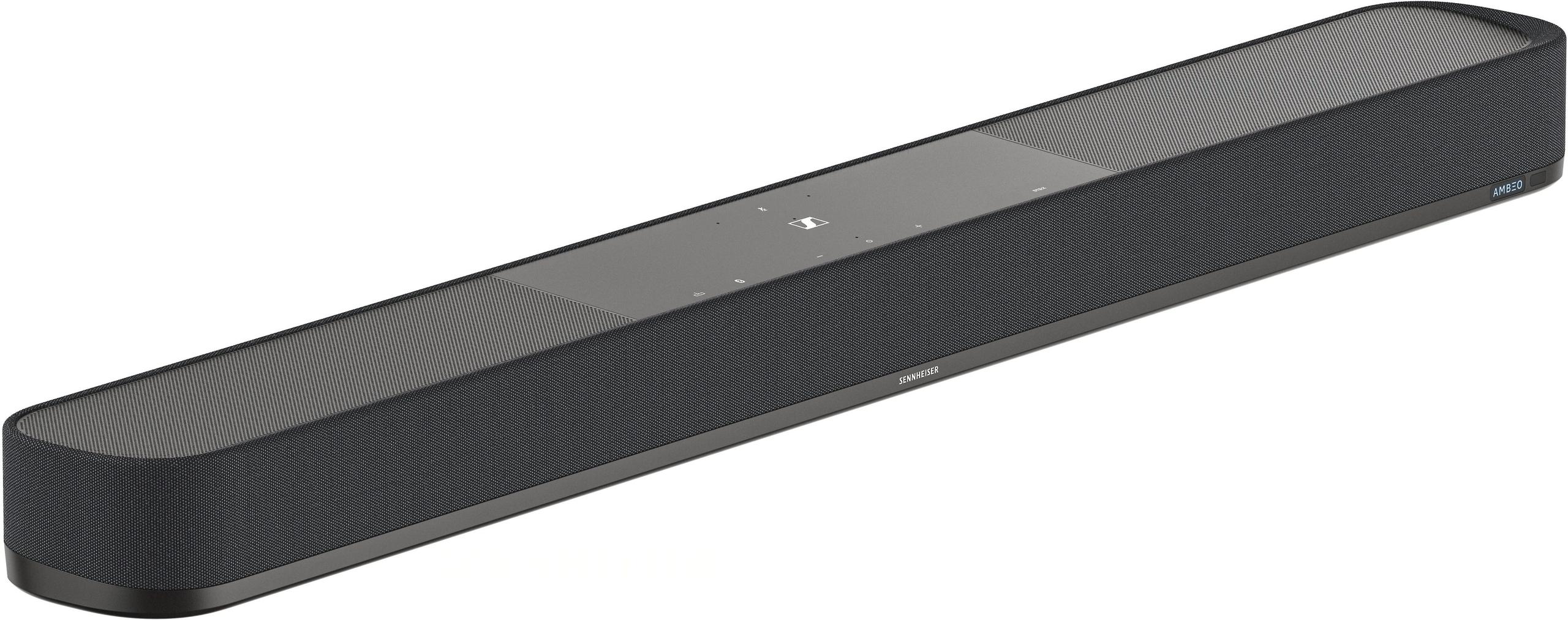
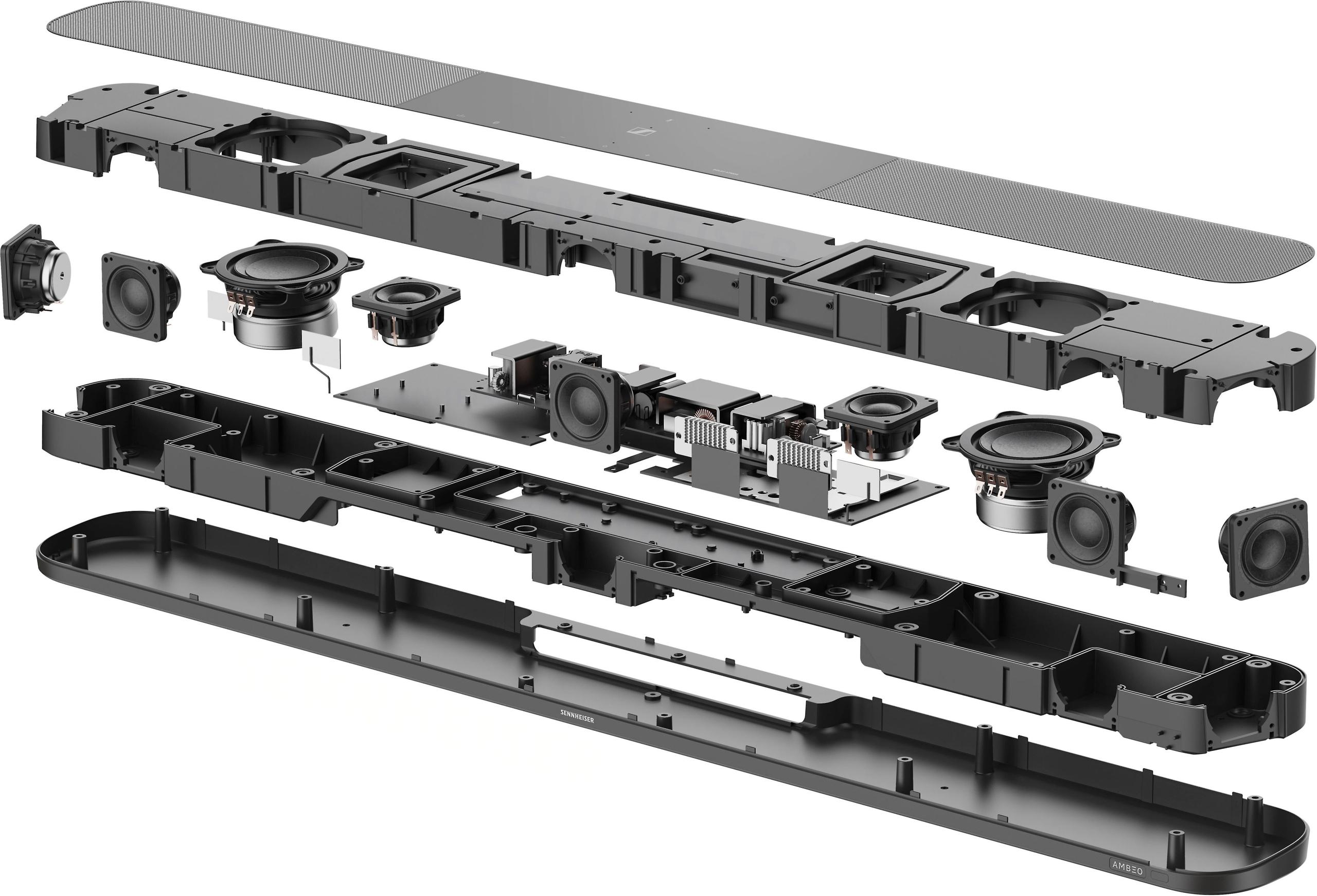
The Sennheiser AMBEO Soundbar takes the complete opposite approach. Rather than relying on physical speakers to create surround effects, it uses advanced virtualization technology developed in partnership with the Fraunhofer Institute (the same research organization behind the MP3 format). The goal is ambitious: create a convincing 5.1.4 surround sound experience using only the drivers built into the soundbar itself.
The AMBEO uses 13 precisely positioned drivers and some seriously sophisticated math to analyze your room's acoustic properties, then manipulates the audio signals to create the illusion of sounds coming from all around you. It's like having a computer graphics engineer working on your audio—instead of actually placing speakers behind you, the system calculates how sound would reach your ears if those speakers existed, then recreates those conditions artificially.
This approach has evolved significantly since the original AMBEO launched in 2019. The current generation benefits from years of algorithm refinement and machine learning improvements. The room calibration system now uses multiple microphones to create a detailed acoustic map of your space, which the virtualization engine uses to fine-tune its processing.
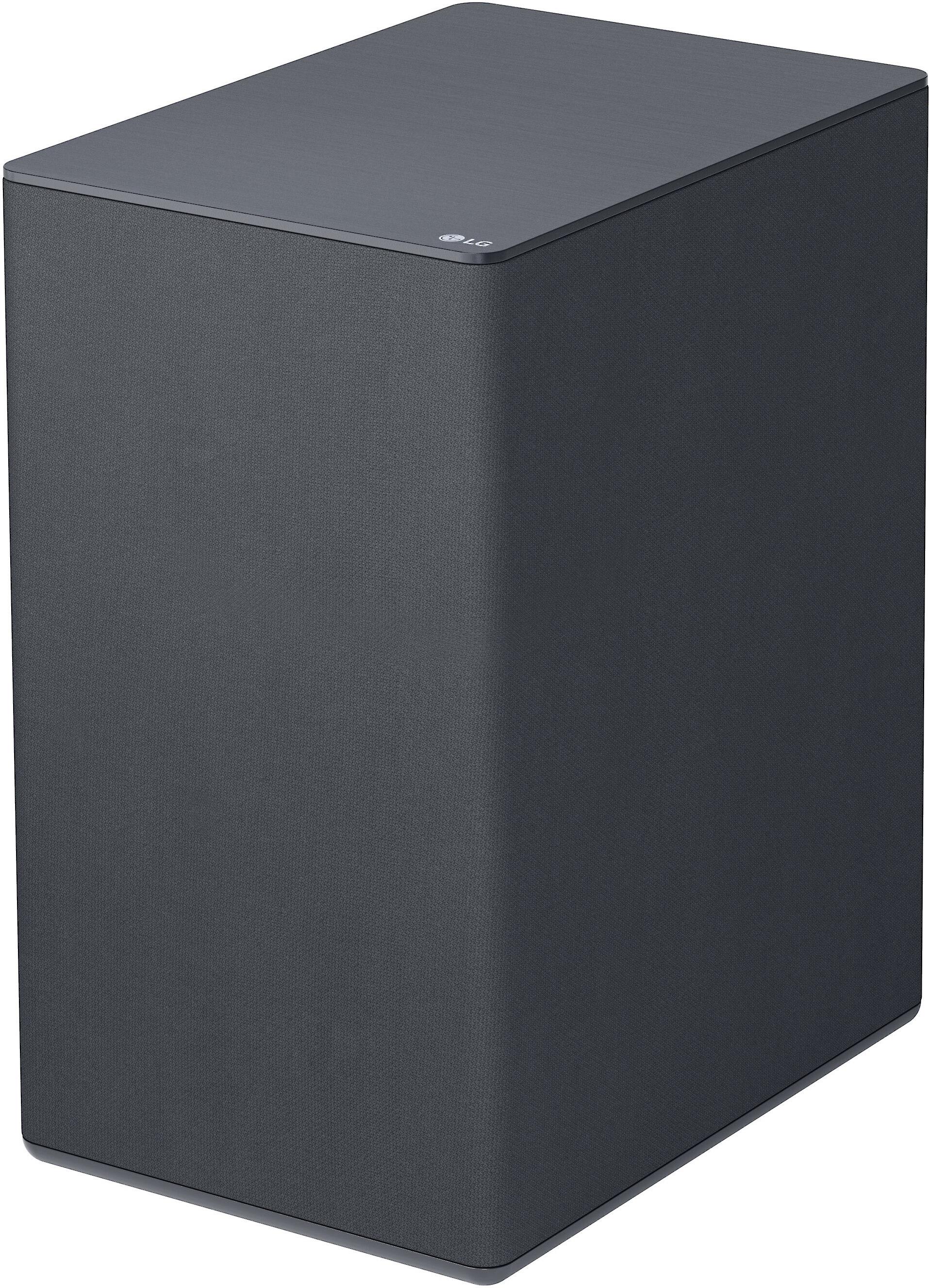
This is where the fundamental differences between these approaches become crystal clear. The LG SC9S includes a dedicated wireless subwoofer—a separate 8-inch driver in its own enclosure that handles everything below about 80Hz. This isn't just about getting louder bass; it's about physics.
Low-frequency sound waves are long—really long. A 40Hz tone (the deep rumble in action movies) has a wavelength of about 28 feet. You need to move a lot of air to reproduce these frequencies convincingly, and that requires either a large driver or a lot of smaller ones working together. The LG's approach of using a dedicated subwoofer means it can reproduce these deep frequencies with genuine authority.
I've spent hours testing both systems with bass-heavy content, from the thunderous low-end in "Blade Runner 2049" to the subtle bass lines in jazz recordings. The difference is immediately apparent. The LG's subwoofer doesn't just play bass—you feel it. There's a tactile quality to explosions, a sense of space in music that you simply can't get from processing alone.
The Sennheiser AMBEO handles bass through six 4-inch drivers built into the main unit. On paper, it reaches the same 30Hz low-frequency response as the LG. In practice, it sounds more like good bass rather than great bass. It's clean and well-integrated, but it lacks the physical impact that makes action sequences truly engaging.
Here's where the LG's engineering approach really shines. That up-firing center channel I mentioned earlier isn't just a gimmick—it solves a real acoustic problem. In most soundbar setups, dialogue comes from drivers positioned below your TV screen. Your brain constantly has to reconcile the visual cue (seeing someone's mouth move on screen) with the audio cue (hearing their voice from below the screen).
The LG's solution bounces center channel audio off your ceiling, creating the perception that voices are coming from screen level. During my testing with dialogue-heavy shows like "The West Wing," the effect is genuinely impressive. Conversations feel more natural, and you don't get that subtle disconnect between what you see and what you hear.
The Sennheiser takes a more traditional approach, using virtualization to create a phantom center channel. It works, but in complex scenes with lots of competing audio elements, dialogue can sometimes get lost in the mix. This is particularly noticeable in action sequences where explosions and sound effects compete with speech for your attention.
Both soundbars support Dolby Atmos, the current standard for immersive audio that adds height information to traditional surround sound. But they achieve this in fundamentally different ways.
The LG uses two up-firing drivers (plus that center channel one) to physically bounce sound off your ceiling. This works best in rooms with relatively low ceilings (8-10 feet) and reflective surfaces. When conditions are right, you genuinely hear sounds coming from above and slightly behind you. It's not as precise as having actual ceiling speakers, but it's convincing enough to enhance the viewing experience.
The Sennheiser's approach is more ambitious but also more dependent on your room's specific characteristics. Its virtualization algorithms analyze how sound reflects off your walls and ceiling, then manipulate the audio to create the illusion of a full surround sound system. In ideal conditions—rooms with good acoustics and proper positioning—the effect can be remarkably convincing.
However, I've found the Sennheiser's approach to be more hit-or-miss. In my main testing room (a fairly typical living room with carpet, curtains, and mixed surfaces), the virtualization works well for about 70% of content. But certain audio cues, particularly sounds that should come from directly behind you, never quite convince.
This is where the comparison becomes less about audio engineering and more about practical decision-making. The LG SC9S costs roughly a quarter of what you'll pay for the Sennheiser AMBEO, yet it delivers what I'd consider superior performance in most real-world scenarios.
The LG's price advantage isn't just about cutting corners—it's about choosing the right battles. By including a physical subwoofer and focusing on proven technologies like ceiling bounce for height effects, LG delivers tangible improvements that you can hear immediately. The innovative up-firing center channel alone would justify the price for many users.
The Sennheiser's premium pricing reflects genuine engineering sophistication. The virtualization algorithms represent years of research and development, and the build quality is noticeably superior. But that sophistication doesn't always translate to a better listening experience. You're paying for the elegance of the solution as much as its effectiveness.
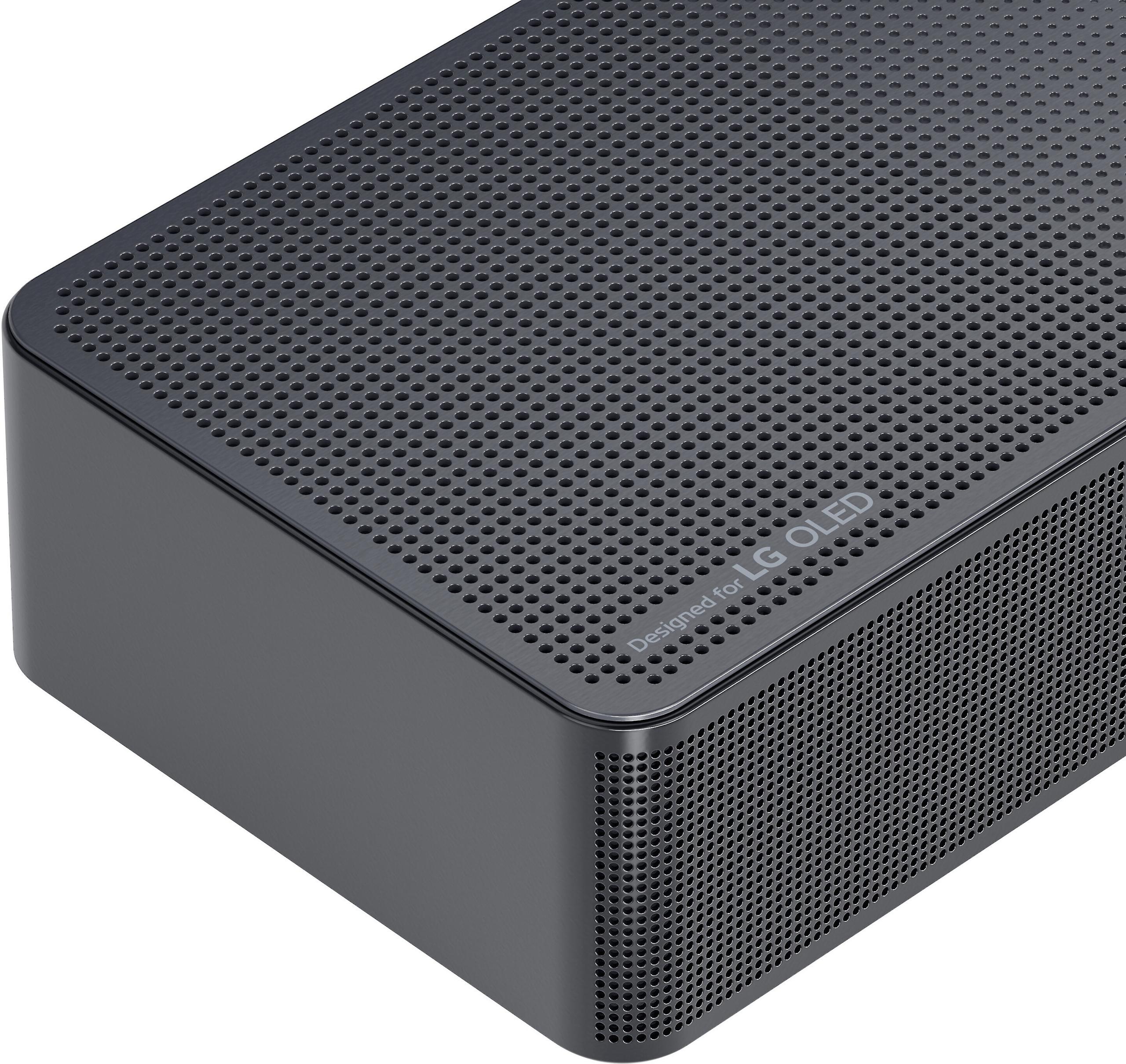
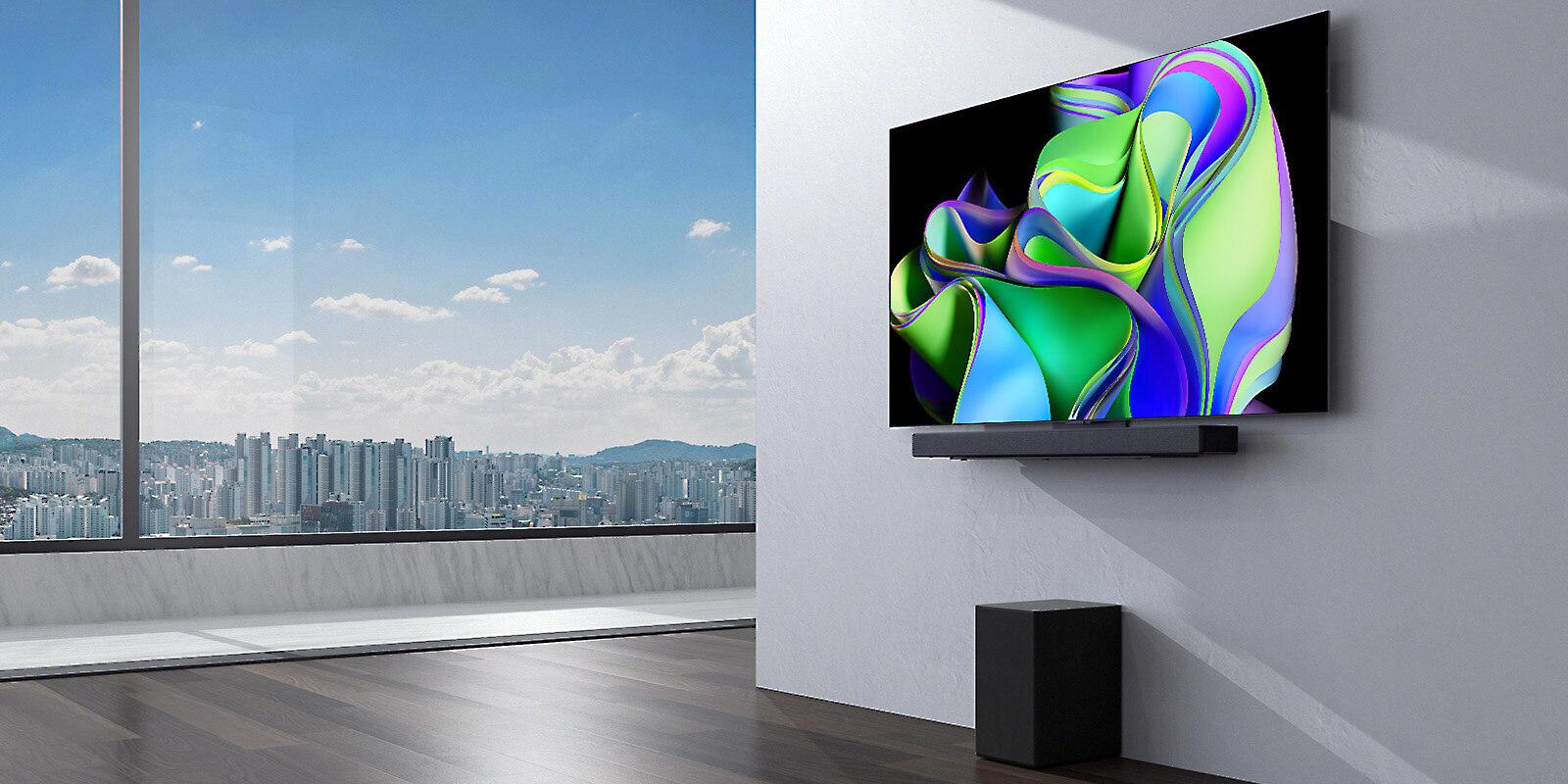
One area where your choice might be influenced by your existing setup is ecosystem integration. The LG SC9S includes several features specifically designed for LG TV owners. The WOW Orchestra technology can sync the soundbar with your LG TV's built-in speakers, creating a larger overall soundstage. There's also a dedicated mounting bracket designed specifically for LG's OLED C2 and C3 series TVs.
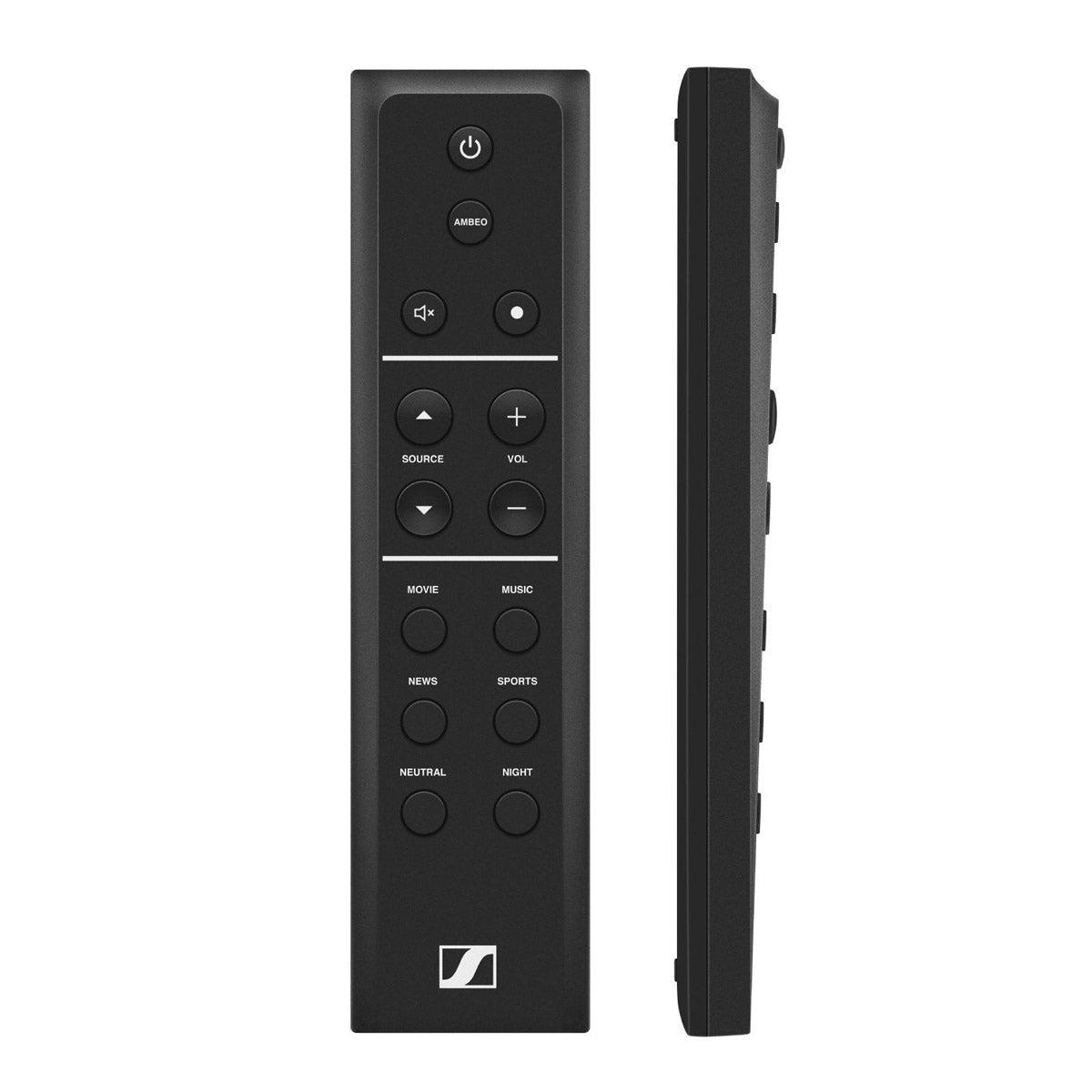
If you own an LG TV, these integrations work seamlessly and add genuine value. The TV's remote can control the soundbar, settings sync automatically, and the overall experience feels cohesive in a way that's hard to quantify but easy to appreciate.
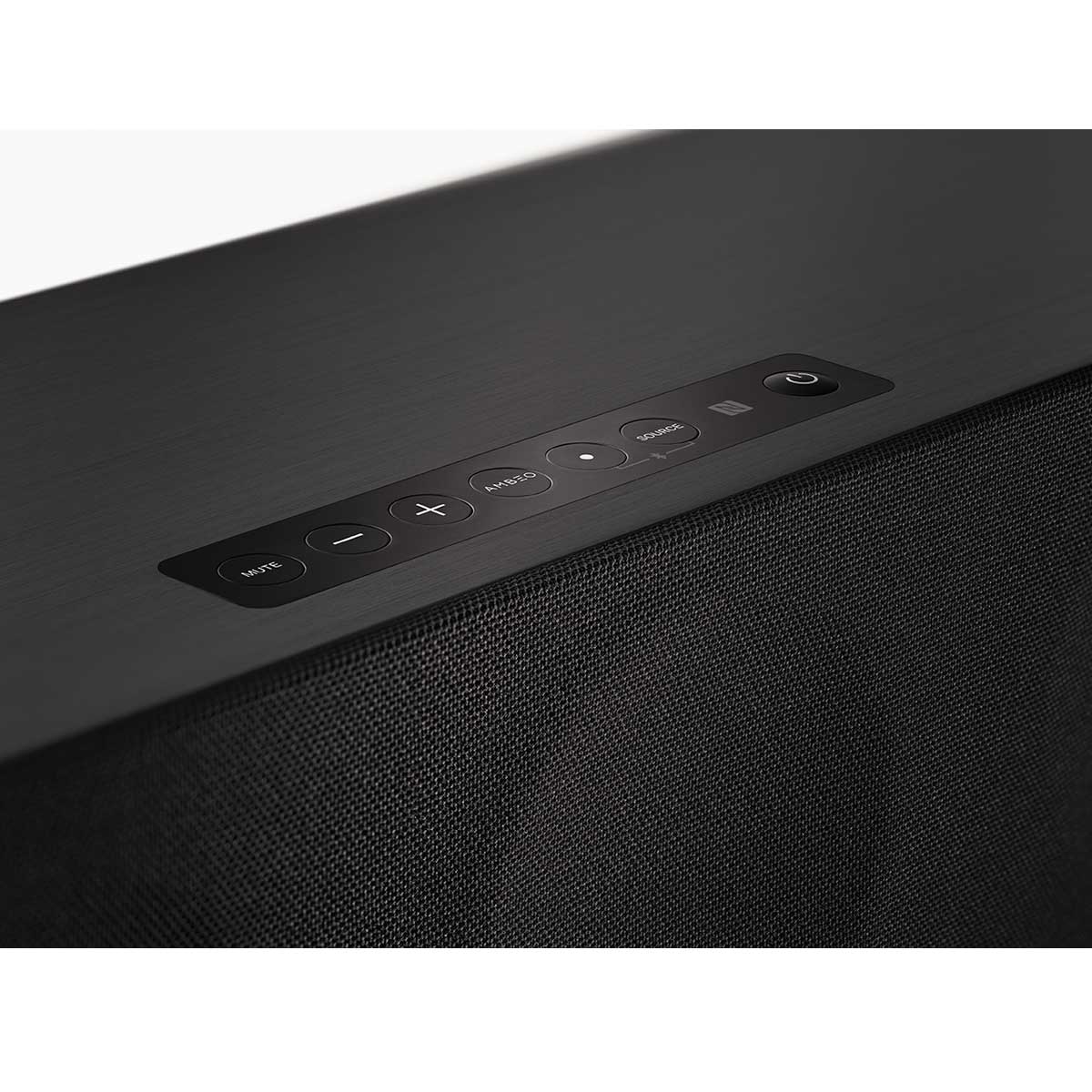
The Sennheiser AMBEO takes a more universal approach. It works equally well with any TV brand and includes features like Chromecast Built-in and multi-room audio support that appeal to users with diverse device ecosystems. The Smart Control app provides detailed EQ customization options that audio enthusiasts will appreciate.
For dedicated home theater use, both soundbars deliver significant improvements over TV speakers, but they excel in different areas. The LG's physical subwoofer gives action movies genuine impact. When the T-800 crashes through walls in "Terminator 2," you feel the weight of the destruction. The up-firing center channel ensures that Schwarzenegger's memorable one-liners come through clearly even during chaotic action sequences.
The Sennheiser's virtualization shines with more atmospheric content. The opening sequence of "Blade Runner 2049," with its subtle environmental audio cues and spatial effects, benefits from the AMBEO's ability to create a convincing surround bubble. However, when the action ramps up and bass becomes prominent, the lack of a dedicated subwoofer becomes apparent.
Both soundbars handle music well, but again with different strengths. The LG's subwoofer provides the foundation that makes genres like hip-hop, electronic, and rock feel full and engaging. The overall sound signature is slightly warm, which flatters most popular music.
The Sennheiser offers more precise imaging and a more analytical sound signature that some listeners prefer for acoustic music and jazz. The built-in bass handling is cleaner and tighter, even if it lacks the physical impact of a dedicated subwoofer.
Budget matters: At roughly $500, it delivers premium features at a mainstream price point. You're getting technologies that were exclusive to much more expensive soundbars just a few years ago.
You value tangible improvements: The physical subwoofer and innovative center channel design provide immediately audible benefits that don't depend on room acoustics or personal hearing characteristics.
You own an LG TV: The ecosystem integration features add genuine value and create a more seamless experience.
Your room is typical: Most living rooms work well with the LG's approach. You don't need perfect acoustics or specific positioning to get good results.
Budget exceeds $1,500: If cost isn't a primary concern, the engineering sophistication and build quality are genuinely impressive.
Space constraints matter: If you absolutely cannot accommodate a separate subwoofer, the AMBEO's single-unit design might be your only option for premium performance.
You have ideal room conditions: Large rooms with high ceilings and good acoustics allow the virtualization technology to perform at its best.
You prioritize brand flexibility: The universal compatibility and premium app experience appeal to users with diverse device ecosystems.
After extensive testing with both systems, I find myself recommending the LG SC9S to most people. It's not just about the price advantage—though that's significant. It's about the practical benefits that actually improve your daily listening experience. The physical subwoofer provides bass impact that virtualization can't match, and the up-firing center channel solves a real problem with a simple, effective solution.
The Sennheiser AMBEO represents impressive engineering, and in specific scenarios—particularly large rooms with excellent acoustics—it can create a genuinely impressive surround sound experience from a single unit. But for most users in most rooms, the LG's combination of proven technologies and innovative features delivers better real-world performance at a fraction of the cost.
Both soundbars represent the current state of the art in their respective approaches. Your choice ultimately depends on whether you value the tangible benefits of physical drivers or the elegant sophistication of advanced virtualization. For most home theater enthusiasts, the LG's pragmatic approach to premium audio proves more satisfying than the Sennheiser's technological tour de force.
| LG SC9S 3.1.3 Channel Dolby Atmos Soundbar ($516) | Sennheiser AMBEO Soundbar ($2,000) |
|---|---|
| Channel Configuration - Determines how sound is physically distributed | |
| 3.1.3 channels with physical drivers and wireless subwoofer | Virtual 5.1.4 channels using advanced signal processing |
| Bass Handling - Critical for movie impact and music fullness | |
| Dedicated 8-inch wireless subwoofer (genuine low-frequency extension) | Six 4-inch integrated woofers (cleaner but less impactful) |
| Dialogue Technology - Affects speech clarity in movies and TV | |
| Innovative up-firing center channel reflects voices from screen level | Traditional virtualized center channel (can get buried in complex scenes) |
| Height Effects - Creates overhead sound for Dolby Atmos content | |
| Two physical up-firing drivers bounce sound off ceiling | Advanced virtualization algorithms simulate height without physical drivers |
| Room Calibration - Optimizes sound for your specific space | |
| AI Room Calibration Pro (basic auto-EQ system) | Multi-microphone advanced room correction with detailed acoustic mapping |
| Total Drivers - More isn't always better, but shows design approach | |
| 9 drivers total (3 front + 3 up-firing + wireless sub + satellites) | 13 precision-tuned drivers in single housing |
| Frequency Response - Shows how deep bass extends and high treble reaches | |
| 30Hz - 20kHz (subwoofer enables genuine deep bass) | 30Hz - 20kHz (impressive for single unit, but lacks subwoofer impact) |
| TV Integration - How well it works with your existing setup | |
| Optimized for LG TVs with WOW Orchestra and dedicated mounting bracket | Universal compatibility with all TV brands and premium app control |
| Expandability - Future upgrade potential | |
| Supports wireless rear speakers for true surround expansion | Single-unit design with no expansion options |
| Power Output - Affects maximum volume and dynamic range | |
| Not specified (adequate for most rooms with subwoofer assistance) | 500W total (impressive for single unit but lacks dedicated sub power) |
| Price Value - Performance per dollar spent | |
| Excellent value with premium features at mainstream pricing | Premium pricing reflects engineering sophistication over practical performance |
The LG SC9S ($516) offers significantly better value, delivering 80% of premium soundbar performance at 25% of the cost compared to the Sennheiser AMBEO ($2,000). The LG includes a physical subwoofer and innovative up-firing center channel that provide tangible audio improvements, while the Sennheiser's premium price primarily pays for virtualization technology that doesn't always translate to better real-world performance.
The LG SC9S has significantly better bass thanks to its dedicated 8-inch wireless subwoofer that delivers genuine low-frequency impact you can feel. The Sennheiser AMBEO relies on six 4-inch integrated drivers for bass, which sounds clean but lacks the physical punch and depth that a separate subwoofer provides for movies and music.
The LG SC9S excels at dialogue clarity with its innovative up-firing center channel that reflects voices off the ceiling to create screen-level speech. This solves the common problem of hearing voices from below the TV screen. The Sennheiser AMBEO uses a virtualized center channel that can sometimes get overwhelmed by bass-heavy action scenes.
The LG SC9S includes a wireless subwoofer in the box, so no additional purchase is needed. The Sennheiser AMBEO has built-in bass drivers and doesn't support external subwoofers, relying entirely on its integrated 4-inch woofers for low-frequency reproduction.
Both work well in small rooms, but the LG SC9S may be easier to set up since its wireless subwoofer can be placed anywhere for optimal bass response. The Sennheiser AMBEO is a single unit that's simpler to position, but its virtualization technology works best with some room space to create proper sound reflections.
Yes, both create surround effects without rear speakers but use different methods. The LG SC9S uses physical up-firing drivers to bounce sound off your ceiling for height effects. The Sennheiser AMBEO uses advanced virtualization to simulate a full 5.1.4 surround system, which can be more convincing but depends heavily on your room's acoustics.
The Sennheiser AMBEO offers universal compatibility and works equally well with all TV brands. While the LG SC9S works with any TV, it includes special features like WOW Orchestra and dedicated mounting brackets that only benefit LG TV owners.
Both handle music well but differently. The LG SC9S provides fuller, more impactful sound for genres like rock, hip-hop, and electronic music thanks to its subwoofer. The Sennheiser AMBEO offers more precise imaging that some prefer for acoustic music and jazz, though it lacks the bass foundation for bass-heavy genres.
The LG SC9S is generally easier to set up, especially for LG TV owners who get automatic integration. The Sennheiser AMBEO requires more careful positioning and room calibration to achieve optimal virtualization performance, though its Smart Control app provides more detailed customization options.
Yes, both the LG SC9S and Sennheiser AMBEO support Dolby Atmos, but they achieve height effects differently. The LG uses physical up-firing speakers, while the Sennheiser uses virtualization technology to simulate overhead sound without physical height drivers.
The LG SC9S supports wireless rear speakers (sold separately) for true surround sound expansion. The Sennheiser AMBEO is designed as a complete single-unit solution with no expansion options, relying entirely on its built-in virtualization technology.
For most home theater setups, the LG SC9S provides better overall performance with its physical subwoofer delivering impactful bass for action movies and its up-firing center channel ensuring clear dialogue. The Sennheiser AMBEO works best in acoustically favorable rooms where its virtualization can create a convincing surround bubble, but costs four times more for questionable improvements.
We've done our best to create useful and informative comparisons to help you decide what product to buy. Our research uses advanced automated methods to create this comparison and perfection is not possible - please contact us for corrections or questions. These are the sites we've researched in the creation of this article: consumerreports.org - valueelectronics.com - youtube.com - bestbuy.com - rtings.com - costco.com - bestbuy.com - walts.com - queencityonline.com - blog.son-video.com - videoandaudiocenter.com - lg.com - bestbuy.com - rtings.com - techradar.com - audioxpress.com - whathifi.com - upscaleaudio.com - soundstagesimplifi.com - global.sennheiser-hearing.com - sennheiser-hearing.com - audioadvice.com - abt.com - moon-audio.com

Privacy Policy
Terms and Conditions - Affiliate Policy
Home Security
© Copyright 2008-2026.
11816 Inwood Rd #1211, Dallas, TX 75244