

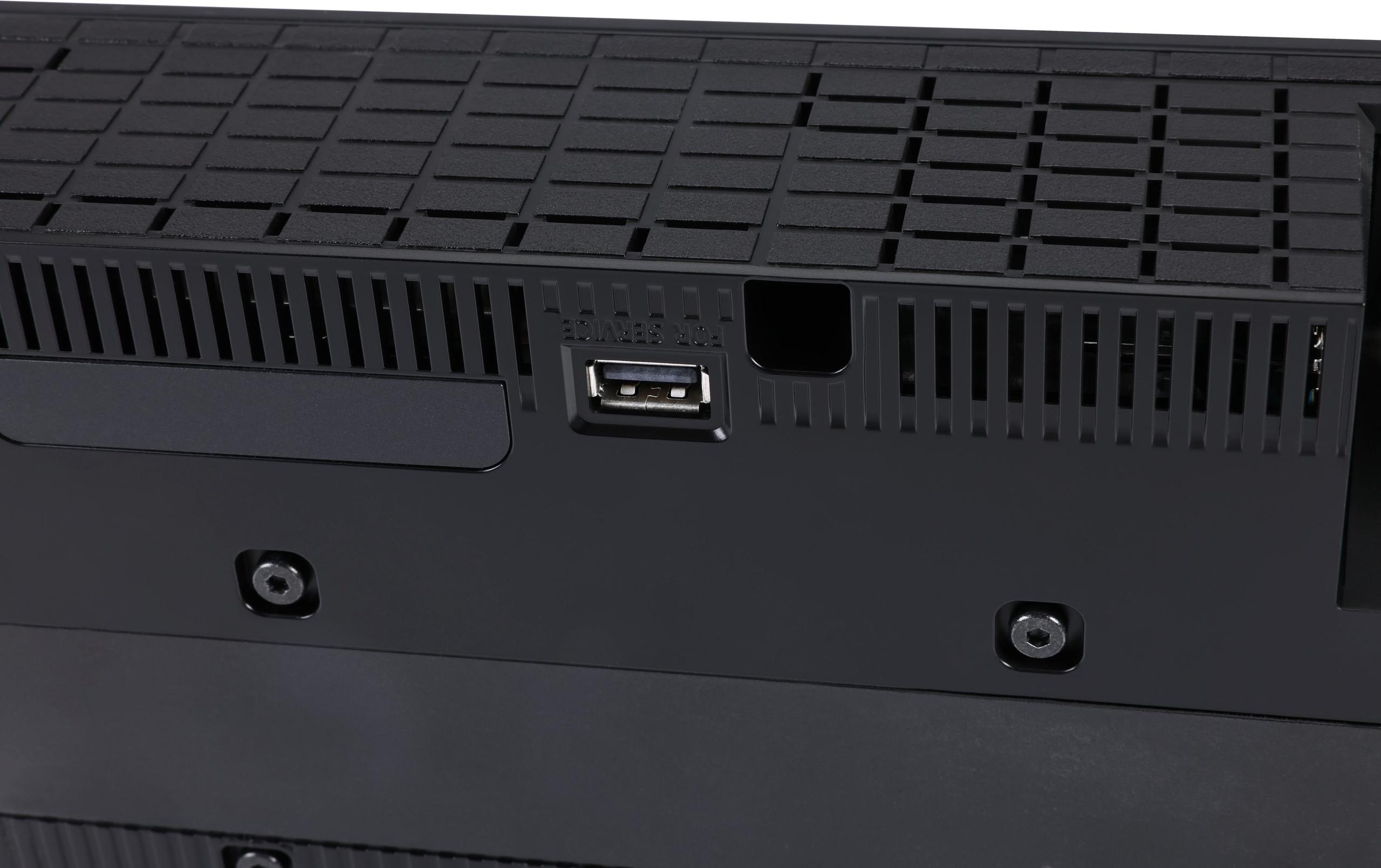
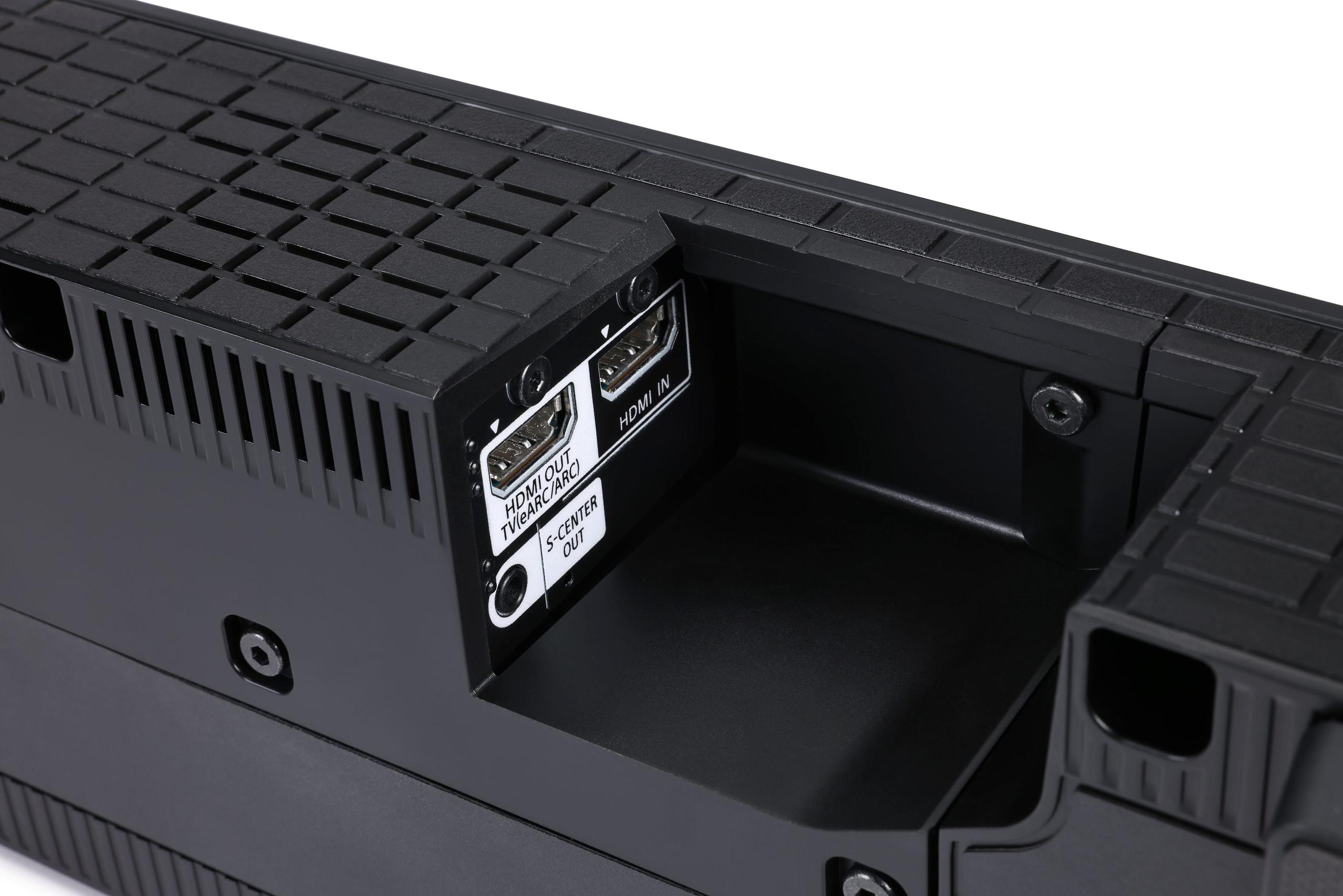

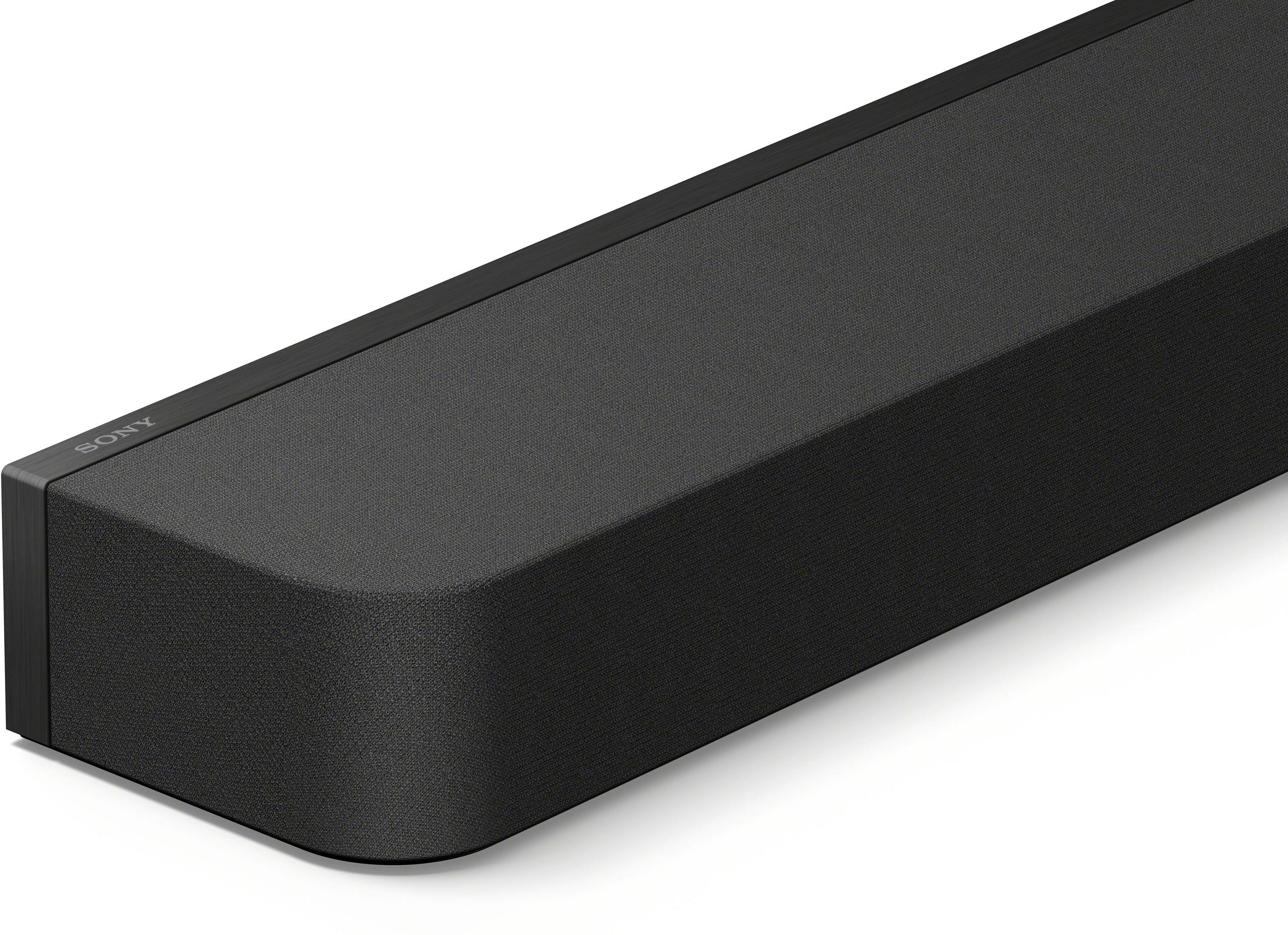

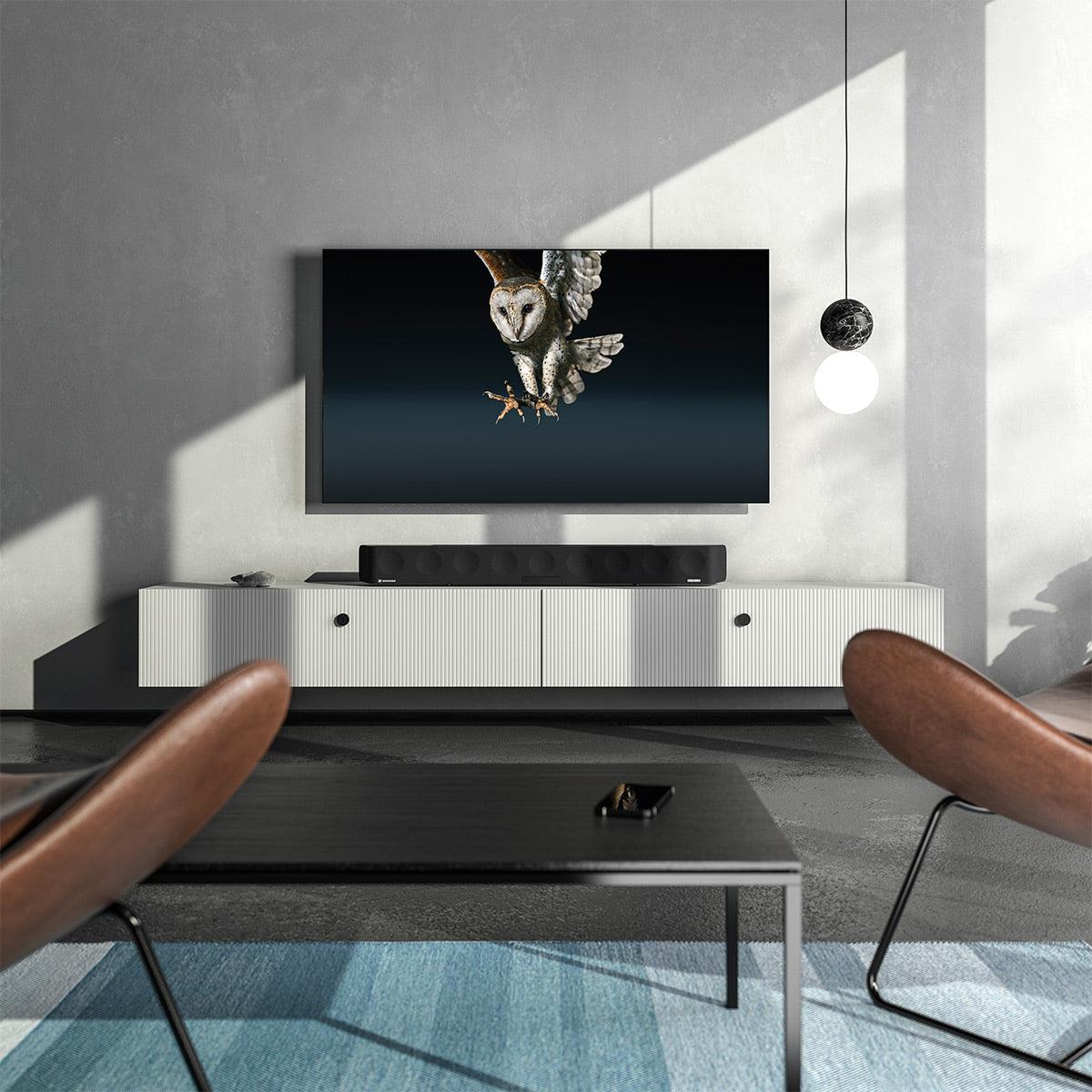
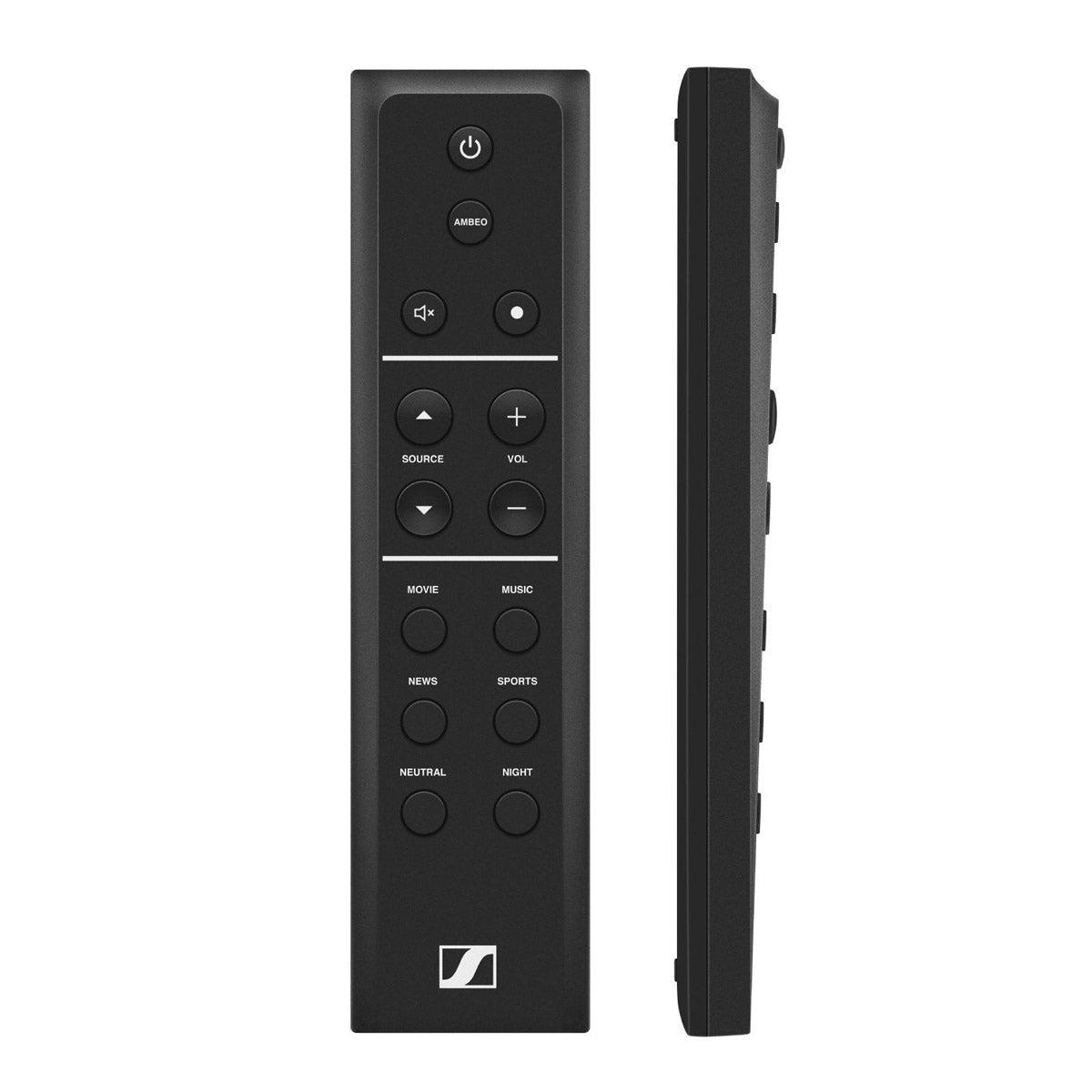
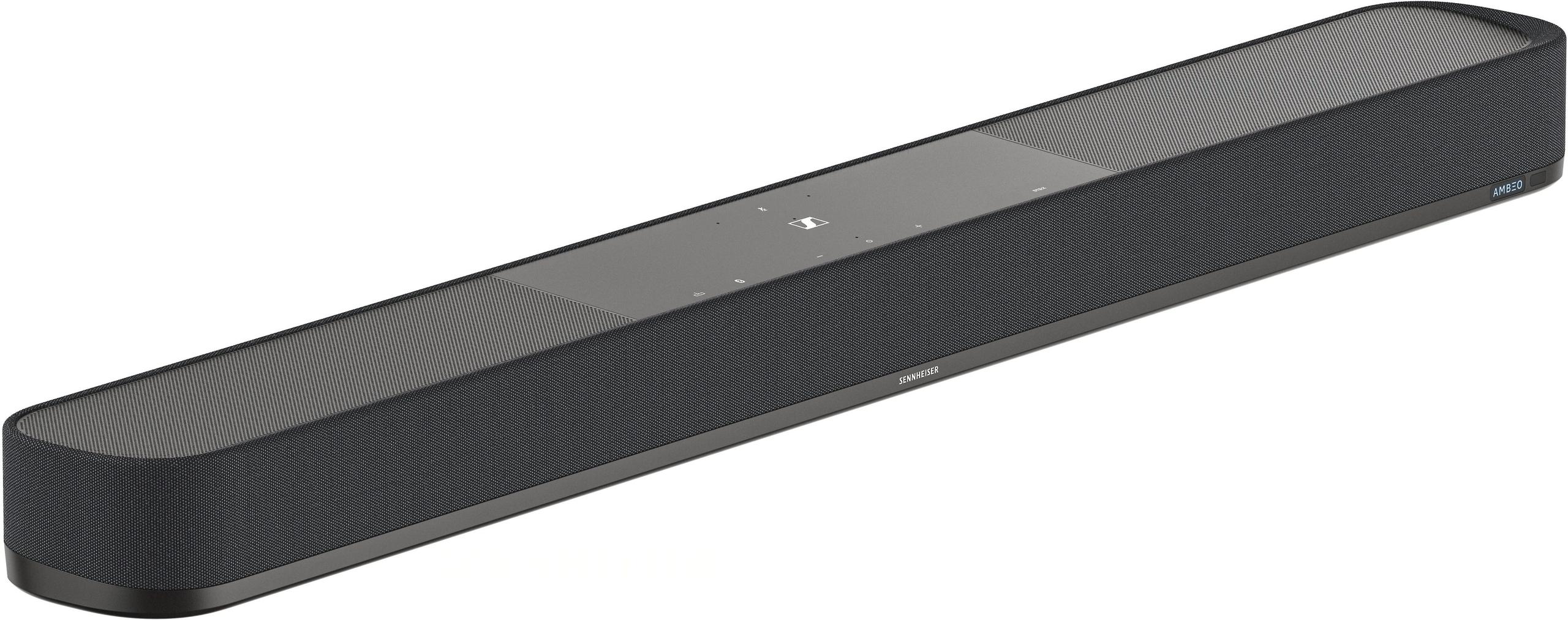
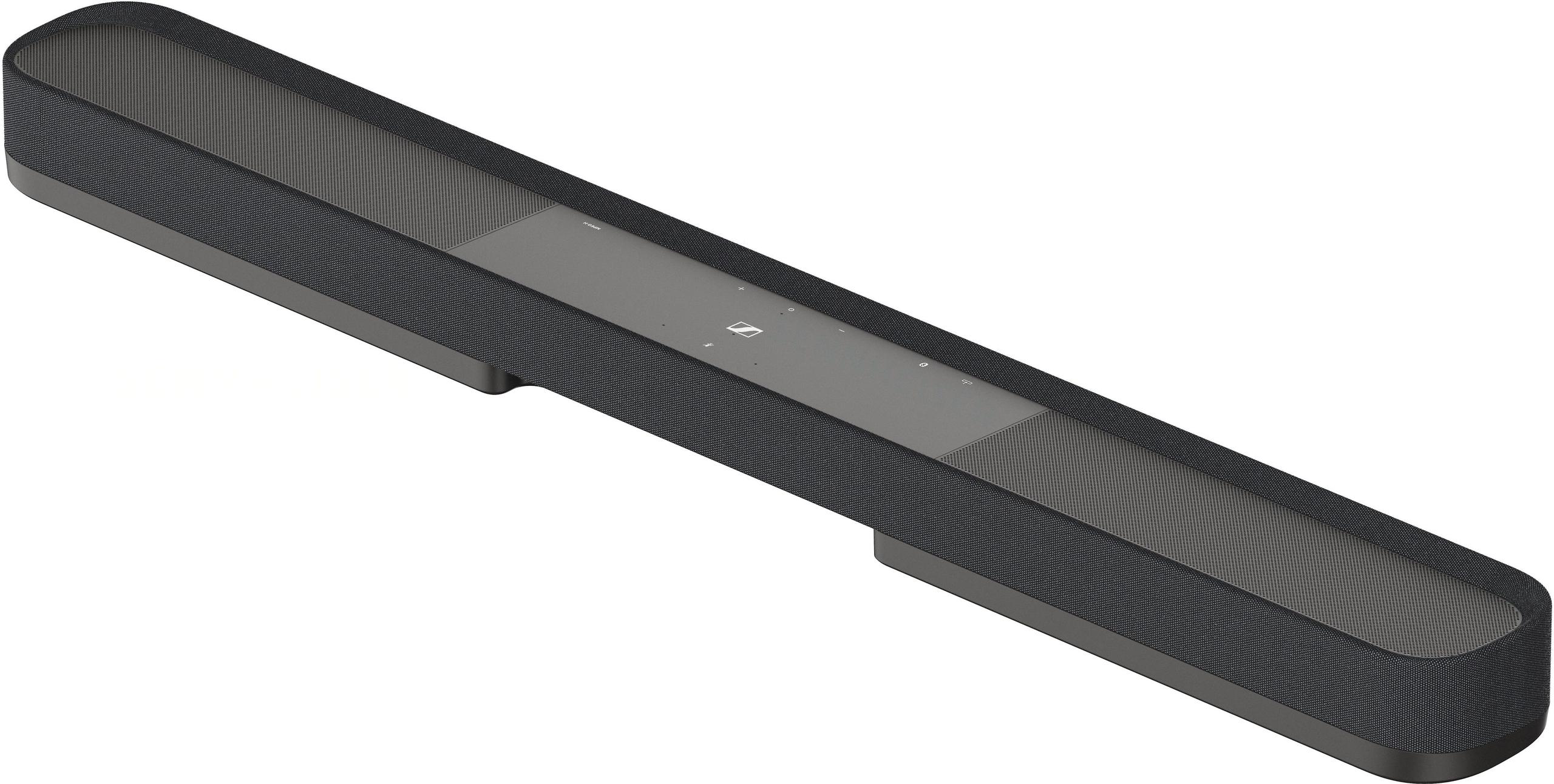

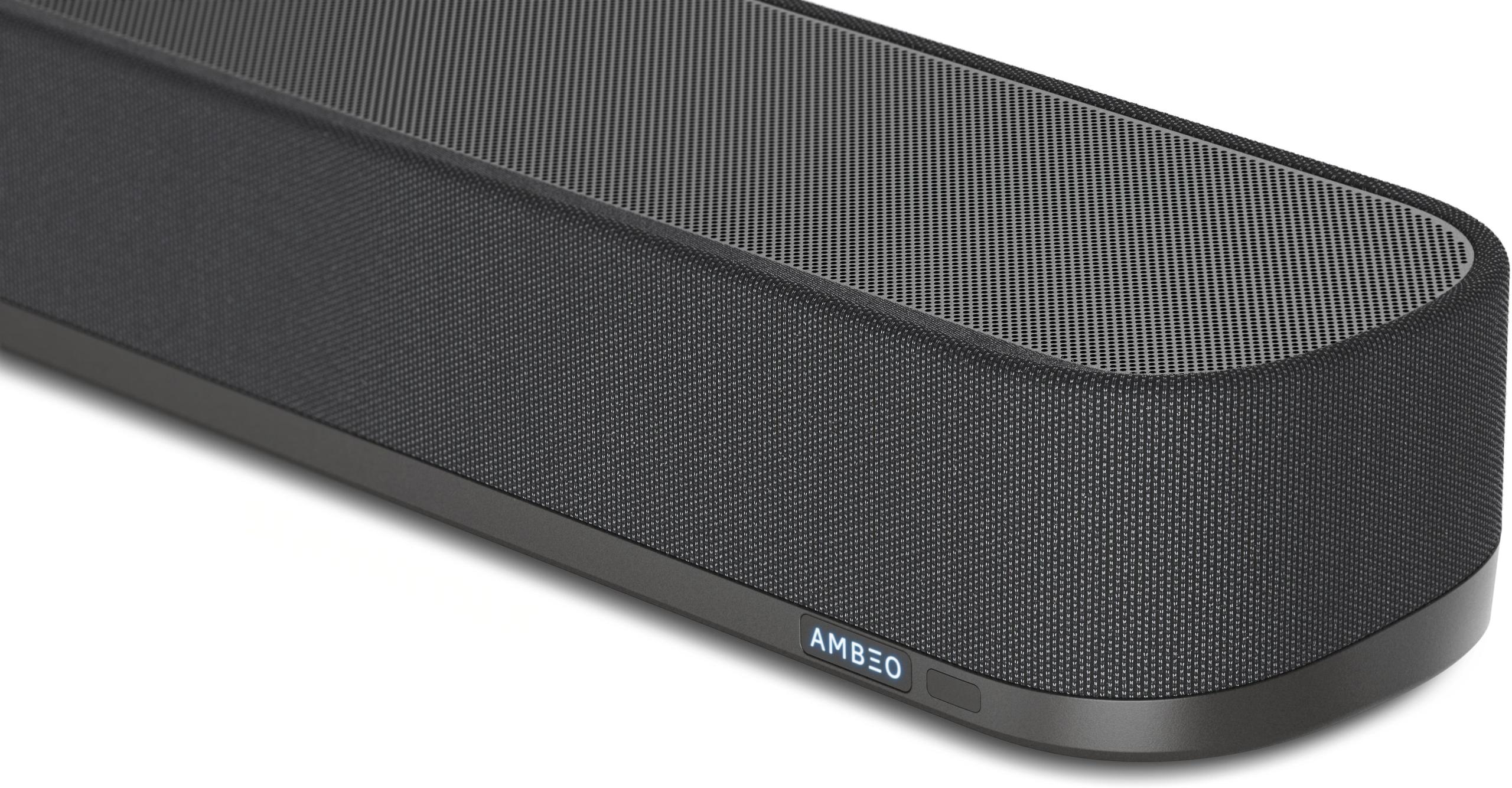

When you're tired of cranking up the TV volume just to catch dialogue, but don't want the hassle of running speaker wires around your living room, premium soundbars offer an enticing middle ground. But with options ranging from a few hundred to over two thousand dollars, choosing the right one can feel overwhelming. Today we're diving deep into two fundamentally different approaches: the Sony HT-A8000 BRAVIA Theater Bar 8 and the Sennheiser AMBEO Soundbar.
Premium soundbars aren't just louder TV speakers—they're sophisticated audio systems designed to create immersive, theater-like experiences in your living room. The technology has evolved dramatically since these products launched (Sony in 2024, Sennheiser's AMBEO line starting around 2019 with continuous updates). What makes them "premium" isn't just the price tag, but their ability to process complex audio formats like Dolby Atmos and DTS:X, which add height dimensions to sound.
The key differentiator in this space is how these soundbars create "object-based audio"—imagine sounds that can be precisely placed anywhere in a 3D space around you, rather than just left or right. Some achieve this through physical expansion with additional speakers, while others use advanced digital processing to trick your brain into hearing sounds from places where no speakers exist.
When evaluating premium soundbars, the most critical considerations include immersive audio capability, room adaptability, expandability options, smart home integration, and ultimately, the value proposition relative to traditional surround sound systems.
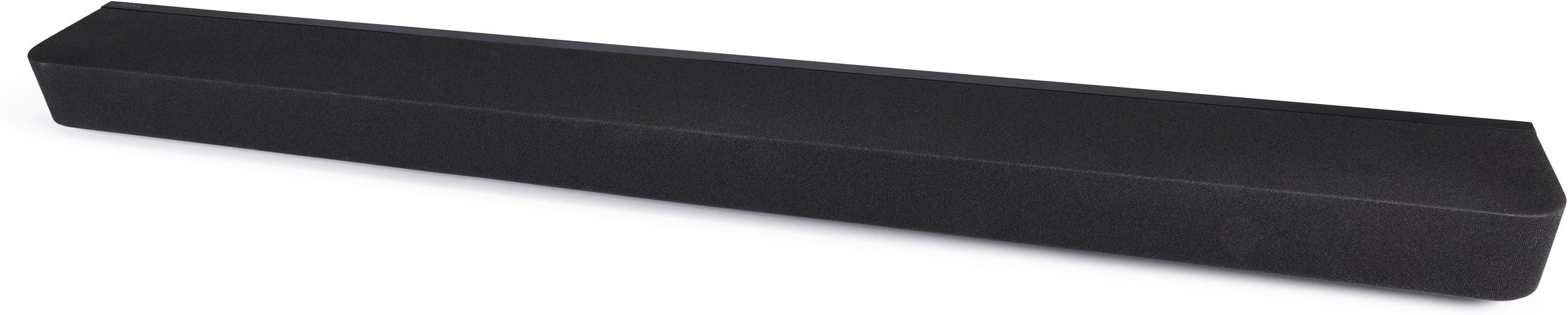
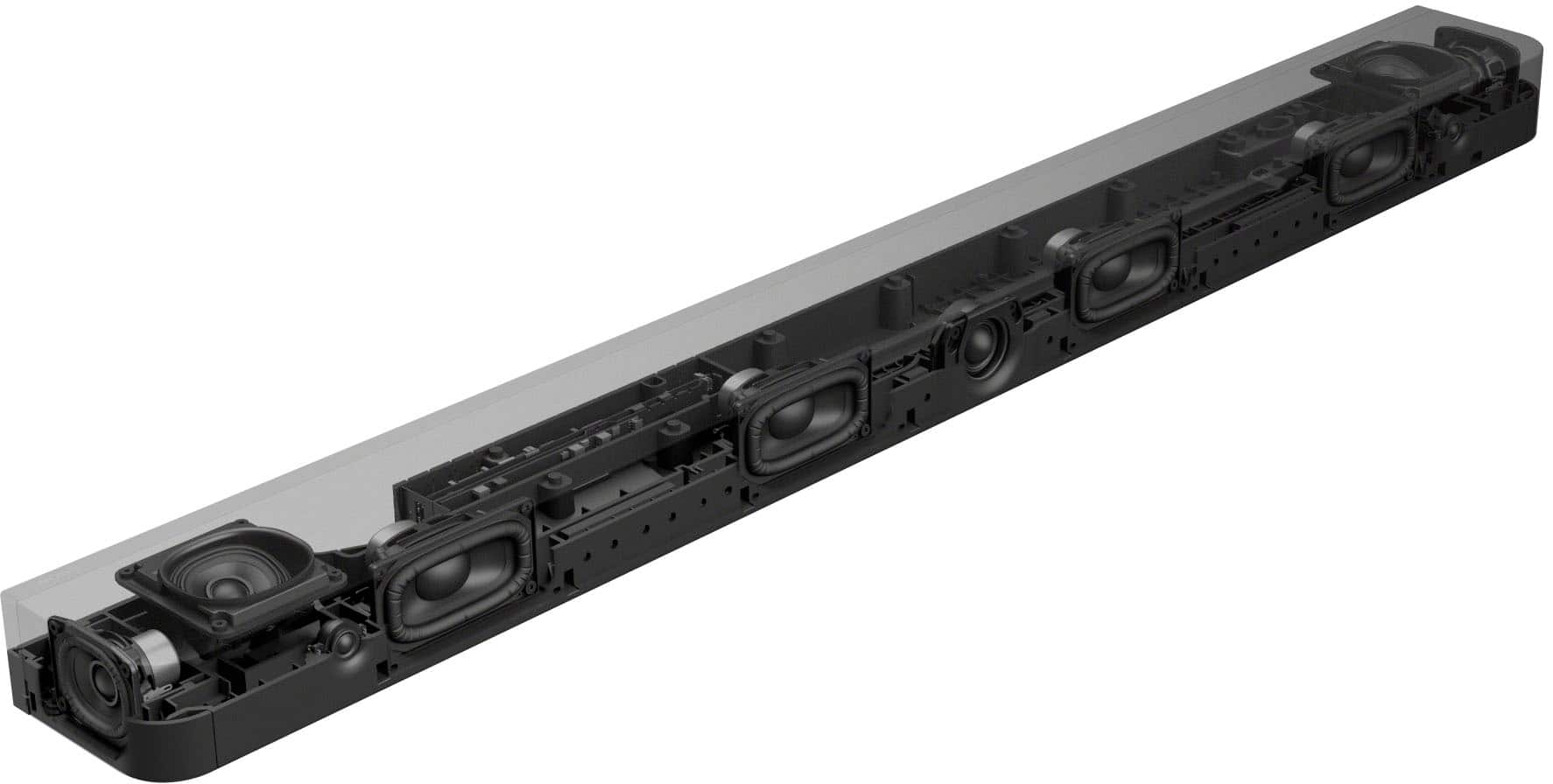
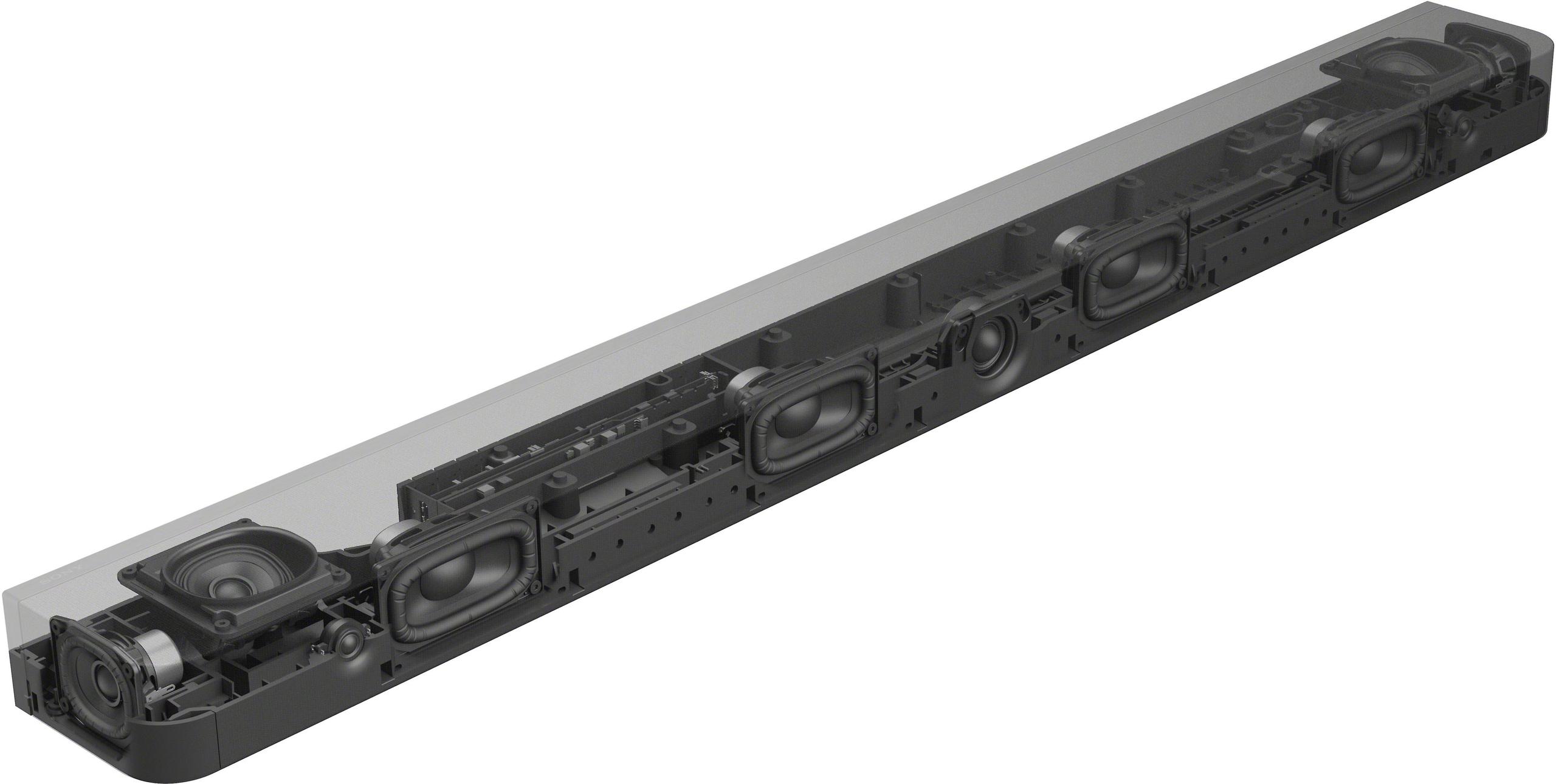
The Sony HT-A8000 represents the "modular ecosystem" approach. At its core, it's a 5.0.2-channel soundbar with 11 drivers that's designed to grow over time. Think of it as the foundation of a larger audio system—excellent on its own, but truly exceptional when paired with Sony's optional wireless subwoofer and rear speakers. This approach appeals to users who want to start with something good and upgrade gradually.
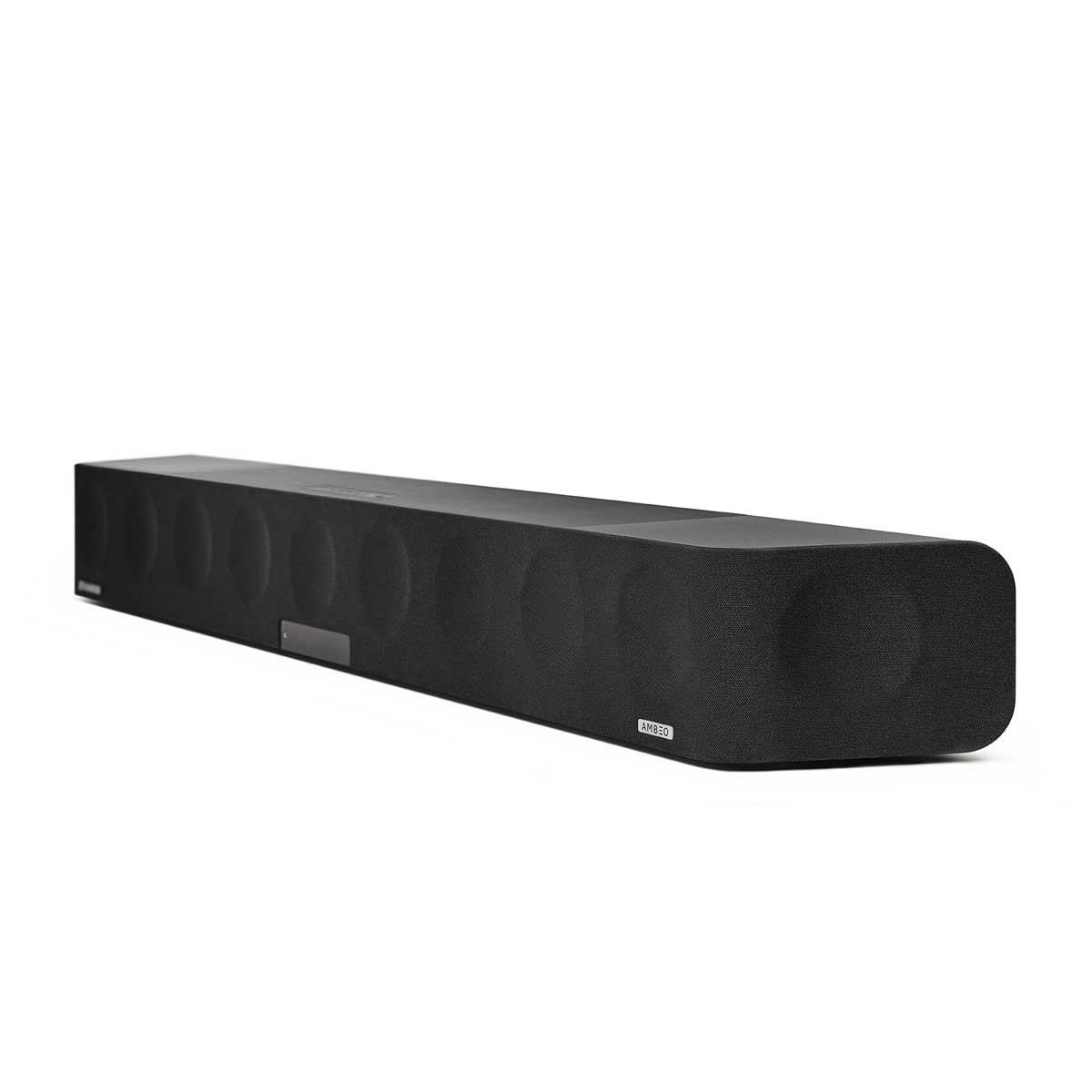
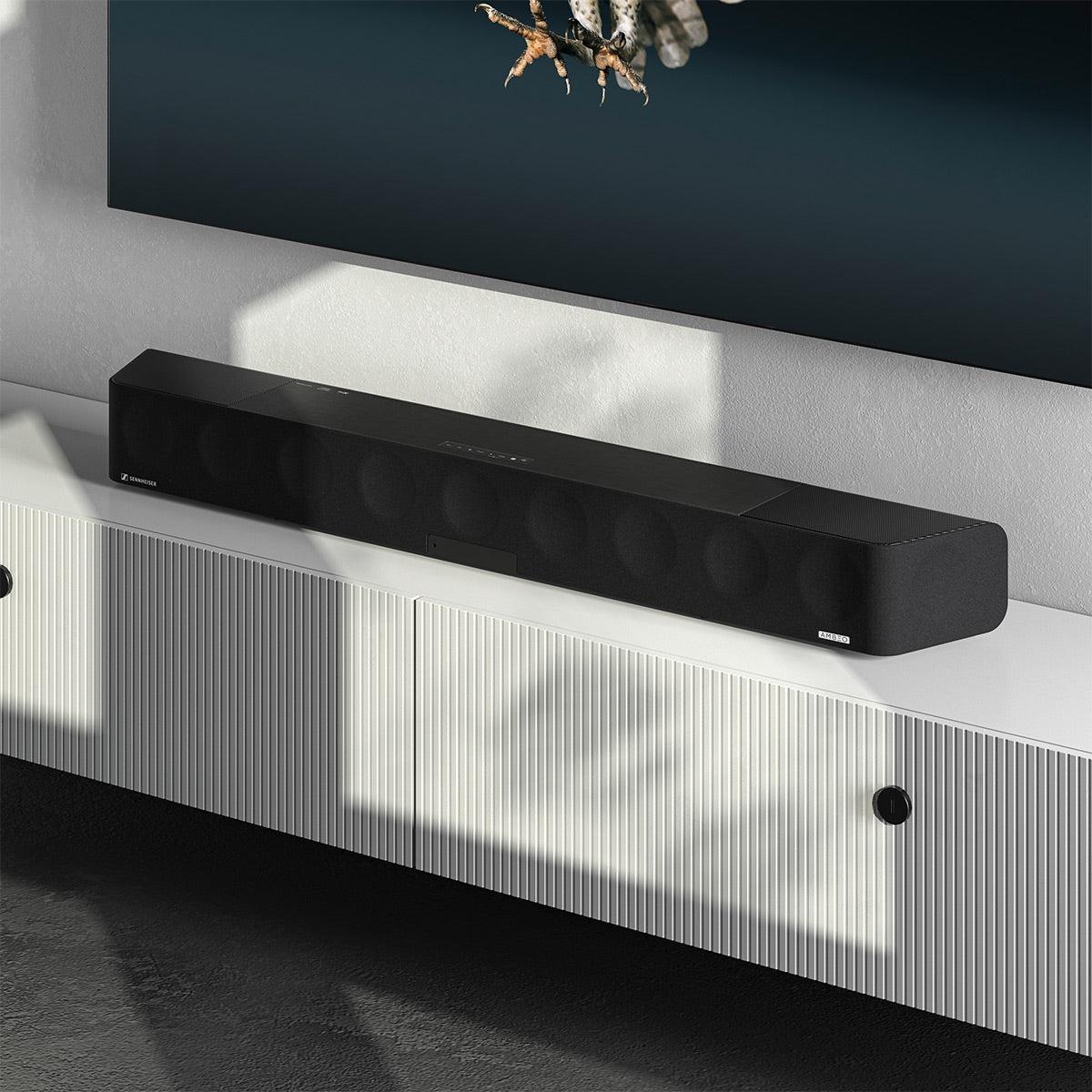
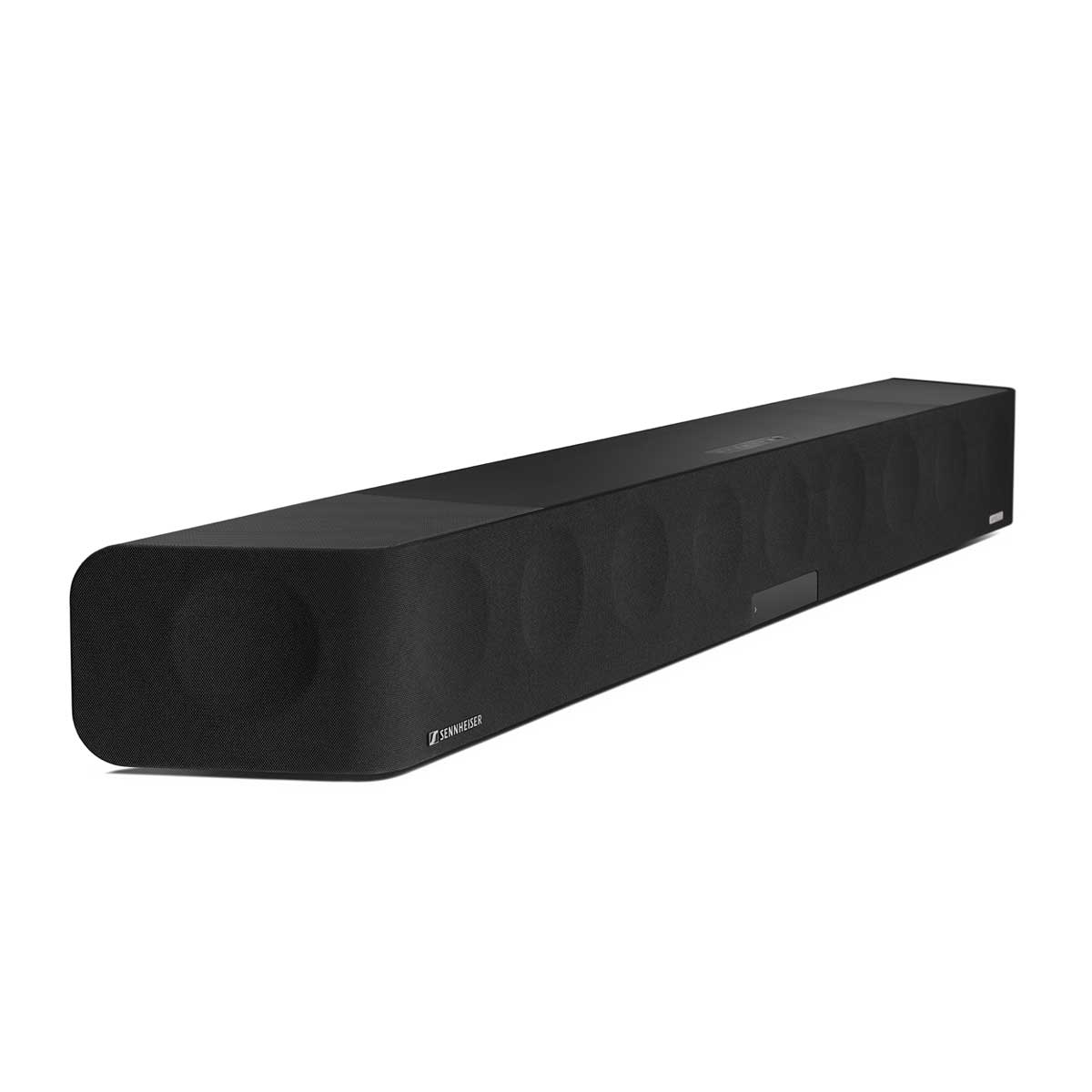
The Sennheiser AMBEO Soundbar, on the other hand, embodies the "everything included" philosophy. It's designed to deliver a complete 7.1.4 virtual surround experience from day one, with no expansion required or even possible. At roughly five times the price of the Sony (at the time of writing), it represents a premium, all-in-one solution that relies on sophisticated audio processing rather than additional hardware.
This is where these two soundbars diverge most dramatically. The Sennheiser AMBEO uses advanced virtualization technology developed in partnership with the Fraunhofer Institute (the same research organization behind MP3 compression) to create what's genuinely one of the most convincing virtual surround experiences available from a single unit.
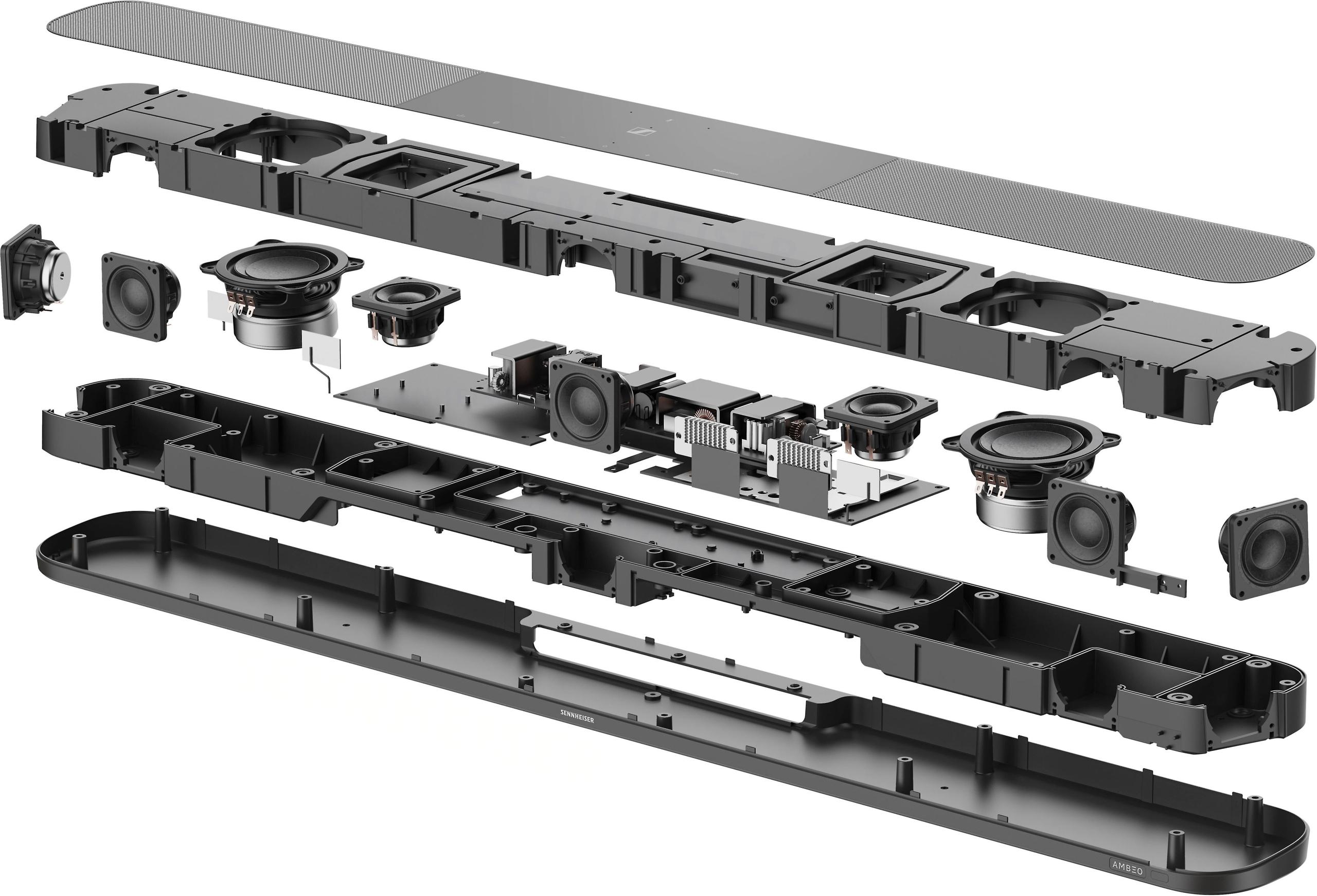
The AMBEO's secret sauce lies in its room analysis technology. Using built-in microphones, it maps your space's acoustic characteristics—where sound reflects off walls, how the ceiling height affects audio, even how your furniture absorbs certain frequencies. This data feeds into algorithms that precisely time and tune each of its 13 drivers to create the illusion of speakers positioned all around and above you. The result is genuinely impressive: sounds that seem to move seamlessly from front to back, overhead effects that feel natural rather than processed.
The Sony HT-A8000, meanwhile, takes a more traditional approach enhanced with modern processing. Its "360 Spatial Sound Mapping" creates phantom speakers—virtual sound sources your brain perceives between the actual drivers. This works well, but has limitations as a standalone unit. The Sony truly shines when expanded with rear speakers, creating a more conventional but ultimately more convincing surround experience.
Based on extensive research into user reviews and professional evaluations, the consensus is clear: the Sennheiser AMBEO delivers superior standalone surround performance, while the Sony HT-A8000 achieves better results when fully expanded but falls short as a single-unit solution.
Here's where things get interesting from an audiophile perspective. The Sony HT-A8000 uses what Sony calls "X-Balanced" drivers—rectangular woofers that maximize cone area while reducing unwanted vibrations. This design choice, combined with Sony's S-Master HX digital amplification (delivering 495W total power), creates remarkably clean, distortion-free sound even at high volumes.
The Sony particularly excels at dialogue clarity, thanks to its Voice Zoom 3 technology. This AI-powered feature analyzes audio in real-time, identifying and enhancing human voices while reducing background noise. For movie watching, this is incredibly valuable—you'll catch every whispered line without constantly reaching for the remote.
The Sennheiser AMBEO approaches audio quality from a more traditional audiophile angle. Its 13 drivers include premium aluminum dome tweeters and long-throw woofers capable of reproducing deep 30Hz bass—frequencies you typically feel more than hear. With 500W of peak power distributed across dedicated amplifiers for each driver, the AMBEO delivers the kind of refined, natural sound signature that Sennheiser built its reputation on.
From our research, users consistently praise the AMBEO's musical performance. Where the Sony excels at dialogue and gaming audio, the Sennheiser shines with music playback and complex movie soundtracks, offering a more balanced, studio-monitor-like presentation.
This is perhaps the most crucial consideration that many buyers overlook. The Sony HT-A8000 requires specific room conditions to perform at its best. Its Sound Field Optimization works by bouncing audio off your ceiling and walls to create those phantom surround effects. This means you need reasonably reflective surfaces and a fairly rectangular room layout. In rooms with vaulted ceilings, heavy carpeting, or lots of soft furniture, the Sony's height effects become significantly less convincing.
The Sennheiser AMBEO handles challenging rooms much better. Its AI-powered calibration adapts to irregular spaces, accounting for everything from an L-shaped living room to a space with a kitchen opening on one side. The advanced processing can compensate for acoustic dead zones and reflective surfaces, delivering consistent performance regardless of your room's quirks.
From user feedback, this difference becomes particularly apparent in real-world installations. The Sony works beautifully in purpose-built media rooms but struggles in typical family living spaces. The Sennheiser maintains its performance across diverse environments.
For gaming enthusiasts, the Sony HT-A8000 offers clear advantages. Its HDMI 2.1 support includes Variable Refresh Rate (VRR), Auto Low Latency Mode (ALLM), and 4K120Hz passthrough—features essential for modern gaming consoles. The soundbar automatically switches to gaming mode when it detects game content, reducing audio delay to imperceptible levels.
The Sony also supports advanced gaming audio formats and integrates seamlessly with PlayStation consoles (unsurprisingly, given Sony's ecosystem). For competitive gaming where every millisecond matters, or for enjoying the spatial audio effects in modern games, the Sony provides a more tailored experience.
The Sennheiser AMBEO lacks these gaming-specific optimizations. While its audio quality remains excellent for games, it doesn't offer the low-latency processing or console integration that serious gamers expect from a premium soundbar.
Both soundbars support modern connectivity standards, but with different strengths. The Sony HT-A8000 integrates deeply with Sony's BRAVIA TV ecosystem through features like Acoustic Center Sync, which uses your TV's speakers as an additional center channel. This creates remarkably coherent dialogue placement—voices appear to come directly from actors' mouths on screen rather than from below the TV.
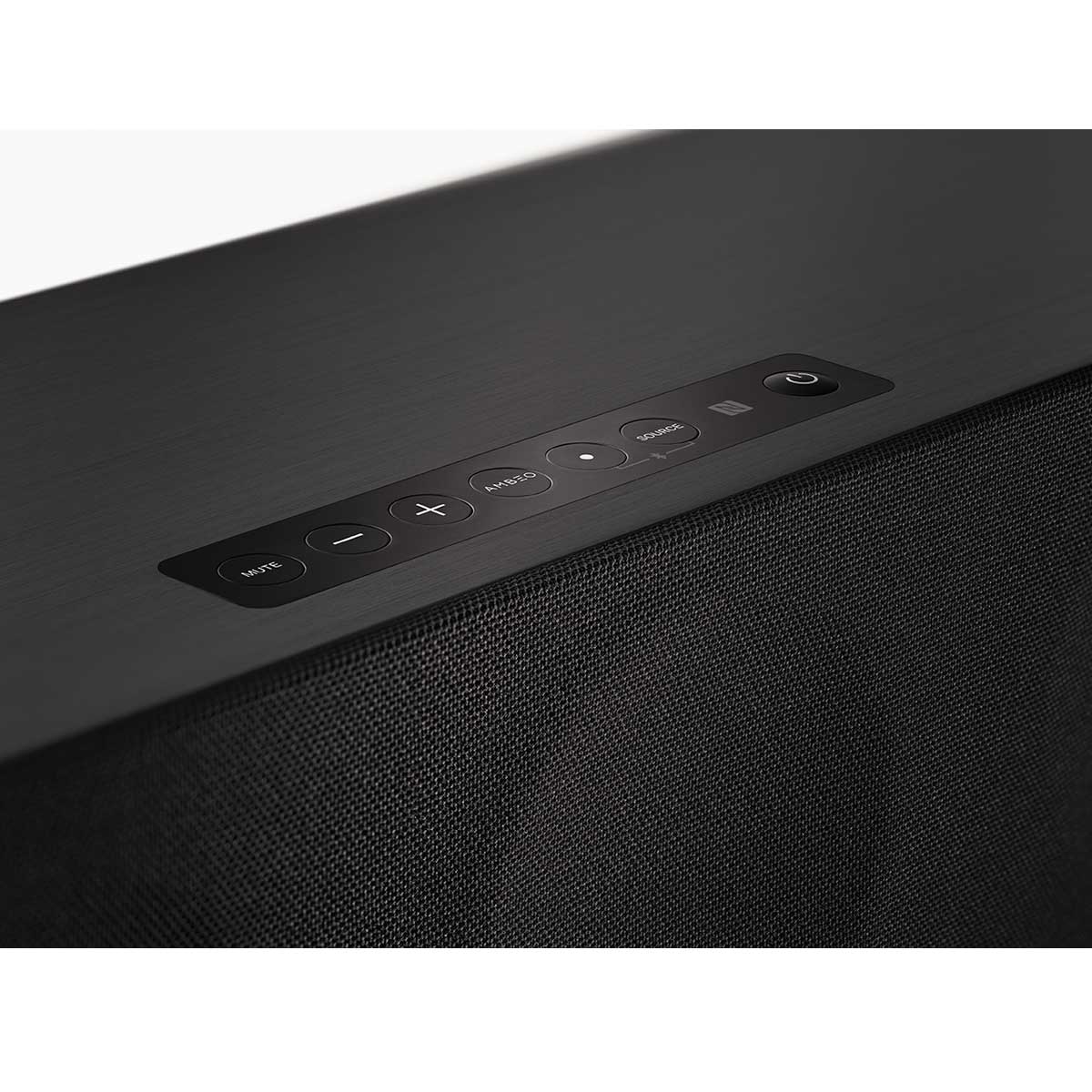
The Sennheiser AMBEO takes a more universal approach, working equally well with any TV brand. It supports major voice assistants (Alexa, Google Assistant, Apple HomeKit) and streaming services (Spotify Connect, TIDAL Connect, Apple AirPlay 2). The Sennheiser Smart Control app provides extensive customization options, including detailed equalizer controls and multiple preset modes optimized for different content types.
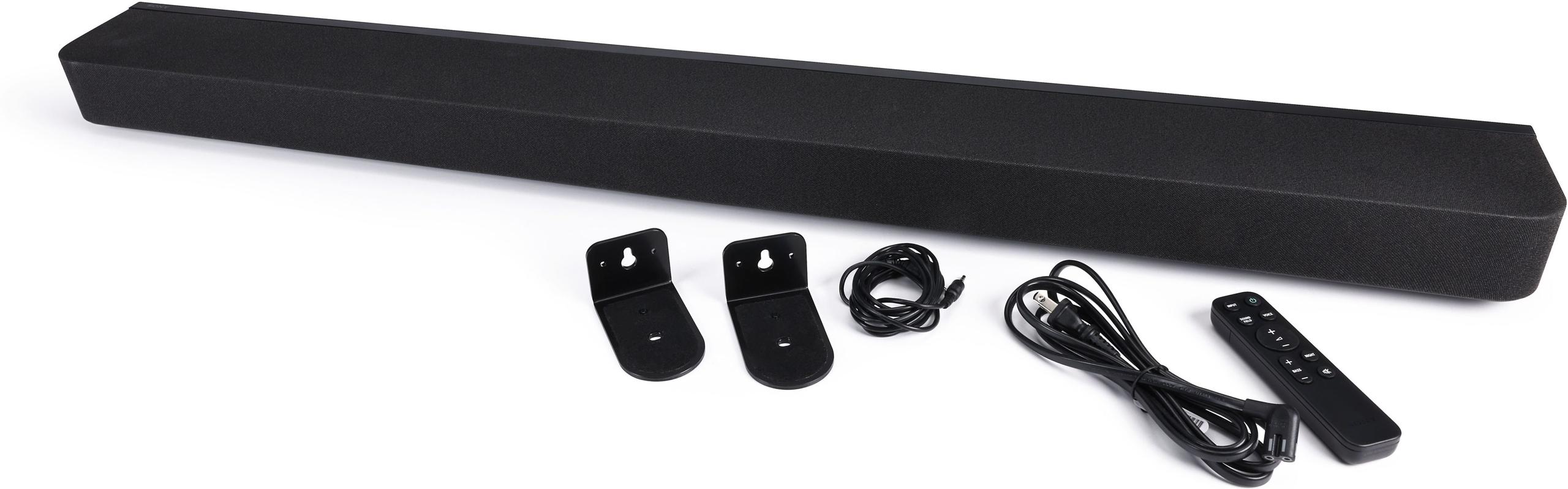
This represents perhaps the most significant philosophical difference between these products. The Sony HT-A8000 is designed to grow with your needs and budget. Start with just the soundbar, then add Sony's wireless subwoofer (SA-SW3 or SA-SW5) for deeper bass. Later, add rear speakers (SA-RS3R or SA-RS5) to complete a true 5.1.4 surround system. These components pair automatically when powered on—no complex setup required.
This modular approach offers tremendous flexibility. You can invest gradually, spreading costs over time, and tailor the system to your space and preferences. A fully expanded Sony system can compete with much more expensive traditional surround setups while maintaining the convenience of wireless connectivity.
The Sennheiser AMBEO offers no expansion options. What you buy is what you get—which is both a limitation and a strength. There's no second-guessing about additional purchases, no wondering if you're missing out on better performance with more speakers. The AMBEO is engineered to deliver its best performance as a complete, self-contained system.
At the time of writing, the pricing difference between these soundbars is substantial. The Sony HT-A8000 typically sells for significantly less than the Sennheiser AMBEO, making it one of the better values in premium audio. Even when fully expanded with subwoofer and rear speakers, a complete Sony system often costs less than the Sennheiser alone.
However, pure price comparison doesn't tell the complete story. The Sennheiser eliminates the need for additional purchases while delivering performance that many users find superior to expanded Sony systems. For buyers who value simplicity and want the best possible sound from day one, the AMBEO's premium pricing becomes more justifiable.
From a future-proofing perspective, both products support current audio formats and connectivity standards. The Sony's gaming features give it an edge for users who prioritize console compatibility, while the Sennheiser's more powerful processing and premium drivers suggest longer-lasting performance satisfaction.
After extensive research into user experiences and expert opinions, clear usage patterns emerge for each soundbar.
Choose the Sony HT-A8000 if you're a gamer who needs HDMI 2.1 features, own or plan to buy a Sony BRAVIA TV, have a dedicated media room with good acoustics, want the flexibility to expand gradually, or prioritize exceptional dialogue clarity for movies and TV shows. The Sony also makes sense for users who appreciate starting with a capable system and growing it over time as budget allows.
The Sennheiser AMBEO is the better choice for audiophiles who demand studio-quality sound, users with challenging room acoustics or irregular layouts, those who want the best possible performance from a single unit, people who frequently change TV brands or equipment, and anyone who values simplicity over expandability. It's also ideal for music listeners who want a soundbar that doubles as a high-end stereo system.
For most users, the decision ultimately comes down to budget flexibility versus immediate satisfaction. The Sony offers an excellent entry point with room to grow, while the Sennheiser provides a premium, complete experience from day one. Both represent significant improvements over standard TV audio, but they achieve excellence through distinctly different approaches.
The sound quality difference between these two approaches is real but not always decisive—your room, your content preferences, and your long-term audio goals matter more than minor performance variations. Choose the philosophy that matches your situation, and either soundbar will transform your home entertainment experience.
| Sony HT-A8000 BRAVIA Theater Bar 8 | Sennheiser AMBEO Soundbar |
|---|---|
| Channel Configuration - Determines surround sound capability | |
| 5.0.2 channels with 11 drivers (expandable to 5.1.4 with rear speakers) | 7.1.4 virtual channels with 13 drivers (complete system) |
| Total Power Output - Affects maximum volume and bass impact | |
| 495W with S-Master HX digital amplification | 500W peak power with dedicated amplifiers per driver |
| Surround Sound Technology - How immersive audio is created | |
| 360 Spatial Sound Mapping with phantom speakers (requires expansion for full effect) | Advanced Fraunhofer virtualization with AI room analysis (complete from single unit) |
| Bass Extension - Determines how deep the low frequencies reach | |
| Requires optional subwoofer for deep bass (SA-SW3 or SA-SW5) | Built-in 30Hz bass from 6 long-throw woofers |
| Room Calibration - Optimizes sound for your specific space | |
| Sound Field Optimization (works best in rectangular rooms) | Advanced AI-powered room analysis (adapts to irregular spaces) |
| Gaming Features - Critical for console users | |
| HDMI 2.1 with VRR, ALLM, 4K120Hz passthrough | Standard HDMI without gaming optimizations |
| Expandability - Future upgrade options | |
| Modular system: add wireless subwoofer and rear speakers | No expansion options or requirements |
| TV Integration - How well it works with your television | |
| Deep BRAVIA integration with Acoustic Center Sync | Universal compatibility with all TV brands |
| Dialogue Enhancement - Clarity for movies and TV | |
| Voice Zoom 3 AI technology for enhanced speech clarity | Dedicated center processing with natural vocal reproduction |
| Streaming Connectivity - Built-in music services | |
| Spotify Connect, AirPlay 2, Chromecast built-in | Spotify Connect, TIDAL Connect, AirPlay 2, Chromecast built-in |
| Physical Footprint - Space requirements | |
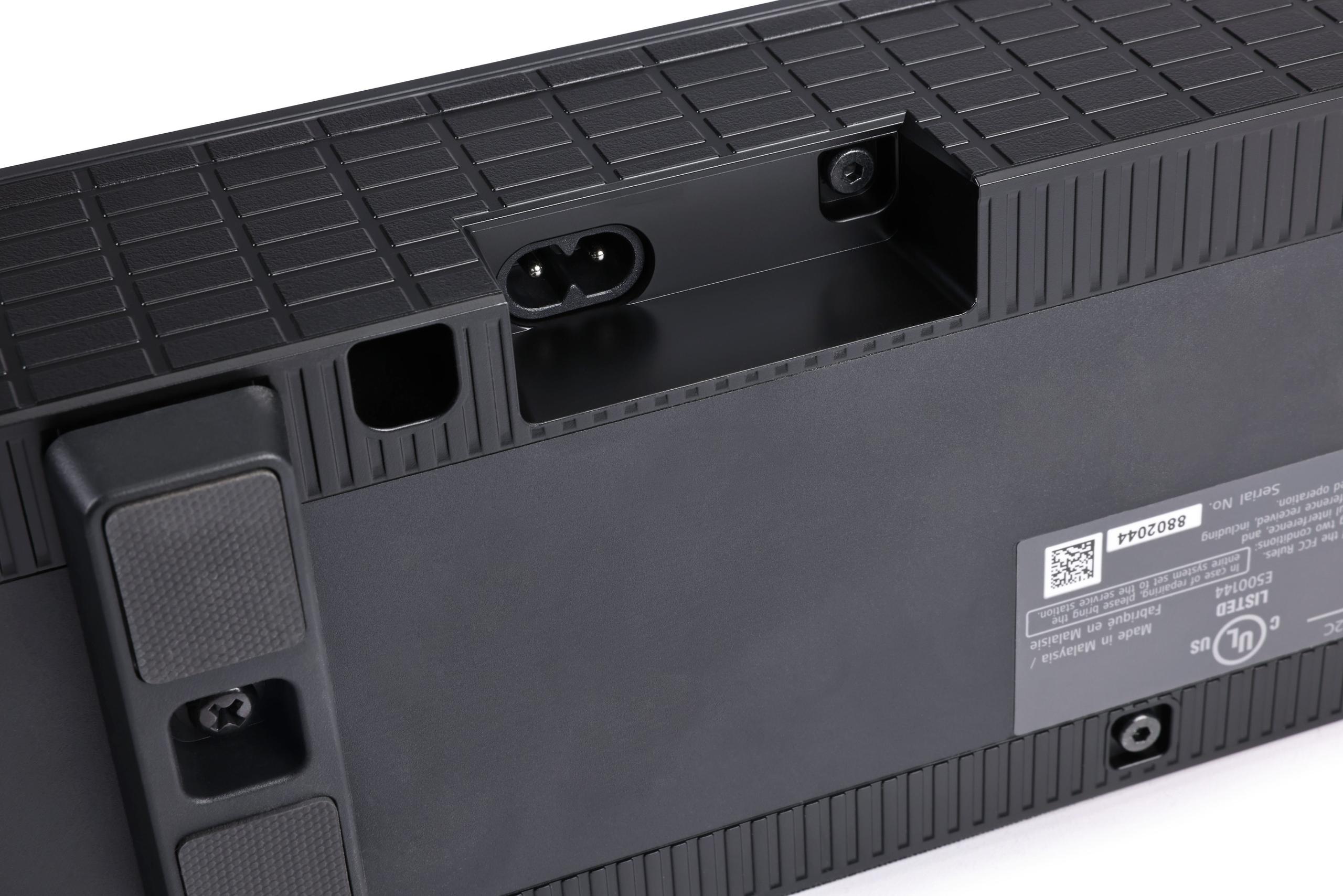
| 43.4" x 2.6" x 4.5" (10.4 lbs) - compact and wall-mountable | 49.6" x 5.3" x 6.7" (40.8 lbs) - substantial presence required |
| Value Proposition - Performance per dollar at time of writing | |
| Exceptional entry value with optional expansion path | Premium all-in-one solution with no additional purchases needed |
For dedicated home theater use, the Sennheiser AMBEO Soundbar delivers superior performance as a standalone unit, creating convincing 360-degree surround sound without additional speakers. However, the Sony HT-A8000 BRAVIA Theater Bar 8 becomes exceptional when expanded with rear speakers and subwoofer, potentially offering better overall home theater performance at a lower total cost.
The Sennheiser AMBEO Soundbar is designed as a complete system requiring no additional speakers. The Sony HT-A8000 works well alone but truly excels when paired with Sony's optional wireless subwoofer and rear speakers for full 5.1.4 surround sound.
The Sony HT-A8000 BRAVIA Theater Bar 8 excels at dialogue clarity with its Voice Zoom 3 AI technology that specifically enhances speech. While the Sennheiser AMBEO Soundbar also delivers clear dialogue, Sony's dedicated voice enhancement gives it the edge for movie and TV dialogue.
The Sony HT-A8000 is specifically optimized for gaming with HDMI 2.1 support, VRR, ALLM, and low-latency processing. The Sennheiser AMBEO Soundbar lacks gaming-specific features, making the Sony the clear choice for serious gamers.
Both soundbars work in small rooms, but the Sennheiser AMBEO Soundbar adapts better to challenging acoustics through AI room calibration. The Sony HT-A8000 requires more ideal room conditions with reflective surfaces for optimal performance.
Yes, both support major streaming services. The Sony HT-A8000 BRAVIA Theater Bar 8 includes Spotify Connect, AirPlay 2, and Chromecast. The Sennheiser AMBEO Soundbar adds TIDAL Connect and generally provides superior music playback quality with its audiophile-grade drivers.
The Sennheiser AMBEO Soundbar is simpler to set up as a single-unit solution with automatic room calibration. The Sony HT-A8000 requires more planning, especially when adding optional speakers, though individual components pair automatically.
The Sennheiser AMBEO Soundbar works equally well with all TV brands. The Sony HT-A8000 BRAVIA Theater Bar 8 works with any TV but offers special integration features when paired with Sony BRAVIA TVs.
The Sennheiser AMBEO Soundbar delivers significantly better built-in bass with its 6 long-throw woofers reaching down to 30Hz. The Sony HT-A8000 requires an optional subwoofer for comparable deep bass performance.
Both represent significant upgrades over budget soundbars. The Sony HT-A8000 offers exceptional value with expansion potential, while the Sennheiser AMBEO Soundbar justifies its premium pricing with superior virtualization technology and audiophile-quality components.
For large rooms, the Sony HT-A8000 BRAVIA Theater Bar 8 with full expansion (rear speakers and subwoofer) provides better coverage and impact. The Sennheiser AMBEO Soundbar can struggle to fill very large spaces despite its powerful drivers.
The Sony HT-A8000 is designed for expansion with optional wireless subwoofers and rear speakers that automatically pair. The Sennheiser AMBEO Soundbar offers no expansion options but is engineered to provide complete performance as a standalone unit.
We've done our best to create useful and informative comparisons to help you decide what product to buy. Our research uses advanced automated methods to create this comparison and perfection is not possible - please contact us for corrections or questions. These are the sites we've researched in the creation of this article: consumerreports.org - skybygramophone.com - target.com - rtings.com - bestbuy.com - rubbermonkey.co.nz - shopatsc.com - audioadvice.com - sony.com - sony.com - sony.com - shop.cosmopolitan.com - store.sony.com.my - videoandaudiocenter.com - bestbuy.com - rtings.com - techradar.com - audioxpress.com - whathifi.com - upscaleaudio.com - soundstagesimplifi.com - global.sennheiser-hearing.com - sennheiser-hearing.com - audioadvice.com - abt.com - moon-audio.com

Privacy Policy
Terms and Conditions - Affiliate Policy
Home Security
© Copyright 2008-2026.
11816 Inwood Rd #1211, Dallas, TX 75244