


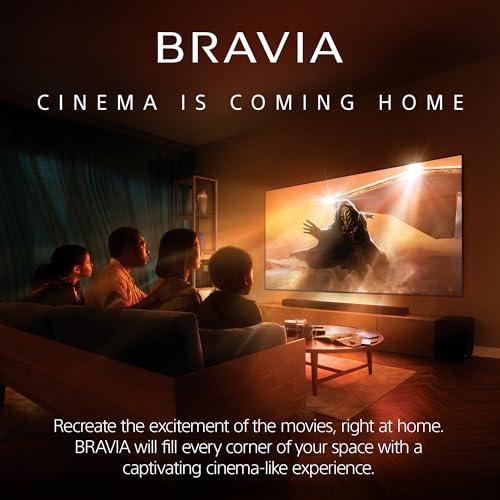



When you're ready to upgrade from your TV's built-in speakers but don't want the hassle of running wires throughout your living room, two premium options stand out: the Sony HT-A9M2 BRAVIA Theater Quad and the Sennheiser AMBEO Soundbar. Both promise cinematic audio without the complexity of a traditional surround sound system, but they take completely different approaches to get there.
The home theater audio market has evolved dramatically in recent years. We've moved beyond the simple choice between basic soundbars and complex receiver setups. Today's premium systems use sophisticated processing to create immersive experiences that rival traditional multi-speaker installations, but the technology behind these systems varies significantly.
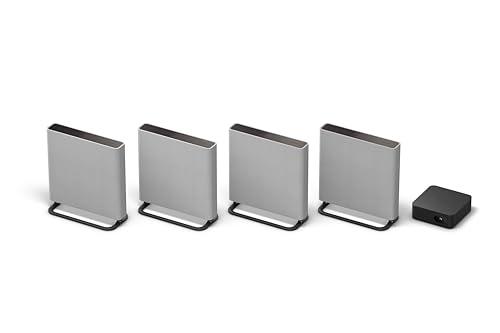
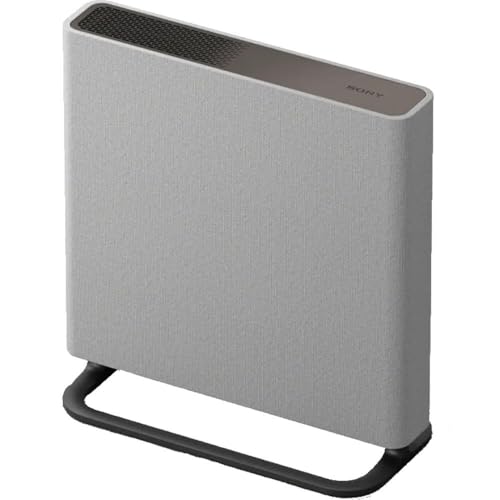
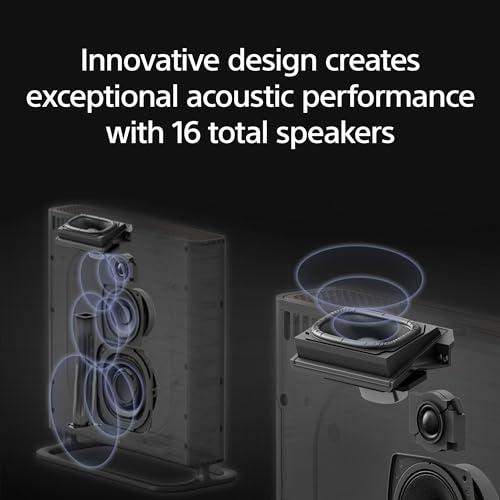
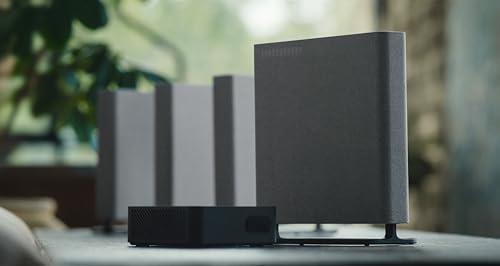
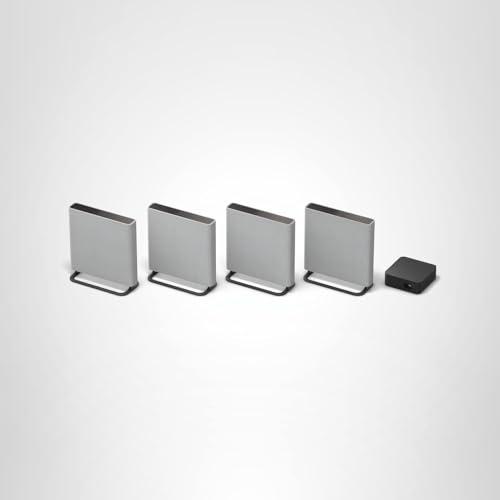
The Sony HT-A9M2, released in 2023 as an evolution of Sony's innovative wireless speaker concept, represents what we might call the "distributed approach." Instead of cramming everything into one bar, Sony splits the audio across four separate wireless speakers that you place around your room. Each speaker contains multiple drivers – the individual components that actually produce sound – and works together to create a bubble of audio around your listening position.
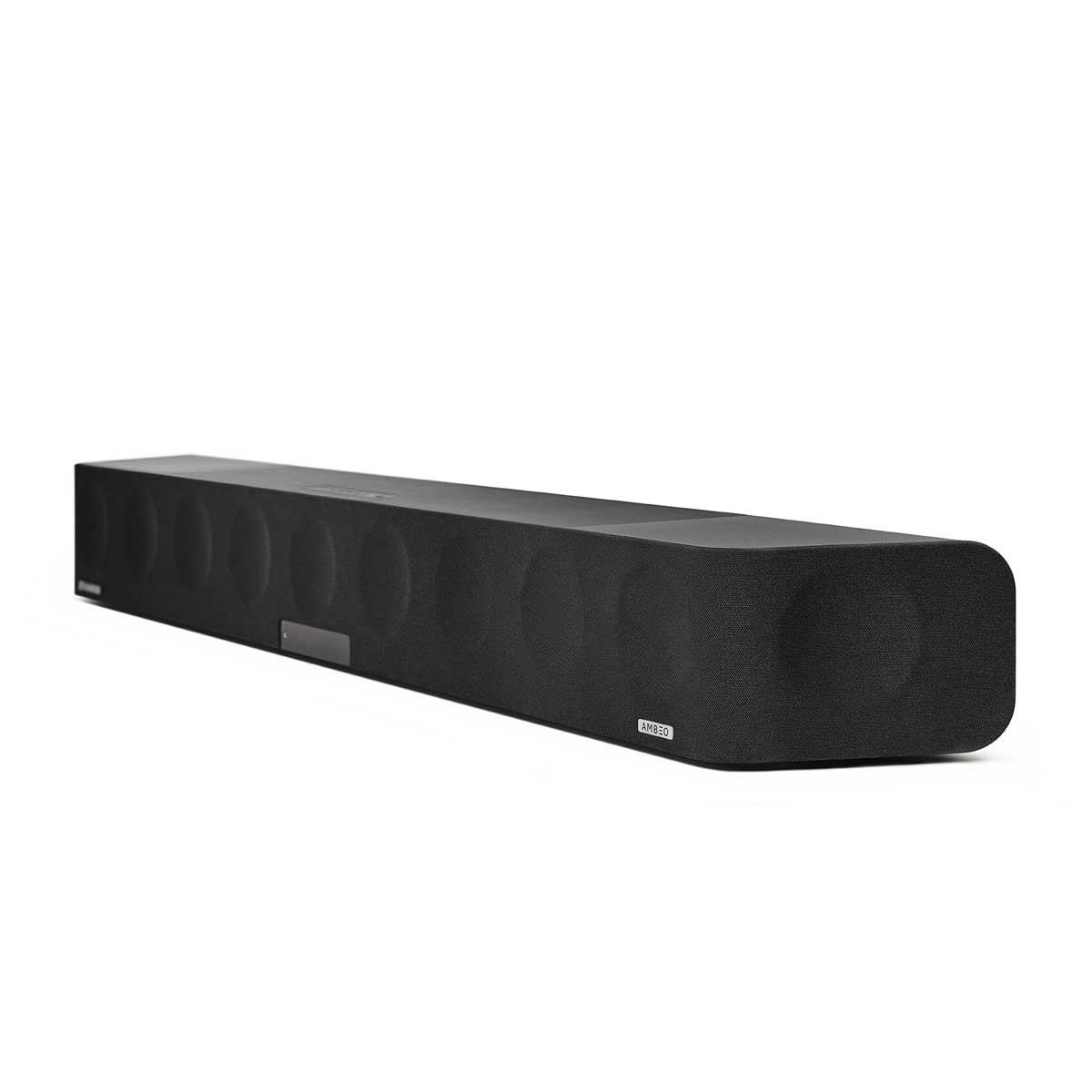
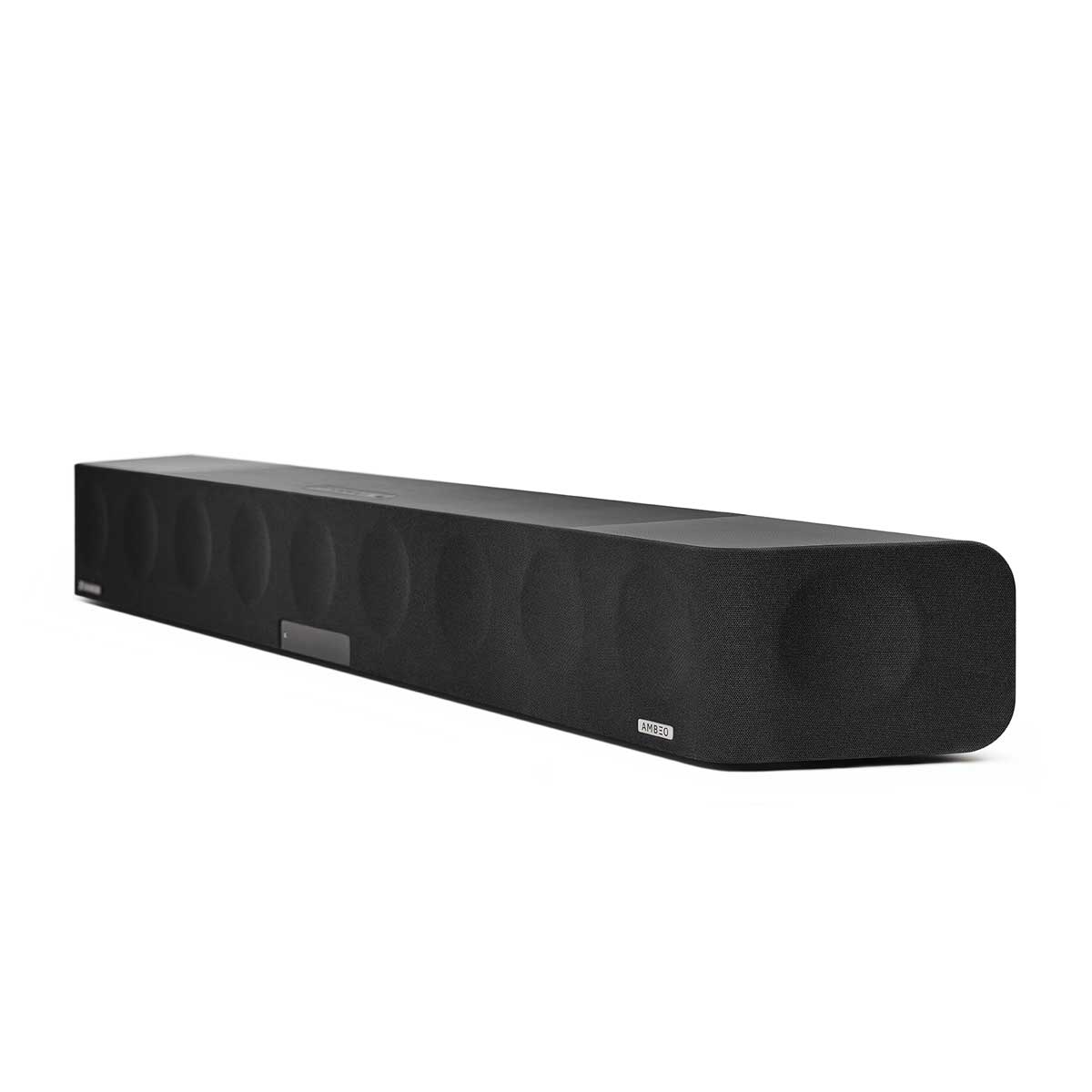
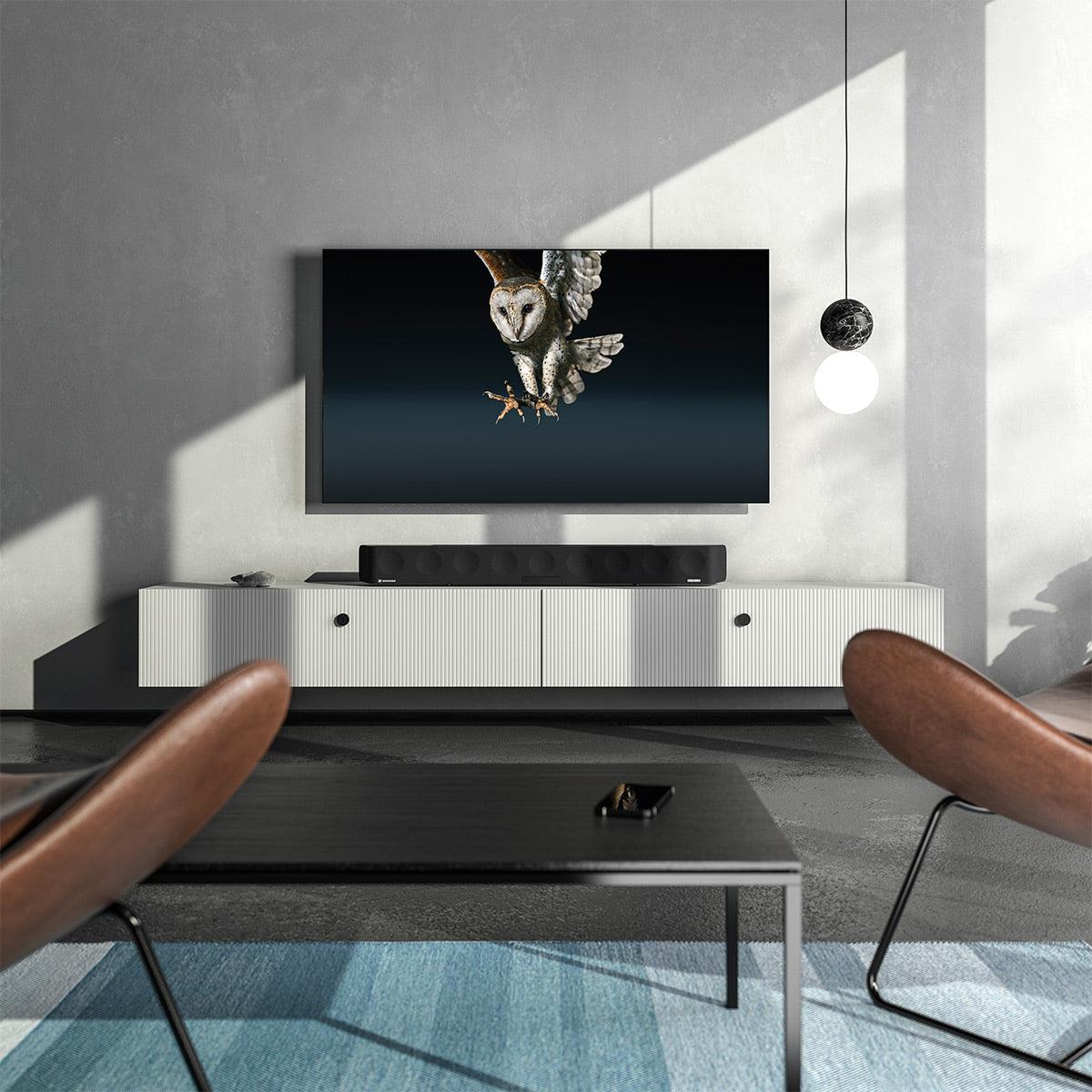
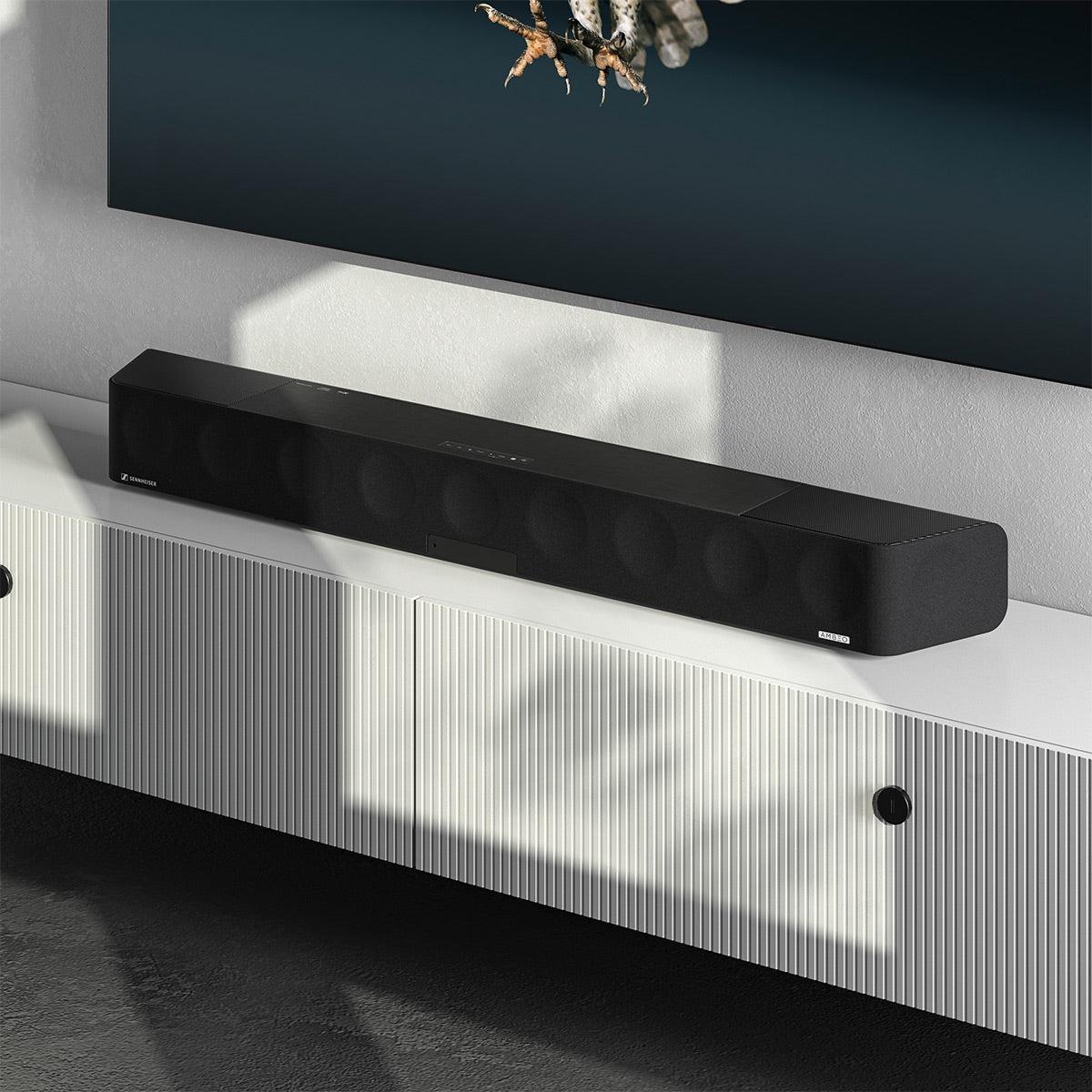
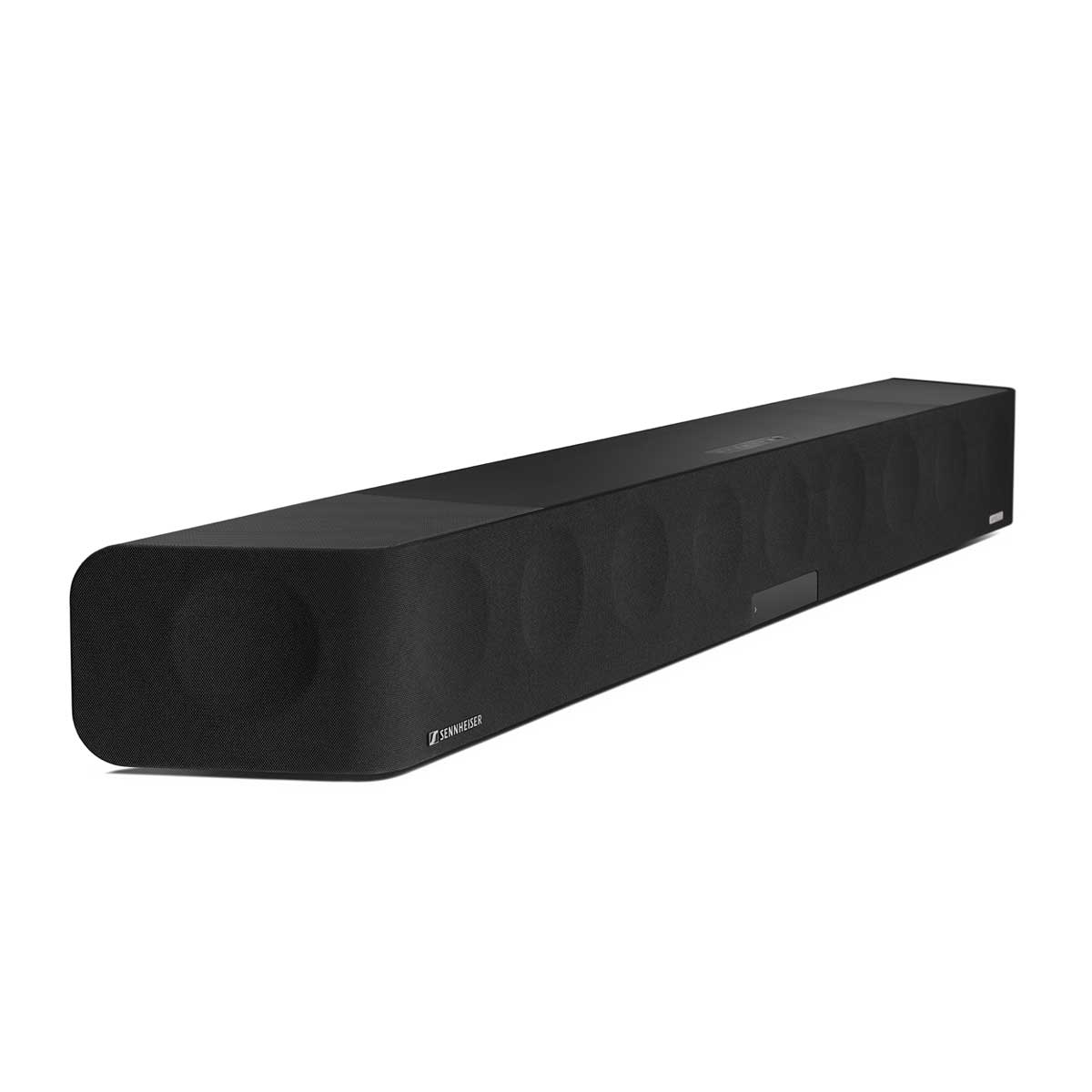
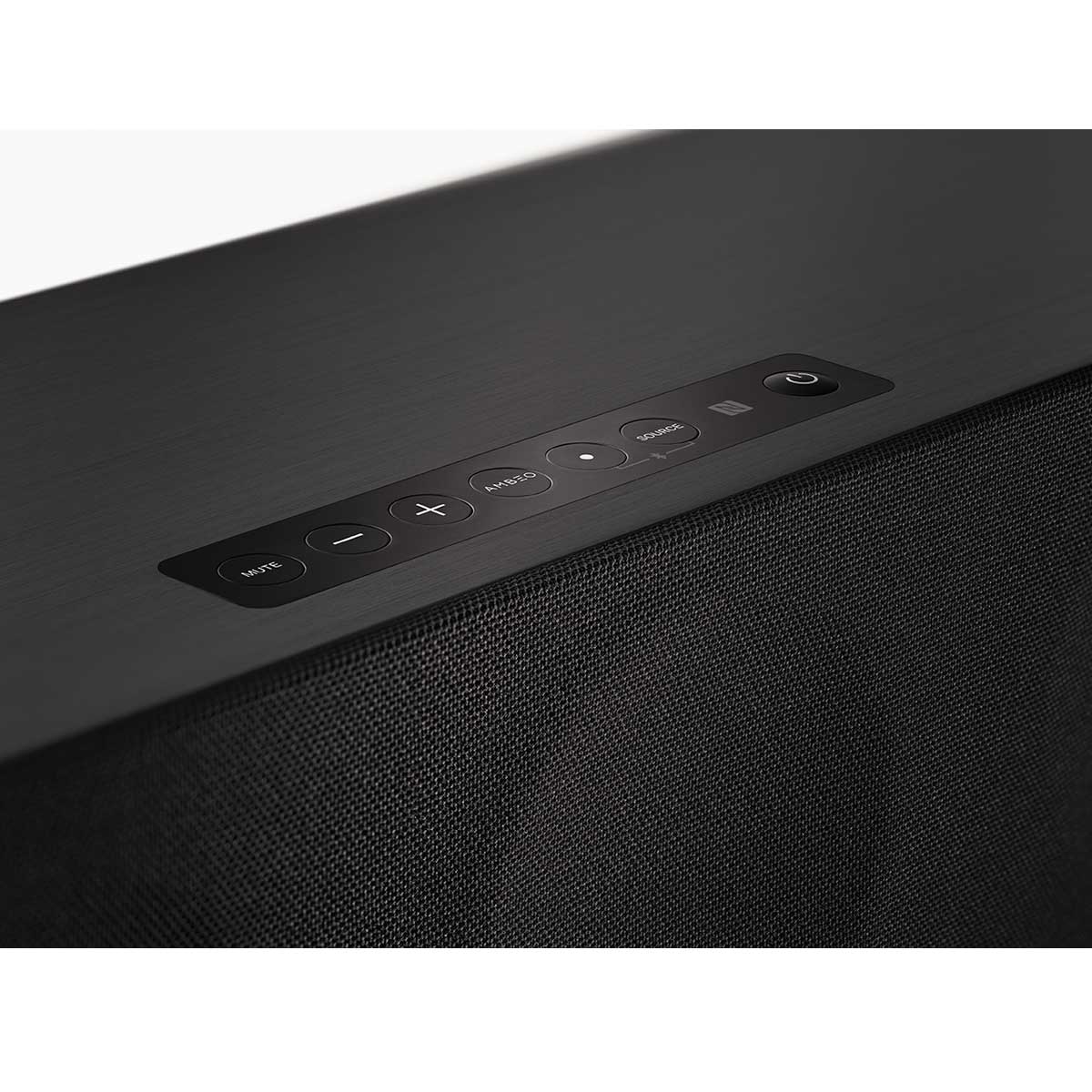
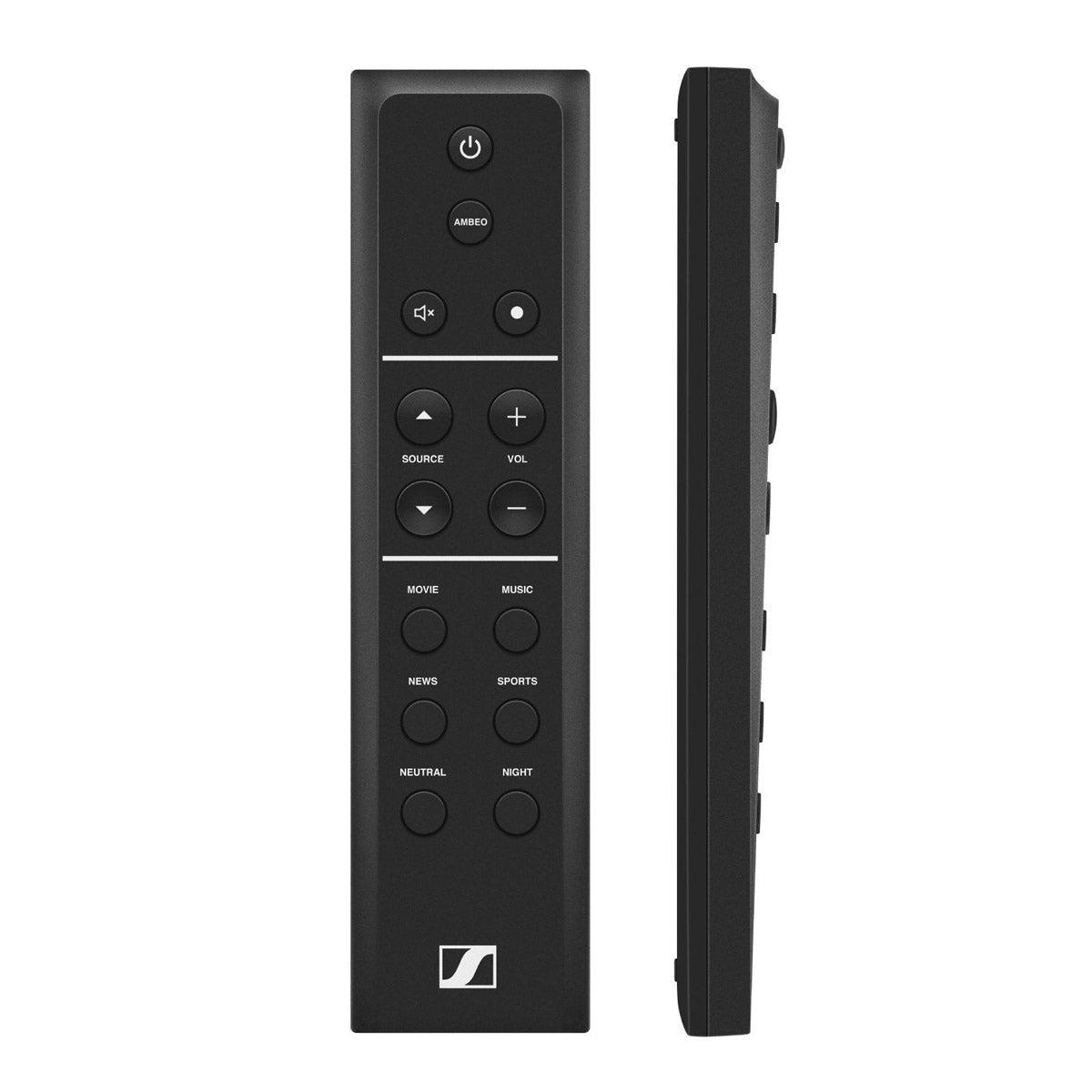
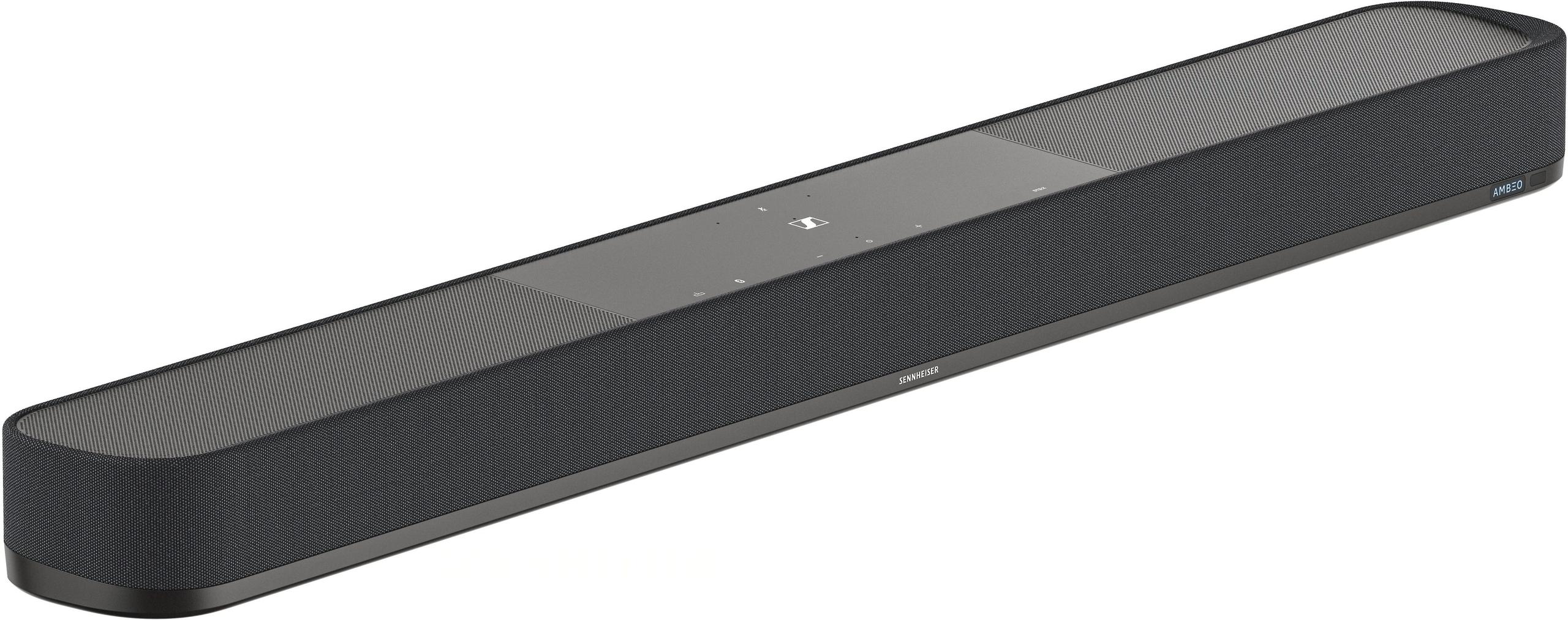
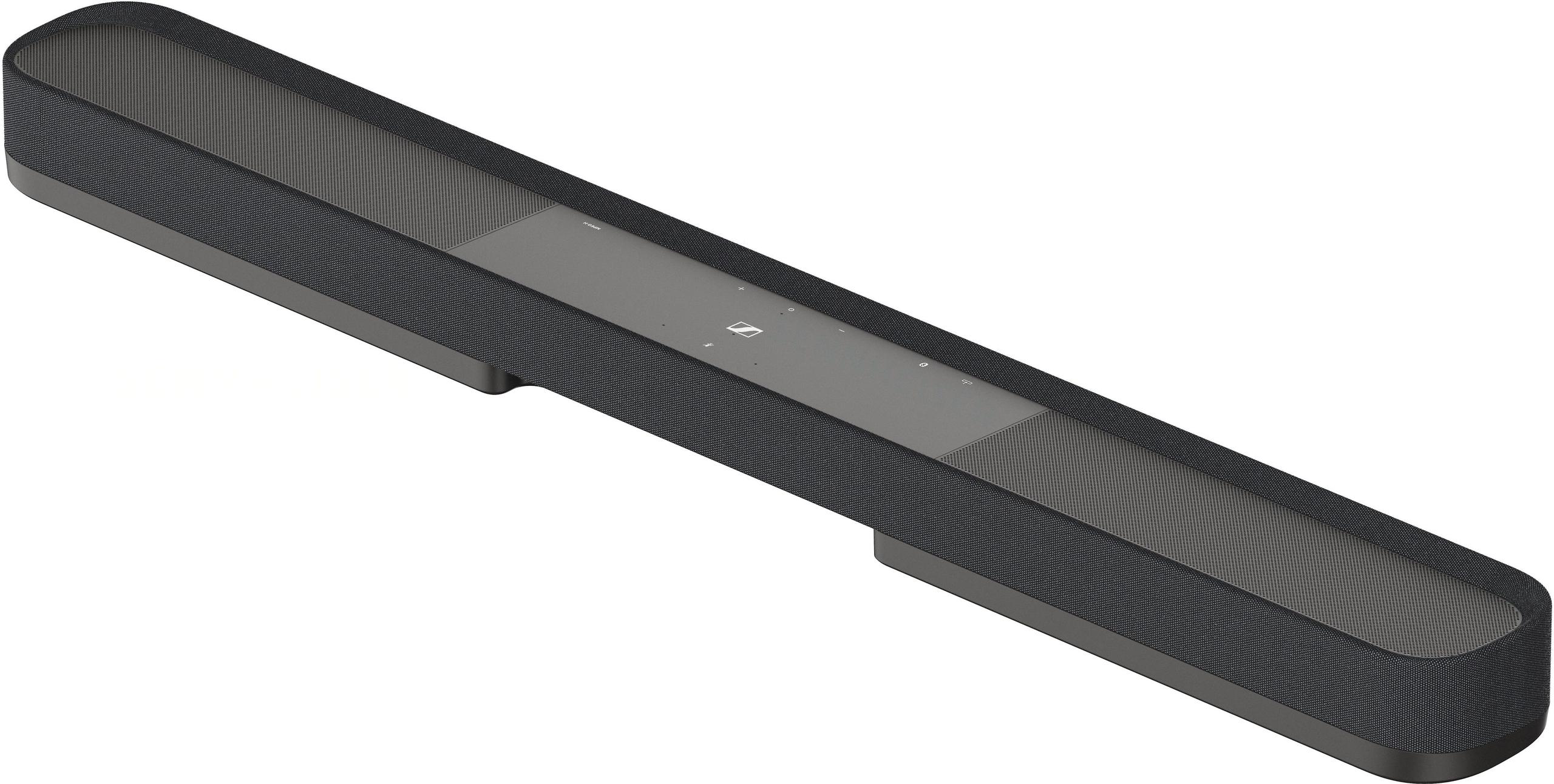
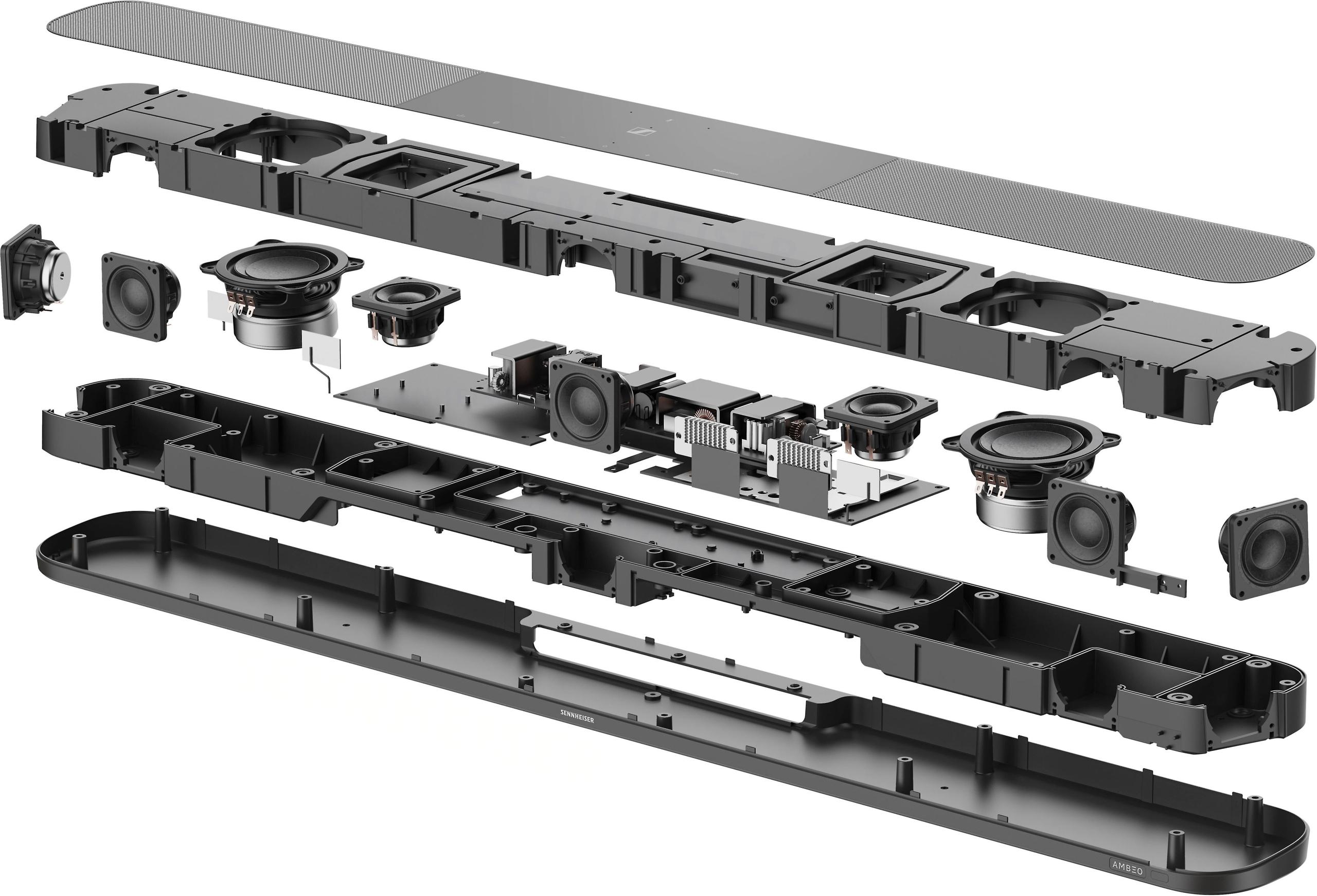
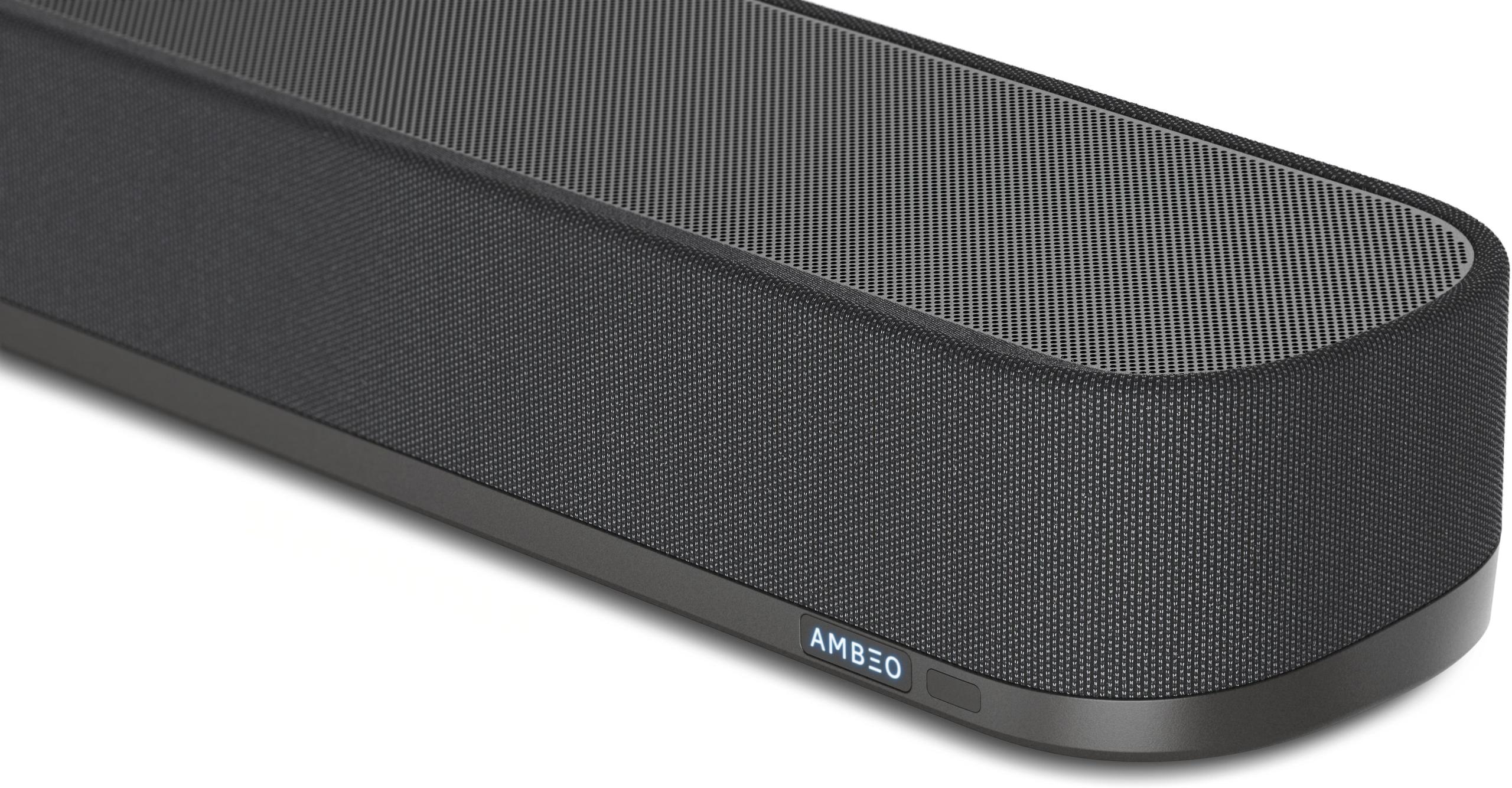
The Sennheiser AMBEO Soundbar, also refreshed in 2023, takes the "virtualization approach." This single, substantial soundbar uses thirteen precisely positioned drivers and advanced acoustic processing to bounce sound off your walls and ceiling, creating the illusion of speakers placed throughout your room. It's essentially trying to fool your ears into hearing surround sound from a single location.
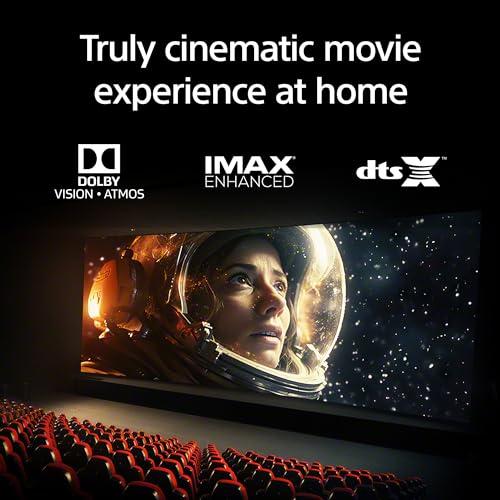
Both systems support modern audio formats like Dolby Atmos, which adds height information to traditional surround sound, creating a three-dimensional audio experience where sounds can appear to come from above you. However, their methods for achieving this couldn't be more different.
One of the most immediate differences you'll notice is how each system handles bass. The Sennheiser AMBEO includes six dedicated woofers – the drivers responsible for low-frequency sounds – built directly into its substantial frame. These produce frequencies down to around 30Hz, which covers most of the rumbling explosions and deep musical notes you'll encounter in movies and music.
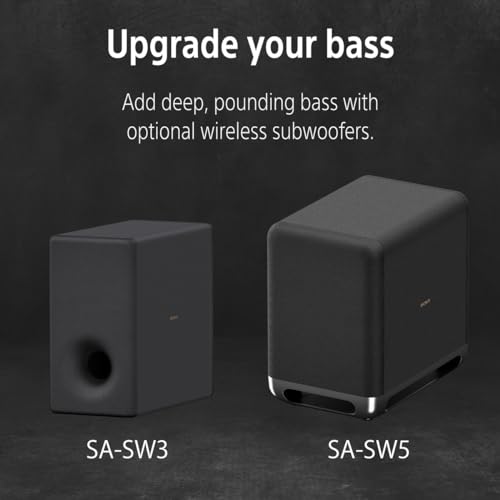
The Sony HT-A9M2, on the other hand, ships as a 4.0.4 system, meaning it has four main speakers and four height speakers, but no dedicated subwoofer. Sony uses their X-Balanced Speaker technology, which employs rectangular drivers instead of traditional round ones. This design increases the surface area that pushes air, helping smaller speakers produce more bass than you'd expect. However, for true deep-bass impact, Sony clearly expects you to add their optional wireless subwoofer.
In practice, this means the Sennheiser AMBEO delivers more immediate bass satisfaction out of the box. You'll feel those movie explosions and electronic music drops without any additional purchases. The Sony system provides punchy, articulate bass that works well for most content, but bass enthusiasts will likely want to invest in that optional subwoofer to unlock the system's full potential.
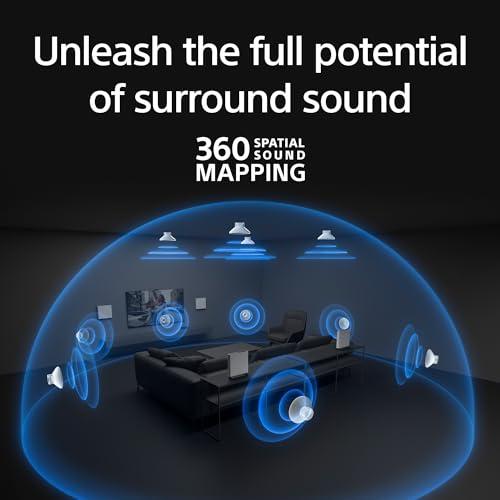
Here's where the philosophical differences really matter. The Sony HT-A9M2 uses actual physical separation to create surround effects. When a helicopter flies from left to right in a movie, the sound literally moves from the left speakers to the right speakers. This creates what audio engineers call "true localization" – your brain can pinpoint exactly where sounds are coming from because they actually are coming from those locations.
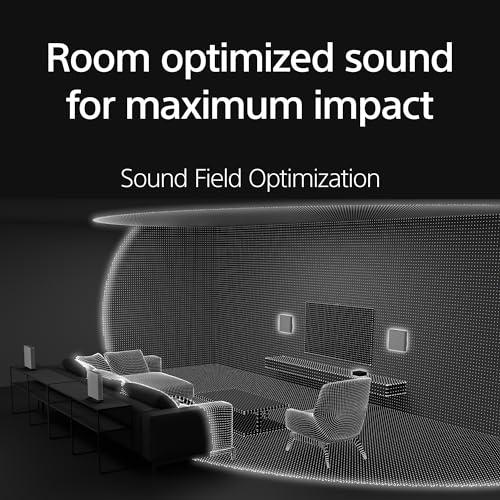
Sony enhances this with their 360 Spatial Sound Mapping technology, which goes beyond simple left-right panning. The system uses microphones built into each speaker to measure your room's acoustics, then creates "phantom speakers" – virtual sound sources that appear to exist between the physical speakers. Combined with Sound Field Optimization, which automatically adjusts timing and levels based on your room's characteristics, this creates an impressively wide and enveloping soundstage.
The Sennheiser AMBEO relies entirely on psychoacoustics – essentially tricking your brain into perceiving surround sound. It uses upward-firing drivers to bounce audio off your ceiling, creating height effects, while side-firing drivers attempt to create width by reflecting sound off your walls. Advanced DSP (Digital Signal Processing) calculates the precise timing and frequency adjustments needed to make these reflections sound like they're coming from specific locations around you.
Based on our research into user experiences and expert reviews, the Sony approach generally creates more convincing surround effects, especially for movies and TV shows. Users consistently report a greater sense of being "surrounded" by the audio, with more precise localization of effects. However, this advantage depends heavily on proper speaker placement and room acoustics. The Sennheiser system provides more predictable results regardless of room layout, though the surround effect may be less dramatic.
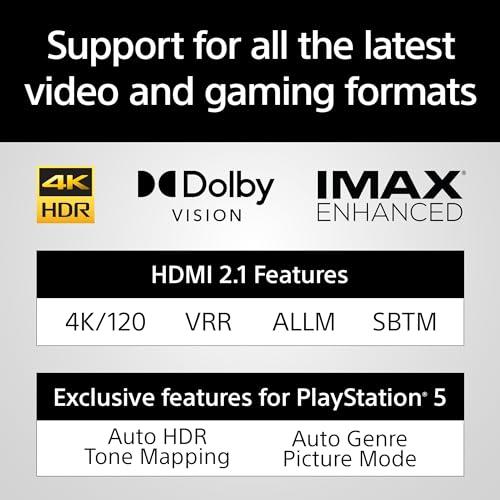
If you own a PlayStation 5, Xbox Series X, or plan to upgrade your gaming setup, the connectivity differences become crucial. The Sony HT-A9M2 supports the full HDMI 2.1 specification, including Variable Refresh Rate (VRR) and Auto Low Latency Mode (ALLM). VRR eliminates screen tearing by allowing your TV to synchronize with your console's frame rate, while ALLM automatically switches your TV to its lowest-latency mode when gaming.
More importantly for future-proofing, Sony supports 4K video at 120 frames per second and even 8K at 60fps – formats that are becoming standard for next-generation gaming. The system also includes Source-Based Tone Mapping (SBTM), which lets your gaming console send HDR metadata directly to your TV for more accurate color reproduction.
The Sennheiser AMBEO stops at HDMI 2.0 capabilities, limiting you to 4K at 60fps with no VRR support. For current gaming, this works fine, but it may feel limiting as games increasingly support higher frame rates and newer display technologies.
Sony also optimizes specifically for PlayStation 5, with features like Auto HDR Tone Mapping that work seamlessly with Sony's BRAVIA TVs. If you're invested in Sony's ecosystem, these integrations create a more polished experience.
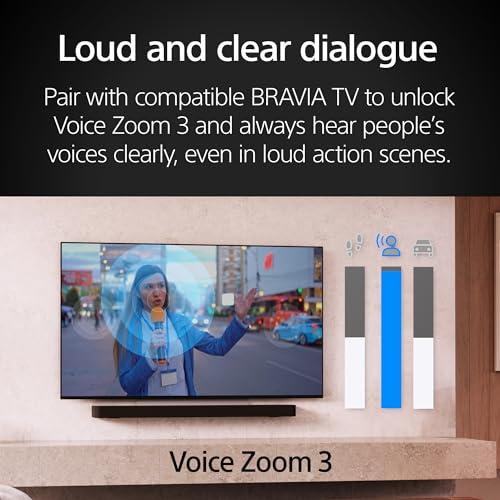
Clear dialogue is crucial for enjoying movies and TV shows, and both systems take different approaches to ensure voices remain intelligible. The Sony HT-A9M2 uses Voice Zoom 3, an AI-powered feature that automatically identifies and enhances human speech in the audio mix. This technology can separate dialogue from background music and effects, then amplify or clarify it as needed.
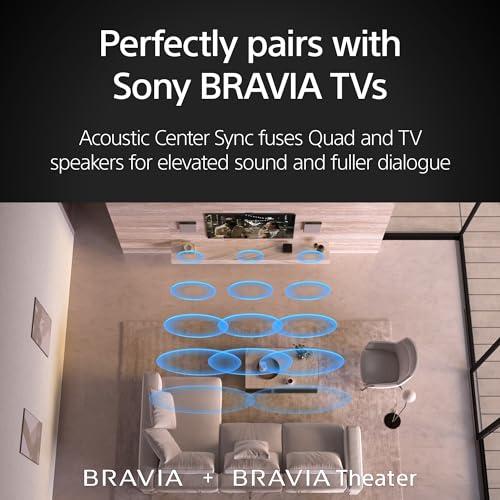
When paired with compatible Sony BRAVIA TVs, the system gains Acoustic Center Sync, which uses your TV's built-in speakers as an additional center channel. This anchors dialogue directly to the screen, creating more natural lip-sync and vocal localization.
The Sennheiser AMBEO takes a more traditional approach, using dedicated center channel drivers and careful frequency tuning to emphasize the vocal range. This typically produces natural, unprocessed dialogue that many audiophiles prefer, though it may not cut through complex movie mixes as effectively as Sony's AI enhancement.
Our evaluation of user feedback suggests both approaches work well, but the Sony system tends to excel in challenging scenarios – like action movies with dense soundtracks or dialogue-heavy dramas with quiet spoken passages.
The differences become even more pronounced when listening to music. The Sony HT-A9M2 shines with newer spatial audio formats like 360 Reality Audio and Atmos Music, where artists have specifically mixed their tracks to take advantage of object-based audio. The wide speaker placement creates an expansive soundstage that can place instruments and vocals in specific locations around you.
Sony also includes DSEE Ultimate, which uses artificial intelligence to upscale compressed music files. This technology analyzes the audio in real-time and attempts to restore high-frequency information that was lost during compression, potentially improving the sound quality of streaming music services.
The Sennheiser AMBEO typically performs better with traditional stereo music. Its audiophile-grade drivers and more conventional acoustic approach tend to preserve the original stereo imaging that artists and engineers intended. If most of your music listening involves traditional albums rather than spatial audio content, the Sennheiser approach may sound more natural.
However, both systems face the inherent challenge of being optimized for movies rather than music. Dedicated stereo systems will generally outperform either option for pure musical enjoyment, but these home theater systems offer the convenience of handling both movies and music reasonably well.
Installation complexity differs significantly between these systems. The Sennheiser AMBEO requires only power and a single connection to your TV – the classic soundbar simplicity. However, its substantial size (nearly 50 inches wide and quite deep) demands adequate space and careful positioning to avoid blocking your TV or other components.
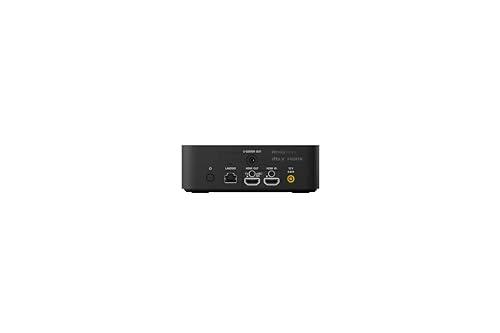
The Sony HT-A9M2 involves more planning but offers greater flexibility. Each of the four speakers needs power, but they connect wirelessly to the control box, eliminating the need for speaker wire runs. The system's room calibration process automatically adjusts for different speaker positions, so you're not locked into perfect symmetrical placement.
Sony's approach works particularly well in open-concept living spaces where you might place speakers on different pieces of furniture or at varying heights. The system adapts to these asymmetrical placements and still creates a cohesive sound field. However, the effectiveness depends on having reflective surfaces (walls and ceiling) to work with the spatial processing.
At the time of writing, both systems command premium pricing that puts them in competition with entry-level dedicated surround sound systems. The value equation depends heavily on your priorities and room constraints.
The Sony HT-A9M2 represents better long-term value if you plan to use modern gaming consoles or want the most immersive movie experience possible. Its HDMI 2.1 support and expandability (you can add subwoofers and additional speakers) make it more future-proof. However, reaching its full potential likely requires additional investment in a subwoofer.
The Sennheiser AMBEO offers more immediate satisfaction with its built-in bass and simpler setup, but its HDMI 2.0 limitation may feel restrictive sooner. Its single-unit design also means you can't upgrade components individually – you'd need to replace the entire system to improve performance.
The Sony HT-A9M2 makes the most sense if you have a medium to large room with good acoustics, prioritize gaming performance, or want the most convincing surround sound experience possible. It's particularly compelling if you already own or plan to buy Sony BRAVIA TVs, where the integration features add meaningful value. The system rewards patience and proper setup with exceptional immersive performance.
Choose the Sennheiser AMBEO if you value simplicity, have challenging room acoustics, or prioritize immediate bass impact without additional components. It's also the better choice if your primary video sources don't require HDMI 2.1 features and you prefer the traditional soundbar form factor.
Both systems represent significant steps forward from basic soundbars, but they excel in different scenarios. The Sony pushes the boundaries of what's possible with wireless multi-speaker systems, while the Sennheiser perfects the single-unit approach with audiophile-grade components and processing.
In my evaluation, the Sony HT-A9M2 edges ahead for most home theater enthusiasts due to its superior immersion capabilities and future-proof connectivity, despite requiring more setup consideration and potentially additional investment in a subwoofer. However, the Sennheiser AMBEO remains an excellent choice for users who prioritize simplicity and immediate performance over maximum customization and expansion possibilities.
The decision ultimately comes down to whether you prefer the flexibility and ultimate performance potential of Sony's distributed approach, or the immediate satisfaction and simplicity of Sennheiser's refined single-unit solution.
| Sony HT-A9M2 BRAVIA Theater Quad | Sennheiser AMBEO Soundbar |
|---|---|
| System Design - Determines setup complexity and room flexibility | |
| Four wireless speakers + control box (requires placement around room) | Single soundbar unit (simple TV placement) |
| Channel Configuration - Affects surround sound immersion | |
| 4.0.4 channels (no built-in subwoofer, optional add-on available) | 5.1.4 channels (integrated subwoofer included) |
| Total Drivers - More drivers can mean better sound separation | |
| 16 drivers (4 per speaker: woofer, midrange, tweeter, height driver) | 13 drivers (6 woofers, 5 tweeters, 2 full-range) |
| Bass Performance - Critical for movie explosions and music impact | |
| X-Balanced drivers provide punchy bass; benefits from optional subwoofer | Built-in 6-woofer array with 30Hz extension (no additional sub needed) |
| HDMI Support - Essential for gaming and future video formats | |
| HDMI 2.1 (4K120, 8K60, VRR, ALLM) - fully future-proof | HDMI 2.0 (4K60 max, no VRR) - adequate for current content |
| Room Calibration - Automatically optimizes sound for your space | |
| 360 Spatial Sound Mapping with microphone-based room analysis | Advanced room calibration with acoustic mapping |
| Surround Technology - How convincing the surround effects feel | |
| Physical speaker separation + phantom speaker generation | Virtualization through wall/ceiling reflections |
| Gaming Optimization - Important for console gaming | |
| PlayStation 5 optimized, Auto HDR Tone Mapping, low latency | Standard gaming audio, higher latency, no console-specific features |
| Dialogue Enhancement - Critical for movie/TV clarity | |
| Voice Zoom 3 AI processing + Acoustic Center Sync (with BRAVIA TVs) | Dedicated center channel array with natural vocal tuning |
| Music Features - For non-movie listening | |
| 360 Reality Audio, DSEE Ultimate upscaling, Hi-Res Audio support | Audiophile-grade drivers, Chromecast built-in, traditional stereo imaging |
| Connectivity Options - Affects how you can connect devices | |
| 1 HDMI input, Bluetooth 5.2 with LDAC, Wi-Fi, AirPlay 2 | Multiple inputs, Bluetooth 5.0, Wi-Fi, Chromecast built-in |
| Physical Footprint - Space requirements in your room | |
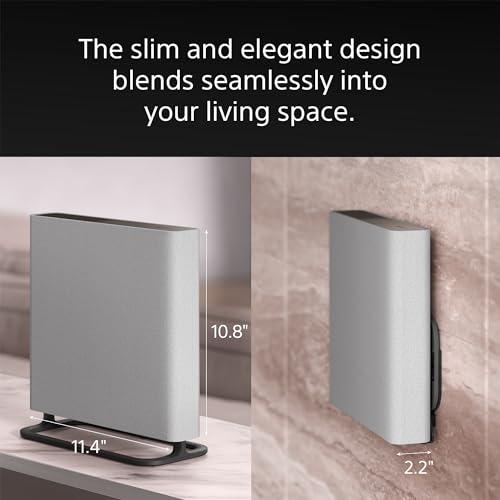
| Four compact speakers (each 11.4" x 10.9" x 2.9") + small control box | Single large bar (49.6" x 5.3" x 6.7", 40.8 lbs) |
The Sony HT-A9M2 BRAVIA Theater Quad delivers superior surround sound thanks to its four physically separated wireless speakers that create true 360-degree audio placement. The Sennheiser AMBEO Soundbar uses virtualization technology to simulate surround effects from a single bar, which works well but can't match the spatial accuracy of the Sony system's distributed speaker approach.
The Sennheiser AMBEO Soundbar includes built-in bass with six dedicated woofers, so no additional subwoofer is required for most users. The Sony HT-A9M2 doesn't include a subwoofer and may benefit from adding Sony's optional wireless subwoofer for deep bass impact, especially for action movies and bass-heavy music.
The Sennheiser AMBEO Soundbar is much simpler to install - just place it under your TV and connect one cable. The Sony HT-A9M2 requires positioning four separate speakers around your room and running the room calibration process, though the wireless connectivity eliminates the need for speaker wire runs.
The Sony HT-A9M2 is significantly better for gaming, especially with PlayStation 5 or Xbox Series X, thanks to HDMI 2.1 support including 4K120, Variable Refresh Rate, and Auto Low Latency Mode. The Sennheiser AMBEO only supports HDMI 2.0 (4K60 maximum) without gaming-specific features like VRR.
The Sennheiser AMBEO Soundbar typically works better in smaller spaces since it doesn't require room for multiple speaker placements and its virtualization works effectively in compact areas. The Sony HT-A9M2 needs adequate space to position four speakers and performs best in medium to large rooms with reflective surfaces.
Both systems excel at dialogue, but use different approaches. The Sony HT-A9M2 uses AI-powered Voice Zoom 3 technology to intelligently enhance speech and can use your Sony TV as a center channel. The Sennheiser AMBEO relies on dedicated center channel drivers for natural, unprocessed dialogue reproduction.
The Sennheiser AMBEO Soundbar generally performs better with traditional stereo music due to its audiophile-grade drivers and conventional acoustic approach. The Sony HT-A9M2 excels with spatial audio formats like 360 Reality Audio and includes DSEE Ultimate technology to enhance compressed music files.
The Sony HT-A9M2 is expandable - you can add Sony's wireless subwoofers and additional rear speakers to create a larger system. The Sennheiser AMBEO Soundbar is a complete, non-expandable solution, so you'd need to replace the entire unit to upgrade performance.
Value depends on your priorities. The Sennheiser AMBEO provides immediate satisfaction with built-in bass and simpler setup. The Sony HT-A9M2 offers better long-term value with superior surround performance, gaming features, and expandability, though you may want to budget for an optional subwoofer.
No, the Sony HT-A9M2 works with any TV that has HDMI eARC or ARC. However, you get additional features like Acoustic Center Sync and simplified control when paired with compatible Sony BRAVIA TVs. The Sennheiser AMBEO works universally with any TV.
The Sony HT-A9M2 is more future-proof thanks to full HDMI 2.1 support for next-generation gaming and video formats, plus its modular design allows component upgrades. The Sennheiser AMBEO is limited to current HDMI 2.0 standards and cannot be upgraded individually.
The Sennheiser AMBEO Soundbar needs space for a single large soundbar (nearly 50 inches wide) beneath your TV. The Sony HT-A9M2 requires placement spots for four compact speakers around your room, offering more flexibility in positioning but needing more overall room space for optimal performance.
We've done our best to create useful and informative comparisons to help you decide what product to buy. Our research uses advanced automated methods to create this comparison and perfection is not possible - please contact us for corrections or questions. These are the sites we've researched in the creation of this article: bestbuy.com - whathifi.com - whathifi.com - youtube.com - rtings.com - audiosciencereview.com - bhphotovideo.com - skybygramophone.com - sony.com - manuals.plus - audioadvice.com - dell.com - valueelectronics.com - youtube.com - merlinstv.com - videoandaudiocenter.com - electronics.sony.com - sony.com - bestbuy.com - beachcamera.com - sony.com - win.consulting - sony.com - bestbuy.com - rtings.com - techradar.com - audioxpress.com - whathifi.com - upscaleaudio.com - soundstagesimplifi.com - global.sennheiser-hearing.com - sennheiser-hearing.com - audioadvice.com - abt.com - moon-audio.com

Privacy Policy
Terms and Conditions - Affiliate Policy
Home Security
© Copyright 2008-2026.
11816 Inwood Rd #1211, Dallas, TX 75244