







If you've ever tried watching an action movie with your TV's built-in speakers, you know the struggle. Explosions sound like firecrackers, dialogue gets buried under sound effects, and forget about feeling any real bass. That's where soundbars come in, and the market has evolved dramatically since these products first appeared in 2024 and 2025 respectively.
Today, we're comparing two very different approaches to solving your TV audio problems: the Ultimea Poseidon M60 Boom and the KEF XIO. One costs about as much as a nice dinner out, while the other costs as much as a decent used car. But which one makes more sense for your living room?
Before diving into specifics, let's talk about what makes a good soundbar in 2025. The game has changed significantly from the basic stereo soundbars of the early 2010s. Today's premium soundbars are essentially complete home theater systems squeezed into a single, sleek package.
The most important advancement is Dolby Atmos support – a technology that adds height information to surround sound, making it feel like sound is coming from above and around you, not just left and right. Think of it as the difference between watching a movie through a window versus being inside the scene itself.
Another crucial development is driver technology – essentially the speakers inside the soundbar. Modern soundbars use multiple specialized drivers to handle different frequency ranges, much like how a full-size speaker system separates bass, midrange, and treble duties among different speakers.
Room calibration has also become standard in higher-end models. This technology uses microphones to measure how sound bounces around your specific room and adjusts the audio accordingly. It's like having a sound engineer tune your system for your exact space.
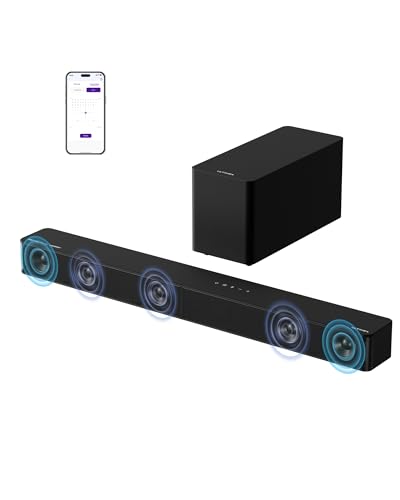
Released in 2024, the Ultimea Poseidon M60 Boom represents what I'd call the "democratic" approach to Dolby Atmos. At the time of writing, it costs roughly what you might spend on a weekend getaway, making premium surround sound accessible to almost anyone.
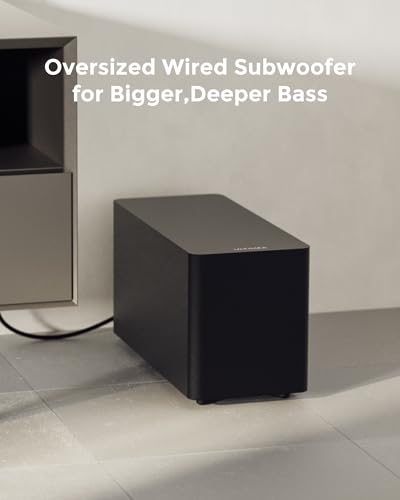
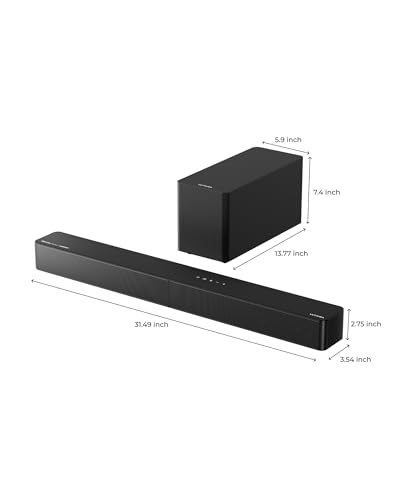
The M60 Boom takes a traditional approach with five full-range drivers in the main bar and a separate wireless subwoofer. This design philosophy has been proven over decades – dedicated subwoofers typically produce better bass than anything you can fit inside a soundbar cabinet.
What makes this particularly interesting is Ultimea's BassMX technology. This isn't just marketing speak – it refers to the subwoofer's ability to move its cone up to 16mm back and forth (that's quite a lot for a 5.25-inch driver). More cone movement generally means more air displacement, which translates to deeper, more impactful bass.
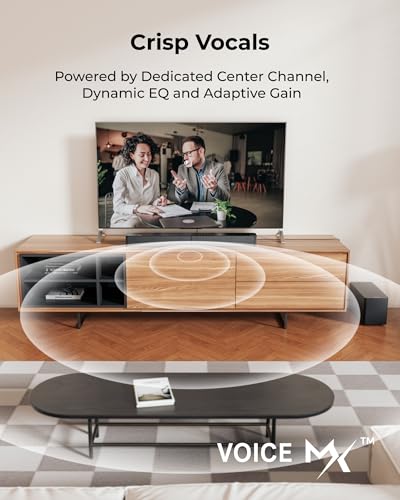
The system also includes VoiceMX technology, which specifically targets the 300Hz to 3kHz frequency range where human speech lives. This is crucial because most people's biggest complaint about TV audio is that they can't understand what actors are saying, especially during action scenes.
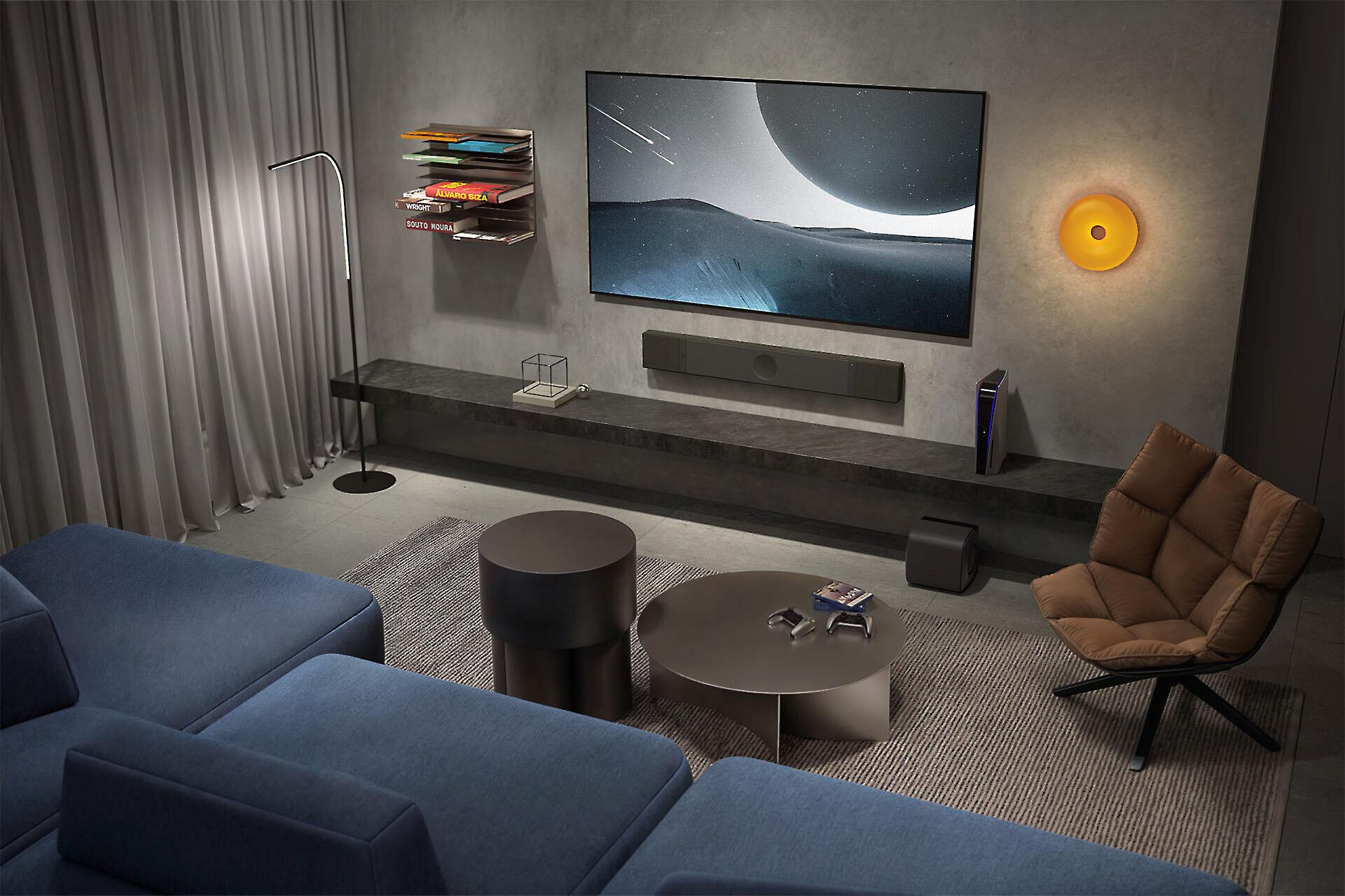
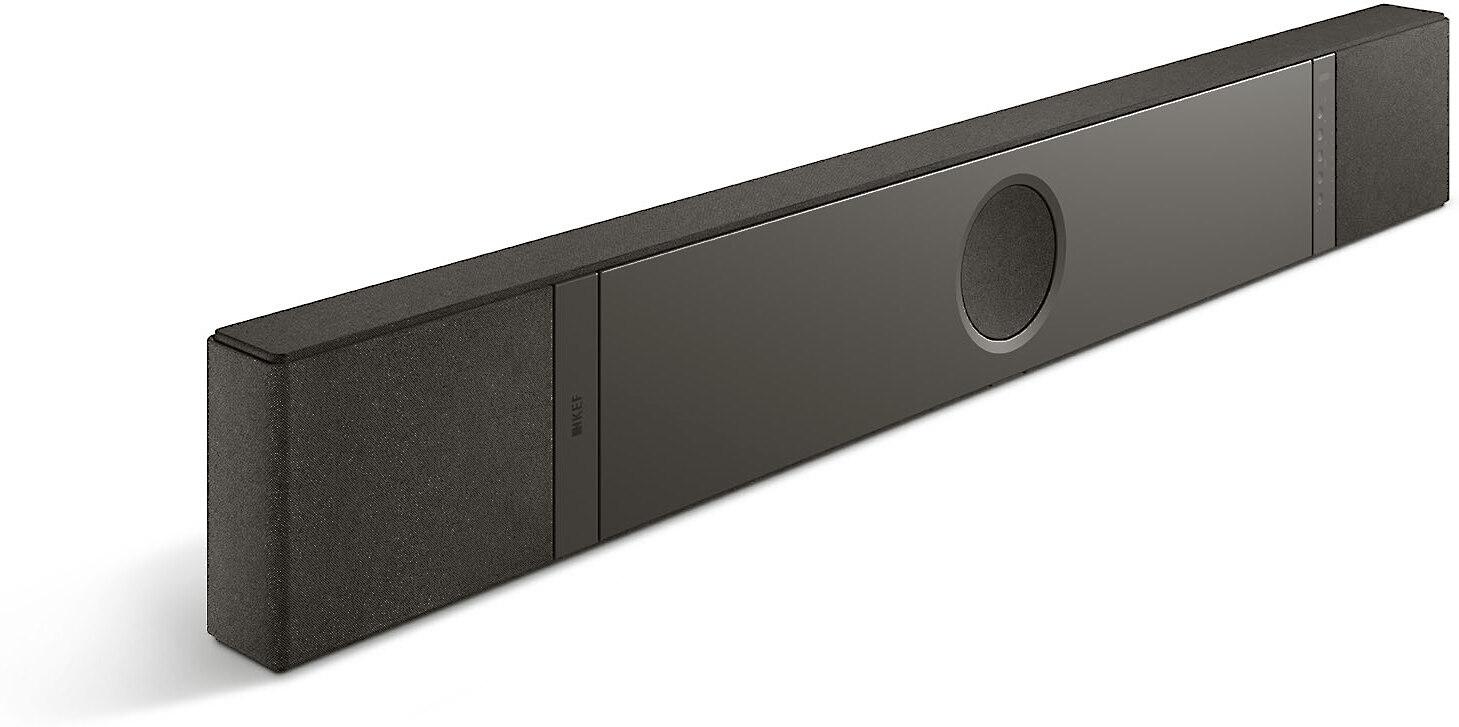
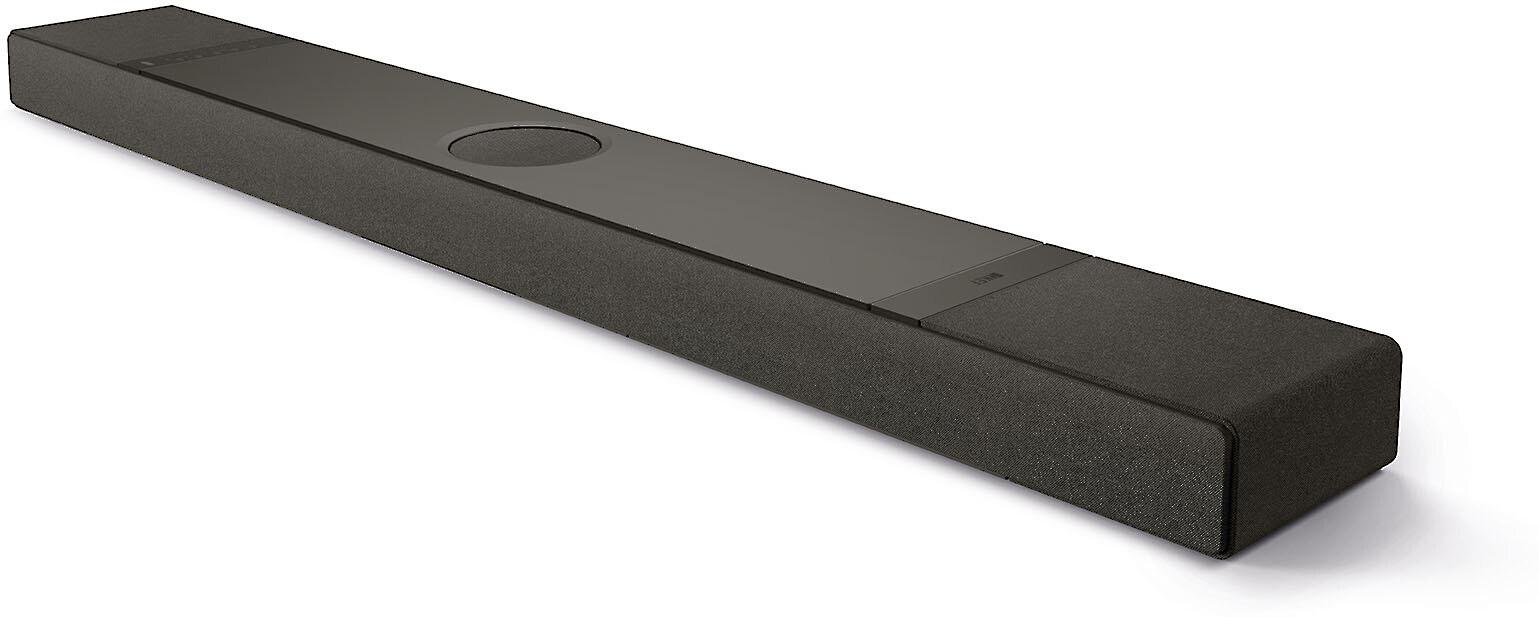
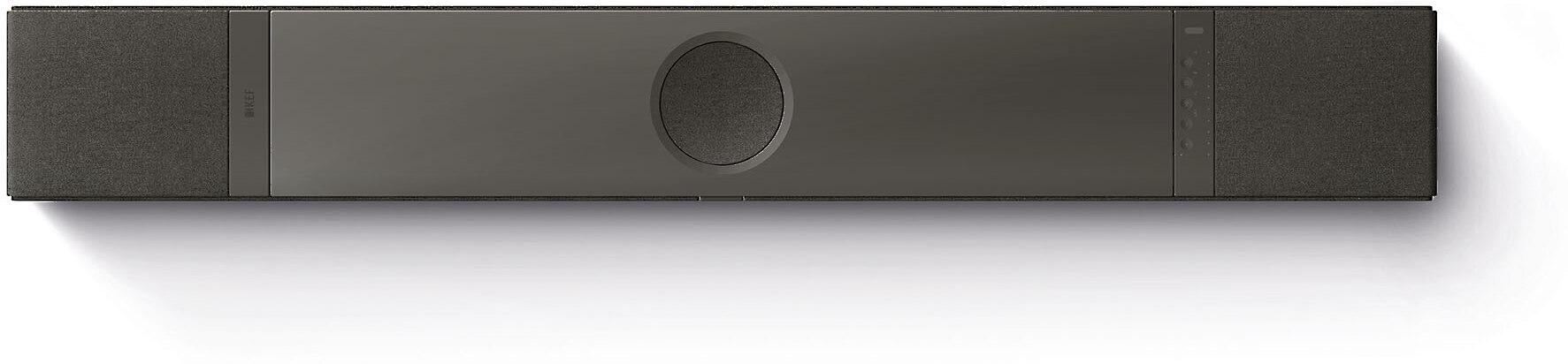
The KEF XIO, launched in 2025, takes a completely different approach. At the time of writing, it costs about as much as a high-end laptop, positioning it firmly in luxury territory. But KEF didn't just slap their name on a generic soundbar – they've packed in technology that would make audiophiles weep with joy.
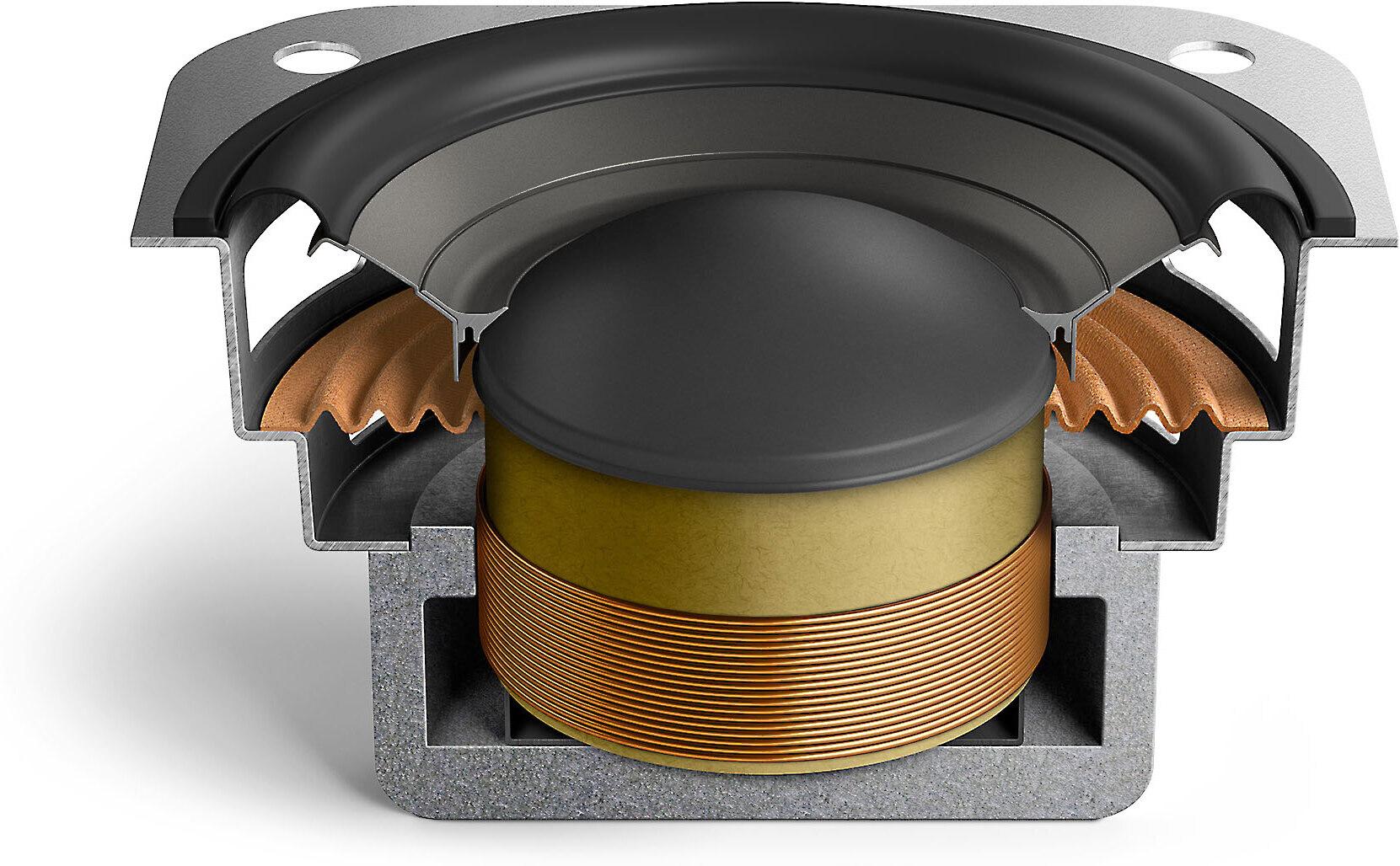
The centerpiece is Uni-Q MX driver technology. To understand why this matters, imagine trying to listen to a conversation in a crowded room. Traditional speakers place the tweeter (high-frequency driver) and midrange driver in separate locations, which can create timing issues – like hearing someone's voice slightly before their consonants. KEF's Uni-Q technology places the tweeter directly in the center of the midrange driver, so all frequencies arrive at your ears simultaneously.
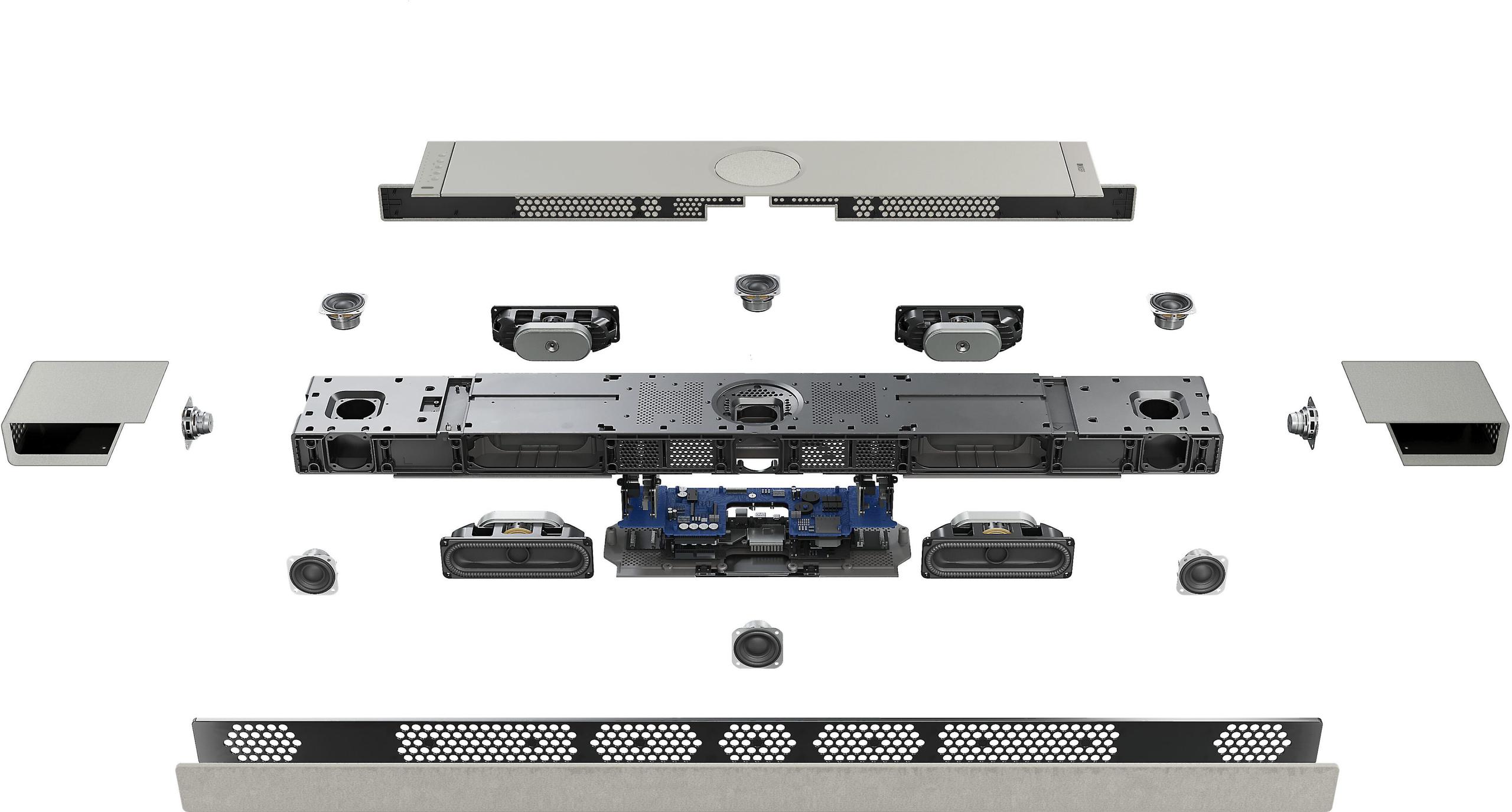
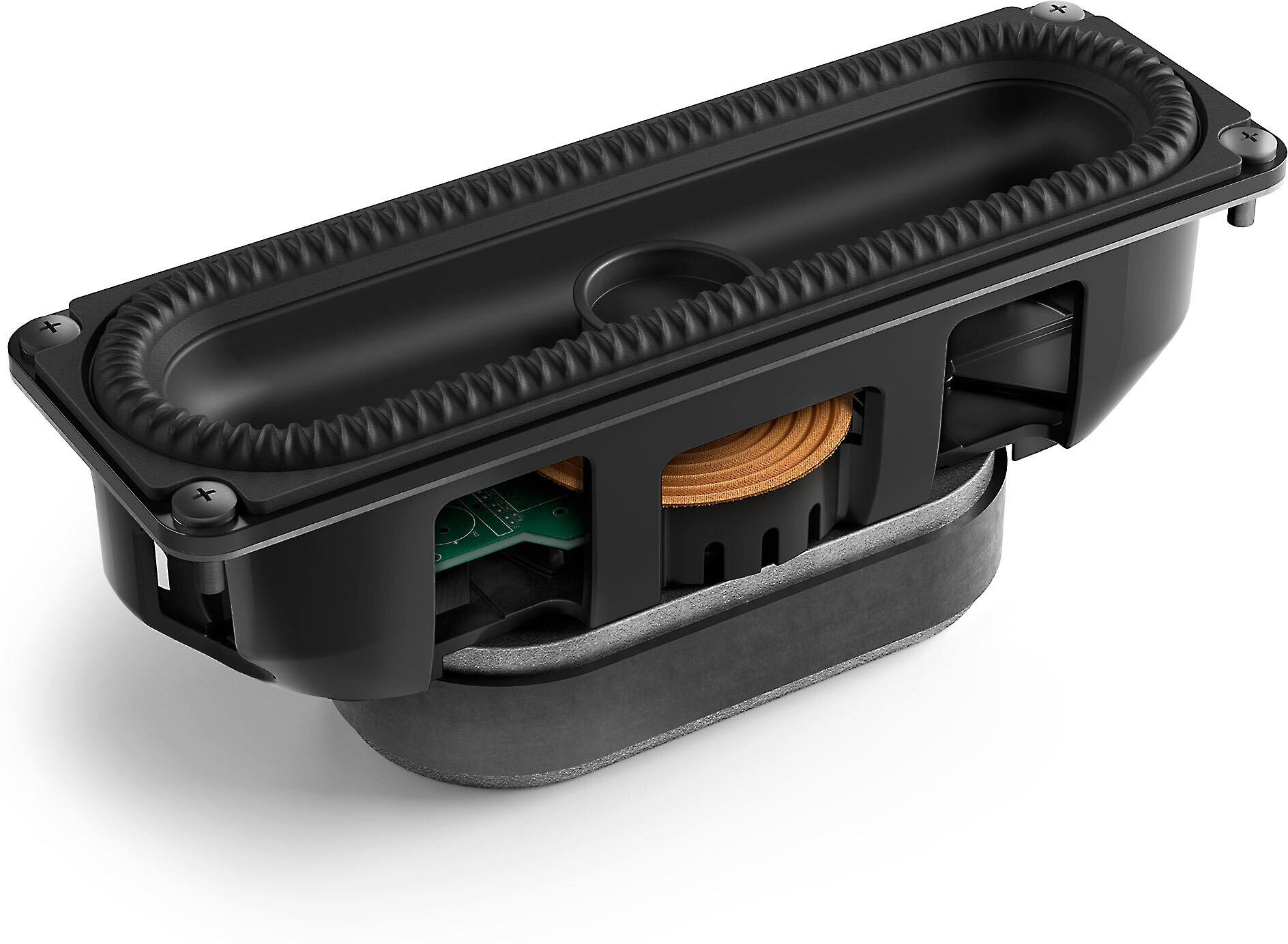
But the real engineering marvel is the bass system. Instead of relying on a separate subwoofer, the KEF XIO uses four racetrack-shaped P185 drivers arranged in a force-canceling configuration. These aren't round like traditional speakers – their oval shape allows for more cone area in the same space, while the force-canceling design means the drivers' movements oppose each other, reducing cabinet vibration.
The system also incorporates VECO (Velocity Control Technology), which uses sensors to monitor cone movement in real-time and make corrections up to 40,000 times per second. It's like having a precision guidance system for each bass driver, reducing distortion by up to 28dB compared to uncontrolled drivers.
When it comes to pure audio quality, these soundbars represent different leagues entirely. Our research into professional and user reviews reveals some clear patterns.
The KEF XIO consistently impresses reviewers with what they describe as "reference-quality" sound reproduction. The Uni-Q drivers create what acoustics engineers call a "point source" – sound that appears to come from a single location rather than multiple drivers spread across a bar. This translates to incredibly precise imaging, where you can pinpoint exactly where sounds are coming from in a movie scene.
The frequency response tells the story too. While the M60 Boom reaches down to 45Hz (respectable for its price), the KEF XIO digs down to 34Hz without needing a separate subwoofer. To put this in perspective, 34Hz is where you start feeling bass in your chest rather than just hearing it – that's movie theater territory.
The Ultimea M60 Boom, however, punches well above its weight class. Reviews consistently praise its dialogue clarity and overall balance. The dedicated subwoofer gives it an advantage in pure bass impact over most integrated systems, though it can't match the XIO's precision and control.
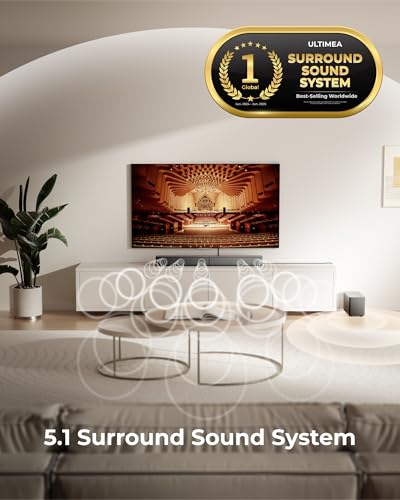
This is where the channel configurations become critical. The M60 Boom creates 5.1 surround sound virtually – all five channels come from drivers in the main soundbar, with digital processing creating the illusion of surround effects. It's impressive technology, and for many people, it's convincing enough.
The KEF XIO goes further with true 5.1.2 channel processing. Those ".2" channels represent dedicated upward-firing drivers that bounce sound off your ceiling to create overhead effects. When you watch a helicopter scene in an action movie, you'll actually hear it passing over your head, not just moving left to right.
The difference is noticeable but not always game-changing. Virtual surround has improved dramatically in recent years, and unless you're specifically listening for it, many people are satisfied with high-quality virtual processing. However, if you're serious about home theater immersion, those height channels matter.
Here's where things get interesting. Most soundbars are designed primarily for TV and movie content, with music as an afterthought. The KEF XIO flips this assumption entirely.
Reviews consistently describe the XIO as exceptional for music listening – rare praise for a soundbar. The Uni-Q drivers and sophisticated processing create a stereo image that rivals dedicated hi-fi speakers. Jazz vocals sound natural and present, orchestral music maintains its complexity, and rock music delivers impact without sacrificing detail.
The M60 Boom handles music competently, with multiple EQ presets to optimize for different genres. It's perfectly adequate for background listening or casual music enjoyment, but it's not designed for serious music appreciation.
This distinction matters more than you might think. If you stream music regularly or use your TV as your primary music source, the KEF XIO's superiority here could justify its higher price.
Both soundbars embrace modern connectivity, but with different priorities. The M60 Boom includes Bluetooth 5.4 – the latest standard offering improved connection stability and lower latency. This is particularly relevant for gaming, where audio delay can affect gameplay.
The KEF XIO focuses on high-quality streaming integration. It natively supports services like Spotify Connect, TIDAL Connect, and Qobuz with up to 24-bit/384kHz resolution – essentially lossless quality that preserves every detail in the original recording. If you're a subscriber to high-quality streaming services, this direct integration eliminates the compression that occurs when streaming through Bluetooth.
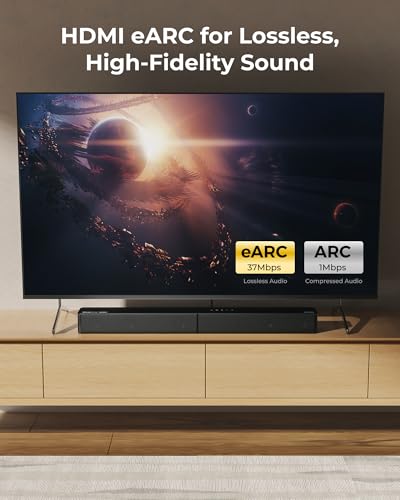
Both support HDMI eARC (enhanced Audio Return Channel), which allows for uncompressed audio transfer from your TV. This is crucial for getting the full benefit of Dolby Atmos content from streaming services or 4K Blu-rays.
For most people, a soundbar serves primarily as a TV audio upgrade. In this role, both products succeed, but differently.
The M60 Boom excels at making everything sound bigger and clearer than TV speakers, with particular strength in dialogue clarity. The separate subwoofer provides the visceral impact that makes action scenes engaging. It's the difference between hearing about an explosion and feeling it.
The KEF XIO creates a more sophisticated, enveloping experience. Sound seems to extend well beyond the physical soundbar, creating what reviewers describe as a "sound bubble" around the listening area. The precision and control are immediately apparent, particularly with complex movie soundtracks where multiple effects occur simultaneously.
This is where the KEF XIO truly separates itself. While the M60 Boom provides enjoyable music playback, the XIO delivers what many describe as a transformative experience. The soundstage width and instrumental separation rival dedicated stereo systems costing significantly more.
If you regularly listen to music through your TV setup – whether streaming, vinyl through a phono preamp, or CD player – this capability becomes a significant value proposition.
Gaming presents unique audio challenges, particularly with competitive online games where directional audio cues matter. The M60 Boom's Bluetooth 5.4 provides lower latency, reducing the delay between on-screen action and audio. For fast-paced gaming, this can provide a competitive advantage.
However, the KEF XIO's superior spatial processing creates more convincing directional cues. In single-player games with rich soundscapes, the immersion benefit often outweighs any latency concerns.
At the time of writing, these soundbars exist in completely different price brackets, which fundamentally changes how we evaluate value.
The M60 Boom delivers remarkable performance per dollar. You're getting genuine Dolby Atmos processing, a dedicated subwoofer, comprehensive app control, and modern connectivity for a price that won't require significant budgeting for most households. The sound quality improvement over TV speakers is immediately apparent and dramatic.
The KEF XIO asks for a significant financial commitment, but delivers performance that justifies the premium for the right buyer. The engineering sophistication, build quality, and dual-purpose capability (excellent for both movies and music) create value beyond simple audio improvement.
Consider this: many people spend similar amounts on TVs they'll replace in 5-7 years, while a quality audio system can provide satisfaction for decades.
You want a dramatic upgrade from TV speakers without breaking the bank. This soundbar makes sense for typical living rooms where family movie nights and casual TV watching are the primary use cases. The separate subwoofer provides satisfying bass impact, and the smart features make daily use convenient.
It's particularly appealing for renters who might need to accommodate different room layouts over time, or for anyone wanting to dip their toes into serious TV audio without a major financial commitment.
You're serious about audio quality and use your TV setup for both movies and music. This soundbar makes sense for dedicated home theater spaces, audiophiles who want reference-quality sound, or anyone who's tired of compromising on audio quality.
The integrated design appeals to those with space constraints or aesthetic preferences against visible subwoofers. If you stream high-quality music services or listen to vinyl through your TV setup, the XIO's musical capabilities alone might justify the investment.
These soundbars represent two valid but very different approaches to TV audio. The M60 Boom democratizes good sound, bringing dramatic improvements to anyone willing to invest in better audio. The KEF XIO pushes boundaries, delivering reference-quality performance in a form factor that fits modern living spaces.
Neither choice is wrong – they're optimized for different priorities and budgets. The M60 Boom proves that excellent TV audio doesn't require huge investments, while the XIO demonstrates what's possible when engineering excellence meets thoughtful design.
Your choice ultimately depends on how you balance audio quality against other priorities. But either way, you'll never go back to TV speakers.
| Ultimea Poseidon M60 Boom | KEF XIO |
|---|---|
| Channel Configuration - Determines surround sound immersion level | |
| 5.1 virtual surround (all drivers in main bar) | True 5.1.2 with dedicated height channels |
| Driver Technology - Core sound quality differentiator | |
| 5 full-range drivers + separate subwoofer | 12 drivers including 6 Uni-Q MX coaxial arrays |
| Bass System - Impact on movie experience and music depth | |
| Dedicated 5.25" wireless subwoofer with BassMX tech | Integrated 4x P185 racetrack drivers with VECO control |
| Frequency Response - How deep the bass goes and overall range | |
| 45 Hz–18 kHz (good low-end extension) | Down to 34 Hz (exceptional for integrated system) |
| Total Power Output - Volume potential and dynamic range | |
| 340W peak (adequate for most rooms) | 820W total (high headroom for large spaces) |
| Dolby Atmos Support - 3D surround sound capability | |
| Virtual height effects through processing | True overhead effects with upward-firing drivers |
| Music Performance - Matters if you stream music regularly | |
| Competent with multiple EQ presets | Reference-quality with audiophile-grade imaging |
| Connectivity - Modern streaming and device compatibility | |
| HDMI eARC, Bluetooth 5.4, basic app control | HDMI 2.1 eARC, Wi-Fi 6, native streaming services |
| Room Calibration - Automatic optimization for your space | |
| Manual EQ adjustment via app | Intelligent Placement Technology with microphone calibration |
| Build Quality - Long-term durability and premium feel | |
| Solid construction, modular design | Premium aluminum chassis, 3-year warranty |
| Setup Complexity - Time from box to optimal sound | |
| Quick setup, separate subwoofer placement needed | Simple one-unit installation, auto-calibration |
| Price Category - Value positioning at time of writing | |
| Budget-friendly premium features | High-end audiophile investment |
The KEF XIO is significantly better for dedicated home theater use. It delivers true 5.1.2 Dolby Atmos with actual height channels and upward-firing drivers, creating convincing overhead effects. The Ultimea Poseidon M60 Boom offers solid 5.1 virtual surround sound that's impressive for its price range, but can't match the immersive three-dimensional soundstage of the KEF XIO.
The primary difference is audio quality and engineering sophistication. The KEF XIO uses advanced Uni-Q MX driver technology with 12 total drivers and delivers audiophile-grade sound for both movies and music. The Ultimea Poseidon M60 Boom takes a traditional approach with 5 drivers plus a separate subwoofer, focusing on delivering good performance at an accessible price point.
Both excel at bass but differently. The Ultimea Poseidon M60 Boom includes a dedicated 5.25" wireless subwoofer with BassMX technology that delivers traditional deep bass impact. The KEF XIO uses four integrated P185 racetrack drivers with advanced VECO control technology, producing more controlled and precise bass down to 34Hz without needing a separate subwoofer.
The Ultimea Poseidon M60 Boom comes with a dedicated wireless subwoofer that's essential for its full performance. The KEF XIO has integrated bass drivers that eliminate the need for a separate subwoofer, though it does offer an optional subwoofer output if you want even more bass extension for very large rooms.
The KEF XIO is substantially better for music, delivering what reviewers describe as reference-quality sound with exceptional stereo imaging and natural tonal balance. It natively supports high-quality streaming services and handles everything from jazz to orchestral music with sophistication. The Ultimea Poseidon M60 Boom provides decent music playback with EQ presets but is designed primarily for TV and movie content.
The KEF XIO offers true Dolby Atmos 5.1.2 with dedicated upward-firing drivers that bounce sound off your ceiling for genuine overhead effects. The Ultimea Poseidon M60 Boom provides virtual Dolby Atmos processing that simulates height effects through the main soundbar drivers - impressive for the price but not as convincing as true height channels.
The KEF XIO is simpler to set up since it's a single unit with automatic room calibration via built-in microphones. The Ultimea Poseidon M60 Boom requires placing and connecting the separate subwoofer, but offers more manual control through its comprehensive smartphone app with customizable EQ settings.
Both soundbars include HDMI eARC for high-quality TV connection. The Ultimea Poseidon M60 Boom features the latest Bluetooth 5.4 for ultra-low latency gaming and comprehensive app control. The KEF XIO offers Wi-Fi 6, native streaming service support (Spotify Connect, TIDAL), and advanced wireless protocols like AirPlay 2 and Chromecast.
This depends on your priorities. The Ultimea Poseidon M60 Boom delivers exceptional value, providing Dolby Atmos and a dedicated subwoofer at a budget-friendly price point. The KEF XIO costs significantly more but offers premium engineering, audiophile-quality sound, and dual-purpose excellence for both movies and music that justifies the investment for serious audio enthusiasts.
The KEF XIO features premium construction with an aluminum chassis, splash-proof fabric, and a comprehensive 3-year warranty. The Ultimea Poseidon M60 Boom offers solid build quality with a modular design that allows component replacement if needed, backed by reliable customer service from an established brand.
For competitive gaming, the Ultimea Poseidon M60 Boom has an advantage with Bluetooth 5.4's ultra-low latency, reducing audio delay that can affect gameplay. For immersive single-player gaming, the KEF XIO provides superior spatial audio processing that creates more convincing directional cues and environmental effects.
Choose the Ultimea Poseidon M60 Boom if you want a dramatic upgrade from TV speakers without a major investment, need flexible subwoofer placement, or prioritize gaming performance. Choose the KEF XIO if you're serious about audio quality for both movies and music, prefer an integrated design without separate components, or want reference-grade sound that will satisfy for years to come.
We've done our best to create useful and informative comparisons to help you decide what product to buy. Our research uses advanced automated methods to create this comparison and perfection is not possible - please contact us for corrections or questions. These are the sites we've researched in the creation of this article: ultimea.com - ultimea.com - youtube.com - bestbuy.com - youtube.com - avsforum.com - youtube.com - manuals.plus - youtube.com - device.report - ultimea.com - ultimea.de - community.ultimea.com - ultimea.com - community.ultimea.com - ultimea.com - youtube.com - aliexpress.com - ultimea.com - blog.son-video.com - residentialsystems.com - whathifi.com - audioadvice.com - crutchfield.com - homecrux.com - techradar.com - youtube.com - us.kef.com - gramophone.com - cepro.com - audioxpress.com - musicdirect.com - gramophone.com - us.kef.com - crutchfield.com - hifipig.com - bestbuy.com - listenup.com - bestbuy.com - bestbuy.com - listenup.com

Privacy Policy
Terms and Conditions - Affiliate Policy
Home Security
© Copyright 2008-2026.
11816 Inwood Rd #1211, Dallas, TX 75244