




When your TV's built-in speakers just aren't cutting it anymore, a soundbar becomes one of the most practical upgrades you can make to your home entertainment setup. Unlike bulky surround sound systems with wires running everywhere, soundbars deliver better audio in a sleek package that fits right under your TV. But the soundbar market has evolved dramatically over the past few years, creating some interesting choices between feature-packed systems and elegantly simple solutions.
Today, we're comparing two soundbars that represent completely different philosophies: the Ultimea Poseidon M60 Boom 5.1 Soundbar and the Bose TV Speaker Soundbar. One delivers premium features at budget prices, while the other focuses on doing the basics exceptionally well. Understanding which approach suits your needs will save you from buyer's remorse and ensure you get the audio upgrade you're actually looking for.
The soundbar category has exploded with innovation since 2020, when both of these products first hit the market. Back then, most affordable soundbars were basic stereo units, while premium surround sound features were reserved for expensive systems. The landscape has shifted dramatically, with budget brands now offering sophisticated processing that was previously exclusive to high-end models.
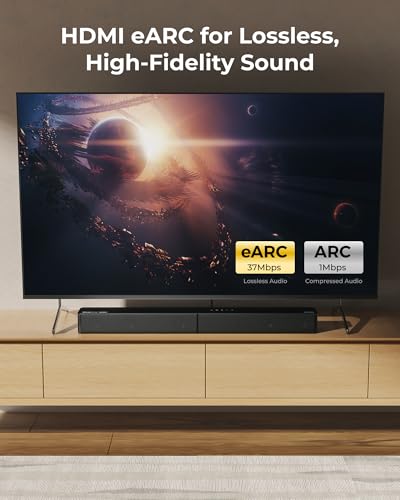
When shopping for a soundbar today, you'll encounter several key technologies that directly impact your listening experience. Dolby Atmos creates three-dimensional sound by bouncing audio off your ceiling, making you feel like sounds are coming from above and around you. DSP (Digital Signal Processing) uses computer algorithms to analyze and enhance audio in real-time, automatically adjusting for different types of content. HDMI eARC (enhanced Audio Return Channel) represents the latest connectivity standard, allowing lossless audio transmission between your TV and soundbar without quality loss.
The main considerations when choosing a soundbar revolve around your room size, content preferences, and setup tolerance. A small bedroom needs different audio characteristics than a large living room, and someone who primarily watches dialogue-heavy shows has different needs than a movie enthusiast who wants explosive action sequences.
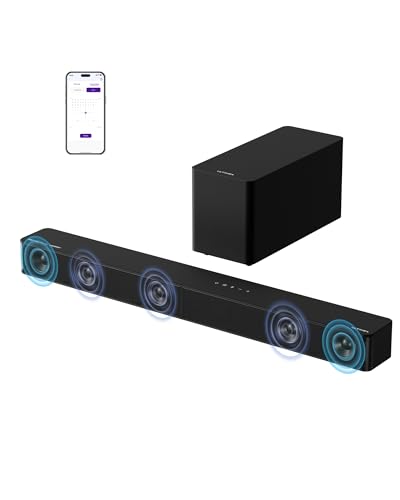
The Ultimea Poseidon M60 Boom represents the modern trend of packing premium features into affordable packages. Released in 2020, this system includes genuine 5.1 surround sound processing, a wireless subwoofer, and smartphone app control—features that typically cost several times more from established brands. Ultimea, a Chinese audio company, has gained attention by offering specifications that compete with much more expensive systems.
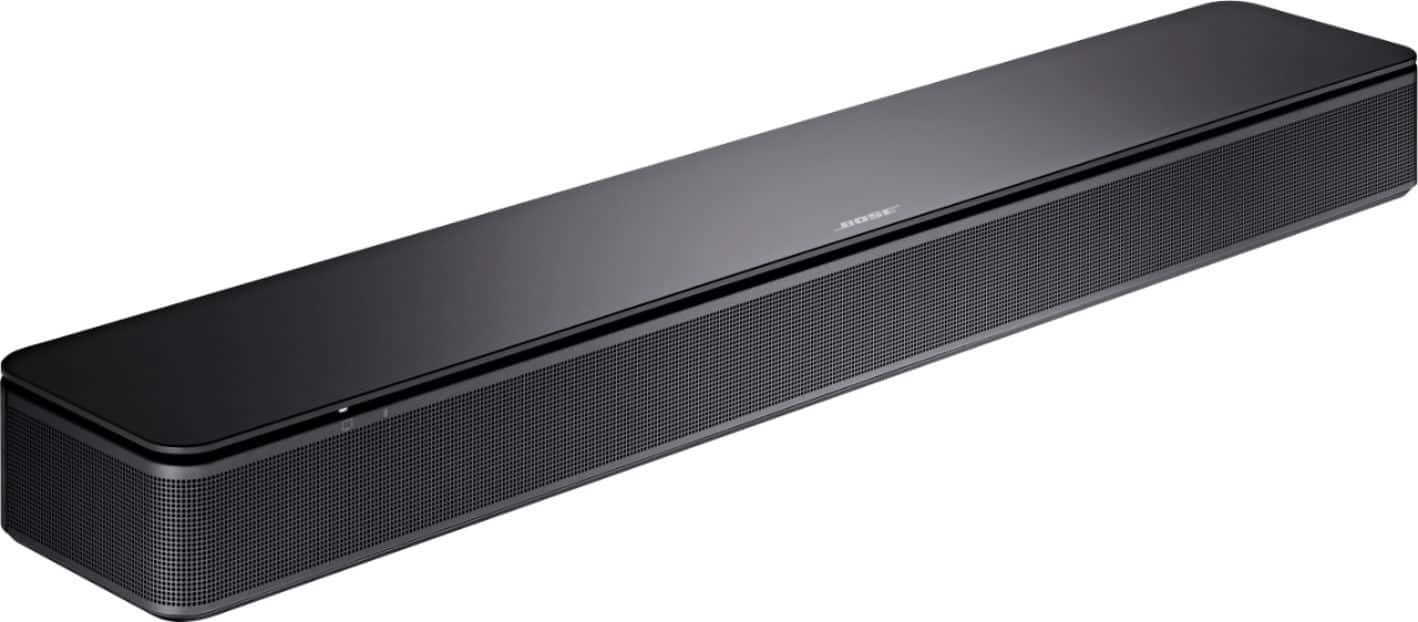
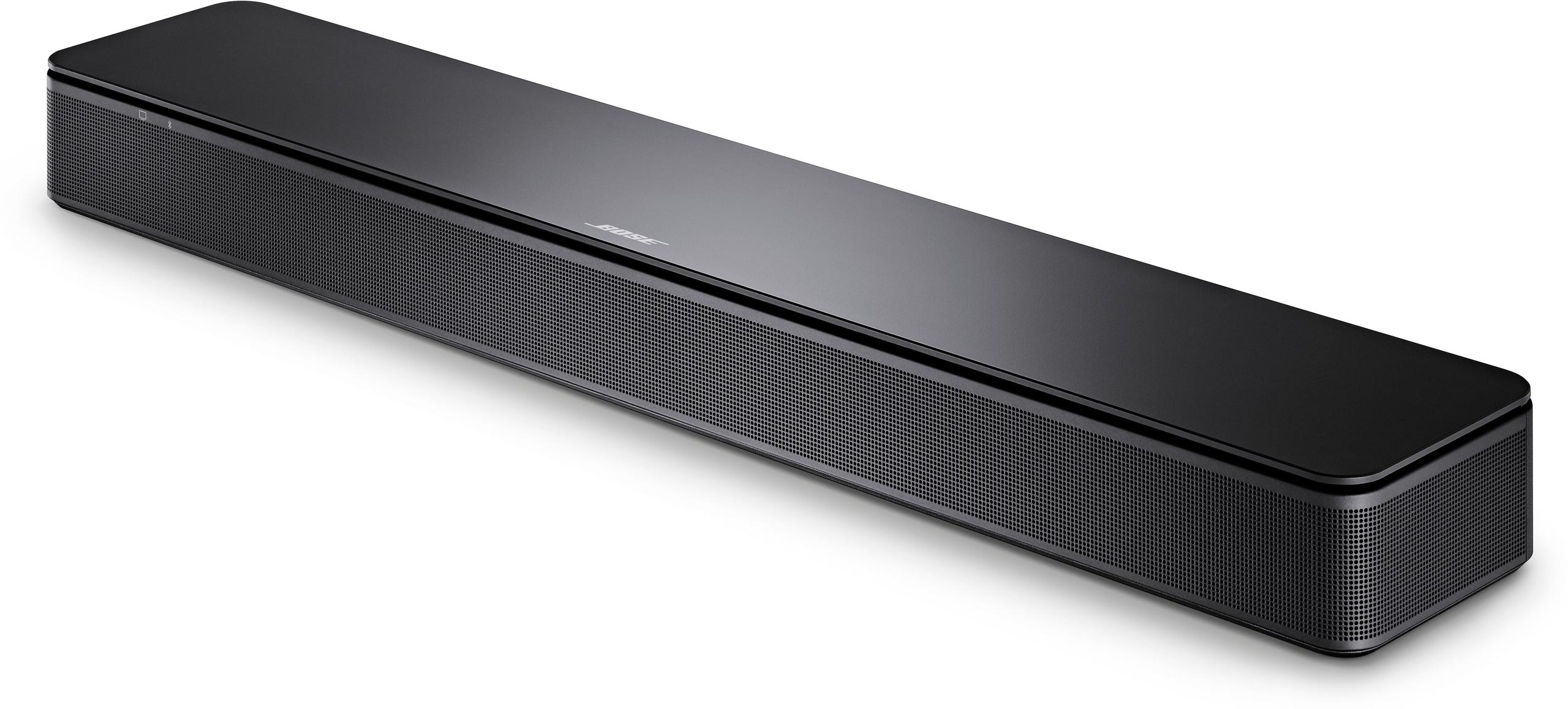
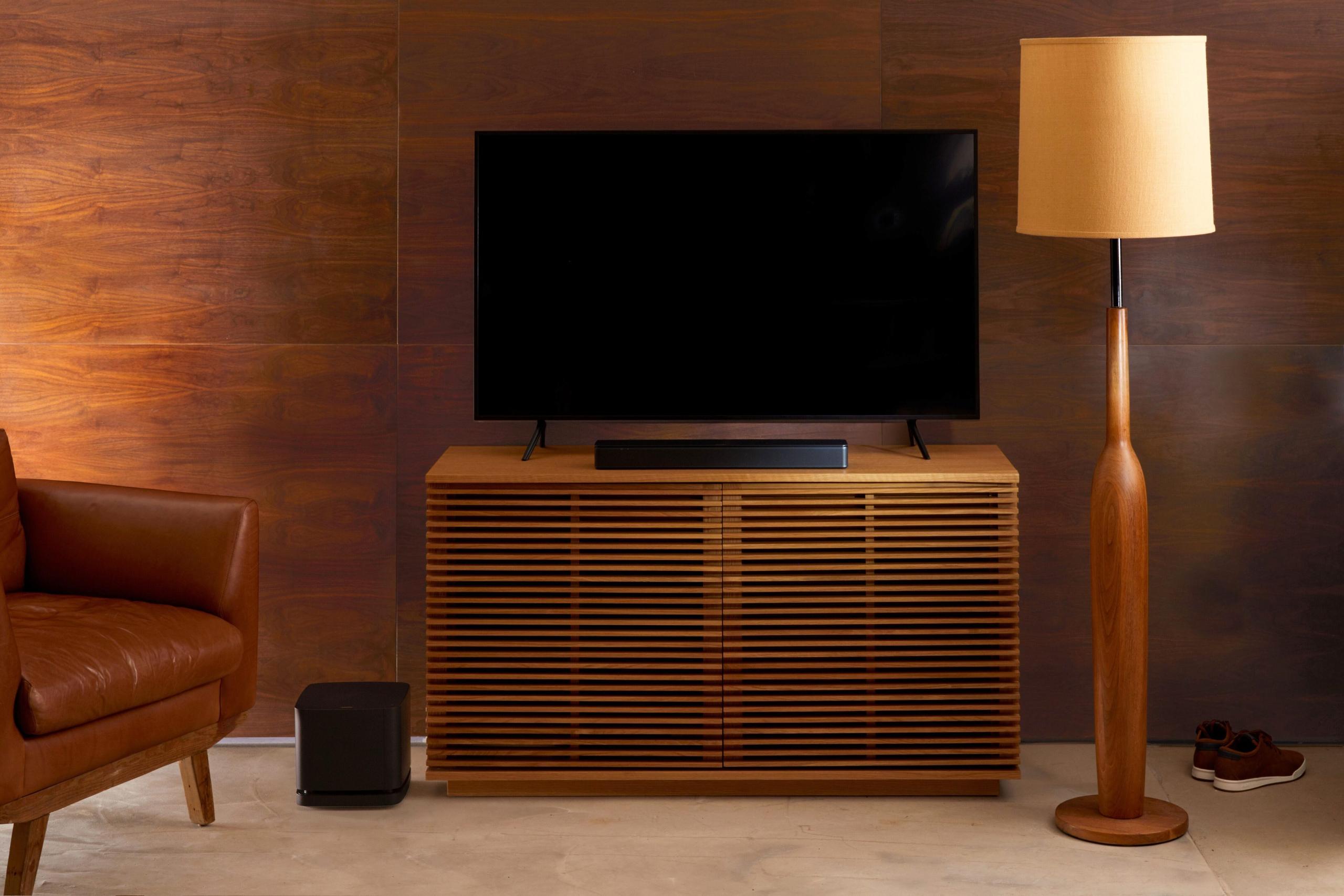
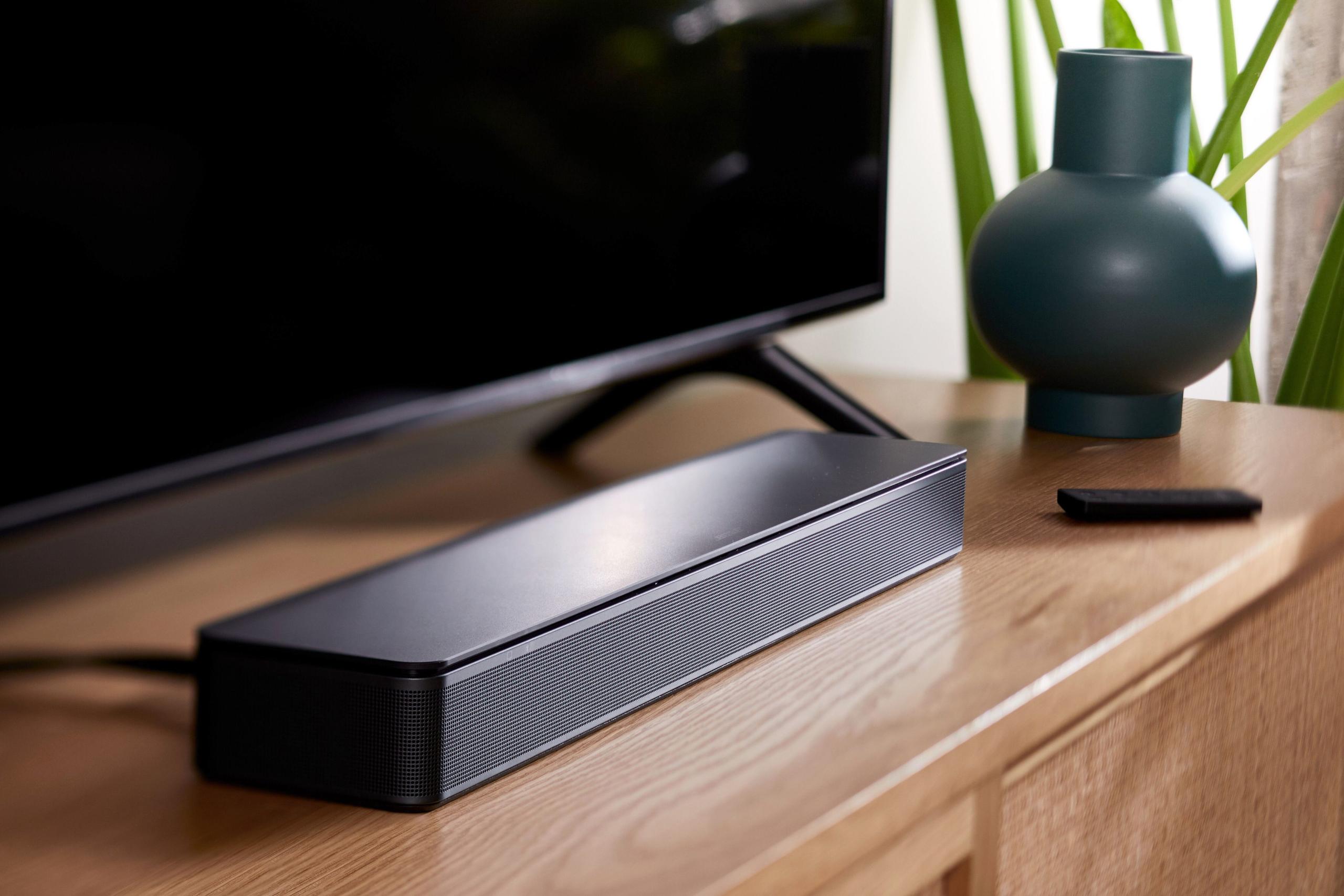
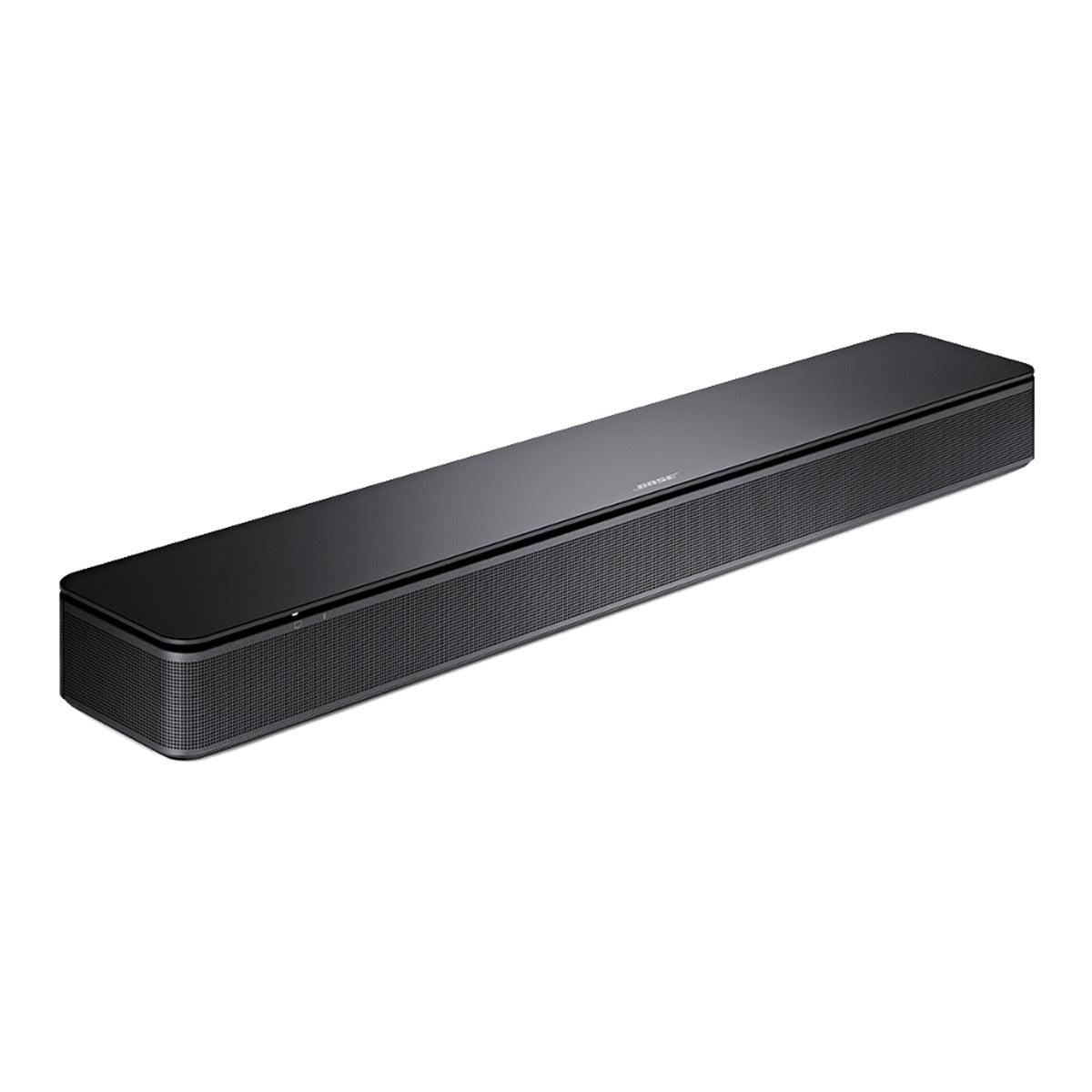
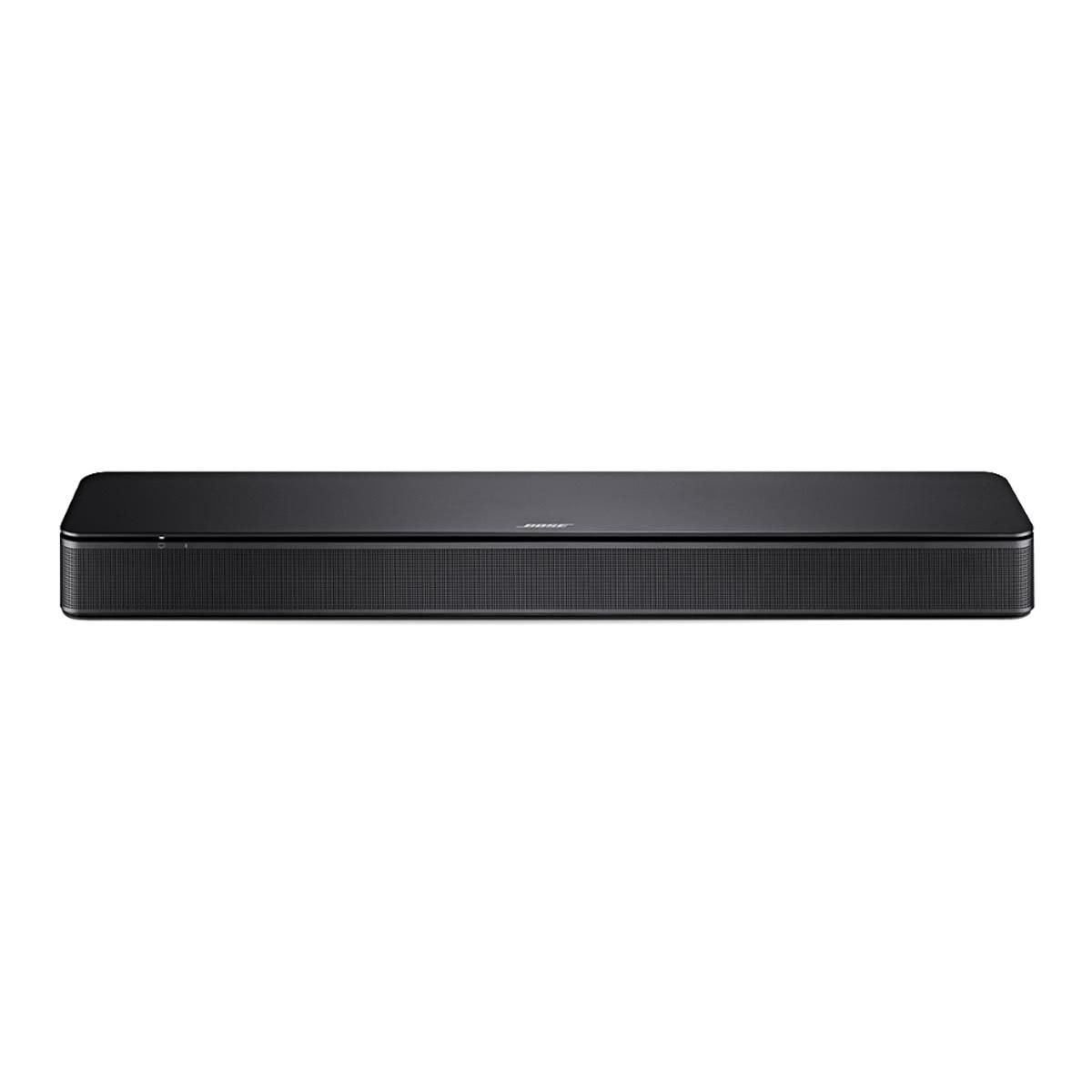
On the other side, the Bose TV Speaker embodies the minimalist approach that Bose has perfected over decades. Also launching in 2020, this compact soundbar focuses entirely on improving TV dialogue and delivering balanced stereo sound without complexity. At roughly twice the price of the Ultimea (as of this writing), it represents Bose's philosophy that sometimes less is more.
These contrasting approaches create an interesting decision point: do you want maximum features for your money, or do you prefer refined simplicity from a trusted brand?
The most dramatic difference between these soundbars lies in their fundamental audio capabilities. The Ultimea Poseidon M60 Boom delivers 340 watts of peak power through five full-range drivers, creating room-filling sound that can easily handle large spaces. This system uses BassMX technology, which combines an oversized cabinet design with a high-excursion driver (meaning the speaker cone can move further for deeper bass) to produce surprisingly powerful low frequencies.
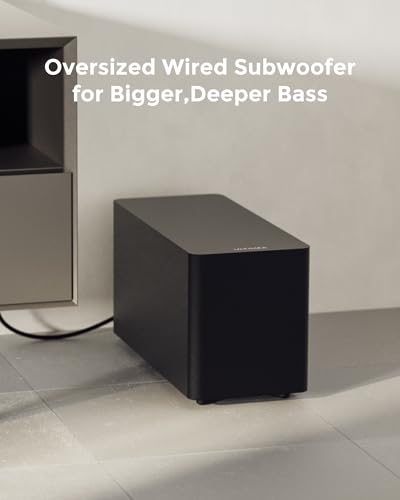
The included 5.25-inch subwoofer extends the frequency response down to 45 Hz, reaching into the deep bass territory where you feel movie explosions and music's foundation. With a maximum sound pressure level (SPL) of 99 dB, this system can get legitimately loud without distortion—important for larger rooms or when you want that cinematic impact.
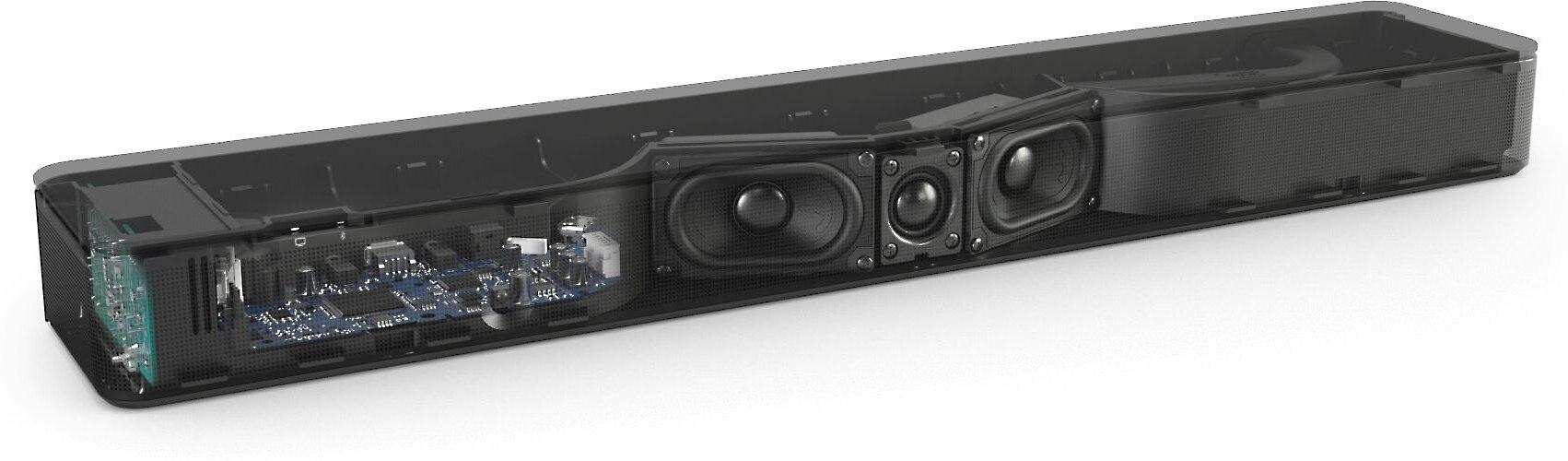
In contrast, the Bose TV Speaker takes a completely different approach. This compact unit uses just two full-range drivers and a center tweeter, focusing on creating wide, spacious stereo sound rather than raw power. Bose's decades of acoustic engineering show here—despite its modest size and lack of a dedicated subwoofer, this soundbar produces what many describe as "surprisingly rich and deep sound."
The key difference in approach becomes clear when you consider what each system prioritizes. The Ultimea aims to create an immersive surround sound experience that makes you forget you're not using a full 5.1 speaker system with rear channels. The Bose focuses on making everything you watch sound more natural and balanced than your TV speakers, without trying to create effects that aren't naturally there.
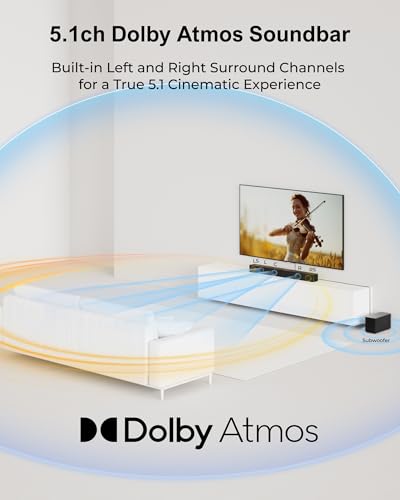
For home theater use specifically, the Ultimea Poseidon M60 Boom has clear advantages. Movie soundtracks are mixed with surround sound in mind, and the system's Dolby Atmos processing can properly decode these multi-channel soundtracks. When a helicopter flies overhead in a movie, you'll hear it move across the soundstage. When explosions happen, the dedicated subwoofer provides the impact that makes action scenes feel visceral.
The Bose TV Speaker excels in different scenarios. If you primarily watch news, documentaries, or dialogue-driven shows, its focus on clarity and balance often proves more valuable than surround effects. The sound remains consistently good regardless of content, without the need to adjust settings between different types of shows.
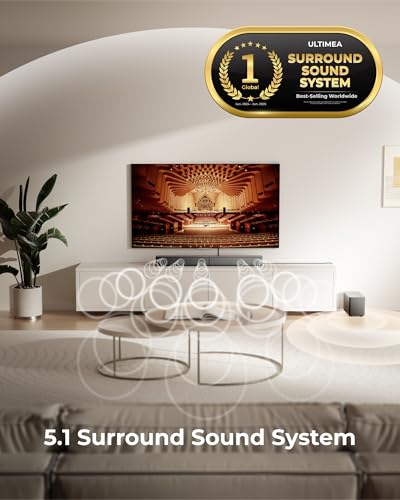
The surround sound capabilities represent the most significant technical divide between these products. The Ultimea Poseidon M60 Boom processes genuine 5.1 surround sound through triple-core DSP technology—essentially three computer processors running simultaneously to handle complex audio calculations in real-time.
This system creates surround effects without rear speakers by using side-firing drivers and sophisticated processing algorithms. When properly set up, it can create a convincing sense of sounds coming from beside and behind you. The effectiveness varies depending on your room's acoustics and seating position, but many users report being genuinely surprised by how immersive the experience feels.
The Bose TV Speaker makes no attempt at surround sound processing, instead focusing entirely on creating excellent stereo imaging. The angled drivers create a wide soundstage that extends beyond the physical width of the soundbar, making stereo content sound more spacious and engaging. This approach works consistently regardless of room setup or seating arrangement.
For home theater enthusiasts, this difference is crucial. Modern streaming services and Blu-ray movies include sophisticated surround sound mixes designed to create atmosphere and immersion. The Ultimea can take advantage of these mixes, while the Bose will downmix everything to stereo.
However, the simpler approach has merit. Stereo mixing is more predictable and works well with all content types. You won't experience the occasional oddities that can occur with virtual surround processing, such as dialogue seeming to come from unexpected directions or effects that sound unnatural in certain room configurations.
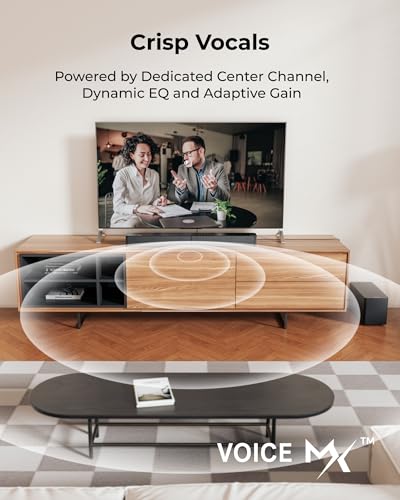
Both soundbars significantly improve dialogue clarity compared to TV speakers, but they achieve this through different methods. The Ultimea Poseidon M60 Boom uses VoiceMX technology, which employs real-time analysis to identify and enhance vocal frequencies between 300Hz and 3kHz—the range where most human speech occurs.
This system can dynamically adjust dialogue levels during playback, ensuring voices remain clear even during loud action sequences. The smartphone app provides additional control with dedicated voice modes and manual EQ adjustment, allowing you to fine-tune the dialogue enhancement to your preferences.
The Bose TV Speaker takes a more traditional approach through careful acoustic design and a dedicated dialogue mode. The center tweeter handles vocal frequencies specifically, while the dialogue mode analyzes content to automatically boost speech levels. Bose's implementation tends to sound more natural, avoiding the occasionally processed feel that can result from aggressive digital enhancement.
In practical terms, both systems deliver noticeably clearer dialogue than standard TV speakers. The Ultimea offers more customization options, which can be valuable if you have specific hearing challenges or watch content with inconsistent audio levels. The Bose provides more consistent results across different content types without requiring adjustment.
For users who struggle with understanding dialogue—increasingly common as movies and shows adopt more realistic (but quieter) mixing styles—either soundbar represents a significant improvement. The choice often comes down to whether you prefer automatic optimization or manual control.
The bass performance difference between these systems is immediately apparent and represents one of the most important factors in your decision. The Ultimea Poseidon M60 Boom includes a dedicated 5.25-inch wireless subwoofer that operates in a carefully tuned wooden cabinet. This subwoofer can reproduce frequencies down to 45 Hz with significant volume, providing the foundation that makes movie explosions feel impactful and music sound full and rich.
The BassMX technology combines this large driver with sophisticated cabinet design and high-power amplification. The result is bass that not only goes deep but remains controlled and accurate even at high volumes. This system can genuinely reproduce the low-frequency effects that movie sound designers intended, from rumbling earthquakes to the subtle ambient tones that create atmosphere.
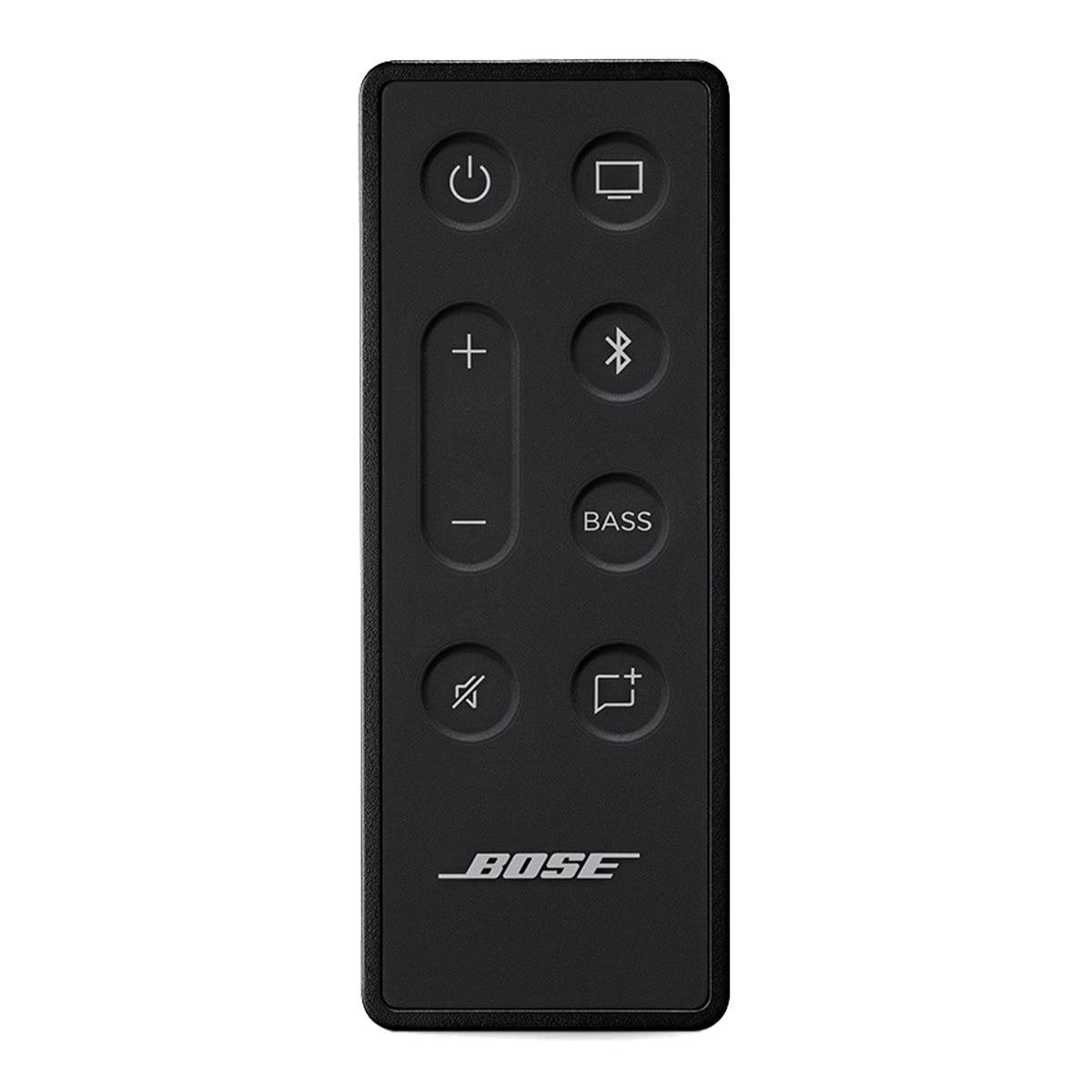
The Bose TV Speaker, despite its compact size, manages to produce what many users describe as surprising bass depth. Bose's acoustic engineering includes careful port tuning and driver selection to maximize low-frequency output from the small enclosure. A bass boost function on the remote provides additional emphasis when desired.
However, physics ultimately limits what a compact soundbar can achieve in deep bass reproduction. While the Bose sounds fuller and richer than TV speakers, it cannot match the visceral impact of a dedicated subwoofer. Bose addresses this limitation by offering compatibility with their Bass Module 500 and 700 subwoofers, but these require separate purchases and wired connections.
For home theater applications, this difference is particularly significant. Modern movie soundtracks rely heavily on low-frequency effects to create emotional impact and atmosphere. The Ultimea can reproduce these effects immediately out of the box, while the Bose requires additional investment to achieve comparable performance.
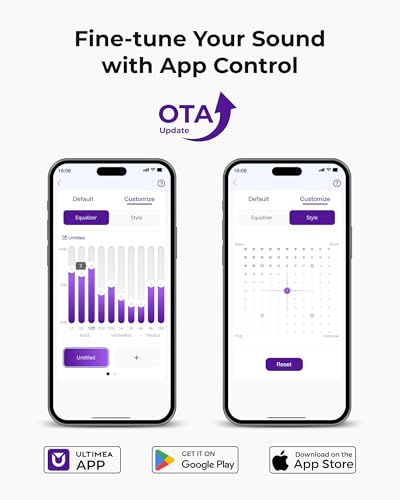
The control and customization options reveal another fundamental philosophy difference. The Ultimea Poseidon M60 Boom includes a comprehensive smartphone app that provides access to 121 preset sound profiles, a 10-band graphic equalizer, and detailed adjustment of bass, midrange, and treble frequencies. This level of control allows users to tailor the sound precisely to their preferences and room acoustics.
The app also enables over-the-air firmware updates, ensuring the soundbar can receive new features and improvements over time. Six dedicated EQ modes (movie, music, voice, sport, game, night) provide quick optimization for different content types, while the manual adjustments allow for personal fine-tuning.
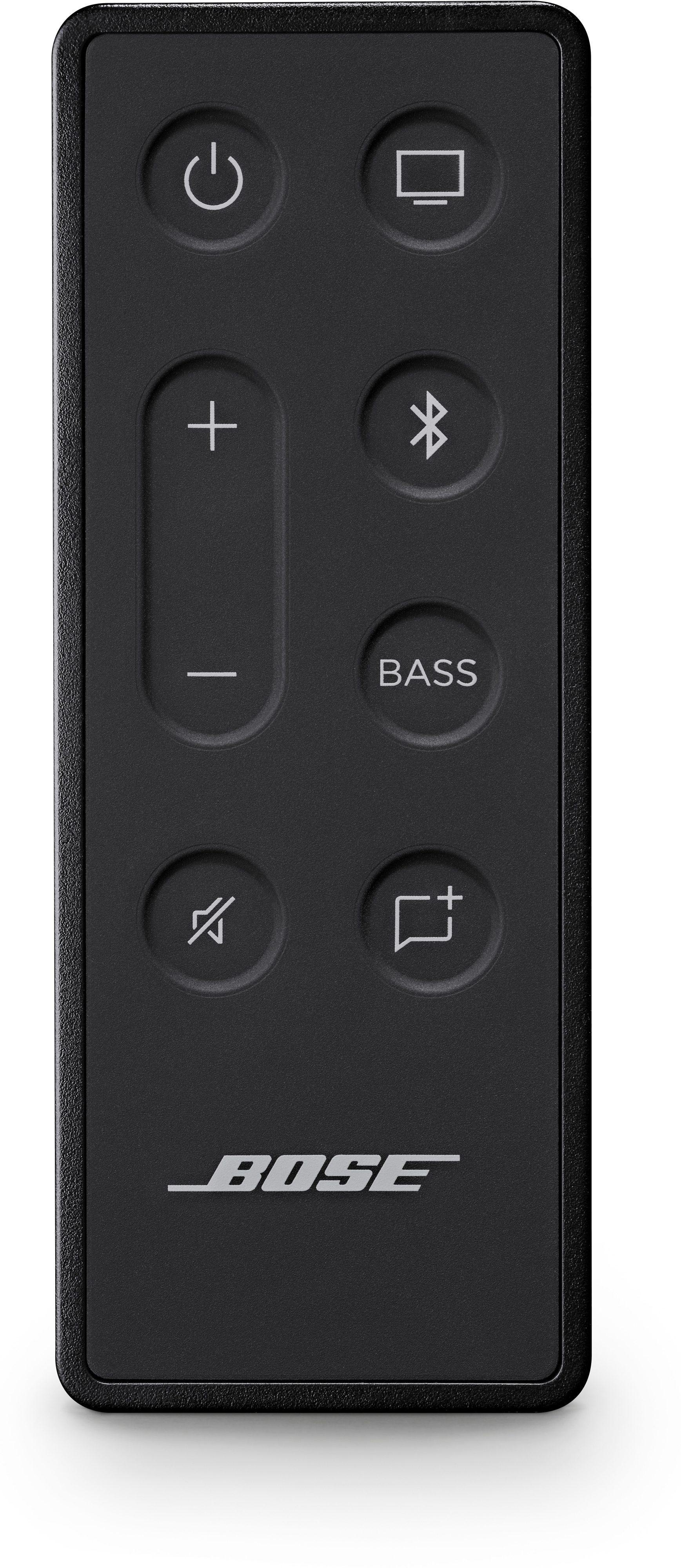
The Bose TV Speaker deliberately avoids this complexity, providing only a basic remote with essential controls. The dialogue mode toggle, bass boost button, and volume controls represent the extent of user adjustments. Visual LED indicators provide feedback about current settings, but there's no smartphone app or advanced customization options.
This difference reflects each product's target audience. The Ultimea appeals to users who enjoy tweaking settings and optimizing performance, while the Bose targets those who prefer appliance-like simplicity—plug it in, turn it on, and it works without fuss.
From a practical standpoint, the Ultimea's extensive controls can be valuable for addressing specific room acoustics or personal hearing characteristics. The Bose's simplicity ensures consistent performance without requiring technical knowledge or time investment in setup optimization.
Both soundbars support modern connectivity standards, but with different emphases. The Ultimea Poseidon M60 Boom includes HDMI eARC support, which represents the latest standard for high-quality audio transmission between TVs and soundbars. This connection enables lossless audio transfer, ensuring perfect reproduction of high-resolution soundtracks.
The system also features Bluetooth 5.4, the most recent version of wireless audio technology, providing faster connection speeds, better range, and ultra-low latency for gaming or video watching. Additional inputs include optical, USB, and analog connections, covering virtually any source device.
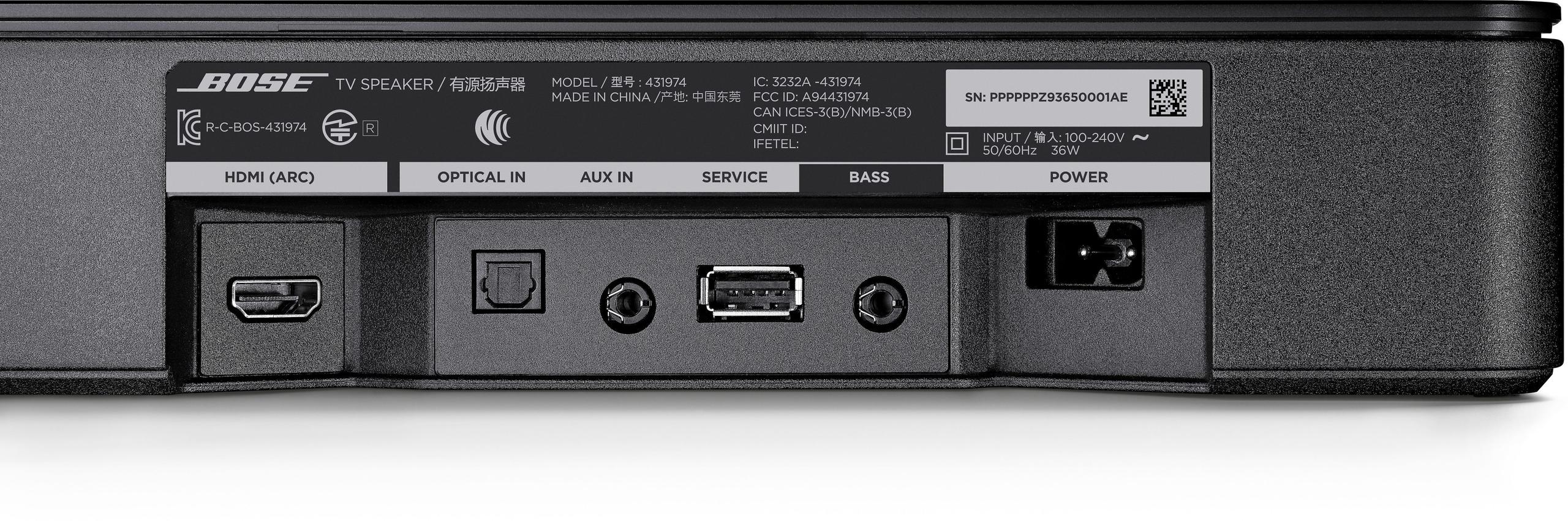
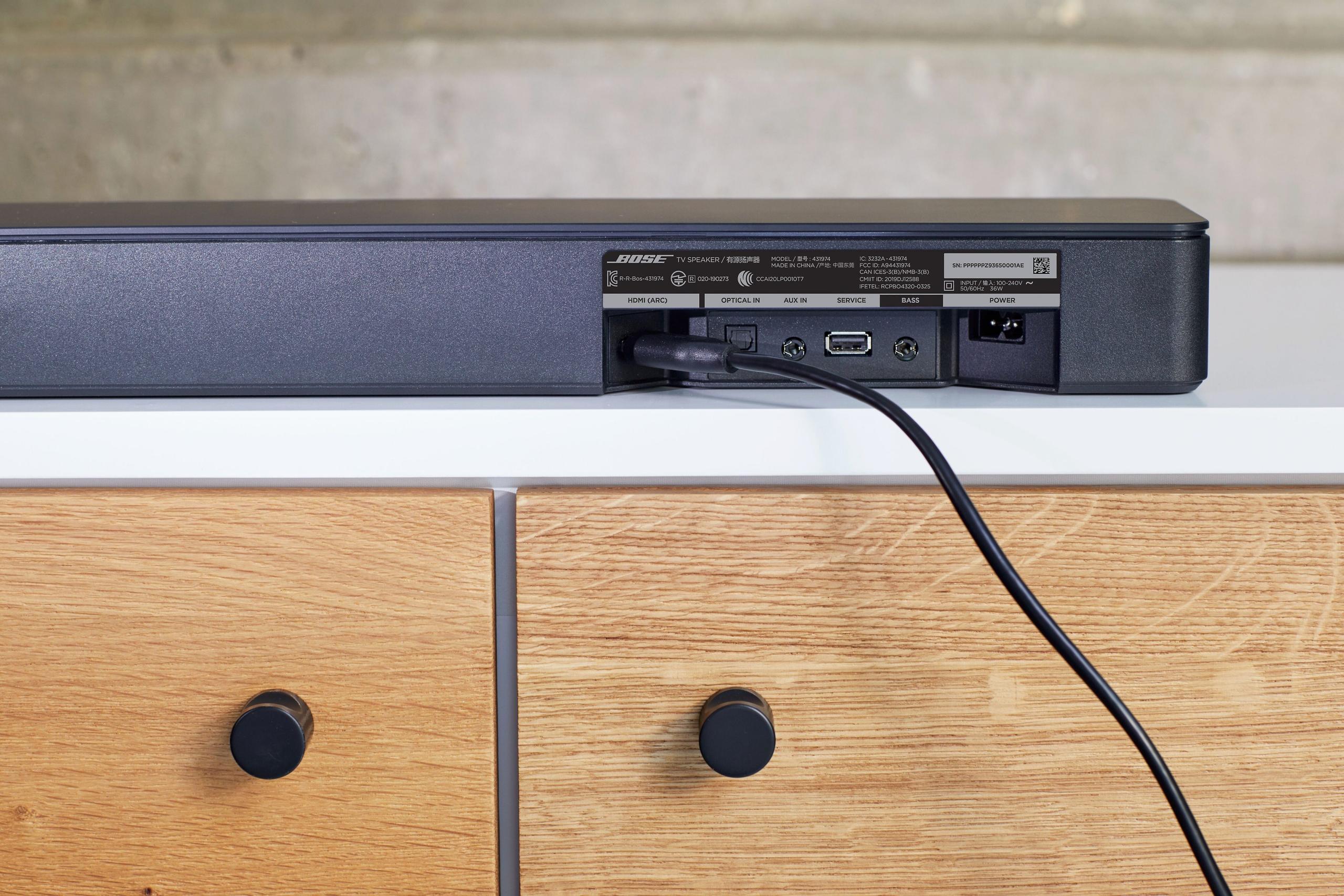
The Bose TV Speaker supports HDMI ARC (the older standard) and includes Roku TV Ready certification, ensuring seamless integration with Roku TV systems. While the HDMI connection is version 1.4 rather than the newer standards, it still provides reliable digital audio transmission for most use cases.
The Bluetooth implementation uses version 4.2, which is perfectly adequate for music streaming but lacks some of the latest improvements in connection reliability and latency reduction found in newer versions.
For future-proofing considerations, the Ultimea better positions itself for emerging audio standards and connection types. However, the Bose's connections are entirely adequate for current content and TV compatibility.
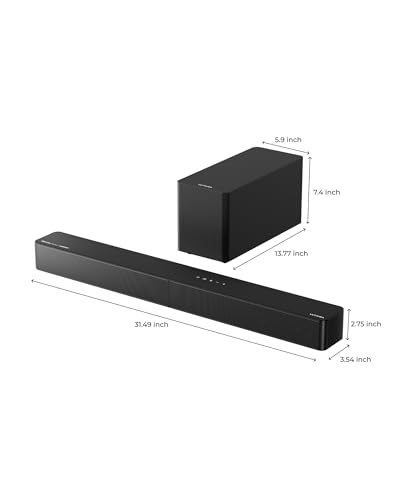
The physical design approaches reflect each product's priorities. The Ultimea Poseidon M60 Boom uses a modular design with a main soundbar unit and separate wireless subwoofer. This approach allows optimal bass performance but requires consideration of subwoofer placement—you'll need floor space near a power outlet, ideally positioned for even bass distribution throughout your listening area.
The main soundbar itself is reasonably compact and should fit most TV stand configurations. The two-piece design of the main unit allows some flexibility in setup, though it's still essentially a single component from a placement perspective.
The Bose TV Speaker represents ultra-compact design philosophy, measuring just 2.2 inches tall and weighing only 4.3 pounds. This soundbar fits virtually anywhere you can place it—in front of your TV, mounted on the wall, or even on a narrow shelf. The single-unit design eliminates placement complications entirely.
For users with space constraints, the Bose offers clear advantages. Apartment dwellers, bedroom setups, or minimalist living spaces benefit from the compact footprint and simple installation. The Ultimea requires more space consideration but provides superior performance in return.
The setup experience differs substantially between these products. The Ultimea Poseidon M60 Boom involves connecting the main unit to your TV, positioning and powering the subwoofer, downloading the smartphone app, and potentially spending time optimizing the EQ settings for your space and preferences.
While not complicated, this setup process requires some technical comfort and time investment. The payoff comes in the form of customized performance that matches your specific situation, but some users prefer immediate gratification.
The Bose TV Speaker epitomizes plug-and-play simplicity. Connect one cable (optical or HDMI), power on the unit, and you're immediately enjoying improved TV sound. The CEC integration means the soundbar automatically powers on with your TV, and you can often continue using your existing TV remote for volume control.
This setup difference often determines user satisfaction more than raw performance specifications. If you enjoy technology tinkering, the Ultimea's customization options add value. If you want immediate improvement without effort, the Bose delivers instant gratification.
Evaluating these soundbars requires considering both immediate value and long-term ownership experience. As of this writing, the Ultimea Poseidon M60 Boom typically costs roughly half the price of the Bose TV Speaker while including significantly more features—genuine surround sound, wireless subwoofer, advanced app control, and modern connectivity standards.
This price-to-feature ratio makes the Ultimea compelling for budget-conscious buyers who don't want to compromise on capabilities. However, value calculations must consider more than initial cost.
The Bose TV Speaker represents investment in brand reliability, refined engineering, and customer support infrastructure. Bose's reputation stems from decades of consistent product quality and customer service, factors that can matter significantly during long-term ownership.
From a future-proofing perspective, the Ultimea's modern connectivity standards and updateable firmware provide better preparation for emerging technologies. The Bose's simpler design may prove more reliable over time, with fewer complex components that could potentially fail.
The decision between these soundbars ultimately depends on your priorities, space, and usage patterns. Choose the Ultimea Poseidon M60 Boom if you want maximum audio impact for your investment. This system makes sense for movie enthusiasts, gamers, or anyone who wants to create a genuine home theater experience without the complexity of separate surround speakers.
The Ultimea also suits users who enjoy customizing their technology and don't mind spending time optimizing settings. If you have a medium to large room and space for a subwoofer, this system can deliver audio performance that rivals much more expensive alternatives.
Select the Bose TV Speaker if simplicity and reliability matter more than feature lists. This soundbar excels for users who primarily watch news, documentaries, or dialogue-heavy content where speech clarity takes precedence over surround effects.
The Bose also makes sense in space-constrained environments, bedroom setups, or situations where a separate subwoofer isn't practical. If you prefer established brands with proven customer support, the premium you pay for Bose often proves worthwhile over years of ownership.
Both soundbars successfully address the fundamental problem of poor TV audio, but through completely different approaches. The Ultimea Poseidon M60 Boom delivers exceptional features and performance for the money, making it an outstanding choice for users who want maximum audio upgrade without breaking their budget.
The Bose TV Speaker provides refined, reliable performance with elegant simplicity, appealing to users who value ease of use and brand trust over feature lists.
Your choice should reflect your personal priorities: if you want the most audio improvement possible for your investment and don't mind some complexity, the Ultimea offers compelling value. If you prefer predictable, hassle-free operation from a trusted brand, the Bose justifies its premium through superior user experience and long-term reliability.
Either soundbar will significantly improve your TV watching experience compared to built-in speakers—the question is whether you prefer maximum features or maximum simplicity in achieving that improvement.
| Ultimea Poseidon M60 Boom 5.1 Soundbar | Bose TV Speaker Soundbar |
|---|---|
| Audio Channels - Determines surround sound capability and immersion | |
| 5.1 channels with Dolby Atmos (virtual surround without rear speakers) | 2.1 channels stereo (wide soundstage but no surround effects) |
| Power Output - Affects volume levels and room-filling capability | |
| 340W peak power (suitable for large rooms) | Not specified (optimized for smaller spaces) |
| Subwoofer - Essential for deep bass and movie impact | |
| 5.25" wireless subwoofer included (deep bass down to 45Hz) | No subwoofer (compact design, optional Bass Module available separately) |
| Smart Controls - Customization and ease of use | |
| Comprehensive smartphone app with 10-band EQ and 121 presets | Basic remote only with dialogue mode and bass boost |
| Connectivity - Future-proofing and audio quality | |
| HDMI eARC, Optical, USB, Bluetooth 5.4 (latest standards) | HDMI ARC, Optical, 3.5mm, Bluetooth 4.2 (adequate but older) |
| Physical Size - Space requirements and placement flexibility | |
| Main bar plus separate subwoofer (requires floor space) | Ultra-compact single unit: 2.2" H × 23.4" W × 4" D |
| Setup Complexity - Time investment vs immediate use | |
| Moderate setup with app configuration and subwoofer placement | One-cable connection with automatic TV integration |
| Dialogue Enhancement - Critical for TV watching experience | |
| VoiceMX technology with real-time vocal processing | Dedicated dialogue mode with center tweeter focus |
| Brand Heritage - Support and reliability considerations | |
| Newer Chinese brand with aggressive feature pricing | Established premium brand with decades of audio expertise |
| Best Use Case - Who should choose this product | |
| Movie enthusiasts wanting maximum features for the money | Users prioritizing simplicity and dialogue clarity over surround effects |
The Ultimea Poseidon M60 Boom delivers more powerful and immersive sound with its 5.1 surround sound system and dedicated subwoofer, making it ideal for movies and music. The Bose TV Speaker focuses on balanced, natural sound quality with exceptional dialogue clarity, making it better for TV shows and news. For overall audio impact, the Ultimea wins, but for refined clarity, the Bose excels.
Yes, the Ultimea Poseidon M60 Boom features true 5.1 Dolby Atmos surround sound processing that creates an immersive audio experience without requiring rear speakers. The Bose TV Speaker only supports stereo sound but creates a wide soundstage that makes stereo content more spacious. For surround sound capability, the Ultimea is the clear winner.
The Bose TV Speaker offers the simplest setup with just one cable connection and automatic TV integration. The Ultimea Poseidon M60 Boom requires positioning a separate subwoofer and downloading a smartphone app for optimal performance. If you want plug-and-play simplicity, choose the Bose.
The Ultimea Poseidon M60 Boom includes a dedicated 5.25-inch wireless subwoofer that produces deep, powerful bass down to 45Hz. The Bose TV Speaker has no built-in subwoofer but produces surprisingly good bass for its compact size, with optional Bose subwoofers available separately. For immediate bass impact, the Ultimea is significantly better.
Both soundbars excel at dialogue clarity compared to TV speakers. The Bose TV Speaker uses a dedicated center tweeter and dialogue mode for naturally clear speech. The Ultimea Poseidon M60 Boom features VoiceMX technology that dynamically enhances vocal frequencies. Both provide excellent dialogue improvement, with the Bose having a slight edge in natural vocal reproduction.
The Ultimea Poseidon M60 Boom offers exceptional value by including 5.1 surround sound, wireless subwoofer, and smartphone app control at a budget-friendly price point. The Bose TV Speaker costs more but provides premium build quality, brand reliability, and effortless operation. For features per dollar, the Ultimea wins decisively.
Yes, both soundbars support HDMI CEC, allowing control with your TV remote. The Bose TV Speaker offers seamless integration and is Roku TV Ready certified for automatic setup. The Ultimea Poseidon M60 Boom also supports CEC but provides additional control options through its comprehensive smartphone app for advanced customization.
The Bose TV Speaker is ideal for small rooms due to its ultra-compact design and single-unit construction. The Ultimea Poseidon M60 Boom requires space for a separate subwoofer, making it better suited for medium to large rooms. If space is limited, the Bose is the practical choice.
The Ultimea Poseidon M60 Boom is specifically designed for home theater use with its Dolby Atmos processing, powerful subwoofer, and multiple EQ modes for movies. The Bose TV Speaker improves TV audio quality but lacks the surround sound effects and deep bass that enhance movie watching. For dedicated home theater use, choose the Ultimea.
The Ultimea Poseidon M60 Boom offers more modern connectivity with HDMI eARC, Bluetooth 5.4, optical, USB, and AUX inputs. The Bose TV Speaker includes HDMI ARC, optical, 3.5mm inputs, and Bluetooth 4.2. Both provide adequate connectivity, but the Ultimea offers newer standards and more input options.
The Bose TV Speaker can be expanded with optional Bose Bass Module 500 or 700 subwoofers through wired connections. The Ultimea Poseidon M60 Boom comes complete with its subwoofer and cannot be easily expanded, but receives firmware updates through its app. For future expansion flexibility, the Bose has an advantage.
The Bose TV Speaker benefits from Bose's established customer support infrastructure, longer warranty coverage, and widespread service network built over decades. The Ultimea Poseidon M60 Boom is from a newer brand with growing but less extensive support resources. For peace of mind and long-term support, Bose has the advantage.
We've done our best to create useful and informative comparisons to help you decide what product to buy. Our research uses advanced automated methods to create this comparison and perfection is not possible - please contact us for corrections or questions. These are the sites we've researched in the creation of this article: ultimea.com - ultimea.com - youtube.com - bestbuy.com - youtube.com - avsforum.com - youtube.com - manuals.plus - youtube.com - device.report - ultimea.com - ultimea.de - community.ultimea.com - ultimea.com - community.ultimea.com - ultimea.com - youtube.com - aliexpress.com - ultimea.com - bestbuy.com - projectorscreen.com - forums.audioholics.com - digitaltrends.com - abt.com - crutchfield.com - staples.com - bestbuy.com - pcrichard.com - visions.ca - bose.com - assets.bose.com

Privacy Policy
Terms and Conditions - Affiliate Policy
Home Security
© Copyright 2008-2026.
11816 Inwood Rd #1211, Dallas, TX 75244