

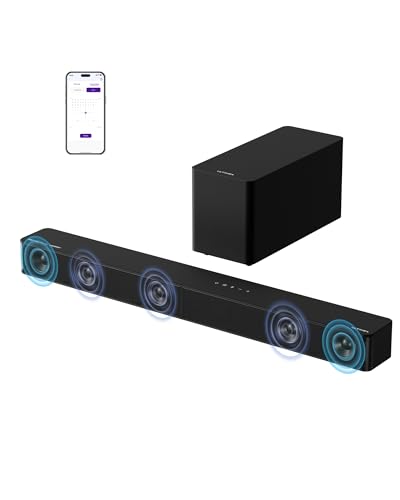



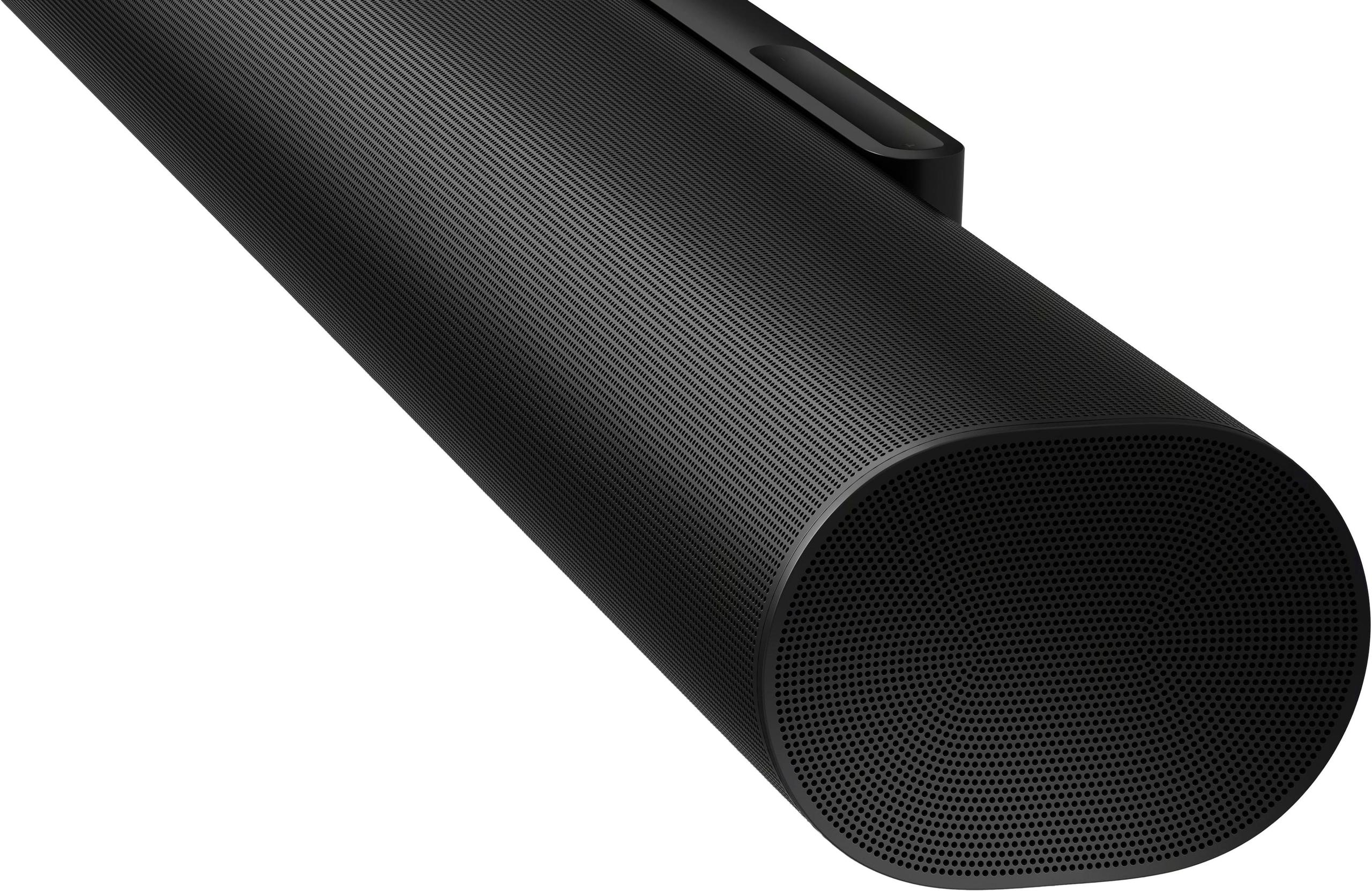
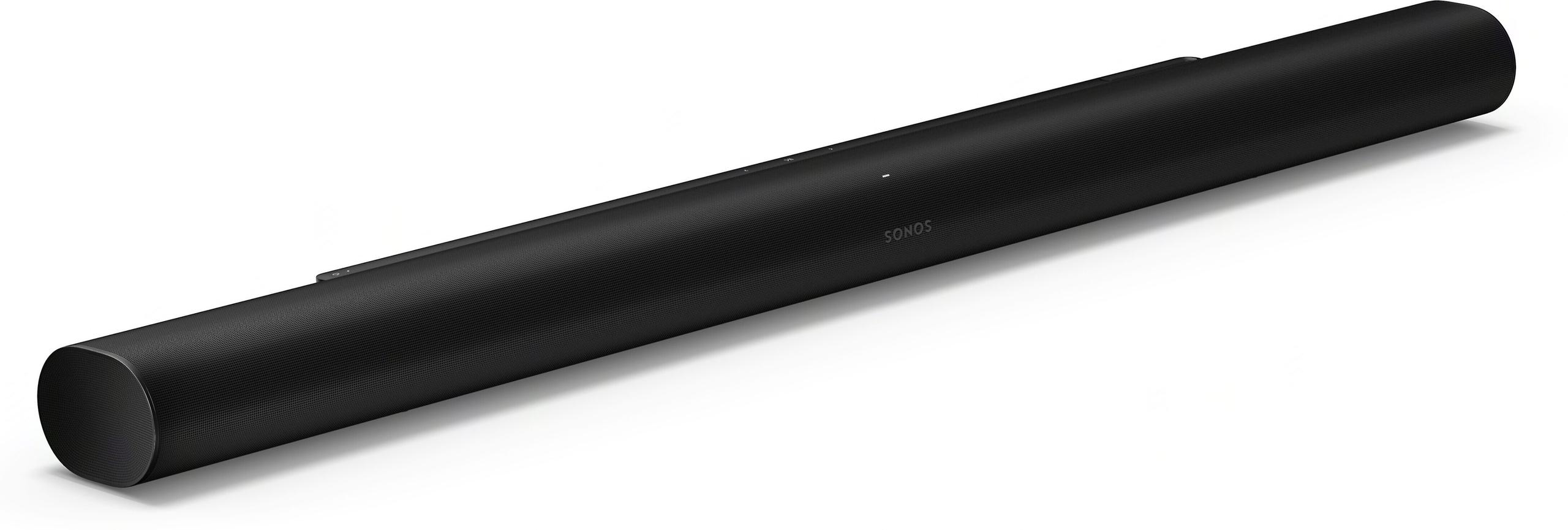
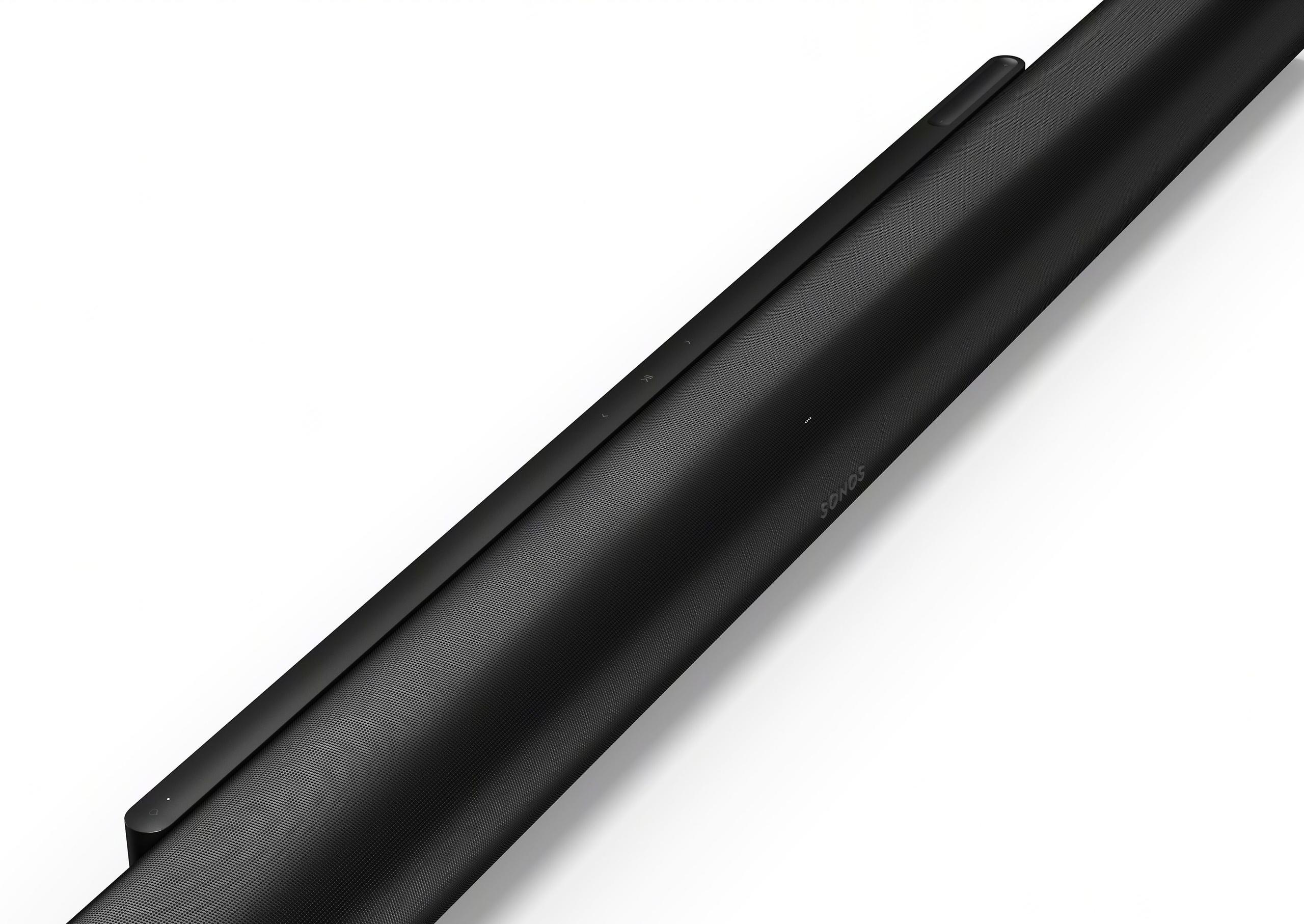
When your TV's built-in speakers just aren't cutting it anymore, you'll inevitably start looking at soundbars. But the soundbar market can be confusing—there are budget options promising the world, premium bars costing nearly as much as a decent used car, and everything in between. Today, we're comparing two very different approaches to home theater audio: the Ultimea Poseidon M60 Boom 5.1 Soundbar and the Sonos Arc Ultra Dolby Atmos Soundbar.
These products represent fundamentally different philosophies. The M60 Boom gives you everything upfront—a complete surround sound system with subwoofer at a budget-friendly price. The Arc Ultra, released in 2024 as Sonos's flagship, takes the premium route with superior build quality and room for expansion, but at a significantly higher cost.
Before diving into these specific models, let's talk about what actually matters in a soundbar. The most important factors are audio quality (obviously), how well they handle surround sound and Dolby Atmos, bass performance, connectivity options, and value for money.
Dolby Atmos deserves special attention here. It's an audio format that adds height channels to traditional surround sound, creating a three-dimensional audio bubble around you. When done right, you'll hear helicopters flying overhead or rain falling from above. The catch is that there are two ways to achieve this: virtual processing (using software tricks) or dedicated upward-firing speakers that bounce sound off your ceiling.
Digital Signal Processing (DSP) is the brain of modern soundbars—it's computer processing that manipulates audio signals in real-time to enhance sound quality, separate different audio channels, and create surround effects. More powerful DSP means better sound processing and more sophisticated audio features.
The frequency response tells you the range of sounds a speaker can reproduce, measured in Hertz (Hz). Human hearing typically spans 20 Hz to 20,000 Hz, with lower numbers representing deeper bass and higher numbers representing the sharp, crisp sounds.
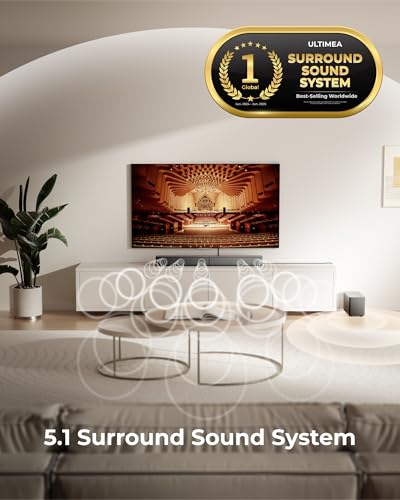
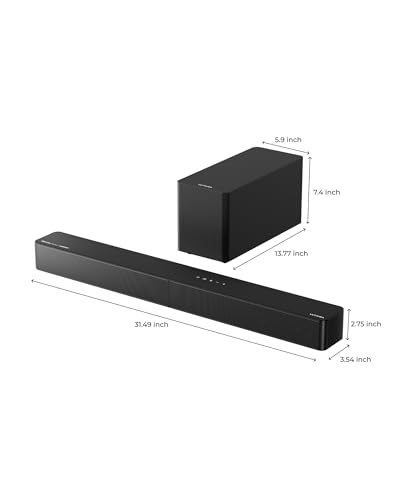
The Ultimea Poseidon M60 Boom takes an all-in-one approach that's refreshingly straightforward. Released in 2023, this system packs five full-range drivers into the main soundbar unit, creating what Ultimea calls a complete 5.1 surround sound system. The "5.1" means five main channels (left, right, center, left surround, right surround) plus one subwoofer channel.
What's clever about the M60 Boom is its integrated approach—instead of requiring separate rear speakers that many people find inconvenient to place and wire, all five channels are built into the soundbar itself. The system uses triple-core DSP technology (two processors running at 800MHz and one at 600MHz) to create the illusion that sound is coming from different directions around your room.
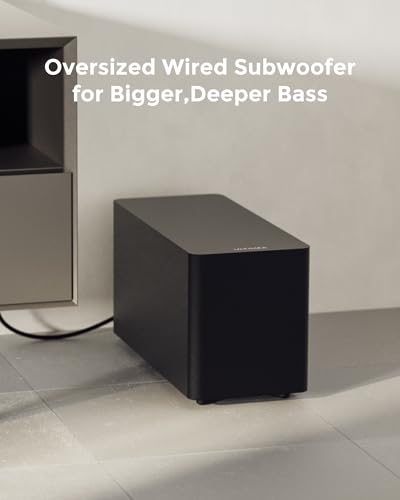
The star of the show might be the included subwoofer. This isn't some tiny wireless cube that many budget systems include—it's a substantial wooden cabinet housing a 5.25-inch driver with BassMX technology. The driver can move up to 16mm (that's a lot for a subwoofer), which means it can push serious amounts of air to create that chest-thumping bass you want for action movies.
At 340W peak power output, the M60 Boom can get genuinely loud—up to 99 decibels, which is approaching live music levels. The frequency response spans 45 Hz to 18 kHz, meaning it can reproduce most of what you'll actually hear in movies and music.
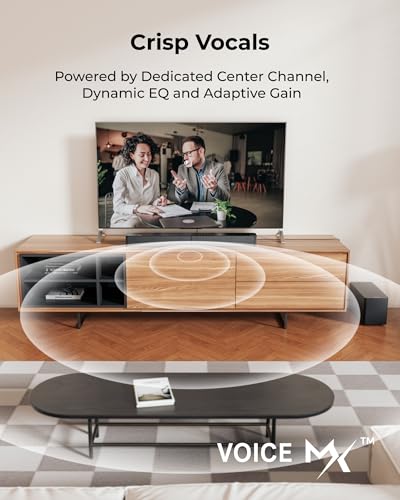
One standout feature is VoiceMX technology, which specifically enhances the 300 Hz to 3 kHz range where human voices live. This means dialogue stays clear even when explosions are happening—a common problem with budget soundbars that often muddy speech during action scenes.
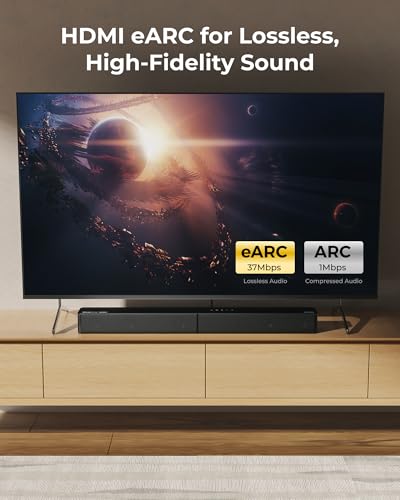
Connectivity is where the M60 Boom really shines for a budget option. You get HDMI eARC (the premium connection that supports full-quality Dolby Atmos), optical input, Bluetooth 5.4, USB, and even a good old AUX input. This means it'll work with virtually any TV or device you throw at it.
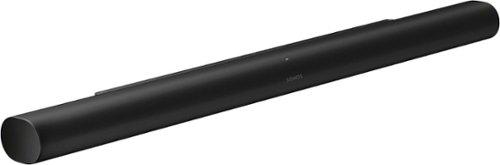
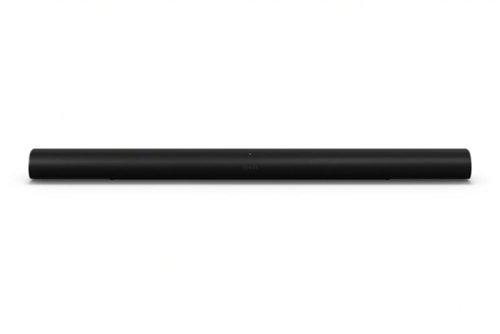
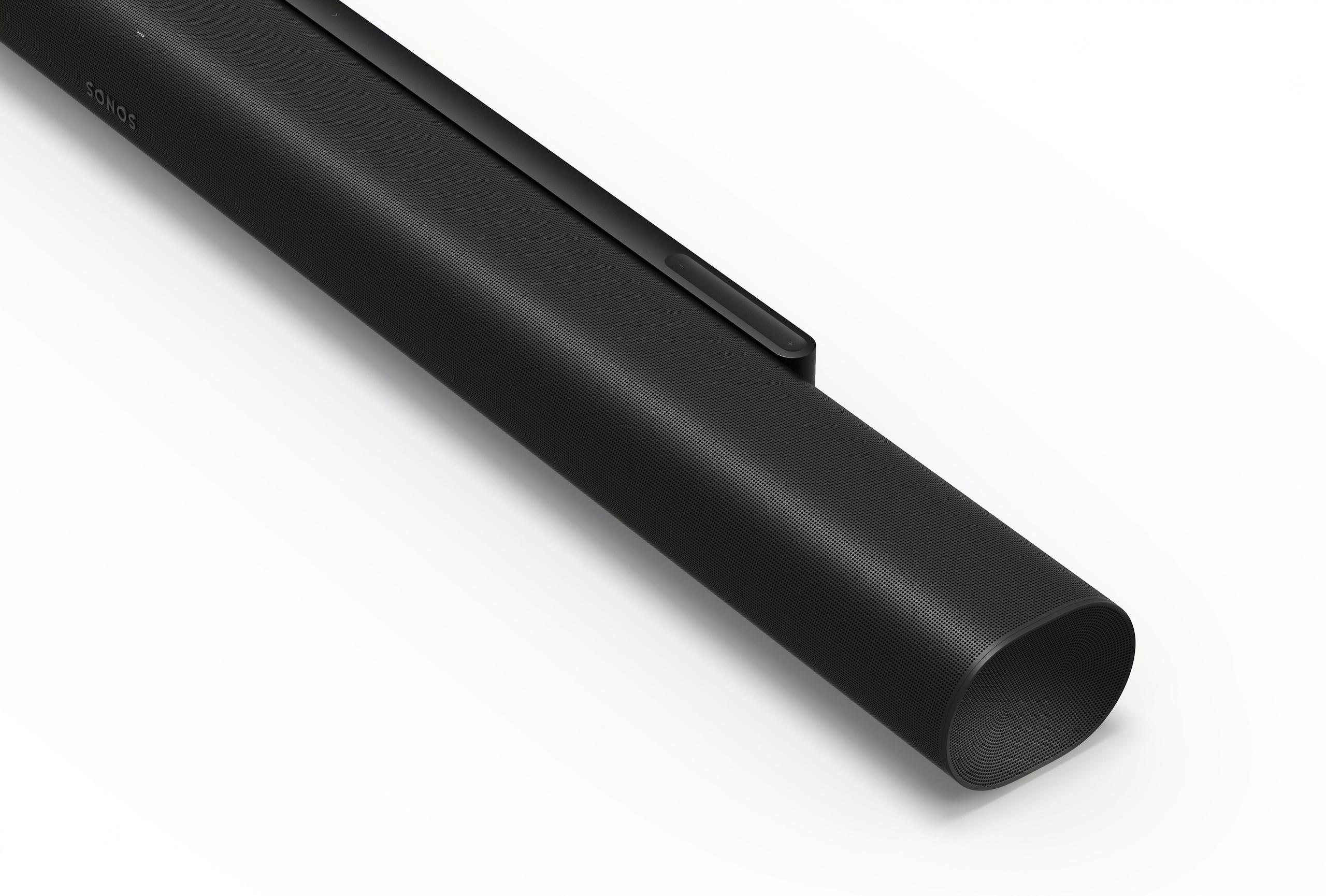
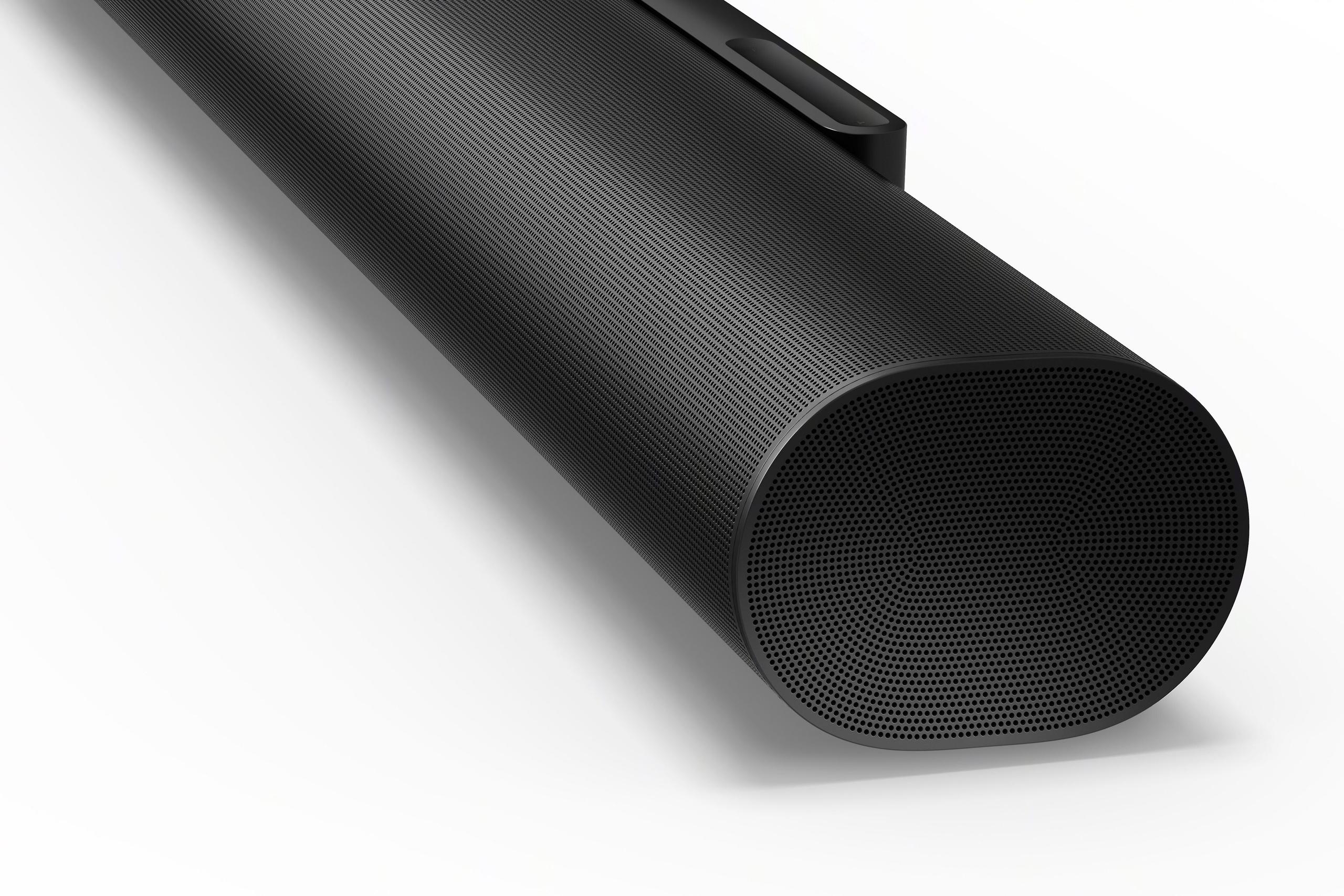
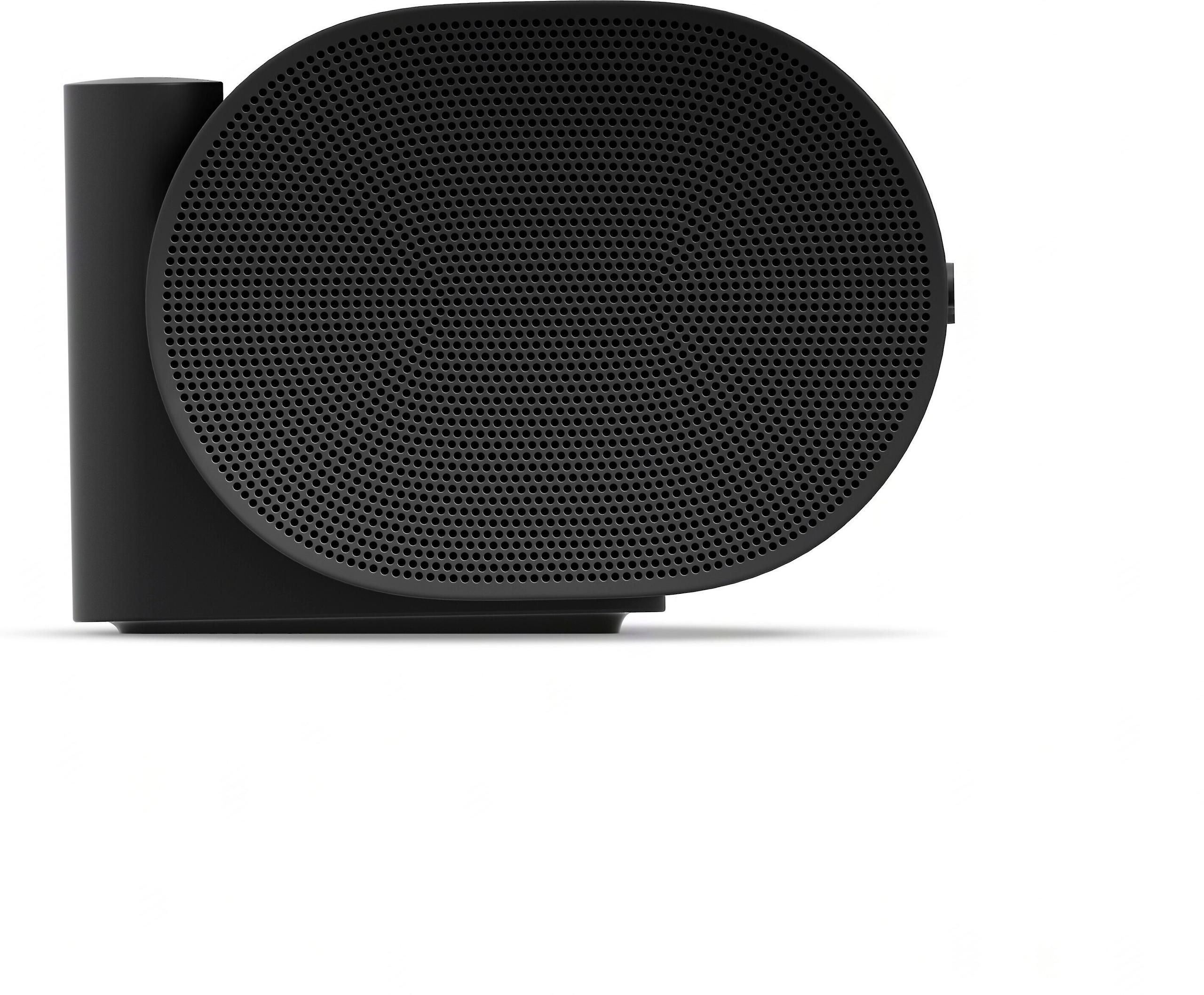
The Sonos Arc Ultra, launched in late 2024, represents Sonos's most ambitious soundbar yet. While it costs significantly more than the M60 Boom at the time of writing, it brings some genuinely impressive technology to the table.
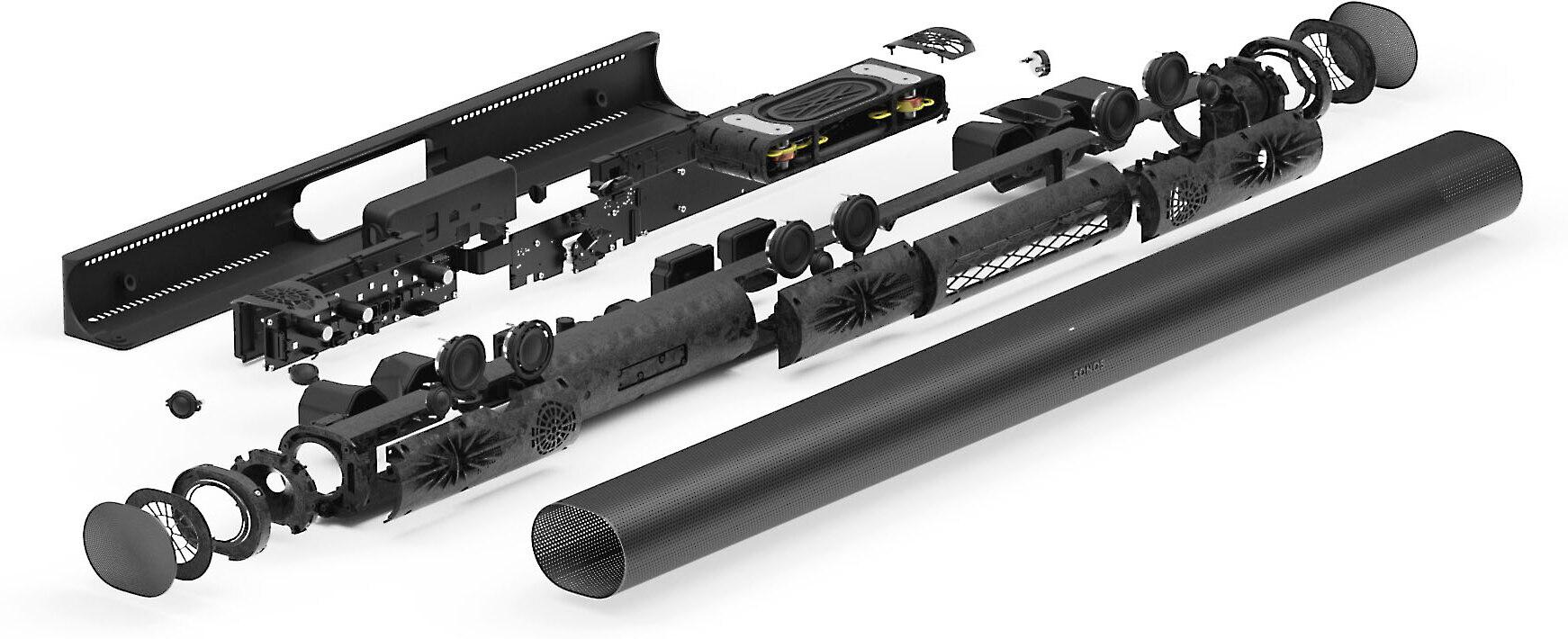
The most notable innovation is Sound Motion technology—a completely redesigned woofer system that delivers deeper bass while taking up much less space. Traditional subwoofers need large cabinets and drivers to move enough air for deep bass, but Sound Motion uses advanced engineering to achieve similar results in a much smaller package. This allows the Arc Ultra to include 14 drivers total: seven tweeters for crisp highs, six midwoofers for voices and mid-range sounds, and that innovative Sound Motion woofer for bass.
Unlike the M60 Boom's simulated surround sound, the Arc Ultra includes dedicated upward-firing drivers that physically bounce sound off your ceiling to create authentic Dolby Atmos height effects. When properly set up in a room with decent ceiling height, this creates a much more convincing three-dimensional soundstage.
The Arc Ultra processes 9.1.4 audio, which means nine ear-level channels, one subwoofer channel, and four height channels. That's significantly more complex than traditional 5.1 or even 7.1 systems, and it shows in the audio experience.
TruePlay room calibration is another standout feature. Using your iPhone's microphone, the Arc Ultra analyzes how sound bounces around your specific room and adjusts its output accordingly. Every room sounds different due to furniture, wall materials, and layout—TruePlay compensates for these differences automatically.
The Arc Ultra also includes Speech Enhancement with multiple levels of adjustment. Rather than just boosting dialogue frequencies, it uses AI processing to dynamically adjust the balance between dialogue and background sounds in real-time.
Here's where we need to be honest about what these systems can actually deliver. The M60 Boom creates its 5.1 surround effect entirely through digital processing—all the drivers are in the soundbar pointing forward. It's essentially using psychoacoustic tricks to make your brain think sound is coming from beside and behind you.
Our research into user experiences shows this works reasonably well, especially for the price. You'll definitely get a wider soundstage than your TV speakers, and action sequences do feel more immersive. However, don't expect the same effect as having actual rear speakers behind your couch.
The Arc Ultra takes a more sophisticated approach. Its upward-firing drivers create genuine height effects by bouncing sound off your ceiling. Users consistently report more convincing overhead effects—helicopter rotors genuinely sound like they're above you, not just coming from in front. The wider driver array also creates better left-right separation and a more expansive soundstage.
However, even the Arc Ultra can't match a true surround system with physical rear speakers. For that, you'd need to add Sonos Era 300 satellites, which pushes the total system cost much higher.
This is where things get interesting. The M60 Boom includes a dedicated subwoofer from day one, which immediately gives it an advantage in pure bass output. The 5.25-inch driver in a wooden cabinet can dig down to 45 Hz and produces genuinely impactful low-end for movies and music.
The Arc Ultra's integrated Sound Motion woofer is more sophisticated but also more limited. It produces cleaner, more controlled bass than typical soundbar built-in drivers, but it can't match the sheer output of a dedicated subwoofer. Where the Arc Ultra excels is in integration—the bass blends seamlessly with the other drivers because it's all tuned together.
For most users, the M60 Boom's bass will sound more impressive initially. However, the Arc Ultra can be paired with Sonos's Sub 4 for truly exceptional bass performance, though this adds significant cost.
Both systems prioritize dialogue clarity, but they approach it differently. The M60 Boom's VoiceMX technology is straightforward—it boosts the frequency range where voices live and includes EQ options to fine-tune the effect.
The Arc Ultra's Speech Enhancement is more sophisticated, using AI processing to dynamically adjust dialogue levels based on the content. It can detect when dialogue is being masked by background sounds and adjust the balance accordingly. Multiple user reviews highlight this as particularly effective for older movies or shows with inconsistent audio mixing.
In practice, both systems deliver clear dialogue, but the Arc Ultra handles complex audio mixes more elegantly.
The M60 Boom specs suggest higher peak power output, but raw wattage numbers can be misleading. What matters more is how cleanly that power is delivered and how the system behaves at higher volumes.
User feedback suggests the M60 Boom can get impressively loud for its price point and maintains reasonable clarity at high volumes. However, some users report occasional harshness in the upper frequencies when pushed hard.
The Arc Ultra delivers more refined power handling. Its Class-D amplification and sophisticated driver array maintain better composure at higher volumes, with less distortion and more controlled dynamics. It's built for larger rooms and can fill substantial spaces without strain.
The M60 Boom wins hands-down on connectivity options. HDMI eARC, optical, Bluetooth 5.4, USB, and AUX inputs mean it'll work with virtually anything. This flexibility is crucial if you have multiple devices, older equipment, or specific connectivity needs.
The Arc Ultra takes a more minimalist approach with just one HDMI eARC port. No optical input, no additional HDMI ports, no USB. If you need optical connectivity, you'll need to buy an adapter that occupies the single HDMI port. This limitation is frustrating and feels unnecessarily restrictive for a premium product.
However, the Arc Ultra compensates with superior wireless capabilities and smart features. Wi-Fi connectivity, AirPlay 2, voice control integration, and the comprehensive Sonos app ecosystem provide a more sophisticated user experience once you're set up.
For dedicated home theater use, room size and layout become critical factors. The M60 Boom works well in small to medium rooms where you're sitting relatively close to the soundbar. Its integrated 5.1 processing creates a decent surround effect at typical living room distances.
The Arc Ultra really shines in larger spaces with higher ceilings. The upward-firing drivers need adequate ceiling height (at least 8 feet) and relatively flat ceilings to work properly. In the right environment, the Atmos effects can be genuinely impressive.
Both systems work well mounted on walls or placed on TV stands, but the Arc Ultra has a more refined mounting system and slimmer profile that looks more elegant with modern TVs.
At the time of writing, the M60 Boom costs significantly less than the Arc Ultra—we're talking about a difference that could buy you a nice TV. For that lower price, you get a complete system that immediately transforms your TV audio experience.
The Arc Ultra asks for premium pricing but delivers premium performance and flexibility. It's an investment in long-term audio quality with the option to expand the system over time.
Consider this: the M60 Boom gives you 90% of what most people want from a soundbar for a fraction of the cost. The Arc Ultra provides that extra 10% of performance and features, but you pay significantly more for it.
Modern soundbars are essentially computers that play audio, which means software updates can improve performance over time. The Arc Ultra benefits from Sonos's excellent track record of long-term software support. Sonos regularly adds new features, streaming services, and performance improvements to existing products.
The M60 Boom also receives app updates, but the scope is more limited. You'll get bug fixes and occasional new features, but don't expect major functionality additions.
Choose the Ultimea M60 Boom if you want immediate gratification and excellent value. It's perfect for most living rooms, offers all the connectivity you could need, and delivers genuinely impressive sound quality for the money. The included subwoofer means you get complete bass coverage from day one, and the multiple input options make it incredibly versatile.
The M60 Boom is ideal if you're upgrading from TV speakers, have a budget-conscious approach, need multiple input options, or want a simple setup that just works. It's also great if you're not planning to expand your audio system in the future.
Choose the Sonos Arc Ultra if audio quality is your top priority and you're willing to pay premium prices for premium performance. It's the better choice for larger rooms, dedicated home theater setups, and situations where you might expand to a full surround system later.
The Arc Ultra makes sense if you value build quality, plan to add additional Sonos components over time, want the most authentic Dolby Atmos experience possible, or are already invested in the Sonos ecosystem.
Both soundbars succeed at their intended purposes, but they serve different users. The M60 Boom proves that you don't need to spend a fortune to dramatically improve your TV audio experience. It's a complete, capable system that delivers excellent value and will satisfy most users' needs.
The Arc Ultra justifies its premium pricing with superior audio quality, more sophisticated features, and long-term expandability. It's genuinely impressive technology that creates a more immersive audio experience, but you'll pay significantly more for those benefits.
For most people reading this, the M60 Boom will provide everything they want at a price that won't break the bank. But if you're serious about home theater audio and have the budget to match, the Arc Ultra delivers an undeniably superior experience. The choice ultimately comes down to your priorities, budget, and how important that extra audio quality is to your entertainment experience.
| Ultimea Poseidon M60 Boom 5.1 Soundbar | Sonos Arc Ultra Dolby Atmos Soundbar |
|---|---|
| System Configuration - Determines what's included and expandability | |
| Complete 5.1 system with wired subwoofer included | Single soundbar unit, expandable with additional Sonos components |
| Dolby Atmos Implementation - Critical for immersive overhead sound effects | |
| Virtual Atmos processing through DSP (no upfiring drivers) | Dedicated upfiring drivers for authentic ceiling-bounce Atmos |
| Driver Configuration - More drivers typically mean better sound separation | |
| 5 full-range drivers in soundbar + separate 5.25" subwoofer | 14 drivers total: 7 tweeters, 6 midwoofers, 1 Sound Motion woofer |
| Peak Power Output - Affects maximum volume and dynamic range | |
| 340W peak power, 99 dB max SPL | Class-D amplification (power not specified, designed for larger rooms) |
| Bass Performance - Essential for movie impact and music depth | |
| Dedicated 5.25" wired subwoofer with BassMX technology included | Integrated Sound Motion woofer (optional Sub 4 available separately) |
| Connectivity Options - Determines device compatibility and setup flexibility | |
| HDMI eARC, Optical, Bluetooth 5.4, USB, AUX | HDMI eARC only (no optical without adapter), Bluetooth 5.3, Wi-Fi, AirPlay 2 |
| Room Calibration - Optimizes sound for your specific space | |
| Manual EQ adjustment via app | TruePlay automatic room calibration using iPhone microphone |
| Smart Features - Affects ease of use and integration | |
| Ultimea app control, CEC sync, standard remote | Sonos ecosystem integration, voice control, multi-room audio, advanced app |
| Frequency Response - Shows the range of sounds the system can reproduce | |
| 45 Hz - 18 kHz (complete range with subwoofer) | Not specified (optimized for Dolby Atmos across full spectrum) |
| Target Room Size - Helps determine if the system fits your space | |
| Small to medium rooms, works best within 12 feet | Medium to large rooms, requires 8+ foot ceilings for optimal Atmos |
| Expandability - Future upgrade potential without replacing main unit | |
| Complete system as-is, no expansion options | Can add Sonos Era 300 surrounds and Sub 4 for 7.1.4 system |
| Setup Complexity - Time and effort required to get optimal performance | |
| Plug-and-play with multiple connection options | Simple physical setup, but may need TruePlay calibration for best results |
The Ultimea Poseidon M60 Boom provides exceptional value as a complete 5.1 surround sound system with an included subwoofer at a budget-friendly price. The Sonos Arc Ultra costs significantly more but delivers premium audio quality, advanced features, and expandability. For most users seeking immediate improvement over TV speakers, the M60 Boom offers better bang for your buck.
The Ultimea M60 Boom includes a dedicated 5.25-inch wired subwoofer in the box, so you're getting complete bass coverage from day one. The Sonos Arc Ultra has an integrated Sound Motion woofer that produces impressive bass for a soundbar, but adding the optional Sonos Sub 4 will provide deeper, more powerful low-frequency performance.
Both soundbars work well in smaller spaces, but the M60 Boom is particularly well-suited for compact rooms due to its integrated 5.1 design and included subwoofer. The Sonos Arc Ultra can work in smaller rooms but truly excels in medium to large spaces with adequate ceiling height for its Dolby Atmos upfiring drivers.
Both soundbars prioritize clear dialogue. The Ultimea M60 Boom uses VoiceMX technology to enhance vocal frequencies, while the Sonos Arc Ultra features AI-powered Speech Enhancement with multiple adjustment levels. The Arc Ultra generally provides more sophisticated dialogue processing, especially in complex audio mixes.
The M60 Boom wins decisively on connectivity, offering HDMI eARC, optical, Bluetooth 5.4, USB, and AUX inputs. The Sonos Arc Ultra only has one HDMI eARC port and requires a separate adapter for optical connections. If you have multiple devices or older equipment, the Ultimea soundbar provides much more flexibility.
The Sonos Arc Ultra provides authentic Dolby Atmos with dedicated upfiring drivers that bounce sound off your ceiling for genuine overhead effects. The M60 Boom processes Dolby Atmos content but creates height effects through virtual processing rather than physical upfiring speakers, resulting in a less convincing but still noticeable improvement over standard stereo sound.
The Ultimea M60 Boom offers plug-and-play simplicity with multiple connection options and straightforward app control. The Sonos Arc Ultra has simple physical installation but benefits from TruePlay room calibration using an iPhone for optimal performance. Both are relatively easy to set up, but the M60 Boom requires less fine-tuning.
Both soundbars handle music well, but differently. The M60 Boom delivers punchy, bass-heavy sound that works great for most music genres thanks to its dedicated subwoofer. The Sonos Arc Ultra offers more refined, balanced sound with better instrument separation and is particularly impressive with the Sonos ecosystem for multi-room music streaming.
The Sonos Arc Ultra is specifically designed for larger spaces and can fill substantial rooms with clear, powerful sound while maintaining composure at higher volumes. The M60 Boom can get quite loud (99 dB max) but is better suited for small to medium-sized rooms where its integrated surround processing works most effectively.
The Ultimea M60 Boom is a complete system with no expansion options - what you buy is what you get. The Sonos Arc Ultra is designed for expansion within the Sonos ecosystem, allowing you to add Era 300 rear speakers and a Sub 4 to create a full 7.1.4 surround system, making it a better long-term investment for serious home theater enthusiasts.
The Sonos Arc Ultra provides superior smart functionality with voice control integration, comprehensive app control, automatic room calibration, multi-room audio, and regular software updates. The M60 Boom offers basic app control and device sync features but lacks the advanced smart home integration and ecosystem benefits of the Sonos system.
Choose the M60 Boom if you want immediate, dramatic improvement over TV speakers at a budget-friendly price with a complete surround system including subwoofer. Choose the Sonos Arc Ultra if you prioritize premium audio quality, authentic Dolby Atmos effects, and plan to potentially expand your system over time. The Arc Ultra is the better choice for dedicated home theater rooms, while the M60 Boom excels for general living room entertainment.
We've done our best to create useful and informative comparisons to help you decide what product to buy. Our research uses advanced automated methods to create this comparison and perfection is not possible - please contact us for corrections or questions. These are the sites we've researched in the creation of this article: ultimea.com - ultimea.com - youtube.com - bestbuy.com - youtube.com - avsforum.com - youtube.com - manuals.plus - youtube.com - device.report - ultimea.com - ultimea.de - community.ultimea.com - ultimea.com - community.ultimea.com - ultimea.com - youtube.com - aliexpress.com - ultimea.com - bestbuy.com - shopjetson.com - youtube.com - ign.com - crutchfield.com - dowtechnologies.com - sonos.com - appleinsider.com - pcrichard.com - clefdesol.com - sonos.com - businessinsider.com - audioadvice.com - en.community.sonos.com

Privacy Policy
Terms and Conditions - Affiliate Policy
Home Security
© Copyright 2008-2026.
11816 Inwood Rd #1211, Dallas, TX 75244