








When your TV's built-in speakers leave you straining to hear dialogue or missing the rumble of explosions, a soundbar upgrade becomes essential. But the soundbar market offers two dramatically different philosophies: budget systems that give you everything upfront, and premium platforms designed to grow over time.
The Ultimea Poseidon M60 Boom and Denon Home Sound Bar 550 perfectly represent this divide. One delivers a complete 5.1 surround system for the cost of a nice dinner out, while the other serves as a premium foundation that costs significantly more but offers long-term flexibility. Understanding which approach fits your needs, budget, and living situation will save you from buyer's remorse down the road.
Before diving into specifics, it helps to understand what separates great soundbars from mediocre ones. The most important factors are channel configuration (how many separate audio channels the system can reproduce), frequency response (the range of bass to treble it can handle), and maximum sound pressure level or SPL (how loud it can play without distortion).
A 2.1 system has left, right, and subwoofer channels. A 5.1 system adds center and surround channels for true surround sound. Dolby Atmos goes further, adding height channels that make sounds appear to come from above you – perfect for helicopters flying overhead or rain falling around you in movies.
Frequency response matters because human hearing spans roughly 20 Hz to 20,000 Hz. Deep bass starts around 60 Hz and below, while dialogue clarity depends on the 300-3,000 Hz midrange. SPL tells you how loud the system can play before it starts distorting – 85 dB is comfortable conversation level, while 95+ dB approaches live concert volumes.
Released in 2025, the Ultimea Poseidon M60 Boom represents the latest thinking in budget soundbar design. At the time of writing, it costs less than many people spend on a single night out, yet delivers what premium systems charged ten times more for just a few years ago.
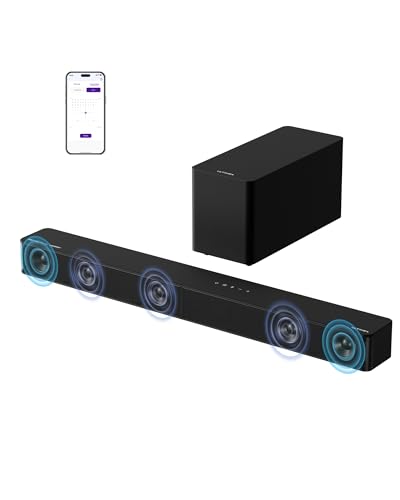
The Ultimea M60 Boom takes the "everything included" approach. You get a true 5.1 channel system with five full-range drivers built into the main soundbar, plus a dedicated wooden subwoofer. This isn't virtual surround – it's actual separate channels for left, right, center, and two surround channels, all processed independently.
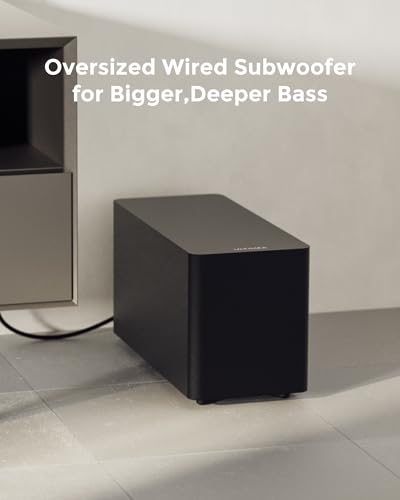
The included subwoofer uses what Ultimea calls BassMX technology, which combines an 18mm high-excursion driver (meaning the speaker cone can move back and forth more than typical budget subwoofers) with a wooden cabinet designed to reduce unwanted resonances. The result is bass that digs down to 45 Hz – deep enough to feel the rumble in action scenes and add weight to music.
With 340W of peak power output, the Ultimea system can reach 99 dB maximum SPL. To put that in perspective, that's loud enough to fill a large living room or basement theater without strain. The frequency response spanning 45 Hz to 18 kHz covers the full range of most movie soundtracks and music.
The triple-core DSP (Digital Signal Processor) technology deserves explanation. These are specialized computer chips that process audio in real-time, applying equalization, managing channel separation, and optimizing sound for different content types. Having three DSP cores running at different speeds allows the system to handle complex surround sound processing while maintaining low latency – the delay between when audio is sent to the speakers and when you actually hear it.
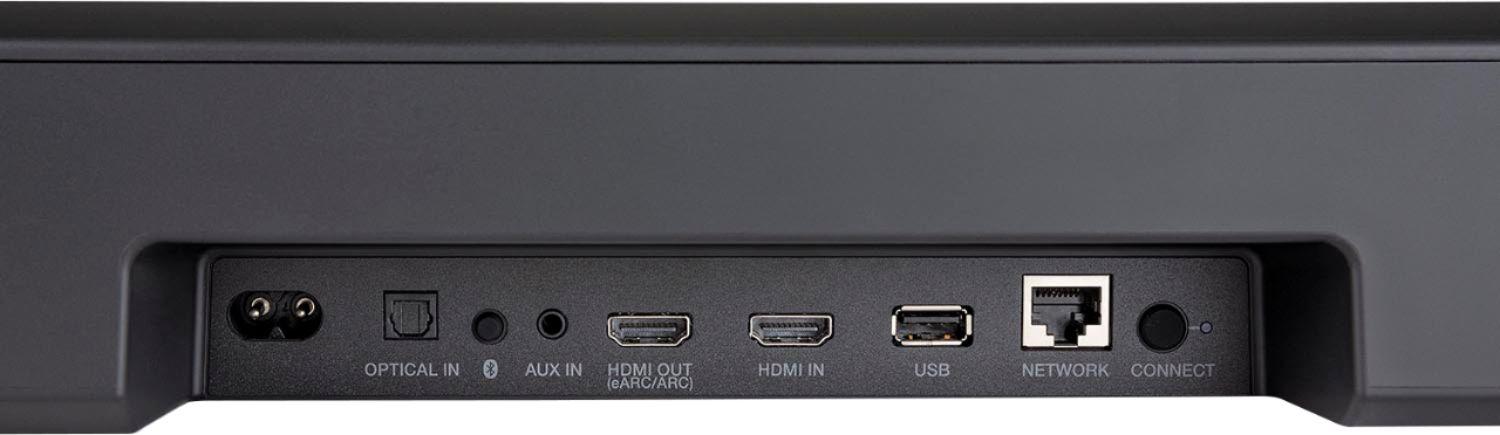
The Ultimea includes HDMI eARC (enhanced Audio Return Channel), which is the current gold standard for connecting soundbars to TVs. Unlike older optical connections that compress audio, eARC can carry uncompressed Dolby Atmos and other high-quality formats without losing information.
The Bluetooth 5.4 connectivity represents the newest wireless standard, offering faster pairing, more stable connections, and lower latency compared to older Bluetooth versions. This matters especially for gaming or watching videos on your phone, where audio delay can be jarring.
The M60 Boom isn't perfect. The subwoofer connects via wire, limiting where you can place it compared to wireless designs. The surround effects come from the main soundbar rather than discrete rear speakers, so while you get true 5.1 processing, the surround field isn't as enveloping as systems with physical rear speakers.
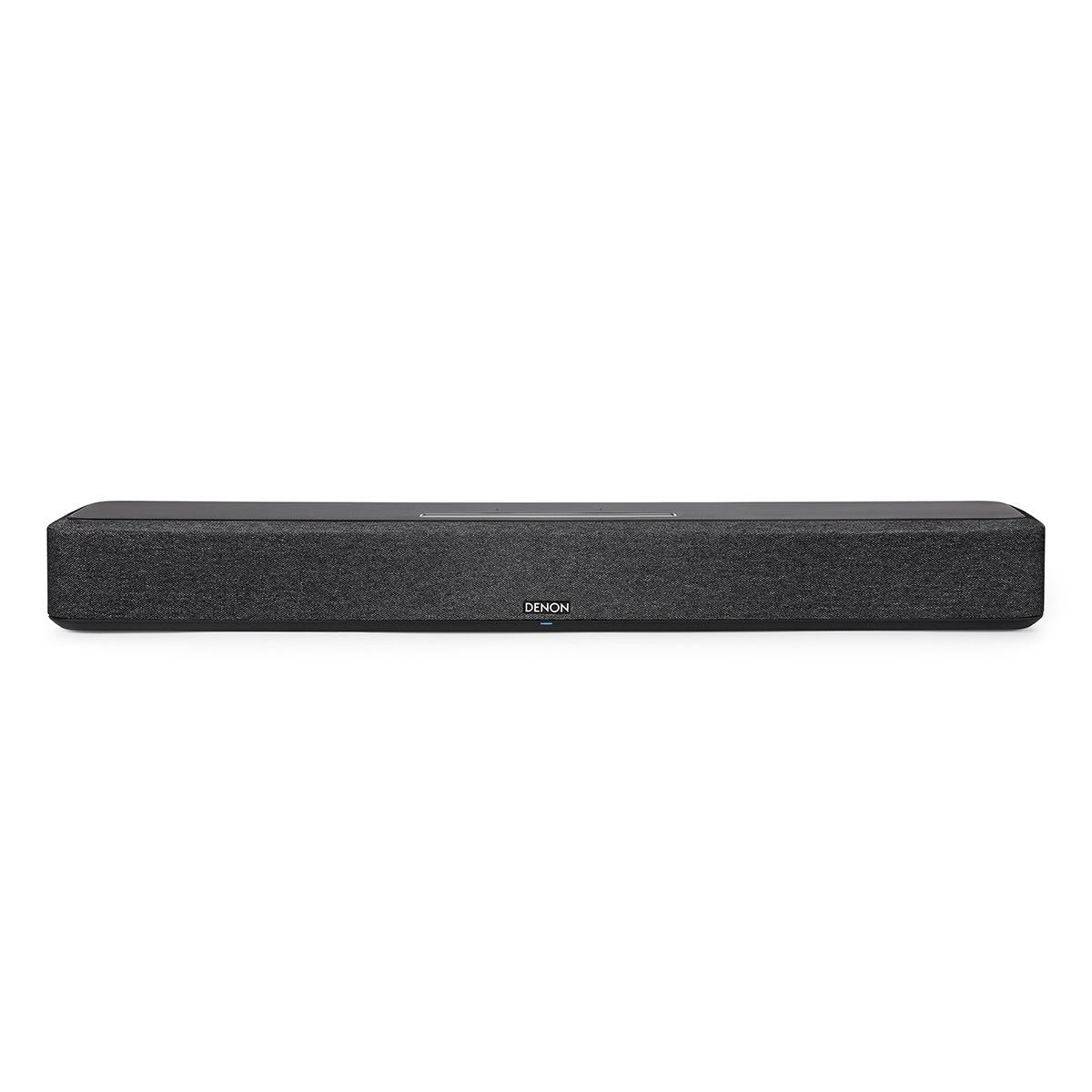
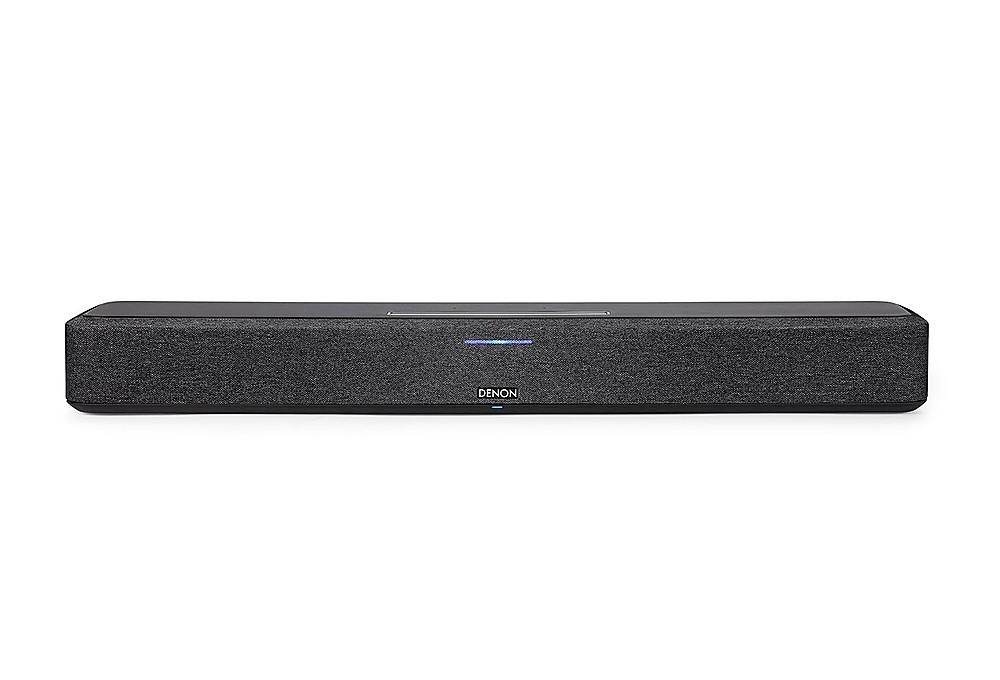
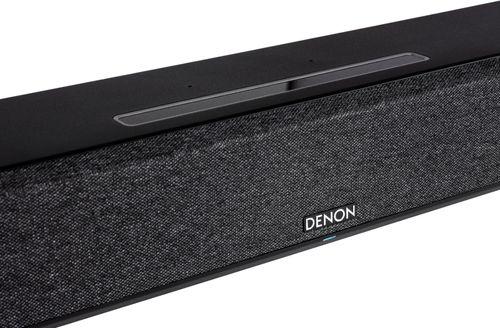
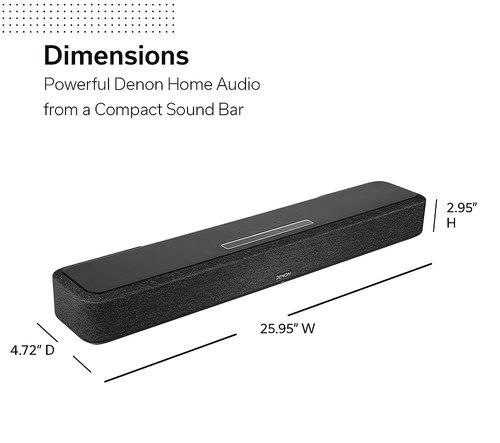
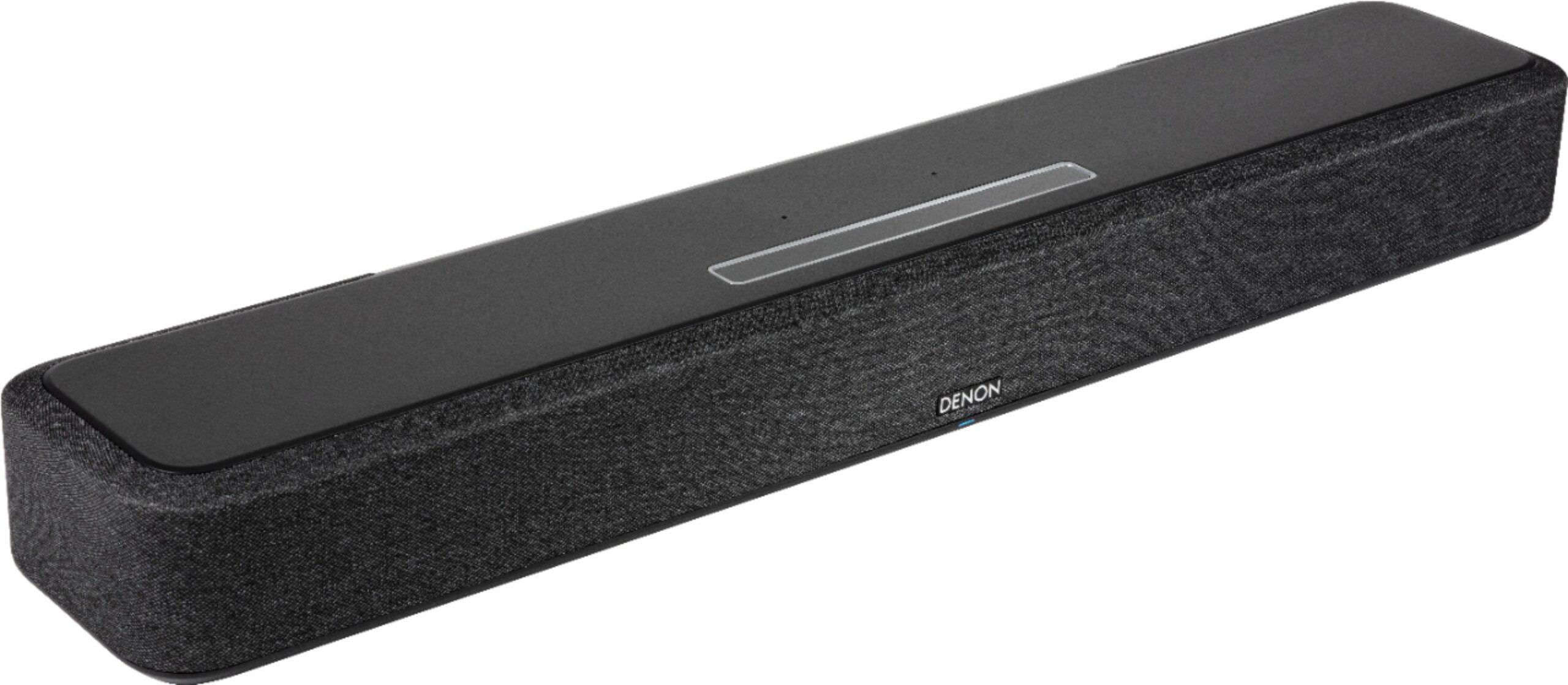
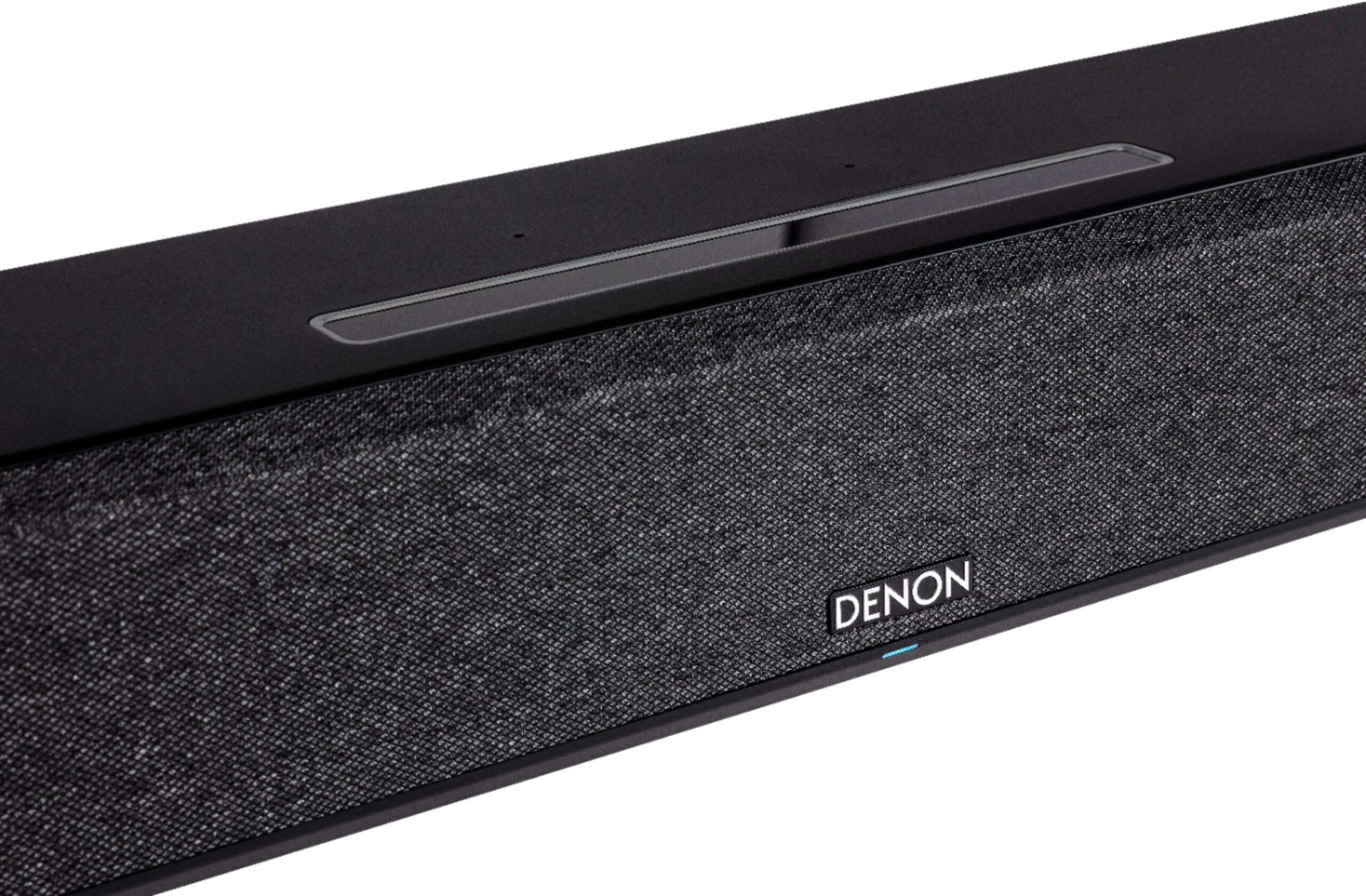
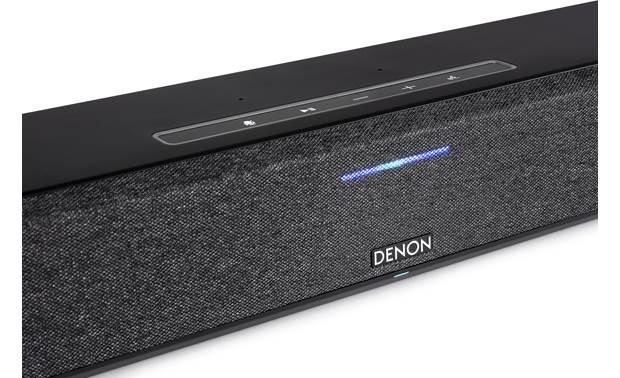
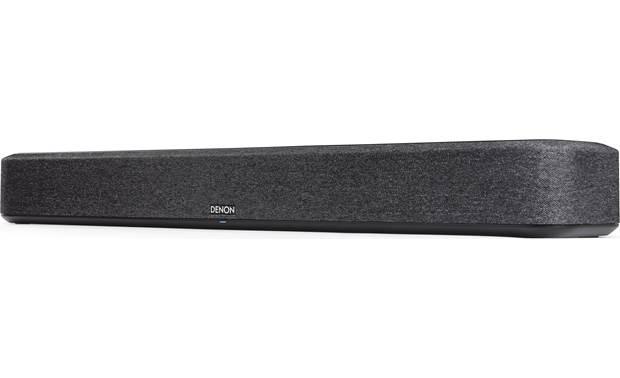
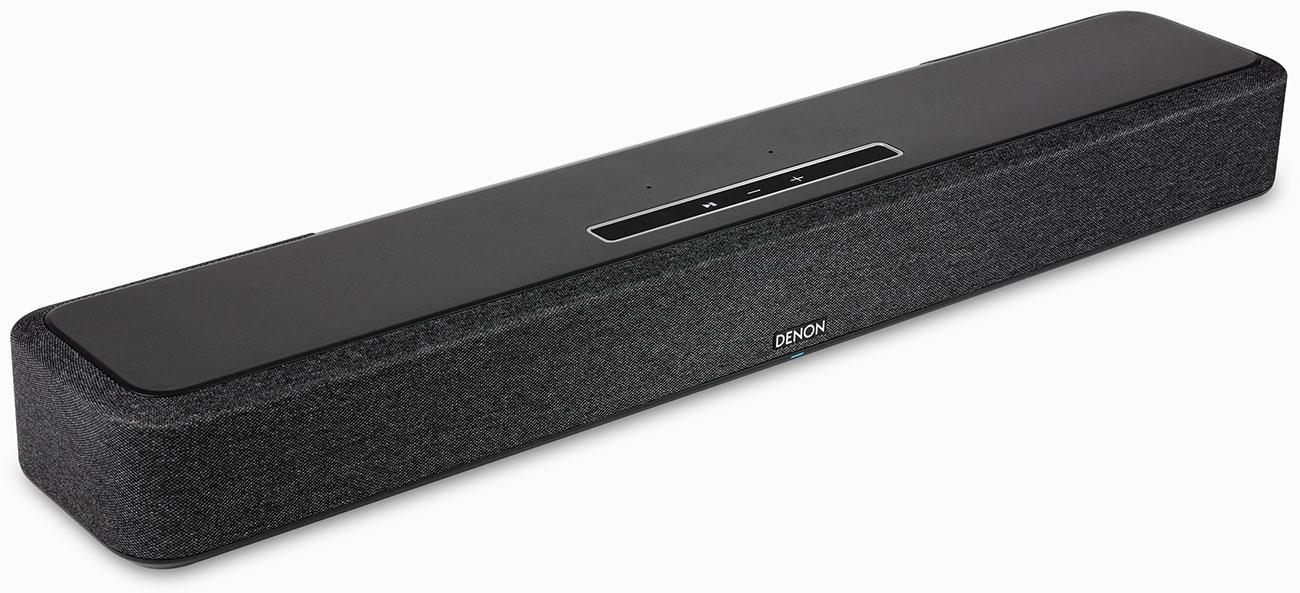
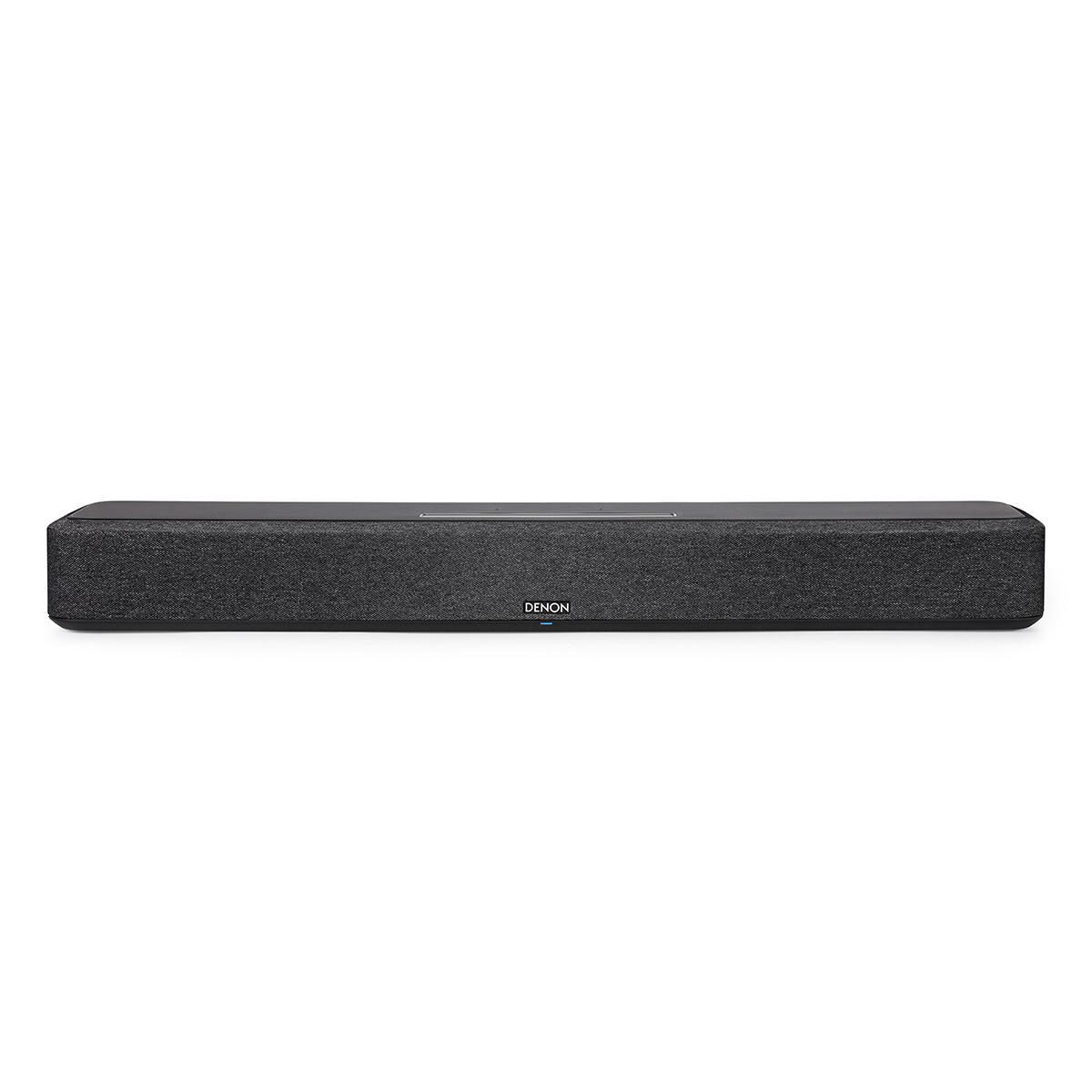
The Denon Home Sound Bar 550, released in 2021, represents established premium audio engineering. Denon has been building high-end audio equipment since 1910, and that expertise shows in the thoughtful design and integration capabilities.
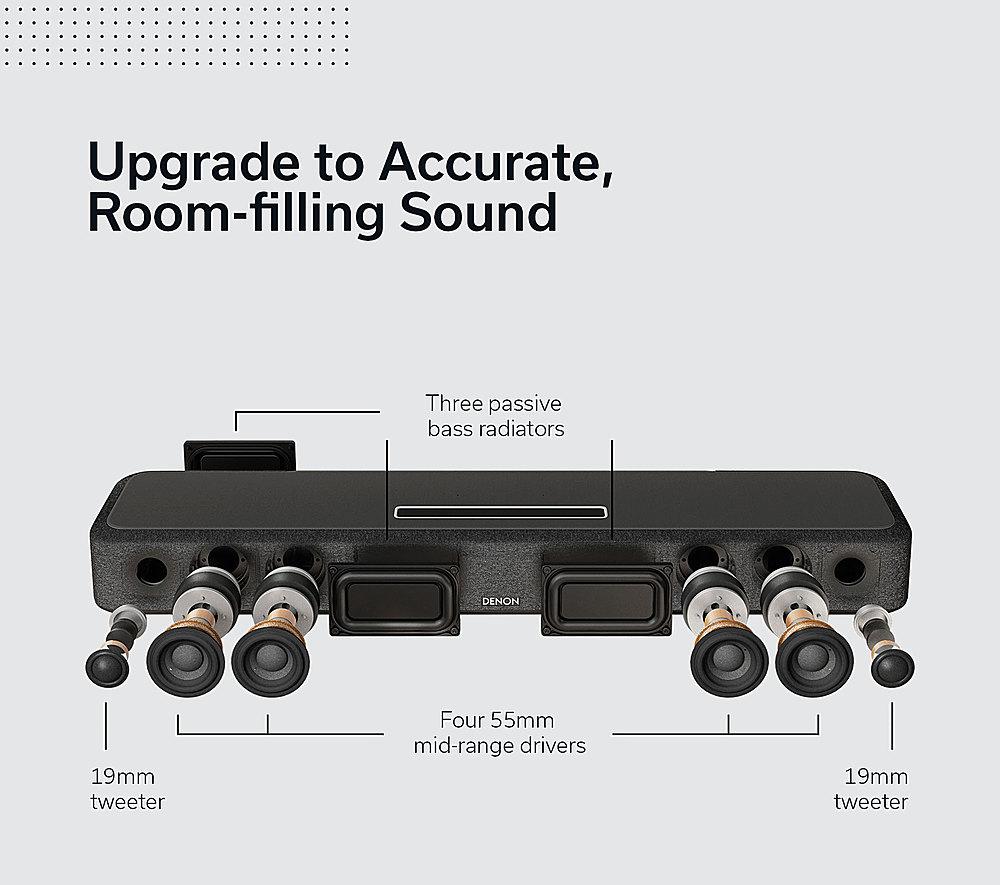
The Denon uses a sophisticated 6-driver array: two 0.75-inch soft-dome tweeters for crisp highs, four 2.1875-inch full-range drivers for midrange and bass, and two passive radiators that act like subwoofers without requiring power. This creates a 4.0 channel system (no dedicated subwoofer) that relies on precision rather than brute force.
The measured distortion levels tell an important story. At 80 dB listening levels, the Denon produces just 0.57% THD (Total Harmonic Distortion). Lower distortion means cleaner sound – vocals stay clear, instruments maintain their distinct character, and you don't get the harsh edge that plagued older budget soundbars.
However, the trade-off for this refinement is output capability. Our research indicates the Denon reaches about 87.8 dB maximum SPL before compression kicks in – noticeably quieter than the Ultimea. This matters in larger rooms or if you like reference-level movie volumes.
Where the Denon truly shines is intelligence and connectivity. Built-in Amazon Alexa means you can control volume, switch inputs, or play music with voice commands. The HEOS platform connects to virtually every major streaming service and allows multi-room audio throughout your home with compatible Denon speakers.
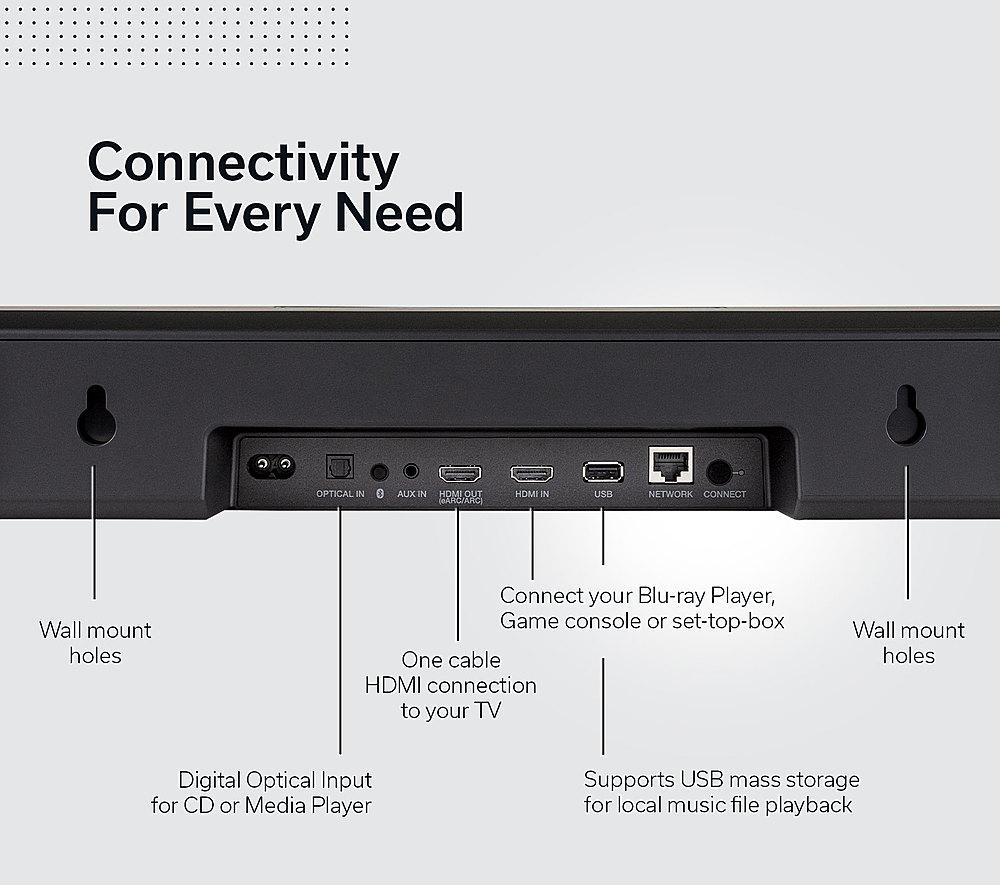
Apple AirPlay 2 support enables seamless streaming from iPhones and iPads with better quality than Bluetooth. The HDMI 2.0b connectivity supports 4K video passthrough with HDR (High Dynamic Range) – important if you have gaming consoles or 4K Blu-ray players that need to route through the soundbar.
The Denon serves as the foundation for a modular system. You can add Denon's wireless subwoofer for deeper bass, or wireless rear speakers for true surround sound. This flexibility appeals to users who want to start with a basic setup and expand over time, or those with space constraints who might add components when moving to larger rooms.
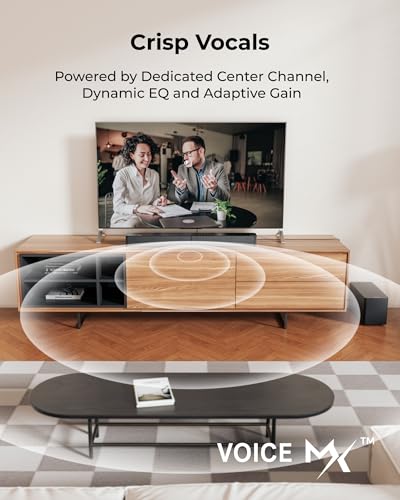
For dialogue clarity, both systems take different approaches. The Ultimea uses dedicated center channel processing and VoiceMX technology that dynamically enhances the crucial 300-3,000 Hz vocal range. This makes conversations in movies easier to follow, even during loud action scenes.
The Denon creates a "phantom center" by precisely timing audio from its left and right drivers. When done well, this can actually provide more pinpoint dialogue placement than a physical center speaker. However, it requires careful positioning and works best when you're seated directly in front of the soundbar.
For action movies and blockbusters, the Ultimea has clear advantages. The included subwoofer provides the low-frequency effects (LFE) channel that makes explosions visceral and car chases exciting. The higher power output means you can achieve theater-like dynamics in your living room.
The Denon excels at nuanced audio – the subtle details in well-mixed films, the spatial cues that create atmosphere, and the tonal accuracy that keeps instruments and voices natural. If you primarily watch prestige dramas, documentaries, or carefully mastered films, this precision matters more than raw power.
Music reproduction reveals interesting differences. The Ultimea delivers exciting, dynamic sound with strong bass presence. It's particularly good at genres that benefit from impact – rock, electronic music, hip-hop, and pop all sound engaging and full-bodied.
The Denon takes a more audiophile-oriented approach. Jazz recordings maintain the intimate feel of small clubs, classical music preserves the natural timbre of acoustic instruments, and vocal performances stay clear and uncolored. The passive radiators provide surprising bass extension for a system without a dedicated subwoofer, though they can't match the depth and impact of the Ultimea's dedicated bass driver.
Both systems support low-latency audio important for gaming, but they approach it differently. The Ultimea's Bluetooth 5.4 and HDMI eARC provide excellent synchronization for console gaming and mobile gaming respectively. The powerful subwoofer adds impact to gaming audio – explosions feel more real, and environmental audio cues become more noticeable.
The Denon offers advantages for competitive gaming where audio positioning matters. The precise driver array can create better stereo imaging, making it easier to locate enemies in first-person shooters or hear directional cues in racing games. The lower distortion also helps during long gaming sessions, reducing ear fatigue.
Most people install soundbars in rooms between 150-300 square feet. In these spaces, the Ultimea can easily provide room-filling sound with plenty of headroom. The bass response feels appropriately scaled – present without overwhelming the space.
The Denon works well in these rooms too, but its more limited output means you might find yourself turning it up more than ideal. The benefit is that neighbors and family members in adjacent rooms won't be disturbed as easily.
In rooms over 300 square feet or open floor plans, the Ultimea's higher power output becomes crucial. Its ability to reach 99 dB SPL means it can maintain dialogue clarity and bass impact even when competing with kitchen noise or conversations in connected spaces.
The Denon struggles more in large spaces. While its sound quality remains excellent at moderate volumes, pushing it toward its limits introduces compression that reduces the dynamic range – the difference between quiet and loud sounds that makes movies exciting.
Apartment dwellers face unique challenges. The Ultimea includes helpful night modes and app-based EQ controls that can tame bass output for late-night viewing. However, the wired subwoofer might limit placement options in small spaces.
The Denon offers more placement flexibility and generally produces less bass bleed through walls and floors. The optional wireless subwoofer (sold separately) can be positioned for optimal acoustics while minimizing neighbor impact.
At the time of writing, the price difference between these systems is substantial – we're talking about roughly a 5:1 ratio before considering the Denon's optional components. This isn't just about affordability; it's about completely different value philosophies.
The Ultimea delivers immediate gratification. You get true 5.1 surround sound with punchy bass and room-filling power for less than the cost of a premium streaming service subscription for a year. There are no hidden costs, required add-ons, or future upgrade pressure.
The Denon asks you to invest in potential. You're paying for brand reputation, premium engineering, and the flexibility to build a more sophisticated system over time. The optional subwoofer and rear speakers can create a more enveloping experience, but they require additional investment that brings the total system cost to premium territory.
You want the most audio improvement for the least money. If your current TV speakers make it hard to hear dialogue or you're missing the excitement in action movies, the Ultimea solves both problems immediately and completely.
You're setting up a basement theater, garage workshop, or any space where maximum impact matters more than audiophile refinement. The powerful subwoofer and high output capability make it perfect for spaces where you want to create an exciting audio experience.
You prefer simple, effective solutions over complex systems. The M60 Boom works great out of the box with minimal setup, and the smartphone app provides all the customization most people need.
You value premium build quality and brand heritage. Denon's century-plus of audio expertise shows in the refined sound signature and thoughtful design details that budget brands can't match.
Smart home integration is important to your lifestyle. Built-in Alexa, comprehensive streaming service support, and professional automation system compatibility make the Denon part of a connected home ecosystem rather than just an audio device.
You plan to expand your system gradually or might move to different spaces with different acoustic requirements. The modular approach lets you start simple and add components as needs or budgets allow.
You prioritize audio accuracy for music listening alongside movie enhancement. If your soundbar needs to serve double duty as a serious music system, the Denon's lower distortion and more neutral tuning provide advantages.
These soundbars represent fundamentally different philosophies, and both execute their vision well. The Ultimea Poseidon M60 Boom proves that excellent audio doesn't require premium pricing, delivering complete 5.1 surround sound with impressive power and modern connectivity for a fraction of traditional costs.
The Denon Home Sound Bar 550 offers the refinement, smart integration, and expandability that justify premium pricing for users who value those attributes. It's a more sophisticated approach that rewards patience and investment with long-term flexibility.
Your choice ultimately depends on whether you want immediate complete satisfaction or prefer to invest in a premium foundation for future growth. Both will dramatically improve your TV audio experience – the question is which approach better matches your priorities, budget, and long-term audio goals.
| Ultimea Poseidon M60 Boom 5.1 Soundbar | Denon Home Sound Bar 550 Soundbar |
|---|---|
| Channel Configuration - Determines surround sound authenticity and bass impact | |
| True 5.1 channels with included wired wooden subwoofer | 4.0 channels, expandable with optional wireless subwoofer and rear speakers |
| Peak Power Output - Controls maximum volume and room-filling capability | |
| 340W peak power, 99 dB maximum SPL (ideal for large rooms) | Not specified, tested at 87.8 dB max SPL (better for apartments) |
| Frequency Response - Affects bass depth and overall audio range | |
| 45 Hz–18 kHz (deep bass included with subwoofer) | Not specified (limited bass without optional subwoofer) |
| Audio Distortion - Lower numbers mean cleaner, more accurate sound | |
| Not specified (budget-focused tuning) | 0.57% THD @ 80dB (audiophile-grade clarity) |
| Release Year - Indicates technology generation and feature currency | |
| 2025 (latest connectivity standards) | 2021 (established platform with proven reliability) |
| Smart Features - Convenience and home automation integration | |
| Smart app control, Bluetooth 5.4, HDMI eARC, CEC integration | Built-in Alexa, HEOS multiroom, AirPlay 2, professional automation support |
| Connectivity Standards - Future-proofing and compatibility | |
| HDMI eARC, Bluetooth 5.4 (newest wireless standard) | HDMI 2.0b with eARC, Bluetooth 4.1, 4K/60Hz passthrough, HDR support |
| Complete System Cost - Total investment for full 5.1 surround experience | |
| Complete 5.1 system included (no additional purchases required) | Soundbar only - requires separate subwoofer and rear speakers for equivalent setup |
| Brand Heritage - Support, warranty coverage, and long-term reliability | |
| Newer brand with growing reputation (limited track record) | Denon (110+ years of audio engineering expertise and established support network) |
| Target User - Best suited for which type of buyer | |
| Budget-conscious users wanting immediate complete surround sound | Premium audio enthusiasts prioritizing refinement and smart home integration |
The Ultimea Poseidon M60 Boom provides exceptional value by including a complete 5.1 surround sound system with subwoofer at a budget-friendly price point. The Denon Home Sound Bar 550 costs significantly more but offers premium build quality, smart home integration, and expandability options. For immediate complete functionality, the Ultimea delivers better bang for your buck.
The Ultimea Poseidon M60 Boom includes everything needed for 5.1 surround sound right out of the box, including a wooden subwoofer. The Denon Home Sound Bar 550 is a 4.0 channel soundbar only - you'll need to purchase a separate wireless subwoofer and rear speakers to achieve equivalent surround sound performance.
The Ultimea Poseidon M60 Boom excels in large rooms with its 340W peak power output and ability to reach 99 dB maximum volume without distortion. The Denon Home Sound Bar 550 is better suited for small to medium rooms, as it reaches only about 87.8 dB maximum output before compression affects sound quality.
The Ultimea focuses on powerful, dynamic sound with strong bass impact from its included subwoofer, making it excellent for action movies and music with heavy bass. The Denon prioritizes audio refinement with lower distortion (0.57% THD) and more precise sound reproduction, making it better for dialogue clarity and audiophile-quality music listening.
The Denon Home Sound Bar 550 dominates in smart features with built-in Amazon Alexa, HEOS multiroom audio, Apple AirPlay 2, and extensive streaming service integration. The Ultimea Poseidon M60 Boom offers modern connectivity with Bluetooth 5.4 and HDMI eARC but focuses more on straightforward app-based control rather than comprehensive smart home integration.
Both soundbars work well for gaming, but serve different needs. The Ultimea provides more impactful gaming audio with its powerful subwoofer and higher output, making explosions and environmental effects more immersive. The Denon offers better stereo imaging and lower latency, which can help with competitive gaming where audio positioning is crucial.
The Ultimea Poseidon M60 Boom offers simpler setup since everything is included and ready to use immediately. The Denon Home Sound Bar 550 requires more configuration for optimal performance, including HEOS app setup, streaming service connections, and potential integration with additional wireless components for complete functionality.
Yes, both soundbars support Dolby Atmos, but through different methods. The Ultimea processes Dolby Atmos through its 5.1 channel system with virtual height effects. The Denon uses Dolby Height Virtualization to create overhead effects through its 4.0 channel array. Neither has dedicated upfiring speakers for true overhead sound placement.
The Denon Home Sound Bar 550 is generally more apartment-friendly due to its lower maximum output and optional wireless subwoofer that can be positioned to minimize neighbor disturbance. The Ultimea includes night modes and EQ controls to manage volume, but its wired subwoofer may limit placement options in small spaces.
Both excel at music but with different strengths. The Ultimea Poseidon M60 Boom delivers exciting, dynamic music reproduction with strong bass presence, perfect for rock, electronic, and pop music. The Denon Home Sound Bar 550 provides more accurate, audiophile-oriented music playback with better tonal balance for jazz, classical, and acoustic music genres.
The Denon likely offers better long-term value retention due to established brand reputation, premium build quality, and expandable design that can adapt to changing needs. The Ultimea provides excellent immediate value but comes from a newer brand with less proven long-term durability track record, though its 2025 release includes more current technology standards.
We've done our best to create useful and informative comparisons to help you decide what product to buy. Our research uses advanced automated methods to create this comparison and perfection is not possible - please contact us for corrections or questions. These are the sites we've researched in the creation of this article: ultimea.com - ultimea.com - youtube.com - bestbuy.com - youtube.com - avsforum.com - youtube.com - manuals.plus - youtube.com - device.report - ultimea.com - ultimea.de - community.ultimea.com - ultimea.com - community.ultimea.com - ultimea.com - youtube.com - aliexpress.com - ultimea.com - consumerreports.org - soundandvision.com - crutchfield.com - rtings.com - crutchfield.com - gzhls.at - denon.com - walmart.com - youtube.com - whathifi.com - bestbuy.com

Privacy Policy
Terms and Conditions - Affiliate Policy
Home Security
© Copyright 2008-2026.
11816 Inwood Rd #1211, Dallas, TX 75244