







When your TV's built-in speakers sound like they're trapped in a tin can, it's time to upgrade. But with so many soundbar options available, choosing the right one can feel overwhelming. Today, we're diving deep into two popular 5.1 channel soundbars that take completely different approaches to delivering surround sound: the Ultimea Poseidon M60 Boom and the LG S60TR.
Both systems promise to transform your living room into a home theater, but they go about it in fundamentally different ways. One packs everything into a sleek, compact design using advanced digital processing, while the other spreads actual speakers around your room for authentic surround sound. Let's break down which approach works better for different situations and budgets.
Before we compare these specific models, let's clarify what "5.1" actually means. The "5" refers to five main speakers: front left, front right, center (for dialogue), and two rear speakers for surround effects. The ".1" is your subwoofer, handling the deep bass that makes explosions rumble and music feel full. This configuration creates what audio engineers call a "surround sound field" – essentially wrapping sound around you instead of just blasting it from the front.
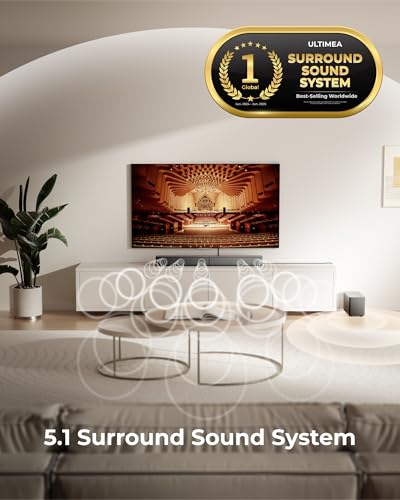
The challenge with soundbars is fitting this multi-speaker experience into a living room-friendly package. Some manufacturers, like Ultimea with the M60 Boom, use clever digital signal processing (DSP) to simulate surround effects from a single bar. Others, like LG with the S60TR, include actual separate speakers you place around the room. Each approach has distinct advantages and trade-offs.
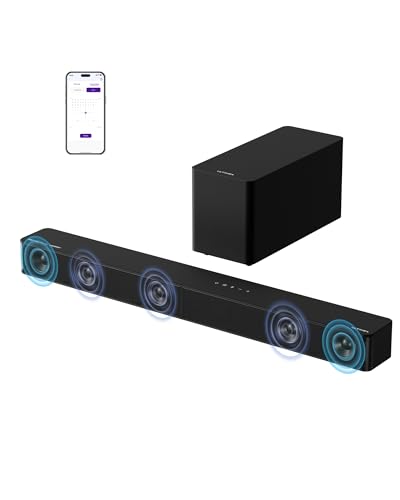
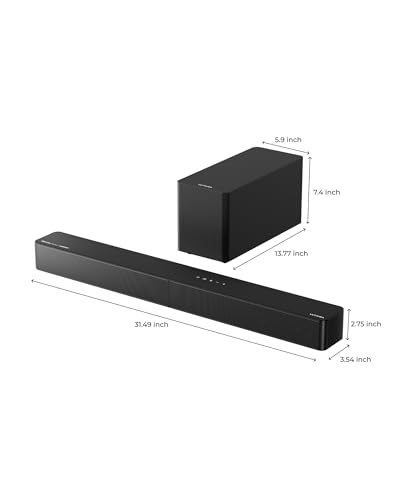
The Ultimea Poseidon M60 Boom, released in 2024, represents the "all-in-one" philosophy. This system houses all five main speakers within the soundbar itself, then uses sophisticated digital processing to create virtual surround effects. Think of it like advanced audio magic – the soundbar analyzes the incoming audio signal and manipulates it so your ears perceive sounds coming from directions where there aren't actual speakers.
What makes the M60 Boom particularly interesting is its triple-core DSP technology. This means three separate computer processors (running at 800MHz and 600MHz) work together to handle over 2000 MIPS (millions of instructions per second) of audio calculations. In practical terms, this processing power lets the system make real-time adjustments to create convincing surround effects, enhance dialogue clarity, and fine-tune the sound for different content types.
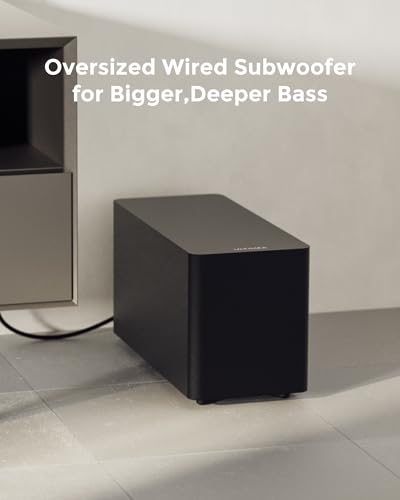
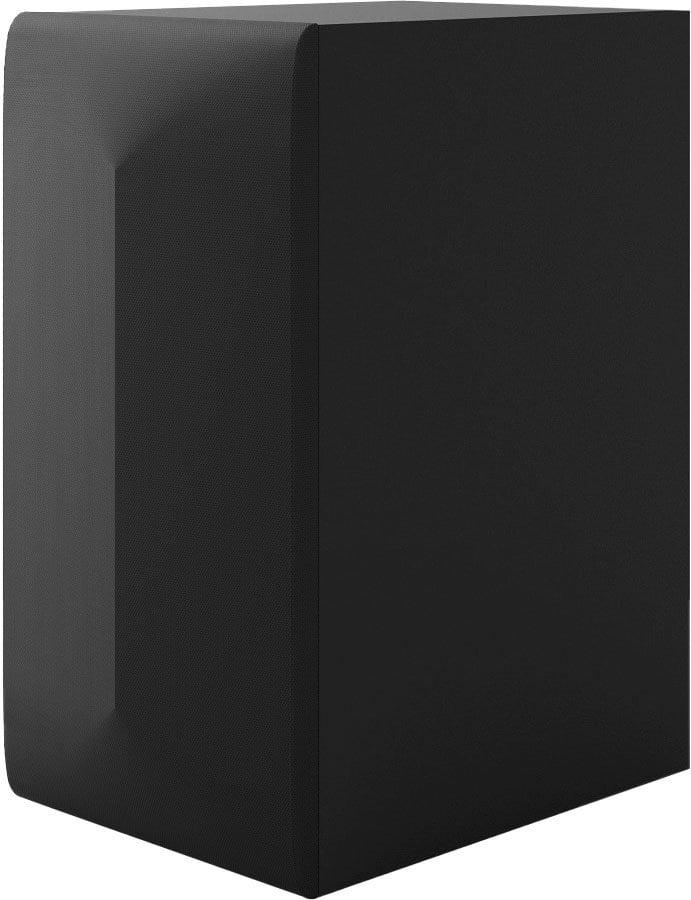
The system pairs this digital wizardry with a 5.25-inch wired subwoofer that uses what Ultimea calls "BassMX Technology." This involves an oversized cabinet design and a driver that can move up to 16mm – that's the distance the speaker cone travels back and forth to create sound waves. More movement generally means deeper, more impactful bass.
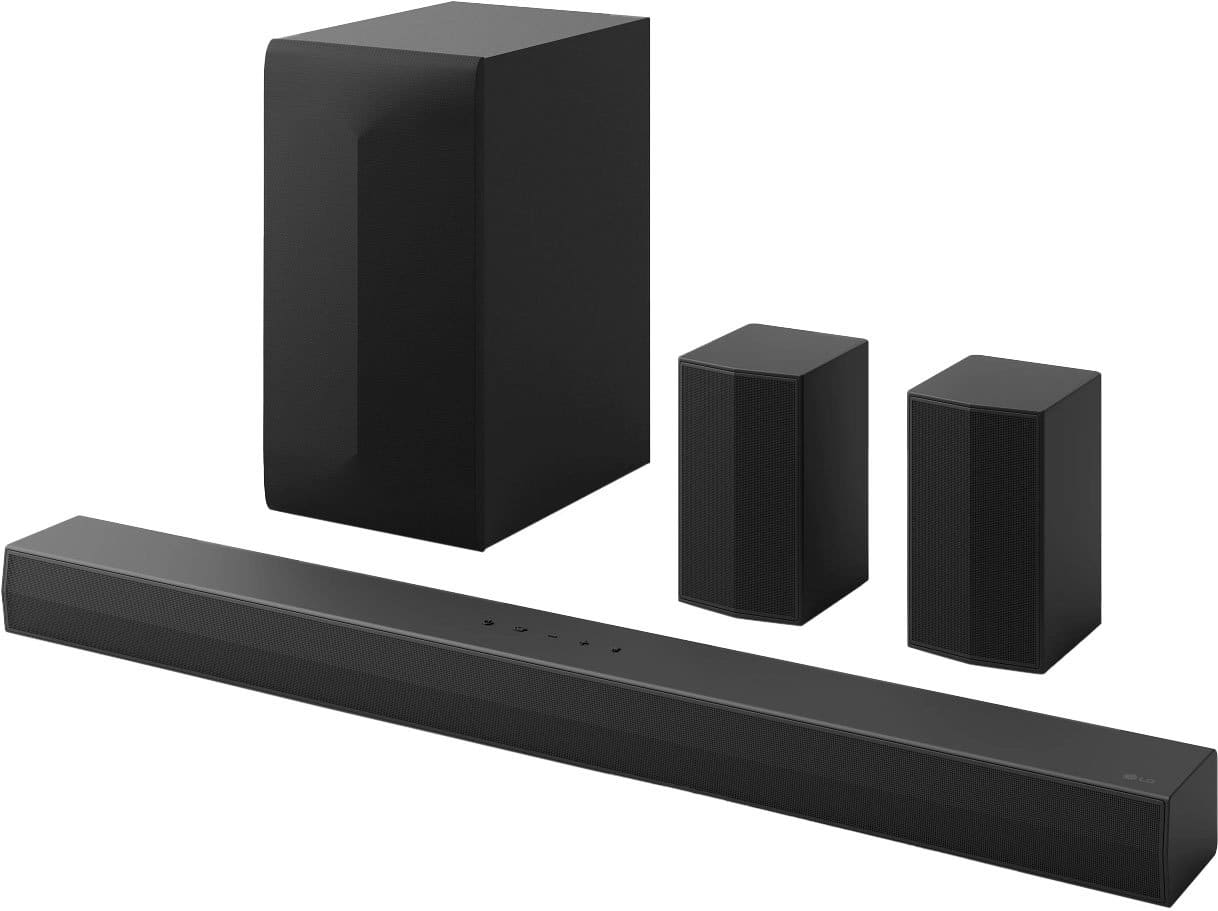
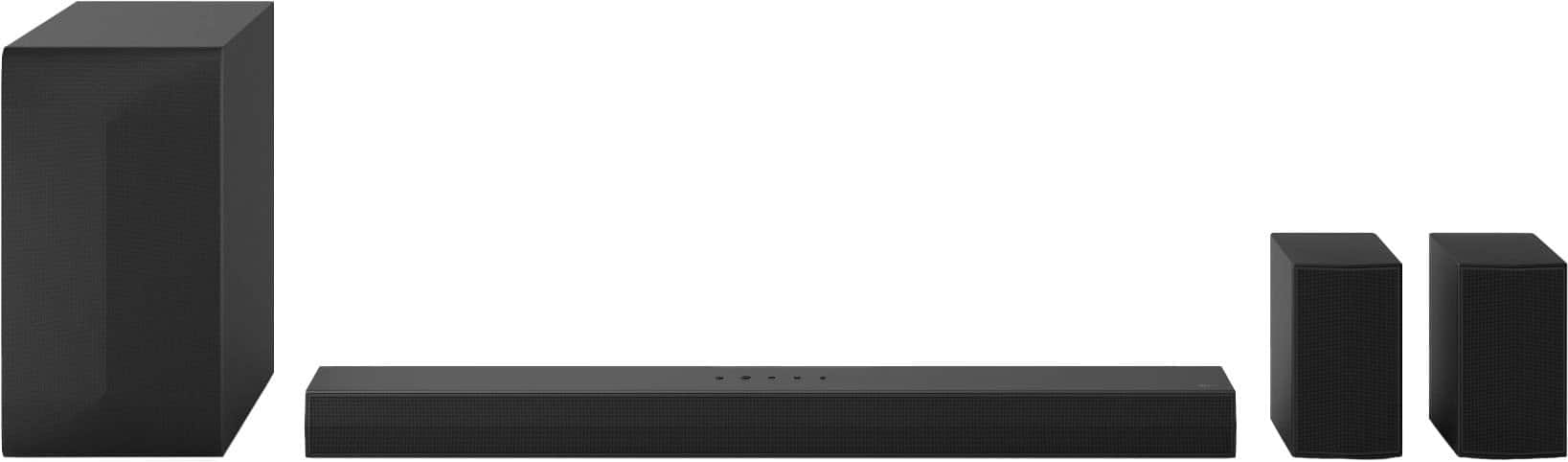
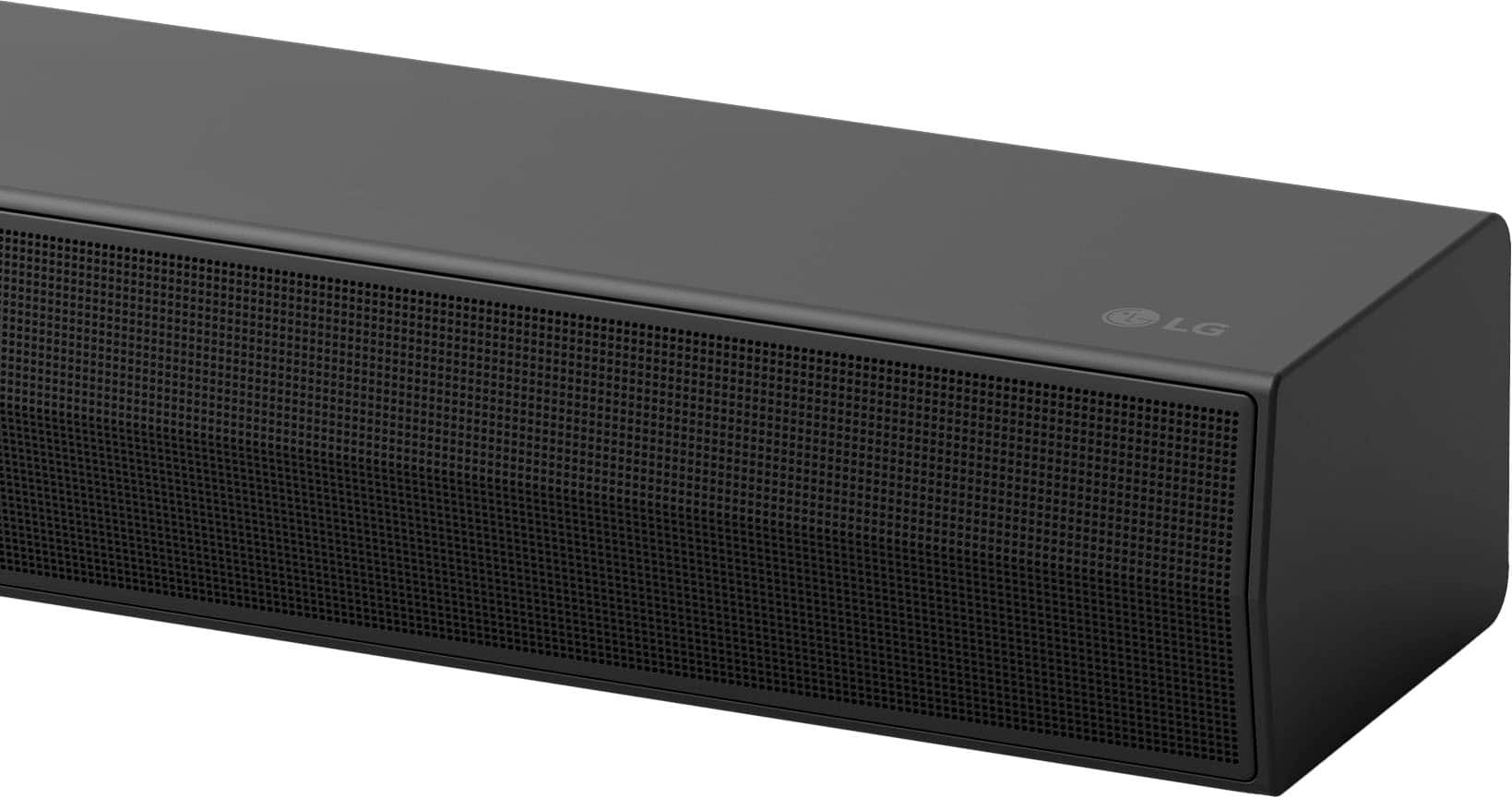
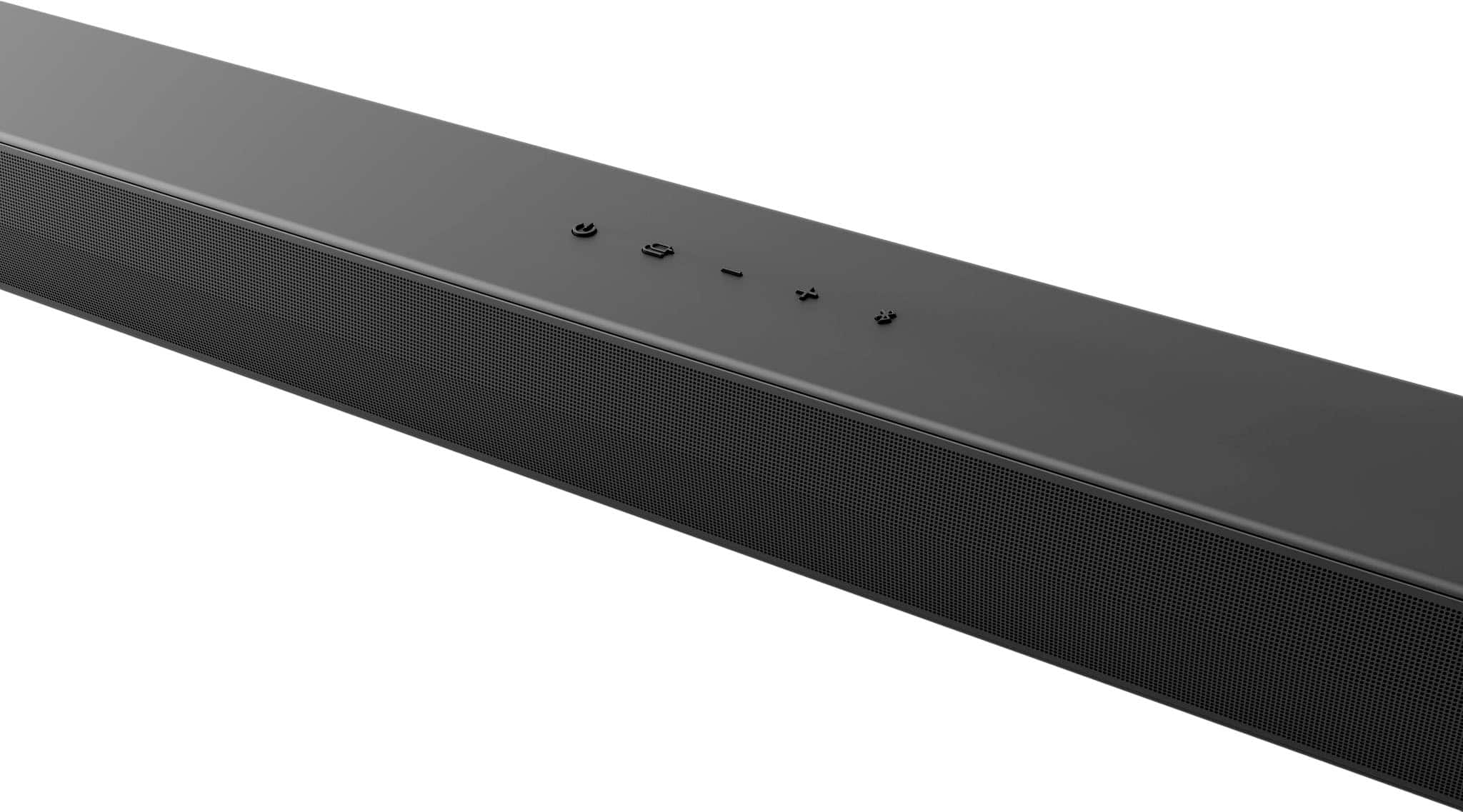
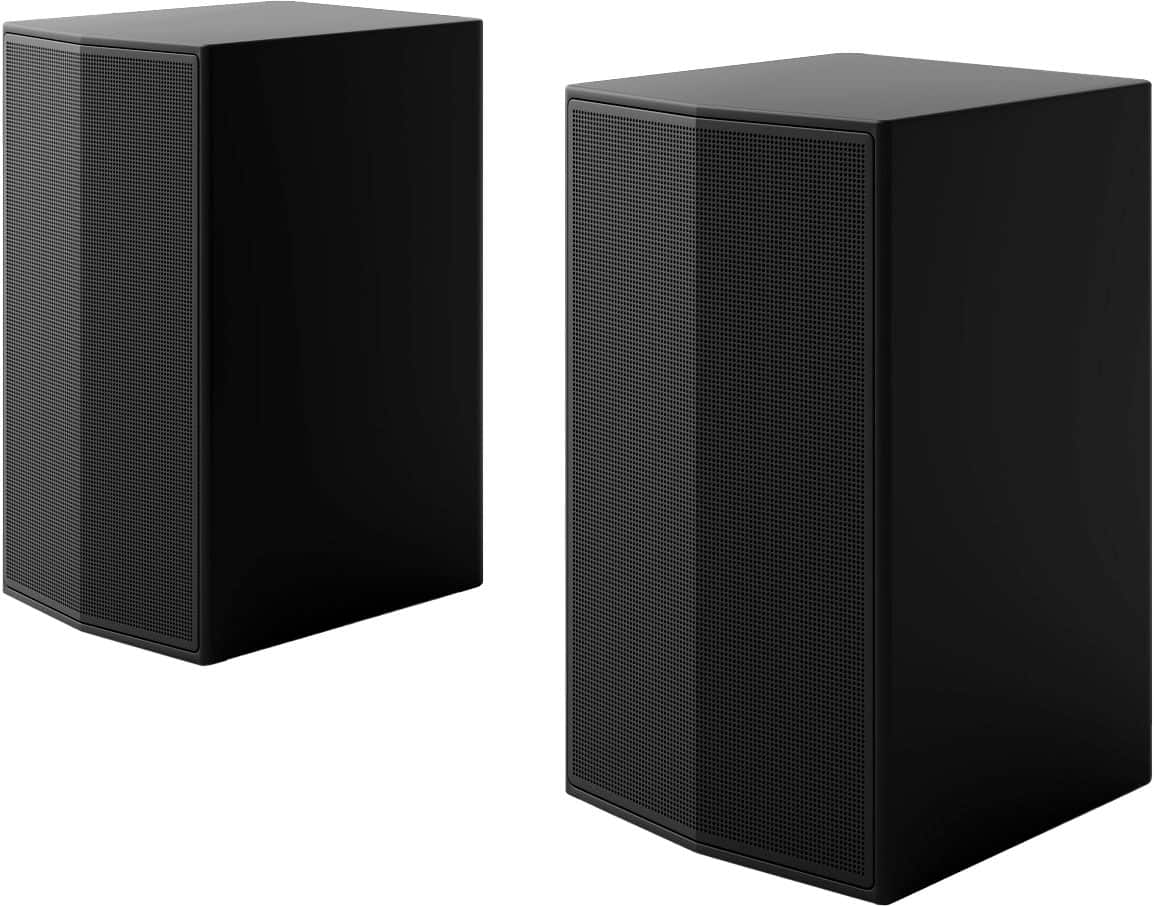
The LG S60TR, also released in 2024, takes the traditional home theater approach. Instead of simulating surround effects, it places actual wireless speakers behind or beside your listening position. This creates what audio enthusiasts call "true surround sound" because the rear effects actually come from behind you, just like in a movie theater.
The S60TR delivers 440W of total power distributed across genuine separate components: 40W each for the front left and right speakers, 40W for the center channel (all housed in the main soundbar), 50W for each rear speaker, and a hefty 220W for the wireless subwoofer. This physical separation means when a helicopter flies from the front of the screen to the back, you hear it move through actual space rather than through digital trickery.
LG's system also incorporates AI Sound Pro, which uses machine learning algorithms to automatically adjust the audio based on what you're watching. The system can detect whether you're watching a sports broadcast, action movie, or dialogue-heavy drama and optimize the sound accordingly. This happens in real-time without any input from you.
This is where the fundamental difference between these systems becomes most apparent. The LG S60TR delivers what most audio experts consider superior surround sound immersion simply because it has actual speakers positioned around the room. When you're watching an action movie and bullets whiz past, they genuinely travel from front to back through physical space. Your brain processes this as more convincing because it matches how you experience sound in real life.
However, the Ultimea M60 Boom shouldn't be dismissed. Its virtual surround processing is remarkably sophisticated for the price point. The triple-core DSP technology creates what's called "psychoacoustic effects" – essentially tricking your brain into perceiving directional sound through careful frequency manipulation and timing adjustments. While it can't fully replicate the experience of rear speakers, it creates a notably wider and more enveloping soundstage than basic soundbars.
The M60 Boom particularly excels with Dolby Atmos content, where its processing can create convincing overhead effects. Dolby Atmos adds height information to audio, so sounds can appear to come from above you. While the Ultimea can't physically project sound upward, its DSP processing creates the illusion reasonably well.
For home theater use, the LG S60TR provides the more authentic cinematic experience, especially in medium to large rooms where the rear speakers have space to breathe. But in smaller spaces or apartments where rear speaker placement is challenging, the M60 Boom's virtual approach might actually work better.
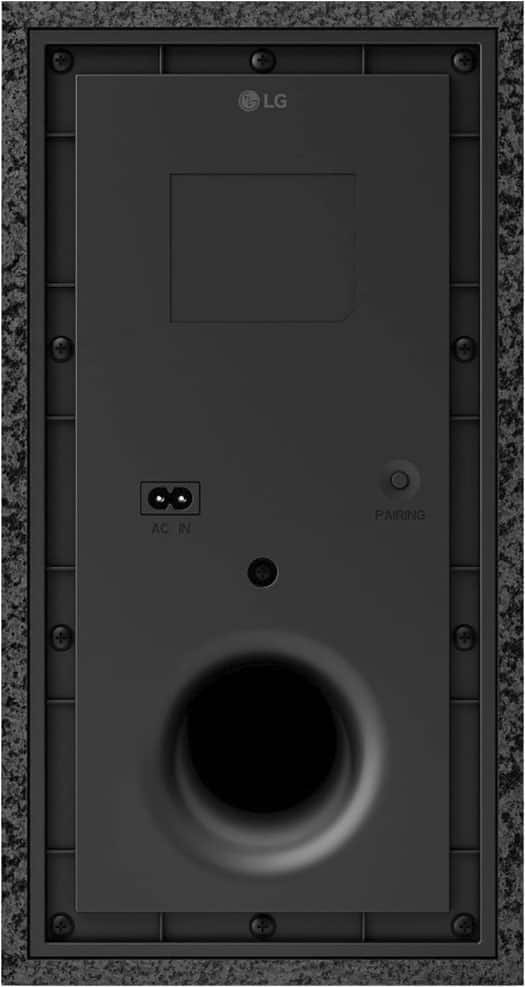
Both systems take different approaches to low-frequency reproduction. The LG S60TR dedicates a substantial 220W – exactly half of its total power – to the subwoofer. This wireless subwoofer can be positioned anywhere in the room for optimal bass response, which matters more than you might think. Bass frequencies behave differently in different room positions, and having placement flexibility lets you find the sweet spot for your space.
The Ultimea M60 Boom uses a smaller 5.25-inch subwoofer but compensates with its BassMX Technology. This engineering approach focuses on driver excursion (how far the speaker cone moves) and cabinet design to maximize output from a smaller enclosure. The trade-off is typically tighter, more controlled bass that won't rattle your windows but provides better musical accuracy.
From our research into user experiences, the LG's approach works better for movie watching where you want that room-shaking impact during explosion scenes. The Ultimea's approach tends to work better for music listening where bass accuracy and tightness matter more than sheer output.
Poor dialogue clarity ruins more home theater experiences than any other audio issue. Both systems address this crucial need but through different methods.
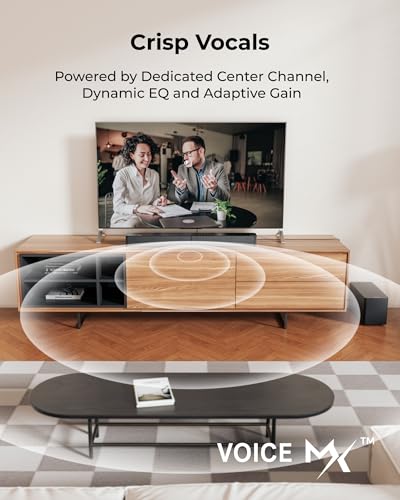
The Ultimea M60 Boom uses something called VoiceMX Technology, which dynamically enhances frequencies between 300Hz and 3kHz – the range where most human speech occurs. The system can automatically boost dialogue when it detects complex soundtracks and reduce it when the scene is quiet, maintaining consistent intelligibility without manual volume adjustments.
The LG S60TR takes a more traditional approach with a dedicated 40W center channel speaker specifically designed for dialogue reproduction. Center channels work because most movie dialogue is mixed to come primarily from the center of the screen, matching where actors' mouths appear visually. Having a dedicated driver for this frequency range, rather than processing tricks, often produces more natural-sounding speech.
Both systems include night modes that compress dynamic range – essentially making quiet parts louder and loud parts quieter so you can hear dialogue without waking the neighbors during action scenes. The LG's AI Sound Pro goes further by automatically detecting content type and applying appropriate processing.
The LG S60TR claims 440W total power compared to the M60 Boom's 340W, but these numbers don't tell the complete story. The LG distributes this power across more physical drivers, while the Ultimea concentrates it through fewer but potentially more efficient amplifiers.
More importantly, the M60 Boom's triple-core DSP technology enables what engineers call "dynamic power management." The system can allocate power where it's needed most at any given moment rather than having fixed power allocations per channel. This can result in perceived loudness that punches above the raw wattage numbers suggest.
For practical use, both systems can easily fill medium-sized rooms with sound. The LG has the advantage in larger spaces where its physical speaker separation and higher total power become more beneficial. The Ultimea might actually perform better in smaller rooms where its integrated design prevents the acoustic issues that can arise when multiple speakers compete in confined spaces.
Here's where these systems diverge dramatically in user experience. The Ultimea Poseidon M60 Boom arrives in a clever two-piece modular design that clicks together easily. You connect one HDMI cable to your TV, plug in the subwoofer, and you're basically done. The entire process typically takes under 10 minutes, and the system works well regardless of your room layout.
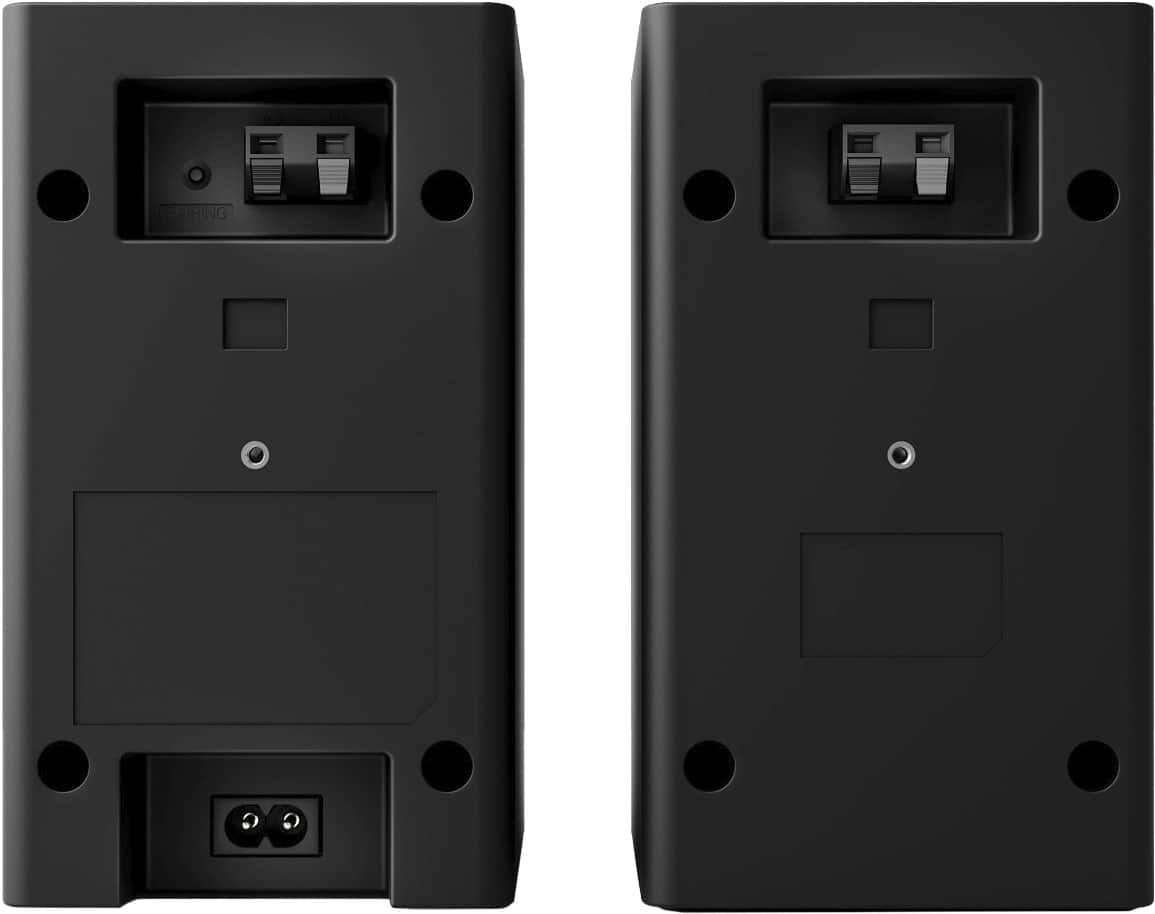
The LG S60TR requires significantly more planning and setup time. You need to position the rear speakers appropriately – typically 6-10 feet behind your main seating position and slightly above ear level. One rear speaker needs to plug into AC power, then connects wirelessly to its partner speaker. The subwoofer placement also requires experimentation to find the optimal bass response for your room.
This setup complexity isn't necessarily bad – it's the price of authentic surround sound. But it does mean the LG isn't ideal for renters who move frequently or people who prefer plug-and-play simplicity.
Both systems embrace modern connectivity, but with different focuses. The M60 Boom includes Bluetooth 5.4, the latest wireless audio standard, which provides faster device pairing, more stable connections, and lower latency for gaming or watching videos on your phone. The dedicated Ultimea app offers extensive customization including a 10-band equalizer and 121 preset sound profiles.
The LG S60TR integrates seamlessly with LG TVs through something called the WOW interface. This lets you control both the TV and soundbar with a single remote, automatically adjusting sound modes based on what you're watching. If you own an LG TV, this integration is remarkably convenient. The AI Sound Pro feature continuously analyzes content and makes automatic adjustments without user intervention.
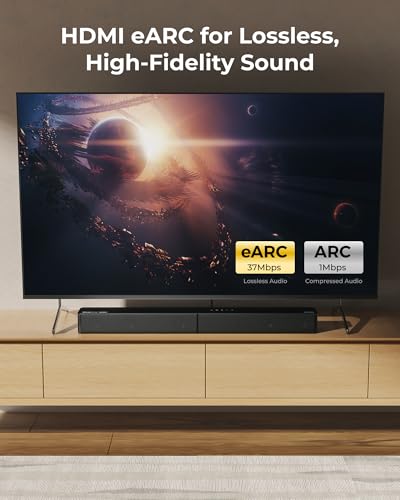
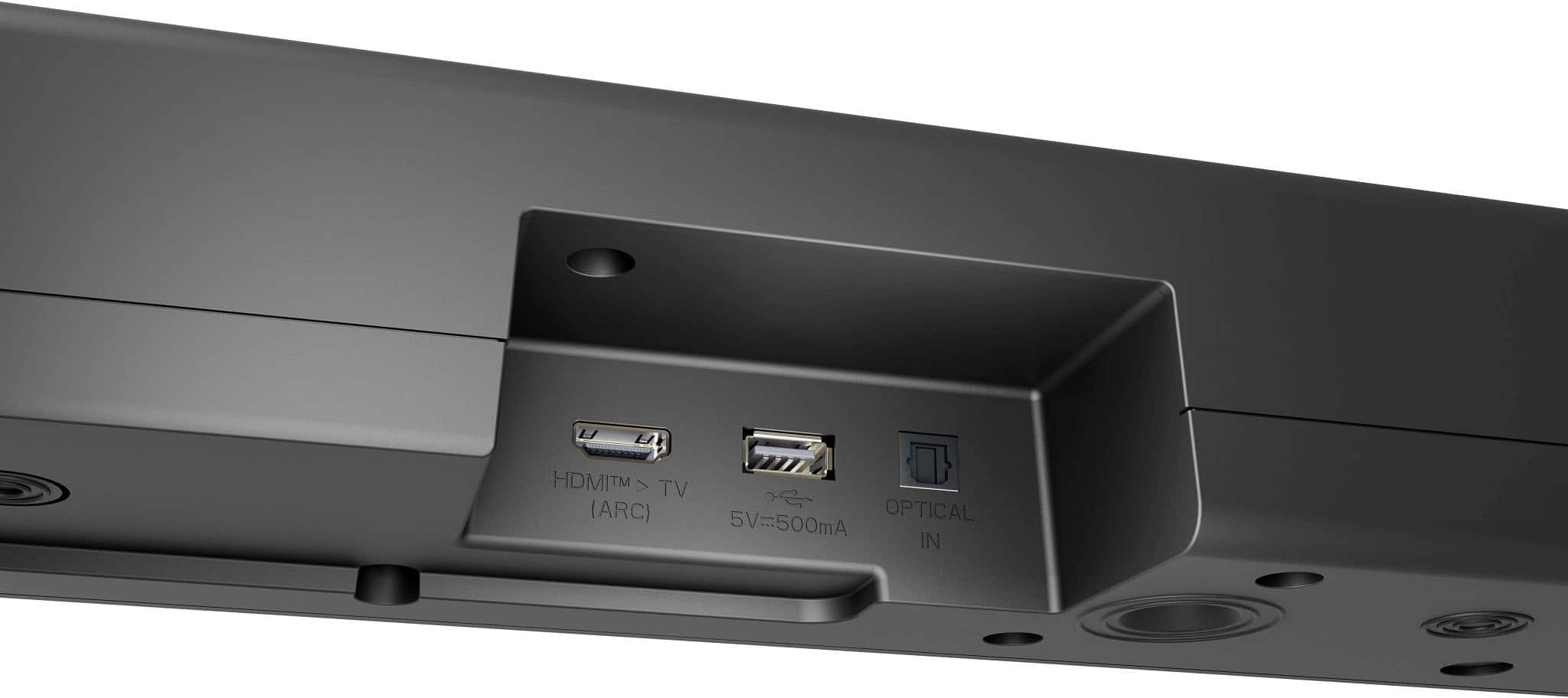
Both systems support HDMI eARC (enhanced Audio Return Channel), which provides the highest quality audio connection to your TV. This connection type can handle uncompressed Dolby Atmos and other high-resolution audio formats that optical connections cannot.
At the time of writing, these systems occupy similar price ranges but deliver value in different ways. The Ultimea M60 Boom typically costs less while including advanced DSP technology usually found in more expensive systems. You're essentially paying for sophisticated audio processing and convenience rather than multiple physical components.
The LG S60TR generally commands a higher price but includes true wireless rear speakers and a more powerful subwoofer. You're paying for authentic surround sound positioning and the flexibility of component-based design.
For apartment dwellers or people who prioritize simplicity, the M60 Boom offers exceptional value. You get sophisticated audio processing, easy setup, and sound quality that significantly outperforms TV speakers or basic soundbars. The space-saving design works well in modern living situations where aesthetics and simplicity matter.
For dedicated home theater enthusiasts with appropriate room setups, the S60TR provides better long-term value. The authentic surround sound experience and higher power output justify the additional cost and setup complexity for serious movie watchers.
After extensively researching user experiences and expert reviews, both systems excel in their intended use cases, but for different reasons.
Choose the Ultimea Poseidon M60 Boom if you want maximum audio technology per dollar spent, prioritize easy setup and compact design, live in a smaller space where rear speakers would be problematic, or move frequently and need a system that works well anywhere. The advanced DSP processing and virtual surround effects provide a significantly more immersive experience than basic soundbars while maintaining living room practicality.
Choose the LG S60TR if authentic surround sound is non-negotiable for your movie-watching experience, you have a medium to large room with flexibility for rear speaker placement, you own an LG TV and value ecosystem integration, or you're building a dedicated home theater space where setup complexity isn't a concern.
The reality is that both systems will dramatically improve your audio experience compared to TV speakers. The Ultimea maximizes convenience and technology, while the LG maximizes authentic surround sound positioning. Your choice should depend on your room situation, technical preferences, and how much setup complexity you're willing to accept for the ultimate home theater experience.
For most people, the decision comes down to space and priorities: do you want the best possible surround sound experience, or do you want excellent sound that fits seamlessly into your living situation? Both approaches have merit, and both deliver substantial improvements over basic audio solutions.
| Ultimea Poseidon M60 Boom 5.1 Soundbar | LG S60TR 5.1 Channel Soundbar with Wireless Subwoofer and Rear Speakers |
|---|---|
| Total System Power - Higher power generally means louder volumes and better dynamics | |
| 340W peak power | 440W total power |
| Surround Speaker Configuration - Physical rear speakers create more authentic surround effects | |
| Virtual 5.1 with all speakers integrated in main soundbar | True 5.1 with dedicated wireless rear speakers |
| Subwoofer Type - Wireless subwoofers offer better placement flexibility | |
| 5.25" wired subwoofer with BassMX Technology | Wireless subwoofer with 220W dedicated power |
| Audio Processing Technology - Advanced DSP can enhance sound quality and create virtual effects | |
| Triple-core DSP with VoiceMX and BassMX processing | AI Sound Pro with deep learning content optimization |
| Setup Complexity - Simpler setup means faster installation and better rental-friendly options | |
| Plug-and-play modular design, complete setup in minutes | Multi-component setup requiring rear speaker positioning |
| Connectivity Standards - Newer Bluetooth versions offer better stability and lower latency | |
| HDMI eARC, Bluetooth 5.4, Optical, USB | HDMI eARC, Bluetooth, Optical, Wi-Fi |
| Smart Control Features - App control offers more customization than basic remotes | |
| Dedicated app with 10-band EQ and 121 presets | WOW interface integration with LG TVs, AI auto-adjustment |
| Physical Footprint - Compact systems work better in smaller spaces and apartments | |
| Single modular soundbar + wired subwoofer | Main soundbar + wireless subwoofer + 2 wireless rear speakers |
| Frequency Response - Lower numbers indicate deeper bass capability | |
| 45 Hz–18 kHz with 99 dB max SPL | Not specified (typical range likely 50 Hz–20 kHz) |
| Best Room Size - Larger rooms benefit more from higher power and physical speaker separation | |
| Small to medium rooms, apartment-friendly | Medium to large rooms with rear speaker placement flexibility |
The Ultimea Poseidon M60 Boom is better suited for small rooms and apartments. Its compact design integrates all five speakers into the main soundbar, eliminating the need for rear speaker placement that can be challenging in tight spaces. The virtual surround processing works well in smaller environments where physical speaker separation isn't possible.
The LG S60TR is mostly wireless with its rear speakers and subwoofer connecting wirelessly to the main bar, though one rear speaker needs AC power. The Ultimea M60 Boom has a wired subwoofer connection but requires fewer total connections overall, making it simpler to set up.
The LG S60TR delivers more powerful bass with its dedicated 220W wireless subwoofer that can be positioned optimally in your room. The Ultimea Poseidon M60 Boom uses BassMX Technology in a smaller 5.25" subwoofer that provides tighter, more controlled bass suitable for music and smaller spaces.
Only the LG S60TR creates true physical surround sound with dedicated wireless rear speakers positioned behind your seating area. The Ultimea M60 Boom uses advanced virtual processing to simulate surround effects from the main soundbar, which is convincing but not as immersive as physical rear speakers.
The Ultimea Poseidon M60 Boom offers plug-and-play simplicity with its modular design that connects in minutes. The LG S60TR requires more planning and time to properly position the wireless rear speakers and optimize the system for your room layout.
Both excel at dialogue clarity but use different approaches. The Ultimea M60 Boom uses VoiceMX Technology to dynamically enhance speech frequencies, while the LG S60TR features a dedicated center channel speaker and Clear Voice Pro mode specifically designed for dialogue reproduction.
The LG S60TR provides a more authentic movie theater experience with its physical rear speakers creating genuine surround effects during action scenes. However, the Ultimea Poseidon M60 Boom delivers impressive virtual surround processing and works better if your room can't accommodate rear speaker placement.
The LG S60TR offers seamless integration with LG TVs through the WOW interface, allowing single-remote control. The Ultimea M60 Boom supports HDMI CEC for basic TV remote control and includes a comprehensive mobile app for advanced settings and customization.
The LG S60TR delivers 440W of total system power distributed across its multiple speakers and subwoofer. The Ultimea Poseidon M60 Boom provides 340W peak power but uses efficient DSP processing to maximize perceived loudness and dynamic range.
The Ultimea M60 Boom excels at music with its precise BassMX Technology and 10-band EQ customization through the mobile app. The LG S60TR also handles music well with its AI Sound Pro processing that automatically optimizes settings for different content types including music.
The Ultimea Poseidon M60 Boom typically offers better value for users prioritizing advanced technology and simplicity in a compact package. The LG S60TR provides better value for those wanting authentic surround sound and have the room setup to properly utilize the wireless rear speakers.
Both soundbars work well for gaming, but the Ultimea M60 Boom has an advantage with Bluetooth 5.4 offering ultra-low latency for wireless gaming audio. The LG S60TR includes a dedicated Game mode and benefits from its physical surround speakers for immersive gaming experiences in larger rooms.
We've done our best to create useful and informative comparisons to help you decide what product to buy. Our research uses advanced automated methods to create this comparison and perfection is not possible - please contact us for corrections or questions. These are the sites we've researched in the creation of this article: ultimea.com - ultimea.com - youtube.com - bestbuy.com - youtube.com - avsforum.com - youtube.com - manuals.plus - youtube.com - device.report - ultimea.com - ultimea.de - community.ultimea.com - ultimea.com - community.ultimea.com - ultimea.com - youtube.com - aliexpress.com - ultimea.com - bestbuy.com - mynavyexchange.com - youtube.com - consumerreports.org - avsforum.com - rentacenter.com - bestbuy.com - homechoicestores.com - oconsommateur.com - lg.com - bestbuy.com - samsung.com

Privacy Policy
Terms and Conditions - Affiliate Policy
Home Security
© Copyright 2008-2026.
11816 Inwood Rd #1211, Dallas, TX 75244