


When you're tired of constantly adjusting your TV's volume to catch dialogue or missing the rumble of explosions in action movies, a good soundbar becomes essential. The market has evolved significantly over the past few years, with manufacturers finding creative ways to pack more audio channels into sleek designs that won't dominate your living room.
Today we're comparing two different approaches to upgrading your TV's audio: the Ultimea Poseidon M60 Boom, which launched in 2025 with an innovative all-in-one 5.1 design, and the Amazon Fire TV Soundbar Plus with Subwoofer, released in 2023 as Amazon's answer to mainstream home theater audio.
Before diving into these specific products, it's worth understanding what makes soundbars effective. Traditional TV speakers are tiny and often fire downward or backward, creating thin, unclear sound. Soundbars solve this by placing larger drivers in front of your TV, creating a wider soundstage (the perceived width and depth of audio) and cleaner dialogue reproduction.
The numbers you see—like 3.1, 5.1, or 7.1—refer to speaker channels. The first number represents main speakers (left, center, right, plus additional surround channels), while the ".1" indicates a dedicated subwoofer channel for bass frequencies. More channels typically mean better audio separation and more immersive surround effects.
Modern soundbars use digital signal processing (DSP) to create virtual surround sound, where algorithms manipulate audio timing and frequency response to trick your ears into hearing sounds from directions where no physical speakers exist. While not as convincing as discrete surround speakers placed around your room, virtual processing has improved dramatically and can create surprisingly effective immersion in the right setup.
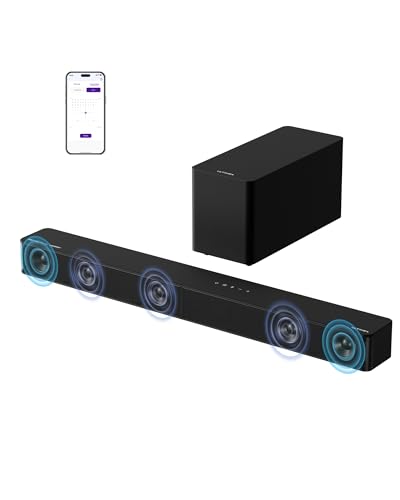
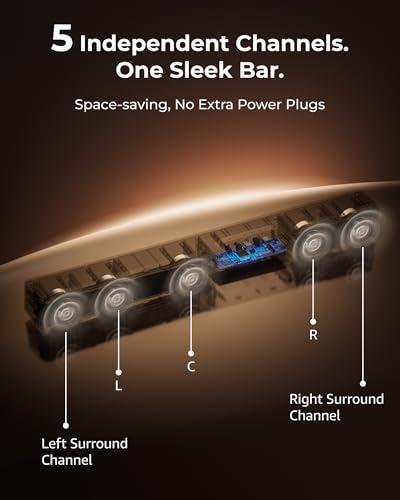
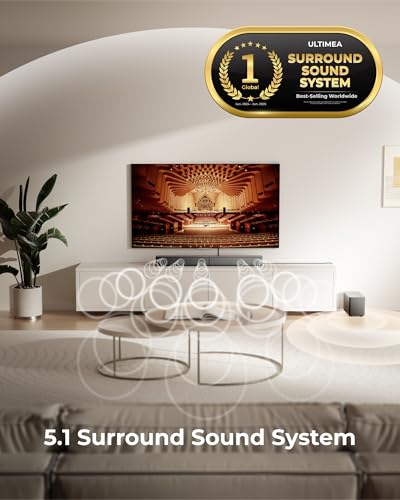
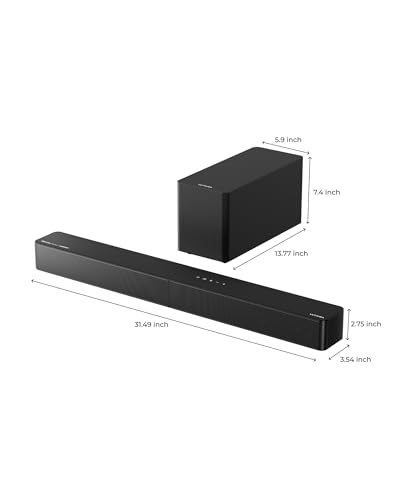
The Ultimea Poseidon M60 Boom represents a fascinating technical achievement—cramming true 5.1 channel processing into what appears to be a single soundbar. Through a modular design, it splits into two connected sections that together house five discrete full-range drivers, creating genuine left, center, right, and surround channels without requiring separate satellite speakers around your room.
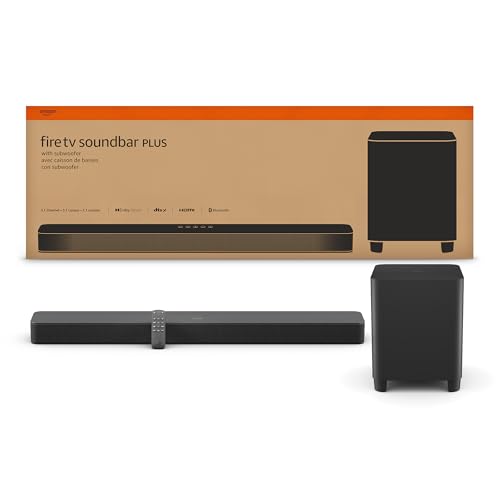
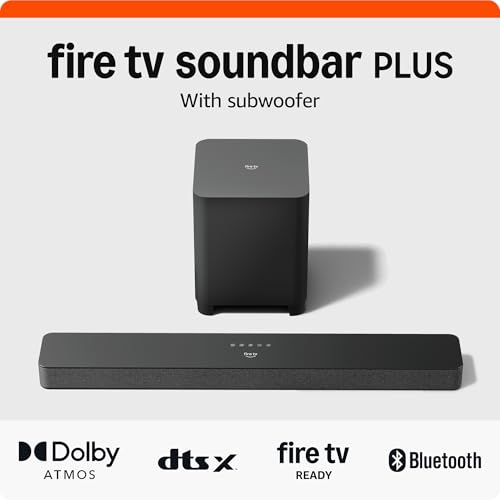
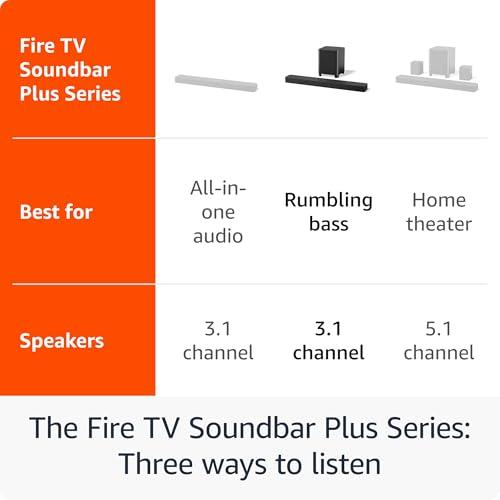
The Amazon Fire TV Soundbar Plus, meanwhile, takes a more traditional 3.1 approach but focuses heavily on ecosystem integration and user experience refinements. Released in 2023, it reflects Amazon's strategy of creating audio products that work seamlessly with their streaming devices while prioritizing dialogue clarity over raw audio power.
These represent fundamentally different approaches: the Ultimea prioritizes authentic multi-channel audio in a simplified package, while Amazon emphasizes convenience and smart features for their device ecosystem.
The Ultimea M60 Boom delivers 340W of peak power, which translates to noticeably louder maximum volumes and better headroom during dynamic scenes. Peak power specifications can be misleading since they represent maximum output rather than sustained performance, but this rating suggests the Ultimea can handle demanding audio content without distortion or compression.
Based on our research into user experiences, the higher power output becomes particularly noticeable in larger rooms or when you want that genuine home theater impact during action sequences. The Amazon Fire TV Soundbar doesn't publish specific power ratings, but user reports consistently describe it as having sufficient volume for most living rooms while focusing more on clarity than raw output.
This is where the fundamental architectural differences between these systems become crucial. The Ultimea's five discrete channels create genuine audio separation—when a helicopter moves from left to right in a movie, you hear it transition between actual different speakers rather than relying entirely on digital processing.
The modular design solves a common soundbar limitation: fitting multiple channels into a narrow enclosure typically requires compromises in driver size or spacing. By splitting the bar into connected sections, Ultimea achieves better channel separation while maintaining the convenience of a single-unit installation.
The Amazon Fire TV Soundbar Plus uses three main channels (left, center, right) plus digital processing to simulate surround effects. While virtual surround has improved significantly in recent years, there's still a noticeable difference when comparing systems with physical channel separation versus those relying primarily on DSP algorithms.
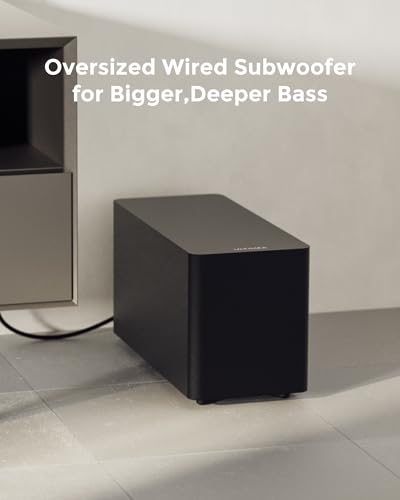
Both systems include dedicated subwoofers, but their approaches differ meaningfully. The Ultimea's 5.25-inch wired subwoofer incorporates BassMX Technology, which uses cabinet optimization and driver engineering to achieve deeper bass extension with better control.
Our research suggests the Ultimea produces more impactful low-frequency effects, particularly important for movie soundtracks that rely on subsonic rumble to create tension or emphasize action sequences. The wired connection also eliminates potential wireless latency issues that can cause bass to lag slightly behind the main audio.
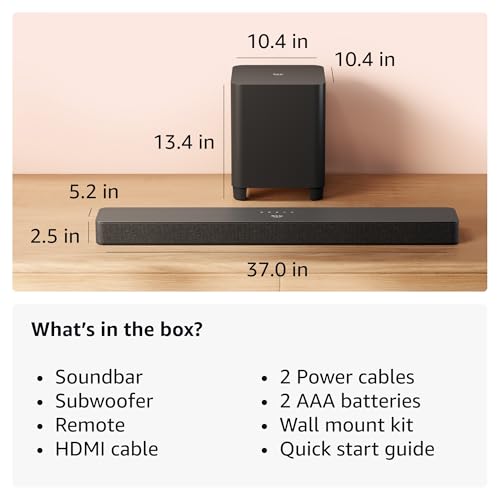
The Amazon system's wireless subwoofer offers placement flexibility—crucial in many living rooms where running cables isn't practical. However, user reports indicate more modest bass output that prioritizes integration with dialogue rather than standalone impact. This approach works well for mixed content viewing but may disappoint users seeking that chest-thumping bass response during movie nights.
Interestingly, despite having fewer channels, the Amazon Fire TV Soundbar Plus often receives higher marks for dialogue clarity. This stems from dedicated speech processing algorithms and a dialogue enhancement feature that dynamically adjusts frequency response to keep voices prominent even during complex audio scenes.
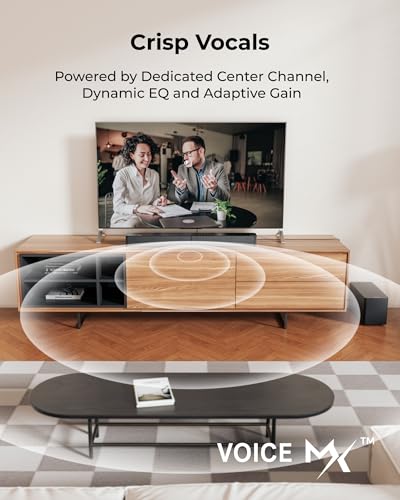
The Ultimea M60 Boom includes a dedicated center channel—traditionally the most important speaker for dialogue reproduction—but relies more on its physical driver configuration than specialized processing. User experiences suggest excellent clarity overall, though some find the Amazon system more forgiving with poorly mixed content or background noise.
The Amazon Fire TV Soundbar Plus shines in daily usability, particularly for users already invested in Amazon's ecosystem. Integration with Fire TV devices allows control through your existing remote, automatic volume adjustment, and audio settings that sync with your streaming device preferences.
This ecosystem integration extends beyond basic remote control. The soundbar can automatically adjust audio settings based on content type, maintain consistent volume levels across different streaming services, and integrate with Fire TV's audio processing for optimized performance.
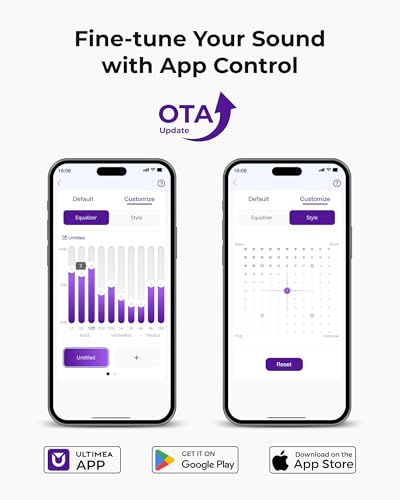
The Ultimea Poseidon M60 Boom offers more comprehensive audio customization through its dedicated smartphone app. This allows detailed EQ adjustments, multiple listening presets, and system updates—features that appeal to users who enjoy fine-tuning their audio experience.
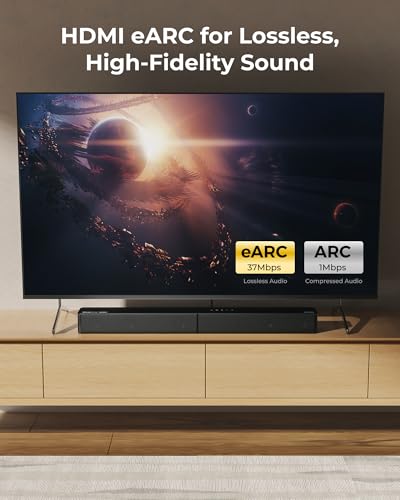
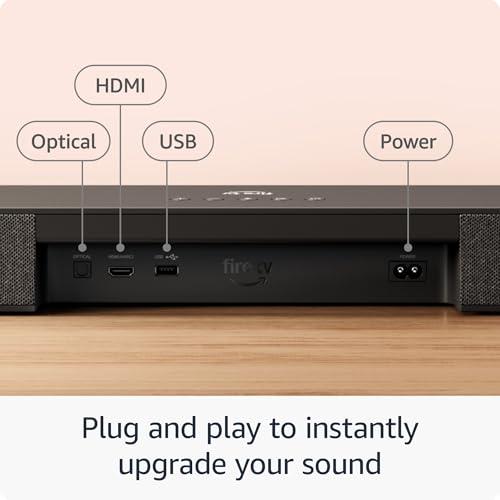
Both systems support HDMI eARC (enhanced Audio Return Channel), which enables high-bandwidth, uncompressed audio transmission from your TV. This connection method also allows CEC (Consumer Electronics Control), letting you control the soundbar with your TV remote regardless of which system you choose.
The Ultimea's modular design creates an interesting installation scenario. While it appears to be a single soundbar, it actually consists of two connected sections that can be positioned to optimize channel separation for your specific TV setup. This flexibility allows better acoustic performance while maintaining the visual simplicity of a traditional soundbar.
Cable management becomes slightly more complex with the wired subwoofer, though many users prefer this to potential wireless connection issues. The system includes wall-mounting hardware, and the modular design actually simplifies wall installation compared to single-piece soundbars of similar length.
The Amazon Fire TV Soundbar Plus offers more traditional installation with the added convenience of wireless subwoofer placement. This flexibility proves valuable in rooms where optimal subwoofer positioning (typically in a corner or along a side wall) doesn't align with convenient cable routing.
At the time of writing, both systems occupy the mid-range soundbar market but offer different value propositions. The Ultimea M60 Boom provides genuine 5.1 channel processing at prices typically associated with 3.1 systems, making it compelling for users prioritizing audio performance over brand recognition or smart features.
The innovation in cramming five discrete channels into a simplified installation deserves recognition—traditionally, achieving this level of channel separation required separate satellite speakers and more complex setup procedures.
The Amazon Fire TV Soundbar Plus offers solid value for users already committed to the Fire TV ecosystem, particularly when considering the seamless integration and established support infrastructure. Amazon's approach prioritizes user experience refinements over raw audio specifications, which resonates with users seeking simplicity and reliability.
For dedicated home theater use, the Ultimea Poseidon M60 Boom provides advantages that become more apparent with demanding content. Movie soundtracks mixed for 5.1 systems benefit from genuine channel separation, creating more convincing surround effects during action sequences or atmospheric scenes.
The higher power output also matters more in home theater applications, where you want dynamic range—the difference between quiet dialogue and explosive sound effects—to mirror the cinematic experience. The system's ability to deliver clean audio at higher volumes becomes crucial during movie nights.
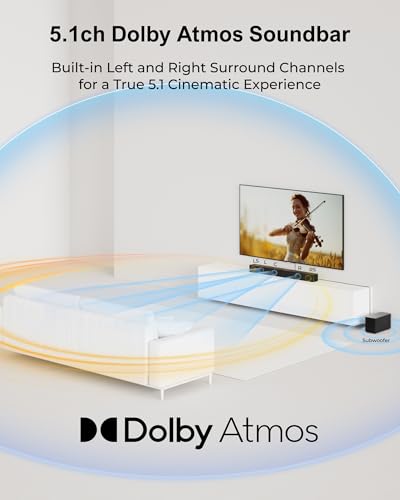
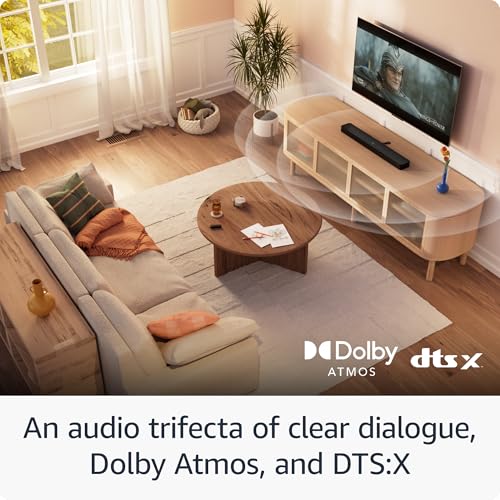
However, neither system offers true Dolby Atmos height effects since both lack physical up-firing speakers. They process Dolby Atmos content but cannot reproduce the overhead audio effects that create the most immersive surround sound experiences. Users seeking authentic Dolby Atmos should consider systems with dedicated height speakers, though these typically cost significantly more and require more complex installation.
The Amazon Fire TV Soundbar Plus works well for mixed home theater use, particularly for users who watch varied content types. Its dialogue processing excels with TV shows and streaming content, while providing sufficient improvement over TV speakers for occasional movie viewing.
Choose the Ultimea Poseidon M60 Boom if you prioritize audio performance and want the most immersive surround experience possible without separate satellite speakers. This system works best for users with larger rooms, those who frequently watch action movies or listen to music through their TV setup, and anyone comfortable with newer brands offering innovative technology.
The modular 5.1 design particularly appeals to users seeking that authentic surround experience but constrained by apartment living or spouse approval factors that rule out traditional multi-speaker setups.
Choose the Amazon Fire TV Soundbar Plus if you value ecosystem integration, prioritize dialogue clarity, and want established brand reliability. This system excels for users primarily streaming content through Fire TV devices, those living in smaller spaces where wireless subwoofer placement matters, and anyone preferring simplified operation over audio customization options.
The Ultimea's modular approach represents genuine innovation in soundbar design, solving real acoustic limitations through clever engineering. This suggests the company understands audio fundamentals rather than simply following market trends.
However, being a newer brand means less established support infrastructure and limited long-term reliability data. The 2025 release also means fewer user experiences to evaluate, though early adopter reports appear positive.
Amazon's 2023 release timing allowed incorporation of mature wireless technologies and refined user interface design. The company's established support network and regular software updates provide confidence in long-term ownership experience.
The choice ultimately depends on your priorities and listening habits. The Ultimea Poseidon M60 Boom delivers superior audio performance through genuine 5.1 processing and higher power output, making it ideal for users seeking the best possible surround experience from a simplified installation.
The Amazon Fire TV Soundbar Plus offers refined user experience, ecosystem integration, and reliable performance for users prioritizing convenience and dialogue clarity over maximum audio impact.
Both systems represent solid upgrades over TV speakers and provide meaningful improvements in audio quality. Your decision should align with whether you value cutting-edge audio technology and performance (Ultimea) or established ecosystem integration and user experience refinement (Amazon).
Consider your room size, primary content types, and whether you're willing to invest time in audio customization versus preferring plug-and-play simplicity. Either choice will significantly improve your TV watching experience—the question is which approach better matches your specific needs and preferences.
| Ultimea Poseidon M60 Boom 5.1 Soundbar | Amazon Fire TV Soundbar Plus Subwoofer |
|---|---|
| Channel Configuration - Determines surround sound authenticity | |
| True 5.1 channels (all discrete drivers in modular soundbar) | 3.1 channels (relies on virtual processing for surround) |
| Peak Power Output - Affects maximum volume and dynamic range | |
| 340W peak power (better for larger rooms and impactful audio) | Not specified (adequate for most living rooms, focuses on clarity) |
| Subwoofer Design - Impacts bass performance and placement flexibility | |
| 5.25" wired subwoofer with BassMX Technology (deeper bass, fixed placement) | Wireless subwoofer (flexible placement, modest bass output) |
| Smart Features - Determines ease of use and ecosystem integration | |
| ULTIMEA Smart App control with comprehensive EQ customization | Fire TV remote integration with automatic audio optimization |
| Dolby Atmos Support - Creates immersive overhead audio effects | |
| Virtual Dolby Atmos processing (no physical up-firing speakers) | Virtual Dolby Atmos processing (no physical up-firing speakers) |
| Connectivity Options - Affects compatibility with different devices | |
| HDMI eARC, Bluetooth 5.4, optical, USB, CEC support | HDMI eARC, Bluetooth 5.0, optical, USB, Fire TV integration |
| Physical Design - Important for TV compatibility and room aesthetics | |
| Modular two-piece design that connects into single unit | Traditional single soundbar with separate wireless subwoofer |
| Release Year - Indicates technology generation and feature maturity | |
| 2025 release (newest technology, limited long-term user feedback) | 2023 release (established reliability, proven user experience) |
| Dialogue Enhancement - Critical for clear speech in movies and TV | |
| Dedicated center channel with standard processing | Advanced dialogue enhancement algorithms with dynamic adjustment |
| Setup Complexity - Affects installation time and ease of use | |
| Modular assembly required, wired subwoofer, app-based setup | Simple plug-and-play, wireless subwoofer auto-pairing |
The Ultimea Poseidon M60 Boom is better suited for large rooms due to its 340W peak power output and true 5.1 channel configuration. The higher power delivery ensures adequate volume levels and dynamic range in spacious areas, while the discrete channel separation creates better sound distribution across wider seating arrangements.
Yes, both the Ultimea Poseidon M60 Boom and Amazon Fire TV Soundbar Plus support Dolby Atmos, but through virtual processing only. Neither system includes physical up-firing speakers, so they simulate overhead audio effects rather than producing true spatial audio from above.
The Ultimea Poseidon M60 Boom delivers superior bass performance with its 5.25-inch wired subwoofer featuring BassMX Technology. This produces deeper, more impactful low-frequency response compared to the Amazon Fire TV Soundbar Plus, which has a wireless subwoofer that prioritizes integration over raw bass output.
The Amazon Fire TV Soundbar Plus offers simpler setup with plug-and-play installation and automatic wireless subwoofer pairing. The Ultimea Poseidon M60 Boom requires modular assembly of two soundbar sections and wired subwoofer connection, making it slightly more complex but still manageable for most users.
The Amazon Fire TV Soundbar Plus is specifically designed for Fire TV integration, offering seamless remote control, automatic audio optimization, and content-aware sound adjustments. While the Ultimea Poseidon M60 Boom works with Fire TV devices, it lacks the specialized ecosystem features.
The Ultimea Poseidon M60 Boom provides true 5.1 channels with five discrete drivers in its modular soundbar design, creating authentic surround sound separation. The Amazon Fire TV Soundbar Plus uses a 3.1 configuration (left, center, right, plus subwoofer) and relies on digital processing to simulate surround effects.
The Amazon Fire TV Soundbar Plus excels at dialogue clarity with dedicated speech processing algorithms and a dialogue enhancement feature that dynamically adjusts to keep voices prominent. The Ultimea Poseidon M60 Boom has good dialogue reproduction through its center channel but lacks specialized speech processing.
The Ultimea Poseidon M60 Boom includes a comprehensive smartphone app for EQ customization, preset selection, and system updates. The Amazon Fire TV Soundbar Plus does not offer a dedicated app, instead focusing on Fire TV remote integration and on-device controls.
The Amazon Fire TV Soundbar Plus provides greater placement flexibility with its wireless subwoofer, allowing optimal positioning without cable constraints. The Ultimea Poseidon M60 Boom uses a wired subwoofer connection, which may limit placement options but eliminates potential wireless connectivity issues.
Both soundbars offer HDMI eARC, optical, and USB connections. The Ultimea Poseidon M60 Boom features upgraded Bluetooth 5.4 for improved wireless streaming stability, while the Amazon Fire TV Soundbar Plus uses Bluetooth 5.0 but adds specialized Fire TV device integration capabilities.
For dedicated home theater applications, the Ultimea Poseidon M60 Boom offers advantages with its true 5.1 channel separation, higher power output, and superior bass response. These features create more immersive surround effects and better dynamic range for movie soundtracks compared to the Amazon Fire TV Soundbar Plus.
Both systems offer solid value in different ways. The Ultimea Poseidon M60 Boom provides exceptional value by delivering true 5.1 processing typically found in more expensive systems. The Amazon Fire TV Soundbar Plus offers good value for Fire TV users seeking reliable performance, dialogue clarity, and ecosystem integration without premium pricing.
We've done our best to create useful and informative comparisons to help you decide what product to buy. Our research uses advanced automated methods to create this comparison and perfection is not possible - please contact us for corrections or questions. These are the sites we've researched in the creation of this article: ultimea.com - ultimea.com - youtube.com - bestbuy.com - youtube.com - avsforum.com - youtube.com - manuals.plus - youtube.com - device.report - ultimea.com - ultimea.de - community.ultimea.com - ultimea.com - community.ultimea.com - ultimea.com - youtube.com - aliexpress.com - ultimea.com - rtings.com - cordbusters.co.uk - techradar.com - youtube.com - t3.com - hometechnologyreview.com - youtube.com - hometechnologyreview.com - whathifi.com - developer.amazon.com - manuals.plus - dolby.com

Privacy Policy
Terms and Conditions - Affiliate Policy
Home Security
© Copyright 2008-2026.
11816 Inwood Rd #1211, Dallas, TX 75244