





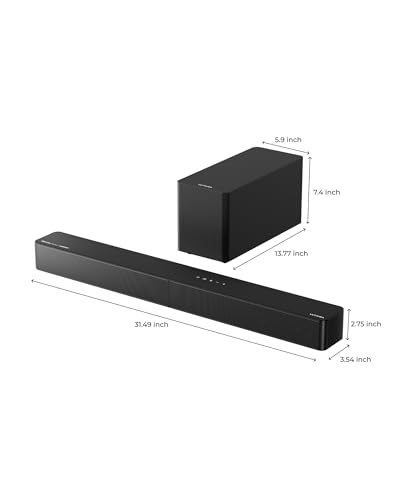
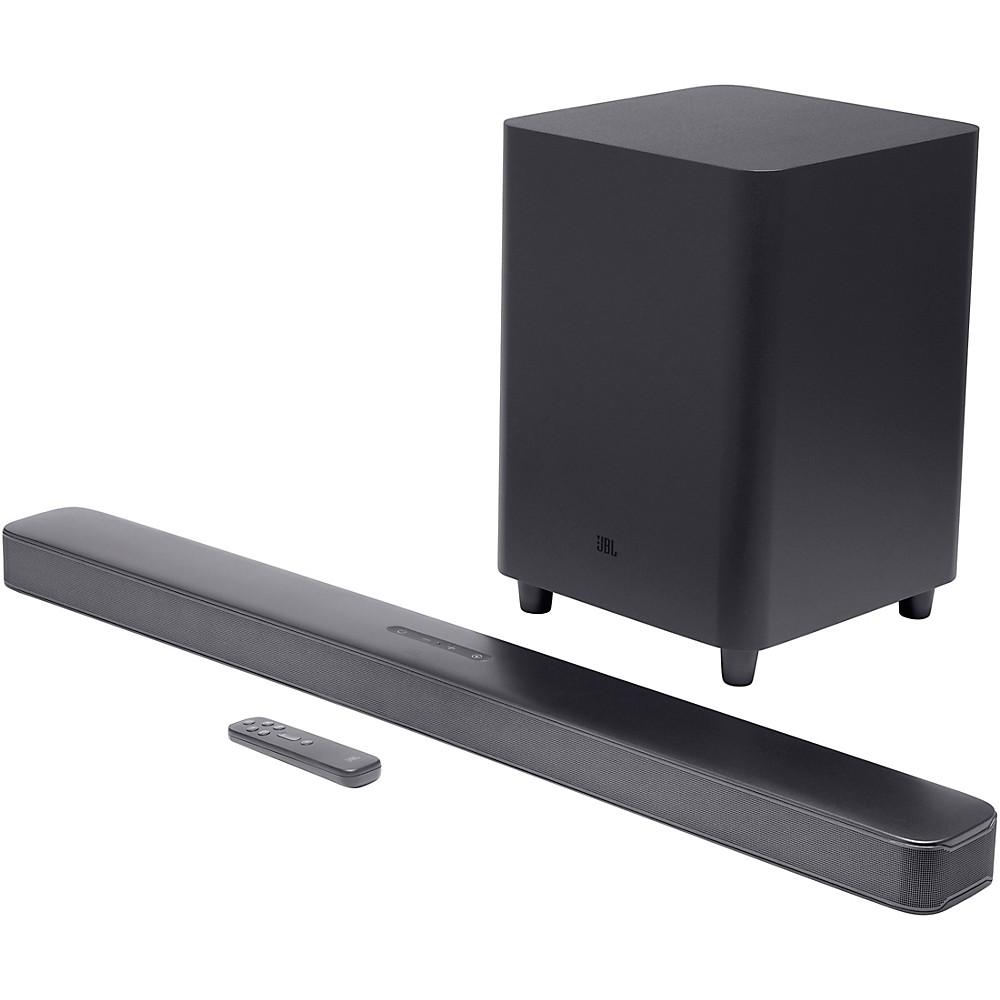
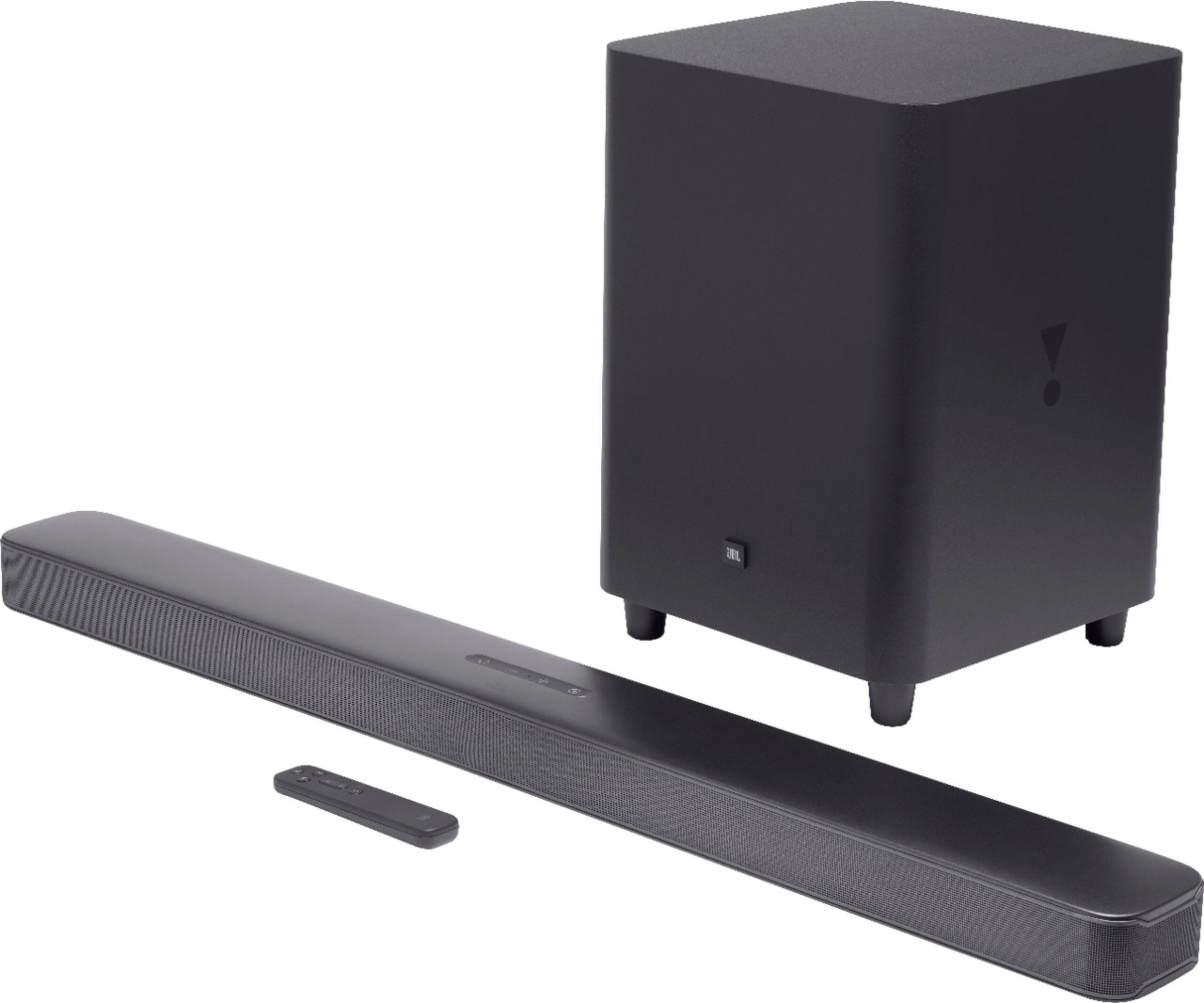

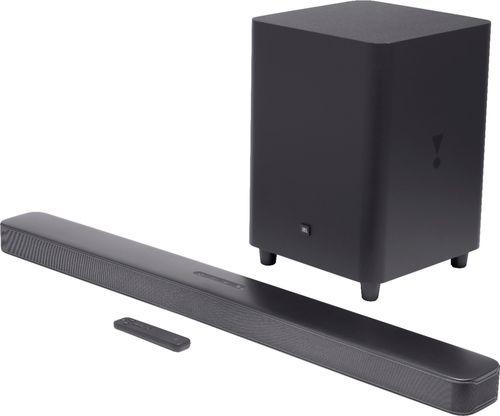
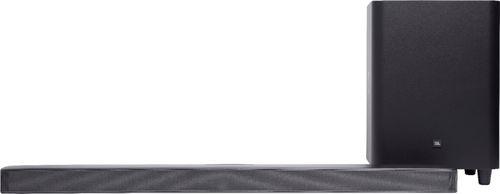
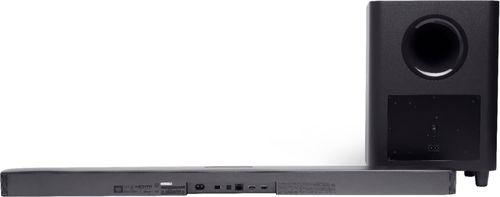
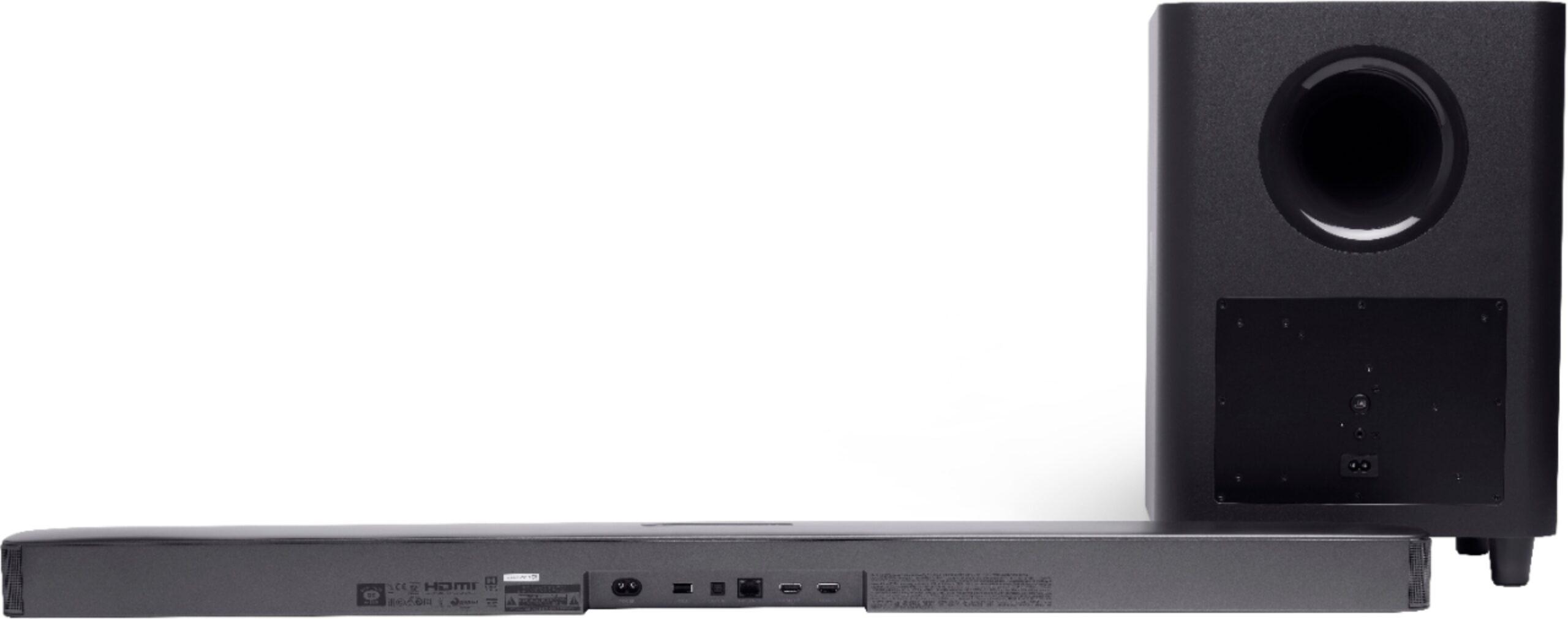
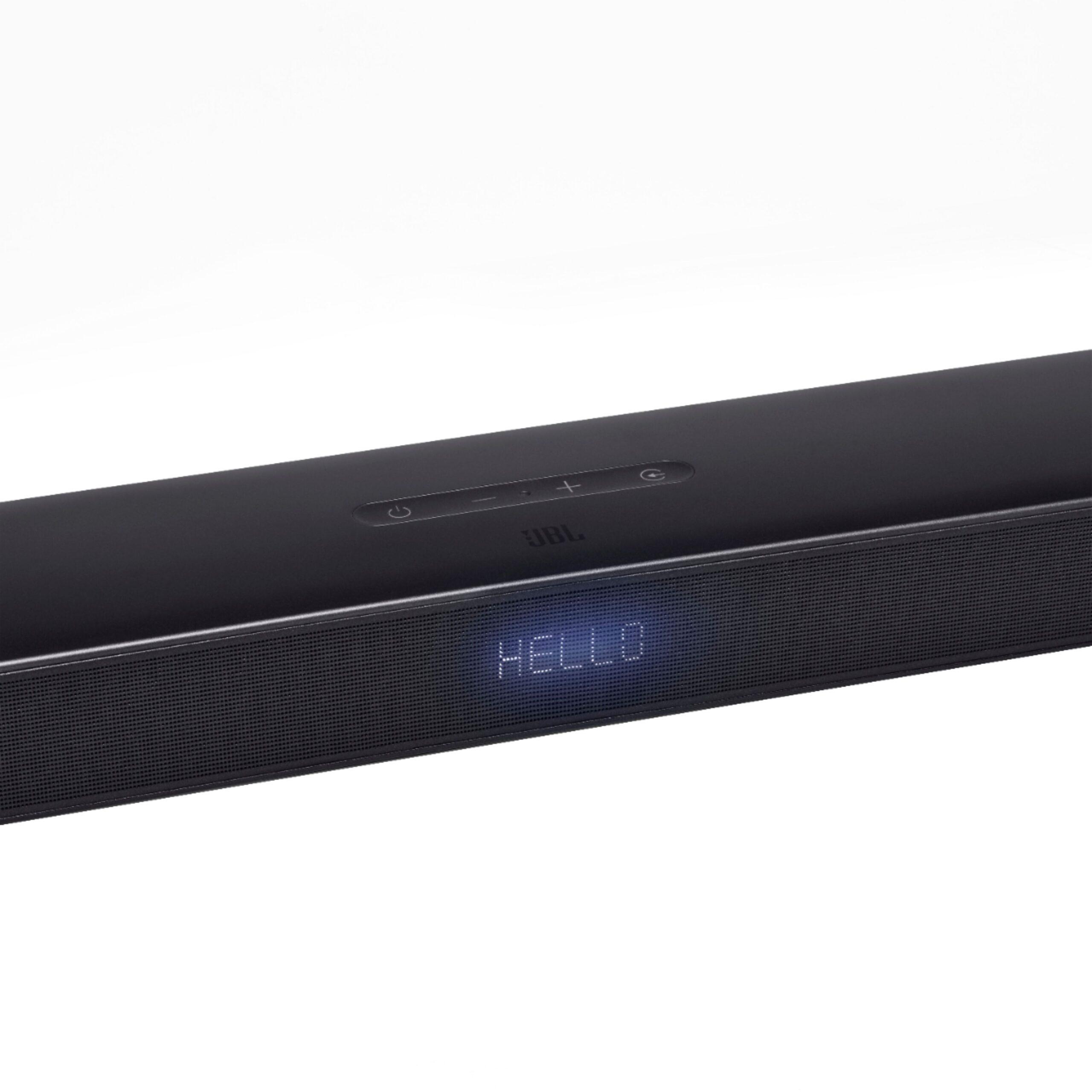
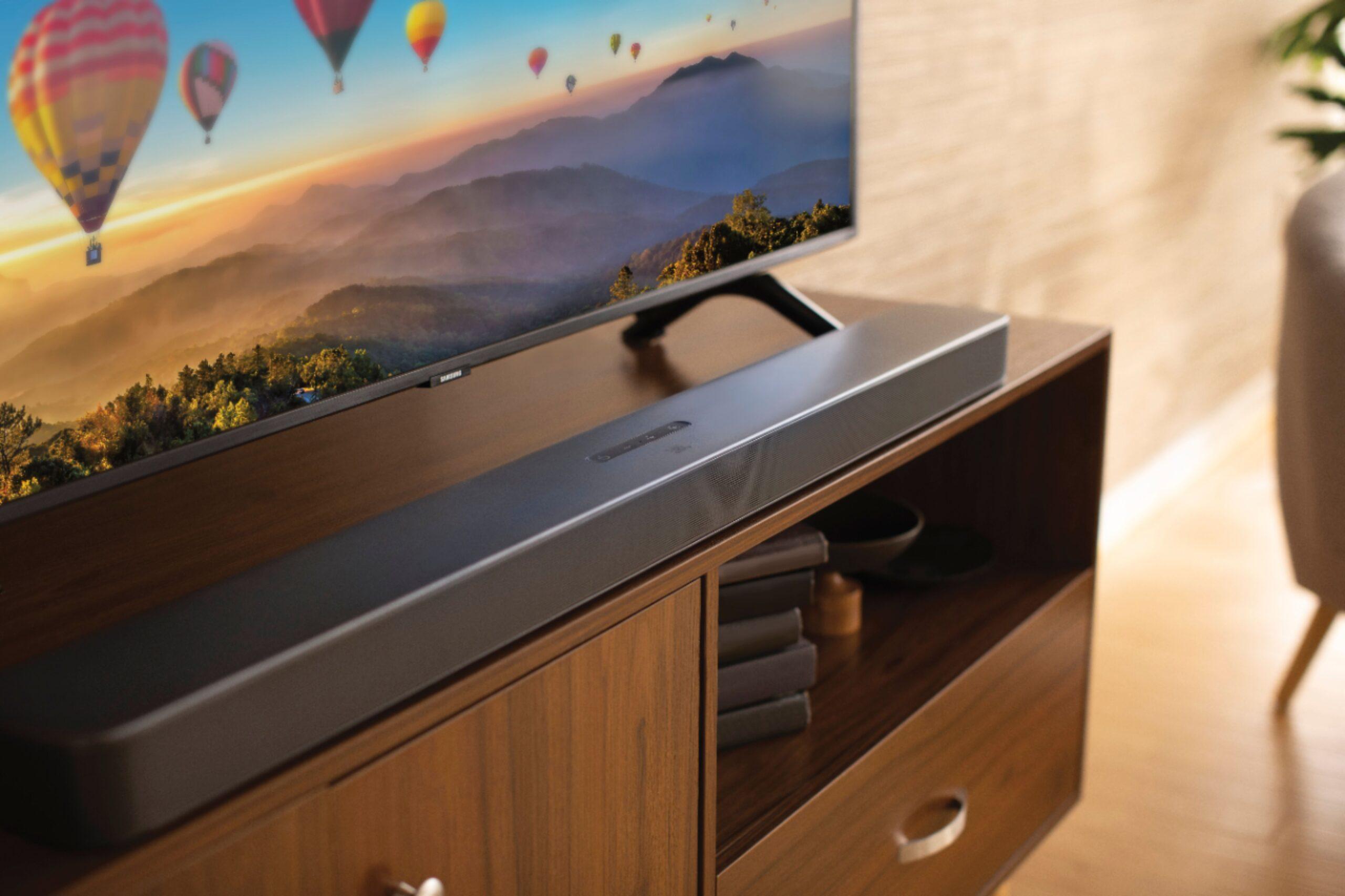
When your TV's built-in speakers just aren't cutting it anymore, a 5.1 soundbar represents one of the best upgrades you can make for your home entertainment setup. But with so many options available, choosing between different approaches can be confusing. Today we're comparing two soundbars that take distinctly different paths to surround sound: the Ultimea Poseidon M60 Boom and the JBL Bar 5.1 Surround.
Before diving into these specific models, it's worth understanding what you're actually buying when you choose a 5.1 soundbar. The "5.1" means you get six channels of audio: five main speakers (left, center, right, left surround, right surround) plus one subwoofer channel for those deep bass effects that make movie explosions feel real.
The challenge with soundbars is fitting all this audio magic into a setup that's actually practical for your living room. Some manufacturers use virtual processing to simulate surround effects from a single bar, while others include separate wireless speakers you place around the room. Each approach has trade-offs in terms of convenience, authenticity, and cost.
The most important performance characteristics to consider are dialogue clarity (can you actually understand what actors are saying?), bass extension and impact (does the subwoofer add meaningful low-end without being boomy?), surround effect convincingness (do you actually feel immersed in the action?), and overall tonal balance (does everything sound natural together?). Power output matters too, but only in context—a well-tuned 200-watt system often sounds better than a poorly-designed 500-watt one.
The Ultimea Poseidon M60 Boom represents the newer wave of soundbar thinking, launched in 2024 with an emphasis on advanced digital signal processing (DSP) and virtual surround technology. DSP is essentially the computer brain that takes incoming audio and processes it in real-time to optimize the sound for your room and content. The more powerful the DSP, the more sophisticated tricks it can pull off.
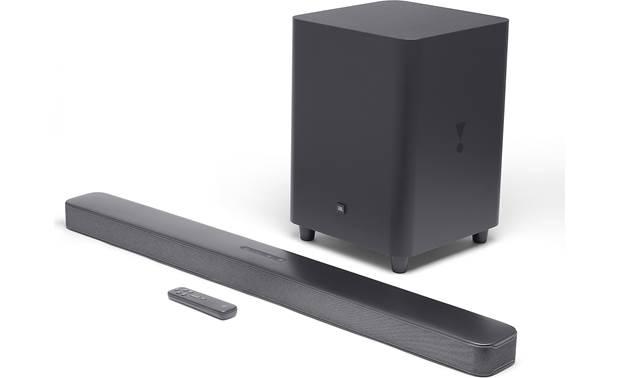
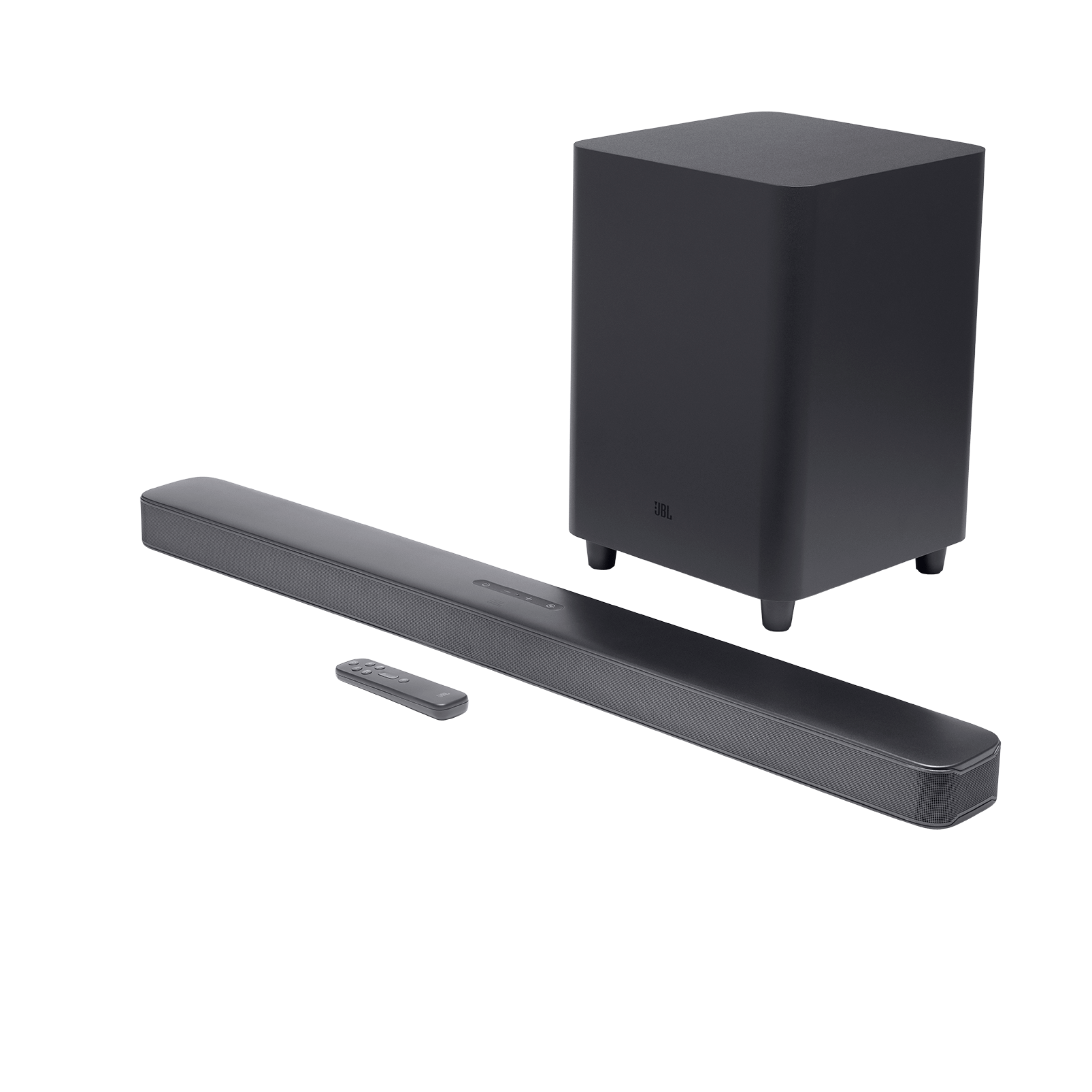
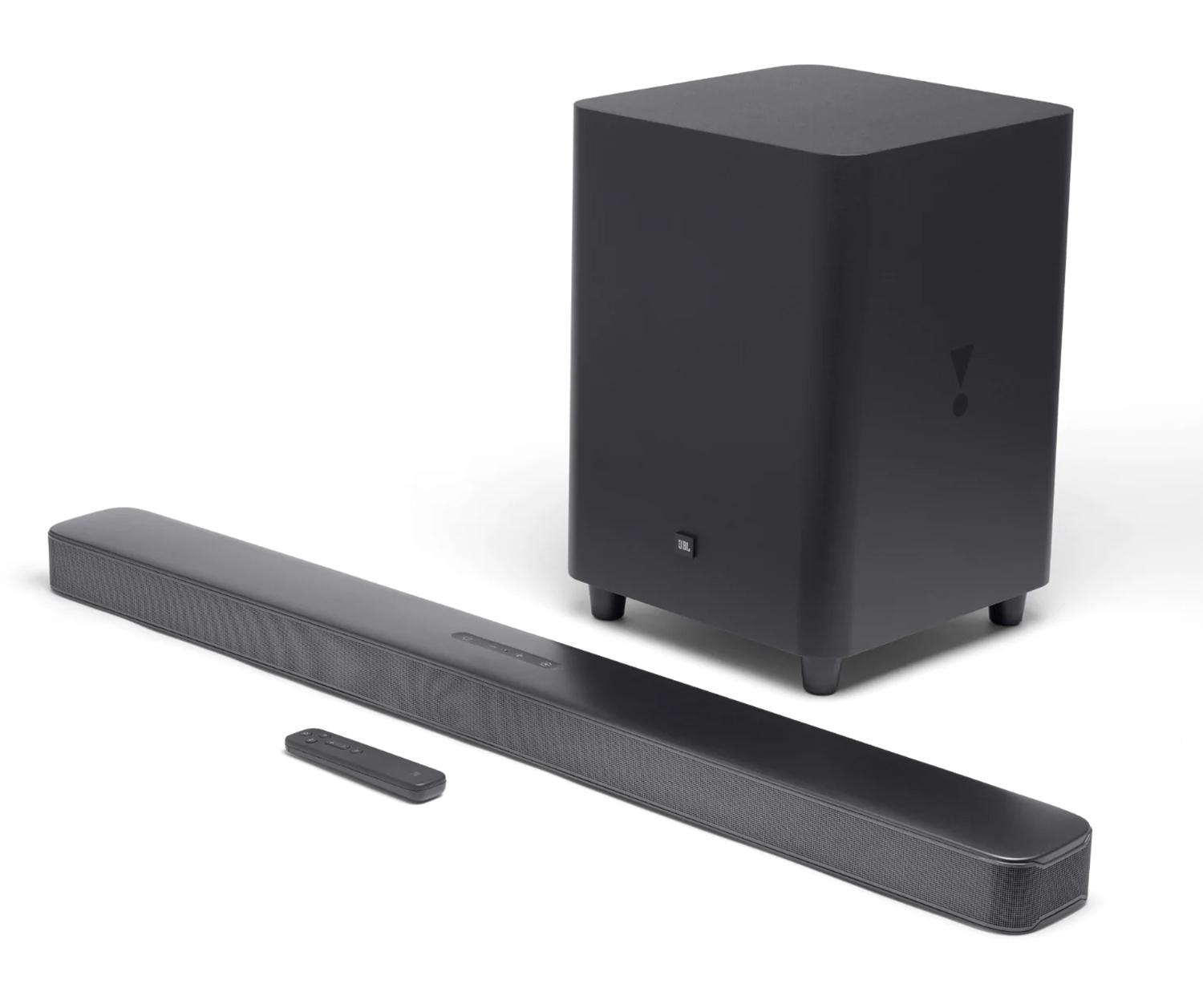
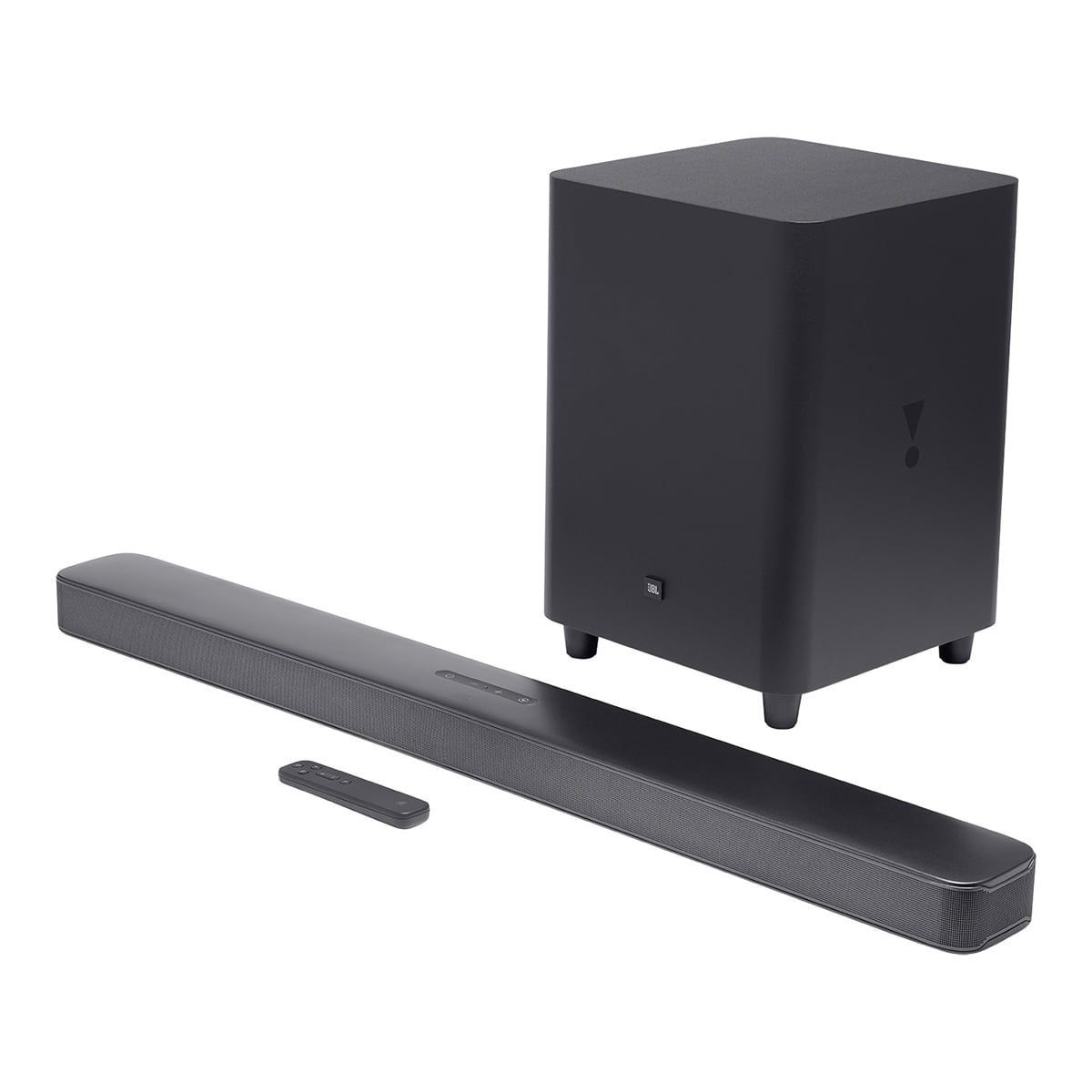
The JBL Bar 5.1, on the other hand, has been around since 2019 and takes a more traditional approach with its detachable wireless rear speakers. While it might seem older, this gives it the advantage of proven reliability and a track record of real-world performance that newer products haven't yet established.
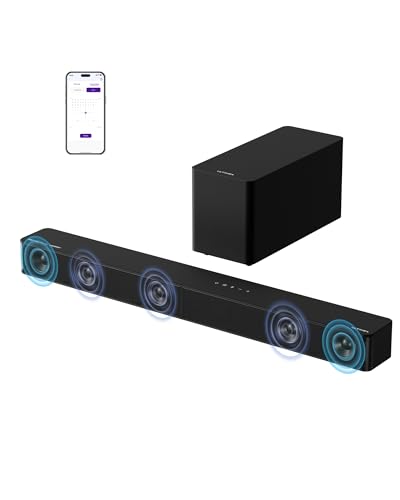
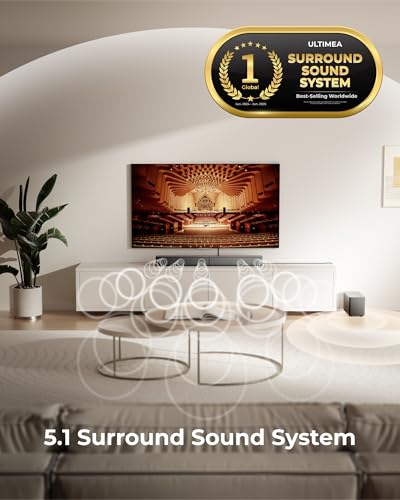
The Ultimea Poseidon M60 Boom houses all five channels within its main soundbar unit using what the company calls Triple-Core DSP Technology. This means three separate processors—two running at 800MHz and one at 600MHz—work together to create the illusion of surround sound coming from directions where there aren't actually any speakers.
Here's how it works: the system takes a 5.1 audio track and uses psychoacoustic processing (basically audio tricks that exploit how your brain processes sound) to make you think sounds are coming from behind you when they're actually coming from the front. The five precision-tuned full-range drivers in the main bar are positioned and tuned to create this effect, while advanced algorithms adjust timing and frequency response in real-time.
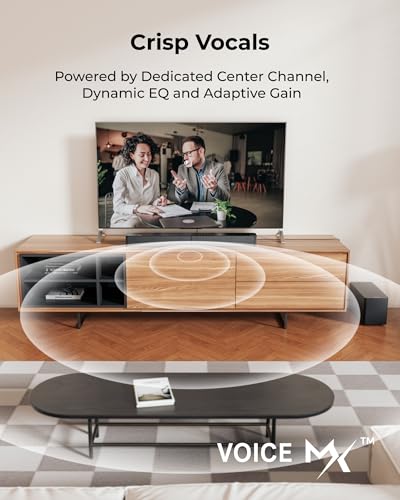
The Ultimea also features something called VoiceMX technology, which dynamically boosts the 300Hz to 3kHz frequency range—exactly where human voices live. This isn't just a simple EQ boost; it's adaptive processing that adjusts based on the content you're watching. During complex action scenes, it can duck background effects to keep dialogue intelligible.
The JBL Bar 5.1 takes the opposite approach. Instead of trying to simulate rear surround channels, it gives you actual speakers for those channels. The soundbar's end caps detach and become battery-powered wireless surround speakers that you place behind your seating area.
Each detachable speaker contains its own amplifier and runs for up to 10 hours on a charge. When you want true surround sound, you unclip them and position them around the room. When you want a simple soundbar setup, you reattach them to the main unit. It's an elegant solution that gives you flexibility most systems don't offer.
The main JBL unit houses the left, center, and right channels using what JBL calls MultiBeam technology. This uses specially positioned drivers and acoustic design to create a wider soundstage than you'd typically get from a single bar, though it's not trying to simulate rear effects like the Ultimea does.
At the time of writing, the JBL Bar 5.1 delivers significantly more total power at 550 watts compared to the Ultimea's 340 watts. But power numbers alone don't tell the whole story—how that power is distributed and controlled matters more.
The JBL splits its power across more physical speakers, with 250 watts going to the main soundbar (50 watts per channel) and a hefty 300 watts powering its 10-inch subwoofer. The Ultimea concentrates its power differently, with its advanced DSP managing power distribution dynamically based on content.
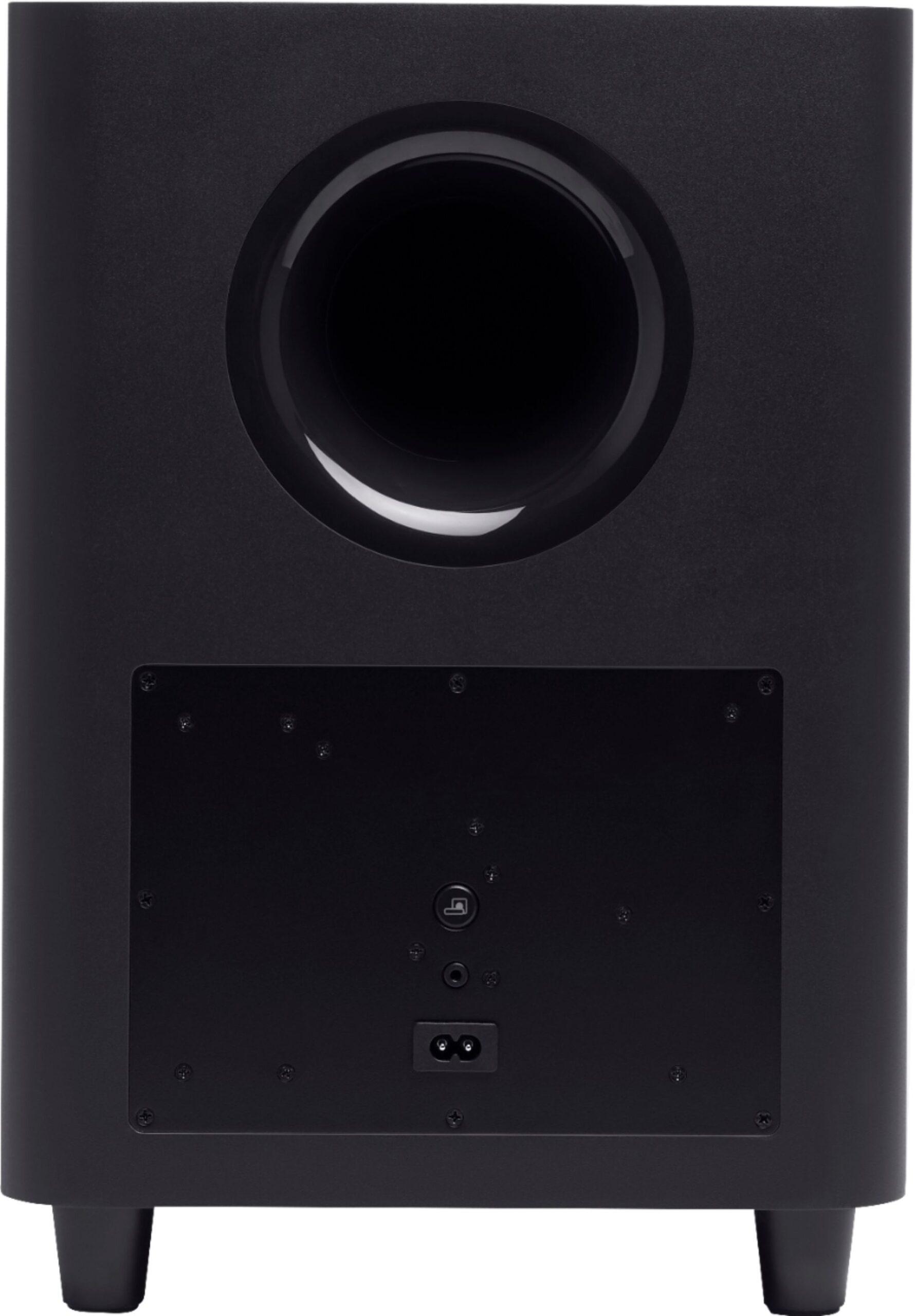
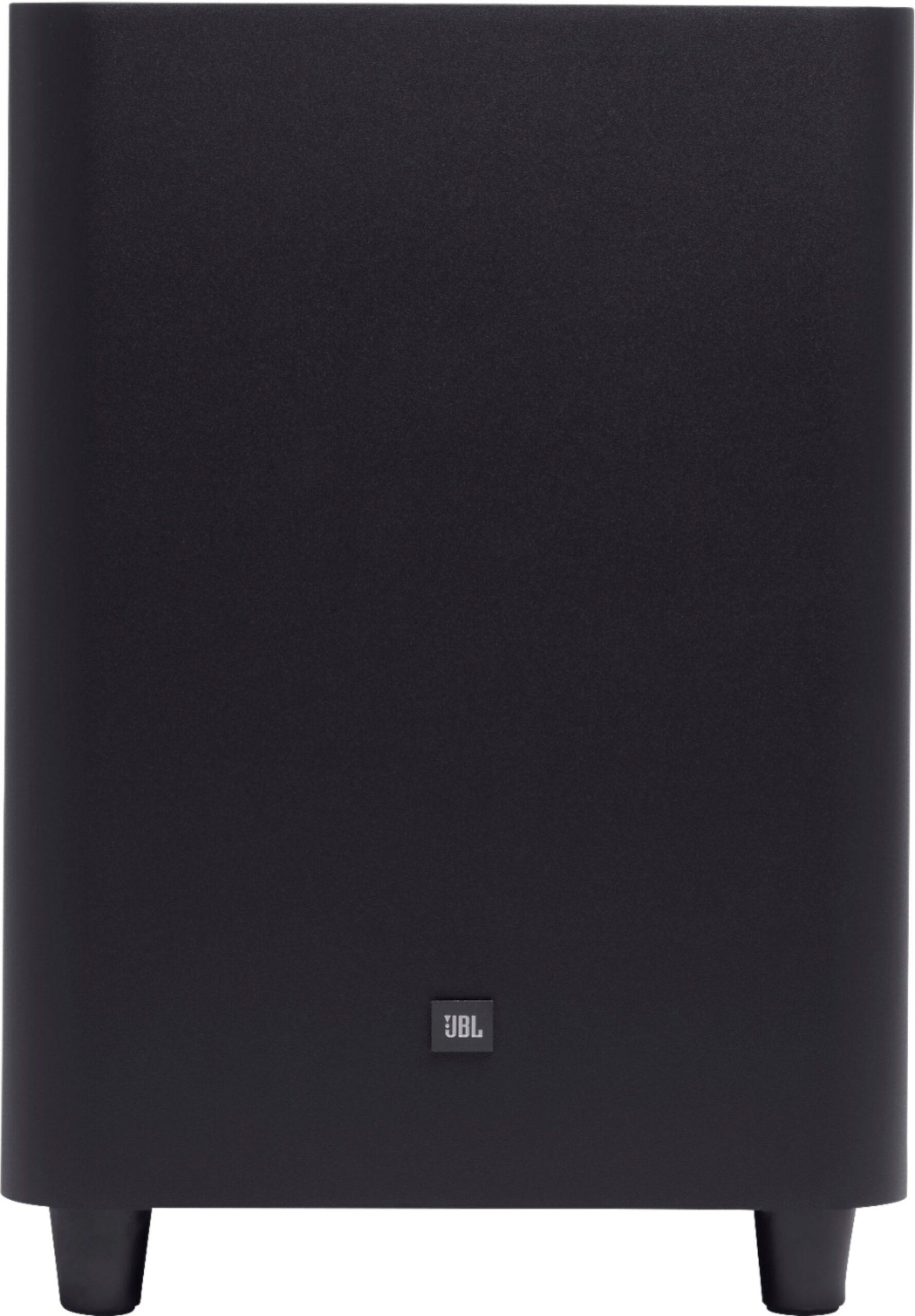
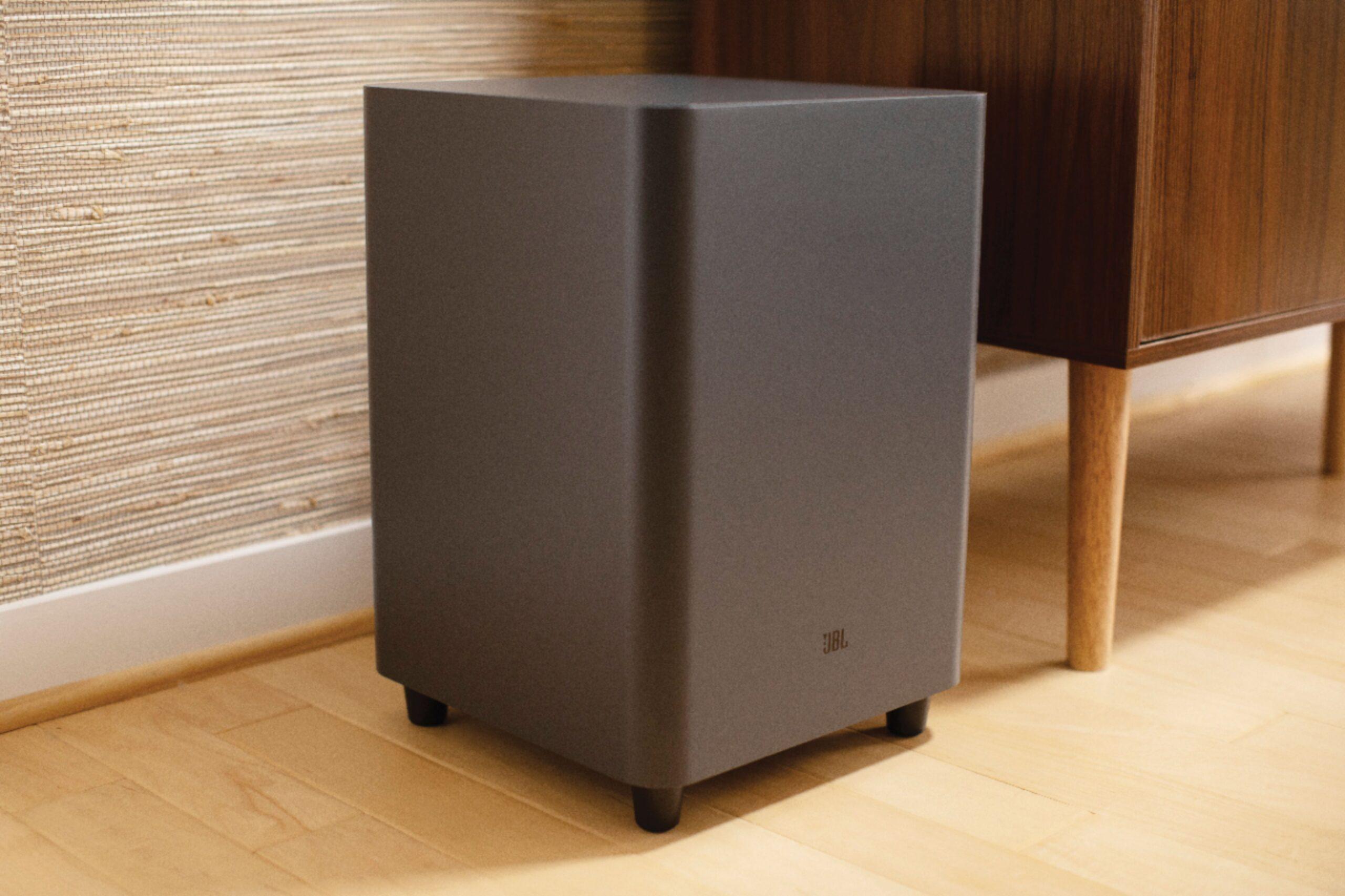
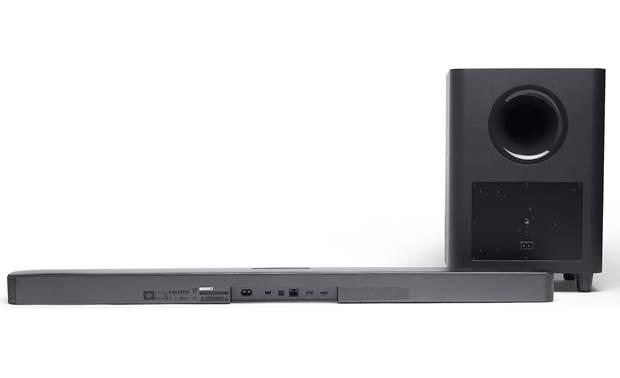
This is where the difference in approach becomes really apparent. The JBL's 10-inch subwoofer with 300 watts behind it can move serious air. It reaches down to 40Hz, which means you'll feel those deep movie effects in your chest. The larger driver and dedicated amplifier power create bass with more physical impact.
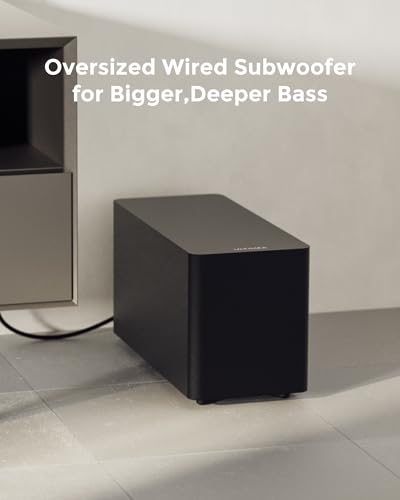
The Ultimea uses a 5.25-inch subwoofer with what they call BassMX Technology. While smaller, this subwoofer incorporates some clever engineering: the driver can move up to 16mm (about 5/8 of an inch), which is impressive excursion for its size. The wooden cabinet design and high-density magnetic circuit help it punch above its weight class, reaching down to 45Hz.
In practical terms, the JBL will give you more visceral bass impact—the kind that shakes the couch during action movies. The Ultimea provides tighter, more controlled bass that integrates better with dialogue and music but might leave bass-heads wanting more rumble.
Here's where the Ultimea really shines. Based on our research into user experiences and expert reviews, dialogue clarity consistently emerges as this soundbar's strongest suit. The VoiceMX processing doesn't just boost voices—it actively manages the entire frequency spectrum to ensure speech remains intelligible even during complex scenes.
The JBL handles dialogue well thanks to its dedicated center channel, but it doesn't have the same level of adaptive processing. Users report good clarity, though some note that the treble can occasionally sound harsh, which can make dialogue fatiguing during long viewing sessions.
For anyone who's ever found themselves constantly adjusting volume because you can't understand what characters are saying, this difference matters enormously. The Ultimea's approach to dialogue management represents a genuine technological advancement over older soundbar designs.
The Ultimea includes HDMI eARC (enhanced Audio Return Channel), which allows for lossless audio transmission from your TV. This means if you're watching a movie with a high-quality Dolby Atmos soundtrack, you get the full, uncompressed audio experience. The soundbar also supports Bluetooth 5.4, the latest standard that offers faster pairing, more stable connections, and lower latency for gaming or video streaming.
The JBL offers more HDMI inputs (three total) plus HDMI ARC output, making it better for connecting multiple devices directly to the soundbar. It supports 4K video passthrough with HDCP 2.2, so you can run your gaming console or streaming device through the soundbar without losing video quality. However, it uses the older Bluetooth 4.2 standard.
Where the Ultimea really pulls ahead is in user control and customization. The dedicated smartphone app provides access to a 10-band equalizer, multiple preset modes optimized for different content types, and the ability to fine-tune bass, midrange, and treble independently. The app also handles firmware updates, ensuring your soundbar stays current with new features and bug fixes.
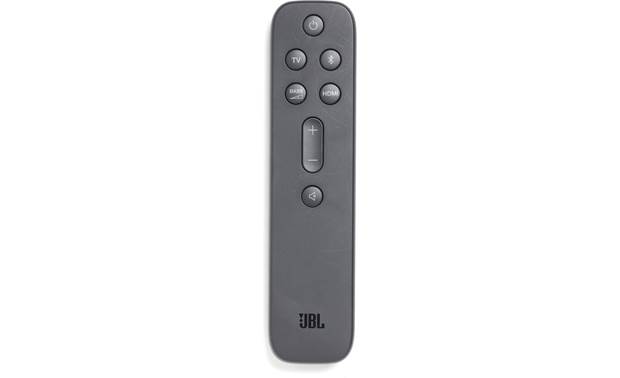
The JBL can be controlled via app as well, but the customization options are more limited. It does offer JBL SoundShift technology, which lets you instantly switch between TV audio and Bluetooth audio from your phone—handy when someone calls during a movie.
The Ultimea wins decisively on setup simplicity. The soundbar arrives as two pieces that connect via a twist-lock mechanism—clever engineering that makes shipping more efficient while maintaining structural integrity. The subwoofer connects via a standard RCA cable, so there's no wireless pairing to worry about. Most users report having the system up and running within 10 minutes.
The JBL requires more initial setup time. You need to pair the wireless subwoofer, position and pair the detachable surround speakers, and potentially run room calibration. The wireless nature means more components that can have connection issues, though JBL's implementation is generally reliable.
The Ultimea's wired subwoofer limits placement options—you need to position it within cable reach of the soundbar. However, the main unit's compact design and integrated surround processing make it work well in smaller to medium-sized rooms where separate surround speakers would be impractical.
The JBL offers much more flexibility. The wireless subwoofer can go anywhere in the room (within wireless range), and the detachable surrounds mean you can optimize speaker placement for your specific seating arrangement. This flexibility comes with the trade-off of needing to manage battery life for the rear speakers.
For action movies with complex soundtracks, the approaches diverge significantly. The JBL with its physical rear speakers creates a more convincing surround bubble. When a helicopter flies overhead in a war movie, you genuinely hear it move from front to back. The larger subwoofer adds weight to explosions and crashes that smaller systems simply can't match.
The Ultimea creates an impressively wide and deep soundstage for a single-bar system. While you won't get the same precise directionality as physical rear speakers, the advanced DSP creates enough surround effect to be engaging. Where it excels is in maintaining dialogue intelligibility throughout complex scenes—something that matters more than most people realize until they experience it.
Both soundbars handle music well, but with different strengths. The JBL provides more dynamic range and bass impact, making it better for bass-heavy genres like electronic music or hip-hop. The wider frequency response (40Hz to 20kHz vs. 45Hz to 18kHz) gives it a slight edge in both bass extension and treble clarity.
The Ultimea excels with vocal-centric music and acoustic content. The same processing that makes dialogue so clear also enhances vocals in music, while the tighter bass integration prevents the subwoofer from overwhelming midrange detail.
At the time of writing, these soundbars occupy different price tiers, with the Ultimea positioned as a premium budget option and the JBL sitting in the mid-range category. The price difference reflects their different approaches and capabilities.
The Ultimea delivers exceptional value for its price point, offering features and processing power typically found in more expensive systems. The advanced DSP technology, modern connectivity, and excellent dialogue processing represent genuine technological advantages over older designs.
The JBL costs more but provides true 5.1 surround sound and higher total power output. Whether the price premium is justified depends on your priorities and room setup. In larger rooms or for users who prioritize maximum audio impact, the additional cost makes sense.
JBL's longer market presence means a larger service network and proven long-term reliability. The JBL Bar 5.1 has been available since 2019, giving it a track record that newer products haven't established yet. However, this also means it uses older technology standards in some areas.
The Ultimea represents newer engineering and more current technology standards, but as a newer product, its long-term reliability remains to be proven. The company's warranty and support policies should factor into your decision, especially given the price difference.
You value simplicity above all else and want the easiest possible path to significantly better TV audio. The Ultimea excels when dialogue clarity is your primary concern—if you're tired of constantly adjusting volume or using subtitles because you can't understand what characters are saying, this soundbar's VoiceMX technology directly addresses that problem.
It's also the better choice for smaller to medium-sized rooms where the virtual surround processing can be most effective. The modern connectivity standards and comprehensive app control make it feel contemporary and future-ready. If you want to spend less while still getting advanced features and processing power, the Ultimea offers remarkable value.
You want the most authentic surround sound experience possible and are willing to deal with additional complexity to get it. The JBL is clearly superior for larger rooms, bass-heavy content, and situations where you can properly position the detachable rear speakers.
It's the better choice if you need multiple HDMI inputs for connecting various devices, or if maximum power output and bass impact are priorities. The flexibility to use it as either a simple soundbar or a full surround system makes it adaptable to different situations and room layouts.
Both soundbars represent solid engineering approaches to the challenge of bringing cinematic audio to your living room. The Ultimea Poseidon M60 Boom impresses with its sophisticated digital processing and laser focus on dialogue clarity, making it an outstanding choice for its price point. The JBL Bar 5.1 provides the authentic surround experience and powerful bass that some users prioritize above convenience.
Your choice should ultimately depend on your room size, setup preferences, and what aspects of audio performance matter most to you. The Ultimea offers the best balance of modern features, ease of use, and value, while the JBL provides superior authentic surround sound for those willing to invest more in their audio experience.
| Ultimea Poseidon M60 Boom 5.1 Soundbar | JBL Bar 5.1 Surround Soundbar with Wireless Subwoofer |
|---|---|
| Total Power Output - Determines maximum volume and dynamic range | |
| 340W peak power | 550W total system power |
| Surround Sound Implementation - Affects immersion and spatial audio quality | |
| Virtual 5.1 using five drivers in main bar with advanced DSP processing | True 5.1 with detachable battery-powered wireless rear speakers |
| Subwoofer Size & Type - Impacts bass depth and room-filling capability | |
| 5.25" wired subwoofer with BassMX technology | 10" wireless subwoofer with 300W dedicated power |
| Frequency Response - Shows how low bass extends and how high treble reaches | |
| 45Hz - 18kHz | 40Hz - 20kHz |
| Maximum SPL - How loud the system can play without distortion | |
| 99 dB | 103 dB |
| Dialogue Enhancement - Critical for speech clarity in movies and TV | |
| VoiceMX adaptive vocal processing with dedicated 300Hz-3kHz enhancement | Standard center channel design without specialized dialogue processing |
| Audio Processing Power - Enables advanced sound optimization features | |
| Triple-core DSP (two 800MHz + one 600MHz processors) | Standard processing (specific details not disclosed) |
| Bluetooth Version - Affects connection stability and audio quality | |
| Bluetooth 5.4 (latest standard with improved latency and stability) | Bluetooth 4.2 (older standard but still reliable) |
| HDMI Connectivity - Important for high-quality audio and device connections | |
| HDMI eARC (lossless audio) | 3 HDMI inputs + 1 HDMI ARC output with 4K passthrough |
| Setup Complexity - Affects how quickly you can start enjoying better audio | |
| Simple plug-and-play with wired subwoofer | More complex with wireless pairing and battery management for rear speakers |
| Physical Design - Impacts placement flexibility and room integration | |
| Modular two-piece soundbar with integrated surround channels | Detachable rear speakers provide flexible room placement |
| Smart Features - Enhances user control and customization options | |
| Comprehensive app with 10-band EQ and multiple presets | Basic app control with JBL SoundShift for source switching |
| Release Year - Indicates technology generation and feature currency | |
| 2024/2025 (latest technology standards) | 2019 (proven reliability but older tech) |
The Ultimea Poseidon M60 Boom is better suited for small to medium rooms. Its virtual 5.1 surround processing works most effectively in compact spaces, and the single-bar design eliminates the need for separate rear speakers that might be impractical in smaller rooms. The JBL Bar 5.1 requires space for detachable rear speakers to achieve its full surround potential.
The Ultimea Poseidon M60 Boom uses virtual surround sound, creating the illusion of surround effects through advanced digital processing from speakers housed in the main bar. The JBL Bar 5.1 provides true 5.1 surround with actual wireless rear speakers that you place behind your seating area, delivering more authentic directional audio.
The JBL Bar 5.1 delivers superior bass performance with its larger 10-inch wireless subwoofer powered by 300 watts. It reaches deeper frequencies (40Hz vs 45Hz) and provides more physical impact. The Ultimea Poseidon M60 Boom offers tighter, more controlled bass from its 5.25-inch subwoofer, which integrates well with dialogue but won't shake the room like the JBL.
The Ultimea Poseidon M60 Boom excels in dialogue clarity thanks to its VoiceMX technology, which adaptively enhances the vocal frequency range (300Hz-3kHz) and manages background sounds to keep speech intelligible. The JBL Bar 5.1 handles dialogue well through its dedicated center channel but lacks the specialized vocal processing of the Ultimea.
The Ultimea Poseidon M60 Boom offers much simpler setup with its plug-and-play design and wired subwoofer connection. Most users can have it running in under 10 minutes. The JBL Bar 5.1 requires more setup time for pairing the wireless subwoofer and positioning the detachable rear speakers, plus ongoing battery management for the surround speakers.
For movie watching, the JBL Bar 5.1 provides more immersive surround effects with its physical rear speakers, making action sequences and spatial audio more convincing. The Ultimea Poseidon M60 Boom creates an impressive virtual surround experience while maintaining superior dialogue clarity throughout complex scenes, which many viewers find more important than directional effects.
The Ultimea Poseidon M60 Boom features more current connectivity with Bluetooth 5.4 (offering better stability and lower latency) and HDMI eARC for lossless audio. The JBL Bar 5.1 provides more HDMI inputs (three total) and 4K passthrough capability, but uses older Bluetooth 4.2 technology.
Both soundbars handle music well but with different strengths. The JBL Bar 5.1 offers more dynamic range and bass impact, making it better for bass-heavy genres. The Ultimea Poseidon M60 Boom excels with vocal-centric music and acoustic content, where its dialogue processing technology also enhances musical vocals.
The Ultimea Poseidon M60 Boom typically offers better value in its price range, delivering advanced features like triple-core DSP processing, modern connectivity, and excellent dialogue enhancement at a more affordable price point. The JBL Bar 5.1 costs more but provides true surround sound and higher power output, justifying its premium for users prioritizing authentic spatial audio.
The Ultimea Poseidon M60 Boom offers superior app control with a comprehensive 10-band equalizer, multiple preset modes, and detailed customization options. The JBL Bar 5.1 has a more basic app with limited customization but includes useful features like SoundShift for instantly switching between TV and Bluetooth audio sources.
The JBL Bar 5.1 performs better in large rooms thanks to its higher power output (550W vs 340W), larger subwoofer, and ability to position rear speakers optimally throughout the space. The Ultimea Poseidon M60 Boom works well in medium-sized rooms but may struggle to fill very large spaces with adequate volume and bass impact.
This depends on your room layout and preferences. The JBL Bar 5.1 wireless subwoofer offers complete placement flexibility anywhere in the room within range. The Ultimea Poseidon M60 Boom wired subwoofer eliminates potential wireless connection issues and doesn't require separate power management, but limits placement options to within cable reach of the soundbar.
We've done our best to create useful and informative comparisons to help you decide what product to buy. Our research uses advanced automated methods to create this comparison and perfection is not possible - please contact us for corrections or questions. These are the sites we've researched in the creation of this article: ultimea.com - ultimea.com - youtube.com - bestbuy.com - youtube.com - avsforum.com - youtube.com - manuals.plus - youtube.com - device.report - ultimea.com - ultimea.de - community.ultimea.com - ultimea.com - community.ultimea.com - ultimea.com - youtube.com - aliexpress.com - ultimea.com - jbl.com - jbl.com - jbl.com - tomsguide.com - jbl.com - bestbuy.com - bestbuy.com - jbl.com - jbl.com - worldwidestereo.com

Privacy Policy
Terms and Conditions - Affiliate Policy
Home Security
© Copyright 2008-2026.
11816 Inwood Rd #1211, Dallas, TX 75244