

The world of soundbars has exploded in recent years, transforming from simple TV audio enhancers into sophisticated home theater systems that can genuinely compete with traditional surround sound setups. Whether you're tired of constantly adjusting your TV volume during action scenes or simply want dialogue you can actually understand, the right soundbar can revolutionize your viewing experience.
Today's premium soundbar market presents an interesting challenge: do you invest in a budget-friendly system that dramatically improves your TV's audio, or splurge on a premium setup that delivers genuine surround sound? We're comparing two products that represent these different philosophies perfectly—the Ultimea Poseidon M60 Boom and the JBL Bar 1000 MK2.
Before diving into specifics, it's worth understanding what separates today's soundbars from the simple audio bars of the past. Modern premium soundbars tackle several key challenges: creating convincing surround sound from a single bar, delivering clear dialogue without overwhelming bass, and providing enough power to fill today's larger living spaces.
The most important considerations when evaluating any soundbar include channel configuration (how many discrete audio channels it can reproduce), driver quality and placement, DSP processing (digital signal processing that shapes and optimizes audio), connectivity options, and room adaptation capabilities. These factors ultimately determine whether you'll get that "wow" moment when you first fire up your favorite movie.
Released in 2024, the Poseidon M60 Boom represents Ultimea's flagship approach to affordable premium audio. At the time of writing, it typically sells in the budget-to-mid range category, making it accessible to most users seeking a significant audio upgrade without breaking the bank.
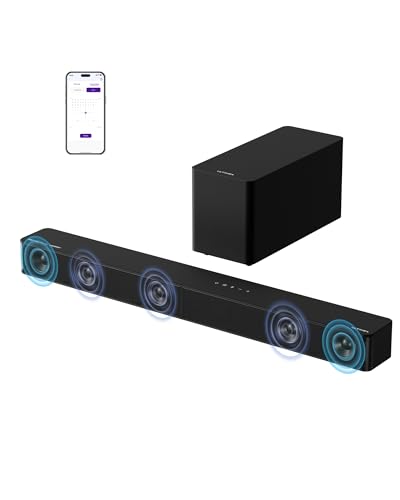
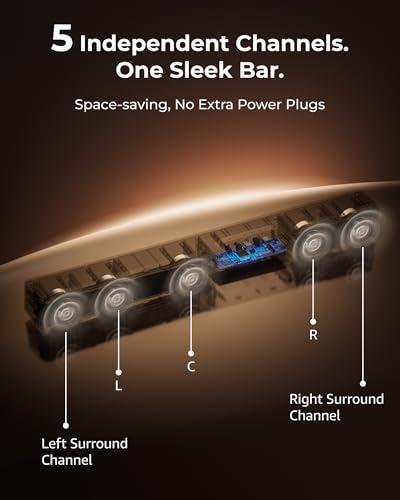
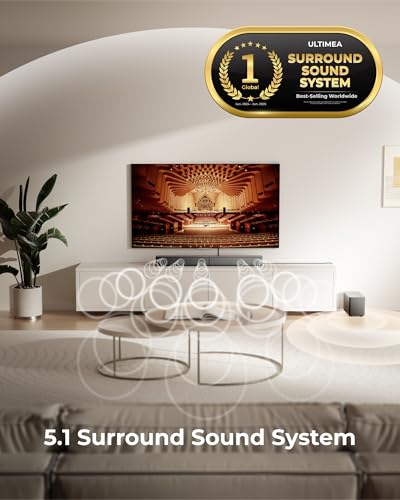
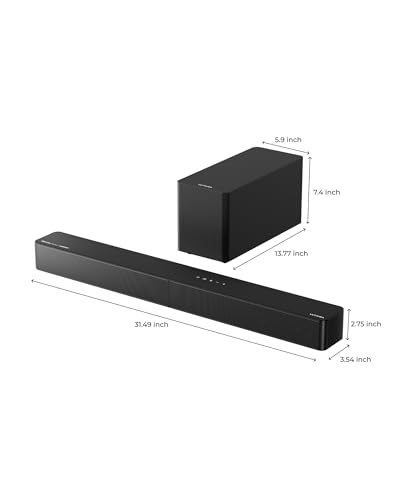
This system takes a "virtual surround" approach, packing five precision-tuned drivers into the main soundbar unit alongside a dedicated 5.25-inch subwoofer. The 340W peak power output might seem modest compared to premium competitors, but Ultimea has focused intensively on driver quality and digital processing to maximize performance per dollar.
JBL released the Bar 1000 MK2 in 2024 as part of their second-generation MK2 lineup, incorporating lessons learned from their original Bar series. Positioned firmly in the premium category at the time of writing, this system costs several times more than budget alternatives but offers genuinely unique features that justify its positioning.
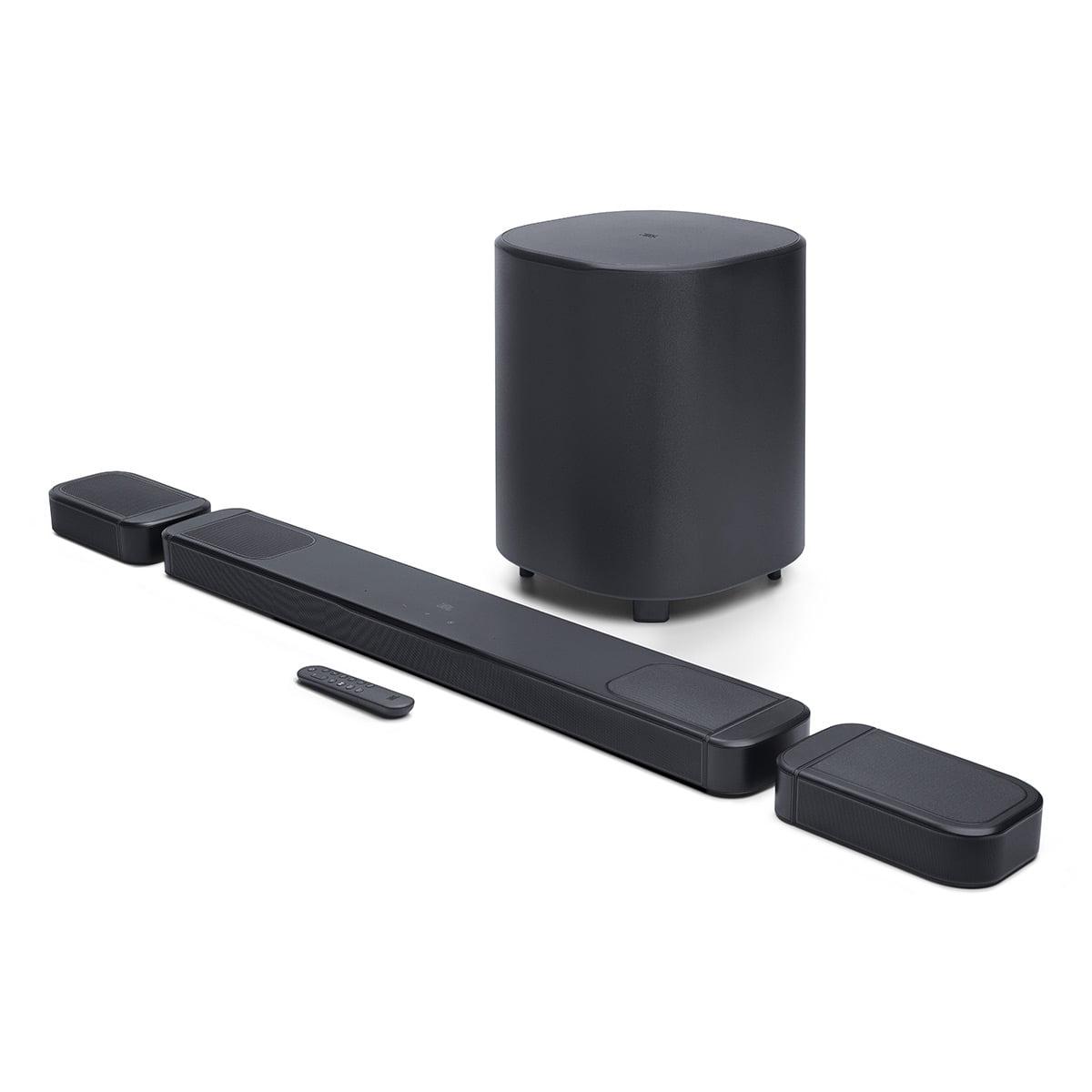
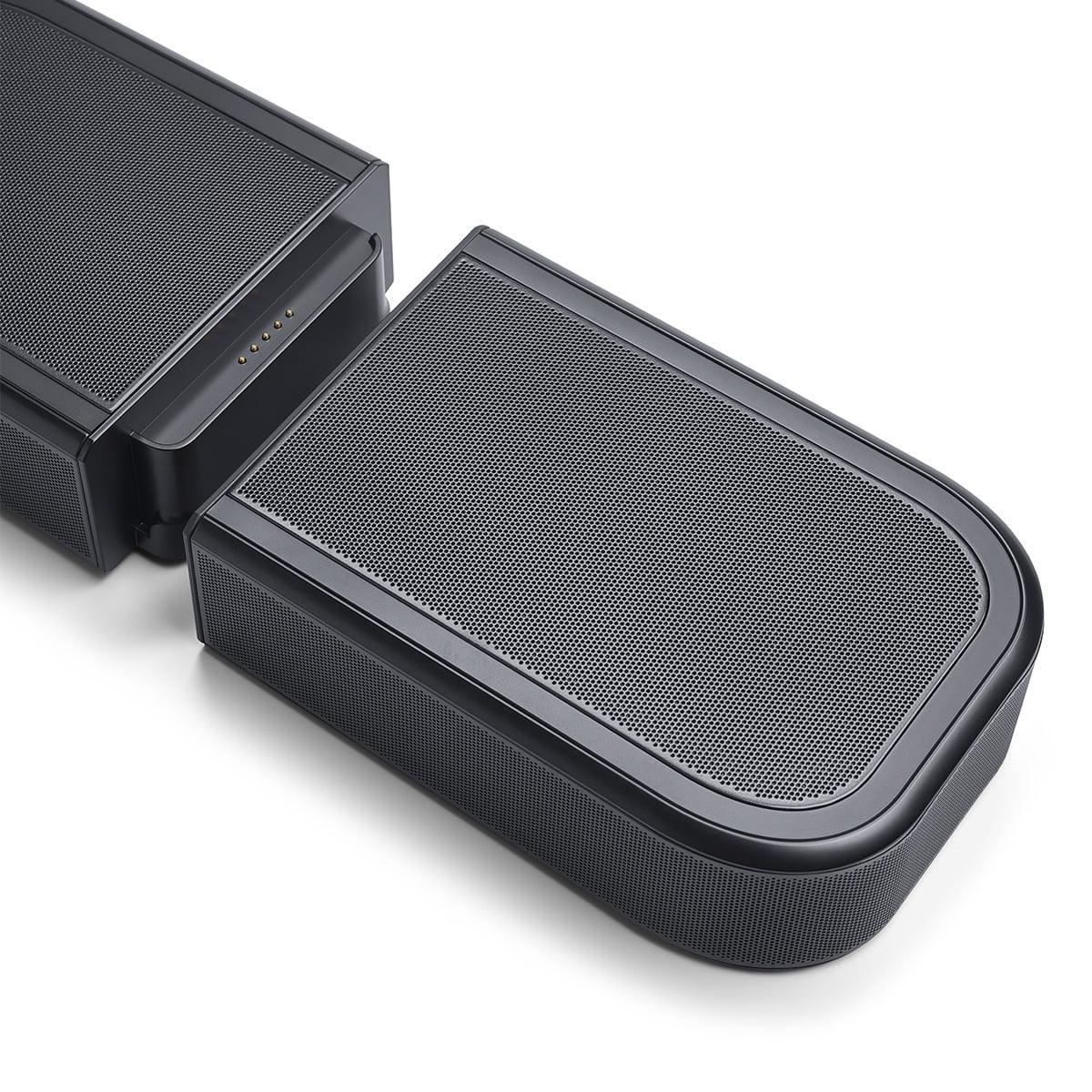
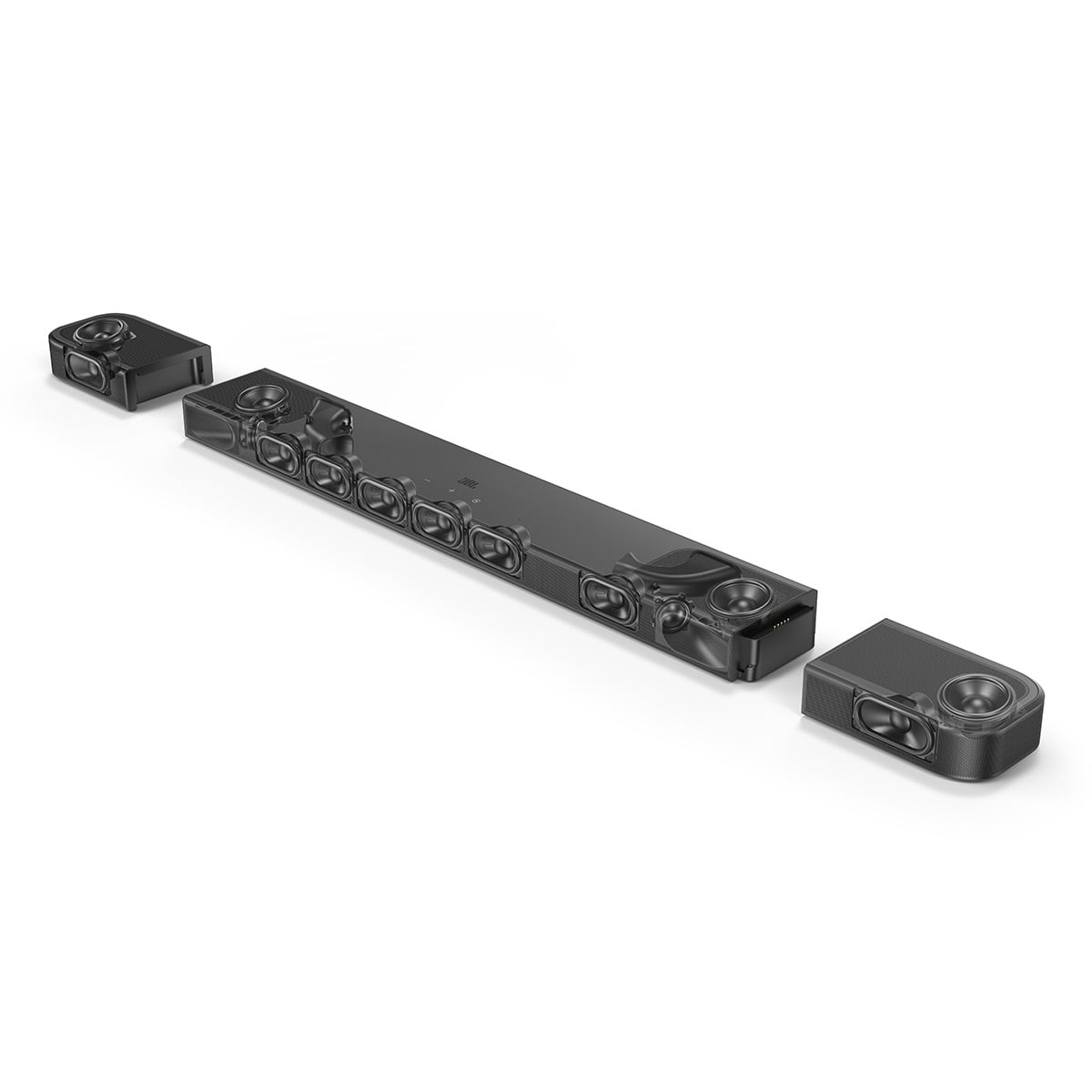
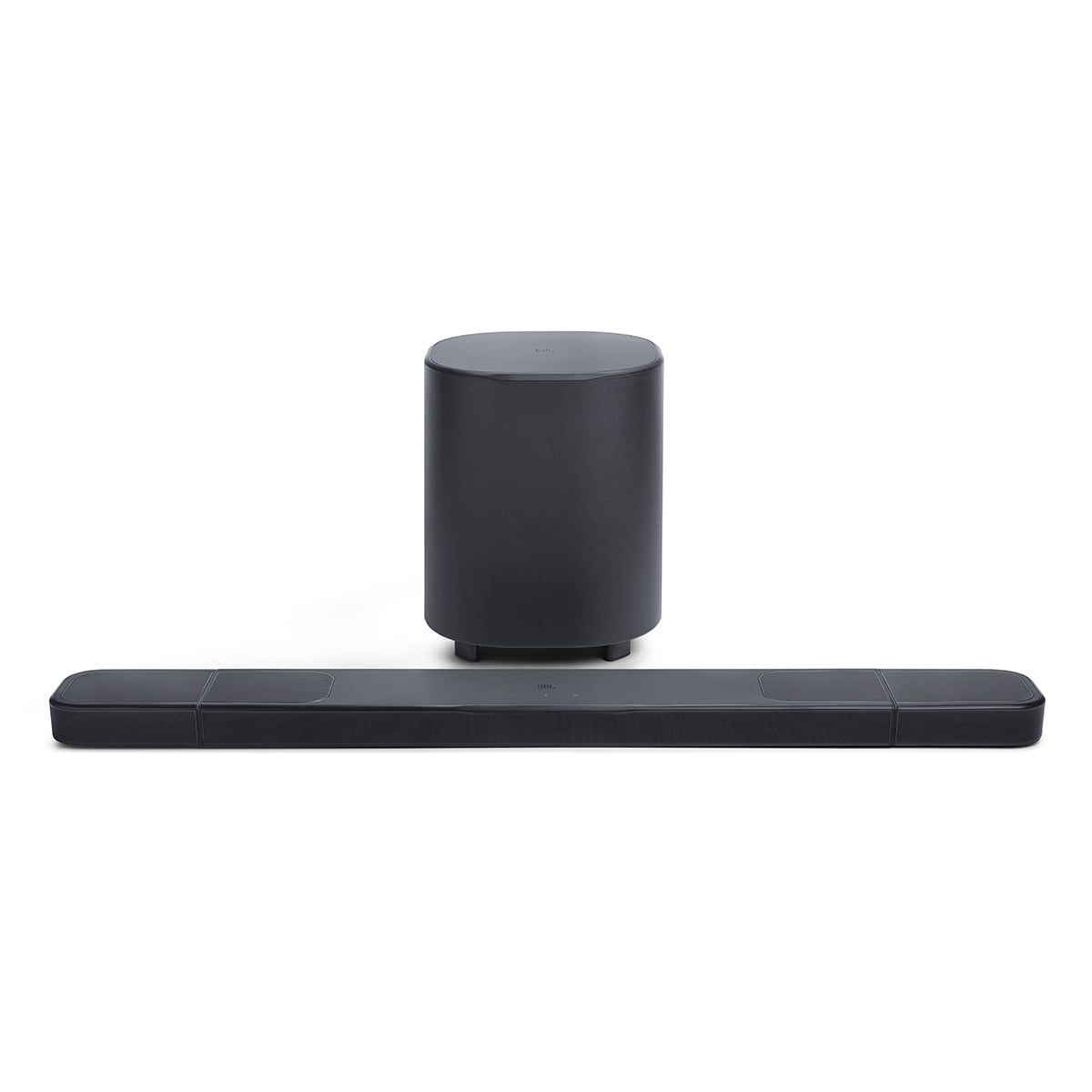
The Bar 1000 MK2 delivers authentic 7.1.4-channel surround sound through an innovative design featuring detachable wireless rear speakers and a substantial 10-inch wireless subwoofer. With 960W peak power, this system is engineered to fill large rooms with authority while offering flexibility that traditional surround systems simply can't match.
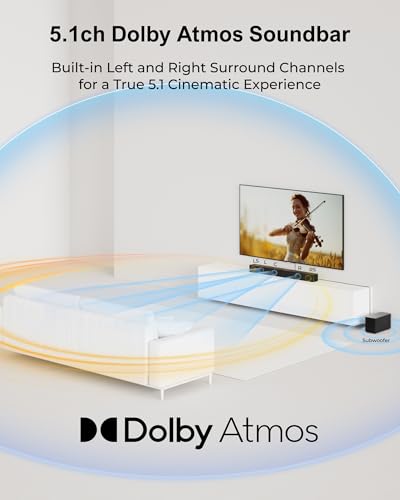
This represents the fundamental difference between these systems. The Ultimea M60 Boom uses sophisticated DSP algorithms and precisely positioned drivers to create a "phantom surround" effect. Through careful timing and frequency manipulation, it tricks your brain into perceiving sounds coming from behind and beside you, even though all drivers face forward.
Based on our research into user experiences, this virtual approach works surprisingly well for the price point. The Triple-Core DSP technology—featuring two 800MHz processors and one 600MHz processor—provides over 2000 MIPS (Million Instructions Per Second) of processing power. This computational muscle enables real-time parametric EQ adjustments and dynamic channel separation that creates a convincingly wide soundstage.
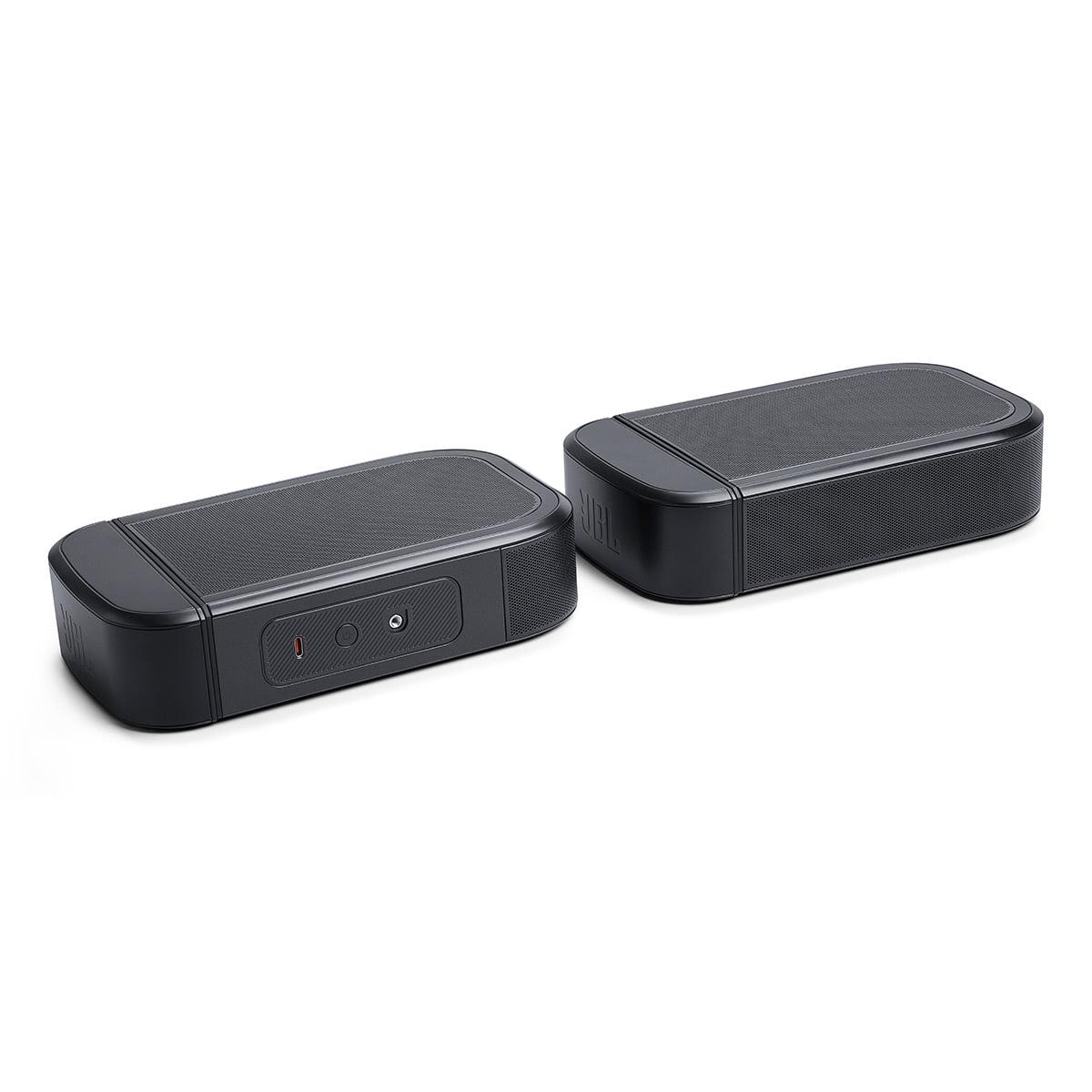
However, physics ultimately limits what virtual processing can achieve. The JBL Bar 1000 MK2 sidesteps these limitations entirely through its detachable wireless surround speakers. These aren't just rear speakers—they're complete audio units that can be positioned anywhere in your room, each containing both traditional drivers and up-firing elements for true Dolby Atmos height effects.
The difference becomes most apparent during complex movie scenes. When a helicopter flies overhead in an action sequence, the JBL system can actually position that sound above and behind you through its four up-firing drivers. The Ultimea system does an admirable job creating the impression of height and space, but it can't replicate the precise localization that physical speakers provide.
Both systems tackle dialogue intelligibility—arguably the most important performance characteristic for most users—but through different methodologies. Poor dialogue clarity is the number one complaint about TV audio, where voices get buried beneath music and effects.
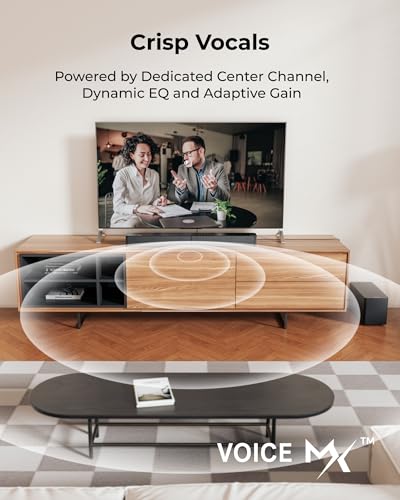
The Ultimea M60 Boom employs VoiceMX technology, which dynamically enhances the critical 300Hz to 3kHz frequency range where human speech predominantly lives. This system uses adaptive EQ and gain control to automatically boost dialogue when it detects competing audio elements. Based on user feedback we've analyzed, this approach works remarkably well, with many noting they rarely need to adjust volume during movies anymore.
The JBL Bar 1000 MK2 takes a more sophisticated approach with PureVoice 2.0, which continuously analyzes ambient room sound and automatically adjusts dialogue optimization based on both volume level and environmental factors. This system considers whether you're watching late at night (when you might prefer more aggressive dialogue enhancement) or during the day with background noise present.
In practical terms, both systems excel here, but the JBL's approach provides more nuanced adaptation to different viewing conditions and room acoustics.
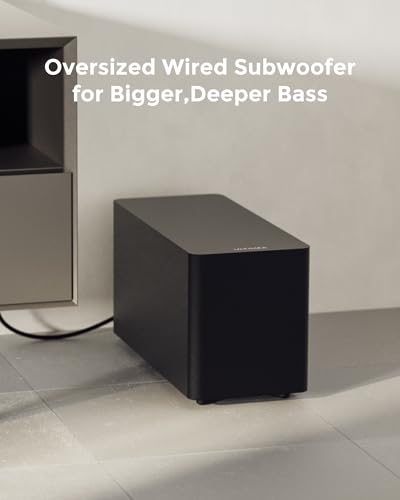
Low-frequency reproduction reveals another clear distinction between budget and premium approaches. The Ultimea system includes a 5.25-inch wired subwoofer that employs BassMX Technology—essentially an oversized cabinet design with high-excursion drivers (up to 16mm of movement) and enhanced magnetic circuits.
For its size, this subwoofer performs admirably. The wired connection ensures zero latency and consistent performance, while the wooden cabinet design helps minimize unwanted resonances. However, physics limits what a 5.25-inch driver can achieve in terms of deep bass extension and room-filling capability.
The JBL Bar 1000 MK2 approaches bass reproduction with a professional-grade 10-inch wireless subwoofer that represents a completely different league of performance. This larger driver can move significantly more air, producing both deeper bass extension (down to 33Hz compared to the Ultimea's 45Hz) and much higher maximum output levels.
The wireless design also provides crucial placement flexibility. Proper subwoofer positioning dramatically affects bass performance, and being able to experiment with different locations can transform your bass experience. Corner placement typically enhances output, while positioning away from walls can improve clarity.
Peak power ratings can be misleading, but they do indicate a system's ability to handle dynamic audio content without distortion. The Ultimea's 340W rating is respectable for small-to-medium rooms, while the JBL's 960W indicates capability for much larger spaces.
More important than peak power is RMS (Root Mean Square) power, which indicates sustained output capability. The JBL system provides 480W RMS across all channels, enabling it to maintain clean, undistorted audio even at high volume levels in large rooms. User reports consistently indicate this system can easily fill spaces over 500 square feet with authoritative sound.
The Ultimea system focuses its power more efficiently, with sophisticated limiting and compression algorithms that prevent distortion even when pushed to its limits. While it won't shake the walls like the JBL, it provides surprisingly robust performance for typical living room applications.
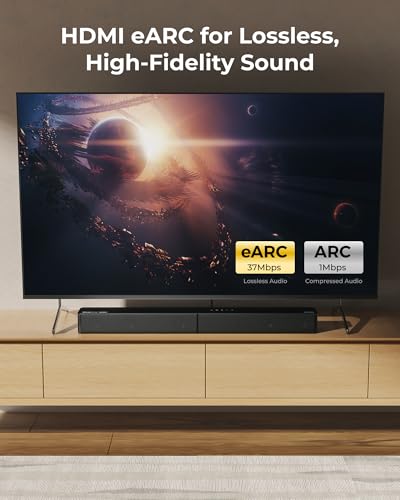
Both systems provide essential connectivity, but with different emphases. The Ultimea M60 Boom focuses on core connections: HDMI eARC for high-quality audio from your TV, Bluetooth 5.4 for wireless streaming, and optical input for compatibility with older devices. The upgraded Bluetooth 5.4 provides faster pairing, more stable connections, and ultra-low latency—crucial for gaming and video content.
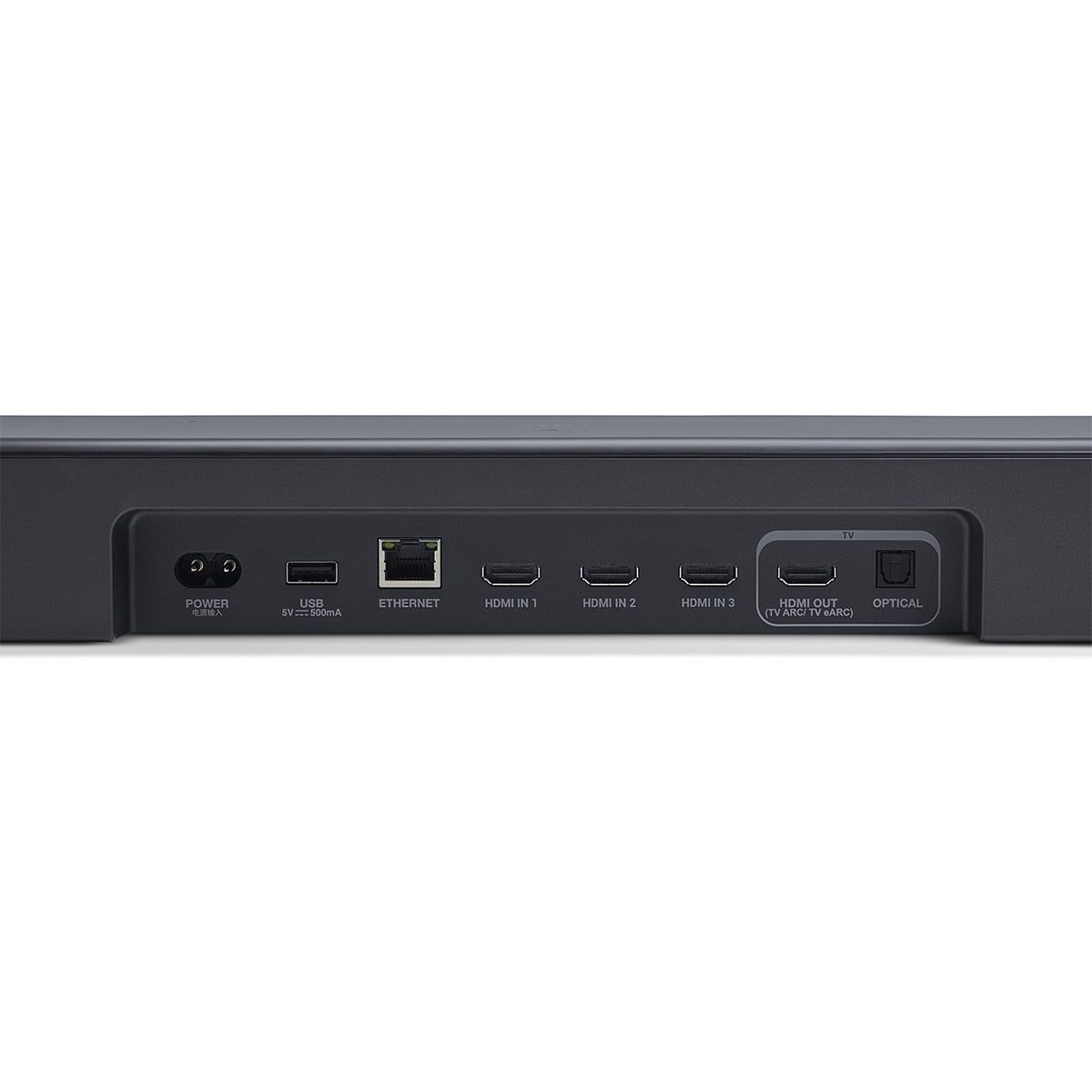
The JBL Bar 1000 MK2 expands connectivity significantly with built-in Wi-Fi supporting dual-band operation (2.4GHz and 5GHz), enabling integration with modern streaming ecosystems including AirPlay 2, Chromecast Built-In, Spotify Connect, and Roon Ready certification for audiophile streaming. This system also provides three HDMI inputs alongside eARC output, functioning as a switching hub for multiple devices.
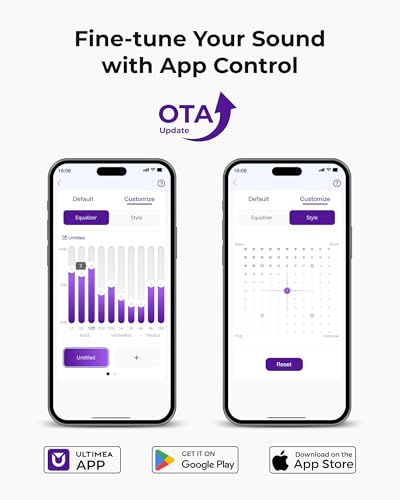
Smart app control has become crucial for modern soundbars, enabling deep customization without cluttering remote controls. The Ultimea system provides comprehensive app-based EQ control with preset modes (Movie, Music, Voice, Sport, Game, Night) plus manual adjustment of bass, midrange, and treble. This level of control was previously found only in much more expensive systems.
The JBL One App goes further, offering precision EQ adjustment, integrated music service access, easy room calibration, and system updates. The app also enables unique features like Night Mode, which can route audio exclusively to the detachable speakers for private listening.
The Ultimea Poseidon M60 Boom represents remarkable value engineering. At the time of writing, it delivers approximately 70-80% of premium soundbar performance at roughly 15-20% of premium pricing. This value proposition becomes particularly compelling when you consider that most users' primary complaint—poor TV dialogue—gets addressed as effectively as much more expensive alternatives.
The system's Triple-Core DSP processing provides computational power that rivals professional audio equipment, while the BassMX subwoofer technology delivers bass performance that exceeds expectations for its size class. For users primarily seeking dramatic improvement over TV speakers, this system provides exceptional return on investment.
The JBL Bar 1000 MK2 commands premium pricing but justifies it through unique capabilities unavailable elsewhere. The detachable speaker design isn't just about surround sound—these speakers function as high-quality portable Bluetooth units, effectively providing two products in one purchase.
The true Dolby Atmos implementation with four up-firing drivers creates genuinely immersive audio experiences that virtual processing cannot replicate. For serious movie enthusiasts or gamers, this capability transforms content consumption from passive viewing to engaging experience.
Room dimensions significantly affect soundbar performance, particularly for bass response and surround effects. The Ultimea system performs optimally in rooms up to approximately 300 square feet, where its virtual surround processing can create convincing spatial effects without overwhelming the space.
The JBL system scales effectively to much larger rooms, with the detachable speakers providing authentic surround even in challenging layouts like open-concept spaces or rooms with unusual dimensions. The wireless subwoofer placement flexibility becomes crucial in larger spaces where proper bass integration requires experimentation.
Different audio content benefits from different system strengths. For dialogue-heavy content like dramas or documentaries, both systems excel, but the Ultimea's VoiceMX technology provides particularly effective speech enhancement at its price point.
For action movies, gaming, and music consumption, the JBL's superior power handling and authentic surround capabilities provide more engaging experiences. The true height channels make explosive action sequences genuinely immersive rather than simply louder.
You're seeking maximum improvement per dollar spent and have a small-to-medium room. This system excels for users whose primary frustration is poor TV dialogue and who want modern features like smartphone app control without premium pricing. It's particularly suitable for apartments, bedrooms, or secondary viewing areas where space and budget constraints are primary concerns.
The Ultimea system also makes sense for users who prefer simplicity—everything connects to the main bar, setup takes minutes, and ongoing maintenance is minimal.
You want genuine surround sound performance and have the budget for premium features. This system justifies its cost for users with large rooms, serious movie or gaming habits, or those who value the flexibility of portable speakers alongside home theater capability.
The JBL system particularly appeals to users who frequently entertain guests, as the detachable speakers enable both impressive movie nights and convenient portable audio for outdoor gatherings or other rooms.
Both systems succeed within their respective market segments, but they address fundamentally different user needs. The Ultimea Poseidon M60 Boom provides exceptional value for users seeking significant audio improvement without complexity or high cost. Its dialogue enhancement and virtual surround capabilities deliver most of what average users want from a soundbar upgrade.
The JBL Bar 1000 MK2 targets users who want authentic surround sound performance and unique flexibility features. Its premium pricing reflects genuine technological advantages and capabilities that budget alternatives simply cannot match.
Your decision should ultimately center on room size, budget constraints, and performance expectations. If you're unsure, consider that most users find even budget soundbar improvements so dramatic that stepping up to premium systems may provide diminishing returns unless you specifically need the additional capabilities they provide.
| Ultimea Poseidon M60 Boom 5.1 Soundbar | JBL Bar 1000 MK2 Soundbar System |
|---|---|
| Channel Configuration - Determines surround sound authenticity | |
| 5.1 virtual surround (all drivers in main bar) | True 7.1.4 with detachable rear speakers and up-firing drivers |
| Peak Power Output - Affects maximum volume and room coverage | |
| 340W (suitable for small-medium rooms) | 960W (fills large rooms with authority) |
| Subwoofer Design - Critical for bass impact and placement flexibility | |
| 5.25" wired subwoofer with BassMX Technology | 10" wireless subwoofer with professional-grade performance |
| Frequency Response - Shows bass depth and treble extension | |
| 45Hz - 18kHz (good bass for size class) | 33Hz - 20kHz (deeper bass, fuller range) |
| Surround Speaker Configuration - Determines true vs virtual surround | |
| Virtual surround via DSP processing | Physical detachable wireless speakers (10hr battery, recharge on bar) |
| Dolby Atmos Implementation - Height effects for immersive audio | |
| Virtual Atmos processing through front drivers | True Atmos with 4 dedicated up-firing drivers |
| Connectivity Options - Affects device compatibility and streaming | |
| HDMI eARC, Bluetooth 5.4, Optical, USB | HDMI eARC + 3 inputs, Wi-Fi, Bluetooth 5.3, AirPlay 2, Chromecast |
| Advanced Audio Processing - Dialogue clarity and sound optimization | |
| Triple-Core DSP with VoiceMX dialogue enhancement | MultiBeam 3.0, PureVoice 2.0, SmartDetails AI processing |
| Unique Features - Standout capabilities for different use cases | |
| App-based EQ with 6 presets, compact all-in-one design | Night Mode, detachable speakers as Bluetooth portables, easy calibration |
| Setup Complexity - Time and effort required for optimal performance | |
| Simple plug-and-play, minimal configuration needed | More complex but includes guided setup and room calibration |
| Best Use Case - Who should choose each system | |
| Budget-conscious users wanting maximum TV audio improvement | Premium experience seekers with large rooms wanting true surround |
The Ultimea Poseidon M60 Boom provides exceptional value for budget-conscious buyers, delivering approximately 70-80% of premium soundbar performance at a fraction of the cost. The JBL Bar 1000 MK2 justifies its premium pricing through unique features like detachable wireless speakers and true Dolby Atmos, making it better value for users who need authentic surround sound and have larger rooms to fill.
The Ultimea M60 Boom uses virtual surround sound, employing sophisticated DSP processing to create the impression of surround effects from drivers housed entirely in the main bar. The JBL Bar 1000 MK2 delivers true surround sound with physical rear speakers that can be positioned anywhere in your room, providing genuinely immersive 7.1.4-channel audio with authentic height effects.
The JBL Bar 1000 MK2 is significantly better for large rooms, with 960W of power and the ability to place wireless rear speakers optimally for room coverage. The Ultimea Poseidon M60 Boom is designed for small-to-medium rooms up to approximately 300 square feet, where its 340W output and virtual surround processing work most effectively.
The JBL Bar 1000 MK2 includes a professional-grade 10-inch wireless subwoofer that delivers deeper bass (33Hz) and greater impact, with flexible placement options. The Ultimea M60 Boom features a 5.25-inch wired subwoofer with BassMX Technology that provides respectable bass for its size but cannot match the depth and power of the larger JBL subwoofer.
Both systems excel at dialogue clarity but use different approaches. The Ultimea Poseidon M60 Boom employs VoiceMX technology that dynamically enhances speech frequencies, while the JBL Bar 1000 MK2 uses PureVoice 2.0 that automatically adapts to room conditions and ambient sound. Both effectively solve the common problem of unclear TV dialogue.
The Ultimea M60 Boom provides essential connectivity including HDMI eARC, Bluetooth 5.4, optical, and USB inputs. The JBL Bar 1000 MK2 offers more comprehensive connectivity with HDMI eARC plus three additional HDMI inputs, Wi-Fi, Bluetooth 5.3, AirPlay 2, Chromecast Built-In, and Spotify Connect for extensive streaming capabilities.
The Ultimea Poseidon M60 Boom offers simpler setup with its compact all-in-one design requiring minimal configuration. The JBL Bar 1000 MK2 requires more setup time due to positioning the wireless subwoofer and rear speakers, but includes guided calibration through the JBL One app to optimize performance for your specific room.
Both soundbars work well for gaming, but serve different needs. The Ultimea M60 Boom offers ultra-low latency Bluetooth 5.4 and responsive audio processing suitable for casual gaming. The JBL Bar 1000 MK2 provides more immersive gaming experiences with true surround positioning and height effects that enhance spatial awareness in competitive games.
The Ultimea Poseidon M60 Boom features Triple-Core DSP processing and comprehensive app-based EQ control with six preset modes. The JBL Bar 1000 MK2 offers unique detachable speakers that double as portable Bluetooth speakers, Night Mode for private listening, and MultiBeam 3.0 technology for panoramic surround sound.
The JBL Bar 1000 MK2 generally provides better music performance with its wider frequency response, more powerful drivers, and true stereo separation through physical speakers. The Ultimea Poseidon M60 Boom offers surprisingly good music performance for its price, with dedicated music EQ modes and balanced driver tuning that handles various genres effectively.
The Ultimea M60 Boom includes smart app control with EQ presets and manual bass, mid, and treble adjustment capabilities. The JBL Bar 1000 MK2 features the more advanced JBL One app with precision EQ control, integrated music services, room calibration, and system updates, providing more comprehensive functionality.
Choose the Ultimea Poseidon M60 Boom if you have a smaller room, limited budget, and want significant improvement over TV speakers with excellent dialogue clarity. Select the JBL Bar 1000 MK2 if you have a large room, want authentic surround sound for movies, and value premium features like detachable speakers and true Dolby Atmos height effects.
We've done our best to create useful and informative comparisons to help you decide what product to buy. Our research uses advanced automated methods to create this comparison and perfection is not possible - please contact us for corrections or questions. These are the sites we've researched in the creation of this article: ultimea.com - ultimea.com - youtube.com - bestbuy.com - youtube.com - avsforum.com - youtube.com - manuals.plus - youtube.com - device.report - ultimea.com - ultimea.de - community.ultimea.com - ultimea.com - community.ultimea.com - ultimea.com - youtube.com - aliexpress.com - ultimea.com - ecoustics.com - engadget.com - bestbuy.com - techradar.com - rtings.com - hometechnologyreview.com - youtube.com - t3.com - whathifi.com - youtube.com - bhphotovideo.com - gzhls.at - device.report - support.jbl.com - support.jbl.com - jbl.com - av.com - audioadvice.com - jbl.com - target.com - worldwidestereo.com

Privacy Policy
Terms and Conditions - Affiliate Policy
Home Security
© Copyright 2008-2026.
11816 Inwood Rd #1211, Dallas, TX 75244