







If you've ever tried watching an action movie on your TV's built-in speakers and found yourself constantly adjusting the volume—cranking it up for explosions, then turning it down when dialogue gets too loud—you're experiencing exactly why soundbars have become essential home entertainment gear. The question isn't whether you need better audio; it's which approach makes the most sense for your space, budget, and listening habits.
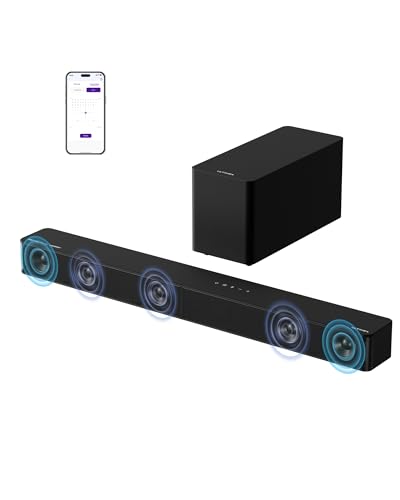
Today we're comparing two fundamentally different philosophies in soundbar design: the Ultimea Poseidon M60 Boom, which packs all its surround sound wizardry into a sleek single bar, and the LG S80TR, which takes the traditional route with physical rear speakers and dedicated height channels. Both promise to transform your TV audio experience, but they go about it in completely different ways.
Before diving into specifics, let's establish what we're really talking about when we say "5.1" or "5.1.3" channels. These numbers aren't just marketing speak—they represent the actual speaker configuration that determines how immersive your audio experience will be.
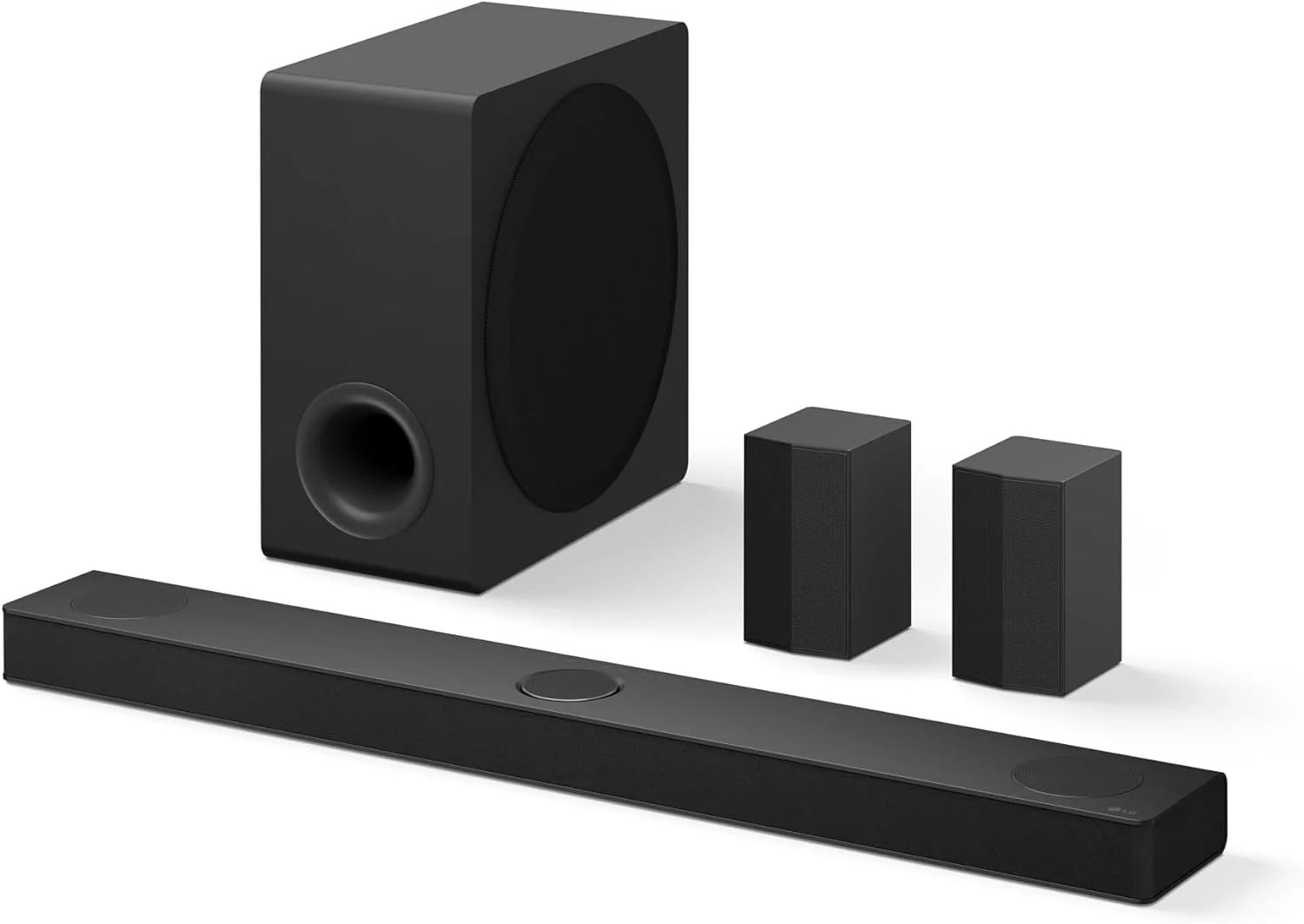
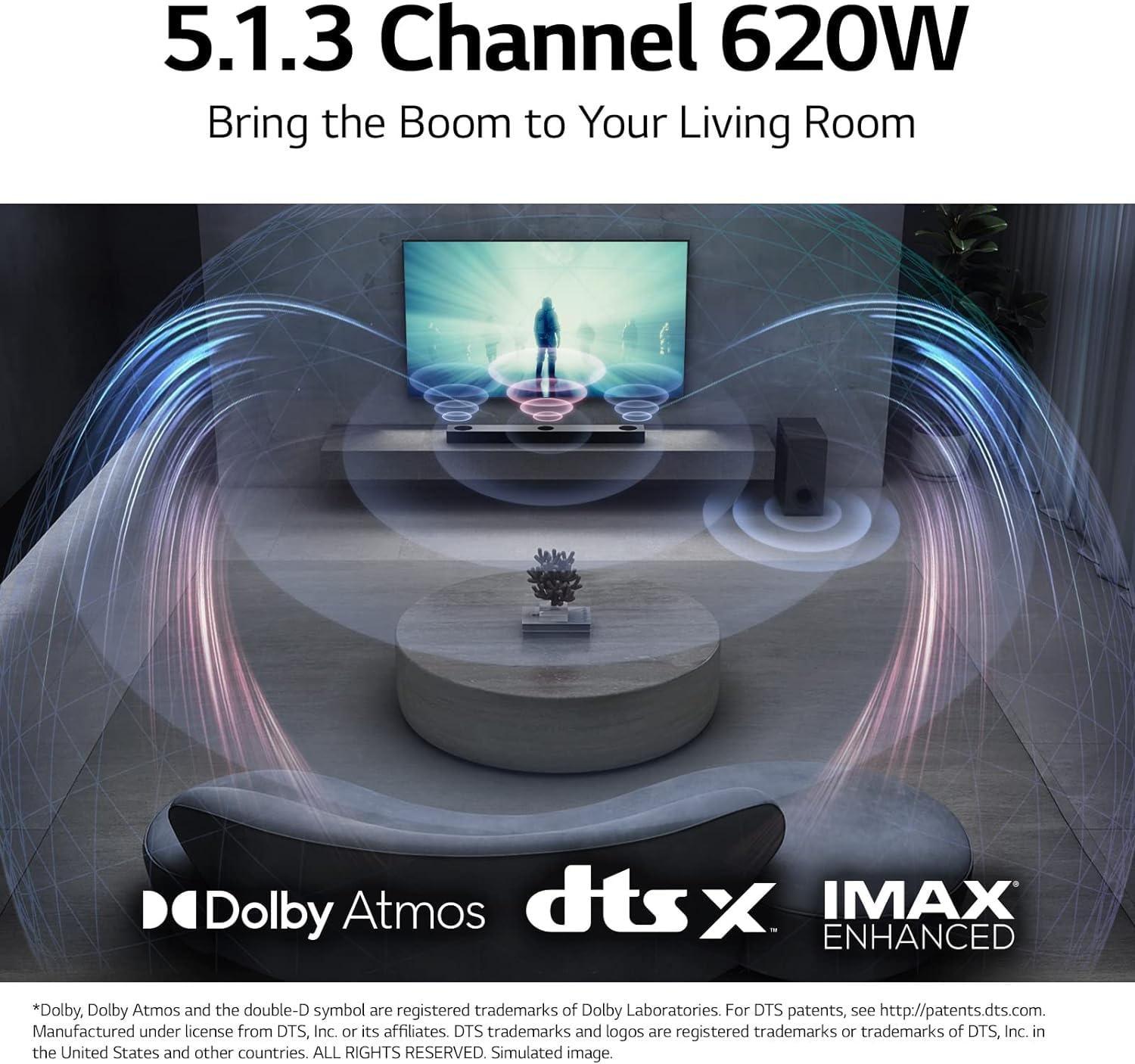
The first number tells you how many main speakers handle the primary audio: left, center, right, and left/right surround. The ".1" refers to the dedicated subwoofer channel that handles bass frequencies below about 120Hz—those deep rumbles that make explosions feel real. When you see ".3" added to the mix, like in the LG S80TR's 5.1.3 setup, those are height channels that fire sound upward to bounce off your ceiling, creating the illusion that helicopters are actually flying overhead.
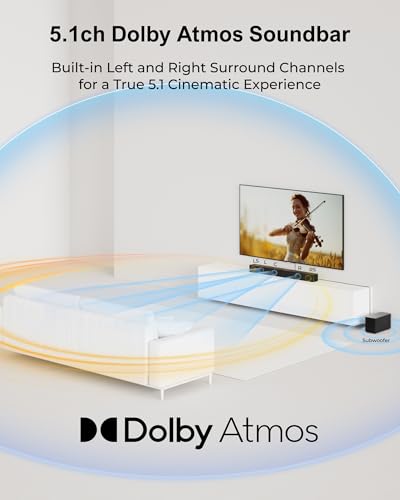
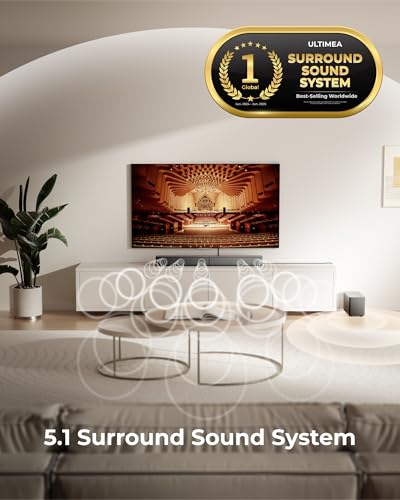
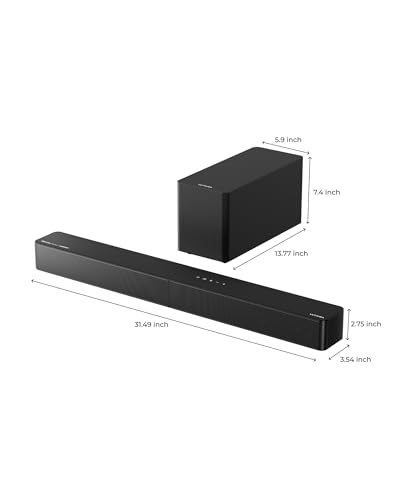
The Ultimea M60 Boom takes a different approach entirely. Rather than physically placing speakers around your room, it uses advanced digital signal processing (DSP)—essentially a specialized computer chip—to create virtual surround sound from drivers all housed within the main soundbar. Think of it like audio sleight of hand: the soundbar tricks your brain into thinking sounds are coming from behind you by carefully manipulating timing, frequency response, and volume levels.
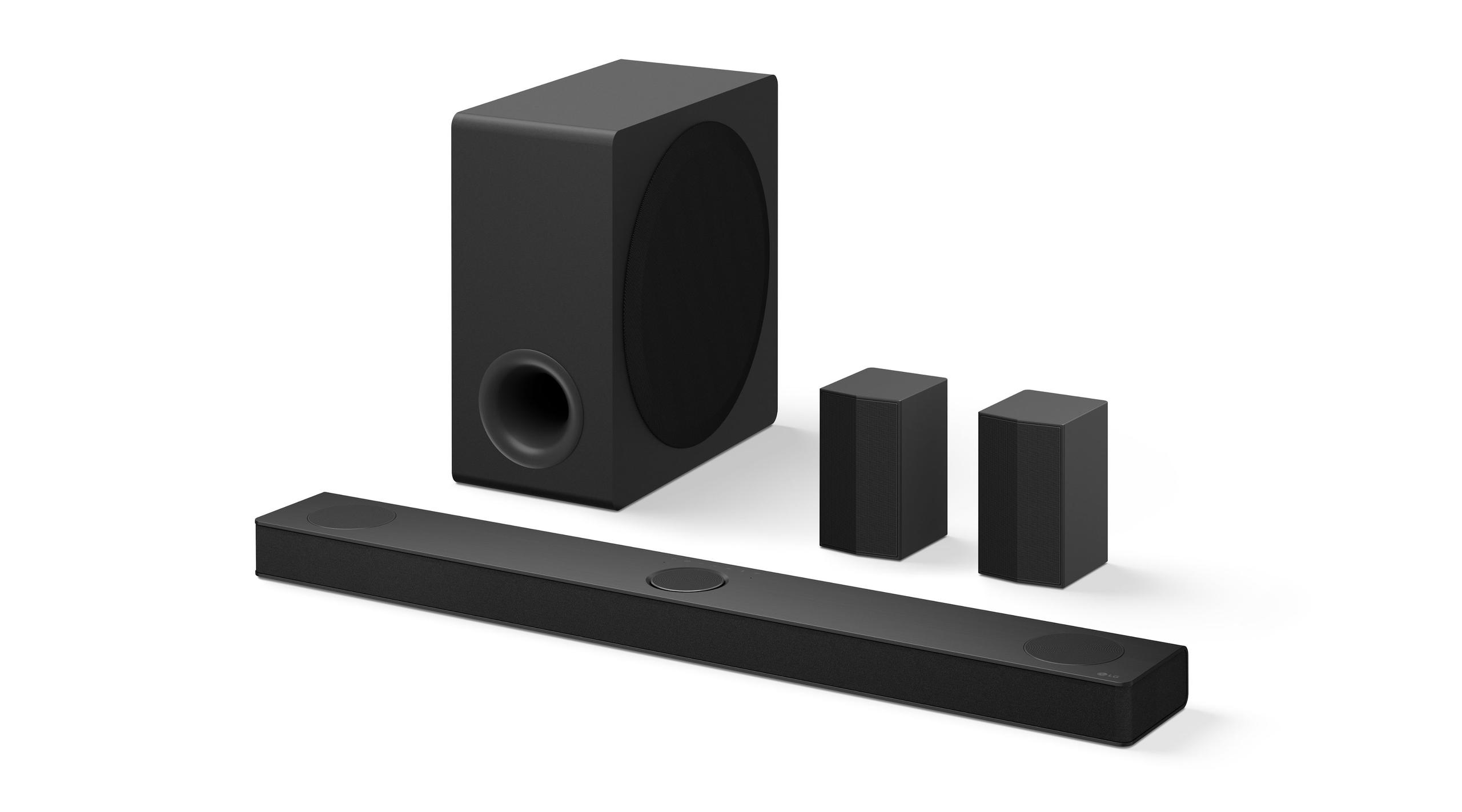
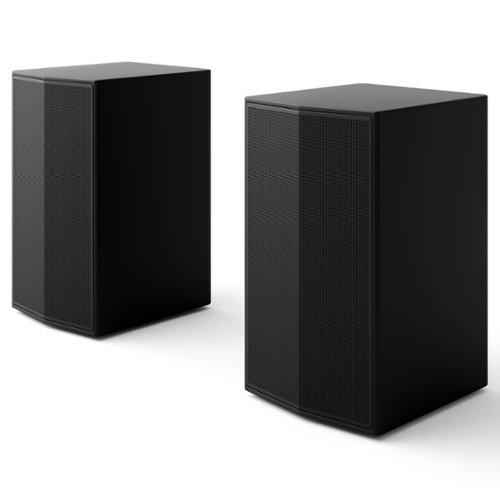
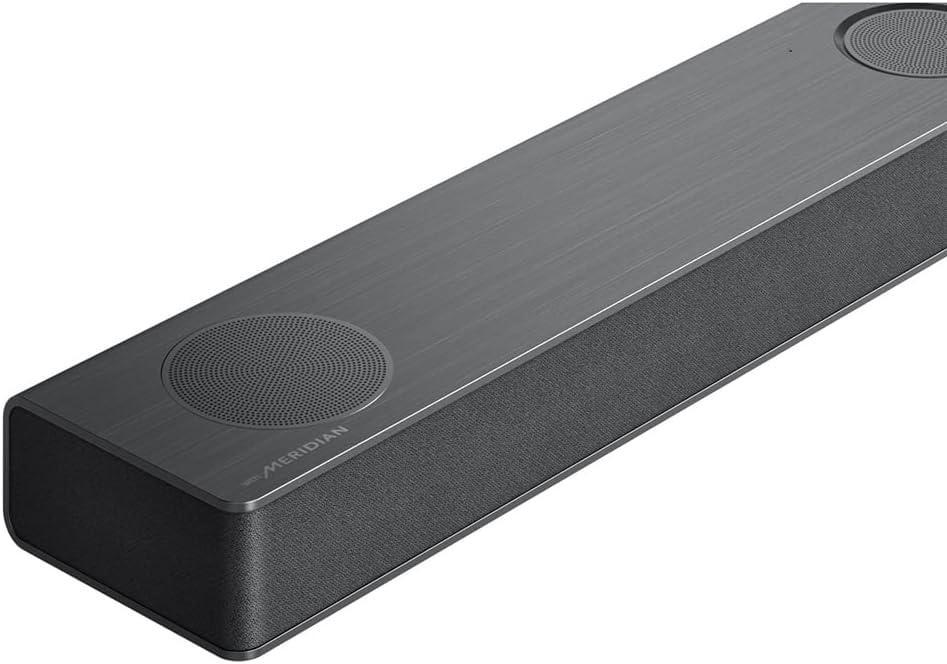
This is where things get interesting, and frankly, where personal preference and room constraints become crucial factors. The LG S80TR represents the traditional "more speakers equals better surround" philosophy. Released in 2024 as an evolution of LG's previous models, it eliminates the wireless transmitter that earlier versions required, making setup cleaner while maintaining the authentic surround experience that comes from having actual speakers positioned around your listening area.
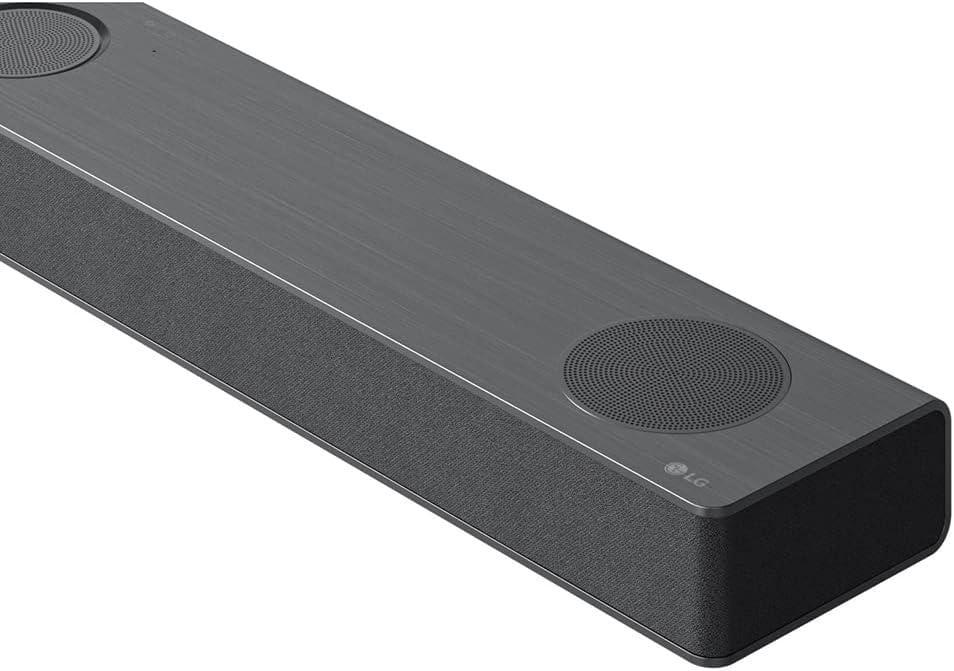
When you're watching a scene where a character walks from the front of the screen to the back, the S80TR can literally move that sound from its front speakers to the wireless rear satellites. The effect is convincing because it's real—not simulated. The dedicated up-firing drivers add another dimension, bouncing sound off your ceiling to create height effects that, while not perfectly overhead, do add a noticeable sense of space to properly mixed Dolby Atmos content.
The Ultimea M60 Boom, on the other hand, represents the "smart processing over speaker placement" school of thought. Released more recently, it incorporates what the company calls Triple-Core DSP Technology—essentially three dedicated processors working together to create the illusion of surround sound from a single bar. Two of these processors run at 800MHz while a third operates at 600MHz, providing over 2000 MIPS (millions of instructions per second) of processing power.
Here's what this means in practical terms: the M60 Boom analyzes incoming audio in real-time, identifying which sounds should appear to come from which directions, then uses psychoacoustic principles to fool your ears. It's remarkably sophisticated technology, but it's still creating an illusion rather than actual positional audio.
Both systems recognize that great bass can't be faked, which is why both include dedicated subwoofers. However, their approaches differ significantly, and bass performance is often what separates good soundbars from great ones.
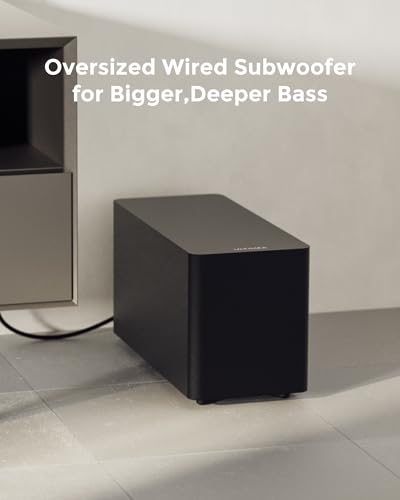
The Ultimea M60 Boom features what they call BassMX Technology, built around a 5.25-inch driver in a wooden cabinet. The wood construction isn't just for aesthetics—different materials resonate at different frequencies, and wood's natural acoustic properties help enhance low-frequency reproduction. The driver itself features up to 16mm of excursion, meaning the cone can move back and forth quite dramatically to move the air necessary for deep bass.
More importantly, the M60 Boom's subwoofer connects via wire rather than wirelessly. While this might seem like a step backward in our wireless world, wired connections eliminate the potential for wireless interference, dropouts, or the slight audio delay that can occur with wireless transmission. For bass frequencies, where timing and consistency matter enormously, this wired approach often delivers more reliable performance.
The LG S80TR takes the wireless route with its subwoofer, which offers obvious placement advantages—you can position it wherever it sounds best in your room without worrying about running cables. LG's implementation appears solid based on user feedback, though some users have noted they'd prefer more powerful bass output. The wireless subwoofer integrates well with the system's AI room calibration feature, which uses built-in microphones to measure your room's acoustics and adjust bass levels accordingly.
If there's one area where both soundbars excel, it's dialogue clarity—and this might be the most important consideration for many buyers. Poor dialogue reproduction is the number one complaint about TV speakers, where voices often get buried under background music and effects.
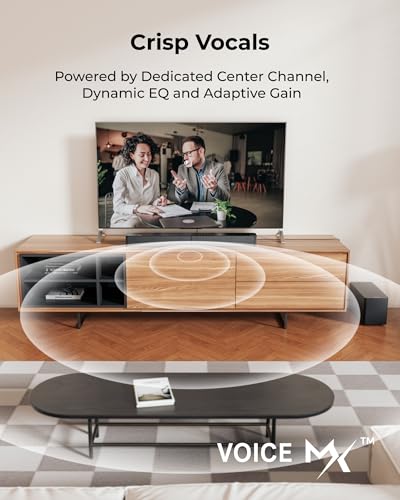
The Ultimea M60 Boom addresses this with VoiceMX Technology, which specifically targets the 300Hz to 3kHz frequency range where human speech lives. This isn't just a simple EQ boost; it's adaptive processing that dynamically adjusts based on the content being played. When dialogue appears, the system can slightly reduce competing background sounds while enhancing speech frequencies, making conversations easier to follow without constantly reaching for the volume remote.
The LG S80TR takes a different approach with its dedicated up-firing center channel and Clear Voice Pro mode. Having a physically separate center channel driver, even if it's firing upward, allows for more precise dialogue reproduction because speech doesn't have to compete with left and right channel information from the same driver. The up-firing design might seem counterintuitive for dialogue, but it helps prevent the center channel from being masked by the left and right speakers, particularly in wider soundbar designs.
Both approaches work well according to user feedback, though they achieve clarity through different means. The M60 Boom uses smart processing to enhance speech, while the S80TR relies more on physical separation and dedicated hardware.
For anyone with gaming consoles, particularly newer PlayStation 5 or Xbox Series X systems, connectivity features become crucial. This is where the LG S80TR shows its premium positioning most clearly.
The S80TR includes full HDMI 2.1 support, which means it can pass through 4K video at 120Hz—the highest frame rate these consoles can output. More importantly, it supports Variable Refresh Rate (VRR) and Auto Low Latency Mode (ALLM). VRR eliminates screen tearing by matching the display's refresh rate to the console's frame output, while ALLM automatically switches the system to its lowest-latency mode when it detects gaming content.
These features matter because audio-video synchronization becomes critical during gaming. Even a 20-30 millisecond delay between pressing a controller button and hearing the corresponding sound can affect gameplay, particularly in competitive scenarios. The S80TR also supports HDR10 and Dolby Vision passthrough, ensuring your video quality isn't compromised when routing through the soundbar.
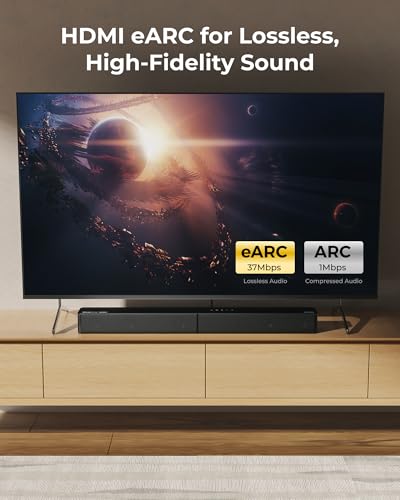
The Ultimea M60 Boom focuses more on audio performance than advanced video features, though it does include HDMI eARC (Enhanced Audio Return Channel) support. eARC allows for higher bandwidth audio transmission than standard ARC, supporting lossless formats like Dolby TrueHD and DTS-HD Master Audio. It also features Bluetooth 5.4, which offers improved stability and lower latency compared to earlier Bluetooth versions—useful for wireless gaming headphone connections or streaming music from mobile devices.
The smart home integration story reveals another key difference between these systems. The LG S80TR is designed as a connected device first, audio device second. It includes built-in Wi-Fi, Chromecast support, Apple AirPlay 2, and Spotify Connect. This means you can stream music directly to the soundbar without involving your TV at all, and it'll appear as a native device in Spotify's app or Apple's AirPlay menu.
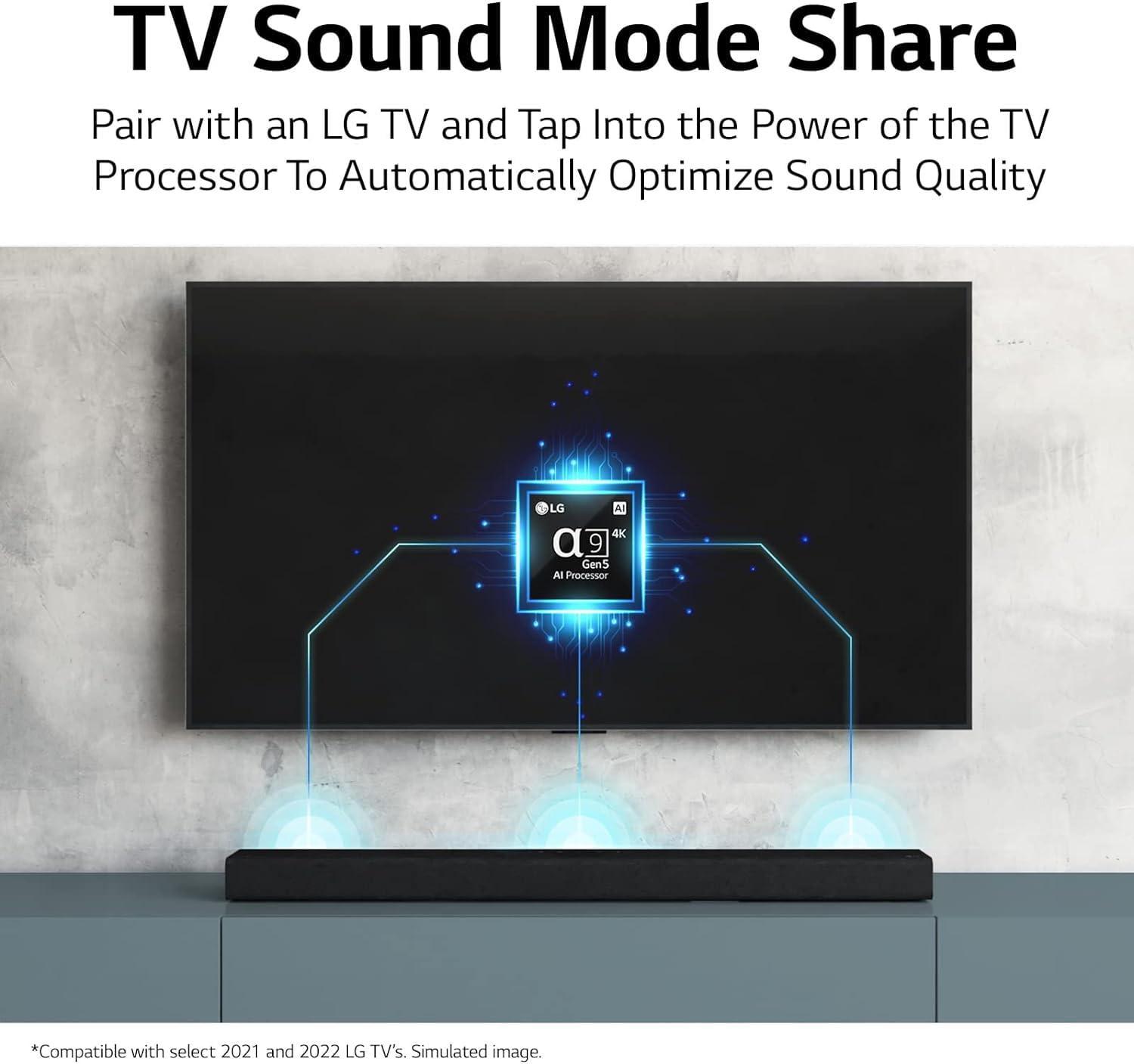
The S80TR also features WOW Orchestra technology when paired with compatible LG TVs. This isn't just marketing fluff—it actually uses both the TV's built-in speakers and the soundbar speakers simultaneously, creating a wider soundstage and more immersive experience. The AI room calibration feature analyzes your room's acoustics using built-in microphones and automatically adjusts EQ settings, a genuinely useful feature that removes guesswork from setup.
The Ultimea M60 Boom takes a more focused approach, concentrating on core audio functions rather than extensive smart features. Its companion app provides access to EQ settings, sound modes (movie, music, voice, sport, game, night), and manual adjustment of bass, midrange, and treble levels. This level of control is actually quite comprehensive for fine-tuning the sound to your preferences, though it lacks the broader connectivity ecosystem of the LG system.
Based on our analysis of user reviews and expert evaluations, some clear patterns emerge. LG S80TR users consistently praise the authentic surround sound experience, particularly noting how well integrated the wireless rear speakers are and how the system creates genuine spatial audio. The setup process, while more complex than single-bar systems, is generally described as straightforward, and the wireless connectivity proves reliable in most home environments.
However, some S80TR users mention that the height effects from the up-firing drivers, while present, aren't as dramatic as dedicated ceiling-mounted speakers would provide. This is a limitation of reflected audio in general—it works, but it's not the same as true overhead speakers.
Ultimea M60 Boom users frequently mention being impressed by the sound quality relative to the price point, particularly noting the bass performance and dialogue clarity. The system's compact design and simple setup receive consistent praise, making it particularly appealing for apartments, smaller rooms, or situations where running speaker wires isn't practical.
The main limitation users report with the M60 Boom is that the surround effects, while convincing for a single-bar system, don't match the immersion of systems with physical rear speakers. This isn't surprising given the physics involved, but it's worth noting for buyers prioritizing maximum surround sound immersion.
At the time of writing, these systems occupy different market segments, with the LG S80TR positioned as a premium offering and the Ultimea M60 Boom targeting value-conscious buyers seeking high-end features at accessible prices.
The value equation isn't just about upfront cost, though. The M60 Boom offers exceptional performance per dollar, delivering genuine surround sound processing, high-quality bass, and advanced features like app control and multiple connectivity options. For buyers wanting the biggest audio upgrade for their money, it represents compelling value.
The S80TR justifies its premium pricing through genuine surround speaker positioning, advanced gaming features, comprehensive smart connectivity, and the convenience of fully wireless operation. For buyers building a dedicated home theater setup or wanting future-proof connectivity, the additional cost delivers tangible benefits.
The decision between these systems ultimately comes down to your specific needs, room constraints, and priorities. The Ultimea Poseidon M60 Boom excels when simplicity, space constraints, or budget considerations are primary concerns. It's particularly well-suited for apartments, bedrooms, or living situations where optimal speaker placement isn't possible. The sound quality and feature set punch well above their weight class, making it an excellent choice for buyers who want significant audio improvement without complexity or high cost.
Choose the M60 Boom if you prioritize dialogue clarity, want impressive bass performance, need simple setup, or are working within space or budget constraints. It's also ideal for renters who can't make permanent installation decisions or anyone who frequently rearranges their living space.
The LG S80TR makes sense when authentic surround sound immersion is worth the premium, when gaming features like 4K@120Hz passthrough matter, or when smart home integration adds genuine value to your daily routine. It's the better choice for larger rooms where rear speakers can be properly positioned and for buyers building permanent home theater setups.
Choose the S80TR if you have the space for optimal speaker placement, value extensive connectivity options, want future-proof gaming features, or prioritize the most immersive possible audio experience within reasonable budget constraints.
Both soundbars deliver dramatic improvements over TV speakers and represent solid choices within their respective market segments. The key is honestly assessing your room, usage patterns, and priorities rather than simply chasing the highest specification numbers or lowest price point.
| Ultimea Poseidon M60 Boom | LG S80TR |
|---|---|
| Channel Configuration - Determines surround sound authenticity and immersion | |
| 5.1 channels (all drivers in main bar + subwoofer) | 5.1.3 channels (main bar + wireless rear speakers + height channels) |
| Surround Sound Approach - Virtual vs. physical speaker placement | |
| Virtual surround using Triple-Core DSP processing | True surround with dedicated wireless rear satellite speakers |
| Total System Power - Affects maximum volume and dynamic range | |
| 340W peak power | 580W total system power |
| Subwoofer Connection - Reliability vs. placement flexibility | |
| 5.25" wired wooden subwoofer with BassMX Technology | Wireless subwoofer with AI room calibration |
| Setup Complexity - Installation time and placement requirements | |
| Plug-and-play single bar + wired sub | Requires positioning of wireless rear speakers for optimal effect |
| Gaming Features - Future-proofing for modern consoles | |
| HDMI eARC, Bluetooth 5.4, basic CEC support | HDMI 2.1 with 4K@120Hz, VRR, ALLM, HDR10/Dolby Vision passthrough |
| Smart Connectivity - Streaming and voice control options | |
| Bluetooth 5.4, Smart APP control, basic connectivity | Wi-Fi, Chromecast, AirPlay 2, Spotify Connect, voice assistant support |
| Dialogue Enhancement Technology - Critical for clear speech | |
| VoiceMX adaptive vocal processing (300Hz-3kHz range) | Up-firing center channel with Clear Voice Pro mode |
| Dolby Atmos Implementation - Height effect quality | |
| Virtual Atmos processing through main bar drivers | Dedicated up-firing drivers for genuine height channels |
| Room Integration Features - Automatic optimization capabilities | |
| Manual EQ adjustment via app with multiple presets | AI Sound Pro with automatic room calibration using built-in microphones |
| Best Use Case - Ideal buyer scenario | |
| Budget-conscious buyers wanting simple setup with strong performance | Premium buyers with larger rooms seeking authentic surround immersion |
The Ultimea Poseidon M60 Boom is ideal for small rooms because it delivers 5.1 surround sound from a single compact soundbar without requiring rear speaker placement. Its virtual surround processing works well in smaller spaces where you can't position multiple speakers optimally. The LG S80TR needs space for wireless rear speakers to achieve its best performance, making it less suitable for cramped rooms or apartments.
While rear speakers like those in the LG S80TR provide the most authentic surround experience, they're not absolutely necessary. The Ultimea M60 Boom uses advanced digital processing to create convincing virtual surround sound from its main bar. Physical rear speakers offer more precise sound positioning, but virtual surround can still deliver an immersive experience, especially for dialogue-heavy content.
The Ultimea Poseidon M60 Boom often delivers more impactful bass thanks to its wired wooden subwoofer with BassMX Technology and 5.25" high-excursion driver. The wired connection ensures consistent bass without wireless interference. The LG S80TR has good bass quality with its wireless subwoofer, but some users report wanting more power from the low-end response.
The LG S80TR justifies its premium price with genuine rear speakers, advanced gaming features like 4K@120Hz passthrough, and comprehensive smart connectivity. However, the Ultimea M60 Boom offers exceptional value with impressive sound quality and features at a lower price point. Choose the LG S80TR if authentic surround sound and gaming features matter most to you.
The Ultimea Poseidon M60 Boom wins for simplicity with its plug-and-play design requiring only the main bar and wired subwoofer connection. The LG S80TR involves more setup complexity as you need to position wireless rear speakers optimally and run through AI room calibration, though the wireless design eliminates cable running.
Yes, both support Dolby Atmos but differently. The LG S80TR has dedicated up-firing drivers that bounce sound off your ceiling for genuine height effects. The Ultimea M60 Boom processes Dolby Atmos content through virtual height processing, creating the illusion of overhead sound without physical up-firing speakers.
The LG S80TR is superior for gaming with HDMI 2.1 support, 4K@120Hz passthrough, Variable Refresh Rate (VRR), and Auto Low Latency Mode (ALLM) - essential features for modern consoles. The Ultimea M60 Boom offers good audio quality for gaming but lacks these advanced video features that enhance the gaming experience.
The LG S80TR offers more streaming options with built-in Wi-Fi, Chromecast, Apple AirPlay 2, and Spotify Connect, letting you stream music without involving your TV. The Ultimea Poseidon M60 Boom primarily uses Bluetooth 5.4 for wireless music streaming, which works well but offers fewer direct streaming options.
Both excel at dialogue but use different approaches. The Ultimea M60 Boom features VoiceMX Technology that adaptively enhances speech frequencies, while the LG S80TR uses a dedicated up-firing center channel with Clear Voice Pro mode. Both deliver significantly clearer dialogue than TV speakers, with the choice depending on your preference for processing vs. hardware solutions.
While the LG S80TR performs best in medium to large rooms where rear speakers can be properly positioned, it can work in smaller spaces too. However, you won't get the full benefit of the surround experience in very small rooms. The Ultimea M60 Boom is more flexible for various room sizes since all audio comes from the main bar.
The LG S80TR provides extensive smart features including Google Assistant and Alexa compatibility, plus WOW Orchestra technology when paired with LG TVs. The Ultimea Poseidon M60 Boom focuses more on core audio functions with smart app control for EQ settings but lacks broader smart home ecosystem integration.
Both the LG S80TR and Ultimea M60 Boom typically offer standard manufacturer warranties, with LG providing established customer support infrastructure as a major brand. The Ultimea M60 Boom's wired subwoofer connection can be more reliable than wireless systems, potentially reducing connectivity issues over time, while the LG S80TR's wireless components offer convenience but add potential points of failure.
We've done our best to create useful and informative comparisons to help you decide what product to buy. Our research uses advanced automated methods to create this comparison and perfection is not possible - please contact us for corrections or questions. These are the sites we've researched in the creation of this article: ultimea.com - ultimea.com - youtube.com - bestbuy.com - youtube.com - avsforum.com - youtube.com - manuals.plus - youtube.com - device.report - ultimea.com - ultimea.de - community.ultimea.com - ultimea.com - community.ultimea.com - ultimea.com - youtube.com - aliexpress.com - ultimea.com - bestbuy.com - billsmith.com - brandsmartusa.com - avsforum.com - youtube.com - lg.com - buydig.com - louisdoehomecenter.com - lg.com - videoandaudiocenter.com - mynavyexchange.com - walts.com - bestbuy.com

Privacy Policy
Terms and Conditions - Affiliate Policy
Home Security
© Copyright 2008-2026.
11816 Inwood Rd #1211, Dallas, TX 75244