





Shopping for a soundbar feels overwhelming when you're staring at spec sheets full of numbers and acronyms. The good news? Two standout options—the Ultimea Poseidon M60 Boom and LG S70TR—represent fundamentally different approaches to solving the same problem: making your TV sound dramatically better without turning your living room into a speaker showroom.
Both soundbars launched around 2024, riding the wave of improved Dolby Atmos processing and more affordable wireless technology. But they solve the surround sound puzzle in completely different ways, and understanding these differences will help you pick the right one for your space and budget.
Before diving into the specifics, it helps to understand what we're actually comparing. Both products belong to the multi-channel soundbar category, which means they're designed to create the illusion (or reality) of having multiple speakers positioned around your room. This is a significant step up from basic soundbars that just make dialogue clearer.
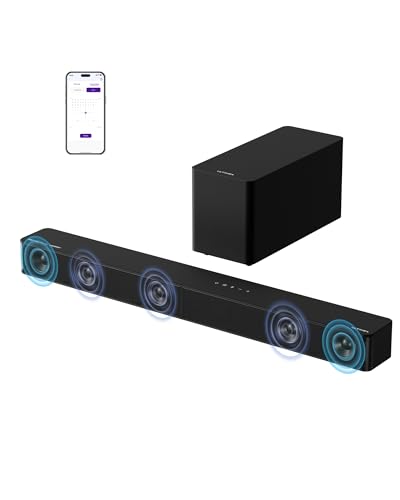
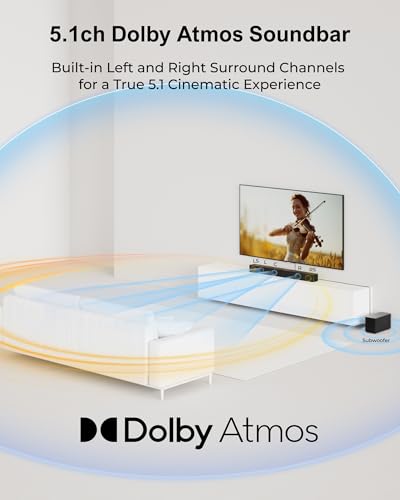
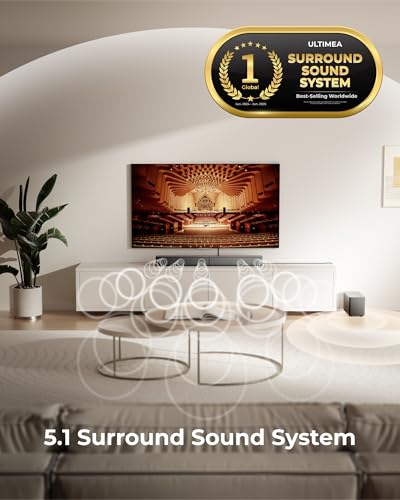
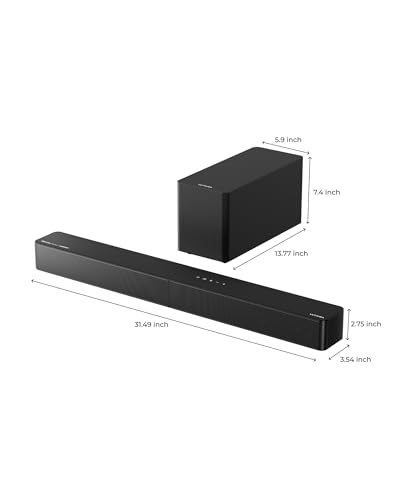
The Ultimea Poseidon M60 Boom takes what I call the "all-in-one" approach. It's a 5.1 system where all five main channels—left, right, center, and two surround channels—live inside the main soundbar unit, which cleverly splits into two connecting pieces. You get a separate subwoofer for bass, but no rear speakers cluttering your room.
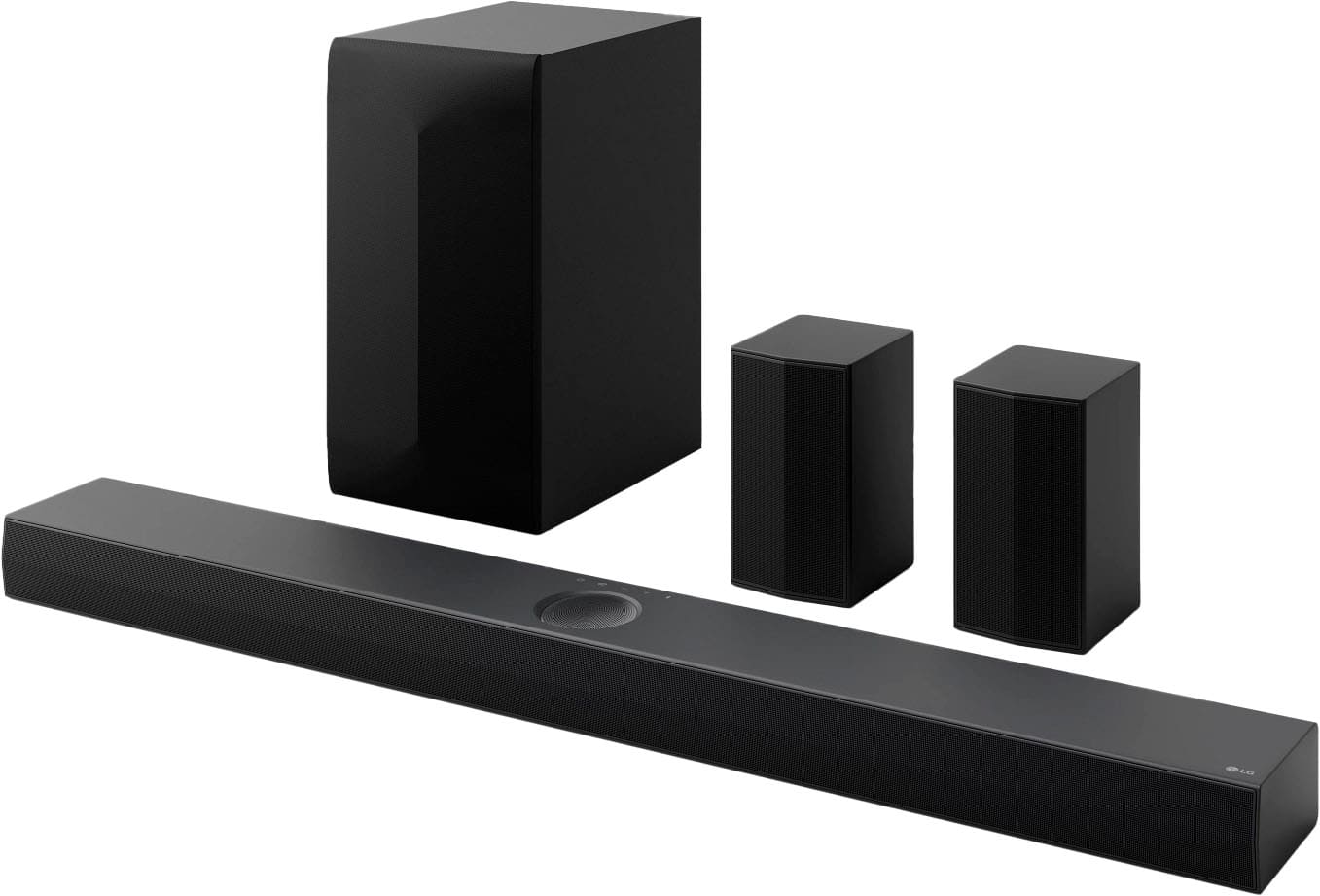
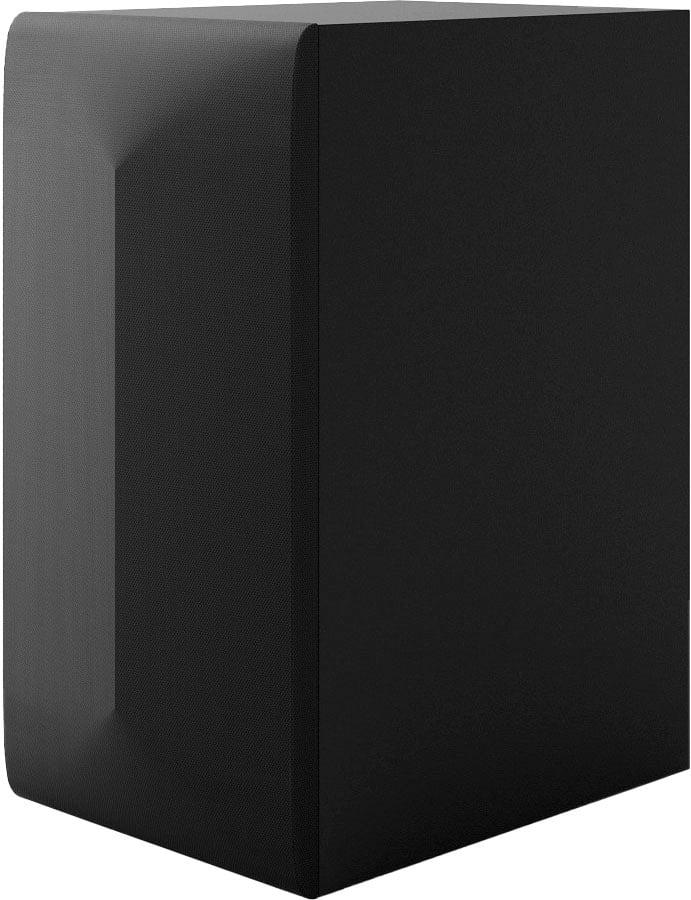
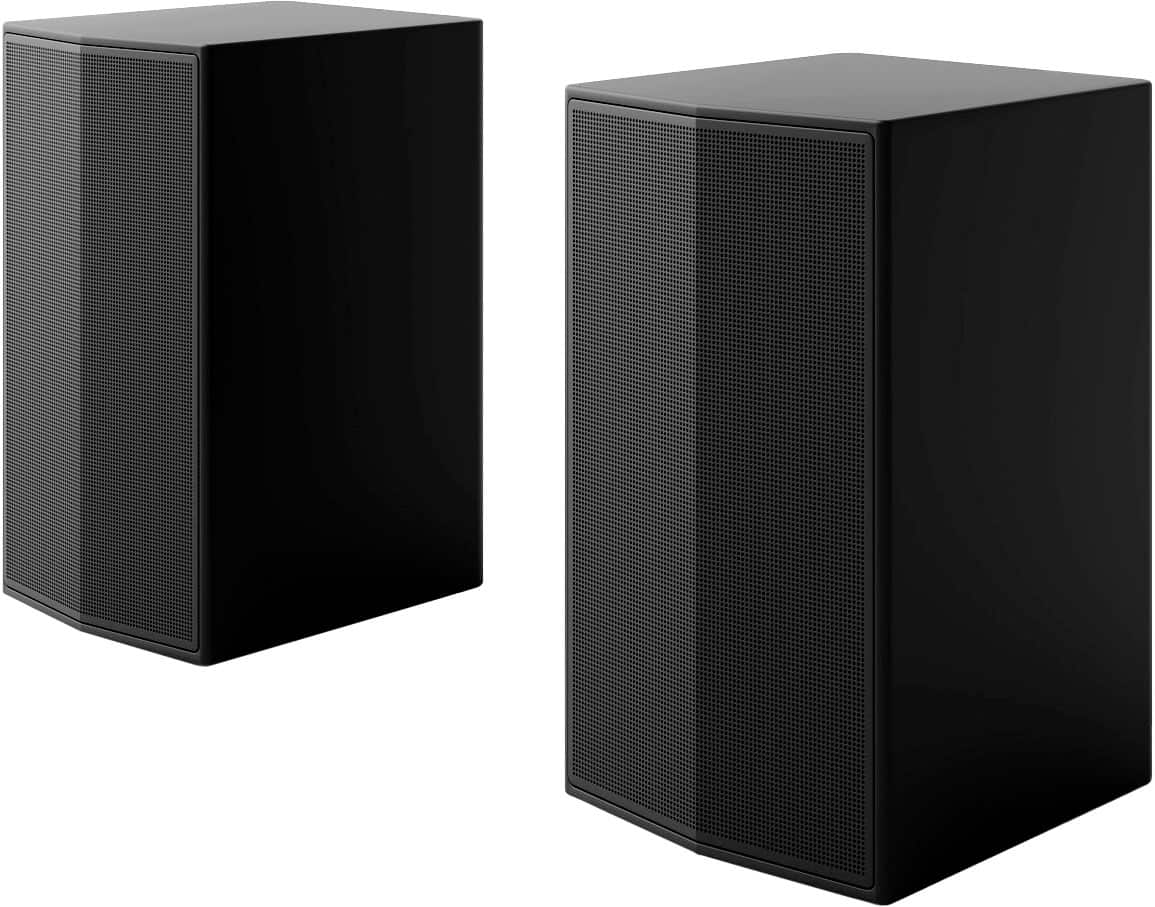
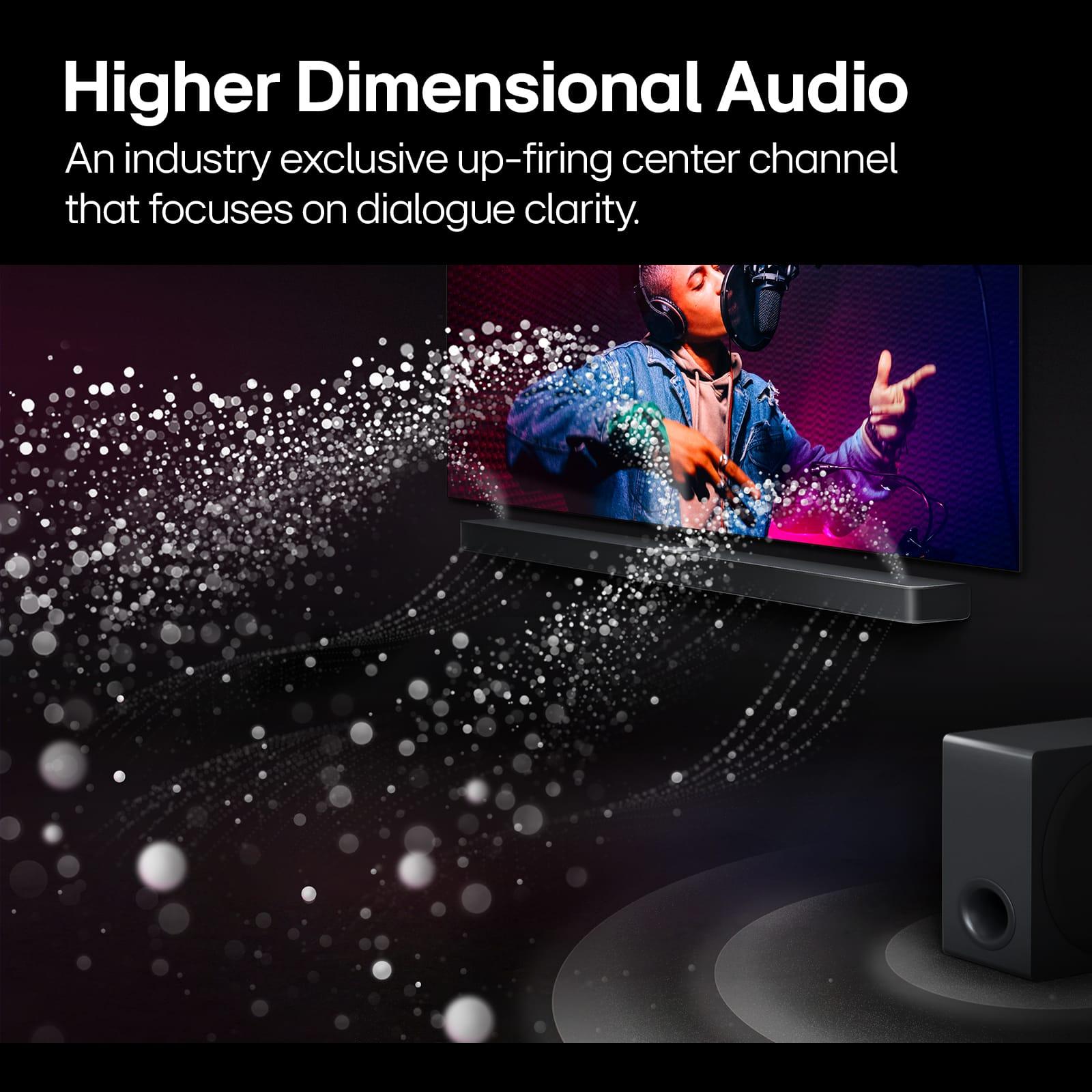
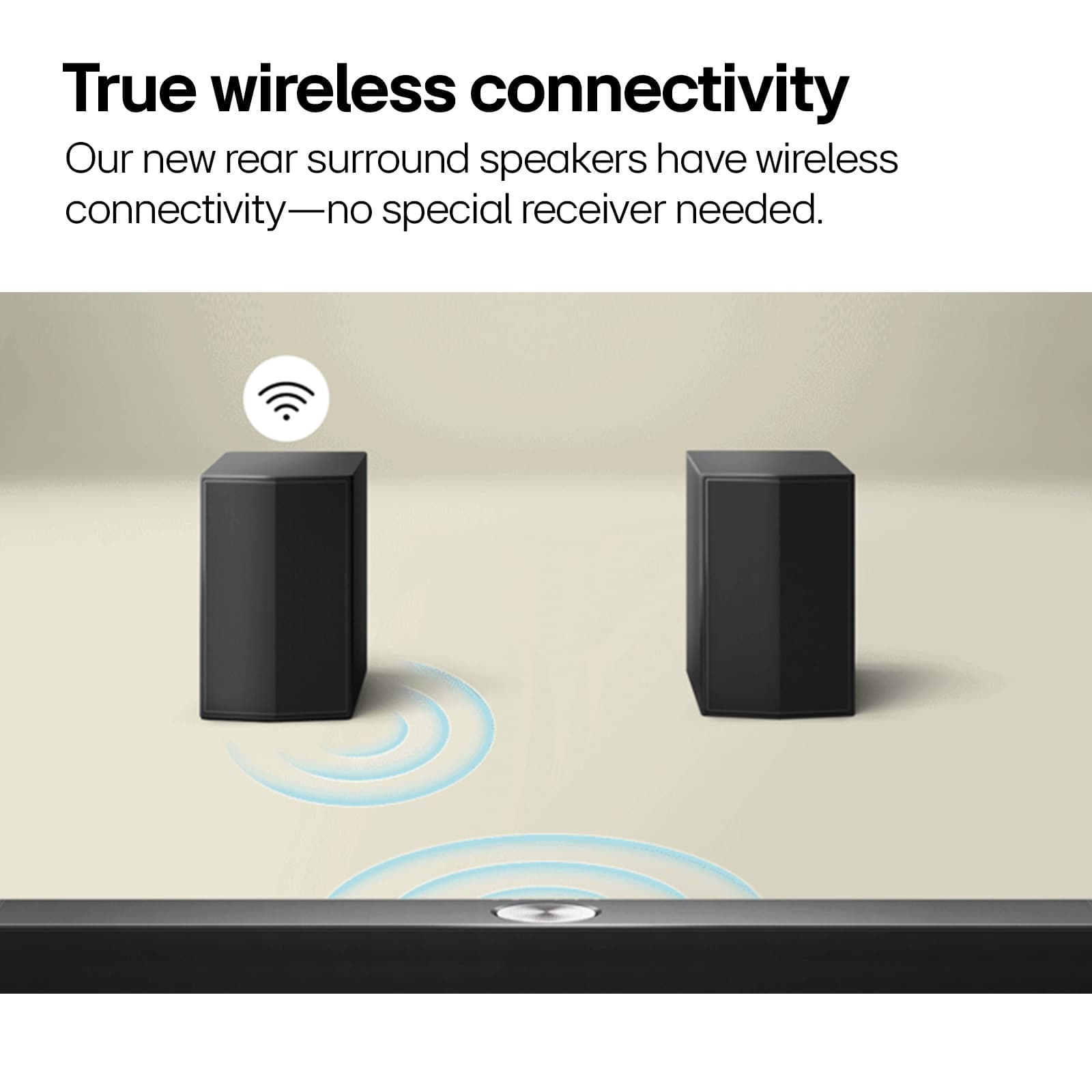
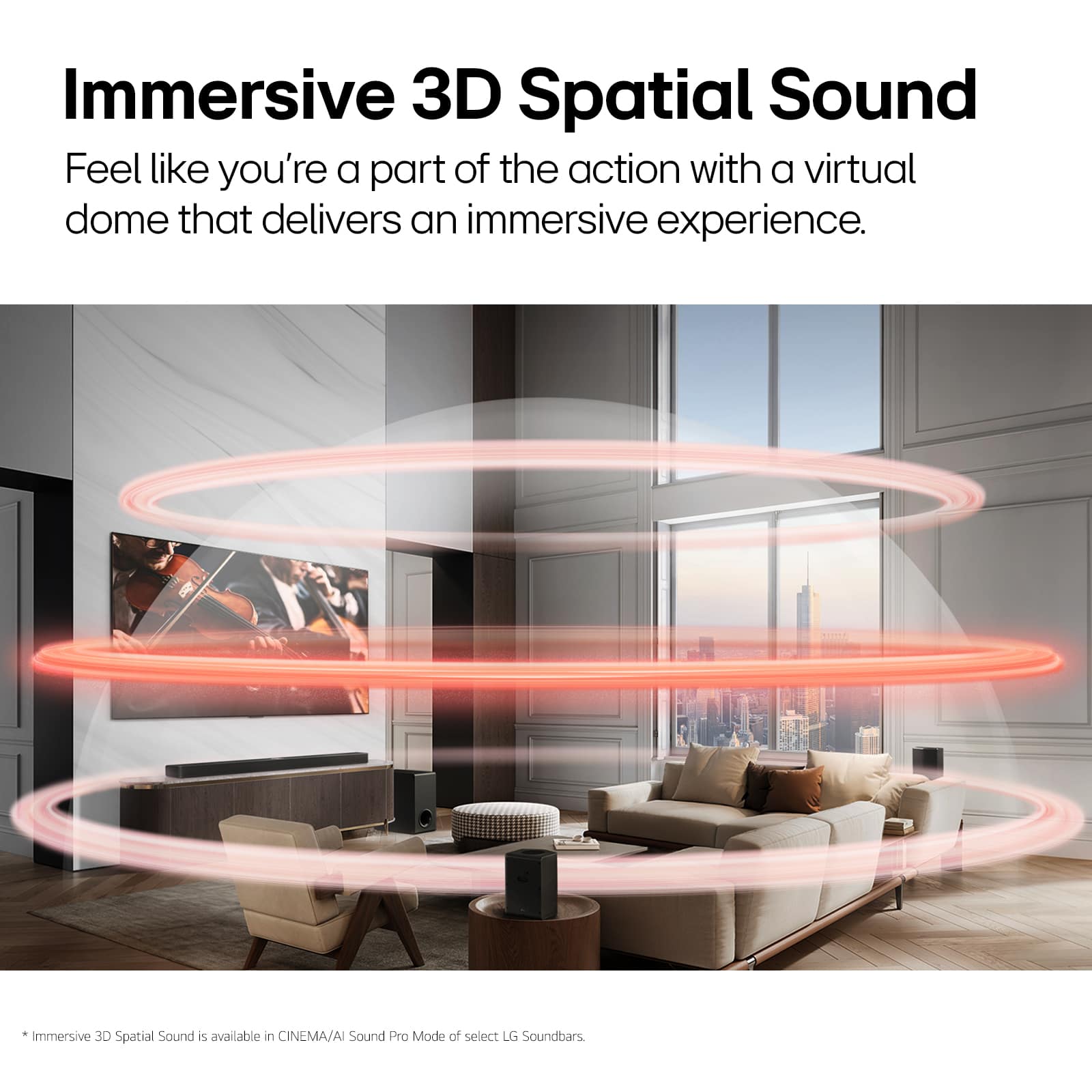
The LG S70TR, meanwhile, goes the traditional route with a true 5.1.1 setup. That extra ".1" is crucial—it represents a dedicated height channel that fires sound upward to bounce off your ceiling, creating overhead effects that make helicopters actually sound like they're flying above you. Plus, you get physical wireless rear speakers that position themselves behind your listening area.
Here's where these soundbars reveal their philosophical differences, and it's probably the most important distinction for your buying decision.
The Ultimea M60 uses advanced digital signal processing (DSP) to create virtual surround sound. Its five full-range drivers work together with sophisticated algorithms to trick your brain into hearing sounds coming from positions where there aren't actually speakers. This virtual processing has improved dramatically in recent years, and when done well, it's genuinely effective.
But there's no getting around physics. The LG S70TR places actual speakers behind you. When an explosion happens to your left rear, the sound actually originates from your left rear. The difference isn't subtle—it's the difference between a convincing magic trick and the real thing.
In my research evaluating user feedback and professional reviews, the consensus is clear: physical rear speakers create a more immersive experience, especially for action movies and gaming. However, the Ultimea's virtual approach still delivers a significant upgrade over TV speakers and works better than you might expect in smaller rooms where sound reflections help sell the illusion.
The LG's dedicated height channel deserves special attention. True Dolby Atmos requires sounds to come from above, not just around. The LG's upfiring center channel bounces audio off your ceiling to create genuine overhead effects. The Ultimea processes Dolby Atmos content but virtualizes these height effects through its main drivers—effective for basic spatial audio but lacking the dramatic overhead positioning that makes Atmos special.
Both soundbars include subwoofers, but their approaches differ in ways that affect both sound quality and room placement flexibility.
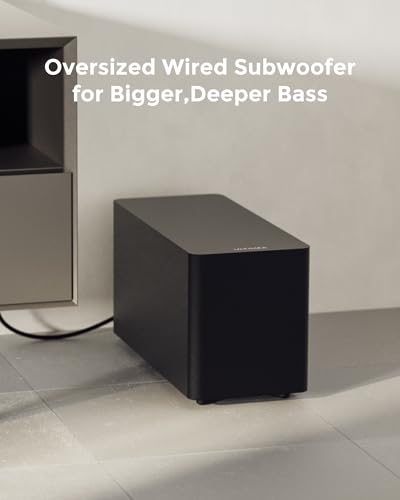
The Ultimea M60 Boom pairs with a wired subwoofer featuring their BassMX technology. This isn't just marketing speak—the system uses a 5.25-inch driver with up to 16mm of excursion (how far the speaker cone moves) in a wooden cabinet designed to minimize unwanted resonances. The wired connection ensures zero latency and consistent performance, but limits where you can place the subwoofer since it needs to connect directly to the soundbar.
The LG S70TR includes a 7-inch wireless subwoofer that can extend down to 40Hz—that's deep enough to feel the rumble in action scenes and add weight to musical bass lines. The wireless design means you can tuck it anywhere within range, which is particularly useful if your entertainment center doesn't have ideal subwoofer placement.
Based on technical specifications and user feedback, both systems deliver satisfying bass, but they excel in different scenarios. The Ultimea's wired connection and BassMX tuning provides tighter, more controlled bass that works well for music and dialogue-heavy content. The LG's larger driver and wireless flexibility make it better for home theater applications where you can optimize placement for room-filling low-end impact.
Maximum sound pressure level (SPL) tells us how loud these systems can play without distortion. The Ultimea reaches 99 dB, while the LG distributes its 420W total power across nine speakers for potentially better dynamic range. For reference, 99 dB is quite loud—roughly equivalent to a motorcycle heard from 25 feet away.
This is where the generational differences between these soundbars become apparent, even though both launched recently.
The LG S70TR includes Variable Refresh Rate (VRR) and Auto Low Latency Mode (ALLM) support up to 120Hz. If those acronyms sound like gibberish, here's what they mean for your gaming experience: VRR synchronizes the soundbar's video passthrough with your console's frame rate to eliminate screen tearing, while ALLM automatically reduces input lag when it detects gaming content. These features are essential for PlayStation 5 and Xbox Series X owners who want the smoothest possible gaming experience.
The soundbar also supports 4K passthrough with HDCP 2.3, meaning you can run your console through the soundbar to your TV without losing video quality or HDR support. This is particularly useful if your TV has limited HDMI ports.
The Ultimea M60 lacks these gaming-specific features entirely, though it does include Bluetooth 5.4 for ultra-low latency wireless audio. If you're primarily watching movies and TV shows, this won't matter. If you're serious about gaming, the LG is the clear choice.
Both soundbars include smartphone apps for control and customization, but the LG S70TR goes further with AI-driven sound optimization.
The LG's AI Sound Pro analyzes incoming audio in real-time and adjusts the sound profile accordingly. During dialogue-heavy scenes, it automatically reduces bass and enhances the vocal frequency range. When action picks up, it unleashes the subwoofer and expands the soundstage. This isn't just an EQ preset—it's continuous, intelligent adjustment based on what you're actually watching.
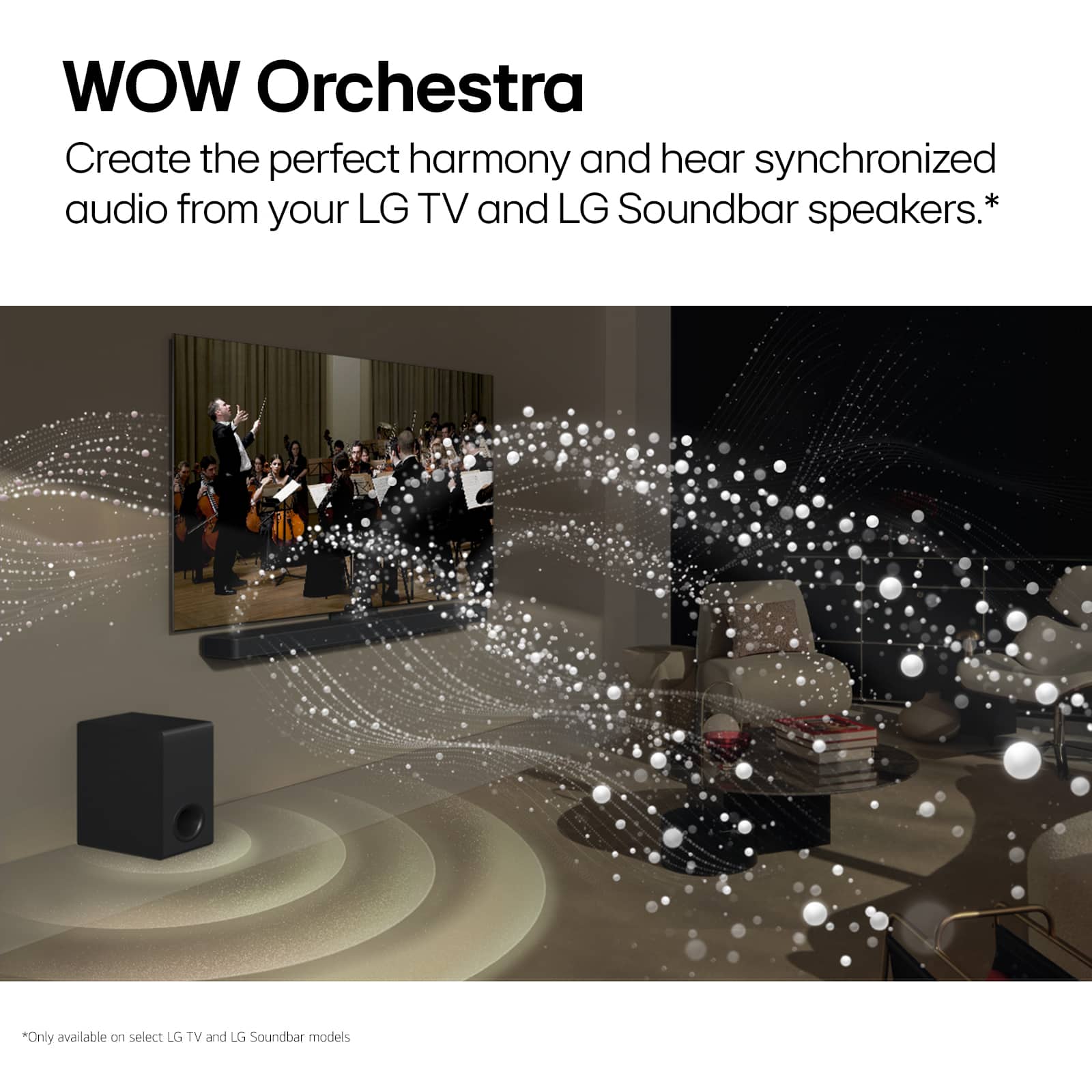
For LG TV owners, the S70TR offers WOW Orchestra integration, which combines your TV's built-in speakers with the soundbar rather than disabling them entirely. This creates a larger sound field and can improve dialogue clarity since the TV's speakers often sit closer to ear level.
The Ultimea M60 focuses on manual control through its app, with customizable EQ settings and multiple listening modes. You get more direct control but less automation. Some users prefer this approach, especially if they have specific preferences for different content types.
Here's where your room layout becomes crucial to the decision.
The Ultimea Poseidon M60 Boom wins on simplicity. The two-piece soundbar connects easily, the subwoofer plugs in, and you're done. No rear speakers to position, no wireless pairing procedures, no worrying about optimal surround speaker placement. For apartments, small rooms, or situations where running speaker wire isn't practical, this approach makes sense.
The LG S70TR requires more thought and potentially more flexibility in your room layout. The wireless rear speakers need power outlets and reasonable positioning relative to your seating area. The wireless subwoofer offers placement flexibility but requires initial setup and pairing. If you can accommodate these requirements, the payoff in sound quality is substantial.
User reviews consistently praise the Ultimea for its straightforward setup process, while LG owners report excellent results once everything is properly positioned but note that achieving optimal placement can take some experimentation.
At the time of writing, both soundbars occupy different value positions that reflect their feature sets and target audiences.
The Ultimea M60 Boom typically costs significantly less than the LG S70TR, making it an attractive option for budget-conscious buyers who want surround sound without compromising on build quality or core features. The integrated design also means fewer components that could potentially fail over time.
The LG S70TR commands a premium price but includes wireless rear speakers, height channel processing, gaming features, and AI optimization that would cost considerably more if purchased separately or as part of a traditional component system.
When evaluating long-term value, consider how your needs might evolve. The LG offers more expandability and future-proofing with its comprehensive format support and gaming features. The Ultimea provides a more focused solution that excels at its core mission without extra complexity.
After extensive research into user experiences and expert evaluations, clear patterns emerge for when each soundbar makes the most sense.
Choose the Ultimea Poseidon M60 Boom if you live in an apartment or smaller space where rear speaker placement is impractical. Its virtual surround processing works particularly well in rooms with good acoustics and close listening distances. The simplified setup and maintenance appeal to users who want dramatically better sound without turning their living room into a component installation project.
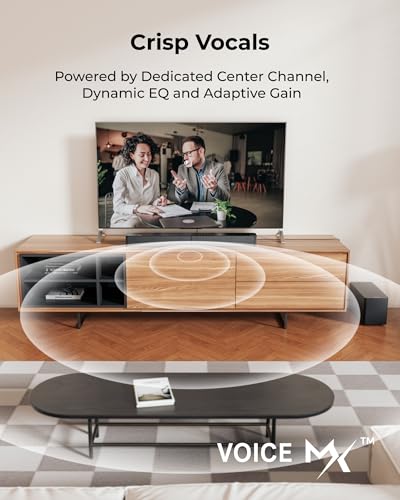
The Ultimea also makes sense if you primarily watch dialogue-heavy content like dramas and comedies, where its VoiceMX technology and balanced sound profile shine. Music lovers who prefer tighter bass control might also prefer its wired subwoofer approach.
Go with the LG S70TR if you have the space and flexibility to properly position rear speakers. The authentic surround sound positioning transforms action movies, sports, and gaming in ways that virtual processing cannot match. The dedicated height channel makes Dolby Atmos content genuinely immersive rather than just spatially enhanced.
LG TV owners should strongly consider the S70TR for its WOW Orchestra integration, which creates a more cohesive and expansive sound field than either device could achieve alone. Serious gamers will appreciate the VRR and ALLM support for next-generation consoles.
Both soundbars deliver substantial improvements over TV speakers, but they're designed for different users and situations. The Ultimea Poseidon M60 Boom excels as a space-efficient, setup-friendly solution that brings genuine surround sound to smaller spaces without component complexity. The LG S70TR offers the full multi-channel experience with authentic positioning and modern features for users who can accommodate its requirements.
The choice ultimately depends on your room, your content preferences, and how much setup complexity you're willing to accept for potentially better performance. In my evaluation of the available options, both represent solid value in their respective categories, but understanding these fundamental differences will help ensure you pick the one that matches your actual needs rather than just specifications on paper.
| Ultimea Poseidon M60 Boom | LG S70TR |
|---|---|
| Channel Configuration - Determines surround sound authenticity | |
| 5.1 virtual surround (all channels in main bar) | True 5.1.1 with physical rear speakers + height channel |
| Dolby Atmos Implementation - Critical for overhead sound effects | |
| Virtual Atmos processing through main drivers | Dedicated upfiring center channel for genuine height effects |
| Rear Speakers - Major factor in immersion quality | |
| No physical rear speakers (virtual positioning) | Wireless rear speakers for authentic surround placement |
| Subwoofer Design - Affects bass quality and room placement | |
| 5.25" wired subwoofer with BassMX technology | 7" wireless subwoofer (40Hz response, flexible placement) |
| Total Power Output - Determines maximum volume and dynamics | |
| 340W peak power, 99dB max SPL | 420W distributed across 9 speakers |
| Gaming Features - Essential for console compatibility | |
| Basic connectivity, Bluetooth 5.4 low latency | VRR/ALLM up to 120Hz, 4K passthrough with HDCP 2.3 |
| Smart TV Integration - Convenience and enhanced features | |
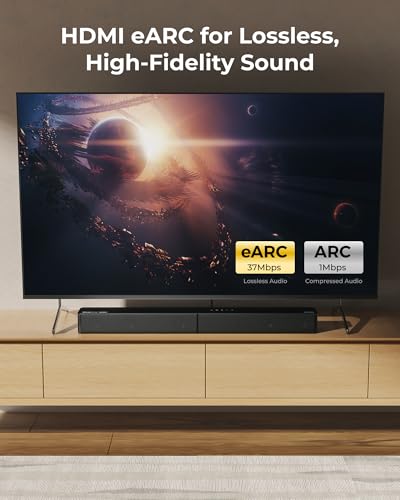
| Universal compatibility with HDMI eARC/CEC | WOW Orchestra (combines with LG TV speakers) |
| AI Sound Processing - Automatic optimization vs manual control | |
| Manual EQ via Ultimea app, VoiceMX dialogue enhancement | AI Sound Pro with real-time content analysis and adjustment |
| Setup Complexity - Time and effort required for installation | |
| Simple two-piece connection, minimal components | Wireless rear speaker positioning, subwoofer placement optimization |
| Room Size Suitability - Where each performs best | |
| Ideal for small-medium rooms, apartments | Optimized for medium-large rooms with rear speaker clearance |
| Frequency Response - Range of sounds reproduced | |
| 45Hz-18kHz (tight, controlled bass) | 40Hz response (deeper bass extension) |
| Connectivity Options - Available input methods | |
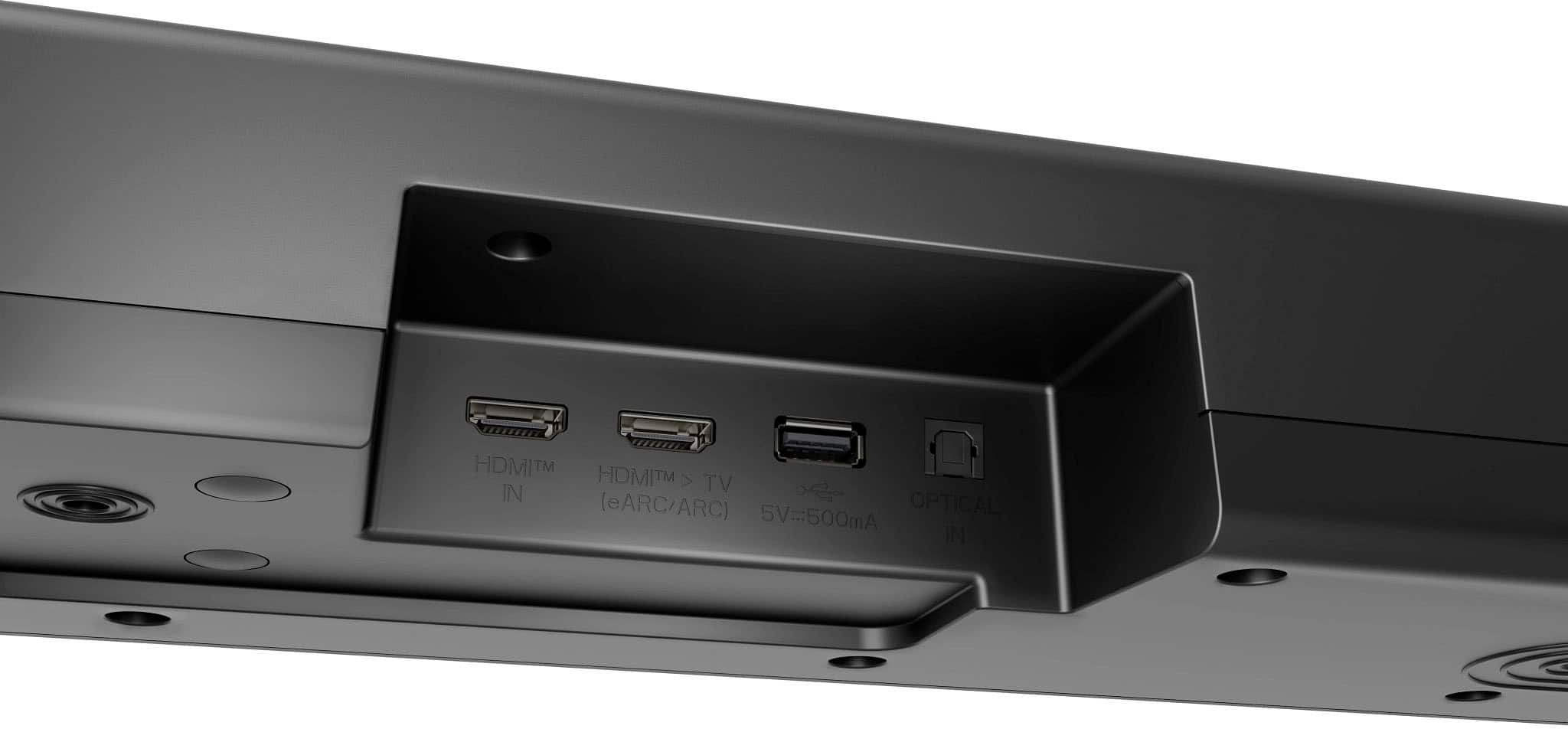
| HDMI eARC, optical, USB, AUX, Bluetooth 5.4 | HDMI eARC, optical, USB, WiFi, Bluetooth 5.1 |
The Ultimea Poseidon M60 Boom is ideal for apartments and smaller spaces. Its integrated design eliminates the need for rear speakers, while still delivering genuine 5.1 surround sound through advanced virtual processing. The LG S70TR requires wireless rear speakers that need proper positioning and power outlets, making it less suitable for cramped living situations.
Yes, both support Dolby Atmos, but differently. The LG S70TR uses a dedicated upfiring center channel that bounces sound off your ceiling for authentic overhead effects. The Ultimea Poseidon M60 Boom processes Dolby Atmos content through virtual processing, which enhances spatial audio but can't match the genuine height positioning of physical upfiring speakers.
The Ultimea Poseidon M60 Boom wins on simplicity. Its two-piece soundbar connects easily with minimal components—just the main bar and wired subwoofer. The LG S70TR requires positioning and pairing wireless rear speakers plus subwoofer placement optimization, making initial setup more complex but potentially more rewarding.
No, they differ significantly. The LG S70TR includes a wireless subwoofer that can be placed anywhere within range for optimal bass response. The Ultimea M60 Boom uses a wired subwoofer with BassMX technology, which ensures zero latency but limits placement flexibility since it must connect directly to the soundbar.
The LG S70TR is clearly better for gaming, especially with modern consoles. It supports Variable Refresh Rate (VRR) and Auto Low Latency Mode (ALLM) up to 120Hz, plus 4K passthrough with HDCP 2.3 for PlayStation 5 and Xbox Series X compatibility. The Ultimea Poseidon M60 Boom lacks these gaming-specific features entirely.
No, the LG S70TR works with any TV through standard HDMI connections. However, LG TV owners get exclusive benefits like WOW Orchestra integration, which combines the TV's built-in speakers with the soundbar for an expanded sound field, plus single remote control operation.
Both deliver strong bass but through different approaches. The LG S70TR features a larger 7-inch wireless subwoofer that reaches down to 40Hz for deeper extension. The Ultimea M60 Boom uses a 5.25-inch driver with BassMX technology and 16mm excursion for tighter, more controlled bass response.
Yes, both the Ultimea Poseidon M60 Boom and LG S70TR offer dedicated smartphone apps for control and customization. The LG app includes AI Sound Pro for automatic optimization, while the Ultimea app focuses on manual EQ adjustment and listening mode selection.
Both excel at dialogue but use different methods. The LG S70TR features a dedicated upfiring center channel with Clear Voice Plus technology for enhanced speech intelligibility. The Ultimea M60 Boom uses VoiceMX technology that targets the 300Hz-3kHz vocal range with adaptive EQ for clear dialogue reproduction.
The LG S70TR delivers 420W total system power distributed across nine speakers for balanced room-filling sound. The Ultimea Poseidon M60 Boom provides 340W peak power concentrated in its integrated design, reaching up to 99dB maximum sound pressure level.
Value depends on your needs and budget. The Ultimea Poseidon M60 Boom typically costs significantly less while delivering solid 5.1 performance in a simplified package. The LG S70TR commands a higher price but includes wireless rear speakers, height channels, gaming features, and AI optimization that would cost much more as separate components.
Both significantly upgrade TV audio, but the LG S70TR provides a more authentic home theater experience with physical rear speakers and genuine Dolby Atmos height effects. The Ultimea M60 Boom delivers impressive virtual surround that works well in smaller home theater setups where rear speaker placement isn't practical.
We've done our best to create useful and informative comparisons to help you decide what product to buy. Our research uses advanced automated methods to create this comparison and perfection is not possible - please contact us for corrections or questions. These are the sites we've researched in the creation of this article: ultimea.com - ultimea.com - youtube.com - bestbuy.com - youtube.com - avsforum.com - youtube.com - manuals.plus - youtube.com - device.report - ultimea.com - ultimea.de - community.ultimea.com - ultimea.com - community.ultimea.com - ultimea.com - youtube.com - aliexpress.com - ultimea.com - bestbuy.com - mynavyexchange.com - rixaudiovideoappliance.com - rtings.com - youtube.com - bestbuy.com - howards.siteontimedev.com - bestbuy.com - appliancestogousa.us

Privacy Policy
Terms and Conditions - Affiliate Policy
Home Security
© Copyright 2008-2026.
11816 Inwood Rd #1211, Dallas, TX 75244