






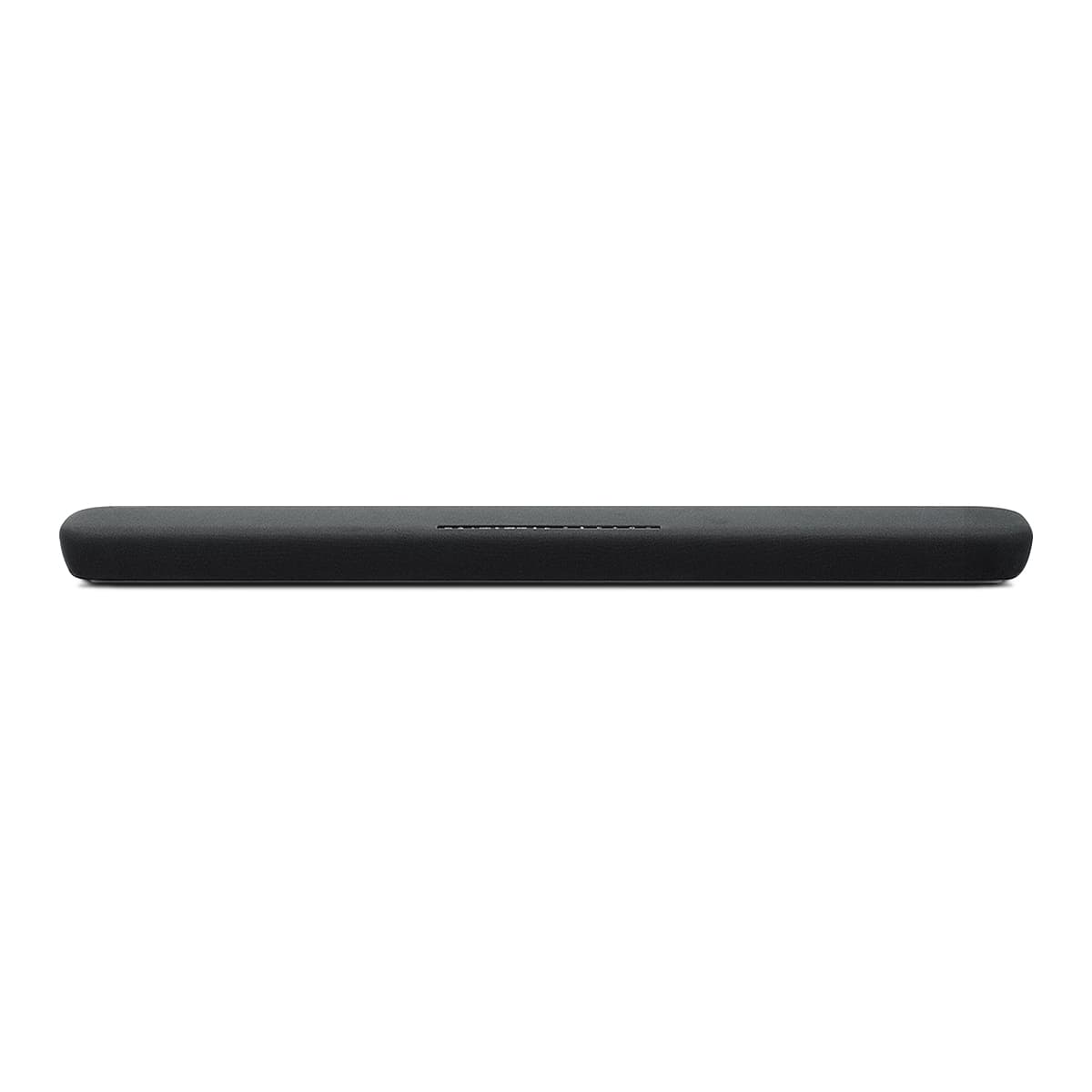

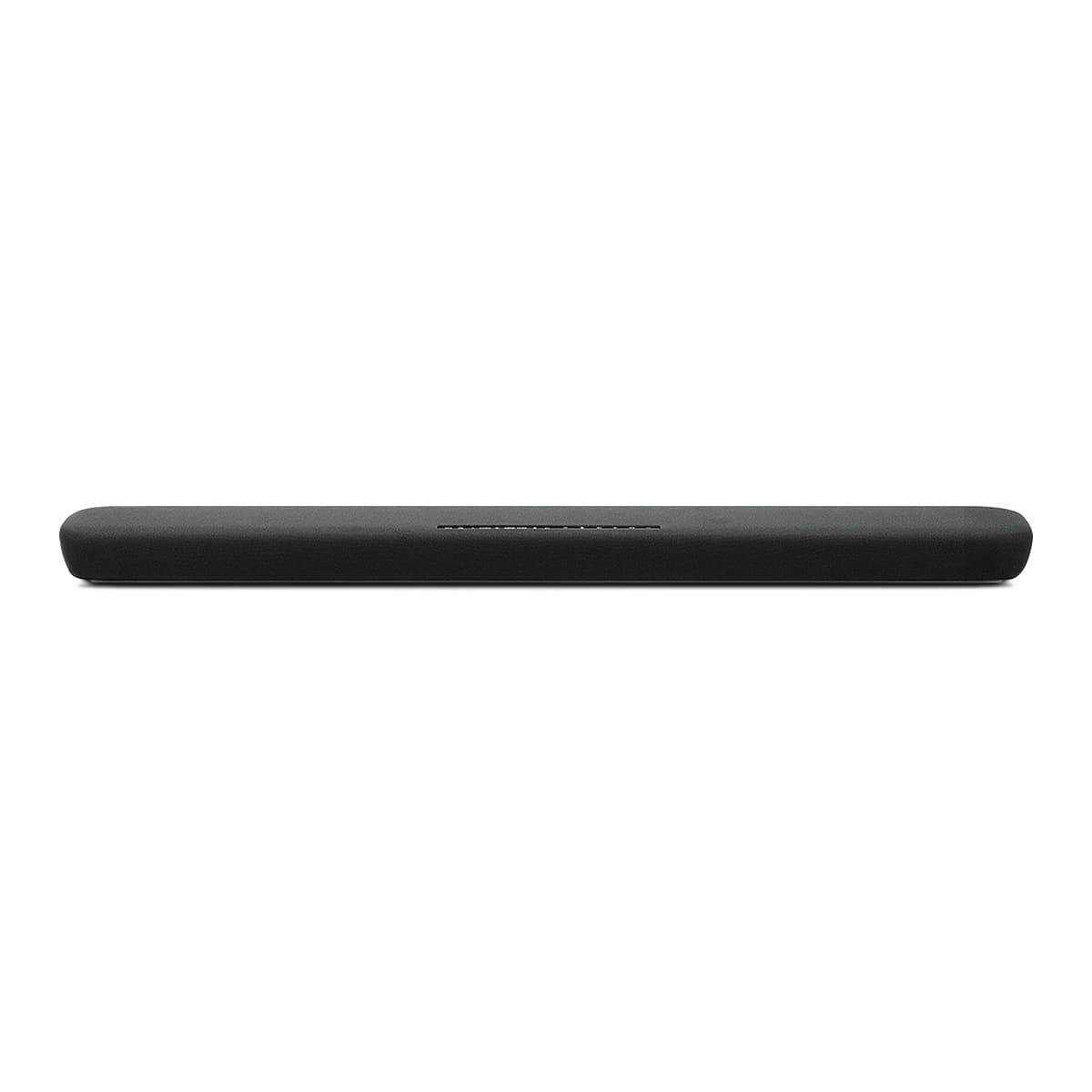
When your TV's built-in speakers just aren't cutting it anymore, a soundbar becomes one of the best upgrades you can make to your entertainment setup. But with hundreds of options available, finding the right one can feel overwhelming. Today, we're comparing two very different approaches to improving your audio experience: the Ultimea Poseidon M60 Boom, a feature-packed 5.1 system from 2025, and the Yamaha YAS-109, a streamlined 2.1 soundbar that's been a reliable choice since 2019.
These products represent fundamentally different philosophies in soundbar design. The Ultimea M60 Boom goes all-in on audio performance and customization, while the Yamaha YAS-109 prioritizes simplicity and smart home integration. Understanding these differences is crucial to making the right choice for your needs.
Before diving into specifics, let's establish what separates good soundbars from great ones. The most important factors are audio channels (how many separate speakers work together), power output (how loud and clear the sound can get), bass performance (those deep, rumbling effects), and connectivity options (how it connects to your devices).
Audio channels are described with numbers like "2.1" or "5.1." The first number represents main speakers (left, right, center), while the second indicates subwoofers for bass. A 5.1 system has five main speakers plus one subwoofer, creating true surround sound that places different audio elements around your room. This matters because it's the difference between hearing a helicopter fly overhead in a movie versus just hearing it get louder and quieter.
Power output, measured in watts, determines how loud your soundbar can get while maintaining clarity. More importantly, higher power usually means better dynamics—the difference between whisper-quiet dialogue and explosive action scenes. Bass performance often depends on whether you have a dedicated subwoofer (a separate speaker designed specifically for low frequencies) or built-in bass drivers within the main soundbar.
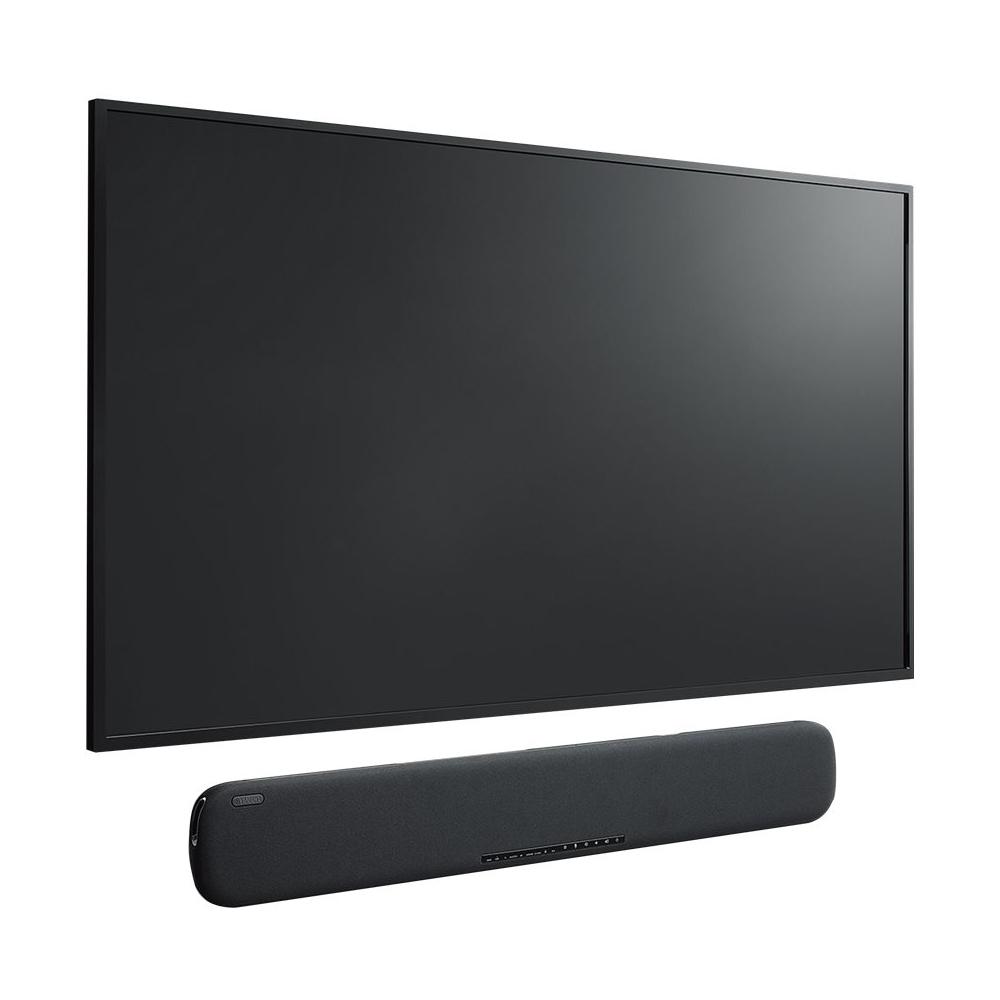
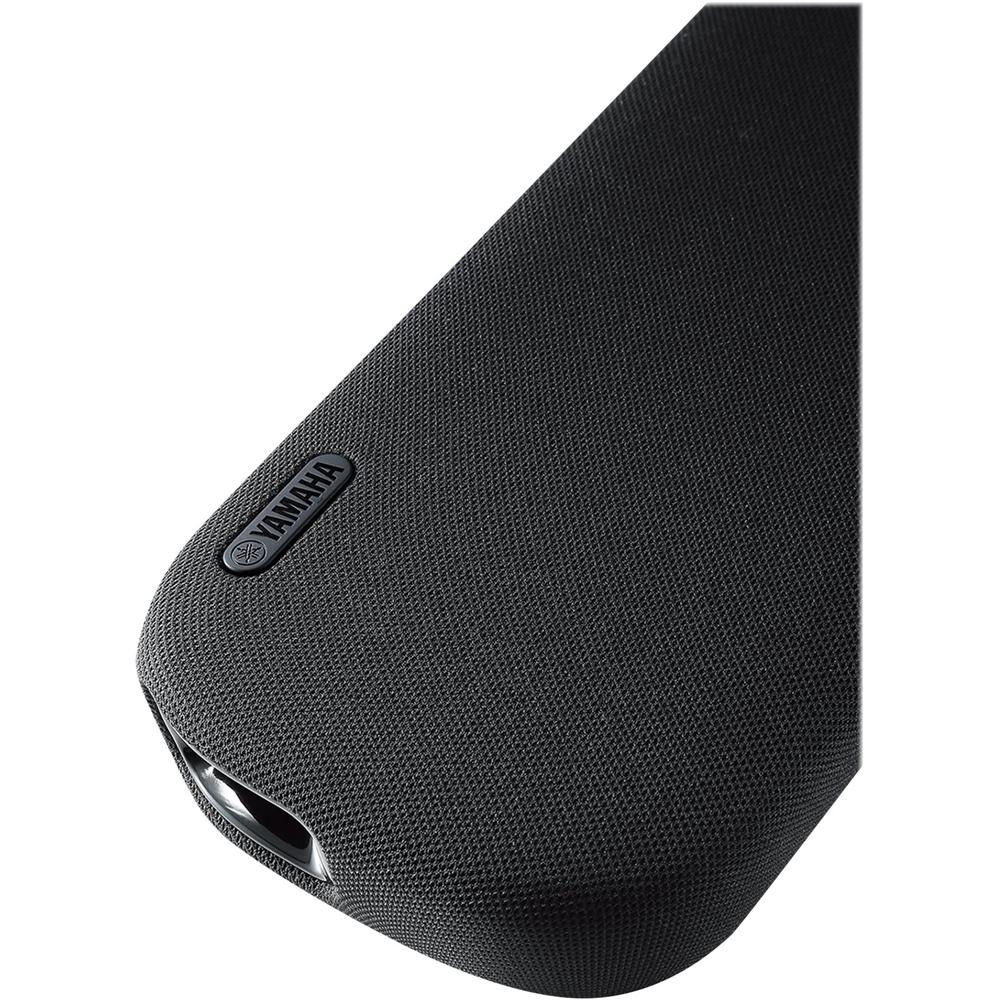
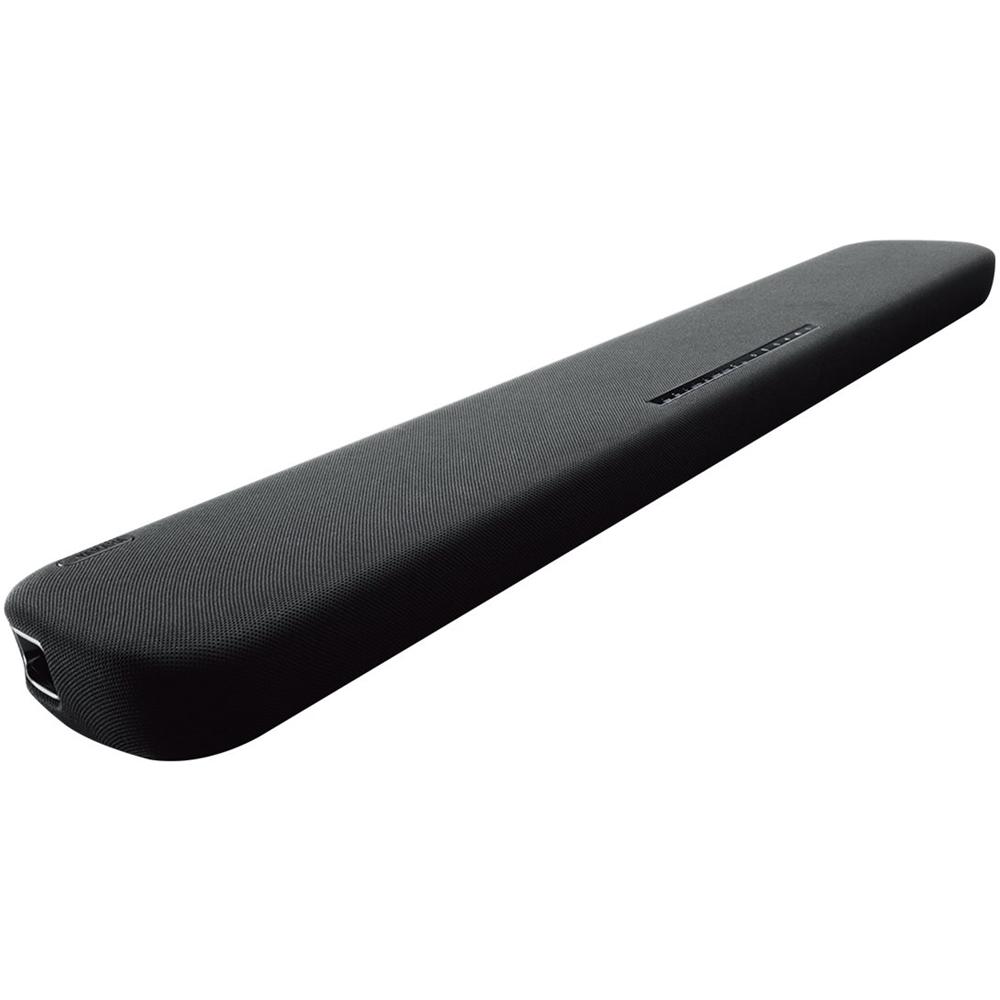
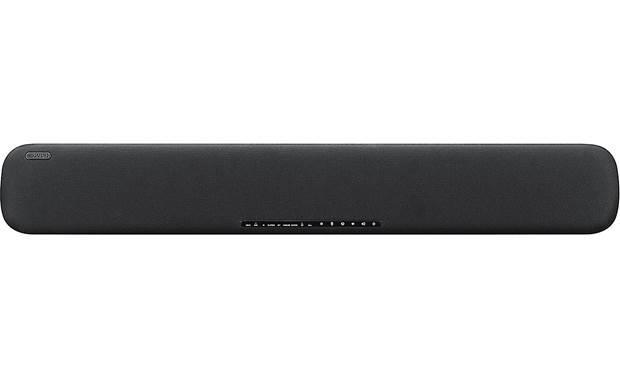
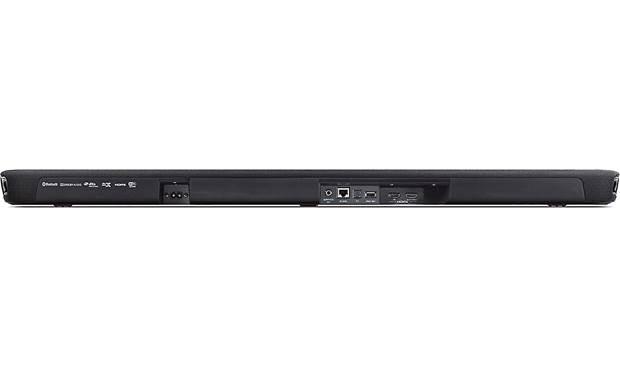
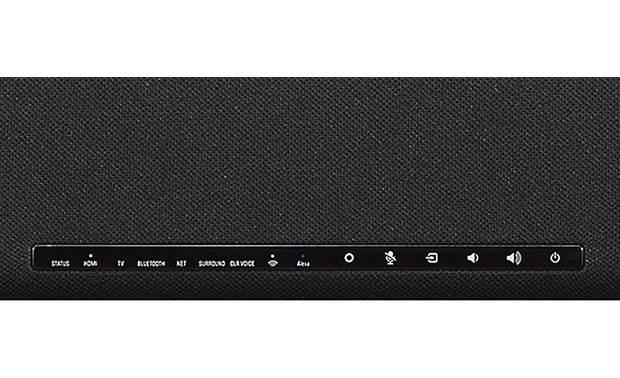
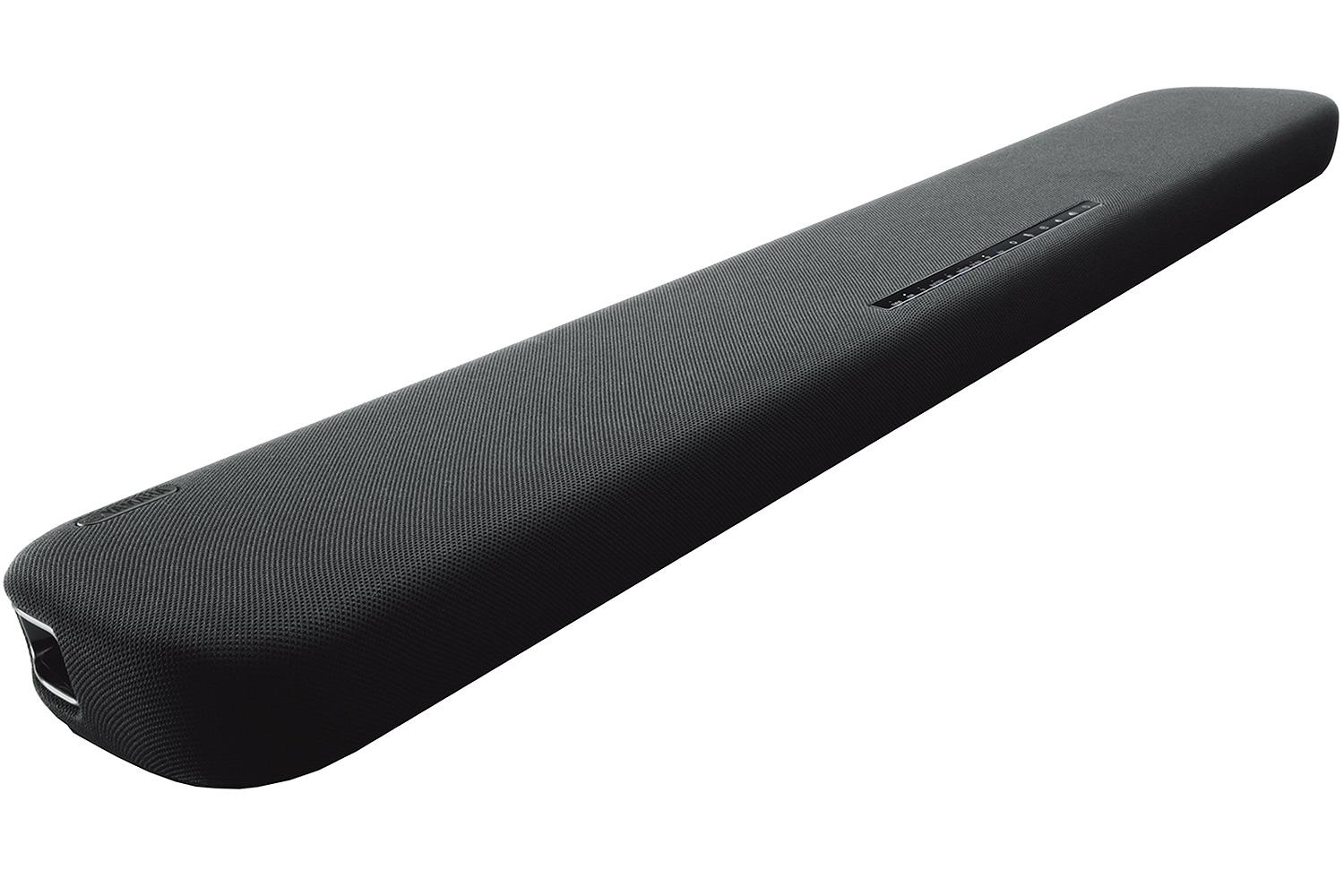
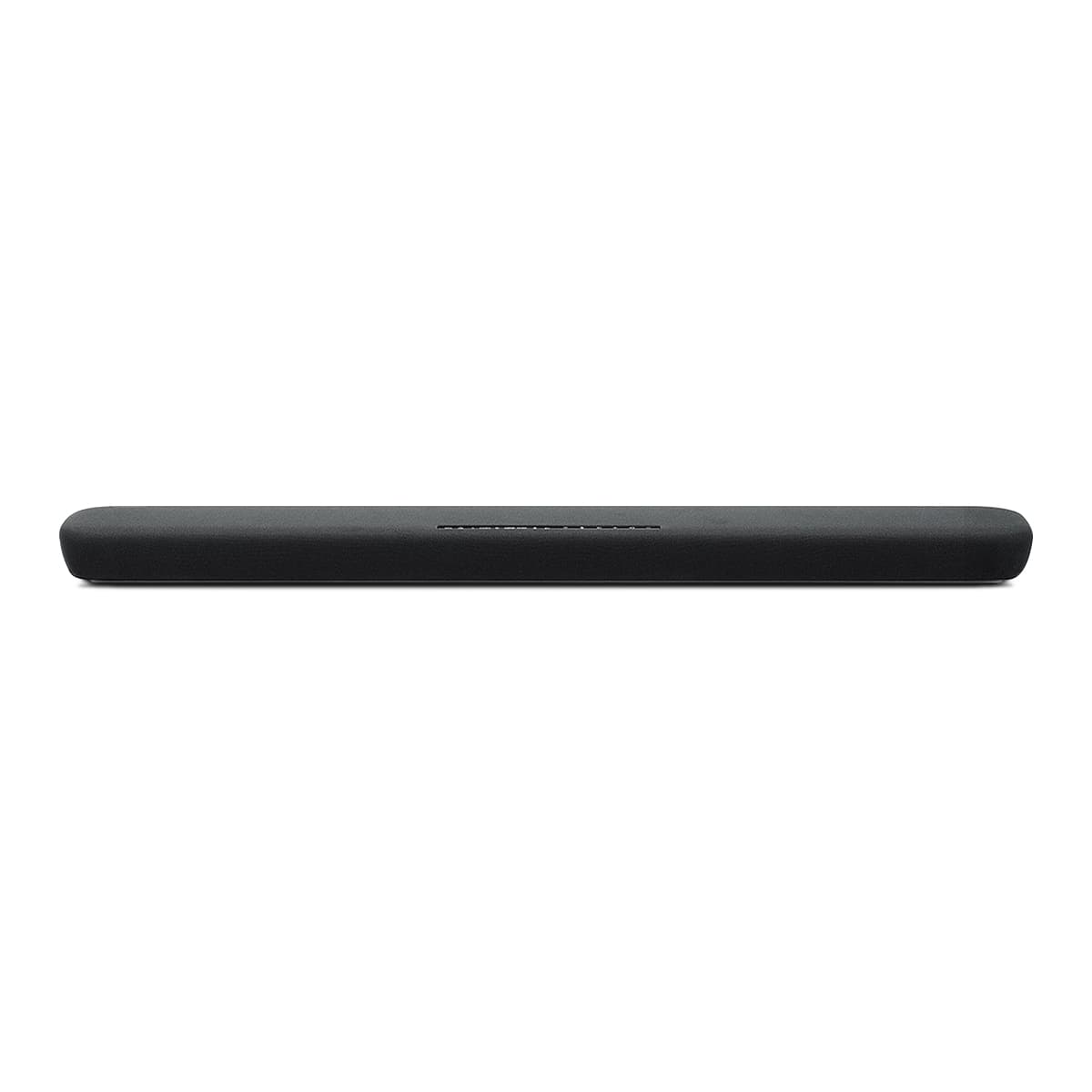
The Yamaha YAS-109 launched in 2019 during a time when soundbars were becoming mainstream but smart features were still relatively new. Yamaha's approach was to create something reliable and user-friendly, with Alexa voice control being a standout feature when many soundbars still required manual operation.
The Ultimea Poseidon M60 Boom, released in 2025, represents how much soundbar technology has evolved. It incorporates advanced digital signal processing (DSP)—essentially powerful computer chips that can manipulate audio in real-time—and modern connectivity standards like Bluetooth 5.4 and HDMI eARC (Enhanced Audio Return Channel), which allows lossless audio transmission from your TV.
This six-year gap matters significantly. Audio technology has advanced considerably, with improvements in driver materials, amplifier efficiency, and processing power. The M60 Boom benefits from these advances, offering features that simply weren't possible or affordable when the YAS-109 was designed.
The performance gap between these soundbars is substantial. The Ultimea M60 Boom delivers 340W of peak power compared to the Yamaha YAS-109's 120W. But raw numbers don't tell the whole story—it's how that power is distributed and controlled that matters.
The M60 Boom uses what Ultimea calls Triple-Core DSP Technology, featuring two 800MHz processors and one 600MHz processor. This provides over 2000 MIPS (Million Instructions Per Second) of processing power. In practical terms, this means the soundbar can make thousands of tiny adjustments every second to optimize the sound for your room and content. It's like having a sound engineer constantly fine-tuning your audio in real-time.
The Yamaha YAS-109, with its more modest processing power, relies on proven but simpler algorithms. It does the job well for basic enhancement but can't perform the complex calculations that enable advanced features like room correction or dynamic EQ adjustment.
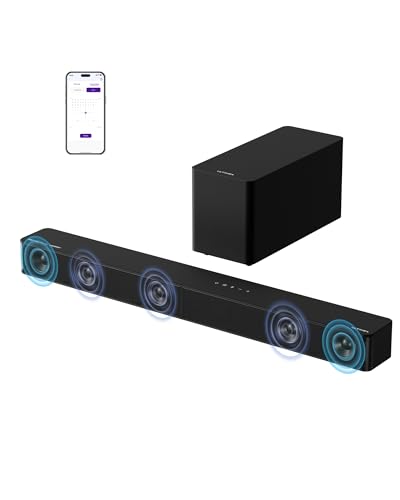
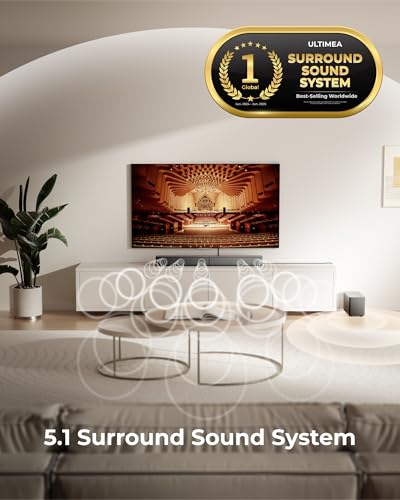
Here's where the fundamental difference in approach becomes clear. The M60 Boom creates true 5.1 surround sound using five full-range drivers built into the main soundbar, plus a separate wireless subwoofer. Each channel receives its own dedicated amplification and processing, allowing for precise placement of sound effects around your listening space.
The YAS-109 uses a 2.1 configuration—two main channels plus built-in subwoofers. It employs DTS Virtual:X processing to simulate surround effects from these limited speakers. Virtual surround processing uses psychoacoustic tricks (basically, exploiting how your brain interprets sound) to create the impression of sounds coming from directions where there are no speakers.
In our evaluation of user experiences and expert reviews, the difference is significant. The M60 Boom can genuinely place sounds behind and beside you during movies, making action sequences more immersive. The YAS-109 creates a wider soundstage than your TV speakers but can't achieve the same level of spatial separation.
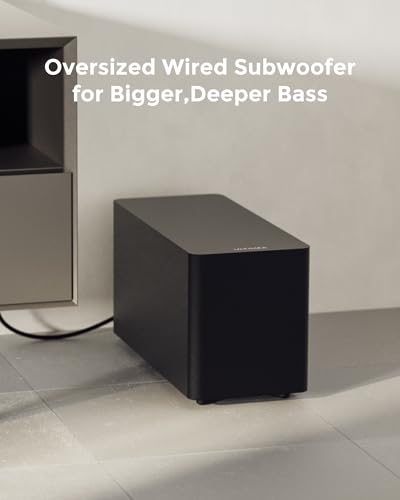
This is perhaps the most crucial difference for many users. The M60 Boom's dedicated 5.25-inch wireless subwoofer uses BassMX Technology, which combines an oversized cabinet design with a high-excursion driver. "High-excursion" means the speaker cone can move further back and forth—up to 16mm in this case—creating more air displacement and deeper bass.
The subwoofer's wireless connection offers placement flexibility, which is important because bass frequencies interact strongly with room boundaries. You can position it where it sounds best rather than where the cable reaches.
The YAS-109's built-in subwoofers, while convenient, face physical limitations. The dual 3-inch drivers are constrained by the soundbar's slim profile and lack the cabinet volume needed for deep bass extension. They'll handle dialogue and mid-bass adequately but won't provide the chest-thumping impact that makes action movies exciting.
Based on frequency response data, the M60 Boom extends down to 45Hz, while the YAS-109 likely rolls off around 60-70Hz. That 15-25Hz difference represents the deepest bass notes in movie soundtracks and music—the difference between feeling an explosion and just hearing it.
The Ultimea M60 Boom includes comprehensive smartphone app control with features that would have seemed excessive just a few years ago. The app provides a 10-band parametric equalizer, allowing you to adjust specific frequency ranges with precision. More impressively, it offers 121 preset EQ matrices optimized for different content types and room acoustics.
This level of customization matters because every room sounds different. Hard surfaces like hardwood floors and glass windows reflect sound, creating brightness and echo, while carpets and furniture absorb it, potentially making dialogue muddy. The ability to compensate for these acoustic challenges can transform a good soundbar into a great one for your specific space.
The YAS-109's app is more basic, focusing on essential controls rather than deep customization. For users who prefer simplicity, this is actually an advantage—you're not overwhelmed with options you might never use.
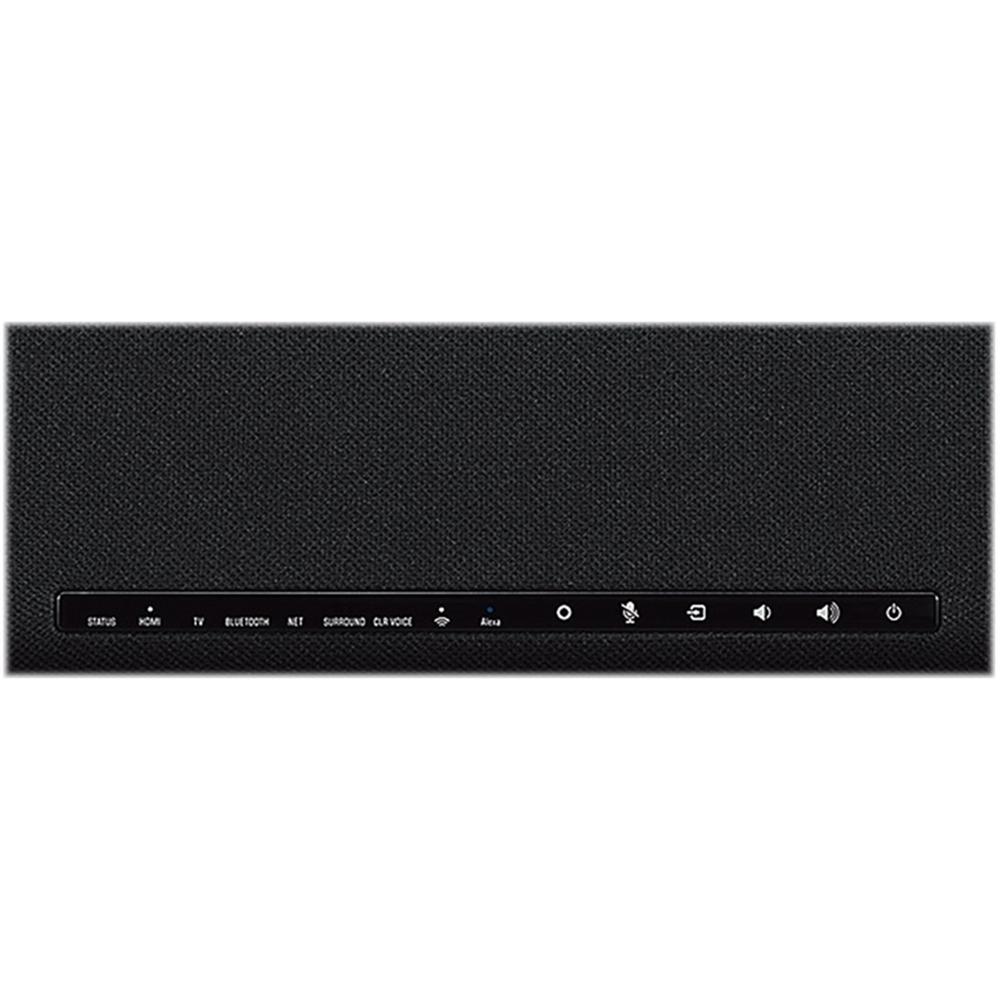
The Yamaha YAS-109 has a significant advantage in smart home integration with built-in Alexa support. You can control volume, change inputs, ask about weather, control smart lights, and stream music using voice commands. This integration was groundbreaking when it launched and remains genuinely useful for hands-free operation.
The M60 Boom focuses on audio performance over smart features, though it includes modern conveniences like Bluetooth 5.4 with ultra-low latency for gaming and improved connection stability.
Both soundbars support HDMI ARC, but the M60 Boom includes the newer HDMI eARC standard. Enhanced Audio Return Channel can handle higher bandwidth audio formats without compression, including lossless Dolby Atmos. If you have a newer TV and high-quality streaming services, this ensures you're getting the full audio experience the content creators intended.
The YAS-109 uses the older HDMI ARC standard, which compresses some audio formats but is still perfectly adequate for most content. The practical difference is subtle unless you're specifically seeking audiophile-quality reproduction.
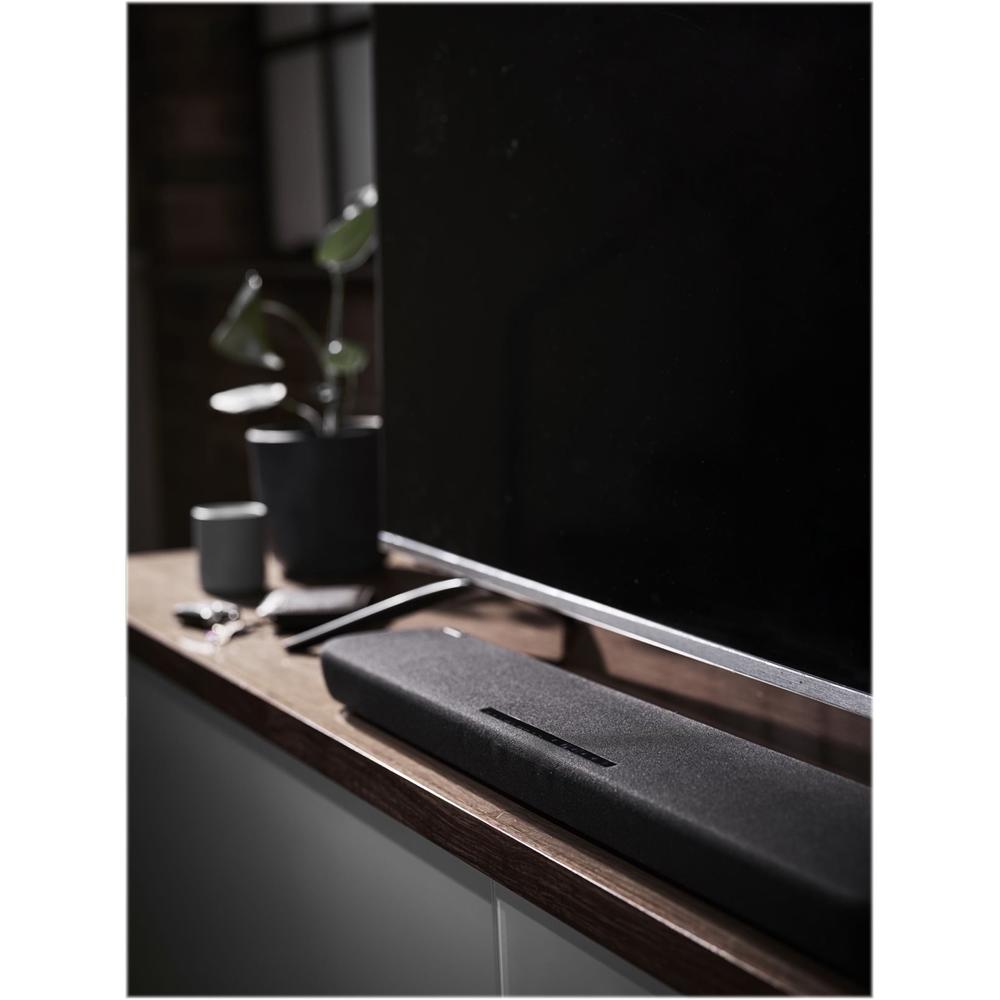
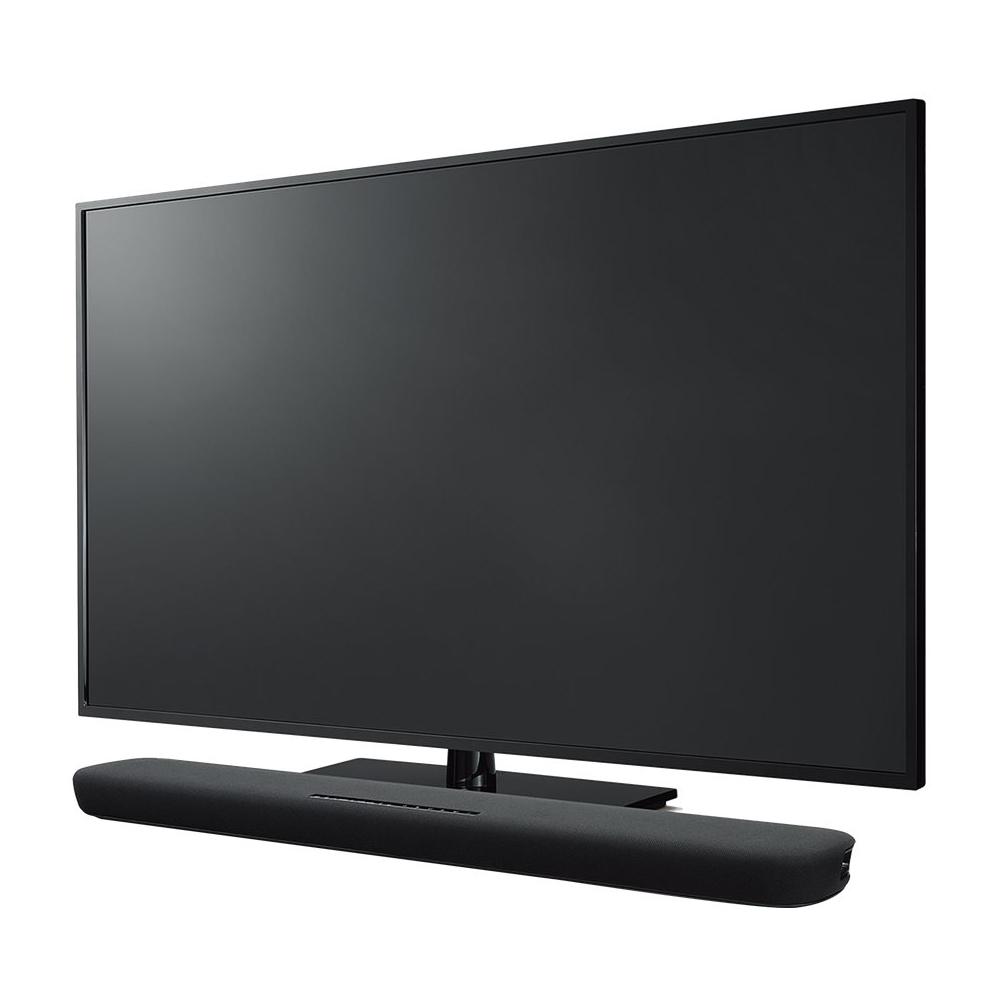
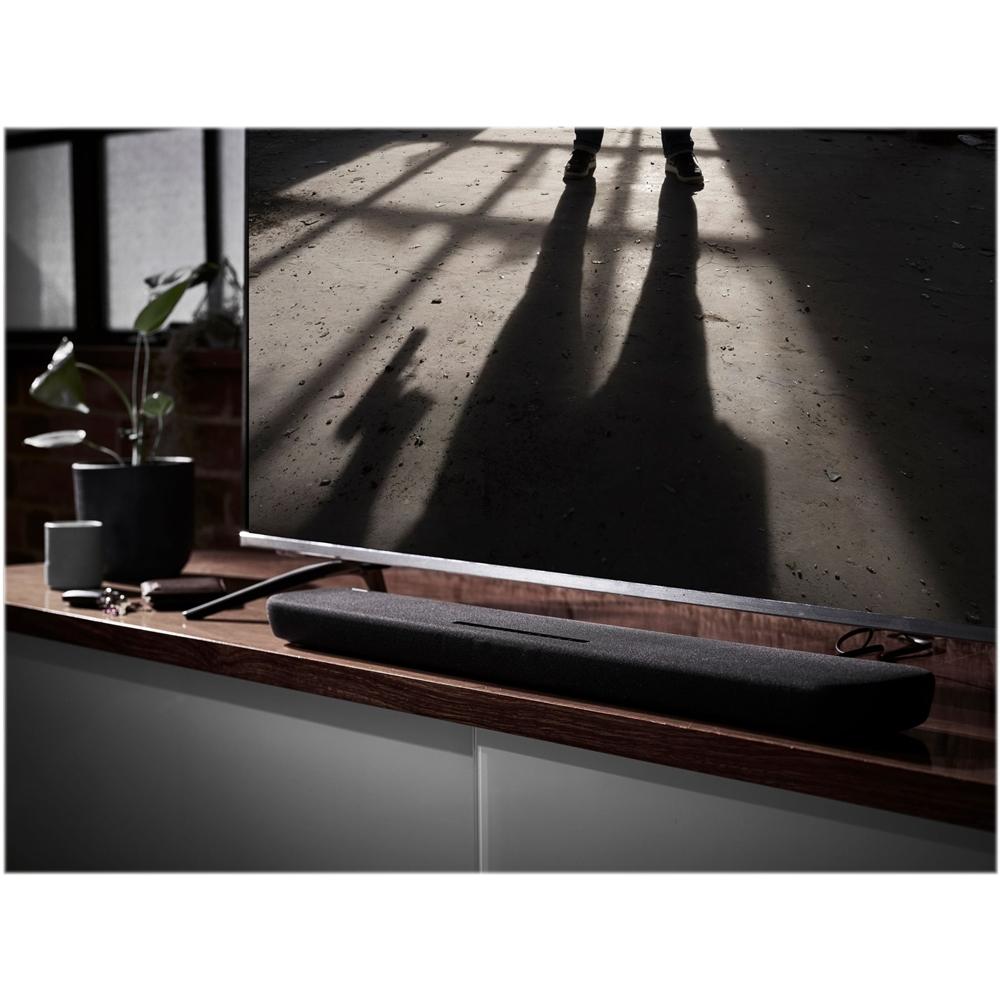
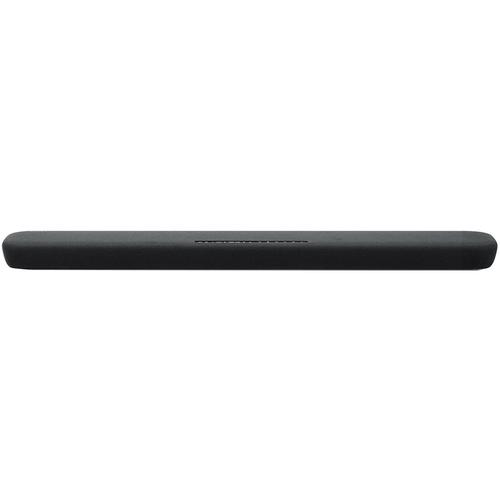
The Yamaha YAS-109's greatest strength might be its simplicity. Everything is contained in a single 35-inch bar that sits in front of your TV or mounts on the wall. There's no subwoofer to place, no additional cables to run, and minimal setup required. For many users, especially in apartments or bedrooms, this convenience outweighs any performance compromises.
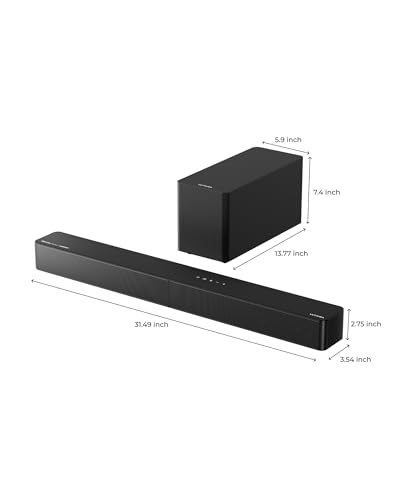
The M60 Boom requires more consideration during setup. You'll need to place the wireless subwoofer somewhere in your room where it sounds good and doesn't interfere with foot traffic. The main soundbar also arrives in two sections that connect together, requiring a few extra steps during installation.
However, the M60 Boom's modular design offers advantages too. If you upgrade to a larger TV later, the soundbar sections can be positioned to better match the screen width. The wireless subwoofer can be optimally placed for your room's acoustics rather than being locked into the soundbar's position.
Room size significantly impacts which soundbar will work better for you. The YAS-109 excels in smaller to medium rooms where its 120W output provides adequate volume and its compact design doesn't overwhelm the space. In larger rooms, it may struggle to fill the space with sound, and the built-in subwoofers might sound thin during dynamic movie scenes.
The M60 Boom's 340W output and dedicated subwoofer make it suitable for larger living rooms and dedicated home theater spaces. The higher power headroom means it can reproduce both subtle details and explosive effects without distortion, creating a more engaging experience in bigger spaces.
At the time of writing, both soundbars offer compelling value propositions, though in different ways. The YAS-109 typically costs significantly less than the M60 Boom, making it an attractive option for users seeking a meaningful upgrade over TV speakers without a substantial investment.
The M60 Boom costs more but delivers features and performance typically found in much more expensive systems. When you consider that it includes true 5.1 surround sound, a wireless subwoofer, advanced DSP processing, and comprehensive app control, the price becomes quite reasonable for what you're getting.
Technology evolution favors the M60 Boom for long-term use. Its modern connectivity standards, higher power output, and advanced processing capabilities make it more likely to remain satisfying as your needs evolve. If you upgrade to a larger TV, move to a bigger room, or become more interested in audio quality over time, it can grow with you.
The YAS-109, being an older design, may feel limited sooner. Its 120W output and 2.1 configuration might necessitate an upgrade if your expectations or room size change.
For dedicated home theater use, the differences become even more pronounced. The M60 Boom's 5.1 configuration excels at reproducing movie soundtracks as directors intended. During action sequences, you'll hear helicopters pan from left to right, explosions that seem to come from specific locations, and ambient sounds that create believable environments.
The system's 99dB maximum SPL (Sound Pressure Level) means it can reproduce the dynamic range of theatrical presentations without compression. This matters during movies with both quiet dialogue scenes and loud action sequences—you won't need to constantly adjust the volume.
The YAS-109's performs adequately for casual movie watching but can't match the immersion level of a true surround system. Its Clear Voice processing does ensure dialogue remains intelligible, which is often the primary concern for TV viewing.
After extensive research into user experiences and expert evaluations, here's my take on who should choose which soundbar:
Choose the Ultimea Poseidon M60 Boom if you:
Choose the Yamaha YAS-109 if you:
The M60 Boom represents the better choice for audio enthusiasts and anyone seeking a theater-like experience at home. Its advanced features and superior performance justify the higher investment for users who value sound quality. The YAS-109 serves users who want a meaningful upgrade over TV speakers with minimal complexity and maximum convenience.
Both soundbars succeed in their intended roles, but they serve different types of users with different priorities. The key is honestly assessing your needs, room size, and how much you value audio performance versus convenience. Either choice will significantly improve your entertainment experience compared to TV speakers alone.
| Ultimea Poseidon M60 Boom 5.1 Soundbar | Yamaha YAS-109 Sound Bar with Built-in Subwoofers and Alexa |
|---|---|
| Audio Channels - Determines surround sound immersion and spatial audio effects | |
| True 5.1 Dolby Atmos with five dedicated drivers | 2.1 with virtual surround (DTS Virtual:X) |
| Total Power Output - Affects maximum volume and dynamic range in larger rooms | |
| 340W peak power | 120W total power |
| Subwoofer Configuration - Critical for bass impact and placement flexibility | |
| Dedicated 5.25" wireless subwoofer with BassMX technology | Dual 3" built-in subwoofers |
| Frequency Response - Lower numbers mean deeper bass for movies and music | |
| 45Hz-18kHz (extends into deep bass territory) | Not specified (likely 60-70Hz based on built-in subs) |
| Smart Features - Voice control and home automation capabilities | |
| Advanced app control with 10-band EQ and 121 presets | Built-in Alexa voice control |
| Connectivity Standards - Future-proofing and audio quality | |
| HDMI eARC, Bluetooth 5.4, optical, USB, AUX | HDMI ARC, Bluetooth 4.2, optical |
| Setup Complexity - Time and effort required for installation | |
| Moderate (soundbar + wireless subwoofer placement) | Simple (single all-in-one unit) |
| Maximum SPL - How loud it can get without distortion | |
| 99dB (suitable for large rooms and home theater) | Not specified (likely ~85-90dB) |
| Digital Processing - Audio enhancement and customization capabilities | |
| Triple-Core DSP with 2000+ MIPS processing power | Basic DSP with preset sound modes |
| Release Year - Technology generation and feature advancement | |
| 2025 (latest connectivity and processing features) | 2019 (proven reliability, older tech standards) |
| Ideal Room Size - Where each performs best based on power and design | |
| Medium to large rooms, dedicated home theaters | Small to medium rooms, bedrooms, apartments |
| Best Use Cases - Primary scenarios where each excels | |
| Movie enthusiasts, customization lovers, audiophiles | Voice control users, simple setup priority, casual viewing |
The Ultimea Poseidon M60 Boom is significantly better for home theater use. It delivers true 5.1 Dolby Atmos surround sound with 340W of power and a dedicated wireless subwoofer, creating an immersive cinematic experience. The Yamaha YAS-109 offers basic 2.1 audio that's suitable for casual TV watching but can't match the spatial audio effects needed for movies.
The Ultimea M60 Boom has true 5.1 surround sound with five separate audio channels plus a subwoofer, allowing sounds to be placed all around your room. The Yamaha YAS-109 uses 2.1 configuration with two main channels and built-in subwoofers, relying on virtual processing to simulate surround effects that aren't as convincing as dedicated speakers.
The Ultimea Poseidon M60 Boom has superior bass performance with its dedicated 5.25-inch wireless subwoofer featuring BassMX technology and deep 45Hz frequency extension. The Yamaha YAS-109 uses smaller 3-inch built-in subwoofers that provide adequate bass for dialogue but lack the impact needed for action movies and music.
It depends on your priorities. The Ultimea M60 Boom requires placing a separate wireless subwoofer but delivers much deeper, more impactful bass. The Yamaha YAS-109 keeps everything in one unit for simplicity but compromises on bass depth and power due to size constraints.
The Yamaha YAS-109 is much easier to set up as everything is built into a single 35-inch bar with no additional components to place. The Ultimea Poseidon M60 Boom requires positioning both the main soundbar and wireless subwoofer, adding complexity but offering better performance and placement flexibility.
The Yamaha YAS-109 includes built-in Alexa voice control for smart home commands, music streaming, and hands-free operation. The Ultimea M60 Boom focuses on audio customization through its smartphone app with 10-band EQ, 121 presets, and advanced sound tuning rather than voice control.
The Yamaha YAS-109 is better suited for small rooms, bedrooms, and apartments due to its compact all-in-one design and appropriate 120W power output. The Ultimea Poseidon M60 Boom is designed for medium to large rooms where its 340W power and separate subwoofer can be fully utilized.
The Ultimea M60 Boom offers newer connectivity with HDMI eARC for lossless audio, Bluetooth 5.4 for improved wireless streaming, plus optical, USB, and AUX inputs. The Yamaha YAS-109 includes HDMI ARC, older Bluetooth 4.2, and optical connections that handle most basic needs but lack the latest standards.
Both offer good value in different ways. The Yamaha YAS-109 provides excellent value for users wanting a simple upgrade with voice control at a lower price point. The Ultimea Poseidon M60 Boom offers exceptional value for the features and performance you get, delivering true 5.1 surround sound typically found in much more expensive systems.
The Ultimea M60 Boom is better for gaming with its ultra-low latency Bluetooth 5.4, dedicated game mode, and immersive 5.1 surround that helps with directional audio in competitive games. The Yamaha YAS-109 works fine for casual gaming but lacks the audio precision and low latency features serious gamers prefer.
Yamaha has a longer track record in audio equipment, and the YAS-109 has been proven reliable since 2019. The Ultimea Poseidon M60 Boom is from a newer brand but incorporates modern technology and includes comprehensive warranty coverage. Both brands offer solid customer support.
Choose the Ultimea Poseidon M60 Boom if you want true surround sound, powerful bass, and extensive audio customization for serious movie watching and music listening. Choose the Yamaha YAS-109 if you prioritize simplicity, voice control, compact design, and just want a straightforward upgrade over TV speakers without complexity.
We've done our best to create useful and informative comparisons to help you decide what product to buy. Our research uses advanced automated methods to create this comparison and perfection is not possible - please contact us for corrections or questions. These are the sites we've researched in the creation of this article: ultimea.com - ultimea.com - youtube.com - bestbuy.com - youtube.com - avsforum.com - youtube.com - manuals.plus - youtube.com - device.report - ultimea.com - ultimea.de - community.ultimea.com - ultimea.com - community.ultimea.com - ultimea.com - youtube.com - aliexpress.com - ultimea.com - rtings.com - crutchfield.com - usa.yamaha.com - digitaltrends.com - tomsguide.com - listenup.com - youtube.com - usa.yamaha.com - hub.yamaha.com - youtube.com - hub.yamaha.com

Privacy Policy
Terms and Conditions - Affiliate Policy
Home Security
© Copyright 2008-2026.
11816 Inwood Rd #1211, Dallas, TX 75244