




When your TV's built-in speakers leave you straining to hear dialogue or missing the impact of movie explosions, a soundbar becomes essential. But choosing between raw power and refined acoustics can be challenging. Today's comparison pits two distinctly different approaches: the Ultimea Poseidon M60 Boom's budget-friendly muscle against the Klipsch Flexus Core 200's premium finesse.
At the time of writing, these soundbars represent compelling choices in their respective price tiers. The Ultimea M60 Boom, released in 2025, targets budget-conscious buyers who don't want to sacrifice features for affordability. The Klipsch Flexus Core 200, launched in 2024, appeals to audio enthusiasts willing to invest in acoustic heritage and expandable design.
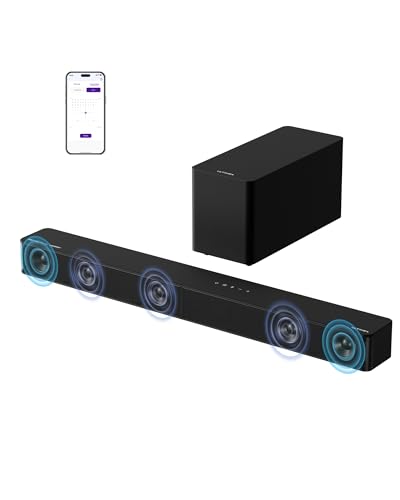
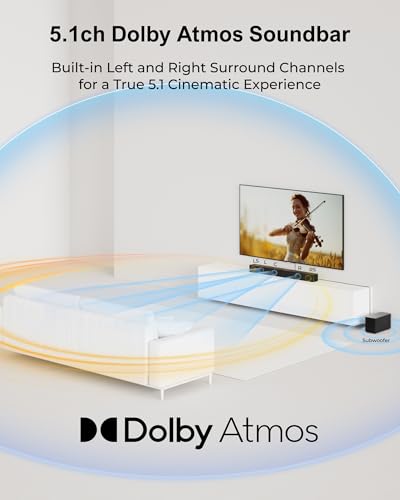
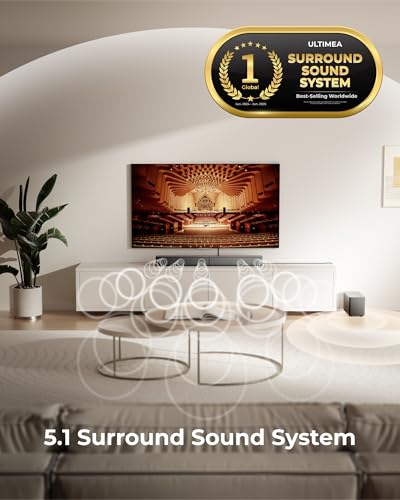
Before diving deep, it's worth understanding what these numbers like "5.1" and "3.1.2" actually mean. The first digit represents main channels (left, center, right), the second indicates subwoofers, and the third (when present) shows height or upfiring speakers for Dolby Atmos effects. So the M60 Boom's 5.1 configuration includes five main channels plus a subwoofer, while the Flexus Core 200's 3.1.2 setup has three main channels, one subwoofer section, and two height channels.
The soundbar market has evolved dramatically since 2020, with manufacturers cramming previously premium features into budget models. Technologies like Dolby Atmos (which creates three-dimensional sound by bouncing audio off your ceiling), advanced digital signal processing (DSP chips that fine-tune audio in real-time), and wireless connectivity have trickled down to affordable options.
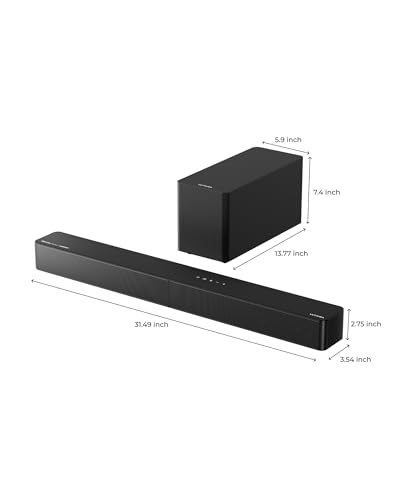
The Ultimea Poseidon M60 Boom takes a "more is more" philosophy, delivering 340W of peak power—enough to rattle windows in most living rooms. This isn't just marketing bluster; reviews consistently highlight its ability to fill large spaces with authority. The system achieves this through five full-range drivers housed in a unique modular design where two soundbar sections twist together, plus a substantial 5.25-inch wooden subwoofer.
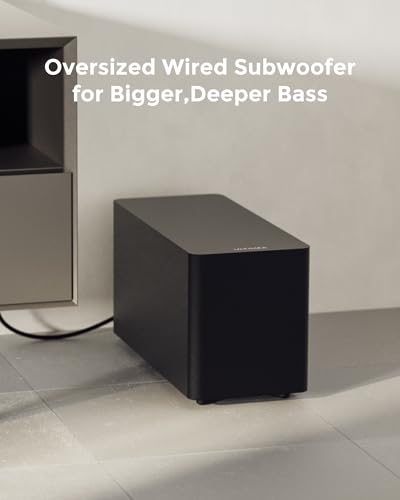
What makes the M60 Boom particularly interesting is its BassMX technology, which combines an oversized cabinet with a high-excursion driver capable of 16mm movement. That's substantial travel for a subwoofer driver, allowing it to move significant air and create the physical impact you feel during explosive movie scenes. The system's frequency response extends down to 45Hz—deep enough to handle most movie soundtracks without leaving you wanting.
The triple-core DSP processing is where things get technical but important. Two processors running at 800MHz and one at 600MHz provide over 2000 MIPS (million instructions per second) of computational power. This isn't just spec sheet padding—it enables real-time parametric EQ adjustments, precise channel separation, and dynamic sound adaptation that was impossible in budget soundbars just a few years ago.
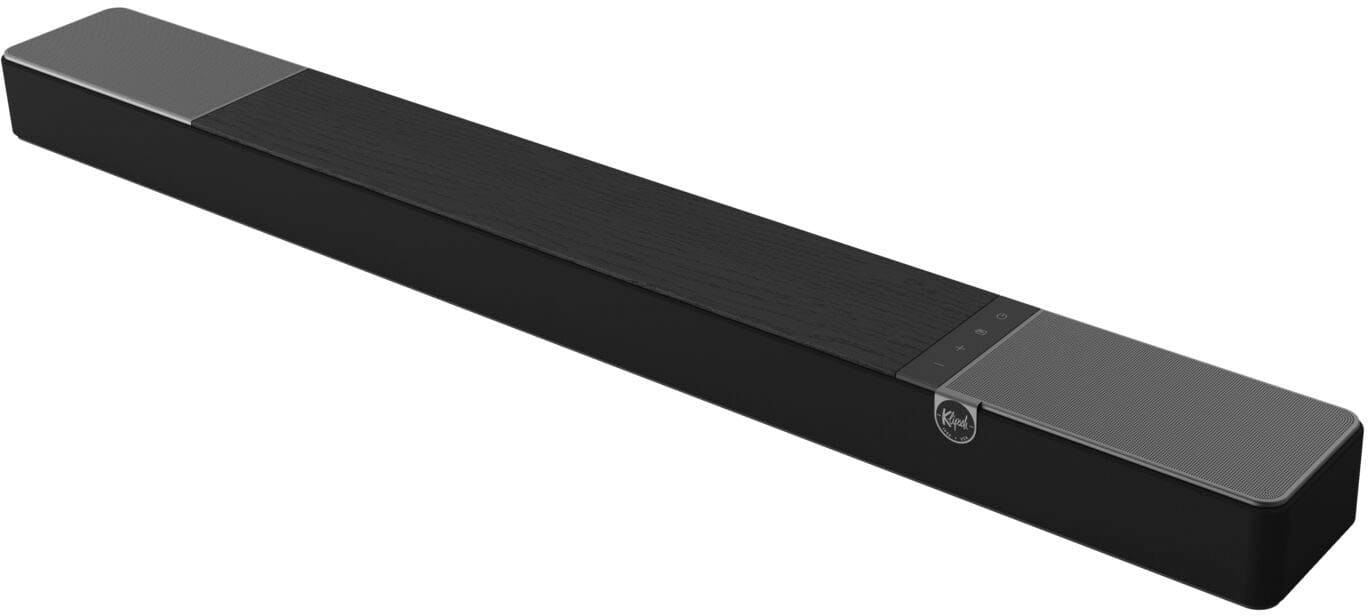
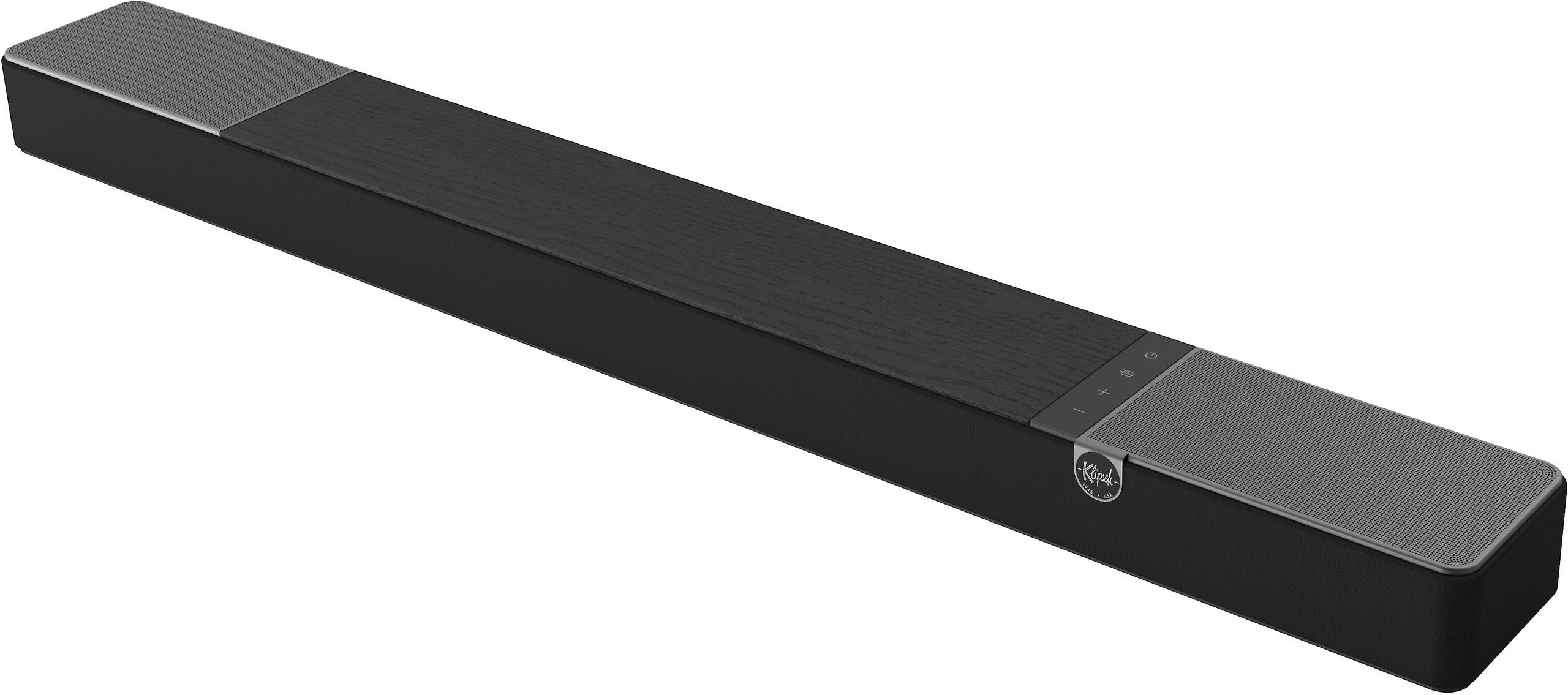
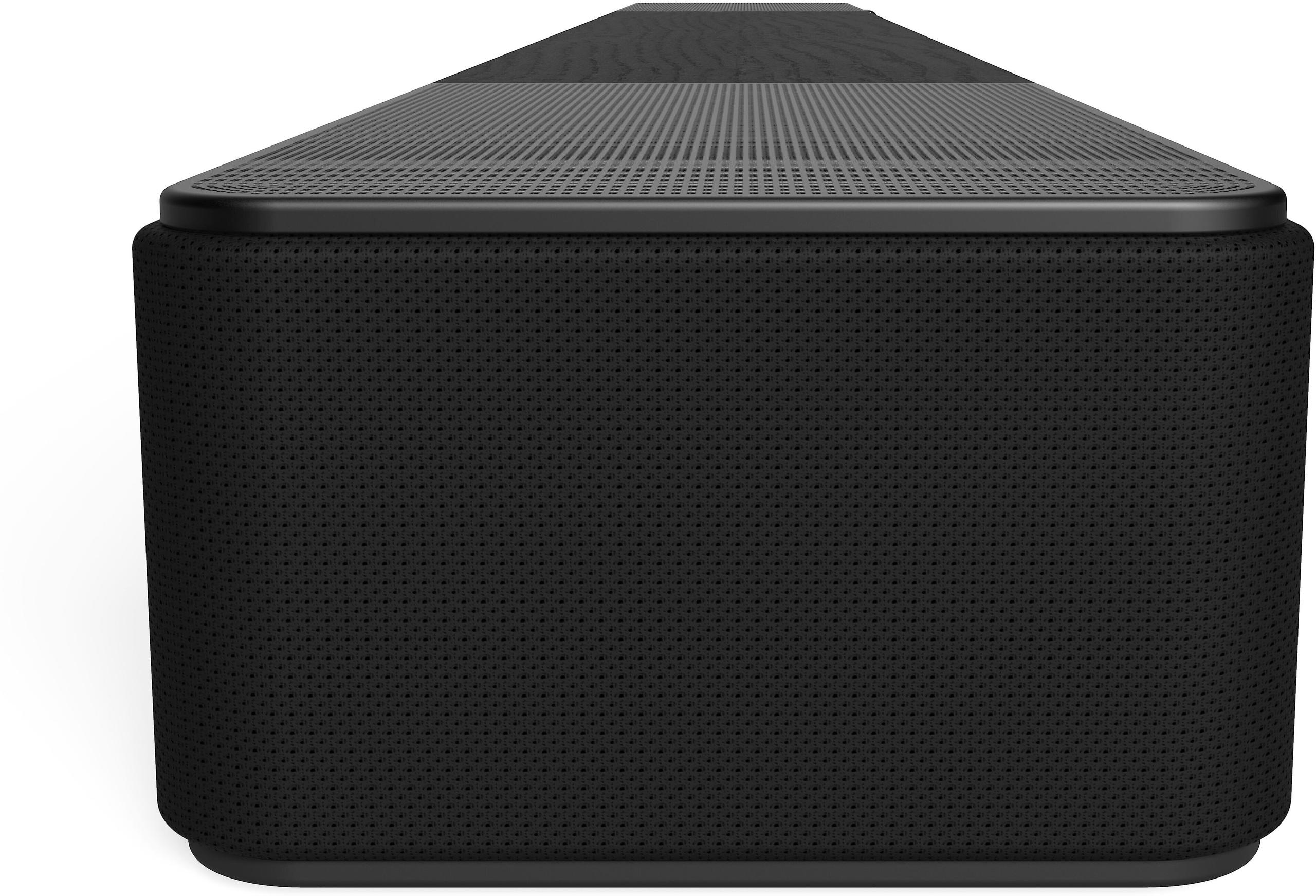
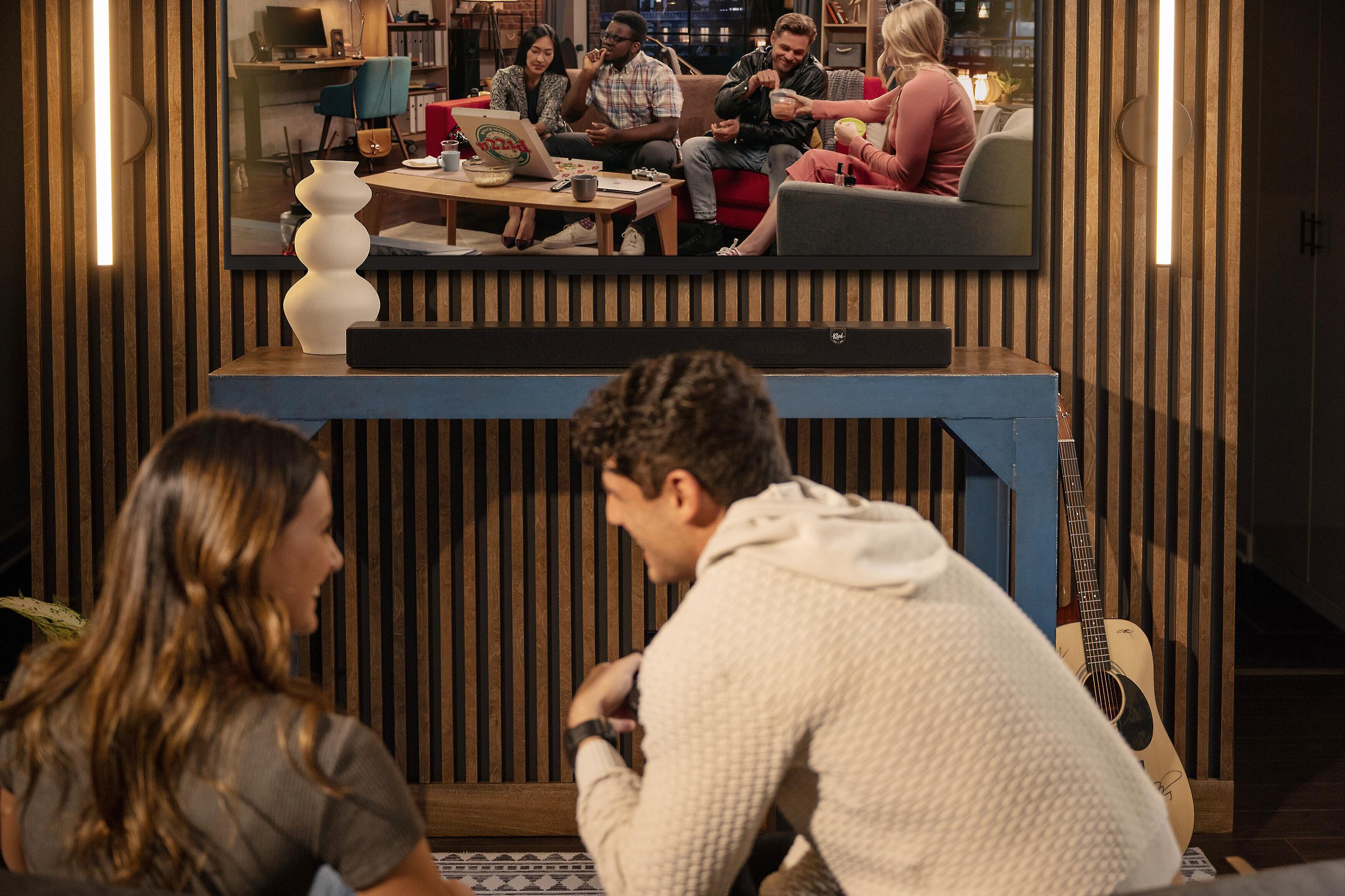
The Klipsch Flexus Core 200 represents 75+ years of acoustic engineering, prioritizing efficiency and accuracy over brute force. Its 185W RMS rating (RMS being a more conservative, real-world measurement than peak watts) might seem modest, but Klipsch's legendary efficiency means it achieves impressive volume levels without strain.
The standout feature is the horn-loaded center channel tweeter—technology Klipsch pioneered in the 1940s. Horn loading acts like an acoustic amplifier, concentrating sound energy for remarkable efficiency and clarity. This makes dialogue exceptionally clear, even during complex soundtracks where lesser speakers muddy speech with background effects.
The Flexus Core 200's 3.1.2 configuration includes two discrete upfiring drivers for authentic Dolby Atmos height effects. Unlike systems that simulate height through processing, these physical drivers bounce sound off your ceiling to create genuine overhead audio placement. When helicopters fly overhead in movies, you'll actually perceive them above you rather than just hearing processed effects.
Bass performance reveals the philosophical divide between these systems. The M60 Boom's dedicated subwoofer delivers visceral impact that you feel as much as hear. Its 5.25-inch driver in a ported wooden cabinet creates room-shaking low-end that transforms action sequences. However, this approach requires finding optimal subwoofer placement—usually a corner or against a wall—which isn't always practical.
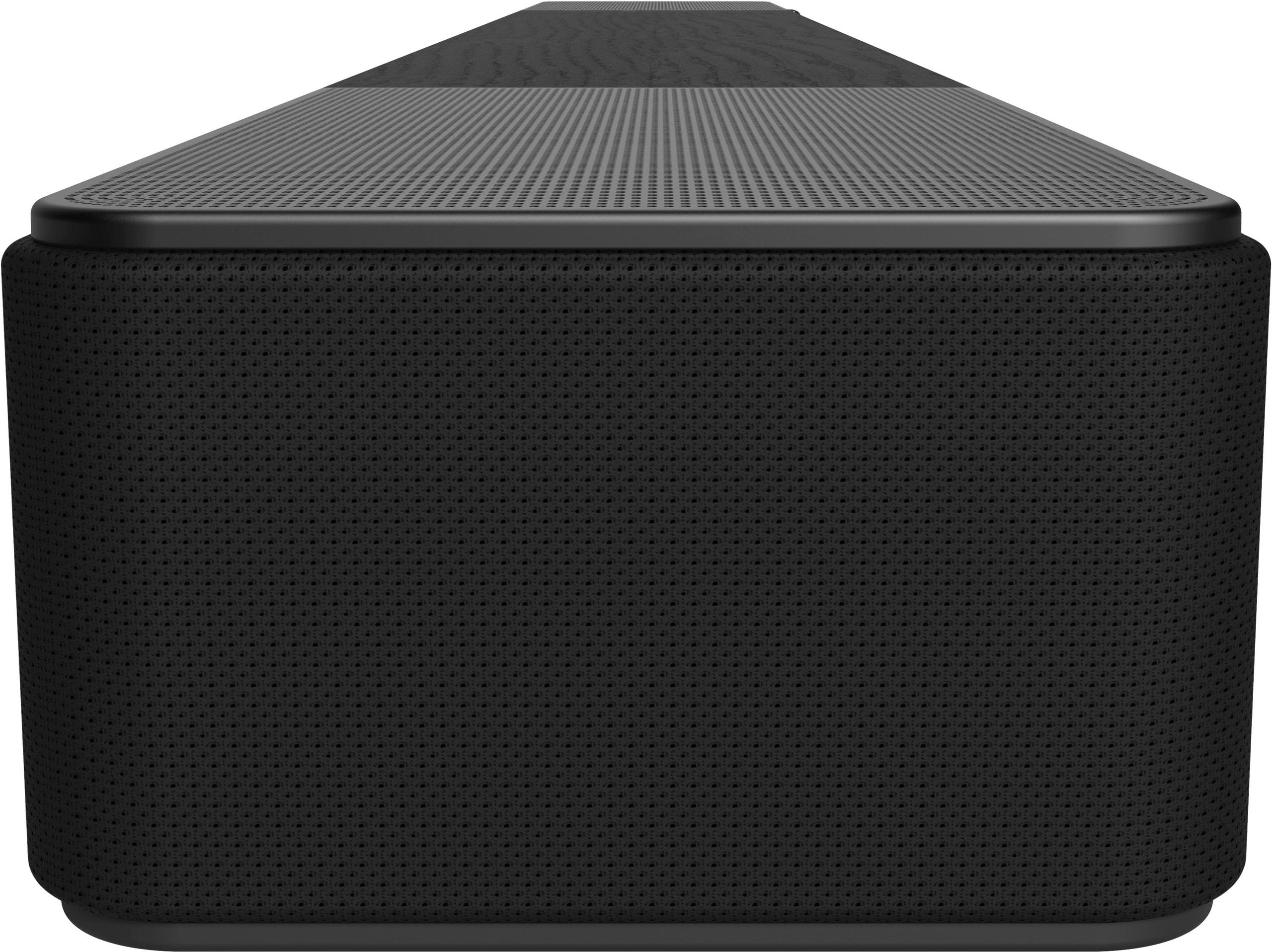
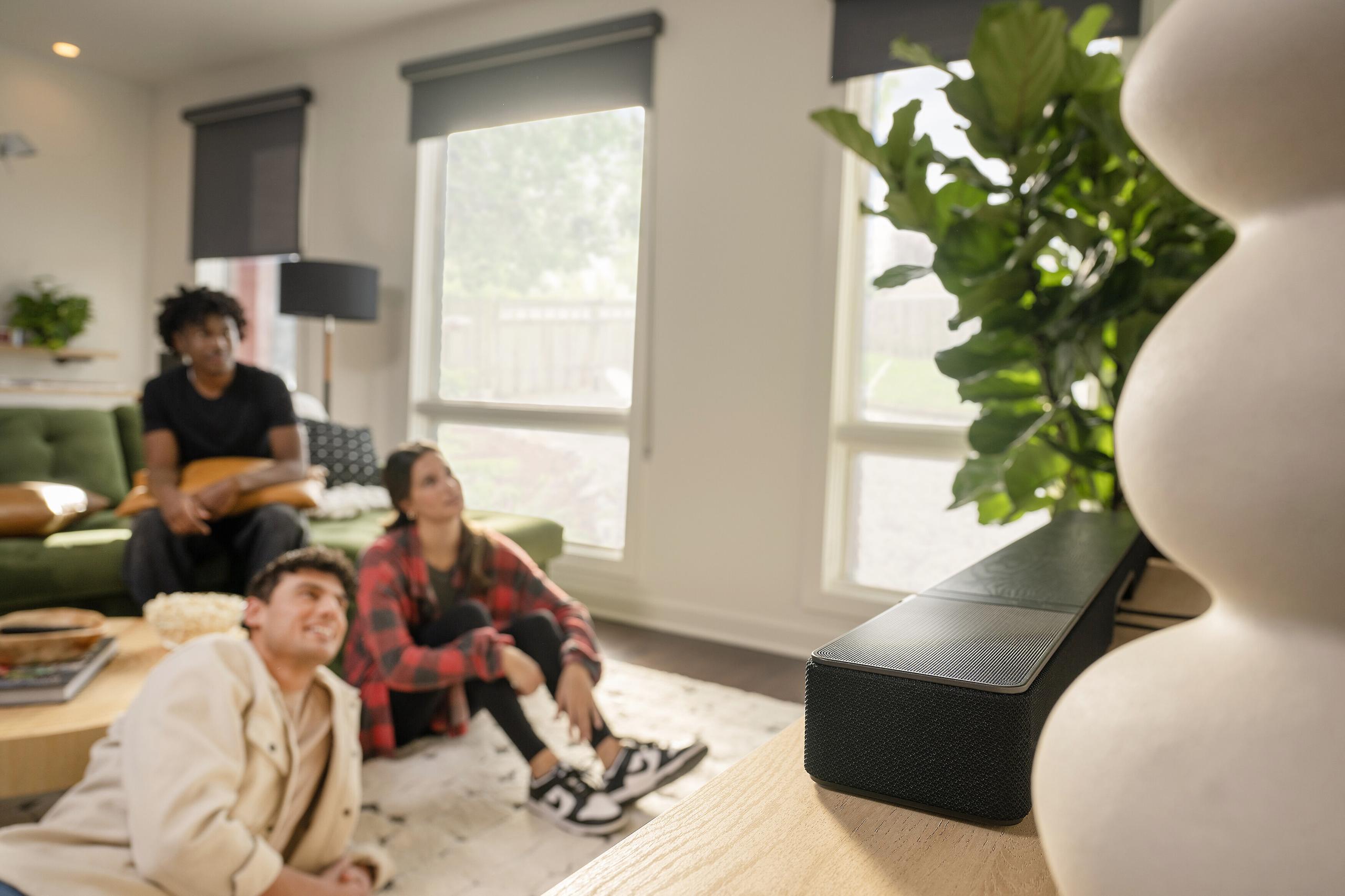
The Flexus Core 200 integrates dual 4-inch subwoofers directly into the soundbar, extending slightly deeper to 43Hz while maintaining a tidier setup. The bass is more controlled and musical, though it lacks the raw impact of the Ultimea's separate subwoofer. For apartment dwellers or those prioritizing aesthetics, the integrated approach wins. For home theater enthusiasts wanting earth-shaking explosions, the M60 Boom delivers.
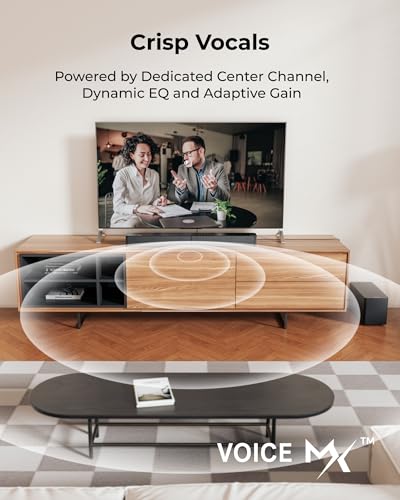
Poor dialogue clarity ruins more movie nights than any other audio issue. Both systems address this differently but effectively. The M60 Boom employs VoiceMX technology, which dynamically enhances the 300Hz-3kHz vocal range through adaptive EQ. When dialogue occurs, the system automatically adjusts frequency response and gain to maintain speech intelligibility, even during loud scenes.
The Flexus Core 200's horn-loaded center channel takes a more traditional but proven approach. The horn design naturally emphasizes the midrange frequencies where human speech resides while providing exceptional efficiency. This means clear dialogue at lower volumes—crucial for late-night viewing. Our research indicates the Klipsch consistently outperforms in this category, though the Ultimea's adaptive processing provides solid results for its price point.
This comparison highlights a fundamental split in soundbar design philosophy. The M60 Boom creates surround effects through its five-driver array and sophisticated processing. All drivers are housed within the main bar, using phase manipulation and timing delays to create the illusion of surround sound. It's impressive technology that works better than expected, though it can't fully replicate the immersion of discrete rear speakers.
The Flexus Core 200 focuses on authentic height effects through physical upfiring drivers rather than attempting full surround simulation. The result is convincing overhead audio for Dolby Atmos content, but traditional surround effects are more limited. However, the Klipsch system's expandability means you can add wireless rear speakers (Flexus SURR 100) and additional subwoofers later, potentially creating a full 5.1.2 system.
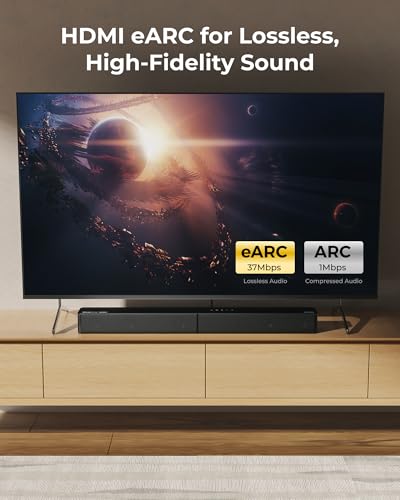
Both systems reflect modern connectivity expectations but with different emphases. The M60 Boom includes Bluetooth 5.4—the latest standard offering faster pairing, increased range, and lower latency for gaming. Its HDMI eARC support ensures lossless audio transmission from compatible TVs, while optical, USB, and AUX inputs cover virtually any source device.
The Flexus Core 200 provides similar connectivity but notably lacks DTS format support—a limitation for Blu-ray collectors since many discs use DTS encoding. It also omits HDMI 2.1 passthrough, potentially limiting gaming console compatibility for 4K/120Hz content.
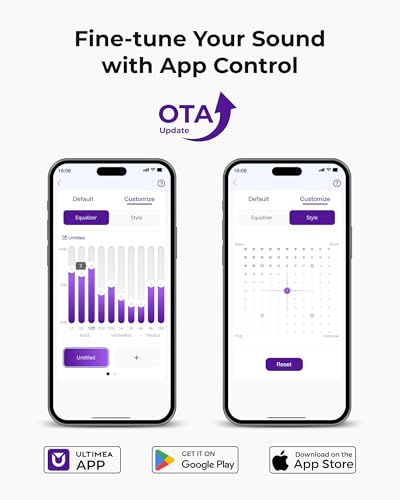
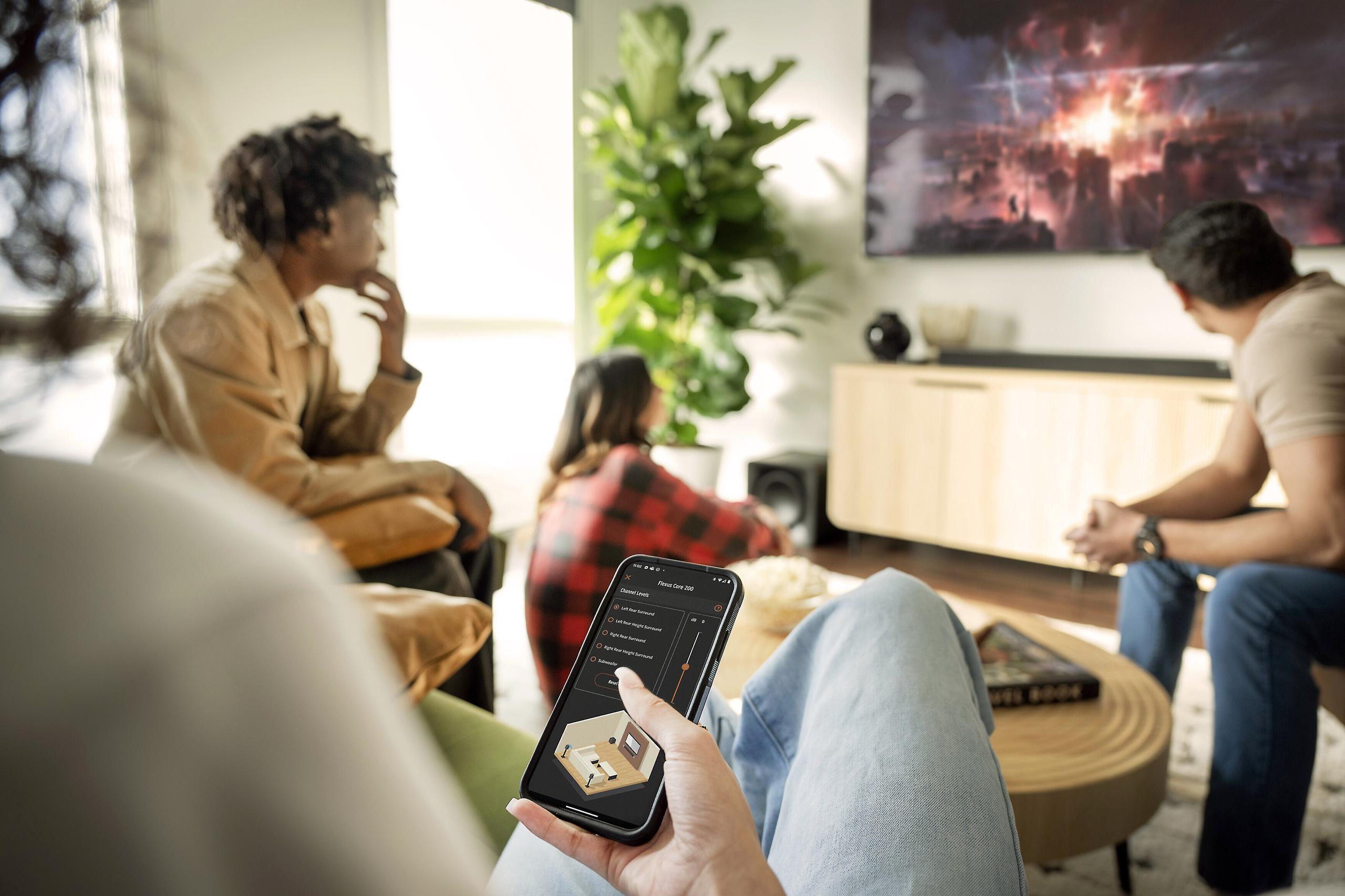
Both systems offer smartphone app control, but the Ultimea app provides more granular control with manual EQ adjustment for bass, midrange, and treble. The Klipsch Connect Plus app offers presets and basic adjustments but less customization flexibility.
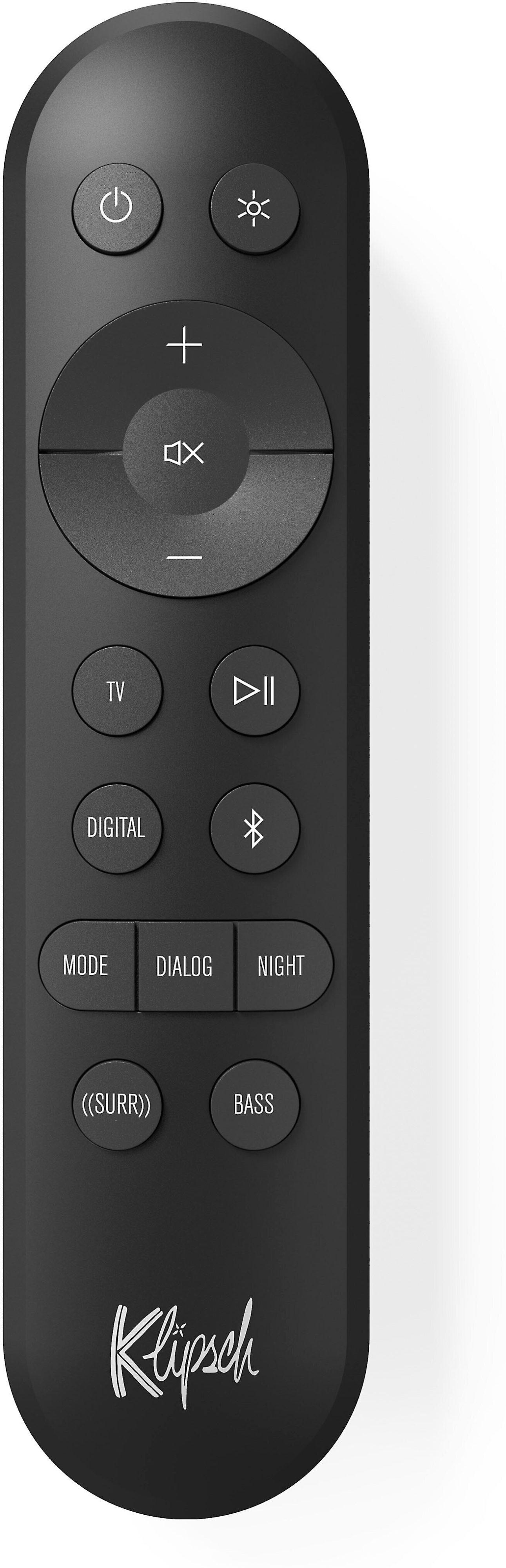
The M60 Boom's CEC integration allows single-remote control of compatible devices, while its multiple preset modes (Movie, Music, Voice, Sport, Game, Night) automatically optimize settings for different content types. The night mode particularly impresses, compressing dynamic range to maintain dialogue clarity while reducing peak volumes that might disturb neighbors.
The Klipsch system emphasizes expandability through its proprietary Transport wireless technology. This allows seamless addition of matching subwoofers and surround speakers without running cables or dealing with pairing complications. For those planning to build a complete system over time, this ecosystem approach provides clear upgrade paths.
In dedicated home theater environments, these systems serve different roles. The M60 Boom works best as a complete, high-impact solution for rooms where aesthetic concerns are secondary to performance. Its separate subwoofer placement flexibility allows optimization for room acoustics, while the substantial power output handles large spaces effectively.
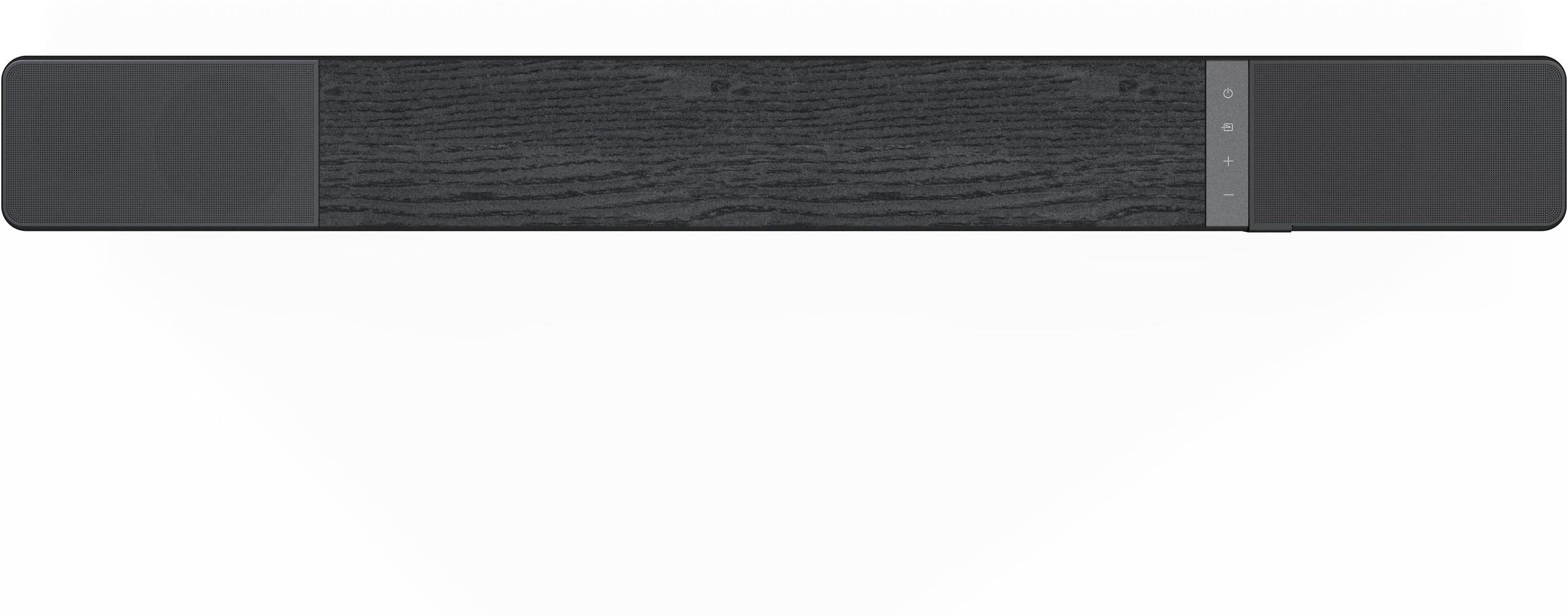
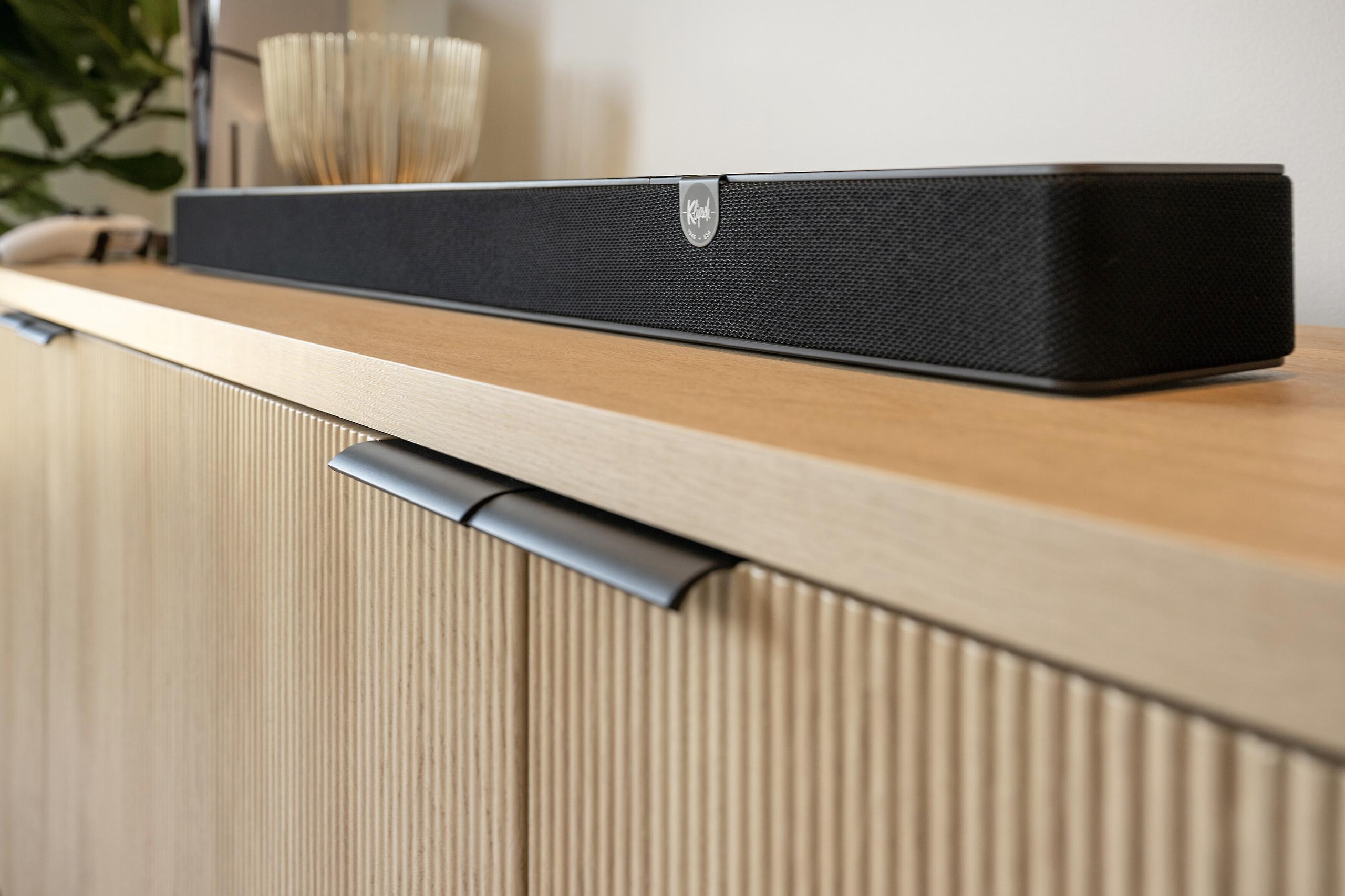
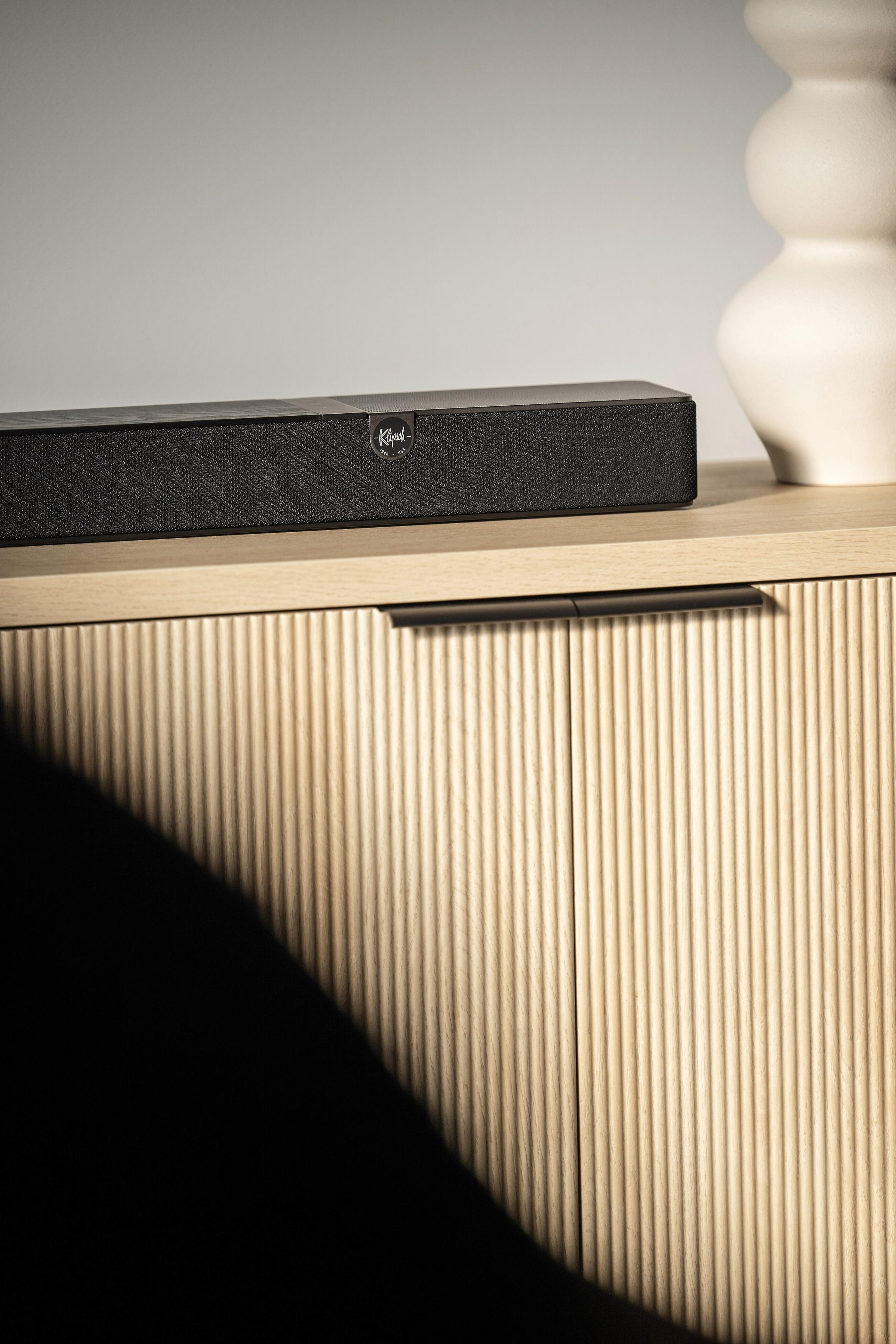
The Flexus Core 200 suits more refined installations where the soundbar must integrate visually with premium décor. Its single-bar design maintains clean aesthetics while providing room for growth through wireless expansion. The authentic Dolby Atmos processing particularly benefits home theaters with appropriate ceiling heights (8-10 feet optimal) for effective sound reflection.
At the time of writing, the Ultimea M60 Boom represents exceptional value for buyers prioritizing maximum features per dollar. You get true 5.1 processing, substantial power output, comprehensive connectivity, and a dedicated subwoofer at a price point that would have seemed impossible just a few years ago. The modular design and extensive app control add convenience typically reserved for premium models.
The Klipsch Flexus Core 200 commands a significant premium but delivers acoustic engineering, brand heritage, and expansion possibilities that justify the investment for discerning listeners. The horn-loaded tweeter technology alone represents decades of refinement that budget manufacturers can't easily replicate.
For most buyers, the decision centers on priorities and room requirements. Choose the M60 Boom if you want maximum impact from day one, have a larger room (over 200 square feet), or simply want the most features for your investment. Its 340W output and dedicated subwoofer create an immediately satisfying experience that significantly outperforms TV speakers.
The Flexus Core 200 makes sense for buyers valuing long-term flexibility, acoustic refinement over raw power, or those planning gradual system expansion. Its authentic Dolby Atmos processing and legendary dialogue clarity provide a more sophisticated experience, even at moderate volume levels.
Neither choice is wrong—they simply serve different philosophies and use cases. The Ultimea maximizes immediate satisfaction and value, while the Klipsch emphasizes refined performance and future growth potential. Your decision should align with your room size, listening preferences, and whether you view this purchase as a complete solution or the foundation for something larger.
Both represent significant improvements over basic TV audio, but they'll take you down distinctly different paths toward better home entertainment sound.
| Ultimea Poseidon M60 Boom 5.1 Soundbar | Klipsch Flexus Core 200 3.1.2 Soundbar |
|---|---|
| Channel Configuration - Determines surround sound capability and speaker placement | |
| 5.1 channels (all drivers in main bar + separate subwoofer) | 3.1.2 channels (includes dedicated height drivers for Dolby Atmos) |
| Power Output - Affects maximum volume and room-filling capability | |
| 340W peak power (exceptional for budget category) | 185W RMS (more conservative rating, premium efficiency) |
| Subwoofer Design - Critical for bass impact and setup flexibility | |
| Dedicated 5.25" wired subwoofer with BassMX technology | Dual 4" integrated subwoofers (no separate unit needed) |
| Dolby Atmos Implementation - How overhead sound effects are created | |
| Virtual processing through 5.1 driver array | Physical upfiring drivers for authentic height effects |
| Connectivity Options - Determines device compatibility and future-proofing | |
| HDMI eARC, Bluetooth 5.4, Optical, USB, AUX | HDMI eARC, Bluetooth, USB-C, Optical (lacks DTS support) |
| App Control Features - Customization and ease of use | |
| Ultimea Smart APP with full manual EQ control | Klipsch Connect Plus with presets and basic adjustments |
| Frequency Response - How deep the bass extends and overall sound range | |
| 45Hz-18kHz (good low-end extension with separate sub) | 43Hz-20kHz (slightly deeper bass, wider treble range) |
| Design Philosophy - Setup complexity vs. expandability | |
| Modular twist-connect soundbar + separate subwoofer | Single integrated bar with wireless expansion ecosystem |
| Dialogue Clarity Technology - Critical for movie and TV watching | |
| VoiceMX adaptive processing (300Hz-3kHz enhancement) | Horn-loaded center tweeter (Klipsch's proven acoustic design) |
| Expandability Options - Ability to add components later | |
| Self-contained system with limited expansion | Wireless expansion to full 5.1.2 with Flexus ecosystem |
| Release Year - Technology generation and feature currency | |
| 2025 (latest connectivity standards like Bluetooth 5.4) | 2024 (established premium brand with acoustic heritage) |
The Ultimea Poseidon M60 Boom is better suited for large rooms due to its 340W peak power output and dedicated 5.25" subwoofer. This combination provides the room-filling capability needed for spaces over 200 square feet, while the Klipsch Flexus Core 200 with its 185W output is more appropriate for medium-sized rooms.
The Ultimea M60 Boom uses a 5.1 configuration with five main channels plus a subwoofer for traditional surround sound. The Klipsch Flexus Core 200 features 3.1.2 channels, which includes three main channels, one subwoofer section, and two dedicated height speakers for authentic Dolby Atmos overhead effects.
For raw bass impact, the Ultimea Poseidon M60 Boom wins with its separate 5.25" subwoofer and BassMX technology. However, the Klipsch Flexus Core 200 offers more controlled, musical bass through its dual integrated 4" subwoofers, making it better for apartment living or those prioritizing clean aesthetics.
The Ultimea M60 Boom includes a dedicated wired subwoofer as part of the system, while the Klipsch Flexus Core 200 has dual subwoofers built into the main bar. Neither requires purchasing an additional subwoofer, though the Klipsch can be expanded with the optional Flexus Sub 100 for enhanced bass.
The Klipsch Flexus Core 200 excels in dialogue clarity thanks to its horn-loaded center channel tweeter, a technology Klipsch has perfected over decades. The Ultimea M60 Boom uses VoiceMX adaptive processing to enhance speech, which is effective but not as refined as Klipsch's dedicated center channel design.
The Klipsch Flexus Core 200 is designed for expansion and can grow into a full 5.1.2 system with wireless rear speakers and additional subwoofers. The Ultimea Poseidon M60 Boom is a complete 5.1 system out of the box with limited expansion options beyond the included components.
The Ultimea M60 Boom provides exceptional value with premium features like 340W power, dedicated subwoofer, and comprehensive app control at a budget-friendly price point. The Klipsch Flexus Core 200 costs significantly more but delivers acoustic heritage, authentic Dolby Atmos, and expansion possibilities that justify the premium for discerning listeners.
Both soundbars support Dolby Atmos, but differently. The Klipsch Flexus Core 200 uses physical upfiring drivers for authentic overhead sound effects, while the Ultimea M60 Boom creates Dolby Atmos effects through virtual processing using its five-driver array.
The Klipsch Flexus Core 200 offers simpler setup with everything integrated into a single bar. The Ultimea M60 Boom requires placing both the modular soundbar and separate subwoofer, though its twist-connect design makes assembly straightforward. Both systems are designed for quick, user-friendly installation.
The Ultimea M60 Boom provides HDMI eARC, Bluetooth 5.4, optical, USB, and AUX inputs with comprehensive device compatibility. The Klipsch Flexus Core 200 offers HDMI eARC, Bluetooth, USB-C, and optical connections but notably lacks DTS format support, which may affect some Blu-ray disc playback.
The Ultimea M60 Boom has advantages for gaming with its Bluetooth 5.4 connectivity offering ultra-low latency and multiple input options. The Klipsch Flexus Core 200 lacks HDMI 2.1 passthrough, which may limit compatibility with next-generation gaming consoles for 4K/120Hz content.
Yes, both soundbars offer smartphone app control. The Ultimea M60 Boom includes the Ultimea Smart APP with full manual EQ control for bass, midrange, and treble adjustments. The Klipsch Flexus Core 200 uses the Klipsch Connect Plus app, which provides sound mode presets and basic adjustments but less granular customization than the Ultimea system.
We've done our best to create useful and informative comparisons to help you decide what product to buy. Our research uses advanced automated methods to create this comparison and perfection is not possible - please contact us for corrections or questions. These are the sites we've researched in the creation of this article: ultimea.com - ultimea.com - youtube.com - bestbuy.com - youtube.com - avsforum.com - youtube.com - manuals.plus - youtube.com - device.report - ultimea.com - ultimea.de - community.ultimea.com - ultimea.com - community.ultimea.com - ultimea.com - youtube.com - aliexpress.com - ultimea.com - soundandvision.com - avnirvana.com - avsforum.com - cnet.com - klipsch.com - klipsch.com - youtube.com - assets.klipsch.com - klipsch.com - worldwidestereo.com - klipsch.com - crutchfield.com - digitaltrends.com

Privacy Policy
Terms and Conditions - Affiliate Policy
Home Security
© Copyright 2008-2026.
11816 Inwood Rd #1211, Dallas, TX 75244