



Shopping for a soundbar can feel overwhelming with dozens of models promising cinematic sound at every price point. Two systems that consistently appear in value-focused discussions are the Ultimea Poseidon M60 Boom and the Polk Audio Signa S4. Both target budget-conscious buyers who want genuine surround sound without the complexity of full speaker systems, but they take notably different approaches to achieving that goal.
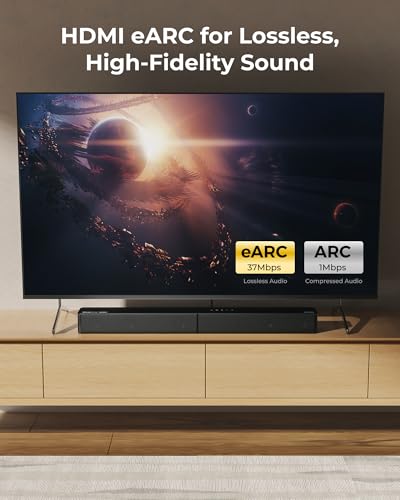
The soundbar market has evolved dramatically since these models launched—the Polk S4 arrived in 2021, while the Ultimea M60 Boom represents a more recent 2024-2025 release. This timeline matters because it reflects how quickly audio technology advances. Features that seemed premium just three years ago, like HDMI eARC (enhanced Audio Return Channel, which carries high-quality audio back from your TV to the soundbar) and Dolby Atmos support, have become standard even in budget categories.
When evaluating soundbars, several performance characteristics determine whether you'll love or regret your purchase. Power output, measured in watts, directly affects how loud the system can play without distortion—crucial for larger rooms or if you enjoy action movies at reference levels. Channel configuration describes how many separate audio streams the system can handle; more channels generally mean better surround effects and dialogue separation.
Frequency response tells you the range of sounds the system can reproduce, typically measured in Hertz (Hz). Lower numbers mean deeper bass, while higher numbers indicate better treble reproduction. Most human hearing ranges from about 20 Hz to 20,000 Hz, so systems covering this range handle all audible frequencies.
The maximum sound pressure level (SPL), measured in decibels (dB), indicates the loudest volume without significant distortion. For reference, normal conversation sits around 60 dB, while movie theater reference level hits about 85 dB with peaks reaching 105 dB.
The most striking difference between these systems lies in their power delivery. The Ultimea M60 Boom produces 340W of peak power compared to the Polk S4's 80W total output. This isn't just a numbers game—it translates to real-world performance differences that become obvious in larger spaces.
Peak power represents the maximum wattage a system can handle during brief, intense moments like explosions or orchestral crescendos. While peak ratings can be marketing-inflated, the gap here is substantial enough to indicate genuine capability differences. The Ultimea can achieve 99 dB maximum SPL, which approaches movie theater levels and suggests serious room-filling potential.
However, raw power isn't everything. The Polk S4 demonstrates that thoughtful engineering can maximize modest wattage. User feedback consistently notes that despite its 80W rating, the system delivers surprisingly satisfying volume levels for small to medium rooms. This efficiency likely stems from Polk's decades of speaker design experience and careful driver optimization.
For home theater applications, the power difference matters most in rooms larger than 200 square feet or if you sit more than 10 feet from the soundbar. In typical living rooms with moderate listening levels, both systems provide adequate volume, but the Ultimea offers more headroom for dynamic movie soundtracks and party-level music playback.
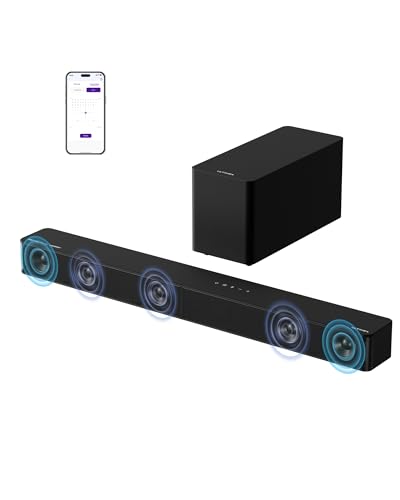
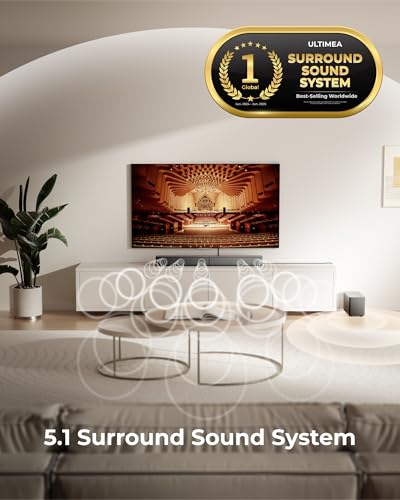
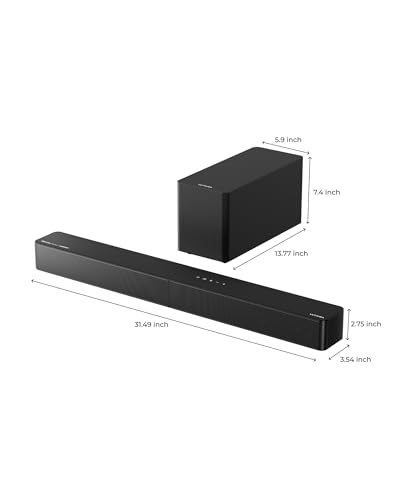
These systems represent fundamentally different philosophies toward surround sound. The Ultimea M60 Boom implements true 5.1-channel processing with five discrete full-range drivers housed within its modular soundbar design. This means dedicated left, center, right, and surround channels, plus the separate subwoofer handling low-frequency effects.
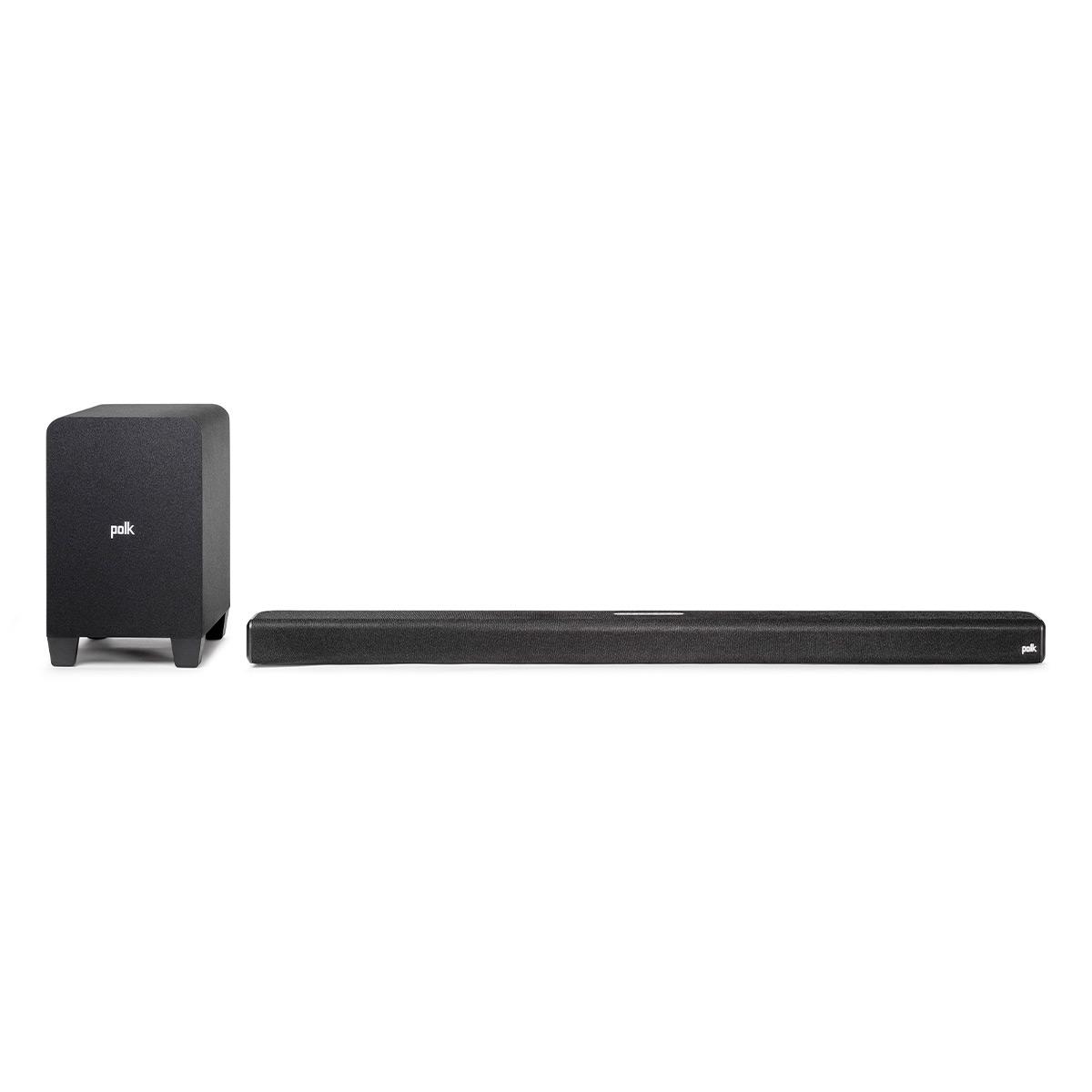
The Polk S4 uses a 3.1.2 configuration—three main channels (left, center, right), one subwoofer, and two height channels created by up-firing speakers. These up-firing drivers bounce sound off your ceiling to create overhead effects, which is how Dolby Atmos is supposed to work.
Here's where room acoustics become crucial. The Polk's up-firing speakers need reasonably flat ceilings at appropriate heights (8-10 feet typically works best) and reflective ceiling materials. Vaulted, textured, or sound-absorbing ceilings can diminish the height effect. The Ultimea's approach works in any room since all drivers fire forward, but it relies on psychoacoustic processing to simulate surround effects rather than creating them physically.
From our research into user experiences, the Polk S4 delivers more convincing overhead effects when room conditions align properly. Users frequently mention hearing helicopters or rain convincingly positioned above their heads. The Ultimea provides excellent channel separation and wide soundstaging but cannot match true physical height channels for Dolby Atmos content.
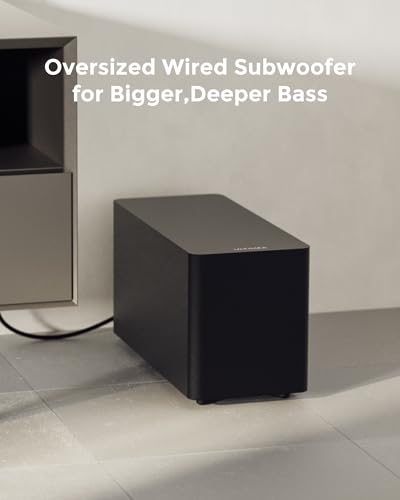
Both systems include dedicated subwoofers, but with different design philosophies. The Ultimea M60 Boom features a wired wooden subwoofer with BassMX technology, utilizing an 18mm high-excursion driver. High excursion means the speaker cone can move farther in and out, displacing more air for deeper, more impactful bass. The wooden enclosure, rather than plastic, typically provides better resonance control and more natural bass reproduction.
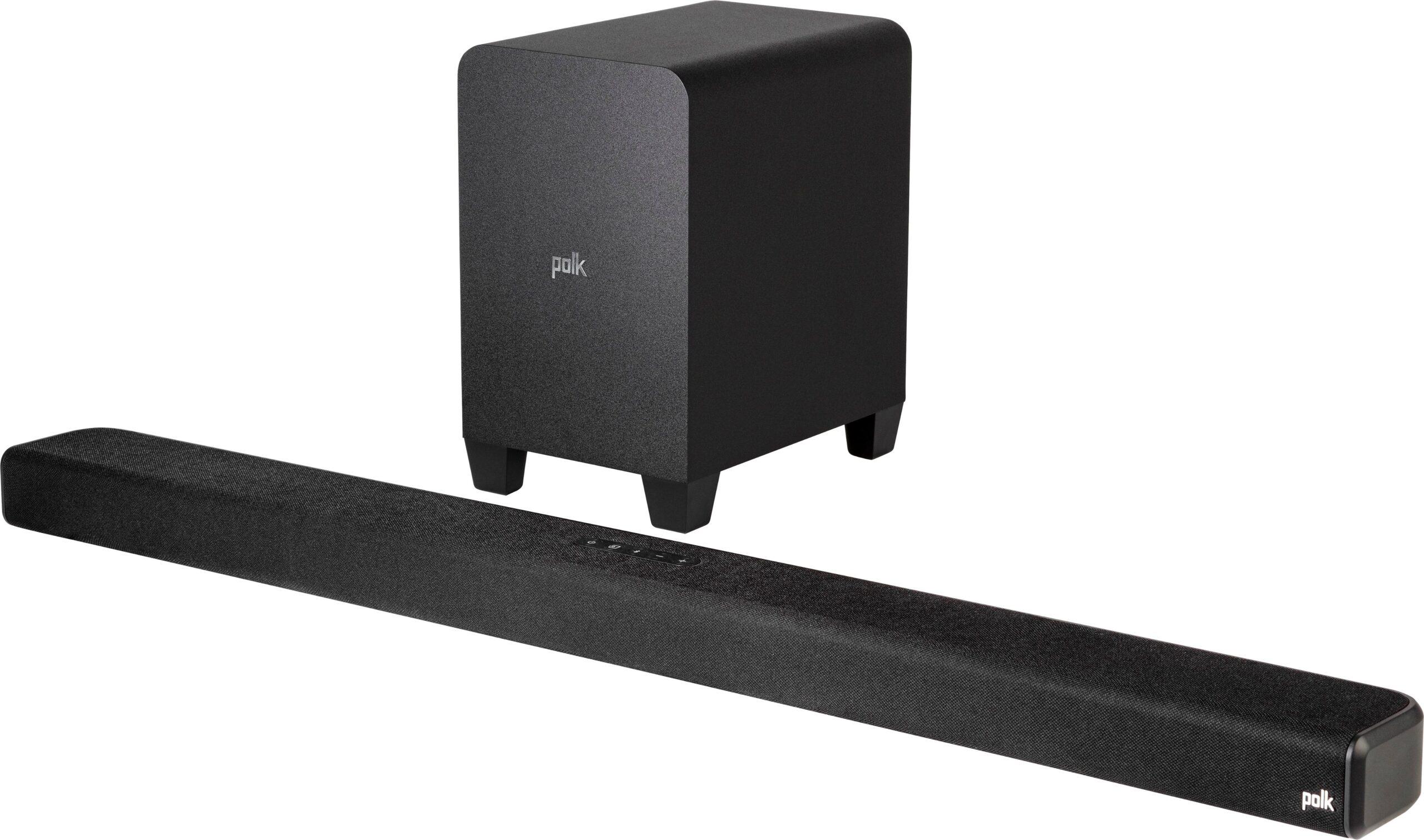
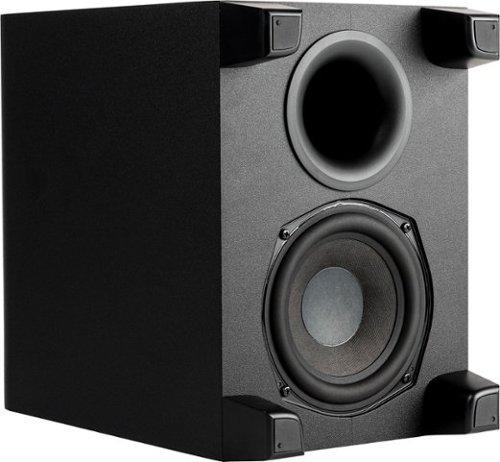
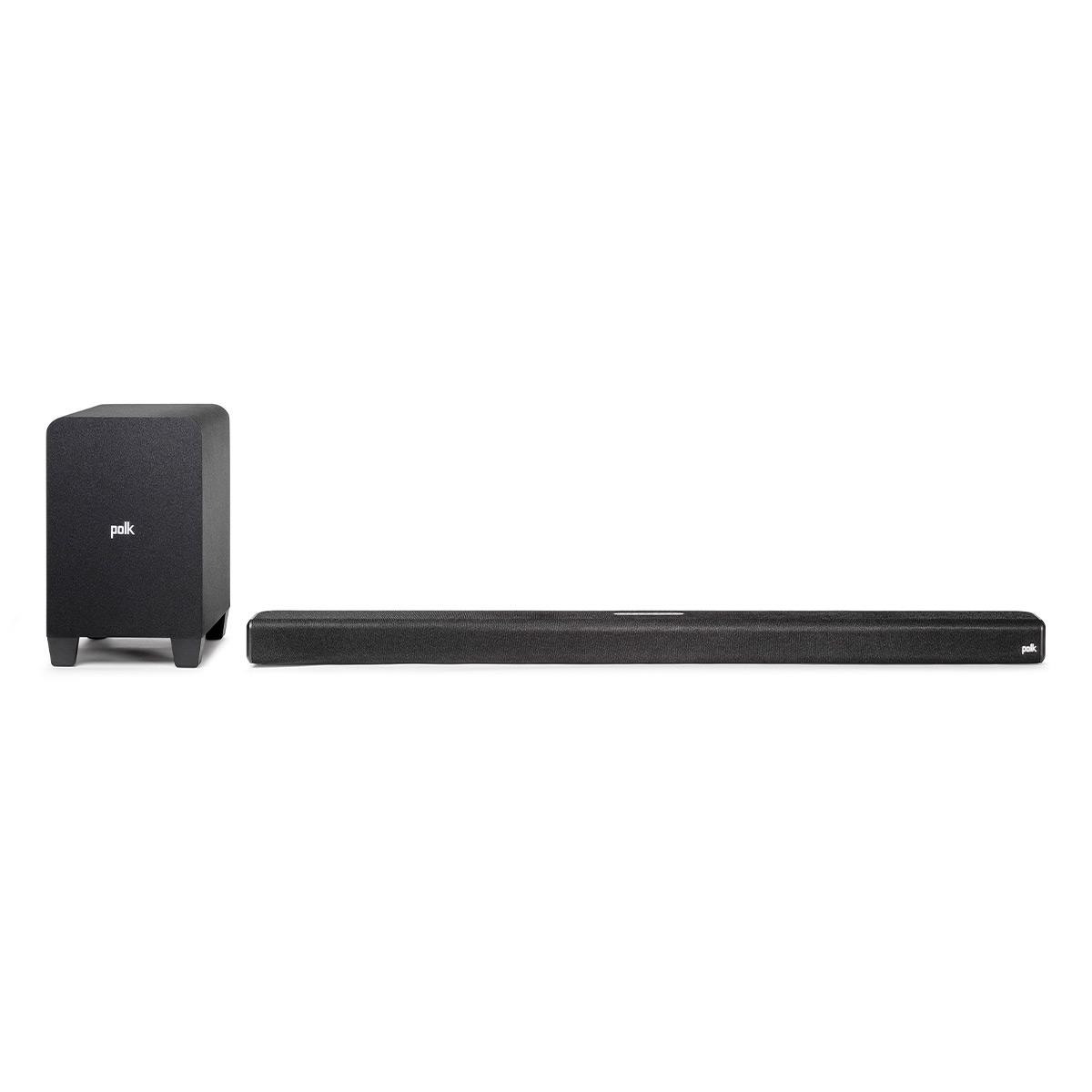
The Polk S4 includes a 5.9-inch wireless subwoofer that emphasizes convenience over raw output. Wireless connectivity eliminates cable runs across your room, offering more placement flexibility to optimize bass response. However, the smaller driver and lower power allocation mean less earth-shaking impact during action sequences.
The frequency response tells part of the story—the Ultimea reaches down to 45 Hz, while specific numbers for the Polk aren't published but likely start around 50-55 Hz based on driver size and enclosure volume. Those 5-10 Hz might not seem significant, but they represent the difference between feeling movie explosions in your chest versus just hearing them.
For music listening, both systems handle most content well, but the Ultimea better reproduces deep synthesizer notes and acoustic bass instruments. The Polk provides cleaner, more controlled bass that doesn't overpower dialogue or midrange instruments—a choice that benefits general entertainment consumption over audiophile music sessions.
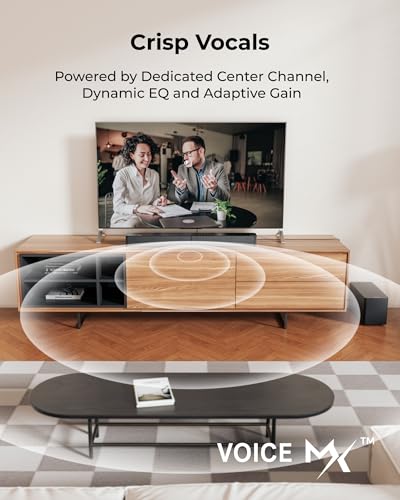
This category showcases each system's strengths clearly. The Polk S4 incorporates VoiceAdjust technology, which dynamically enhances the 300-3000 Hz frequency range where most human speech occurs. This isn't just an EQ boost—the system can raise dialogue volume independently from background music and effects, ensuring conversations remain intelligible even during complex soundtracks.
Users consistently praise this feature, particularly those who struggle with dialogue clarity on standard TV speakers. The technology proves especially valuable for late-night viewing when you want clear speech without waking others with loud effects.
The Ultimea M60 Boom offers good dialogue clarity through its dedicated center channel and DSP (Digital Signal Processing) optimization, but lacks the sophisticated voice enhancement of the Polk. Its approach works well for most content, but users with hearing difficulties or challenging room acoustics might prefer the Polk's specialized processing.
The center channel placement matters here too. Both systems position dialogue reproduction in dedicated center drivers, but the Ultimea's wider soundbar potentially offers better stereo imaging for dialogue that moves across the screen.
The Ultimea M60 Boom reflects its newer design with Bluetooth 5.4 support, offering faster device pairing, more stable connections, and lower latency compared to older Bluetooth versions. Low latency is crucial for gaming or when audio sync matters—nobody wants dialogue that doesn't match lip movement.
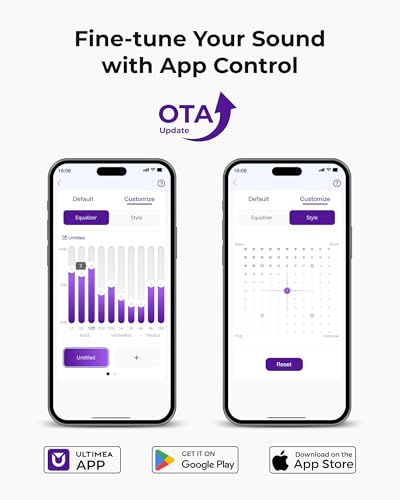
The system's smart app control provides comprehensive customization options, including manual EQ adjustment for bass, midrange, and treble. This level of control lets you tailor sound to your room and preferences, compensating for acoustic challenges or personal taste.
The Polk S4 uses Bluetooth 4.2, which was standard when it launched but feels dated now. However, it offers practical features like multi-device pairing for up to eight devices, though only one can stream at a time. This convenience factor shouldn't be underestimated in households with multiple users.
Both systems support HDMI eARC, enabling high-quality audio from your TV including full-resolution Dolby Atmos tracks. This connection method has become essential as streaming services deliver increasingly sophisticated audio formats.
At the time of writing, both systems occupy similar price territories in the budget soundbar segment, typically found for under $400. However, they deliver different types of value based on user priorities.
The Ultimea M60 Boom provides exceptional power-per-dollar, making it compelling for users who want room-filling sound without compromise. Its modular design and comprehensive app control appeal to tech-savvy buyers who enjoy customization. The system excels in larger rooms or for users who prioritize dynamic range and bass impact over specialized features.
The Polk S4 represents established brand reliability with proven audio engineering. Polk's 50+ year history in speaker design brings credibility that newer brands cannot match. The authentic Dolby Atmos implementation and VoiceAdjust technology provide premium features typically found in more expensive systems.
For dedicated home theater setups, several factors influence the choice. Room size remains paramount—the Ultimea better serves larger spaces or higher seating distances, while the Polk excels in typical family rooms with moderate listening positions.
Content preferences matter significantly. Action movie enthusiasts who want visceral impact during car chases and explosions will appreciate the Ultimea's power advantage and deeper bass extension. Viewers who prioritize dialogue-heavy dramas or struggle with speech intelligibility benefit more from the Polk's voice enhancement technology.
Ceiling compatibility affects Dolby Atmos performance. The Polk S4 requires suitable ceiling reflection for optimal height effects, while the Ultimea works effectively regardless of room architecture.
Choose the Ultimea Poseidon M60 Boom if:
Choose the Polk Audio Signa S4 if:
Both soundbars deliver solid value propositions, but for different reasons. The Ultimea M60 Boom succeeds as a high-performance system that prioritizes power, bass impact, and comprehensive features at an aggressive price point. It's the choice for users who want maximum audio impact without stepping up to significantly more expensive systems.
The Polk S4 excels through thoughtful engineering that maximizes modest specifications while providing genuine premium features like authentic Dolby Atmos and advanced dialogue processing. It represents the safe choice that delivers consistent performance across various content types and room conditions.
Neither system is perfect—the Ultimea might overwhelm smaller rooms while the Polk might underwhelm bass enthusiasts. However, both offer compelling alternatives to generic soundbars or expensive multi-speaker systems, proving that excellent home theater audio doesn't require breaking the bank or complicated setup procedures.
The decision ultimately depends on whether you prioritize raw performance and customization (Ultimea) or refined features and brand reliability (Polk). Both represent smart purchases that will meaningfully upgrade your TV's audio experience.
| Ultimea Poseidon M60 Boom 5.1 Soundbar | Polk Audio Signa S4 Dolby Atmos Soundbar |
|---|---|
| Channel Configuration - Determines surround sound quality and speaker placement | |
| True 5.1 channels (all drivers in main bar) | 3.1.2 channels (includes dedicated height speakers) |
| Peak Power Output - Critical for room-filling volume and dynamic range | |
| 340W peak power (excellent for large rooms) | 80W total power (adequate for small-medium rooms) |
| Dolby Atmos Implementation - Affects overhead sound effects quality | |
| Virtual Atmos processing (simulated height effects) | True Atmos with physical up-firing speakers |
| Subwoofer Connection - Impacts placement flexibility | |
| Wired 5.25" wooden subwoofer with BassMX tech | Wireless 5.9" subwoofer (place anywhere in room) |
| Frequency Response - Lower numbers mean deeper bass extension | |
| 45 Hz–18 kHz (deeper bass for impactful effects) | Not specified (likely 50-55 Hz based on driver size) |
| Maximum SPL - Determines how loud system can play cleanly | |
| 99 dB (approaches movie theater levels) | Not specified (likely 85-90 dB range) |
| Dialogue Enhancement - Important for speech clarity | |
| Standard center channel processing | VoiceAdjust technology (independent voice control) |
| Bluetooth Version - Affects connection stability and latency | |
| Bluetooth 5.4 (faster pairing, lower latency) | Bluetooth 4.2 (older standard, multi-device pairing) |
| Smart Control Features - Convenience and customization options | |
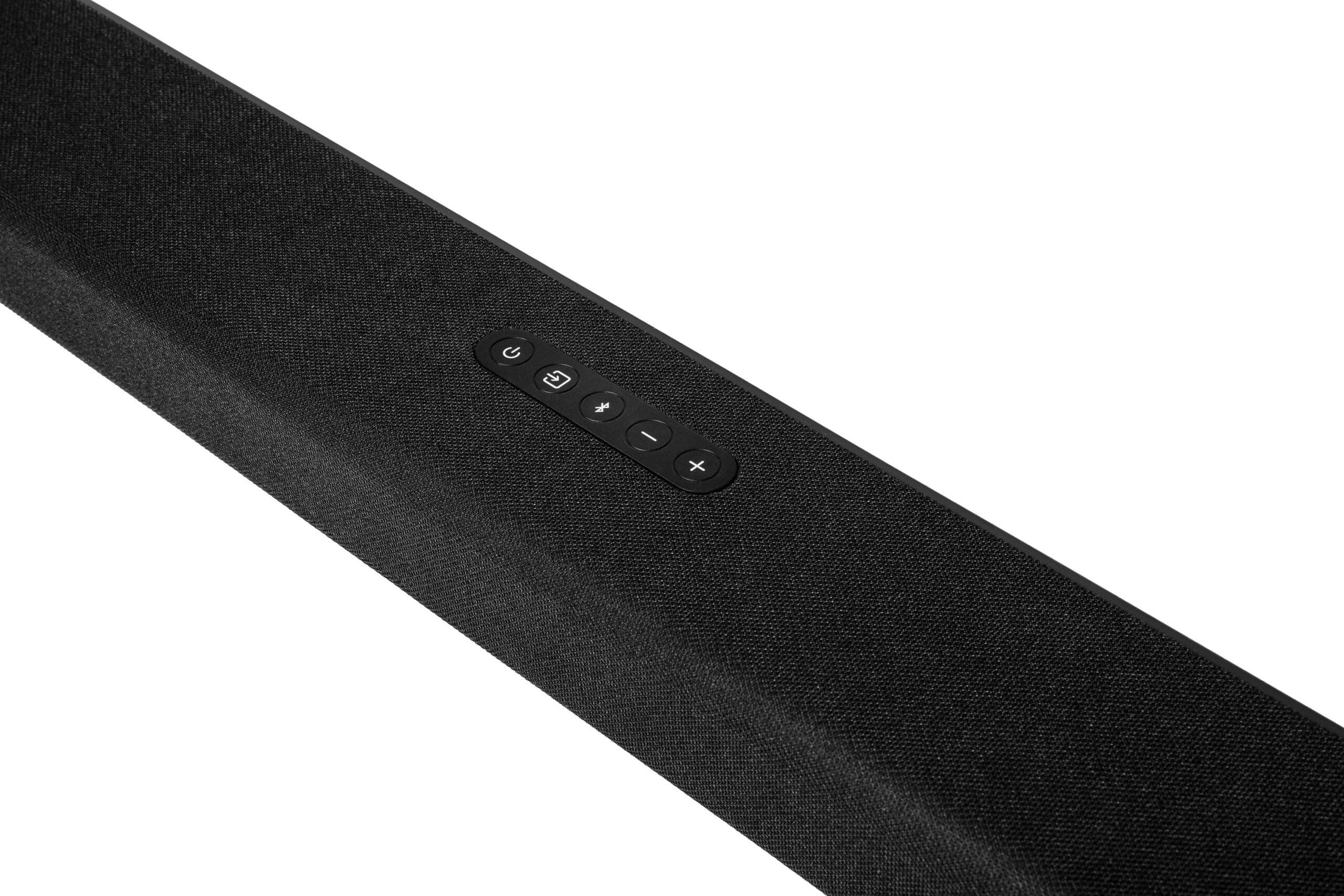
| Smart app with full EQ control and presets | Remote control with basic sound modes |
| Physical Design - Affects TV compatibility and room aesthetics | |
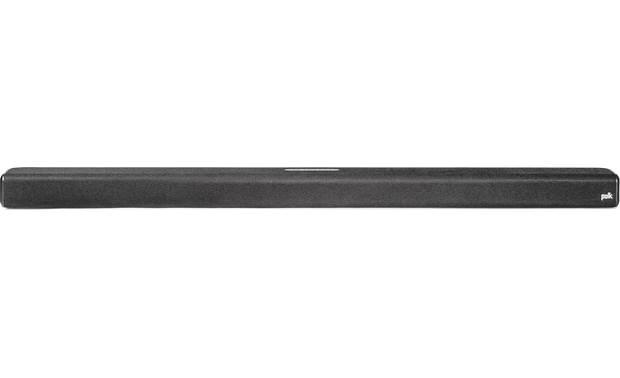
| Modular two-piece soundbar design | Traditional low-profile single bar (41.2" wide) |
| Brand Heritage - Reliability and customer support considerations | |
| Newer brand focused on value performance | Established 50+ year audio company reputation |
The Ultimea Poseidon M60 Boom is significantly better for large rooms due to its 340W peak power output and ability to reach 99 dB maximum volume levels. The Polk Audio Signa S4 with its 80W total power is better suited for small to medium-sized rooms under 200 square feet.
The Ultimea Poseidon M60 Boom delivers deeper, more impactful bass with its wired wooden subwoofer featuring BassMX technology and 45 Hz frequency response. While the Polk Audio Signa S4 has a wireless subwoofer for convenient placement, it produces less powerful bass overall.
The Polk Audio Signa S4 provides authentic Dolby Atmos with dedicated up-firing speakers that bounce sound off your ceiling for real overhead effects. The Ultimea Poseidon M60 Boom processes Dolby Atmos content but creates virtual height effects since all drivers face forward.
The Polk Audio Signa S4 offers superior dialogue clarity with its VoiceAdjust technology that can enhance speech independently from background sounds. The Ultimea Poseidon M60 Boom provides good dialogue through its center channel but lacks specialized voice enhancement features.
Both systems are relatively easy to set up, but the Polk Audio Signa S4 has a slight advantage with its wireless subwoofer that connects automatically and can be placed anywhere in the room. The Ultimea Poseidon M60 Boom requires running a wire to its subwoofer but features a straightforward modular soundbar design.
The Ultimea Poseidon M60 Boom is better for gaming due to its Bluetooth 5.4 connectivity offering ultra-low latency and higher power output for immersive action sequences. The Polk Audio Signa S4 works for gaming but uses older Bluetooth 4.2 which may have slightly more audio delay.
The Ultimea Poseidon M60 Boom offers more modern connectivity with Bluetooth 5.4, HDMI eARC, and smart app control for comprehensive customization. The Polk Audio Signa S4 provides HDMI eARC and Bluetooth 4.2 with the ability to pair up to 8 devices, though only one can stream at a time.
Both soundbars handle music well, but the Ultimea Poseidon M60 Boom is better for bass-heavy music and higher volume listening due to its superior power output and deeper frequency response. The Polk Audio Signa S4 provides cleaner, more balanced music reproduction that won't overpower vocals.
The Polk Audio Signa S4 comes from an established audio company with over 50 years of speaker design experience and proven customer support. The Ultimea Poseidon M60 Boom is from a newer brand but offers modern features and competitive performance at an aggressive price point.
The Polk Audio Signa S4 works best with flat, reflective ceilings at 8-10 feet high for optimal Dolby Atmos effects. The Ultimea Poseidon M60 Boom works effectively in any room regardless of ceiling type since it doesn't rely on sound reflection for its surround effects.
Value depends on your priorities: the Ultimea Poseidon M60 Boom provides exceptional power and features per dollar, making it ideal for performance-focused buyers. The Polk Audio Signa S4 offers premium features like true Dolby Atmos and voice enhancement with established brand reliability at a competitive price.
The Ultimea Poseidon M60 Boom with its true 5.1 channel processing comes closer to replacing a full system for users who don't want rear speakers. The Polk Audio Signa S4 provides convincing surround effects through its height channels but cannot fully replicate the immersion of dedicated rear speakers positioned around your seating area.
We've done our best to create useful and informative comparisons to help you decide what product to buy. Our research uses advanced automated methods to create this comparison and perfection is not possible - please contact us for corrections or questions. These are the sites we've researched in the creation of this article: ultimea.com - ultimea.com - youtube.com - bestbuy.com - youtube.com - avsforum.com - youtube.com - manuals.plus - youtube.com - device.report - ultimea.com - ultimea.de - community.ultimea.com - ultimea.com - community.ultimea.com - ultimea.com - youtube.com - aliexpress.com - ultimea.com - soundandvision.com - audioholics.com - crutchfield.com - cnet.com - richersounds.com - crutchfield.com - rtings.com - polkaudio.com - walmart.com - polkaudio.com - crutchfield.com - youtube.com - profx.com

Privacy Policy
Terms and Conditions - Affiliate Policy
Home Security
© Copyright 2008-2026.
11816 Inwood Rd #1211, Dallas, TX 75244