






If you've ever tried to follow dialogue in a movie while your TV speakers struggle to separate voices from explosions, you already understand why soundbars exist. But choosing the right one can be tricky, especially when comparing products that take fundamentally different approaches to improving your audio experience.
The Ultimea Poseidon M60 Boom and Sonos Ray represent two distinct philosophies in soundbar design. Released in 2024 and 2022 respectively, both aim to dramatically upgrade your TV's audio, but they go about it in completely different ways. Understanding these differences is crucial to making the right choice for your setup.
Before diving into specifics, let's talk about what separates great soundbars from mediocre ones. The most important factor is dialogue clarity—if you can't understand what characters are saying without cranking the volume, the soundbar has failed its primary job. Beyond that, you want balanced sound across all frequencies, from crisp highs to satisfying bass, without any part of the audio spectrum overpowering the others.
Power output matters, but not in the way most people think. A 100-watt soundbar that's properly tuned will often sound better and louder than a 300-watt system with poor drivers or processing. What really counts is how efficiently the soundbar converts that power into clean, distortion-free sound that fills your room appropriately.
Channel configuration—whether it's stereo, 3.1, 5.1, or supports Dolby Atmos—determines how immersive your experience feels. More channels aren't automatically better, especially if they're just processed virtually rather than coming from dedicated speakers positioned around your room.
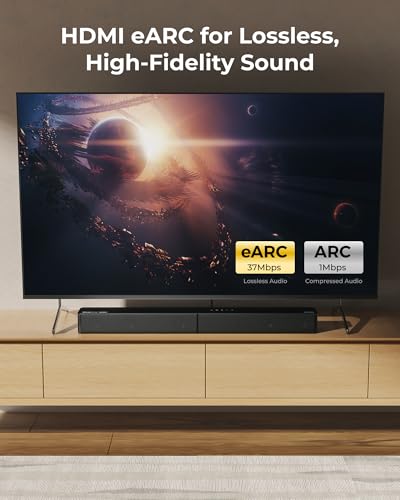
Finally, connectivity options and smart features can make or break your daily experience. HDMI ARC (Audio Return Channel) lets your TV send audio back to the soundbar through the same cable that delivers video, while eARC (enhanced ARC) supports higher-quality audio formats. Bluetooth connectivity allows wireless music streaming, and Wi-Fi opens up even more possibilities for streaming services and multi-room audio.
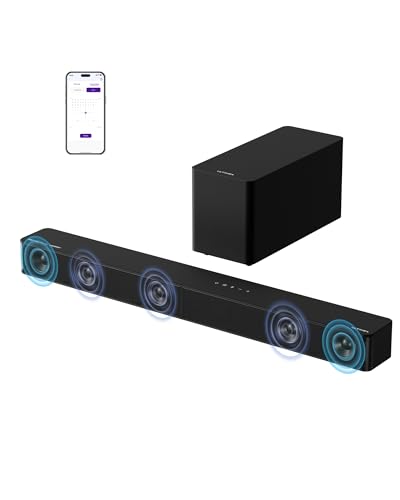
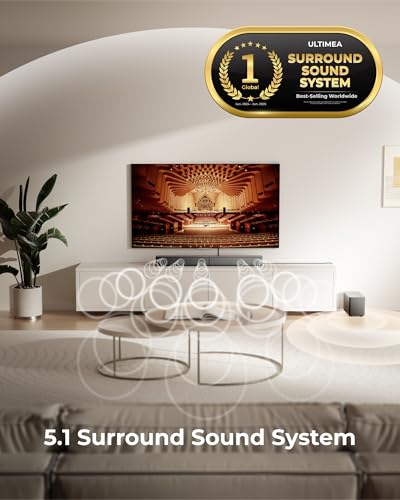
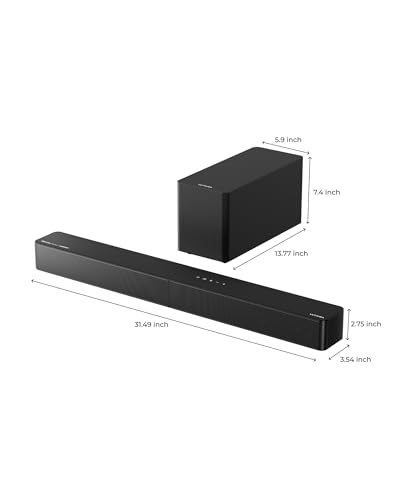
The Ultimea M60 Boom follows what we might call the "maximum impact" philosophy. At roughly half the price of premium alternatives at the time of writing, it packs in features you'd typically find in much more expensive systems. The centerpiece is its 5.1 channel configuration with Dolby Atmos support, meaning it processes audio to create the illusion that sound is coming from multiple directions around and above you.
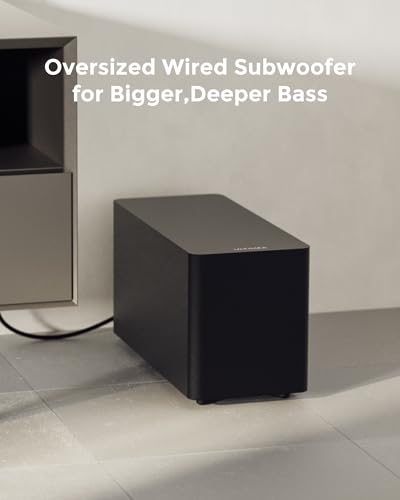
What makes this particularly impressive is the included subwoofer—a dedicated speaker designed specifically for low-frequency sounds. Most soundbars in this price range either skip the subwoofer entirely or offer it as an expensive add-on. The M60 Boom's 5.25-inch subwoofer uses what Ultimea calls BassMX technology, which essentially means they've designed the enclosure and driver to move more air and produce deeper bass than you'd typically expect from a compact system.
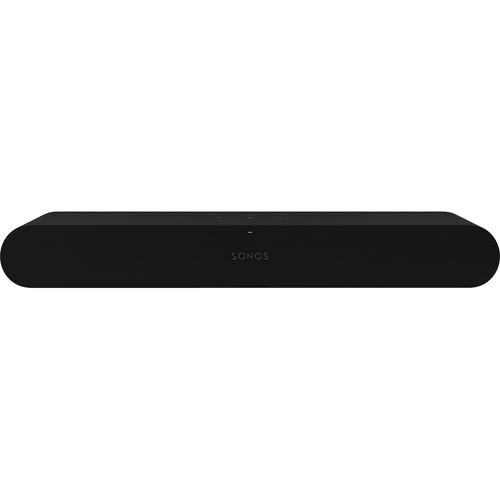
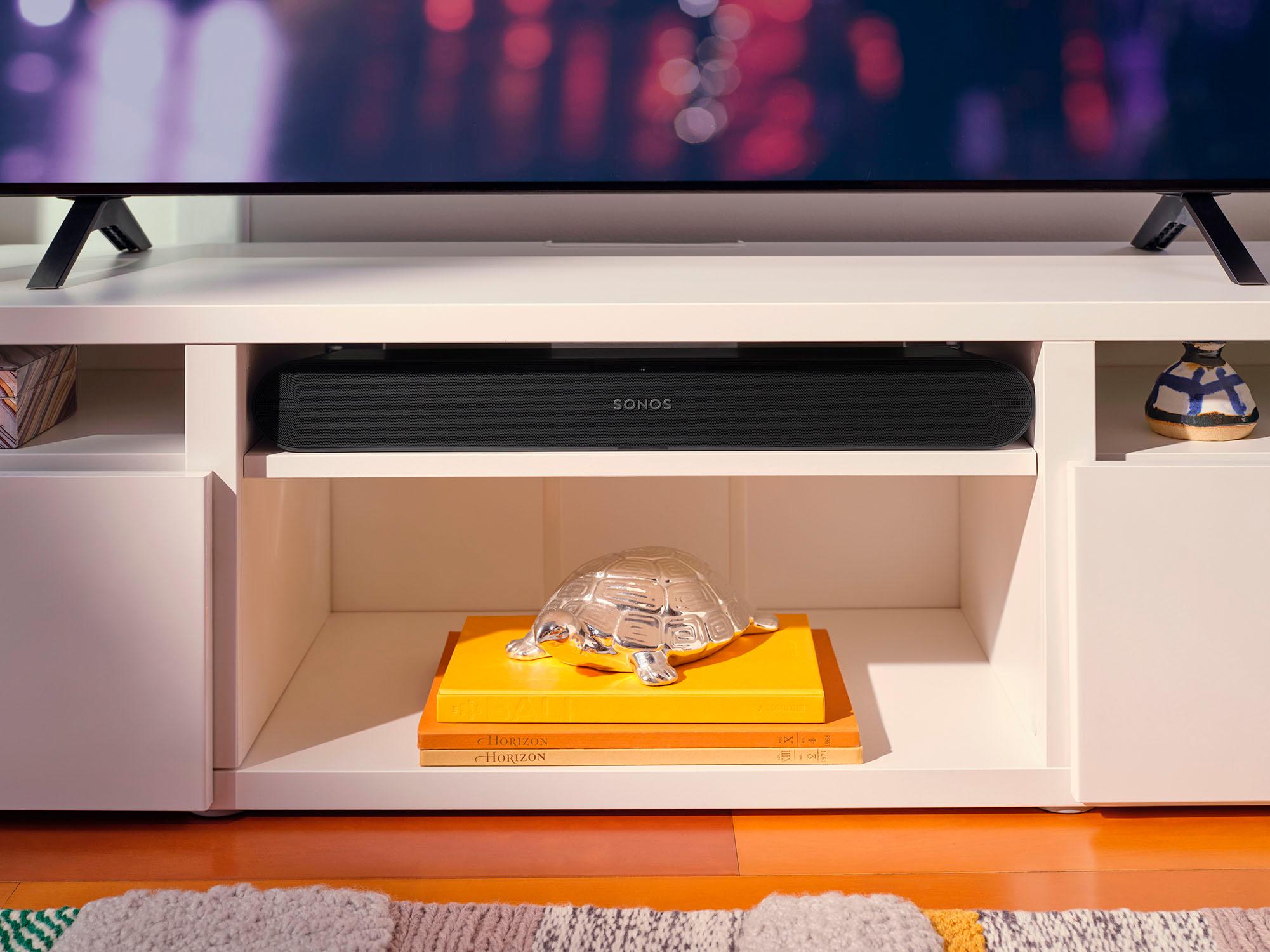
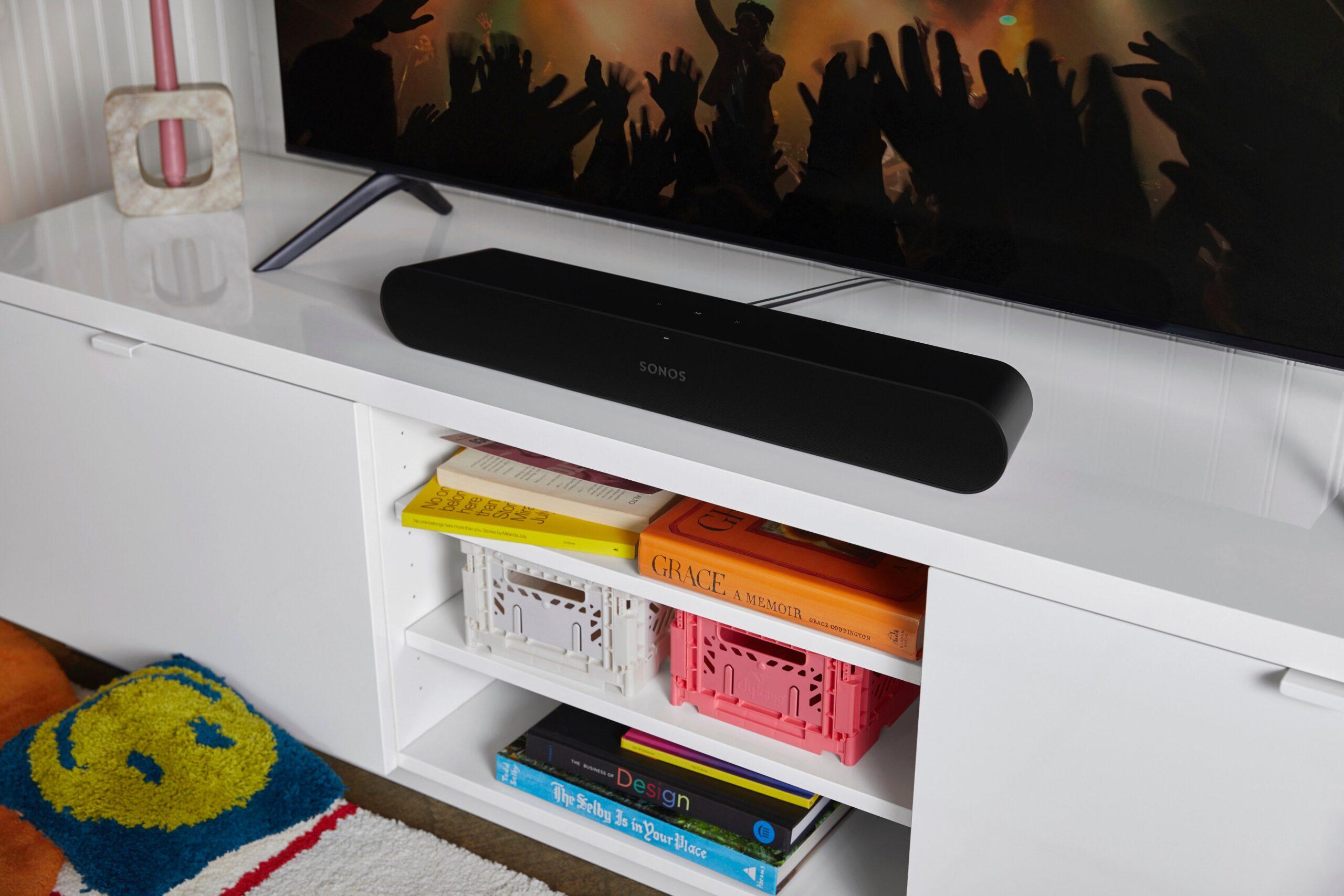
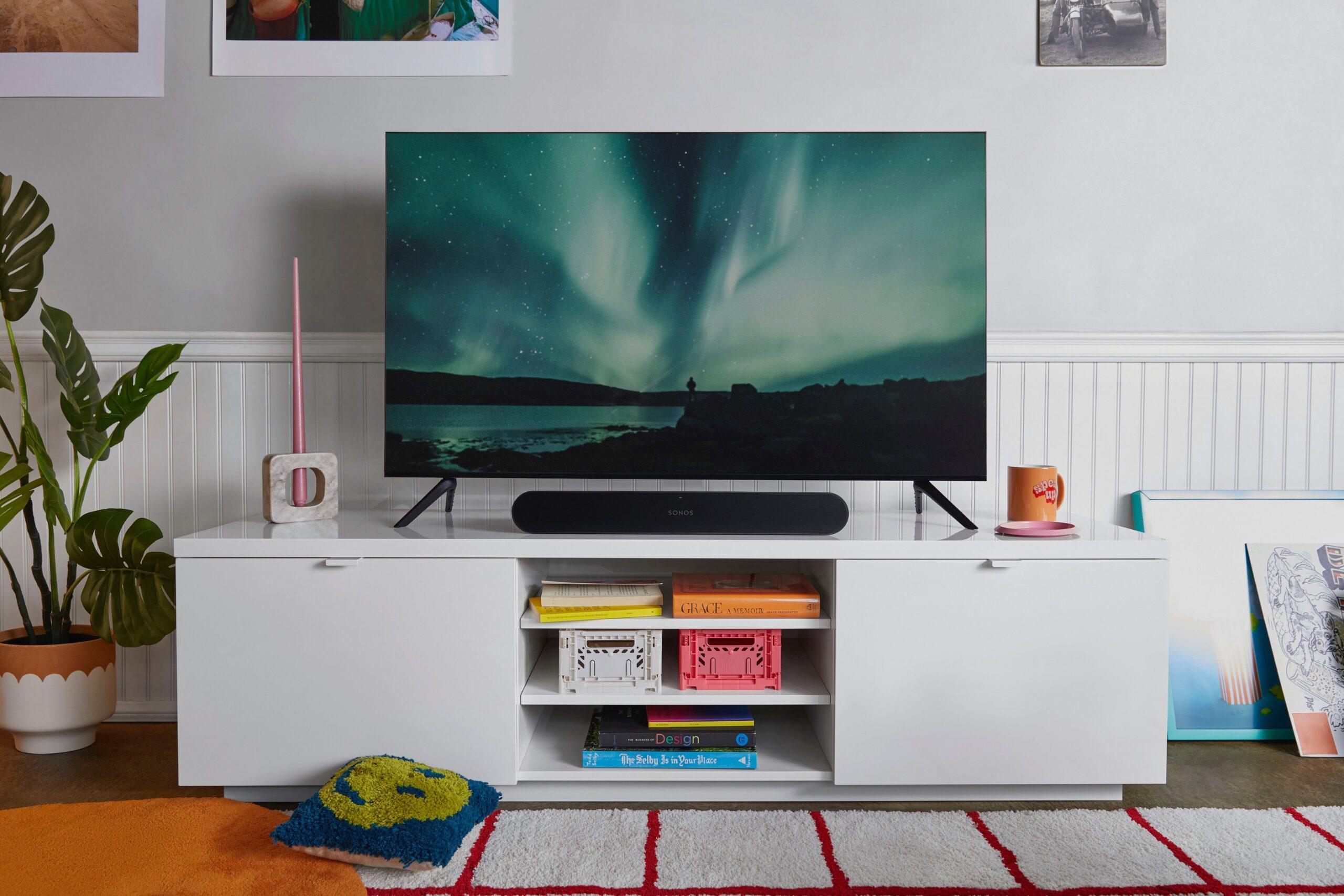
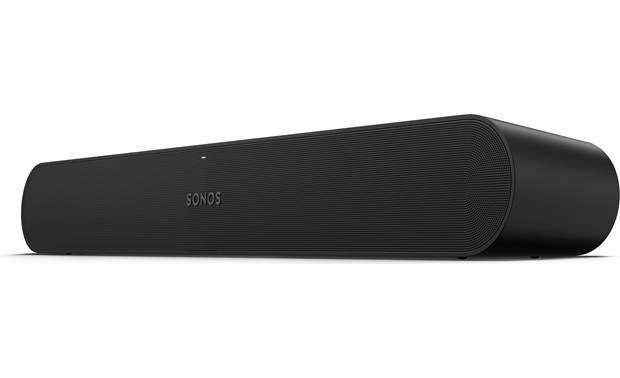
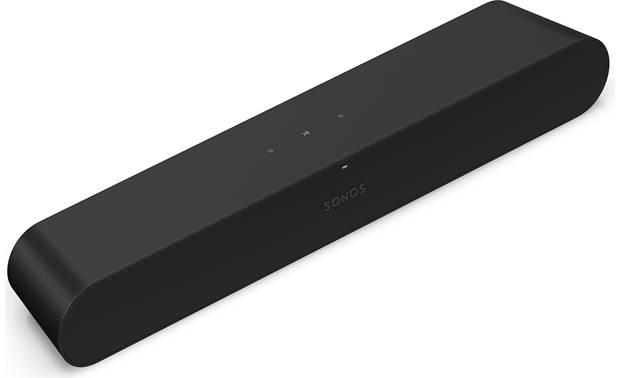
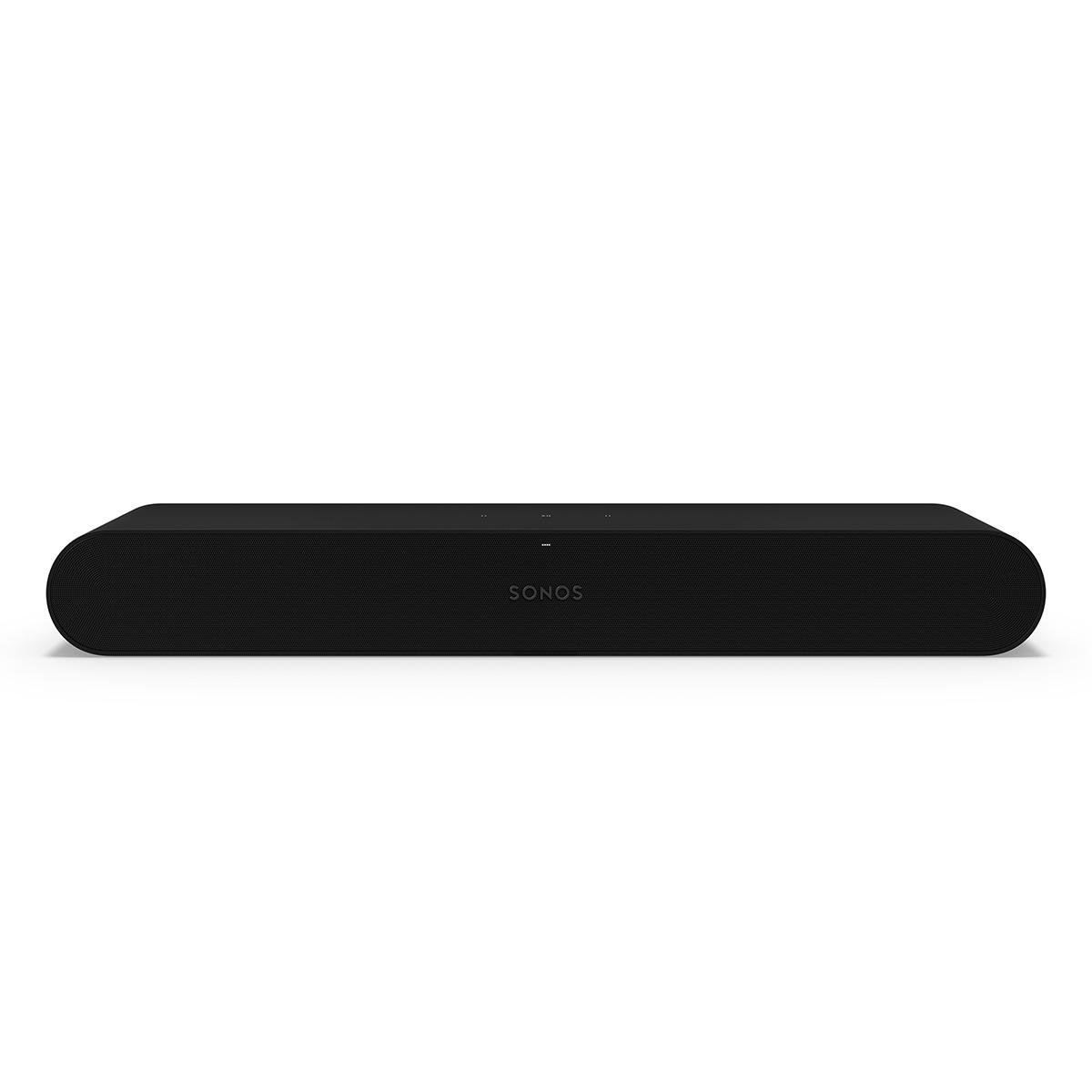
The Sonos Ray, by contrast, represents a "refinement-first" approach. Rather than trying to cram in every possible feature, Sonos focused on doing stereo audio exceptionally well while building in the smart features and expandability that define their ecosystem. Released in 2022 as Sonos's most affordable soundbar, it marked their entry into the budget-conscious market while maintaining their reputation for audio quality.
The Ray includes technologies like Speech Enhancement, which specifically boosts the frequency ranges where human voices live, making dialogue clearer without affecting other sounds. Its Trueplay feature uses your iPhone's microphone to measure your room's acoustics and automatically adjusts the soundbar's output to compensate for things like hard walls, soft furniture, and room size.
The Ultimea M60 Boom flexes its muscles with 340 watts of peak power, though like most audio specifications, this number needs context. Peak power represents the maximum the system can handle for brief moments, while continuous power—what it can sustain—is typically much lower. Still, this gives the M60 Boom the ability to get genuinely loud without distortion, making it suitable for larger rooms or households that like their movies at cinema volumes.
The dedicated subwoofer plays a huge role here. Bass frequencies require moving a lot of air, which is why dedicated subwoofers use larger drivers than what you can fit in a slim soundbar. The M60 Boom's 5.25-inch subwoofer can extend down to 45Hz—low enough to reproduce the rumble of explosions, the thump of electronic music, and the resonance that makes movie soundtracks feel visceral.
The Sonos Ray, working without a subwoofer, takes a different approach. Its four-driver array includes two full-range drivers and two tweeters (speakers optimized for high frequencies), along with carefully designed bass ports that help extend low-frequency response. While it can't match the M60 Boom's raw bass output, it focuses on producing what bass it can with accuracy and control. This means less boom but more musical bass that doesn't overpower other frequencies.
Here's where the Sonos Ray typically shines in our research of user and expert opinions. Its Speech Enhancement feature and overall tuning prioritize the frequency range where human voices live—roughly 300Hz to 3kHz. The result is dialogue that cuts through background music and sound effects, even at moderate volumes.
This matters more than you might think. Many people reflexively turn up the volume when they can't understand dialogue, but this often makes the problem worse by also boosting music and effects. The Ray's approach of selectively enhancing speech frequencies means you can keep the overall volume reasonable while still catching every whispered line.
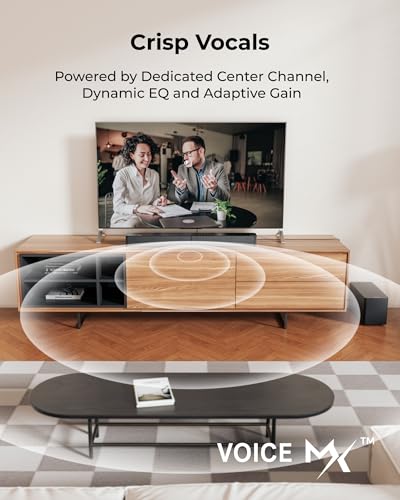
The M60 Boom, with its 5.1 processing and multiple drivers, can separate dialogue into its center channel processing, which should theoretically improve clarity. However, since all five channels are housed in the same soundbar rather than having a dedicated center speaker, the effect is more limited than in true multi-speaker surround systems. User feedback suggests the dialogue clarity is good but not quite at the Sonos Ray's level.
This is where the Ultimea M60 Boom has a clear advantage on paper. Its 5.1 Dolby Atmos processing uses digital signal processing (DSP) to create the illusion that sounds are coming from around and above you. When a helicopter flies across the screen, you should hear it move from left to right. When rain falls in a movie, it should sound like it's coming from overhead.
The reality is more nuanced. True surround sound requires speakers positioned around your room—behind you for rear effects and above or angled upward for height effects. The M60 Boom creates these effects virtually using psychoacoustics (how your brain interprets sound cues) and carefully timed audio processing. It works, but the effect is more convincing with some content than others, and it's not as immersive as systems with dedicated rear speakers.
The Sonos Ray doesn't attempt surround processing, instead focusing on creating an expansive stereo soundstage. Its custom waveguides help project sound broadly across your room, creating what Sonos describes as "wall to wall" audio coverage. While this won't give you the directional effects of surround sound, it can make stereo content sound larger and more enveloping than typical soundbars.
The connectivity story reveals each product's priorities. The M60 Boom includes HDMI eARC, which supports lossless audio formats and provides the highest quality connection to your TV. Its Bluetooth 5.4 connectivity is notably current—the latest version offers improved range, stability, and lower latency, meaning audio stays better synchronized with video when streaming from phones or tablets.
The Sonos Ray makes a bold choice by skipping HDMI entirely, relying on optical digital connection instead. This limits it to compressed audio formats and eliminates some advanced features, but Sonos argues that most users won't notice the difference. Where the Ray excels is Wi-Fi connectivity and streaming integration. It supports Apple AirPlay 2 for high-quality wireless streaming and integrates seamlessly with Sonos's multi-room ecosystem.
This difference reflects each product's target audience. The M60 Boom appeals to home theater enthusiasts who want the best possible connection to their TV and gaming systems. The Sonos Ray targets users who prioritize music streaming and smart home integration over maximum video audio quality.
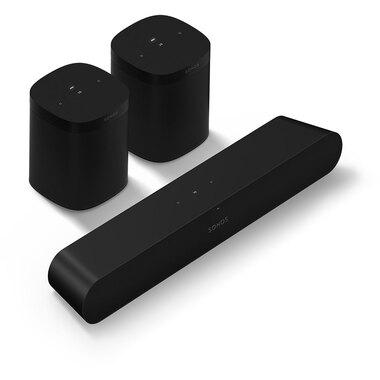
One of the Sonos Ray's biggest long-term advantages is expandability. Sonos designed their entire product line to work together seamlessly. You can start with just the Ray, then add a Sonos Sub for deeper bass, and eventually add rear speakers like the Sonos One SL for true surround sound. The system handles all the wireless connectivity and synchronization automatically.
The M60 Boom, by contrast, is largely a complete system from day one. While Ultimea offers other products, they don't integrate into a cohesive ecosystem the way Sonos products do. This makes the M60 Boom better for users who want immediate satisfaction but potentially limiting for those who might want to expand their audio system over time.
Based on extensive user feedback and professional reviews, several patterns emerge. The M60 Boom consistently impresses users with its bass output and overall impact, especially considering its price point at the time of writing. Many users report being surprised by how much their movie-watching experience improved, particularly for action films and gaming.
However, some users note that the M60 Boom can sound slightly overwhelming in smaller rooms or apartments where neighbors might be a concern. The system also seems to benefit from some EQ adjustment through its app to achieve optimal balance—it's tuned for impact out of the box, but fine-tuning helps with more critical listening.
The Sonos Ray receives consistent praise for dialogue clarity and overall refinement. Users frequently mention being able to follow conversations in movies without subtitles for the first time. Music streaming quality also gets high marks, with many noting that the Ray makes their streaming music sound noticeably better than standard Bluetooth connections.
The Ray's limitations become apparent with very bass-heavy content or in larger rooms where its power limitations show. Some users find themselves wanting more impact for action movies, though others appreciate its more controlled, less aggressive sound signature.
For home theater enthusiasts working with budgets under $200 at the time of writing, the Ultimea M60 Boom offers remarkable value. Its combination of 5.1 processing, dedicated subwoofer, and modern connectivity makes it suitable for users who want to experience surround sound effects and impactful bass without spending premium prices. It's particularly compelling for larger rooms, gaming setups, and households that enjoy action movies at reference volumes.
The Sonos Ray, typically priced in the mid-$200s at the time of writing, makes sense for different priorities. If dialogue clarity is your main concern—perhaps you struggle to follow TV shows and movies on your current setup—the Ray's Speech Enhancement technology directly addresses this problem. It's also the better choice for serious music listeners who want high-quality wireless streaming and the option to expand into Sonos's broader ecosystem over time.
Consider the M60 Boom if you have a dedicated media room or larger living space, enjoy bass-heavy content, and want maximum audio impact for your dollar. Choose the Sonos Ray if you prioritize refined sound over raw power, stream music frequently, value future expandability, or live in an apartment where controlled volume levels matter.
Both represent solid choices that will dramatically improve your TV audio experience. The M60 Boom delivers more immediate wow factor through its surround processing and dedicated bass. The Ray provides longer-term satisfaction through superior build quality, ecosystem integration, and more refined sound tuning. Your choice should depend on whether you value maximum impact now or premium features and expandability for the future.
| Ultimea Poseidon M60 Boom 5.1 Soundbar | Sonos Ray Soundbar |
|---|---|
| Audio Channels - Determines surround sound capability and immersion | |
| 5.1 Dolby Atmos with virtual surround processing | Stereo with advanced stereo imaging |
| Peak Power Output - Affects maximum volume and room-filling capability | |
| 340W peak power (suitable for larger rooms) | Unspecified lower output (optimized for smaller-medium rooms) |
| Subwoofer - Critical for bass response and movie impact | |
| Dedicated 5.25" wireless subwoofer with BassMX technology | No subwoofer (relies on built-in bass ports) |
| Connectivity Options - Determines compatibility with devices and audio quality | |
| HDMI eARC, Bluetooth 5.4, Optical, USB, AUX | Optical only (no HDMI or Bluetooth) |
| Smart Features - Affects streaming quality and ecosystem integration | |
| Basic app control with EQ customization | Wi-Fi streaming, Apple AirPlay 2, Trueplay room correction |
| Dialogue Enhancement - Most important for TV and movie clarity | |
| Good dialogue separation through 5.1 processing | Advanced Speech Enhancement technology (superior) |
| Frequency Response - Shows bass extension and overall range | |
| 45Hz-18kHz (deeper bass with subwoofer) | Higher bass rolloff without subwoofer (tighter, more controlled) |
| Setup Complexity - Time and effort required to get optimal sound | |
| Moderate (subwoofer placement, may need EQ adjustment) | Simple (automatic room correction with iPhone) |
| Expandability - Future upgrade potential | |
| Limited (standalone system) | Excellent (integrates with full Sonos ecosystem) |
| Best Use Cases - Who should choose this product | |
| Home theaters, gaming, action movies, bass lovers | Music streaming, dialogue-focused content, apartment living |
| Room Size Recommendation - Based on power and acoustic design | |
| Medium to large rooms | Small to medium rooms |
| Build Quality - Affects longevity and reliability | |
| Good for price point | Premium construction and materials |
The Ultimea Poseidon M60 Boom is generally better for movies due to its 5.1 Dolby Atmos surround sound and dedicated subwoofer, which creates more immersive audio with deeper bass for action scenes. However, the Sonos Ray excels at dialogue clarity with its Speech Enhancement technology, making it ideal if you struggle to understand conversations in shows and movies.
The biggest difference is their approach: the Ultimea M60 Boom focuses on surround sound impact with 5.1 channels and a subwoofer, while the Sonos Ray prioritizes stereo audio refinement and smart streaming features. The M60 Boom offers more theatrical experience, while the Ray delivers superior dialogue clarity and music quality.
The Ultimea Poseidon M60 Boom has significantly better bass due to its dedicated 5.25" subwoofer with BassMX technology. It can reproduce frequencies down to 45Hz, providing the deep rumble needed for movies and music. The Sonos Ray relies on built-in bass ports and produces more controlled, accurate bass but with less impact.
The Ultimea M60 Boom includes a subwoofer, so you're set from day one. The Sonos Ray doesn't include one but can be paired with the Sonos Sub later if you want deeper bass. Most users find the Ray adequate for dialogue and music without additional bass, but movie enthusiasts often prefer adding the subwoofer.
The Sonos Ray is superior for music streaming thanks to its Wi-Fi connectivity, Apple AirPlay 2 support, and refined stereo tuning. It delivers higher-quality wireless audio than Bluetooth and integrates with streaming services seamlessly. The Ultimea M60 Boom uses Bluetooth 5.4 for music streaming, which works well but doesn't match the Ray's streaming quality.
The Ultimea Poseidon M60 Boom offers more connection types including HDMI eARC, Bluetooth 5.4, optical, USB, and AUX inputs. The Sonos Ray only has optical input but compensates with superior Wi-Fi streaming and Apple AirPlay 2. Choose the M60 Boom if you need multiple wired connections, or the Ray if wireless streaming is your priority.
The Sonos Ray is generally easier to set up thanks to its simple optical connection and automatic Trueplay room correction using an iPhone. The Ultimea M60 Boom requires placing the subwoofer and may need manual EQ adjustment for optimal sound. Both include user-friendly apps, but the Ray handles room optimization automatically.
Both work in apartments, but serve different needs. The Sonos Ray is better for noise-conscious living with its Night Sound feature and more controlled output. The Ultimea M60 Boom can get quite loud and may overwhelm smaller spaces, but its app-based EQ controls help you dial in appropriate levels for apartment living.
The Ultimea Poseidon M60 Boom typically offers better immediate value by including surround sound processing and a subwoofer at a lower price point. The Sonos Ray costs more but provides superior build quality, streaming features, and expandability. Choose the M60 Boom for maximum features per dollar, or the Ray for long-term ecosystem benefits.
The Sonos Ray has superior dialogue clarity thanks to its dedicated Speech Enhancement feature that boosts voice frequencies. Users consistently report being able to follow conversations without turning up the volume. The Ultimea M60 Boom provides good dialogue separation through its 5.1 processing but doesn't match the Ray's specialized voice enhancement technology.
The Sonos Ray offers excellent expandability within the Sonos ecosystem - you can add a Sonos Sub for bass and rear speakers for true surround sound. The Ultimea Poseidon M60 Boom is essentially complete as-is, with limited expansion options. If you plan to build a larger audio system over time, the Ray provides a better foundation.
The Ultimea M60 Boom is generally better for gaming due to its 5.1 surround processing, impactful bass, and HDMI eARC connection for high-quality audio from gaming consoles. Its Bluetooth 5.4 also offers low latency for wireless gaming audio. The Sonos Ray works for gaming but lacks the surround effects and bass impact that enhance the gaming experience.
We've done our best to create useful and informative comparisons to help you decide what product to buy. Our research uses advanced automated methods to create this comparison and perfection is not possible - please contact us for corrections or questions. These are the sites we've researched in the creation of this article: ultimea.com - ultimea.com - youtube.com - bestbuy.com - youtube.com - avsforum.com - youtube.com - manuals.plus - youtube.com - device.report - ultimea.com - ultimea.de - community.ultimea.com - ultimea.com - community.ultimea.com - ultimea.com - youtube.com - aliexpress.com - ultimea.com - techradar.com - soundandvision.com - youtube.com - appleinsider.com - youtube.com - sonos.com - cnet.com - howtogeek.com - pcrichard.com - en.community.sonos.com - epicsystems.tech - en.community.sonos.com - cepro.com - videoandaudiocenter.com

Privacy Policy
Terms and Conditions - Affiliate Policy
Home Security
© Copyright 2008-2026.
11816 Inwood Rd #1211, Dallas, TX 75244