





If you're tired of constantly asking "what did they say?" during your favorite shows or cranking up the volume to hear explosions properly, you're not alone. TV speakers have gotten progressively worse as manufacturers make screens thinner, leaving little room for decent audio hardware. That's where soundbars come in—they're the most popular solution for dramatically improving your TV's audio without the complexity and cost of a full surround sound system.
But here's where things get interesting: not all soundbars are created equal, and the choice between a 2.1-channel system and a 5.1-channel system can make a huge difference in your listening experience. Today we're comparing two very different approaches to solving your audio problems: the Ultimea Poseidon M60 Boom, which launched in 2025 as an ambitious budget 5.1 system, and the LG S40T, a refined 2.1 system that's been winning over users with its simplicity and smart features.
Before diving into our comparison, let's talk about what those numbers actually mean. When you see "2.1" or "5.1," the first number represents the main speakers, and the number after the decimal point indicates subwoofers. A 2.1 system has left and right speakers plus a subwoofer for bass. A 5.1 system adds a center channel (crucial for dialogue) and two surround speakers, creating that wraparound sound you experience in movie theaters.
The key considerations when choosing between soundbars boil down to a few critical factors. First is your room size—bigger rooms need more power and potentially more speakers to fill the space effectively. Second is your primary content type—movie lovers benefit more from surround sound than casual TV watchers. Third is your technical comfort level—some systems require more setup and tweaking than others. Finally, there's the integration factor—how well the soundbar works with your existing TV and devices can make or break the daily experience.
Since 2020, soundbar technology has evolved rapidly. Dolby Atmos support (which creates overhead sound effects) has trickled down to budget models, Bluetooth connectivity has improved dramatically with version 5.0 and newer, and smartphone apps now offer unprecedented control over audio settings. These improvements mean you can get features in today's budget soundbars that required premium models just a few years ago.
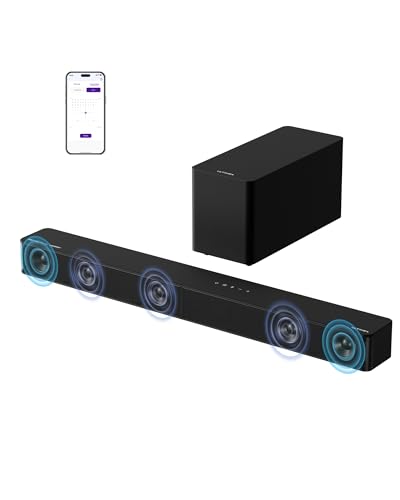
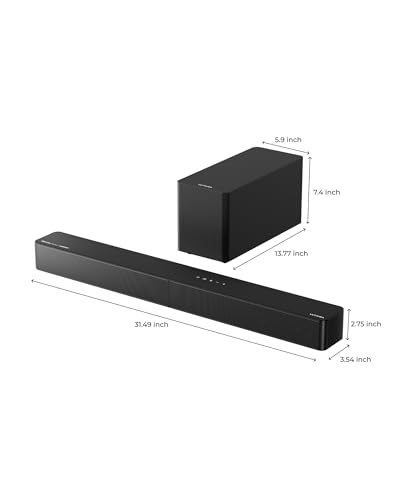
The Ultimea Poseidon M60 Boom represents an interesting gamble in the soundbar market. Released in 2025, it attempts to deliver true 5.1-channel Dolby Atmos surround sound at a budget-friendly price point. The system consists of a modular soundbar that houses all five main speakers and comes with a wired subwoofer featuring what Ultimea calls "BassMX Technology."
What makes the M60 Boom unique is its modular design—the soundbar arrives in sections that twist together to form one unified bar. This approach allows for easier shipping and potentially better driver positioning, though it does mean a bit more assembly than typical soundbars. The system pumps out 340W of peak power and includes some impressive technical specs for its price range, including triple-core DSP (Digital Signal Processing) chips that handle real-time audio optimization.
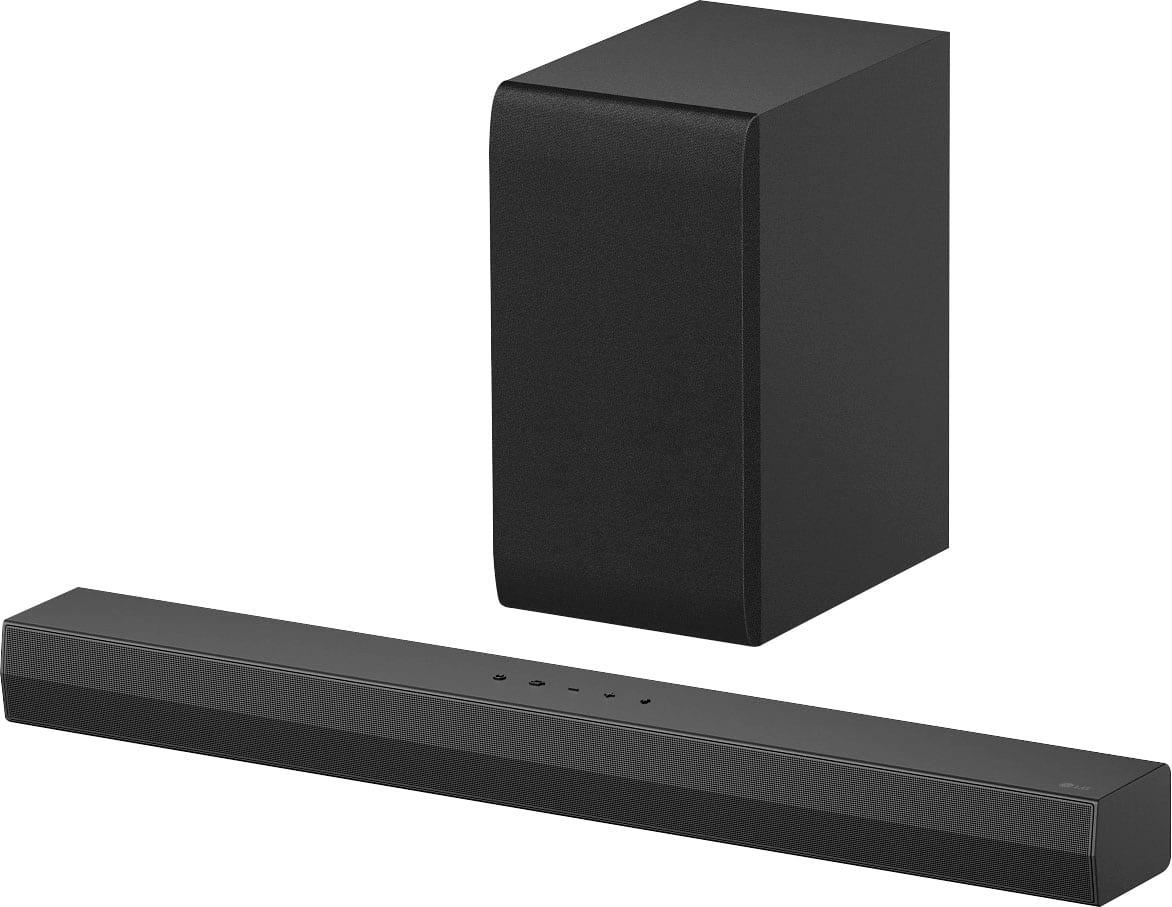
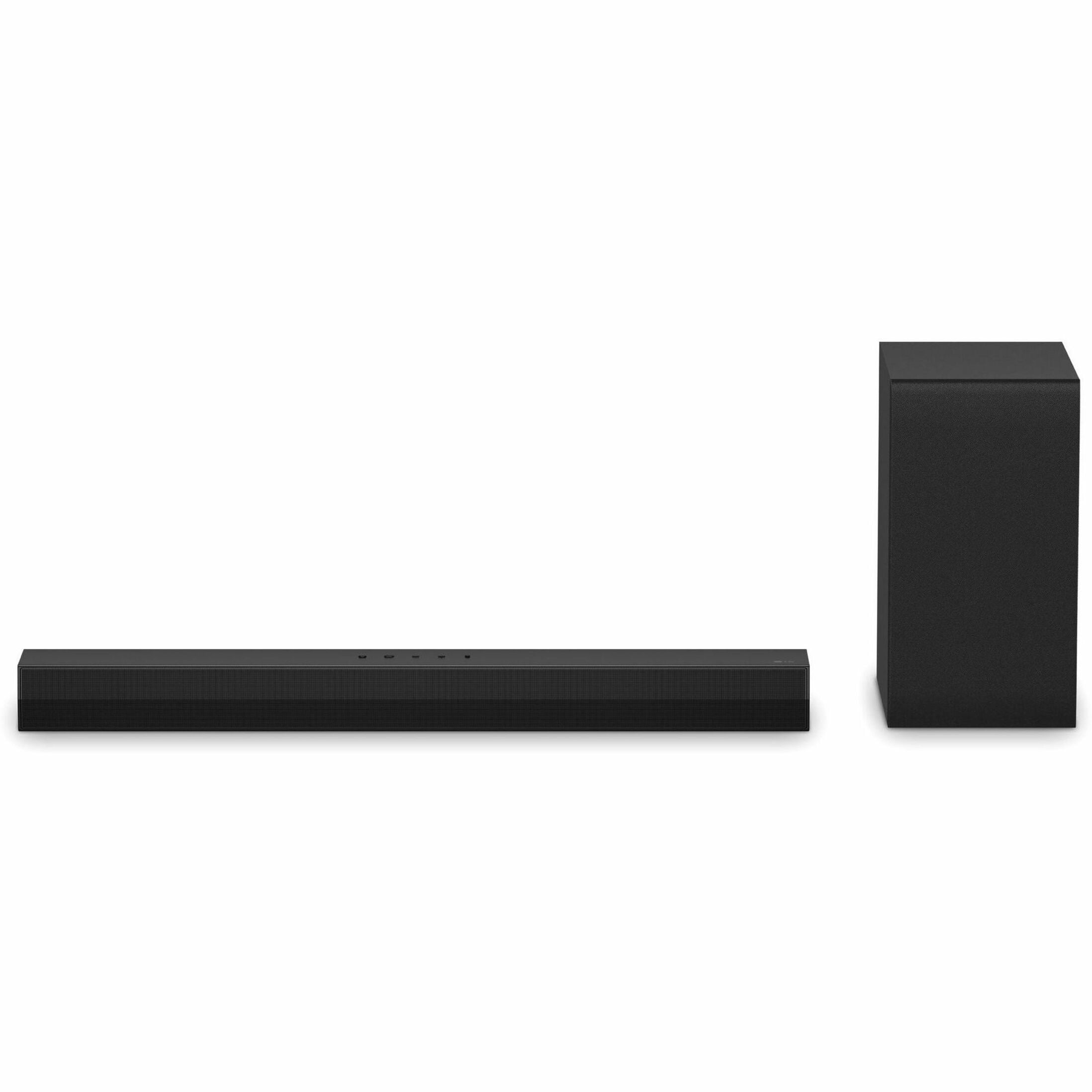
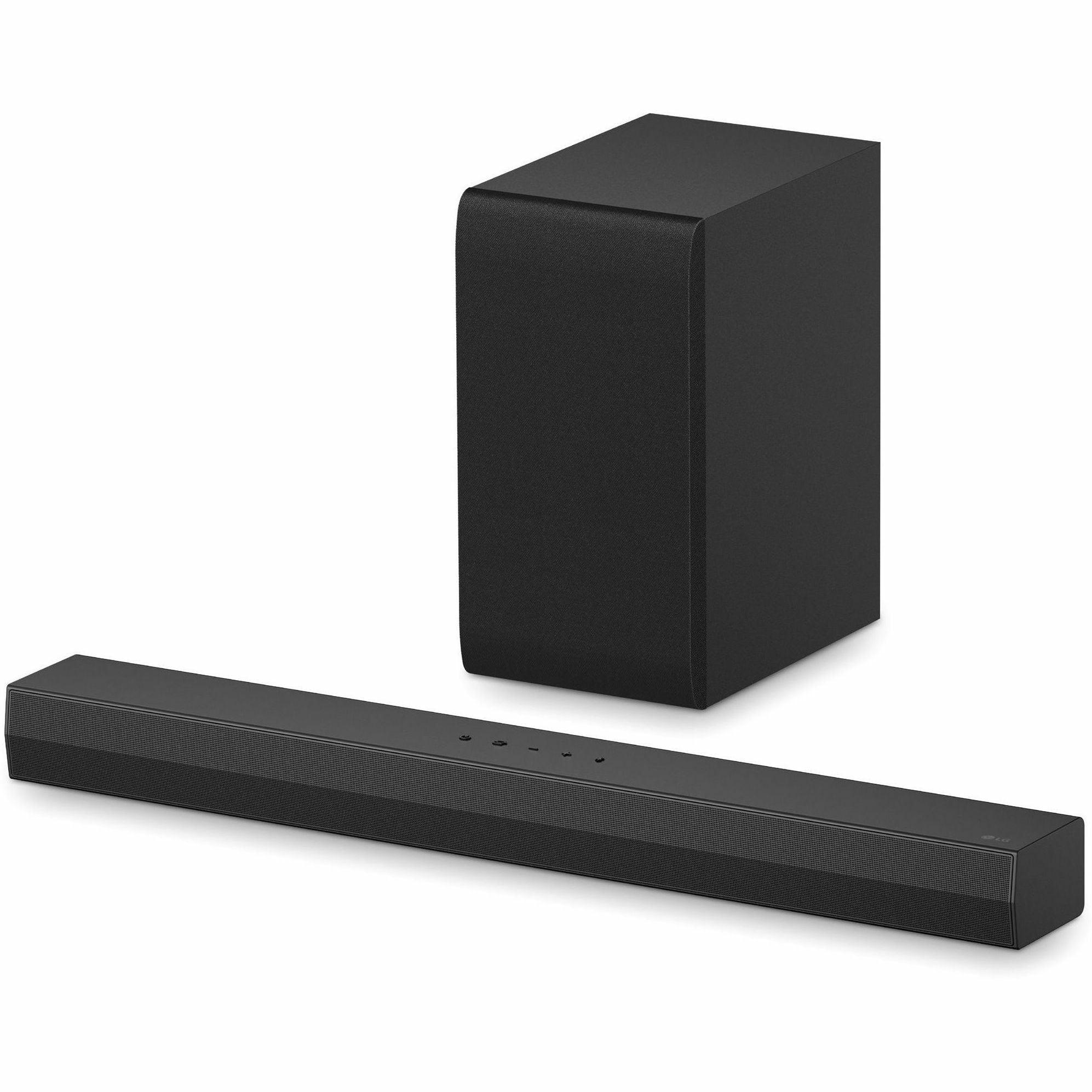
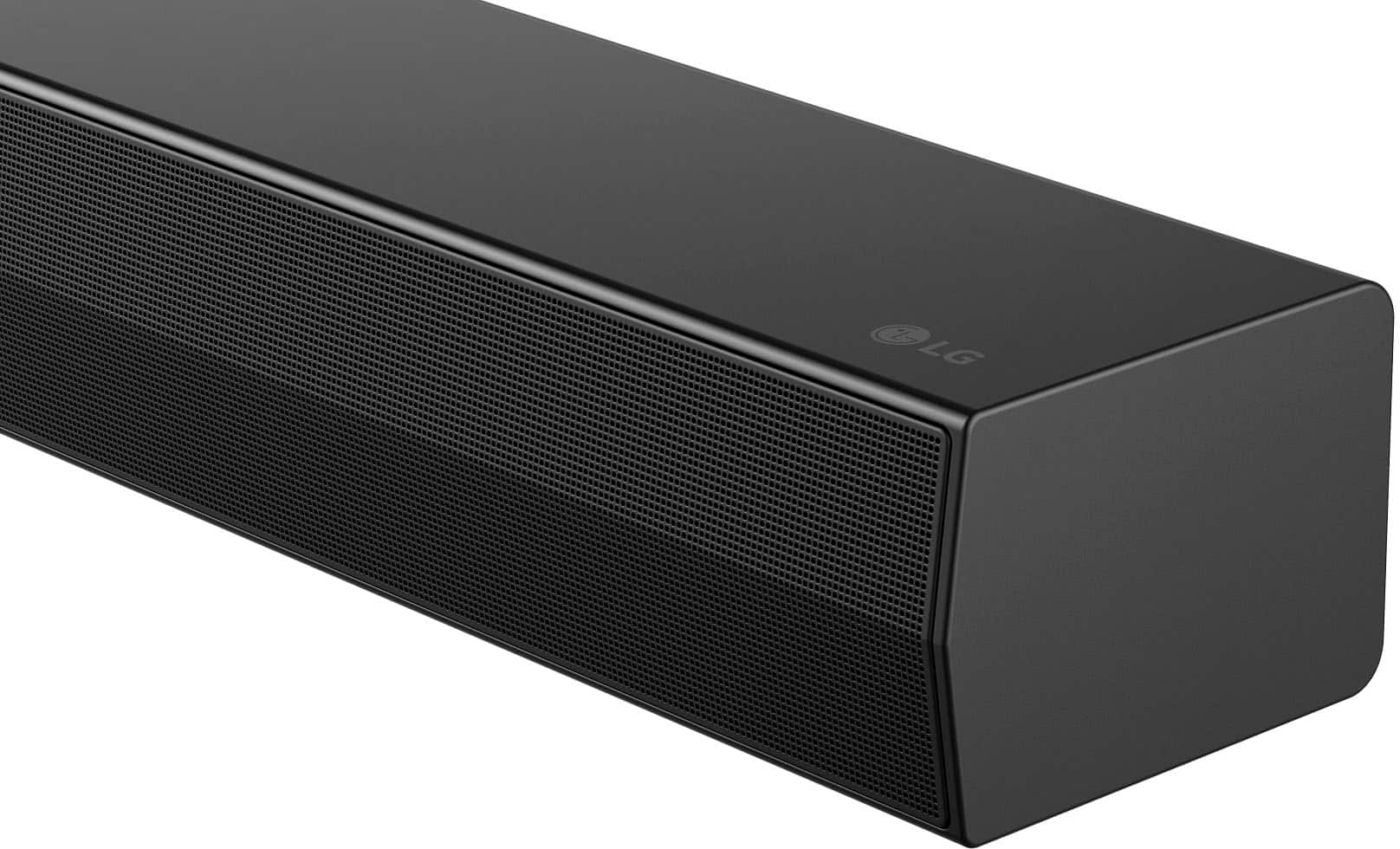
The LG S40T, in contrast, takes a more traditional approach that's been refined over time. This 2.1 system focuses on doing the basics exceptionally well rather than cramming in every possible feature. Released as part of LG's current lineup, it delivers 300W RMS power (which is more consistent than peak power ratings) through a compact design that's particularly well-suited to LG TV owners thanks to deep integration features.
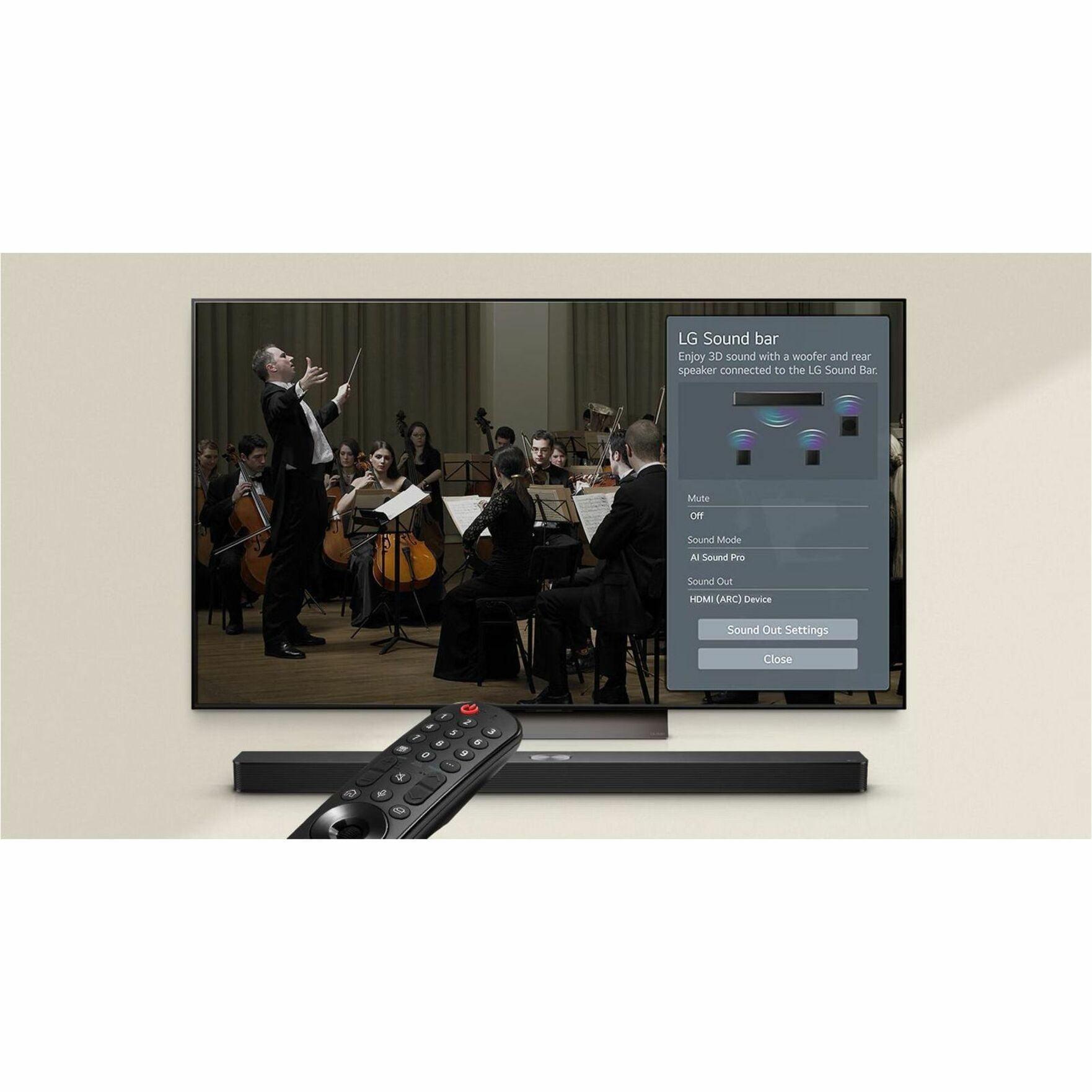
What sets the S40T apart is LG's "Clear Voice Plus" technology, which specifically enhances dialogue frequencies—something many users struggle with when upgrading from TV speakers. The system also features a completely wireless subwoofer and what LG calls the "WOW Interface," allowing seamless control through your TV's remote.
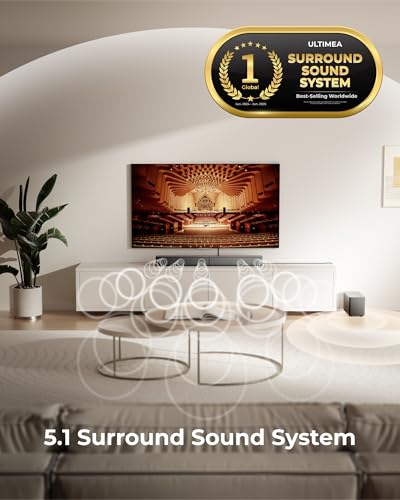
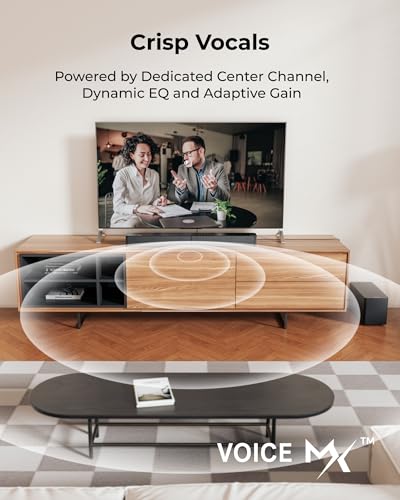
Here's where the fundamental difference between these systems becomes apparent. The Ultimea M60 Boom aims to create a true surround sound experience by dedicating individual drivers to each of the five main channels. This means dialogue comes from a dedicated center speaker, music and effects split between left and right speakers, and ambient sounds emanate from the surround channels—all housed within the main soundbar unit.
The technical achievement here is impressive. Most budget soundbars fake surround sound by processing stereo signals and trying to create a wider soundstage. The M60 Boom actually decodes 5.1 audio tracks and sends distinct information to each speaker. The triple-core DSP system, running at over 2000 MIPS (Million Instructions Per Second), handles this complex processing in real-time, adjusting audio based on content type and room acoustics.
However, there's a catch—and it's important. While the M60 Boom has true 5.1 channels, those surround speakers are still pointing forward from the main bar. Physics hasn't been suspended; you're not getting sound from behind or beside you like you would with dedicated rear speakers. What you do get is much better channel separation and a wider, more detailed soundstage than typical 2.1 systems.
The LG S40T takes a different philosophy entirely. Instead of trying to simulate surround sound, it focuses on perfecting the 2.1 experience. The Clear Voice Plus technology is particularly noteworthy—it actively monitors dialogue frequencies and boosts them when background music or effects might otherwise mask speech. This addresses one of the most common complaints about soundbars: dialogue getting lost in the mix.
From our research into user experiences and professional reviews, the difference is quite noticeable. The M60 Boom excels with action movies, where the additional channels create a more immersive experience with better positioning of sound effects. Explosions feel bigger, and you can actually distinguish between sounds coming from different parts of the screen. The S40T, meanwhile, shines with dialogue-heavy content like dramas or comedies, where speech clarity takes priority over surround effects.
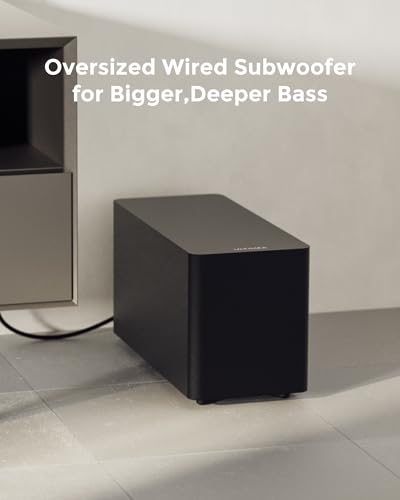
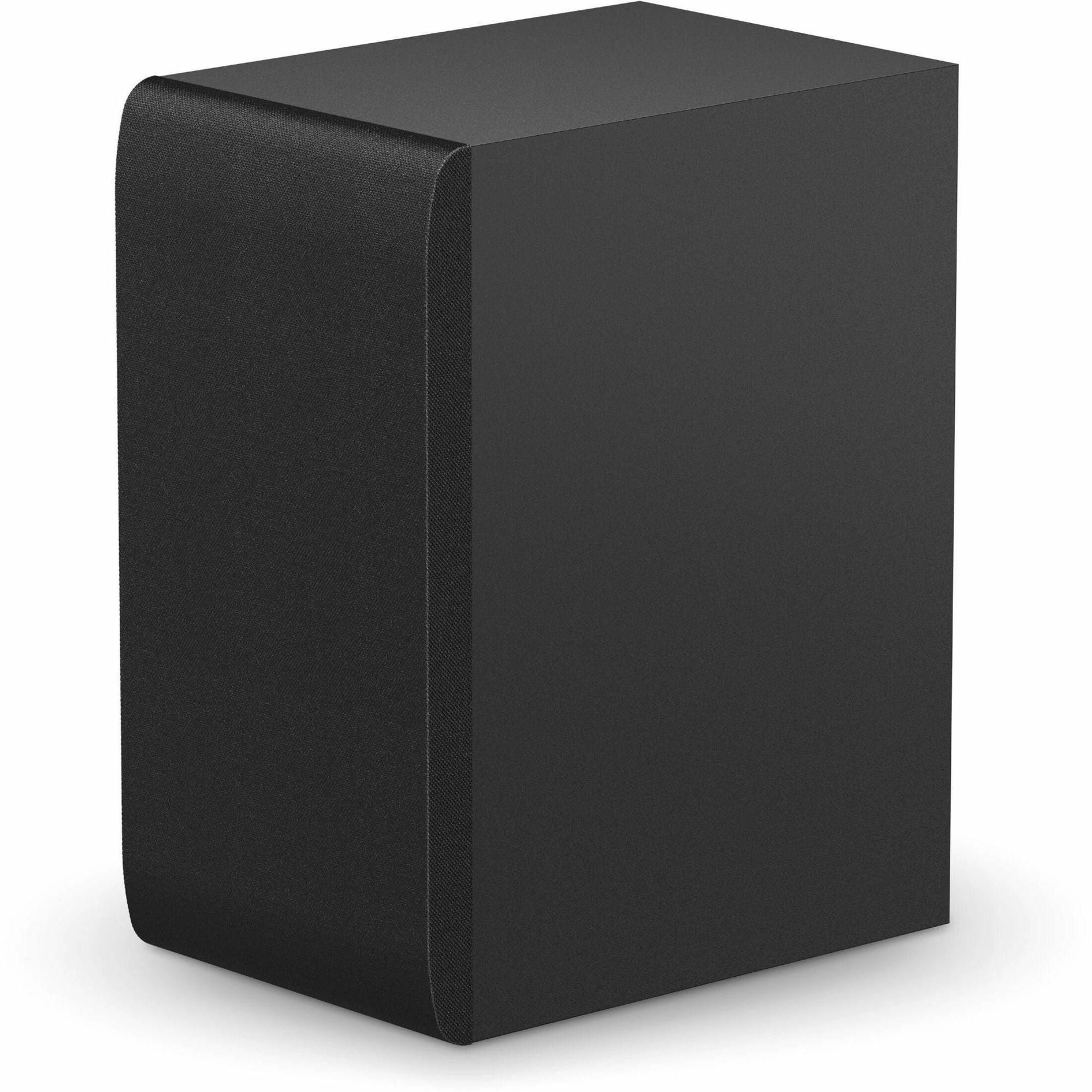
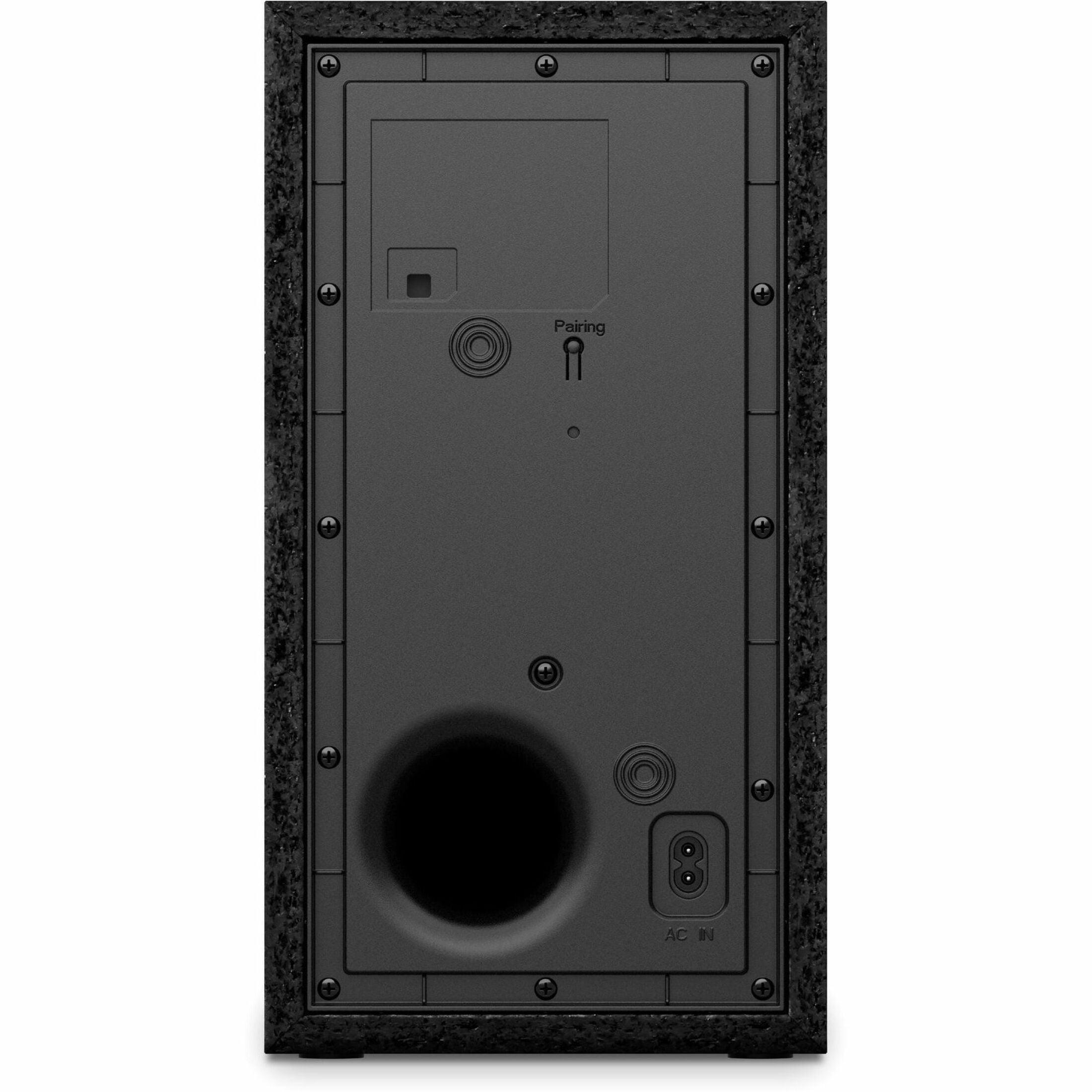
Bass performance often makes or breaks a soundbar system, and both approaches here have merit. The Ultimea M60 Boom uses its BassMX Technology with a 5.25-inch driver capable of 16mm excursion—that's how far the speaker cone can move back and forth. More excursion generally means deeper, more impactful bass. The wooden subwoofer cabinet also helps, as wood resonates differently than plastic, often producing warmer, more natural-sounding bass.
The wired connection between the soundbar and subwoofer in the M60 Boom ensures consistent performance without the potential dropouts that can plague wireless systems. However, this does limit where you can place the subwoofer, which can be problematic in some room layouts.
The LG S40T counters with a larger 6.7-inch wireless subwoofer that includes a passive radiator design. Passive radiators work like additional speakers but without the electrical components—they move in response to the main driver's output, effectively increasing the surface area moving air and enhancing bass response. The wireless design gives you much more flexibility in subwoofer placement, which can dramatically affect bass performance depending on your room's acoustics.
Based on user feedback we've analyzed, the M60 Boom tends to produce tighter, more controlled bass that integrates well with action movie soundtracks. The S40T delivers slightly deeper bass with more flexibility in tuning it to your room, though some users report needing to adjust placement to avoid overwhelming smaller spaces.
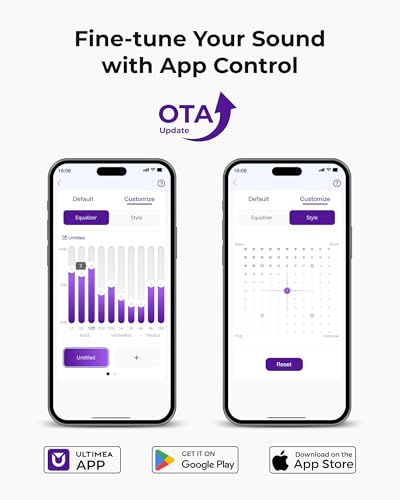
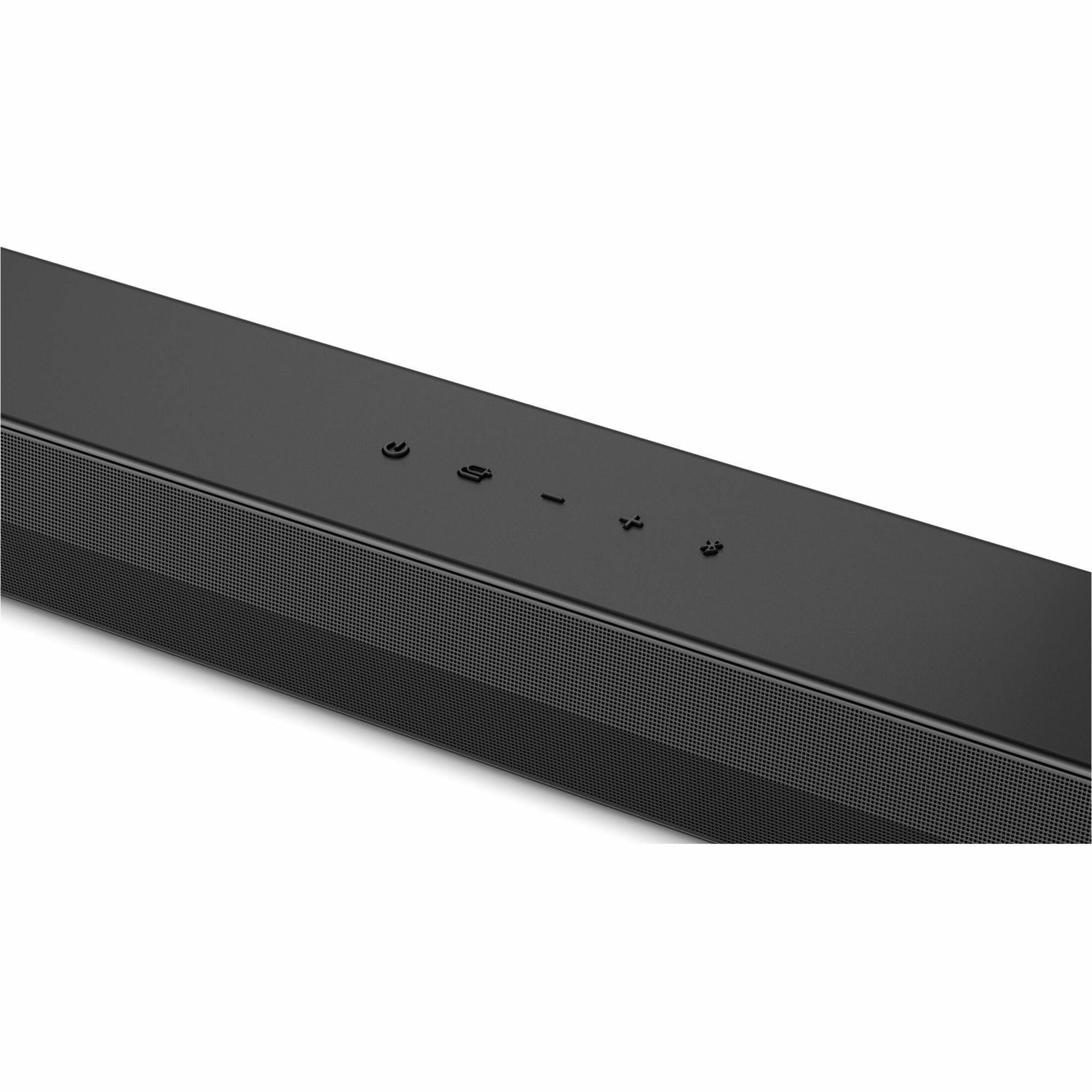
Modern soundbars live or die by how easy they are to use every day, and this is where we see some interesting trade-offs. The Ultimea M60 Boom includes comprehensive smartphone app control through the Ultimea Smart APP, offering detailed EQ customization that lets you adjust not just bass and treble, but multiple frequency bands to tune the sound exactly to your preferences.
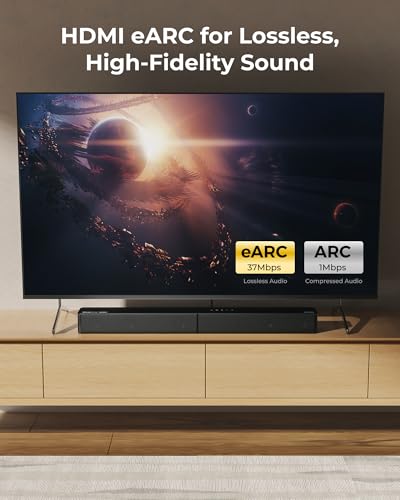
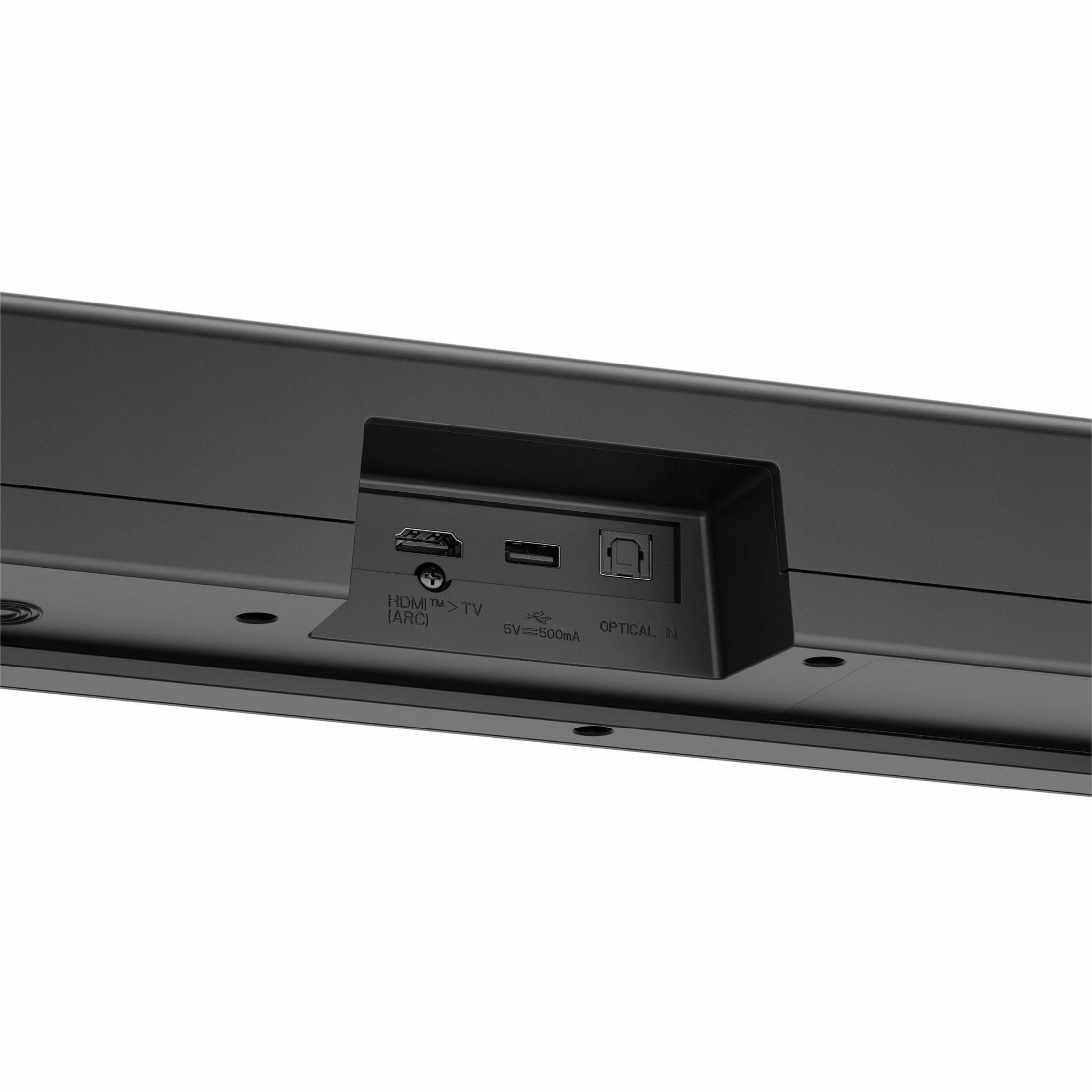
The system supports HDMI eARC (Enhanced Audio Return Channel), which allows for lossless audio transmission from compatible TVs. This means you can get the full quality of Dolby Atmos tracks without any compression. The Bluetooth 5.4 connectivity is particularly noteworthy—this latest version offers significantly lower latency than older Bluetooth standards, making it viable for gaming and ensuring audio stays perfectly synced with video.
The LG S40T takes a more integrated approach, especially if you own an LG TV. The WOW Interface allows the soundbar to communicate directly with LG TVs, enabling single-remote control and automatic audio optimization based on what you're watching. This might sound like a minor convenience, but it eliminates one of the biggest daily frustrations with soundbars—juggling multiple remotes and remembering which input does what.
LG's app is simpler than Ultimea's, offering basic EQ adjustments and volume controls. Some might see this as a limitation, but it reflects LG's philosophy of making the experience as straightforward as possible. The Bluetooth 5.3 connectivity is nearly as good as the M60 Boom's 5.4 standard, with minimal practical difference for most users.
The physical design differences between these systems reflect their underlying philosophies. The Ultimea M60 Boom modular approach is innovative but requires some assembly. You'll need to connect the soundbar sections and run a cable to the subwoofer. The benefit is flexibility—you can wall-mount the system and position it exactly where you want.
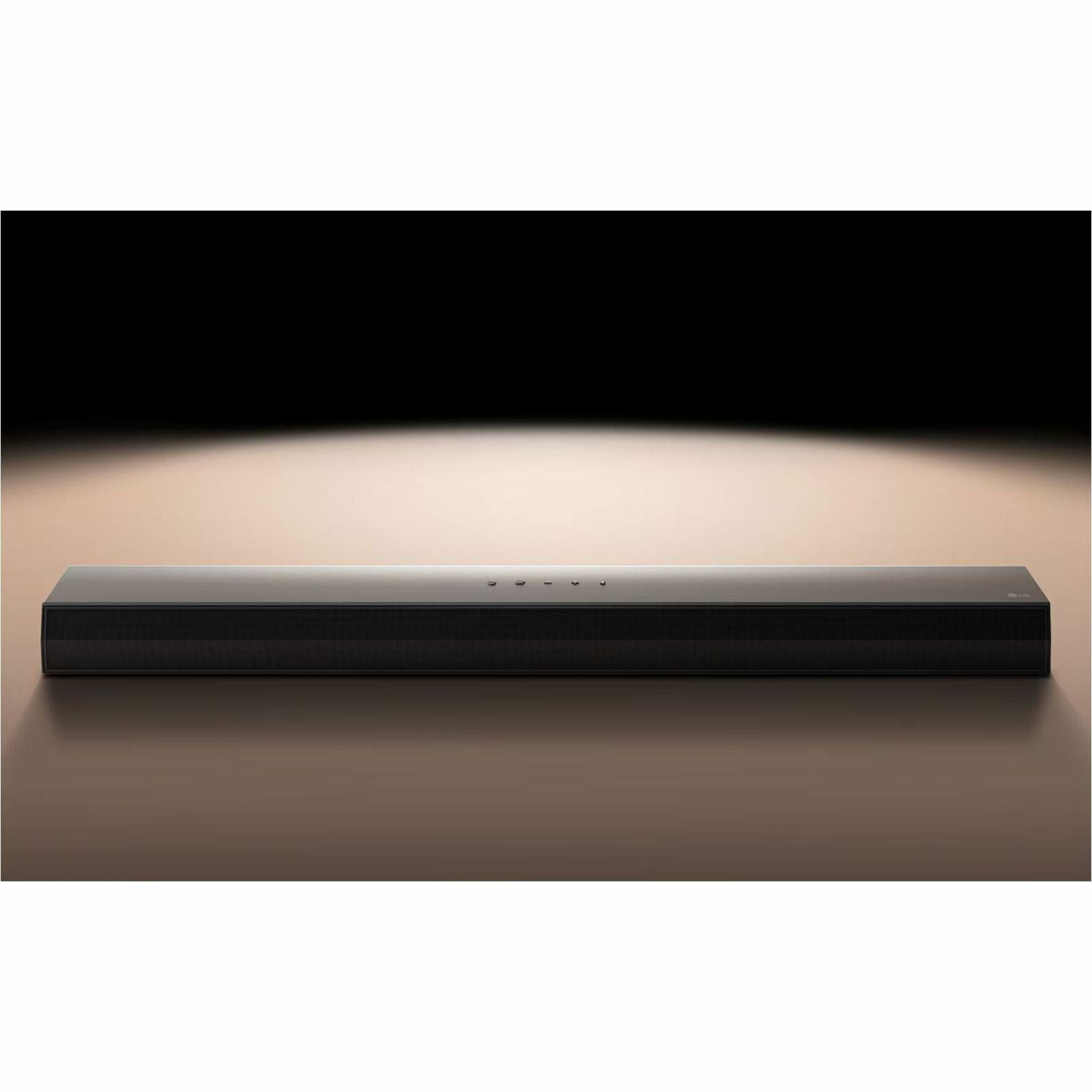
The S40T prioritizes simplicity with its single-bar design and wireless subwoofer. At just 28.4 inches wide and weighing only 3.6 pounds, it fits easily on most TV stands without dominating the space. However, LG made a puzzling decision to omit wall-mounting capability, limiting installation options.
From a practical standpoint, the S40T's wireless subwoofer gives it a significant advantage in terms of room integration. Bass frequencies are omnidirectional, meaning subwoofer placement dramatically affects performance. Being able to experiment with different positions—under furniture, in corners, or anywhere within wireless range—lets you optimize bass response for your specific room acoustics.
Let's talk about how these systems perform in actual use cases. For movie watching, particularly action films with dynamic soundtracks, the Ultimea M60 Boom delivers a noticeably more immersive experience. The additional channels create better sound separation, making it easier to follow complex audio scenes. Dolby Atmos content, while not providing true overhead effects without upfiring speakers, still benefits from the improved processing and channel separation.
For gaming, the M60 Boom's ultra-low latency Bluetooth and 5.1 processing provide distinct advantages. Directional audio cues become much clearer, which can be crucial in competitive gaming. The higher power output also means it can deliver impactful sound effects without distortion.
The LG S40T excels in daily TV watching scenarios. The Clear Voice Plus technology genuinely improves dialogue intelligibility, which matters more than surround effects for most television content. News programs, sitcoms, and dramas all benefit from this focused approach. The system also handles music streaming excellently, with the 2.1 configuration providing natural stereo imaging that doesn't artificially separate instruments across multiple channels.
For smaller to medium-sized rooms, the S40T often performs better overall. Its 300W RMS power output is well-suited to these spaces without overwhelming them, and the balanced frequency response works well without extensive tweaking. The M60 Boom can sound overpowering in smaller rooms unless you spend time adjusting the EQ settings through its app.
At the time of writing, both systems represent solid value in their respective categories, though they target different priorities. The Ultimea Poseidon M60 Boom delivers features typically found in soundbars costing significantly more, particularly the true 5.1-channel processing and comprehensive app control. For users who prioritize maximum audio performance per dollar and don't mind some setup complexity, it's an exceptional value.
The LG S40T costs more per feature but emphasizes refinement and ease of use. You're paying for LG's brand support, proven reliability, and seamless integration if you own compatible TVs. The simplicity premium is real, but for many users, the reduced complexity and better daily experience justify the additional cost.
It's worth noting that the M60 Boom represents newer technology with less long-term reliability data, while the S40T benefits from LG's established service network and proven track record in the soundbar market.
Choose the Ultimea Poseidon M60 Boom if you're primarily focused on movie and gaming experiences, have a medium to large room that can handle its power output, and don't mind spending time optimizing settings through the smartphone app. The true 5.1-channel processing and Dolby Atmos support make it ideal for users who want the most immersive audio experience possible within budget constraints. It's also the better choice if you own multiple TV brands or frequently connect various devices.
The LG S40T makes more sense if you prioritize dialogue clarity over surround effects, prefer simple setup and operation, or own an LG TV that can take advantage of the integration features. It's particularly well-suited to smaller rooms and users who value music listening equally with movie watching. The wireless subwoofer flexibility and Clear Voice Plus technology make it excellent for daily television viewing.
Ultimately, both soundbars will dramatically improve your TV audio experience compared to built-in speakers. Your choice should align with whether you prioritize maximum audio immersion and don't mind some complexity (M60 Boom) or prefer balanced performance with superior convenience (S40T). Either way, you'll wonder why you waited so long to upgrade your audio setup.
| Ultimea Poseidon M60 Boom | LG S40T |
|---|---|
| Channel Configuration - Determines surround sound capability and immersion level | |
| 5.1 channels with dedicated center, left, right, and surround speakers | 2.1 channels with left, right speakers plus subwoofer |
| Audio Technologies - Advanced formats create more cinematic experiences | |
| Dolby Atmos, BassMX Technology, Triple-Core DSP processing | Dolby Digital, DTS Digital, Clear Voice Plus dialogue enhancement |
| Power Output - Affects maximum volume and dynamic range handling | |
| 340W peak power with 99dB maximum SPL | 300W RMS power (more consistent than peak ratings) |
| Subwoofer Design - Impacts bass quality and placement flexibility | |
| 5.25" wired subwoofer with 16mm excursion, wooden cabinet | 6.7" wireless subwoofer with passive radiator design |
| Connectivity Options - Determines compatibility with devices and audio quality | |
| HDMI eARC, Bluetooth 5.4, optical, USB, CEC integration | HDMI ARC, Bluetooth 5.3, optical, WOW Interface for LG TVs |
| Smart Features - Controls daily usability and customization options | |
| Ultimea Smart APP with comprehensive EQ, multiple sound modes | LG app with basic EQ, single-remote control with LG TVs |
| Physical Design - Affects installation options and room integration | |
| Modular design, wall-mountable, wired subwoofer limits placement | Single-bar design, tabletop only, wireless sub for flexible placement |
| Setup Complexity - Time and effort required for optimal performance | |
| Requires assembly and subwoofer cable connection, benefits from EQ tuning | Plug-and-play setup, automatic optimization with compatible LG TVs |
| Target Use Case - Primary scenarios where each system excels | |
| Movie theaters and gaming with immersive surround sound priority | Daily TV watching with emphasis on dialogue clarity and simplicity |
| Release Period - Indicates technology maturity and long-term support | |
| 2025 release with latest tech but limited reliability data | Current established model with proven track record |
The Ultimea Poseidon M60 Boom is significantly better for movies due to its true 5.1-channel surround sound and Dolby Atmos support. It creates a more immersive cinematic experience with better sound separation and positioning effects. The LG S40T focuses on dialogue clarity, which is excellent for TV shows and dramas, but lacks the surround sound channels that make action movies more engaging.
The Ultimea M60 Boom has 5.1 channels, meaning it has left, right, center, and two surround speakers plus a subwoofer for bass. This creates true surround sound with dedicated speakers for dialogue and ambient effects. The LG S40T has 2.1 channels with just left and right speakers plus a subwoofer, offering stereo sound with enhanced bass but no surround effects.
Both offer excellent bass but in different ways. The Ultimea M60 Boom features BassMX Technology with a 5.25" wired subwoofer that delivers tight, controlled bass ideal for movies. The LG S40T has a larger 6.7" wireless subwoofer with passive radiator design that provides deeper bass with more placement flexibility to optimize performance in your room.
Yes, the Ultimea Poseidon M60 Boom requires more setup effort. It comes in modular sections that need assembly, requires a wired subwoofer connection, and benefits from EQ adjustment through its smartphone app. The LG S40T offers true plug-and-play setup with wireless subwoofer and automatic optimization, especially with LG TVs.
The LG S40T is specifically designed for seamless LG TV integration with its WOW Interface, allowing single-remote control and automatic audio optimization. While the Ultimea M60 Boom works with LG TVs through HDMI eARC and CEC, it doesn't offer the same level of integrated experience that LG TV owners get with the S40T.
Only the Ultimea Poseidon M60 Boom can be wall-mounted with included hardware. The LG S40T is designed for tabletop placement only, though its compact 28.4" width fits most TV stands easily. If wall mounting is important for your setup, the M60 Boom is the only option between these two.
The Ultimea M60 Boom is superior for gaming due to its 5.1-channel processing that provides better directional audio cues and ultra-low latency Bluetooth 5.4 connectivity. The additional channels help with spatial awareness in competitive games. The LG S40T works fine for casual gaming but lacks the surround sound positioning that enhances the gaming experience.
The Ultimea Poseidon M60 Boom offers comprehensive control through its Smart APP with detailed EQ customization, multiple sound modes, and real-time adjustments. The LG S40T provides a simpler app experience with basic EQ controls and volume adjustment, reflecting its focus on simplicity over extensive customization options.
The LG S40T excels at dialogue clarity with its Clear Voice Plus technology that specifically enhances speech frequencies and prevents dialogue from getting lost in background music or effects. While the Ultimea M60 Boom has a dedicated center channel for dialogue, it requires more manual adjustment to achieve optimal voice clarity.
The Ultimea M60 Boom delivers 340W peak power with higher maximum volume capabilities, making it better suited for larger rooms. The LG S40T provides 300W RMS power, which is more consistent and well-suited for small to medium rooms without overwhelming the space or requiring extensive volume adjustments.
The Ultimea Poseidon M60 Boom offers exceptional value for users prioritizing maximum audio features and surround sound performance per dollar spent. The LG S40T provides better value for users who prioritize simplicity, reliability, and seamless daily operation, especially LG TV owners who benefit from the integrated experience.
Choose the Ultimea M60 Boom if you want true surround sound for movies and gaming, have a medium to large room, and don't mind setup complexity. Choose the LG S40T if you prioritize dialogue clarity for TV watching, prefer simple operation, have a smaller room, or own an LG TV that can utilize the integrated features.
We've done our best to create useful and informative comparisons to help you decide what product to buy. Our research uses advanced automated methods to create this comparison and perfection is not possible - please contact us for corrections or questions. These are the sites we've researched in the creation of this article: ultimea.com - ultimea.com - youtube.com - bestbuy.com - youtube.com - avsforum.com - youtube.com - manuals.plus - youtube.com - device.report - ultimea.com - ultimea.de - community.ultimea.com - ultimea.com - community.ultimea.com - ultimea.com - youtube.com - aliexpress.com - ultimea.com - bestbuy.com - bestbuy.com - rtings.com - pcrichard.com - lg.com - lg.com - lg.com - lg.com - microcenter.com - flanners.com - bestbuy.com - microcenter.com

Privacy Policy
Terms and Conditions - Affiliate Policy
Home Security
© Copyright 2008-2026.
11816 Inwood Rd #1211, Dallas, TX 75244