









When your TV's built-in speakers sound like they're coming from inside a tin can, it's time for a soundbar. These sleek audio devices have become the go-to solution for better TV audio, and for good reason—they deliver dramatically improved sound without the complexity of traditional surround sound systems that require speakers scattered around your room.
But choosing the right soundbar means navigating between budget champions that pack in features and premium options that focus on refined audio quality. Today we're comparing two very different approaches: the feature-packed Ultimea Poseidon M60 Boom and the premium Klipsch Flexus Core 100. One prioritizes maximum bang for your buck, while the other takes a "less is more" approach with expandable premium audio.
Before diving into specifics, let's establish what actually matters when choosing a soundbar. The most crucial factors are channel configuration (how many discrete audio channels the system can produce), power output (how loud and dynamic the sound can get), connectivity options (how it connects to your devices), and bass performance (how well it reproduces low frequencies that add impact to movies and music).
Channel configuration is particularly important because it determines your surround sound experience. A 2.1 system has left and right channels plus a subwoofer (.1), while a 5.1 system adds center, left surround, and right surround channels. Dolby Atmos processing can create height effects, making sound seem to come from above you—think helicopters flying overhead in action movies.
Power output, measured in watts, affects how loud your system can play and how well it handles dynamic range—the difference between whisper-quiet dialogue and explosive action sequences. However, raw wattage numbers can be misleading since different manufacturers measure them differently. What matters more is how the system actually sounds at various volume levels.
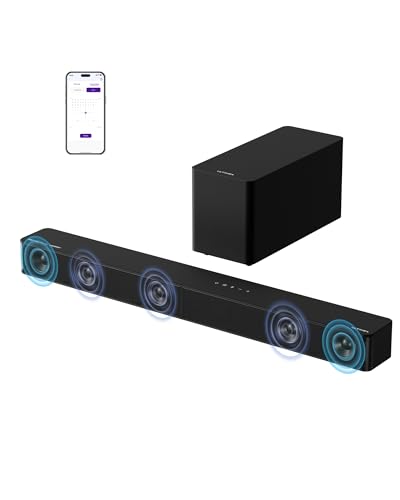
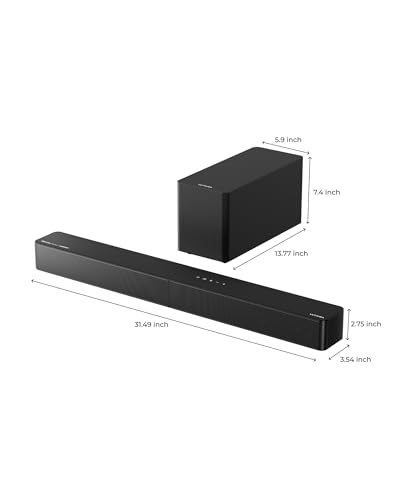
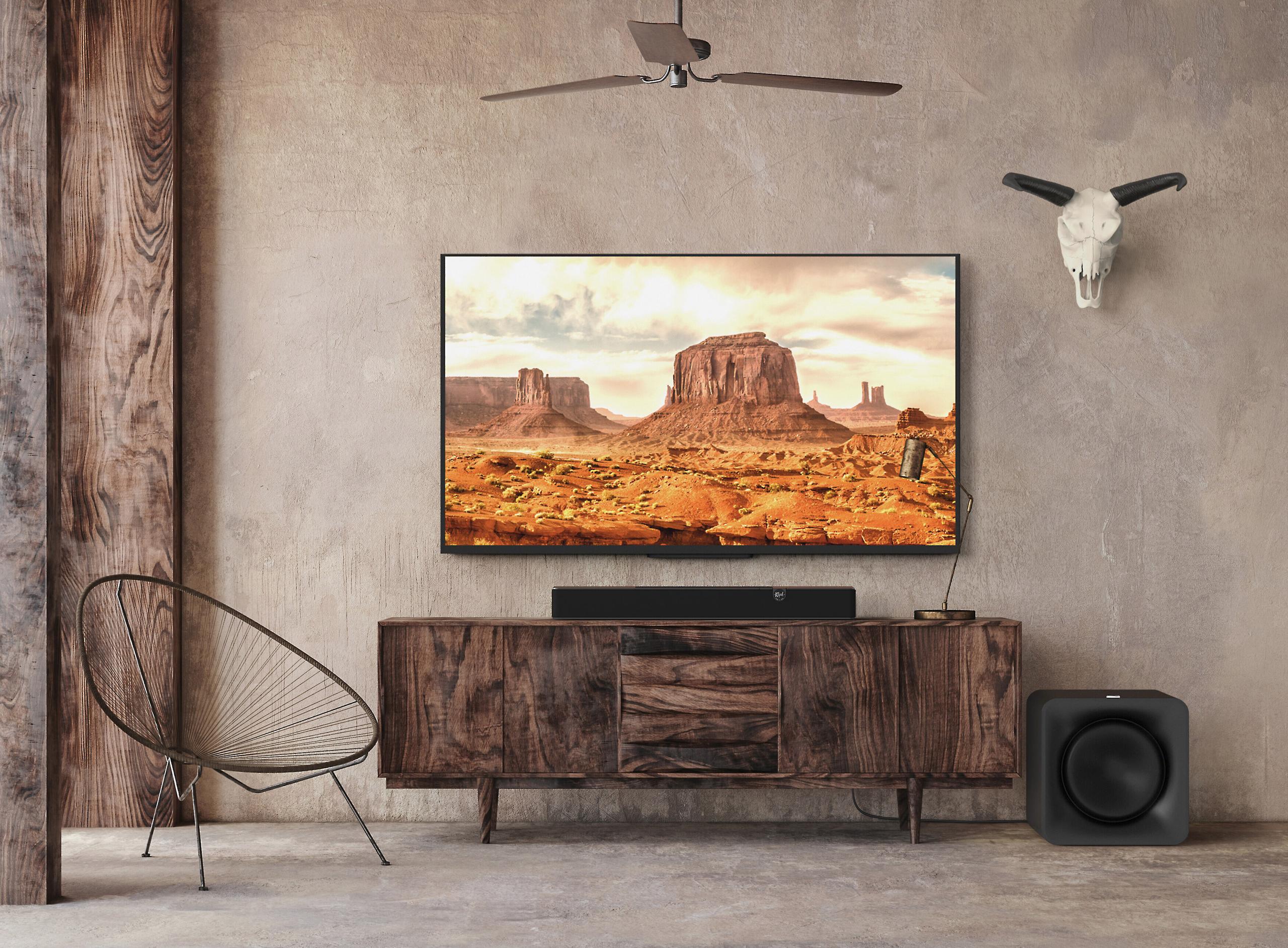
The Ultimea Poseidon M60 Boom, released in 2025, represents the "everything but the kitchen sink" approach to budget soundbars. It's a complete 5.1 Dolby Atmos system that includes five full-range drivers built into the main soundbar plus a separate 5.25-inch wired subwoofer. At the time of writing, this system is available at an extremely aggressive price point that makes it almost impossible to ignore for budget-conscious buyers.
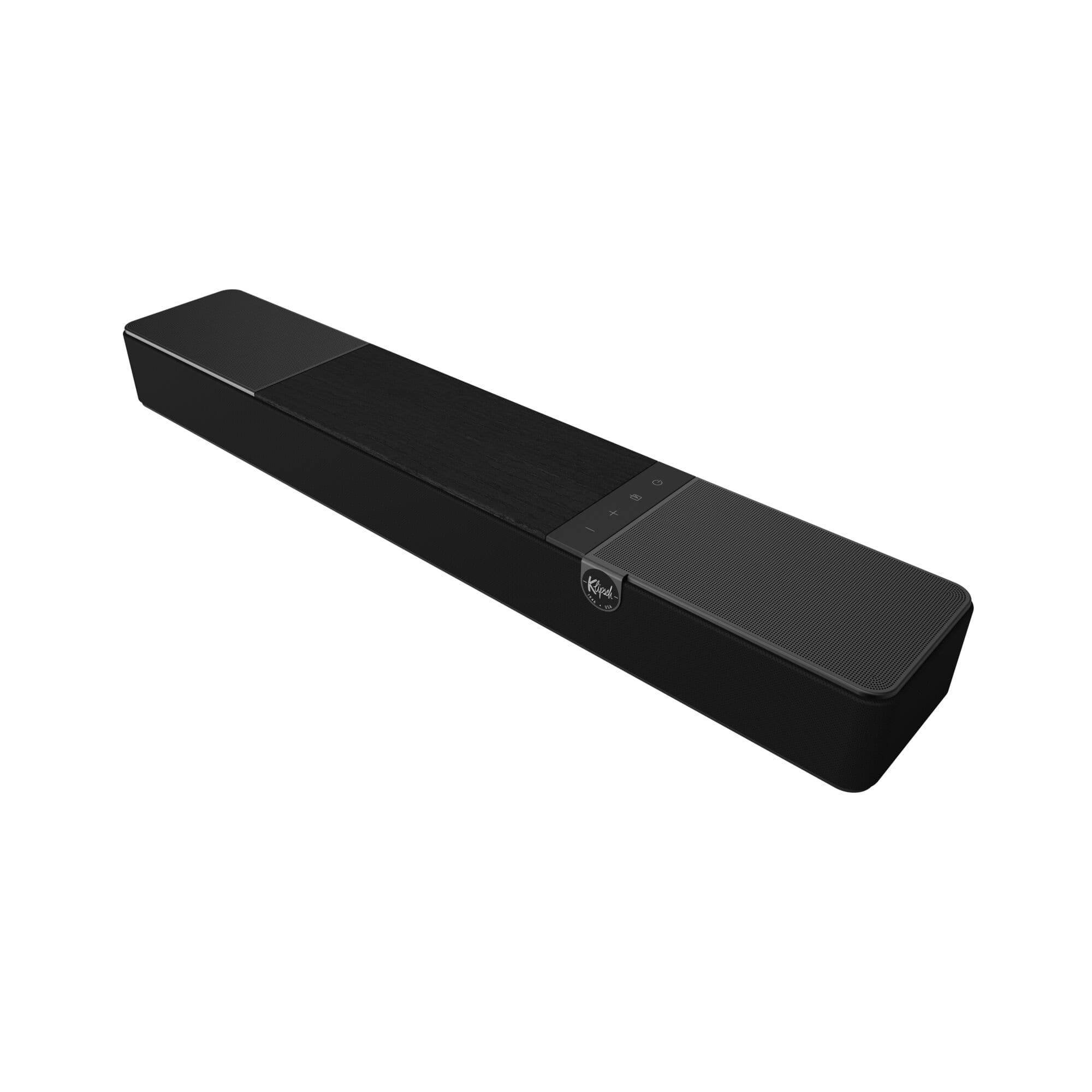
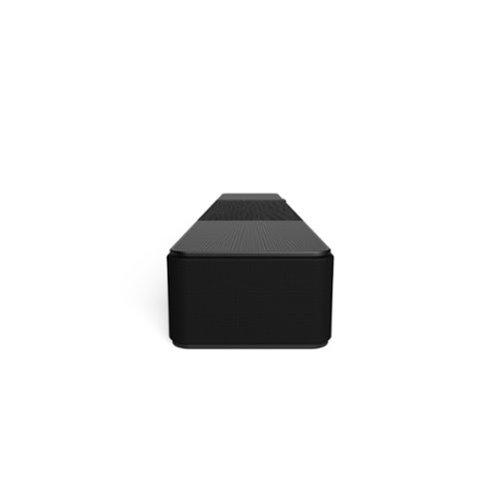
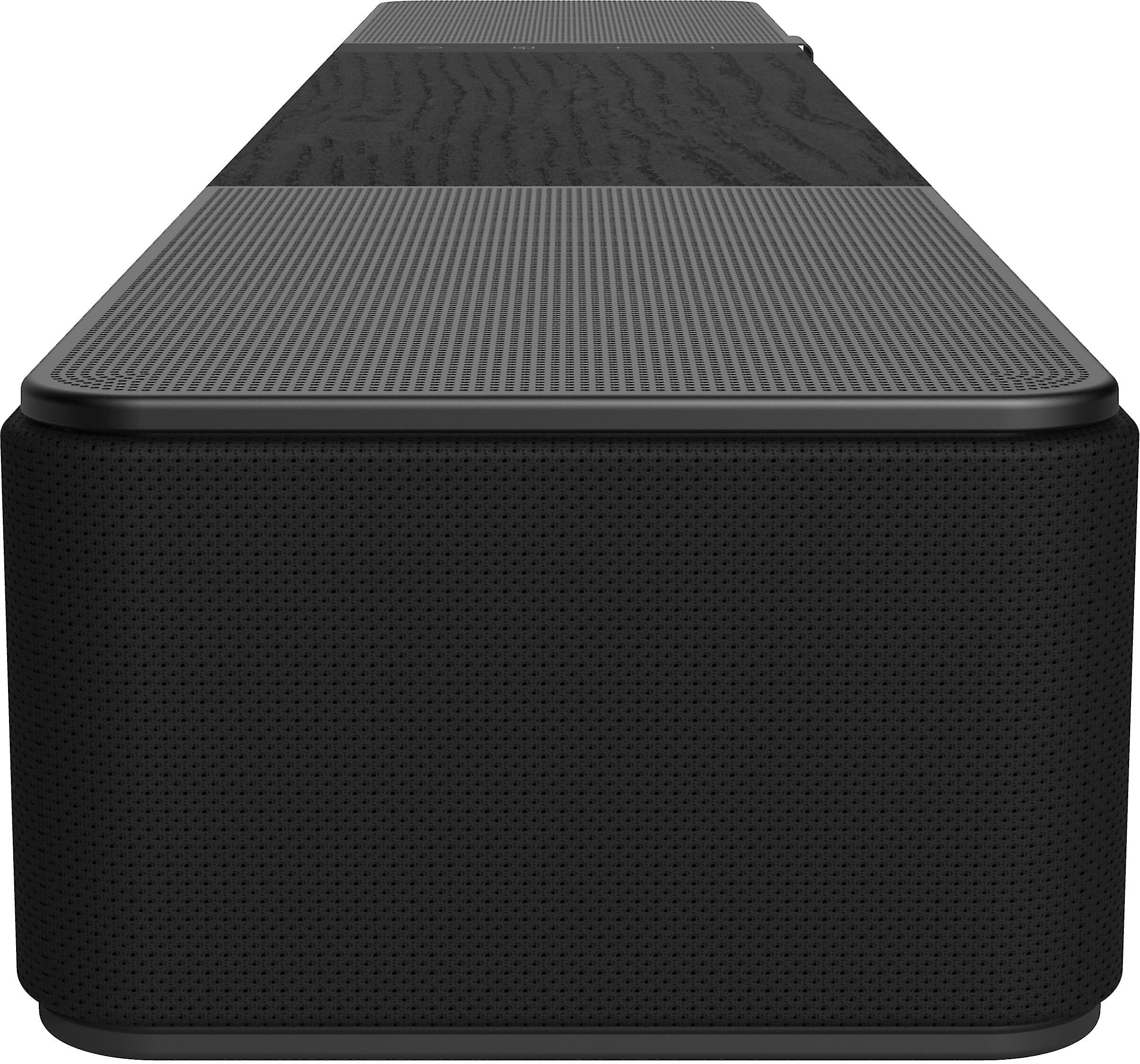
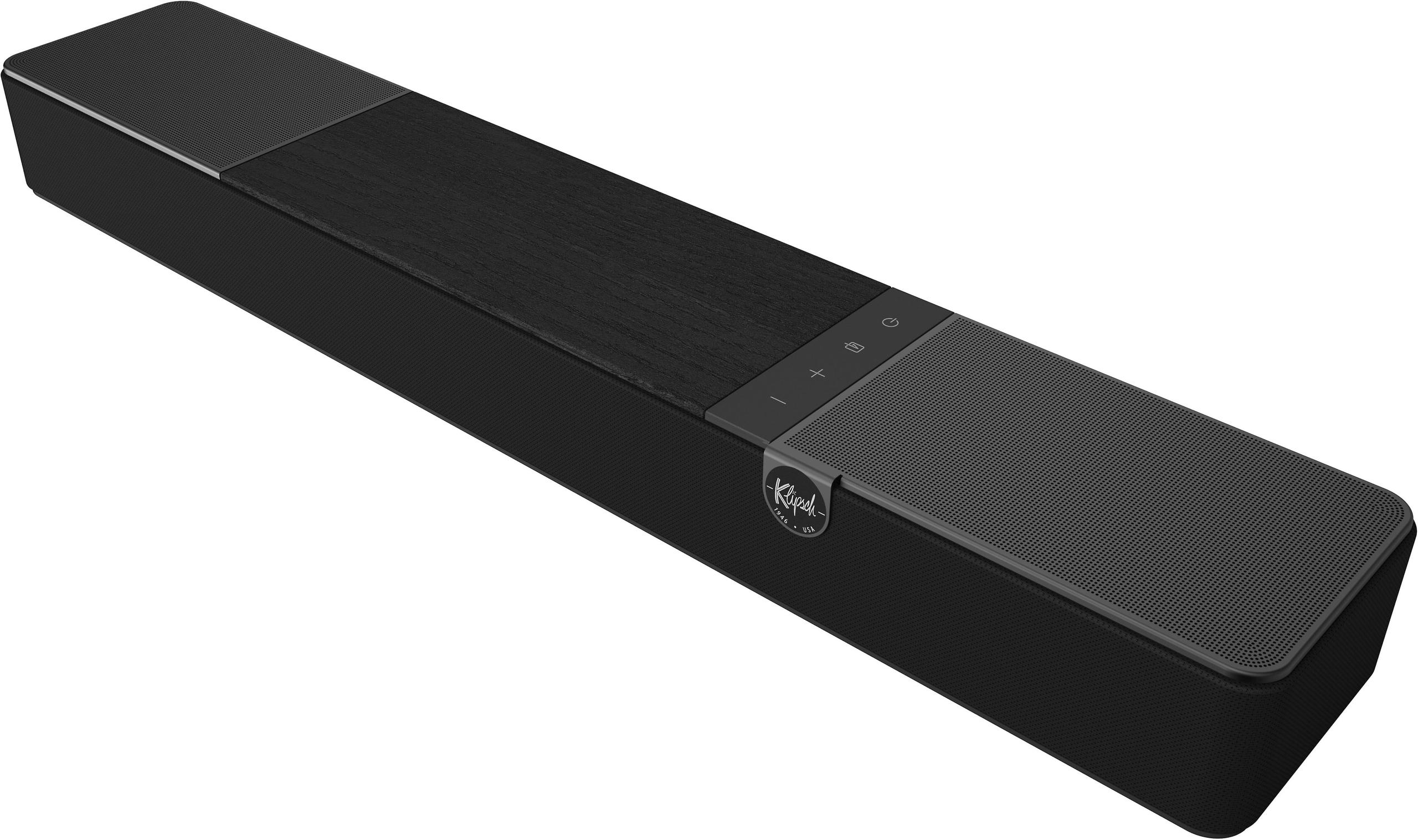
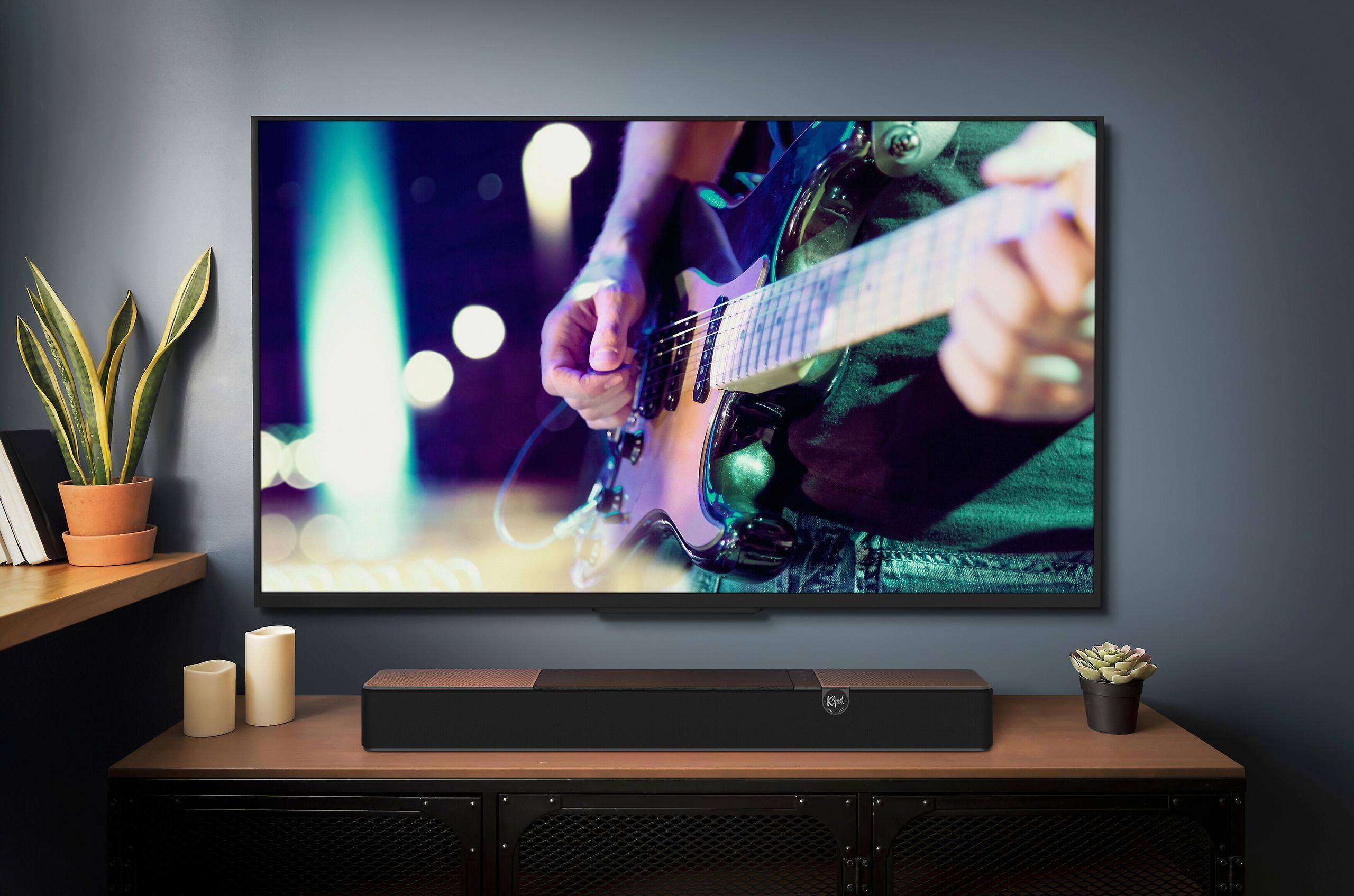
The Klipsch Flexus Core 100, also from 2025, takes the premium route with a 2.1 configuration that emphasizes quality over quantity. Klipsch, a brand with decades of audio expertise, built this as the foundation of an expandable home theater system. Instead of cramming in every feature possible, they focused on excellent driver technology and the ability to add components over time.
The Ultimea M60 Boom is a processing powerhouse, delivering 340W peak power through triple-core DSP (Digital Signal Processing) chips. These processors—two running at 800MHz and one at 600MHz—provide over 2000 MIPS (Million Instructions Per Second) of computing power. This might sound like tech jargon, but it translates to real-world benefits: the system can perform complex real-time audio processing, including parametric equalizer adjustments and dynamic channel separation.
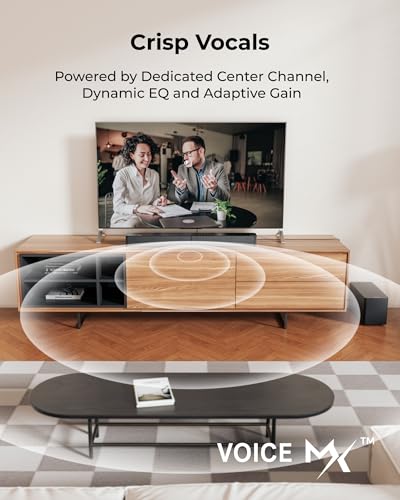
This processing power enables features like VoiceMX technology, which dynamically enhances the 300Hz–3kHz vocal range using adaptive EQ and gain control. In practical terms, this means dialogue stays clear even during loud action sequences—no more constantly adjusting volume to hear conversations over explosions.
The Klipsch Flexus Core 100 takes a different approach with 100W RMS power focused on two channels plus integrated subwoofers. RMS (Root Mean Square) power is a more conservative measurement than peak power, representing sustained output rather than brief bursts. While the numbers seem smaller, Klipsch's approach emphasizes efficiency and driver quality over raw wattage.
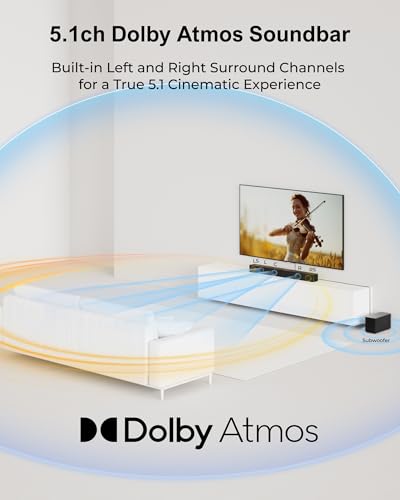
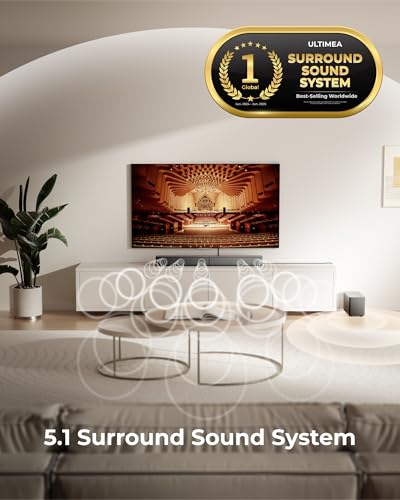
Here's where things get interesting. The Ultimea system uses five full-range drivers to create its 5.1 soundscape, all housed within the main soundbar. This virtual surround approach processes audio to create the impression of sound coming from multiple directions, even though all speakers are in front of you. It's surprisingly effective, though not quite the same as having physical rear speakers.
The Klipsch Flexus Core 100 employs the company's signature aluminum cone drivers—two 2.25-inch units that benefit from decades of Klipsch's horn-loading expertise. Horn-loading is an acoustic technique that improves efficiency and reduces distortion, particularly in the midrange frequencies where most dialogue occurs. This is why Klipsch speakers often sound clearer and more detailed than competitors at similar power levels.
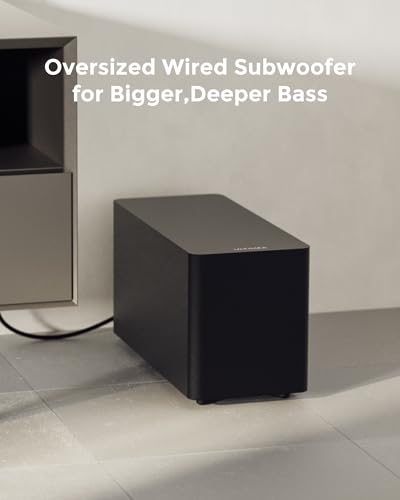
Bass performance might be where these systems differ most dramatically. The Ultimea M60 Boom includes a separate 5.25-inch wired subwoofer with BassMX technology. This subwoofer features up to 16mm diaphragm excursion—meaning the speaker cone can move back and forth significantly to push more air and create deeper bass. The separate enclosure allows for proper bass tuning without compromising the main soundbar's design.
The Klipsch Flexus Core 100 integrates dual 4-inch subwoofers directly into the soundbar. While this creates a cleaner setup without additional cables or components, integrated subwoofers face physics limitations. Smaller drivers in a shared enclosure can't move as much air as a dedicated subwoofer, though Klipsch's engineering partially compensates through careful tuning and higher-quality drivers.
The Ultimea system delivers what it calls "5.1 Dolby Atmos Surround Sound," but it's important to understand what this means. All five channels are processed and output through the main soundbar's drivers, creating a virtual surround effect. The system uses psychoacoustic processing—essentially tricking your brain into perceiving sound as coming from different locations. For a single-bar system, reviews consistently note that this virtual surround effect is convincing, particularly for the price point.
The Klipsch Flexus Core 100 starts as a 2.1 system with Dolby Atmos processing that focuses on creating an wide, immersive stereo field rather than discrete surround effects. However, its real strength lies in expandability through Klipsch's Transport technology—a proprietary 2.4GHz wireless system that allows you to add Flexus Surrounds and additional subwoofers later. This modular approach means you can start simple and build a true surround system over time.
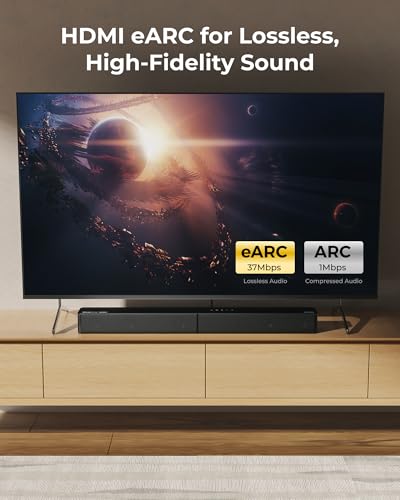
Both systems include HDMI eARC (enhanced Audio Return Channel), which is crucial for modern TVs. eARC provides a high-bandwidth connection that can carry lossless audio formats, including uncompressed Dolby Atmos tracks from streaming services or Blu-ray discs. This is significantly better than older ARC or optical connections that compress audio.
The Ultimea M60 Boom includes Bluetooth 5.4, the latest version that provides faster pairing, more stable connections, and ultra-low latency for gaming and video streaming. The system also features smart app control through the Ultimea app, allowing custom EQ adjustments and sound mode selection from your smartphone.
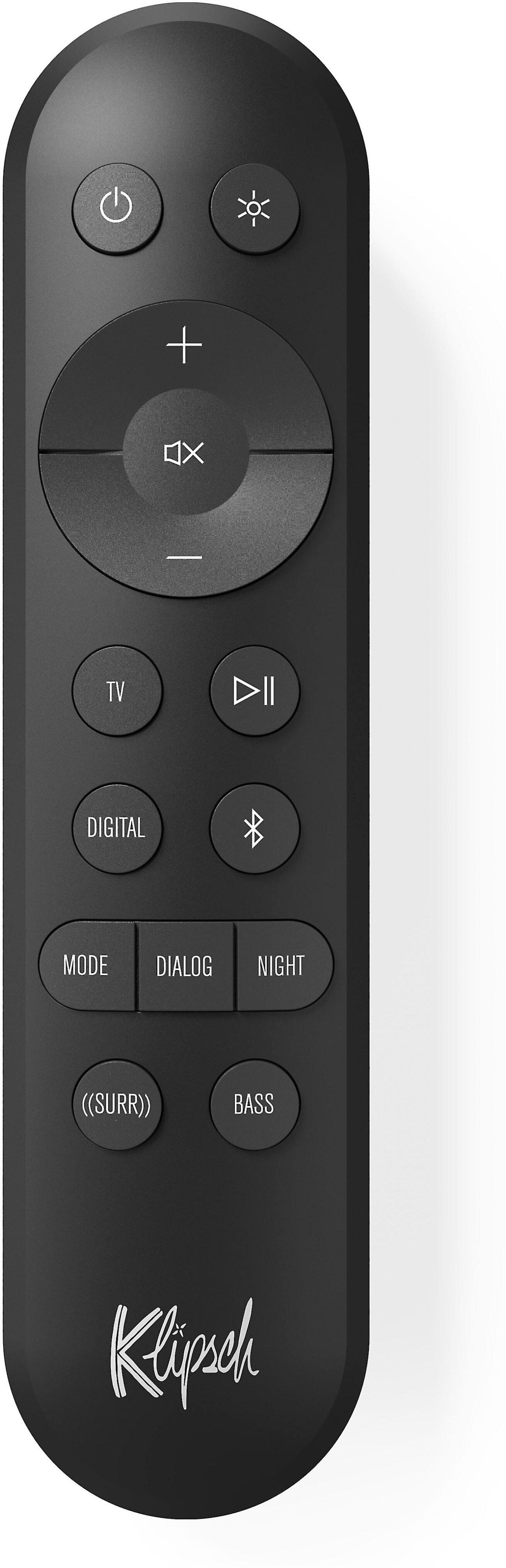
The Klipsch Flexus Core 100 adds USB-C connectivity alongside standard connections and integrates with the Klipsch Connect Plus app. The standout feature is the backlit remote control—a premium touch that makes late-night movie watching more convenient.
Based on extensive research into user reviews and expert opinions, the Ultimea Poseidon M60 Boom consistently surprises users with its performance relative to its aggressive pricing. The most frequently praised aspects include dialogue clarity, bass impact, and the convincing virtual surround effect. However, some users report initial connectivity challenges and the need for EQ adjustments out of the box to achieve optimal sound.
The system's dialogue clarity stands out particularly well. The VoiceMX processing genuinely improves speech intelligibility, making it easier to follow conversations in complex movie soundtracks. This addresses one of the most common complaints about TV audio—dialogue that gets lost in the mix.
The Klipsch Flexus Core 100 receives praise for its refined sound quality and premium build construction. Users consistently note the clarity and detail of the aluminum cone drivers, though some wish for deeper bass extension without adding the optional subwoofer. The system's strength lies in music reproduction and dialogue clarity rather than room-shaking effects.
For dedicated home theater use, these systems take different approaches. The Ultimea M60 Boom arrives as a complete solution—plug it in, connect the subwoofer, and you have immediate 5.1 surround sound. The modular soundbar design (it comes in two pieces that connect) makes installation straightforward, and the included mounting hardware accommodates various TV setups.
The Klipsch Flexus Core 100 is designed as a foundation for gradual system building. Its slim 3-inch height profile fits under most TVs without blocking the screen, and the premium materials complement high-end TV aesthetics. The ability to add wireless surrounds and subwoofers later means your system can evolve as your needs and budget allow.
At the time of writing, the pricing differential between these systems is substantial. The Ultimea M60 Boom represents exceptional immediate value—you get a complete 5.1 system with features that typically cost significantly more. The triple-core DSP processing, wireless subwoofer, and comprehensive connectivity options deliver performance that punches well above its price class.
The Klipsch Flexus Core 100 requires a different value calculation. You're paying a premium for brand reputation, build quality, and expandability potential. The aluminum drivers and sophisticated processing justify the higher cost if audio quality is your primary concern, but you're not getting the immediate surround sound experience that the Ultimea provides.
Both systems benefit from 2025's technological improvements, particularly in processing power and connectivity. The Ultimea's triple-core DSP architecture represents a significant advancement over earlier budget soundbars that often struggled with complex audio processing. Bluetooth 5.4 support ensures compatibility with current and future devices.
The Klipsch system's expandability through Transport technology positions it well for future growth. As 8K content and advanced audio formats become more common, the ability to add components means your system can adapt rather than require complete replacement.
The Ultimea Poseidon M60 Boom makes sense for buyers who want maximum performance immediately without planning for future expansion. It's ideal for apartment dwellers, college students, or anyone seeking dramatic audio improvement from TV speakers without a large investment. The system particularly excels if you watch a lot of movies and TV shows where surround effects and dialogue clarity matter most.
The Klipsch Flexus Core 100 suits buyers who prioritize audio quality over channel count and plan to build their system gradually. It's the better choice for music listeners, those with premium TV setups, or anyone who values brand reputation and build quality. The expandable design makes it ideal for homeowners who might add components over time as their space and budget allow.
For dedicated home theater enthusiasts, the Ultimea provides immediate cinematic impact, while the Klipsch offers a more refined foundation for long-term system development. Neither choice is wrong—they simply serve different priorities and use cases.
The decision ultimately comes down to whether you want everything now at an exceptional price point, or prefer to start with premium quality and build gradually. Both approaches have merit, and both systems represent solid choices within their respective philosophies.
| Ultimea Poseidon M60 Boom 5.1 Soundbar | Klipsch Flexus Core 100 Soundbar |
|---|---|
| Channel Configuration - Determines surround sound experience | |
| 5.1 channels with virtual surround processing | 2.1 channels with expandable system design |
| Power Output - Affects volume and dynamic range | |
| 340W peak power across all channels | 100W RMS (more conservative but sustained power) |
| Subwoofer Design - Critical for bass impact and room placement | |
| Separate 5.25" wired subwoofer with BassMX technology | Dual 4" subwoofers integrated into main bar |
| Processing Technology - Enables advanced audio features | |
| Triple-core DSP (800MHz + 800MHz + 600MHz) | Dolby Atmos processing with Klipsch acoustic tuning |
| Driver Technology - Affects sound clarity and detail | |
| Five full-range drivers in main soundbar | Two 2.25" aluminum cone drivers with horn-loading |
| Connectivity Options - Determines compatibility with devices | |
| HDMI eARC, Bluetooth 5.4, optical, USB, AUX | HDMI eARC, Bluetooth, USB-C, optical, subwoofer output |
| Expandability - Future upgrade potential | |
| Self-contained system, no expansion options | Klipsch Transport technology for wireless surrounds/subs |
| Smart Features - Modern convenience and control | |
| Ultimea app with custom EQ, 6 sound modes, CEC support | Klipsch Connect Plus app, backlit remote, CEC support |
| Build Quality and Design - Affects durability and aesthetics | |
| Modular plastic design, functional over premium materials | Premium wood/metal construction with ebony vinyl finish |
| Frequency Response - Shows audio range capability | |
| 45Hz–18kHz, 99dB max SPL | 45Hz–20kHz (slightly extended high frequencies) |
| Setup Complexity - Time and effort required | |
| Quick setup, wired subwoofer requires cable management | Minimal setup, no external components initially needed |
The Ultimea Poseidon M60 Boom offers exceptional value by including a complete 5.1 surround sound system with a separate subwoofer at a budget-friendly price point. The Klipsch Flexus Core 100 provides premium build quality and expandability but costs more for a 2.1 system. For immediate bang-for-buck, the Ultimea wins, while Klipsch offers better long-term value if you plan to expand your system.
The Ultimea Poseidon M60 Boom is a 5.1 system, meaning it processes five discrete audio channels (left, right, center, left surround, right surround) plus a subwoofer for bass. This creates a more immersive surround sound experience for movies and games. The Klipsch Flexus Core 100 is a 2.1 system with left and right channels plus integrated subwoofers, focusing on high-quality stereo sound that can be expanded later.
For immediate movie enjoyment, the Ultimea Poseidon M60 Boom excels with its 5.1 Dolby Atmos processing and VoiceMX technology that keeps dialogue clear during action scenes. The separate subwoofer adds impactful bass for explosions and music. The Klipsch Flexus Core 100 offers excellent dialogue clarity and can be expanded with wireless surrounds for a true home theater experience over time.
The Ultimea Poseidon M60 Boom comes with a dedicated 5.25-inch wired subwoofer that provides deep, room-filling bass. The Klipsch Flexus Core 100 has dual 4-inch subwoofers built into the main bar, eliminating the need for a separate component initially, though you can add a Klipsch wireless subwoofer later for more bass impact.
The Klipsch Flexus Core 100 is simpler to set up since it's a single unit with no external subwoofer cables to manage. The Ultimea Poseidon M60 Boom requires connecting the wired subwoofer, but setup is still straightforward with the modular two-piece soundbar design that connects easily.
Both soundbars support Bluetooth connectivity for wireless streaming from phones and tablets. However, for TV connection, both the Ultimea Poseidon M60 Boom and Klipsch Flexus Core 100 work best with HDMI eARC or optical cable connections to ensure the best audio quality and avoid potential lag issues.
The Ultimea Poseidon M60 Boom typically delivers deeper, more powerful bass thanks to its separate 5.25-inch subwoofer with BassMX technology and 16mm driver excursion. The Klipsch Flexus Core 100 provides good bass from its dual integrated 4-inch subwoofers, but may not match the depth and impact of the Ultimea's dedicated subwoofer.
The Ultimea Poseidon M60 Boom is a self-contained system with no expansion options beyond EQ customization through its app. The Klipsch Flexus Core 100 is designed for expansion using Klipsch Transport technology, allowing you to add wireless surround speakers and additional subwoofers to create a full home theater system.
The Klipsch Flexus Core 100 generally excels at music reproduction due to its premium aluminum cone drivers and Klipsch's decades of acoustic engineering experience. The Ultimea Poseidon M60 Boom handles music well with multiple EQ presets, but the Klipsch typically offers more refined detail and clarity for critical music listening.
Both soundbars prioritize clear dialogue. The Ultimea Poseidon M60 Boom features VoiceMX technology that dynamically enhances vocal frequencies, while the Klipsch Flexus Core 100 uses horn-loaded driver technology for natural dialogue reproduction. Both significantly improve speech clarity compared to TV speakers.
The Klipsch Flexus Core 100 may be better suited for smaller spaces due to its compact single-unit design and no requirement for subwoofer placement. The Ultimea Poseidon M60 Boom requires space for both the soundbar and separate subwoofer, though its powerful output can easily fill small to medium rooms.
Choose the Ultimea Poseidon M60 Boom if you want immediate 5.1 surround sound with maximum features at a budget price point. Choose the Klipsch Flexus Core 100 if you prefer premium build quality, plan to expand your system over time, or prioritize refined audio quality over channel count. The Ultimea maximizes immediate value, while Klipsch focuses on long-term system building.
We've done our best to create useful and informative comparisons to help you decide what product to buy. Our research uses advanced automated methods to create this comparison and perfection is not possible - please contact us for corrections or questions. These are the sites we've researched in the creation of this article: ultimea.com - ultimea.com - youtube.com - bestbuy.com - youtube.com - avsforum.com - youtube.com - manuals.plus - youtube.com - device.report - ultimea.com - ultimea.de - community.ultimea.com - ultimea.com - community.ultimea.com - ultimea.com - youtube.com - aliexpress.com - ultimea.com - cnet.com - klipsch.com - klipsch.com - bestbuy.com - sweetwater.com - assets.onkyo-av.com - youtube.com - worldwidestereo.com - avnirvana.com - target.com

Privacy Policy
Terms and Conditions - Affiliate Policy
Home Security
© Copyright 2008-2026.
11816 Inwood Rd #1211, Dallas, TX 75244