







If you've ever turned up your TV volume only to have explosions blast your eardrums while dialogue remains whisper-quiet, you understand why soundbars exist. These sleek audio solutions promise to fix your TV's terrible speakers without the complexity of a full surround sound system. But not all soundbars take the same approach to solving this problem.
Today we're comparing two fundamentally different philosophies in soundbar design: the Ultimea Poseidon M60 Boom, which launched in 2024 as an ultra-budget true surround sound system, and the JBL Bar 300 MK2, released in early 2025 as part of JBL's latest premium all-in-one lineup. These represent opposite ends of the value spectrum and completely different approaches to creating better TV audio.
Before diving into specifics, it's worth understanding what makes a good soundbar and why these two products matter. The soundbar market has evolved dramatically over the past few years, with manufacturers trying different approaches to solve the same core problems: making dialogue clearer, creating some sense of surround sound, and adding the bass response that flat-screen TVs simply cannot produce.
The key considerations when shopping for a soundbar typically include audio performance across different types of content, how convincingly the system creates spatial audio (that surround sound effect), bass response for movies and music, setup complexity, connectivity options, and overall value. These factors matter because your living room isn't a movie theater, and what works in one space might fail completely in another.
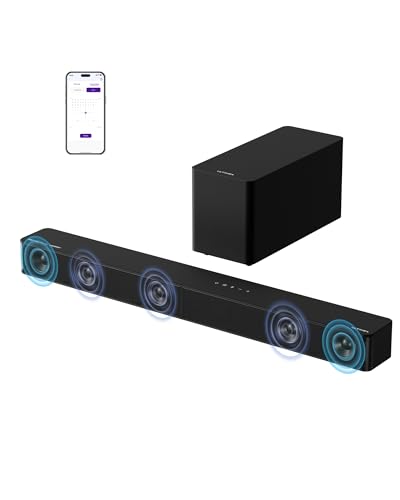
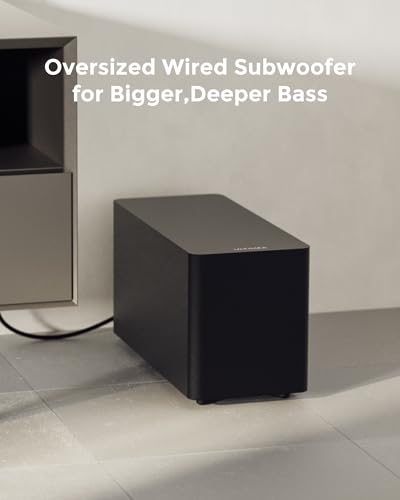
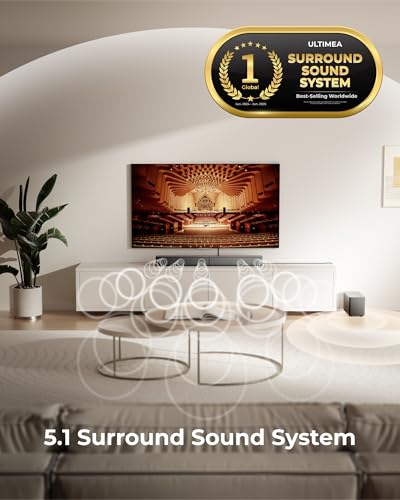
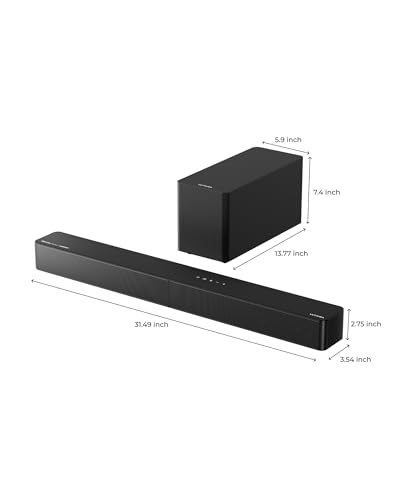
The Ultimea Poseidon M60 Boom takes the traditional approach: if you want real surround sound, you need separate speakers handling different parts of the audio spectrum. This system includes five full-range drivers built into the main soundbar plus a dedicated 5.25-inch subwoofer connected by wire. The total system outputs 340 watts of power, which gets distributed across six discrete drivers designed to handle specific frequency ranges.
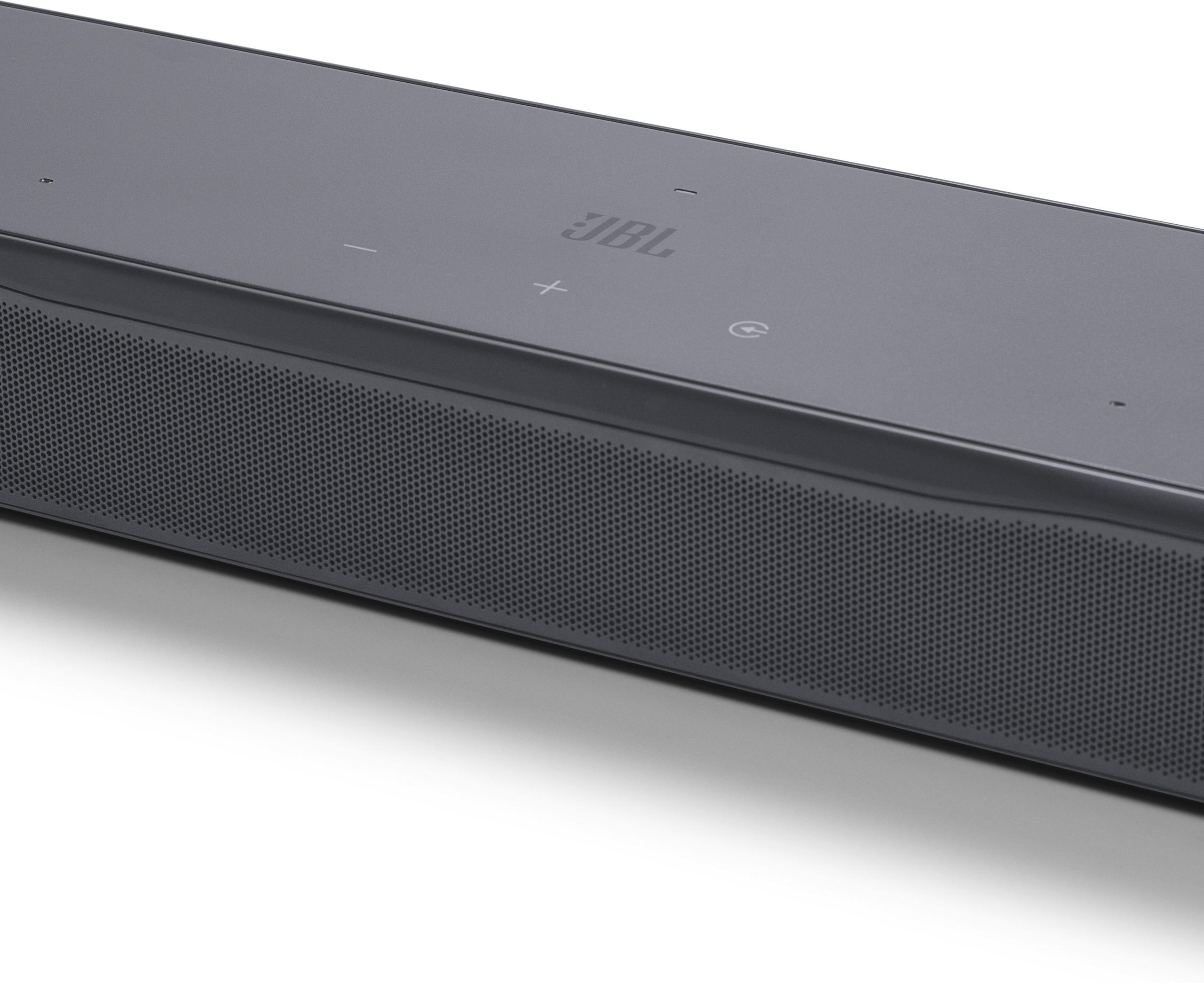
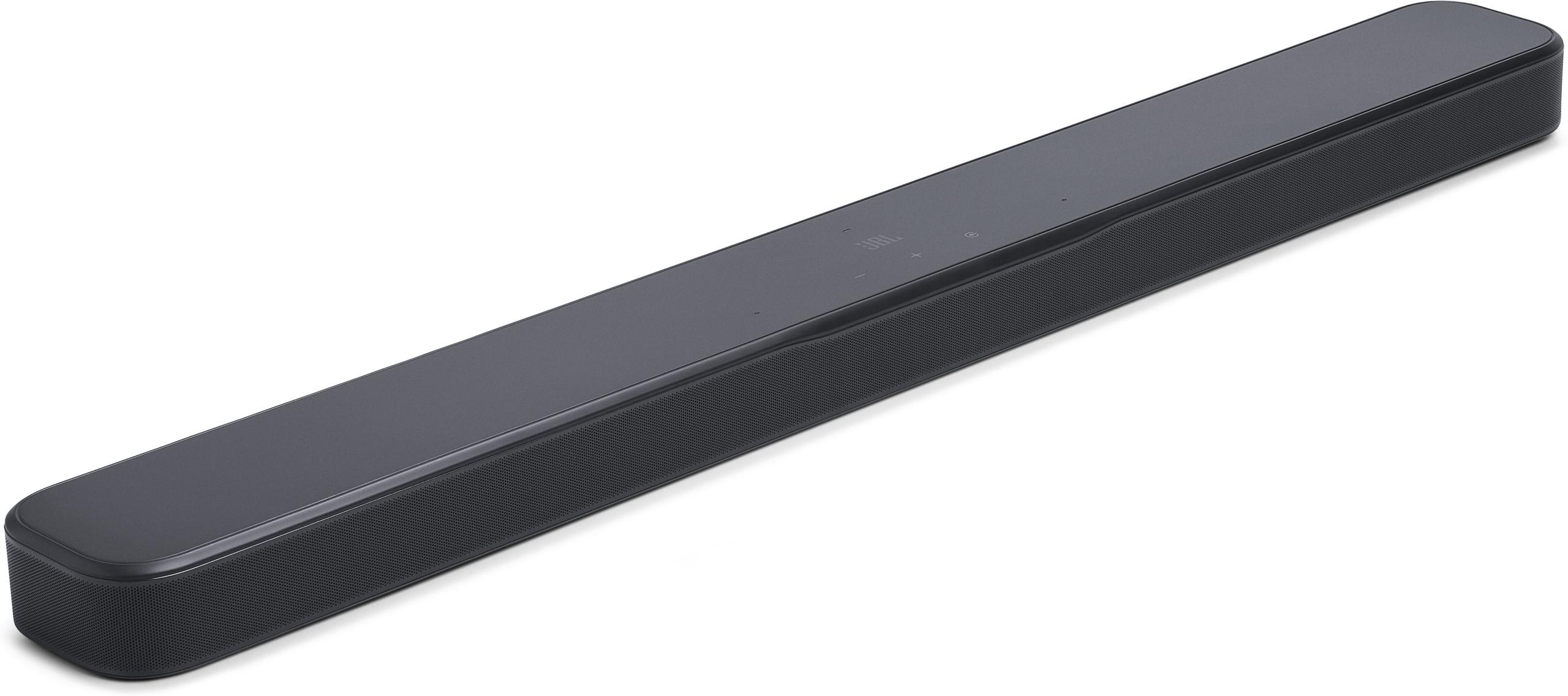
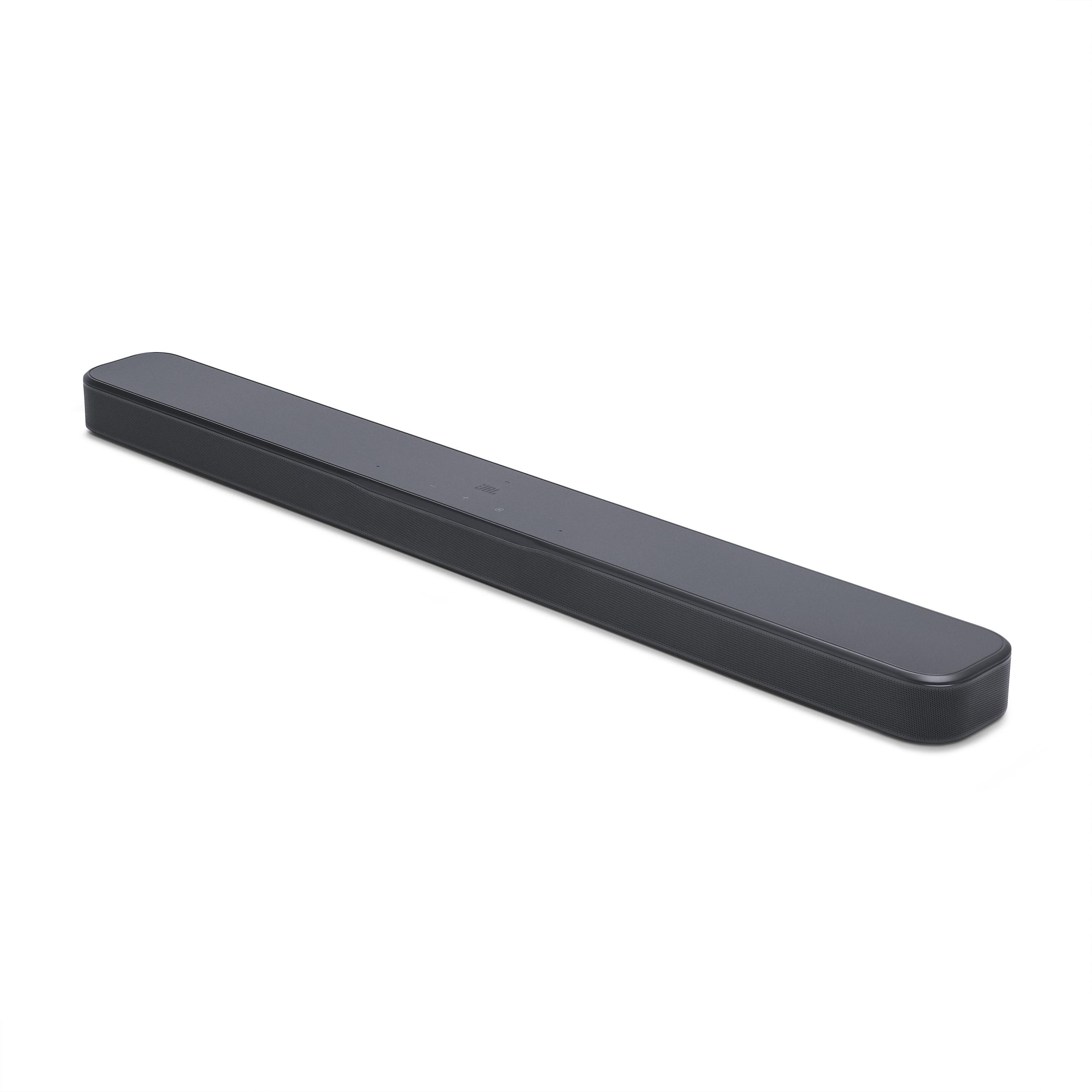
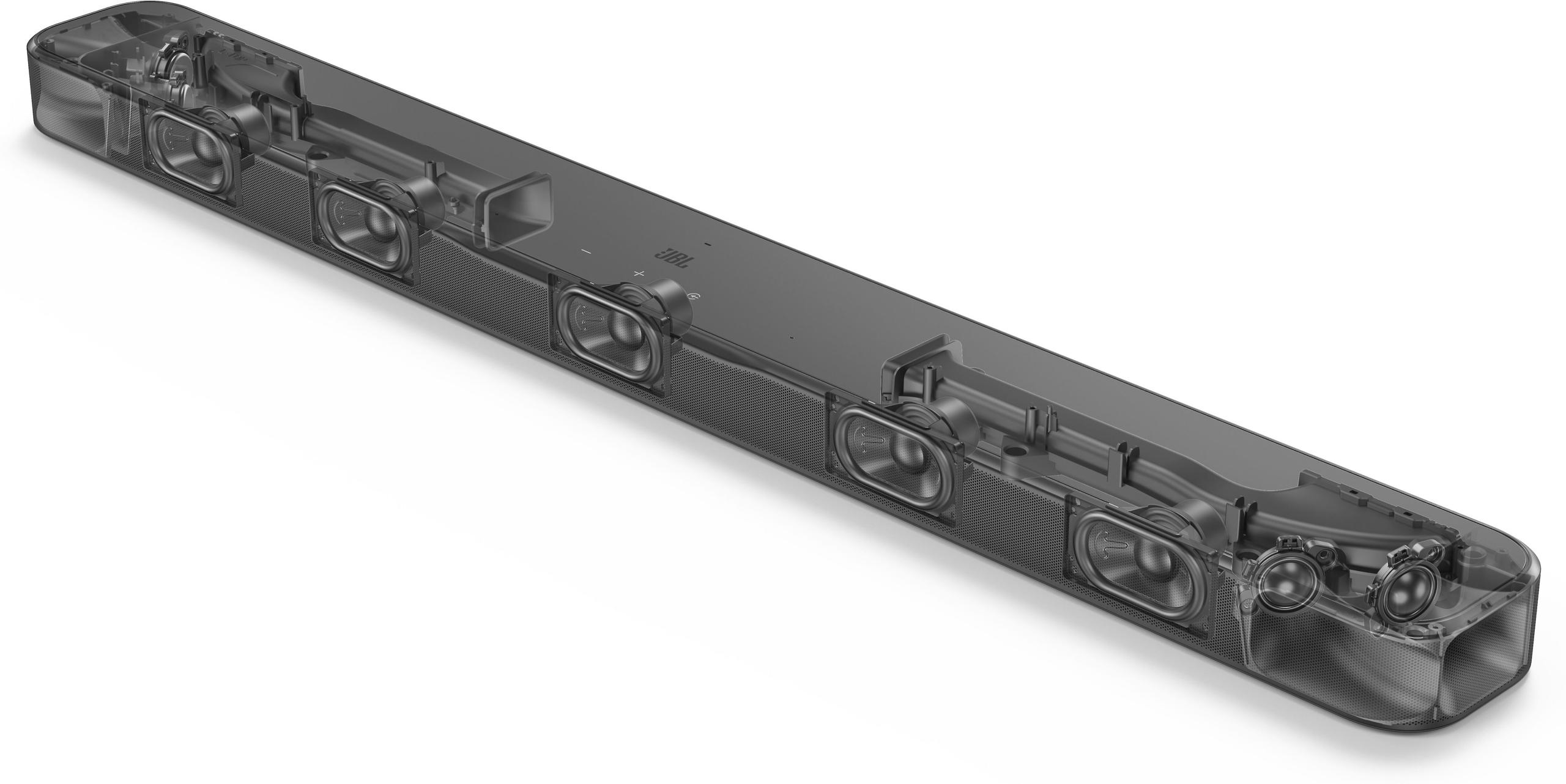
The JBL Bar 300 MK2 represents the modern all-in-one philosophy: pack everything into a single sleek unit that sits under your TV without any additional boxes or cables to manage. This soundbar generates 450 watts of power from an integrated array of specialized drivers, including racetrack-shaped bass drivers and dedicated tweeters (the small speakers that handle high frequencies like cymbals and voices). Instead of separate speakers, it uses sophisticated digital processing to create the illusion of surround sound.
These different approaches create immediate trade-offs. The Ultimea requires you to find space for and connect a separate subwoofer, but physics is on its side—a dedicated bass driver in its own cabinet will always produce deeper, more impactful low frequencies than speakers crammed into a slim soundbar. The JBL eliminates the complexity and space requirements but has to work much harder through digital processing to create similar effects.
This is where the fundamental difference between these systems becomes most apparent. The Ultimea Poseidon M60 Boom includes BassMX technology, which essentially means they've engineered the subwoofer cabinet and driver to move a lot of air—specifically, the driver can move up to 18mm back and forth (that's the excursion), creating the physical air movement that your ears and body feel as bass.
When you're watching an action movie and feel that rumble during an explosion, that's low-frequency sound waves physically moving air in your room. The Ultimea's dedicated subwoofer can reproduce frequencies down to 45Hz, which covers most of the bass content in movies and music. For reference, the lowest note on a bass guitar is around 41Hz, so this system captures nearly the full range of bass instruments.
The JBL Bar 300 MK2 takes a different approach, using built-in bass ports (carefully tuned openings that help boost bass response) and specialized racetrack drivers that are wider than typical round speakers. This design does produce surprisingly strong bass for a single unit—our research into user feedback consistently mentions people being impressed by the low-end punch. However, the laws of physics still apply: you can't move as much air from small drivers in a thin cabinet as you can from a dedicated subwoofer.
The frequency response tells the story here. While the JBL covers 50Hz to 20kHz (that upper range handles all the detail and sparkle in music), it can't quite reach as deep as the Ultimea's 45Hz bottom end. Those 5Hz might not sound like much, but they represent the difference between feeling bass and just hearing it.
Here's where both systems shine, but through different technologies. Poor dialogue clarity is probably the biggest complaint about TV audio—actors mumble, sound effects overwhelm voices, and you end up riding the volume control all night.
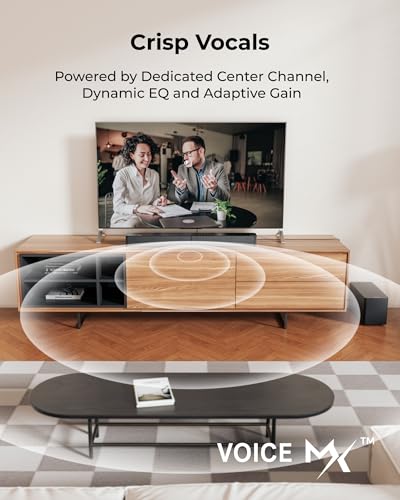
The Ultimea uses VoiceMX technology, which specifically targets the 300Hz to 3kHz frequency range where human vocals live. This system uses adaptive EQ (equalizer) and gain control, which means it can automatically boost voice frequencies while reducing competing sounds when it detects dialogue. Users consistently report that the system emphasizes dialogue while slightly reducing other audio elements, making conversations crystal clear even during complex movie scenes.
The JBL's PureVoice 2.0 represents a more advanced approach, using sophisticated algorithms (basically, very smart software) to maintain voice intelligibility even during chaotic surround sound scenes. This is next-generation dialogue enhancement that doesn't just boost voice frequencies but actively analyzes the audio content to ensure voices remain prominent without sacrificing the overall soundscape.
Both approaches work well, but they solve the problem differently. The Ultimea is more aggressive about prioritizing dialogue, while the JBL tries to maintain a more balanced overall presentation while keeping voices clear.
This might be the most important distinction between these systems. The Ultimea Poseidon M60 Boom creates surround sound the traditional way: it has five discrete drivers in the main soundbar handling left, center, right, and surround channels, plus the separate subwoofer for low-frequency effects. When a helicopter flies from left to right in a movie, different physical speakers handle that movement, creating authentic directional audio cues.
The JBL Bar 300 MK2 achieves surround effects through MultiBeam 3.0 technology and virtual Dolby Atmos processing. Instead of separate speakers, it uses digital signal processing to manipulate how sound waves bounce off your room's walls, ceiling, and furniture to create the illusion of speakers placed around you. When it works well—and it often does—this can create an impressively wide soundstage from a single unit.
The effectiveness of virtual surround processing depends heavily on your room's acoustics. Hard surfaces like bare walls and tile floors help sound waves bounce predictably, while soft furnishings like curtains and carpets absorb those reflections. The JBL includes automatic room calibration using built-in microphones to measure your space and adjust its processing accordingly, which helps optimize performance for different environments.
Both systems support Dolby Atmos, but implement it differently. The Ultimea processes Dolby Atmos through its five-channel speaker array, while the JBL uses virtual processing to simulate the height effects that Dolby Atmos adds to create that three-dimensional sound field.
The technical capabilities of these systems reveal their different priorities. The Ultimea uses triple-core DSP (Digital Signal Processing) technology with two processors running at 800MHz and one at 600MHz. This provides over 2000 MIPS (Million Instructions Per Second) of processing power, which enables real-time parametric EQ tuning and precise channel separation.
What this means in practical terms is that the system can adjust multiple frequency bands simultaneously while maintaining clear separation between different audio channels. The Ultimea app provides six preset EQ modes (Movie, Music, Voice, Sport, Game, and Night) plus manual adjustment of bass, midrange, and treble frequencies.
The JBL Bar 300 MK2 takes a more automated approach with SmartDetails technology, which is designed to reproduce subtle audio nuances without manual intervention. The system uses automatic room calibration to analyze your space and adjust its sound profile accordingly. The JBL One app offers advanced customization options and integrates with JBL's broader ecosystem of speakers and audio products.
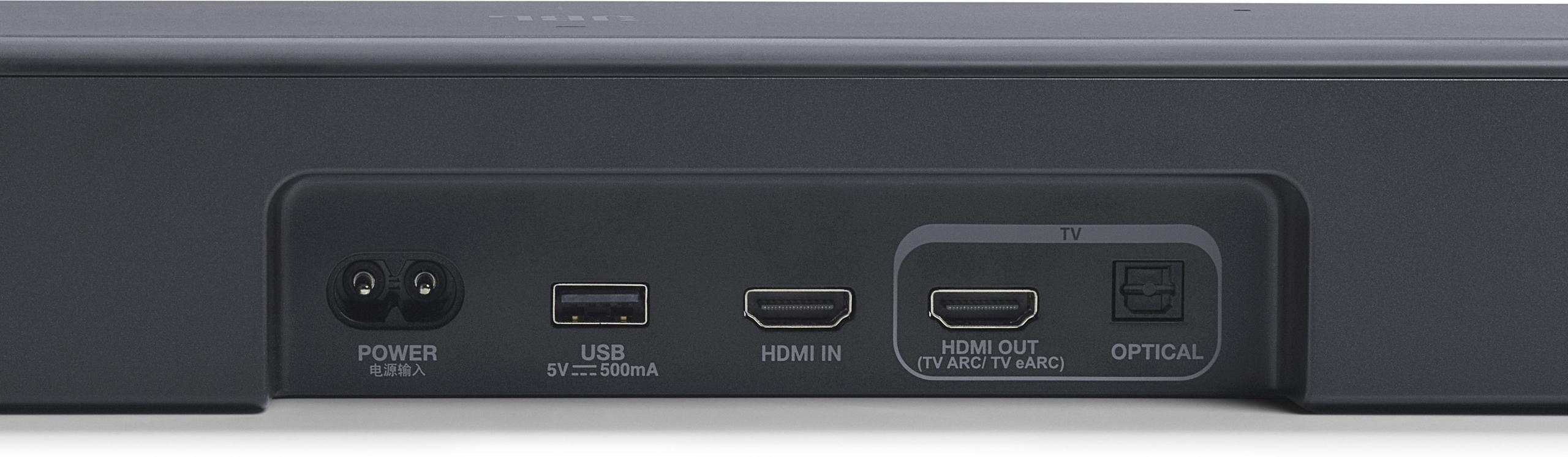
This is where the generational and philosophical differences become most apparent. The Ultimea Poseidon M60 Boom focuses on core connectivity: HDMI eARC (which carries high-quality, uncompressed audio from your TV), optical input, USB, and Bluetooth 5.4. That Bluetooth version is actually the latest standard, offering faster pairing, more stable connections, and ultra-low latency for gaming and video watching.
The JBL Bar 300 MK2 represents the streaming-first approach that's become standard for premium audio products. Built-in Wi-Fi enables AirPlay (for Apple devices), Chromecast (for Android and web-based streaming), Spotify Connect, Tidal Connect, and Roon Ready support. It's compatible with voice assistants like Alexa, Google Assistant, and Siri through connected smart speakers, and receives automatic software updates to add new features and streaming services.
For users who primarily watch cable TV or use a single streaming device connected to their TV, the Ultimea's connectivity is perfectly adequate. But if you regularly stream music from your phone, use multiple streaming services, or have integrated smart home systems, the JBL's comprehensive connectivity becomes much more valuable.
The Ultimea requires traditional audio setup: you'll need to connect the soundbar to your TV via HDMI or optical cable, then run the included cable from the soundbar to the subwoofer. Finding the right spot for the subwoofer matters—it needs to be close enough for the cable to reach but positioned where it can produce clean bass without overwhelming your room. User feedback consistently mentions setup times of less than 15 minutes, but you do need to consider cable management and subwoofer placement.
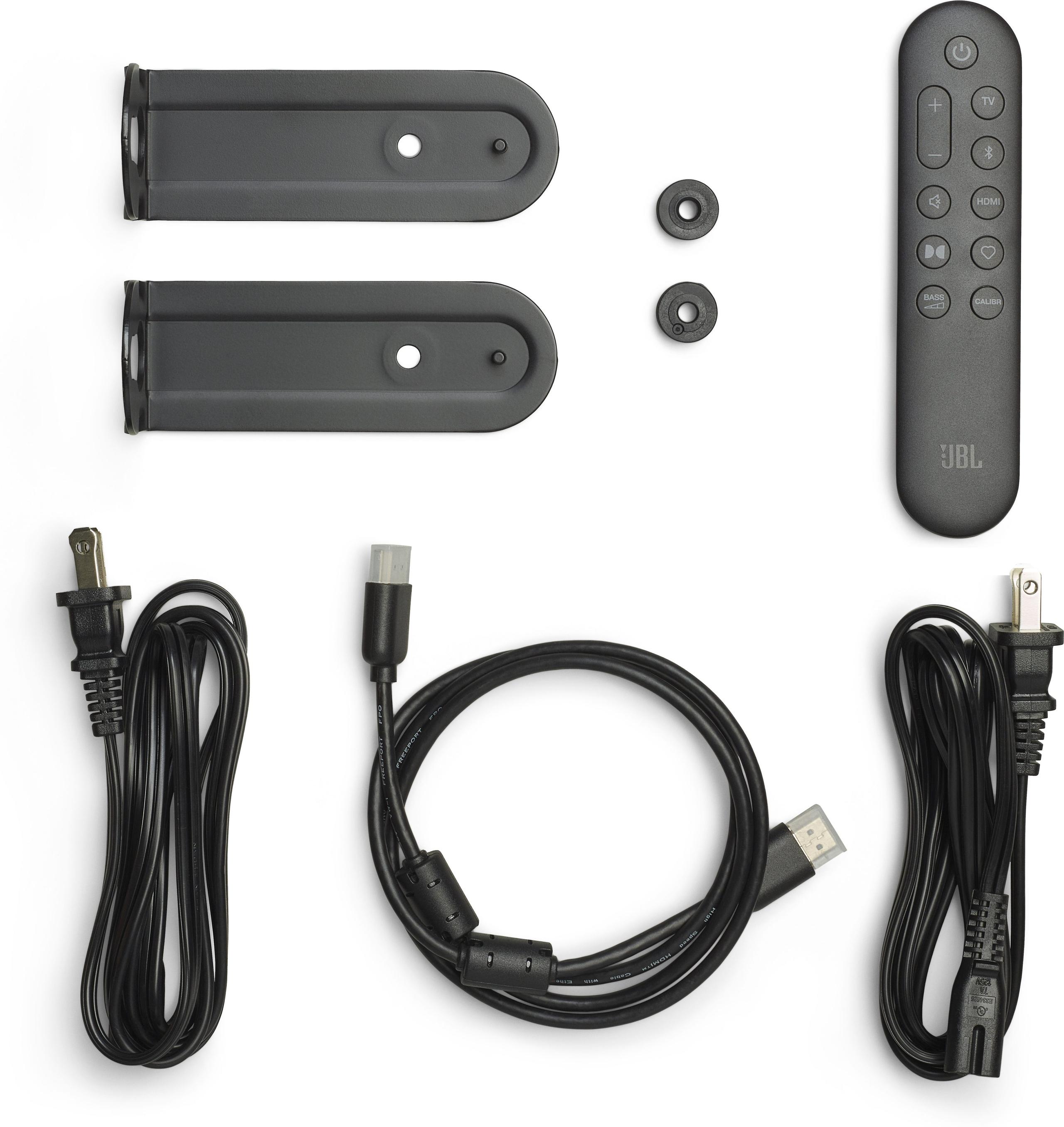
The JBL eliminates those considerations entirely. It's truly plug-and-play: connect one HDMI cable to your TV, plug in the power cord, and you're done. The automatic room calibration runs when you first set up the system, using built-in microphones to analyze your room's acoustics and adjust the sound profile accordingly. This is particularly valuable for users who aren't comfortable with audio setup or don't want to experiment with speaker placement.
At the time of writing, these products occupy completely different price tiers, which helps explain their different feature sets and target audiences. The Ultimea Poseidon M60 Boom positions itself as an ultra-budget option that delivers authentic surround sound performance at a fraction of traditional system costs. For users seeking maximum audio performance per dollar spent, particularly in bass response and surround sound authenticity, it represents exceptional value.
The JBL Bar 300 MK2 commands a significant premium over budget alternatives, but that pricing reflects comprehensive streaming integration, advanced processing technology, automatic calibration, and JBL's brand reputation for reliability. For users who value convenience, future-proof connectivity, and premium build quality, the higher cost is justified by the feature set and user experience.
For dedicated movie watching, the Ultimea provides advantages that digital processing can't fully replicate. The dedicated subwoofer delivers the tactile bass impact that makes action sequences engaging, while the five-channel speaker array creates more convincing directional effects. If your primary goal is enhancing your home theater experience and you have space for a subwoofer, the Ultimea delivers superior performance for the investment.
The JBL excels in scenarios where audio and video come from multiple sources. Its built-in streaming capabilities mean you can play music directly from the soundbar without turning on your TV, while automatic room calibration ensures optimal performance regardless of content type. For households that primarily consume streaming content and value seamless device integration, the JBL provides a more modern, convenient experience.
Space constraints significantly favor the JBL. Apartment dwellers often can't accommodate separate subwoofers due to neighbor considerations or physical space limitations. The JBL's single-unit design produces surprisingly strong bass while maintaining apartment-appropriate volume levels. The Night mode and automatic volume leveling features (common in premium soundbars) help maintain consistent audio levels for late-night viewing.
The Ultimea achieves its impressive value through focused engineering rather than comprehensive features. The wired subwoofer connection eliminates wireless syncing issues but requires cable management. The basic app functionality handles essential controls but lacks the sophistication of premium alternatives. Some users report that during particularly complex soundtracks, the system occasionally prioritizes certain audio elements over others, though this is generally considered a reasonable trade-off for the price point.
The JBL faces the fundamental physics limitation of single-unit design. Regardless of processing power or driver quality, it cannot generate the same bass depth as a dedicated subwoofer. The virtual surround processing, while impressive, depends on room acoustics and can't match the directional precision of physically separated speakers. The premium price may be difficult to justify for users focused primarily on audio performance rather than connectivity features.
The Ultimea Poseidon M60 Boom makes sense for home theater enthusiasts who prioritize audio performance over convenience, budget-conscious buyers who want authentic surround sound experience, users with larger rooms where dedicated bass makes a significant impact, and anyone comfortable with traditional AV setup procedures. It's particularly compelling for users upgrading from basic TV speakers who want maximum improvement for minimal investment.
The JBL Bar 300 MK2 suits streaming-focused households using multiple content sources, apartment dwellers where space constraints eliminate subwoofer options, tech-forward users who value automatic calibration and app integration, and anyone planning multi-room audio setups within JBL's ecosystem. It's ideal for users who prefer premium build quality and comprehensive connectivity over raw audio performance.
These soundbars represent fundamentally different approaches to solving the same problem: making your TV sound significantly better than its built-in speakers. The Ultimea Poseidon M60 Boom achieves this through traditional audio engineering—dedicated drivers for different frequency ranges and a separate subwoofer for bass impact. The JBL Bar 300 MK2 relies on advanced digital processing and comprehensive connectivity to create a more integrated, modern experience.
Your choice ultimately depends on whether you prioritize raw audio performance and value (favoring the Ultimea) or convenience, connectivity, and premium features (favoring the JBL). Both successfully solve the core problem of poor TV audio, but they do so in ways that appeal to different users with different priorities and living situations.
For pure home theater performance on a budget, the Ultimea delivers superior bass response and authentic surround sound that digital processing cannot fully replicate. For a sophisticated, connected audio experience that integrates seamlessly with modern streaming habits, the JBL justifies its premium positioning through convenience and advanced features. Both represent solid choices within their respective market segments, making the decision more about matching the product to your specific needs and preferences than identifying a clear winner.
| Ultimea Poseidon M60 Boom 5.1 Soundbar | JBL Bar 300 MK2 Soundbar |
|---|---|
| System Architecture - Determines bass quality and setup complexity | |
| True 5.1 system with separate 5.25" wired subwoofer | 5.0 all-in-one design with integrated bass drivers |
| Total Power Output - Affects maximum volume and dynamic range | |
| 340W peak power across soundbar and subwoofer | 450W from single integrated unit |
| Bass Response - Critical for movie impact and music enjoyment | |
| 45Hz-18kHz with dedicated subwoofer (deeper bass extension) | 50Hz-20kHz with built-in bass ports (good for single unit) |
| Surround Sound Technology - How convincing the spatial audio feels | |
| Physical 5.1 channels with discrete driver separation | Virtual Dolby Atmos via MultiBeam 3.0 processing |
| Connectivity Options - Modern streaming vs basic inputs | |
| HDMI eARC, optical, USB, Bluetooth 5.4 (latest standard) | Wi-Fi, AirPlay, Chromecast, Spotify Connect, voice assistant support |
| Setup Requirements - Space needs and installation complexity | |
| Requires subwoofer placement and cable management | Single unit with automatic room calibration |
| App Control and Customization - How much you can fine-tune sound | |
| Basic Ultimea app with 6 EQ presets and manual adjustments | Advanced JBL One app with auto-calibration and ecosystem integration |
| Voice Clarity Technology - Essential for clear dialogue | |
| VoiceMX with 300Hz-3kHz vocal range enhancement | PureVoice 2.0 with advanced algorithm processing |
| Target Market Position - Who each product serves best | |
| Budget-focused users wanting true surround sound performance | Premium convenience seekers prioritizing streaming integration |
The Ultimea Poseidon M60 Boom is superior for dedicated home theater use due to its true 5.1 surround sound system with a separate subwoofer. This provides deeper bass (down to 45Hz) and more authentic directional audio effects compared to the JBL Bar 300 MK2's virtual surround processing. The dedicated subwoofer creates the tactile bass impact that makes action movies more engaging.
No, the JBL Bar 300 MK2 is an all-in-one soundbar that doesn't require a separate subwoofer. It uses built-in bass ports and specialized drivers to produce bass internally. While this makes setup simpler, it can't match the deep bass performance of the Ultimea Poseidon M60 Boom's dedicated 5.25-inch subwoofer.
Both soundbars excel at dialogue clarity but use different technologies. The Ultimea Poseidon M60 Boom uses VoiceMX technology to enhance vocal frequencies, while the JBL Bar 300 MK2 features advanced PureVoice 2.0 processing. User reviews consistently praise both systems for making dialogue clear and intelligible, even during complex movie scenes.
The JBL Bar 300 MK2 outputs 450W from its single unit, while the Ultimea Poseidon M60 Boom produces 340W total across its soundbar and subwoofer combination. However, power isn't everything—the Ultimea's dedicated subwoofer often provides more impactful bass despite lower total wattage.
The JBL Bar 300 MK2 is significantly easier to install, requiring only one HDMI connection to your TV. The Ultimea Poseidon M60 Boom needs additional setup for the wired subwoofer, including cable management and finding optimal placement for bass performance.
Yes, both the Ultimea Poseidon M60 Boom and JBL Bar 300 MK2 support Dolby Atmos surround sound. However, they implement it differently—the Ultimea uses its five physical drivers for channel separation, while the JBL creates virtual Atmos effects through advanced digital processing.
The JBL Bar 300 MK2 dominates in streaming capabilities with built-in Wi-Fi, AirPlay, Chromecast, Spotify Connect, and voice assistant compatibility. The Ultimea Poseidon M60 Boom focuses on basic connectivity with HDMI eARC, optical inputs, and Bluetooth 5.4, making the JBL better for modern streaming households.
Neither the Ultimea Poseidon M60 Boom nor JBL Bar 300 MK2 can be expanded with additional rear speakers or components. Both are complete systems as designed, though the JBL integrates with JBL's broader ecosystem for multi-room audio setups.
The JBL Bar 300 MK2 is ideal for apartments due to its single-unit design that eliminates subwoofer placement concerns and potential neighbor noise issues. The Ultimea Poseidon M60 Boom may be too powerful for close living situations, though its dedicated bass can be adjusted through the app.
For music, the Ultimea Poseidon M60 Boom provides deeper bass extension and more dynamic range thanks to its separate subwoofer. The JBL Bar 300 MK2 offers better streaming integration for accessing music services directly, plus automatic room calibration that optimizes sound for your space.
The Ultimea Poseidon M60 Boom delivers exceptional value for users prioritizing audio performance, offering true 5.1 surround sound and dedicated bass at a budget-friendly price point. The JBL Bar 300 MK2 provides premium value through advanced streaming features, automatic calibration, and convenient single-unit design.
The Ultimea Poseidon M60 Boom requires subwoofer cable management and has limited streaming features compared to premium alternatives. The JBL Bar 300 MK2 cannot match the deep bass performance of dedicated subwoofer systems and costs significantly more than the Ultimea for similar core audio performance.
We've done our best to create useful and informative comparisons to help you decide what product to buy. Our research uses advanced automated methods to create this comparison and perfection is not possible - please contact us for corrections or questions. These are the sites we've researched in the creation of this article: ultimea.com - ultimea.com - youtube.com - bestbuy.com - youtube.com - avsforum.com - youtube.com - manuals.plus - youtube.com - device.report - ultimea.com - ultimea.de - community.ultimea.com - ultimea.com - community.ultimea.com - ultimea.com - youtube.com - aliexpress.com - ultimea.com - homecinemachoice.com - retailspecs.com - hometechnologyreview.com - whathifi.com - news.jbl.com - engadget.com - crutchfield.com - harmanaudio.com - techradar.com - bestbuy.com - jbl.com - sweech.co.ke - jbl.com - jbl.com.sg - mm.jbl.com - abcwarehouse.com - harmanaudio.com - sweetwater.com - ro.harmanaudio.com - dell.com - jbl.co.nz

Privacy Policy
Terms and Conditions - Affiliate Policy
Home Security
© Copyright 2008-2026.
11816 Inwood Rd #1211, Dallas, TX 75244