







If you've been struggling with your TV's built-in speakers—those tiny drivers that make dialogue sound muffled and action scenes feel flat—you're not alone. Modern TVs prioritize slim designs over audio quality, leaving most of us hunting for a soundbar that can bring movies, music, and shows to life without overwhelming our living space or budget.
Today we're comparing two distinctly different approaches to solving this problem: the Ultimea Poseidon M60 Boom, which delivers true 5.1-channel surround sound, and the Yamaha SR-B40A, a premium 2.1-channel system that focuses on stereo excellence. Both were released in recent years as the soundbar market has matured, but they represent fundamentally different philosophies about what makes great home audio.
Before diving into specifics, it's worth understanding what separates modern soundbars from the basic models that dominated the market just a few years ago. The key advancement has been the integration of sophisticated digital signal processing (DSP)—essentially computer chips that can manipulate audio in real-time to create spatial effects, enhance dialogue, and optimize sound for different room sizes.
The most important specifications to understand are channel configuration, power output, and connectivity options. Channel configuration tells you how many discrete audio channels the system can handle—a 5.1 system has five main speakers plus one subwoofer, while a 2.1 system has two main speakers plus a subwoofer. Power output, measured in watts, indicates how loud the system can get and how much headroom it has for dynamic peaks like explosions or orchestral crescendos. Connectivity determines what devices you can connect and how you can control the system.
What's changed dramatically since these products launched is the sophistication of the processing power packed into relatively affordable soundbars. Both the Ultimea Poseidon M60 Boom and Yamaha SR-B40A incorporate technologies that were previously found only in expensive home theater receivers.
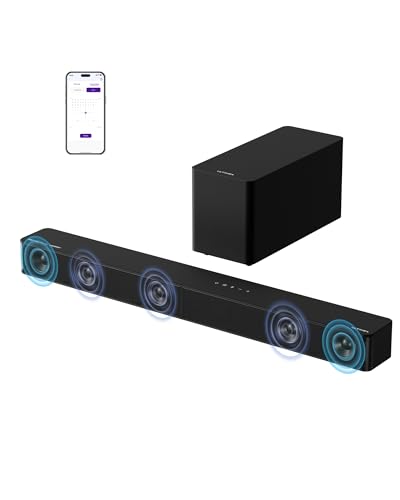
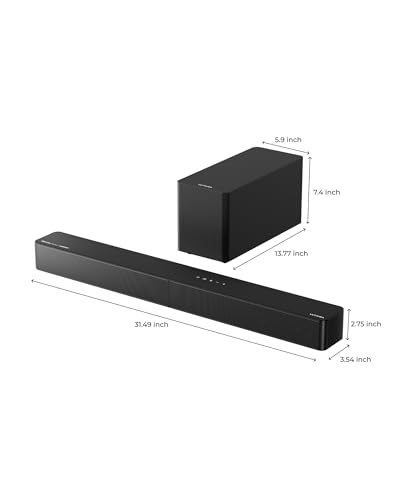
The Ultimea Poseidon M60 Boom represents what I'd call the "no-compromise" approach to soundbar design. Released in 2025, it packs five full-range drivers into an innovative two-piece soundbar that connects together, creating what's essentially a mini home theater system in soundbar form.
The technical centerpiece is its triple-core DSP system—two processors running at 800MHz and one at 600MHz. To put this in perspective, that's more processing power than many desktop computers had just a decade ago, all dedicated to audio processing. This computational muscle enables real-time parametric equalization (PEQ), which means the system can adjust specific frequency ranges on the fly to optimize sound for your room and content.
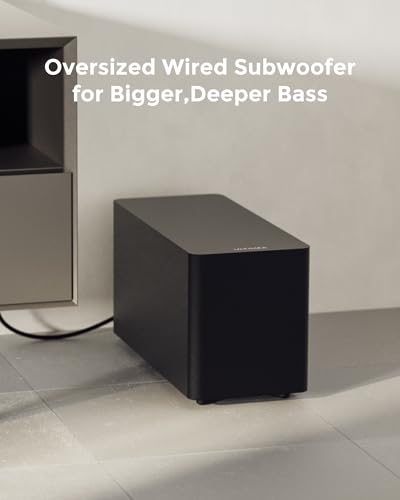
What makes the Ultimea unique is its BassMX technology paired with a 5.25-inch subwoofer that achieves 16mm of diaphragm excursion. Excursion refers to how far the speaker cone can move back and forth—more excursion generally means deeper, more impactful bass. For comparison, most soundbar subwoofers manage around 8-10mm of excursion, so the Ultimea's 16mm represents a significant advantage for bass reproduction.
The system delivers 340W of peak power with a maximum sound pressure level (SPL) of 99 dB. SPL is essentially how loud something can get—99 dB is about as loud as a motorcycle at 25 feet, which means this soundbar has serious room-filling capability. The frequency response extends from 45 Hz to 18 kHz, covering most of what humans can hear with particular strength in the bass region where many soundbars struggle.
Where the Ultimea really shines is in its connectivity and smart features. It includes Bluetooth 5.4—the latest standard that offers faster pairing, more stable connections, and ultra-low latency for gaming. The comprehensive smartphone app control is something I particularly appreciate, allowing you to adjust every aspect of the system's sound without hunting for a remote or navigating TV menus.
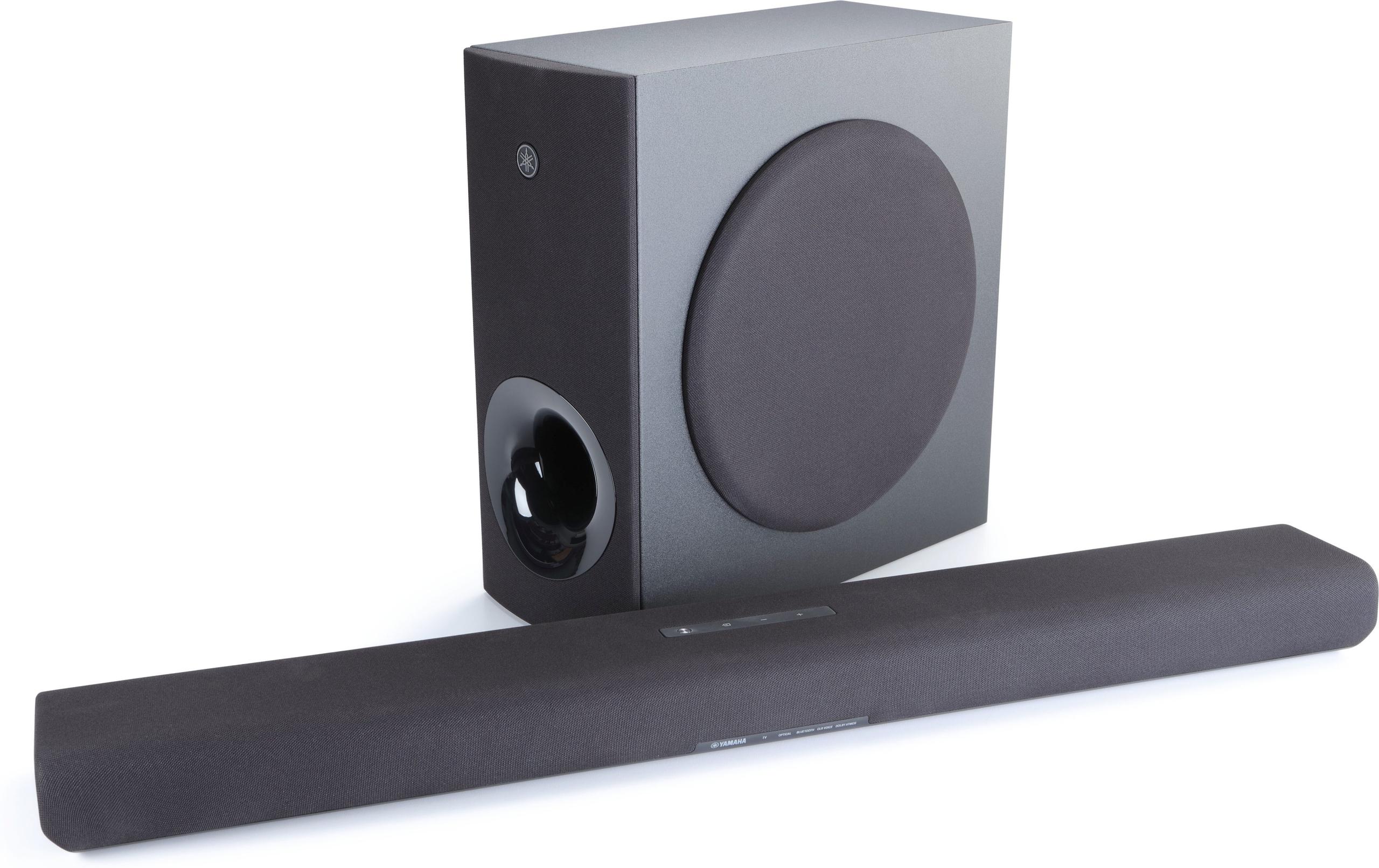
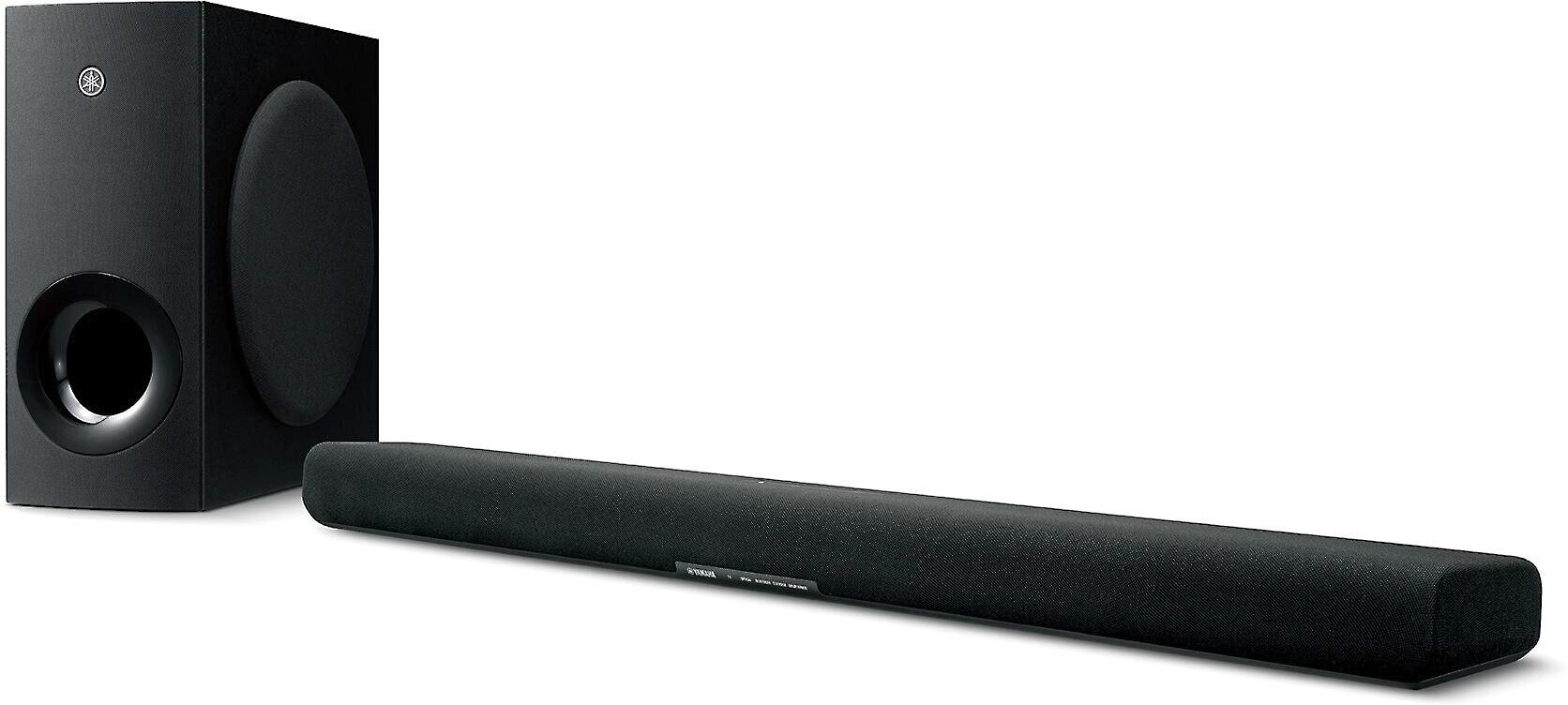
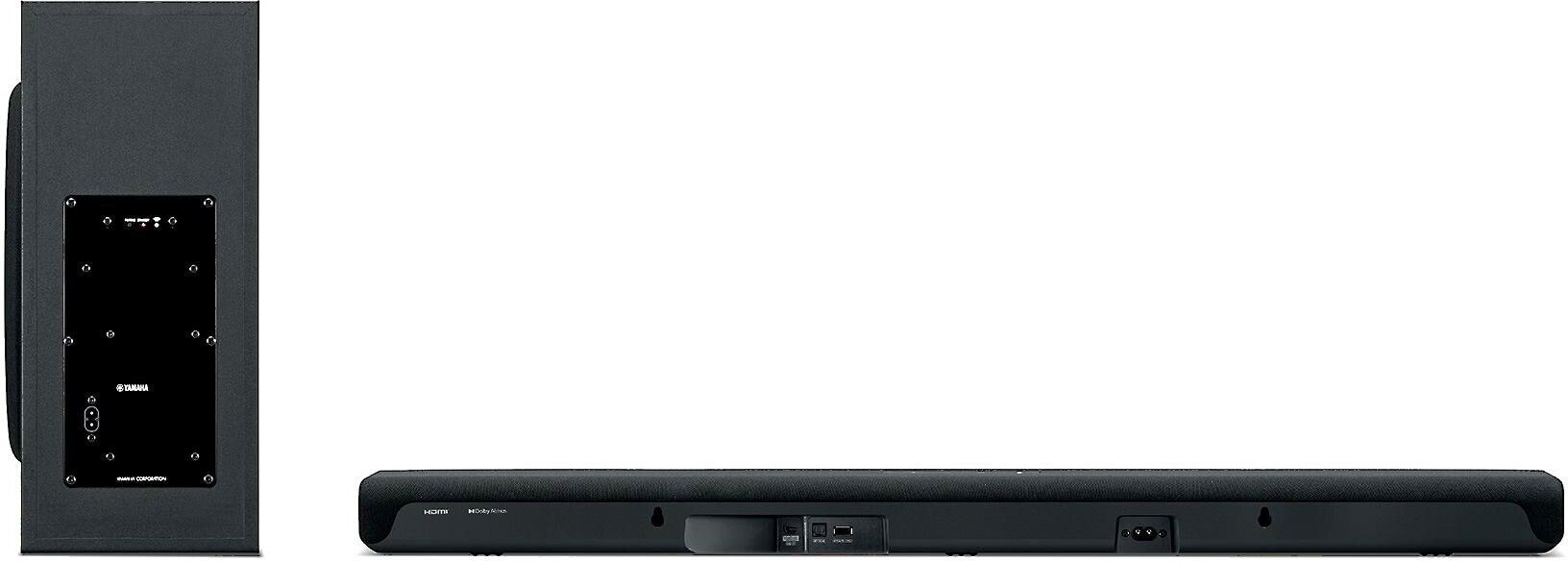
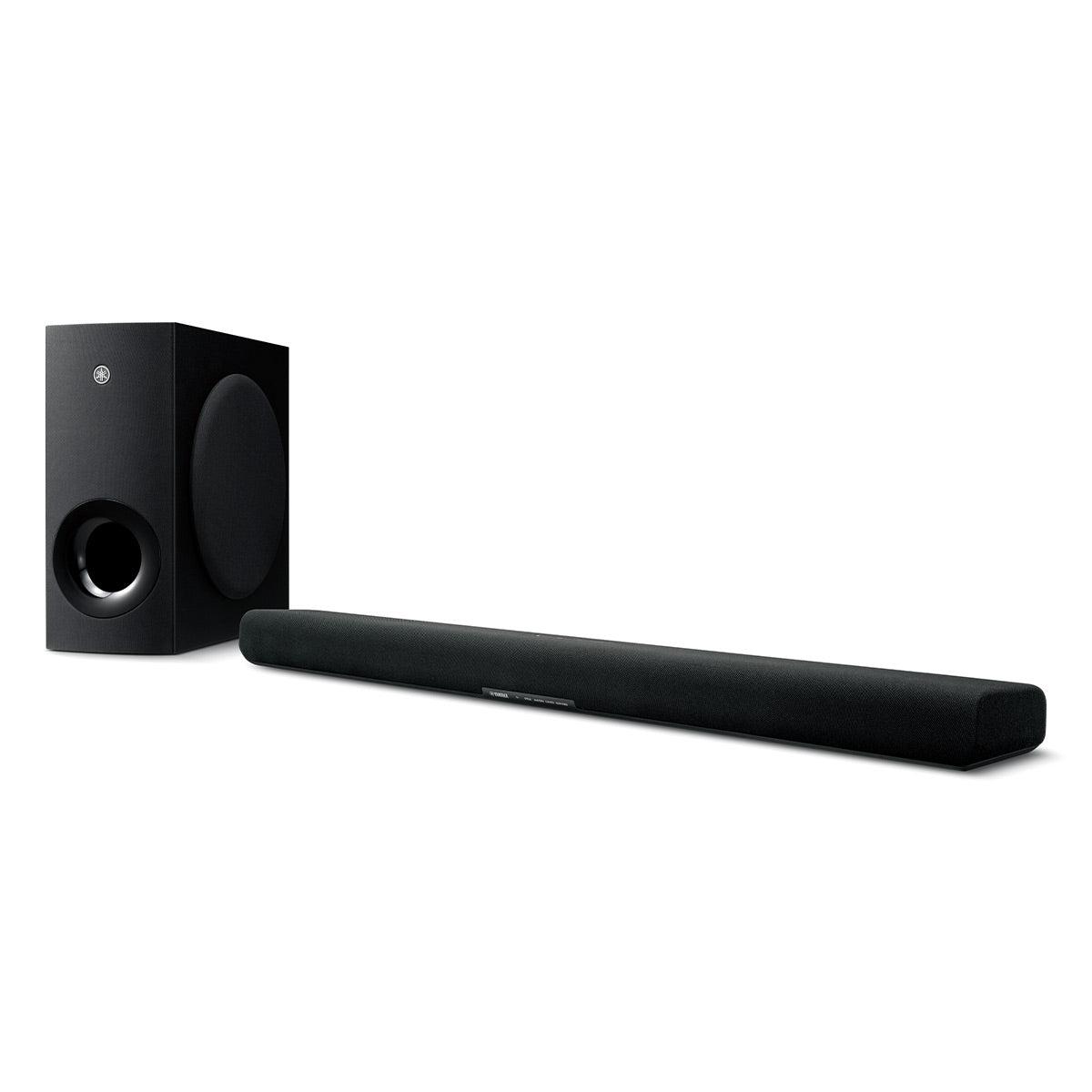
The Yamaha SR-B40A, released around the same time, takes a fundamentally different approach. Rather than cramming in as many channels as possible, Yamaha focused on perfecting stereo reproduction with their decades of audio engineering expertise.
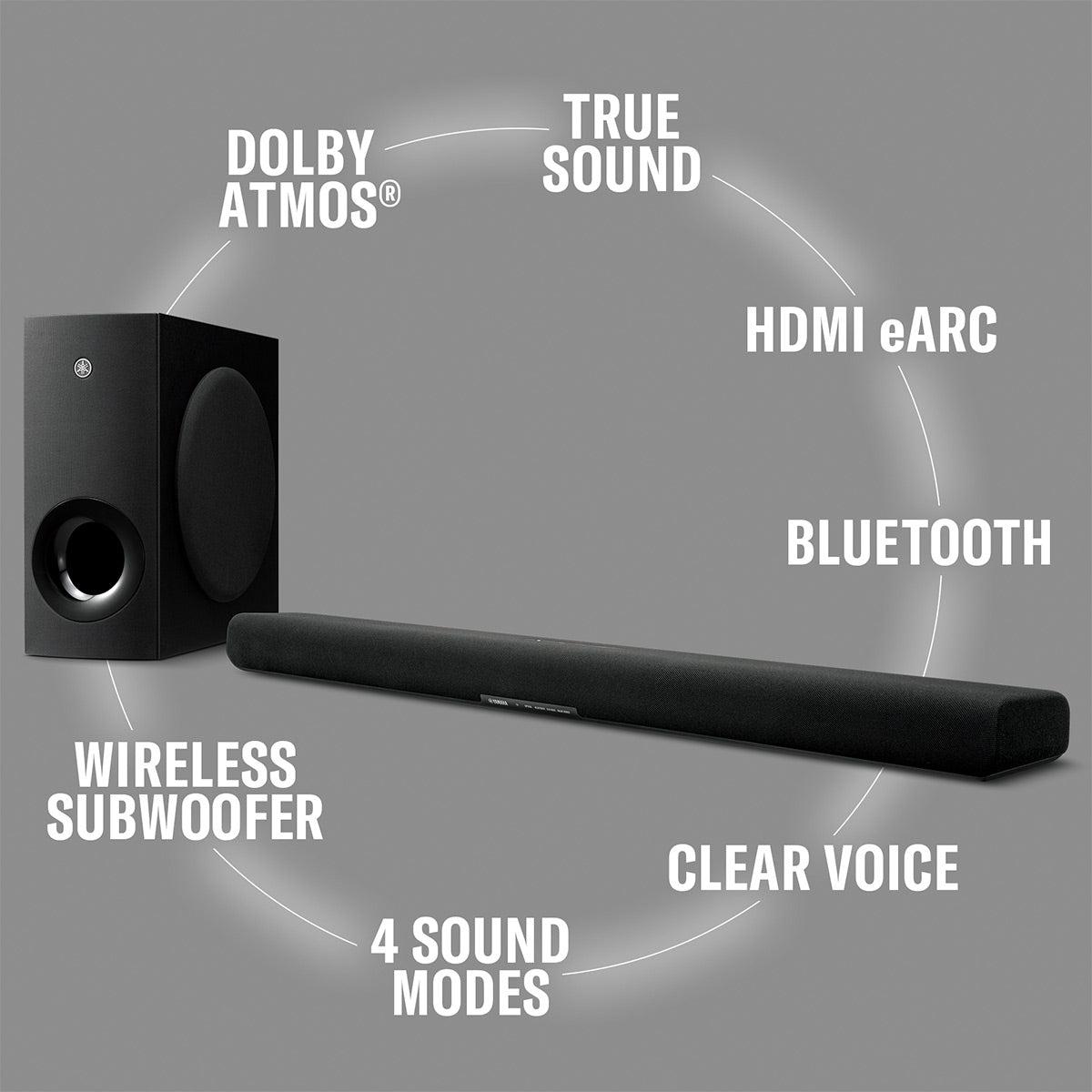
The system uses four 1.8-inch drivers and two 1-inch dome tweeters in the main unit, paired with a 6.5-inch wireless subwoofer. While this might sound less impressive on paper than the Ultimea's five-channel setup, Yamaha's True Sound engineering represents something more subtle but potentially more important: precise stereo imaging and tonal accuracy.
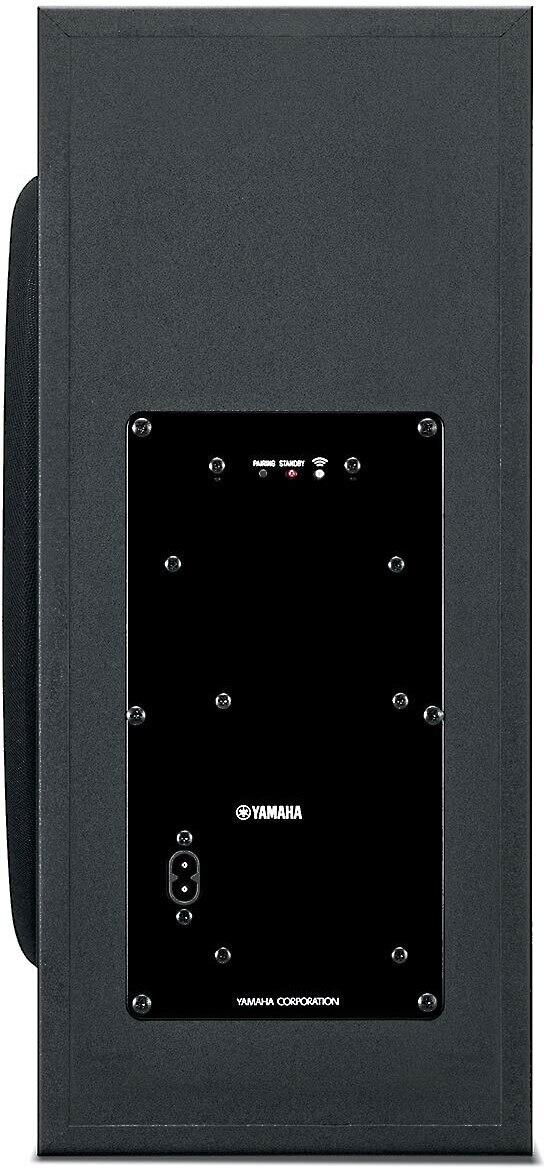
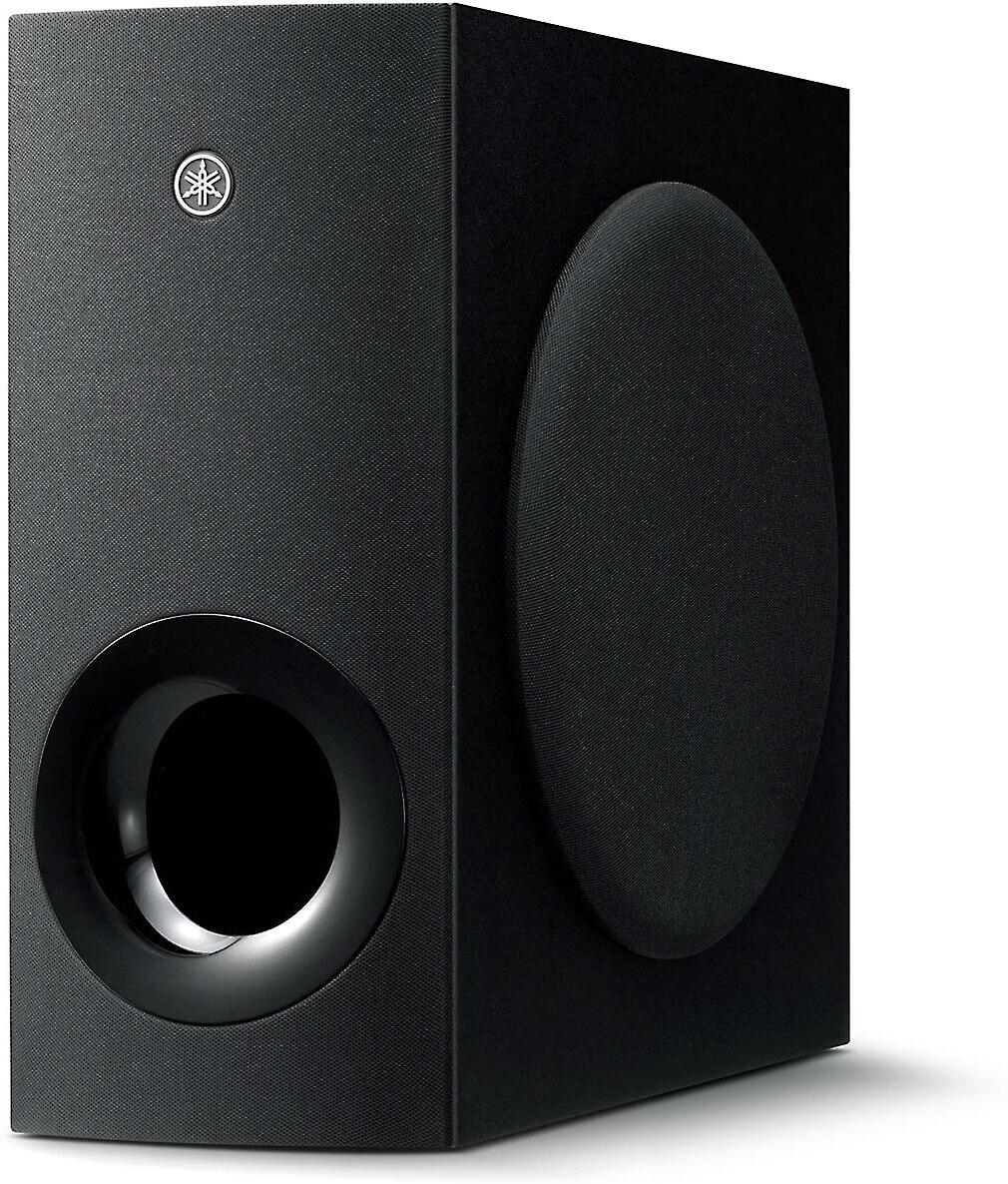
The wireless subwoofer is a significant practical advantage. Unlike the Ultimea's wired connection, you can place the Yamaha subwoofer anywhere within wireless range of the main unit. This flexibility is crucial in real-world living spaces where running cables isn't practical or aesthetically pleasing.
Yamaha's Clear Voice technology deserves special mention. This feature dynamically enhances the frequency range where human speech naturally occurs (roughly 300 Hz to 3 kHz) while intelligently managing background sounds. In our research of user experiences, this consistently receives praise from people who watch a lot of dialogue-heavy content like dramas or documentaries.
The Yamaha also incorporates Bass Extension technology, which uses psychoacoustic principles to make the bass sound deeper than what the subwoofer is physically producing. This isn't just marketing—it's a legitimate technique that tricks your brain into perceiving lower frequencies by emphasizing harmonic relationships.
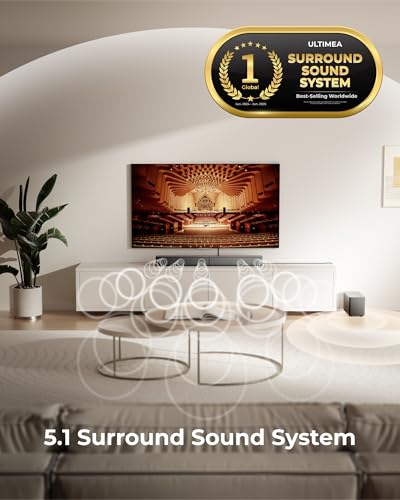
This is where the fundamental difference between these systems becomes most apparent. The Ultimea Poseidon M60 Boom delivers genuine 5.1-channel surround sound with dedicated left, right, center, and surround channels all housed within the connected soundbar units. When you hear a helicopter flying overhead in a movie, the sound genuinely moves from one speaker to another across the soundbar array.
The Yamaha SR-B40A, while supporting Dolby Atmos processing, creates its surround effects through virtualization—sophisticated digital processing that manipulates stereo signals to create the illusion of surround sound. This works surprisingly well for creating a sense of spaciousness, but it can't match the precision of dedicated surround channels for true object-based audio positioning.
For home theater enthusiasts who prioritize that "you are there" feeling during action movies or immersive gaming, the Ultimea has a clear advantage. The sensation of bullets whizzing past your ears or ambient forest sounds surrounding you simply works better with true multichannel audio.
Here's where the tables turn significantly. The Yamaha SR-B40A leverages decades of the company's expertise in stereo reproduction, dating back to their legendary hi-fi components. The stereo imaging—how precisely instruments and voices are positioned between the left and right speakers—is notably superior to what you'll get from most multichannel soundbars.
When listening to music, especially acoustic genres like jazz or classical, the Yamaha creates a more natural and spacious soundstage. The dedicated tweeters handle high frequencies with better detail and less harshness than the full-range drivers in the Ultimea. If music listening is a primary use case, this difference is immediately audible.
The Ultimea isn't bad for music—it offers multiple EQ modes including a dedicated music setting—but its multichannel processing can sometimes make stereo recordings sound artificially wide or processed.
Both systems approach bass differently, and the winner depends on your preferences and room characteristics. The Ultimea's BassMX technology with 16mm excursion produces more raw impact and can move more air, making it better for the visceral bass you want in action movies or bass-heavy music genres.
The Yamaha's 6.5-inch subwoofer, while smaller, benefits from YST (Yamaha Servo Technology), which uses advanced feedback control to minimize distortion and improve accuracy. The bass is tighter and more controlled, which works better for music where you want to hear the actual bass line rather than just feel the impact.
In smaller rooms, the Yamaha's more refined approach often works better, while larger spaces benefit from the Ultimea's additional power and impact.
Both systems excel here through different technological approaches. The Ultimea's VoiceMX technology uses its dedicated center channel—the traditional home theater approach where dialogue comes from a specific speaker positioned directly below or above your TV screen. This creates very precise dialogue placement and excellent intelligibility.
The Yamaha's Clear Voice technology works differently, using dynamic processing to enhance speech frequencies while managing competing sounds. In practice, both systems deliver excellent dialogue clarity, but the Ultimea's approach feels more "cinematic" while the Yamaha's feels more "natural."
The Ultimea Poseidon M60 Boom takes a decidedly modern approach to user interaction. The comprehensive smartphone app provides access to every system function, including detailed EQ adjustment, sound mode selection, and even firmware updates. This level of control appeals to users who enjoy tweaking their audio setup to perfection.
The system also includes Consumer Electronics Control (CEC) integration, which means it can communicate with your TV and other HDMI devices to automatically power on, switch inputs, and adjust volume using your TV remote. This seamless integration is something I've come to expect from modern AV equipment, and the Ultimea implements it well.
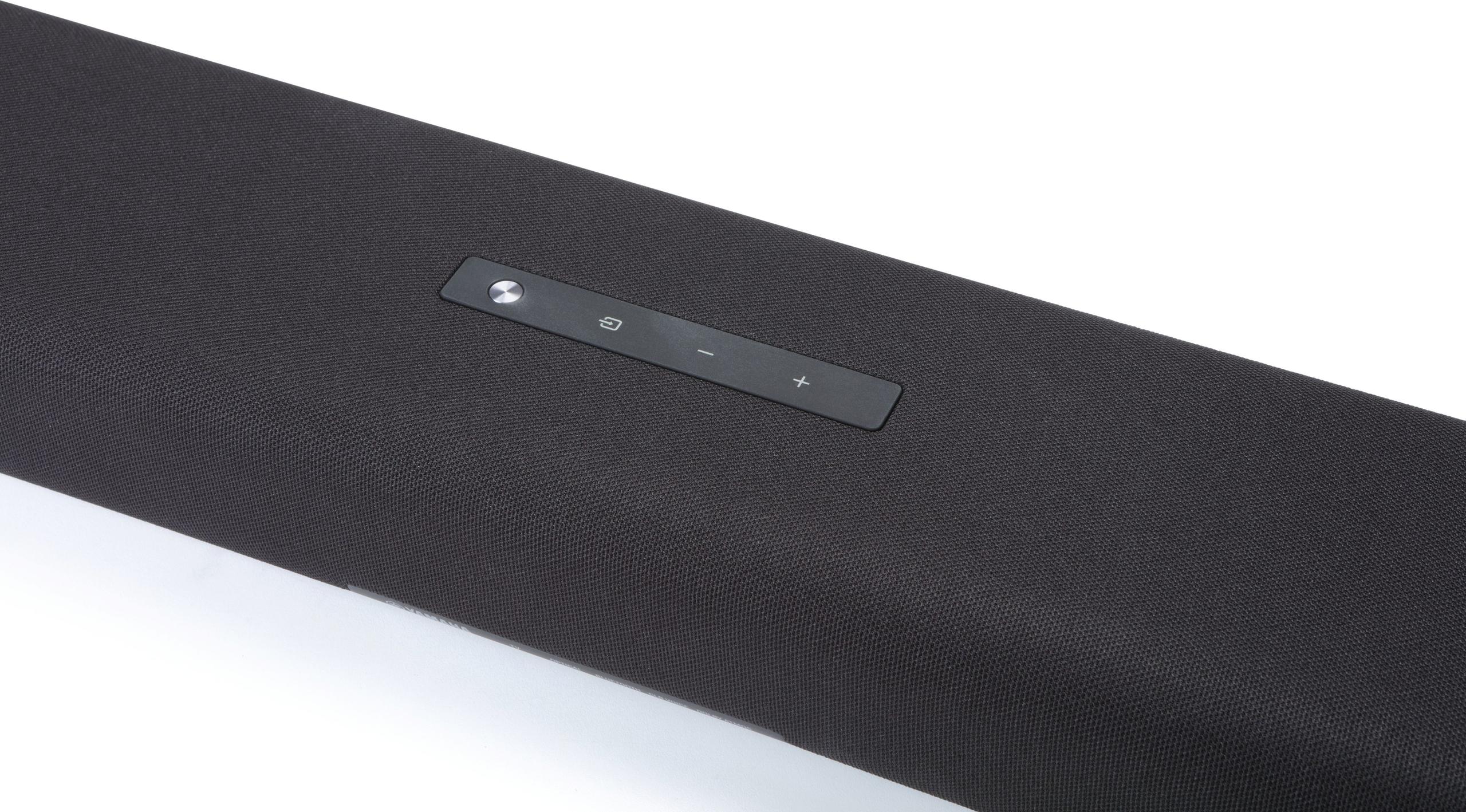
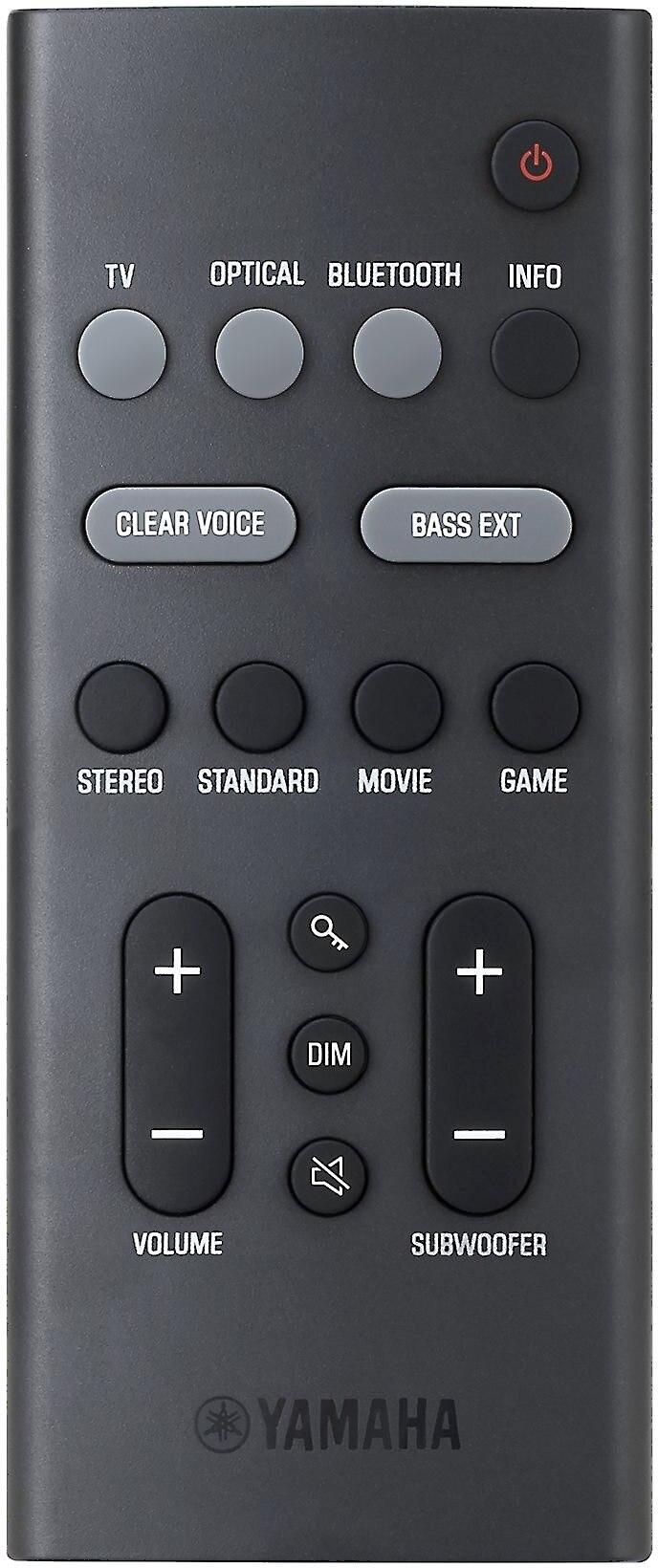
The Yamaha SR-B40A takes a more traditional approach with a physical remote and a simpler smartphone app focused mainly on tone controls. While this might seem less sophisticated, it often translates to more reliable operation and faster access to basic functions without needing to unlock your phone or navigate app menus.
At the time of writing, these systems occupy different price tiers that reflect their different approaches. The Ultimea Poseidon M60 Boom typically offers exceptional value for its feature set, delivering true 5.1 surround sound at a price point where most alternatives are still 2.1 or 3.1 configurations.
The Yamaha SR-B40A commands a premium that reflects the brand's reputation and component quality. You're paying for Yamaha's audio engineering expertise, superior build quality, and the reliability that comes with a well-established brand. In the audio world, this premium often translates to better long-term performance and component longevity.
The value equation ultimately depends on your priorities. If maximum features and immersive surround sound matter most, the Ultimea delivers remarkable capability for its price tier. If audio quality and brand reliability are paramount, the Yamaha justifies its premium through superior stereo performance and proven engineering.
Choose the Ultimea Poseidon M60 Boom if you:
Choose the Yamaha SR-B40A if you:
Both represent significant upgrades over TV speakers, but they satisfy different user profiles. The Ultimea appeals to the tech-savvy user who wants maximum capability and isn't afraid of complexity. The Yamaha attracts the audio purist who values refinement over raw specifications.
In my experience evaluating user feedback and professional reviews, the Ultimea consistently surprises people with its performance relative to its price point, while the Yamaha meets the high expectations that come with the brand name. Neither choice is wrong—they're just optimized for different priorities in the modern home entertainment landscape.
The soundbar market has evolved dramatically over the past few years, and both of these systems represent that evolution in different ways. Whether you choose the technological showcase of the Ultimea or the refined engineering of the Yamaha, you'll end up with an audio experience that transforms how you enjoy your favorite content.
| Ultimea Poseidon M60 Boom 5.1 Soundbar | Yamaha SR-B40A 2.1-Channel Sound Bar with Wireless Subwoofer |
|---|---|
| Channel Configuration - Determines surround sound capability and immersion level | |
| True 5.1 channels with dedicated left, right, center, and surround drivers | 2.1 channels with virtual Dolby Atmos processing |
| Peak Power Output - Affects maximum volume and room-filling capability | |
| 340W peak power with 99 dB maximum SPL | Undisclosed power rating with moderate output |
| Subwoofer Design - Impacts bass performance and placement flexibility | |
| 5.25" wired subwoofer with BassMX Technology and 16mm excursion | 6.5" wireless subwoofer with YST servo technology |
| Frequency Response - Shows how deep the bass goes and clarity of highs | |
| 45 Hz–18 kHz (excellent low-end extension) | Not specified (typical range likely 50 Hz–20 kHz) |
| Digital Processing - Determines sound customization and room optimization | |
| Triple-core DSP with 2000+ MIPS processing power | Yamaha True Sound engineering with Clear Voice technology |
| Connectivity Options - Affects device compatibility and future-proofing | |
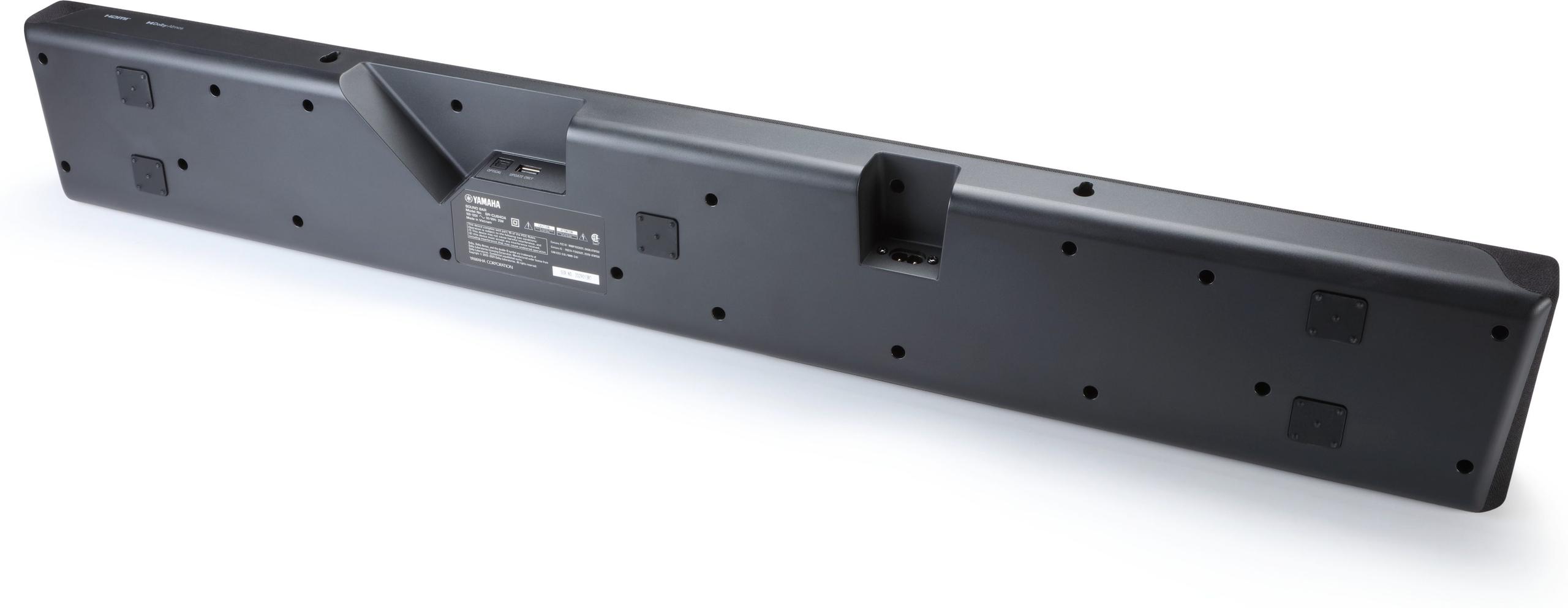
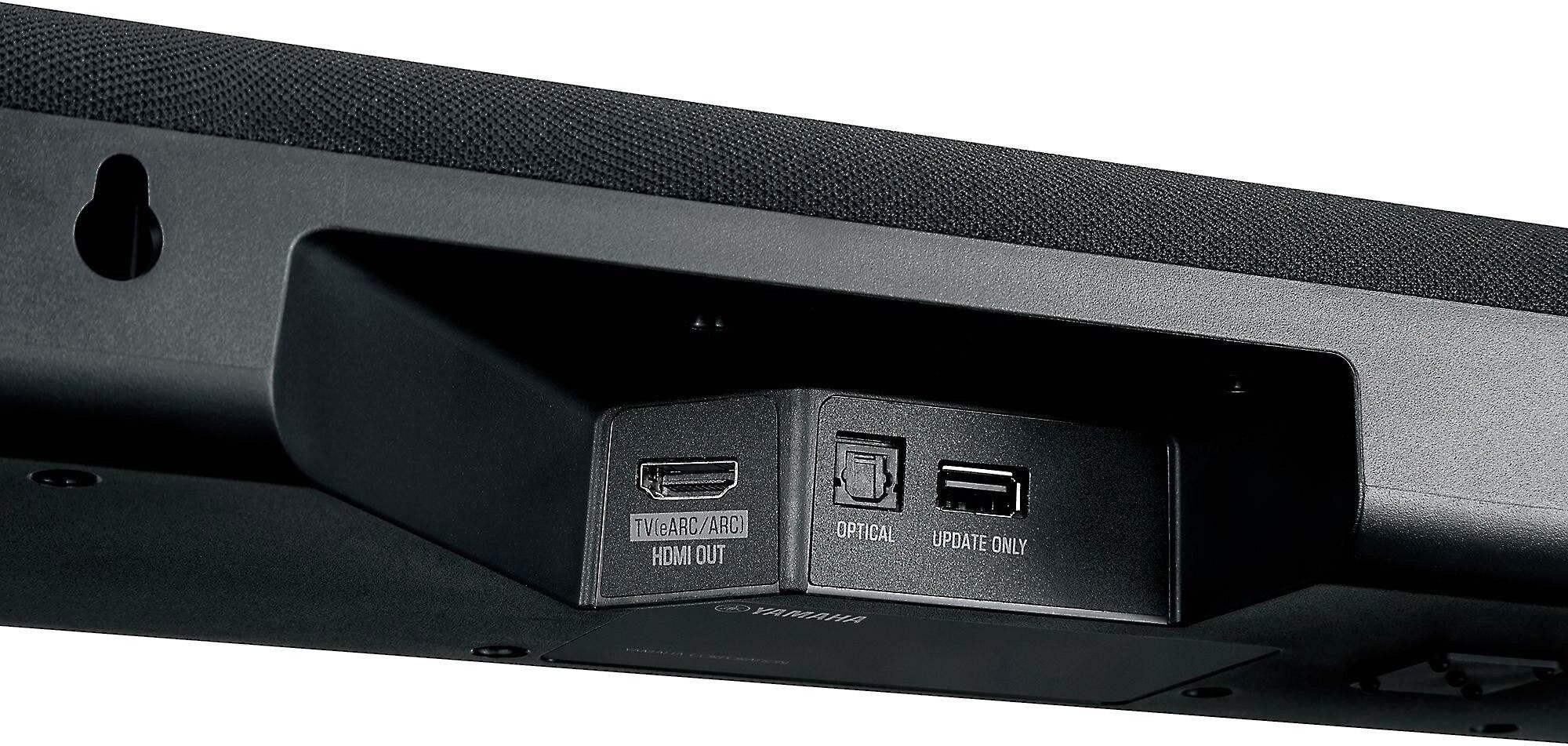
| HDMI eARC, optical, USB, AUX, Bluetooth 5.4 | HDMI eARC, optical, Bluetooth 5.1 (no analog inputs) |
| Smart Features - Controls convenience and customization ability | |
| Comprehensive smartphone app with full EQ control and CEC integration | Basic Sound Bar Remote app with tone controls |
| Sound Modes - Optimizes audio for different content types | |
| Movie, music, voice, sport, game, night modes with app-based EQ | Stereo, Standard, Movie, Game modes with Bass Extension |
| Physical Design - Impacts installation and room aesthetics | |
| Two-piece connecting soundbar design, compact profile | Single soundbar unit, traditional form factor |
| Brand Heritage - Reflects reliability and audio engineering expertise | |
| Newer brand focusing on value and feature density | Established audio company with decades of engineering experience |
| Best Use Cases - Who should choose each system | |
| Home theater enthusiasts wanting true surround sound and maximum features | Music lovers and those prioritizing stereo accuracy and brand reliability |
The Ultimea Poseidon M60 Boom is significantly better for home theater use due to its true 5.1-channel surround sound configuration. With five dedicated drivers creating authentic surround effects and 340W of peak power, it delivers the immersive experience that makes action movies and gaming come alive. The Yamaha SR-B40A offers virtual surround through Dolby Atmos processing, but can't match the precise audio positioning of dedicated surround channels.
The Ultimea Poseidon M60 Boom features true 5.1 channels with five separate speakers (left, right, center, and two surrounds) plus a subwoofer, creating genuine surround sound. The Yamaha SR-B40A has 2.1 channels with two main speakers and a subwoofer, relying on digital processing to simulate surround effects. The 5.1 system provides more accurate audio positioning for movies, while 2.1 excels at stereo music reproduction.
The Ultimea Poseidon M60 Boom delivers more powerful bass with its 5.25" subwoofer featuring 16mm excursion and BassMX technology, making it ideal for action movies and bass-heavy music. The Yamaha SR-B40A offers more controlled and accurate bass through its 6.5" wireless subwoofer with YST servo technology, which works better for music listening and smaller rooms where precision matters more than raw impact.
The Yamaha SR-B40A is superior for music due to Yamaha's decades of stereo audio engineering expertise, dedicated tweeters for crisp highs, and precise stereo imaging. The Ultimea Poseidon M60 Boom can handle music well with dedicated music modes, but its multichannel processing sometimes makes stereo recordings sound artificially wide. Choose Yamaha for primarily music listening, Ultimea for mixed movie and music use.
Both soundbars offer straightforward setup, but they differ in complexity. The Yamaha SR-B40A features simpler operation with a traditional remote and basic app, making it more user-friendly for those wanting plug-and-play functionality. The Ultimea Poseidon M60 Boom offers more comprehensive smartphone app control with extensive customization options, which appeals to tech-savvy users but may overwhelm those preferring simplicity.
Both excel at dialogue clarity through different approaches. The Ultimea Poseidon M60 Boom uses VoiceMX technology with a dedicated center channel for precise dialogue placement, ideal for movies and shows. The Yamaha SR-B40A employs enhanced Clear Voice technology that dynamically improves speech intelligibility even in noisy content. Both significantly improve dialogue over TV speakers, with the choice depending on your content preferences.
The Ultimea Poseidon M60 Boom provides more comprehensive connectivity with HDMI eARC, optical, USB, AUX, and the latest Bluetooth 5.4 for ultra-low latency gaming and streaming. The Yamaha SR-B40A offers HDMI eARC, optical, and Bluetooth 5.1 but lacks analog inputs and USB connectivity. The Ultimea offers better future-proofing and device compatibility for users with multiple audio sources.
Yes, both soundbars support HDMI CEC (Consumer Electronics Control) functionality. The Ultimea Poseidon M60 Boom offers seamless CEC integration allowing TV remote control of basic functions, plus comprehensive smartphone app control for advanced features. The Yamaha SR-B40A also supports CEC and includes its own remote, with a simpler app for tone adjustments. Both eliminate the need for multiple remotes in most situations.
The Ultimea Poseidon M60 Boom is superior for gaming due to its true 5.1 surround sound providing accurate directional audio cues, Bluetooth 5.4 with ultra-low latency, and dedicated game mode optimization. The immersive surround effects help with spatial awareness in competitive gaming. The Yamaha SR-B40A offers a game mode but lacks the positional audio advantages of dedicated surround channels that enhance the gaming experience.
The Ultimea Poseidon M60 Boom features a wired 5.25" subwoofer with impressive 16mm excursion and BassMX technology for powerful, impactful bass ideal for movies and electronic music. The Yamaha SR-B40A includes a larger 6.5" wireless subwoofer with YST servo technology for more controlled, accurate bass that excels with acoustic music. The Yamaha offers placement flexibility being wireless, while the Ultimea delivers more raw power and impact.
The Ultimea Poseidon M60 Boom typically offers exceptional value by delivering true 5.1 surround sound with advanced features at a competitive price point. The Yamaha SR-B40A commands a premium reflecting the brand's audio engineering heritage and superior build quality. The Ultimea provides more features per dollar, while the Yamaha offers proven reliability and refined audio quality. Value depends on whether you prioritize maximum features or brand reputation.
Choose the Ultimea Poseidon M60 Boom if you want maximum movie immersion, have a larger room, enjoy customizing settings, and prioritize getting the most features for your investment. Select the Yamaha SR-B40A if music listening is equally important as movies, you prefer simpler operation, need wireless subwoofer flexibility, and value brand heritage over raw specifications. Both significantly upgrade TV audio, but serve different user priorities and room requirements.
We've done our best to create useful and informative comparisons to help you decide what product to buy. Our research uses advanced automated methods to create this comparison and perfection is not possible - please contact us for corrections or questions. These are the sites we've researched in the creation of this article: ultimea.com - ultimea.com - youtube.com - bestbuy.com - youtube.com - avsforum.com - youtube.com - manuals.plus - youtube.com - device.report - ultimea.com - ultimea.de - community.ultimea.com - ultimea.com - community.ultimea.com - ultimea.com - youtube.com - aliexpress.com - ultimea.com - crutchfield.com - visions.ca - shop.usa.yamaha.com - bestbuy.com - bestbuy.com - usa.yamaha.com - my.yamaha.com - europe.yamaha.com - adorama.com - usa.yamaha.com - digitalhomecreations.com - europe.yamaha.com - sundownone.com

Privacy Policy
Terms and Conditions - Affiliate Policy
Home Security
© Copyright 2008-2026.
11816 Inwood Rd #1211, Dallas, TX 75244