

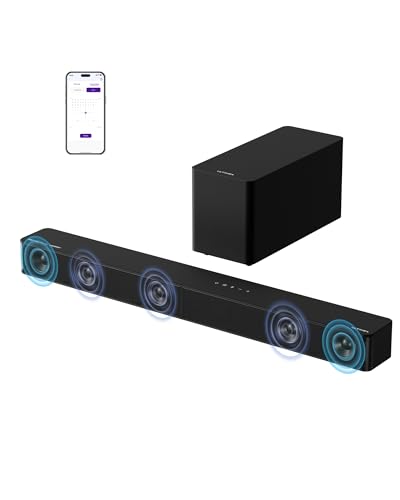

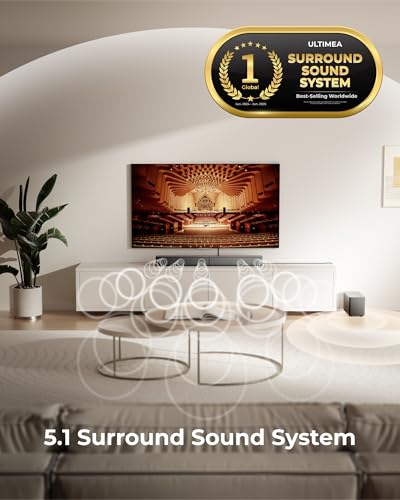
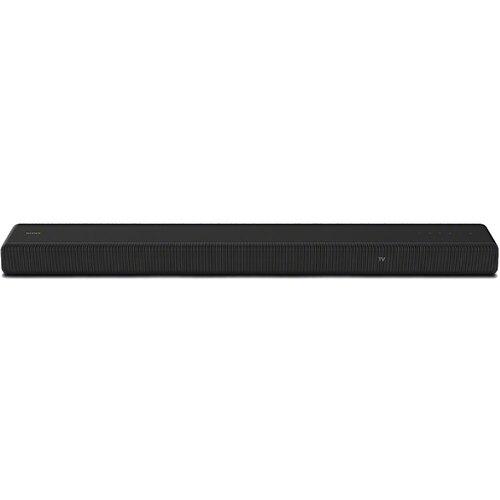

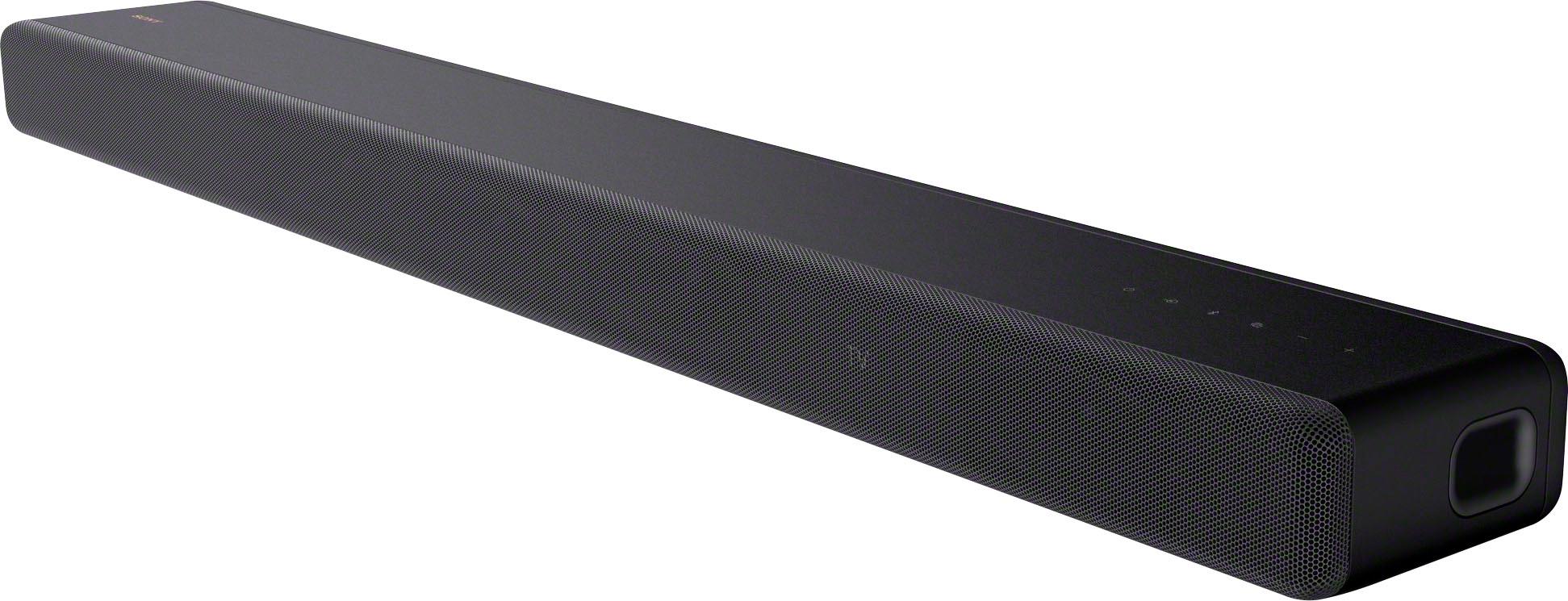
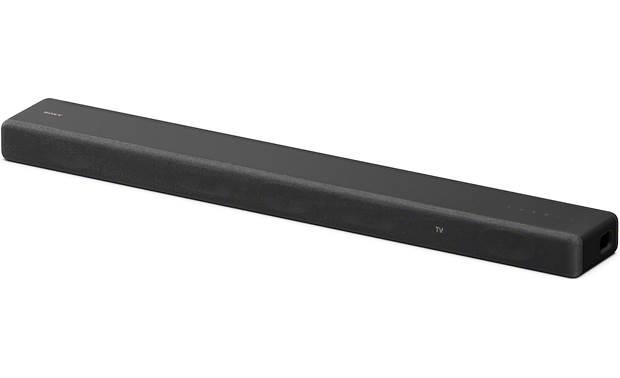

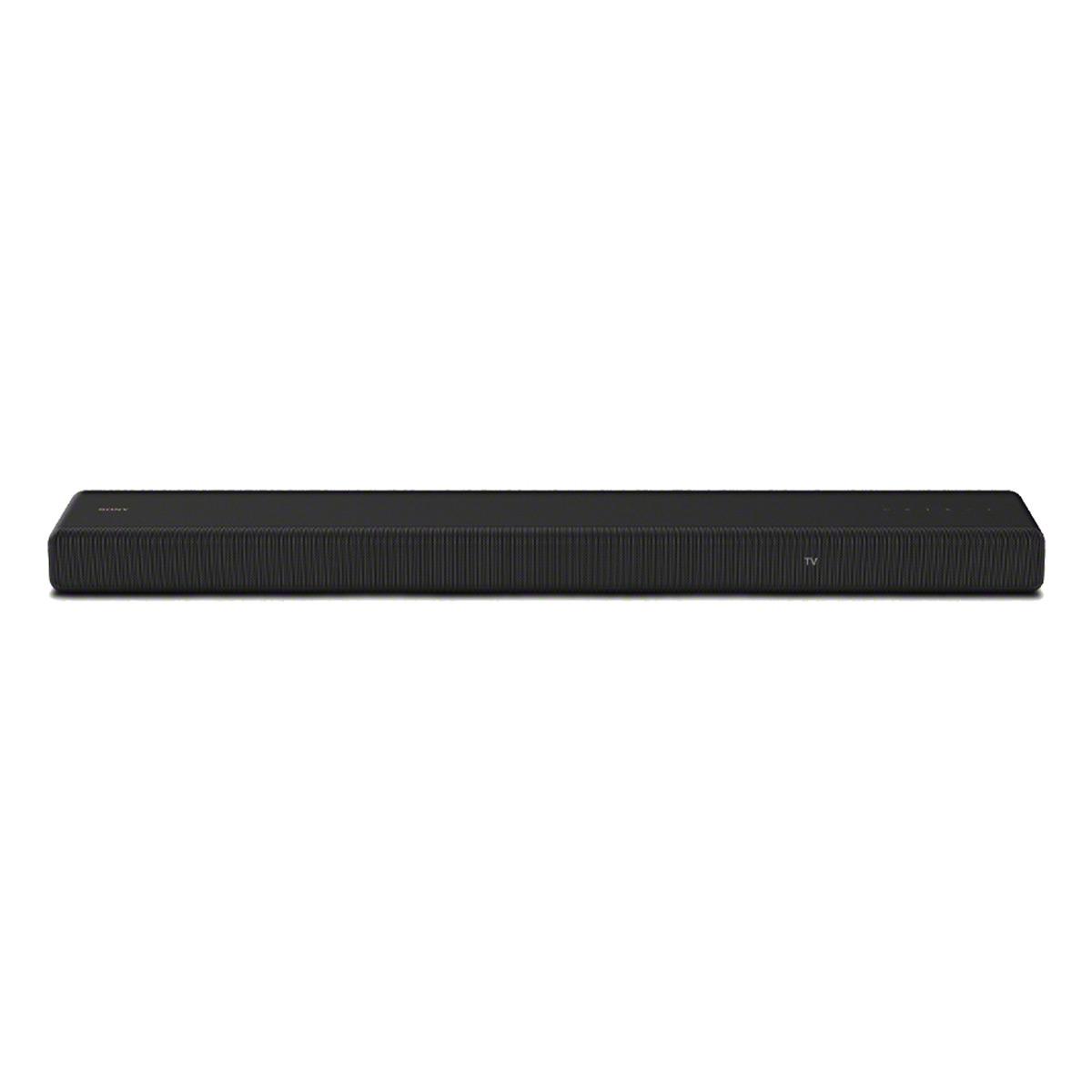
When your TV's built-in speakers sound like they're coming from inside a tin can, it's time for a soundbar upgrade. But the soundbar market has become incredibly diverse, with options ranging from simple stereo bars to complex multi-speaker systems that rival traditional home theater setups. Today we're comparing two fundamentally different approaches: the Ultimea Poseidon M60 Boom, which packs true 5.1 surround sound into a single package, and the Sony HT-A3000, a premium 3.1 system designed to grow over time.
Before diving into specifics, let's establish what separates good soundbars from great ones. The most critical factor is channel configuration – essentially how many separate audio streams the system can handle. A 3.1 system has left, right, and center channels plus a subwoofer (the ".1"), while 5.1 adds dedicated surround channels. More channels generally mean better spatial audio, but only if implemented properly.
Power output matters, but not in the way most people think. Raw wattage doesn't guarantee better sound – it's about clean power delivery and how efficiently the speakers convert that power into sound. A well-designed 200W system often outperforms a poorly engineered 400W one.
The real magic happens in audio processing – the digital brain that takes incoming audio signals and optimizes them for your room and speaker configuration. This includes features like dialogue enhancement (boosting speech frequencies), room correction (adapting sound to your space), and virtual surround processing (creating the illusion of speakers where none exist).
Released in 2024, the Ultimea Poseidon M60 Boom represents the "everything now" philosophy of soundbar design. At the time of writing, it positions itself in the budget-to-mid-range category while delivering features typically found in much more expensive systems.
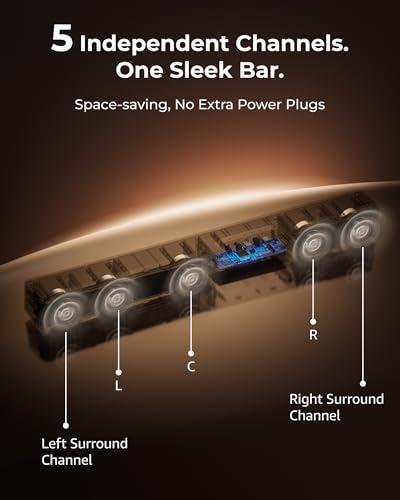
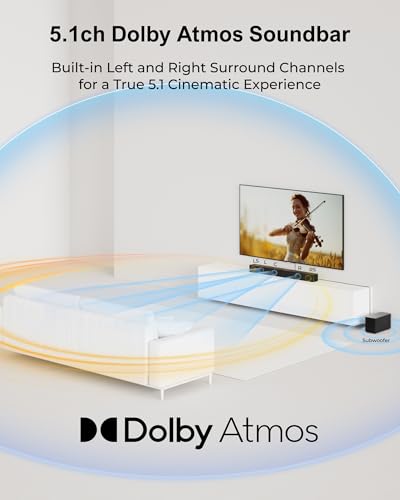
What makes this soundbar unique is its true 5.1 channel implementation within a single bar. Most soundbars claiming 5.1 capability are actually virtualizing those extra channels – using psychoacoustic tricks to make stereo speakers sound like surround sound. The M60 Boom actually houses five separate full-range drivers, creating dedicated left, right, center, and surround channels all in one unit.
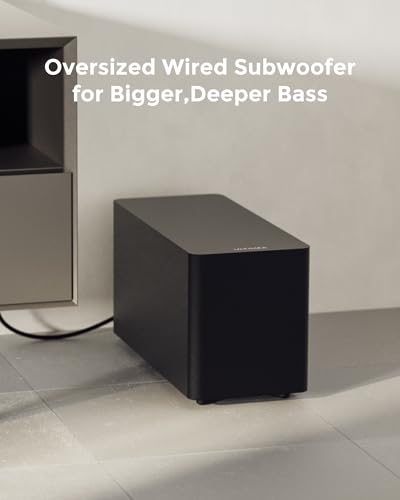
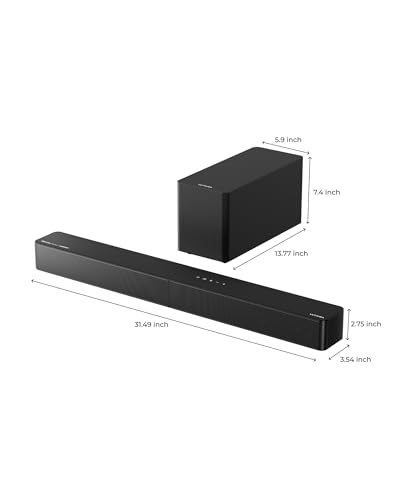
The system pumps out 340W of peak power through these five precision-tuned drivers, paired with a substantial wired subwoofer featuring BassMX technology. This isn't marketing speak – BassMX refers to the enlarged cabinet design and high-excursion driver (16mm of movement) that allows the 5.25-inch subwoofer to move more air and produce deeper bass than typical compact subs.
Sony released the HT-A3000 in 2022, positioning it as an entry point into their premium soundbar ecosystem. At the time of writing, it commands a significantly higher price than the M60 Boom, but offers a more sophisticated foundation for future expansion.
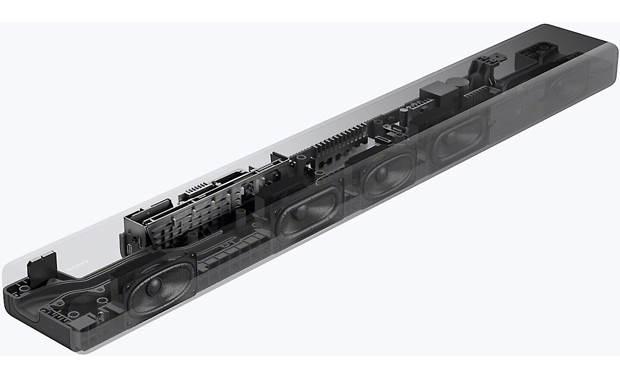
The Sony system uses a 3.1 configuration with three front-facing speakers and dual built-in subwoofers. What sets it apart is Sony's advanced audio processing, particularly their X-Balanced Speaker Units. These rectangular drivers maximize the diaphragm area within the available space, reducing distortion and improving clarity compared to traditional round drivers.
The real Sony magic lies in technologies like Vertical Surround Engine and 360 Spatial Sound Mapping. The first creates the illusion of height speakers through careful phase manipulation and frequency response tuning, while the latter uses built-in microphones to measure your room and optimize the sound field accordingly.
When evaluating soundbar performance, dialogue clarity should be your first consideration. If you can't understand what actors are saying, all the surround effects in the world won't help. Here's where these systems take markedly different approaches.
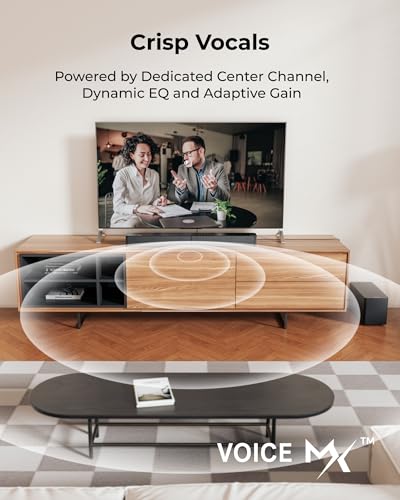
The Ultimea M60 Boom achieves exceptional dialogue clarity through dedicated channel separation. Having a physical center channel driver means speech isn't competing with music and effects for the same acoustic space. Our research into user reviews consistently highlights this as the system's standout feature – dialogue remains intelligible even during complex, loud scenes.
The frequency response extends from 45Hz to 18kHz, covering most of the audible spectrum with particular strength in the midrange where human voices live. The system can achieve 99dB maximum sound pressure level, which translates to very loud, clean audio suitable for large rooms or outdoor spaces.
The Sony HT-A3000 takes a more processed approach to clarity. Its DSEE Extreme technology analyzes compressed audio in real-time, identifying lost frequencies and reconstructing them. This particularly benefits streaming content, where audio compression often murders the subtle details that make dialogue sound natural.
Sony's X-Balanced drivers contribute significantly here. By maximizing the diaphragm area, they can move more air with less distortion, resulting in cleaner midrange reproduction. The difference is subtle but noticeable – voices sound more natural and less strained at higher volumes.
This is where the philosophical differences between these systems become most apparent. The M60 Boom delivers authentic surround sound through physical channel separation. When a helicopter flies from left to right in a movie, dedicated drivers handle each position along that path. The effect is convincing and immediate.
However, the system's Dolby Atmos implementation is virtualized. Dolby Atmos adds height information to surround sound, placing audio objects in three-dimensional space including above your head. Without dedicated upfiring speakers, the M60 Boom must simulate these height effects through digital processing. It works, but lacks the precision of systems with physical height speakers.
The Sony HT-A3000 flips this equation. Its 3.1 base configuration means surround effects are entirely virtual – but Sony's processing is exceptionally sophisticated. The Vertical Surround Engine analyzes incoming surround signals and uses phase differences and frequency response curves to create convincing phantom surround speakers.
More importantly, the Sony system can be expanded with optional wireless rear speakers and additional subwoofers, transforming it into a true Dolby Atmos system with physical height speakers. This expandability represents the system's core value proposition – start simple, grow complex over time.
Low-frequency performance dramatically affects your emotional connection to content. Movie explosions, musical bass lines, and even the subtle rumble that adds weight to dialogue all depend on capable bass reproduction.
The M60 Boom's dedicated wooden subwoofer is its secret weapon. At 5.25 inches, it's substantially larger than the Sony's built-in drivers, with 16mm of excursion capability. This means it can move significantly more air, producing the kind of chest-thumping bass that makes action movies visceral experiences.
The wired connection ensures zero latency – the bass hits exactly when it should, maintaining tight synchronization with on-screen action. The BassMX technology optimizes the cabinet design and crossover network to extend low-frequency response while maintaining control and avoiding the boomy, indistinct bass that plagues many budget systems.
The Sony HT-A3000's dual built-in subwoofers measure 4.375" x 1.8125" – compact rectangular drivers that save space but sacrifice ultimate output. They're adequate for dialogue reinforcement and musical bass, but lack the visceral impact needed for action movies. Sony partially addresses this limitation through optional wireless subwoofers, but that requires additional investment.
Both systems embrace modern connectivity standards, but with different priorities. The M60 Boom features Bluetooth 5.4, the latest wireless standard offering improved range, stability, and audio quality. This matters more than you might think – newer Bluetooth versions reduce dropouts and support higher-quality audio codecs.
The system's smart app control deserves special mention. Unlike many budget soundbars with basic apps, the M60 Boom offers comprehensive EQ control with manual adjustment of bass, midrange, and treble, plus six preset modes optimized for different content types. This level of customization typically requires much more expensive systems.
The Sony HT-A3000 emphasizes ecosystem integration. Built-in Wi-Fi supports Chromecast and AirPlay 2, enabling lossless audio streaming directly from phones and tablets. The LDAC Bluetooth codec supports high-resolution audio over wireless connections, appealing to audiophiles with extensive digital music collections.
Sony's 360 Reality Audio support represents forward-thinking connectivity. This emerging format creates immersive audio experiences similar to Dolby Atmos but optimized for music rather than movies. While content remains limited, early adoption positions the system for future streaming service expansions.
At the time of writing, these systems occupy different price tiers, making direct value comparisons complex. The M60 Boom delivers exceptional value in the budget-to-midrange category, offering features and performance that compete with systems costing significantly more.
The immediate value proposition is compelling: true 5.1 surround sound, substantial power output, comprehensive connectivity, and sophisticated control options. There are no hidden costs – everything needed for a complete surround sound experience comes in the box.
The Sony HT-A3000 requires a different value calculation. The initial investment is higher, but includes Sony's reputation for reliability, sophisticated audio processing, and a clear upgrade path. The system's modular design means you're not locked into today's configuration – future expansion can address any initial limitations.
Consider the total cost of ownership. The M60 Boom represents a complete solution with no required future purchases. The Sony system may require additional speakers and subwoofers to reach its full potential, potentially doubling or tripling the total investment.
For dedicated home theater use, the M60 Boom excels immediately. Its true 5.1 configuration and powerful subwoofer create engaging surround sound that enhances movie watching from day one. The system particularly shines with action movies, delivering the kind of dynamic range and bass impact that makes explosions feel real.
The dialogue clarity advantage becomes most apparent during complex scenes with multiple speakers, background music, and sound effects. Having dedicated channels means important dialogue doesn't get lost in the mix – a common problem with lesser soundbars.
The Sony HT-A3000 starts more conservatively but offers greater long-term potential. Its sophisticated room optimization and audio processing create a refined listening experience that works particularly well with high-quality content. The system really comes alive when expanded with optional components, potentially surpassing the M60 Boom's ultimate performance ceiling.
Music reproduction reveals interesting differences. The M60 Boom's five-driver configuration and dedicated subwoofer create an engaging, dynamic presentation that works well with contemporary music genres. The system's ability to separate instruments across the soundstage makes complex arrangements more enjoyable.
The Sony system's strength lies in its audio processing sophistication. The DSEE Extreme technology particularly benefits compressed streaming music, reconstructing lost detail and making everything sound more natural. The 360 Reality Audio support adds future-proofing for emerging music formats.
For serious music listening, the Sony's expandability becomes crucial. Adding optional rear speakers and subwoofers can create a more balanced, room-filling presentation that better serves critical listening sessions.
You want immediate gratification from your soundbar investment. This system delivers complete 5.1 surround sound performance without requiring additional purchases or complex setup procedures. It's ideal for movie enthusiasts who prioritize impact and immersion over subtle refinement.
The M60 Boom particularly suits users with space constraints who can't accommodate separate rear speakers but still want authentic surround sound. Its comprehensive app control and connectivity options provide flexibility without complexity.
Budget-conscious buyers get exceptional value here – features and performance that typically require much higher investments. If your primary goal is maximizing audio impact per dollar spent, this system delivers convincingly.
You prefer building a system gradually and value long-term flexibility over immediate gratification. The Sony system provides a sophisticated foundation that can grow with your needs and budget over time.
This choice makes sense for users prioritizing music reproduction alongside movie watching. The advanced audio processing and high-resolution audio support create a more refined listening experience that particularly benefits high-quality sources.
Sony ecosystem users – those with BRAVIA TVs, PlayStation consoles, or extensive Sony device collections – benefit from seamless integration and optimized performance. The brand's reputation for reliability and customer support also provides peace of mind for long-term ownership.
The HT-A3000 suits users who appreciate technical sophistication and don't mind paying premium prices for advanced features. Its room optimization, audio processing, and expansion capabilities justify the higher investment for discerning listeners.
Both soundbars succeed in their intended roles, but serve fundamentally different user needs. The Ultimea Poseidon M60 Boom delivers immediate, complete surround sound satisfaction at an exceptional value point. It's the better choice for users wanting maximum impact today without future complications.
The Sony HT-A3000 offers a more sophisticated, expandable foundation that rewards patience and additional investment. Its advanced processing and growth potential make it ideal for users building long-term audio systems.
Your choice ultimately depends on whether you prioritize immediate gratification or long-term flexibility. Both approaches have merit – the key is matching the system's philosophy to your needs and expectations.
| Ultimea Poseidon M60 Boom 5.1 Soundbar | Sony HT-A3000 3.1ch Dolby Atmos Soundbar |
|---|---|
| Channel Configuration - Determines surround sound authenticity and immersion | |
| True 5.1 with physical surround channels in main bar | 3.1 base configuration, expandable with optional speakers |
| Power Output - Affects maximum volume and dynamic range | |
| 340W peak power for room-filling sound | 250W RMS with cleaner, more controlled delivery |
| Subwoofer Design - Critical for bass impact and movie experience | |
| Dedicated 5.25" wired wooden subwoofer with BassMX technology | Dual built-in 4.375" x 1.8125" subwoofers, expandable with wireless sub |
| Audio Processing - Enhances dialogue clarity and sound optimization | |
| Triple-core DSP with VoiceMX vocal enhancement | X-Balanced drivers with DSEE Extreme upscaling and room optimization |
| Connectivity - Modern streaming and device compatibility | |
| Bluetooth 5.4, HDMI eARC, comprehensive app control | Wi-Fi with Chromecast/AirPlay 2, Bluetooth with LDAC codec |
| Dolby Atmos Implementation - Height effects and 3D audio experience | |
| Decoded and virtualized (no physical height speakers) | Native support with Vertical Surround Engine, true Atmos when expanded |
| Setup Complexity - Time to optimal performance | |
| Complete 5.1 system ready immediately out of box | 3.1 foundation requiring optional speakers for full surround |
| Expandability - Future upgrade potential | |
| Non-expandable all-in-one design | Modular system with wireless rear speakers and subwoofer options |
| Room Optimization - Adapts sound to your specific space | |
| Manual EQ adjustment via app with multiple presets | Automatic Sound Field Optimization with built-in microphones |
| Best For - Target user and primary use case | |
| Movie enthusiasts wanting immediate 5.1 surround at budget price | Premium foundation for gradual system building with Sony ecosystem integration |
The Ultimea Poseidon M60 Boom delivers true 5.1 surround sound with five physical drivers built into the main bar, creating authentic left, right, center, and surround channels. The Sony HT-A3000 uses a 3.1 configuration with sophisticated virtual surround processing. For immediate surround sound, the M60 Boom provides more convincing spatial effects, while the Sony system requires optional rear speakers for true surround sound.
A 5.1 system like the Ultimea M60 Boom has five main channels (left, right, center, left surround, right surround) plus a subwoofer, creating true surround sound. The Sony HT-A3000's 3.1 configuration has left, right, center channels, and dual subwoofers, relying on processing to simulate surround effects. The 5.1 setup provides more authentic surround sound placement.
For immediate movie impact, the Ultimea Poseidon M60 Boom excels with its true 5.1 surround sound, powerful 340W output, and dedicated wooden subwoofer that delivers chest-thumping bass. The Sony HT-A3000 offers more refined audio processing and dialogue clarity but requires additional speakers to match the M60 Boom's cinematic impact for action movies.
Both soundbars support Dolby Atmos, but differently. The Ultimea M60 Boom decodes Dolby Atmos and virtualizes height effects since it lacks physical upfiring speakers. The Sony HT-A3000 has native Dolby Atmos support with Vertical Surround Engine technology and can achieve true Dolby Atmos with optional upfiring speakers.
The Ultimea Poseidon M60 Boom provides superior bass performance with its dedicated 5.25-inch wooden subwoofer featuring BassMX technology and 16mm excursion capability. The Sony HT-A3000 has dual built-in subwoofers that are adequate for dialogue and music but lack the deep, impactful bass of the M60 Boom's dedicated subwoofer.
The Ultimea M60 Boom is a complete, non-expandable system that delivers everything out of the box. The Sony HT-A3000 is designed for expansion, supporting optional wireless rear speakers, additional subwoofers, and upfiring speakers to create a full Dolby Atmos system. Choose the Sony if you plan to build your system over time.
The Sony HT-A3000 excels for music with its DSEE Extreme technology that enhances compressed audio, LDAC Bluetooth codec for high-resolution streaming, and 360 Reality Audio support. The Ultimea M60 Boom provides dynamic music reproduction with good instrument separation, but the Sony system offers more sophisticated audio processing for critical music listening.
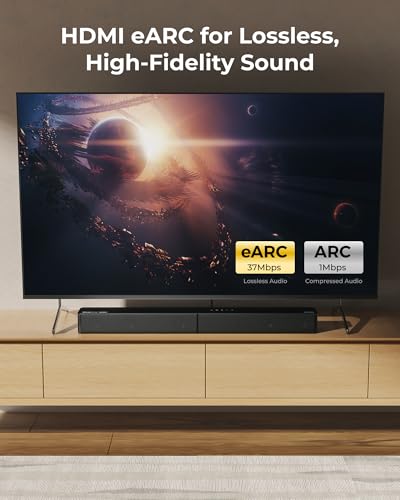
The Ultimea M60 Boom features Bluetooth 5.4, HDMI eARC, optical, USB inputs, and comprehensive app control. The Sony HT-A3000 includes HDMI eARC, Wi-Fi with Chromecast and AirPlay 2 built-in, Bluetooth with LDAC codec, and automatic room optimization. Both offer modern connectivity, but the Sony provides more wireless streaming options.
The Ultimea Poseidon M60 Boom offers simpler setup as a complete system ready to use immediately - just connect the wired subwoofer and you have full 5.1 surround sound. The Sony HT-A3000 starts as a 3.1 system with automatic room calibration but requires additional speakers for full surround sound, making initial setup easier but complete system setup more complex.
The Ultimea M60 Boom handles large rooms better initially with its 340W peak power output and dedicated subwoofer providing room-filling sound and bass impact. The Sony HT-A3000 starts with 250W RMS power suitable for medium rooms but can be expanded with additional speakers and subwoofers to effectively fill larger spaces.
Value depends on your needs: The Ultimea M60 Boom delivers exceptional immediate value with complete 5.1 surround sound, powerful performance, and no additional purchases required. The Sony HT-A3000 offers long-term value as a premium foundation that can grow over time, but requires additional investment for full surround sound capabilities.
Both soundbars excel at dialogue clarity but use different approaches. The Ultimea M60 Boom achieves clear dialogue through its dedicated center channel and VoiceMX vocal enhancement technology. The Sony HT-A3000 uses X-Balanced speakers and sophisticated processing to maintain dialogue intelligibility. Both systems significantly improve speech clarity over TV speakers, with the M60 Boom offering slightly better separation in complex scenes.
We've done our best to create useful and informative comparisons to help you decide what product to buy. Our research uses advanced automated methods to create this comparison and perfection is not possible - please contact us for corrections or questions. These are the sites we've researched in the creation of this article: ultimea.com - ultimea.com - youtube.com - bestbuy.com - youtube.com - avsforum.com - youtube.com - manuals.plus - youtube.com - device.report - ultimea.com - ultimea.de - community.ultimea.com - ultimea.com - community.ultimea.com - ultimea.com - youtube.com - aliexpress.com - ultimea.com - rtings.com - electronics.sony.com - crutchfield.com - store.sony.com.au - digitaltrends.com - videoandaudiocenter.com - abt.com - sony.com - merlinstv.com - crutchfield.com - youtube.com

Privacy Policy
Terms and Conditions - Affiliate Policy
Home Security
© Copyright 2008-2026.
11816 Inwood Rd #1211, Dallas, TX 75244