





When your TV's built-in speakers leave you constantly asking "what did they say?" or make explosions sound like popcorn popping, it's time for a soundbar upgrade. But the soundbar market in 2024 presents an interesting choice between two very different philosophies: maximum audio performance for your money versus premium smart integration with sleek design.
The Ultimea Poseidon M60 Boom and Samsung HW-S700D represent these opposing approaches perfectly. At the time of writing, the Ultimea costs roughly half what Samsung charges, yet delivers true 5.1 surround sound with physical satellite speakers. Meanwhile, Samsung's offering focuses on ultra-slim design and smart home integration. Understanding which approach serves your needs better requires diving into what makes each tick.
Soundbars have evolved dramatically since their introduction in the early 2000s. Originally simple speaker bars designed to improve dialogue clarity, today's models incorporate sophisticated digital signal processing (DSP) - essentially computer chips that manipulate audio in real-time to create immersive experiences from compact packages.
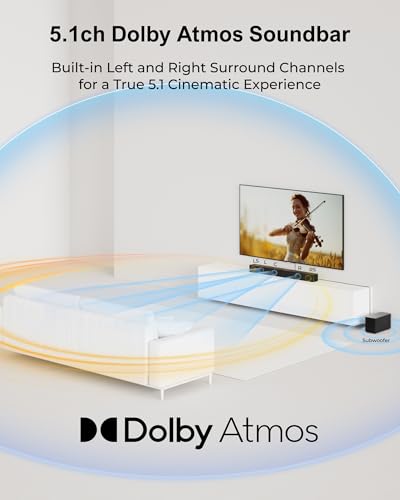
The fundamental choice comes down to channel configuration. A 3.1 system means three main channels (left, center, right) plus one subwoofer channel for bass. A 5.1 system adds two rear surround channels, creating true directional audio where sounds can originate from behind you. This distinction becomes crucial when comparing the Samsung HW-S700D's 3.1 setup against the Ultimea M60 Boom's genuine 5.1 configuration.
Modern soundbars also incorporate technologies like Dolby Atmos, which adds height information to create three-dimensional soundscapes. However, implementation varies dramatically - some systems use physical upward-firing speakers, others rely on psychoacoustic processing (basically tricking your brain into perceiving sounds from different directions).
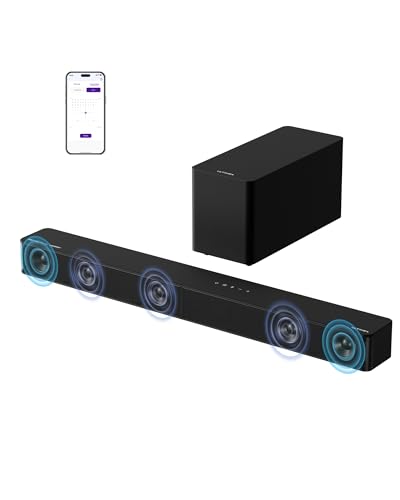
Released in 2024, the Ultimea Poseidon M60 Boom takes an refreshingly straightforward approach: deliver authentic 5.1 surround sound without breaking the bank. At its heart lies a philosophy that physical speaker separation beats virtual processing every time.
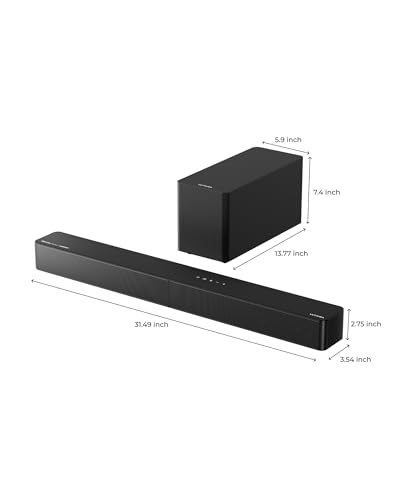
The system's 340W peak power output comes from five precision-tuned full-range drivers in the main soundbar plus a substantial 5.25-inch subwoofer. What makes this impressive for the price point is the inclusion of actual satellite speakers that create genuine rear surround effects. Most budget soundbars simulate surround sound through digital processing, but the Ultimea M60 Boom gives you the real deal.
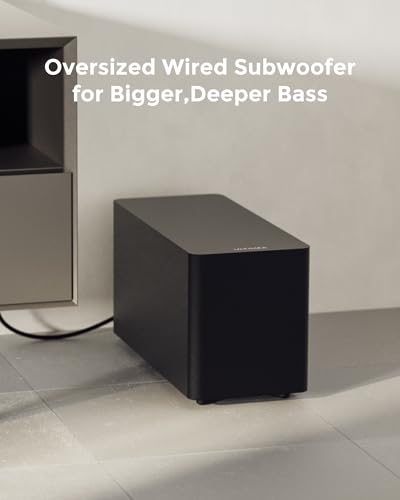
The BassMX technology deserves particular attention. This isn't marketing fluff - it refers to the subwoofer's high-excursion driver that can move up to 16mm in each direction. For context, most budget subwoofers barely achieve half that movement. Combined with the wooden cabinet construction, this creates deeper, more controlled bass response that extends down to 45Hz. That's low enough to feel the rumble in explosion scenes and the thump in music bass lines.
Triple-core DSP processing powers the system's audio optimization. Two cores run at 800MHz while a third operates at 600MHz, providing over 2000 MIPS (millions of instructions per second) of processing power. This computational muscle enables real-time parametric EQ adjustments and dynamic range optimization that adapts to different content types.
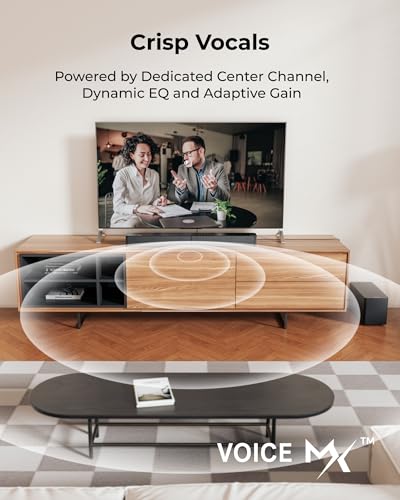
The VoiceMX technology specifically targets the 300Hz to 3kHz frequency range where human dialogue lives. Using adaptive gain control, it can boost voices during complex scenes while maintaining natural sound character. This addresses one of the most common complaints about TV audio - muddy or buried dialogue.
What impresses most about the Ultimea Poseidon M60 Boom is its commitment to traditional audio principles at a budget price. The wired subwoofer connection, while less convenient than wireless, ensures consistent performance without dropouts or latency issues that plague some wireless systems.
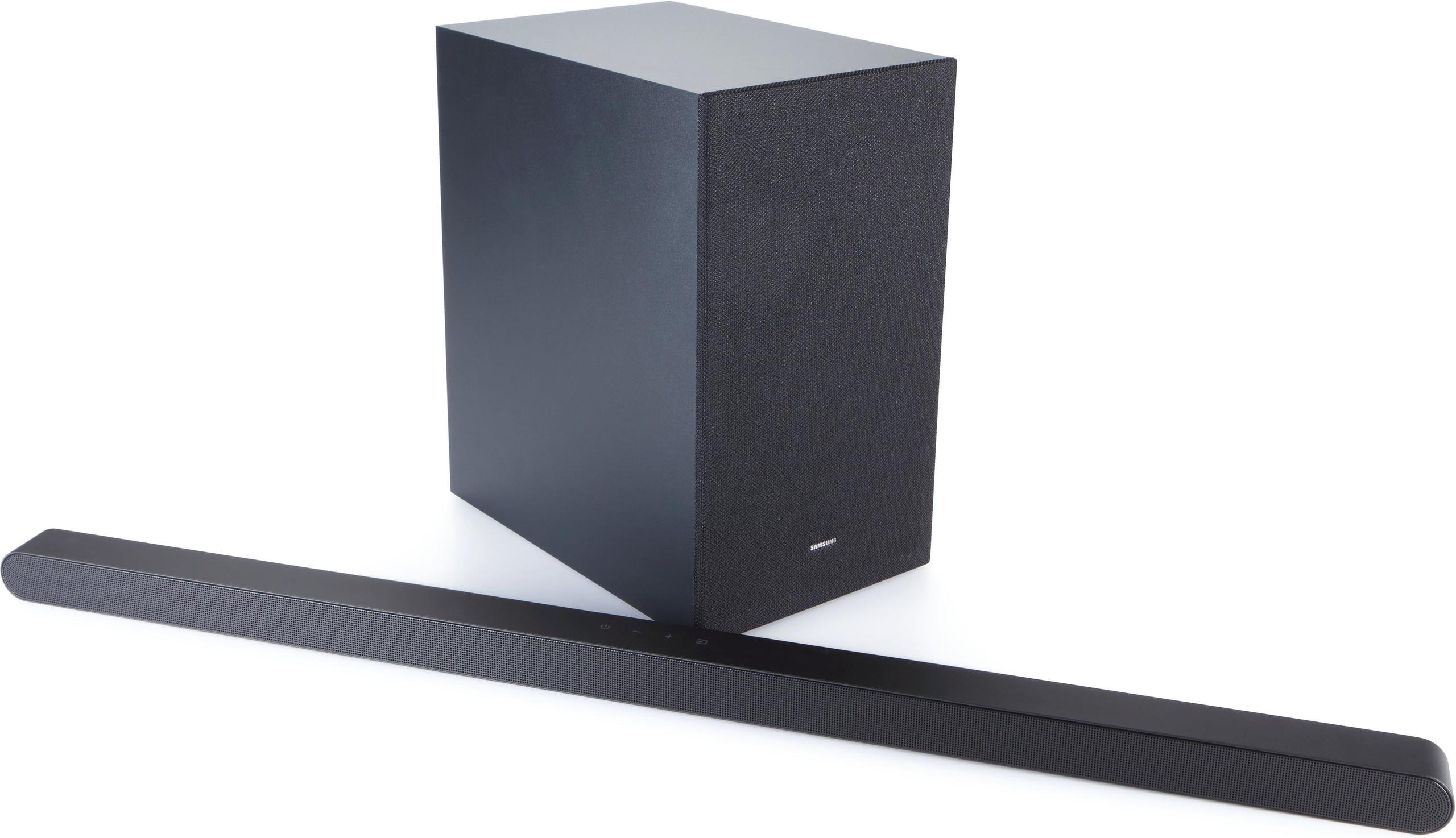
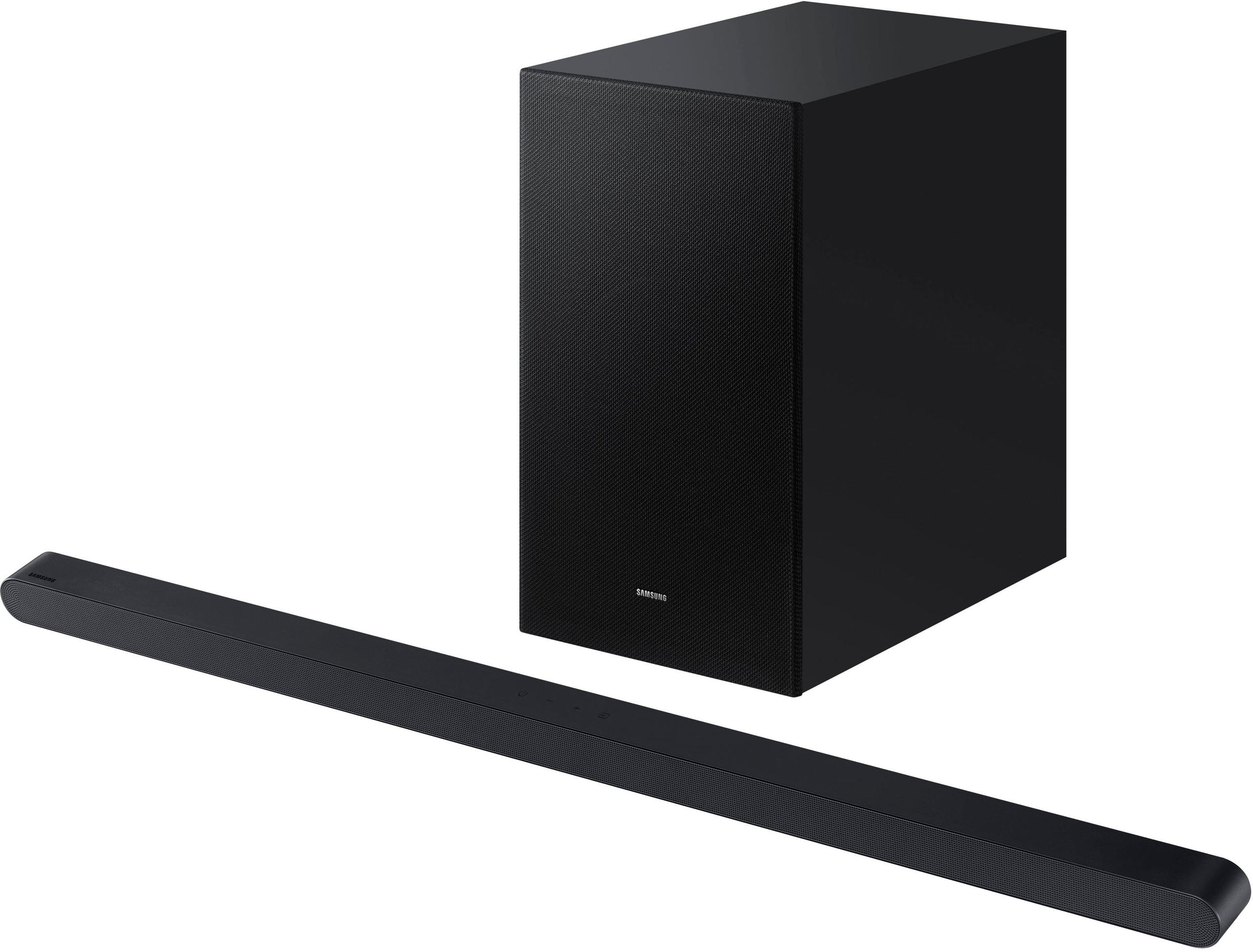
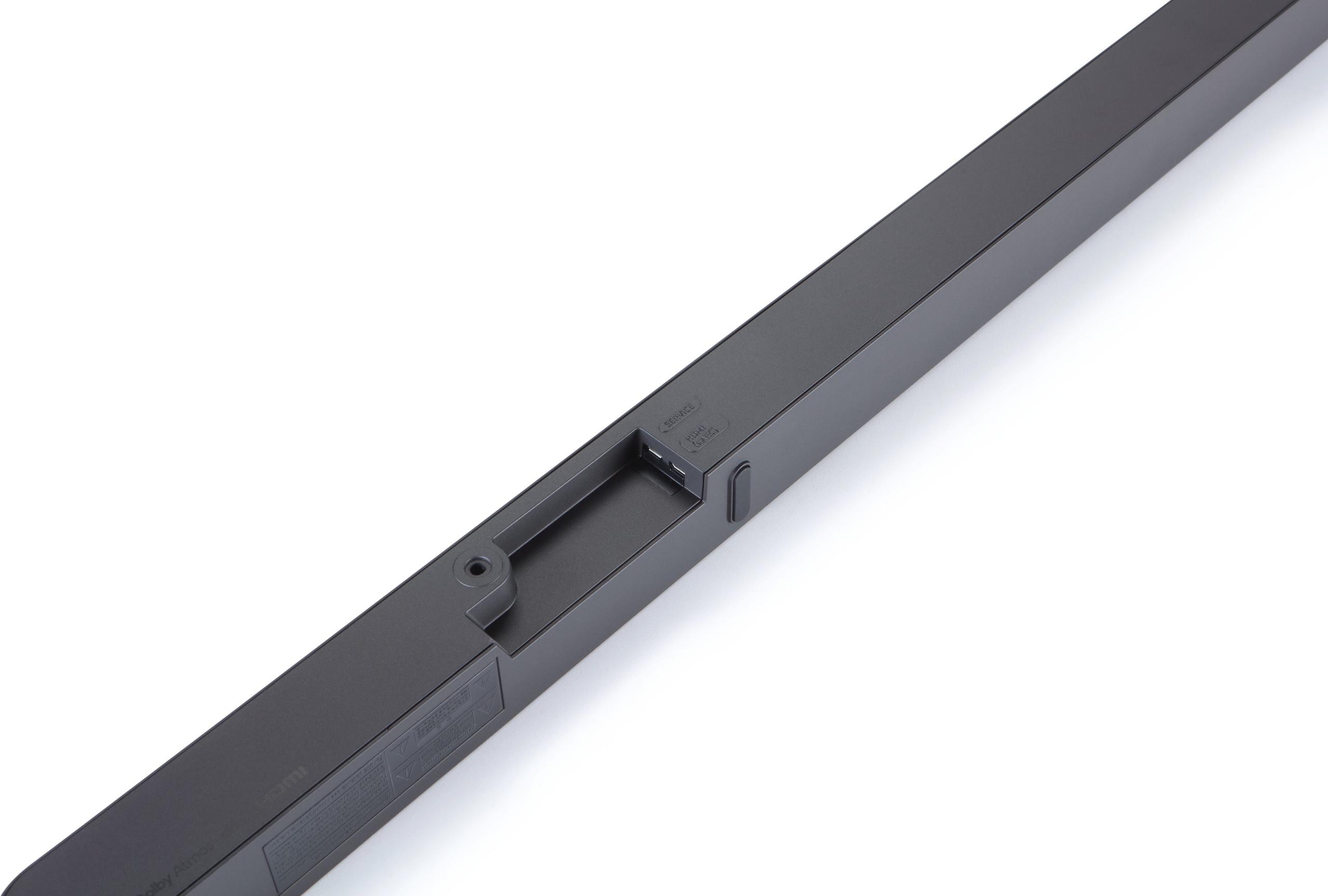
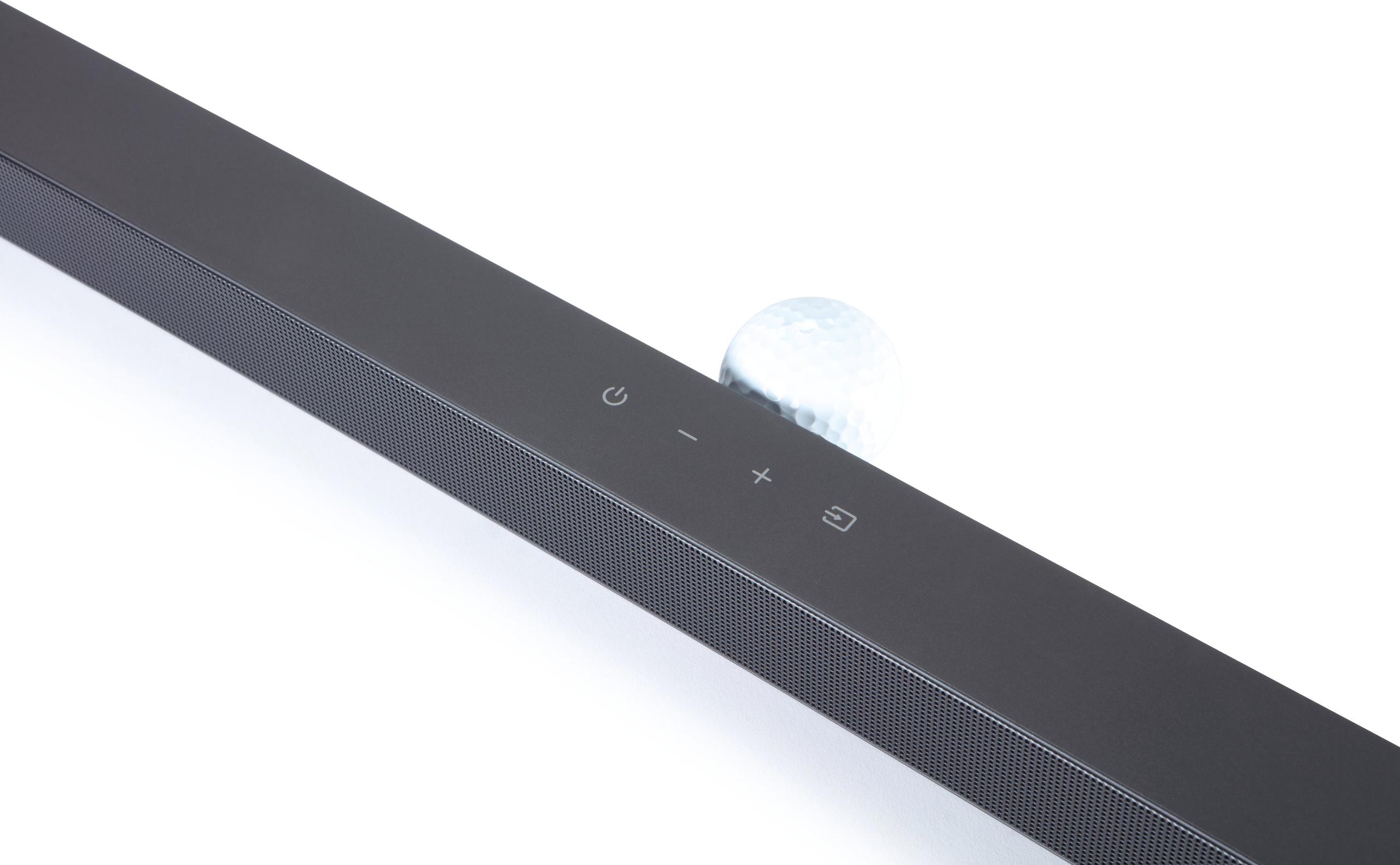
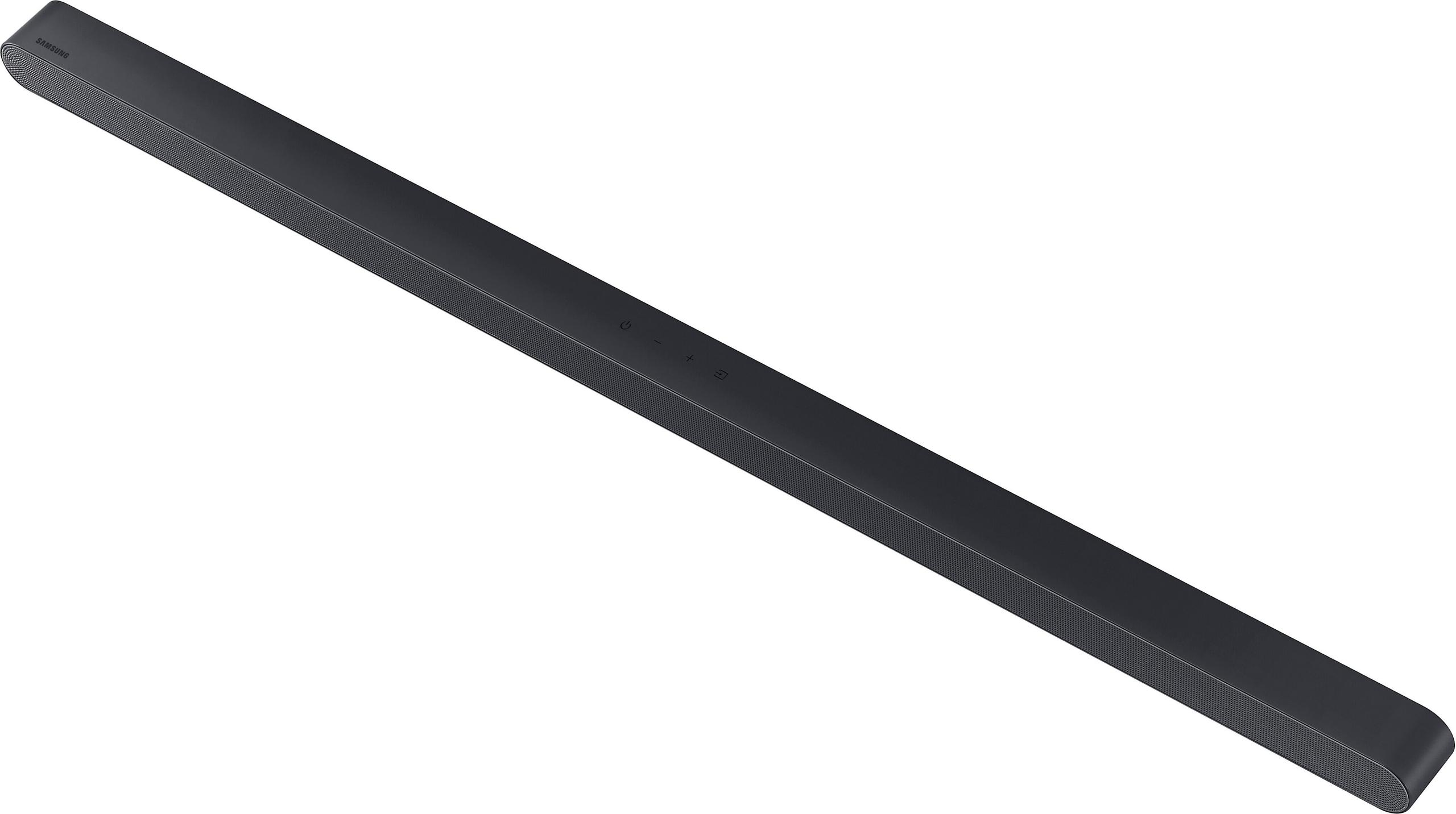
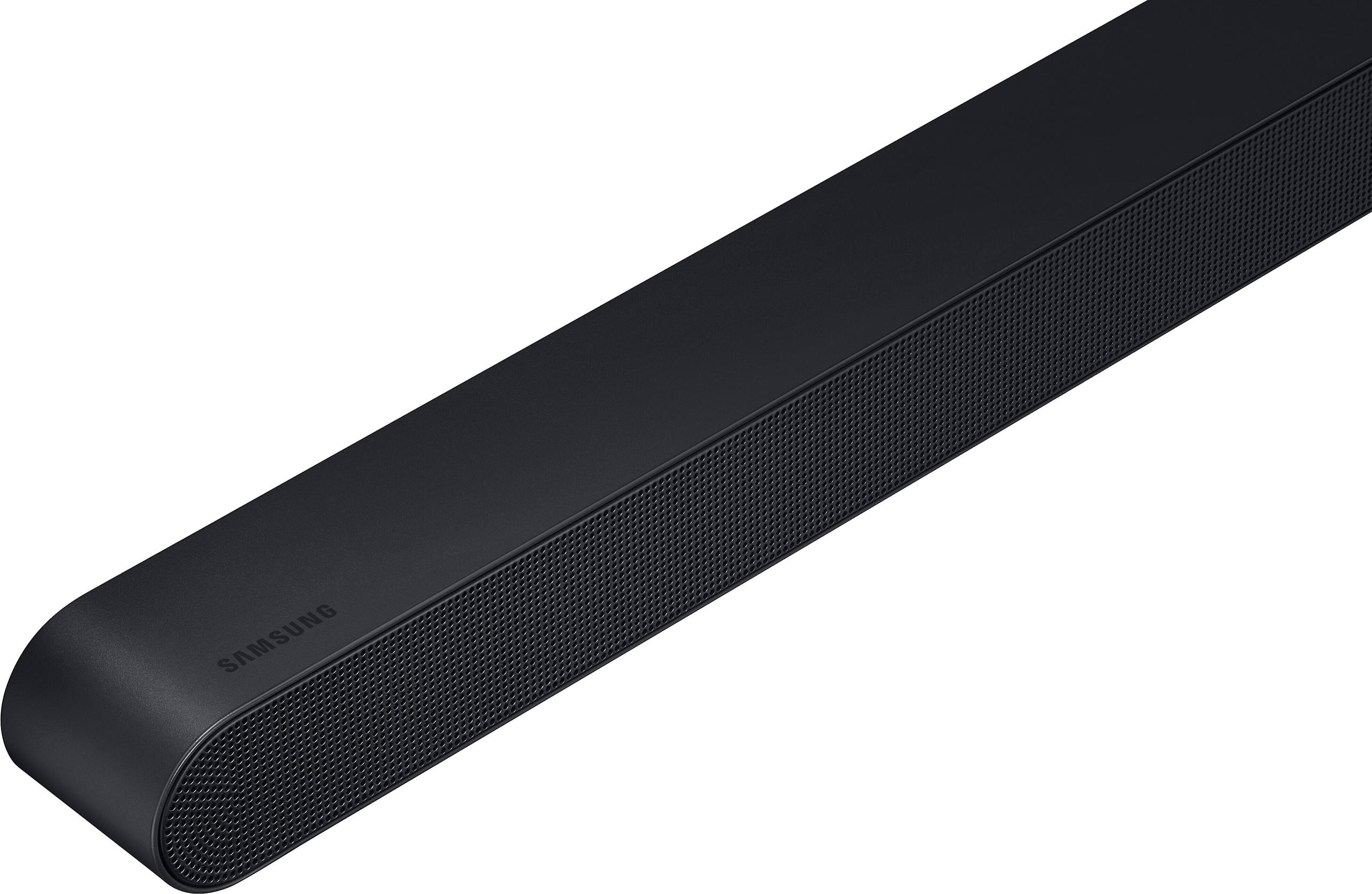
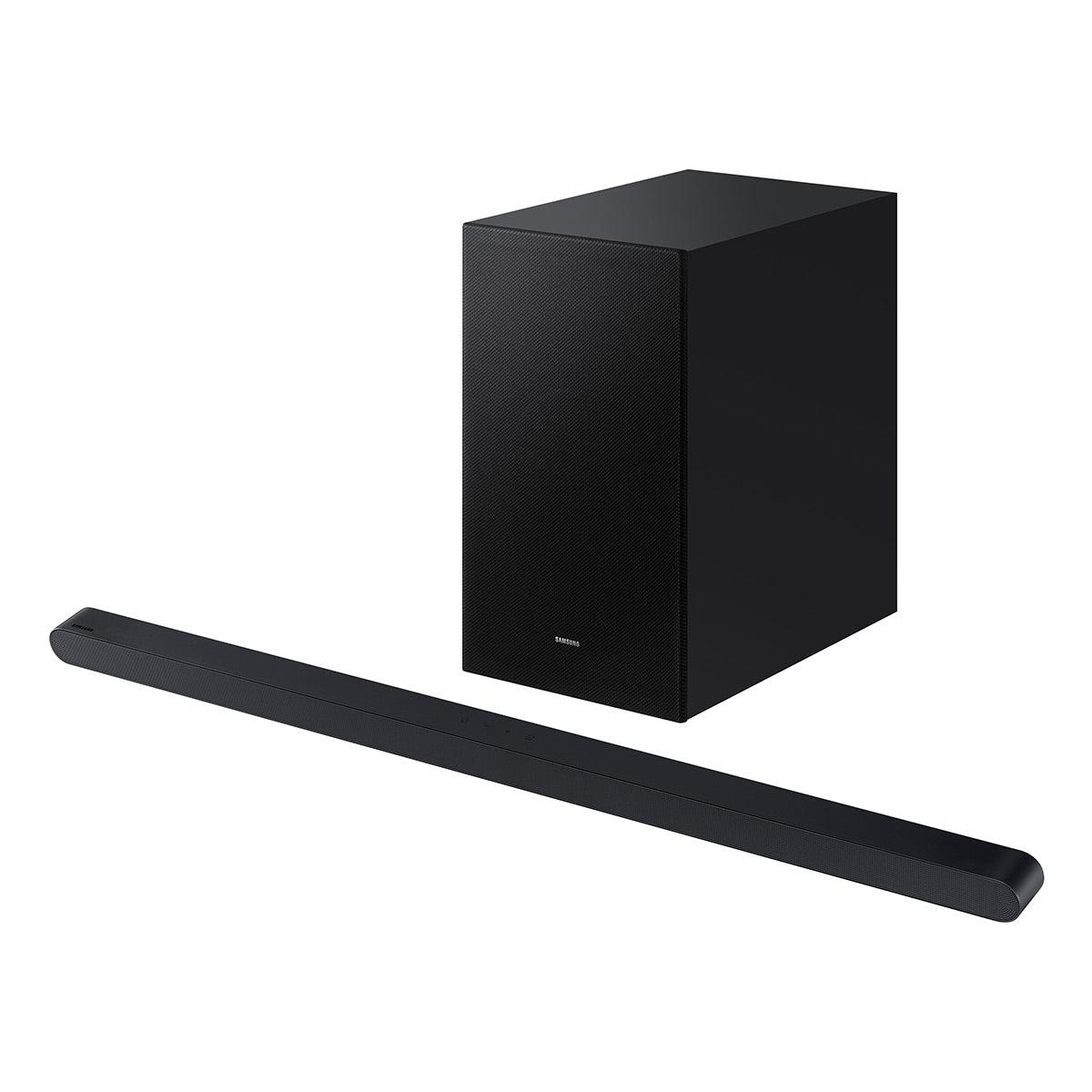
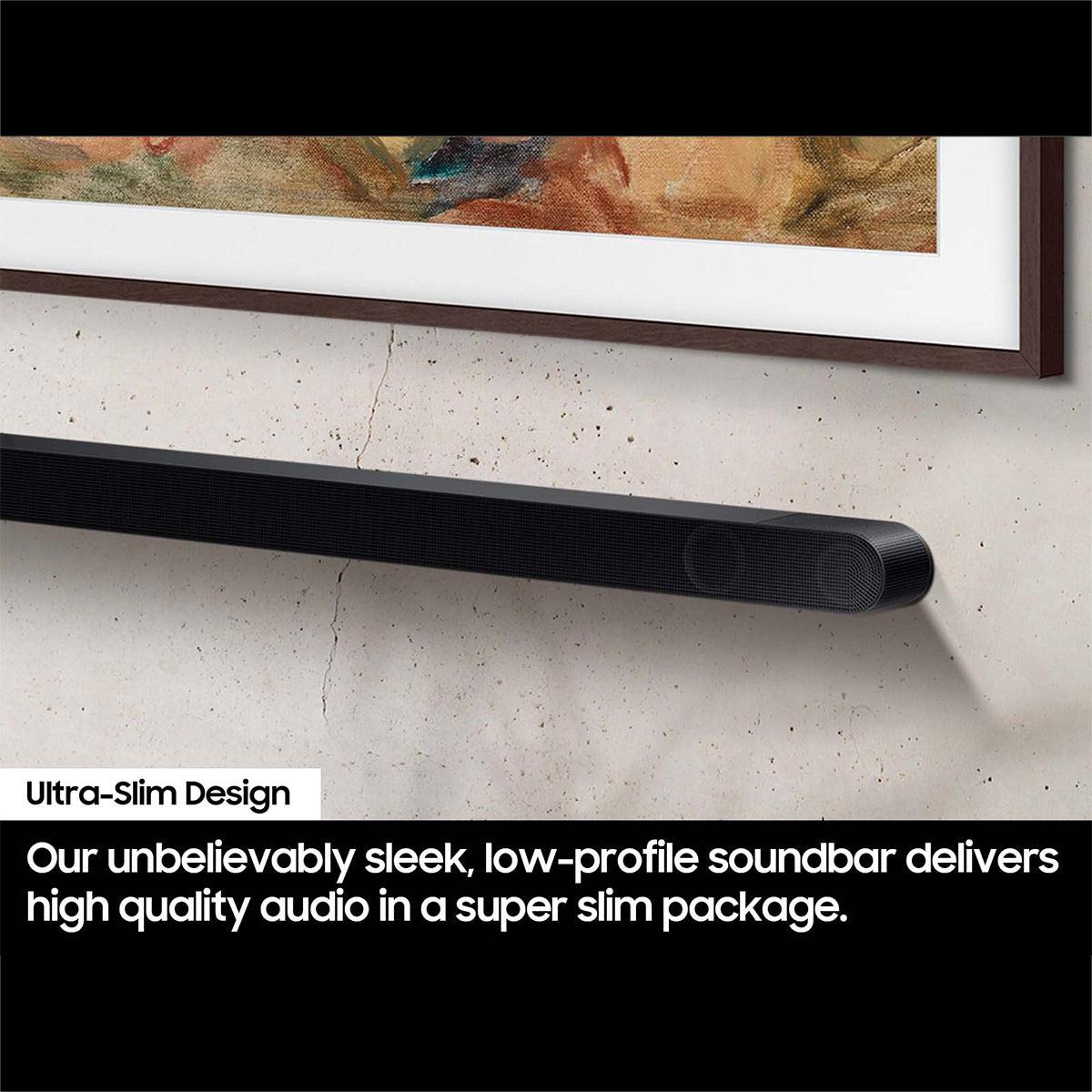
Samsung's 2024 HW-S700D represents the opposite philosophy: minimize visual impact while maximizing smart features and room integration. This ultra-slim soundbar measures just 1.4 inches tall - thin enough to virtually disappear when wall-mounted below modern TVs.
The engineering challenge Samsung solved deserves recognition. Fitting seven speakers into such a compact enclosure required custom driver designs and sophisticated acoustic engineering. The system achieves 250W peak power output from this minimal footprint, though that's notably less than the Ultimea's 340W rating.
Where Samsung truly differentiates is through intelligent audio processing. SpaceFit Sound Pro represents their latest room calibration technology, using built-in microphones to analyze your room's acoustic properties and automatically adjust audio parameters. This eliminates the trial-and-error EQ tweaking that many soundbar owners never bother with.
Q-Symphony technology creates Samsung's most compelling feature for their TV owners. Instead of muting TV speakers when the soundbar activates (standard practice), Q-Symphony allows both to play simultaneously in carefully coordinated harmony. The result is fuller sound staging and enhanced dialogue clarity, since TV speakers handle some midrange frequencies while the soundbar focuses on dynamics and bass.
The Active Voice Amplifier (AVA) takes dialogue enhancement further than most competitors. Rather than simple frequency boosting, AVA analyzes content in real-time, identifying voice patterns and dynamically adjusting not just volume but also compression and EQ to maintain clarity even during loud action scenes.
Samsung's wireless Dolby Atmos implementation deserves explanation. When connected to compatible Samsung TVs, the system can process height information to create virtual overhead effects. While not matching dedicated upward-firing speakers, the processing creates convincing height dimensionality for overhead sounds like helicopters or rain.
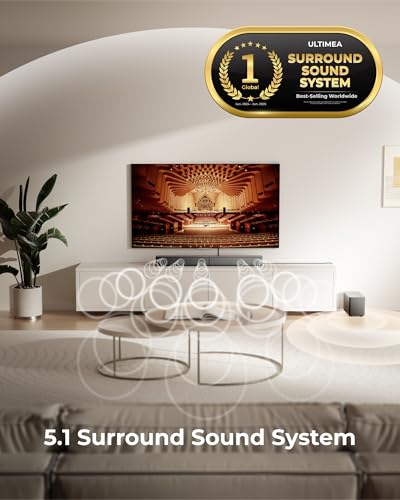
This represents the clearest performance difference between these systems. The Ultimea M60 Boom creates genuine surround sound through physical speaker separation. When a helicopter flies overhead in a movie, you hear it move from front to rear through actual speakers positioned around your seating area. The directional accuracy simply cannot be replicated through virtual processing.
Our research into user experiences consistently highlights this advantage. Home theater enthusiasts particularly appreciate how the Ultimea system handles complex soundtracks with multiple simultaneous audio elements. Each channel maintains distinct separation, preventing the audio muddiness that affects some virtual systems during busy scenes.
The Samsung HW-S700D, while impressive for a 3.1 system, relies on psychoacoustic processing to simulate surround effects. These algorithms work by manipulating phase relationships and frequency response to trick your brain into perceiving sounds from different locations. For casual viewing, this works reasonably well, but critical listening reveals the limitations.
Both systems approach bass differently, with distinct advantages. The Ultimea M60 Boom's wired 5.25-inch subwoofer delivers more raw power and extension. Its 16mm excursion capability means deeper bass response and higher output before distortion. The wooden cabinet construction adds resonance characteristics that enhance bass warmth and fullness.
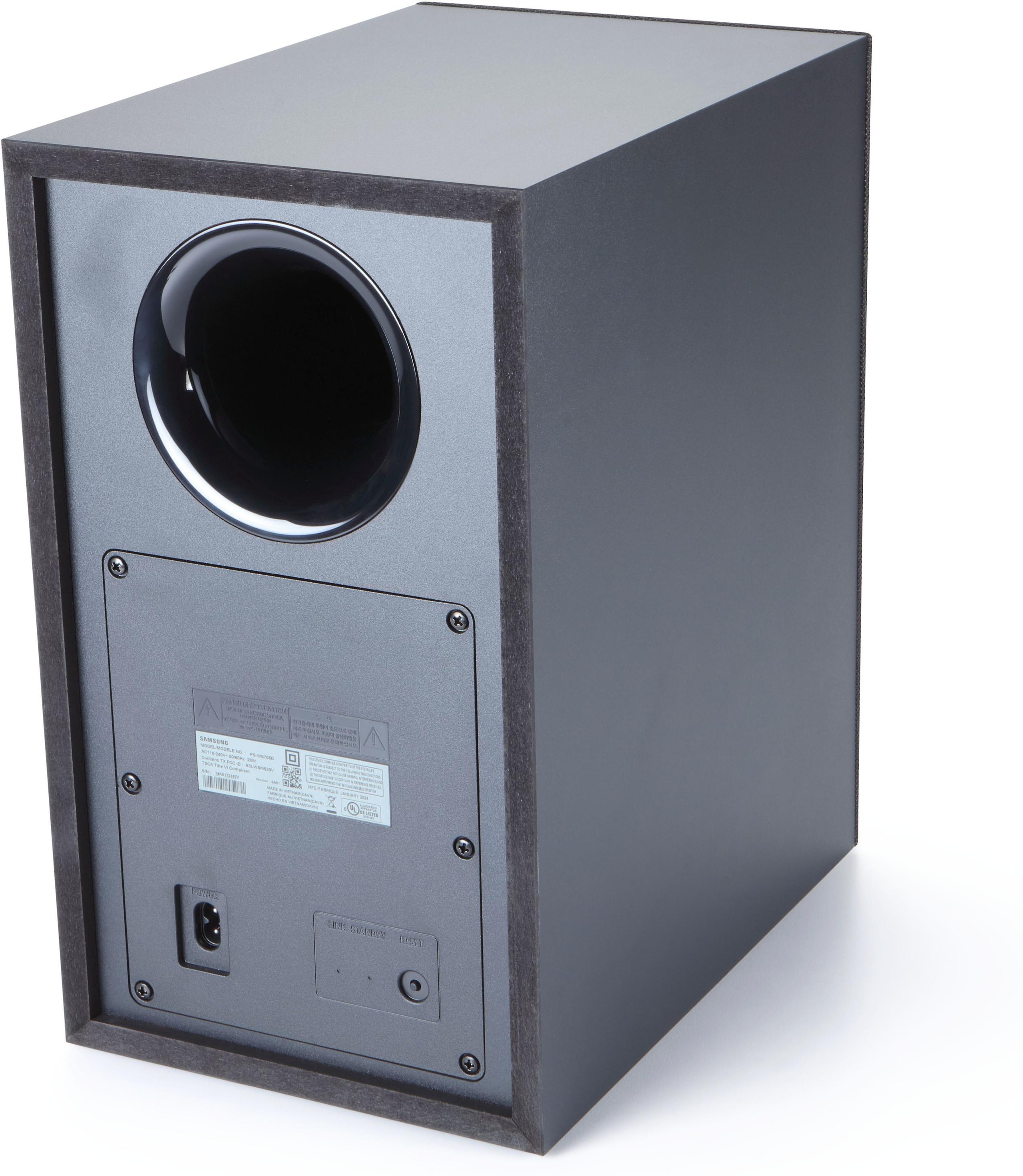
However, Samsung's approach offers practical advantages. The wireless 6-inch subwoofer provides placement flexibility crucial in many rooms. The bass reflex (ported) design maximizes efficiency, delivering solid low-frequency performance from moderate power input. SpaceFit Sound Pro automatically calibrates bass response for your specific room characteristics, potentially achieving better integration than manual adjustment.
In rooms with challenging acoustics or placement constraints, Samsung's intelligent bass management often produces more balanced results. But for pure impact and extension, particularly in larger rooms, the Ultimea's more powerful setup maintains an edge.
Dialogue clarity represents perhaps the most important performance metric for most users. Poor dialogue intelligibility drives more soundbar purchases than any other factor, making this comparison crucial.
The Samsung HW-S700D demonstrates clear superiority here. Its dedicated center channel, combined with AVA technology and sophisticated DSP processing, consistently delivers clearer dialogue. The 7-band EQ allows precise tuning of vocal frequencies, while Adaptive Sound automatically optimizes settings based on content type.
User feedback consistently praises Samsung's dialogue handling. The combination of center channel focus and intelligent processing means viewers rarely struggle with voice intelligibility, even during complex scenes with music and effects.
The Ultimea M60 Boom's VoiceMX technology provides competent dialogue enhancement, but lacks Samsung's sophistication. While effective for basic voice clarity improvement, it doesn't match Samsung's multi-layered approach to speech intelligibility.
This category heavily favors Samsung. The HW-S700D offers comprehensive smart home integration through SmartThings, voice assistant compatibility, and multiple streaming service support. AirPlay and Chromecast integration enable seamless music streaming from smartphones and tablets.
Game Mode Pro deserves special mention for gaming enthusiasts. When connected to gaming consoles through compatible Samsung TVs, this mode automatically optimizes audio processing for reduced latency and enhanced directional audio cues. The difference in competitive gaming scenarios can be significant.
The Ultimea M60 Boom takes a more traditional approach with basic app control and Bluetooth 5.4 connectivity. While functional, it lacks the ecosystem integration that increasingly defines premium audio products.
For urban apartments or smaller spaces, the Samsung HW-S700D often makes more practical sense. Its ultra-slim profile works beautifully in modern minimalist setups, while the wireless subwoofer accommodates furniture constraints common in smaller spaces. The intelligent room calibration helps optimize performance despite acoustic compromises.
The Ultimea system's satellite speakers require positioning space that many apartments lack. Additionally, the wired subwoofer connection may limit placement options in compact layouts.
Larger dedicated spaces favor the Ultimea M60 Boom's true surround capabilities. With adequate room for proper speaker positioning, the authentic 5.1 experience significantly enhances movie watching and gaming. The higher power output better fills larger spaces, while the deeper bass extension provides more impactful low-frequency effects.
The Samsung system can certainly perform well in larger rooms, but its virtual surround processing becomes more apparent as listening distances increase.
Many homes feature living rooms that serve multiple purposes - TV watching, music listening, casual gaming, and social gatherings. Here, the choice depends on priorities.
If you primarily consume content solo or with family in consistent seating positions, the Ultimea's surround accuracy provides superior immersion for movies and games. However, if you frequently host gatherings or prefer background music while socializing, Samsung's more balanced soundstage and smart features offer greater versatility.
At the time of writing, the Ultimea M60 Boom costs roughly half Samsung's asking price while delivering arguably superior pure audio performance in terms of surround accuracy and bass impact. This represents exceptional value for users prioritizing acoustic performance over convenience features.
However, value calculations must consider long-term usage patterns. Samsung's smart features, regular software updates, and ecosystem integration may provide greater utility over years of ownership. The wireless subwoofer also offers flexibility as room layouts change.
Build quality differences exist but may not justify Samsung's premium pricing for all users. Both systems demonstrate solid construction appropriate for their price points, though Samsung's materials and finish quality reflect its premium positioning.
After extensive research into user experiences and technical capabilities, clear recommendations emerge based on usage priorities.
Choose the Ultimea Poseidon M60 Boom if you're primarily interested in maximizing audio performance per dollar spent. Its true 5.1 surround sound provides genuinely immersive experiences for movies and gaming that virtual processing cannot match. The powerful bass response and higher overall output make it ideal for larger rooms or users who prioritize dynamic range and impact.
This system particularly suits movie enthusiasts, gamers, and anyone who's experienced quality surround sound and doesn't want to compromise on authentic directional audio. If you have adequate space for satellite placement and don't need extensive smart features, the Ultimea delivers exceptional value.
Select the Samsung HW-S700D for space-constrained setups, smart home integration priorities, or when you own Samsung TVs that enable Q-Symphony. Its sophisticated dialogue processing makes it ideal for users who struggle with speech intelligibility, while the room calibration technology optimizes performance regardless of acoustic challenges.
Samsung owners particularly benefit from the ecosystem integration, and renters or frequent movers appreciate the wireless subwoofer flexibility. If you value premium design, smart features, and automated optimization over raw audio performance, Samsung justifies its higher cost.
The choice ultimately reflects whether you prioritize authentic surround sound experience or modern convenience features. Both products excel in their respective approaches, making either a significant upgrade over typical TV speakers.
| Ultimea Poseidon M60 Boom | Samsung HW-S700D |
|---|---|
| Channel Configuration - Determines true surround sound capability | |
| True 5.1 with physical satellite speakers | 3.1 with virtual surround processing |
| Peak Power Output - Affects volume and dynamic range | |
| 340W (higher output for larger rooms) | 250W (adequate for most spaces) |
| Physical Design - Space requirements and aesthetics | |
| Traditional soundbar + satellites + wired subwoofer | Ultra-slim single bar (1.4" height) + wireless subwoofer |
| Subwoofer Specs - Bass performance and placement flexibility | |
| 5.25" wired wooden subwoofer with 16mm excursion | 6" wireless bass reflex subwoofer |
| Frequency Response - How deep the bass extends | |
| 45Hz-18kHz (extends deeper for better bass impact) | Not specified (likely similar range) |
| Smart Features - Modern convenience and integration | |
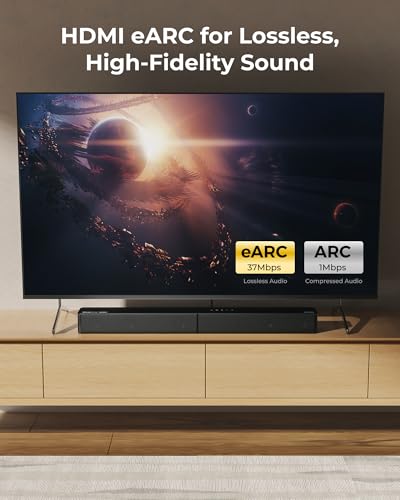
| Basic app control, Bluetooth 5.4, HDMI eARC | Q-Symphony, SpaceFit Sound Pro, voice assistants, streaming |
| Dialogue Enhancement - Critical for clear speech | |
| VoiceMX technology with adaptive gain control | Active Voice Amplifier + dedicated center channel |
| Room Calibration - Automatic sound optimization | |
| Manual EQ adjustment via app | SpaceFit Sound Pro with built-in microphone analysis |
| TV Integration - Seamless operation with your TV | |
| Standard HDMI eARC and CEC support | Q-Symphony sync with Samsung TVs, enhanced integration |
| Setup Complexity - Installation time and effort | |
| Requires satellite speaker positioning | Simple single-bar wall mounting |
| Best Use Cases - Where each system excels | |
| Home theaters, gaming, movie enthusiasts | Minimalist setups, Samsung TV owners, small spaces |
| Value Proposition - Performance per dollar spent | |
| Maximum audio performance for budget price | Premium features and design at higher cost |
For dedicated home theater use, the Ultimea Poseidon M60 Boom provides superior performance with true 5.1 surround sound through physical satellite speakers. This creates authentic directional audio where sounds genuinely move around your seating area. The Samsung HW-S700D uses virtual surround processing, which works well for casual viewing but cannot match the immersive experience of actual rear speakers in a home theater setup.
The Ultimea M60 Boom offers true 5.1 surround sound with five discrete channels plus a subwoofer, including physical rear speakers for genuine surround effects. The Samsung HW-S700D features 3.1 channels (left, center, right, plus subwoofer) and simulates surround sound through digital processing. The 5.1 system provides more immersive audio for movies and gaming.
The Ultimea Poseidon M60 Boom delivers more powerful bass with its 5.25-inch high-excursion subwoofer that extends down to 45Hz. It produces deeper, more impactful low frequencies ideal for action movies and music. The Samsung HW-S700D offers a 6-inch wireless subwoofer with intelligent room calibration that may provide better integration in challenging spaces.
No, the Samsung HW-S700D works with any TV through HDMI, optical, or Bluetooth connections. However, Samsung TV owners gain exclusive benefits like Q-Symphony technology, which syncs the TV speakers with the soundbar for enhanced audio. The Ultimea M60 Boom provides consistent performance regardless of your TV brand.
The Samsung HW-S700D offers simpler installation with its ultra-slim single-bar design and wireless subwoofer placement flexibility. The Ultimea Poseidon M60 Boom requires more setup time as you need to position satellite speakers around your room and connect the wired subwoofer, but this effort delivers superior surround sound performance.
The Samsung HW-S700D excels at dialogue clarity with its dedicated center channel, Active Voice Amplifier technology, and sophisticated processing that automatically optimizes speech frequencies. While the Ultimea M60 Boom includes VoiceMX dialogue enhancement, Samsung's multi-layered approach to voice clarity is more advanced.
The Samsung HW-S700D provides extensive smart features including voice assistant compatibility, AirPlay, Chromecast, automatic room calibration, and SmartThings app integration. The Ultimea Poseidon M60 Boom focuses on core audio performance with basic app control, Bluetooth 5.4 connectivity, and HDMI eARC support.
The Samsung HW-S700D is ideal for small spaces with its ultra-slim 1.4-inch height profile and wireless subwoofer that can be placed flexibly. The Ultimea M60 Boom requires adequate room for satellite speaker positioning and wired subwoofer placement, making it less suitable for compact apartments.
The Ultimea Poseidon M60 Boom delivers 340W peak power output, providing higher volume levels and better dynamic range for larger rooms. The Samsung HW-S700D produces 250W peak power, which is sufficient for most home environments while maintaining its compact design.
The Ultimea M60 Boom provides exceptional audio value with true 5.1 surround sound at a budget-friendly price point. The Samsung HW-S700D costs significantly more but justifies the premium with advanced smart features, superior build quality, and seamless ecosystem integration for Samsung users.
The Ultimea Poseidon M60 Boom already includes satellite speakers for complete 5.1 surround sound out of the box. The Samsung HW-S700D supports optional wireless rear speakers that can be purchased separately to expand from 3.1 to full surround sound configuration.
Both soundbars serve gaming well but differently. The Ultimea M60 Boom provides superior directional audio through physical surround speakers, helping identify enemy positions and environmental cues. The Samsung HW-S700D offers Game Mode Pro with optimized low-latency processing when connected to gaming consoles through compatible Samsung TVs.
We've done our best to create useful and informative comparisons to help you decide what product to buy. Our research uses advanced automated methods to create this comparison and perfection is not possible - please contact us for corrections or questions. These are the sites we've researched in the creation of this article: ultimea.com - ultimea.com - youtube.com - bestbuy.com - youtube.com - avsforum.com - youtube.com - manuals.plus - youtube.com - device.report - ultimea.com - ultimea.de - community.ultimea.com - ultimea.com - community.ultimea.com - ultimea.com - youtube.com - aliexpress.com - ultimea.com - crutchfield.com - samsung.com - bestbuy.com - avsforum.com - walts.com - samsung.com - samsung.com - videoandaudiocenter.com - samsung.com - samsung.com - samsung.com - pcrichard.com

Privacy Policy
Terms and Conditions - Affiliate Policy
Home Security
© Copyright 2008-2026.
11816 Inwood Rd #1211, Dallas, TX 75244