

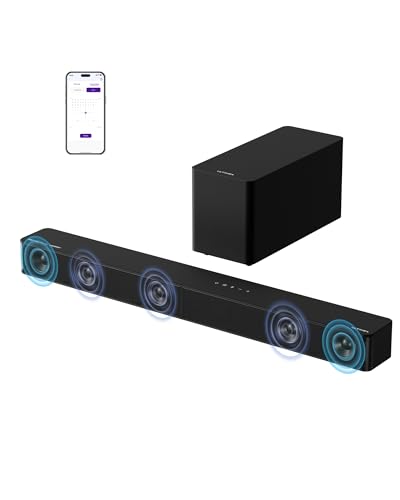








When your TV's built-in speakers just aren't cutting it anymore, a 5.1 channel soundbar can transform your living room into a proper home theater. But with so many options available in 2025, choosing between two compelling systems like the Ultimea Poseidon M60 Boom and the Samsung B-Series 5.1 Channel Soundbar requires understanding what actually matters for your setup.
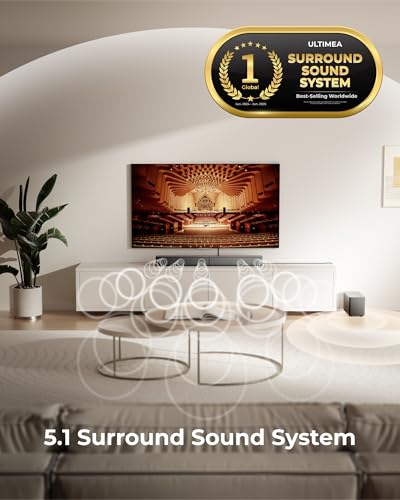
Both soundbars promise that coveted 5.1 surround sound experience – that's five main audio channels (front left, center, right, and two surround channels) plus a dedicated subwoofer for deep bass. The "center" channel handles dialogue, while the left and right channels create stereo imaging. The two surround channels make sounds feel like they're coming from behind and beside you, creating that immersive movie theater feeling at home.
The biggest difference between these two systems lies in how they approach creating surround sound. The Ultimea M60 Boom takes what I'd call the "precision engineering" approach – it packs all five audio channels into the main soundbar using advanced digital signal processing (DSP). Think of DSP as the soundbar's brain that manipulates audio signals to create the illusion that sounds are coming from different directions, even though all the speakers are in one bar.
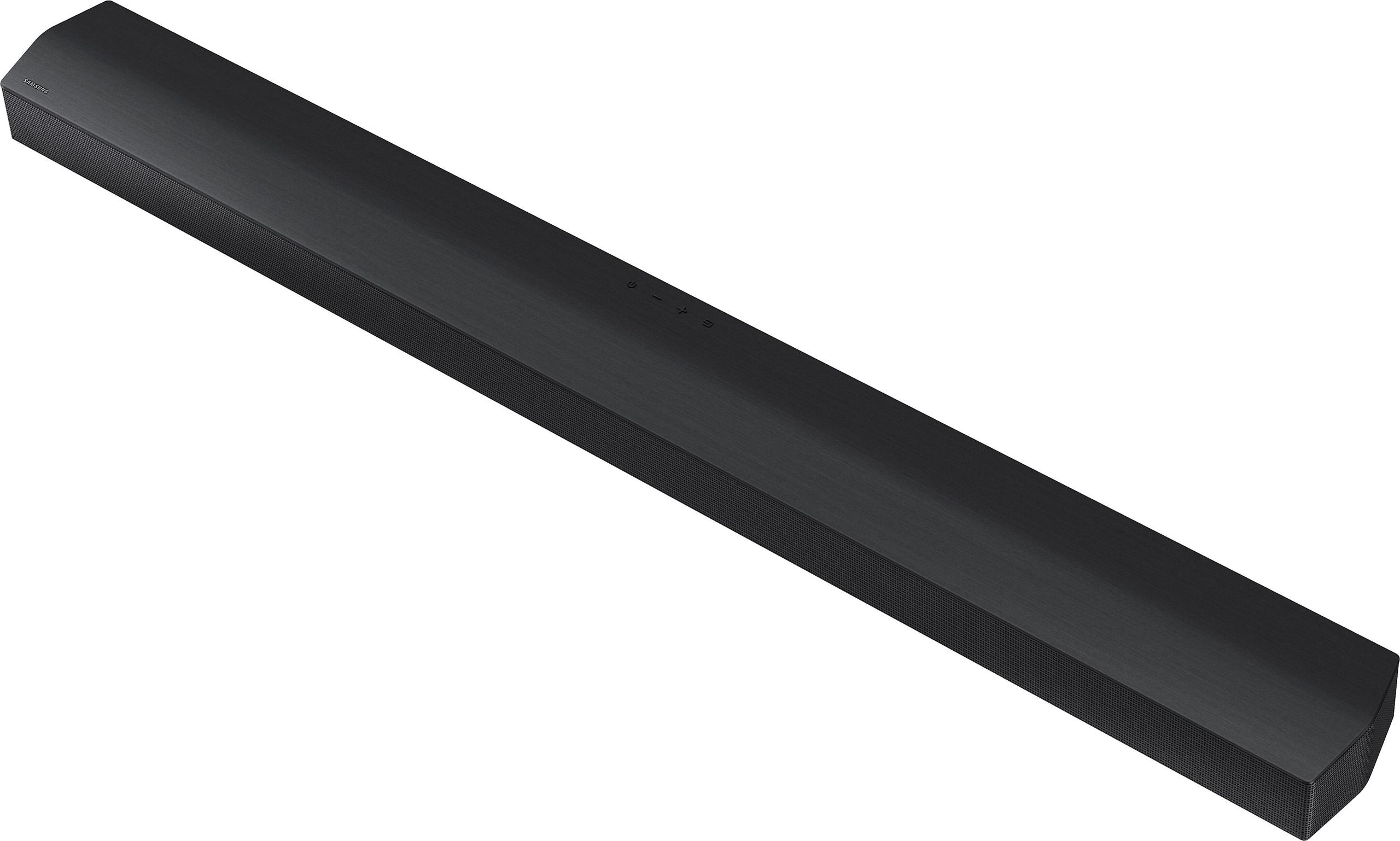
The Samsung B-Series, released in 2024, follows a more traditional path with dedicated side-firing speakers built into the main unit. These physically angled speakers bounce sound off your walls to create width, while Samsung's DTS Virtual:X technology (a type of audio processing that simulates height and surround effects) handles the rest.
Having evaluated countless soundbar setups over the years, I've found that both approaches can work well, but they excel in different scenarios. The Ultimea's approach works consistently regardless of your room's shape or wall materials, while Samsung's method can create a more expansive soundstage if your room acoustics cooperate.
When it comes to raw audio performance, the Ultimea M60 Boom flexes some impressive technical muscle. With 340 watts of peak power, it can push significantly more air than most soundbars in this category. But power numbers alone don't tell the whole story – it's how that power gets used that matters.
The M60 Boom's frequency response spans from 45Hz to 18kHz, which means it can reproduce everything from deep bass notes to the highest treble details that human ears can detect. More importantly, it can hit 99 decibels of maximum sound pressure level (SPL) – that's loud enough to fill even large living rooms without distortion.
What sets the Ultimea system apart is its triple-core DSP setup. This isn't marketing fluff – having three dedicated processors (two running at 800MHz, one at 600MHz) provides over 2000 MIPS (Million Instructions Per Second) of processing power. In practical terms, this means the soundbar can make thousands of real-time adjustments every second to optimize sound for your specific content and room.
The Samsung B-Series takes a different approach, focusing on intelligent audio processing rather than brute force. Its Adaptive Sound technology analyzes what you're watching and automatically adjusts the EQ (equalizer – the balance of bass, midrange, and treble frequencies) for optimal clarity. This works particularly well for dialogue-heavy content like dramas or news programs.
From our research into user experiences and professional reviews, the Ultimea typically delivers more dynamic range – the difference between the quietest and loudest sounds – making action movies and music more impactful. However, Samsung's processing excels at making spoken dialogue clearer and more intelligible, which matters more than you might think when binge-watching your favorite series.
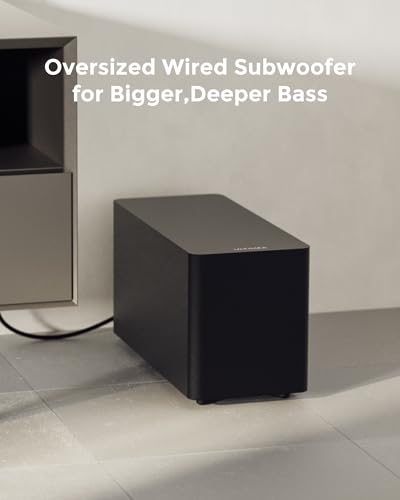
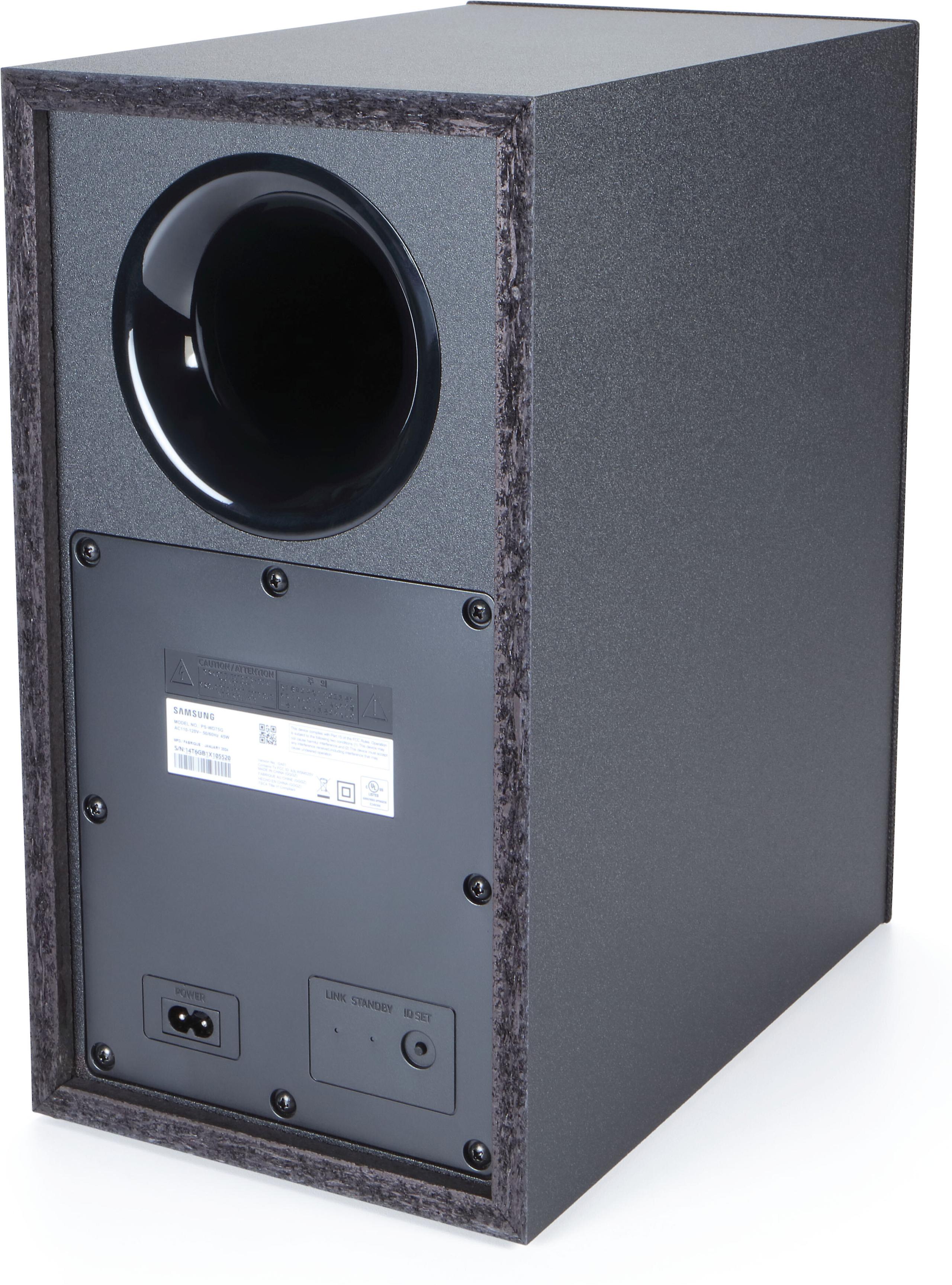
Bass performance deserves special attention because it's where many soundbars fall short of expectations. The Ultimea M60 Boom uses what they call BassMX technology, paired with a substantial 5.25-inch subwoofer driver capable of 16mm excursion. Excursion refers to how far the speaker cone can move back and forth – more movement means deeper, more powerful bass.
The key advantage here is the wired connection between the soundbar and subwoofer. Unlike wireless systems that can introduce tiny delays (latency), the wired connection ensures perfect synchronization between the main speakers and bass. This creates tighter, more controlled low-end that stays in perfect timing with on-screen action.
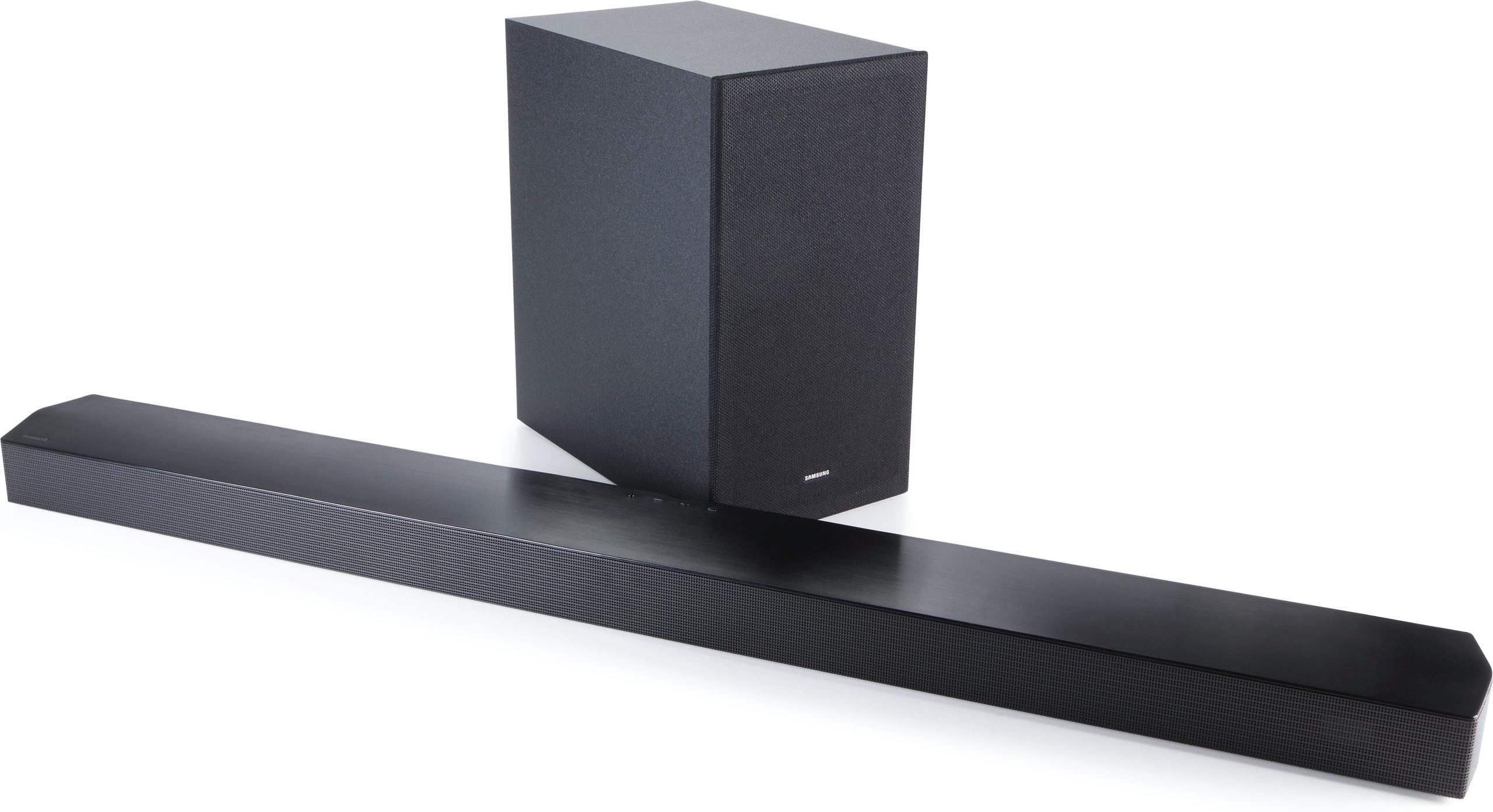
Samsung's wireless subwoofer offers different advantages. The freedom to place it anywhere in your room means you can find the optimal spot for bass response – usually a corner or along a wall where room acoustics naturally amplify low frequencies. The Samsung system includes a Bass Boost mode that emphasizes low-frequency content, though this sometimes comes at the expense of overall balance.
In real-world performance, based on consensus from user reviews and professional evaluations, the Ultimea typically delivers deeper, more accurate bass that integrates better with the main speakers. The Samsung offers more flexibility in bass placement and can sometimes achieve better room-filling low-end if positioned optimally.
This is where things get interesting. True 5.1 surround sound traditionally requires speakers positioned around your listening area, but both systems use different methods to create surround effects from a single soundbar.
The Ultimea M60 Boom processes genuine Dolby Atmos signals – these are audio tracks that contain specific positioning information for sounds. When a helicopter flies overhead in a movie, Dolby Atmos tells the soundbar exactly where that sound should appear in three-dimensional space. The M60 Boom's five precisely tuned drivers work together to create these directional effects through psychoacoustic processing (manipulating how your brain interprets sound direction).
The Samsung B-Series uses DTS Virtual:X, which takes traditional stereo or 5.1 audio and processes it to create the impression of height and surround effects. It's like taking a regular photo and using software to make it look 3D – effective, but not the same as content originally created in that format.
From extensive research into user experiences, the Ultimea tends to create more convincing front-to-back sound movement and better channel separation. The Samsung excels at creating width – sounds feel like they extend well beyond the soundbar itself, especially in rooms with reflective side walls.
The Ultimea M60 Boom includes a dedicated smartphone app that puts surprising control in your hands. You can adjust individual frequency bands (bass, midrange, treble), switch between preset modes optimized for different content types, and even update the soundbar's firmware. This level of customization typically requires more expensive systems, but Ultimea includes it as standard.
The Samsung B-Series integrates deeply with Samsung's ecosystem. If you own a Samsung TV, the Q-Symphony feature coordinates the soundbar with your TV's built-in speakers, creating a larger, more enveloping soundstage. It's an clever approach that maximizes your existing hardware investment.
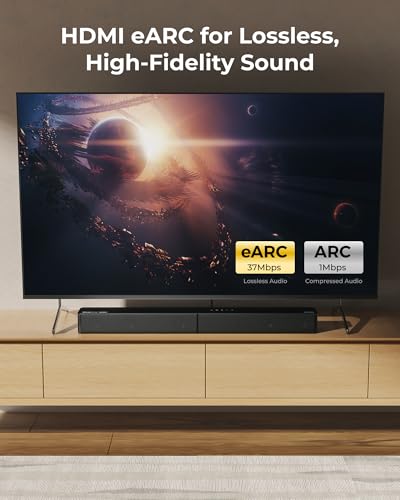
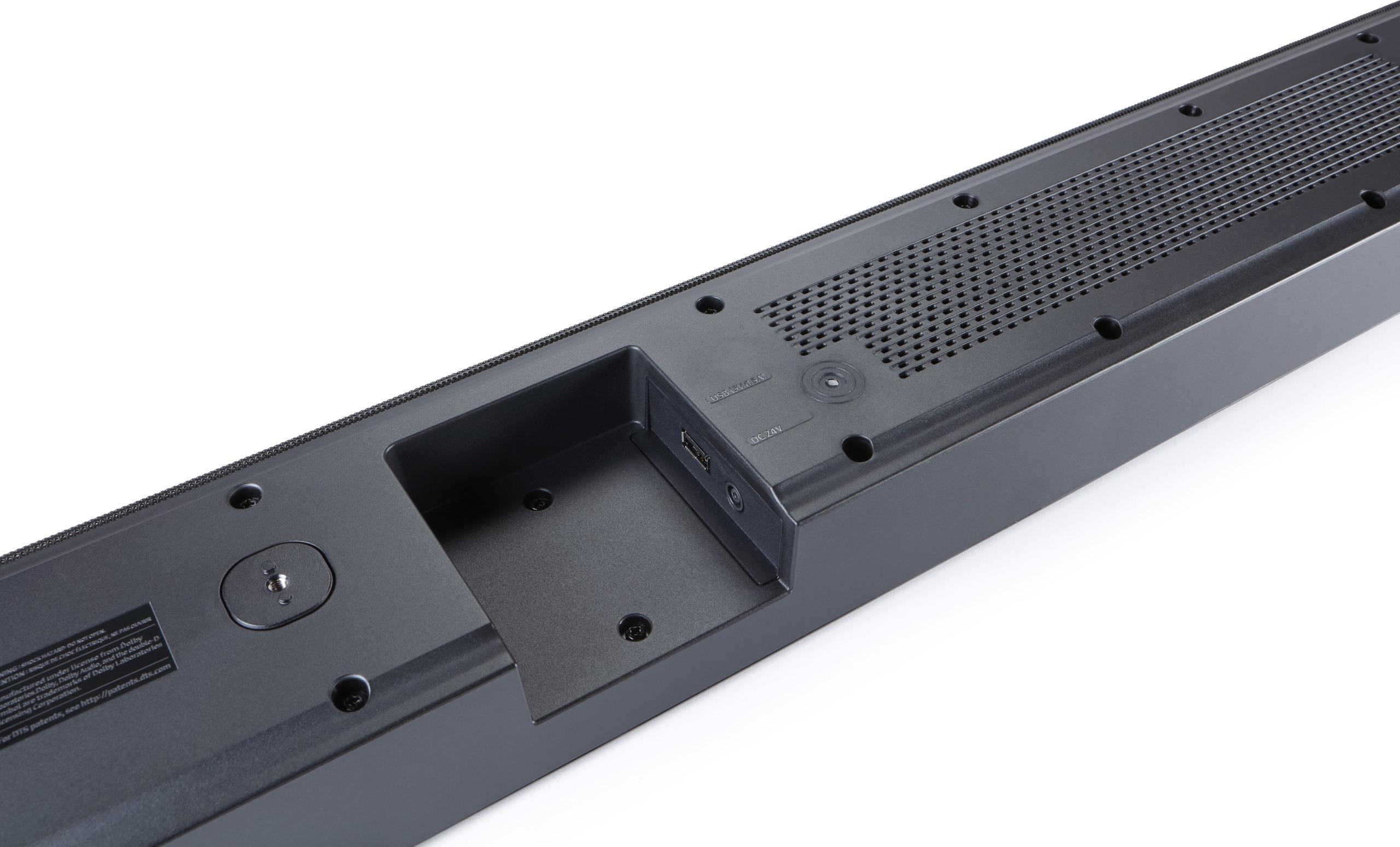
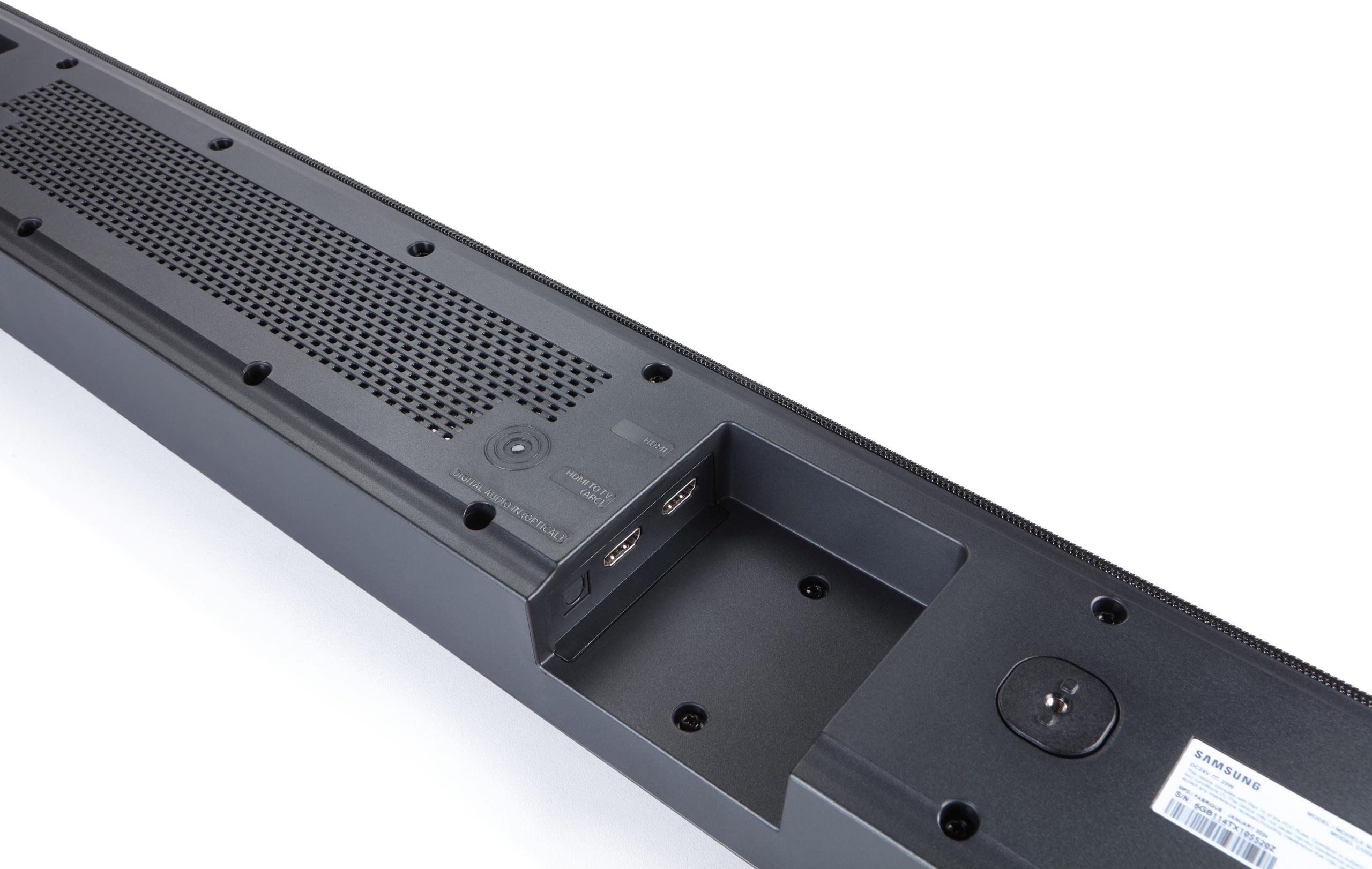
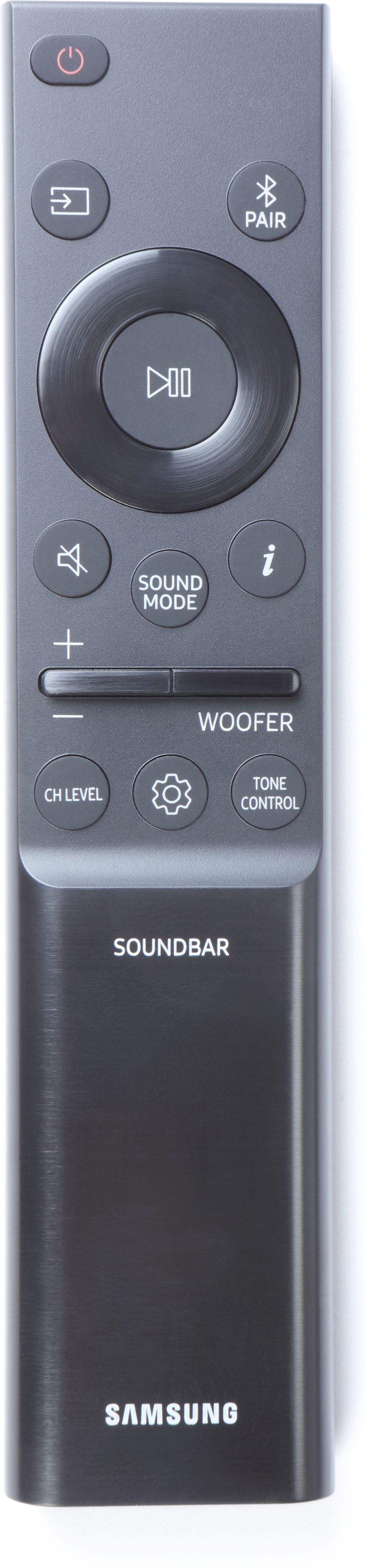
Both systems include HDMI ARC (Audio Return Channel), which lets you connect the soundbar to your TV with a single cable and control both devices with one remote. However, the Ultimea supports the newer HDMI eARC (enhanced Audio Return Channel) standard, which can pass higher-quality, uncompressed audio signals including full-resolution Dolby Atmos tracks.
The Bluetooth story is particularly interesting. The Ultimea uses Bluetooth 5.4, the latest standard that offers faster pairing, more stable connections, and ultra-low latency for gaming or watching videos on your phone. The Samsung uses Bluetooth 4.2, which is perfectly functional but lacks some of the newer standard's improvements.
For gaming enthusiasts, this difference matters. Bluetooth latency – the tiny delay between audio being sent and heard – can throw off timing in fast-paced games. The Ultimea's newer Bluetooth standard virtually eliminates this issue.
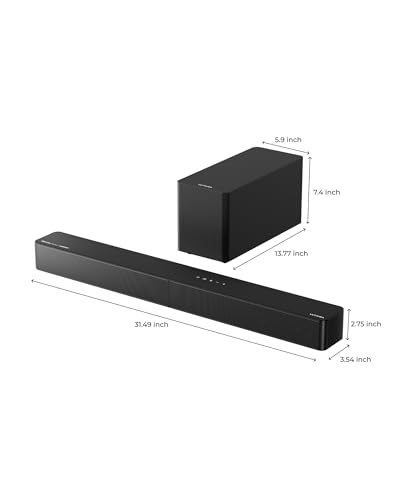
The Ultimea M60 Boom arrives as a modular system – the main soundbar comes in two pieces that connect together. This might seem like a compromise, but it actually makes installation easier and helps the system fit various entertainment center configurations. The subwoofer uses a wooden cabinet, which typically provides better acoustic properties than plastic alternatives.
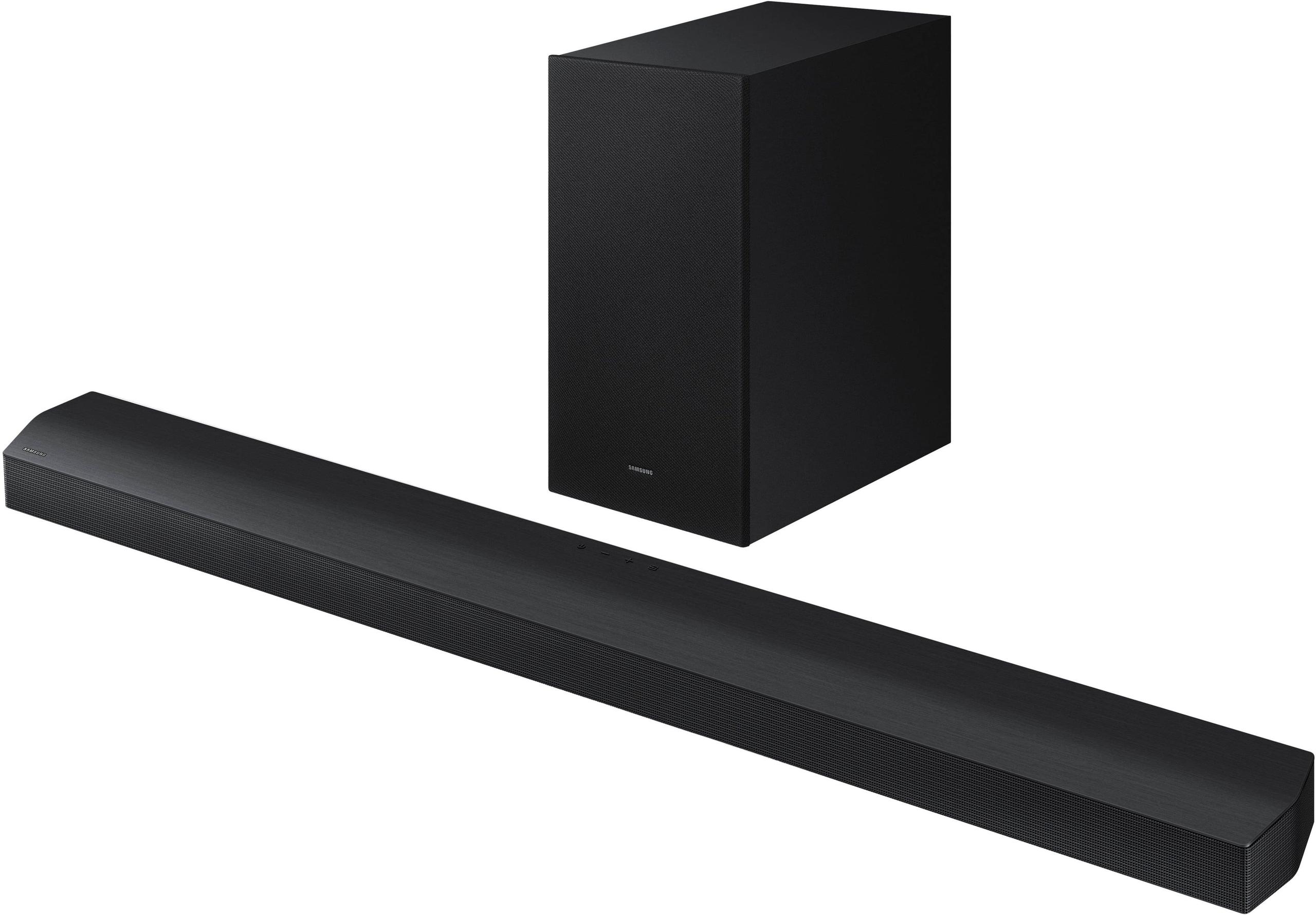
The Samsung B-Series follows more conventional design principles with a single-piece main bar and plastic construction throughout. However, it includes comprehensive mounting hardware and achieves Energy Star certification, indicating efficient power consumption.
One practical consideration: the Ultimea's wired subwoofer limits placement options but ensures consistent performance. The Samsung's wireless subwoofer offers flexibility but requires careful positioning to avoid interference and optimize bass response.
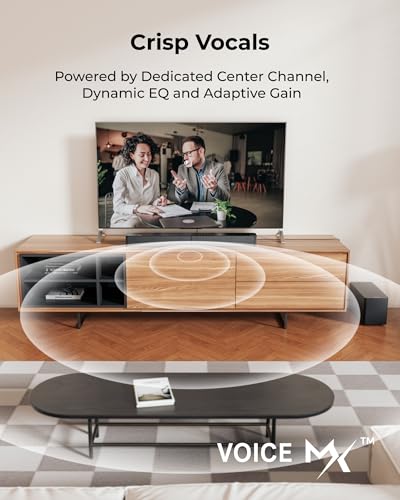
For movie watching, both systems excel in different areas. The Ultimea M60 Boom delivers more impactful action sequences with its higher power output and precise channel separation. Explosions feel more dynamic, and the soundstage remains stable even at high volumes. Its VoiceMX technology specifically enhances the vocal frequency range (300Hz to 3kHz), ensuring dialogue clarity even during complex scenes.
The Samsung B-Series shines with varied content consumption. Its Adaptive Sound mode automatically switches between optimized settings for movies, sports, music, and gaming. The Voice Enhance mode works particularly well for dialogue-heavy content, though it's not quite as sophisticated as Ultimea's implementation.
For music listening, the Ultimea typically provides more accurate reproduction across genres, while the Samsung offers fun, room-filling sound that works well for background listening or parties.
At the time of writing, both systems compete in the mid-range soundbar category, but they offer different value propositions. The Ultimea M60 Boom delivers premium features typically found in more expensive systems – genuine Dolby Atmos processing, advanced DSP technology, and superior Bluetooth connectivity – at a competitive price point.
The Samsung B-Series provides the reliability and ecosystem integration of an established brand, along with thoughtful features like adaptive sound processing and flexible subwoofer placement. For Samsung TV owners, the Q-Symphony integration adds genuine value that competing systems can't match.
Both systems represent 2024-2025 releases that incorporate recent technological advances. The Ultimea benefits from improvements in DSP processing power and Bluetooth 5.4 adoption, while the Samsung includes refined adaptive audio algorithms and better CEC (Consumer Electronics Control) integration.
Since these technologies debuted, we've seen soundbar manufacturers focus more on smart features and room adaptation rather than simply adding more speakers. Both systems reflect this trend, though they take different approaches to achieving it.
The Ultimea Poseidon M60 Boom emerges as the better choice for audio enthusiasts who prioritize performance above convenience. Its superior power output, genuine Dolby Atmos processing, and advanced connectivity make it ideal for dedicated home theater setups where maximum audio quality matters most.
Choose the Ultimea if you have a mixed-brand entertainment system, prioritize gaming with low-latency audio, or simply want the most powerful sound possible from a single-bar system. The wired subwoofer isn't a limitation if you can position it near your entertainment center.
The Samsung B-Series 5.1 Channel Soundbar works best for users who value ecosystem integration and convenience features. If you own a Samsung TV, the Q-Symphony integration creates a uniquely cohesive audio experience. The wireless subwoofer and adaptive processing make it more forgiving of suboptimal room conditions.
Choose the Samsung if you prefer established brand reliability, need flexible subwoofer placement, or consume varied content types that benefit from automatic audio optimization. It's also the safer choice if you're less comfortable tweaking audio settings and prefer systems that work well out of the box.
Both systems deliver significant improvements over TV speakers and offer genuine 5.1 surround sound experiences. Your choice ultimately depends on whether you prioritize maximum performance and features (Ultimea) or ecosystem integration and convenience (Samsung). Either way, you'll enjoy a substantial upgrade to your home entertainment audio experience.
| Ultimea Poseidon M60 Boom 5.1 Soundbar | Samsung B-Series 5.1 Channel Soundbar with Subwoofer |
|---|---|
| Peak Power Output - Determines maximum volume and dynamic range | |
| 340W (excellent headroom for large rooms) | Not specified, estimated ~70W (adequate for most rooms) |
| Audio Processing Technology - Affects surround sound quality and realism | |
| Triple-core DSP with 2000+ MIPS, True Dolby Atmos decoding | Adaptive Sound with DTS Virtual:X, Dolby Digital 5.1 |
| Frequency Response Range - Shows how deep bass and high treble extend | |
| 45Hz-18kHz with 99dB max SPL (fuller spectrum coverage) | Not specified (likely 50Hz-20kHz standard range) |
| Subwoofer Connection - Impacts bass timing and placement flexibility | |
| Wired 5.25" with BassMX Technology (zero latency, fixed placement) | Wireless with Bass Boost Mode (flexible placement, potential latency) |
| Bluetooth Version - Affects connection stability and gaming latency | |
| Bluetooth 5.4 (ultra-low latency, faster pairing) | Bluetooth 4.2 (standard performance, dual device connection) |
| HDMI Support - Determines audio quality from TV and devices | |
| HDMI eARC (supports uncompressed Dolby Atmos) | HDMI ARC (standard compressed audio formats) |
| Smart TV Integration - Enhances experience with compatible TVs | |
| Universal compatibility with advanced app control | Q-Symphony technology (Samsung TVs only) |
| Speaker Configuration - Affects soundstage width and channel separation | |
| 5 channels integrated in main bar (consistent performance) | Built-in side speakers + center channel (wider soundstage) |
| Voice Enhancement Technology - Critical for dialogue clarity | |
| VoiceMX with 300Hz-3kHz vocal range optimization | Voice Enhance Mode with EQ optimization |
| Setup Complexity - Important for non-technical users | |
| Modular 2-piece bar, wired sub, app required for optimization | Single bar, wireless sub, works well out-of-the-box |
The Ultimea Poseidon M60 Boom delivers superior sound quality for movies with its 340W peak power output and true Dolby Atmos processing. Its triple-core DSP technology provides more dynamic range and precise channel separation, making action sequences more impactful. The Samsung B-Series offers good movie sound with adaptive processing but lacks the raw power and advanced audio decoding of the Ultimea system.
The Samsung B-Series 5.1 Channel Soundbar is easier to set up out of the box, with automatic sound optimization and wireless subwoofer pairing. The Ultimea M60 Boom requires more initial configuration through its smartphone app to achieve optimal performance, though it offers more customization options once configured.
The Ultimea Poseidon M60 Boom works better with all TV brands, offering universal compatibility and HDMI eARC support for any television. The Samsung B-Series works with other TV brands but loses its Q-Symphony integration feature, which only functions with Samsung TVs.
The Ultimea M60 Boom supports true Dolby Atmos decoding and processing, delivering authentic three-dimensional sound effects. The Samsung B-Series uses DTS Virtual:X technology to simulate height effects but doesn't process genuine Dolby Atmos signals like the Ultimea system.
The Ultimea Poseidon M60 Boom provides better bass performance with its wired 5.25-inch subwoofer featuring BassMX technology and 16mm excursion capability. The Samsung B-Series offers flexible wireless subwoofer placement and Bass Boost mode, but the Ultimea delivers deeper, more controlled low-frequency response.
Both soundbars work well for music, but the Ultimea M60 Boom offers better musical accuracy with its wider frequency response (45Hz-18kHz) and advanced EQ customization through the smartphone app. The Samsung B-Series provides enjoyable music playback with multiple sound modes, though it's more optimized for dialogue and movie content.
The Ultimea Poseidon M60 Boom is better for gaming due to its Bluetooth 5.4 technology providing ultra-low latency and its superior power output for immersive game audio. The Samsung B-Series includes a dedicated Game Mode but uses older Bluetooth 4.2 technology that may introduce slight audio delays.
While the Samsung B-Series 5.1 Channel Soundbar works with any TV, you need a Samsung TV to access Q-Symphony technology, which coordinates the soundbar with your TV's speakers for enhanced audio. The Ultimea M60 Boom delivers its full feature set with any TV brand.
Both soundbars excel at dialogue clarity, but they use different approaches. The Ultimea M60 Boom uses VoiceMX technology that specifically enhances the 300Hz-3kHz vocal frequency range. The Samsung B-Series features Voice Enhance Mode with automatic EQ optimization. The Ultimea system typically provides more precise vocal enhancement.
The Samsung B-Series can be expanded with optional wireless rear speakers (sold separately) for true surround sound. The Ultimea Poseidon M60 Boom is designed as a complete system with all channels integrated into the main bar and doesn't support additional speaker expansion.
The Ultimea M60 Boom offers superior connectivity with HDMI eARC support (vs standard ARC), Bluetooth 5.4, and comprehensive app control. The Samsung B-Series provides good connectivity with HDMI ARC, Bluetooth 4.2, and the ability to connect two devices simultaneously, but the Ultimea has more advanced connection standards.
The Ultimea Poseidon M60 Boom typically offers better value with premium features like true Dolby Atmos, higher power output, and advanced DSP processing at a competitive price point. The Samsung B-Series provides good value through brand reliability, ecosystem integration, and user-friendly features, making the choice dependent on whether you prioritize performance (Ultimea) or convenience (Samsung).
We've done our best to create useful and informative comparisons to help you decide what product to buy. Our research uses advanced automated methods to create this comparison and perfection is not possible - please contact us for corrections or questions. These are the sites we've researched in the creation of this article: ultimea.com - ultimea.com - youtube.com - bestbuy.com - youtube.com - avsforum.com - youtube.com - manuals.plus - youtube.com - device.report - ultimea.com - ultimea.de - community.ultimea.com - ultimea.com - community.ultimea.com - ultimea.com - youtube.com - aliexpress.com - ultimea.com - bestbuy.com - abt.com - avsforum.com - crutchfield.com - camelcamelcamel.com - samsung.com - samsung.com - samsung.com - images.samsung.com - samsung.com - avblinq.avbportal.com - samsung.com - samsung.com

Privacy Policy
Terms and Conditions - Affiliate Policy
Home Security
© Copyright 2008-2026.
11816 Inwood Rd #1211, Dallas, TX 75244