






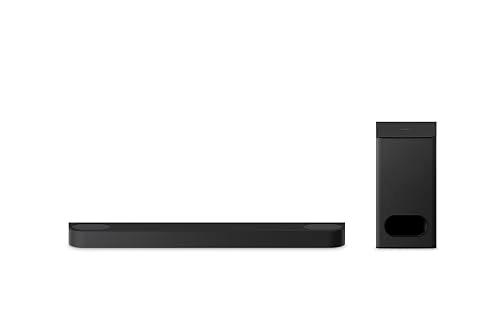
When your TV's built-in speakers sound like they're trapped in a tin can, it's time for a soundbar upgrade. But choosing between a feature-packed budget option and a refined premium model isn't always straightforward. The Ultimea Poseidon M60 Boom and Sony BRAVIA Theater Bar 6 represent two compelling but very different philosophies in soundbar design—one prioritizes maximum features per dollar, while the other focuses on polished performance and ecosystem integration.
Today's soundbars have evolved far beyond simple stereo speakers mounted in a long box. They're sophisticated audio systems using advanced digital signal processing (DSP)—think of it as a mini-computer that shapes and directs sound in real-time—to create immersive experiences that can rival traditional multi-speaker home theater setups.
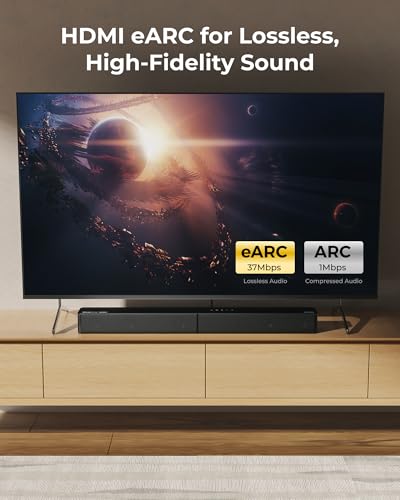
The most important considerations when evaluating any soundbar include channel configuration (how many separate audio streams it can handle), power output (how loud and dynamic it can get), bass extension (how deep the low frequencies go), and dialogue clarity (how well you can understand speech during complex scenes). Modern soundbars also need robust connectivity options, particularly HDMI eARC (Enhanced Audio Return Channel), which allows high-quality, uncompressed audio to flow between your TV and soundbar without quality loss.
What's particularly interesting about comparing the Ultimea M60 Boom and Sony Theater Bar 6 is how they represent dramatically different value propositions. The Ultimea, released in 2025, showcases how budget manufacturers are now incorporating technologies that were premium-only features just a few years ago. Meanwhile, the Sony maintains the traditional premium approach of refined engineering and ecosystem integration that established brands have perfected over decades.
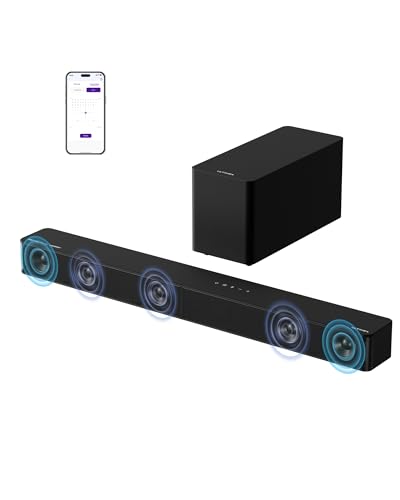
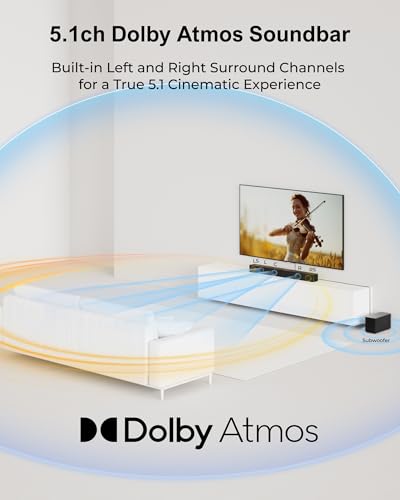
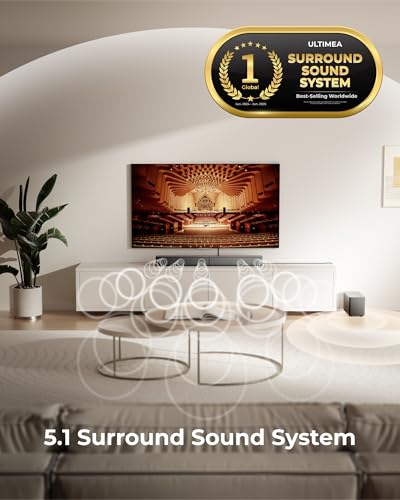
The Ultimea Poseidon M60 Boom takes an aggressive approach to value engineering. At a fraction of typical premium soundbar prices (at the time of writing), it delivers specifications that would have cost significantly more even two years ago. This 5.1-channel system claims Dolby Atmos support—a surround sound format that adds height information to create more immersive audio—using five full-range drivers integrated into a unique modular soundbar design.
What makes the Ultimea particularly intriguing is its triple-core DSP technology. Most budget soundbars use single-core processors, but Ultimea employs two 800MHz cores plus one 600MHz core, providing over 2000 MIPS (millions of instructions per second) of processing power. This computational muscle enables real-time parametric EQ adjustments and more sophisticated surround sound virtualization than you'd expect at this price point.
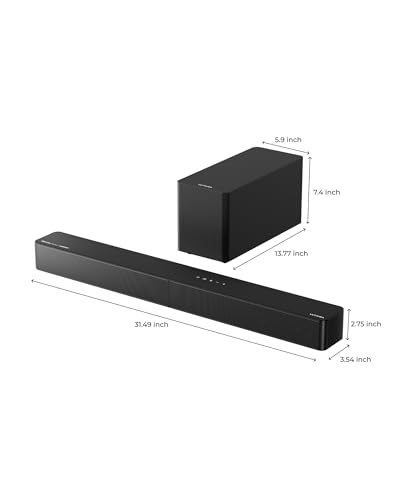
The modular design is genuinely innovative—the soundbar arrives as two separate pieces that twist together to form one continuous unit. This isn't just a gimmick; it allows for more compact shipping while maintaining the acoustic benefits of a full-width soundbar. Each module houses precisely positioned drivers that create a wider soundstage than traditional single-bar designs.
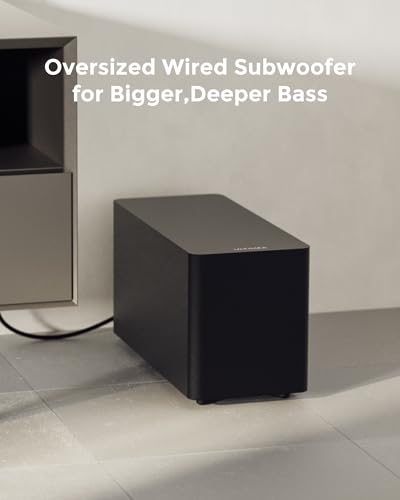
The BassMX technology in the accompanying 5.25-inch subwoofer deserves particular attention. Unlike typical budget subwoofers that use lightweight plastic enclosures, the M60 Boom includes a wooden cabinet with an oversized driver capable of 16mm excursion (how far the speaker cone can move). This translates to deeper, more controlled bass that can genuinely pressurize a room during action sequences.
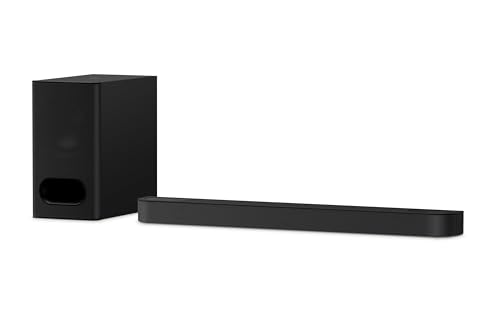
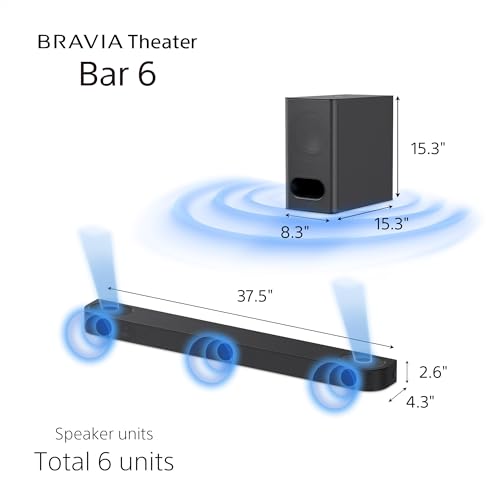
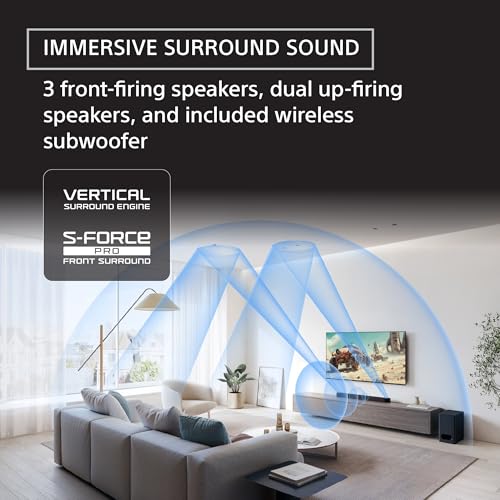
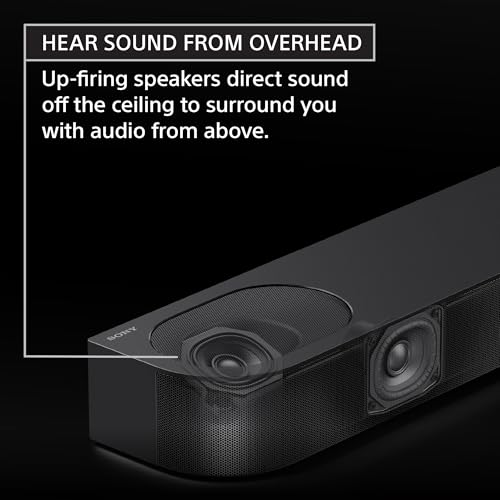
The Sony BRAVIA Theater Bar 6, positioned significantly higher in the market, represents traditional premium soundbar philosophy. Rather than cramming in maximum features, Sony focuses on execution quality and system integration. This 3.1.2-channel configuration includes dedicated up-firing speakers for authentic Dolby Atmos height effects—a meaningful difference from virtual processing.
Sony's X-Balanced drivers use rectangular rather than circular designs, increasing surface area by approximately 20% compared to traditional round drivers of similar dimensions. This geometric advantage allows for greater air movement and theoretically cleaner sound reproduction, particularly in mid and high frequencies where dialogue clarity matters most.
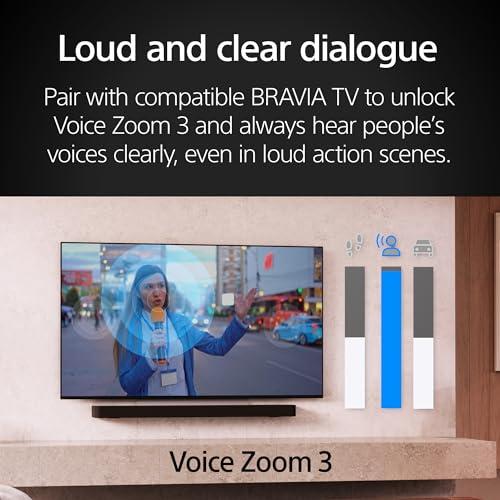
The Sony includes sophisticated voice enhancement technologies, including Clear Voice algorithms and, when paired with compatible BRAVIA TVs, Voice Zoom 3.0. This feature uses the TV's built-in acoustic surface speakers in conjunction with the soundbar to isolate and boost dialogue frequencies using AI-powered processing—a level of integration that's impossible with non-Sony TVs.
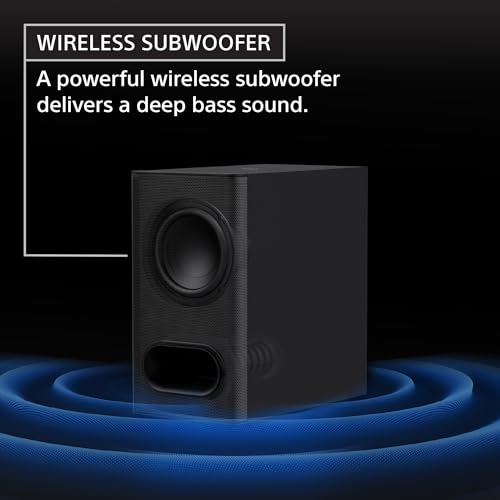
What's particularly impressive about the Theater Bar 6 is its wireless subwoofer with a 6-inch driver. While smaller than the Ultimea's driver, Sony's subwoofer benefits from more sophisticated tuning and room correction algorithms. The wireless connection also provides placement flexibility that wired subwoofers can't match, though this does introduce potential for connectivity issues in RF-heavy environments.
Both soundbars claim similar total power output—340W for the Ultimea and 350W for the Sony—but these numbers tell only part of the story. Peak power ratings are often marketing-inflated figures that don't reflect sustained performance or tonal quality.
Based on extensive research into user reviews and professional assessments, the Ultimea M60 Boom delivers impressive raw impact, particularly in the bass region. Its BassMX technology and larger subwoofer create genuinely room-filling low-end response that can enhance action movies and music with heavy bass content. However, the default tuning tends toward aggressive bass emphasis that may overwhelm midrange frequencies where dialogue lives.
The Sony Theater Bar 6 takes a more balanced approach. Its X-Balanced drivers and more conservative tuning deliver cleaner midrange reproduction and better tonal accuracy across the frequency spectrum. While it may not match the Ultimea's visceral bass impact, the Sony provides more natural sound reproduction that doesn't fatigue during extended listening sessions.
For home theater use, this difference is crucial. The Ultimea excels during explosive action sequences where maximum impact matters, while the Sony maintains clarity and balance across diverse content types, from dialogue-heavy dramas to complex musical scores.
The channel configuration difference between these systems represents fundamentally different approaches to surround sound creation. The Ultimea's 5.1 virtual surround uses sophisticated DSP algorithms to create the illusion of discrete surround channels from its five integrated drivers. This processing has improved dramatically in recent years, and the triple-core DSP provides enough computational power for convincing results.
However, the Sony's 3.1.2 configuration with dedicated up-firing speakers offers genuine advantages for Dolby Atmos content. These speakers project sound toward the ceiling, which then reflects down to create authentic height effects. In properly configured rooms with reflective ceilings, this creates a more convincing three-dimensional soundscape than virtual processing alone.
The trade-off is room dependency. The Ultimea's virtual surround works consistently regardless of ceiling height or surface materials, while the Sony's height effects vary significantly based on room acoustics. In spaces with vaulted ceilings, heavy carpeting, or irregular layouts, the Sony's advantages may be diminished.
Clear dialogue reproduction is arguably the most important soundbar performance metric, yet it's often overlooked in favor of flashier features. Both systems address this challenge differently.
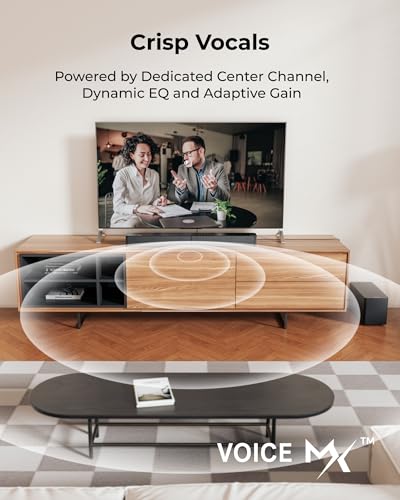
The Ultimea M60 Boom uses VoiceMX technology that dynamically enhances the 300Hz-3kHz frequency range where human speech occurs. This adaptive processing can boost dialogue clarity in real-time, adjusting for content variations and background noise. The system also includes a dedicated voice mode that further prioritizes speech intelligibility.
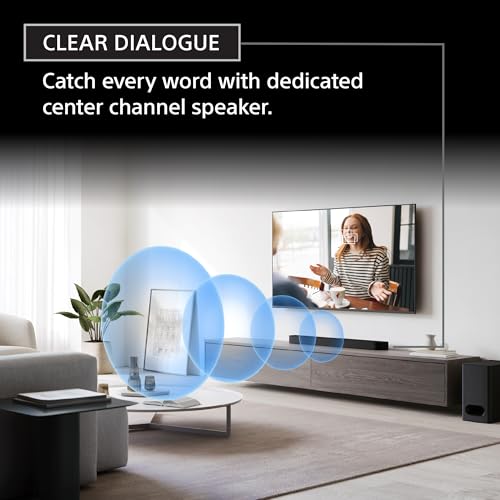
The Sony Theater Bar 6 benefits from its dedicated center channel—a physical speaker positioned to handle dialogue exclusively. This approach, combined with Sony's Clear Voice algorithms, ensures consistent speech reproduction without relying entirely on DSP magic. When paired with compatible BRAVIA TVs, the Voice Zoom 3.0 feature adds another layer of dialogue enhancement using the TV's own speakers.
In practical terms, both systems excel at dialogue clarity compared to TV speakers, but they achieve it through different means. The Ultimea relies more heavily on intelligent processing, while the Sony uses traditional acoustic design principles enhanced by modern algorithms.
Both soundbars include essential connectivity options like HDMI eARC and Bluetooth, but their smart features reveal different philosophies. The Ultimea M60 Boom includes comprehensive smartphone app control with features typically reserved for much more expensive systems. The app provides a 10-band parametric equalizer, multiple preset modes optimized for different content types, and regular firmware updates that can add new features over time.
This level of customization is genuinely impressive at this price point. The ability to fine-tune frequency response, adjust surround processing intensity, and create custom profiles for different content types provides enthusiasts with significant control over their audio experience.
The Sony Theater Bar 6 takes a more integrated approach through its BRAVIA Connect app and BRAVIA SYNC compatibility. While it may not offer as many manual adjustment options, the seamless integration with Sony's ecosystem provides practical advantages for users already invested in Sony products. The unified control experience, where TV and soundbar settings are accessible through a single interface, eliminates the complexity that often frustrates soundbar users.
Our research into long-term user experiences reveals interesting patterns. The Ultimea M60 Boom, despite its attractive specifications and features, shows some variability in build quality and long-term reliability typical of newer budget brands. Some users report connectivity issues with HDMI ARC handshaking and occasional Bluetooth dropouts, though firmware updates have addressed many initial problems.
The Sony Theater Bar 6 demonstrates the advantages of established manufacturing experience and quality control. User reports consistently indicate reliable operation, stable connectivity, and consistent performance over extended periods. This reliability premium is part of what justifies the higher price point.
For home theater applications where consistent, trouble-free operation is crucial, this reliability difference becomes significant. Nothing ruins a movie night like audio dropouts or connectivity glitches.
The physical design differences between these soundbars reflect their target markets. The Ultimea's modular construction is genuinely clever, allowing compact shipping while maintaining acoustic performance. The two-piece design also provides flexibility for unusual TV stand configurations, though the wired subwoofer limits placement options.
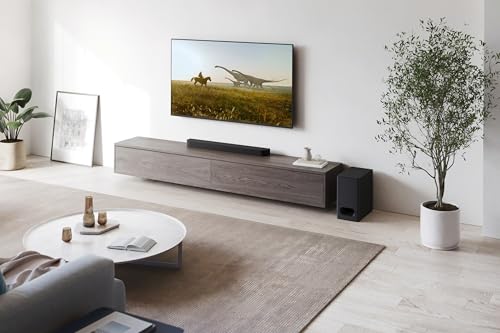
The Sony Theater Bar 6 follows conventional premium design language with high-quality materials and a more refined aesthetic. The wireless subwoofer provides placement flexibility crucial for optimal bass response in various room layouts. The overall build quality feels more substantial and likely to withstand years of daily use.
The Ultimea Poseidon M60 Boom represents exceptional value for users who prioritize features and performance per dollar. It's ideal for budget-conscious enthusiasts who want premium soundbar capabilities without premium pricing. The extensive app control and customization options appeal to users who enjoy tweaking their audio setup for optimal performance.
However, the Ultimea requires more hands-on setup and tuning to achieve its best performance. Users should expect to spend time adjusting EQ settings and experimenting with placement to optimize the experience. The wired subwoofer also limits room integration flexibility.
The Sony BRAVIA Theater Bar 6 suits users who value refinement over raw specifications. It's particularly compelling for Sony TV owners who can leverage the enhanced integration features. The more balanced default tuning and authentic Dolby Atmos implementation provide a more immediately satisfying experience without extensive adjustment.
The Sony also represents a safer long-term investment. The established brand support, proven reliability, and mature ecosystem integration reduce the risk of compatibility issues or premature obsolescence.
Choosing between these soundbars ultimately depends on your priorities and expectations. The Ultimea Poseidon M60 Boom offers remarkable value and impressive features that would have cost significantly more just a few years ago. It's proof that budget manufacturers can now deliver sophisticated audio processing and meaningful performance improvements over TV speakers.
The Sony BRAVIA Theater Bar 6 represents the traditional premium approach—refined engineering, reliable operation, and seamless integration command a price premium but deliver a more polished overall experience.
For most users seeking significant audio improvement without premium pricing, the Ultimea provides compelling value despite some compromises. However, users prioritizing long-term reliability, refined performance, and ecosystem integration will find the Sony worth its higher cost.
Both soundbars deliver meaningful improvements over TV audio, but they serve different user priorities in the evolving soundbar landscape. The choice reflects whether you value maximum features per dollar or refined execution and integration—both valid approaches in the modern home theater market.
| Ultimea Poseidon M60 Boom | Sony BRAVIA Theater Bar 6 |
|---|---|
| Channel Configuration - Determines surround sound capability and immersion | |
| 5.1 virtual surround (all drivers in main bar) | 3.1.2 with dedicated up-firing speakers for height |
| Total Power Output - Affects maximum volume and dynamic range | |
| 340W peak power | 350W total output |
| Subwoofer Design - Critical for bass impact and room placement flexibility | |
| 5.25" wired wooden subwoofer with BassMX technology | 6" wireless subwoofer with front-ported design |
| Driver Technology - Impacts sound clarity and frequency response | |
| Five full-range drivers with triple-core DSP processing | X-Balanced rectangular drivers for increased surface area |
| Dolby Atmos Implementation - Key for immersive movie experiences | |
| Virtual height processing through DSP algorithms | True height channels via dedicated up-firing speakers |
| Smart Control Options - Determines customization and ease of use | |
| Comprehensive app with 10-band EQ and 6 sound modes | BRAVIA Connect app with TV integration and room setup |
| Connectivity Features - Essential for modern device compatibility | |
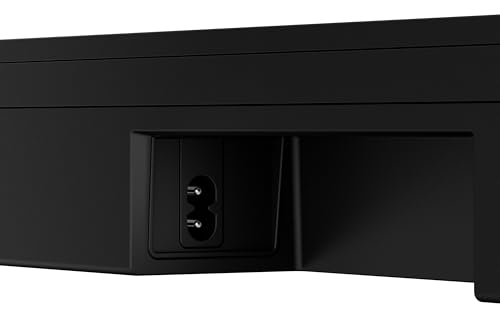
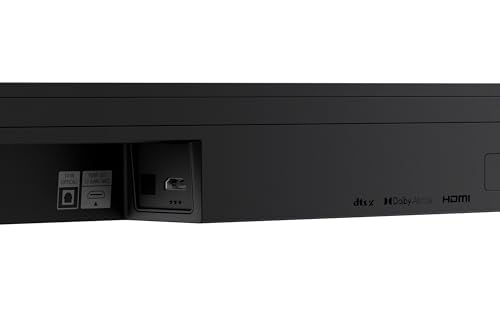
| HDMI eARC, Bluetooth 5.4, optical, USB | HDMI eARC, Bluetooth, optical (no HDMI passthrough) |
| Design Approach - Affects setup complexity and room integration | |
| Modular two-piece soundbar construction | Traditional single-bar with wireless subwoofer placement |
| Voice Enhancement Technology - Crucial for dialogue clarity | |
| VoiceMX targeting 300Hz-3kHz vocal range | Dedicated center channel with Clear Voice and Voice Zoom 3.0 |
| Brand Position - Indicates long-term support and reliability expectations | |
| Budget brand with innovative features (2025 release) | Established premium brand with proven ecosystem integration |
| Target User - Who gets the best value from each system | |
| Feature-focused enthusiasts wanting maximum specs per dollar | Sony TV owners and users prioritizing refined performance |
The Ultimea Poseidon M60 Boom provides exceptional value by offering premium features like Dolby Atmos, triple-core DSP processing, and comprehensive app control at a budget-friendly price point. The Sony BRAVIA Theater Bar 6 costs significantly more but justifies the premium with superior build quality, authentic Dolby Atmos implementation, and seamless Sony ecosystem integration. For maximum features per dollar, choose the Ultimea; for refined performance and reliability, the Sony is worth the investment.
The Ultimea Poseidon M60 Boom uses 5.1 virtual surround with five drivers in the main bar creating simulated surround effects through DSP processing. The Sony BRAVIA Theater Bar 6 features 3.1.2 channels with three front speakers, one subwoofer, and two dedicated up-firing speakers for genuine height effects. While the Ultimea offers wider virtual soundstage, the Sony provides more authentic Dolby Atmos experiences with true overhead sound placement.
Both excel at dialogue clarity but use different approaches. The Ultimea Poseidon M60 Boom employs VoiceMX technology that dynamically enhances speech frequencies (300Hz-3kHz) and includes a dedicated voice mode. The Sony BRAVIA Theater Bar 6 features a dedicated center channel for focused dialogue reproduction, plus Clear Voice algorithms and Voice Zoom 3.0 when paired with compatible Sony TVs. Both significantly improve speech intelligibility over TV speakers.
While the Sony BRAVIA Theater Bar 6 works with any TV, you'll unlock additional features with Sony BRAVIA TVs, including Voice Zoom 3.0 (which uses the TV's speakers alongside the soundbar), unified control through BRAVIA SYNC, and streamlined setup via the BRAVIA Connect app. The Ultimea Poseidon M60 Boom offers full functionality regardless of your TV brand, making it more universally compatible.
The Ultimea Poseidon M60 Boom delivers more impactful bass with its larger 5.25-inch wooden subwoofer featuring BassMX technology and 16mm driver excursion capability. This creates room-filling low-end response ideal for action movies. The Sony BRAVIA Theater Bar 6 has a smaller 6-inch wireless subwoofer but offers more controlled, musical bass response. Choose the Ultimea for maximum bass impact or the Sony for balanced, refined bass.
The Ultimea Poseidon M60 Boom features a unique modular design where two pieces twist together, making initial assembly slightly more involved but offering comprehensive app-guided setup with extensive customization options. The Sony BRAVIA Theater Bar 6 follows traditional plug-and-play design with wireless subwoofer auto-pairing and simplified setup, especially when paired with Sony TVs. Both are relatively easy to install for most users.
The Ultimea Poseidon M60 Boom includes upgraded Bluetooth 5.4 for faster pairing, more stable connections, and ultra-low latency, making it excellent for gaming and streaming. The Sony BRAVIA Theater Bar 6 uses standard Bluetooth along with its wireless subwoofer connection. However, the Ultimea uses a wired subwoofer which limits placement flexibility compared to the Sony's wireless subwoofer design.
Yes, both offer smartphone control but with different capabilities. The Ultimea Poseidon M60 Boom provides extensive app control including a 10-band parametric equalizer, six sound modes, bass/treble adjustments, and firmware updates. The Sony BRAVIA Theater Bar 6 uses the BRAVIA Connect app for setup, basic sound adjustments, and integration with Sony TVs. The Ultimea offers more granular control while the Sony focuses on simplicity and ecosystem integration.
The Ultimea Poseidon M60 Boom works well in smaller spaces due to its virtual surround processing that doesn't rely on room acoustics, though the wired subwoofer may limit placement options. The Sony BRAVIA Theater Bar 6 is also compact but its up-firing speakers work best with reflective ceilings at appropriate heights. Both are suitable for apartments, but the Ultimea may be more consistent across various room configurations.
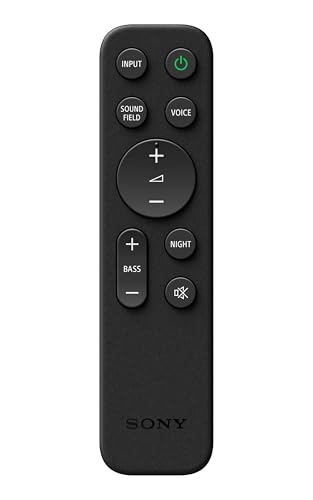
The Ultimea Poseidon M60 Boom offers six distinct sound modes (Movie, Music, Voice, Sport, Game, Night) plus extensive EQ customization, making it highly adaptable to different content types. The Sony BRAVIA Theater Bar 6 includes Sound Field modes, Voice Mode, Night Mode, and Auto Volume but with fewer manual adjustment options. The Ultimea provides more content-specific optimization while the Sony focuses on consistent, balanced performance.
The Sony BRAVIA Theater Bar 6 has the advantage of established brand reputation, proven manufacturing quality, and mature customer support infrastructure, leading to more consistent long-term reliability reports. The Ultimea Poseidon M60 Boom, being from a newer budget brand, offers impressive features but may have more variability in build quality and fewer service options. For long-term peace of mind, the Sony is the safer choice.
For dedicated home theater use, consider your priorities: The Ultimea Poseidon M60 Boom excels in impact and customization, making it ideal for action movies and users who enjoy tweaking settings. The Sony BRAVIA Theater Bar 6 provides more authentic Dolby Atmos with genuine height channels and balanced performance across all content types. Choose the Ultimea for maximum theater impact per dollar, or the Sony for refined, consistent home theater performance.
We've done our best to create useful and informative comparisons to help you decide what product to buy. Our research uses advanced automated methods to create this comparison and perfection is not possible - please contact us for corrections or questions. These are the sites we've researched in the creation of this article: ultimea.com - ultimea.com - youtube.com - bestbuy.com - youtube.com - avsforum.com - youtube.com - manuals.plus - youtube.com - device.report - ultimea.com - ultimea.de - community.ultimea.com - ultimea.com - community.ultimea.com - ultimea.com - youtube.com - aliexpress.com - ultimea.com - rtings.com - bestbuy.com - whathifi.com - youtube.com - youtube.com - sony.com - galaxus.at - helpguide.sony.net - audioadvice.com - electronics.sony.com - youtube.com - youtube.com - electronics.sony.com - helpguide.sony.net - whatgear.net - consumerreports.org

Privacy Policy
Terms and Conditions - Affiliate Policy
Home Security
© Copyright 2008-2026.
11816 Inwood Rd #1211, Dallas, TX 75244