









When your TV's built-in speakers make dialogue sound like mumbling from underwater and action scenes feel flat, it's time for a soundbar upgrade. But with dozens of options flooding the market, choosing the right one can feel overwhelming. Today, we're diving deep into two very different approaches to home audio: the Ultimea Poseidon M60 Boom and the Polk Audio React Sound Bar with Alexa Built-In.
These soundbars represent fundamentally different philosophies in home theater audio. The M60 Boom throws everything at you upfront—a complete 5.1 surround system designed to deliver maximum audio impact. The Polk React, released in 2021, takes a more measured approach, emphasizing smart features and the flexibility to build your system over time. Understanding these differences is crucial to making the right choice for your setup.
Before we dive into the specifics, let's talk about what actually matters when you're upgrading from those terrible TV speakers. The most important factors are audio performance (how good it sounds), content optimization (how well it handles different types of media), connectivity options, smart features, and overall value.
Audio performance breaks down into several key areas. Channel configuration refers to how many separate audio channels the system can handle—think of it like having multiple speakers working together to create a fuller sound. Power output determines how loud and dynamic your audio can get, while frequency response tells you how well the system handles everything from deep bass rumbles to crisp high notes.
Content optimization is about how the soundbar adapts to what you're watching or listening to. Movies need different audio treatment than music, and dialogue clarity is often the make-or-break feature for most people. Smart features have become increasingly important, with voice control and streaming capabilities now standard expectations rather than luxury additions.
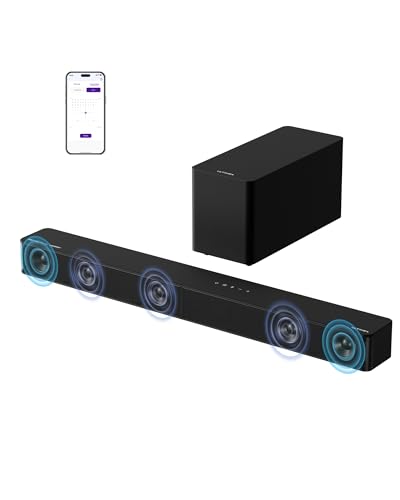
The Ultimea Poseidon M60 Boom arrived on the scene in 2024, representing a newer generation of soundbars that prioritize immediate, comprehensive performance. This isn't just a soundbar—it's a complete 5.1 surround sound system packed into a sleek package.
When we say "true 5.1," we're talking about six separate audio channels: left front, center, right front, left surround, right surround, and a dedicated subwoofer channel (the ".1" part). Most soundbars fake this with virtual processing, but the M60 Boom uses five discrete full-range drivers built into the main soundbar unit, each handling a specific channel.
This matters because your ears can tell the difference. When a helicopter flies from left to right in a movie, you're hearing actual sound moving between physical speakers rather than a clever audio trick. The center channel—arguably the most important for movies—gets its own dedicated driver, ensuring dialogue stays locked to the screen even when explosions are happening around it.
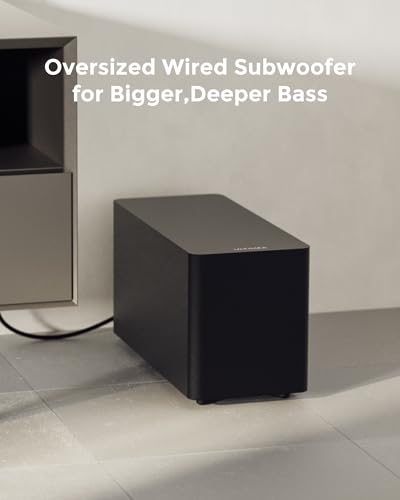
The system's BassMX technology deserves special attention. This isn't marketing fluff—it's a combination of an oversized cabinet design and a 5.25-inch subwoofer with up to 16mm of diaphragm excursion. In plain terms, that subwoofer cone can move back and forth much further than typical compact subs, pushing more air and creating deeper, more impactful bass. The wooden subwoofer cabinet adds resonance control, preventing the muddy bass that plague many budget systems.
The M60 Boom runs on triple-core DSP (Digital Signal Processing) technology—two cores at 800MHz and one at 600MHz. While these numbers might sound like computer specs, they're crucial for audio quality. This processing power enables real-time parametric EQ adjustments, which means the system can instantly fine-tune different frequency ranges based on what you're listening to.
More importantly, this system supports Dolby Atmos, the latest in surround sound technology. Atmos doesn't just move sound left and right—it places audio objects in three-dimensional space, including above your head. While the M60 Boom doesn't have upward-firing speakers like some premium systems, its processing can decode Atmos content and create convincing height effects through advanced algorithms.
The M60 Boom includes HDMI eARC (enhanced Audio Return Channel), which is your best bet for high-quality audio from modern TVs and streaming devices. eARC can handle uncompressed, full-bandwidth audio—meaning you get exactly what the content creators intended, without any quality loss during transmission.
The system also features Bluetooth 5.4, a significant upgrade from the older Bluetooth standards found in many competing products. This newer version offers faster pairing, more stable connections, and crucially, ultra-low latency. Low latency means the audio stays perfectly in sync with video, eliminating the annoying lip-sync issues that can plague wireless audio.
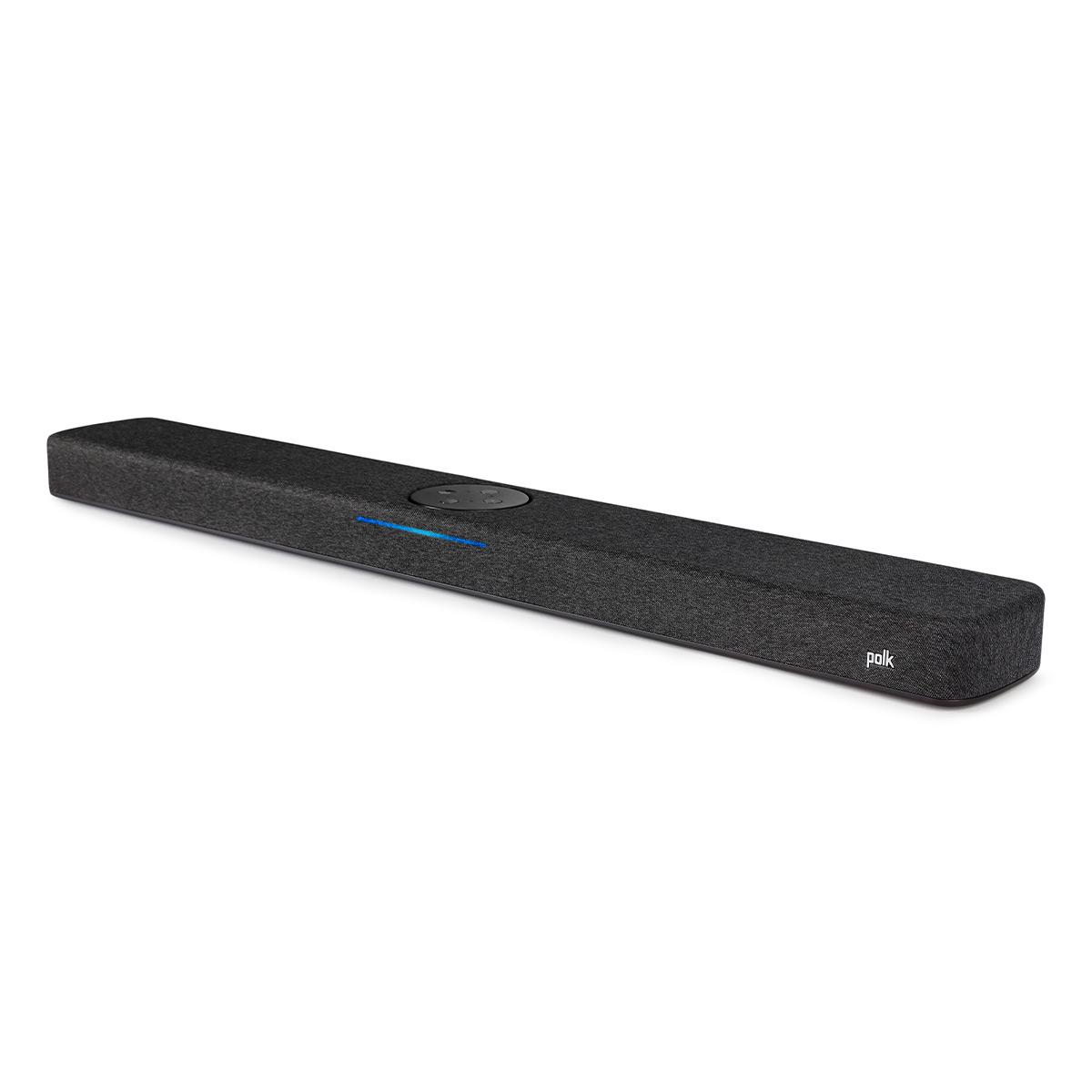
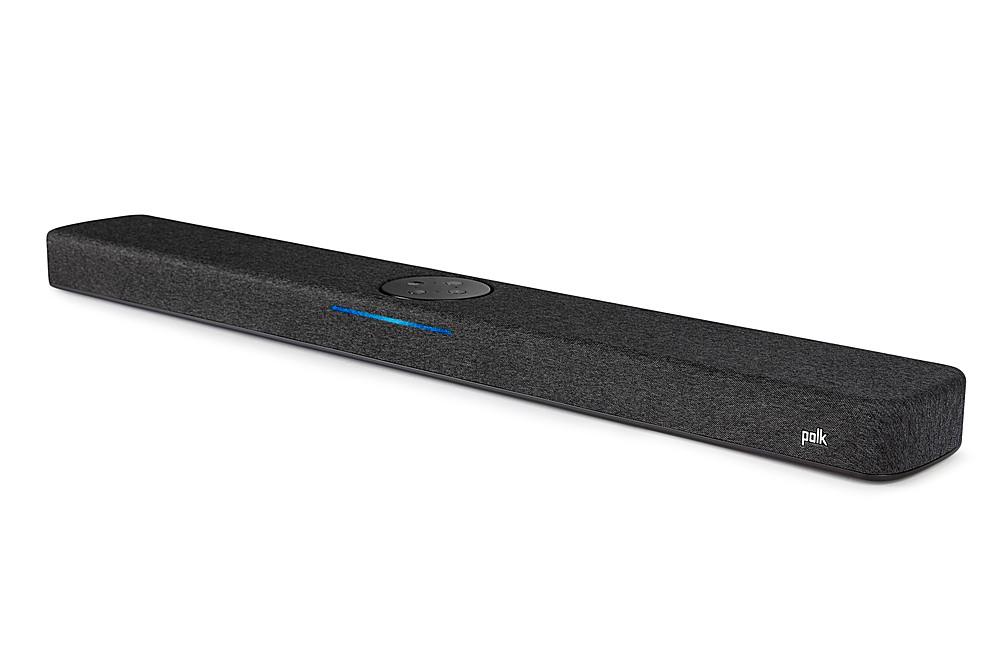
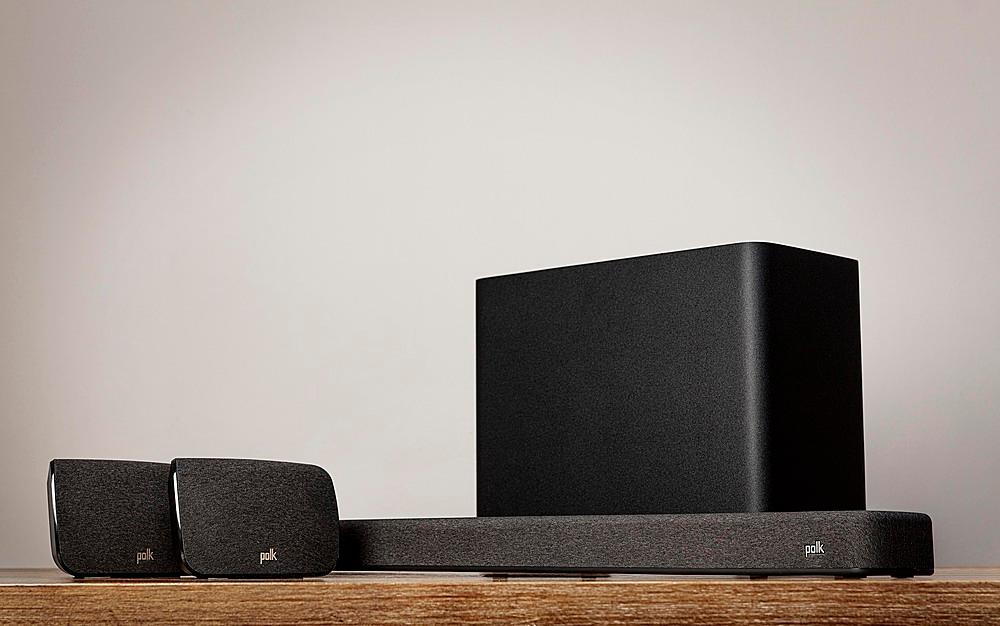
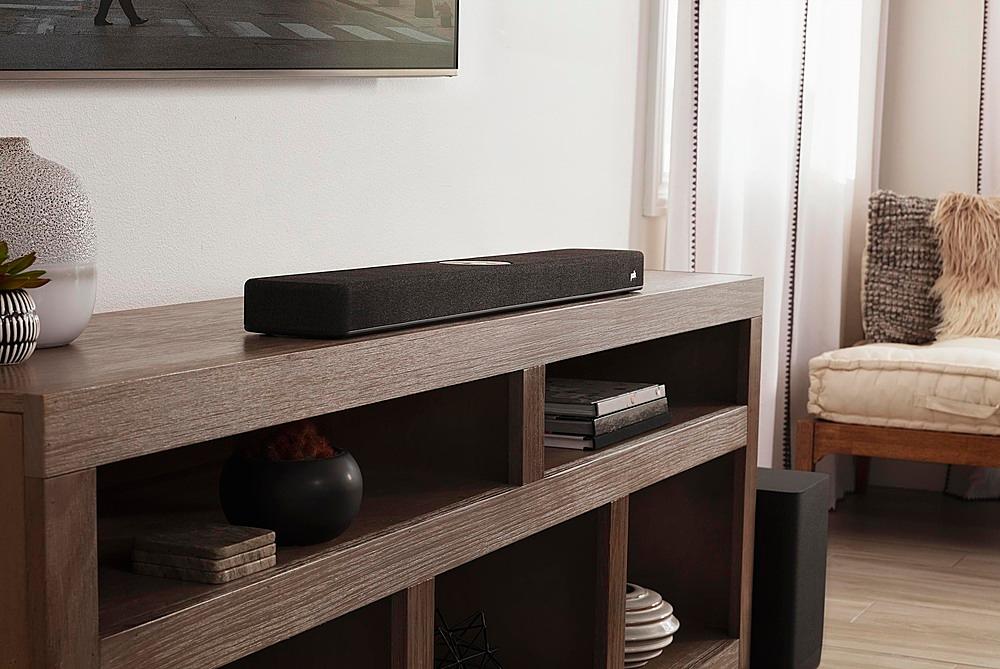
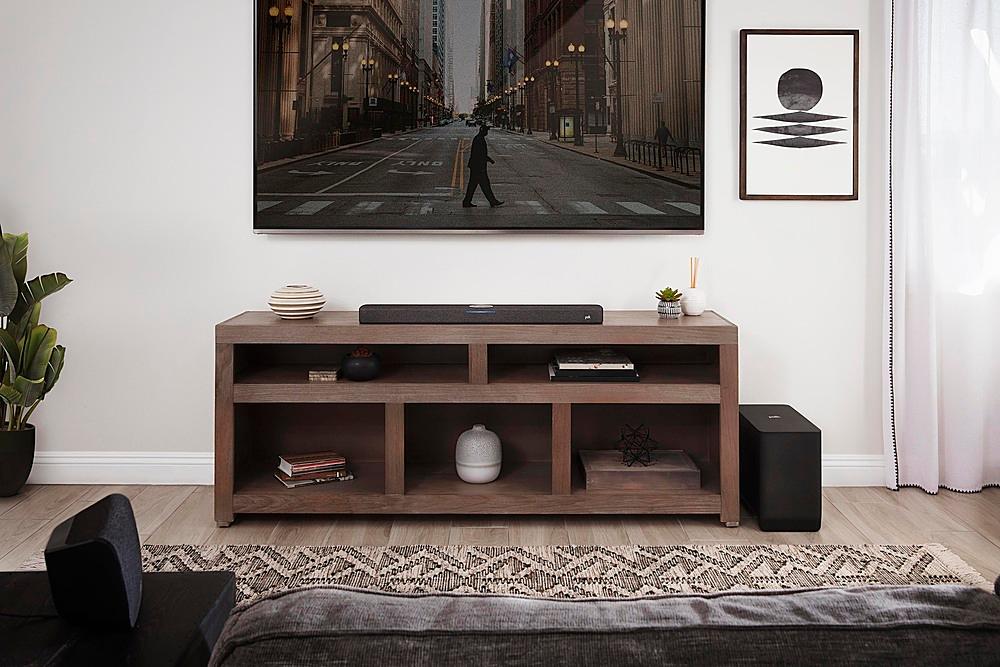
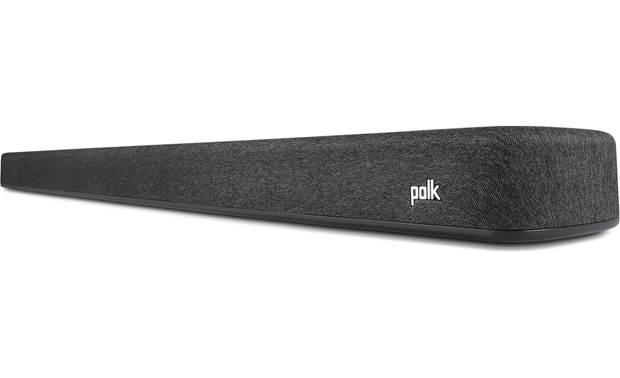
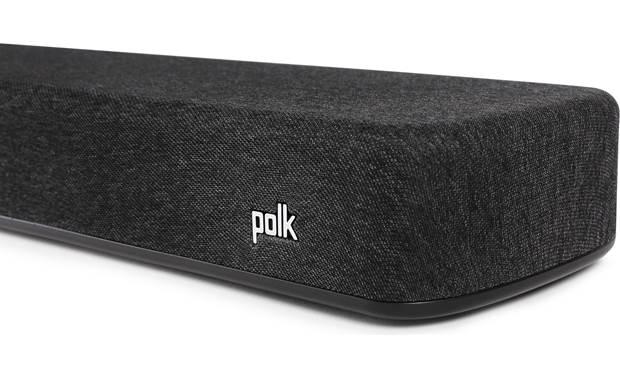
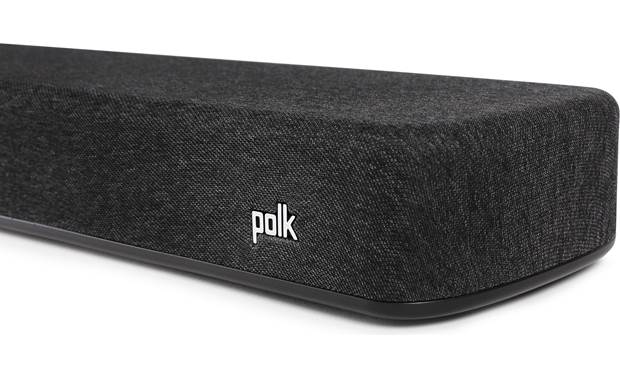
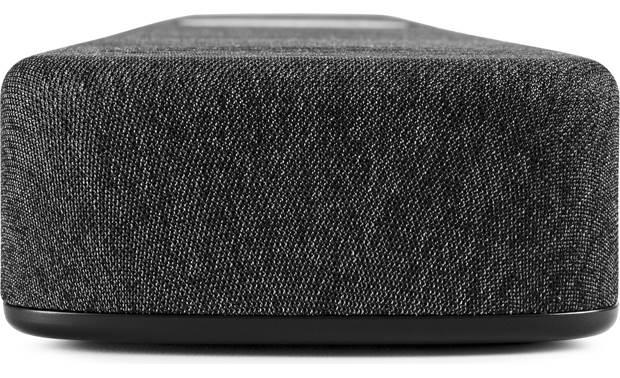
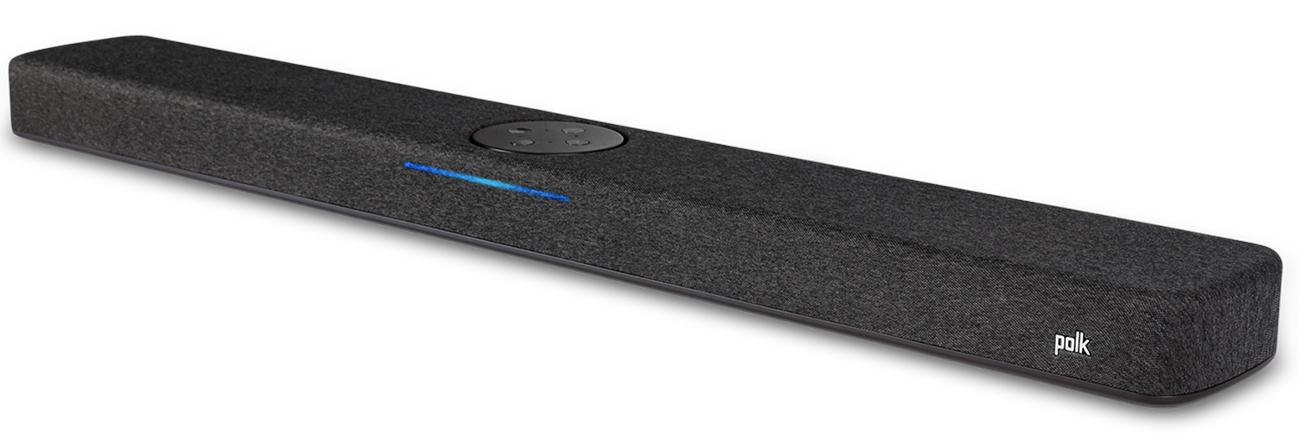
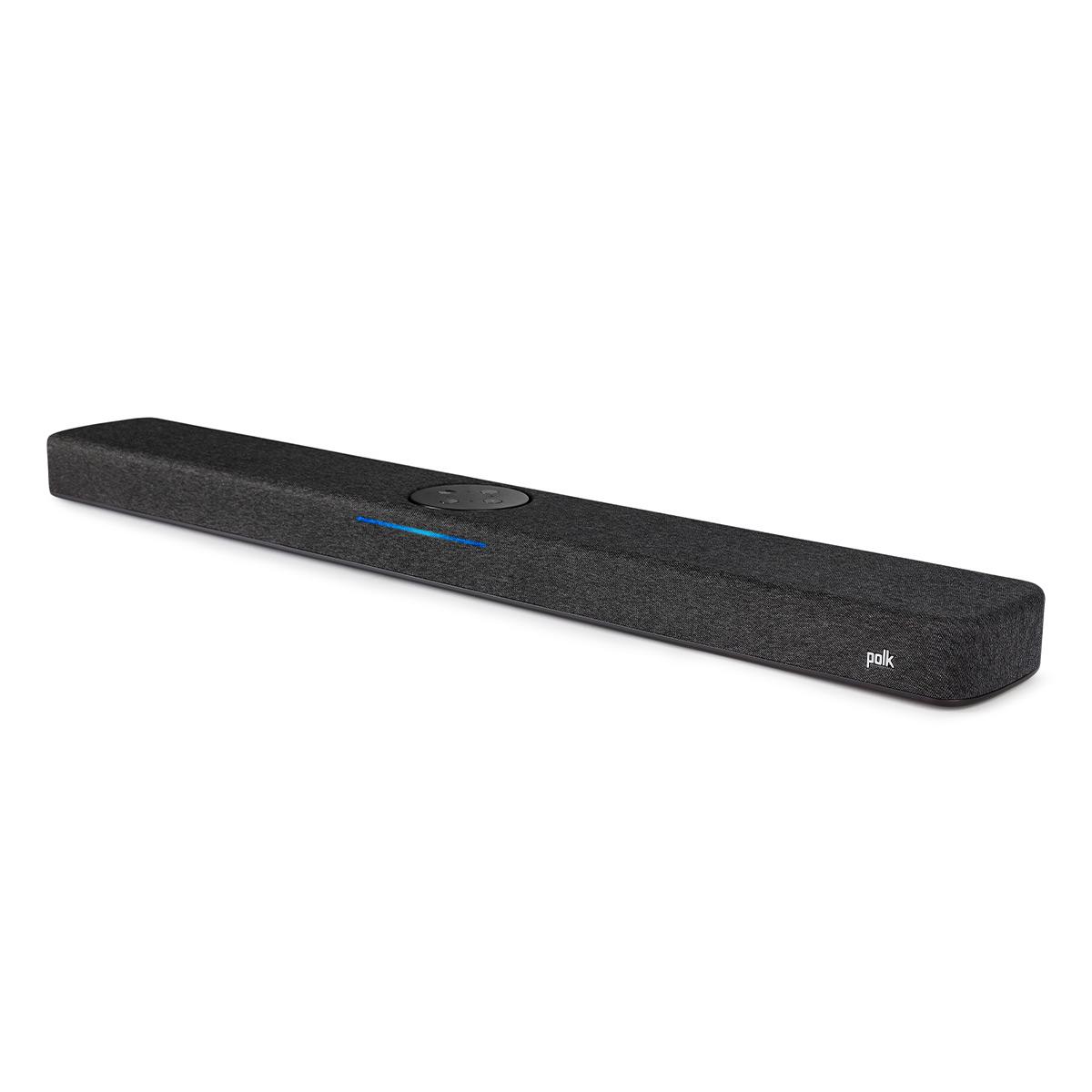
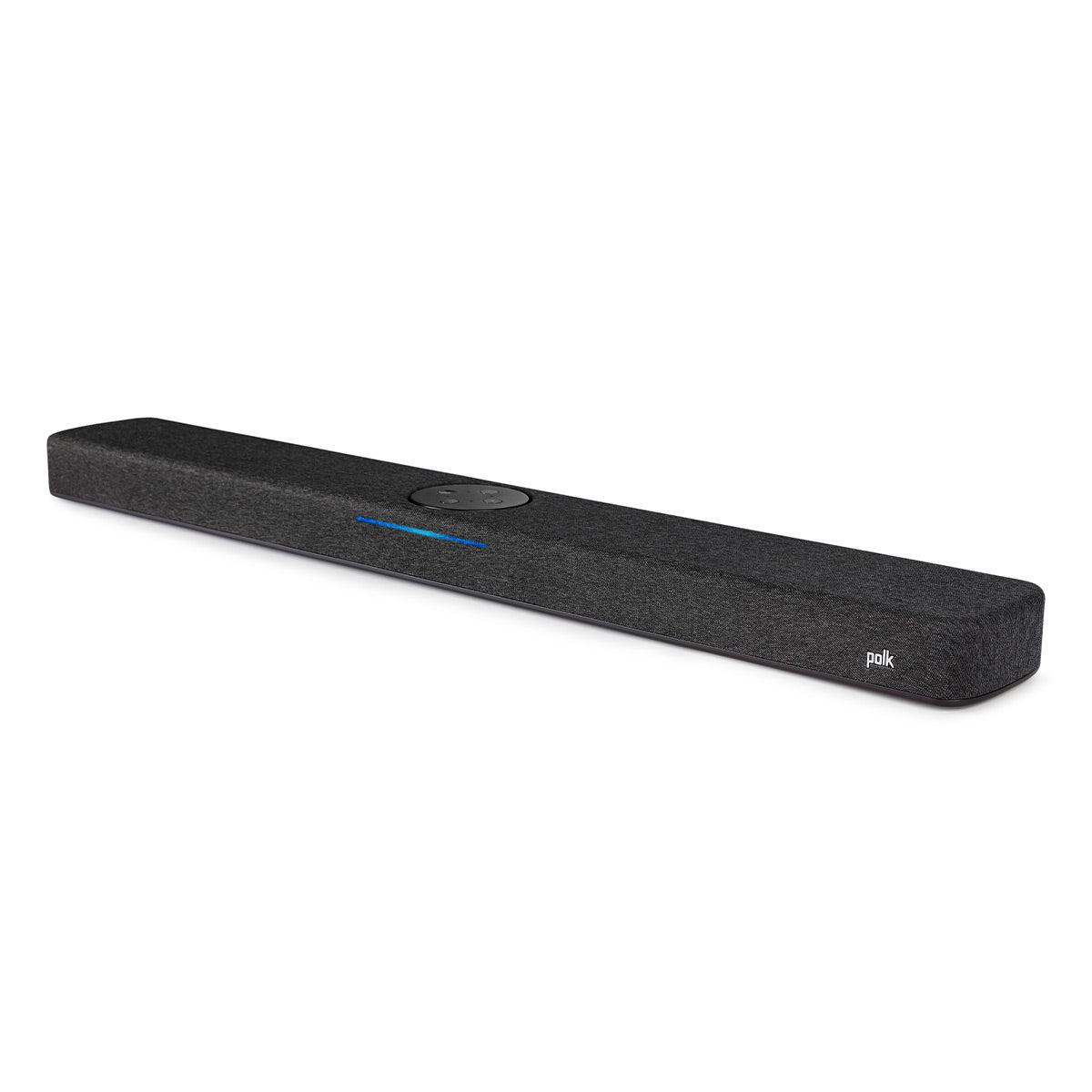
Released in 2021, the Polk Audio React represents a different philosophy entirely. Rather than overwhelming you with features upfront, it focuses on doing a few things exceptionally well while leaving room for growth.
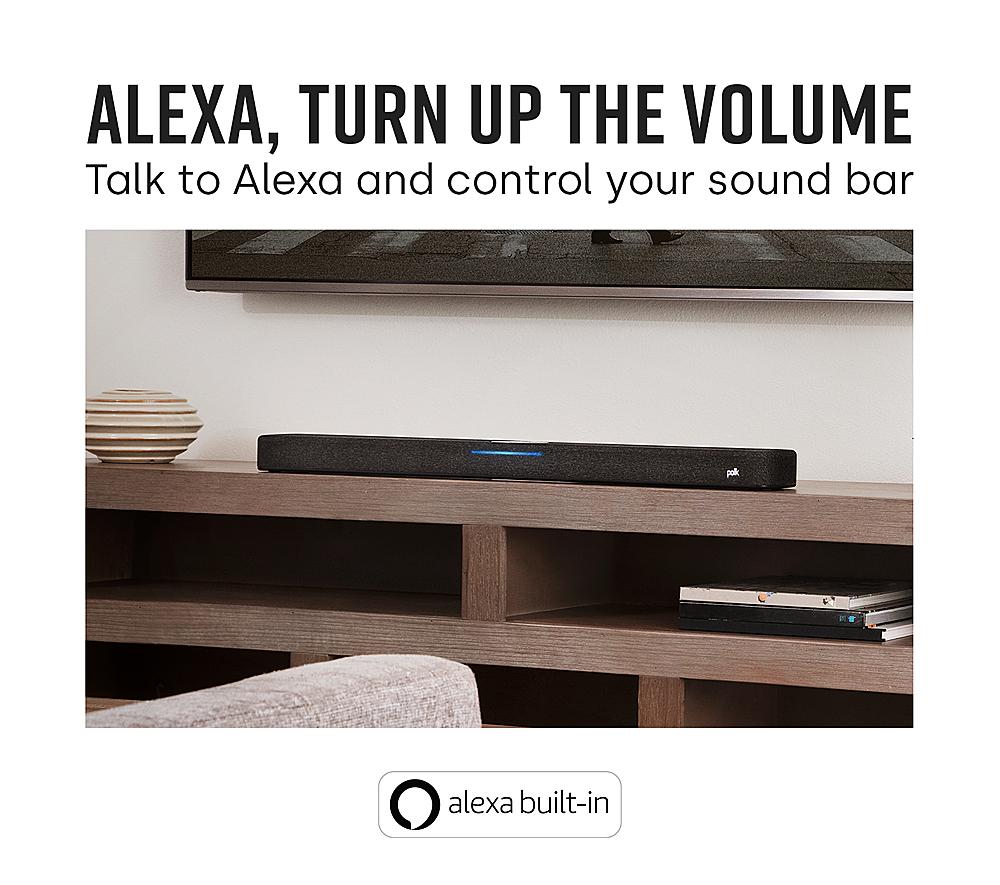
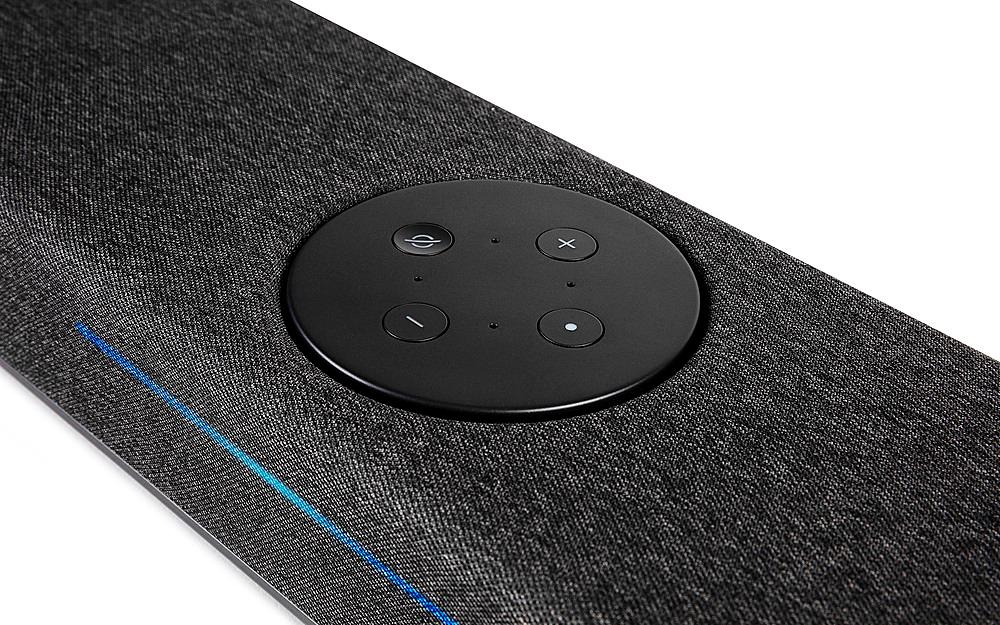
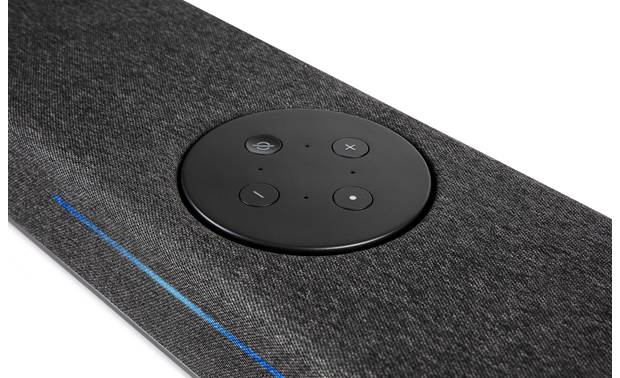
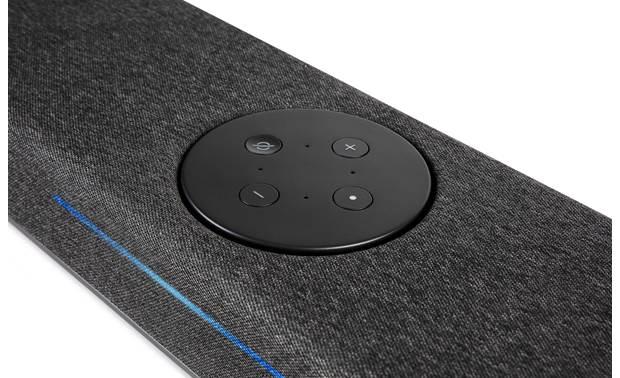
The standout feature of the Polk React is its built-in Amazon Alexa integration. This isn't just about voice control—though being able to say "Alexa, turn up the volume" is undeniably convenient. The system includes four far-field microphones that can pick up your voice from across the room, even when music is playing.
More importantly, the React becomes part of your smart home ecosystem. You can group it with other Alexa devices for multi-room audio, make hands-free calls, and control other smart home devices. For households already invested in the Alexa ecosystem, this integration feels seamless and natural.
While the React uses a 2-channel configuration rather than true surround sound, Polk has focused on making those two channels exceptional. The system features VoiceAdjust technology, which specifically targets the frequency range where human speech occurs (roughly 300Hz to 3kHz). This technology can dynamically boost dialogue clarity without making everything else sound harsh or artificial.
The driver configuration is thoughtfully designed: two 3.75" x 2.75" midrange drivers handle most of the frequency spectrum, while two 1-inch tweeters take care of the crisp high frequencies. Two passive radiators help extend the low-end response without requiring a separate subwoofer—though one is available as an upgrade.
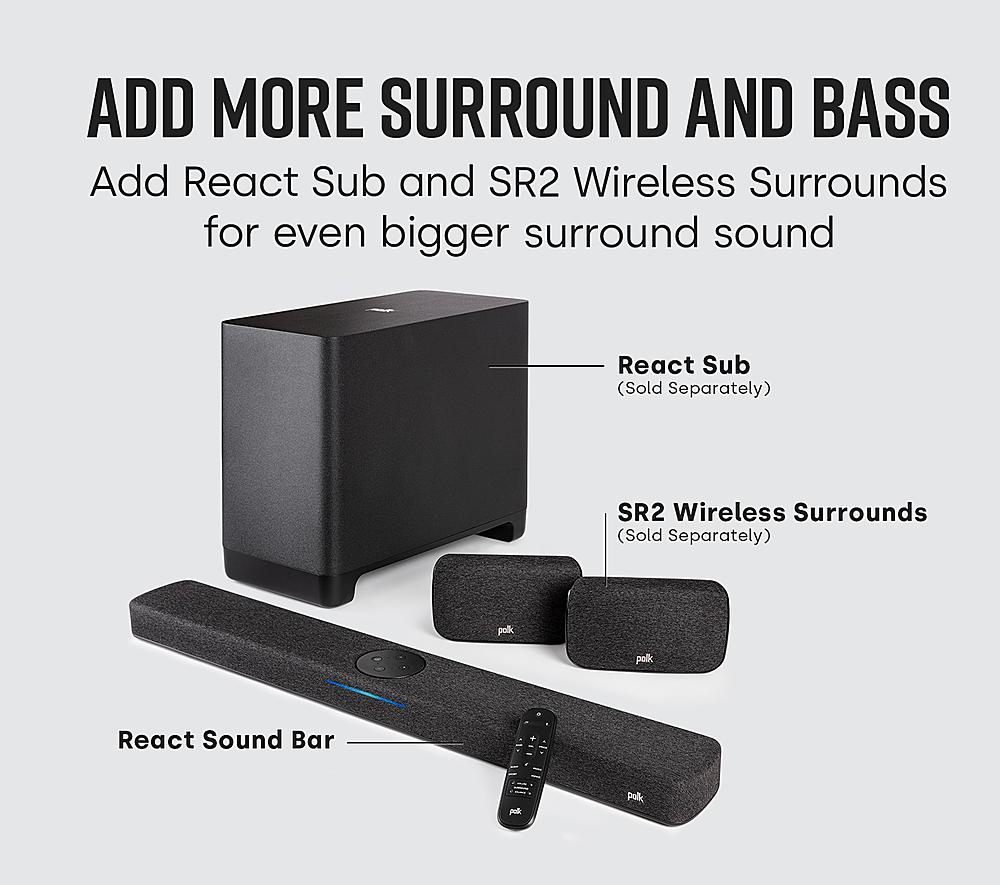
Here's where the Polk React gets interesting for long-term planning. The base soundbar is designed to work with Polk's optional wireless subwoofer and SR2 surround speakers. This modular approach means you can start with just the soundbar and gradually build a full 5.1 system as your budget and needs evolve.
However, this flexibility comes with trade-offs. At the time of writing, building a complete 5.1 system with the React and all its optional components approaches the cost of premium soundbar systems, making the value proposition more complex than it initially appears.
This is where the fundamental difference between these systems becomes most apparent. The M60 Boom delivers what audio engineers call "discrete" surround sound—each channel comes from a dedicated speaker driver. When you're watching a movie and rain starts falling, you can pinpoint where each raindrop sound is coming from around the room.
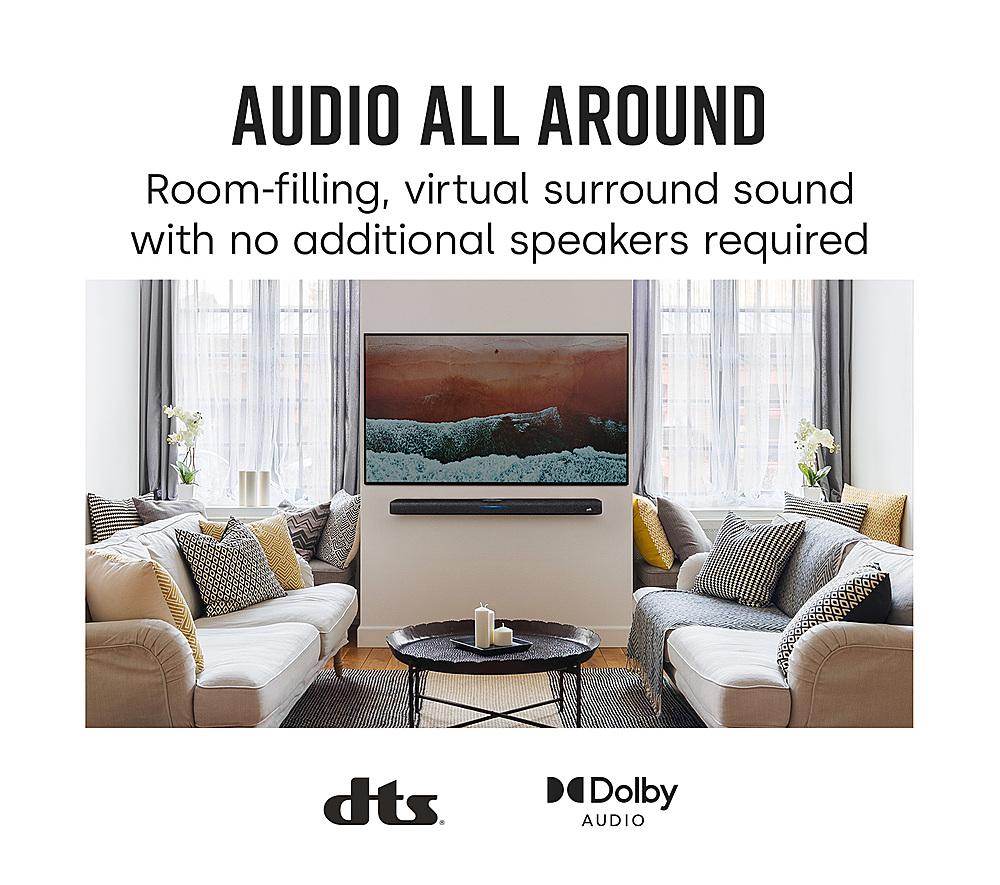
The Polk React, by contrast, uses virtual surround processing. This technology analyzes the audio signal and uses clever phase manipulation and timing delays to trick your brain into thinking sound is coming from behind you. It's impressive when it works, but it's heavily dependent on your room acoustics and seating position.
In our research across user reviews and expert evaluations, the consensus is clear: while virtual surround has improved dramatically over the years, it still can't fully replicate the immersion of discrete channels. The M60 Boom consistently delivers a more convincing surround experience, especially for content with active surround effects like action movies and video games.
Bass performance reveals another key philosophical difference. The M60 Boom's included subwoofer uses a wired connection, which eliminates the potential for wireless interference or latency issues but limits placement flexibility. The 5.25-inch driver with its high-excursion design can reproduce frequencies down to 45Hz—deep enough for most content to feel impactful without being overwhelming.
The React's base system relies on passive radiators for low-end extension. These are essentially speakers without voice coils that resonate sympathetically with the main drivers, helping to extend bass response without requiring additional power. While clever, this approach has physical limitations compared to a dedicated active subwoofer.
User feedback consistently indicates that the React benefits significantly from adding the optional wireless subwoofer, but this addition substantially increases the total system cost.
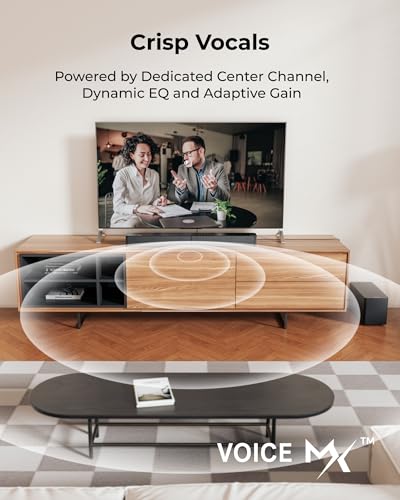
Both systems tackle dialogue clarity, but through different approaches. The M60 Boom's dedicated center channel provides a focused, stable platform for dialogue, while its VoiceMX technology can dynamically adjust the vocal frequency range during playback.
The Polk React's VoiceAdjust technology is more aggressive in its approach, allowing you to manually boost dialogue levels independent of other audio elements. This can be particularly helpful for users with hearing difficulties or in rooms with challenging acoustics.
Based on user reviews, both systems excel at dialogue clarity compared to TV speakers, but they achieve it differently. The M60 Boom maintains better overall audio balance while ensuring clear dialogue, while the React gives you more manual control over the dialogue-to-effects ratio.
The smart feature divide between these systems reflects broader industry trends. The M60 Boom focuses on audio performance with smart control through a comprehensive smartphone app. You can adjust EQ settings, switch between preset modes (movie, music, voice, sport, game, night), and fine-tune bass, mid, and treble levels.
The React's Alexa integration represents a more fundamental approach to smart audio. Once it's connected to your home network, it becomes another node in your smart home ecosystem. You can ask it to play music from various streaming services, control other smart devices, and even make phone calls.
For future-proofing, the M60 Boom's Bluetooth 5.4 and HDMI eARC support position it well for emerging technologies. The React's reliance on Alexa means its long-term functionality is tied to Amazon's platform decisions, which could be either an advantage or limitation depending on your smart home strategy.
At the time of writing, the M60 Boom represents exceptional value for users wanting immediate, complete surround sound performance. You're getting a true 5.1 system with Dolby Atmos support and substantial power output in a single purchase.
The React appeals to different budgeting approaches. The base system entry price is lower, but building a comparable 5.1 setup requires additional investments that can total significantly more than the M60 Boom's complete package price.
However, value isn't just about audio specifications. If smart home integration is crucial to your setup, the React's Alexa functionality might justify the price difference. Similarly, users who prefer Polk's established brand reputation and warranty coverage might find the long-term value proposition compelling despite higher total system costs.
For dedicated home theater use, the M60 Boom has clear advantages. Its discrete 5.1 channels, Dolby Atmos support, and substantial power output (340W peak) create a more cinematic experience. The system can achieve maximum sound pressure levels of 99dB, which is loud enough to recreate the dynamic range of theatrical presentations without distortion.
The frequency response of 45Hz to 18kHz captures the full range of most movie soundtracks, from rumbling explosions to delicate ambient details. The wired subwoofer connection ensures that crucial low-frequency effects stay perfectly synchronized with the action on screen.
The React is better suited for mixed-use scenarios where the soundbar serves multiple purposes beyond just movie watching. Its voice control makes it convenient for daily music streaming, and the dialogue enhancement features work well for regular TV viewing. However, it lacks the dynamic range and immersive qualities that make movie night special.
Choose the Ultimea Poseidon M60 Boom if you're primarily focused on audio performance and want immediate gratification. This system makes sense for movie enthusiasts, gamers, and anyone who wants to transform their TV viewing experience without researching additional components or managing multiple purchases.
The M60 Boom also suits users who prefer straightforward, powerful performance over smart features. If you're already satisfied with your current streaming setup and just want dramatically better sound, this system delivers maximum impact for your investment.
Choose the Polk Audio React if smart home integration is a priority and you're comfortable with a gradual approach to system building. This makes sense for users already invested in the Alexa ecosystem, those who value voice control convenience, and people who prefer the flexibility of modular expansion.
The React also appeals to users who prioritize dialogue clarity above all else, particularly those with hearing challenges or difficult room acoustics. Its specialized voice processing technology is among the most effective available in this price category.
These two soundbars represent distinctly different approaches to home audio improvement. The Ultimea Poseidon M60 Boom prioritizes immediate, comprehensive audio performance, delivering true surround sound with modern processing capabilities at exceptional value. The Polk Audio React emphasizes smart integration and flexibility, offering a foundation that can grow with your needs while providing superior dialogue clarity.
At the time of writing, the M60 Boom offers significantly more audio capability as a complete package, making it the clear choice for users prioritizing performance and value. The React serves users who value voice control and gradual system building, though the total cost of a complete setup approaches premium soundbar pricing.
For most users upgrading from TV speakers, the M60 Boom's complete 5.1 system provides more dramatic improvement and better long-term satisfaction. However, if Alexa integration is essential to your smart home strategy, the React remains a solid choice despite its higher total cost for equivalent audio performance.
The soundbar market has evolved rapidly since 2021, with newer entries like the M60 Boom pushing performance boundaries while maintaining accessible pricing. This trend suggests that immediate, comprehensive solutions are becoming more viable alternatives to gradual system building, making the M60 Boom's approach increasingly attractive for most users.
| Ultimea Poseidon M60 Boom 5.1 Soundbar | Polk Audio React Sound Bar with Alexa Built-In |
|---|---|
| Channel Configuration - Determines surround sound authenticity | |
| True 5.1 discrete channels with dedicated drivers for each position | 2.0 channels with virtual surround processing |
| Subwoofer Inclusion - Critical for impactful bass and movie experience | |
| 5.25" wired wooden subwoofer included with BassMX technology | No subwoofer included; optional wireless subwoofer available separately |
| Peak Power Output - Affects maximum volume and dynamic range | |
| 340W peak power with 99 dB maximum SPL | Not specified; conservative power output focused on clarity |
| Dolby Atmos Support - Essential for modern movie and streaming content | |
| Full Dolby Atmos decoding and upmixing capability | No Dolby Atmos support; limited to Dolby Digital and DTS |
| Voice Assistant Integration - Convenience for smart home users | |
| App-based control with comprehensive EQ customization | Built-in Amazon Alexa with far-field microphones |
| Bluetooth Version - Affects connection stability and audio latency | |
| Bluetooth 5.4 with ultra-low latency for gaming and video | Bluetooth 4.2 standard connectivity |
| Frequency Response - Range of sounds the system can reproduce | |
| 45 Hz – 18 kHz (deep bass to crisp highs) | Not specified; emphasis on vocal clarity range |
| System Completeness - What you get for immediate setup | |
| Complete 5.1 system ready out of the box | Base soundbar only; requires additional purchases for full surround |
| Dialogue Enhancement Technology - Critical for clear speech | |
| VoiceMX technology with dynamic vocal range processing | VoiceAdjust technology with manual dialogue level control |
| Connectivity Options - Compatibility with modern devices | |
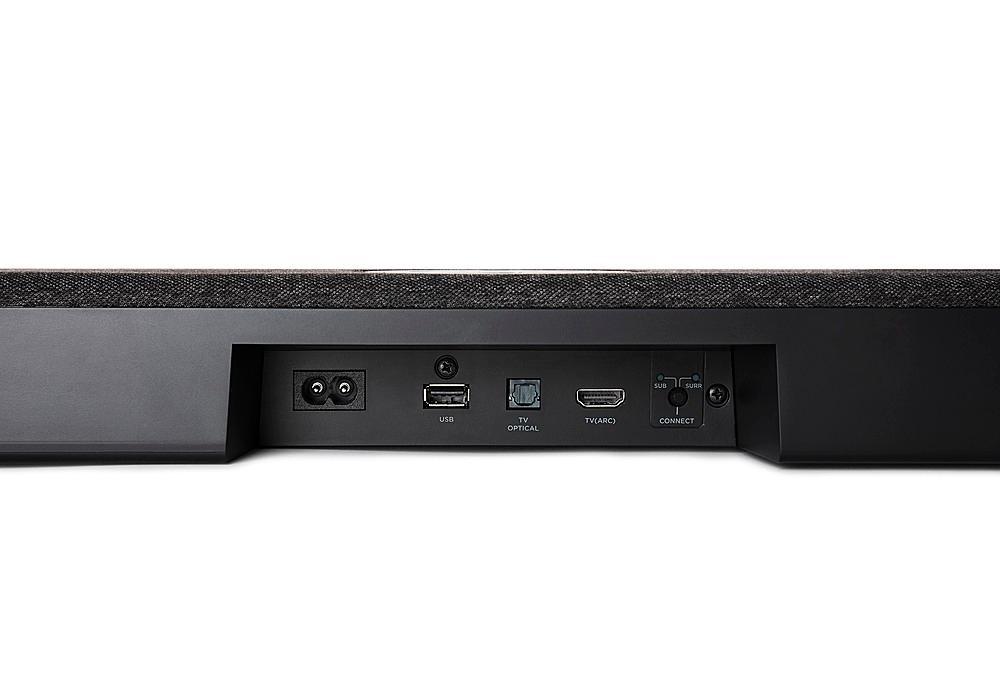
| HDMI eARC, optical, USB, AUX with CEC integration | HDMI ARC, optical, USB with 4K HDR passthrough |
| Expandability - Future upgrade potential | |
| Fixed complete system with no expansion options | Modular design with optional wireless subwoofer and surround speakers |
| Brand Heritage and Warranty - Long-term support considerations | |
| Newer market entrant with standard warranty coverage | Established Polk Audio brand with 3-year speaker, 1-year amplifier warranty |
The Ultimea Poseidon M60 Boom 5.1 Soundbar is significantly better for movies and home theater use. It delivers true 5.1 surround sound with discrete channels, includes a powerful subwoofer, and supports Dolby Atmos for immersive audio. The Polk Audio React Sound Bar with Alexa Built-In uses virtual surround processing and lacks Dolby Atmos support, making it less suitable for cinematic experiences.
The Ultimea Poseidon M60 Boom 5.1 Soundbar includes a 5.25-inch wired wooden subwoofer in the box, providing immediate deep bass performance. The Polk Audio React Sound Bar with Alexa Built-In does not include a subwoofer - you'll need to purchase the optional wireless subwoofer separately if you want enhanced bass.
The Polk Audio React Sound Bar with Alexa Built-In has superior voice control with built-in Amazon Alexa and far-field microphones for hands-free operation. The Ultimea Poseidon M60 Boom 5.1 Soundbar focuses on audio performance instead, offering comprehensive app control but no voice assistant integration.
The Ultimea Poseidon M60 Boom 5.1 Soundbar provides authentic surround sound with five discrete speakers handling individual channels, creating genuine positional audio. The Polk Audio React Sound Bar with Alexa Built-In uses virtual surround processing to simulate surround effects from two main channels, which is less convincing but still an improvement over TV speakers.
The Ultimea Poseidon M60 Boom 5.1 Soundbar offers exceptional value as a complete 5.1 system with subwoofer included, delivering premium audio performance in one purchase. The Polk Audio React Sound Bar with Alexa Built-In has a lower entry cost but requires additional purchases to match the M60 Boom's capabilities, potentially making it more expensive overall.
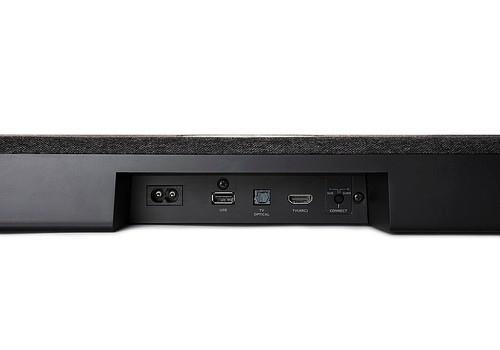
Both soundbars offer modern connectivity. The Ultimea Poseidon M60 Boom 5.1 Soundbar features HDMI eARC for lossless audio, plus optical, USB, and Bluetooth 5.4 connections. The Polk Audio React Sound Bar with Alexa Built-In includes HDMI ARC with 4K HDR passthrough, optical input, and Bluetooth 4.2 connectivity.
Both soundbars excel at dialogue clarity but use different approaches. The Polk Audio React Sound Bar with Alexa Built-In features specialized VoiceAdjust technology for manual dialogue enhancement. The Ultimea Poseidon M60 Boom 5.1 Soundbar uses a dedicated center channel with VoiceMX technology for natural dialogue positioning and clarity.
The Ultimea Poseidon M60 Boom 5.1 Soundbar is a complete system requiring no additional purchases for full surround sound. The Polk Audio React Sound Bar with Alexa Built-In works as a standalone unit but benefits from optional wireless surround speakers and subwoofer for a complete 5.1 experience.
The Polk Audio React Sound Bar with Alexa Built-In offers comprehensive smart home integration with built-in Alexa, multi-room audio capabilities, and voice control of connected devices. The Ultimea Poseidon M60 Boom 5.1 Soundbar focuses primarily on audio performance with smartphone app control rather than smart home features.
The Ultimea Poseidon M60 Boom 5.1 Soundbar delivers 340W peak power with a maximum SPL of 99 dB, suitable for large rooms and high-volume listening. The Polk Audio React Sound Bar with Alexa Built-In uses more conservative power output, prioritizing clarity and refinement over maximum volume capability.
The Ultimea Poseidon M60 Boom 5.1 Soundbar supports modern Dolby Atmos content for three-dimensional audio positioning. The Polk Audio React Sound Bar with Alexa Built-In supports Dolby Digital and DTS formats but lacks Dolby Atmos capability, limiting its compatibility with newer streaming content and Blu-ray movies.
The Polk Audio React Sound Bar with Alexa Built-In offers modular expansion with optional wireless subwoofer and SR2 surround speakers for gradual system building. The Ultimea Poseidon M60 Boom 5.1 Soundbar is a fixed complete system with no expansion options, but provides full performance from day one without needing upgrades.
We've done our best to create useful and informative comparisons to help you decide what product to buy. Our research uses advanced automated methods to create this comparison and perfection is not possible - please contact us for corrections or questions. These are the sites we've researched in the creation of this article: ultimea.com - ultimea.com - youtube.com - bestbuy.com - youtube.com - avsforum.com - youtube.com - manuals.plus - youtube.com - device.report - ultimea.com - ultimea.de - community.ultimea.com - ultimea.com - community.ultimea.com - ultimea.com - youtube.com - aliexpress.com - ultimea.com - techradar.com - crutchfield.com - popsci.com - youtube.com - tomsguide.com - bestbuy.com - polkaudio.com - crutchfield.com - forum.polkaudio.com - soundunited.com - youtube.com

Privacy Policy
Terms and Conditions - Affiliate Policy
Home Security
© Copyright 2008-2026.
11816 Inwood Rd #1211, Dallas, TX 75244