

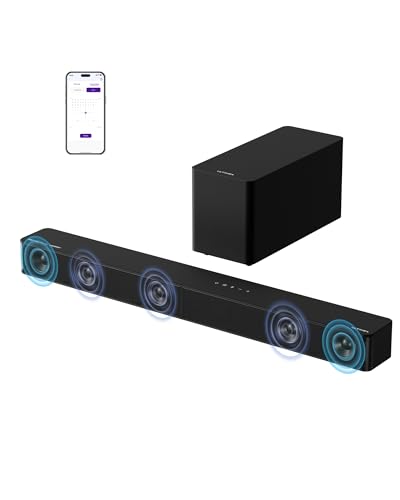

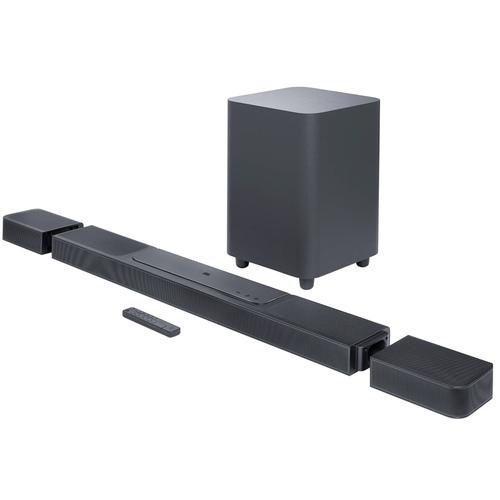
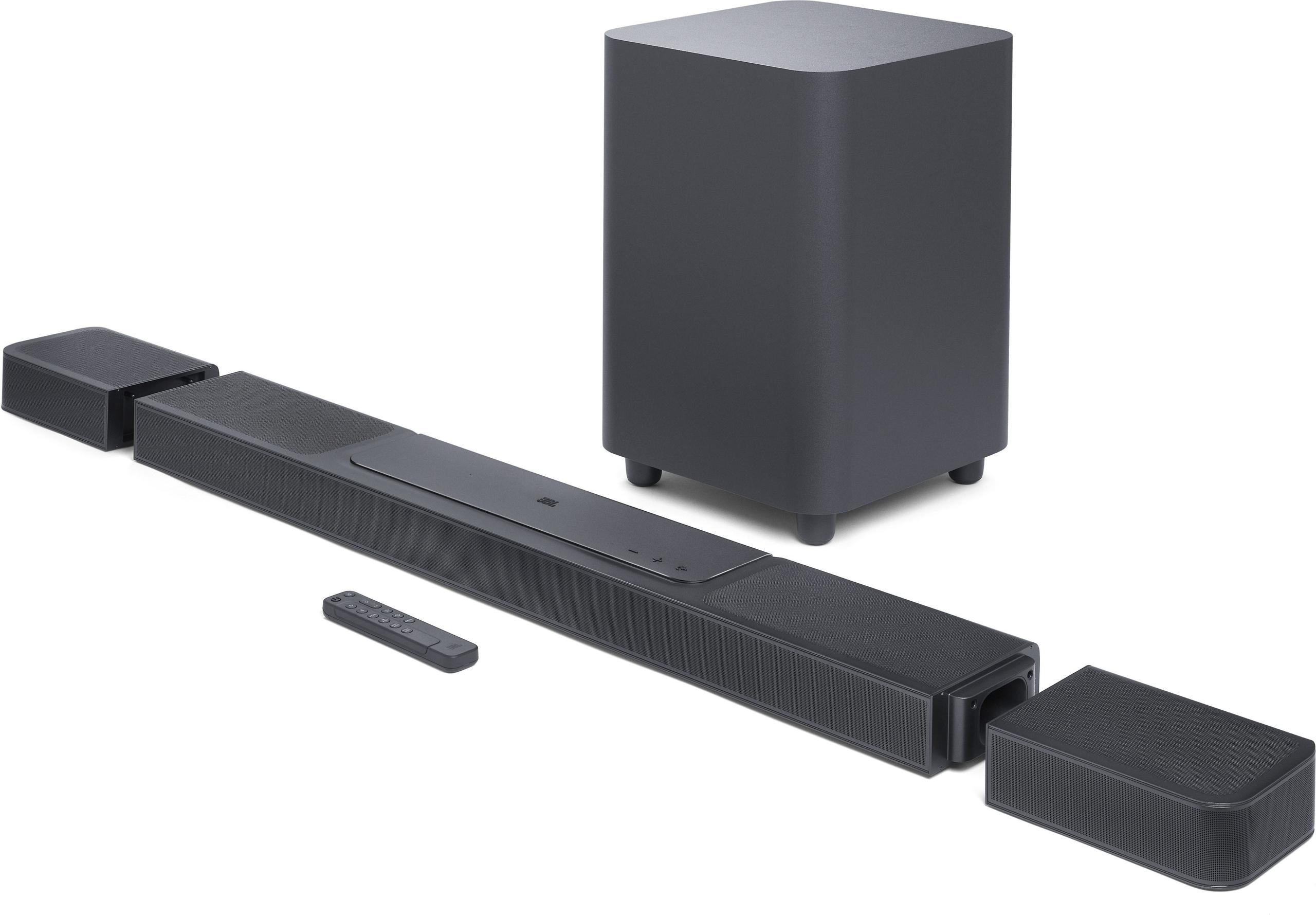
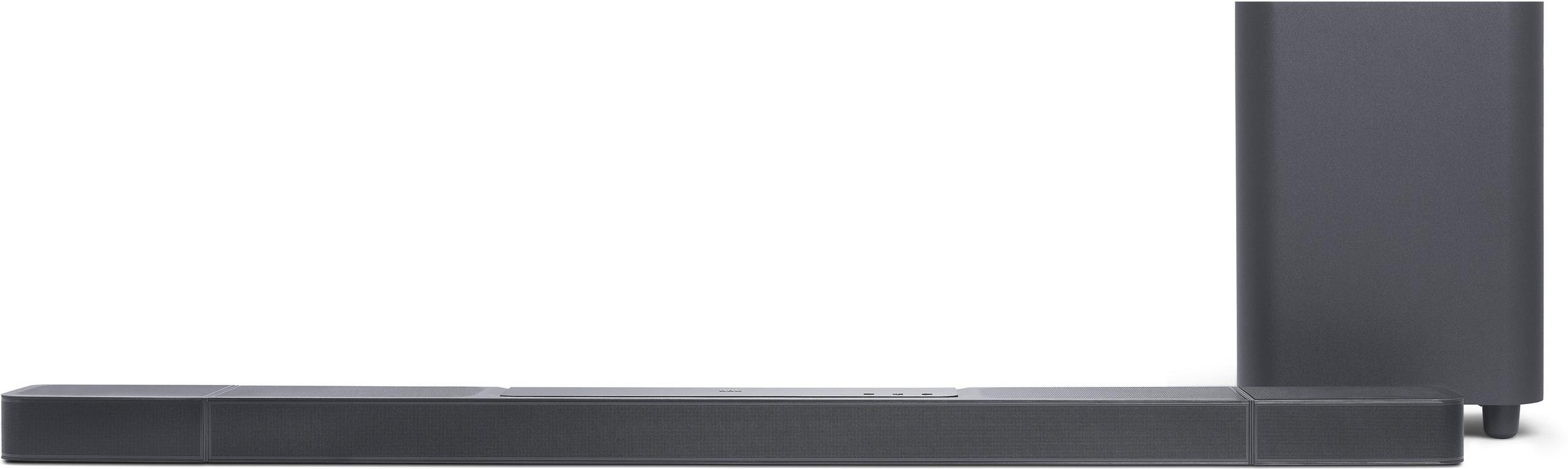
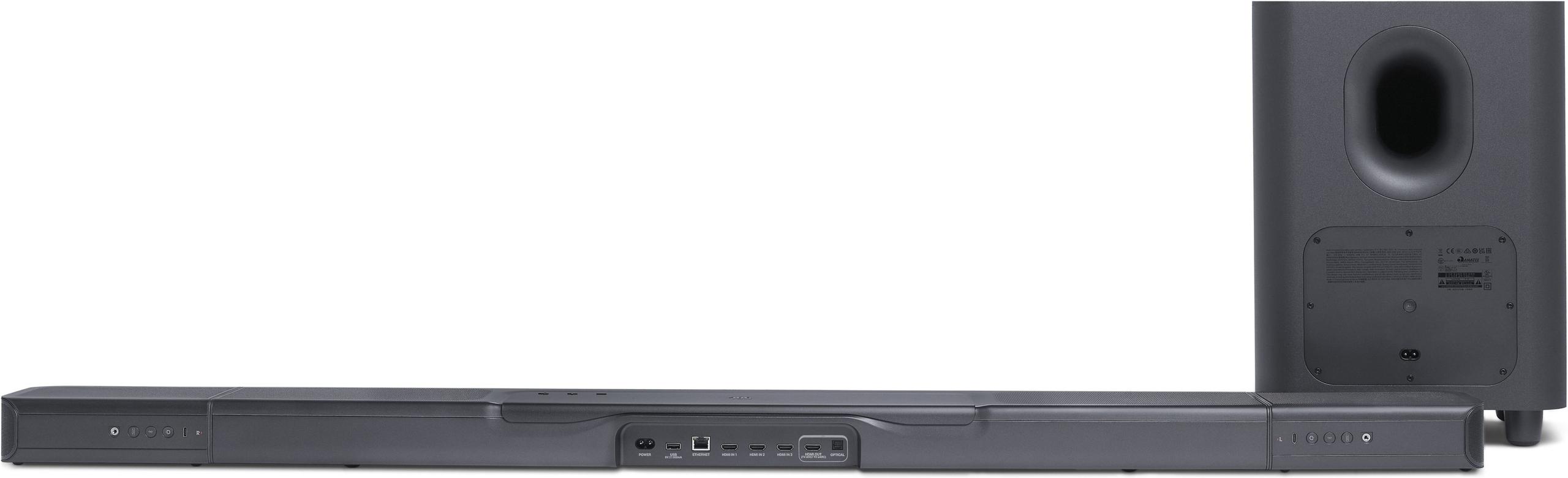



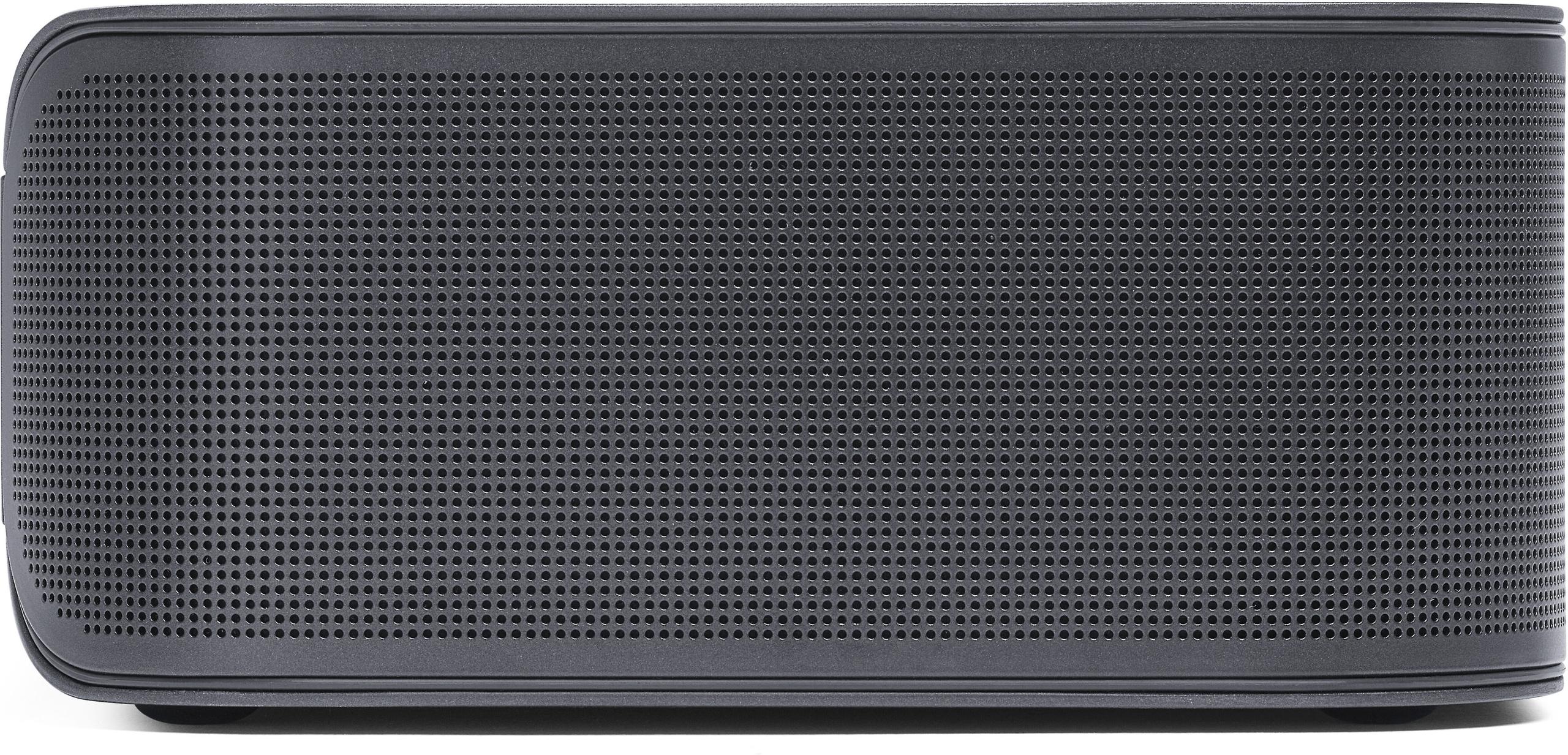
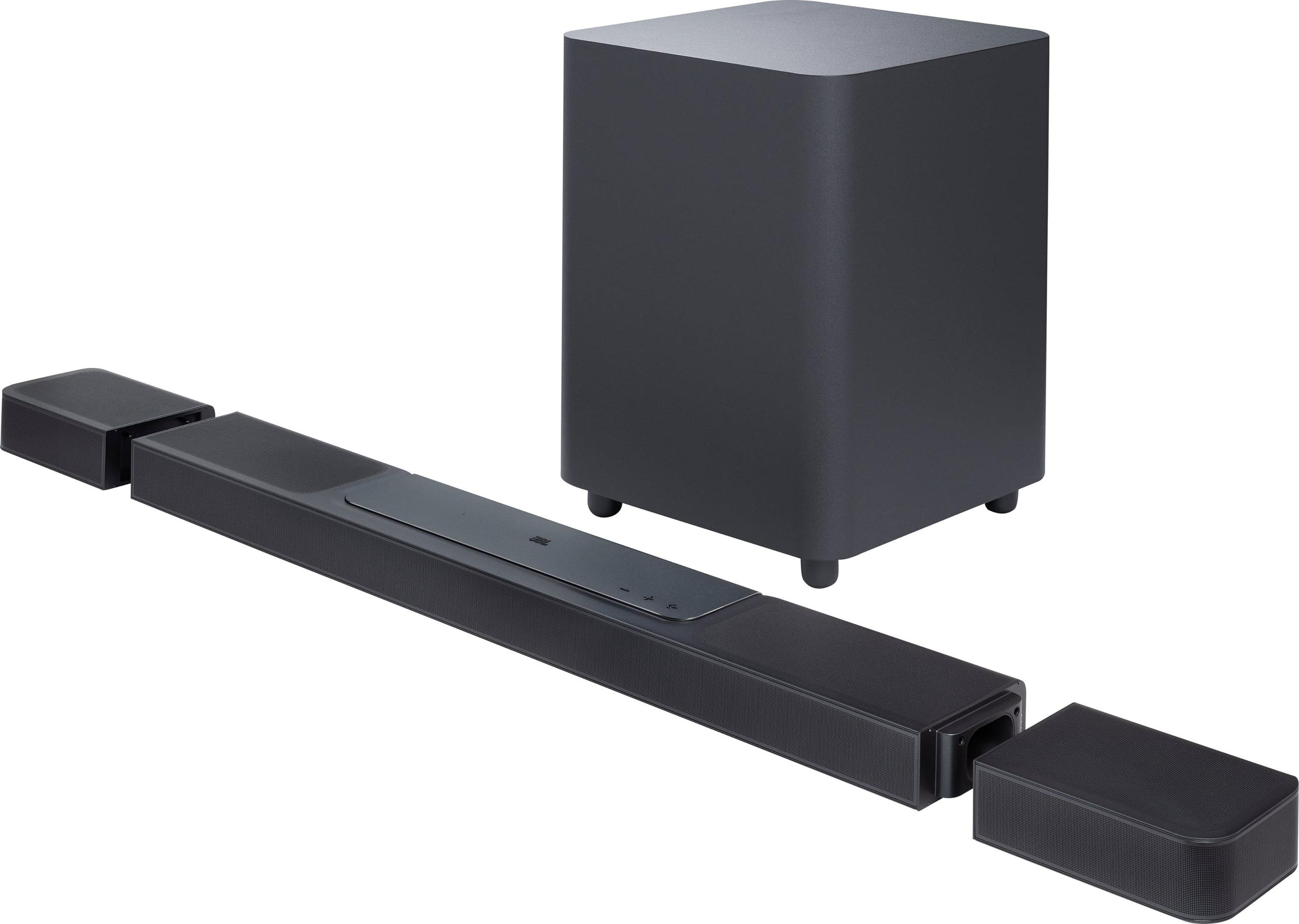
If you've been suffering through your TV's tinny built-in speakers, you're probably ready for a soundbar upgrade. But with options ranging from under $300 to well over $1,000, choosing the right one can feel overwhelming. Today we're diving deep into two very different approaches to home audio: the budget-friendly Ultimea Poseidon M60 Boom and the premium JBL Bar 1300X.
These soundbars represent opposite ends of the value spectrum, and understanding their differences will help you make the right choice for your home theater setup.
Soundbars have evolved dramatically since their introduction in the early 2000s. What started as simple stereo speakers designed to sit below your TV has transformed into sophisticated multi-channel audio systems that can rival traditional surround sound setups.
The core appeal remains the same: dramatically better sound than TV speakers without the complexity of running wires throughout your room or mounting speakers on walls. However, modern soundbars now handle advanced audio formats like Dolby Atmos (which creates overhead sound effects) and DTS:X (a competing surround sound format), while offering wireless connectivity and smartphone app control.
When evaluating soundbars, several key factors determine whether you'll be thrilled or disappointed with your purchase. Room size is crucial – a soundbar that sounds amazing in a cozy bedroom might get lost in a large living room. Your content preferences matter too; dialogue-heavy shows benefit from different tuning than action movies packed with explosions and sound effects.
The Ultimea Poseidon M60 Boom, released in 2025, represents the newer wave of budget soundbars that pack premium features into affordable packages. Meanwhile, the JBL Bar 1300X showcases what's possible when cost isn't the primary constraint, delivering flagship performance with cutting-edge technology.
When we dive into the technical specifications, the differences between these systems become immediately apparent. The JBL Bar 1300X delivers 1,170 watts of total system power, distributed across its main soundbar (650W), wireless subwoofer (300W), and detachable surround speakers (220W combined). In contrast, the Ultimea Poseidon M60 Boom provides 340W of peak power across its entire system.
This power difference isn't just about getting louder – though the JBL certainly can fill larger rooms more effectively. Higher power output typically translates to better control over speaker drivers, reduced distortion at moderate volumes, and more dynamic range. Dynamic range refers to the difference between the quietest and loudest sounds a system can reproduce, and it's crucial for maintaining the impact of movie soundtracks.
From our research into user experiences, the power advantage becomes most noticeable during demanding scenes. Action sequences with explosions, orchestral swells in epic movies, and even densely layered music benefit from having power reserves available. The Ultimea handles typical viewing well, but users report it can sound strained when pushed to higher volumes or during particularly complex audio passages.
The frequency response specifications tell another important story. The JBL Bar 1300X extends down to 33Hz, approaching the lower limits of human hearing, while the Ultimea reaches 45Hz. That 12Hz difference might seem small, but it represents significant bass extension – the difference between feeling explosions in your chest versus just hearing them.
Perhaps the most fundamental difference between these systems lies in how they create surround sound effects. This distinction affects everything from setup complexity to audio immersion.
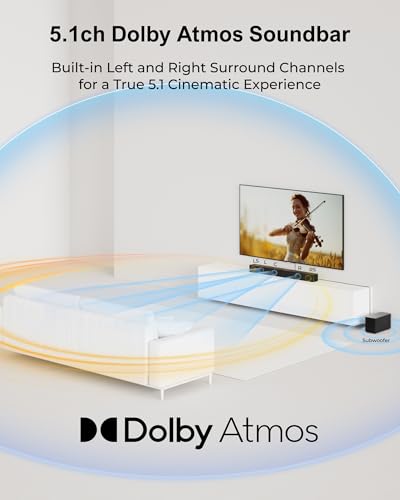
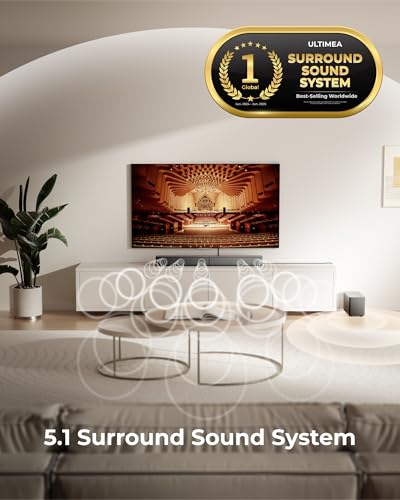
The Ultimea Poseidon M60 Boom uses what's called virtual surround processing. All five channels of its 5.1 system are housed within the main soundbar unit, using digital signal processing (DSP) to create the illusion of sounds coming from different directions. Triple-core DSP chips – essentially specialized computers for audio processing – analyze incoming audio and direct different frequency ranges to specific drivers within the bar.
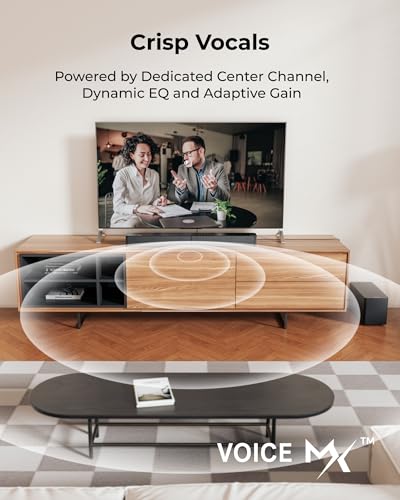
This approach has significant advantages: setup is incredibly simple, there are no additional speakers to place around your room, and the compact footprint works well in smaller spaces or apartments where running speaker wires isn't practical. The Ultimea does this virtual processing reasonably well, creating a noticeably wider soundstage than TV speakers.
However, virtual surround has inherent limitations. Physics dictates that sounds actually originating from behind you will always be more convincing than processed audio from a single front-facing unit. User feedback consistently indicates that while the Ultimea creates an improved sense of space, it can't match the immersion of systems with physical rear speakers.
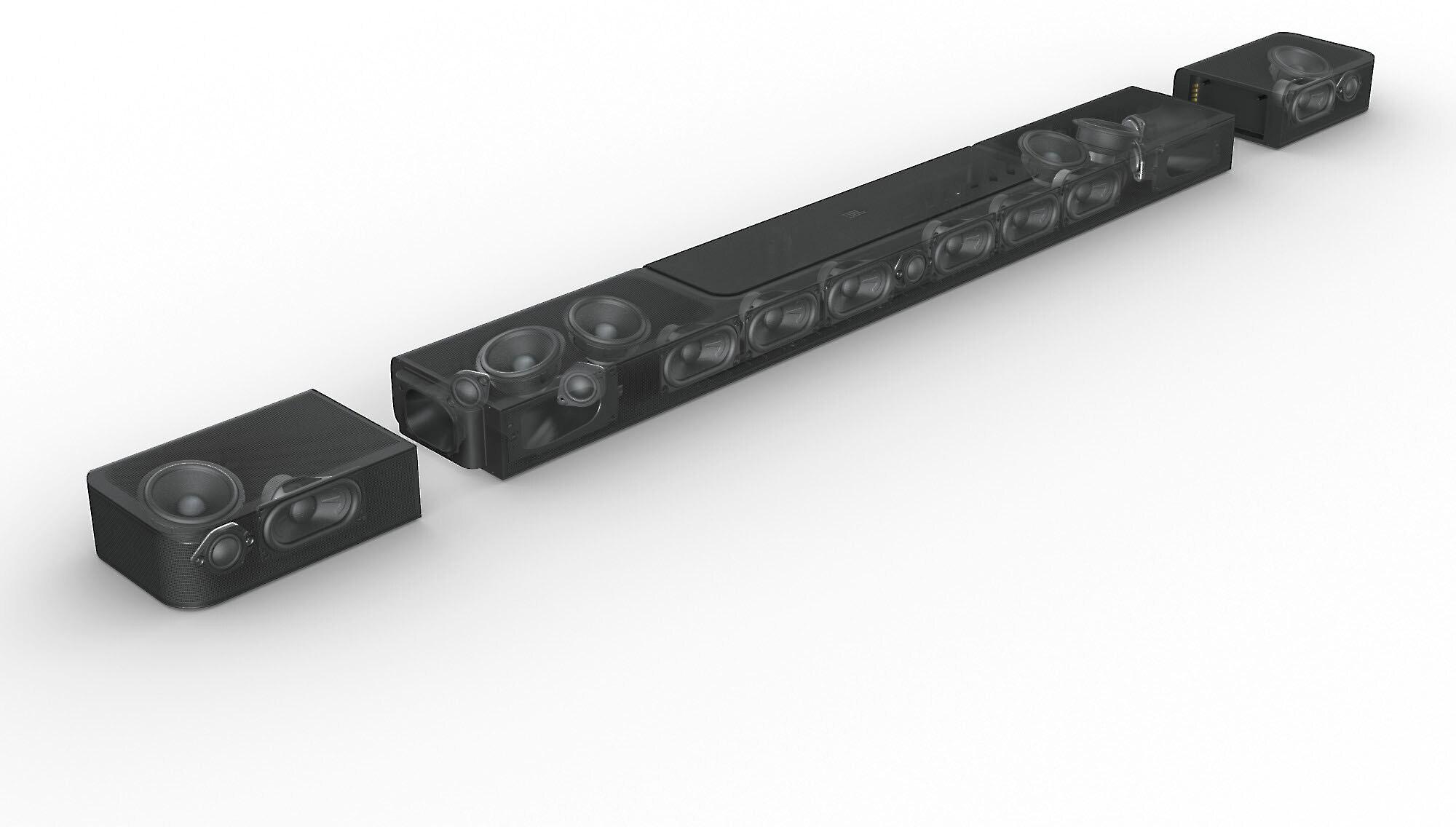
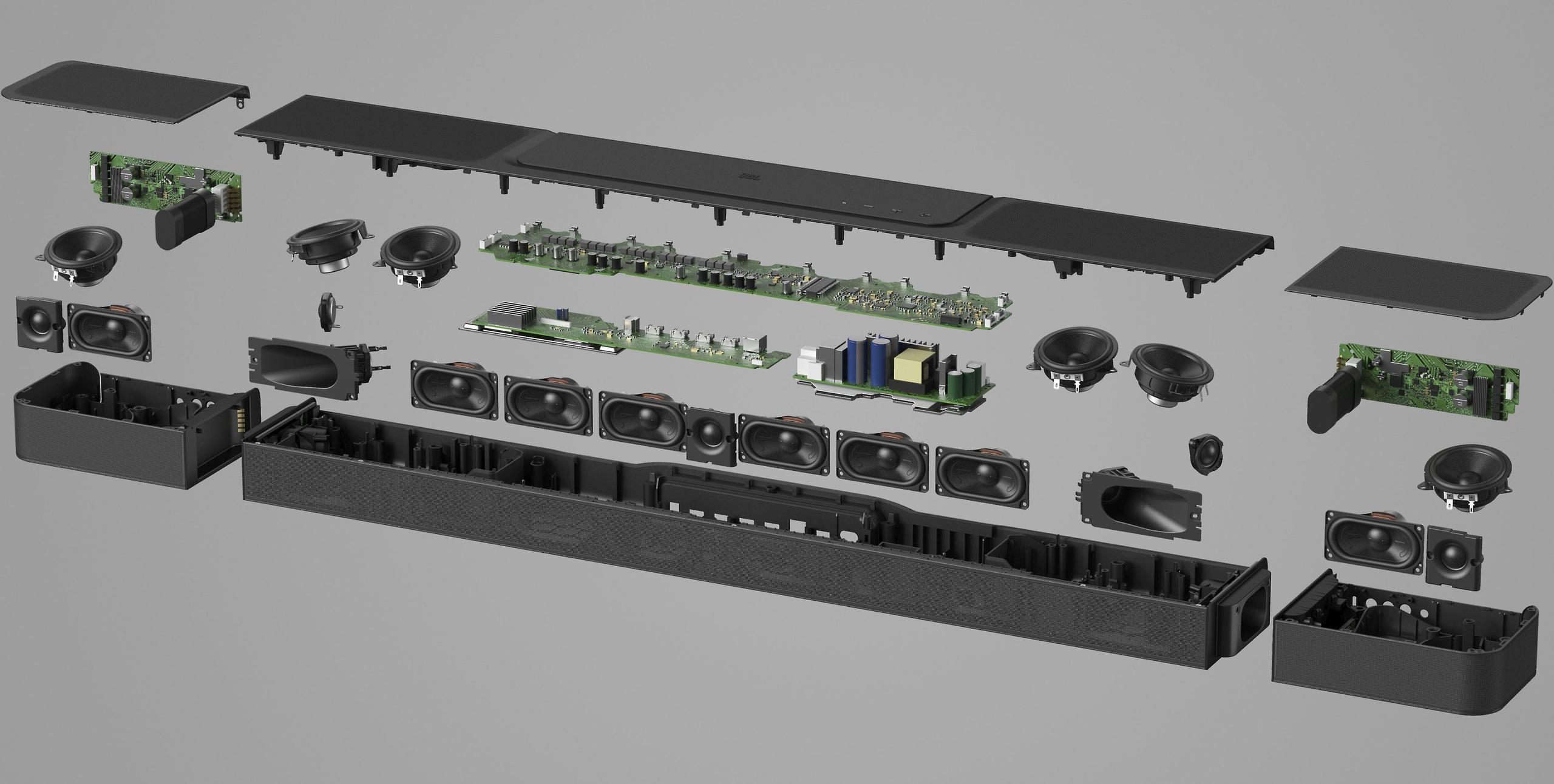
The JBL Bar 1300X takes the opposite approach with true multi-channel surround. Its detachable surround speakers can be positioned anywhere in your room – behind your couch, on side tables, or even temporarily placed for specific viewing sessions. These aren't just decoration; each detachable speaker houses multiple drivers including up-firing units for height effects.
This physical separation creates genuine surround sound. When a helicopter flies overhead in a movie, users report convincingly hearing it move from front to back and left to right, with the sound actually originating from those locations rather than being processed to seem like it does.
Dolby Atmos represents one of the most significant advances in home audio in decades. Traditional surround sound uses channels – left, right, center, surround left, surround right. Atmos adds height information, creating a three-dimensional sound bubble around listeners.
The Ultimea Poseidon M60 Boom supports Dolby Atmos decoding, meaning it can process Atmos soundtracks and extract positional information. However, without dedicated up-firing drivers (speakers that bounce sound off your ceiling), it relies entirely on processing to create height effects. This virtual approach provides some benefit – the soundstage does seem taller and more expansive – but it's limited by physics.
The JBL Bar 1300X implements Atmos more comprehensively with six dedicated up-firing drivers – four in the main bar and one in each detachable surround speaker. These drivers literally bounce sound off your ceiling to create overhead effects. The difference is substantial; users consistently report genuine overhead localization during helicopter scenes, rain effects, and other height-dependent audio.
This implementation requires proper room conditions – ceilings between 8-14 feet work best, and highly vaulted or textured ceilings can interfere with sound reflection. But in suitable rooms, the effect is remarkable, creating the kind of immersive experience typically reserved for commercial theaters.
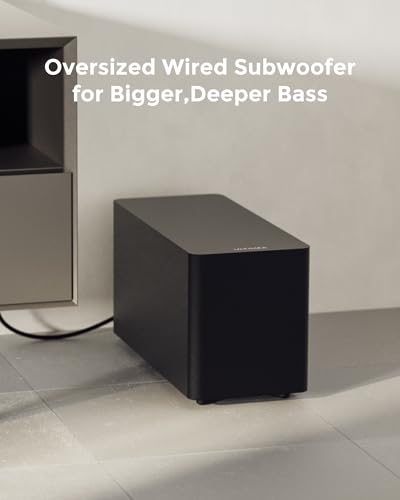
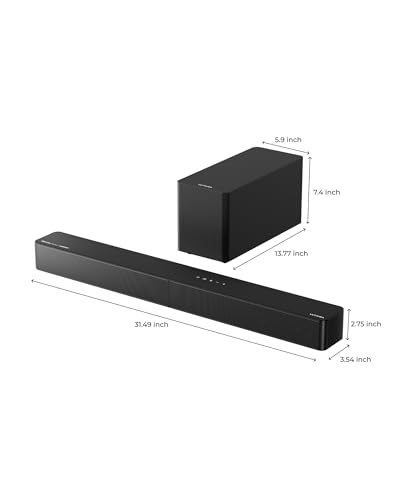
The subwoofer comparison reveals another key distinction between budget and premium approaches. The Ultimea Poseidon M60 Boom includes a 5.25-inch wired subwoofer with BassMX technology – Ultimea's proprietary bass enhancement that uses cabinet design and driver optimization to maximize low-frequency output from a smaller enclosure.
This subwoofer handles typical content well. Music sounds fuller than TV speakers, and movie explosions have noticeable impact. However, the physical limitations are apparent during demanding content. The smaller driver and cabinet simply can't move as much air as larger designs, limiting both volume and depth of bass response.
The JBL Bar 1300X includes a substantial 12-inch wireless subwoofer that weighs over 34 pounds – nearly as much as the entire Ultimea system. This size translates directly to performance; larger drivers move more air, creating more impactful bass. The wireless connection also provides placement flexibility, allowing you to position the subwoofer wherever it sounds best in your room rather than being constrained by wire length.
From user reports, the JBL's bass performance stands out immediately. Action movies deliver chest-thumping impact, and music genres like electronic, hip-hop, and rock benefit from the extended low-frequency response. The Ultimea provides adequate bass for casual listening, but enthusiasts consistently prefer systems with larger subwoofers.
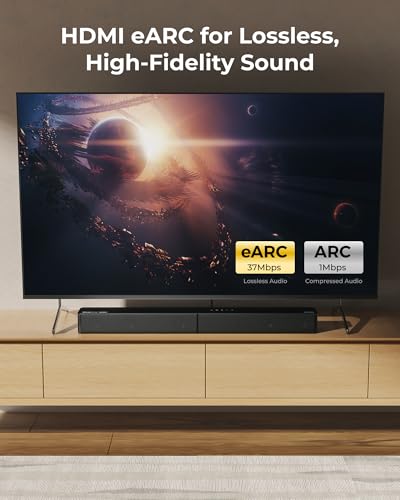
Both systems offer modern connectivity, but with different focuses reflecting their market positions. The Ultimea Poseidon M60 Boom includes HDMI eARC (enhanced Audio Return Channel, which allows high-quality audio transmission through a single HDMI cable), optical input, and Bluetooth 5.4. The latest Bluetooth version provides improved connection stability and lower latency – the delay between video and audio that can make dialogue appear out of sync.
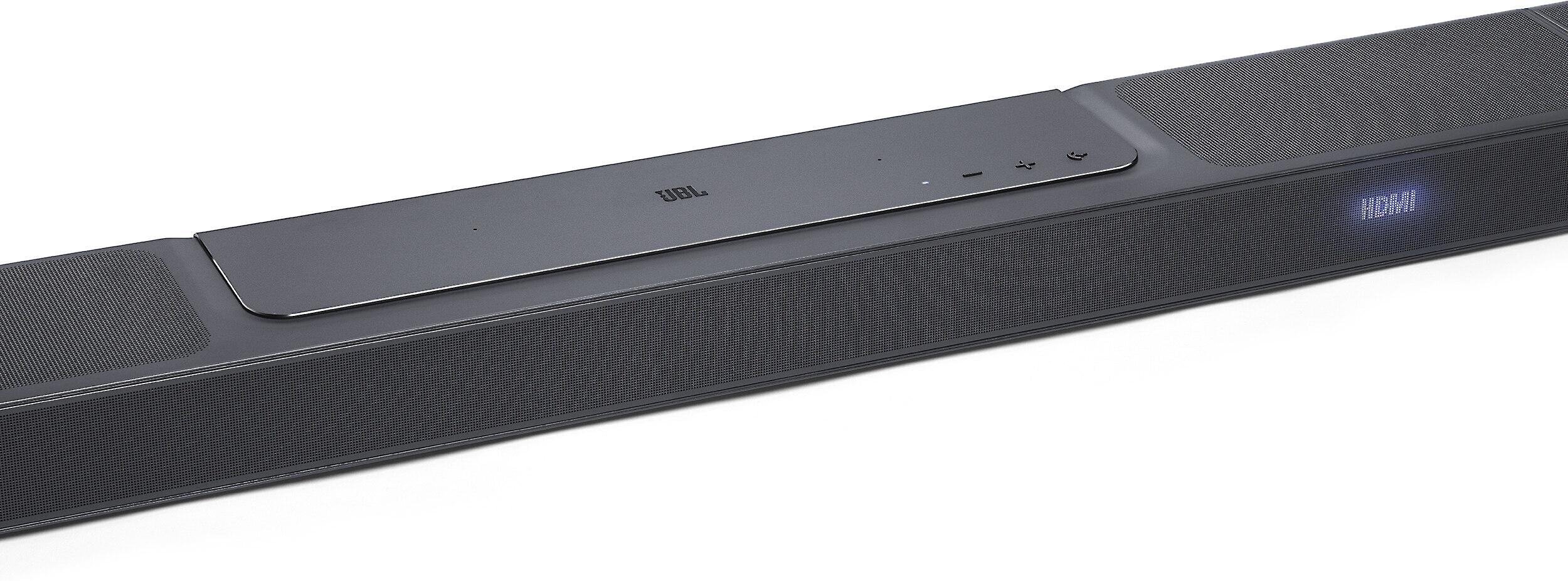
The JBL Bar 1300X expands connectivity significantly with multiple HDMI inputs, allowing you to connect gaming consoles, streaming devices, and other sources directly to the soundbar. Wi-Fi connectivity enables streaming from services like Spotify and Apple Music without requiring your phone or tablet to remain connected. Integration with voice assistants like Alexa and Google Assistant allows voice control of volume and playback.
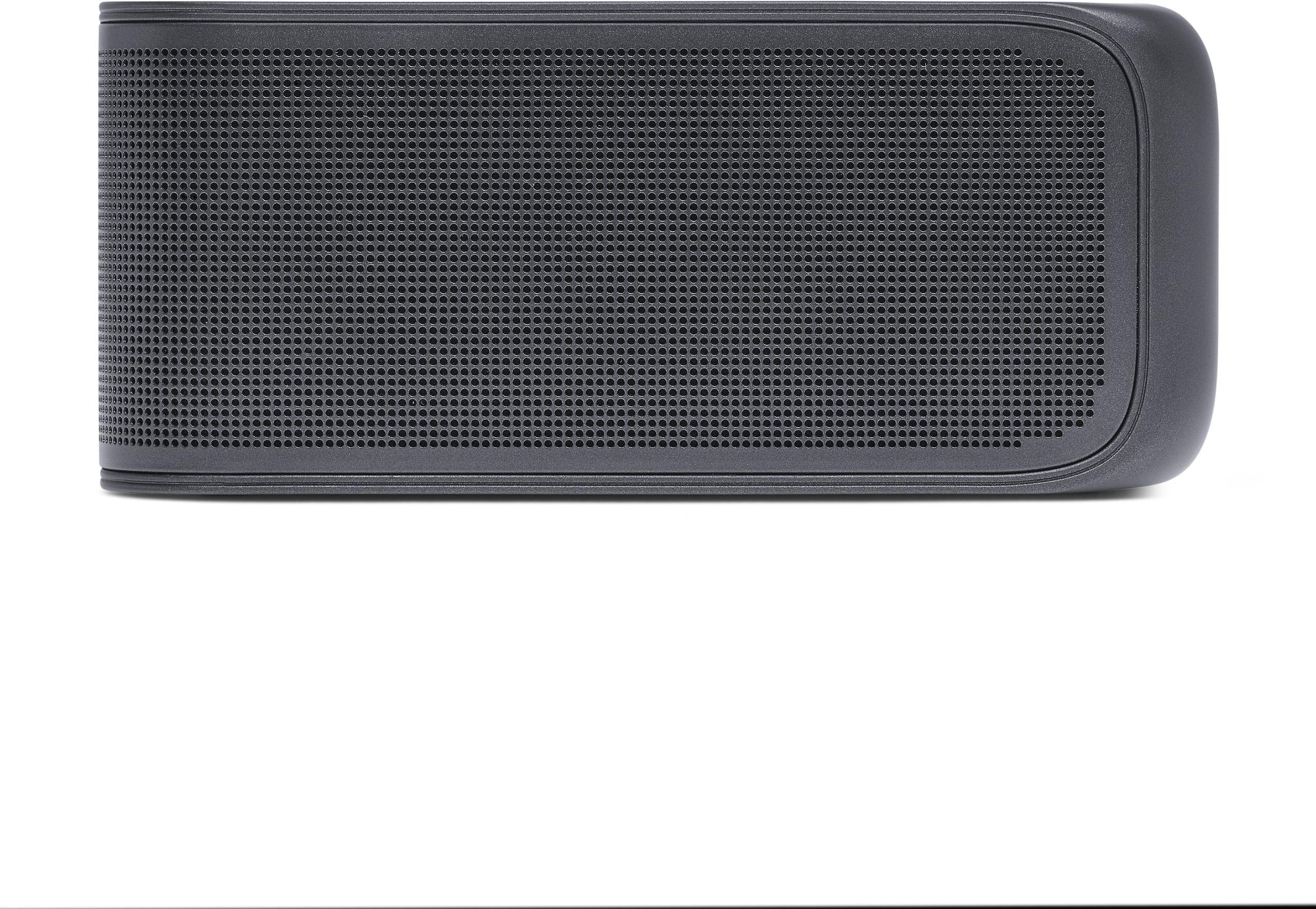
One standout feature of the JBL is its detachable surround speakers' dual functionality. When not serving as rear channels, they can be removed and used as portable Bluetooth speakers throughout your home. Each offers up to 12 hours of battery life, making them practical for outdoor use, bedrooms, or anywhere you want music without permanent speakers.
Your room dimensions significantly impact which system will work best. In smaller spaces – bedrooms, apartments, or cozy living rooms under 200 square feet – the Ultimea Poseidon M60 Boom often provides the better value proposition. Its compact design fits easily on TV stands, and the power output adequately fills smaller volumes without overwhelming the space.
Medium-sized rooms between 200-400 square feet represent a transition zone where either system could work, but the choice depends on your priorities. If budget is primary and you mainly watch dialogue-heavy content, the Ultimea remains viable. However, if you watch action movies or listen to music frequently, the JBL Bar 1300X begins showing clear advantages.
Large rooms over 400 square feet strongly favor the JBL. The power difference becomes crucial for maintaining sound quality at higher volumes needed to fill bigger spaces. Additionally, larger rooms provide better opportunities to position the detachable surround speakers for optimal effect, maximizing the system's immersive capabilities.
At the time of writing, these systems occupy very different price tiers, with the JBL Bar 1300X costing roughly three to four times more than the Ultimea Poseidon M60 Boom. This price difference reflects fundamental distinctions in engineering, materials, and performance capabilities.
The Ultimea represents exceptional value for budget-conscious buyers. It delivers genuine 5.1 surround sound processing, Dolby Atmos decoding, and modern connectivity features at a fraction of premium system costs. For many users, particularly those upgrading from TV speakers or basic soundbars, the improvement is transformative.
However, the JBL provides substantial additional capability for its premium pricing. The true multi-channel surround, powerful bass extension, and advanced features like room calibration represent technologies typically found in much more expensive traditional surround systems. When considering the cost of separate surround speakers, subwoofer, and receiver, the JBL's integrated approach offers competitive value within the premium segment.
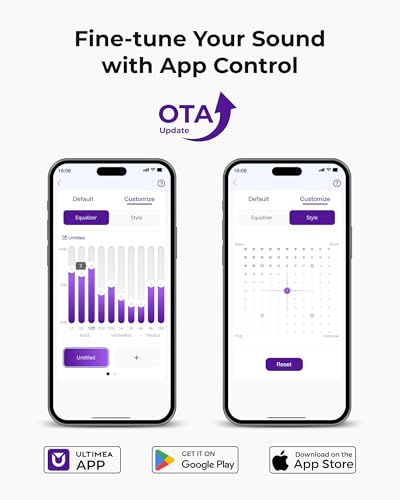
Installation complexity differs significantly between these approaches. The Ultimea Poseidon M60 Boom requires minimal setup – connect the soundbar to your TV via HDMI or optical cable, plug in the wired subwoofer, and you're operational within minutes. The mobile app provides additional customization options, but the system works well with default settings.
The JBL Bar 1300X involves more initial setup due to its additional components. The detachable surround speakers need positioning and wireless pairing, and the room calibration system requires running test tones to optimize performance for your specific space. However, this additional complexity enables the superior performance capabilities.
The Ultimea Poseidon M60 Boom excels for specific user profiles and situations. Apartment dwellers who need to consider neighbors will appreciate its adequate power levels without excessive capability they can't use. Budget-conscious families wanting a significant upgrade over TV speakers get remarkable value. College students or anyone setting up secondary systems in bedrooms or smaller spaces benefit from the compact, simple design.
The JBL Bar 1300X targets different priorities and use cases. Home theater enthusiasts who want authentic surround sound without running wires throughout their rooms get flagship performance in a relatively simple package. Large room owners who need adequate power to fill their spaces properly will appreciate the substantial output capabilities. Users who value flexibility benefit from the detachable speakers' dual functionality as portable units.
These soundbars represent fundamentally different philosophies: maximum value versus maximum performance. The Ultimea Poseidon M60 Boom democratizes decent surround sound, making it accessible to buyers who couldn't previously afford such features. The JBL Bar 1300X pushes the boundaries of what's possible in a soundbar format, delivering performance that rivals traditional component systems.
Your choice should align with your room size, budget constraints, and performance expectations. If you're primarily seeking a substantial upgrade over TV speakers without major investment, the Ultimea delivers impressive value. If you want a flagship audio experience that maximizes immersion and impact, the JBL justifies its premium pricing through superior performance across every metric.
Consider your long-term audio goals as well. The Ultimea provides excellent satisfaction for casual listeners, while the JBL offers room to grow with more demanding content and listening habits. Either choice represents a significant upgrade over TV speakers, but understanding these differences ensures you'll be happy with your decision for years to come.
| Ultimea Poseidon M60 Boom | JBL Bar 1300X |
|---|---|
| Total System Power - Determines maximum volume and dynamic range | |
| 340W peak power (adequate for small-medium rooms) | 1,170W total power (excellent for large rooms and demanding content) |
| Channel Configuration - How surround sound is created | |
| 5.1 virtual channels (all drivers in main bar) | 11.1.4 true surround (physical rear speakers + height channels) |
| Dolby Atmos Implementation - Quality of overhead sound effects | |
| Virtual processing only (no up-firing drivers) | 6 dedicated up-firing drivers (authentic ceiling bounce effects) |
| Subwoofer Size and Type - Bass impact and placement flexibility | |
| 5.25" wired subwoofer (decent bass, limited placement) | 12" wireless subwoofer (powerful bass, flexible positioning) |
| Frequency Response - How deep the bass extends | |
| 45Hz - 18kHz (good for most content) | 33Hz - 20kHz (room-shaking low frequencies) |
| Surround Speakers - Rear channel authenticity | |
| None (virtual processing from front bar only) | Detachable battery-powered speakers (12-hour battery, dual-use as Bluetooth speakers) |
| HDMI Connectivity - Input flexibility for multiple devices | |
| 1 HDMI eARC input | 3 HDMI inputs + 1 eARC output (connect multiple sources directly) |
| Smart Features and Streaming - Built-in music services | |
| Bluetooth 5.4, smartphone app control | Wi-Fi streaming, voice assistant integration, multi-room audio |
| Room Calibration - Automatic sound optimization | |
| Manual EQ adjustment via app | Automatic room correction technology |
| Setup Complexity - Installation and configuration time | |
| Plug-and-play (5 minutes to full operation) | Moderate setup (speaker positioning, wireless pairing, calibration) |
| Best Room Size - Where each system performs optimally | |
| Small to medium rooms (up to 300 sq ft) | Medium to large rooms (200+ sq ft, benefits from space for speaker placement) |
| Value Proposition - Performance relative to typical pricing | |
| Exceptional budget value (premium features at entry price) | Premium performance justifies higher cost (flagship capabilities) |
The Ultimea Poseidon M60 Boom is better suited for small rooms under 300 square feet. Its 340W power output provides adequate volume without overwhelming compact spaces, and the all-in-one design fits easily on TV stands. The JBL Bar 1300X may be overkill for small rooms and its detachable speakers need space to be positioned effectively.
The primary difference is surround sound implementation. The Ultimea Poseidon M60 Boom uses virtual processing to simulate 5.1 surround from a single bar, while the JBL Bar 1300X provides true 11.1.4 surround with physical detachable rear speakers and dedicated up-firing drivers for authentic Dolby Atmos effects.
The JBL Bar 1300X delivers significantly better bass with its 12-inch wireless subwoofer that extends down to 33Hz. The Ultimea Poseidon M60 Boom has a 5.25-inch wired subwoofer reaching 45Hz, which provides decent bass but can't match the depth and impact of the larger JBL subwoofer.
Not necessarily. The Ultimea Poseidon M60 Boom offers excellent sound quality for its price range and will dramatically improve upon TV speakers. However, if you want the most immersive home theater experience with authentic surround sound and powerful bass, the JBL Bar 1300X provides premium performance that justifies its higher cost.
The Ultimea Poseidon M60 Boom is much easier to set up, requiring only connecting the soundbar to your TV and plugging in the wired subwoofer. The JBL Bar 1300X involves more setup with positioning detachable speakers, wireless pairing, and running room calibration, though this complexity enables its superior performance.
Yes, both can decode Dolby Atmos, but they handle it differently. The Ultimea Poseidon M60 Boom uses virtual processing to simulate height effects, while the JBL Bar 1300X has six dedicated up-firing drivers that physically bounce sound off your ceiling for genuine overhead effects.
The Ultimea Poseidon M60 Boom offers exceptional value, delivering 5.1 surround sound and Dolby Atmos processing at a budget-friendly price. The JBL Bar 1300X provides premium value with flagship performance, true surround speakers, and advanced features, but at a significantly higher cost.
The Ultimea Poseidon M60 Boom works well in small to medium rooms up to 300 square feet. The JBL Bar 1300X excels in medium to large rooms over 200 square feet, where its higher power output and detachable speakers can be properly utilized for optimal surround sound placement.
Both work well for movies, but differently. The Ultimea Poseidon M60 Boom provides clear dialogue and decent surround effects for casual movie watching. The JBL Bar 1300X delivers a true cinematic experience with authentic surround sound, powerful bass, and convincing overhead effects that make action movies particularly immersive.
The JBL Bar 1300X offers more comprehensive connectivity with three HDMI inputs plus eARC output, Wi-Fi streaming, and voice assistant integration. The Ultimea Poseidon M60 Boom includes essential connections like HDMI eARC, optical input, and Bluetooth 5.4, which covers most users' needs.
Both soundbars handle music well. The Ultimea Poseidon M60 Boom provides balanced sound with customizable EQ settings through its app. The JBL Bar 1300X excels for music with its powerful bass extension, wider soundstage, and the flexibility to use detachable speakers as portable Bluetooth speakers throughout your home.
Choose the Ultimea Poseidon M60 Boom if you want a significant upgrade over TV speakers at a budget-friendly price and have a smaller room. Select the JBL Bar 1300X if you want flagship home theater performance with authentic surround sound, powerful bass, and immersive Dolby Atmos effects, especially in larger rooms where its capabilities can shine.
We've done our best to create useful and informative comparisons to help you decide what product to buy. Our research uses advanced automated methods to create this comparison and perfection is not possible - please contact us for corrections or questions. These are the sites we've researched in the creation of this article: ultimea.com - ultimea.com - youtube.com - bestbuy.com - youtube.com - avsforum.com - youtube.com - manuals.plus - youtube.com - device.report - ultimea.com - ultimea.de - community.ultimea.com - ultimea.com - community.ultimea.com - ultimea.com - youtube.com - aliexpress.com - ultimea.com - techradar.com - jbl.com - audioadvice.com - youtube.com - rtings.com - jbl.com - greentoe.com - harmanaudio.com - youtube.com - mm.jbl.com - jbl.com

Privacy Policy
Terms and Conditions - Affiliate Policy
Home Security
© Copyright 2008-2026.
11816 Inwood Rd #1211, Dallas, TX 75244