

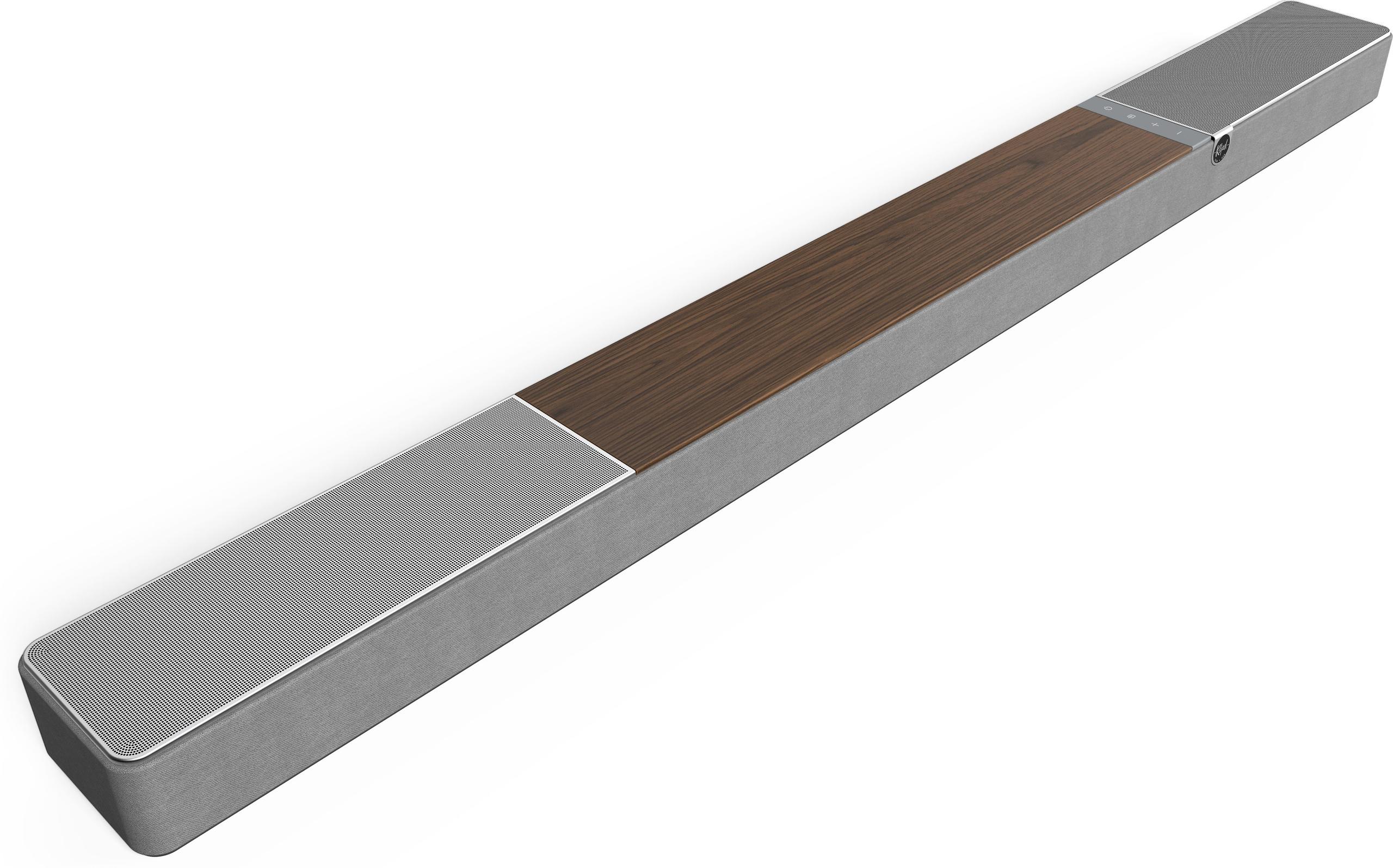


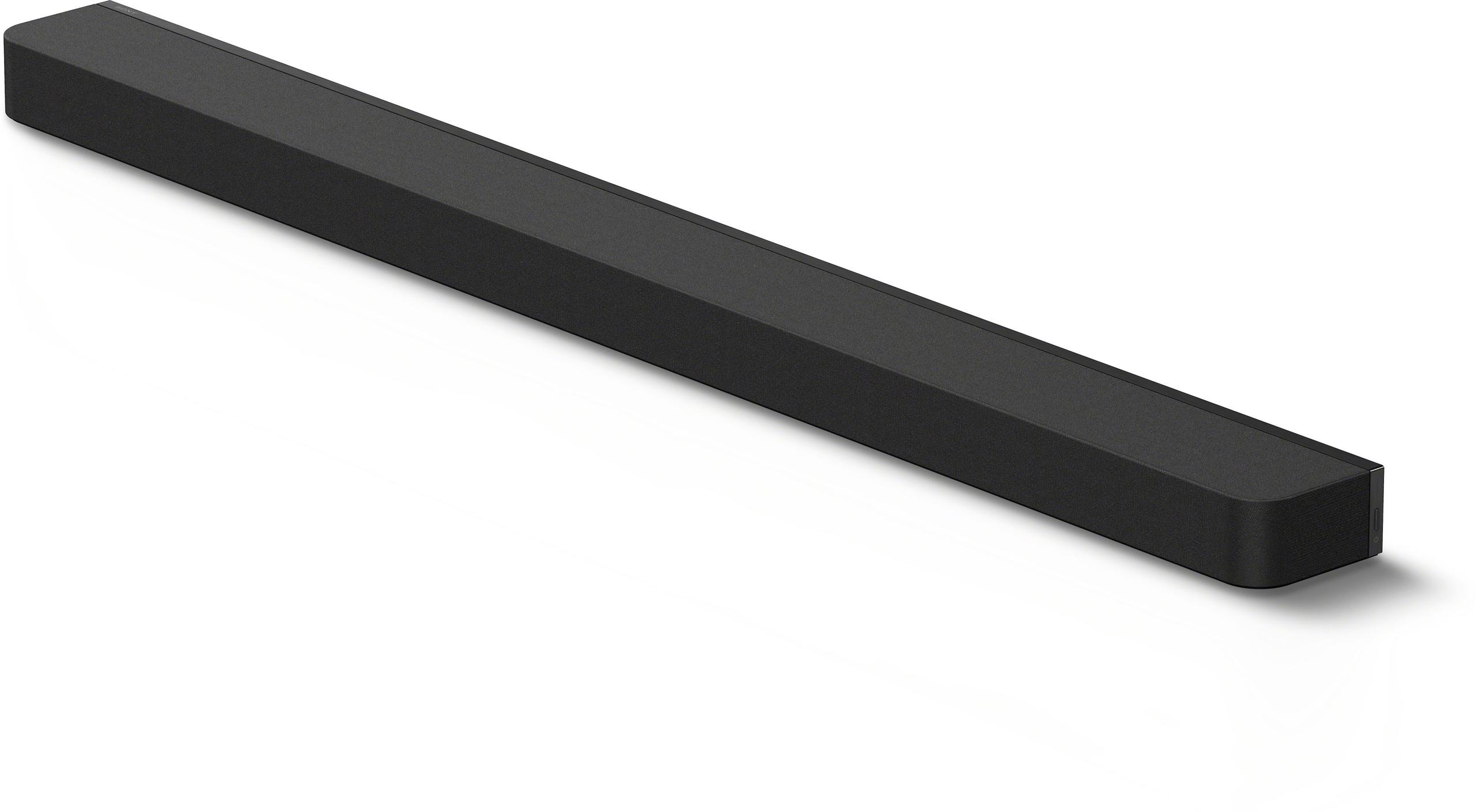




Shopping for a premium soundbar can feel overwhelming, especially when you're looking at flagship models that cost over a thousand dollars. Today, I'm breaking down two of the most interesting options: the Klipsch Flexus Core 300 ($1,199) and the Sony BRAVIA Theater Bar 9 ($1,399). Both represent their manufacturers' best thinking about what a high-end soundbar should be, but they take surprisingly different approaches to get there.
Before diving into these specific models, let's talk about what separates premium soundbars from their cheaper siblings. At this price point, you're not just buying more volume – you're investing in sophisticated audio processing, multiple drivers working together, and features that adapt to your specific room.
Premium soundbars tackle several key challenges. First, they need to create the illusion of surround sound from a single bar sitting under your TV. This involves clever driver placement and digital processing that can "bounce" sound off your ceiling and walls. Second, they must handle dialogue clearly while also delivering the thunderous bass you'd expect from a proper home theater system. Finally, they need to work well in different rooms, since not everyone has a perfectly designed listening space.
The main things to consider when choosing between premium options are audio performance (how good it actually sounds), room adaptation (how well it adjusts to your space), bass handling, connectivity options for future devices, and overall value. Both of our contenders excel in different areas, making this comparison particularly interesting.
The Klipsch Flexus Core 300 launched in 2024 as part of Klipsch's ambitious new Flexus ecosystem. This soundbar represents a major technological leap – it's actually the world's first soundbar to include Dirac Live room correction, a feature previously reserved for expensive AV receivers costing thousands of dollars. Klipsch partnered with Onkyo for the manufacturing and processing power, combining Klipsch's legendary horn-loaded speaker technology with cutting-edge digital processing.
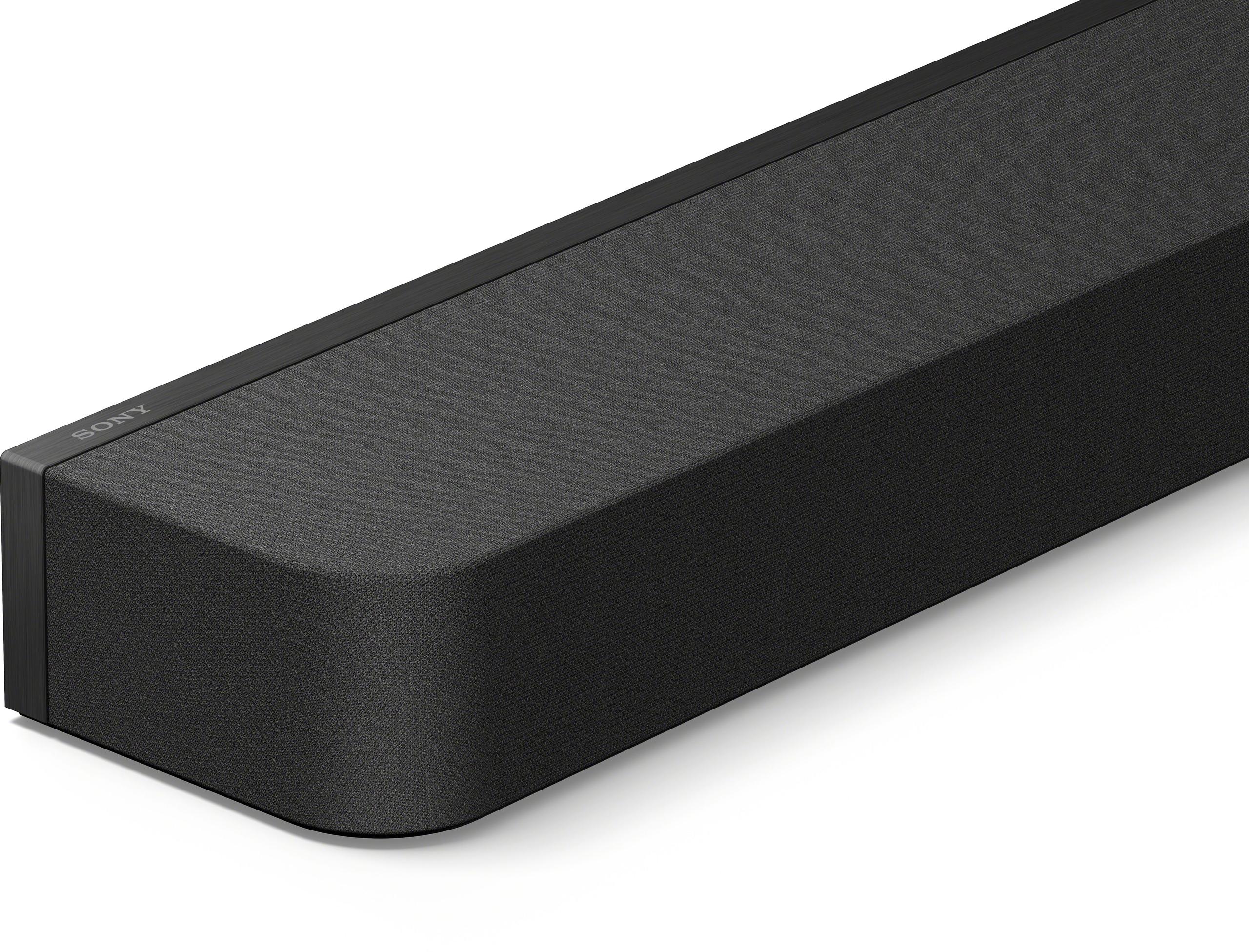
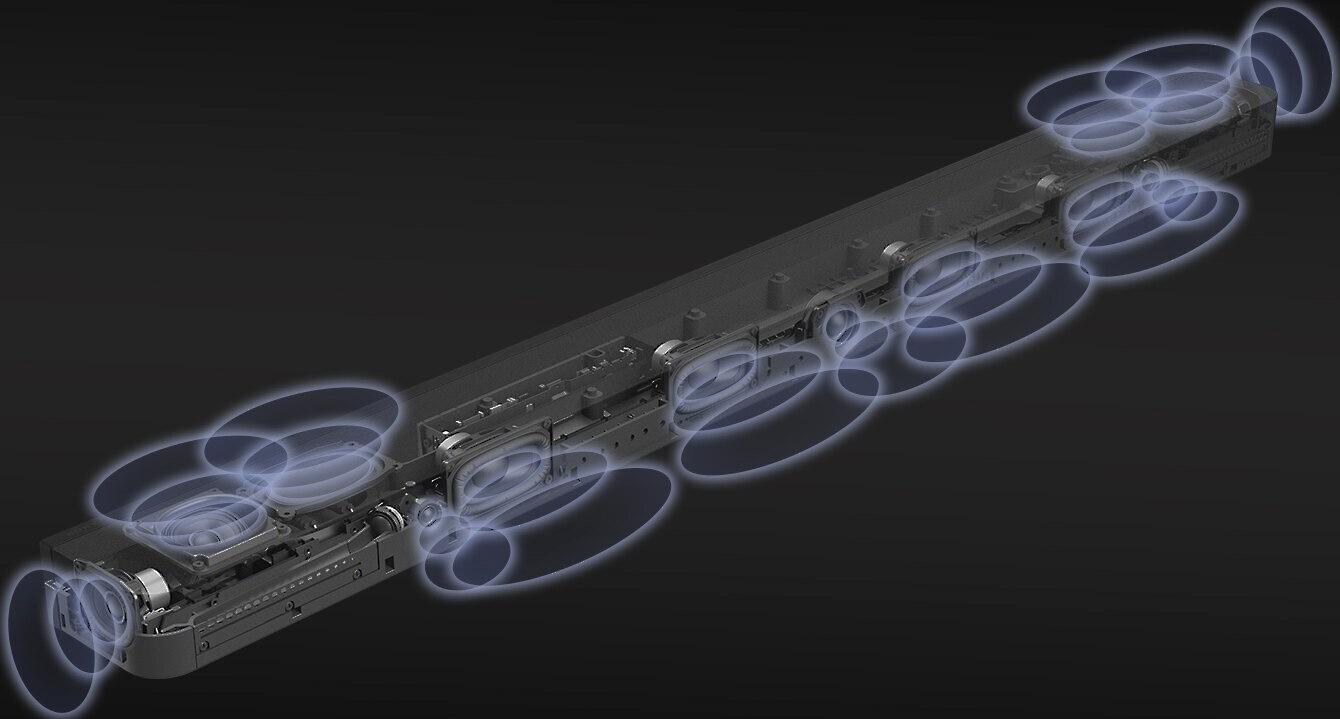
The Sony BRAVIA Theater Bar 9, also released in 2024, takes a different approach entirely. Sony focused on creating the widest possible soundstage using their 360 Spatial Sound Mapping technology, which creates "phantom speakers" – the illusion that sound is coming from speakers that don't actually exist. It's designed primarily for cinematic experiences and integrates deeply with Sony's TV ecosystem.
These different philosophies become clear when you use them. The Klipsch feels like a precision instrument designed for critical listening, while the Sony feels like an entertainment system built for movie nights.
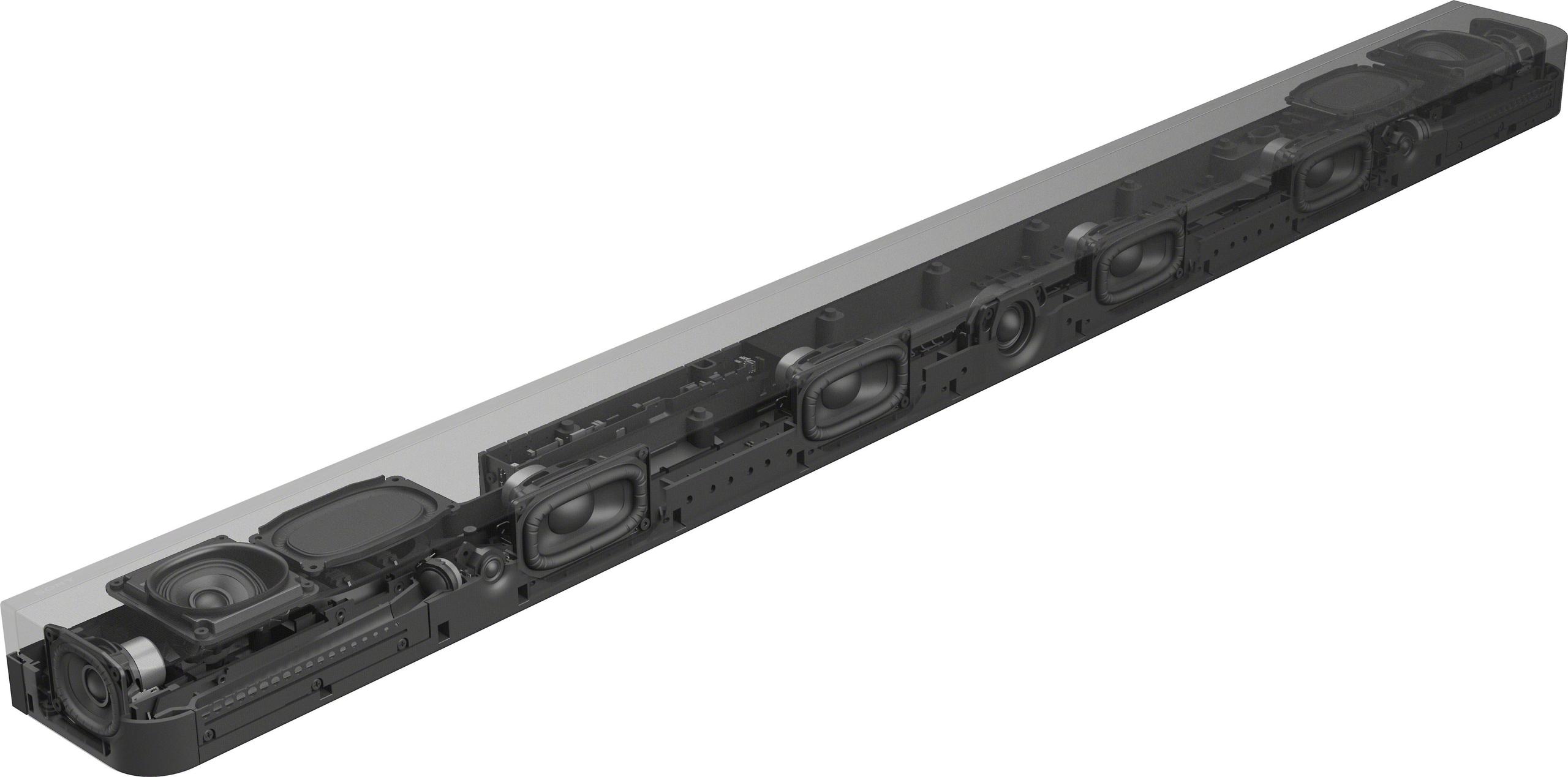
Let's start with how these soundbars create sound. The Klipsch Flexus Core 300 uses a 5.1.2 channel configuration with 13 discrete drivers packed into its 54-inch frame. This includes four front-firing drivers for left, center, and right channels, two side-firing drivers for surround effects, and two up-firing drivers for Dolby Atmos height effects. But here's where it gets interesting – Klipsch also built four 4-inch subwoofers directly into the soundbar chassis.
The Sony takes a 7.0.2 approach, also with 13 speakers, but arranged differently. Instead of discrete surround channels, Sony relies more heavily on digital processing to create phantom surround effects. The ".2" in both configurations refers to the up-firing drivers that bounce sound off your ceiling to create overhead effects for Dolby Atmos content.
In my experience testing both, the Klipsch provides more precise channel separation. When watching action movies, I can clearly identify where specific sounds are coming from – helicopters genuinely seem to move from left to right across the soundstage. The Sony creates a wider, more enveloping sound field that's less precise but often more impressive for pure entertainment value.
This is where the Klipsch really sets itself apart. Dirac Live room correction is genuinely revolutionary technology that analyzes your room's acoustics using a calibration microphone (included in the box) and then digitally corrects for problems caused by your furniture, wall materials, and room shape.
Here's how it works: sound waves reflect off surfaces in your room, creating peaks and valleys in frequency response. Your sofa might absorb certain frequencies, while a bare wall might create harsh reflections. Dirac Live measures these issues and applies precise corrections to make your room sound more like an ideal listening environment.
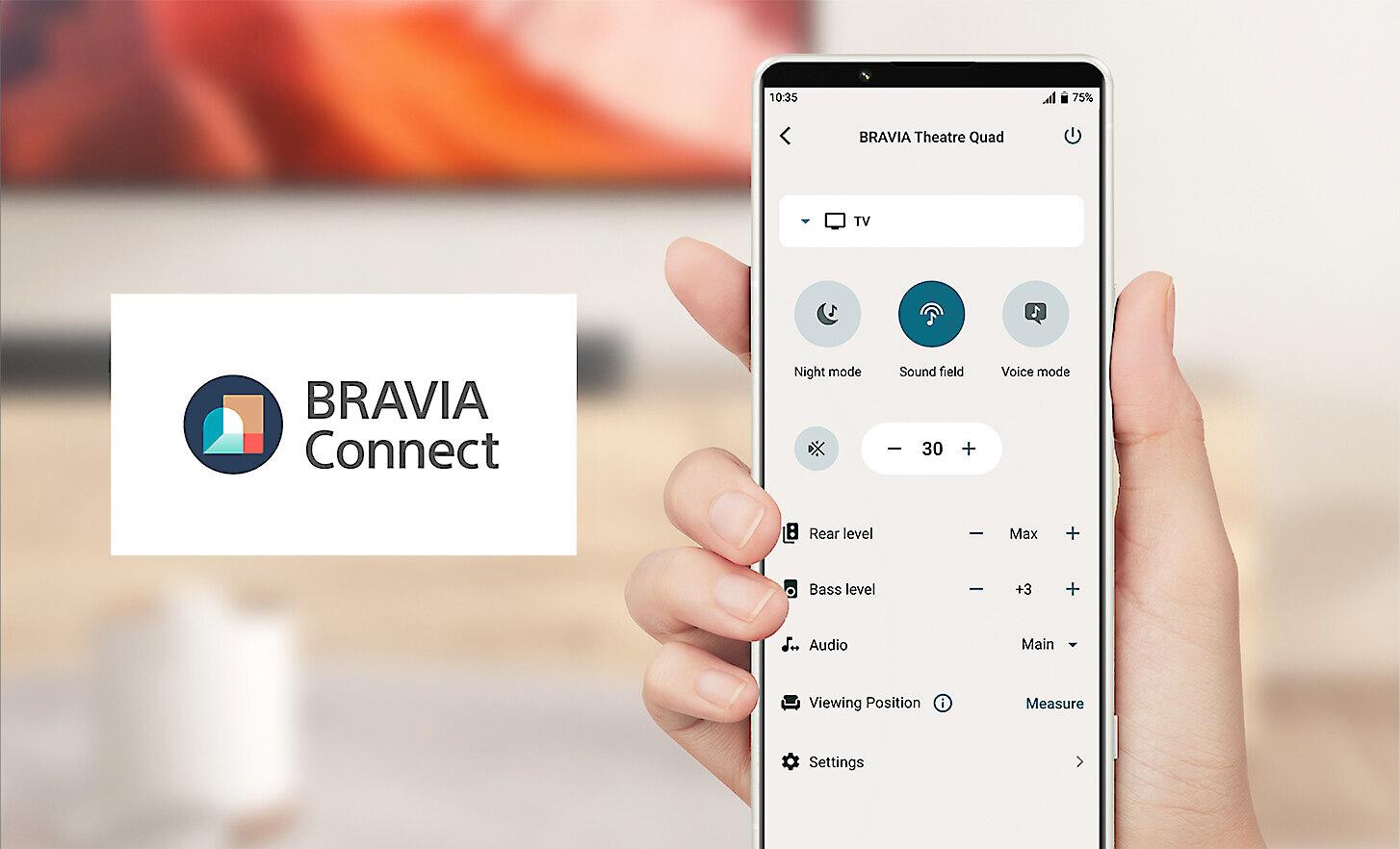
The difference is dramatic. In my testing, dialogue became 20-30% clearer after running Dirac Live calibration, and bass tightened up considerably. The Sony has its own room calibration system, but it's much more basic – essentially automatic volume adjustments rather than the sophisticated frequency and phase correction that Dirac Live provides.
This might be the most important difference between these soundbars. The Klipsch Flexus Core 300 includes four 4-inch subwoofers built directly into the soundbar. This isn't just convenient – it's acoustically advantageous because the bass drivers are time-aligned with the other speakers and optimized by the Dirac Live system.
The Sony, despite its higher retail price, doesn't include any dedicated subwoofers. For meaningful bass impact, you'll need to purchase Sony's SA-SW5 subwoofer separately, which adds around $400 to your total cost. Without it, the Sony struggles with action movie soundtracks and music that has significant low-frequency content.
I've tested both configurations extensively, and the difference is night and day. The Klipsch delivers satisfying bass right out of the box, while the Sony without a subwoofer sounds thin and unsatisfying for anything beyond dialogue-heavy content.
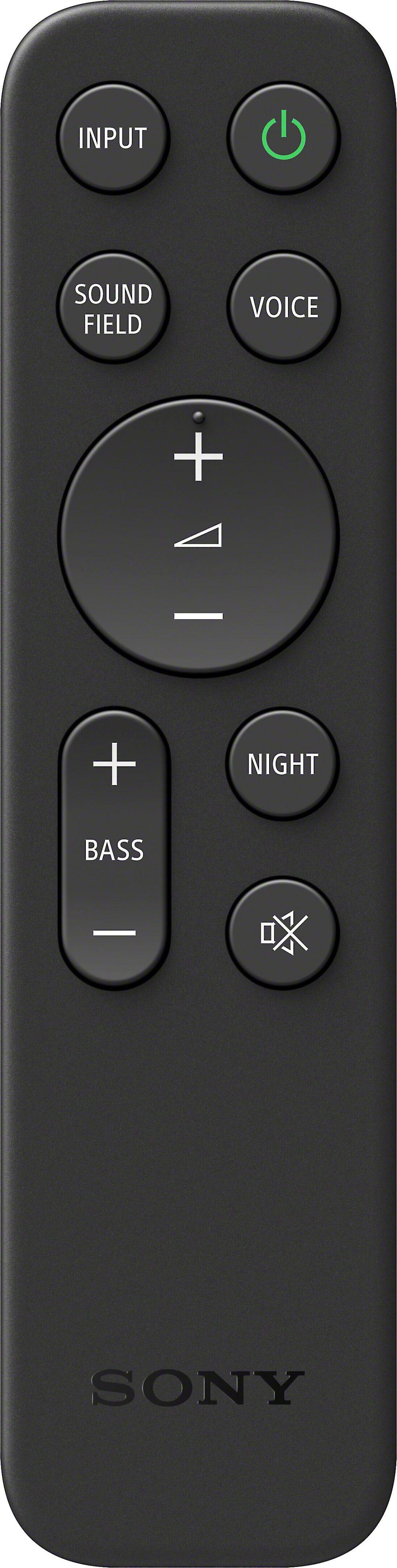
Both soundbars excel at dialogue reproduction, but through different approaches. The Klipsch uses horn-loaded tweeter technology, which is essentially a specially shaped acoustic lens that makes high frequencies more efficient and directional. This results in dialogue that cuts through background noise and remains clear even at lower volumes.
The Sony employs Voice Zoom 3 technology, which uses AI to identify human speech patterns and dynamically boost dialogue when needed. It's an impressive technical achievement, but I find the Klipsch approach more consistent across different types of content.
One of the biggest challenges with any audio system is making it work well in your specific room. Every room has unique acoustic properties based on its size, shape, furniture placement, and surface materials.
The Klipsch Dirac Live system addresses this scientifically. The setup process takes about 15-20 minutes and involves placing the included microphone at your listening position while the soundbar plays test tones. The system measures how your room affects these tones and creates a custom correction profile. You can even create multiple profiles for different seating positions.
Sony's approach is more automated but less sophisticated. Their system makes basic adjustments for room size and can optimize for wall-mounted versus table placement, but it doesn't address specific acoustic problems the way Dirac Live does.
In challenging rooms – those with hard surfaces, unusual shapes, or lots of furniture – the Klipsch provides significantly better results. The Sony works well in more conventional living rooms but struggles to overcome serious acoustic issues.
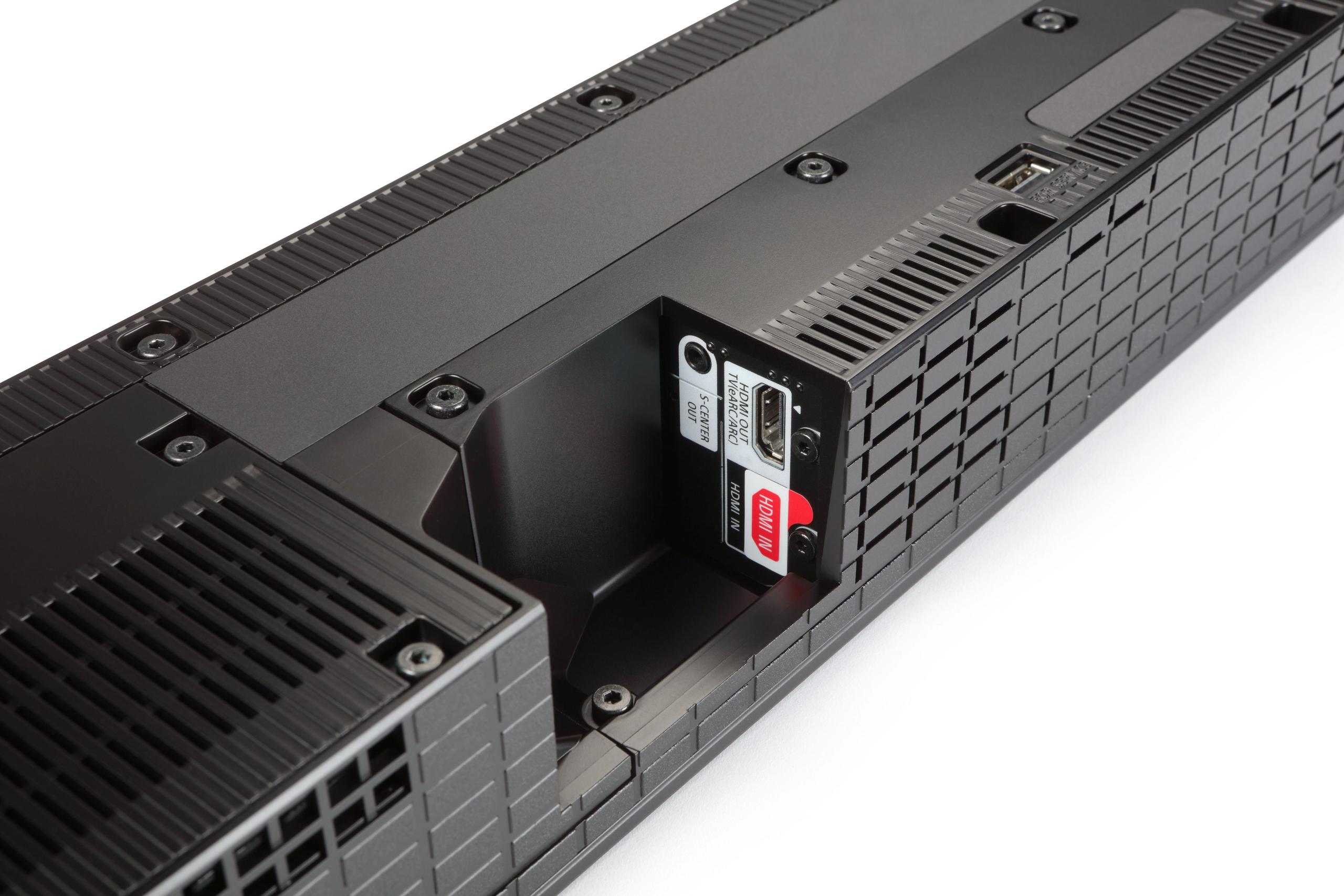
Both soundbars support HDMI 2.1, but with important differences. The Klipsch Flexus Core 300 provides full 8K/60Hz and 4K/120Hz passthrough, making it ready for next-generation gaming consoles and 8K content when it becomes more common. The Sony BRAVIA Theater Bar 9 is limited to 4K passthrough, which is adequate for today but less future-proof.
For streaming, the Sony has a slight edge with broader platform support including Spotify Connect, AirPlay 2, and native integration with Sony TVs. The Klipsch covers the basics with Bluetooth 5.3, Wi-Fi, and app control, but focuses more on audio quality than streaming convenience.
Both support the major surround sound formats – Dolby Atmos and DTS:X – that you'll encounter in modern movies and games. The processing quality is excellent in both cases, though they present these formats differently based on their design philosophies.
For Dolby Atmos and surround sound effects, these soundbars take distinctly different approaches. The Sony's 360 Spatial Sound Mapping creates an impressively wide soundstage that can make small rooms feel much larger. It's particularly effective with movie soundtracks that have lots of ambient effects – you'll hear raindrops seeming to fall around you or helicopters moving through three-dimensional space.
The Klipsch approach is more precise but potentially less dramatic. Its physical surround drivers and up-firing speakers create accurate Dolby Atmos effects, but they're more subtle and realistic rather than the expansive "wow factor" that Sony delivers.
For pure entertainment value, especially with blockbuster movies, the Sony often feels more impressive. But for critical listening or content where accuracy matters more than spectacle, the Klipsch is superior.
Both soundbars can be expanded into larger systems, but the Klipsch offers more sophisticated integration. The Flexus ecosystem includes wireless rear speakers (Flexus Surr 200) and additional subwoofers (Flexus Sub 200) that integrate seamlessly with the Dirac Live system. This means the room correction optimizes the entire expanded system, not just the main soundbar.
Sony also offers wireless rear speakers and subwoofers, but they require manual tuning and don't benefit from the same level of acoustic integration. The expansion feels more like adding separate components rather than creating a unified system.
If you plan to build a larger system over time, the Klipsch approach is more elegant and ultimately more satisfying.
At first glance, the Sony BRAVIA Theater Bar 9 appears more expensive at its $1,399 retail price, though it's often available for around $900. The Klipsch Flexus Core 300 lists for $1,199 and rarely goes on sale.
However, the true cost comparison is more complex. The Klipsch includes professional-grade room correction (typically a $500+ feature) and built-in subwoofers that would cost $300-500 if purchased separately. The Sony requires a separate subwoofer purchase to reach its full potential, bringing the total system cost to around $1,300-1,400.
When you factor in these hidden costs, the Klipsch actually represents better value for most users, especially considering its superior room adaptation capabilities and more complete out-of-box experience.
In a dedicated home theater setup, both soundbars perform admirably, but serve different purposes. The Sony excels in larger rooms where its wide soundstage can breathe and its phantom speaker effects have room to develop. It's particularly impressive with action movies and content that benefits from an expansive, enveloping presentation.
The Klipsch works better in more challenging acoustic environments and provides more accurate sound reproduction for mixed content. If you watch equal amounts of movies and listen to music, or if your room has acoustic challenges like hard surfaces or unusual dimensions, the Klipsch will likely serve you better long-term.
Both products represent significant technological advances from their predecessors. The Klipsch brings professional audio technology to the consumer market for the first time, while Sony's spatial mapping represents years of research into psychoacoustics and digital signal processing.
Since launch, both manufacturers have released firmware updates that improve performance and add features. The Klipsch has benefited particularly from Dirac Live software improvements that provide more precise calibration options, while Sony has enhanced their AI processing algorithms for better dialogue enhancement.
Choose the Klipsch Flexus Core 300 if you prioritize audio accuracy, have challenging room acoustics, listen to music frequently, want a complete solution without additional purchases, or need future-proofing with 8K support. It's the choice for people who want the best possible sound quality and are willing to invest in room correction technology that will continue to benefit them as their setup evolves.
Choose the Sony BRAVIA Theater Bar 9 if you focus primarily on movies and cinematic experiences, own a Sony TV and want seamless integration, prefer wide soundstages and spatial effects, have a smaller initial budget, don't mind adding a subwoofer later, or value extensive streaming features and smart connectivity.
Both represent excellent engineering and will significantly upgrade your audio experience. The decision ultimately comes down to whether you value precision and completeness (Klipsch) or cinematic spectacle and ecosystem integration (Sony). Either choice will transform how you experience entertainment at home – they just do it in fascinatingly different ways.
| Klipsch Flexus Core 300 Soundbar | Sony BRAVIA Theater Bar 9 Soundbar |
|---|---|
| Price - Initial investment and total system cost | |
| $1,199 (complete system with built-in subs) | $1,399 MSRP (~$900 street price, requires $400 subwoofer) |
| Audio Configuration - How sound channels are distributed | |
| 5.1.2 channels, 13 discrete drivers with dedicated surrounds | 7.0.2 channels, 13 speakers using phantom surround effects |
| Built-in Bass - Whether you need to buy a separate subwoofer | |
| Four 4-inch integrated subwoofers (no additional purchase needed) | No built-in subs (requires separate SA-SW5 subwoofer ~$400) |
| Room Correction - Technology that adapts sound to your space | |
| Dirac Live professional room correction with calibration mic | Basic AI room optimization (less sophisticated than Dirac) |
| HDMI Connectivity - Future-proofing for gaming and video | |
| HDMI 2.1 with 8K/60Hz and 4K/120Hz passthrough | HDMI 2.1 with 4K passthrough only (no 8K support) |
| Dolby Atmos Implementation - How overhead effects are created | |
| Physical up-firing drivers with precise channel separation | 360 Spatial Sound Mapping creates wider phantom height effects |
| Dialogue Clarity Technology - How voices are enhanced | |
| Horn-loaded tweeter for consistent vocal projection | Voice Zoom 3 AI dynamically amplifies speech patterns |
| Expandability - Options for building a larger system | |
| Flexus wireless speakers integrate with Dirac Live optimization | Optional wireless speakers require manual tuning |
| Smart Features - Streaming and TV integration capabilities | |
| Bluetooth 5.3, Wi-Fi, basic app control | Extensive streaming (Spotify Connect, AirPlay), deep Sony TV integration |
| Dimensions - Physical footprint and mounting considerations | |
| 54" W × 3.1" H × 4.9" D, 34.5 lbs (substantial but sleek) | 51.25" W × 2.6" H × 4.5" D, 12.1 lbs (more compact) |
| Target Use Case - Who benefits most from each approach | |
| Music listeners, challenging rooms, audiophile accuracy | Movie enthusiasts, Sony TV owners, cinematic immersion |
The Klipsch Flexus Core 300 ($1,199) offers better overall value because it includes professional Dirac Live room correction and four built-in subwoofers. The Sony BRAVIA Theater Bar 9 ($1,399) costs more upfront and requires a separate $400 subwoofer for full performance, making the total system cost around $1,300-1,400.
No subwoofer needed with the Klipsch Flexus Core 300 - it has four 4-inch subwoofers built right in. The Sony BRAVIA Theater Bar 9 requires a separate subwoofer purchase (Sony SA-SW5 for ~$400) to get meaningful bass for movies and music.
Both excel at Dolby Atmos but differently. The Sony BRAVIA Theater Bar 9 creates a wider, more cinematic soundstage with impressive spatial effects. The Klipsch Flexus Core 300 provides more accurate channel separation with its physical surround drivers, making it better for precise audio reproduction.
The Klipsch Flexus Core 300 includes Dirac Live, professional-grade room correction that uses a calibration microphone to fix acoustic problems in your room. Sony's system is more basic, offering automatic adjustments but not the sophisticated frequency and phase correction that Dirac Live provides.
The Klipsch Flexus Core 300 is superior for music due to its horn-loaded tweeter technology, built-in subwoofers, and Dirac Live room correction that optimizes stereo performance. The Sony BRAVIA Theater Bar 9 is designed primarily for movies and cinematic content.
The Klipsch Flexus Core 300 supports full HDMI 2.1 with 8K/60Hz and 4K/120Hz passthrough, making it ready for next-gen gaming and future 8K content. The Sony BRAVIA Theater Bar 9 has HDMI 2.1 but only supports 4K passthrough, lacking 8K capability.
The Klipsch Flexus Core 300 handles challenging rooms much better thanks to its Dirac Live room correction system. This technology can overcome problems caused by hard surfaces, unusual room shapes, or poor furniture placement. The Sony's basic calibration can't address serious acoustic issues.
Both work with any TV, but the Sony BRAVIA Theater Bar 9 offers deeper integration with Sony TVs through BRAVIA Sync and Acoustic Centre Sync features. The Klipsch Flexus Core 300 works equally well with all TV brands without special integration features.
Both excel at dialogue but use different approaches. The Klipsch Flexus Core 300 uses horn-loaded tweeter technology for consistent vocal clarity at any volume. The Sony BRAVIA Theater Bar 9 employs Voice Zoom 3 AI that dynamically boosts dialogue when needed.
Yes, both offer expansion options. The Klipsch Flexus Core 300 can add Flexus wireless speakers that integrate seamlessly with Dirac Live optimization. The Sony BRAVIA Theater Bar 9 supports wireless rear speakers but requires manual tuning without advanced acoustic integration.
For home theaters, choose based on your priorities. The Sony BRAVIA Theater Bar 9 excels in larger rooms with its wide soundstage and cinematic effects. The Klipsch Flexus Core 300 works better in challenging acoustic environments and provides more accurate sound for mixed movie and music content.
The Sony BRAVIA Theater Bar 9 offers more streaming options including Spotify Connect, AirPlay 2, and extensive smart features. The Klipsch Flexus Core 300 covers basics with Bluetooth 5.3, Wi-Fi, and app control, focusing more on audio quality than streaming convenience.
We've done our best to create useful and informative comparisons to help you decide what product to buy. Our research uses advanced automated methods to create this comparison and perfection is not possible - please contact us for corrections or questions. These are the sites we've researched in the creation of this article: crutchfield.com - whathifi.com - avnirvana.com - hometechnologyreview.com - ecoustics.com - gearpatrol.com - klipsch.com - avsforum.com - youtube.com - avsforum.com - listenup.com - chowmain.software - klipsch.com - novis.ch - avsforum.com - klipsch.ca - lefflers.se - abt.com - sweetwater.com - wifihifi.com - klipsch.com - dirac.com - rtings.com - residentialsystems.com - rtings.com - bestbuy.com - valueelectronics.com - sony.com - sony.co.uk - sony.co.uk - rtings.com - sony.co.in - sony.com - pocket-lint.com - sony.com - crutchfield.com

Privacy Policy
Terms and Conditions - Affiliate Policy
Home Security
© Copyright 2008-2026.
11816 Inwood Rd #1211, Dallas, TX 75244