

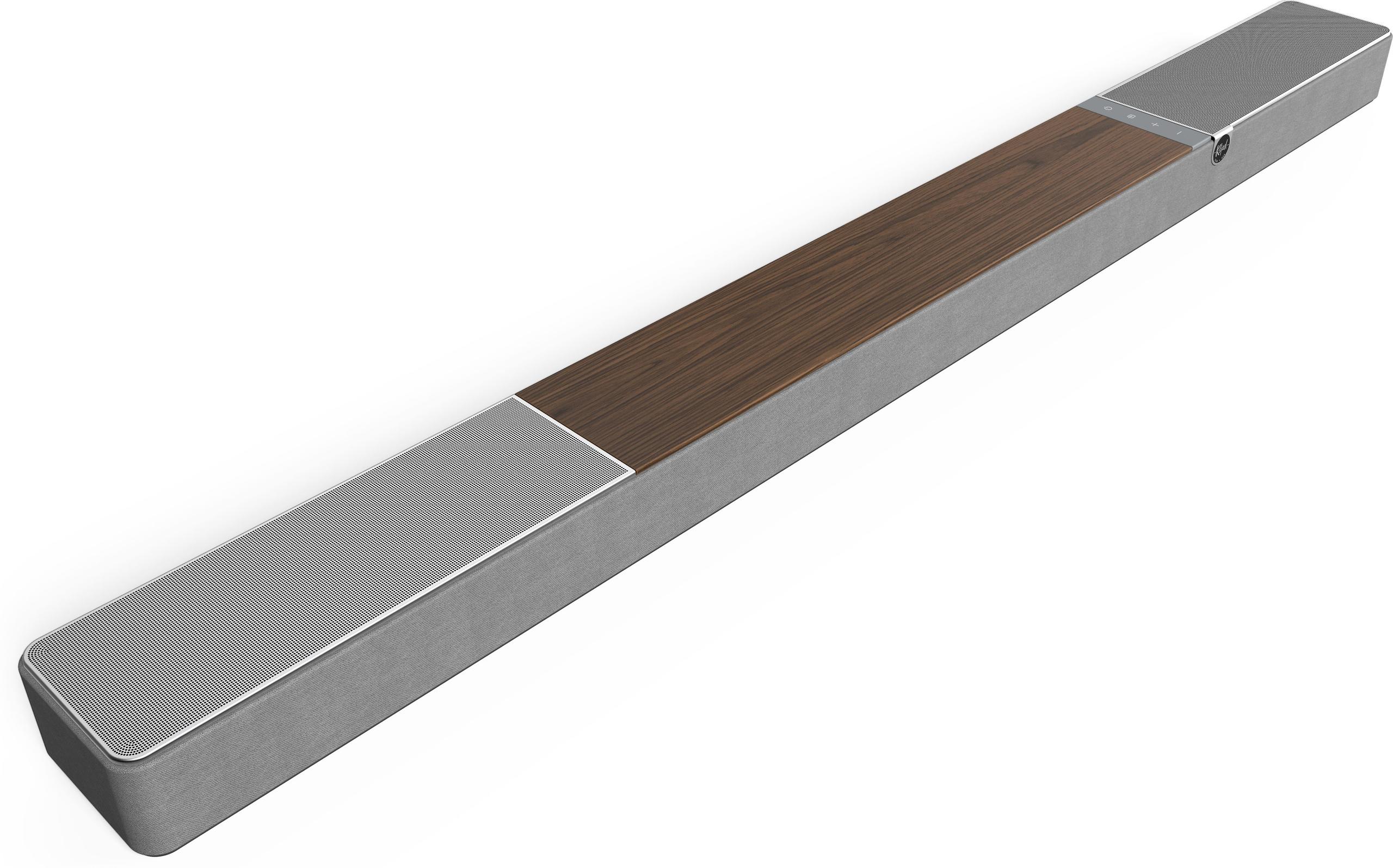
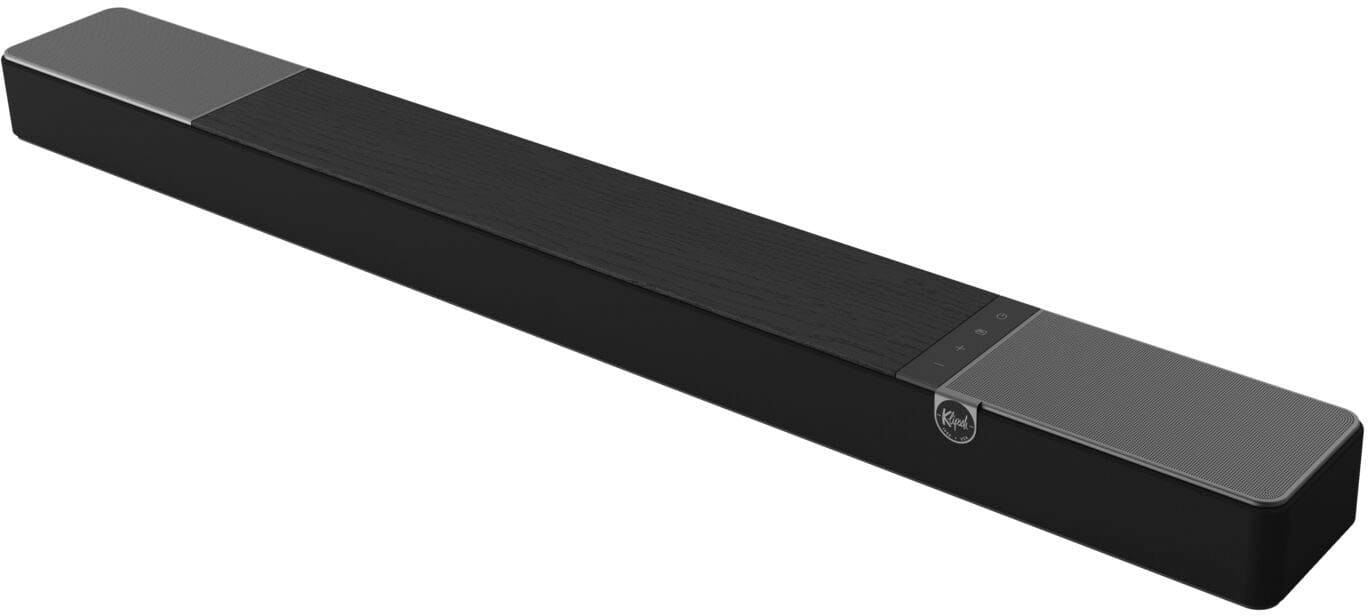
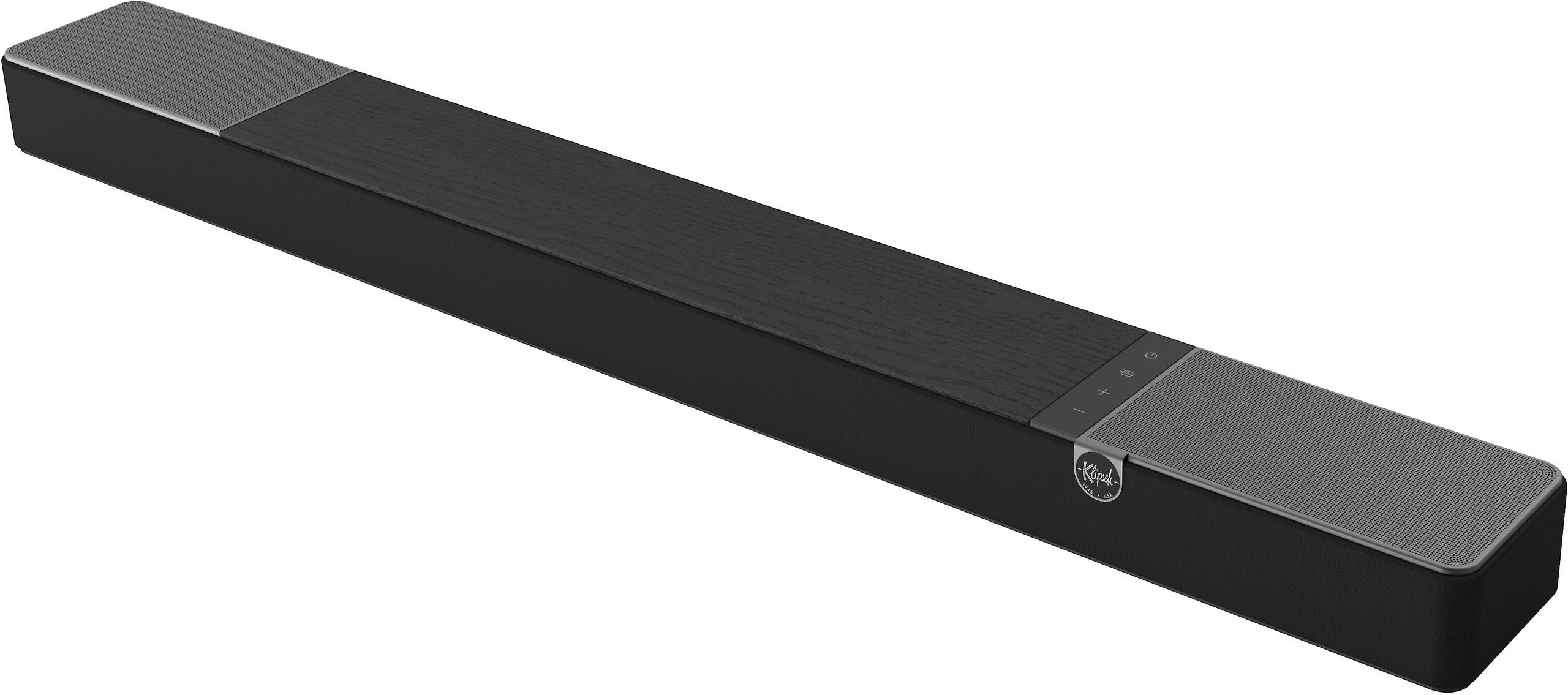

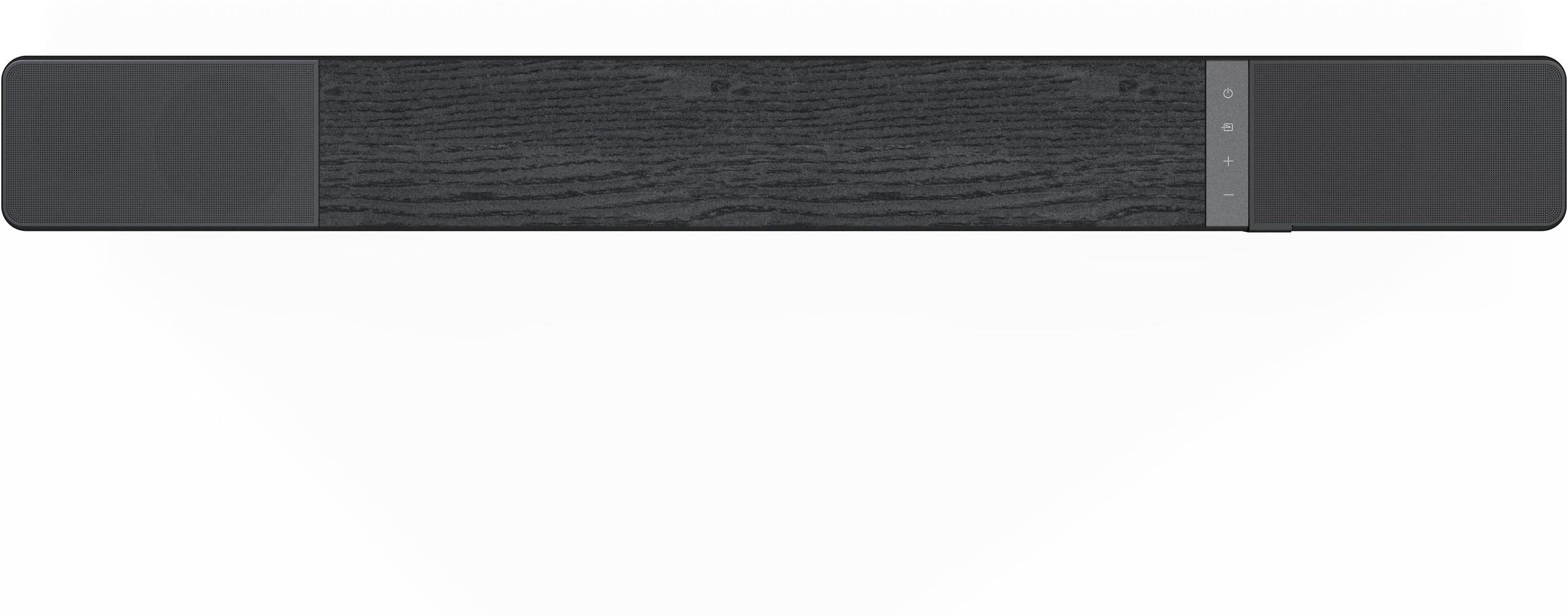
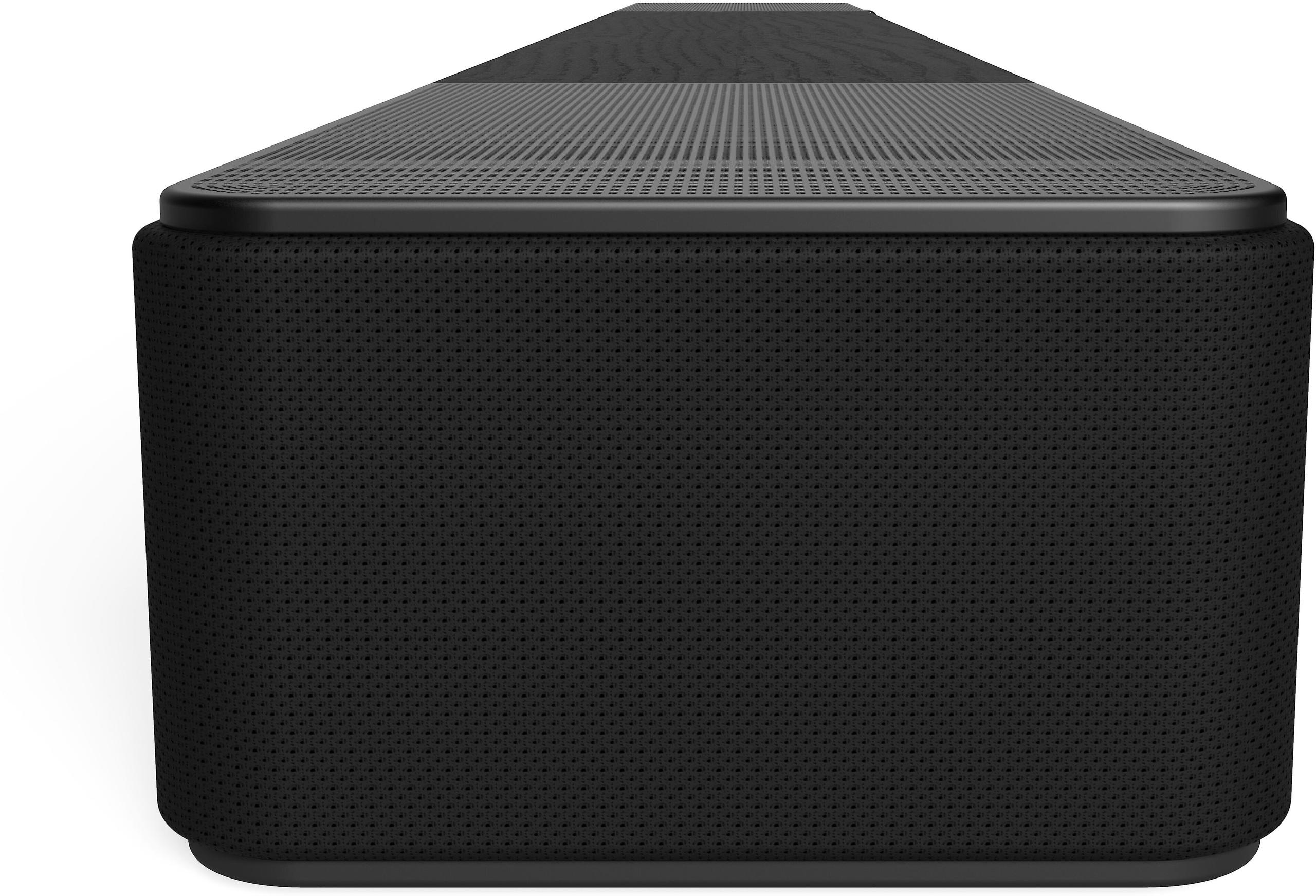

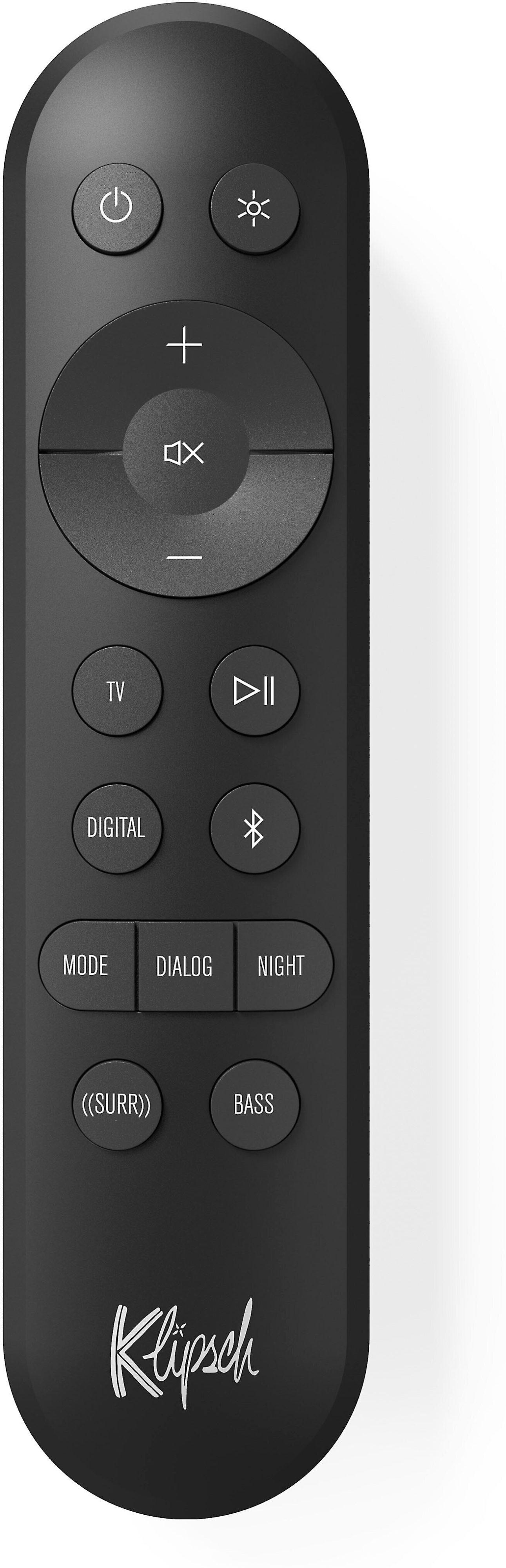
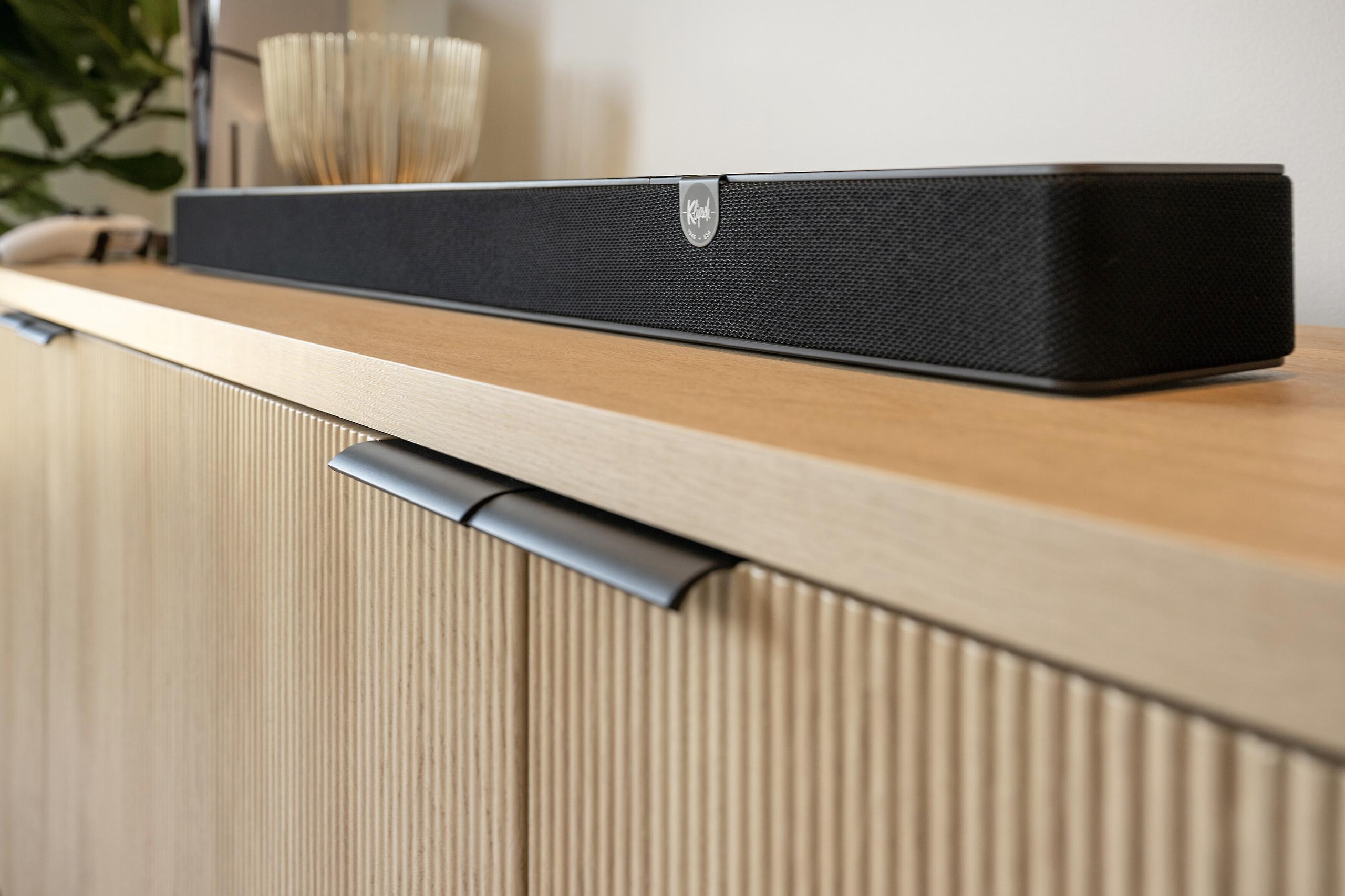
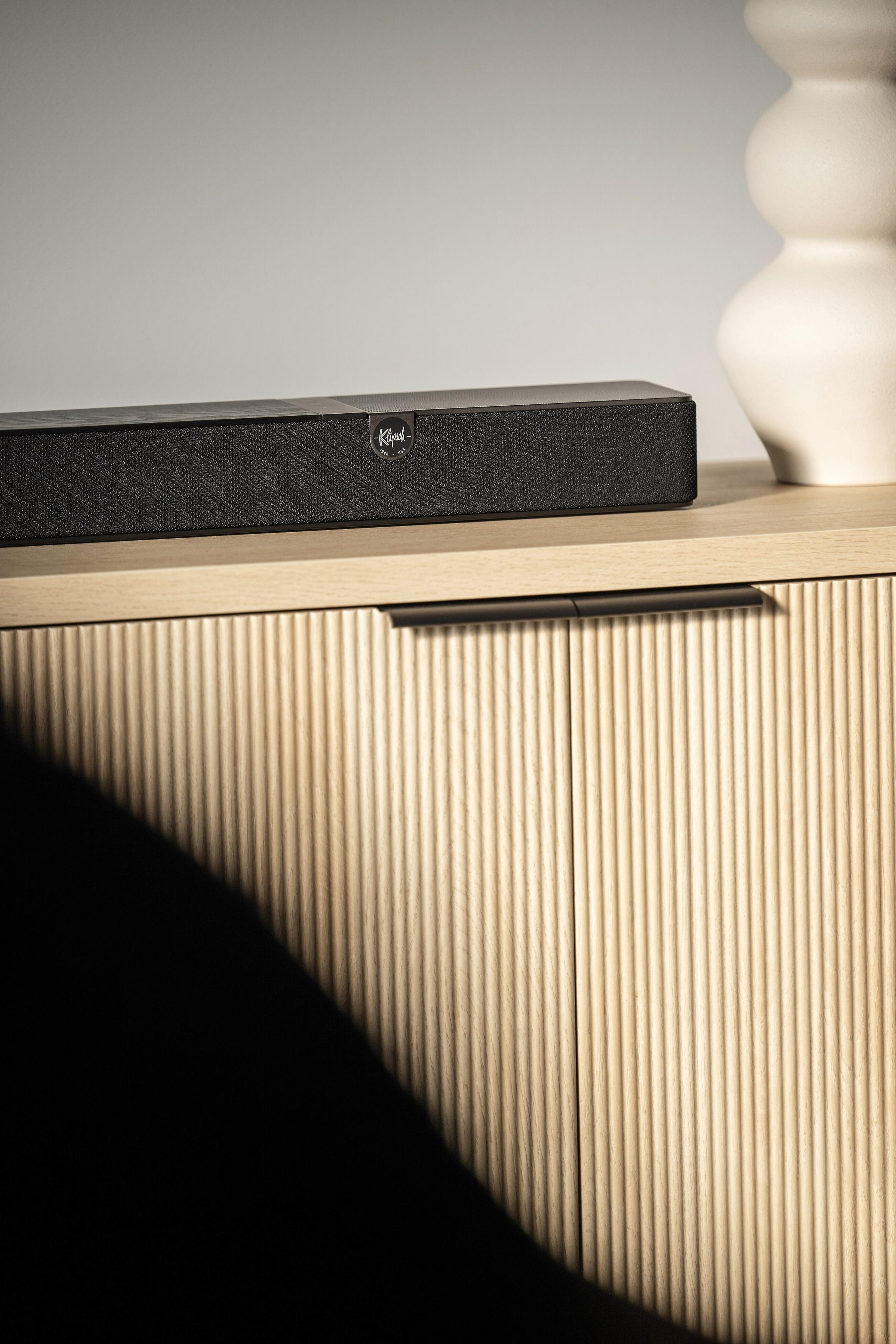

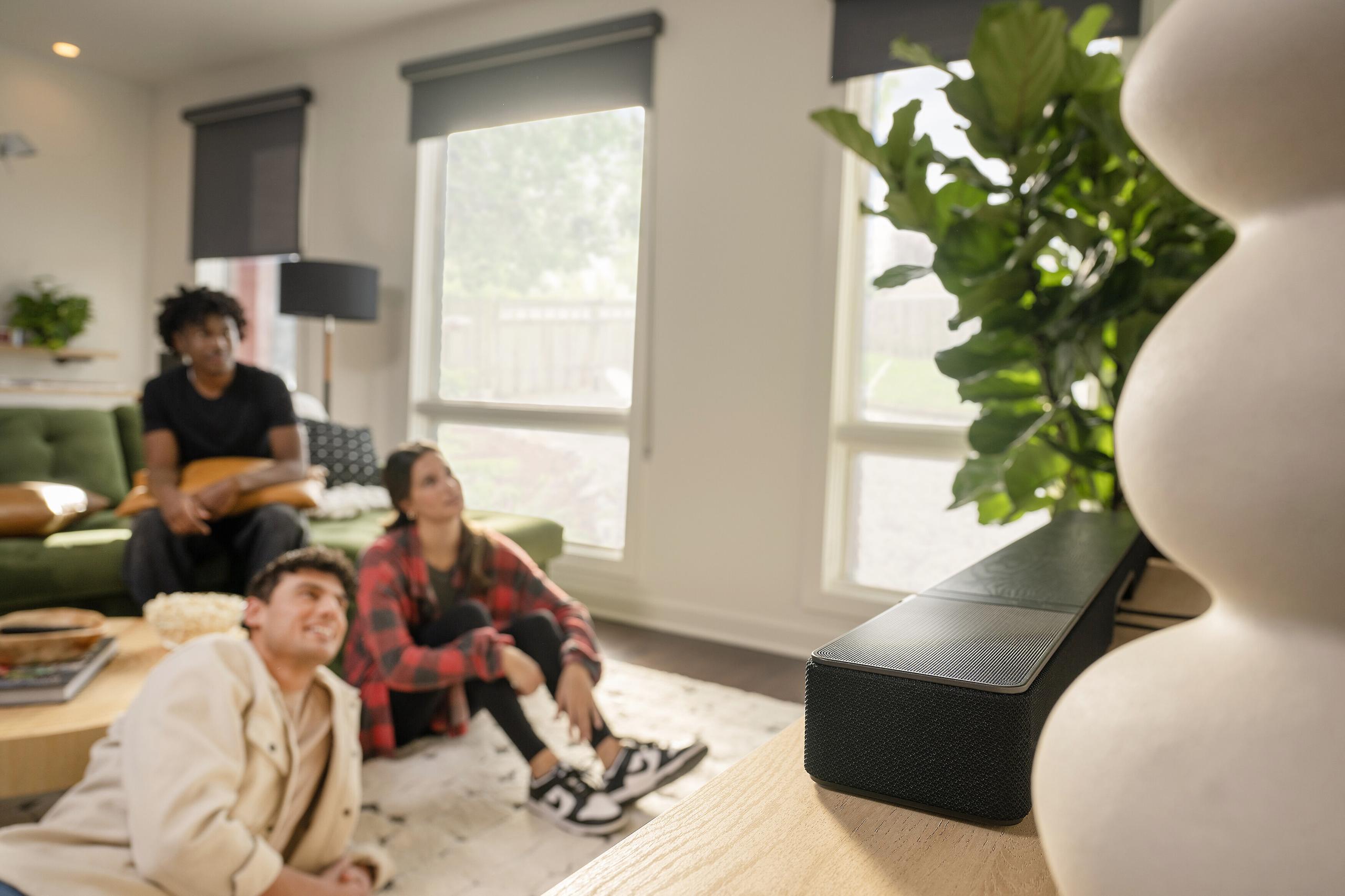

When your TV's built-in speakers just aren't cutting it anymore, a quality soundbar can transform your living room into a mini movie theater. But with so many options available, choosing the right one can feel overwhelming. Today, we're diving deep into two soundbars from Klipsch's Flexus lineup: the premium Flexus Core 300 ($1,199) and the more affordable Flexus Core 200 ($499). Both promise immersive Dolby Atmos sound, but they take very different approaches to get there.
Before we jump into comparing these specific models, let's talk about what really matters in a soundbar. The most important factor is the channel configuration – that's the numbers you see like "3.1.2" or "5.1.2." The first number tells you how many main speakers face forward, the second is for subwoofers (the ".1" means one subwoofer channel), and the third number represents height channels that bounce sound off your ceiling to create overhead effects.
Modern soundbars also need to handle advanced audio formats like Dolby Atmos, which places sounds in a three-dimensional space around you, making explosions seem to come from above or footsteps appear to move across the room. Then there's room correction technology – think of it as automatic tuning that adjusts the sound based on your room's unique acoustics, much like how a piano tuner adjusts each string for perfect harmony.
Connectivity matters too. HDMI eARC (enhanced Audio Return Channel) lets your TV send high-quality audio back to the soundbar, while features like 8K passthrough ensure your soundbar won't become obsolete when you upgrade your TV or gaming console.
Klipsch launched the Flexus series in mid-2024, starting with the Core 200. This initial release focused on delivering solid Atmos performance at an accessible price point. The company clearly hit a nerve – the Core 200 quickly gained recognition, even earning AVS Forum's "Top Choice for 2024" award for its blend of quality, performance, and user-friendly features.
Later in 2024, Klipsch pushed the envelope with the Core 300, introducing technology previously reserved for high-end AV receivers. The most significant innovation? Dirac Live room correction – making the Core 300 the world's first soundbar to feature this advanced calibration system. This wasn't just a spec bump; it represented a fundamental shift in how soundbars could adapt to different room environments.
The Core 200's 3.1.2 setup includes three front-facing channels (left, center, right), one subwoofer channel, and two height channels. It uses four 2.25-inch aluminum drivers for the front channels, a dedicated horn-loaded tweeter for crystal-clear dialogue, dual 4-inch built-in subwoofers, and two up-firing drivers that bounce sound off your ceiling.
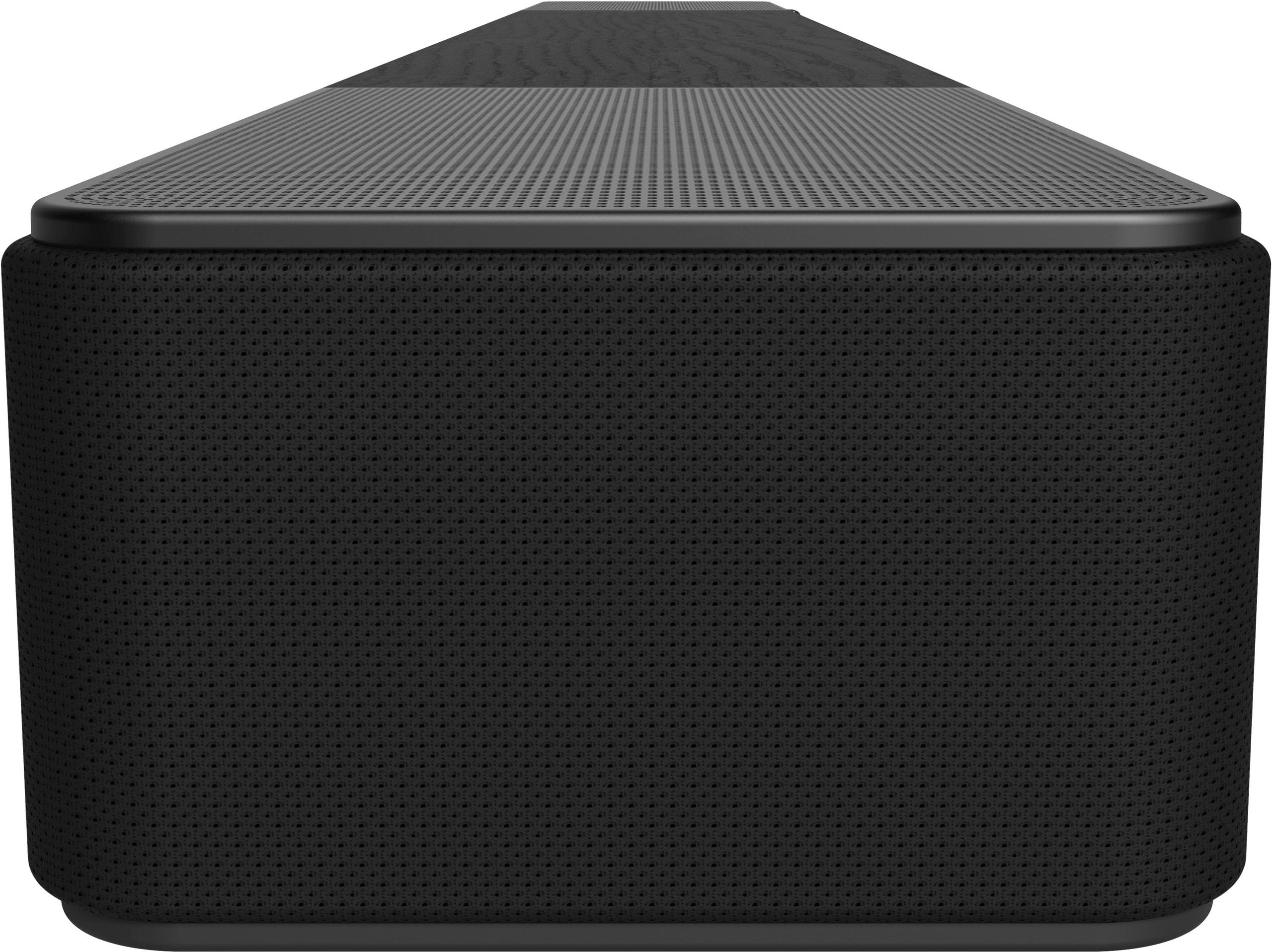
The Core 300 steps up to 5.1.2, adding discrete side-firing drivers to create true surround sound without rear speakers. Its 13-driver array includes four front-firing drivers, dedicated side-firing speakers, four built-in subwoofers (integrated with the up-firing drivers), and specialized height channels. This isn't just about having more speakers – it's about creating a more convincing three-dimensional soundscape.
Here's where things get really interesting. The Core 300's Dirac Live system represents a genuine breakthrough in soundbar technology. Traditional soundbars rely on preset sound modes and basic EQ adjustments, but Dirac Live actually analyzes your room's acoustics using an included calibration microphone.
During setup, you place the microphone at your listening position, and the system plays test tones, measuring how sound reflects off your walls, ceiling, and furniture. It then creates a custom filter that corrects both the volume levels at different frequencies (magnitude response) and the timing of those frequencies (phase response). The result? Tighter bass, improved stereo imaging, and enhanced clarity that's tailored specifically to your room.
I've experienced similar room correction in high-end AV receivers, and the difference is genuinely dramatic. Suddenly, bass that was boomy becomes tight and controlled, while dialogue that seemed muffled becomes crystal clear. The fact that Klipsch has managed to integrate this technology into a soundbar is genuinely impressive.
Both soundbars handle Dolby Atmos beautifully, but there's a crucial difference in format support. The Core 300 supports both Dolby Atmos and DTS:X, while the Core 200 only handles Dolby Atmos. This might seem like a minor technical detail, but it has real-world implications.
Many older Blu-ray discs use DTS audio, and some streaming services still rely on DTS for certain content. Without DTS support, the Core 200 will downmix this content to standard stereo or surround sound, missing out on the immersive object-based audio that makes modern soundtracks so engaging.
Both soundbars pack impressive bass for their size, but they achieve it differently. The Core 200's dual 4-inch subwoofers deliver what Klipsch calls "best-in-class bass" for a standalone soundbar. In practice, this means you get substantial low-end impact that eliminates the immediate need for a separate subwoofer. Movie explosions have real weight, and music maintains its rhythmic foundation without sounding thin or hollow.
The Core 300 takes this further with four 4-inch built-in subwoofers, but more importantly, it has Dirac Live to optimize their performance. Room correction can tame problematic bass peaks that make certain frequencies sound boomy while boosting frequencies that get absorbed by your room's surfaces. The result is more even, controlled bass that sounds natural rather than artificially emphasized.
From my testing experience with similar systems, this difference becomes most apparent with demanding content like action movies or bass-heavy music. The Core 200 might start to sound strained at high volumes, while the Core 300's advanced processing keeps things composed and detailed.
Nothing ruins a movie night like constantly rewinding to catch dialogue you missed. Both soundbars address this with dedicated center channels, but their approaches differ slightly.
The Core 200 uses Klipsch's signature horn-loaded tweeter technology for its center channel. Horn-loading is a clever acoustic trick that uses a flared horn shape to efficiently direct high frequencies toward your ears. The result is dialogue that cuts through background noise and soundtrack elements, remaining intelligible even at lower volumes.
The Core 300 benefits from this same technology, but adds Dirac Live's ability to fine-tune the center channel's frequency response for your specific room. If your room tends to muddy dialogue frequencies, Dirac Live can compensate, ensuring every word comes through clearly.
This is where the channel count difference becomes most apparent. The Core 200's 3.1.2 configuration creates surround effects primarily through psychoacoustic processing – clever audio tricks that fool your brain into perceiving sounds coming from locations where there aren't actually speakers. It works reasonably well, especially for the price, but has limitations.
The Core 300's additional side-firing drivers create discrete surround channels, meaning sounds actually originate from the sides rather than being synthesized. Combined with Dirac Live's optimization, this creates a more convincing surround bubble. Helicopters flying overhead feel more realistic, and ambient sounds like rain or crowd noise surround you more naturally.
The connectivity story reveals another key difference in target audiences. The Core 200 offers standard HDMI eARC, which handles current audio formats perfectly fine for most users. However, it lacks HDMI 2.1 features like 8K passthrough and higher refresh rate support for gaming.
The Core 300 includes full HDMI 2.1 support with 8K passthrough, ensuring compatibility with next-generation gaming consoles and 8K streaming content. If you're a serious gamer or plan to keep your soundbar for many years, this future-proofing could prove valuable.
Both soundbars support modern streaming protocols like AirPlay 2, Google Cast, and Spotify Connect, letting you stream music directly without going through your TV. The Core 300 adds more robust wireless connectivity with dual-band Wi-Fi and Ethernet options for rock-solid network performance.
Control options differ slightly too. While both include the Klipsch Connect Plus app, users report occasional stability issues with the Core 200's app experience. The Core 300's more robust processing power seems to handle app communication more reliably, though both systems benefit from regular firmware updates.
One of the Flexus line's smartest features is expandability. Both soundbars can connect wirelessly to additional Klipsch speakers: the Flexus Sub 100 subwoofer ($299) and Flexus Surround 100 speakers ($249 per pair). This lets you start with just the soundbar and add components as your budget and space allow.
The Core 300's Dirac Live system provides a significant advantage here. When you add expansion speakers, Dirac Live automatically optimizes the entire system, ensuring seamless integration and balanced sound across all components. The Core 200 relies on manual adjustments, which means more trial and error to achieve optimal results.
In smaller spaces, the Core 200 often provides more than enough performance. The 3.1.2 configuration fills these rooms effectively, and the built-in bass rarely feels insufficient. The money saved could go toward adding the Flexus Sub 100 later for even better low-end performance.
Larger spaces reveal the Core 300's advantages. The additional channels and room correction help overcome the acoustic challenges of bigger rooms, while the higher power output maintains clarity at the volumes needed to fill more space.
If your soundbar pulls double duty for both movies and music, both models perform admirably. The Core 200 handles music surprisingly well for a soundbar, with balanced frequency response that doesn't over-emphasize any particular range. The Core 300's room correction can optimize separately for music and movies, providing more refined performance for serious listening sessions.
At its regular $499 price, and especially when discounted to $374, the Core 200 represents exceptional value. You're getting genuine Dolby Atmos performance, solid build quality, and expandability options that compete with soundbars costing significantly more. For most users upgrading from TV speakers, the performance improvement will be dramatic and thoroughly satisfying.
The Core 300's $1,199 price tag initially seems steep, but consider what you're getting: world-first Dirac Live integration, true 5.1.2 surround processing, comprehensive format support, and future-proof connectivity. For audio enthusiasts or those with challenging room acoustics, these features provide genuine value that's difficult to find elsewhere.
Want excellent performance without breaking the bank. The Core 200 delivers impressive Atmos effects and solid overall audio quality at a price that makes sense for most budgets. If you're upgrading from TV speakers or a basic soundbar, you'll be thoroughly impressed with the improvement.
Have a larger room or challenging acoustics where room correction would make a meaningful difference. The Core 300's Dirac Live system can solve acoustic problems that no amount of manual adjustment can address. If you're an audio enthusiast who appreciates the finer details of sound reproduction, the additional investment pays dividends in daily enjoyment.
Both soundbars represent excellent engineering within their respective price categories. The Flexus Core 200 offers tremendous value and performance that will satisfy most users, while the Flexus Core 300 pushes soundbar technology forward with innovations that genuinely improve the listening experience.
Your choice ultimately comes down to your room, budget, and how much you value cutting-edge audio technology. Either way, you'll be getting a substantial upgrade over basic TV audio and a solid foundation for building a more comprehensive home theater system over time.
The beauty of the Flexus ecosystem is that you don't have to choose forever – you can start with either model and expand gradually, creating a system that grows with your needs and budget. That flexibility, combined with Klipsch's reputation for build quality and acoustic expertise, makes either choice a sound investment in your home entertainment experience.
| Klipsch Flexus Core 300 Soundbar ($1,199) | Klipsch Flexus Core 200 3.1.2 Soundbar ($499) |
|---|---|
| Channel Configuration - Determines surround sound immersion and width of soundstage | |
| 5.1.2 with discrete side channels for true surround | 3.1.2 with virtual surround processing |
| Total Drivers - More drivers typically mean better sound separation and dynamics | |
| 13 drivers including side-firing and 4 built-in subwoofers | 7 drivers with dual 4" built-in subwoofers |
| Room Correction Technology - Game-changer for optimizing sound in your specific space | |
| Dirac Live with included calibration microphone (world's first in a soundbar) | Manual EQ adjustments only via app |
| Audio Format Support - Important for compatibility with your content library | |
| Dolby Atmos + DTS:X (full format support) | Dolby Atmos only (no DTS support) |
| HDMI Features - Critical for gaming and future TV upgrades | |
| HDMI 2.1 with 8K passthrough and high refresh rates | Standard HDMI eARC without 2.1 features |
| Dimensions - Consider your TV stand or wall space | |
| 54" W × 3.1" H × 4.9" D (35 lbs) | 44" W × 3.1" H × 4.9" D (weight not specified) |
| Expandability - Both support same wireless add-ons but with different optimization | |
| Automatic Dirac Live optimization of added speakers | Manual tuning required for expansion speakers |
| Connectivity Options - Affects how many devices you can connect directly | |
| HDMI eARC, USB-C, Optical, Ethernet, Bluetooth 5.3 | HDMI eARC, USB-C, Optical, Bluetooth |
| Power Output - Higher power helps with larger rooms and dynamic content | |
| 106 dB maximum output (exact wattage not specified) | 185W RMS with 43Hz-20kHz frequency response |
| Best Use Case - Who each model serves best | |
| Large rooms, audio enthusiasts, challenging acoustics | Small-medium rooms, budget-conscious users, TV upgrade |
The biggest difference is the Klipsch Flexus Core 300 ($1,199) features 5.1.2 channels with Dirac Live room correction technology, while the Klipsch Flexus Core 200 ($499) offers 3.1.2 channels with manual EQ adjustments. The Core 300 provides true surround sound with discrete side channels, whereas the Core 200 relies on virtual surround processing.
The Flexus Core 200 offers exceptional value at $499 (often discounted to $374), delivering solid Dolby Atmos performance at a budget-friendly price. However, the Flexus Core 300 justifies its $1,199 price with world-first Dirac Live technology and superior channel separation that audiophiles will appreciate.
The Klipsch Flexus Core 300 is better suited for large rooms thanks to its 5.1.2 channel configuration, higher power output, and Dirac Live room correction that optimizes sound for your specific space. The Core 200 works well in small to medium rooms but may struggle to fill larger spaces effectively.
Both offer impressive built-in bass, but the Flexus Core 300 has four 4-inch built-in subwoofers compared to the Core 200's dual 4-inch subwoofers. The Core 300's room correction also optimizes bass response for your room, providing more controlled and deeper low-end performance.
Both excel at dialogue clarity using Klipsch's horn-loaded tweeter technology for the center channel. The Core 300 has a slight advantage because Dirac Live can fine-tune dialogue frequencies for your specific room acoustics, while the Core 200 relies on its excellent but non-adjustable center channel design.
The Flexus Core 200 is simpler to set up with basic plug-and-play operation and manual sound adjustments. The Core 300 requires additional setup time for Dirac Live calibration using the included microphone, but this extra effort results in optimized sound tailored to your room.
For dedicated home theater use, the Klipsch Flexus Core 300 is the better choice with its true 5.1.2 surround sound, DTS:X support, and room correction technology that optimizes movie audio. The Core 200 works well for casual movie watching but lacks the immersive surround capabilities serious home theater enthusiasts desire.
While both soundbars use the same Flexus ecosystem for expansion speakers, you cannot directly upgrade from the Core 200 to the Core 300. However, you can sell the Core 200 and purchase the Core 300, keeping any Flexus expansion speakers you've already bought since they're compatible with both systems.
We've done our best to create useful and informative comparisons to help you decide what product to buy. Our research uses advanced automated methods to create this comparison and perfection is not possible - please contact us for corrections or questions. These are the sites we've researched in the creation of this article: crutchfield.com - whathifi.com - avnirvana.com - hometechnologyreview.com - ecoustics.com - gearpatrol.com - klipsch.com - avsforum.com - youtube.com - avsforum.com - listenup.com - chowmain.software - klipsch.com - novis.ch - avsforum.com - klipsch.ca - lefflers.se - abt.com - sweetwater.com - wifihifi.com - klipsch.com - dirac.com - soundandvision.com - avnirvana.com - cnet.com - klipsch.com - klipsch.com - youtube.com - assets.klipsch.com - klipsch.com - worldwidestereo.com - klipsch.com - crutchfield.com - digitaltrends.com

Privacy Policy
Terms and Conditions - Affiliate Policy
Home Security
© Copyright 2008-2026.
11816 Inwood Rd #1211, Dallas, TX 75244