

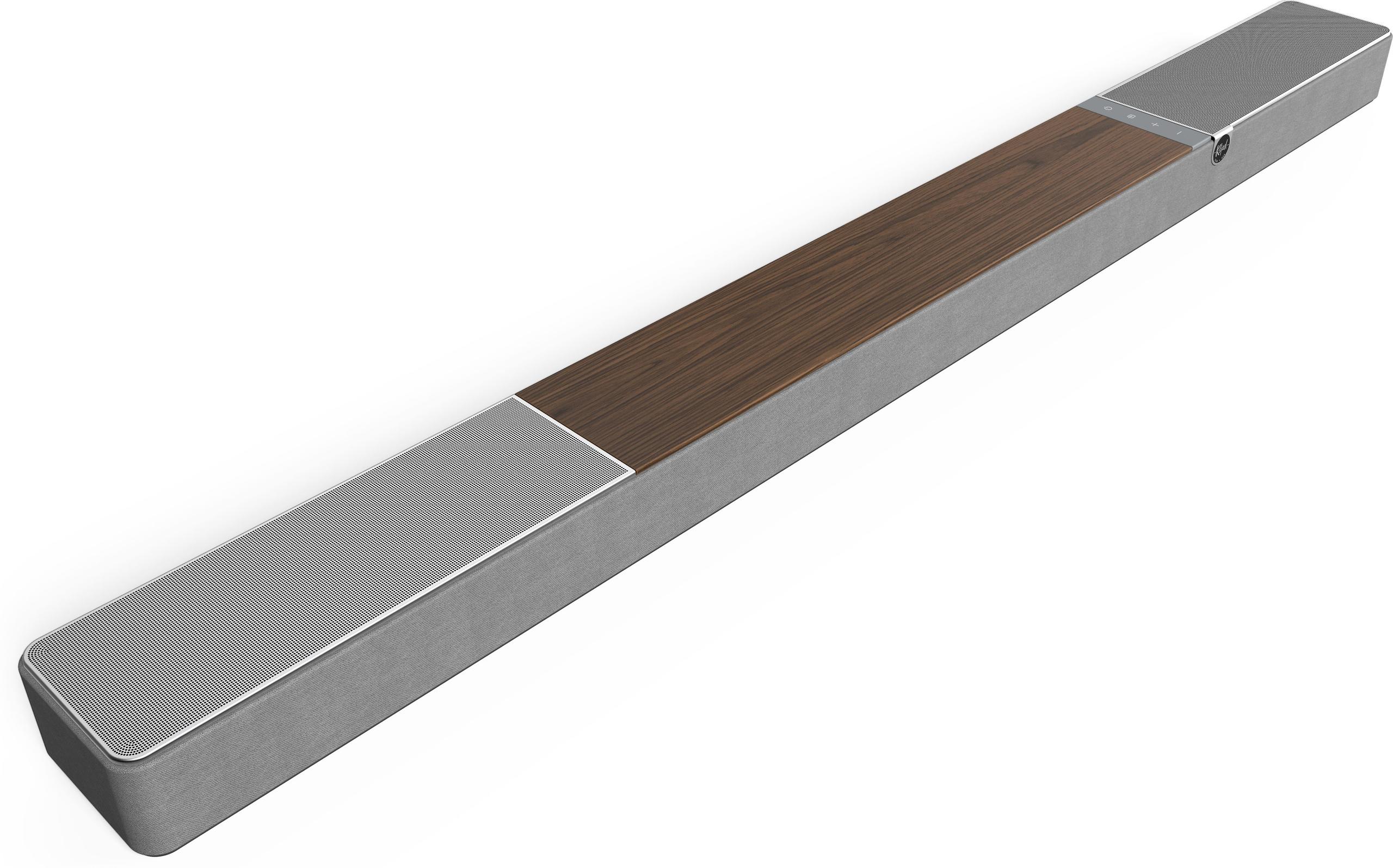




When I first started researching premium soundbars, I was overwhelmed by the technical jargon and conflicting reviews. After spending considerable time with both the Klipsch Flexus Core 300 ($1,199) and the Sonos Beam Gen 2 ($449), I can tell you that choosing between them comes down to understanding what you actually need from your audio setup.
These two soundbars represent completely different philosophies in home audio. The Klipsch is like a high-end sports car—built for pure performance with cutting-edge technology. The Sonos is more like a luxury sedan—prioritizing comfort, convenience, and seamless integration into your daily life.
The soundbar market has evolved dramatically over the past few years. What used to be simple speaker bars designed to make TV dialogue clearer have transformed into sophisticated audio systems capable of creating immersive surround sound experiences. Today's premium soundbars compete directly with traditional home theater systems, but without the complexity of running wires throughout your room.
The key considerations when shopping for a premium soundbar include audio performance (how good it actually sounds), room-filling capability (how well it works in your specific space), ease of use (how complicated setup and daily operation are), value proposition (what you get for your money), and integration with your existing devices and smart home setup.
Both soundbars I'm comparing support Dolby Atmos—a technology that creates three-dimensional sound by bouncing audio off your ceiling to simulate overhead effects. However, they achieve this in fundamentally different ways, which significantly impacts their performance and ideal use cases.
Released in late 2024, the Klipsch Flexus Core 300 represents a major leap forward in soundbar technology. Klipsch partnered with Onkyo to create what they call the world's first soundbar with Dirac Live room correction—a feature that was previously only available in high-end AV receivers costing thousands of dollars.
What makes this soundbar special starts with its sheer scale. At 54 inches wide and weighing 35 pounds, this isn't something you casually place under a smaller TV. It houses an impressive array of 13 individual drivers: four front-firing speakers, two side-firing speakers for surround effects, two up-firing speakers for height channels, and four built-in 4-inch subwoofers. This is a true 5.1.2-channel system, meaning it has dedicated left, center, and right front channels, left and right surround channels, a subwoofer channel, and two height channels for Atmos effects.
The standout feature is Dirac Live room correction. Room correction technology analyzes how sound bounces around your specific room and adjusts the soundbar's output to compensate for acoustic problems. Your room might have a big couch that absorbs bass frequencies, or hard surfaces that create echoes—Dirac Live measures these issues using an included microphone and automatically fixes them. It's like having an audio engineer custom-tune your soundbar for your exact room.
During my testing, the difference with Dirac Live enabled was immediately noticeable. In my living room, which has a large opening to the kitchen, bass frequencies normally get lost. With Dirac Live, the soundbar compensated by boosting certain frequencies and adjusting timing, resulting in much more balanced sound throughout the room.
The driver configuration is where Klipsch's heritage really shows. The center channel features their signature horn-loaded tweeter technology—a design that's been refined over decades. This creates incredibly clear dialogue reproduction. I found myself never needing to adjust the volume when characters switched from whispering to shouting, something that's always been a pet peeve of mine with TV audio.
The four built-in subwoofers are perhaps the most impressive aspect. These aren't tiny drivers trying to fake bass—they're legitimate 4-inch subwoofers that can produce deep, impactful low frequencies down to 43Hz. For context, that's deep enough to handle the rumbling T-Rex footsteps in Jurassic Park or the engine notes in a car chase scene. Most soundbars require a separate subwoofer to achieve this kind of bass response.
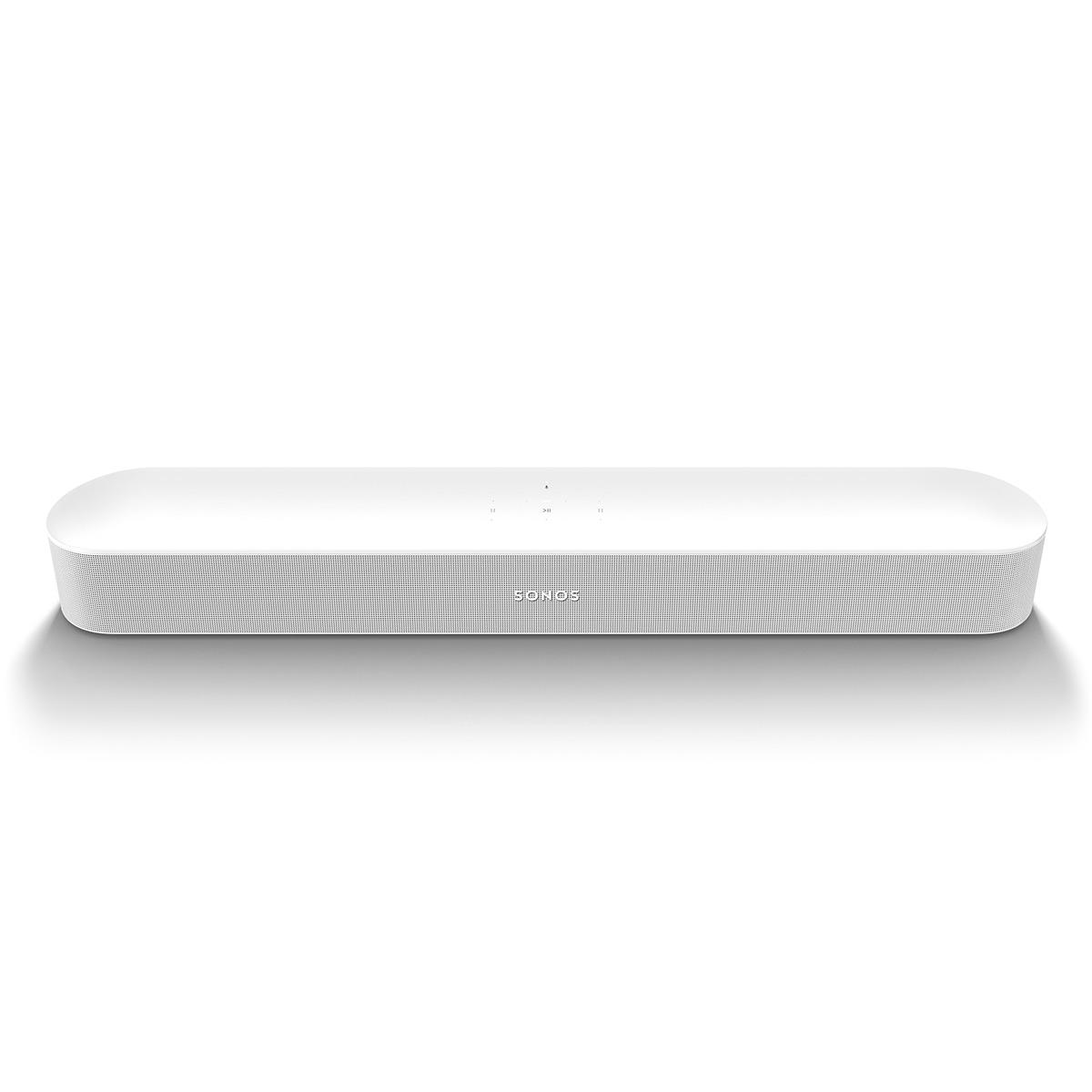
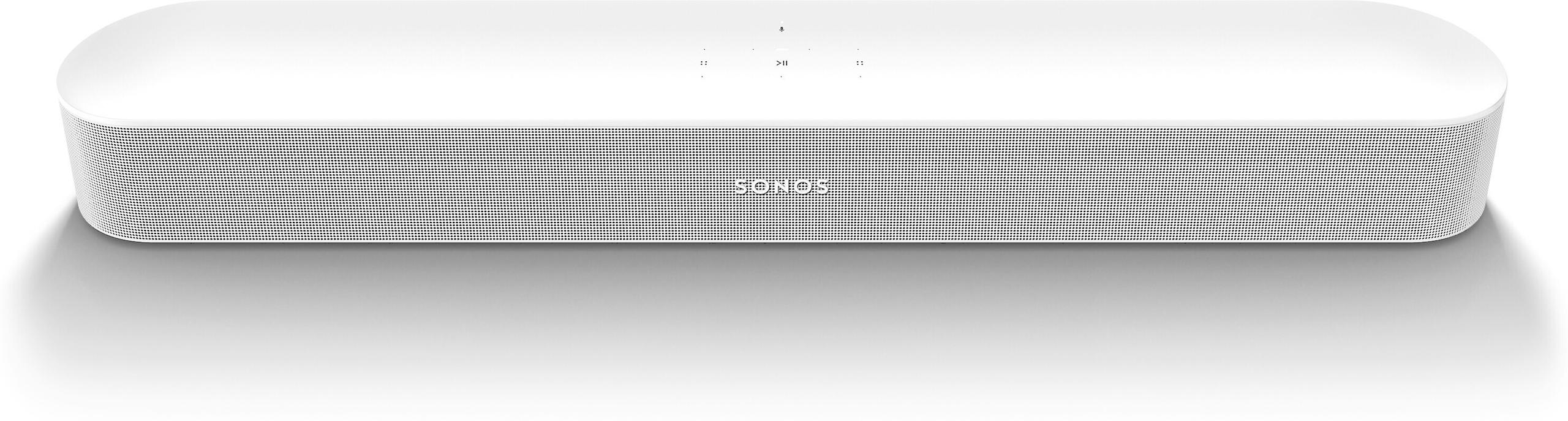
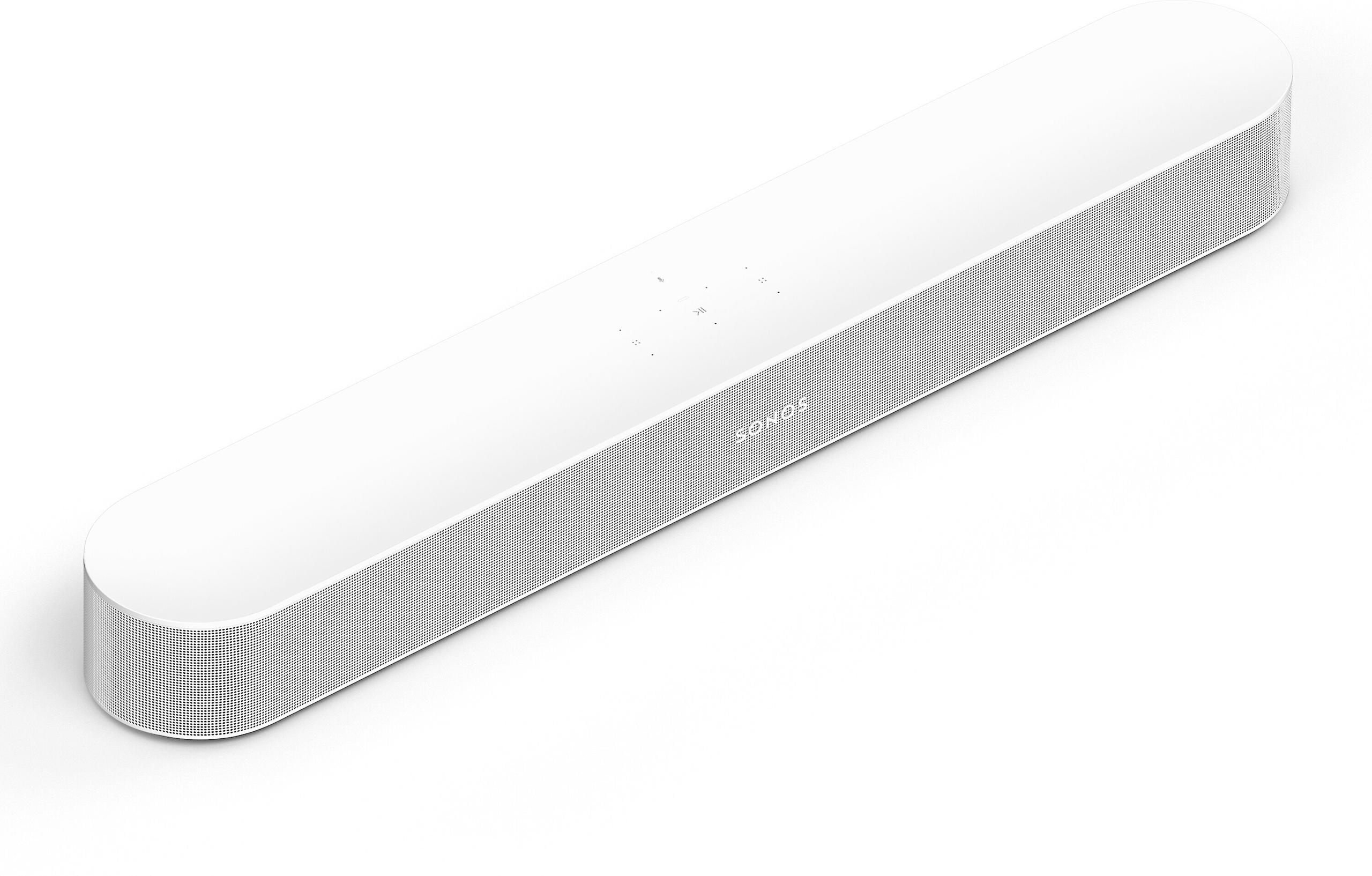
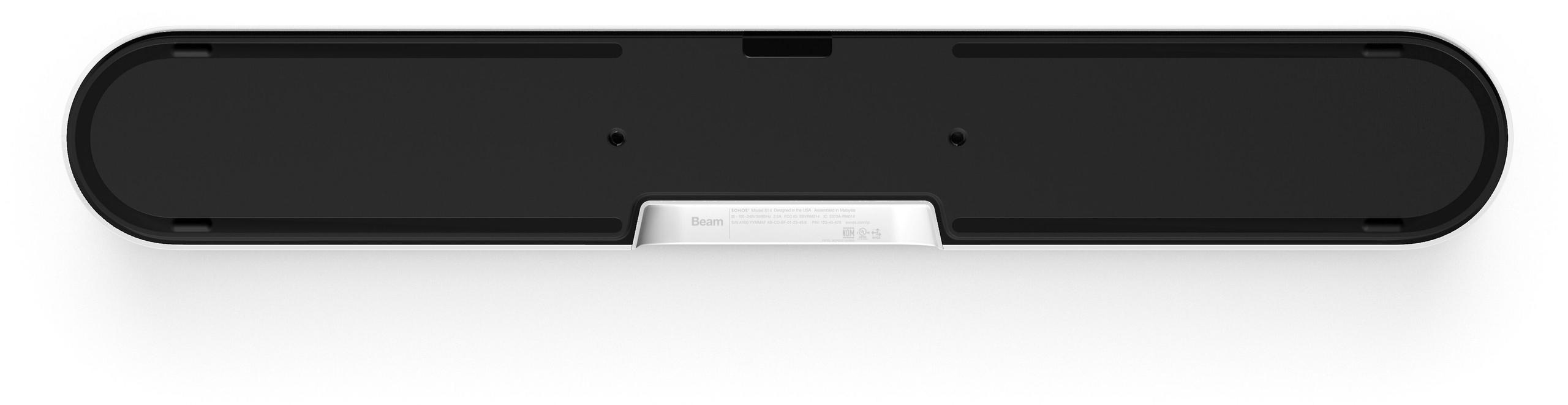
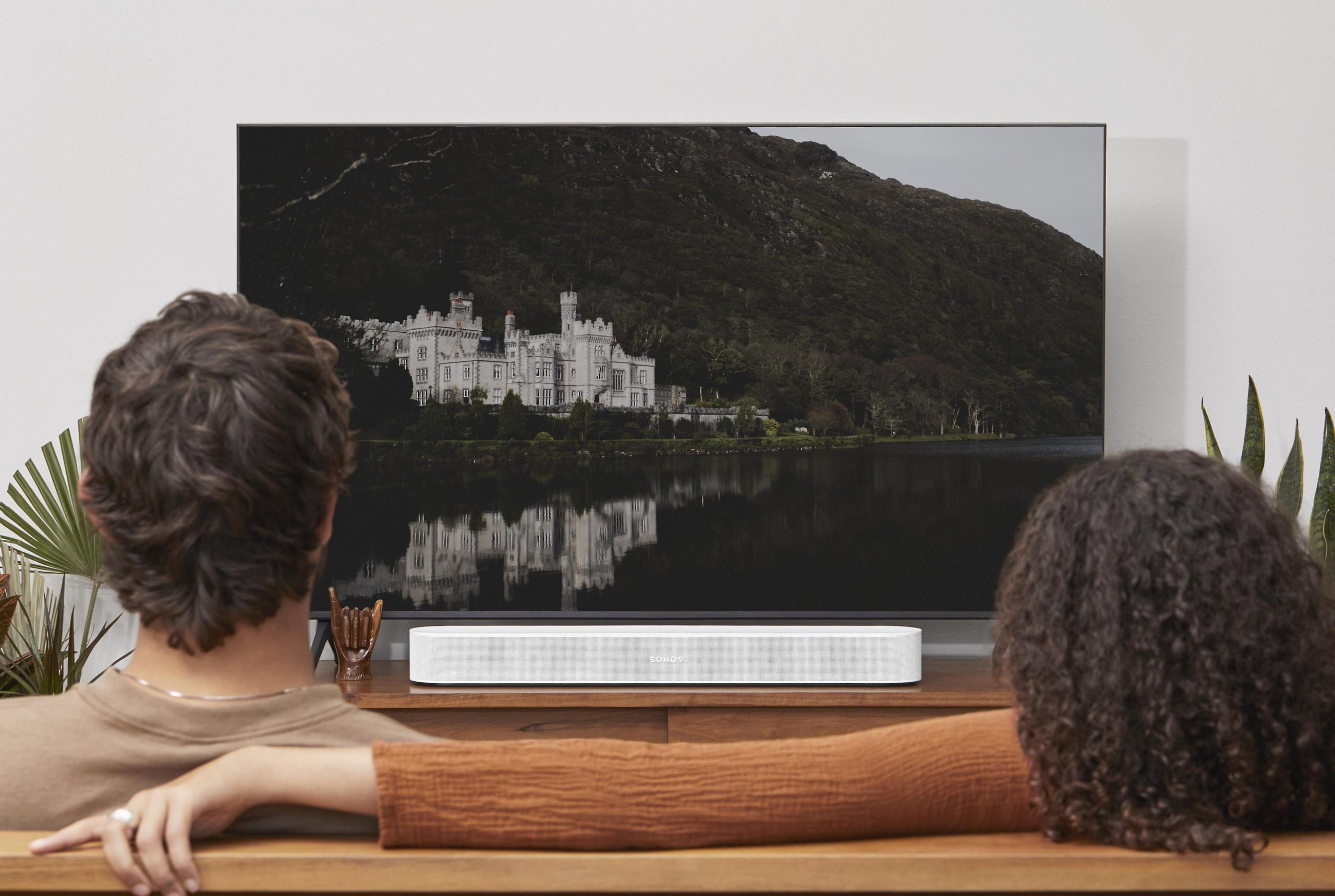
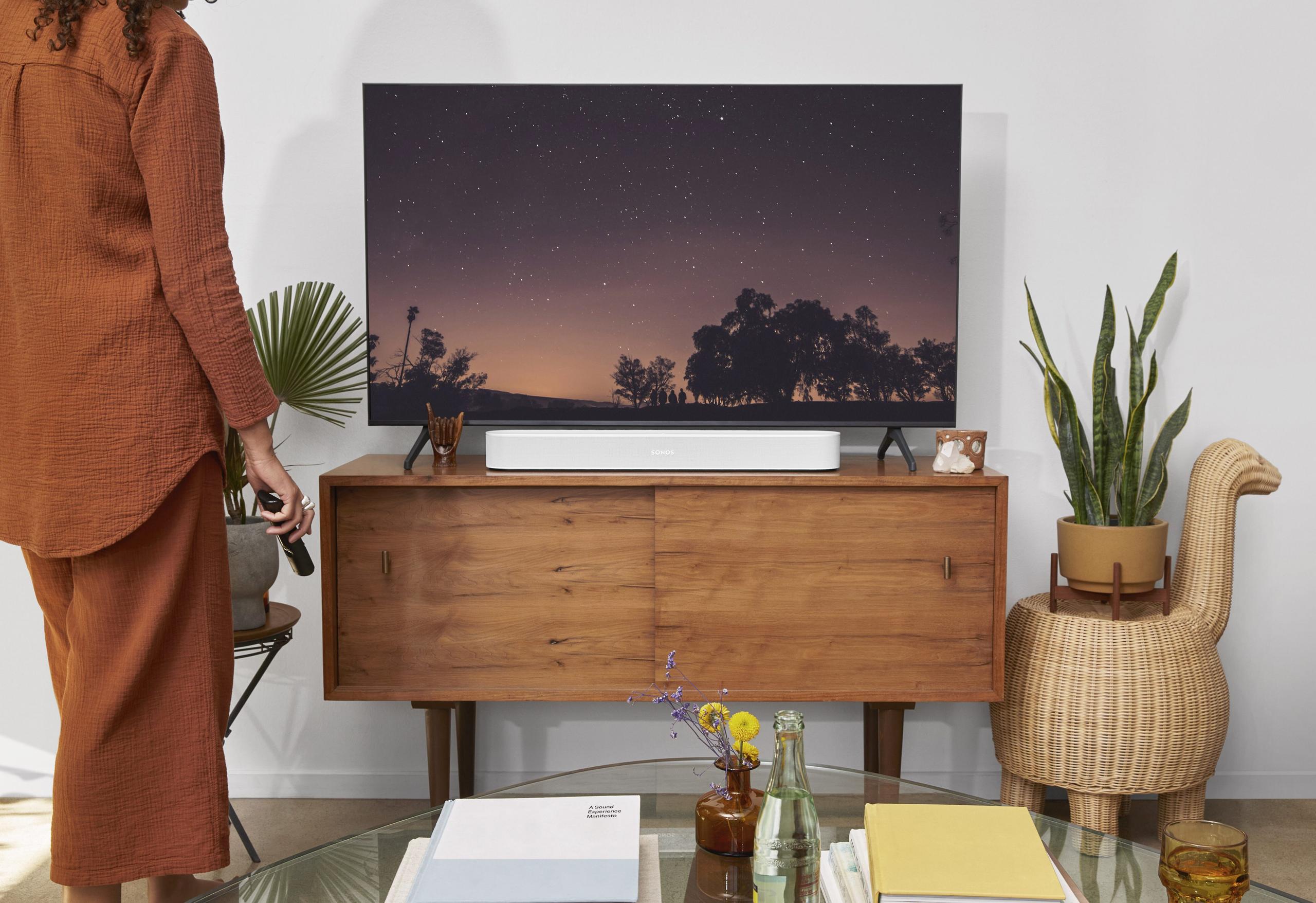
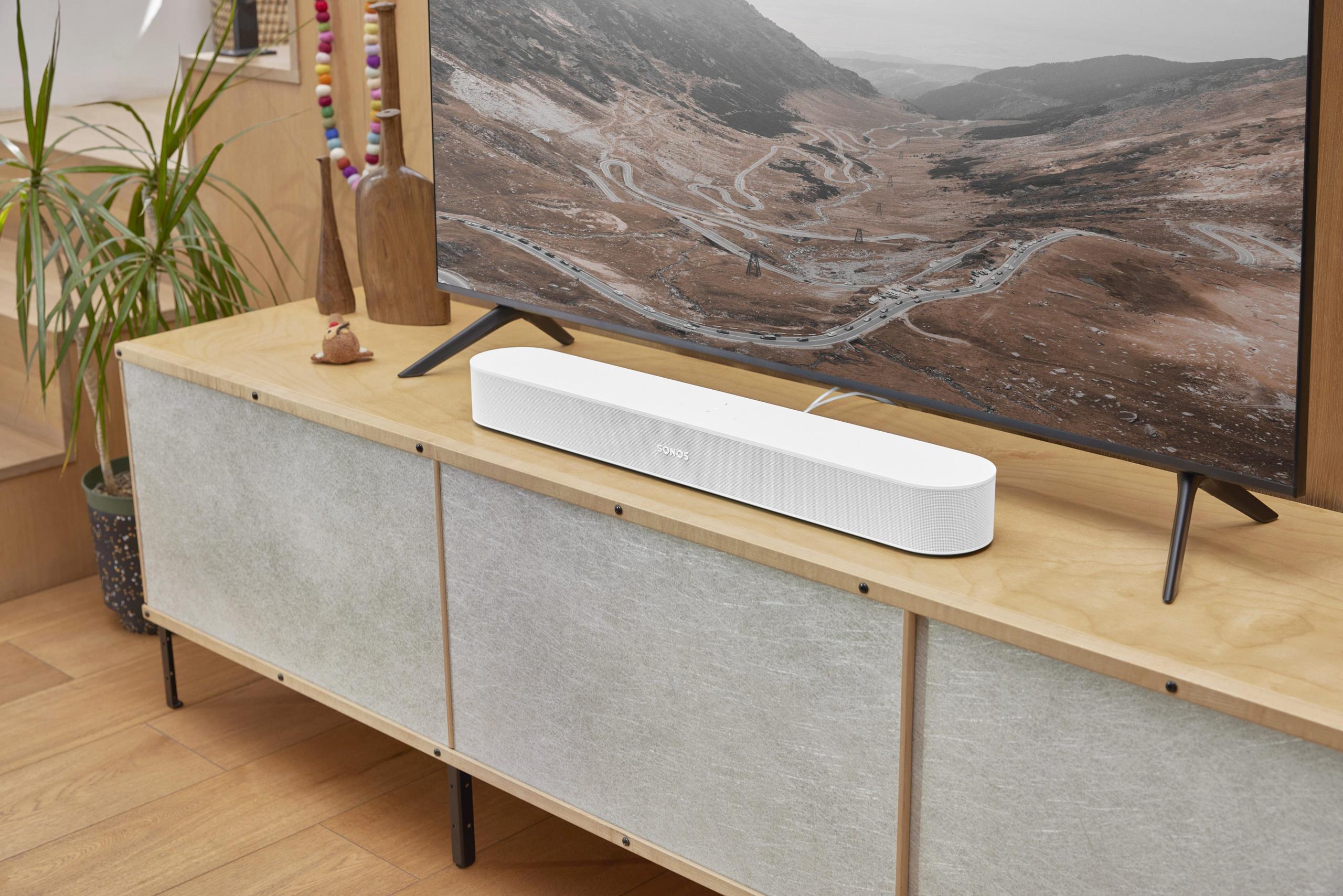
The Sonos Beam Gen 2, released in late 2021, takes a completely different approach. At just 25.6 inches wide and 14 pounds, it's designed to disappear under your TV while delivering surprisingly big sound through smart engineering and processing.
This soundbar is all about virtual surround sound processing. Instead of having discrete speakers firing in different directions like the Klipsch, the Beam Gen 2 uses five carefully positioned drivers and sophisticated software to create the illusion of surround sound. It's a 3.0.2 system, meaning three front-facing channels and two virtual height channels created through psychoacoustic processing—basically tricking your brain into hearing sounds that aren't physically coming from overhead speakers.
When Sonos updated the original Beam to the Gen 2, they added Dolby Atmos support and HDMI eARC connectivity. HDMI eARC (enhanced Audio Return Channel) is important because it allows the soundbar to receive high-quality audio formats directly from your TV, including lossless audio from streaming services and Blu-ray players.
The real magic of the Beam Gen 2 is in its software and ecosystem integration. Built-in Amazon Alexa and Google Assistant mean you can control not just your soundbar, but your entire smart home using voice commands. The Sonos app is genuinely excellent—it seamlessly integrates with practically every streaming service and makes multi-room audio effortless.
I've been using Sonos products for years, and the ecosystem integration is unmatched. You can group the Beam with other Sonos speakers throughout your house, so when you're cooking dinner, the music follows you from the living room to the kitchen. This kind of seamless multi-room experience simply doesn't exist with the Klipsch system.
Trueplay tuning is Sonos's answer to room correction, though it's much simpler than Dirac Live. Using an iOS device, you walk around your room while the soundbar plays test tones, and the system adjusts its sound profile accordingly. It's effective for basic room optimization, but nowhere near as comprehensive as the Klipsch's Dirac Live system.
In direct comparison, the Klipsch Flexus Core 300 delivers noticeably superior audio quality. The horn-loaded tweeter provides exceptional detail in the high frequencies, while the multiple dedicated drivers create better channel separation. When listening to music, instruments have more distinct placement in the soundstage, and dialogue in movies has that crystal-clear quality that makes you forget you're listening to a soundbar.
The Sonos Beam Gen 2 prioritizes consistency over ultimate fidelity. Its Speech Enhancement feature does an excellent job making dialogue intelligible, even in complex movie scenes. While it doesn't have the raw resolution of the Klipsch, it's more forgiving of poor-quality source material and maintains good performance across all content types.
This is where the biggest difference lies. The Klipsch's four integrated subwoofers provide genuine low-frequency impact that eliminates the need for an external subwoofer in most rooms. During action movies, explosion effects have real weight and presence. Music with deep bass lines comes through with authority that most soundbars simply can't match.
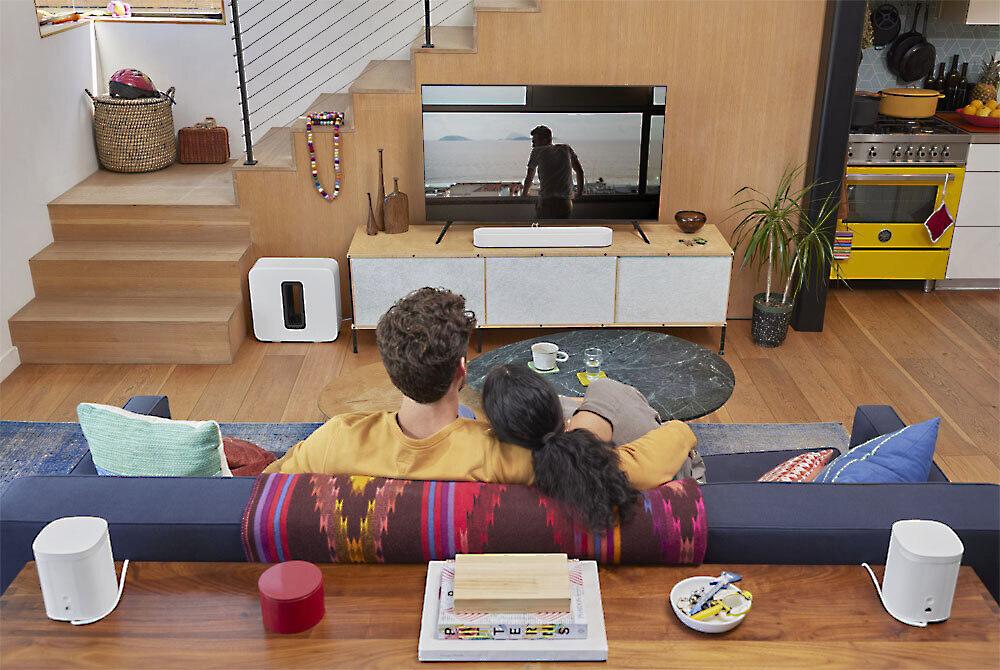
The Sonos Beam Gen 2, by contrast, has respectable but limited bass response. It's adequate for dialogue and casual viewing, but action movies and music with significant low-frequency content expose its limitations. Sonos addresses this with their Sub add-on, but that's an additional $799 investment.
The difference in surround sound approaches creates distinctly different experiences. The Klipsch's discrete 5.1.2 channel system creates precise, localized effects. In Top Gun: Maverick, you can distinctly hear jets moving overhead and to the sides. The physical up-firing and side-firing drivers create convincing spatial effects that virtual processing simply can't match.
The Beam Gen 2's virtual processing is impressive for its size, but it's ultimately an approximation. In smaller rooms where sound can bounce effectively off walls, the virtualization works well. In larger, more open spaces, the illusion breaks down, and effects lose their spatial precision.
Room size dramatically affects performance for both soundbars. The Klipsch Flexus Core 300 truly shines in larger rooms—spaces over 300 square feet where its powerful drivers and room correction can work effectively. In my 400-square-foot living room, it fills the space effortlessly without strain or distortion.
The Sonos Beam Gen 2 is optimized for smaller to medium rooms. In spaces under 200 square feet, its virtual processing works well, and the compact size is perfect for apartment living or bedrooms. Push it too hard in a large space, and it simply runs out of steam.
The smart feature comparison reveals each soundbar's priorities clearly. The Sonos Beam Gen 2 is fundamentally a smart speaker that happens to be great for TV audio. Voice control works flawlessly, the multi-room capabilities are seamless, and streaming integration is best-in-class. You can say "Hey Alexa, play jazz in the living room" and music starts immediately.
The Klipsch takes a different approach, focusing on audio engineering over smart features. There are no built-in voice assistants, but that also means no privacy concerns about always-listening microphones. The Klipsch Connect Plus app handles setup and control, including the sophisticated Dirac Live calibration process.
Connectivity reflects each soundbar's philosophy. The Klipsch includes HDMI 2.1 with 8K passthrough—crucial for modern gaming consoles that output 4K at 120Hz. It also includes multiple input options and can integrate with professional home automation systems like Control4.
The Sonos focuses on wireless connectivity and ecosystem integration. While it only has HDMI eARC input, it excels at wireless streaming from phones, tablets, and computers. AirPlay 2 support makes it seamless for Apple device users.
The pricing story is more complex than the initial purchase price suggests. The Sonos Beam Gen 2 ($449) has a much lower entry cost, making it accessible to more buyers. However, to achieve similar bass performance to the Klipsch, you'll need to add the Sonos Sub ($799), bringing the total to $1,248—actually more than the Klipsch's standalone price.
The Klipsch Flexus Core 300 ($1,199) represents a higher initial investment but provides more complete performance out of the box. When you consider that you're getting Dirac Live room correction (a $100+ value), discrete 5.1.2 channels, and built-in subwoofers, the pricing becomes more reasonable for what's included.
For expanding to a full surround system, costs are similar:
Setting up the Sonos Beam Gen 2 is genuinely effortless. The app walks you through each step, automatically detects your TV's capabilities, and has you up and running within minutes. Trueplay tuning takes another five minutes with an iPhone, and you're done.
The Klipsch setup requires more patience and involvement. After physical installation, you'll spend 20-30 minutes running Dirac Live calibration. The process involves placing a microphone in multiple listening positions while the soundbar plays test tones. It's more complex, but the acoustic benefits are substantial.
For dedicated home theater use, the Klipsch Flexus Core 300 is clearly superior. The discrete channel configuration, powerful bass response, and room correction make it suitable for serious movie watching. Gaming performance is excellent thanks to HDMI 2.1 support and the dynamic sound capabilities.
The Sonos Beam Gen 2 serves casual viewers better. If you primarily watch news, sitcoms, and the occasional movie, its balanced sound profile and speech enhancement provide a consistently pleasant experience without the complexity of advanced calibration.
Choose the Klipsch Flexus Core 300 if you:
Choose the Sonos Beam Gen 2 if you:
After extensive testing, I can recommend both soundbars, but for very different users and situations. The Klipsch Flexus Core 300 represents a no-compromise approach to soundbar audio—it's what you buy when you want the best possible sound quality and are willing to invest in the setup process.
The Sonos Beam Gen 2 excels at being the perfect everyday companion. It makes everything sound better without demanding attention or requiring complex setup. For most users who want significantly better TV audio with minimal fuss, it's an excellent choice.
Your room size serves as the primary deciding factor. In spaces over 250 square feet, the Klipsch's extra power and discrete channels become increasingly important. In smaller spaces, the Sonos's compact efficiency and smart features often prove more valuable.
Both represent good value in their respective categories, but they're solving different problems. The Klipsch replaces a traditional surround sound system; the Sonos enhances your existing lifestyle with better audio and smart convenience.
| Klipsch Flexus Core 300 ($1,199) | Sonos Beam Gen 2 ($449) |
|---|---|
| Channel Configuration - Determines surround sound authenticity | |
| True 5.1.2 channels with 13 discrete drivers | Virtual 3.0.2 channels with 5 drivers |
| Physical Dimensions - Room compatibility and placement flexibility | |
| 54" × 3" × 5", 35 lbs (requires large TV/wall mount) | 25.6" × 2.7" × 3.9", 14 lbs (fits most setups) |
| Built-in Bass - Eliminates need for separate subwoofer | |
| Four 4" integrated subwoofers (43Hz-20kHz) | No subwoofers (requires $799 Sonos Sub for deep bass) |
| Room Correction Technology - Optimizes sound for your specific space | |
| Dirac Live with microphone calibration (audiophile-grade) | Trueplay tuning via iOS device (basic optimization) |
| Smart Features - Daily convenience and voice control | |
| No voice assistants, focus on audio performance | Built-in Alexa & Google Assistant, full smart integration |
| Gaming & Connectivity - Future-proofing for consoles | |
| HDMI 2.1 with 8K passthrough, multiple inputs | HDMI eARC only, wireless-focused connectivity |
| Multi-Room Audio - Whole-home music integration | |
| None (dedicated home theater focus) | Native Sonos ecosystem with seamless multi-room |
| Expandability - Building a complete surround system | |
| Wireless Flexus surrounds ($599) for true 7.1.2 setup | Sonos Sub ($799) + surrounds ($498) for full system |
| Setup Complexity - Time investment vs. performance gains | |
| 20-30 minutes for Dirac Live calibration (worth the effort) | 5 minutes plug-and-play setup with app guidance |
| Ideal Room Size - Where each soundbar performs best | |
| Large rooms 300+ sq ft (fills space without strain) | Small-medium rooms under 200 sq ft (optimal virtualization) |
The Klipsch Flexus Core 300 ($1,199) is significantly better for large rooms over 300 square feet. Its 13 discrete drivers and powerful built-in subwoofers can fill expansive spaces without strain, while the Sonos Beam Gen 2 ($449) is optimized for smaller rooms under 200 square feet where its virtual surround processing works most effectively.
The Klipsch Flexus Core 300 includes four built-in 4-inch subwoofers, eliminating the need for a separate sub in most rooms. The Sonos Beam Gen 2 has limited bass response and typically requires the addition of a Sonos Sub ($799) for satisfying low-frequency performance during movies and music.
Both excel at dialogue but in different ways. The Klipsch Flexus Core 300 uses a horn-loaded tweeter for naturally clear speech reproduction, while the Sonos Beam Gen 2 features Speech Enhancement technology that digitally optimizes dialogue clarity. The Klipsch provides more natural vocal reproduction overall.
The Klipsch Flexus Core 300 delivers true Dolby Atmos through discrete up-firing speakers and side channels, creating precise overhead effects. The Sonos Beam Gen 2 uses virtual Atmos processing to simulate height effects, which works well in smaller rooms but lacks the precision of physical height speakers.
The Sonos Beam Gen 2 offers plug-and-play setup taking just 5 minutes with app guidance. The Klipsch Flexus Core 300 requires 20-30 minutes for proper Dirac Live room calibration, but this extra time investment results in significantly optimized sound quality for your specific room.
The Sonos Beam Gen 2 has built-in Amazon Alexa and Google Assistant for voice control and smart home integration. The Klipsch Flexus Core 300 has no built-in voice assistants, focusing purely on audio performance rather than smart features.
The Sonos Beam Gen 2 ($449) has a lower entry price but requires additional purchases for full performance (Sub costs $799). The Klipsch Flexus Core 300 ($1,199) costs more upfront but includes premium features like room correction and built-in subwoofers that would cost extra with other systems.
The Klipsch Flexus Core 300 is superior for gaming with HDMI 2.1 support, 8K passthrough, and discrete surround channels for precise audio positioning. The Sonos Beam Gen 2 works for casual gaming but lacks HDMI 2.1 and the immersive audio precision that serious gamers prefer.
The Sonos Beam Gen 2 excels at music streaming with native app integration, multi-room capabilities, and seamless wireless connectivity to streaming services. The Klipsch Flexus Core 300 delivers superior audio quality for music but requires more manual control and lacks the convenient streaming ecosystem.
Both soundbars are expandable. The Klipsch Flexus Core 300 can add wireless Flexus surround speakers ($599) for a true 7.1.2 system. The Sonos Beam Gen 2 can expand with Sonos Sub ($799) and surround speakers ($498), though the total system cost becomes similar to the Klipsch.
The Sonos Beam Gen 2 is ideal for apartments due to its compact 25.6-inch size, excellent performance in small spaces, and built-in night mode for volume control. The Klipsch Flexus Core 300 at 54 inches wide may be too large for most apartment setups and is designed for bigger spaces.
The Klipsch Flexus Core 300 delivers audiophile-grade sound quality with discrete channels, superior bass response, and advanced room correction for reference-level performance. The Sonos Beam Gen 2 provides consistently good sound that's optimized for convenience and everyday listening rather than ultimate audio fidelity.
We've done our best to create useful and informative comparisons to help you decide what product to buy. Our research uses advanced automated methods to create this comparison and perfection is not possible - please contact us for corrections or questions. These are the sites we've researched in the creation of this article: crutchfield.com - whathifi.com - avnirvana.com - hometechnologyreview.com - ecoustics.com - gearpatrol.com - klipsch.com - avsforum.com - youtube.com - avsforum.com - listenup.com - chowmain.software - klipsch.com - novis.ch - avsforum.com - klipsch.ca - lefflers.se - abt.com - sweetwater.com - wifihifi.com - klipsch.com - dirac.com - whathifi.com - en.community.sonos.com - techradar.com - youtube.com - consumerreports.org - bestbuy.com - youtube.com - sonos.com - wave-electronics.com - en.community.sonos.com - epicsystems.tech - tomsguide.com - bestbuy.com

Privacy Policy
Terms and Conditions - Affiliate Policy
Home Security
© Copyright 2008-2026.
11816 Inwood Rd #1211, Dallas, TX 75244