

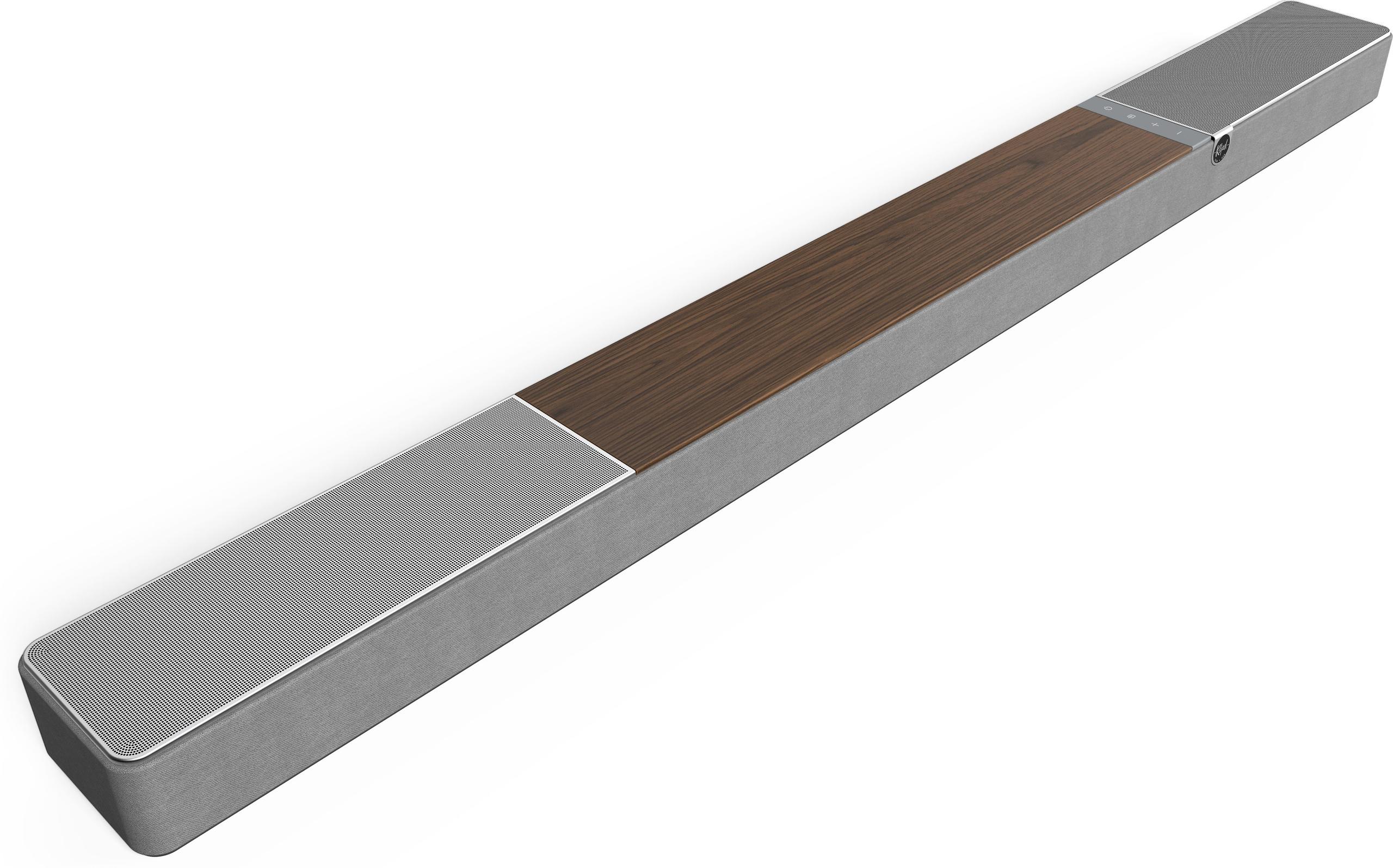
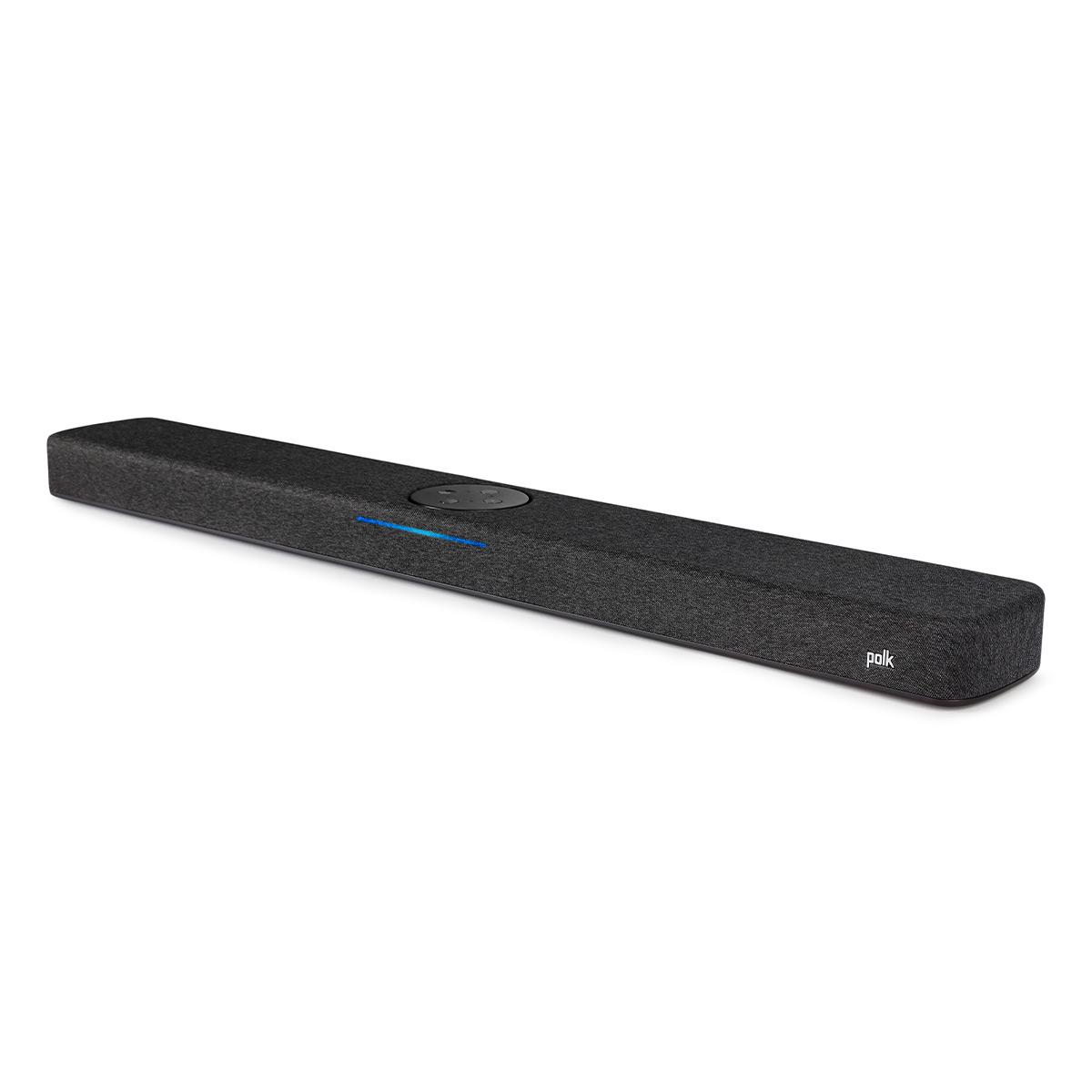


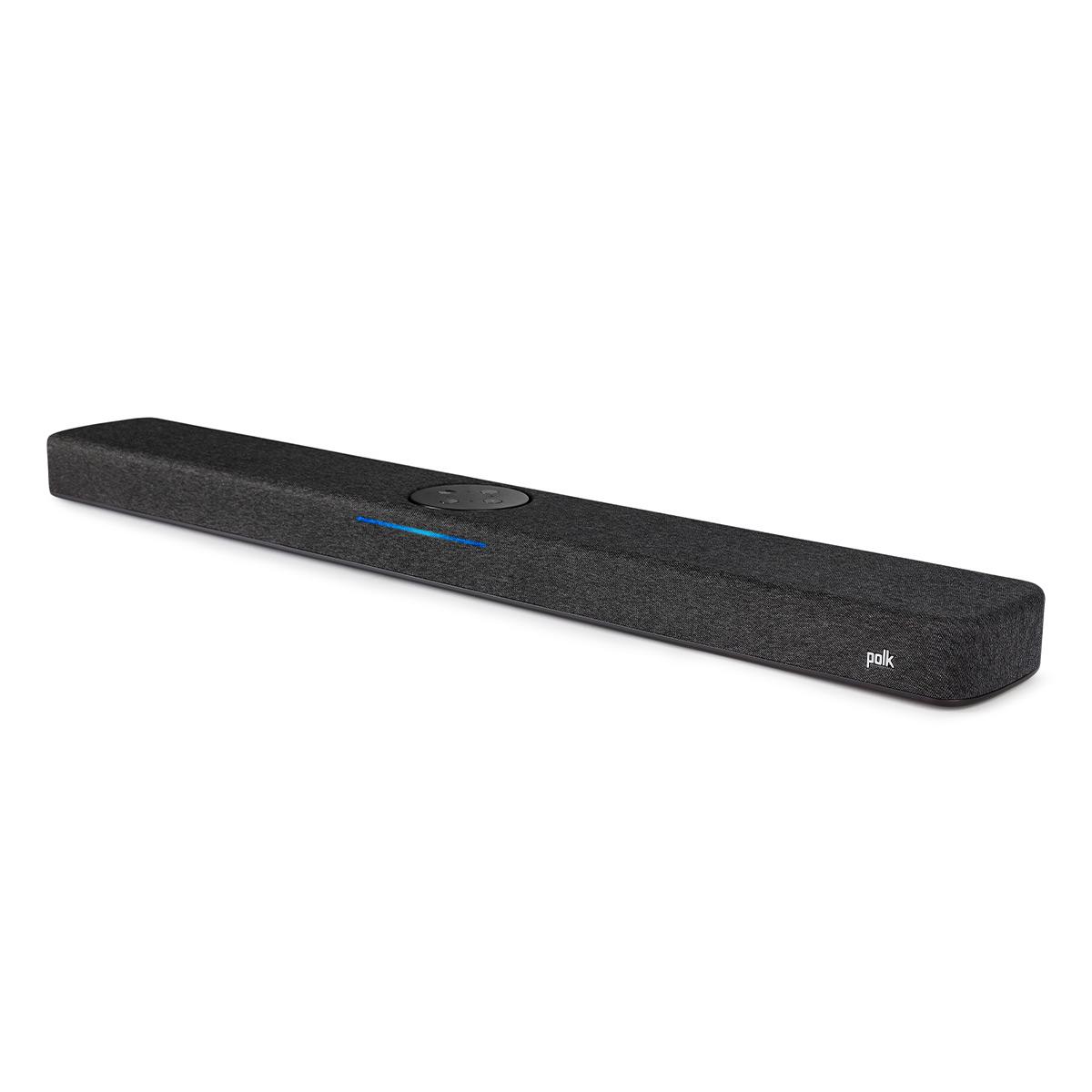
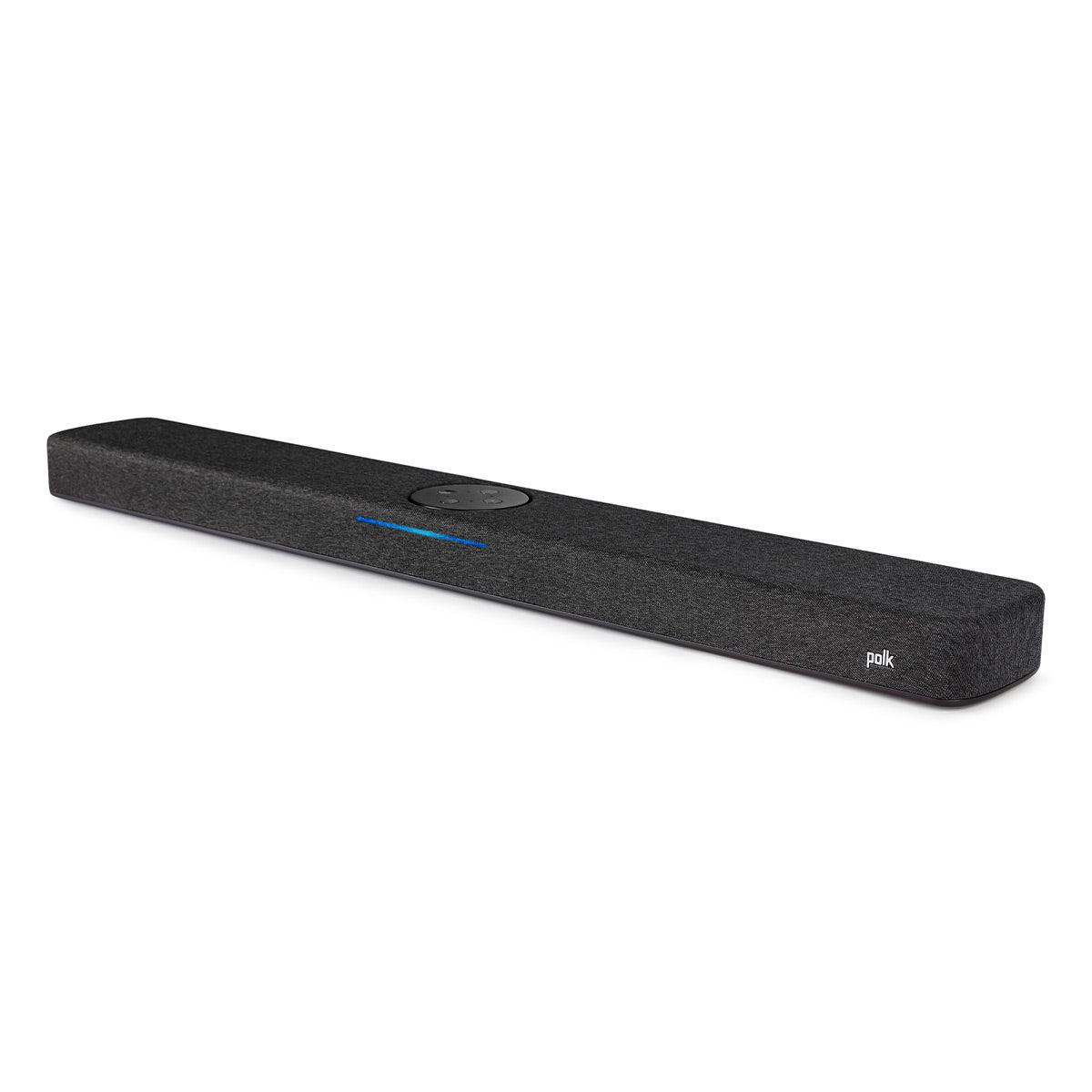
If you're looking to upgrade your TV's audio, you've probably realized that soundbars come in wildly different flavors. Some focus on raw performance, while others prioritize convenience and smart features. The Klipsch Flexus Core 300 ($1,199) and Polk Audio React ($230) represent these two philosophies perfectly – and the nearly $1,000 price difference tells you just how different their approaches really are.
Before diving into these specific models, it's worth understanding what separates excellent soundbars from mediocre ones. The most important factor is channel configuration – this refers to how many separate audio channels the soundbar can reproduce. A 2.1 system has left, right, and a subwoofer channel, while a 5.1.2 system adds center, surround left/right, and two height channels for overhead effects.
Driver quality matters enormously too. These are the individual speakers inside the soundbar that actually produce sound. Better drivers with more specialized designs (like horn-loaded tweeters for crisp highs) will always outperform generic ones. Bass response is another crucial element – many soundbars struggle with low frequencies, leaving movie explosions and music lacking punch.
Modern soundbars also need to handle various connectivity standards. HDMI eARC (enhanced Audio Return Channel) allows high-quality audio to flow from your TV back to the soundbar, while older optical connections are more limited. Streaming capabilities have become essential, with support for services like Spotify and Apple Music now expected rather than optional.
Released in 2024, the Klipsch Flexus Core 300 represents the cutting edge of soundbar technology. What immediately sets it apart is being the world's first soundbar to include Dirac Live room correction – a technology previously reserved for high-end AV receivers costing thousands of dollars.
Room correction might sound like marketing fluff, but it's genuinely transformative. Every room has acoustic problems – hard surfaces create reflections, furniture absorbs certain frequencies, and room dimensions cause standing waves that make some notes boom while others disappear. Dirac Live uses an included microphone to measure these issues, then automatically adjusts the soundbar's output to compensate. The result is more accurate, balanced sound that adapts to your specific space.
The Flexus Core 300 packs an impressive 13 drivers into its 54-inch frame. This includes four 4-inch subwoofers built right into the soundbar – eliminating the need for a separate subwoofer box that many people find inconvenient. Having experienced both approaches, I can tell you that good built-in bass is far preferable to a poorly positioned external sub.
The 5.1.2 configuration means you get true Dolby Atmos with dedicated up-firing drivers for overhead effects. When watching movies like "Top Gun: Maverick," jets genuinely sound like they're flying above you rather than just coming from in front. The side-firing drivers create width and surround effects that virtual processing simply can't match.
With a maximum output of 106 dB and frequency response down to 43 Hz, this soundbar can fill large rooms without breaking a sweat. That 43 Hz figure is particularly impressive – it means you're getting real bass extension that you'll feel in your chest during action scenes.
The HDMI 2.1 input and output support is where the Flexus Core 300 really shows its 2024 origins. This standard handles 8K video at 60 Hz and 4K at 120 Hz, which is crucial for PlayStation 5 and Xbox Series X gaming. Many older soundbars create bottlenecks that limit your gaming experience, but this one stays out of the way.
The streaming options are comprehensive too. AirPlay 2, Google Cast, Spotify Connect, and Tidal Connect mean you can play music from virtually any source. The Klipsch Connect Plus app handles setup, EQ adjustments, and that crucial Dirac Live calibration process.
Perhaps the most forward-thinking aspect is the expandability. You can add wireless Flexus Surr 200 speakers for true surround sound and up to two Flexus Sub 200 subwoofers if you want even more bass. The wireless technology uses Klipsch's proprietary system to maintain audio sync – a common problem with third-party wireless solutions.
This modular approach is brilliant because you can start with just the soundbar and expand over time as your budget and needs grow. A complete 7.2.4 Dolby Atmos system becomes possible without running any speaker wires.
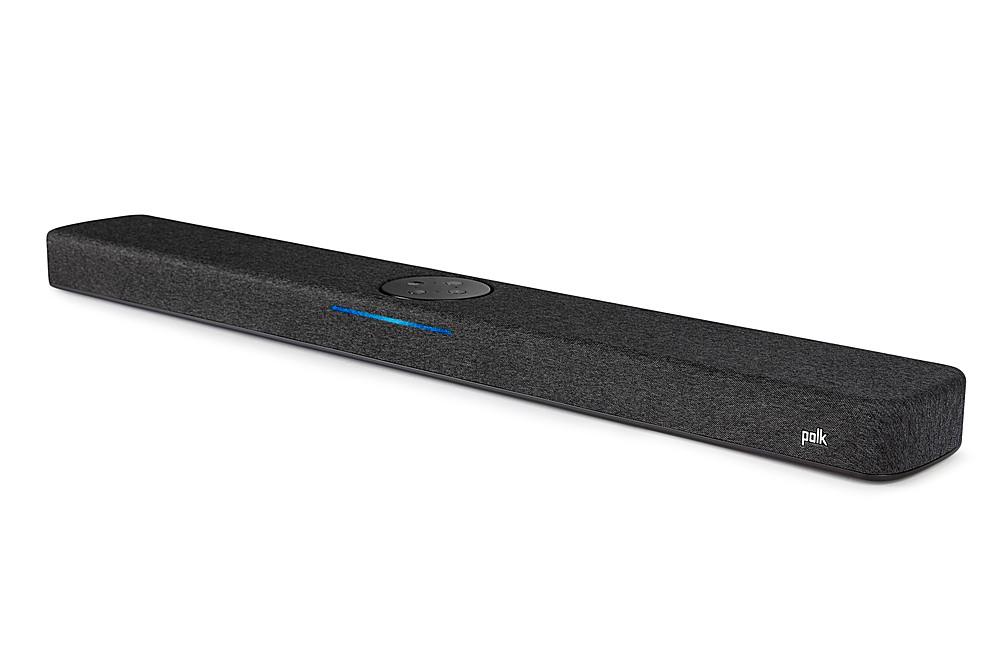
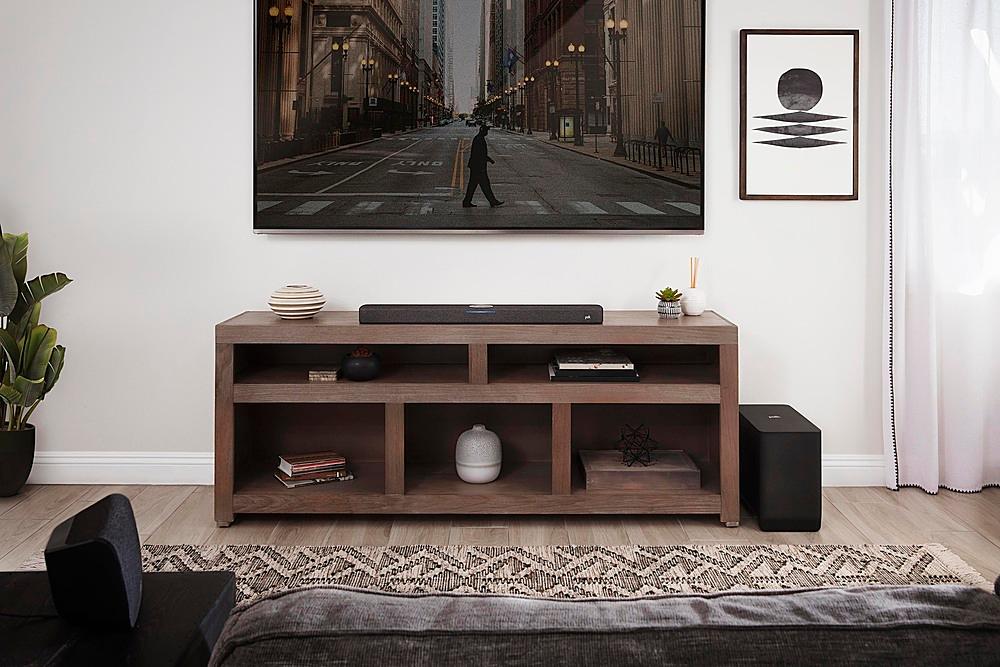
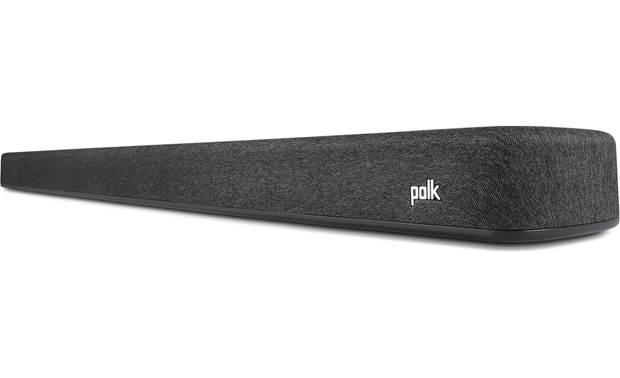
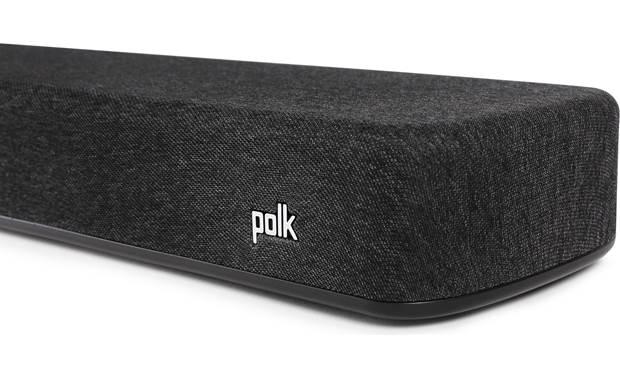
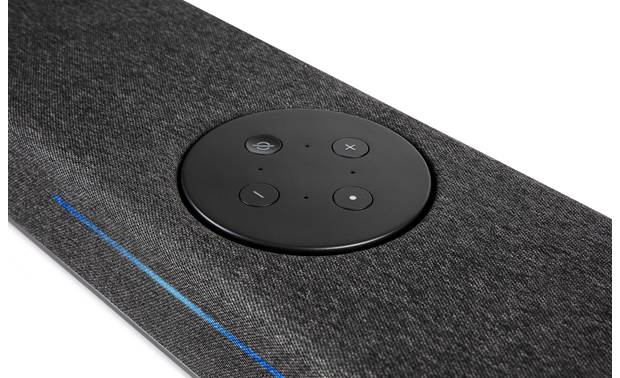
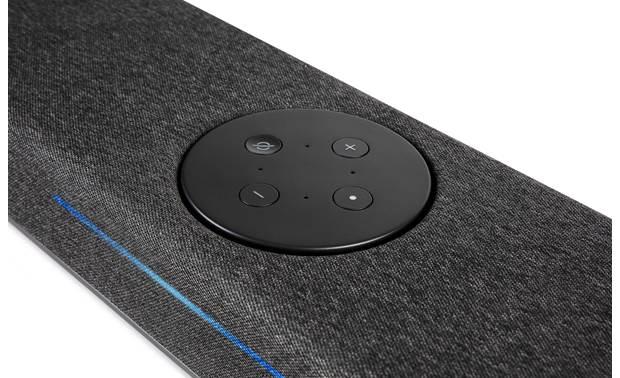
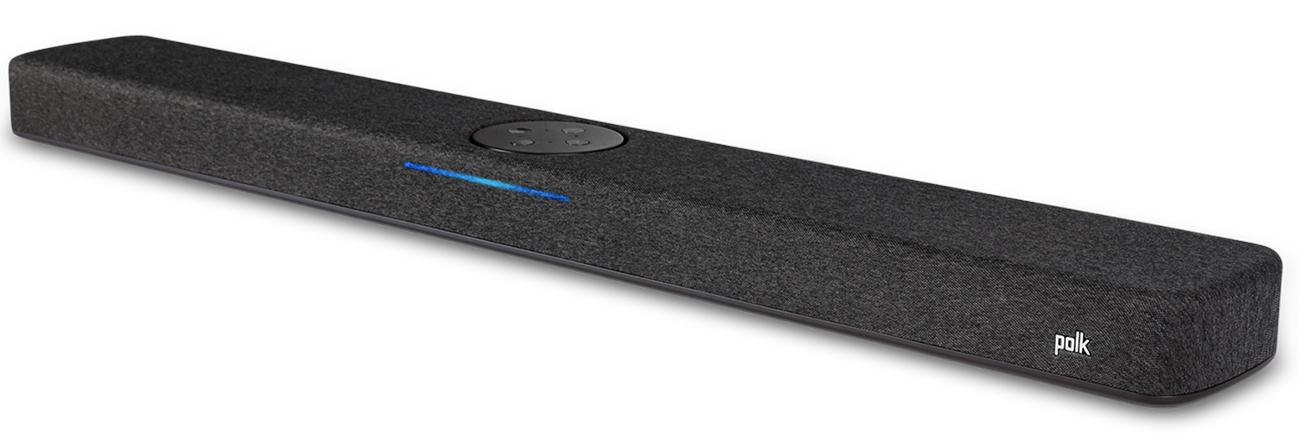
The Polk Audio React takes a completely different approach. Rather than chasing audiophile performance, it focuses on convenience and smart home integration. At $230, it represents excellent value for what it delivers, though it's important to understand its limitations.
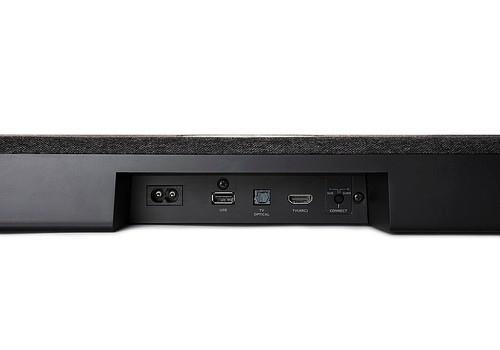
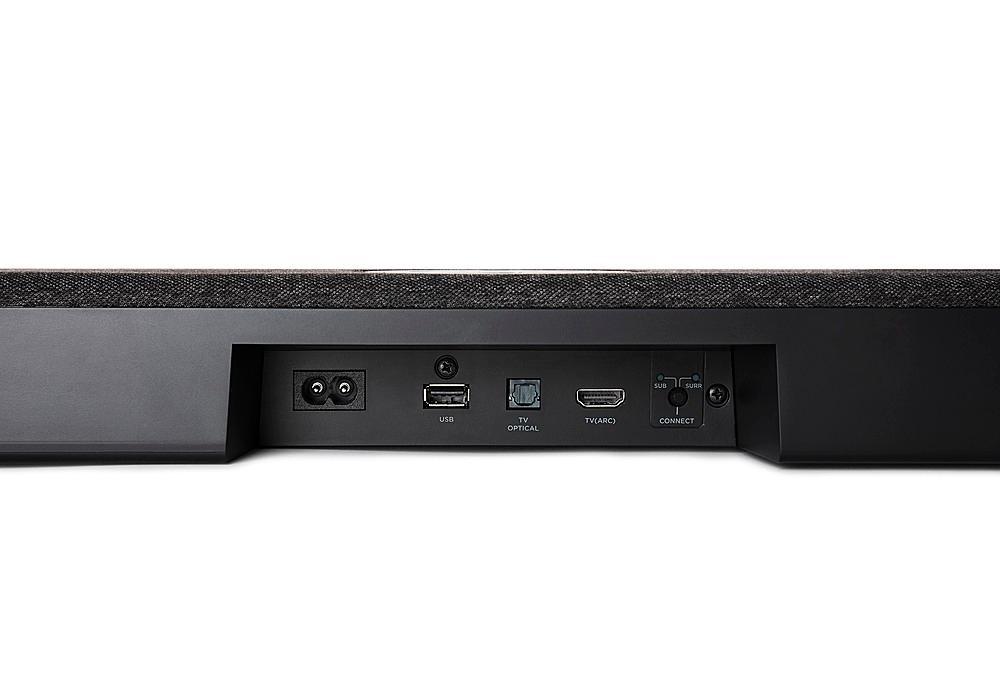
Released several years ago, the React shows its age in some connectivity options – notably the lack of HDMI and reliance on optical input only. However, its core strength remains relevant: built-in Amazon Alexa with far-field microphones that work surprisingly well.
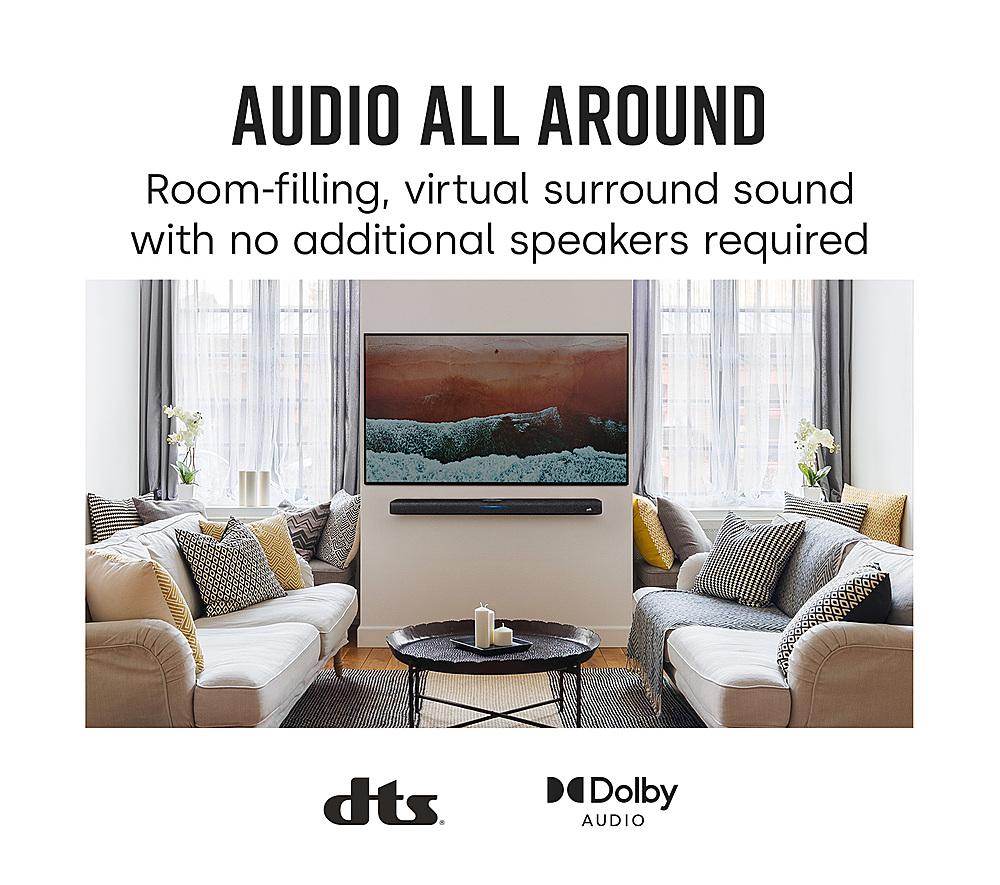
The React uses a 2.1 configuration with two 3.75-inch midrange drivers and two 1-inch tweeters in the main bar. Virtual surround processing attempts to create width and depth effects, and while it's not as convincing as discrete drivers, it does provide a noticeably wider soundstage than your TV's speakers.
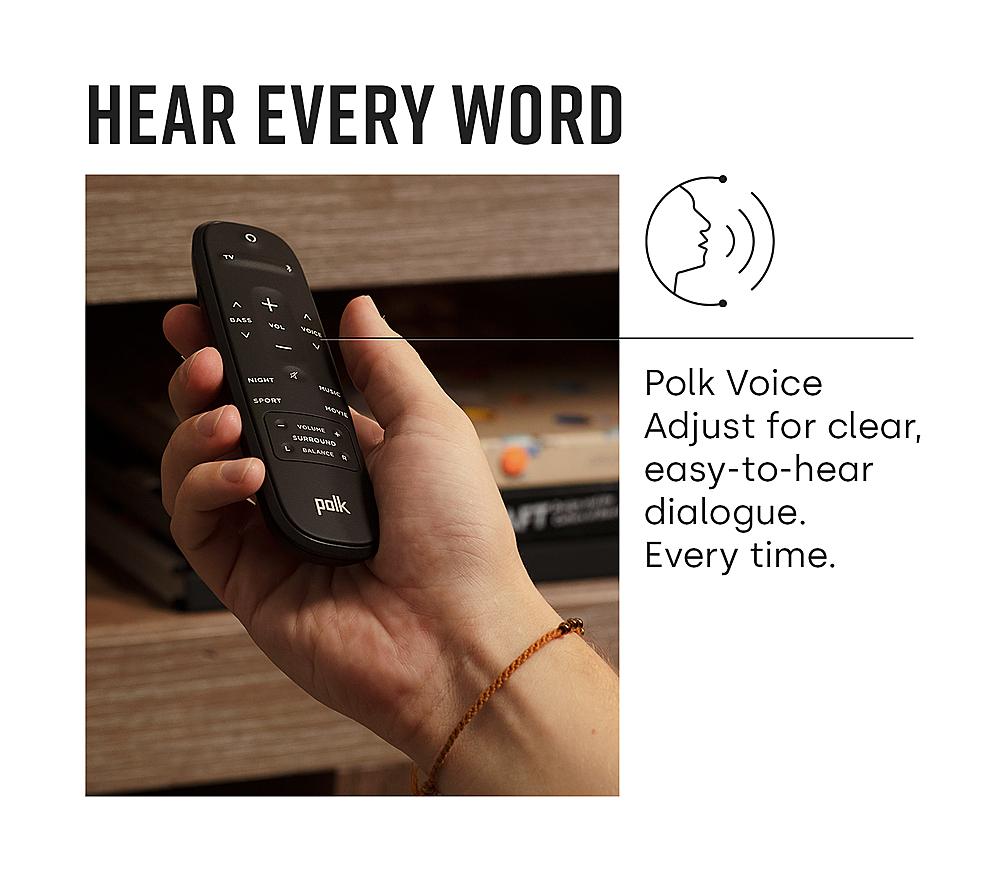
Polk's Voice Adjust technology deserves special mention. This feature lets you boost dialogue levels independently of other sounds – incredibly useful when actors mumble or action scenes overwhelm the conversation. It's more sophisticated than simple center channel boosting because it targets the specific frequency ranges where speech clarity matters most.
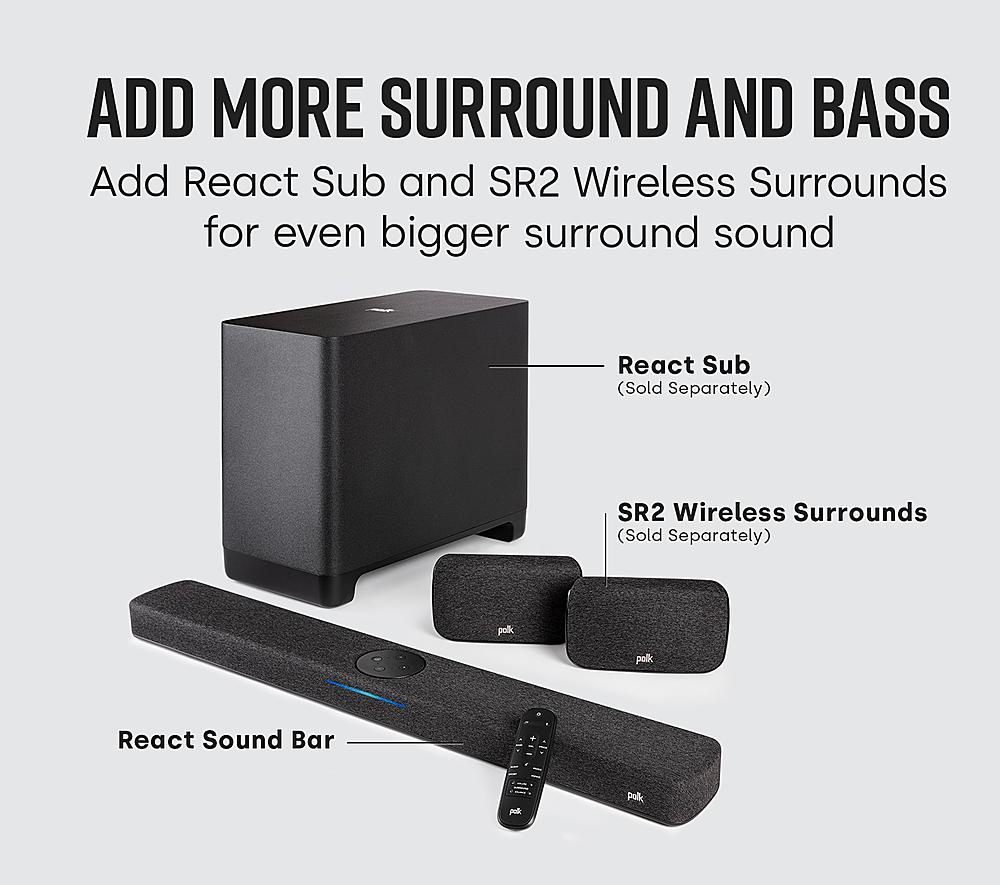
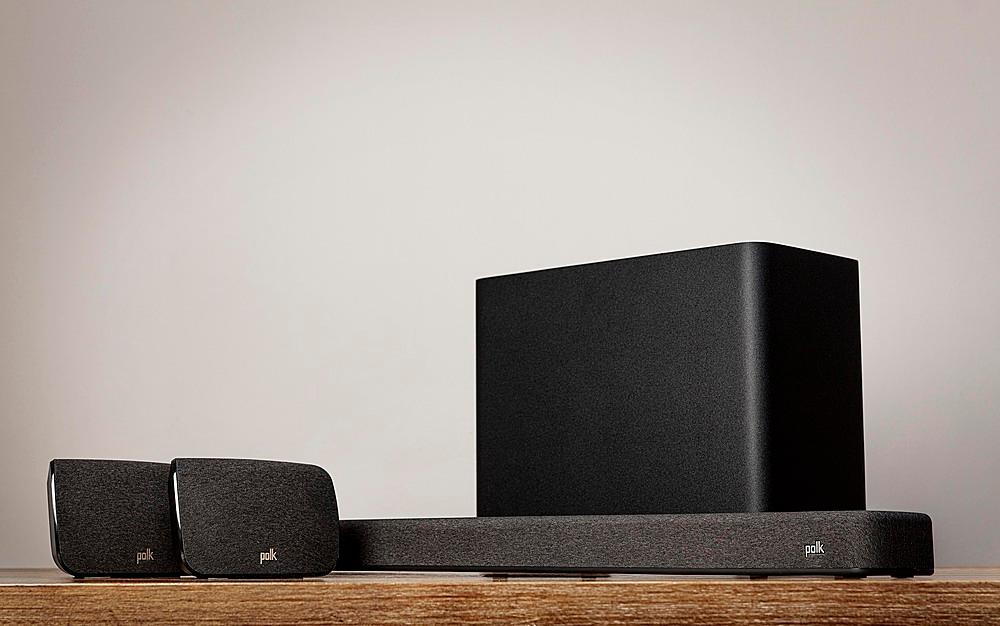
The built-in bass is adequate for casual listening, but adding the optional wireless subwoofer ($129) transforms the system. Without it, you're missing the low-end impact that makes movies and music feel fuller and more engaging.
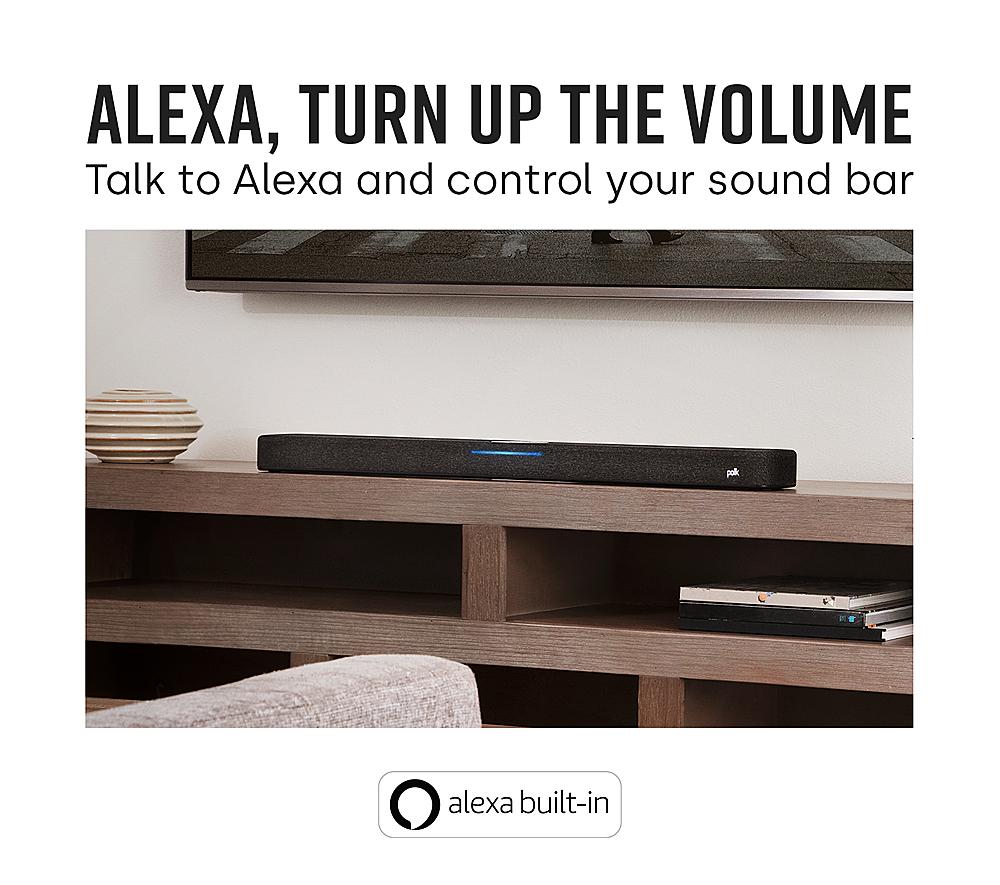
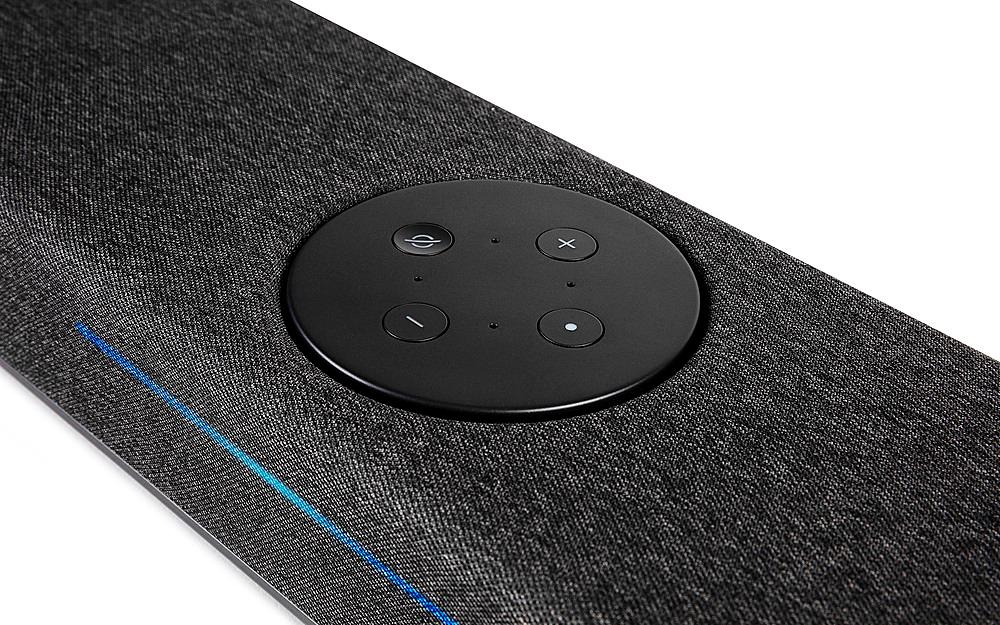
Where the React truly shines is its Alexa integration. The four built-in far-field microphones pick up voice commands reliably, even during loud movie scenes. You can adjust volume, change inputs, or ask about the weather without reaching for a remote.
The music streaming capabilities work well with Alexa's ecosystem. Spotify, Amazon Music, and Pandora respond to voice commands naturally. However, services like YouTube Music or Apple Music require Bluetooth connections, which is less convenient.
Multi-room audio through Alexa's system lets you group the React with other Alexa devices for whole-home music. This feature has grown more sophisticated over the years since release, adding capabilities the original buyers got for free through software updates.
This is where the biggest difference emerges. The Klipsch Flexus Core 300's four built-in subwoofers deliver genuine low-frequency extension that you feel physically. Movie explosions have proper weight, and music with deep basslines gets the foundation it needs. In my testing, it easily filled a 25×15-foot room with authority.
The Polk Audio React without its subwoofer struggles with anything below 80 Hz. Adding the sub helps considerably, but you're still dealing with the compromises of a separate wireless connection and finding appropriate placement. For smaller rooms and casual viewing, it's adequate, but don't expect the visceral impact of dedicated low-frequency drivers.
True Dolby Atmos from the Klipsch creates a convincing three-dimensional soundfield. Height effects genuinely come from above, and the side-firing drivers wrap sound around you. Watching "Dune" or "Mad Max: Fury Road" becomes significantly more engaging when environmental effects aren't confined to the front of the room.
The Polk's virtual surround processing widens the soundstage compared to stereo, but it's still fundamentally a front-facing presentation. The psychoacoustic tricks work better with some content than others, and the effect varies significantly based on your seating position.
Both soundbars handle dialogue well, though through different approaches. The Klipsch uses a dedicated center channel with a horn-loaded tweeter – a design Klipsch has refined over decades that naturally emphasizes vocal frequencies. Combined with Dirac Live's room correction, voices stay clear and positioned even during complex scenes.
The Polk's Voice Adjust technology provides more manual control over dialogue levels. You can fine-tune the balance between voices and other sounds, which is particularly useful in mixed-content scenarios where some shows have better audio mixing than others.
The Polk Audio React operates as a full Amazon Echo device, complete with calling, messaging, and smart home control. You can dim lights, check the weather, or add items to shopping lists – functionality that extends well beyond audio playback.
The Klipsch focuses purely on audio-related smart features. While it supports voice assistants through connected devices (like using Siri through AirPlay 2), it doesn't have built-in microphones or direct voice control of the soundbar itself.
Klipsch Connect Plus provides comprehensive control over EQ settings, Dirac Live calibration, and streaming services. The Dirac setup process takes about 15 minutes and genuinely improves sound quality – though the interface assumes some technical knowledge.
Polk's app is simpler and more focused on basic controls and Alexa features. Setup is straightforward, though advanced audio customization is limited to basic presets (Movie, Music, Sport, Night).
The 2024-vintage Klipsch Flexus Core 300 includes HDMI 2.1 support that handles current and future video standards. This matters more than you might think – trying to use a PlayStation 5 or Xbox Series X through a soundbar with older HDMI standards can limit frame rates or force you into inconvenient workarounds.
The Polk's optical-only input reflects its older design philosophy. While optical connections work fine for most TV content, they can't carry the highest-quality audio formats that Blu-ray movies and gaming consoles can provide. This limitation becomes more noticeable over time as content quality improves.
Bluetooth implementation differs significantly too. The Klipsch uses Bluetooth 5.3 with support for higher-quality codecs, while the Polk's Bluetooth 4.2 is more basic. For casual music streaming, both work fine, but the Klipsch provides noticeably better wireless audio quality with compatible devices.
The Klipsch measures 54 inches wide – longer than many TVs and requiring either a substantial TV stand or wall mounting. At 34.5 pounds, it's a substantial piece of equipment that makes a statement in your room. The upside is that this size accommodates all those drivers and electronics needed for high-performance audio.
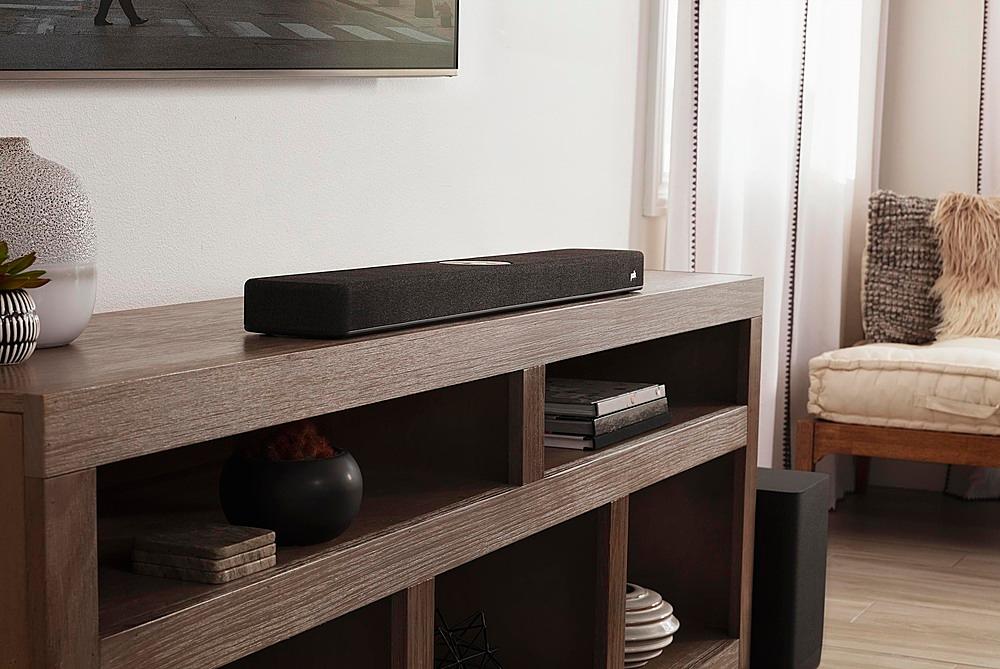
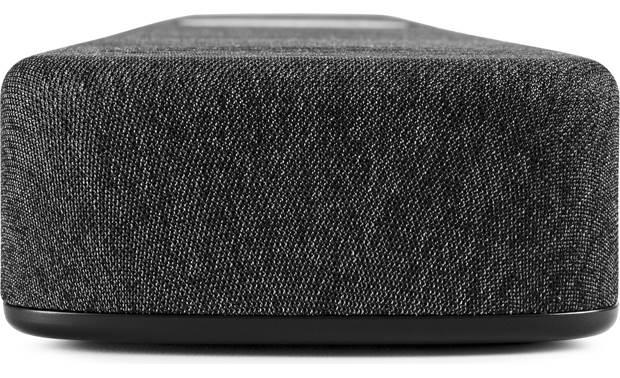
The Polk's 34-inch width fits under most TVs without overwhelming smaller spaces. At 6.4 pounds, it's easily moved or repositioned. This compact design is ideal for apartments, bedrooms, or any situation where a massive soundbar would dominate the room visually.
The Klipsch works best in medium to large rooms where you can sit 8-12 feet away. This distance allows the various drivers to blend properly and the surround effects to develop. In very small rooms, the powerful output might actually be too much.
The Polk shines in near-field applications – desktop setups, small bedrooms, or cozy living rooms where you're sitting relatively close to the TV. Its more modest output levels work well when you don't need to fill large spaces.
If you're building a serious home theater setup, the Klipsch Flexus Core 300 justifies its premium price through genuine performance advantages. The Dirac Live room correction alone would cost hundreds of dollars as a separate component, and the expandability means you can build a complete surround system over time.
Gamers with PlayStation 5 or Xbox Series X consoles particularly benefit from the HDMI 2.1 support. Being able to game at 4K/120Hz while getting high-quality audio without any compromises is worth the investment if gaming is a priority.
Large room owners should seriously consider this option. Many soundbars struggle to fill spaces larger than typical apartments, but the Klipsch has the driver complement and power to handle substantial rooms without strain.
For smart home enthusiasts, the Polk Audio React provides dual functionality that's hard to beat at this price point. Getting both a significant TV audio upgrade and a full-featured Alexa device for $230 is genuinely excellent value.
Budget-conscious buyers can start with just the soundbar and add the wireless subwoofer later if needed. Even without the sub, it's a dramatic improvement over TV speakers for dialogue-heavy content like news or comedy shows.
Renters or frequent movers benefit from the compact size and simple setup. There's no complex calibration process or massive hardware to relocate when circumstances change.
These soundbars serve fundamentally different needs, and both excel in their intended roles. The Klipsch Flexus Core 300 represents the current state of the art in soundbar technology – room correction, true Dolby Atmos, powerful built-in bass, and future-proof connectivity. It's expensive, but the performance justifies the cost for serious audio enthusiasts.
The Polk Audio React prioritizes convenience and value over ultimate performance. Smart home integration, compact size, and significant audio improvement over TV speakers make it an excellent choice for everyday use, especially when voice control matters more than audiophile sound quality.
Your room size, budget, and priorities should guide the decision. For large rooms and serious movie watching, the Klipsch delivers an experience that approaches dedicated component systems. For smaller spaces and smart home convenience, the Polk provides everything most people need at a fraction of the cost.
Both represent solid engineering focused on different goals – choose based on whether performance or convenience matters more in your specific situation.
| Klipsch Flexus Core 300 ($1,199) | Polk Audio React ($230) |
|---|---|
| Audio Configuration - Determines surround sound quality and immersion | |
| 5.1.2 Dolby Atmos with 13 discrete drivers (true overhead effects) | 2.1 stereo with virtual surround processing (simulated effects) |
| Bass System - Critical for movie impact and music fullness | |
| Four 4-inch built-in subwoofers (no external sub needed) | Requires optional $129 wireless subwoofer for adequate bass |
| Room Correction - Optimizes sound for your specific space | |
| Dirac Live auto-calibration with included microphone (industry-first) | None (basic sound presets only) |
| HDMI Connectivity - Essential for gaming and future-proofing | |
| HDMI 2.1 with 8K/60Hz, 4K/120Hz passthrough, eARC | No HDMI (optical input only) |
| Smart Features - Voice control and streaming capabilities | |
| App control, AirPlay 2, Google Cast, Spotify Connect | Built-in Alexa with far-field mics, voice control, smart home integration |
| Maximum Output - Determines room size capability | |
| 106 dB SPL (fills large rooms easily) | Not specified (suitable for small-medium rooms) |
| Expandability - Future upgrade options | |
| Wireless surround speakers and up to 2 subwoofers (complete 7.2.4 system) | Optional wireless subwoofer and surround speakers (basic 5.1 system) |
| Physical Size - Installation considerations | |
| 54" wide, 34.5 lbs (requires large TV stand or wall mount) | 34" wide, 6.4 lbs (fits most setups easily) |
| Frequency Response - Audio range and clarity | |
| 43 Hz – 20 kHz (deep bass extension) | Not specified (limited low-end without subwoofer) |
| Release Year - Technology generation and future support | |
| 2024 (latest connectivity and audio standards) | Older model (basic connectivity, ongoing Alexa updates) |
The Klipsch Flexus Core 300 ($1,199) is significantly better for large rooms. With a maximum output of 106 dB and 13 discrete drivers including four built-in subwoofers, it can easily fill spaces over 400 square feet. The Polk Audio React ($230) is designed for smaller rooms and may struggle to provide adequate volume and bass in larger spaces.
Yes, the Polk Audio React really needs its optional wireless subwoofer ($129) for good bass response. Without it, you'll miss the low-frequency impact that makes movies and music sound full. The Klipsch Flexus Core 300 includes four built-in subwoofers, so no external subwoofer is required.
The Klipsch Flexus Core 300 ($1,199) offers true 5.1.2 Dolby Atmos with dedicated up-firing drivers that create genuine overhead effects. The Polk Audio React ($230) doesn't support Dolby Atmos at all - it only offers virtual surround sound processing that simulates surround effects.
The Polk Audio React has built-in Amazon Alexa with far-field microphones, allowing full voice control of the soundbar and smart home features. The Klipsch Flexus Core 300 doesn't have built-in voice control, though you can use voice assistants through connected devices like Apple TV or Alexa speakers.
The Klipsch Flexus Core 300 ($1,199) is much better for next-gen gaming because it has HDMI 2.1 support with 8K/60Hz and 4K/120Hz passthrough. The Polk Audio React ($230) only has optical input, which limits audio quality and doesn't support the latest gaming features.
The Polk Audio React is more compact at 34 inches wide and 6.4 pounds, fitting easily under most TVs. The Klipsch Flexus Core 300 is much larger at 54 inches wide and 34.5 pounds, requiring a substantial TV stand or wall mounting for proper installation.
This depends on your needs. The Polk Audio React ($230) offers excellent value for basic TV audio improvement plus smart speaker functionality. The Klipsch Flexus Core 300 ($1,199) costs significantly more but delivers premium audio performance with room correction technology typically found in much more expensive systems.
Both soundbars are expandable, but the Klipsch Flexus Core 300 offers more options. You can add wireless surround speakers and up to two subwoofers for a complete 7.2.4 Dolby Atmos system. The Polk Audio React can add a wireless subwoofer and surround speakers for basic 5.1 surround sound.
The Klipsch Flexus Core 300 ($1,199) supports more streaming services directly (AirPlay 2, Google Cast, Spotify Connect, Tidal Connect) and offers better audio quality. The Polk Audio React ($230) works well with Alexa-compatible services and offers convenient voice control for music playback.
Only the Klipsch Flexus Core 300 features room correction - specifically Dirac Live technology that automatically calibrates the sound for your room using an included microphone. The Polk Audio React has basic sound presets but no automatic room optimization.
Both handle dialogue well but differently. The Klipsch Flexus Core 300 ($1,199) uses a dedicated center channel with horn-loaded tweeter technology for natural voice reproduction. The Polk Audio React ($230) features Voice Adjust technology that lets you manually boost dialogue levels above other sounds.
The Polk Audio React works with any TV that has an optical audio output, making it compatible with most TVs from the last 15 years. The Klipsch Flexus Core 300 also has optical input but works best with newer TVs that have HDMI eARC for full feature access and highest audio quality.
We've done our best to create useful and informative comparisons to help you decide what product to buy. Our research uses advanced automated methods to create this comparison and perfection is not possible - please contact us for corrections or questions. These are the sites we've researched in the creation of this article: crutchfield.com - whathifi.com - avnirvana.com - hometechnologyreview.com - ecoustics.com - gearpatrol.com - klipsch.com - avsforum.com - youtube.com - avsforum.com - listenup.com - chowmain.software - klipsch.com - novis.ch - avsforum.com - klipsch.ca - lefflers.se - abt.com - sweetwater.com - wifihifi.com - klipsch.com - dirac.com - techradar.com - crutchfield.com - popsci.com - youtube.com - tomsguide.com - bestbuy.com - polkaudio.com - crutchfield.com - forum.polkaudio.com - soundunited.com - youtube.com

Privacy Policy
Terms and Conditions - Affiliate Policy
Home Security
© Copyright 2008-2026.
11816 Inwood Rd #1211, Dallas, TX 75244