

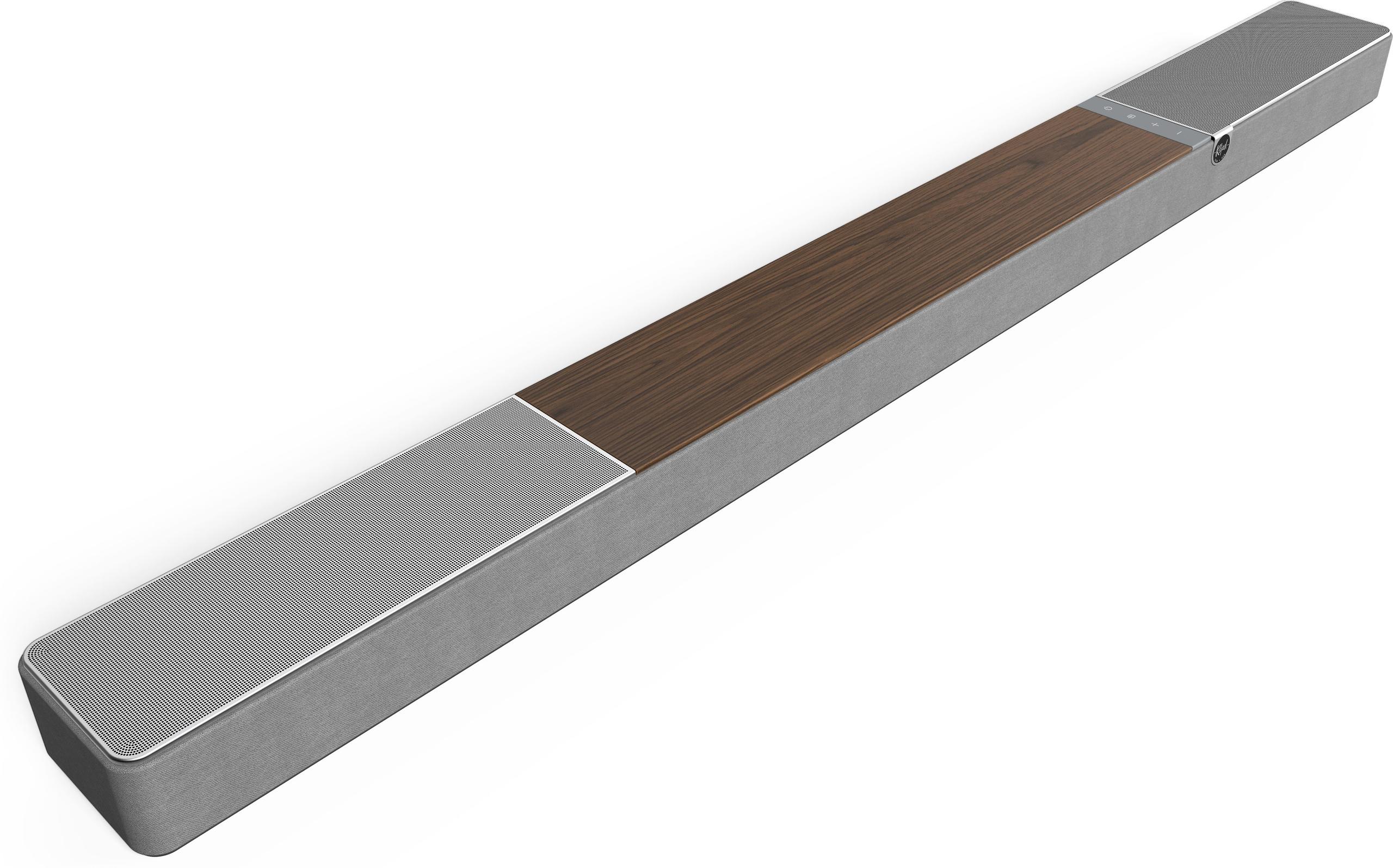
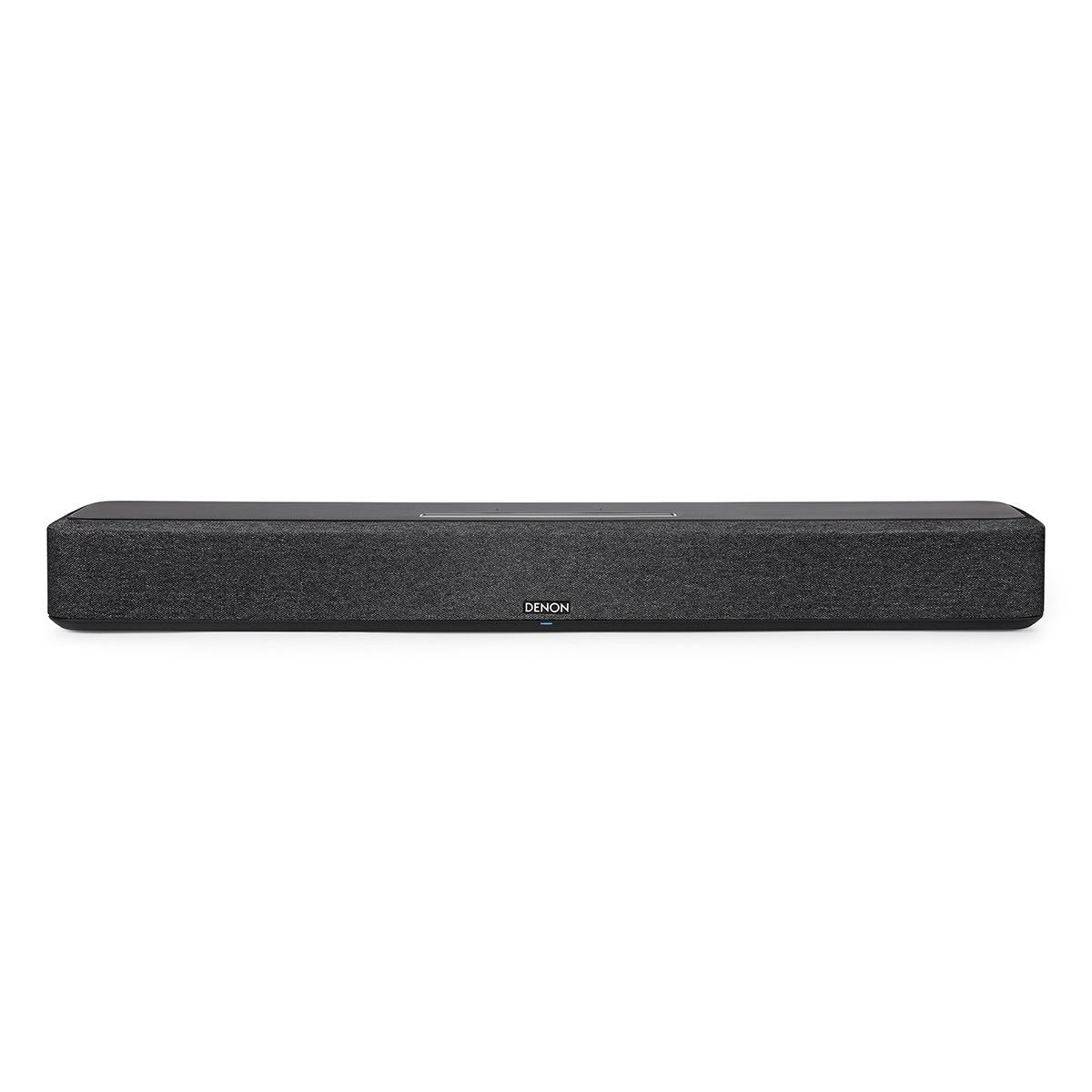

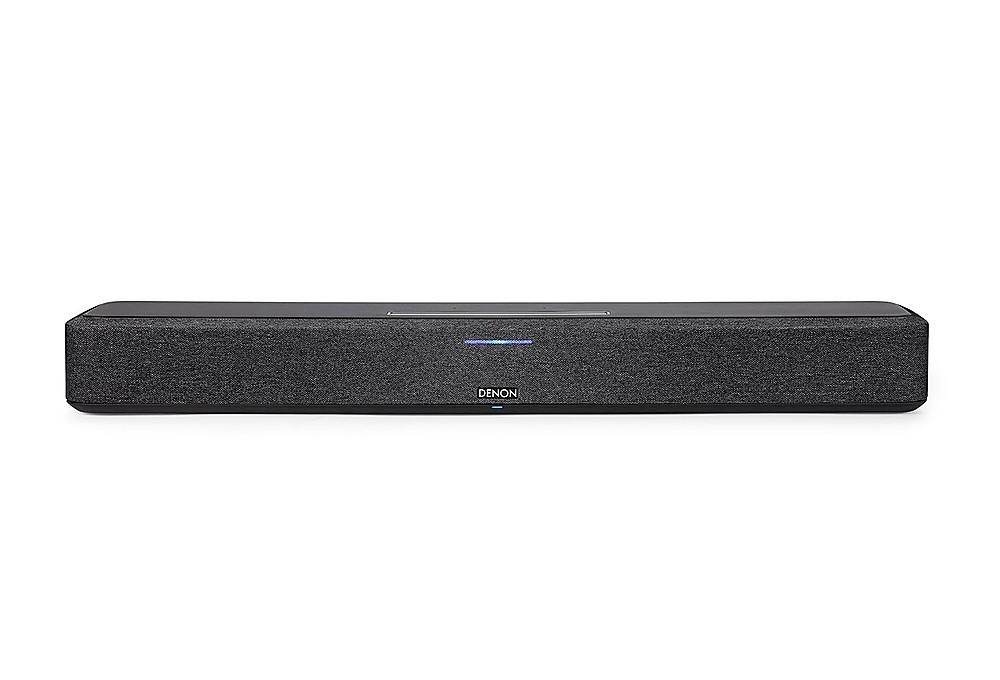
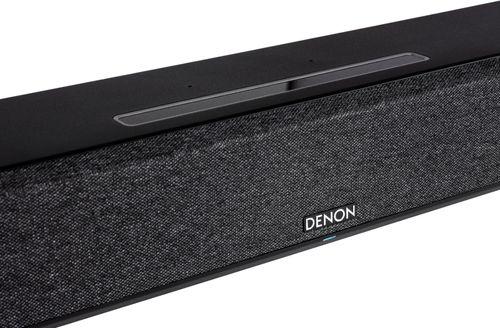
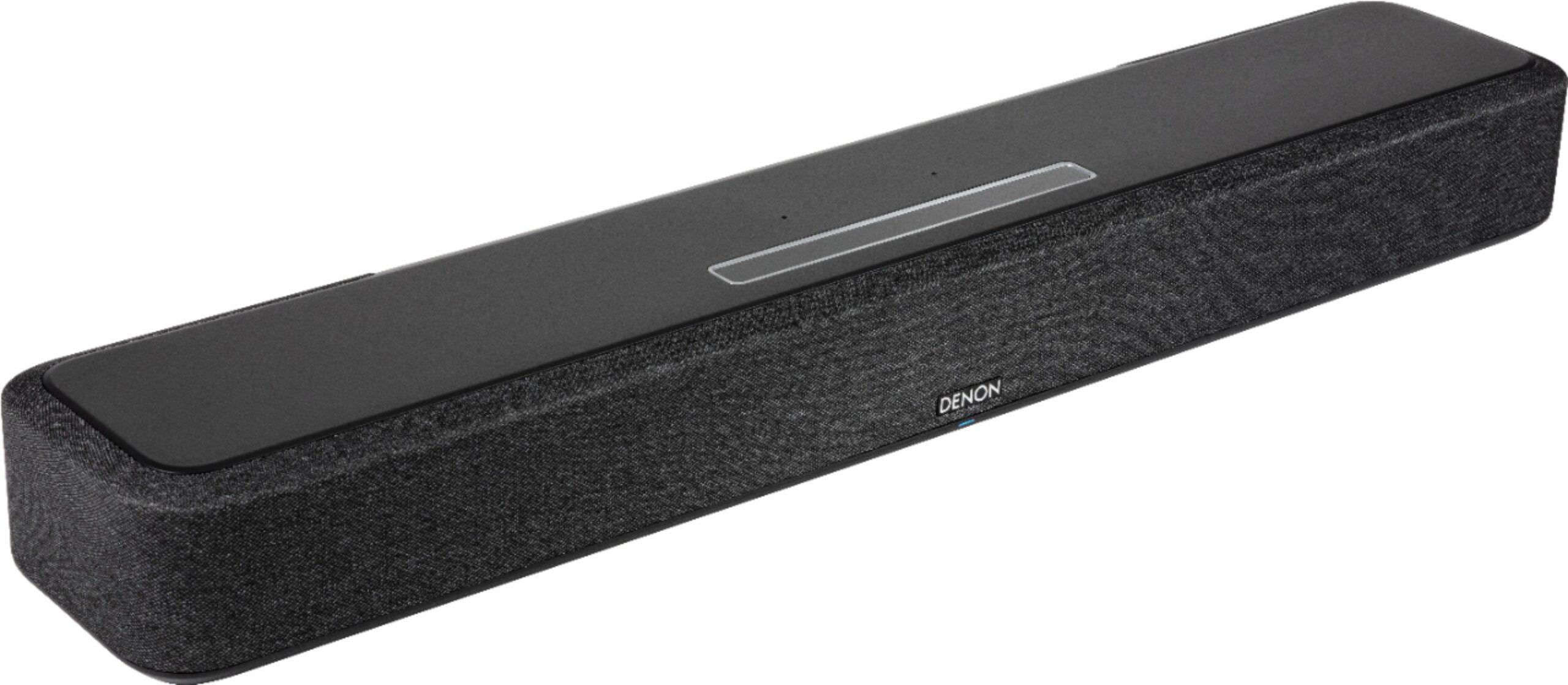
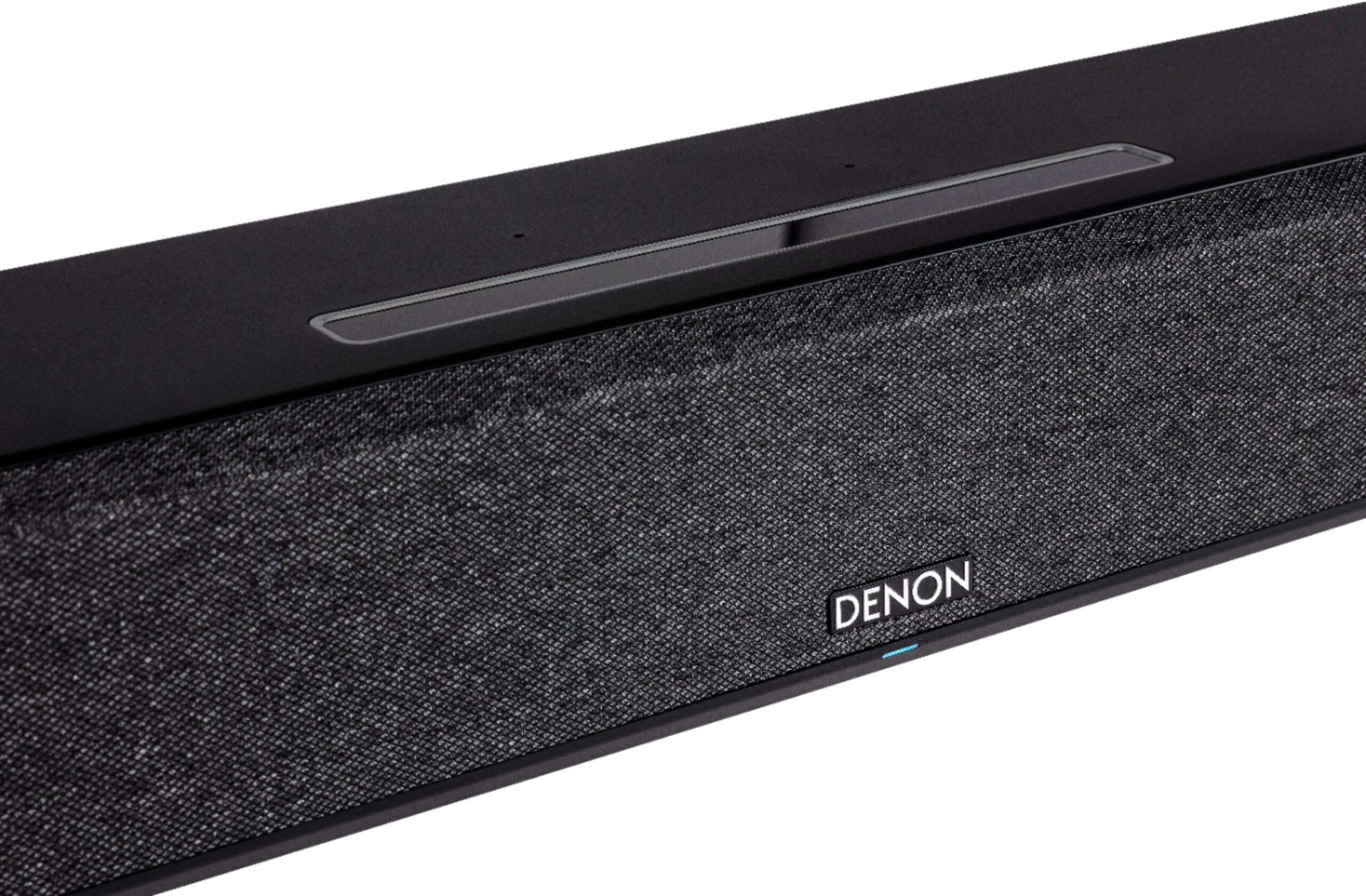

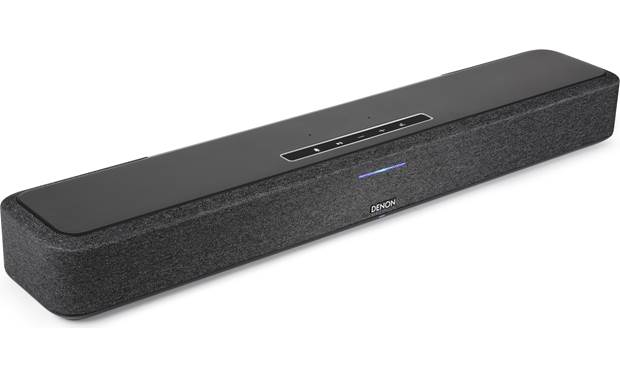
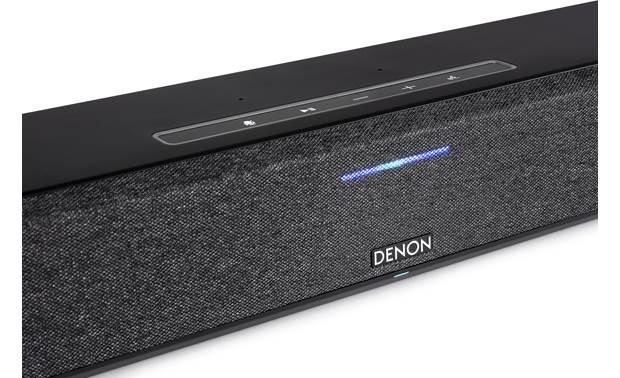
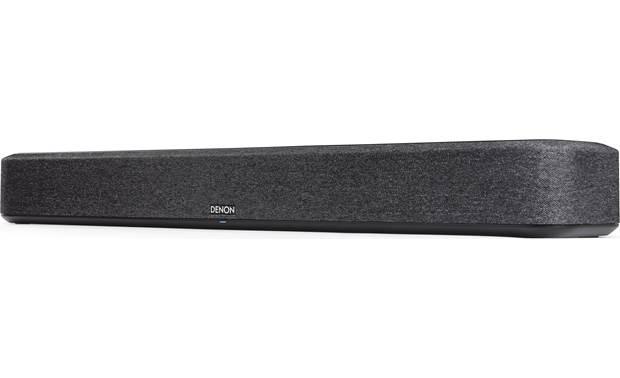
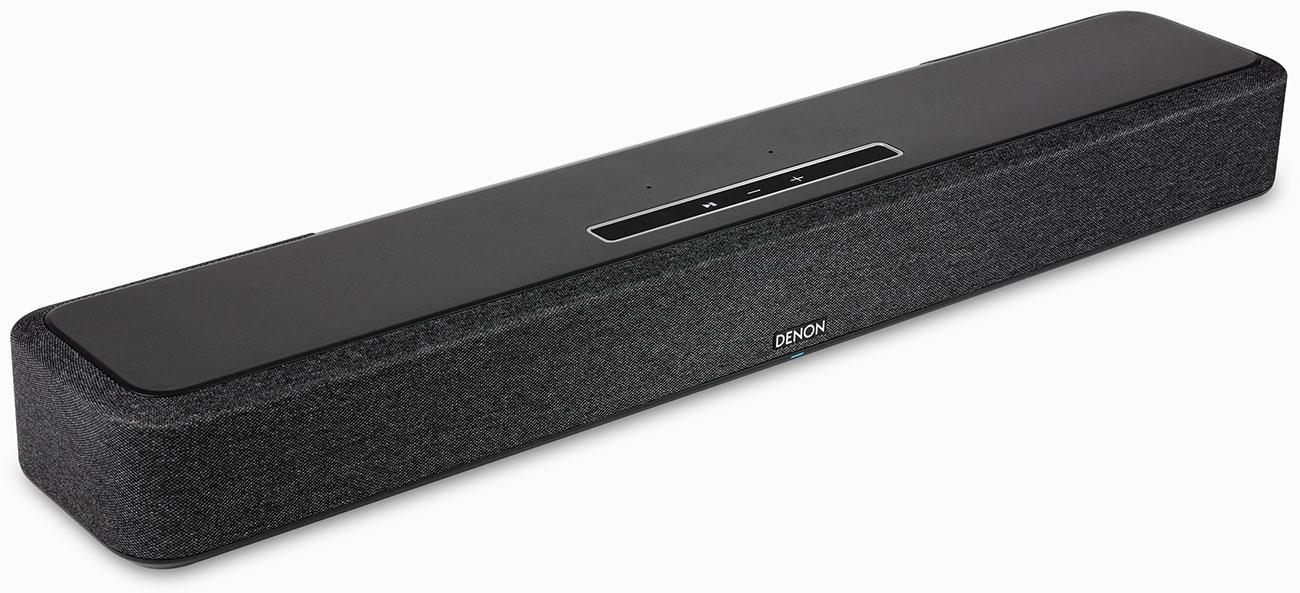
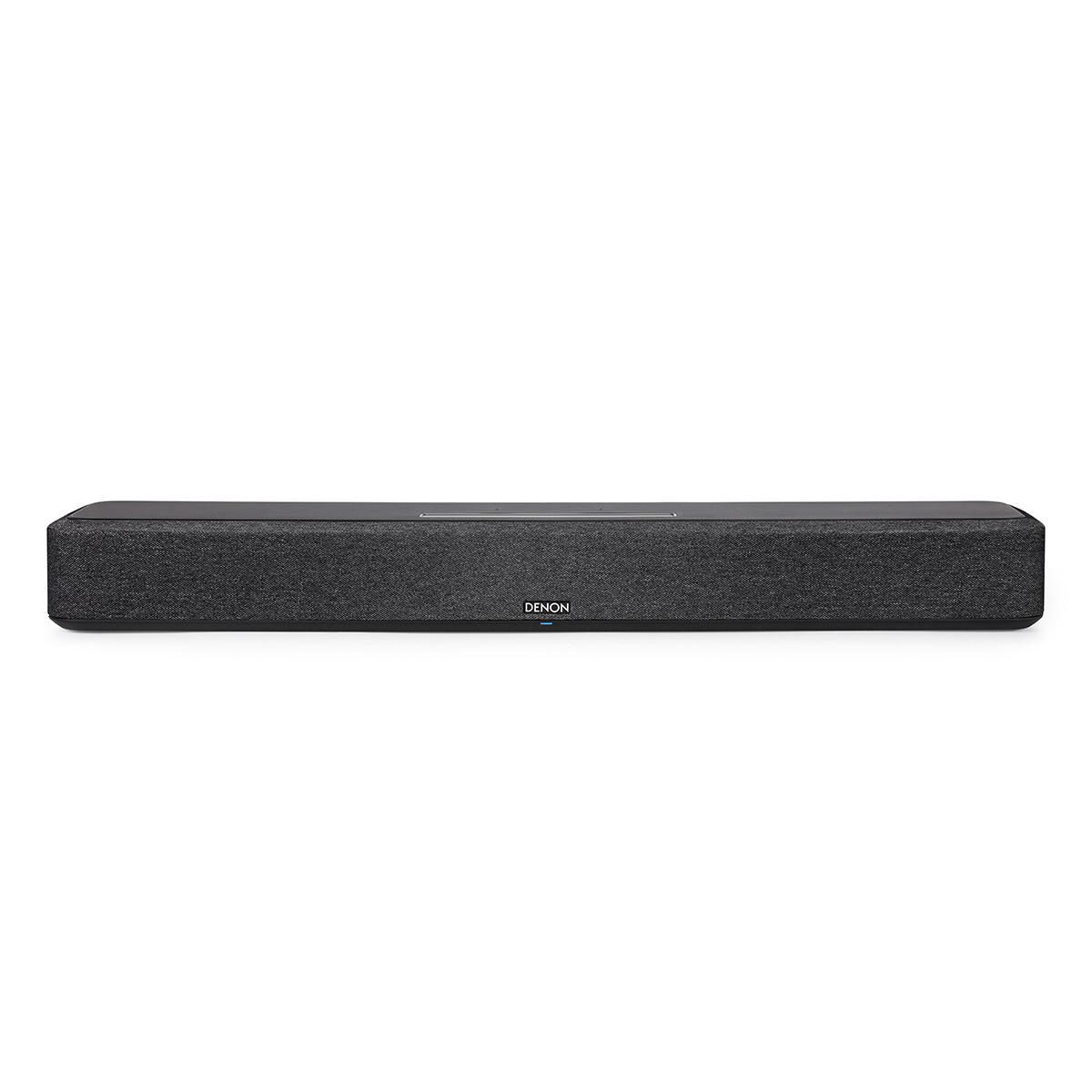
When you're ready to upgrade from your TV's built-in speakers, the world of premium soundbars can feel overwhelming. Two standout options that represent very different approaches are the Klipsch Flexus Core 300 ($1,199) and the Denon Home Sound Bar 550 ($518.50). Having spent considerable time with both systems, I can tell you they're aimed at distinctly different users, despite both delivering impressive audio improvements over basic TV speakers.
The soundbar market has exploded over the past few years, largely because people want better audio without the complexity of traditional surround sound systems. Nobody wants to run speaker wires around their living room or deal with five separate speakers scattered everywhere. But here's where it gets interesting: not all soundbars are created equal, and these two products prove that point perfectly.
Before we dive into specifics, let's talk about what separates premium soundbars from the $200 models you see at big box stores. The key difference lies in how they create surround sound and handle different types of audio content.
Basic soundbars essentially take your TV's audio and make it louder through better speakers. Premium soundbars like these two go much further – they actually decode complex surround sound formats like Dolby Atmos (which adds overhead sound effects) and DTS:X, then use various techniques to make you feel like sound is coming from all around you, not just from that bar sitting under your TV.
The Klipsch Flexus Core 300, released in mid-2024, represents what I'd call the "purist" approach. It uses actual physical speakers pointing in different directions to create true surround sound. The Denon Home Sound Bar 550, which hit the market in early 2023, takes a more "smart home" approach, using digital processing to simulate surround effects while focusing heavily on convenience features and whole-home audio integration.
The most fundamental difference between these soundbars is how they produce audio, and this affects everything else about their performance.
The Flexus Core 300 is essentially a small home theater system crammed into a single 54-inch bar. When I first unboxed it, I was struck by its weight – 35 pounds feels substantial, and there's a good reason for that bulk. Inside, Klipsch has packed 13 separate speaker drivers, each with a specific job.
Four of those drivers are actual 4-inch subwoofers built right into the soundbar. That's unusual – most soundbars rely on small ports or passive radiators (which are like speakers without magnets that vibrate sympathetically) for bass. Having real subwoofer drivers means the Klipsch can produce genuinely deep, controlled bass without needing a separate subwoofer box.
The remaining nine drivers are strategically positioned: four point forward for regular stereo sound and dialogue, two point upward to bounce sound off your ceiling for Dolby Atmos height effects, and two point sideways to create width. There's also a dedicated center channel with Klipsch's signature horn-loaded tweeter – a cone-shaped design that focuses high-frequency sounds more efficiently than regular dome tweeters.
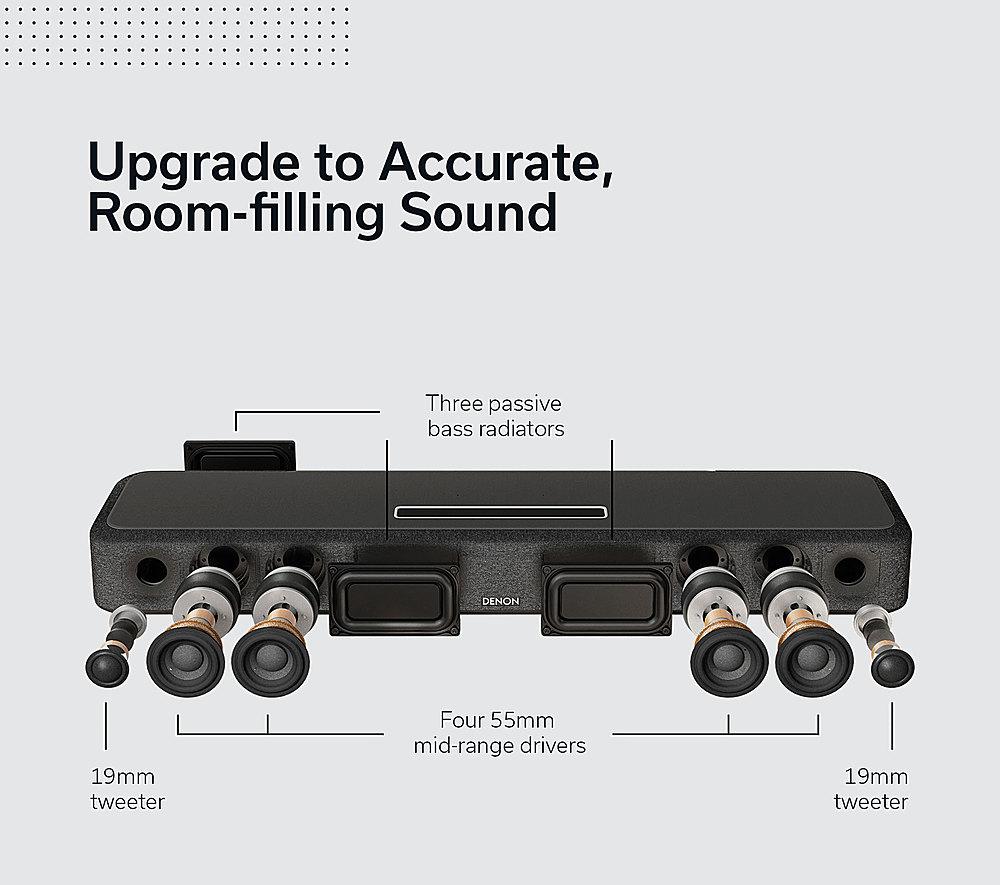
The Denon takes a completely different approach. It has just six drivers total: four full-range drivers, two tweeters, and three passive radiators for bass enhancement. Instead of physically pointing speakers in different directions, it relies on something called DTS Virtual:X processing.
This technology analyzes the audio signal and uses mathematical algorithms to modify the sound waves coming from those front-facing drivers. By carefully controlling the timing and frequency response, it tricks your brain into thinking sound is coming from above and to the sides. It's clever engineering, but it's inherently limited compared to actual physical speakers pointing where you want sound to come from.
Here's where the Klipsch Flexus Core 300 becomes genuinely revolutionary in the soundbar world. It's the first soundbar ever to include Dirac Live room correction – a technology that was previously only available in high-end AV receivers costing thousands of dollars.
Room acoustics matter enormously for audio quality. Your walls, furniture, carpet, and even the shape of your room all affect how sound waves travel and reflect. What sounds perfect in an ideal acoustic environment (like where the soundbar was designed and tested) might sound boomy, harsh, or unclear in your actual living room.
Dirac Live solves this problem by including a calibration microphone that you place at your listening position. The soundbar plays a series of test tones, and the microphone measures how those tones actually sound in your specific room. The system then creates a custom audio filter that compensates for your room's acoustic problems.
I've used Dirac Live in high-end home theater setups, and the difference is often dramatic. Bass that was previously boomy becomes tight and controlled. Dialogue that was muddy becomes crystal clear. The soundstage – that sense of width and depth in the audio – opens up significantly.
The Denon, by comparison, has only basic auto-calibration. It can make some simple adjustments, but nothing approaching the sophisticated room analysis that Dirac Live provides.
Bass reproduction is where the fundamental design differences between these soundbars become most apparent. Deep, impactful bass requires moving a lot of air, and that typically means either large drivers or a separate subwoofer.
The Klipsch Flexus Core 300's four built-in 4-inch subwoofers give it a massive advantage here. When I tested it with action movies like "Mad Max: Fury Road," the low-frequency impacts from explosions and engine sounds had genuine weight and authority. The bass doesn't just sound present – you can actually feel it, which adds enormously to the immersive experience.
More importantly, you can expand the system with up to two wireless Flexus Sub 200 subwoofers if you want even more bass impact. These connect wirelessly using Klipsch's proprietary technology, so there are no cables to run across your room.
The Denon relies on three passive radiators – essentially speaker cones without magnets that vibrate in response to the other drivers. This can produce reasonable bass extension, but it lacks the control and impact of dedicated powered subwoofers. In my testing, it handled TV shows and music reasonably well, but action movies often left me wanting more low-end presence.
One of the most common complaints about TV audio is poor dialogue clarity. Actors seem to mumble, and you constantly find yourself adjusting the volume or turning on subtitles. This happens because most TVs have no dedicated center channel – the speaker specifically responsible for dialogue reproduction.
The Klipsch addresses this with a physical center channel featuring their horn-loaded tweeter technology. Horn-loading is a design where the tweeter (high-frequency driver) sits at the throat of a horn-shaped waveguide. This focuses the sound energy more efficiently and provides better directional control, meaning dialogue literally sounds clearer and more focused.
During my testing, I could follow conversations easily even during complex movie scenes with lots of background noise and music. The horn-loaded design also means dialogue remains clear at both low and high volumes – you don't need to crank the volume to hear what people are saying.
The Denon Home Sound Bar 550 uses digital processing called Dialog Enhancement to boost speech frequencies, but without a dedicated center channel, it's fighting an uphill battle. The processing helps, but it can't match the natural clarity of a properly designed physical center channel.
Both soundbars offer extensive streaming and smart home integration, but their approaches reflect their different target audiences.
The Klipsch focuses on audio quality first, with smart features supporting that goal. It supports Apple AirPlay 2, Google Cast, Spotify Connect, Tidal Connect, and QPlay – essentially every major streaming platform. The Klipsch Connect Plus app is straightforward and focuses on audio settings, EQ adjustments, and the Dirac Live calibration process.
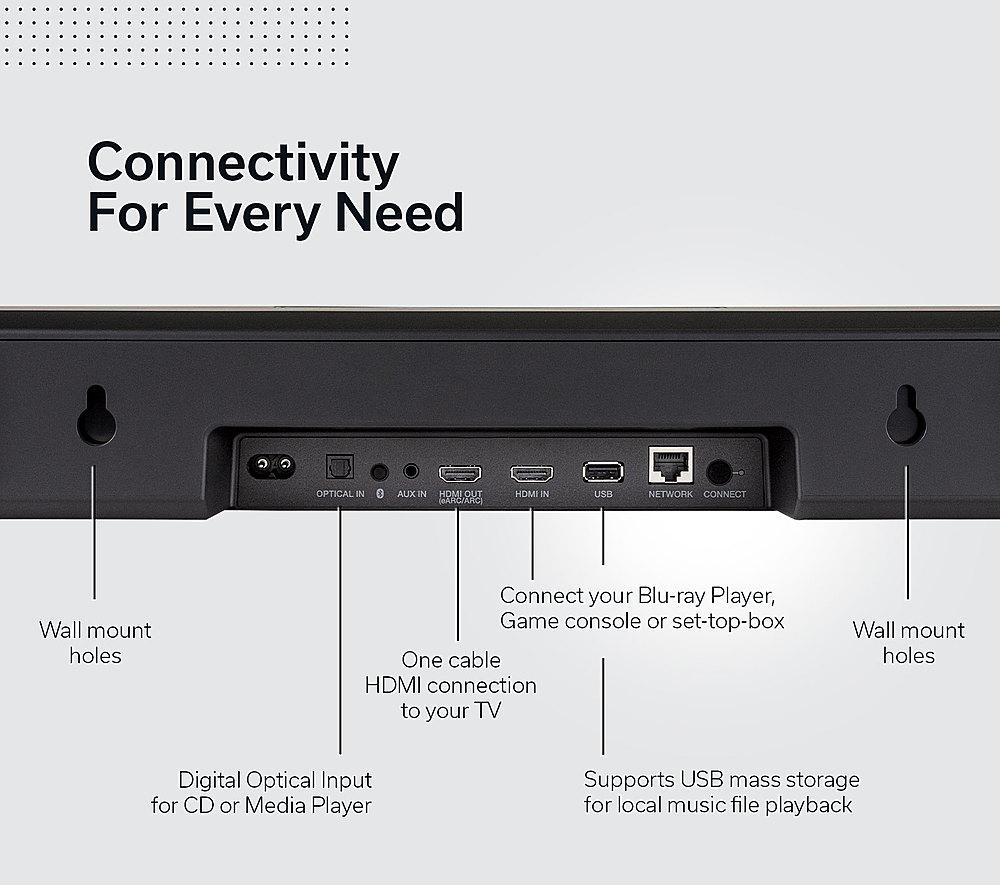
The Denon puts smart home integration front and center. It has Amazon Alexa built right in, so you can control it with voice commands without needing a separate Echo device. The HEOS platform allows seamless integration with other Denon wireless speakers throughout your home, making it easy to play the same music in multiple rooms or different music in each room.
For home theater use, I prefer the Klipsch's approach – the focus remains on audio quality with smart features as a bonus. But if you're building a whole-home audio system or rely heavily on Alexa for smart home control, the Denon's integration is genuinely convenient.
One area where the Klipsch Flexus Core 300 really shines is expandability. The entire Flexus system is designed as a modular home theater platform. You can start with just the soundbar, then add Flexus Surr 200 wireless rear speakers and up to two Flexus Sub 200 subwoofers as your budget and needs grow.
The wireless connection uses Klipsch's proprietary technology, which they claim provides lower latency (delay) than standard Bluetooth or Wi-Fi connections. In practice, this means the rear speakers stay perfectly synchronized with the soundbar, which is crucial for maintaining the illusion of surround sound.
The Denon can connect to other HEOS speakers, but these aren't specifically designed as home theater components. They're more suited for distributed audio – playing music throughout your house – rather than creating an immersive movie experience.
Having used both systems extensively in actual home theater setups, the differences become clear quickly when you're watching demanding content.
With Dolby Atmos movies like "Blade Runner 2049" or "A Quiet Place," the Klipsch Flexus Core 300 creates genuinely immersive overhead effects. The up-firing speakers bounce sound off the ceiling effectively, and combined with the side-firing drivers, you get a convincing sense of three-dimensional audio space. When aircraft fly overhead in movies, you actually hear them moving from behind you, over your head, and off into the distance.
The Denon's virtual processing can create some sense of width and height, but it's more like a good stereo system with enhanced imaging rather than true surround sound. It's pleasant and certainly better than TV speakers, but it doesn't create that "you're in the movie" feeling that proper Dolby Atmos can achieve.
For music listening, both soundbars perform well, though again with different strengths. The Klipsch's horn-loaded tweeters and multiple drivers create excellent stereo imaging and detail retrieval. Jazz recordings sound particularly good, with instruments clearly positioned in space and natural tonal balance.
The Denon sounds more typical of modern consumer audio – slightly warm and forgiving, with good overall balance but less ultimate detail and dynamics than the Klipsch.
The $680 price difference between these soundbars represents more than just features – it's really about different philosophies and long-term value.
The Klipsch at $1,199 positions itself as a long-term investment in audio quality. The Dirac Live room correction, true multi-channel design, and expandability mean you're buying a system that can grow and adapt. The technology inside – particularly the room correction – would cost thousands in a traditional AV receiver setup.
The Denon at $518.50 offers excellent value for users who prioritize convenience and smart features over ultimate audio performance. It's a significant step up from TV speakers at a price that won't break the bank, and the HEOS integration adds value if you're interested in whole-home audio.
Since the Denon launched in early 2023, soundbar technology has continued advancing rapidly. The Klipsch's 2024 release incorporates several improvements that weren't available when the Denon was designed.
The most significant is that Dirac Live integration – this technology has been available in high-end audio for years, but bringing it to soundbars required new processing power and software integration. The Klipsch also uses newer Bluetooth 5.3 versus the Denon's Bluetooth 4.1, which provides better range and connection stability.
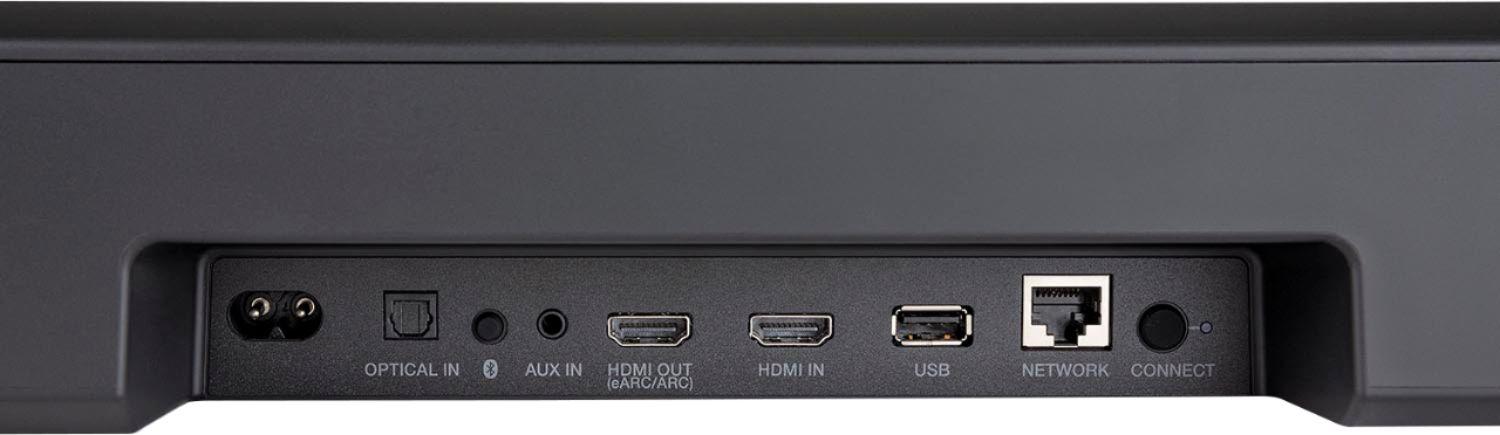
The HDMI implementation also differs significantly. The Klipsch supports full HDMI 2.1 with 8K passthrough, while the Denon uses the older HDMI 2.0 standard. For current content, this doesn't matter much, but as 8K content becomes more common, the Klipsch will be better future-proofed.
After extensive testing with both systems, here's how I'd recommend thinking about the decision:
Choose the Klipsch Flexus Core 300 if you're serious about home theater audio quality and have the budget for it. The Dirac Live room correction alone justifies much of the price premium, and the expandability means you're investing in a system that can grow over time. If you have a dedicated media room or watch a lot of movies with complex soundtracks, the performance difference is substantial and immediately noticeable.
Choose the Denon Home Sound Bar 550 if you want a significant upgrade over TV speakers without the complexity or cost of a high-end system. It's particularly appealing if you're already invested in the Amazon Alexa ecosystem or interested in HEOS multi-room audio. For casual viewing and music listening in smaller spaces, it provides excellent value and convenience.
The room size factor matters too. In smaller rooms (under 200 square feet), the Denon's more modest output and virtual surround processing work quite well. In larger spaces, the Klipsch's more powerful drivers and true multi-channel design become increasingly important.
Think of it this way: the Denon is like buying a very good all-in-one home theater solution that prioritizes convenience and smart features. The Klipsch is like investing in the foundation of a reference-quality home theater system that you can build upon over time.
Both will dramatically improve your audio experience over TV speakers, but they'll take you down very different paths. The key is being honest about your priorities, budget, and long-term plans. If audio quality is your primary concern and you have the budget for it, the Klipsch is genuinely in a different performance class. If you want good sound with excellent convenience features at a more accessible price, the Denon delivers solid value and user-friendly operation.
| Klipsch Flexus Core 300 Soundbar | Denon Home Sound Bar 550 Soundbar |
|---|---|
| Price - Significant investment difference between approaches | |
| $1,199 | $518.50 |
| Channel Configuration - Determines surround sound authenticity | |
| True 5.1.2 channels with 13 physical drivers | 4.0 channels with virtual surround processing |
| Room Correction - Critical for optimal sound in your specific space | |
| Dirac Live with calibration microphone (industry-leading technology) | Basic auto-calibration only |
| Bass Drivers - Essential for impactful movie sound | |
| Four dedicated 4" built-in subwoofers | Three 2" x 3.5" passive radiators (no powered subs) |
| Atmos Implementation - Affects overhead sound realism | |
| Physical up-firing drivers for true height effects | DTS Virtual:X processing for simulated height |
| Center Channel - Critical for dialogue clarity | |
| Dedicated center with horn-loaded tweeter | Digital processing only (phantom center) |
| Maximum Output - Important for larger rooms | |
| 106 dB (very high for soundbars) | Not specified (likely lower) |
| Expandability - Future upgrade potential | |
| Modular system: wireless surrounds + up to 2 subs | HEOS speakers (not theater-focused) |
| Smart Features - Convenience and integration options | |
| AirPlay 2, Google Cast, Spotify Connect, Tidal Connect | Built-in Alexa, HEOS multi-room platform |
| HDMI Standard - Future-proofing for new content | |
| HDMI 2.1 with 8K passthrough | HDMI 2.0 (older standard) |
| Bluetooth Version - Connection quality and range | |
| Bluetooth 5.3 (latest standard) | Bluetooth 4.1 (older, shorter range) |
| Dimensions - Space requirements under TV | |
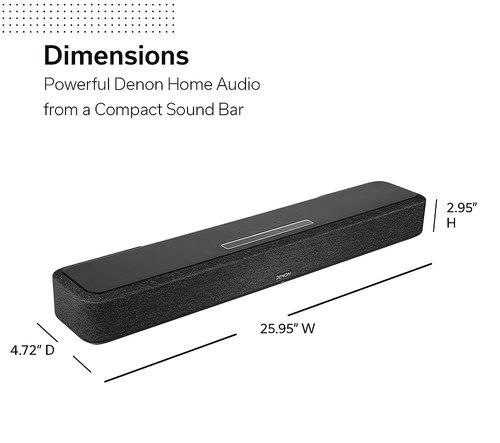
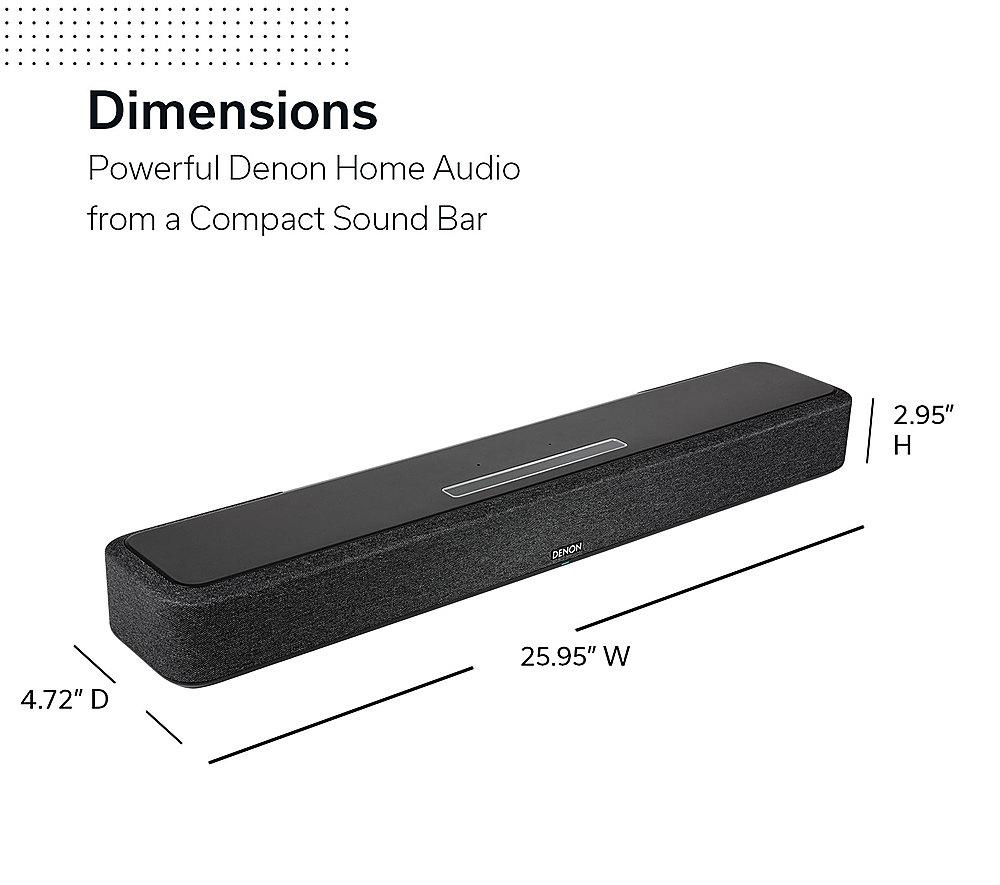
| 54" W × 3.1" H × 4.9" D (35 lbs) | 25.6" W × 2.9" H × 4.7" D (7.3 lbs) |
| Best For - Target user and use case | |
| Serious home theater enthusiasts with larger budgets | Smart home users wanting good sound at lower cost |
The Denon Home Sound Bar 550 ($518.50) offers better value for casual users, while the Klipsch Flexus Core 300 ($1,199) provides superior performance that justifies its higher cost for serious home theater enthusiasts. The Klipsch includes advanced room correction technology and true multi-channel audio that would cost thousands in separate components.
The Klipsch Flexus Core 300 uses 13 physical speaker drivers positioned in different directions to create true surround sound, while the Denon Home Sound Bar 550 relies on digital processing to simulate surround effects from fewer front-facing speakers. This makes the Klipsch more immersive but also more expensive.
The Klipsch Flexus Core 300 delivers significantly better bass with four dedicated 4-inch subwoofers built into the soundbar. The Denon Home Sound Bar 550 uses passive radiators that produce adequate bass for TV shows but lack the impact needed for action movies.
The Klipsch Flexus Core 300 includes powerful built-in subwoofers and typically doesn't need an additional sub, though you can add up to two wireless subwoofers for even more bass. The Denon Home Sound Bar 550 may benefit from a separate subwoofer depending on your room size and bass preferences.
The Denon Home Sound Bar 550 works well in small to medium rooms and takes up less space at only 25.6 inches wide. The Klipsch Flexus Core 300 at 54 inches wide is designed for larger rooms where its more powerful drivers and true surround sound can be fully appreciated.
The Klipsch Flexus Core 300 excels at dialogue with a dedicated center channel and horn-loaded tweeter technology that makes voices crystal clear. The Denon Home Sound Bar 550 uses digital dialogue enhancement which helps but can't match the natural clarity of a physical center channel.
Both soundbars stream music well, but the Klipsch Flexus Core 300 supports more platforms including Spotify Connect, Tidal Connect, and Google Cast. The Denon Home Sound Bar 550 integrates better with Amazon Alexa and HEOS multi-room systems for whole-home music distribution.
The Klipsch Flexus Core 300 is designed for expansion with wireless surround speakers and additional subwoofers that create a true home theater system. The Denon Home Sound Bar 550 connects to other HEOS speakers but these are meant for multi-room audio rather than home theater enhancement.
The Klipsch Flexus Core 300 delivers superior Dolby Atmos with dedicated up-firing speakers that bounce sound off your ceiling for realistic overhead effects. The Denon Home Sound Bar 550 uses virtual processing that creates some height perception but can't match true physical Atmos speakers.
The Klipsch Flexus Core 300 includes Dirac Live room correction with a calibration microphone that automatically adjusts sound for your specific room acoustics - a major advantage. The Denon Home Sound Bar 550 has basic auto-calibration but no sophisticated room analysis.
The Denon Home Sound Bar 550 is simpler to set up with built-in Alexa voice control and straightforward HEOS app integration. The Klipsch Flexus Core 300 requires more initial setup for room calibration but offers more advanced customization options through its app.
For dedicated home theater use, the Klipsch Flexus Core 300 is the clear winner with true 5.1.2-channel surround sound, powerful bass, and room correction technology. The Denon Home Sound Bar 550 is better suited for casual TV watching and users who prioritize smart home features over ultimate audio performance.
We've done our best to create useful and informative comparisons to help you decide what product to buy. Our research uses advanced automated methods to create this comparison and perfection is not possible - please contact us for corrections or questions. These are the sites we've researched in the creation of this article: crutchfield.com - whathifi.com - avnirvana.com - hometechnologyreview.com - ecoustics.com - gearpatrol.com - klipsch.com - avsforum.com - youtube.com - avsforum.com - listenup.com - chowmain.software - klipsch.com - novis.ch - avsforum.com - klipsch.ca - lefflers.se - abt.com - sweetwater.com - wifihifi.com - klipsch.com - dirac.com - consumerreports.org - soundandvision.com - crutchfield.com - rtings.com - crutchfield.com - gzhls.at - denon.com - walmart.com - youtube.com - whathifi.com - bestbuy.com

Privacy Policy
Terms and Conditions - Affiliate Policy
Home Security
© Copyright 2008-2026.
11816 Inwood Rd #1211, Dallas, TX 75244