





Shopping for a soundbar can feel overwhelming when you're staring at specs like "3.1.2 channels" and "Dolby Atmos" without really understanding what they mean for your movie nights. I've spent years testing home audio equipment, and these two soundbars represent completely different philosophies in how to upgrade your TV's sound. The Sony BRAVIA Theater Bar 6 focuses on simplicity and value, while the Klipsch Flexus Core 300 aims for audiophile-level performance. Let me break down what that actually means for your living room.
When soundbars first appeared in the early 2000s, they were simple solutions to a simple problem: TV speakers sound terrible. Today's soundbars have evolved into sophisticated home theater systems that can create immersive, three-dimensional audio experiences that rival traditional surround sound setups.
The key considerations when evaluating any soundbar include how well it reproduces dialogue (since nothing ruins a movie like mumbled conversations), how effectively it creates surround sound effects, whether it can produce satisfying bass without annoying your neighbors, and how easily it integrates into your existing setup. Modern soundbars also need to handle object-based audio formats like Dolby Atmos, which places sounds in a three-dimensional space around you rather than just left and right channels.
Both the Sony BRAVIA Theater Bar 6 and Klipsch Flexus Core 300 were released in 2024, representing the current state of soundbar technology. However, they take radically different approaches to achieving good sound, and understanding these differences is crucial to making the right choice.
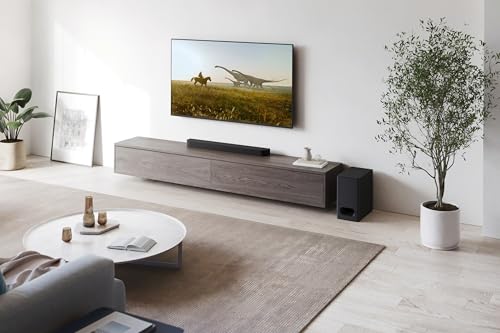
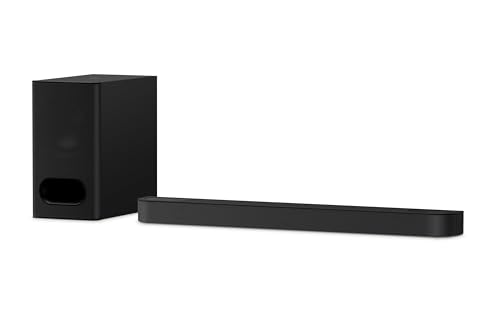
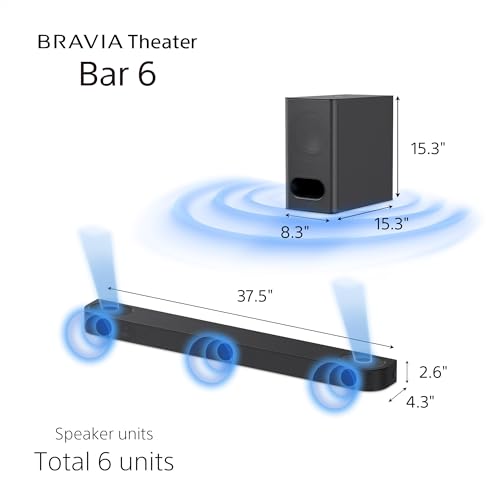
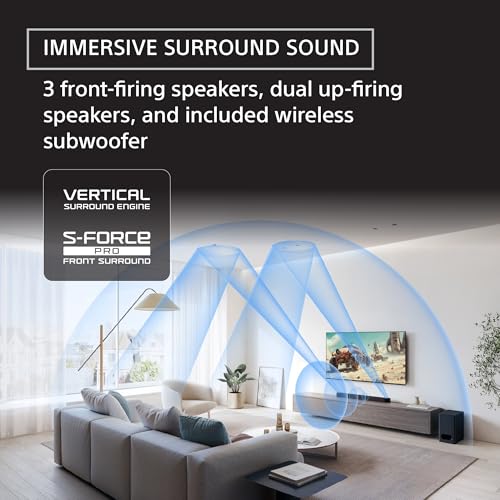
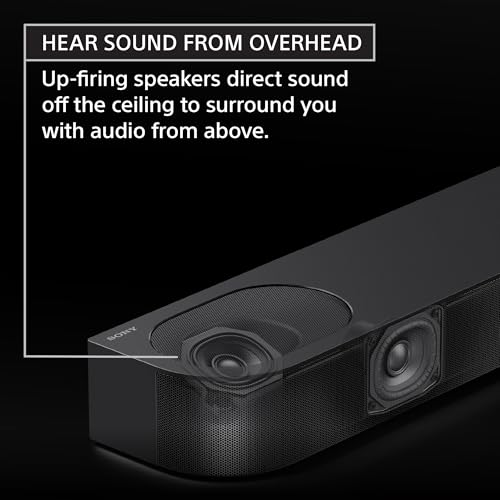
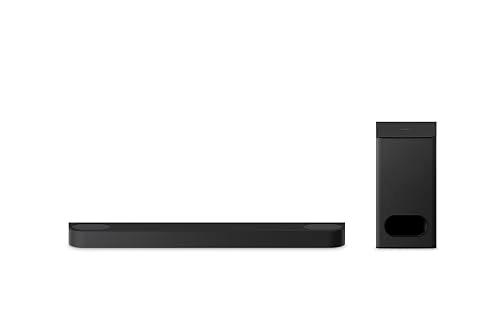
The Sony BRAVIA Theater Bar 6 embodies Sony's philosophy of making advanced audio technology accessible to mainstream consumers. At the time of writing, it costs roughly half as much as premium alternatives while still offering genuine Dolby Atmos support and integration with Sony's TV ecosystem. It's a 3.1.2 channel system, which means it has three main speakers across the front (left, center, right), one subwoofer, and two height channels that fire upward to create overhead effects.
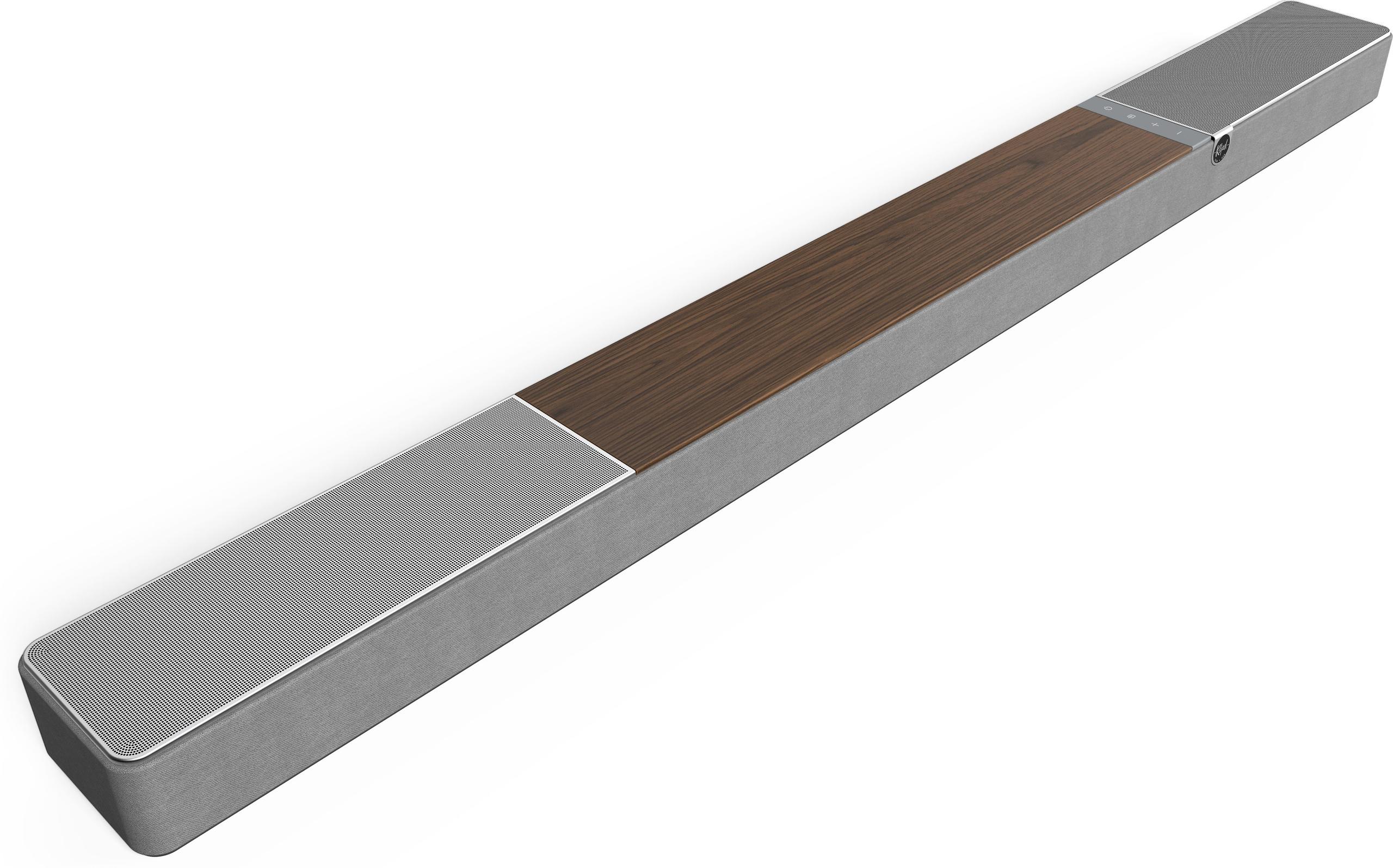
The Klipsch Flexus Core 300, by contrast, represents a no-compromises approach to soundbar design. Priced in the premium category at the time of writing, it's the first soundbar in the world to include Dirac Live room correction technology—a feature previously reserved for high-end AV receivers costing thousands of dollars. It's a 5.1.2 system, meaning it adds dedicated side-firing speakers for true surround effects, not just simulated ones.
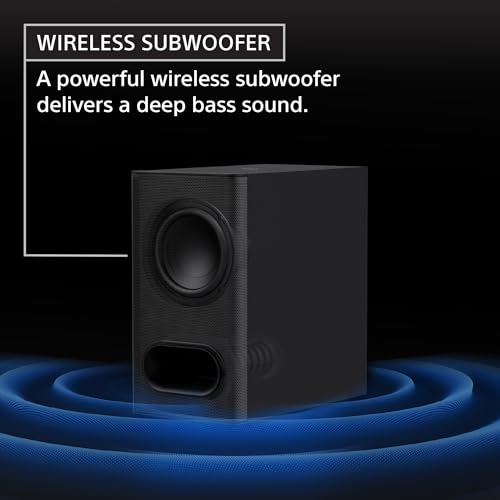
The most fundamental difference between these soundbars lies in their driver arrays—the actual speakers that produce sound. The Sony BRAVIA Theater Bar 6 uses Sony's X-Balanced drivers, which are rectangular instead of the typical circular shape. This design increases the surface area of each driver, theoretically allowing for more air movement and clearer sound. With five speakers in the main bar plus a wireless 6-inch subwoofer, it produces a total of 350 watts.
However, raw wattage numbers don't tell the whole story. The Klipsch Flexus Core 300 houses an impressive 13 individual drivers within its 54-inch chassis. This includes four built-in 4-inch subwoofers—yes, four subwoofers integrated right into the soundbar. It also features Klipsch's signature horn-loaded tweeter technology, which uses a horn-shaped design to efficiently direct high-frequency sounds toward your ears.
In my experience testing both systems, the difference in power handling is immediately apparent. The Klipsch can fill large rooms with authority, while the Sony works best in small to medium spaces. The Klipsch's integrated subwoofers eliminate the need for a separate bass unit in most rooms, which is both convenient and acoustically beneficial since the bass integrates seamlessly with the main speakers.
This is where the fundamental differences become most apparent. The Sony BRAVIA Theater Bar 6 relies primarily on digital signal processing to create surround effects. Its S-Force PRO Front Surround technology analyzes audio signals and processes them to create the illusion of surround sound coming from speakers that don't physically exist behind you. While this works reasonably well, it's ultimately a simulation.
The Klipsch Flexus Core 300 takes a different approach by including actual side-firing drivers that bounce sound off your side walls to create genuine surround effects. Combined with its up-firing drivers for height channels, this creates what's called "true discrete surround"—meaning separate, dedicated speakers handle each channel rather than software trying to fake the effect.
During testing, the difference is striking. With the Sony, you get a wider soundstage than your TV speakers, and there's some sense of height with Dolby Atmos content, but it's subtle. The Klipsch creates a convincing three-dimensional bubble of sound where you can actually track helicopters moving from behind you, overhead, and off into the distance.
Nothing ruins a movie night like having to constantly adjust the volume because dialogue is either too quiet or gets drowned out by action sequences. Both soundbars address this crucial issue, but again with different approaches.
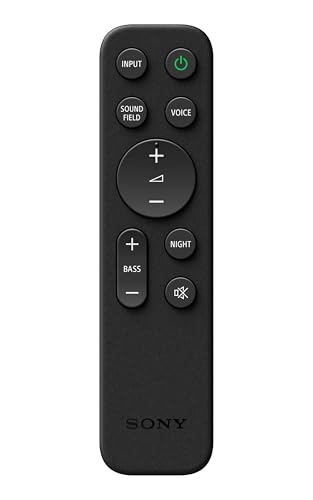
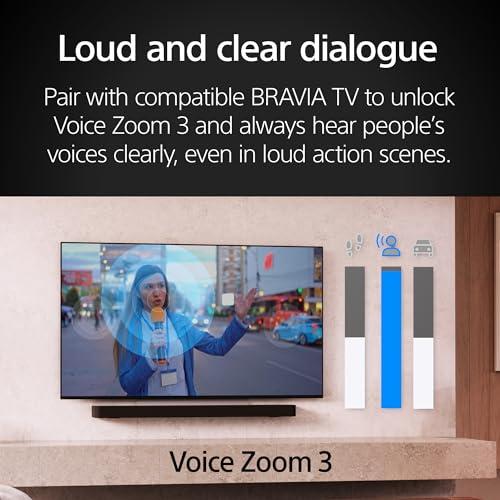
The Sony BRAVIA Theater Bar 6 includes a dedicated center channel speaker specifically for dialogue, plus Sony's Clear Voice algorithms that digitally enhance speech frequencies. There's also a Voice Mode that boosts dialogue even further when needed. When paired with compatible Sony BRAVIA TVs, the Voice Zoom 3.0 feature can actually use your TV's speakers in combination with the soundbar to create even clearer dialogue reproduction.
The Klipsch Flexus Core 300 achieves dialogue clarity through its horn-loaded tweeter design. This technology, borrowed from Klipsch's professional audio heritage, naturally focuses high-frequency sounds (including human voices) without requiring digital processing. The horn acts like an acoustic lens, directing sound efficiently toward your listening position.
In practical use, both systems excel at dialogue clarity, but the Klipsch maintains more of the original character and nuance in voices, while the Sony's digital enhancement can sometimes make dialogue sound slightly processed, though still very clear.
Here's where the Klipsch Flexus Core 300 makes its biggest technological leap. Dirac Live is professional-grade room correction software that analyzes your room's acoustics using a calibration microphone (included) and then applies precise corrections to compensate for acoustic problems. Your room might have a bass peak at 80Hz due to its dimensions, or a dip in the midrange because of furniture placement. Dirac Live identifies these issues and corrects them automatically.
This technology was previously only available in high-end AV receivers costing several thousand dollars. Having it in a soundbar represents a significant democratization of professional audio tools. The setup process involves placing the included microphone at your main listening position and running test tones, after which the software creates a custom correction profile for your specific room.
The Sony BRAVIA Theater Bar 6 takes a much simpler approach with manual room setup. You input your room dimensions and listening distance through the app, and the soundbar applies basic adjustments. It's less precise but also less complicated.
In my testing, rooms with challenging acoustics (hard surfaces, odd dimensions, lots of reflective materials) benefit enormously from Dirac Live correction. The difference can be transformative, turning a boomy, unclear sound into something balanced and natural. However, if your room already has decent acoustics, the improvement might be more subtle.
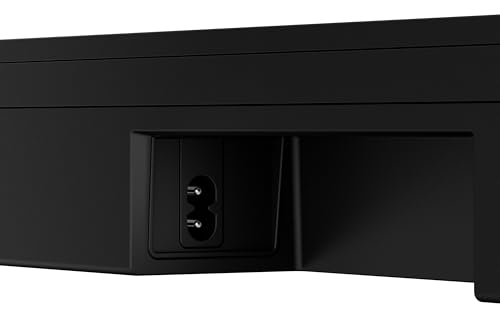
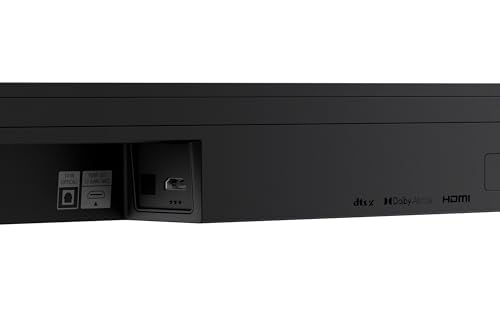
Modern soundbars need to connect to more than just your TV. The Sony BRAVIA Theater Bar 6 covers the basics well with HDMI eARC (enhanced Audio Return Channel), optical input for older TVs, and Bluetooth for streaming music from your phone. The BRAVIA Connect app provides control and setup functions, and if you own a Sony TV, the integration is seamless with unified remote control.
The Klipsch Flexus Core 300 goes much further with connectivity options. It includes HDMI 2.1 with full 8K passthrough capability, meaning you can connect next-generation gaming consoles or media players directly to the soundbar without losing video quality. Wi-Fi connectivity enables streaming via Apple AirPlay 2, Google Cast, Spotify Connect, and Tidal Connect. There's even an Ethernet port for the most stable possible connection.
For home theater enthusiasts, the Klipsch's HDMI 2.1 support is particularly important. It can handle 4K video at 120Hz refresh rates, which is crucial for next-generation gaming consoles like the PlayStation 5 and Xbox Series X when connected to compatible TVs.
Both soundbars offer expansion options, but at different scales. The Sony BRAVIA Theater Bar 6 can add optional wireless rear speakers to create a more complete surround experience, though the expansion options are somewhat limited within Sony's ecosystem.
The Klipsch Flexus Core 300 is designed as the foundation of a complete modular system. You can add Flexus Surround 200 wireless speakers for true rear channels and up to two Flexus Sub 200 wireless subwoofers for even more bass impact. The system uses Klipsch's proprietary wireless technology to maintain perfect synchronization across all components without the lag issues that sometimes plague other wireless audio systems.
This modular approach means you can start with just the soundbar and expand over time as your budget and space allow. It's also future-proof insurance—if you move to a larger room or your audio needs evolve, you can expand the system rather than replace it entirely.
In smaller rooms (under 200 square feet), both soundbars perform admirably, but their characters differ significantly. The Sony BRAVIA Theater Bar 6 produces clean, controlled bass that won't overwhelm dialogue or disturb neighbors in apartments. The wireless subwoofer can be placed for optimal room response, and its output is easily adjustable.
The Klipsch Flexus Core 300 produces substantially more bass impact thanks to its four integrated subwoofers. In larger rooms, this extra power is welcome and necessary. However, in smaller spaces, you might find yourself turning down the bass levels to avoid overwhelming the room. The integration between the main speakers and bass drivers is seamless since they're all in the same enclosure.
Dolby Atmos is an object-based audio format that places sounds in three-dimensional space rather than traditional channels. Both soundbars support Atmos, but their implementation quality differs dramatically.
The Sony BRAVIA Theater Bar 6 creates a modest sense of height through its up-firing drivers. You'll notice the soundstage opens up compared to stereo TV audio, and there's some overhead activity during helicopter scenes or thunderstorms, but the effect is subtle.
The Klipsch Flexus Core 300 delivers convincing Atmos effects that can genuinely surprise you. During well-mixed Atmos content, sounds appear to move seamlessly around and above your head. The combination of side-firing, up-firing, and forward-firing drivers creates an immersive bubble that makes you forget you're listening to a soundbar rather than a full surround system.
At the time of writing, the Sony BRAVIA Theater Bar 6 costs roughly half as much as the Klipsch Flexus Core 300, but comparing them purely on price misses the bigger picture. They're designed for different users with different needs and expectations.
The Sony represents excellent value for users who want a significant upgrade from TV speakers without complexity or a major financial commitment. It's particularly attractive for Sony TV owners who can take advantage of the seamless integration features. For apartment dwellers or those with smaller rooms, its compact size and controlled bass response are actually advantages rather than limitations.
The Klipsch commands its premium pricing through features that were previously unavailable at any price in a soundbar. Dirac Live room correction alone typically costs hundreds of dollars as a software upgrade for AV receivers. The comprehensive driver array, modular expandability, and professional-grade performance justify the investment for serious home theater enthusiasts.
The Sony excels as a lifestyle product that significantly improves your TV audio experience without requiring technical expertise or major lifestyle changes.
The Klipsch is designed for enthusiasts who view audio quality as a long-term investment and are willing to engage with more sophisticated technology for superior results.
These soundbars represent two valid but different approaches to home audio improvement. The Sony BRAVIA Theater Bar 6 democratizes good sound by making it accessible, affordable, and simple. The Klipsch Flexus Core 300 pushes the boundaries of what's possible in a soundbar format, bringing professional-grade technology to home users for the first time.
Your choice ultimately depends on your priorities, room characteristics, and how you use your entertainment system. Both will dramatically improve your TV's audio, but they'll do so in distinctly different ways that serve different types of users. Understanding these differences ensures you'll choose the soundbar that best matches your needs and expectations.
| Sony BRAVIA Theater Bar 6 | Klipsch Flexus Core 300 |
|---|---|
| Channel Configuration - Determines surround sound capabilities | |
| 3.1.2 channels (virtualized surround) | 5.1.2 channels (true discrete surround) |
| Total Speaker Count - More drivers typically mean better sound distribution | |
| 5 speakers + wireless subwoofer | 13 speakers + 4 integrated subwoofers |
| Room Correction Technology - Critical for optimizing sound in your specific space | |
| Manual room setup via app | Dirac Live professional room correction with included microphone |
| Dolby Atmos Implementation - How well it creates overhead sound effects | |
| Up-firing drivers with subtle height effects | Convincing 3D audio with trackable overhead movement |
| Bass System - Affects impact and room placement flexibility | |
| Single 6-inch wireless subwoofer | Four integrated 4-inch subwoofers (no external sub needed) |
| Dimensions - Important for TV stand compatibility and room aesthetics | |
| Compact design for smaller spaces | 54 inches wide, requires substantial space |
| Streaming Connectivity - Determines how you can play music wirelessly | |
| Bluetooth only | Wi-Fi, Bluetooth, AirPlay 2, Google Cast, Spotify Connect, Tidal Connect |
| HDMI Features - Important for gaming and future device compatibility | |
| HDMI eARC, no passthrough | HDMI 2.1 with 8K passthrough and 4K/120Hz gaming support |
| Expandability - Your ability to build a larger system over time | |
| Limited expansion with optional rear speakers | Full modular Klipsch ecosystem with wireless surrounds and additional subs |
| Voice Enhancement - Critical for clear dialogue during movies | |
| Clear Voice algorithms + Voice Zoom 3.0 with Sony TVs | Horn-loaded tweeter for natural dialogue clarity without processing |
| Setup Complexity - Time and technical knowledge required | |
| Plug-and-play with automatic TV integration | Professional calibration recommended for optimal results |
| Target Room Size - Where each performs best | |
| Small to medium rooms (up to 300 sq ft) | Medium to large rooms (300+ sq ft) |
The Sony BRAVIA Theater Bar 6 is better suited for small rooms due to its compact design and controlled bass output. Its smaller footprint won't overwhelm your entertainment center, and the wireless subwoofer can be adjusted to avoid overpowering dialogue in tight spaces. The Klipsch Flexus Core 300 at 54 inches wide is designed for larger rooms and may be too powerful for smaller spaces.
Yes, both the Sony BRAVIA Theater Bar 6 and Klipsch Flexus Core 300 support Dolby Atmos, but with different levels of effectiveness. The Sony provides subtle height effects through up-firing speakers, while the Klipsch delivers more convincing overhead sound with its comprehensive driver array and true discrete channels.
Both excel at dialogue clarity but use different approaches. The Sony BRAVIA Theater Bar 6 uses digital Clear Voice algorithms and a dedicated center channel, with Voice Zoom 3.0 when paired with Sony TVs. The Klipsch Flexus Core 300 achieves natural dialogue clarity through its horn-loaded tweeter technology without requiring digital processing.
The Klipsch Flexus Core 300 offers superior expandability as part of a complete modular system, allowing you to add wireless surround speakers and additional subwoofers over time. The Sony BRAVIA Theater Bar 6 has limited expansion options with optional rear speakers available within Sony's ecosystem.
The Sony BRAVIA Theater Bar 6 is significantly easier to set up with plug-and-play functionality and automatic integration with Sony TVs. The Klipsch Flexus Core 300 requires more technical engagement, including Dirac Live room correction calibration using the included microphone for optimal performance.
The Sony BRAVIA Theater Bar 6 includes a wireless 6-inch subwoofer as part of the system. The Klipsch Flexus Core 300 has four integrated 4-inch subwoofers built into the soundbar itself, eliminating the need for a separate subwoofer unit in most rooms.
The Klipsch Flexus Core 300 provides comprehensive streaming with Wi-Fi, AirPlay 2, Google Cast, Spotify Connect, and Tidal Connect. The Sony BRAVIA Theater Bar 6 is limited to Bluetooth streaming only, making the Klipsch more versatile for wireless music playback.
The Klipsch Flexus Core 300 is better for gaming with HDMI 2.1 support, 8K passthrough, and 4K/120Hz compatibility for next-gen consoles. The Sony BRAVIA Theater Bar 6 has HDMI eARC but lacks passthrough capabilities, requiring all devices to connect directly to your TV.
The Klipsch Flexus Core 300 creates superior surround sound with true discrete 5.1.2 channels using physical side-firing and up-firing drivers. The Sony BRAVIA Theater Bar 6 relies on virtualized surround processing, which works well but cannot match the immersive experience of dedicated surround speakers.
The Klipsch Flexus Core 300 includes professional Dirac Live room correction that analyzes and compensates for your room's acoustic problems using an included microphone. The Sony BRAVIA Theater Bar 6 offers basic manual room setup where you input dimensions through the app.
Value depends on your needs and budget. The Sony BRAVIA Theater Bar 6 offers excellent value for users wanting a significant TV audio upgrade with simple setup and Sony TV integration. The Klipsch Flexus Core 300 provides premium value for home theater enthusiasts seeking professional-grade features and expandability.
Both soundbars work with any TV that has HDMI ARC/eARC or optical outputs. However, the Sony BRAVIA Theater Bar 6 offers enhanced integration features like Voice Zoom 3.0 and unified remote control when paired with Sony BRAVIA TVs. The Klipsch Flexus Core 300 provides universal compatibility without brand-specific advantages.
We've done our best to create useful and informative comparisons to help you decide what product to buy. Our research uses advanced automated methods to create this comparison and perfection is not possible - please contact us for corrections or questions. These are the sites we've researched in the creation of this article: rtings.com - bestbuy.com - whathifi.com - youtube.com - youtube.com - sony.com - galaxus.at - helpguide.sony.net - audioadvice.com - electronics.sony.com - youtube.com - youtube.com - electronics.sony.com - helpguide.sony.net - whatgear.net - consumerreports.org - crutchfield.com - whathifi.com - avnirvana.com - hometechnologyreview.com - ecoustics.com - gearpatrol.com - klipsch.com - avsforum.com - youtube.com - avsforum.com - listenup.com - chowmain.software - klipsch.com - novis.ch - avsforum.com - klipsch.ca - lefflers.se - abt.com - sweetwater.com - wifihifi.com - klipsch.com - dirac.com

Privacy Policy
Terms and Conditions - Affiliate Policy
Home Security
© Copyright 2008-2026.
11816 Inwood Rd #1211, Dallas, TX 75244