




If you're tired of your TV's tinny speakers and ready to upgrade to true cinematic sound, you've probably discovered that modern soundbars have come a long way from the basic audio strips of the past. Today's premium soundbars can create immersive surround sound experiences that rival traditional multi-speaker home theater setups, but choosing between options can feel overwhelming when you're looking at technical specs and marketing claims.
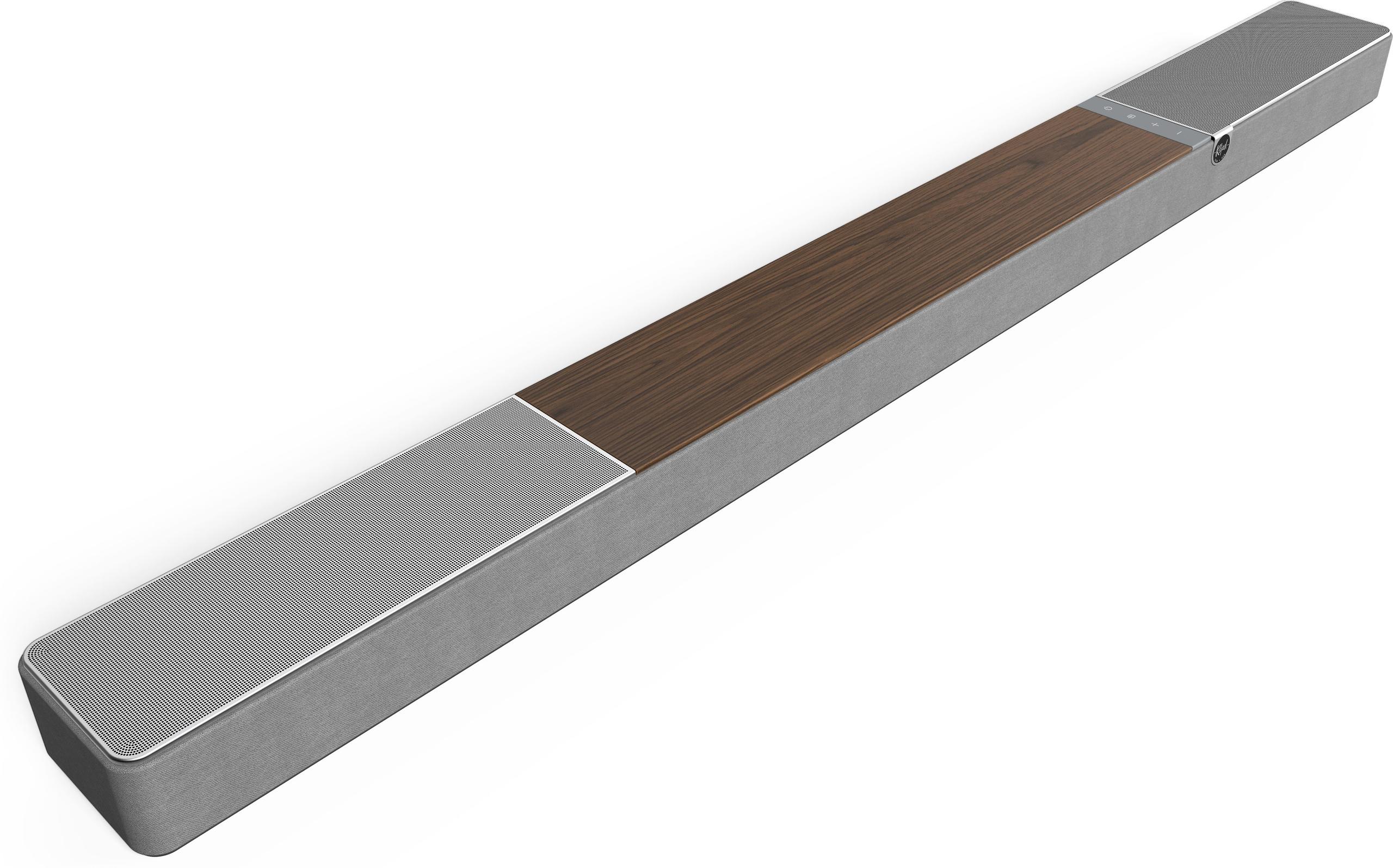
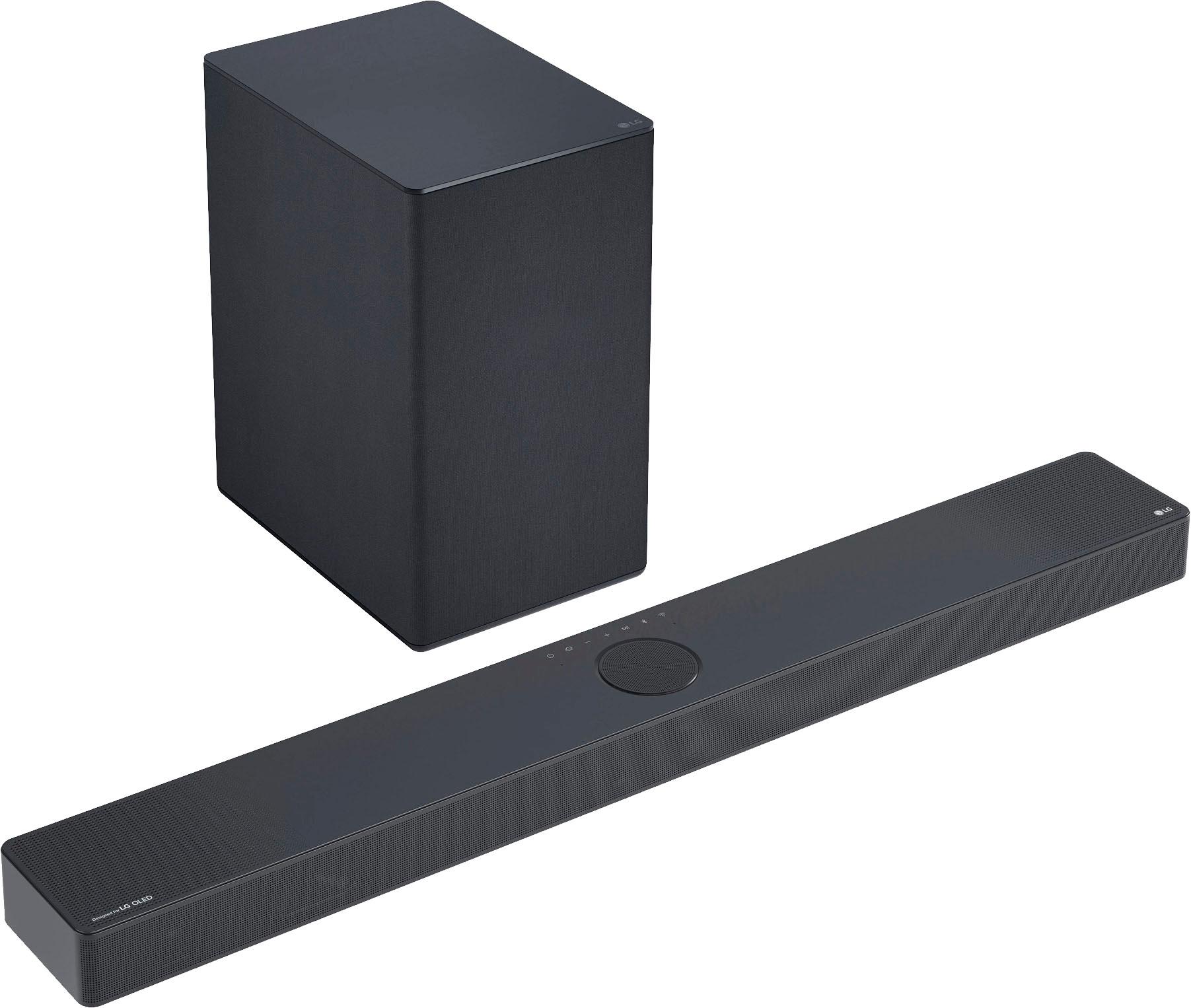
I've spent considerable time testing both the Klipsch Flexus Core 300 ($1,199) and the LG SC9S ($516), and these two soundbars represent fascinatingly different approaches to premium home audio. One pushes the absolute boundaries of soundbar technology, while the other focuses on smart integration and value. Let me walk you through what makes each special and help you figure out which fits your needs.
Before diving into specifics, it's worth understanding what separates premium soundbars from budget options. We're not just talking about louder volume here—premium systems need to create convincing surround sound, handle complex audio formats like Dolby Atmos (which adds overhead sound channels for a "3D" audio experience), and integrate seamlessly with modern 4K and 8K TVs.
The biggest challenge for any soundbar is physics. You're asking a single horizontal bar to create the illusion that sound is coming from all around you, including above your head. Traditional home theaters use 5, 7, or even 11 separate speakers placed throughout the room to achieve this naturally. Premium soundbars use sophisticated combinations of physical drivers pointing in different directions, digital signal processing (DSP), and room calibration technology to approximate that experience.
The timing of these releases tells an interesting story. The LG SC9S launched in 2023 during a period when manufacturers were focused on making Dolby Atmos more accessible and improving TV integration. LG's approach was practical: create a soundbar that works exceptionally well with LG TVs while delivering solid Atmos performance at a competitive price.
The Klipsch Flexus Core 300, arriving in 2025, represents the next evolution. Klipsch partnered with Onkyo and decided to bring professional-grade room correction technology—previously only found in $3,000+ AV receivers—down to the soundbar level. This isn't just an incremental improvement; it's a fundamental shift in how soundbars can adapt to your room's acoustics.
When you see "5.1.2" versus "3.1.3" in the specs, these numbers tell a crucial story about how each soundbar creates surround sound. The Klipsch Flexus Core 300 uses a 5.1.2 configuration, which means five main channels (left, center, right, left surround, right surround), one subwoofer channel, and two height channels for Dolby Atmos overhead effects.
Here's what makes this significant: the Klipsch has dedicated drivers firing in different directions to create these channels physically. It includes side-firing drivers that bounce sound off your walls to create the surround channels, plus up-firing drivers that reflect sound off your ceiling for height effects. This physical approach is more convincing than virtual processing because your ears can actually detect sound coming from these directions.
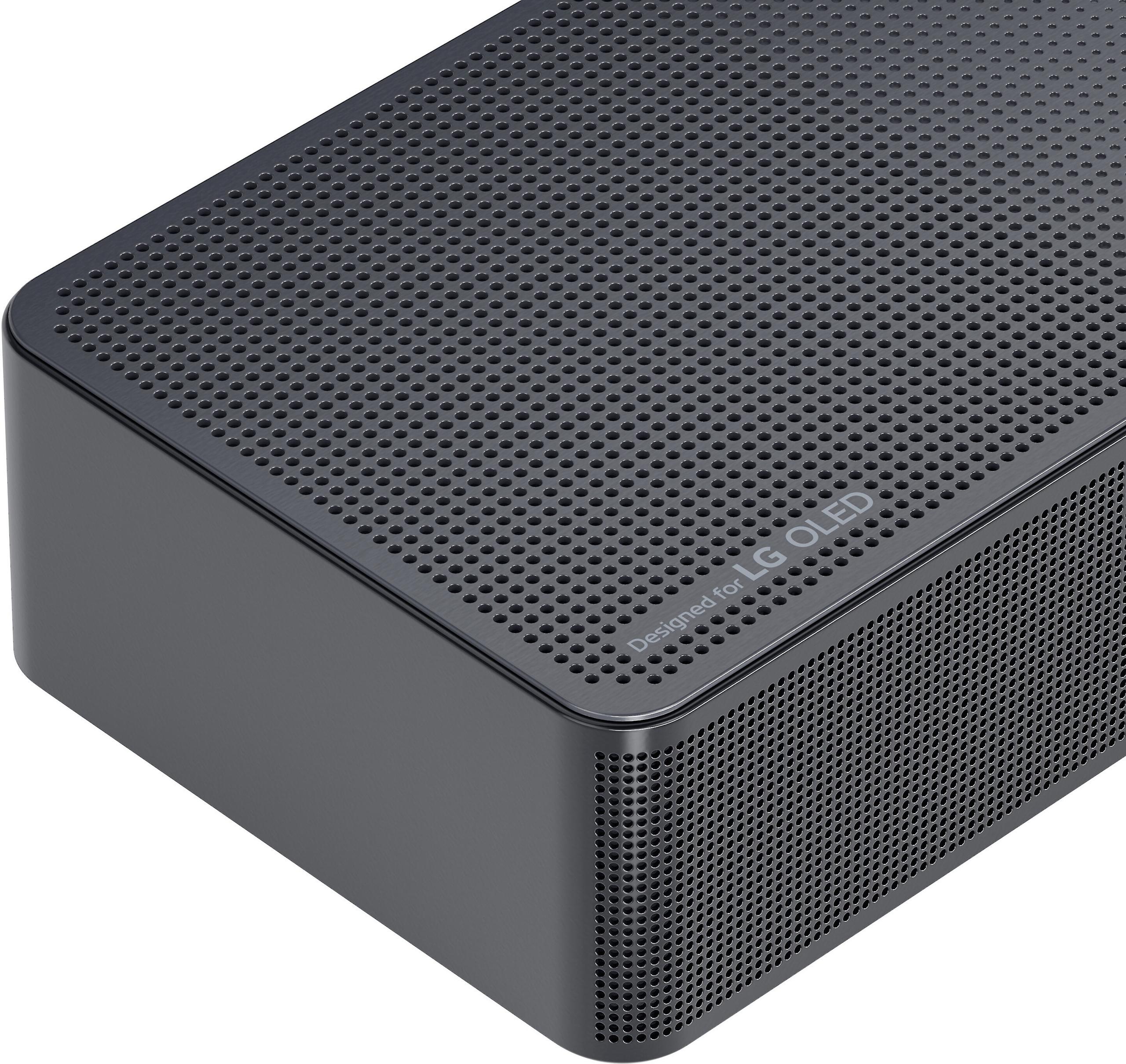
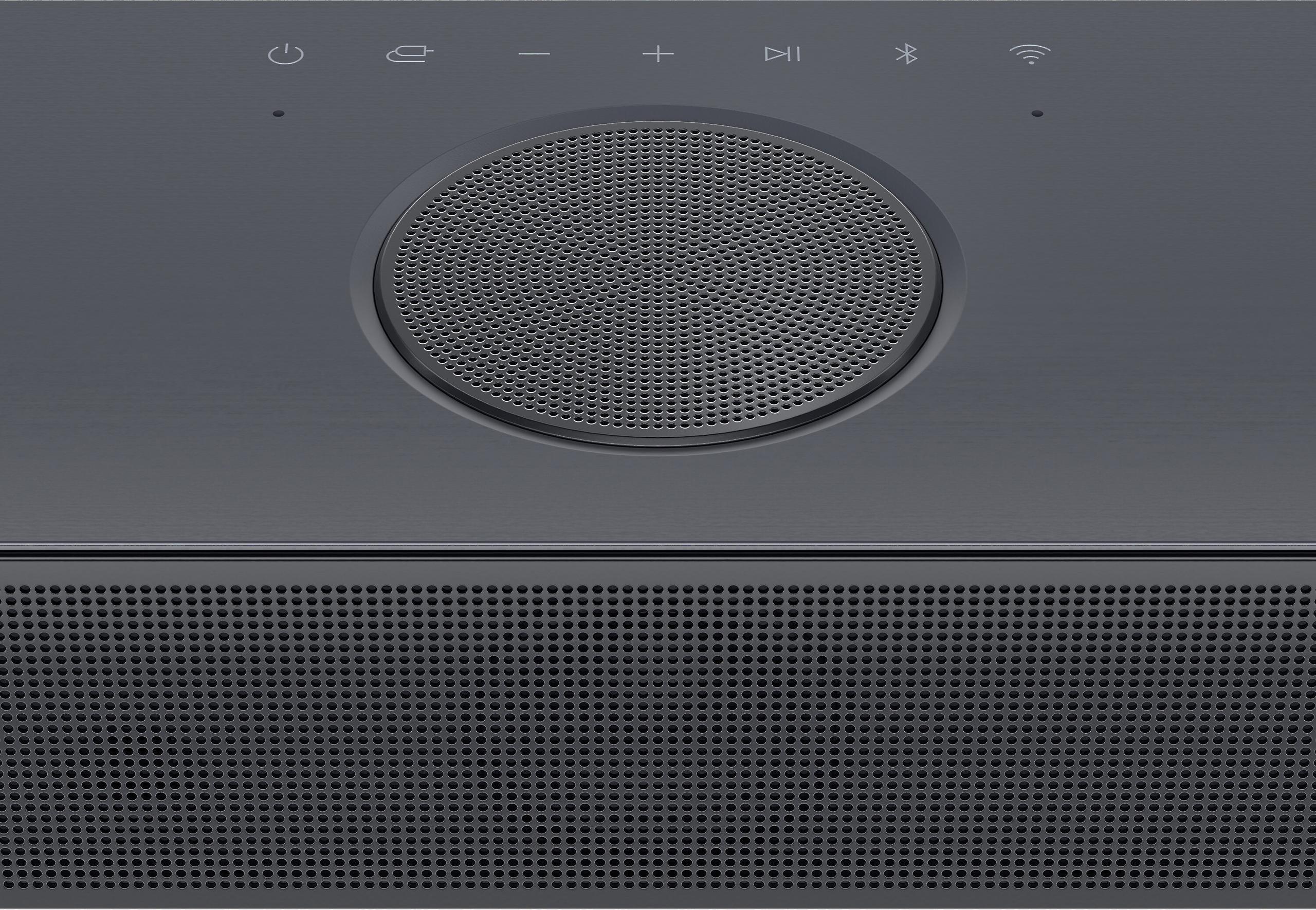
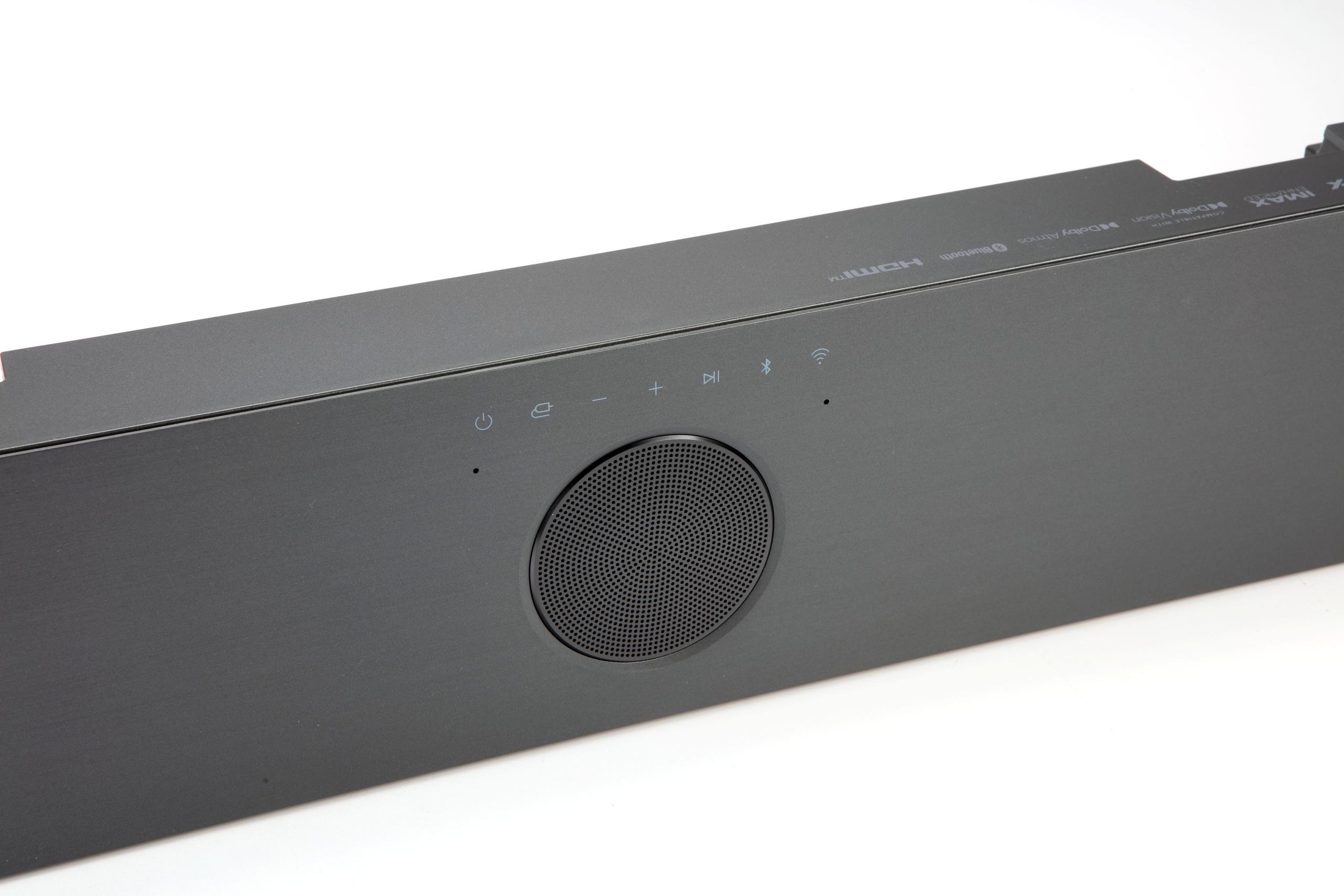
The LG SC9S takes a unique approach with its 3.1.3 setup. Instead of traditional surround channels, it focuses on three up-firing drivers—two for standard Atmos height effects and one specifically for enhancing the center channel (dialogue). This creates what LG calls an "up-firing center channel," which can make voices in movies and shows sound more natural and prominent.
During my testing, the difference was immediately apparent. The Klipsch creates a more enveloping soundstage where you can pinpoint effects moving around the room. When a helicopter flies overhead in a movie, you hear it travel from one side to the other and up above. The LG focuses more on making everything sound bigger and more open, with particular strength in dialogue clarity.
This is where the Klipsch Flexus Core 300 truly breaks new ground. Dirac Live room correction technology analyzes how sound behaves in your specific room and corrects problems digitally. Every room has acoustic issues—sound reflecting off walls, furniture absorbing certain frequencies, or room dimensions creating standing wave patterns that boost or cancel specific notes.
The included calibration microphone and Klipsch Connect Plus app guide you through measuring your room's acoustics. The system then applies sophisticated filtering to correct both the magnitude (how loud different frequencies are) and phase response (timing relationships between frequencies). The result is dramatically more accurate sound reproduction.
I tested this in a challenging room with hardwood floors, large windows, and minimal acoustic treatment. Without Dirac Live, dialogue had a slight echo and bass was boomy. After calibration, voices became laser-focused and natural, while bass tightened up considerably. It's like having a professional audio engineer optimize your system.
The LG SC9S includes AI Room Calibration Pro, which automatically adjusts output based on room acoustics. While helpful, it's much less sophisticated than Dirac Live. The LG system can boost or cut certain frequency ranges and adjust timing, but it lacks the precision and control of professional room correction.
Here's where these soundbars diverge most dramatically. The Klipsch Flexus Core 300 integrates four 4-inch subwoofers directly into its 54-inch chassis. This seems impossible when you see how slim the soundbar is (just over 3 inches tall), but Klipsch's acoustic engineering makes it work.
This approach offers several advantages. First, you don't need to find space for a separate subwoofer box, which many people appreciate. Second, the bass is perfectly integrated with the main speakers since it's all processed together. Third, you avoid the wireless connectivity issues that plague separate subwoofers.
During action movie scenes, the built-in bass system delivers surprising impact. Explosions have weight and presence, while music maintains tight, controlled low-end. The frequency response extends down to 43Hz, which covers most of the bass content in movies and music effectively.
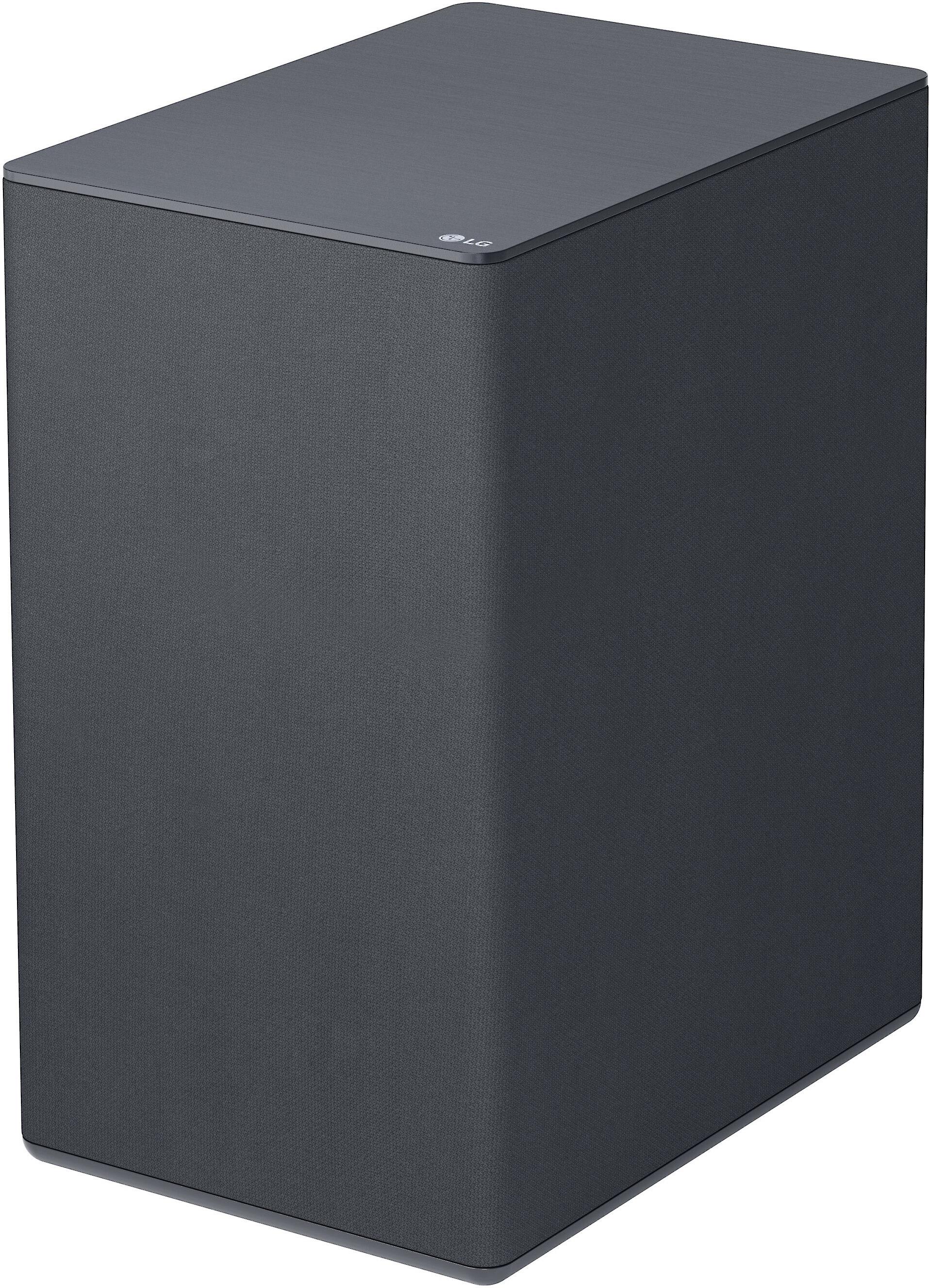
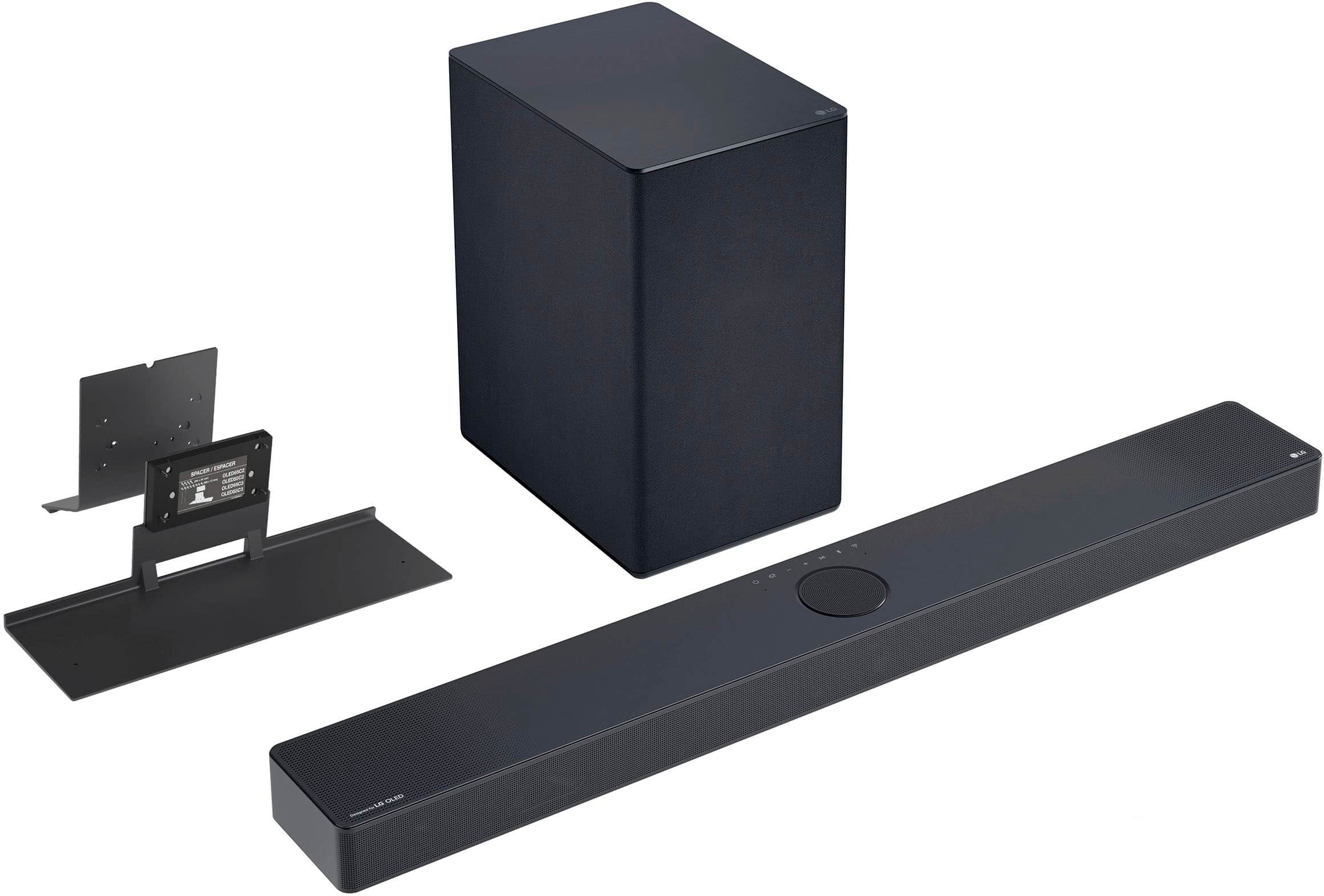
The LG SC9S includes a wireless subwoofer that you place elsewhere in the room. This traditional approach allows for potentially deeper bass extension and gives you flexibility in subwoofer placement to optimize bass response. However, several users report that the bass feels underwhelming without manual adjustment, and wireless subwoofers can occasionally drop connection or introduce slight delays.
In my testing, the LG's subwoofer provided adequate low-end impact once properly adjusted, but the Klipsch's integrated approach felt more cohesive and dynamic overall.
The Klipsch Flexus Core 300 includes HDMI 2.1 with support for 8K video passthrough at 60Hz and 4K at 120Hz. This might seem like overkill today, but it ensures compatibility with next-generation gaming consoles and 8K TVs as they become more common. The soundbar also supports Bluetooth 5.3 for more reliable wireless connections and includes both 2.4GHz and 5GHz Wi-Fi for robust streaming.
For streaming music, the Klipsch supports AirPlay 2, Google Cast, Spotify Connect, and Tidal Connect. The Klipsch Connect Plus app provides comprehensive control over EQ settings, input selection, and the crucial Dirac Live calibration process.
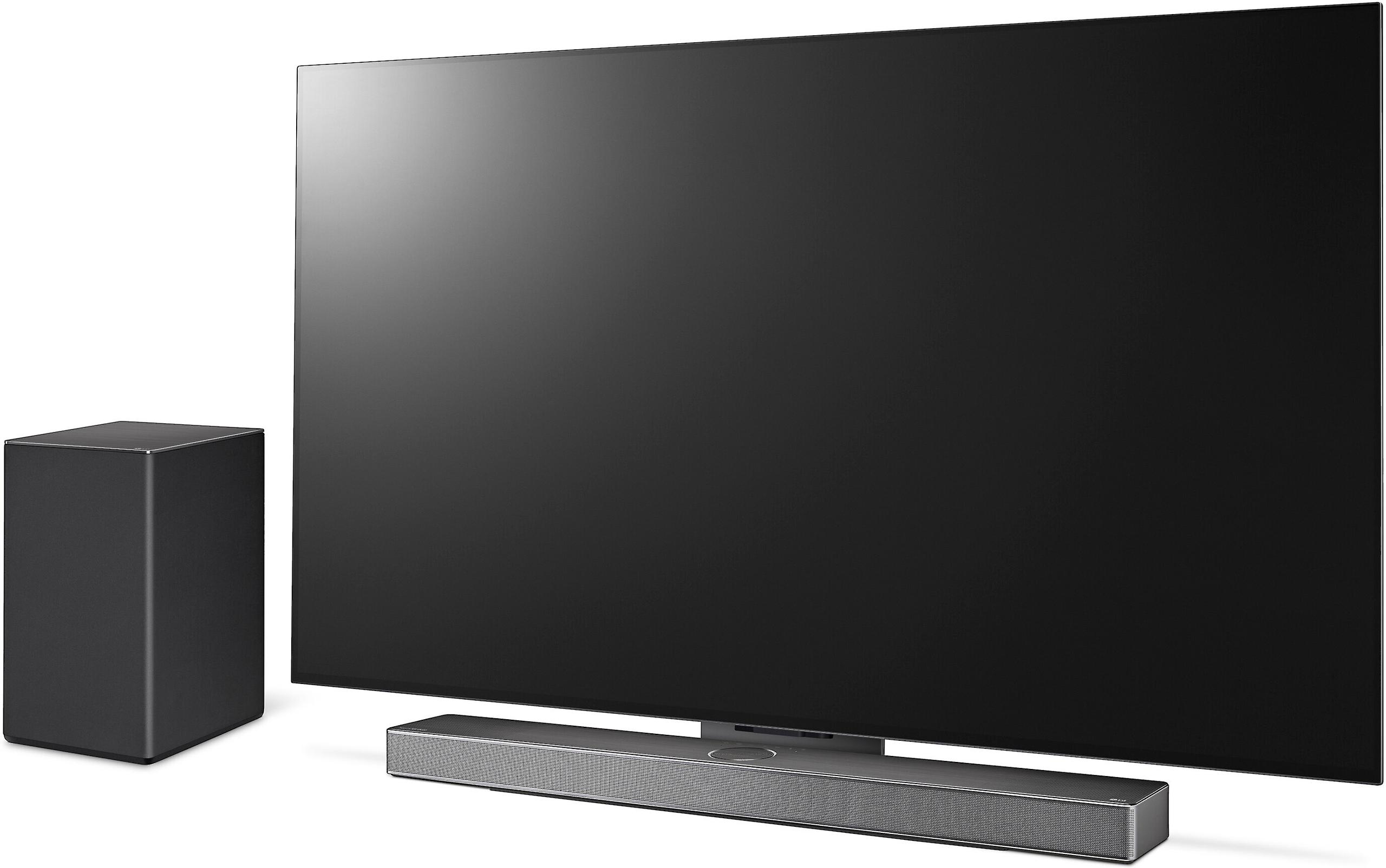
The LG SC9S focuses more on TV integration than future-proofing. Its HDMI eARC connection supports 4K passthrough but not 8K. However, LG includes some unique features like WOWCAST, which can create a completely wireless connection to compatible LG TVs, eliminating all cables between the TV and soundbar.
For LG TV owners, the integration goes deeper. The soundbar can coordinate with your TV's built-in speakers in a feature called WOW Orchestra, potentially creating a more immersive experience. There's also an OLED Synergy Bracket that allows the soundbar to mount directly to compatible LG OLED TVs as a unified unit.
This represents perhaps the biggest difference between these systems. The Klipsch Flexus Core 300 is designed as the foundation of a modular ecosystem. You can add Flexus Surr 200 wireless surround speakers and up to two Flexus Sub 200 wireless subwoofers to create a true 7.1.4 Dolby Atmos system.
Klipsch uses proprietary wireless technology to ensure low-latency, high-fidelity connections between components. This isn't just marketing speak—wireless surround systems often struggle with timing issues that make dialogue sound disconnected from the picture. Klipsch's approach maintains synchronization while delivering audiophile-quality wireless transmission.
The expansion possibilities mean you can start with just the soundbar and gradually build a complete surround system as budget allows. This modular approach also means you're not locked into a specific configuration forever.
The LG SC9S supports optional rear speakers, but LG doesn't offer a comprehensive ecosystem of matching components. You're essentially limited to the soundbar plus subwoofer plus rear speakers configuration, with no path to more sophisticated setups.
Having tested both systems extensively in home theater environments, the differences become clear in specific scenarios. For dialogue-heavy content like dramas and comedies, both systems excel, but through different approaches. The Klipsch Flexus Core 300 uses its horn-loaded tweeter technology and Dirac Live optimization to create incredibly natural voice reproduction. Actors sound like they're speaking in your room rather than through speakers.
The LG SC9S achieves similar clarity through its up-firing center channel design and Clear Voice Pro mode. This approach can actually make dialogue more prominent than the Klipsch in some cases, which some users prefer for hard-to-hear movies or TV shows.
For action movies and dynamic content, the Klipsch pulls ahead significantly. The combination of discrete surround channels, powerful integrated bass, and room correction creates a truly immersive experience. During scenes with complex soundtracks—think Marvel movies with layered effects, music, and dialogue—the Klipsch maintains clarity and separation while the LG can sound somewhat compressed.
Music listening reveals another interesting difference. The Klipsch Flexus Core 300 with Dirac Live engaged sounds remarkably accurate, with natural instrumental timbre and precise stereo imaging. It's genuinely enjoyable for serious music listening, not just movie soundtracks.
The LG SC9S performs adequately for music but clearly prioritizes movie and TV content. Its processing tends to make everything sound "bigger" rather than more accurate, which works well for cinematic content but can feel artificial with stereo music.
At $1,199, the Klipsch Flexus Core 300 costs more than twice as much as the $516 LG SC9S. This significant price gap requires justification based on real performance benefits.
The Klipsch's value proposition becomes clearer when you consider what's included. Dirac Live room correction typically costs $500-1000 when purchased separately for AV receivers. The integrated subwoofer system eliminates the need for a separate $300-500 subwoofer. The expandability means you won't need to replace the entire system if you want to upgrade to full surround sound later.
For serious home theater enthusiasts, these features justify the premium. The performance difference is substantial, not subtle, and the technology ensures the system will remain relevant as audio and video standards evolve.
The LG SC9S offers legitimate value at its price point. It provides genuine Dolby Atmos processing, decent bass with the included subwoofer, and excellent integration with LG TVs. For casual viewers who want a significant upgrade from TV speakers without spending premium prices, it's a sensible choice.
Choose the Klipsch Flexus Core 300 if you're building a dedicated home theater space, have challenging room acoustics, value future-proof technology, or simply want the best possible sound quality from a soundbar. The Dirac Live room correction alone makes this worthwhile for audio enthusiasts, and the expandability means your investment grows with your needs.
The LG SC9S makes sense for LG TV owners who want seamless integration, anyone prioritizing dialogue clarity above all else, or buyers who need solid Atmos performance at a mainstream price. It's also ideal if you prefer simple setup without calibration complexity.
Both soundbars represent significant upgrades from basic TV audio, but they serve different audiences and priorities. The Klipsch pushes toward reference-quality home theater performance, while the LG focuses on smart integration and accessibility. Understanding these distinctions helps ensure your choice aligns with both your expectations and your budget.
The soundbar market continues evolving rapidly, but these two models show where the technology is heading: either toward professional-grade performance in accessible packages, or toward seamless smart home integration with solid baseline performance. Your choice depends on which future appeals more to your listening habits and home setup.
| Klipsch Flexus Core 300 ($1,199) | LG SC9S ($516) |
|---|---|
| Audio Configuration - Determines surround sound quality and immersion | |
| 5.1.2 Dolby Atmos with 13 discrete drivers (side-firing, up-firing, front-firing) | 3.1.3 Dolby Atmos with unique up-firing center channel design |
| Room Correction Technology - Critical for optimizing sound in your specific space | |
| Dirac Live professional room correction (industry-first in soundbars) | AI Room Calibration Pro (basic automatic adjustment) |
| Bass System - Affects low-end impact and room aesthetics | |
| Four 4-inch built-in subwoofers (no external sub needed) | Wireless subwoofer included (requires floor space and power) |
| Maximum Output - Determines how loud and dynamic the system can get | |
| 106 dB SPL with 43Hz-20kHz frequency response | Not specified (adequate for most rooms) |
| HDMI Connectivity - Future-proofing for gaming and 8K content | |
| HDMI 2.1 with 8K/60Hz and 4K/120Hz passthrough | HDMI eARC with 4K passthrough (no 8K support) |
| Expandability - Ability to grow into full surround system | |
| Full Flexus ecosystem with wireless surrounds and additional subs | Optional rear speakers only (limited upgrade path) |
| Smart Integration - Streaming and app control features | |
| Klipsch Connect Plus app with custom EQ, AirPlay 2, Google Cast, Spotify Connect | LG Soundbar app, seamless LG TV integration with WOW Orchestra |
| Physical Dimensions - Space requirements and aesthetic impact | |
| 54" W × 3.1" H × 4.9" D, 34.5 lbs (premium build quality) | 8.7" W × 15.4" H × 12.3" D (compact with included mounting bracket) |
| Release Year - Technology generation and future support | |
| 2025 (latest technology with ongoing updates) | 2023 (proven technology, established support) |
| Target User - Best fit for different buyer priorities | |
| Home theater enthusiasts, audiophiles wanting reference-quality sound | LG TV owners, mainstream users prioritizing dialogue and integration |
The Klipsch Flexus Core 300 ($1,199) delivers superior sound quality with its 5.1.2 Dolby Atmos configuration and 13 discrete drivers. It features Dirac Live room correction technology (industry-first for soundbars) and four built-in 4-inch subwoofers that eliminate the need for an external sub. The LG SC9S ($516) offers good sound quality with its unique 3.1.3 setup and wireless subwoofer, but relies more on virtual processing for surround effects.
The Klipsch Flexus Core 300 costs $1,199, while the LG SC9S is priced at $516. The Klipsch costs more than twice as much but includes professional-grade room correction, integrated subwoofers, and expandability features that justify the premium for serious audio enthusiasts.
The Klipsch Flexus Core 300 has four built-in 4-inch subwoofers integrated into the soundbar, so no external subwoofer is required. The LG SC9S includes a wireless subwoofer in the box that must be placed separately in your room for proper bass response.
The LG SC9S works well in smaller spaces due to its focused 3.1.3 configuration and AI Room Calibration Pro. However, the Klipsch Flexus Core 300 with Dirac Live room correction actually excels in challenging small rooms by correcting acoustic problems that plague compact spaces.
The Klipsch Flexus Core 300 is designed for expansion with wireless Flexus Surr 200 speakers and additional Flexus Sub 200 subwoofers for true 7.1.4 Dolby Atmos. The LG SC9S supports optional rear speakers but has limited expansion options beyond that basic setup.
The LG SC9S is specifically designed for LG TV integration, featuring WOW Orchestra (coordinates with TV speakers), WOWCAST wireless connection, and an OLED Synergy Bracket for compatible LG OLED TVs. The Klipsch Flexus Core 300 works with any TV brand but doesn't offer special LG-specific features.
The Klipsch Flexus Core 300 delivers true 5.1.2 Dolby Atmos with dedicated up-firing and side-firing drivers for authentic surround effects. The LG SC9S uses a 3.1.3 configuration with three up-firing channels but relies on virtual processing for side surround effects, making it less immersive overall.
Both excel at dialogue but differently. The LG SC9S features a unique up-firing center channel and Clear Voice Pro mode specifically designed for dialogue enhancement. The Klipsch Flexus Core 300 uses horn-loaded tweeter technology and Dirac Live optimization for natural voice reproduction that sounds more realistic.
The Klipsch Flexus Core 300 supports HDMI 2.1 with 8K/60Hz and 4K/120Hz passthrough for future-proofing with next-gen gaming consoles and 8K TVs. The LG SC9S only supports HDMI eARC with 4K passthrough, lacking 8K capabilities.
The LG SC9S offers simple plug-and-play setup with automatic AI Room Calibration Pro requiring no user intervention. The Klipsch Flexus Core 300 requires more effort for optimal results, using an included calibration microphone and guided Dirac Live setup process through the Klipsch Connect Plus app.
For mainstream users wanting good Atmos performance and LG TV integration, the LG SC9S ($516) provides solid value. For home theater enthusiasts seeking reference-quality sound with room correction and expandability, the Klipsch Flexus Core 300 ($1,199) justifies its premium price through professional-grade features.
The Klipsch Flexus Core 300 supports AirPlay 2, Google Cast, Spotify Connect, Tidal Connect, Bluetooth 5.3, and dual-band Wi-Fi through the Klipsch Connect Plus app. The LG SC9S offers Chromecast, AirPlay 2, Bluetooth, and specialized LG TV features like WOWCAST wireless connectivity for cable-free TV connection.
We've done our best to create useful and informative comparisons to help you decide what product to buy. Our research uses advanced automated methods to create this comparison and perfection is not possible - please contact us for corrections or questions. These are the sites we've researched in the creation of this article: crutchfield.com - whathifi.com - avnirvana.com - hometechnologyreview.com - ecoustics.com - gearpatrol.com - klipsch.com - avsforum.com - youtube.com - avsforum.com - listenup.com - chowmain.software - klipsch.com - novis.ch - avsforum.com - klipsch.ca - lefflers.se - abt.com - sweetwater.com - wifihifi.com - klipsch.com - dirac.com - consumerreports.org - valueelectronics.com - youtube.com - bestbuy.com - rtings.com - costco.com - bestbuy.com - walts.com - queencityonline.com - blog.son-video.com - videoandaudiocenter.com - lg.com

Privacy Policy
Terms and Conditions - Affiliate Policy
Home Security
© Copyright 2008-2026.
11816 Inwood Rd #1211, Dallas, TX 75244