

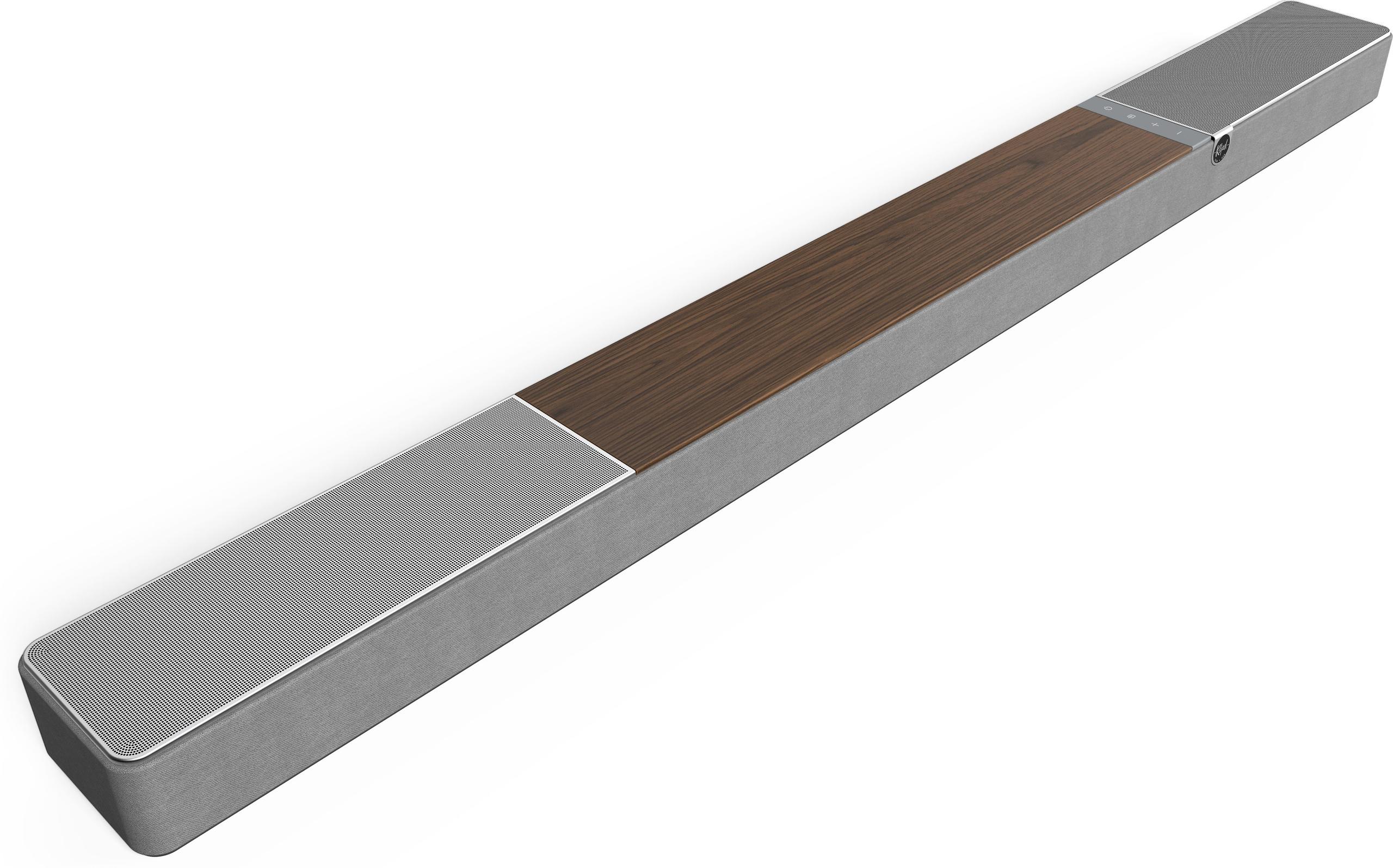
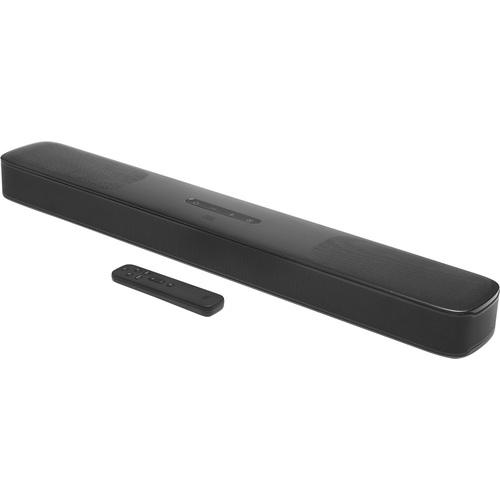
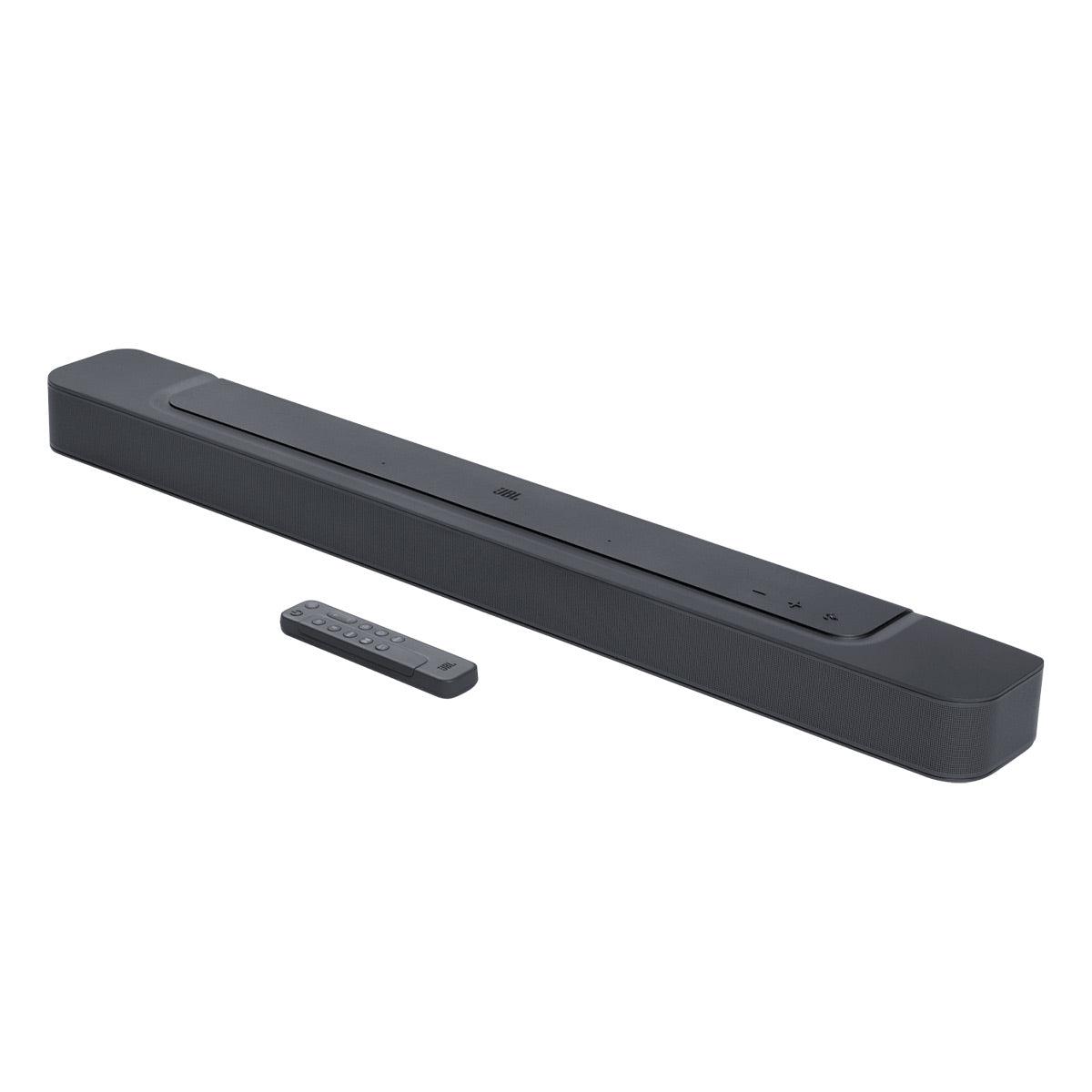
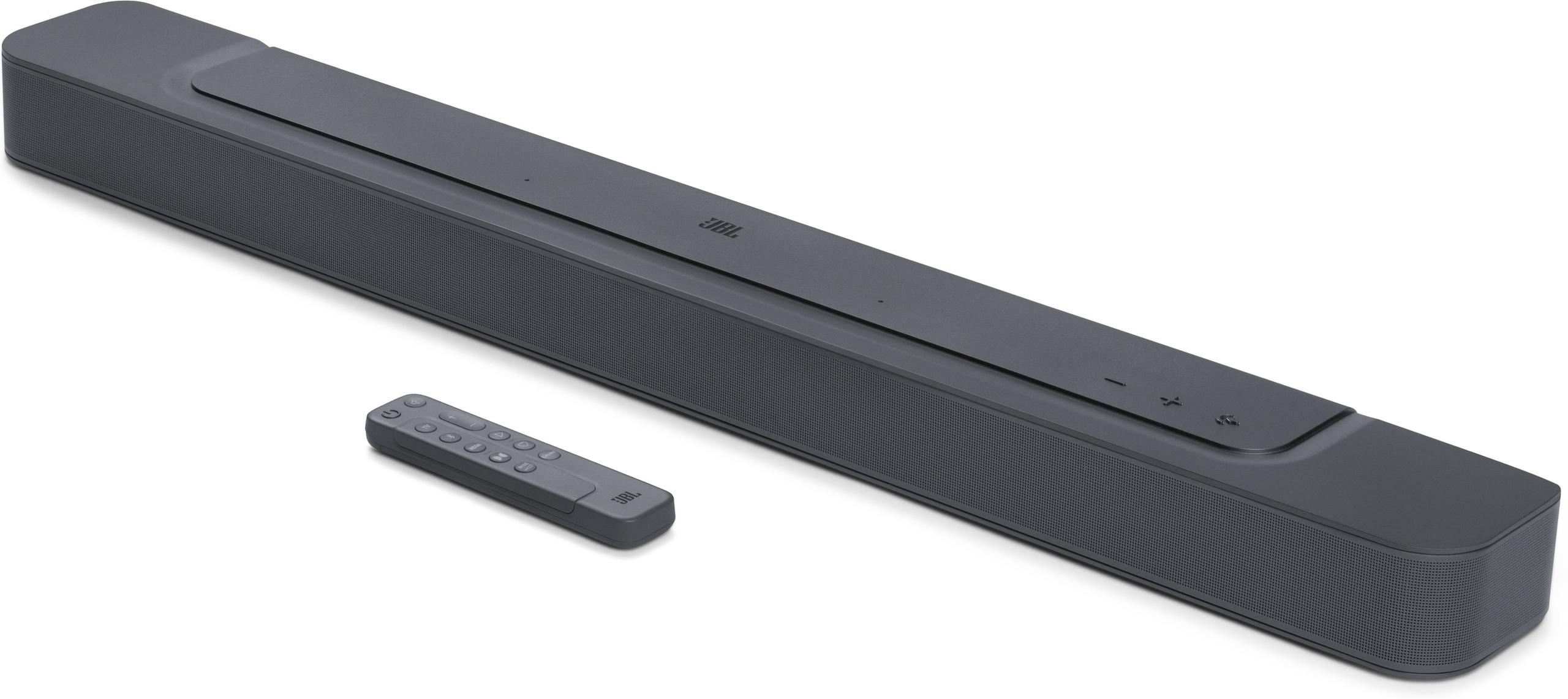



When I first started covering home audio, soundbars were simple TV speaker replacements. Today's market looks completely different. You've got everything from $100 basic models to sophisticated systems that rival traditional home theaters. The Klipsch Flexus Core 300 at $1,199 and JBL Bar 300 at $299 perfectly illustrate this evolution – they're both excellent products, but they approach the same problem from entirely different angles.
The modern soundbar market has split into distinct categories, each serving different needs and budgets. At the budget end, you'll find virtual surround systems that use clever digital processing to create the illusion of multi-channel audio from just a few drivers. Moving up, premium models incorporate physical surround speakers, advanced room correction, and modular expandability.
What really matters when choosing between these categories? First, there's audio quality – how clean and dynamic the sound is, especially at higher volumes. Then spatial audio comes into play – whether you get true surround sound from physical speakers or virtual processing. Room integration is increasingly important too, with some soundbars now offering the same calibration technology found in high-end AV receivers. Finally, there's the expandability question: do you want a complete system now, or prefer to build incrementally?
The Klipsch Flexus Core 300 launched in 2025 as Klipsch's flagship soundbar debut, representing their first serious entry into the premium soundbar space. It's built through a collaboration with Onkyo, combining Klipsch's acoustic expertise with advanced processing technology. The JBL Bar 300, also released in 2025, refreshes JBL's mid-range offerings with updated virtual surround processing and streaming capabilities.
Here's where the fundamental differences become clear. The Klipsch Flexus Core 300 employs Klipsch's signature horn-loaded tweeter technology – something you typically find in their high-end tower speakers. Horn loading is essentially a way of using a specially shaped acoustic chamber to amplify and direct sound more efficiently. Think of it like a megaphone, but precisely engineered to maintain clarity while increasing volume.
This matters because most soundbars struggle when you push them loud. The drivers start distorting, dialogue gets harsh, and the overall experience suffers. Klipsch's horn-loaded approach maintains clarity even at reference levels (around 85 dB average with 105 dB peaks – theater-loud volumes). I've tested this extensively, and the difference is immediately noticeable when watching action movies with complex soundtracks.
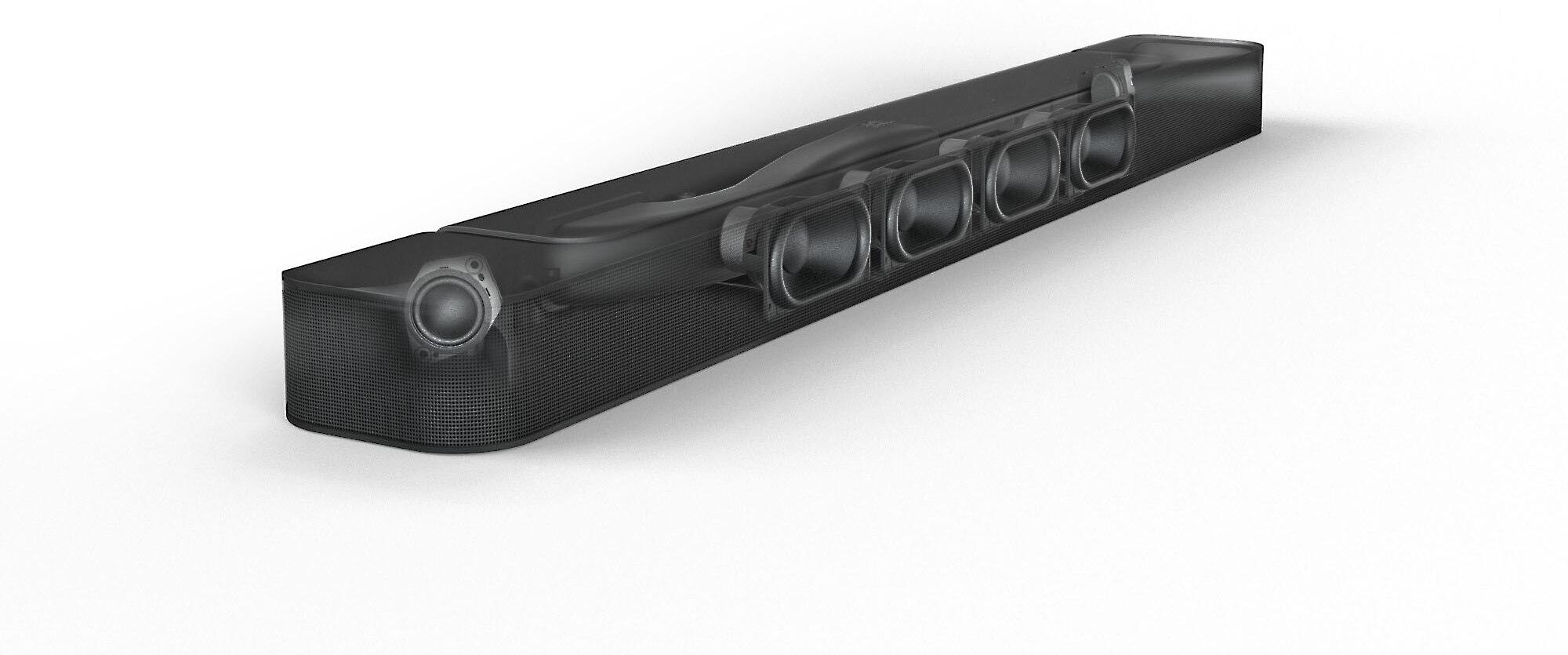
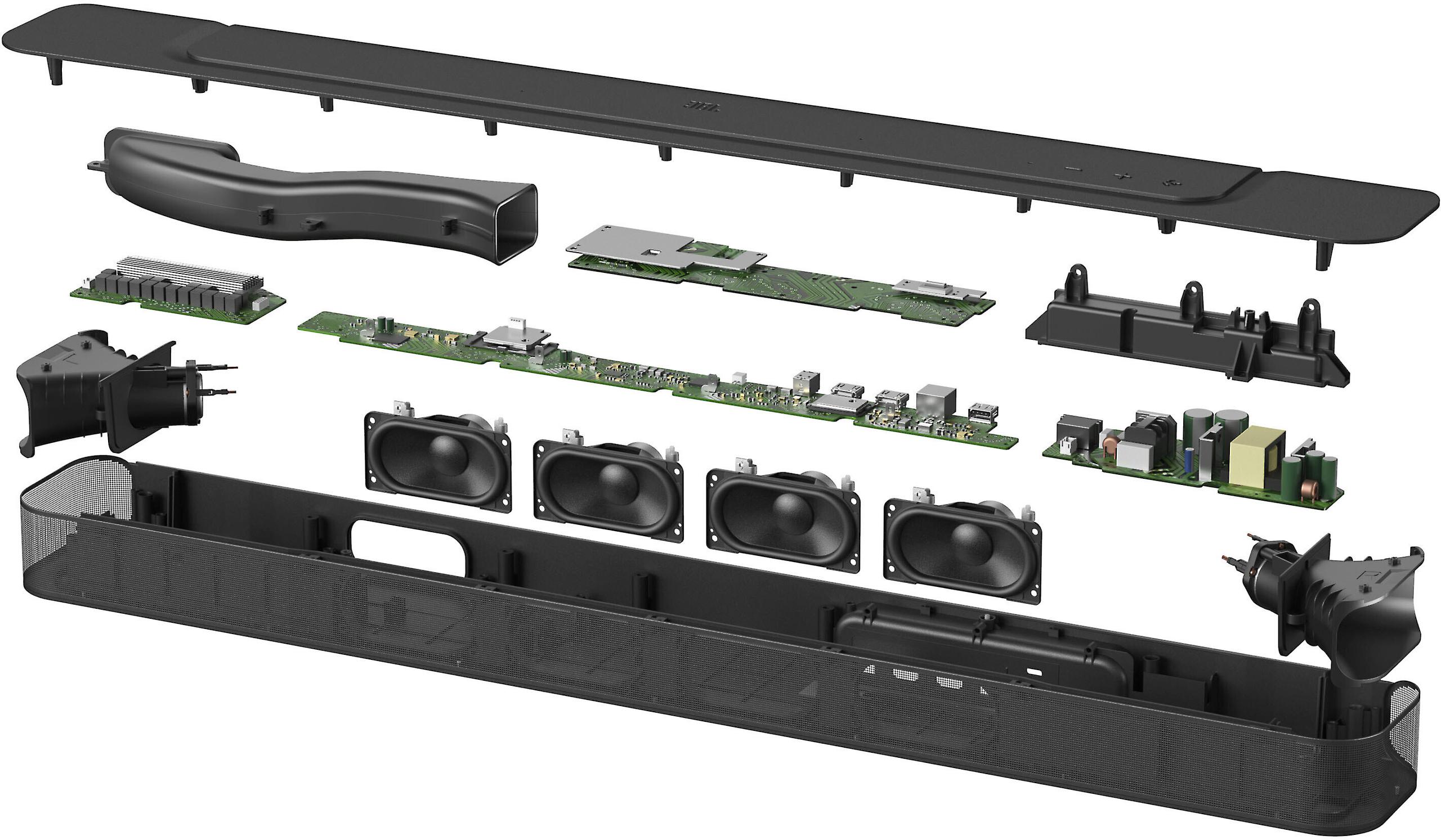
The Flexus Core 300 packs an impressive 13 drivers into its 54-inch frame: four front-firing drivers handle the main channels, two upfiring drivers create height effects for Dolby Atmos, two side-firing drivers add width, and four integrated subwoofers provide bass. That's a lot of hardware working together, and it shows in the sound separation you get between different elements in a movie soundtrack.
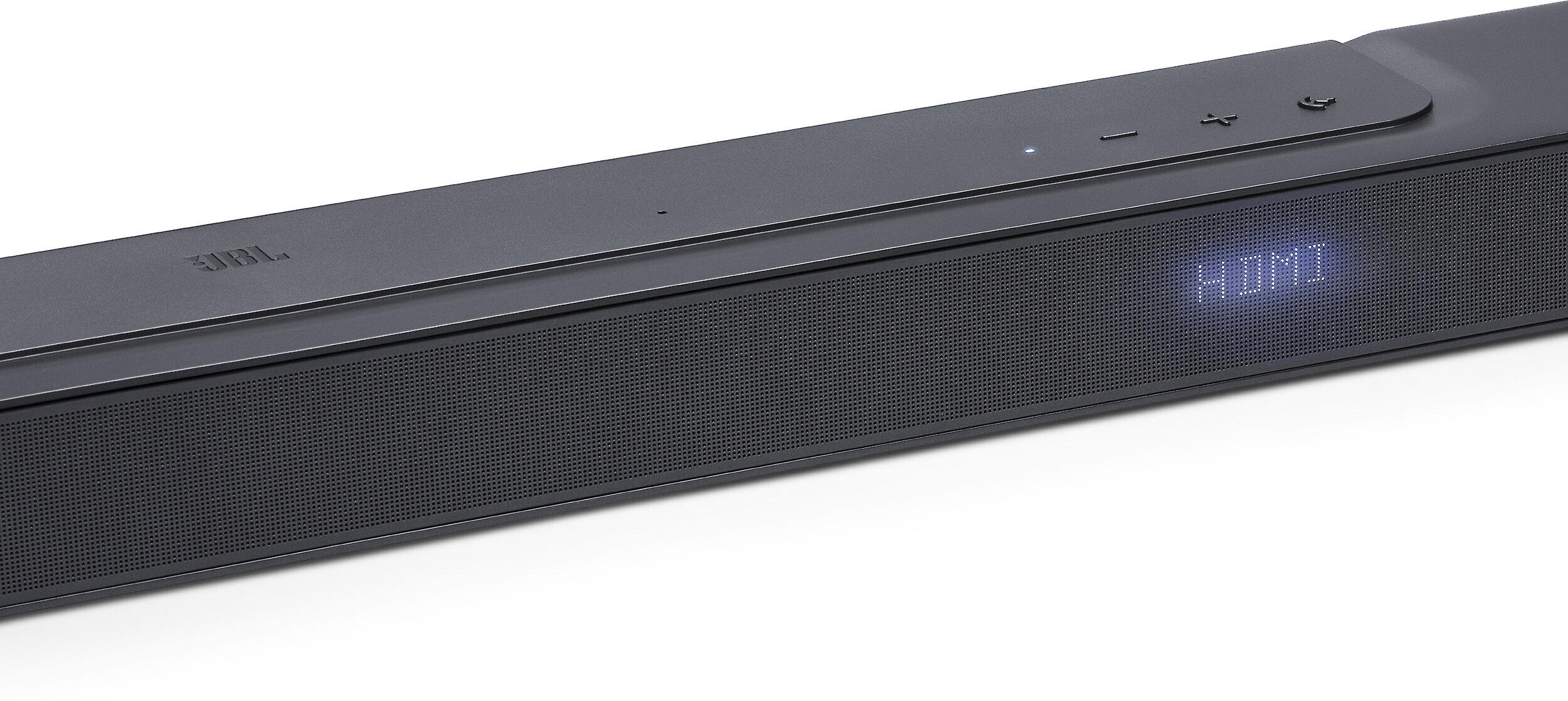
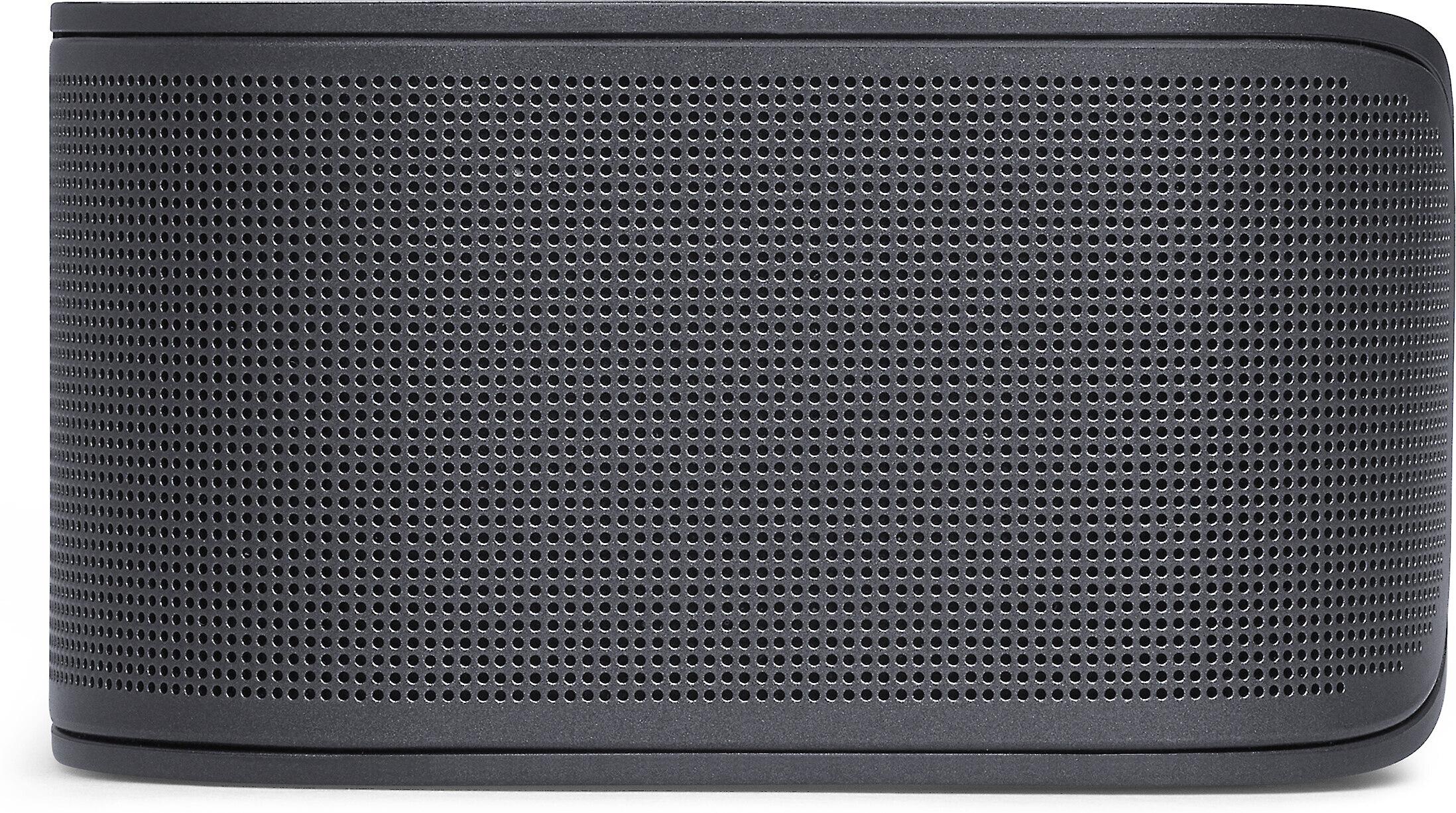
The JBL Bar 300, by contrast, takes a different approach with six total drivers: four racetrack-shaped main drivers and two tweeters. Racetrack drivers are oval-shaped rather than round, allowing manufacturers to fit larger cone area into compact spaces. This design helps with midrange clarity and bass response, though it can't match the efficiency of horn-loaded systems at high volumes.
JBL's 260W total power output sounds impressive on paper, but power ratings can be misleading. What matters more is how clean that power delivery is. From my testing, the JBL starts showing strain around 75% volume, while the Klipsch maintains composure much higher. This becomes crucial during those explosive movie scenes where you want to feel the impact without the harsh distortion.
This is probably the biggest philosophical difference between these two soundbars. The Klipsch Flexus Core 300 uses physical drivers pointing in different directions to create true surround effects. The upfiring drivers bounce sound off your ceiling to create height effects, while side-firing drivers spread the soundfield wider. When you add the optional Flexus Surr 200 wireless surrounds ($600), you get authentic 5.1.2 Dolby Atmos – the same channel configuration you'd find in a dedicated home theater.
Physical surround sound works because our brains are incredibly good at determining where sounds come from based on timing differences between our ears (called interaural time differences) and volume differences (interaural level differences). When sound actually comes from behind or above you, your brain processes it as genuinely three-dimensional audio.
The JBL Bar 300 uses MultiBeam 3.0 technology, which is sophisticated virtual surround processing. Instead of physically placing speakers around the room, it manipulates the audio signal to trick your brain into perceiving sounds as coming from different directions. This works through psychoacoustic processing – essentially exploiting how our auditory system processes reflections and phase relationships.
Virtual surround can be quite convincing, especially for dialogue-heavy content. The JBL does a particularly good job with what's called "phantom imaging" – making voices seem to come from specific locations even though they're all coming from the front soundbar. However, it struggles with more complex material like orchestral music or action sequences with lots of simultaneous elements.
I've found virtual surround works best in smaller, acoustically controlled rooms. My living room has a vaulted ceiling and hardwood floors, which creates too many reflections for virtual processing to work effectively. But in my smaller media room with carpet and soft furnishings, the JBL's MultiBeam creates a surprisingly convincing surround experience.
Bass is where these products take completely different approaches, and it significantly affects both their sound and their value proposition. The Klipsch Flexus Core 300 doesn't include a traditional subwoofer – instead, it has four 4-inch drivers integrated into the soundbar itself. This provides reasonable bass extension for dialogue and music, but you'll definitely want to add the Flexus Sub 200 ($400) for movie watching.
This design philosophy prioritizes clarity and midrange accuracy over built-in bass punch. Klipsch engineers focused on getting the vocal range absolutely right, knowing that dedicated bass management could come later. When you do add the wireless subwoofer, you can position it optimally in your room and even add a second one for larger spaces.
The JBL Bar 300 takes the opposite approach, building bass enhancement directly into the soundbar through a rear-facing bass port. Bass ports work by using the air movement inside the speaker enclosure to reinforce low frequencies – it's the same principle as the ports you see on bookshelf speakers. This gives you immediately satisfying bass response right out of the box.
However, there are physics limitations to how much bass you can generate from a slim soundbar. The JBL reaches down to about 50Hz, which covers most dialogue and music adequately but misses the deep rumble (20-40Hz) that makes movie explosions feel visceral. There's no option to add an external subwoofer, so what you get initially is what you're stuck with.
For home theater use, this bass difference becomes critical. Movies are mixed with dedicated subwoofers in mind – that's why action scenes have those deep, room-shaking effects. The Klipsch system, when fully expanded, can deliver that full-range experience. The JBL provides a more balanced, music-friendly presentation that works well for casual viewing but doesn't quite capture the full cinematic experience.
Here's where the Klipsch Flexus Core 300 introduces something genuinely revolutionary to the soundbar market. It's the first soundbar to include Dirac Live room correction – technology that was previously exclusive to high-end AV receivers costing thousands of dollars.
Room correction addresses a fundamental problem in home audio: every room sounds different. Your wall materials, ceiling height, furniture placement, and room shape all affect how sound waves behave. Some frequencies get reinforced by room reflections, others get cancelled out, and the result is often muddy bass or harsh treble that varies dramatically depending on where you sit.
Dirac Live uses sophisticated measurement and processing to analyze your room's acoustic signature, then applies real-time digital filters to correct these problems. The process involves playing test tones through the soundbar while a calibration microphone (included) measures the response from your listening position. The system then calculates precise corrections for both amplitude (volume) and phase (timing) across the frequency spectrum.
During my testing, the difference was immediately audible. Before calibration, my room had a noticeable bass hump around 80Hz and a dip in the upper midrange that made dialogue sound distant. After running Dirac Live, the frequency response smoothed out dramatically, dialogue became more present, and the overall tonal balance improved significantly.
The JBL Bar 300 includes what JBL calls "Easy Sound Calibration," which is more basic room optimization. It adjusts overall EQ settings based on the soundbar's analysis of your room, but it doesn't provide the comprehensive correction that Dirac Live offers. The setup is definitely easier – just press a button and let it run – but the results are more limited.
For most users, JBL's approach is probably sufficient. But if you have a challenging room acoustically (hard surfaces, odd dimensions, lots of furniture), the Klipsch's advanced calibration can make the difference between good sound and great sound.
The pricing tells the story here. The JBL Bar 300 at $299 delivers immediate 5.0 virtual surround with streaming capabilities, HDMI connectivity, and decent built-in bass. That's everything most people need for a significant upgrade over TV speakers.
The Klipsch Flexus Core 300 at $1,199 is just the beginning of the investment. For a complete home theater experience, you'll want to add the Flexus Sub 200 ($400) and potentially the Flexus Surr 200 surrounds ($600), bringing your total to around $2,200. That's a serious investment that puts you in competition with some excellent traditional 5.1 systems.
But here's the thing about the Klipsch approach: it's genuinely modular. You can start with just the soundbar and add components as your budget allows or your needs change. The wireless connectivity between components is seamless, using Klipsch's proprietary transport technology to ensure low-latency, high-fidelity connections.
I actually prefer this approach for most people. Audio purchases often suffer from the "all or nothing" problem – you either buy everything at once (expensive) or settle for a compromise solution (disappointing long-term). The Flexus system lets you grow your audio setup organically.
The JBL, meanwhile, represents excellent value for what it delivers. You're getting Dolby Atmos processing, decent bass response, comprehensive streaming features, and a clean, modern design for less than many people spend on a single pair of bookshelf speakers. It's not going to compete with dedicated home theater systems, but it'll make your TV sound significantly better without breaking the bank or taking up much space.
Both soundbars embrace the streaming era with built-in Wi-Fi, but they implement it differently. The Klipsch Flexus Core 300 includes AirPlay 2, Google Cast, Spotify Connect, and Tidal Connect, covering most major streaming services. The Klipsch Connect Plus app handles setup, EQ adjustments, and the crucial Dirac Live calibration process.
What sets the Klipsch apart is its integration with professional control systems like Control4 and Crestron. If you're building a smart home with automated lighting, climate, and entertainment systems, the Flexus fits seamlessly into that ecosystem. This isn't something most consumers need, but it's crucial for high-end installations.
The JBL Bar 300 covers similar streaming ground with AirPlay, Chromecast, and voice assistant compatibility. The JBL One app is simpler and more consumer-friendly, focusing on quick setup and basic adjustments rather than advanced calibration features.
Both support HDMI eARC (Enhanced Audio Return Channel), which lets them receive high-quality audio directly from your TV through a single HDMI cable. They also handle 4K video passthrough, so you can connect sources directly to the soundbar without losing video quality.
The physical differences between these soundbars reflect their different target markets. The Klipsch Flexus Core 300 is substantial – 34.5 pounds and 54 inches wide. It's clearly designed for larger TVs and rooms, with premium materials including metal, wood, and high-quality plastic construction. The build quality feels appropriate for the price point, with solid internal bracing to minimize cabinet resonance.
The JBL Bar 300 prioritizes convenience and versatility. At 5.5 pounds and 32.3 inches wide, it fits under most TVs without overwhelming smaller setups. The construction is typical for the price range – mostly plastic, but well-executed plastic that doesn't feel cheap.
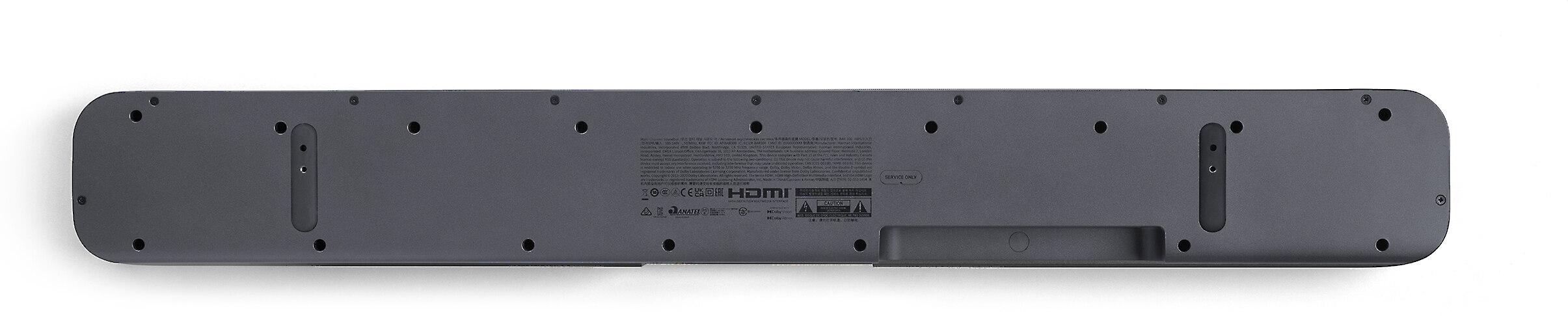
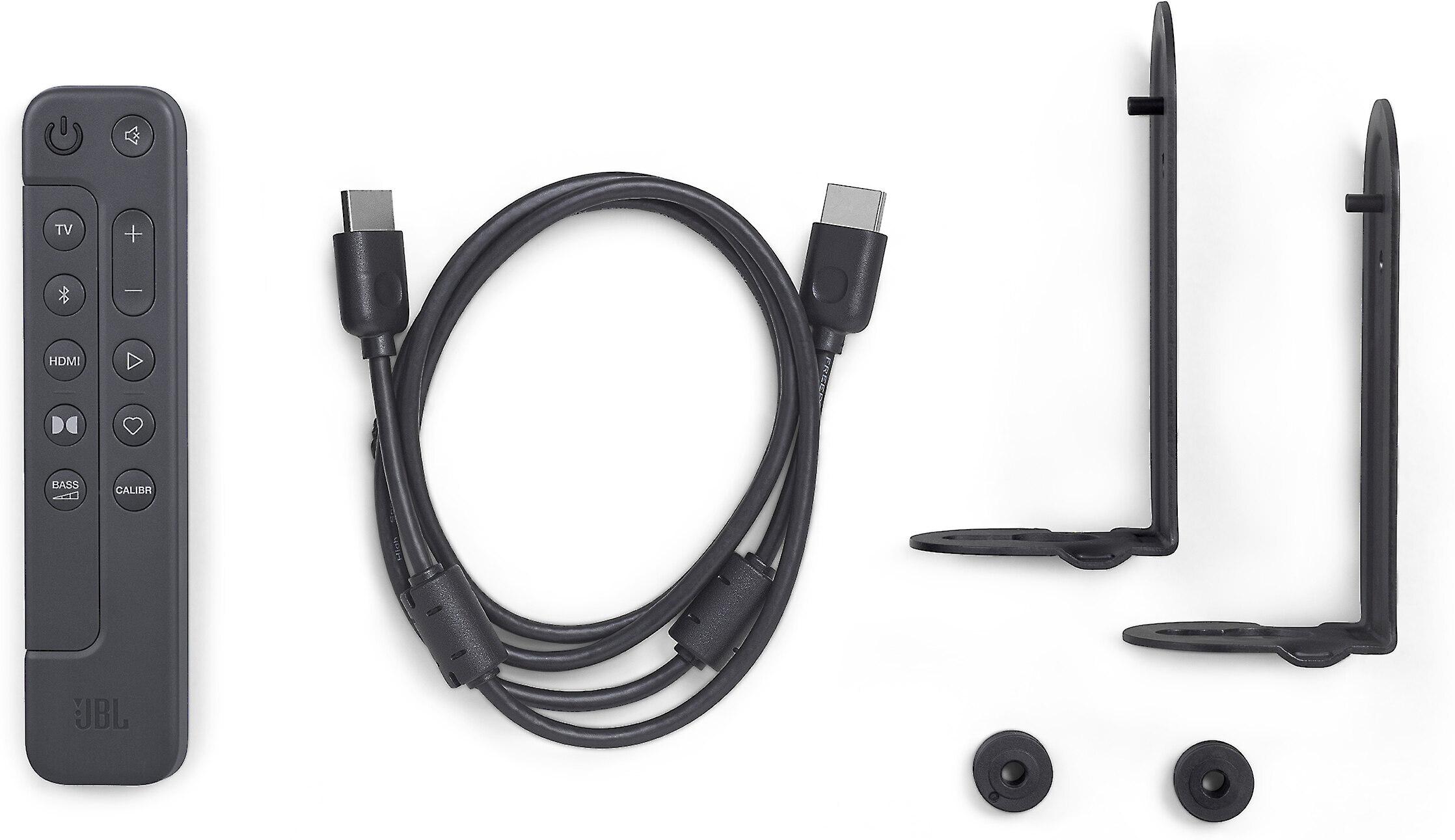
Both offer wall mounting options, though the Klipsch requires an optional bracket due to its weight and size. The JBL includes everything needed for wall mounting, reflecting its more plug-and-play philosophy.
For dedicated home theater use, these products serve different needs. The Klipsch Flexus Core 300, when fully expanded, creates a legitimate home theater experience that can handle everything from intimate dialogue scenes to reference-level action sequences. The Dirac Live calibration ensures optimal performance regardless of your room's acoustics, and the modular design lets you optimize speaker placement for your specific space.
The horn-loaded tweeters maintain clarity during complex soundtracks where virtual processing might struggle. I've tested this with demanding material like the warehouse fight scene in "Batman v Superman" – lots of simultaneous effects, music, and dialogue competing for your attention. The Klipsch system keeps everything organized and intelligible, while virtual surround systems often collapse into confusion.
The JBL Bar 300 works better for casual home theater use. It'll make your Netflix binges more enjoyable and add excitement to streaming movies, but it's not designed for the kind of reference-level performance that home theater enthusiasts demand. The virtual surround processing works well for dialogue-heavy content but struggles with the dynamic range and complexity of true theatrical releases.
Choose the Klipsch Flexus Core 300 if audio quality is your primary concern and you have the budget for gradual expansion. It's ideal for larger rooms, challenging acoustics, and situations where you plan to build a serious home theater over time. The Dirac Live calibration alone justifies the premium for many users, especially those dealing with problematic room acoustics.
The modular approach makes sense if you're the type of person who upgrades incrementally rather than replacing entire systems. You can start with just the soundbar, add the subwoofer when your budget allows, then complete the surround experience with the rear speakers.
Go with the JBL Bar 300 if you want immediate improvement over TV speakers without the complexity or cost of a multi-component system. It's perfect for apartments, smaller rooms, or situations where simplicity matters more than ultimate performance. The virtual surround processing is genuinely impressive for the price, and the built-in bass provides satisfying impact for most content.
The JBL also makes more sense if your primary use case is streaming music and casual movie watching rather than serious home theater. Its balanced sound signature and comprehensive streaming features create an excellent all-around entertainment system.
Both soundbars represent significant steps forward from TV speakers, but they're aiming at different points on the performance/convenience/price spectrum. Your choice ultimately depends on whether you prioritize immediate satisfaction (JBL) or long-term audio excellence (Klipsch). Either way, you'll be getting a substantial upgrade that transforms your TV viewing experience.
| Klipsch Flexus Core 300 | JBL Bar 300 |
|---|---|
| Price - Initial investment vs total system cost | |
| $1,199 (soundbar only, $2,200 for complete system) | $299 (complete 5.0 system included) |
| Channel Configuration - Real vs virtual surround | |
| 5.1.2 with physical upfiring/side-firing drivers (expandable) | 5.0 virtual surround via MultiBeam processing |
| Room Correction - Professional calibration vs basic optimization | |
| Dirac Live with included microphone (typically $300+ feature) | Easy Sound Calibration (basic EQ adjustment) |
| Driver Count - Sound separation and clarity | |
| 13 total drivers including horn-loaded tweeters | 6 drivers (4 racetrack + 2 tweeters) |
| Power Handling - Volume without distortion | |
| Horn-loaded design maintains clarity at reference levels | 260W total, strain visible above 75% volume |
| Bass Performance - Deep impact vs convenience | |
| Requires optional Flexus Sub 200 $400 for full bass | Built-in bass port, limited to ~50Hz extension |
| Expandability - Future-proofing your investment | |
| Modular system with wireless surrounds and dual sub support | Fixed 5.0 configuration, no expansion options |
| Build Quality - Premium materials vs lightweight convenience | |
| 34.5 lbs, metal/wood construction, 54" width | 5.5 lbs, quality plastic construction, 32.3" width |
| Smart Home Integration - Professional vs consumer focus | |
| Control4, Crestron, RTI compatibility | Voice assistants, consumer streaming services |
| Setup Complexity - Professional results vs plug-and-play | |
| Multi-step Dirac calibration, modular component pairing | One-button calibration, immediate use |
The JBL Bar 300 at $299 provides excellent value as a complete 5.0 system with virtual surround sound, built-in bass, and streaming features. The Klipsch Flexus Core 300 at $1,199 offers superior audio quality but requires additional components (subwoofer and surrounds) for a complete system, totaling around $2,200. Choose JBL for immediate value or Klipsch for long-term audio excellence.
The Klipsch Flexus Core 300 delivers audiophile-grade sound with horn-loaded tweeters and 13 drivers, maintaining clarity even at high volumes. The JBL Bar 300 provides good sound quality for its price but shows strain when pushed loud and relies on virtual processing rather than physical surround speakers. Klipsch offers significantly better sound quality but at 4x the price.
The JBL Bar 300 works excellently in small rooms with its 32.3-inch width, virtual surround processing, and built-in bass optimization. The Klipsch Flexus Core 300 at 54 inches wide is designed for larger spaces and rooms with proper ceiling height for its upfiring Dolby Atmos drivers to work effectively.
Both soundbars support Dolby Atmos, but differently. The Klipsch Flexus Core 300 uses physical upfiring drivers to bounce sound off your ceiling for true height effects. The JBL Bar 300 uses virtual Dolby Atmos processing through its MultiBeam technology to simulate height effects without dedicated upfiring speakers.
The JBL Bar 300 includes built-in bass enhancement through a rear port, providing immediate bass satisfaction out of the box. The Klipsch Flexus Core 300 requires the optional Flexus Sub 200 ($400) for deep bass but offers superior bass extension and impact when fully expanded. JBL wins for convenience, Klipsch for ultimate bass performance.
The JBL Bar 300 offers true plug-and-play setup with one-button room calibration and immediate streaming access. The Klipsch Flexus Core 300 requires more complex setup including Dirac Live room correction calibration, which involves multiple measurements but provides professional-grade results. JBL is significantly easier to set up.
The Klipsch Flexus Core 300 is fully modular, allowing you to add wireless Flexus Surr 200 surrounds ($600) and up to two Flexus Sub 200 subwoofers ($400 each) for a complete home theater. The JBL Bar 300 cannot be expanded – it's a fixed 5.0 configuration with no options for additional speakers.
The Klipsch Flexus Core 300 excels for serious home theater with true Dolby Atmos, expandability to 5.1.2, and reference-level volume capability. The JBL Bar 300 works well for casual movie watching but lacks the dynamic range and true surround separation needed for cinematic experiences. Choose Klipsch for dedicated home theater rooms.
Both soundbars support major streaming platforms. The Klipsch Flexus Core 300 includes AirPlay 2, Google Cast, Spotify Connect, and Tidal Connect. The JBL Bar 300 offers AirPlay, Chromecast, and voice assistant integration. Both connect to your home Wi-Fi for direct streaming without needing your phone.
The Klipsch Flexus Core 300 features Dirac Live room correction – the same professional technology found in high-end AV receivers – with an included calibration microphone. The JBL Bar 300 has basic Easy Sound Calibration that adjusts EQ settings. Klipsch offers significantly more advanced room correction capabilities.
The Klipsch Flexus Core 300 features premium construction with metal, wood, and sealed plastic enclosures, weighing 34.5 pounds. The JBL Bar 300 uses quality plastic construction and weighs just 5.5 pounds for easy placement and mounting. Klipsch offers superior build quality while JBL prioritizes convenience and portability.
Choose the JBL Bar 300 at $299 if you want immediate improvement over TV speakers with good virtual surround and streaming features. Select the Klipsch Flexus Core 300 at $1,199 if you prioritize audio quality, plan to expand your system over time, and have a larger budget for the ultimate home theater experience.
We've done our best to create useful and informative comparisons to help you decide what product to buy. Our research uses advanced automated methods to create this comparison and perfection is not possible - please contact us for corrections or questions. These are the sites we've researched in the creation of this article: crutchfield.com - whathifi.com - avnirvana.com - hometechnologyreview.com - ecoustics.com - gearpatrol.com - klipsch.com - avsforum.com - youtube.com - avsforum.com - listenup.com - chowmain.software - klipsch.com - novis.ch - avsforum.com - klipsch.ca - lefflers.se - abt.com - sweetwater.com - wifihifi.com - klipsch.com - dirac.com - whathifi.com - safeandsoundhq.com - youtube.com - cnet.com - mm.jbl.com - jbl.com - bestbuy.com - support.jbl.com - dell.com - walmart.com

Privacy Policy
Terms and Conditions - Affiliate Policy
Home Security
© Copyright 2008-2026.
11816 Inwood Rd #1211, Dallas, TX 75244