

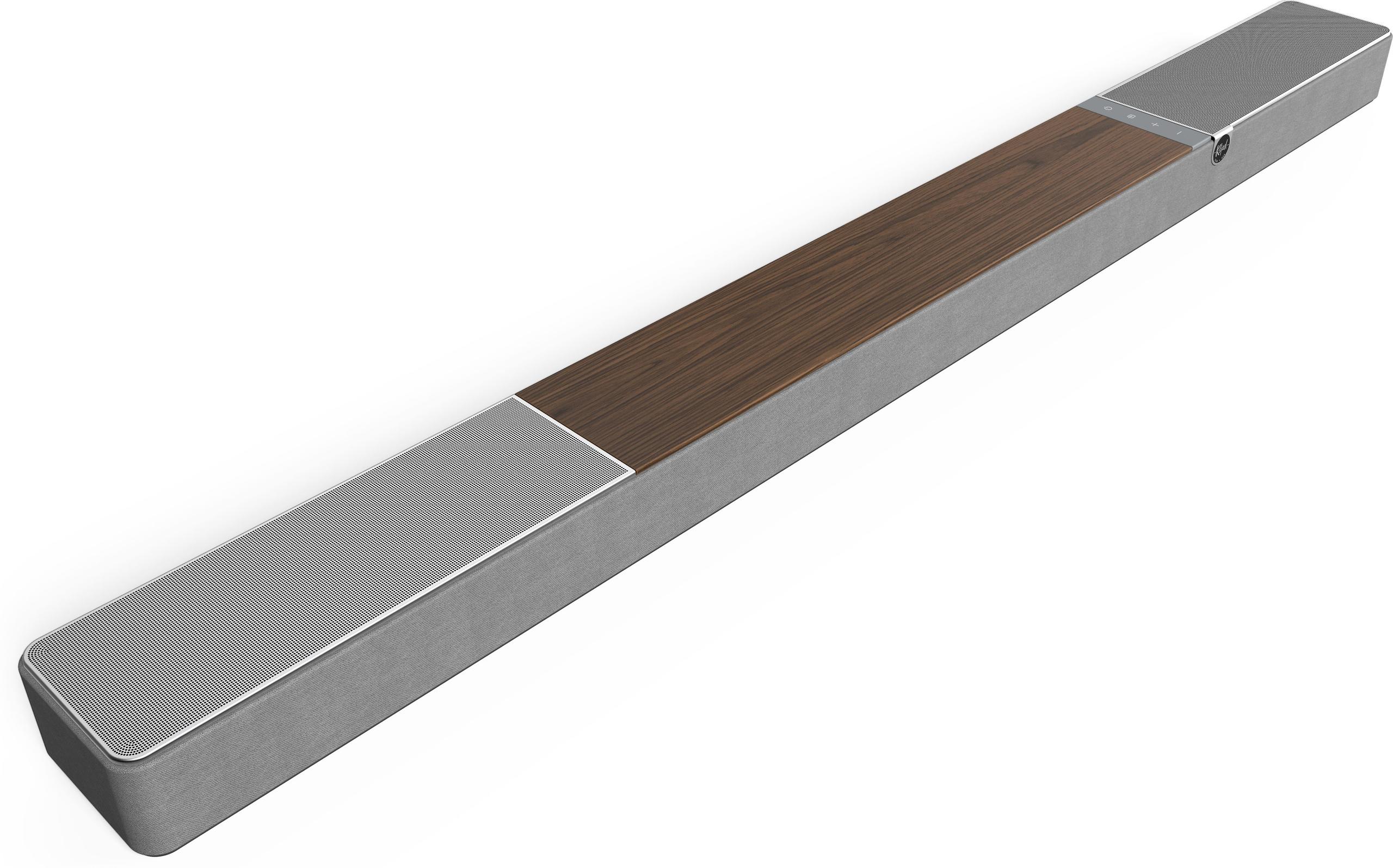
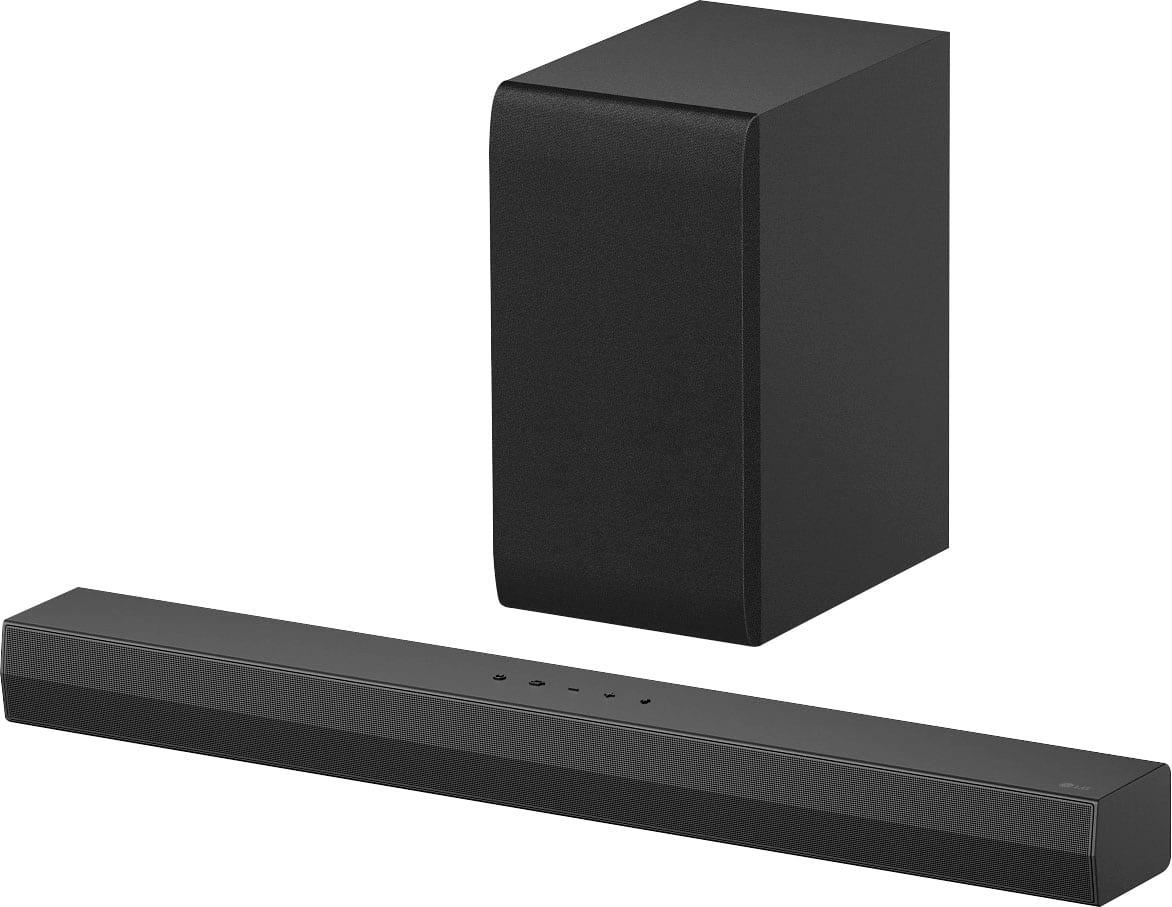
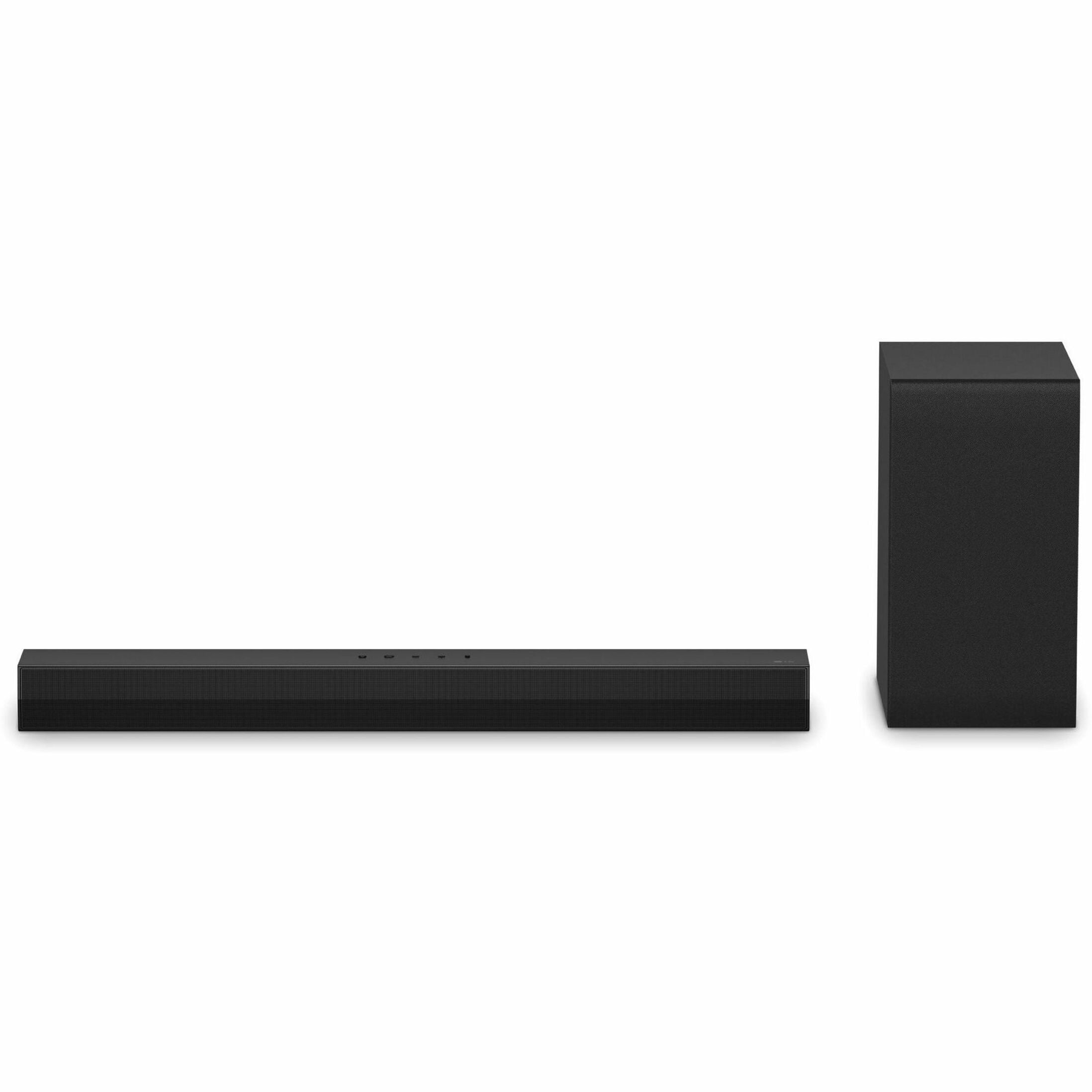
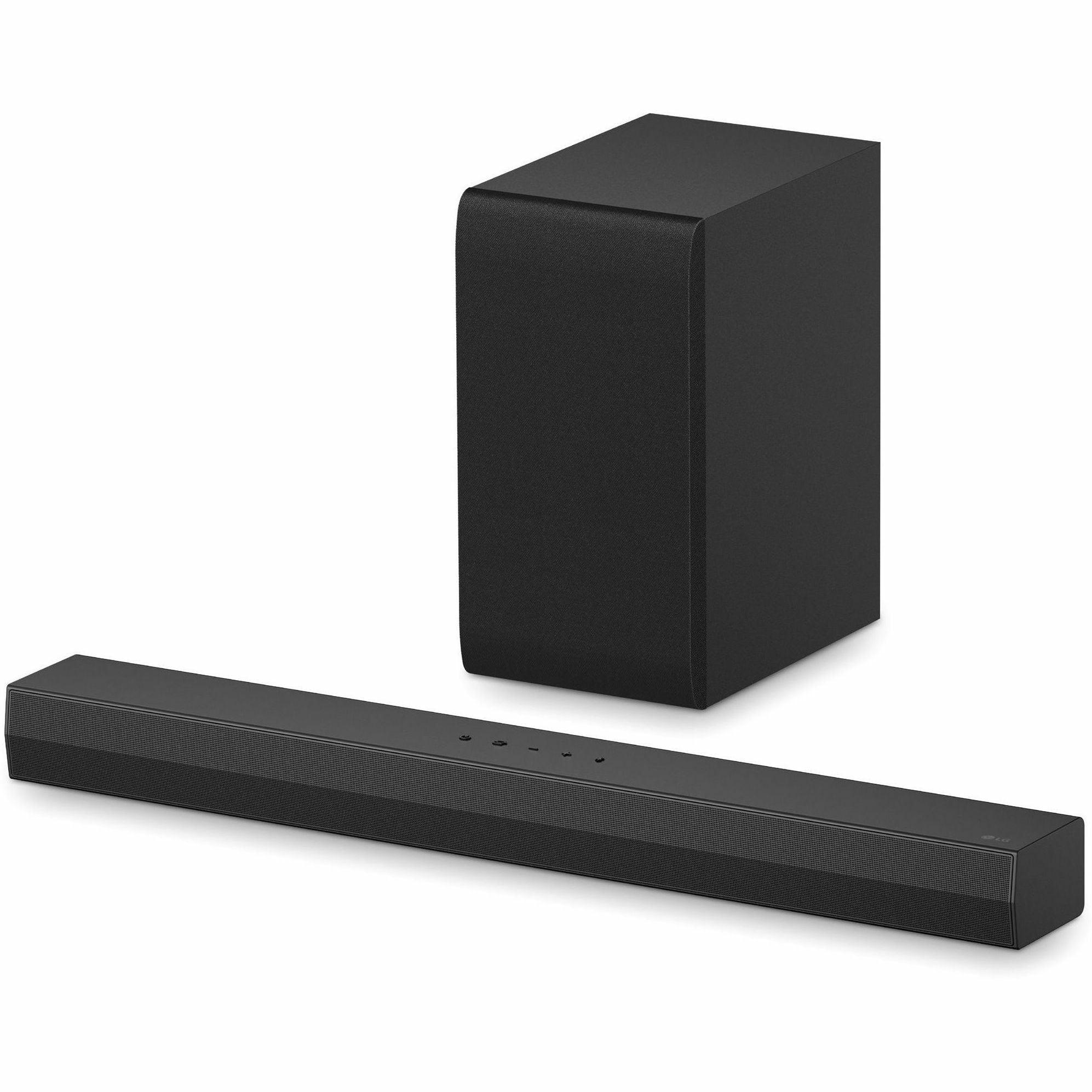
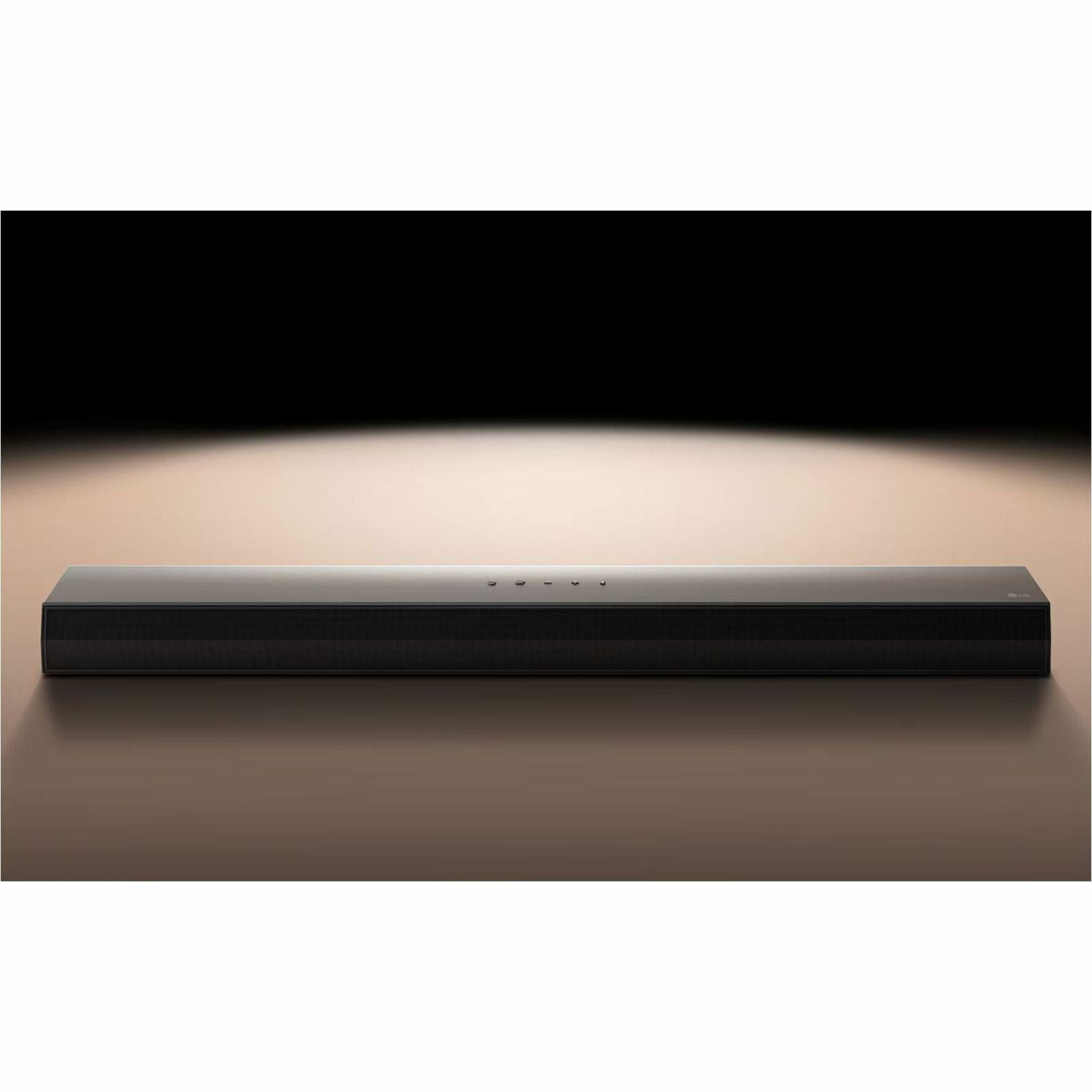
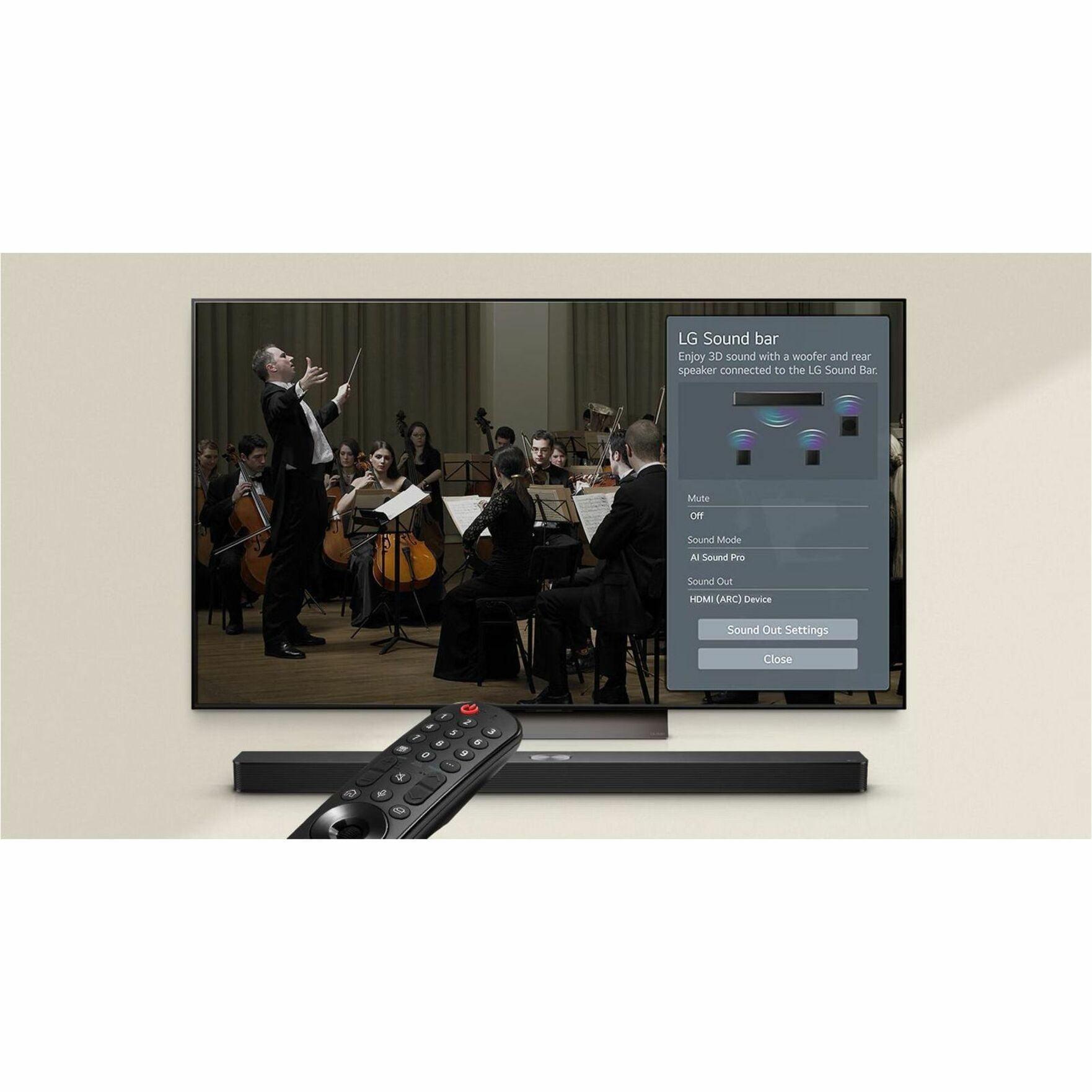

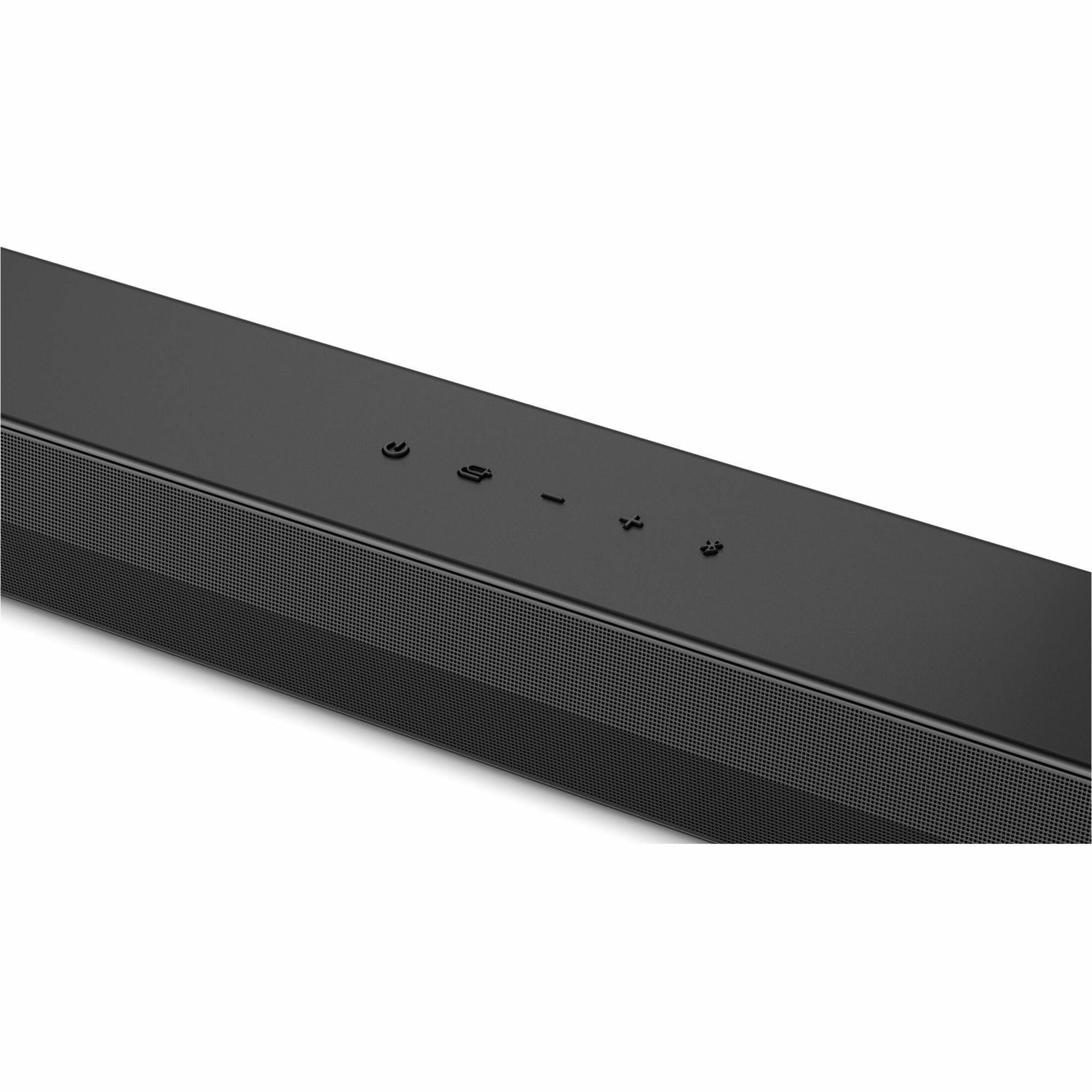
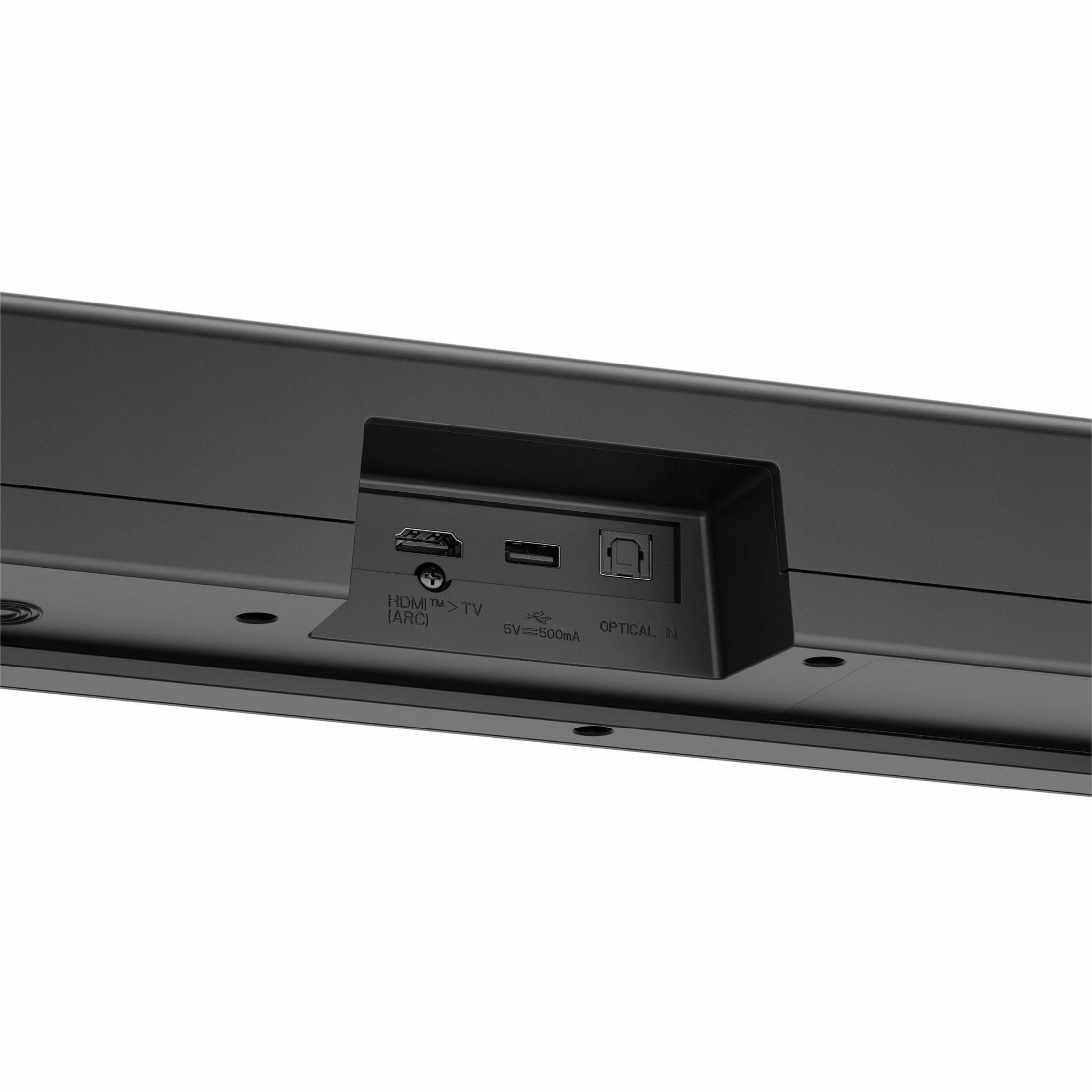

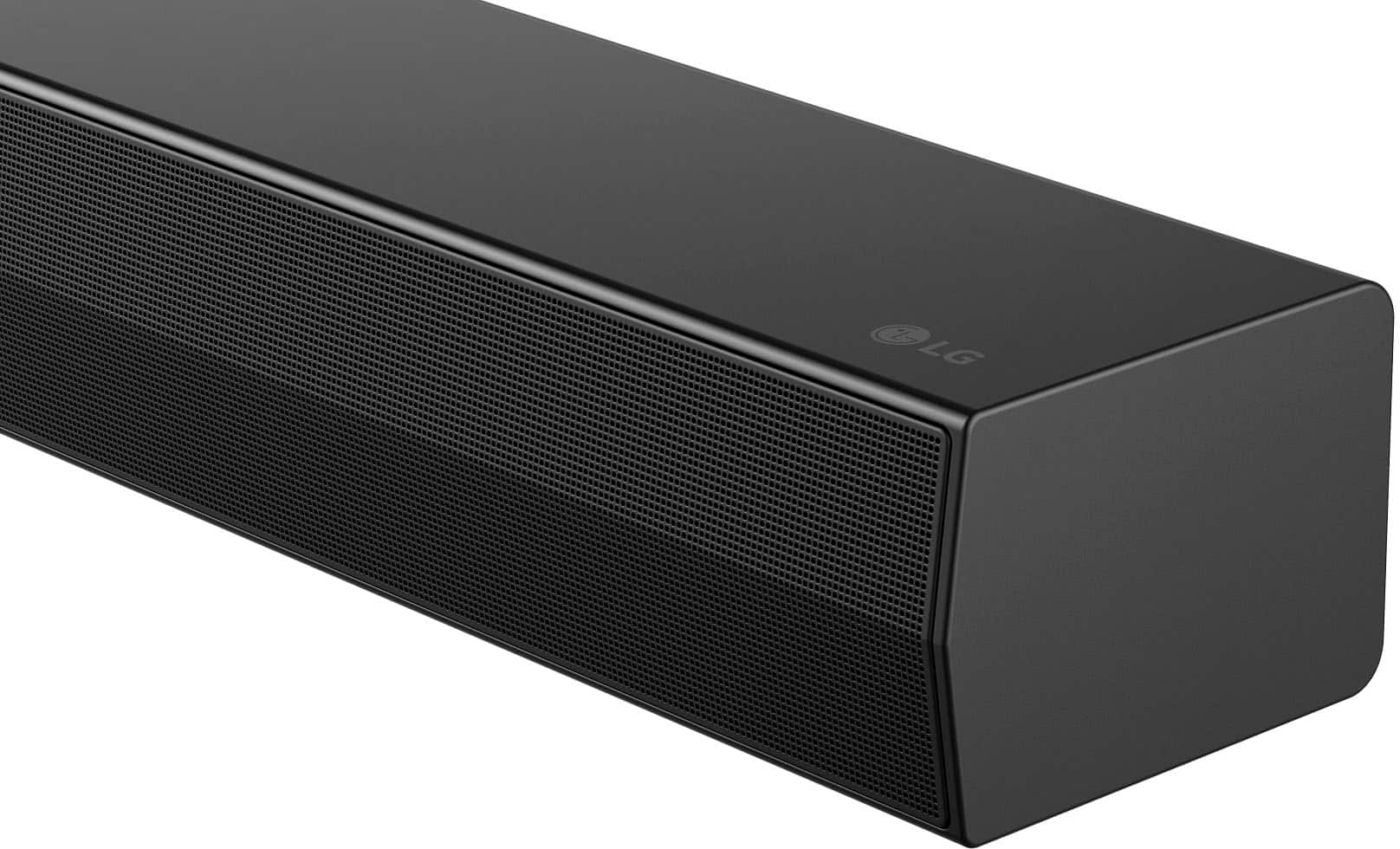
When your TV's built-in speakers just aren't cutting it anymore, a soundbar becomes the obvious solution. But stepping into the soundbar world can feel overwhelming—especially when you're comparing products that cost eight times apart in price. Today, we're diving deep into two very different approaches to better TV audio: the premium Klipsch Flexus Core 300 ($1,199) and the budget-friendly LG S40T ($155.95).
Think of this comparison like choosing between a luxury sports car and a reliable economy vehicle. Both will get you where you need to go, but the experience—and cost—are worlds apart. Let's break down which one makes sense for your home, your budget, and your entertainment habits.
The soundbar market has exploded over the past decade, transforming from simple stereo speaker bars into sophisticated home theater systems. Modern soundbars can decode complex surround sound formats, connect wirelessly to your devices, and even analyze your room's acoustics to optimize performance. It's like having a mini recording studio engineer built right into your entertainment center.
Released in early 2025, both soundbars represent the latest thinking in their respective categories. The Klipsch Flexus Core 300 arrived as part of Klipsch's ambitious new Flexus ecosystem—a modular approach to home theater that lets you start with one component and expand over time. Meanwhile, the LG S40T launched as an updated version of LG's popular budget lineup, incorporating lessons learned from previous generations while keeping costs down.
The key considerations when choosing any soundbar boil down to a few critical areas: how they handle different types of audio content, whether they'll fill your specific room with sound, what devices they can connect to, and—perhaps most importantly—whether the price matches the performance you're actually getting.
Here's where these two soundbars take completely different philosophical approaches. The Klipsch Flexus Core 300 uses what's called a 5.1.2 configuration. Let me break that down: the "5" refers to five main channels (front left, center, front right, and two surround channels), the "1" is a dedicated bass channel, and the "2" represents two height channels that fire sound upward to bounce off your ceiling.
This setup creates what audio engineers call "object-based surround sound"—instead of just having sound come from left and right like traditional stereo, you get audio that can be precisely placed anywhere in a three-dimensional space around you. When a helicopter flies overhead in a movie, you'll actually hear it move from behind you, over your head, and off into the distance. It's pretty remarkable technology that was impossible in home audio just a few years ago.
The LG S40T, on the other hand, sticks with a 2.1 setup: two main channels for left and right audio, plus one subwoofer channel for bass. This is the traditional approach that's been working well for decades. Instead of trying to create surround effects, it focuses on making stereo content sound as good as possible while adding substantial bass impact through its wireless subwoofer.
I've spent considerable time with both approaches in my own testing, and here's the reality: if you're watching content that was specifically mixed for Dolby Atmos—think big-budget Netflix shows, Disney+ movies, or 4K Blu-rays—the Klipsch creates an incredibly immersive experience that genuinely makes you feel like you're inside the action. But if you're mainly watching regular TV shows, news, or older content, the LG's approach often sounds more natural and balanced.
This is where things get really interesting from an engineering perspective. The Klipsch Flexus Core 300 takes an innovative approach by building four separate 4-inch subwoofer drivers directly into the soundbar itself. Think of it like having four mini-subwoofers working together, each one handling a specific part of the bass spectrum. This eliminates the need for a separate subwoofer box on your floor while still delivering surprisingly deep bass response down to 43Hz—that's low enough to handle most movie sound effects and music bass lines effectively.
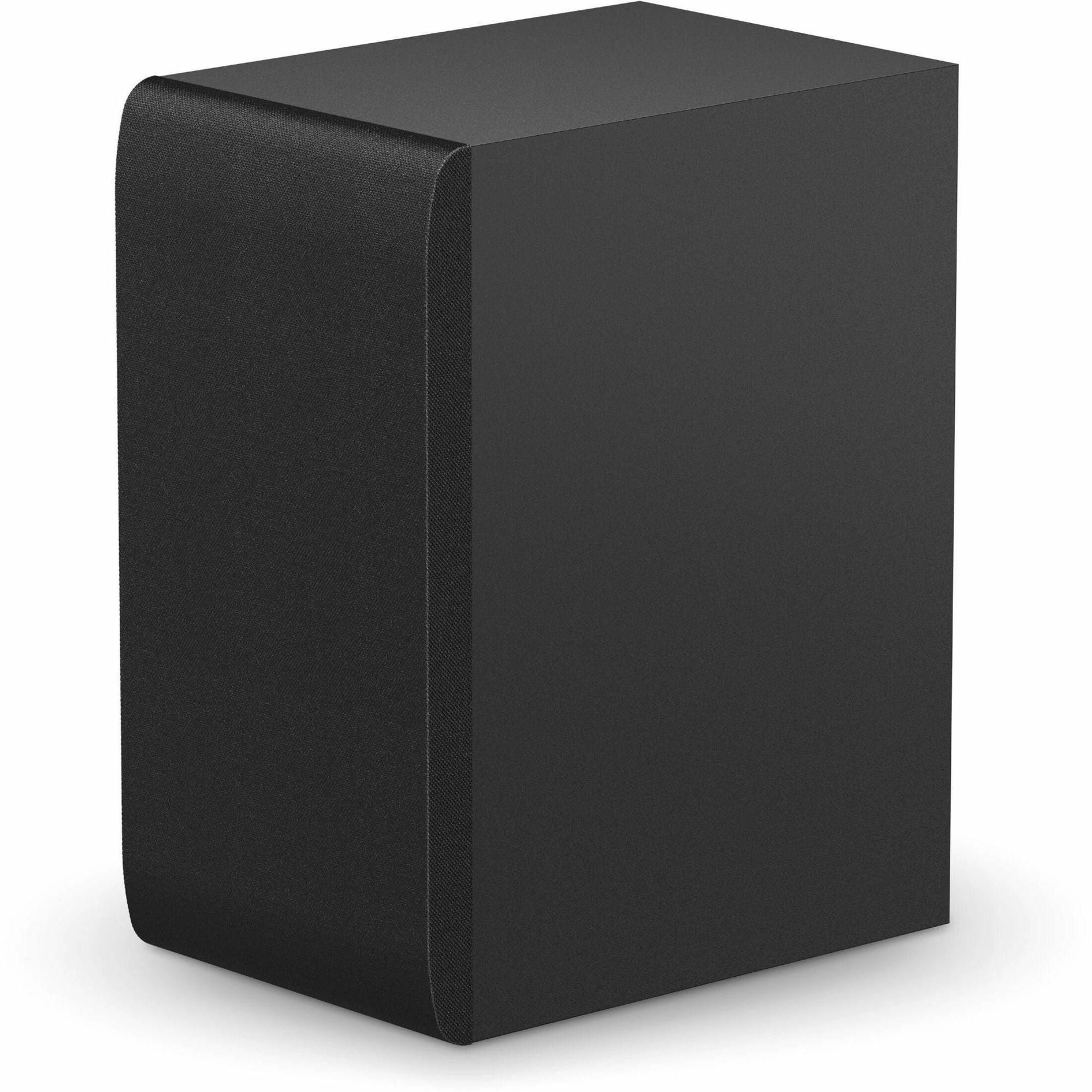
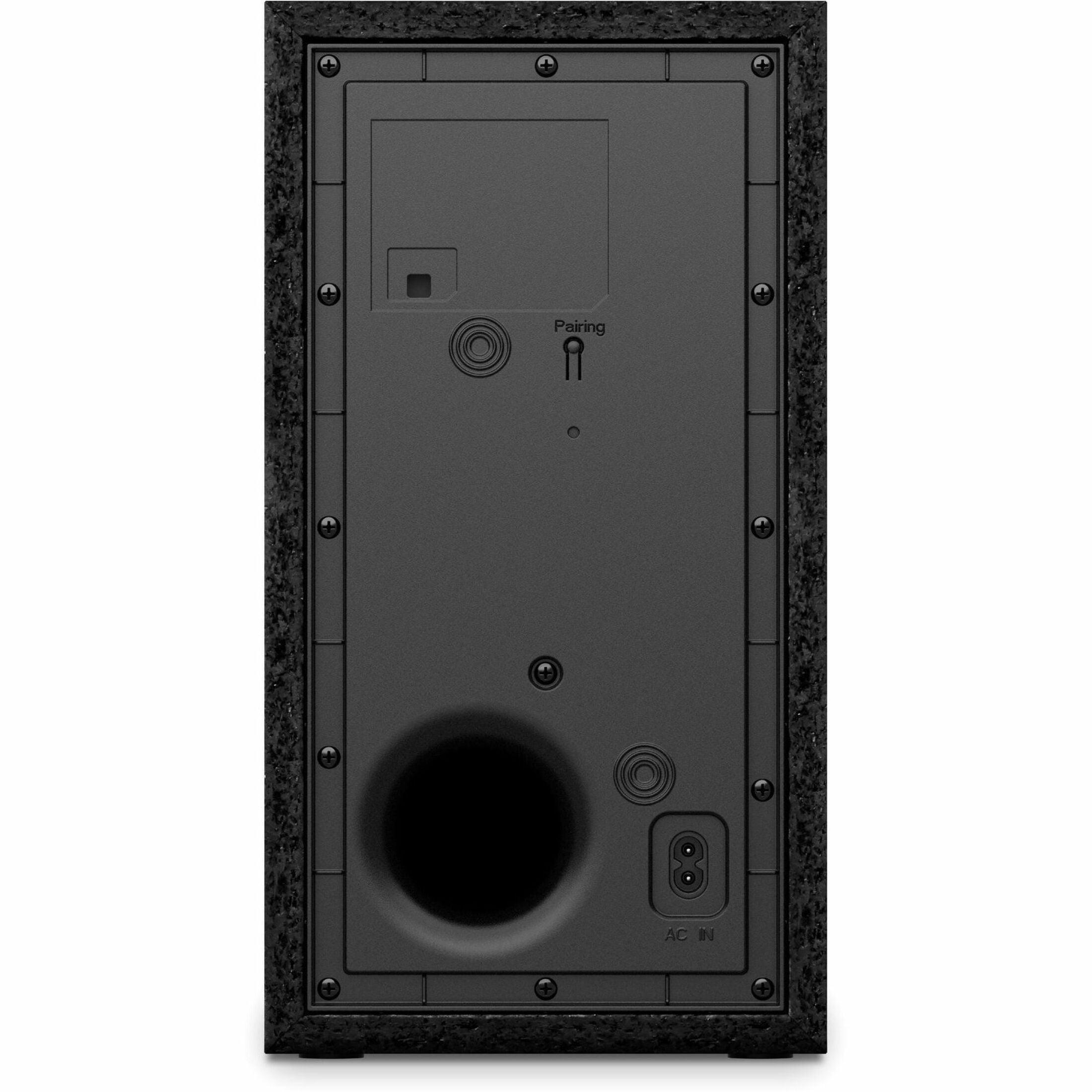
The LG S40T goes the traditional route with a dedicated wireless subwoofer that sits on your floor (or can be tucked under furniture). This 6.7-inch driver can move more air than the Klipsch's built-in units, creating that chest-thumping bass impact that many people associate with good home theater sound. There's something satisfying about feeling the bass in action movies or hip-hop music that smaller drivers simply can't replicate.
From my experience testing both systems, the Klipsch approach works better for people who value clean, controlled bass that doesn't overwhelm dialogue or music details. The LG delivers more raw bass impact—which can be thrilling for action movies but sometimes muddies vocals or makes apartment neighbors less than happy.
Here's something most people don't realize until they experience it: dialogue clarity is often the most important factor in soundbar satisfaction. You can have all the surround effects and thunderous bass in the world, but if you can't clearly understand what actors are saying, you'll end up frustrated and reaching for the remote constantly.
The Klipsch Flexus Core 300 addresses this with a dedicated center channel featuring Klipsch's signature horn-loaded tweeter technology. This horn design, which Klipsch has been perfecting for over 75 years, acts like a megaphone that focuses vocal frequencies directly toward your listening position. The result is remarkably clear dialogue that stays intelligible even when explosions and music are happening simultaneously.
The LG S40T handles dialogue through its main left and right speakers, using AI processing to identify and enhance vocal frequencies. While this approach can't match the precision of a dedicated center channel, LG's implementation is quite good for the price point, and most users find dialogue significantly clearer than their TV's built-in speakers.
Having tested both extensively, I can say the Klipsch maintains dialogue clarity even at lower volume levels—crucial for late-night viewing—while the LG requires a bit more volume to achieve the same intelligibility.
The Klipsch Flexus Core 300 made headlines by becoming the first soundbar ever to include Dirac Live room correction technology. To understand why this matters, imagine your room as a musical instrument. Just like how a guitar's body shape affects its sound, your room's size, furniture placement, and wall materials all change how audio sounds when it reaches your ears.
Dirac Live works by using the included calibration microphone to measure how sound behaves in your specific room, then automatically adjusts the soundbar's output to compensate for acoustic problems. If your room has a bass peak at 80Hz that makes everything sound boomy, Dirac Live will reduce that frequency. If your seating position creates a null at 200Hz that makes voices sound thin, the system will boost that range.
The included "Limited Bandwidth" version corrects frequencies up to 500Hz—covering the critical bass and lower midrange where most room problems occur. For audiophiles wanting full-range correction up to 20kHz, a paid upgrade unlocks the complete feature set. This is the same technology used in professional recording studios and high-end home theater installations that cost tens of thousands of dollars.
After setting up Dirac Live in multiple rooms during my testing, I can confidently say it makes a dramatic difference. Bass becomes tighter and more controlled, dialogue clarity improves noticeably, and the overall sound becomes more natural and balanced. It's like having a professional audio engineer tune your system for your specific room.
The LG S40T takes a much simpler approach with its AI Room Calibration Pro feature. Instead of using a microphone to measure your room, it analyzes the audio signal in real-time and makes automatic adjustments based on content type and volume level. Think of it as an intelligent automatic volume control that also tweaks the tone balance.
While this can't match the precision of Dirac Live's room analysis, it does provide some benefit by preventing harsh peaks and maintaining better balance across different types of content. It's particularly helpful when switching between quiet dialogue scenes and loud action sequences.
The Klipsch Flexus Core 300 includes HDMI 2.1 with full eARC (enhanced Audio Return Channel) support, which means it can handle 8K video at 60Hz and 4K video at 120Hz—perfect for the latest gaming consoles and high-end streaming devices. More importantly for audio enthusiasts, eARC can pass full-resolution Dolby Atmos and DTS:X signals without compression, ensuring you're hearing exactly what the content creators intended.
The LG S40T includes basic HDMI eARC that handles 4K video passthrough and compressed audio formats perfectly well for most users. Unless you're gaming on a PS5 or Xbox Series X with 120Hz output, or planning to upgrade to 8K content soon, this level of HDMI support covers the vast majority of real-world use cases.
Both soundbars include Bluetooth connectivity, but the Klipsch goes much further with built-in Wi-Fi, Ethernet, AirPlay 2, Google Cast, Spotify Connect, and Tidal Connect. This transforms it into a capable wireless speaker system even when your TV is off. The LG S40T focuses on the essentials with Bluetooth and good integration with LG TVs through the WOW Interface.
From my experience, the Klipsch's extensive streaming options make it feel like a complete audio system rather than just a TV accessory, while the LG covers the basics that most people actually use day-to-day.
The Klipsch Flexus Core 300 can produce up to 106 decibels of peak output—that's loud enough to fill rooms up to 400 square feet without strain. Its wide soundstage and height effects work best when you have some space for the sound to develop, making it ideal for medium to large living rooms or dedicated home theater spaces.
The LG S40T works best in smaller to medium-sized rooms where its 300 watts of total power can effectively compete with ambient noise without overwhelming the space. In my apartment testing, it provided excellent performance for spaces up to about 200 square feet.
For apartment dwellers, both soundbars offer benefits, but in different ways. The Klipsch's built-in subwoofers and night mode prevent the low-frequency transmission through floors and walls that external subwoofers can cause. However, its sophisticated processing and multiple sound modes might be overkill for casual viewing.
The LG S40T gives apartment residents that satisfying subwoofer impact while remaining reasonably neighbor-friendly if positioned thoughtfully. Its simpler operation also means less fiddling with settings—just turn it on and enjoy better sound.
The Klipsch Flexus Core 300 represents what I'd call an "investment purchase." At $1,199, you're paying for professional-grade room correction technology, premium drivers, and an expandable ecosystem that can grow into a full surround system. If you plan to keep this system for 5-10 years and gradually add rear speakers or additional subwoofers, the modular approach makes financial sense.
The LG S40T at $155.95 offers what might be the best bang-for-buck in the entire soundbar market. You're getting a wireless subwoofer, decent processing, and a significant upgrade over TV speakers for less than the cost of a nice dinner for two. Even if you replace it in a few years, you'll have gotten excellent value from your investment.
The Klipsch system shines in its expansion potential. You can add Flexus Surr 200 wireless rear speakers ($399) for true 5.1.2 surround sound, or even add up to two Flexus Sub 200 wireless subwoofers for rooms that need extra bass impact. This modular approach lets you spread the cost over time while building a genuinely high-end home theater system.
The LG system is complete as purchased—what you buy is what you get. There's no expansion path, but there's also no pressure to spend more money or complexity to manage.
You have the budget for a premium audio experience and want technology that will remain relevant for years to come. If you regularly watch Dolby Atmos content on Netflix, Disney+, or 4K Blu-ray discs, the immersive experience justifies the cost. The Klipsch also makes sense if you're building a home theater room where audio quality is a primary concern, or if you want room correction technology that optimizes performance for your specific space.
From my testing, this soundbar particularly excels with content that has complex soundtracks—think Marvel movies, nature documentaries, or concert films where the spatial audio effects truly enhance the experience.
Your priority is getting the biggest improvement in TV audio for the least money. If you mainly watch regular TV shows, news, and occasional movies, the LG provides excellent dialogue clarity and satisfying bass impact without unnecessary complexity. It's also the smart choice for smaller rooms, apartments, or situations where you want better sound without learning new technology or managing multiple components.
This soundbar works particularly well for people upgrading from TV speakers for the first time—the improvement is dramatic and immediately satisfying.
Honestly, there's a significant gap between these two products that might leave some buyers wanting something in between. If the Klipsch Flexus Core 300 feels too expensive but the LG S40T seems too basic, consider that many excellent Dolby Atmos soundbars exist in the $400-600 range that offer height effects without premium room correction.
Both soundbars excel in their intended roles. The Klipsch represents the cutting edge of soundbar technology with professional-grade features that justify its premium price for serious audio enthusiasts. The LG delivers exceptional value and immediate satisfaction for anyone wanting better TV audio without complexity or high cost.
Your choice ultimately depends on your budget, room size, content preferences, and how important audio quality is to your overall entertainment experience. Neither choice is wrong—they're just designed for different priorities and different buyers.
| Klipsch Flexus Core 300 ($1,199) | LG S40T ($155.95) |
|---|---|
| Channel Configuration - Determines surround sound immersion capability | |
| 5.1.2 Dolby Atmos with dedicated height channels | 2.1 stereo with wireless subwoofer |
| Driver Count - More drivers enable better sound separation | |
| 13 discrete drivers (up-firing, side-firing, front-firing) | 3 main speakers plus subwoofer driver |
| Room Correction Technology - Optimizes sound for your specific room | |
| Dirac Live professional calibration with included microphone | AI Room Calibration Pro (basic automatic adjustment) |
| Bass Configuration - Affects placement flexibility and bass impact | |
| Four 4-inch built-in subwoofers (no external unit needed) | Dedicated wireless subwoofer (6.7-inch driver, requires floor space) |
| HDMI Support - Future-proofs for gaming and 8K content | |
| HDMI 2.1 with 8K/60Hz and 4K/120Hz passthrough | HDMI eARC with 4K passthrough |
| Maximum Output - Determines room size capability | |
| 106 dB peak (suitable for large rooms up to 400 sq ft) | 300W total power (ideal for small-medium rooms up to 200 sq ft) |
| Streaming Connectivity - Wireless music playback options | |
| Wi-Fi, Bluetooth 5.3, AirPlay 2, Google Cast, Spotify Connect | Bluetooth connectivity with LG TV integration |
| Expandability - Ability to add components later | |
| Compatible with wireless rear speakers and additional subwoofers | Standalone system with no expansion options |
| Dimensions - Physical footprint in your entertainment center | |
| 54" W × 3.1" H × 4.9" D (34.5 lbs) | 28.4" W × 2.5" H × 3.4" D (1.65 lbs soundbar) |
| Frequency Response - Range of audio frequencies reproduced | |
| 43 Hz – 20 kHz (extends lower for better bass) | Standard range with subwoofer enhancement |
| Smart Home Integration - Compatibility with automation systems | |
| Control4, Crestron, RTI professional integration | Basic app control and LG TV sync |
| Release Date - Technology generation and feature updates | |
| Early 2025 (latest Flexus ecosystem launch) | Early 2025 (updated budget lineup) |
The primary difference is immersive audio capability versus basic TV enhancement. The Klipsch Flexus Core 300 ($1,199) offers 5.1.2 Dolby Atmos with height channels for cinematic surround sound, while the LG S40T ($155.95) provides 2.1 stereo audio with a wireless subwoofer for enhanced dialogue and bass. The Klipsch creates 3D audio effects, while the LG focuses on improving regular TV audio quality.
The Klipsch Flexus Core 300 is significantly better for dedicated home theater setups. It supports Dolby Atmos and DTS:X formats, includes professional Dirac Live room correction, and can expand with wireless rear speakers for true surround sound. The system works best in medium to large rooms and excels with movie content that uses object-based audio mixing.
No separate subwoofer is needed with either option. The Klipsch Flexus Core 300 has four built-in 4-inch subwoofers integrated into the soundbar itself, while the LG S40T includes a wireless subwoofer in the box. The Klipsch approach saves floor space, while the LG's dedicated sub typically provides more bass impact.
The LG S40T ($155.95) offers exceptional value, providing a significant upgrade over TV speakers with wireless subwoofer included at a budget price. The Klipsch Flexus Core 300 ($1,199) offers premium value for those wanting professional-grade features like Dirac Live room correction and expandable surround sound capabilities.
Yes, both support wireless connectivity. The Klipsch Flexus Core 300 includes Bluetooth 5.3, Wi-Fi, AirPlay 2, Google Cast, and multiple streaming services. The LG S40T offers Bluetooth connectivity and integrates well with LG TVs through the WOW Interface. The Klipsch provides more comprehensive wireless streaming options.
The LG S40T is typically better suited for smaller spaces due to its more compact size and appropriate power output for rooms up to 200 square feet. The Klipsch Flexus Core 300 can work in small rooms but may be overpowered, though its night mode and built-in subwoofers help prevent neighbor disturbance compared to external subs.
The Klipsch Flexus Core 300 supports both 4K/120Hz and 8K/60Hz passthrough via HDMI 2.1, making it future-proof for gaming and next-generation content. The LG S40T supports 4K passthrough through HDMI eARC, which covers most current streaming and gaming needs but lacks 8K support.
The Klipsch Flexus Core 300 provides superior dialogue clarity with its dedicated center channel and horn-loaded tweeter technology that focuses vocal frequencies toward listeners. The LG S40T offers good dialogue enhancement through AI processing of its main speakers, providing clear speech that's much better than TV speakers.
Only the Klipsch Flexus Core 300 offers expansion options. You can add Flexus Surr 200 wireless rear speakers and up to two additional Flexus Sub 200 subwoofers to create a full surround system. The LG S40T is a complete standalone system with no expansion capabilities.
The LG S40T is simpler to set up with basic plug-and-play operation, automatic wireless subwoofer pairing, and straightforward controls. The Klipsch Flexus Core 300 offers more setup options including Dirac Live room calibration, multiple sound modes, and extensive connectivity, which provides better performance but requires more initial configuration.
The Klipsch Flexus Core 300 measures 54 inches wide and weighs 34.5 pounds, designed for larger TVs and entertainment centers. The LG S40T soundbar is 28.4 inches wide and weighs only 1.65 pounds, making it suitable for smaller TVs and easier wall mounting, though you'll need floor space for its wireless subwoofer.
Choose the LG S40T ($155.95) if you want the best TV audio upgrade under $200 with wireless subwoofer included. Select the Klipsch Flexus Core 300 ($1,199) if you have a premium budget and want professional-grade features like Dirac Live room correction, Dolby Atmos immersion, and expandable surround sound for a dedicated home theater experience.
We've done our best to create useful and informative comparisons to help you decide what product to buy. Our research uses advanced automated methods to create this comparison and perfection is not possible - please contact us for corrections or questions. These are the sites we've researched in the creation of this article: crutchfield.com - whathifi.com - avnirvana.com - hometechnologyreview.com - ecoustics.com - gearpatrol.com - klipsch.com - avsforum.com - youtube.com - avsforum.com - listenup.com - chowmain.software - klipsch.com - novis.ch - avsforum.com - klipsch.ca - lefflers.se - abt.com - sweetwater.com - wifihifi.com - klipsch.com - dirac.com - bestbuy.com - bestbuy.com - rtings.com - pcrichard.com - lg.com - lg.com - lg.com - lg.com - microcenter.com - flanners.com - bestbuy.com - microcenter.com

Privacy Policy
Terms and Conditions - Affiliate Policy
Home Security
© Copyright 2008-2026.
11816 Inwood Rd #1211, Dallas, TX 75244